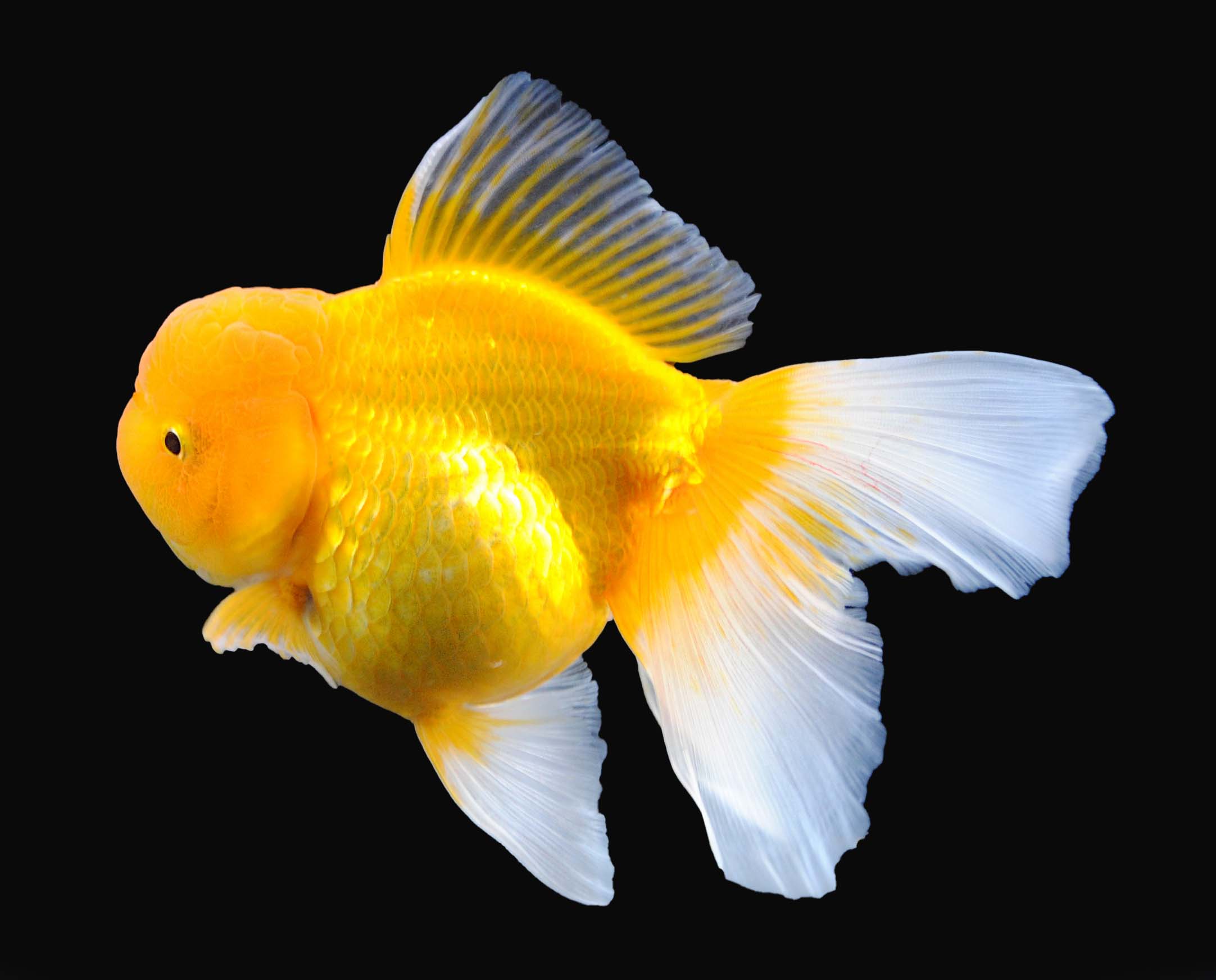
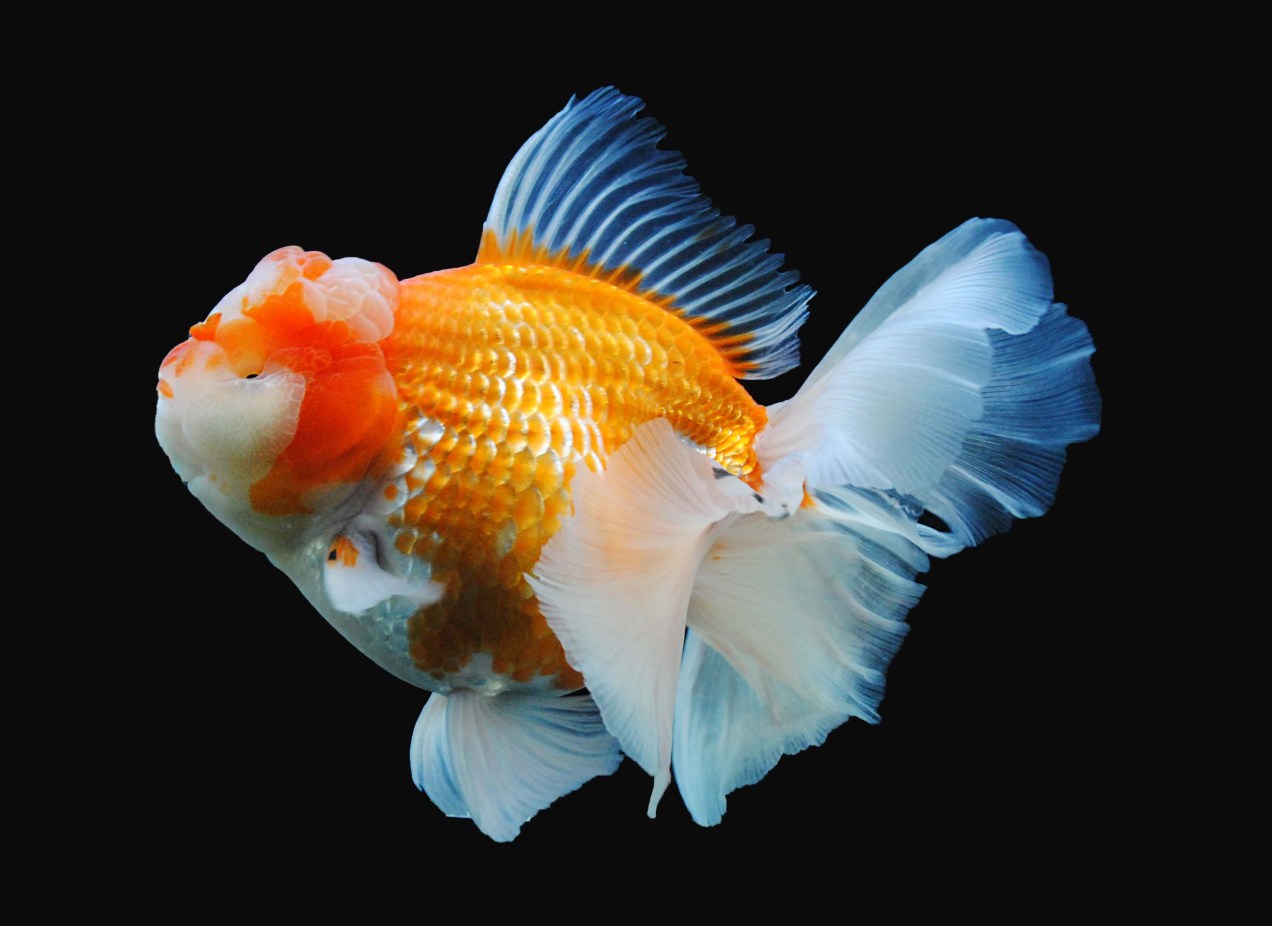
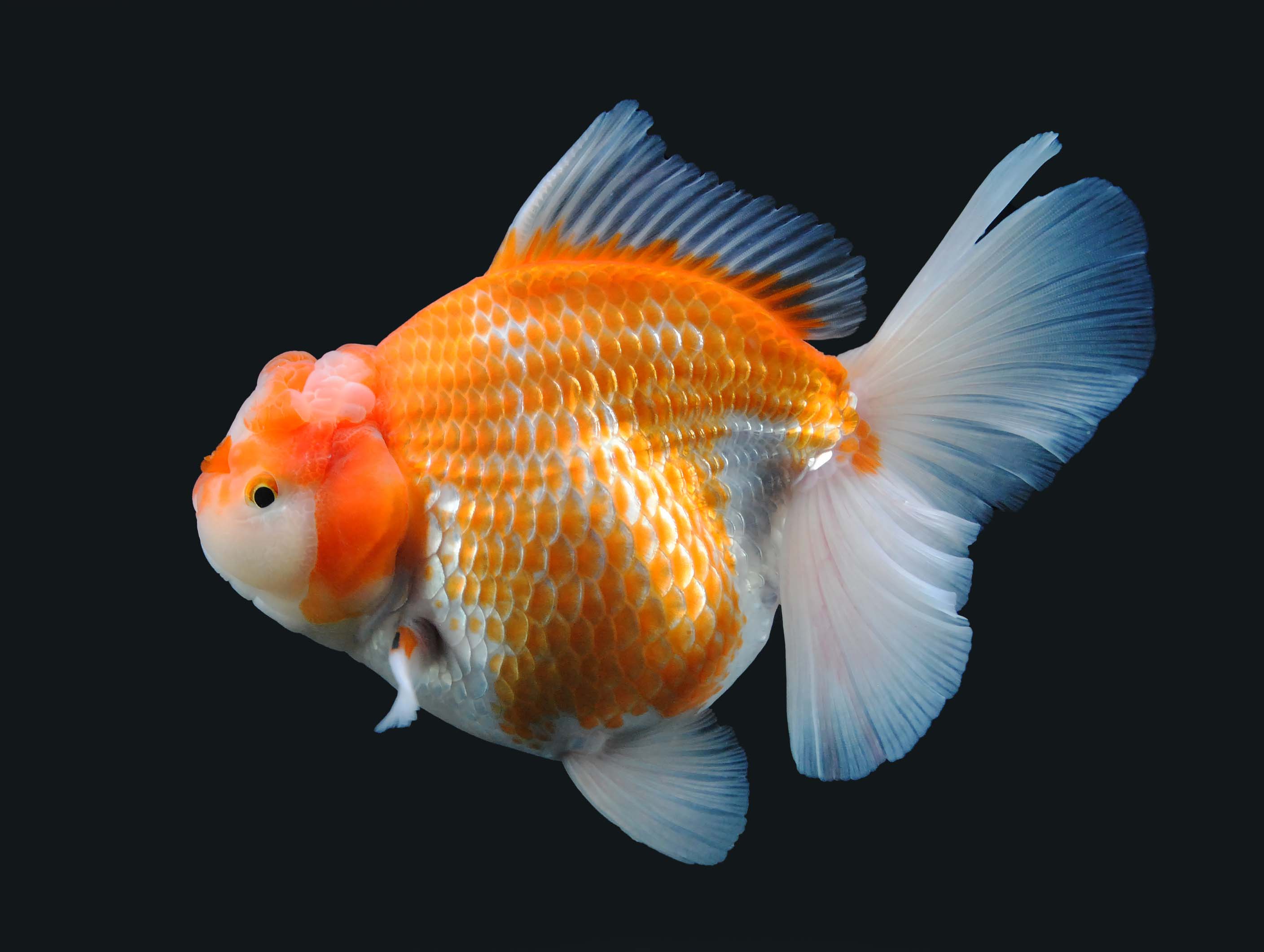
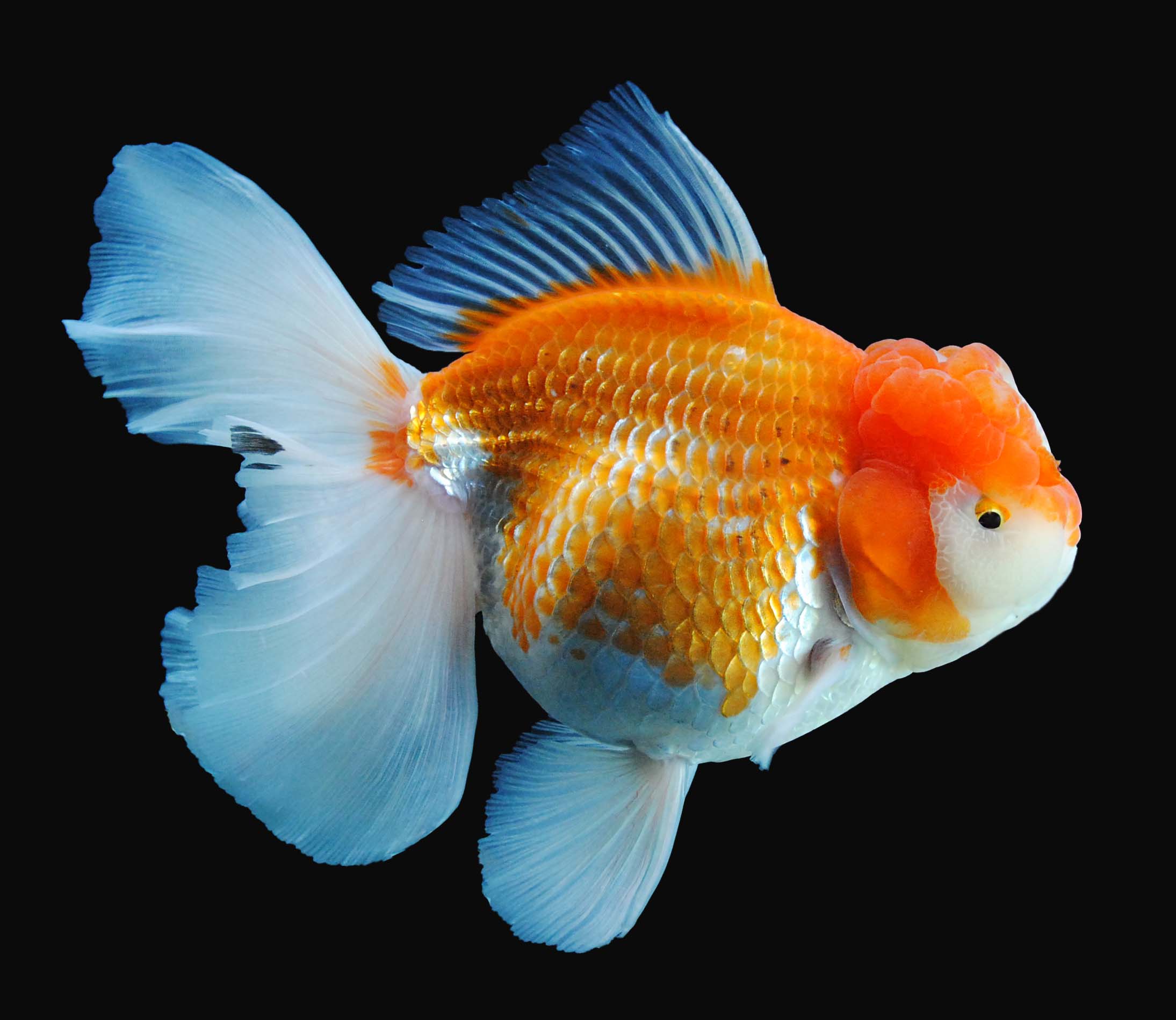
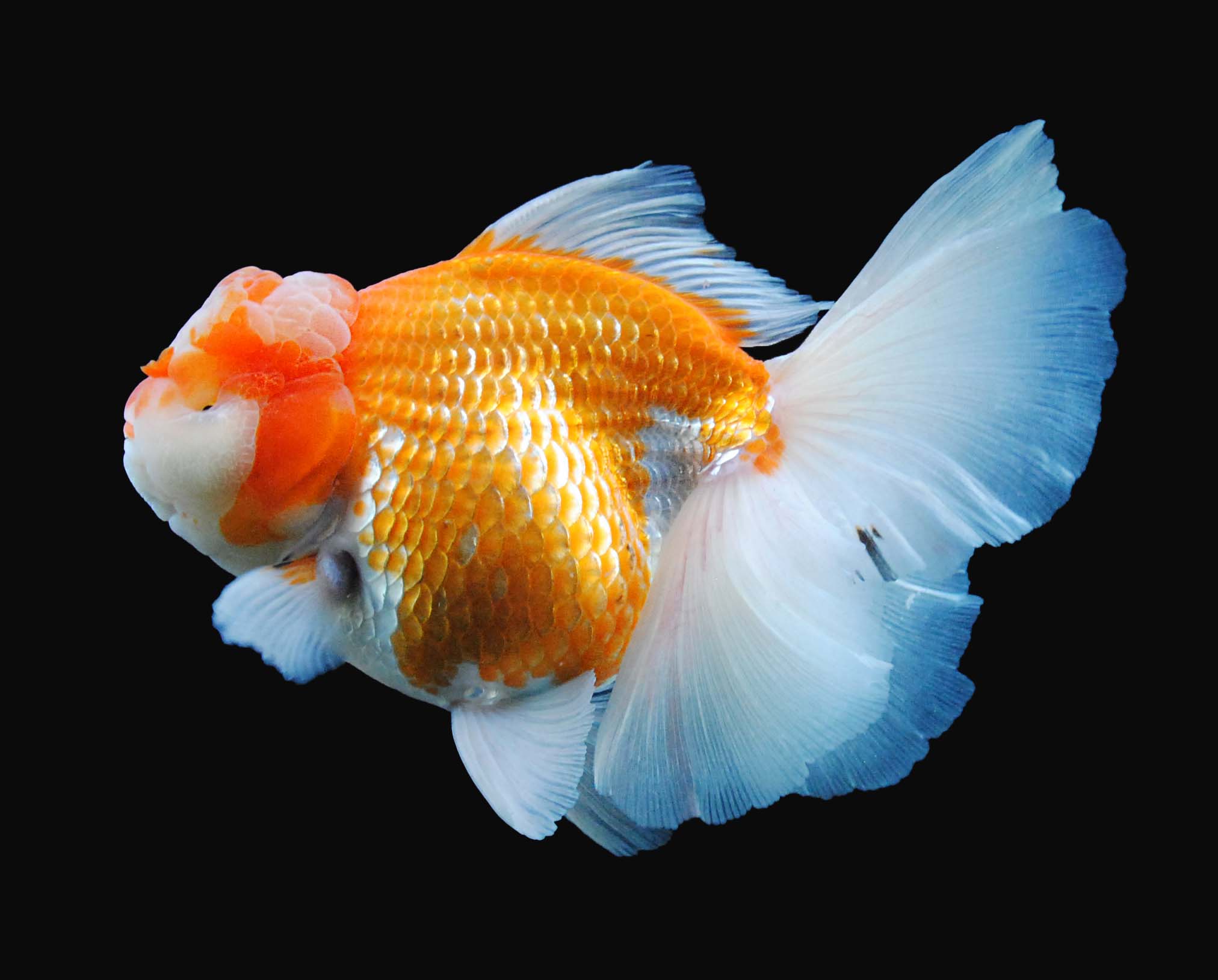
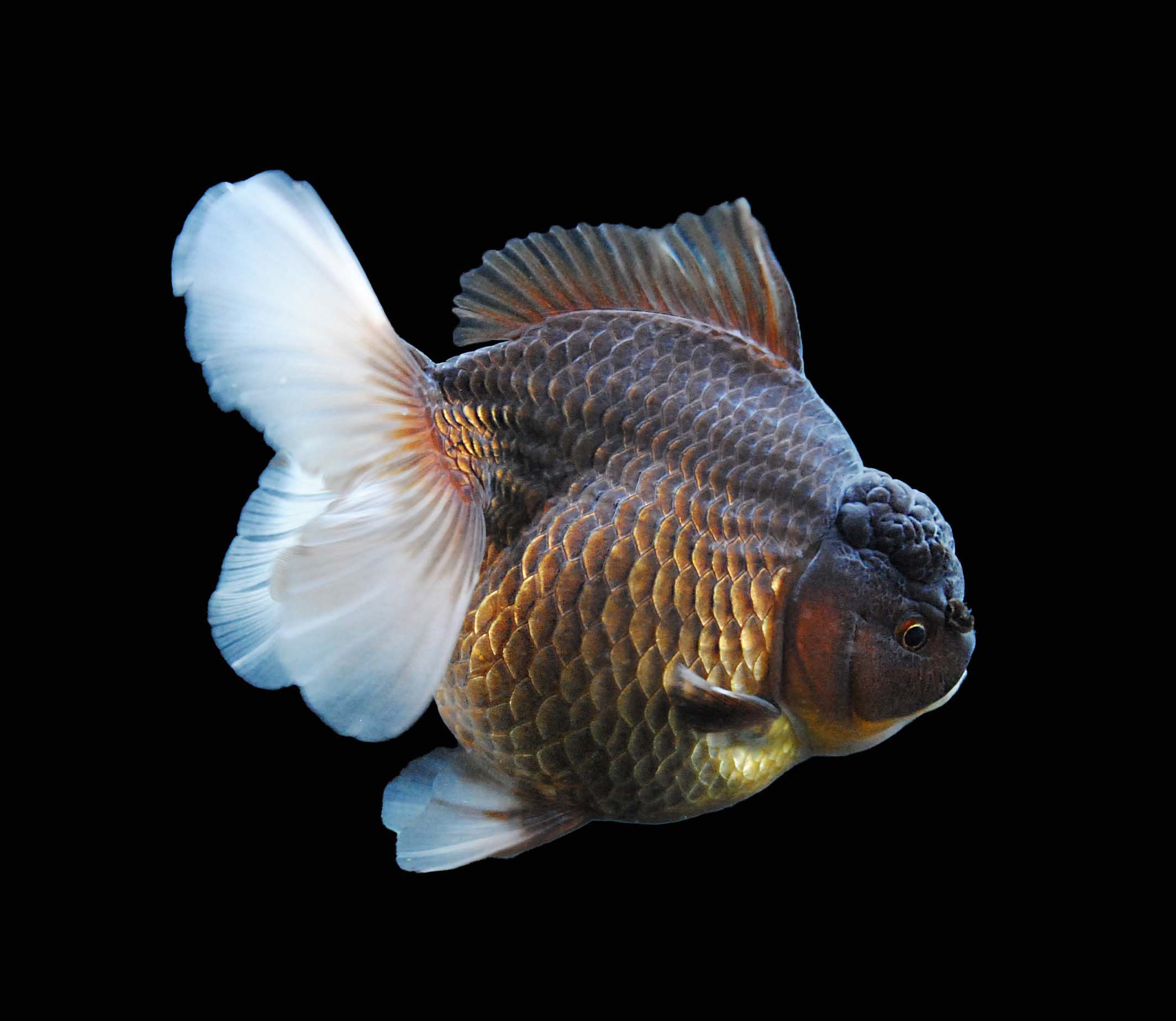
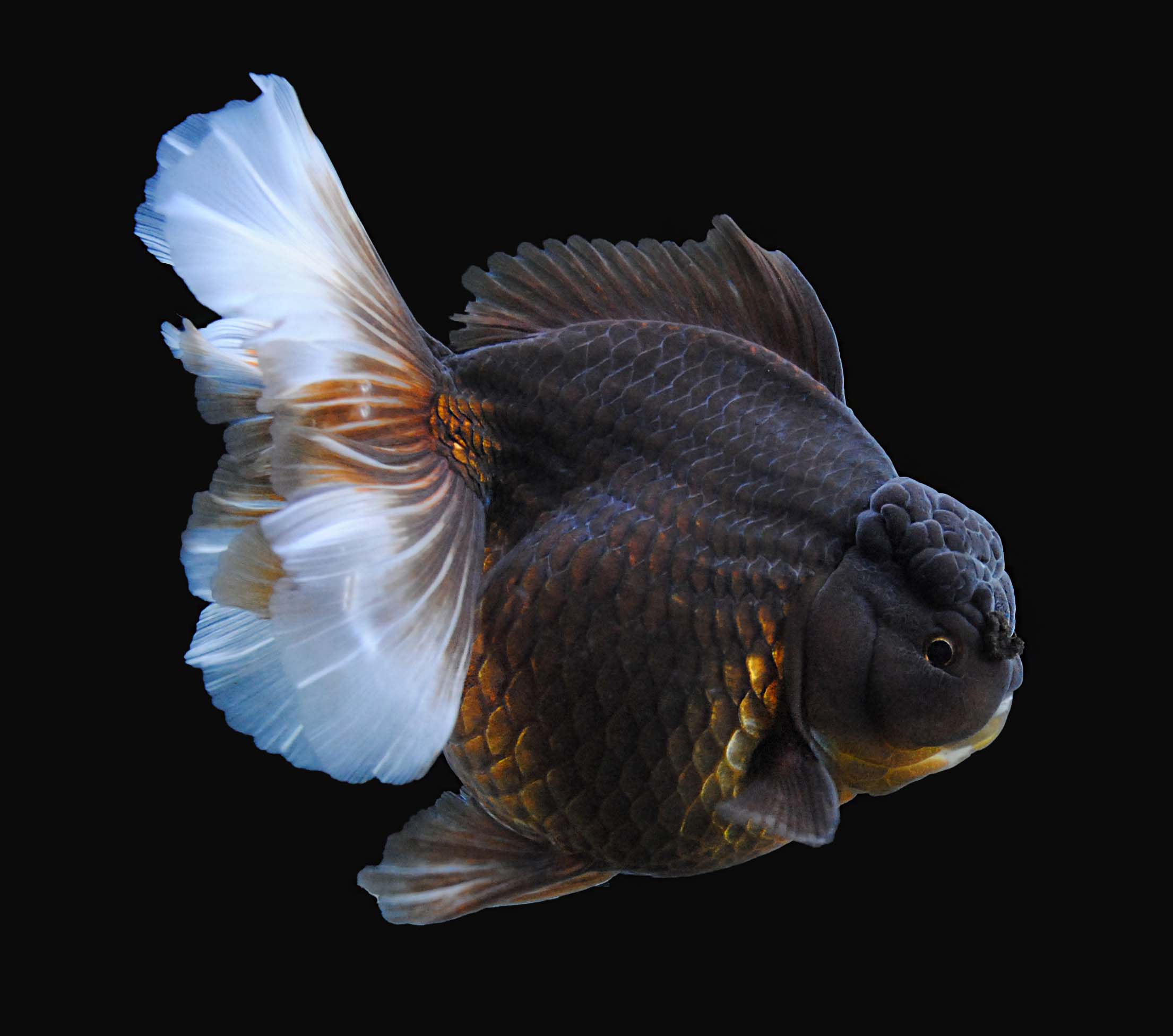
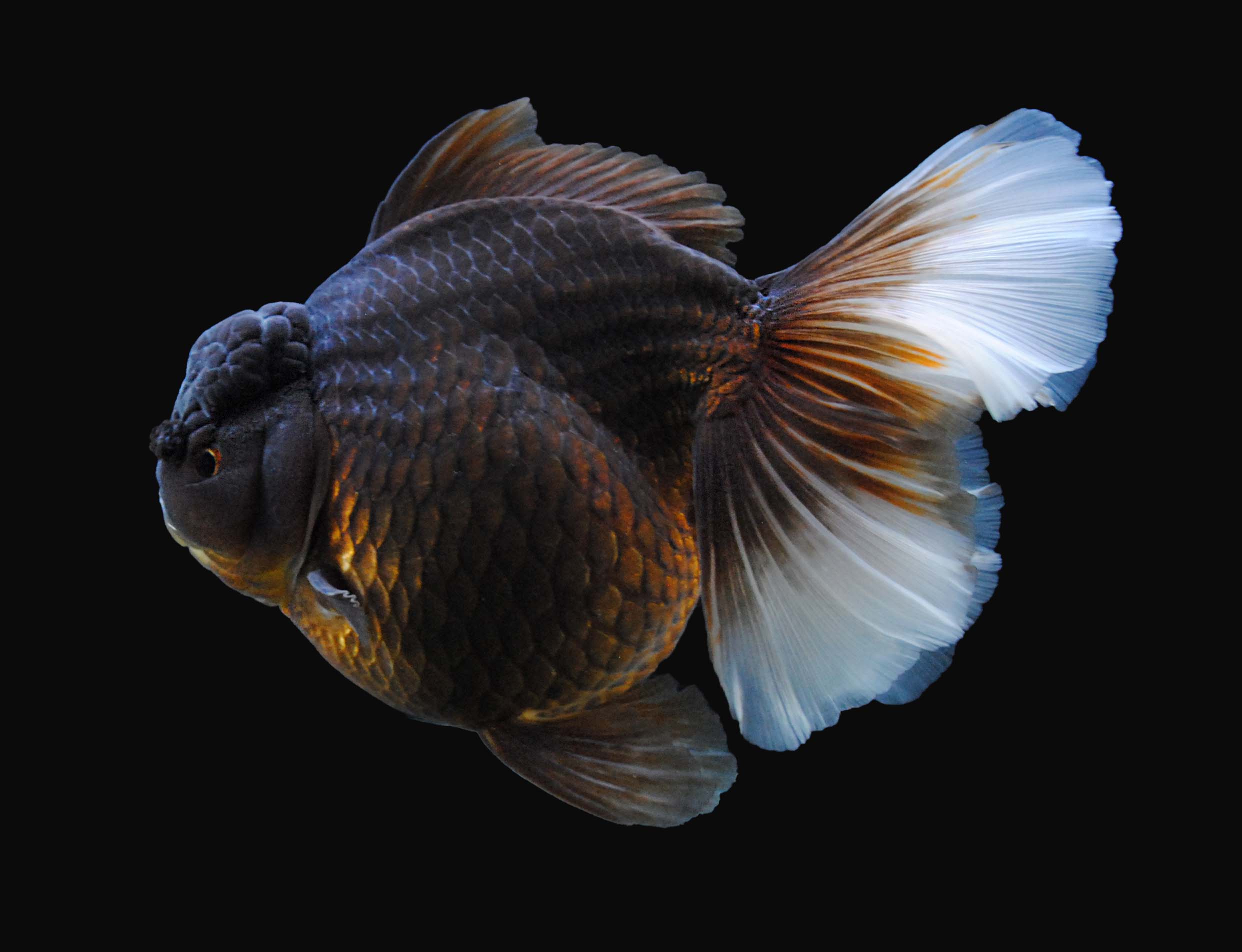
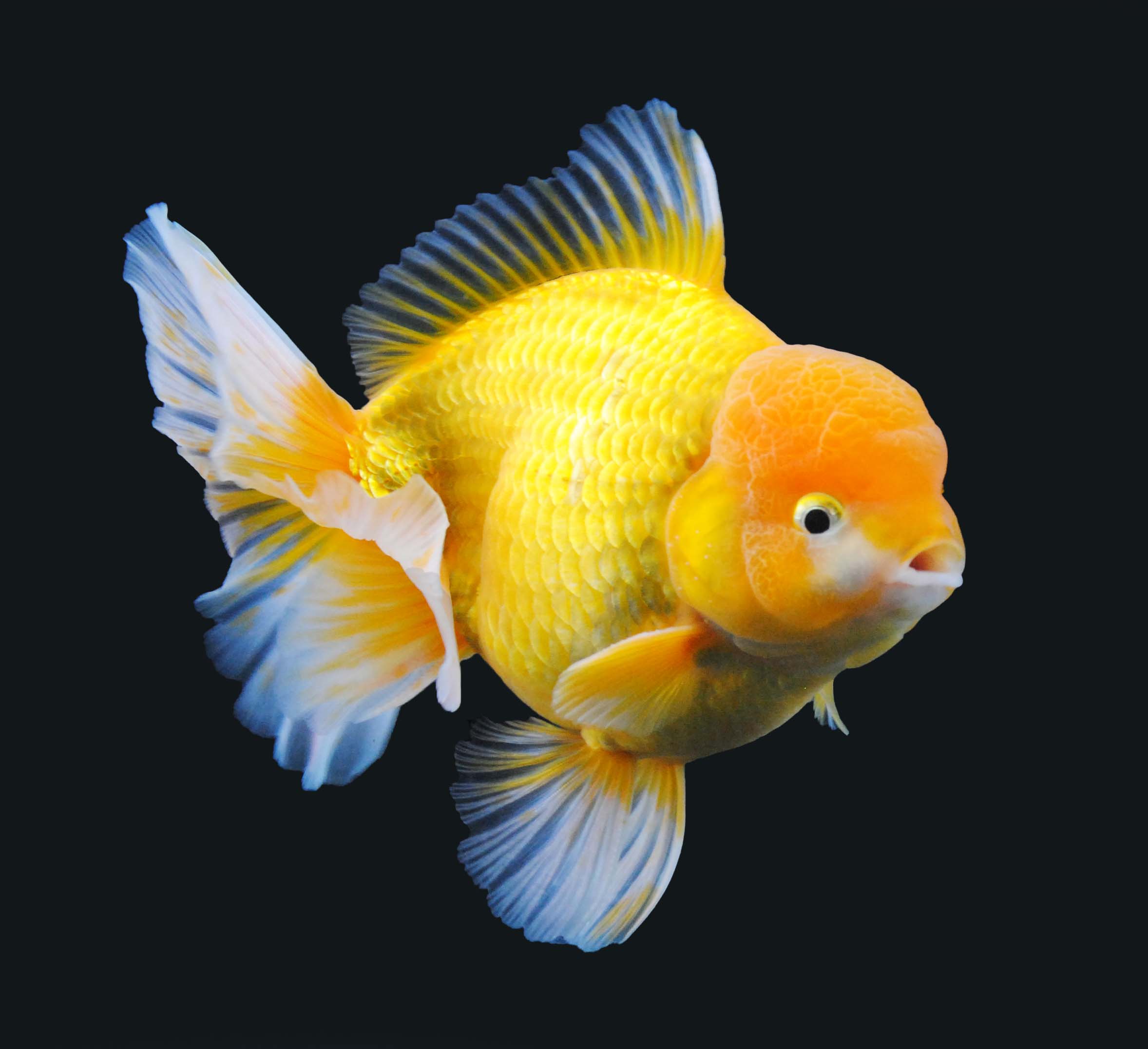
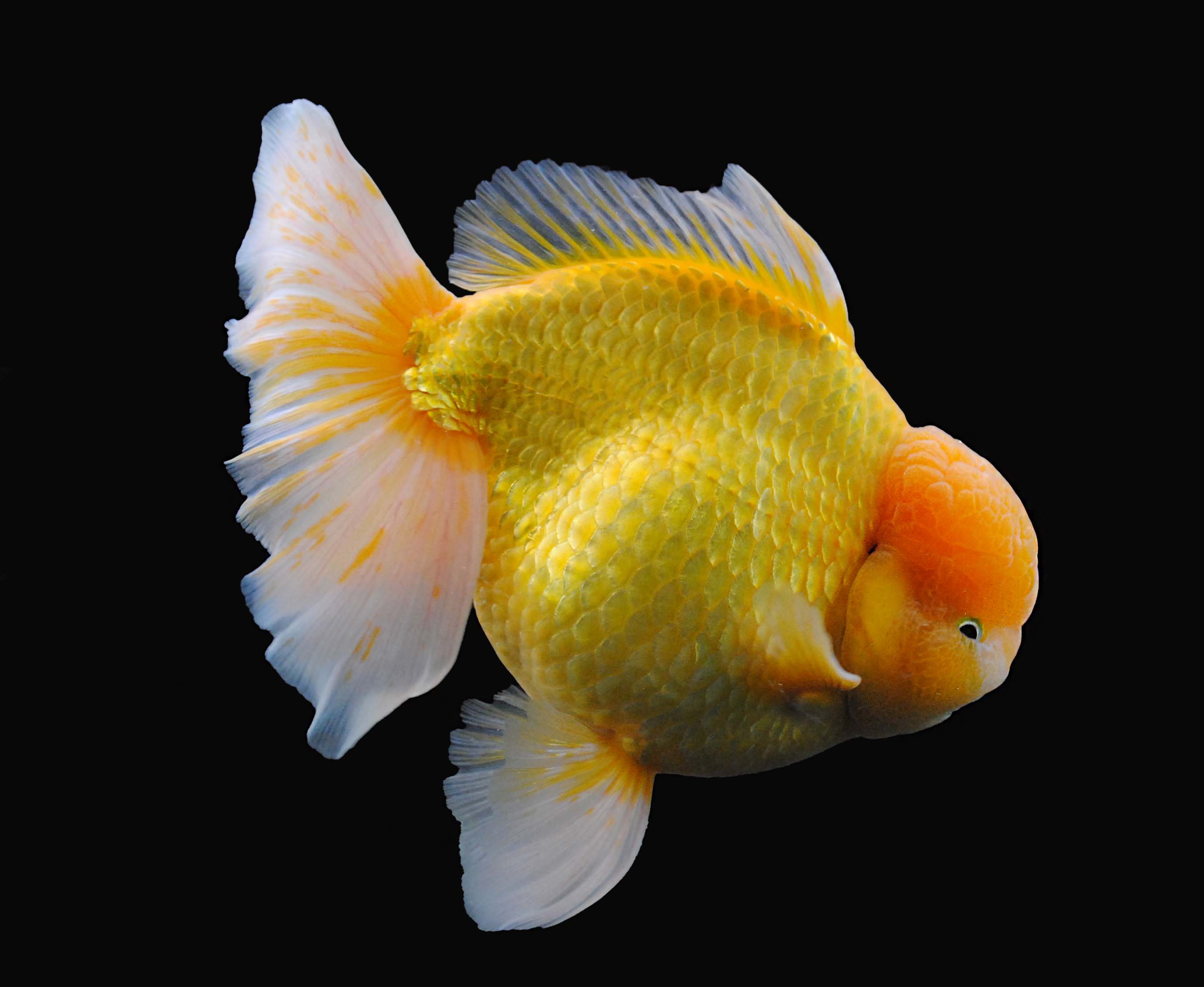
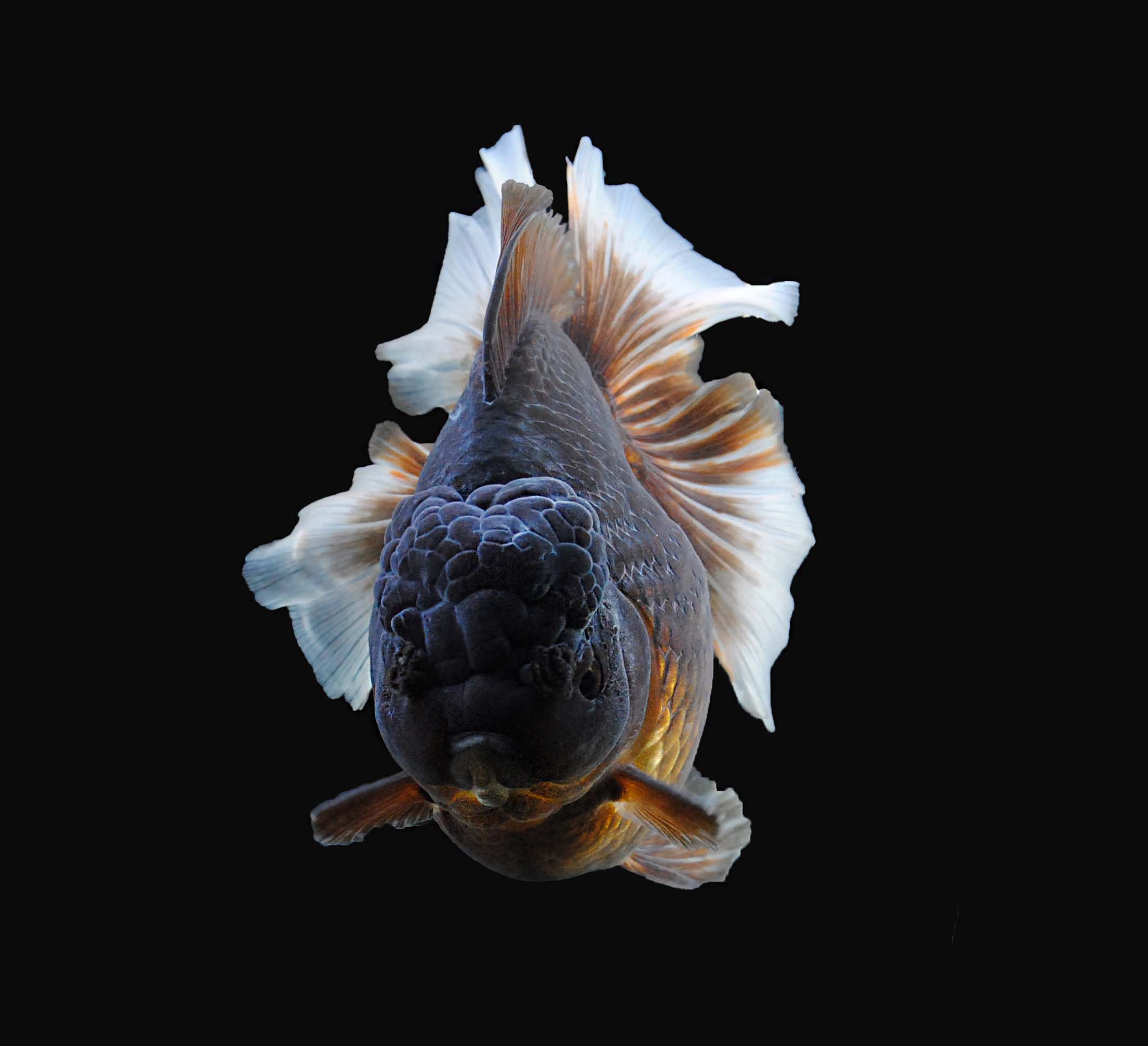
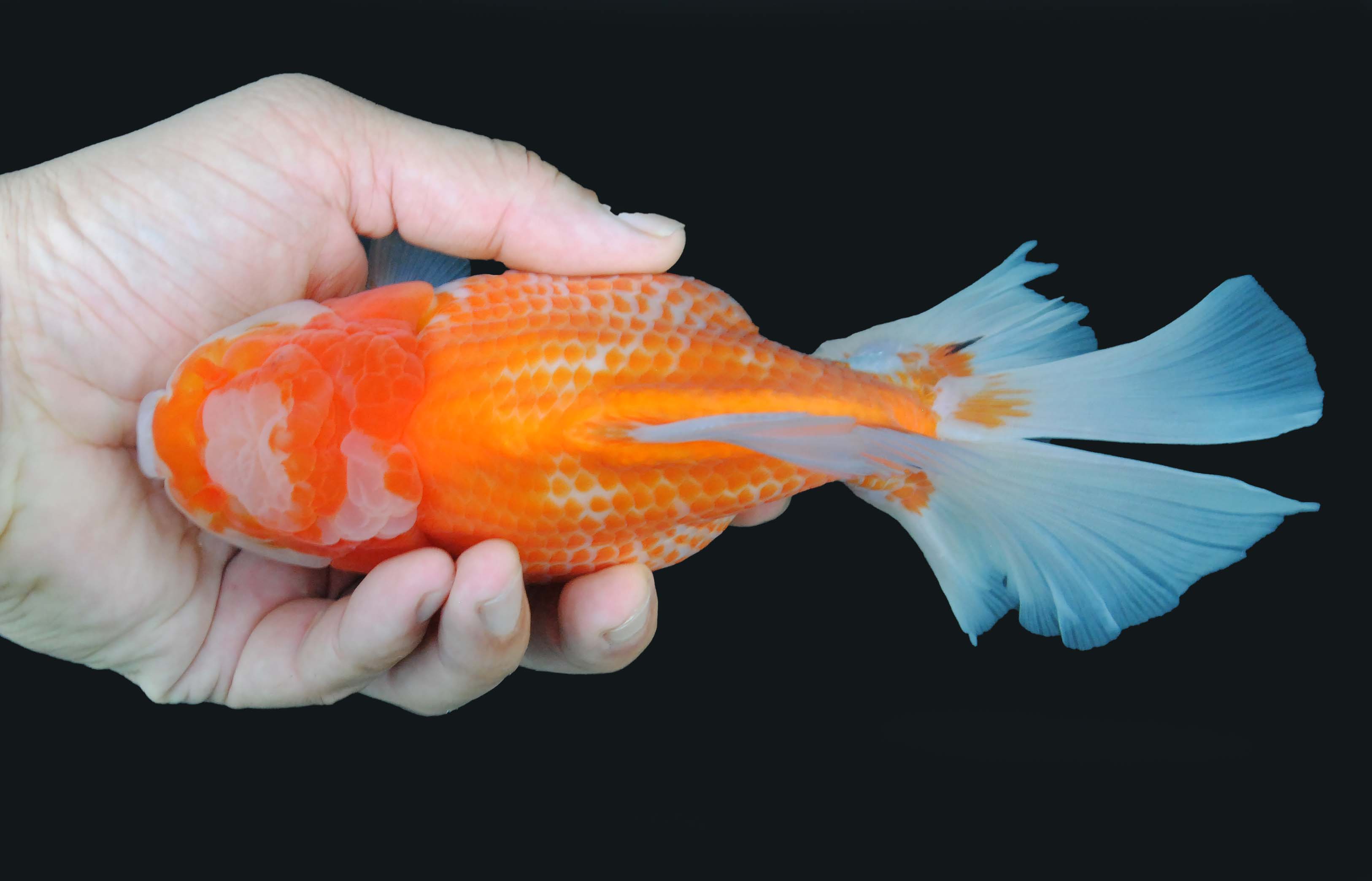
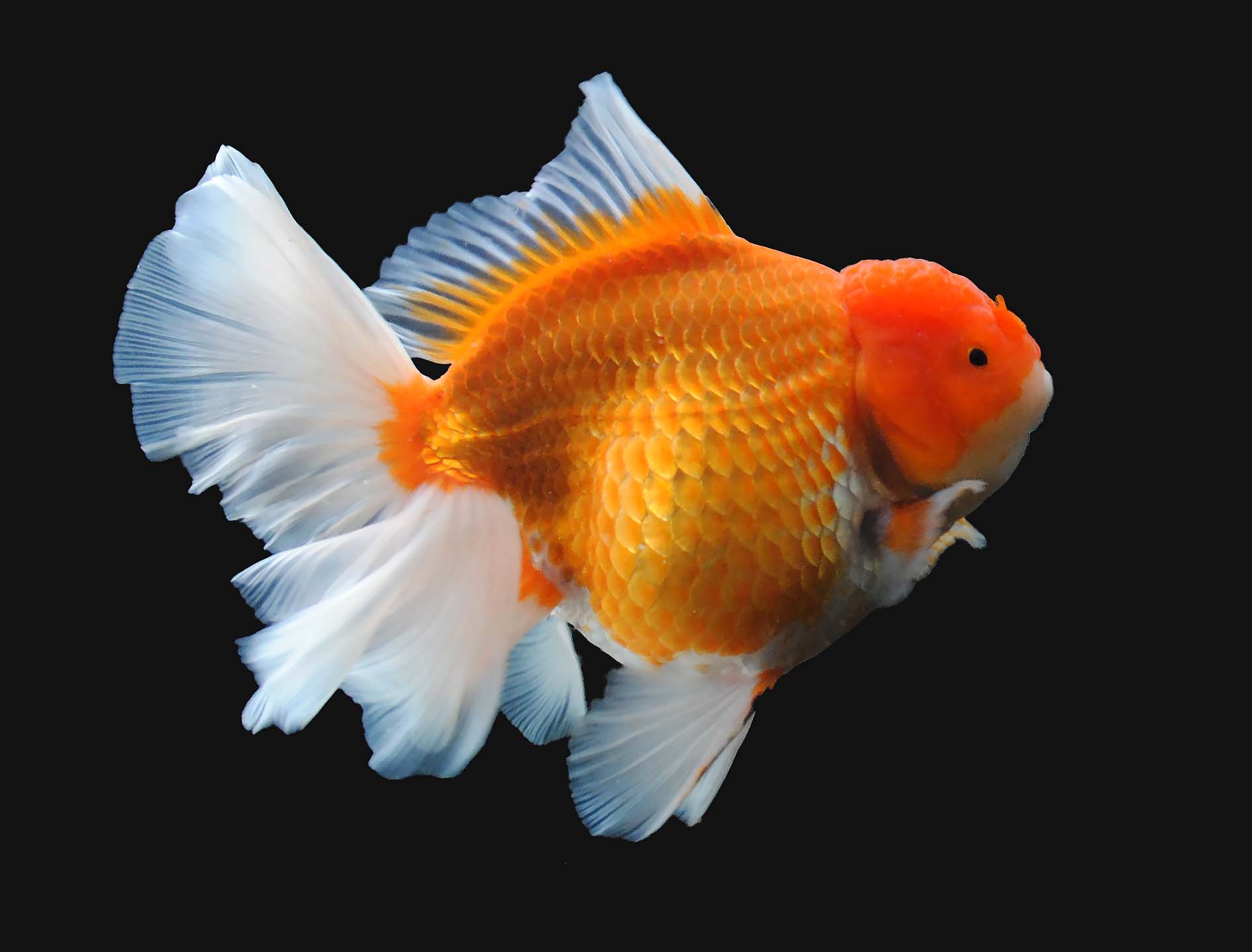
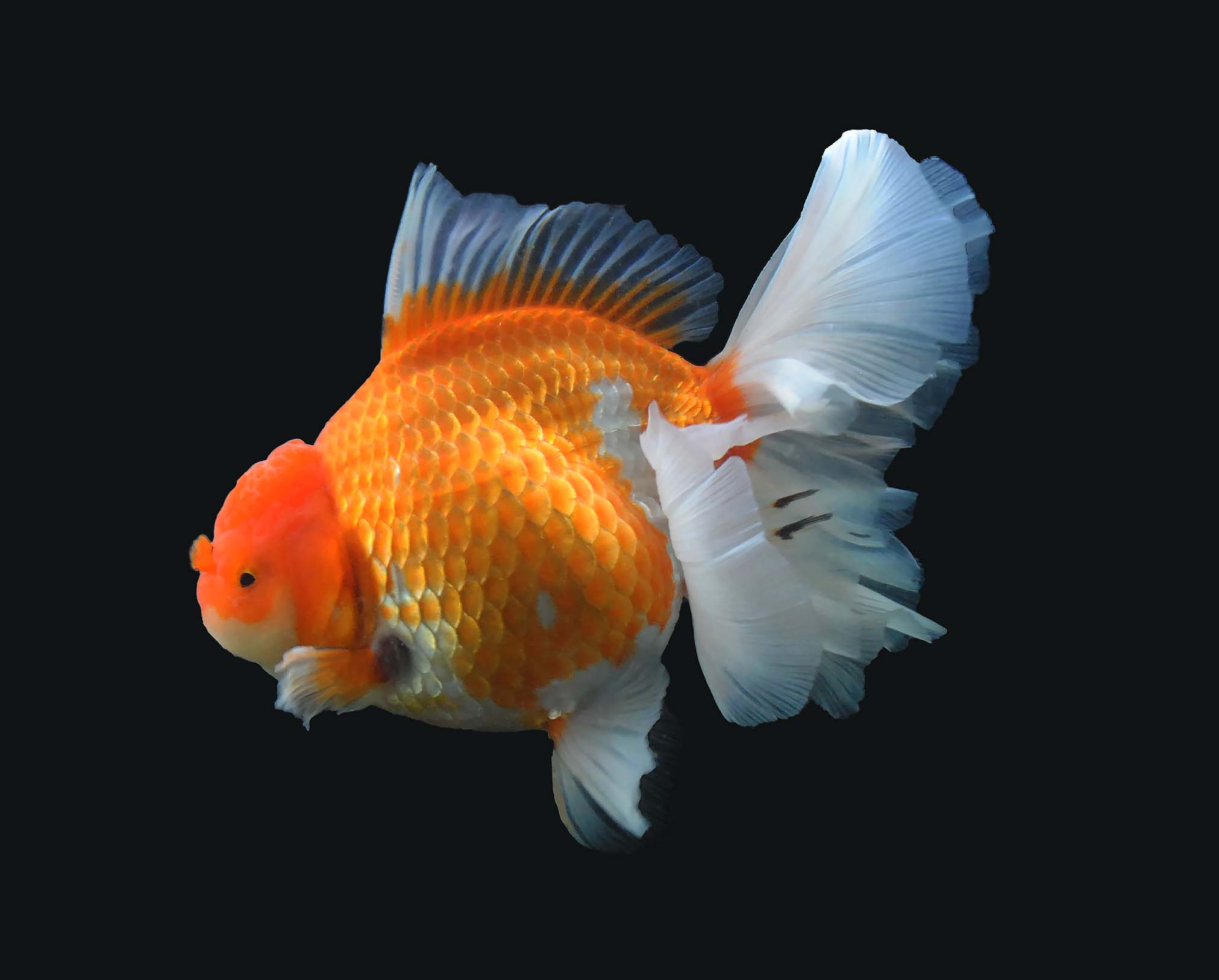
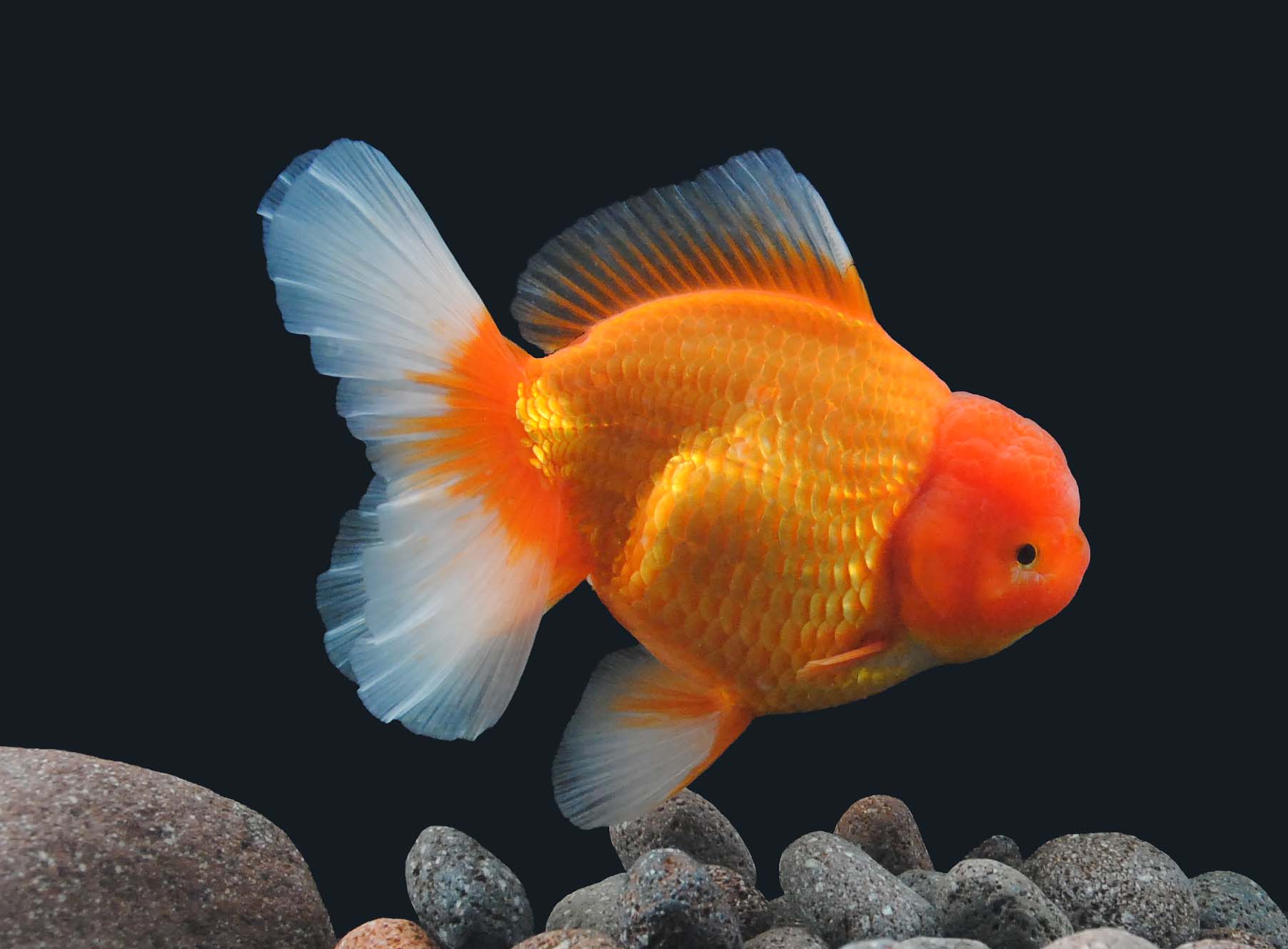
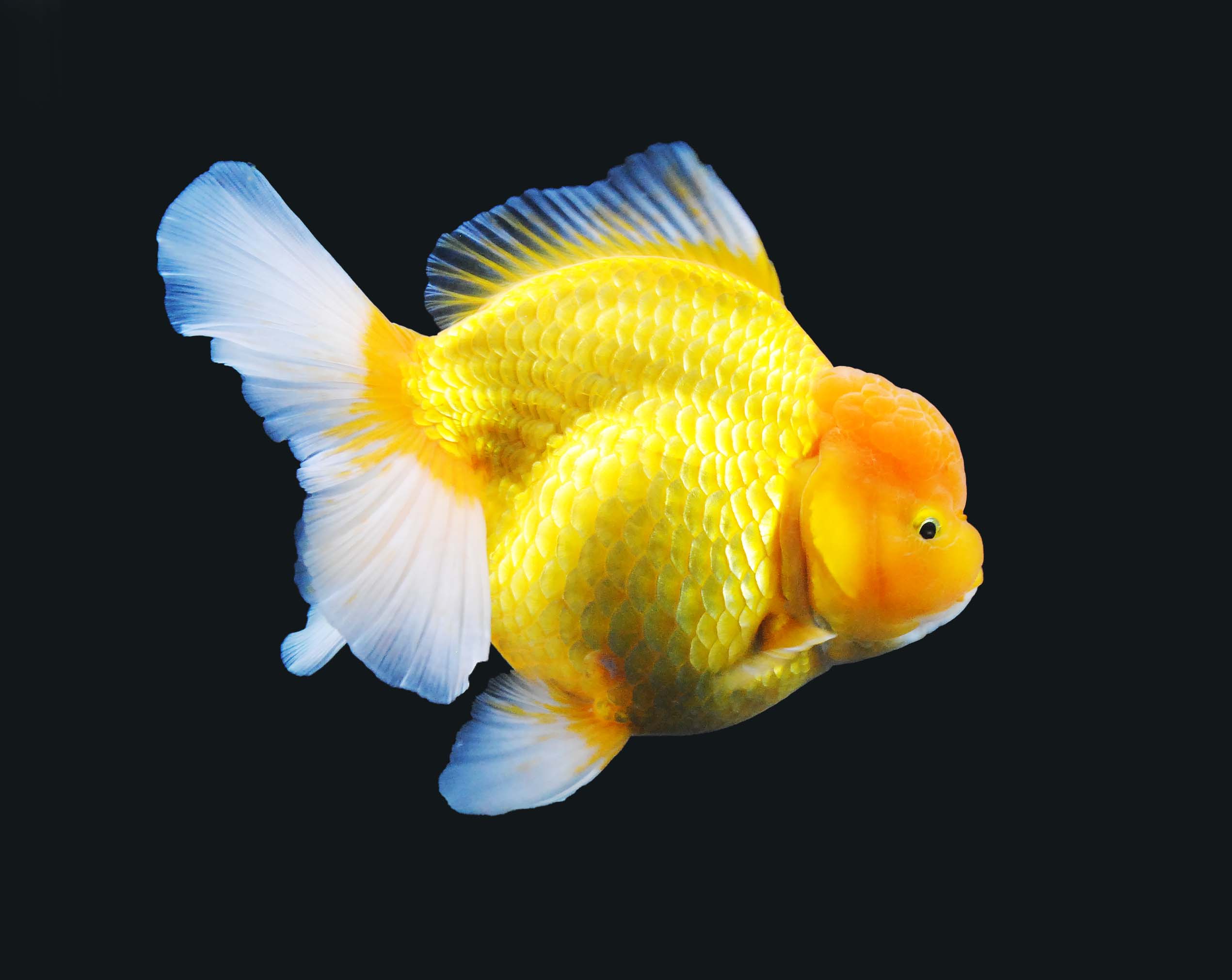
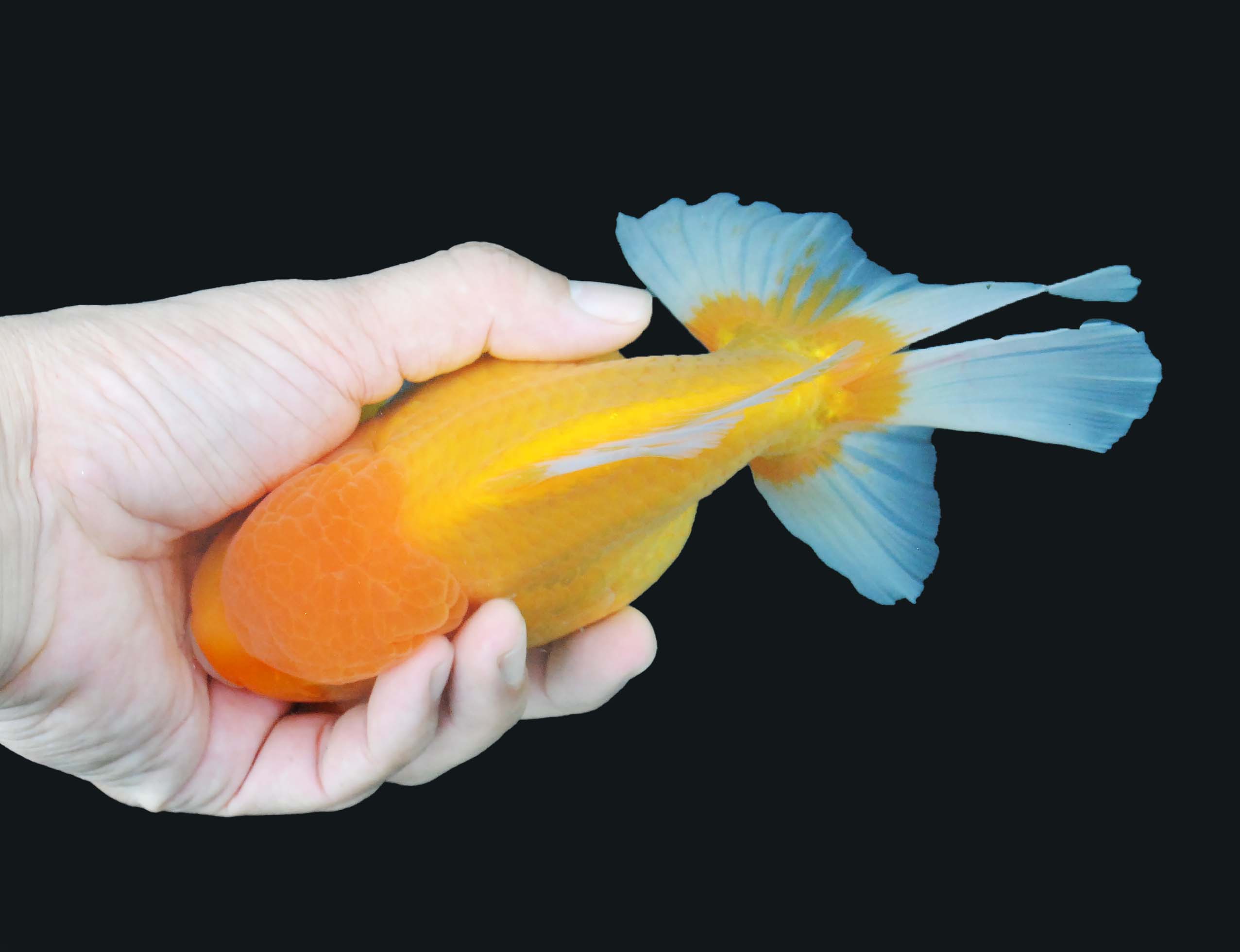
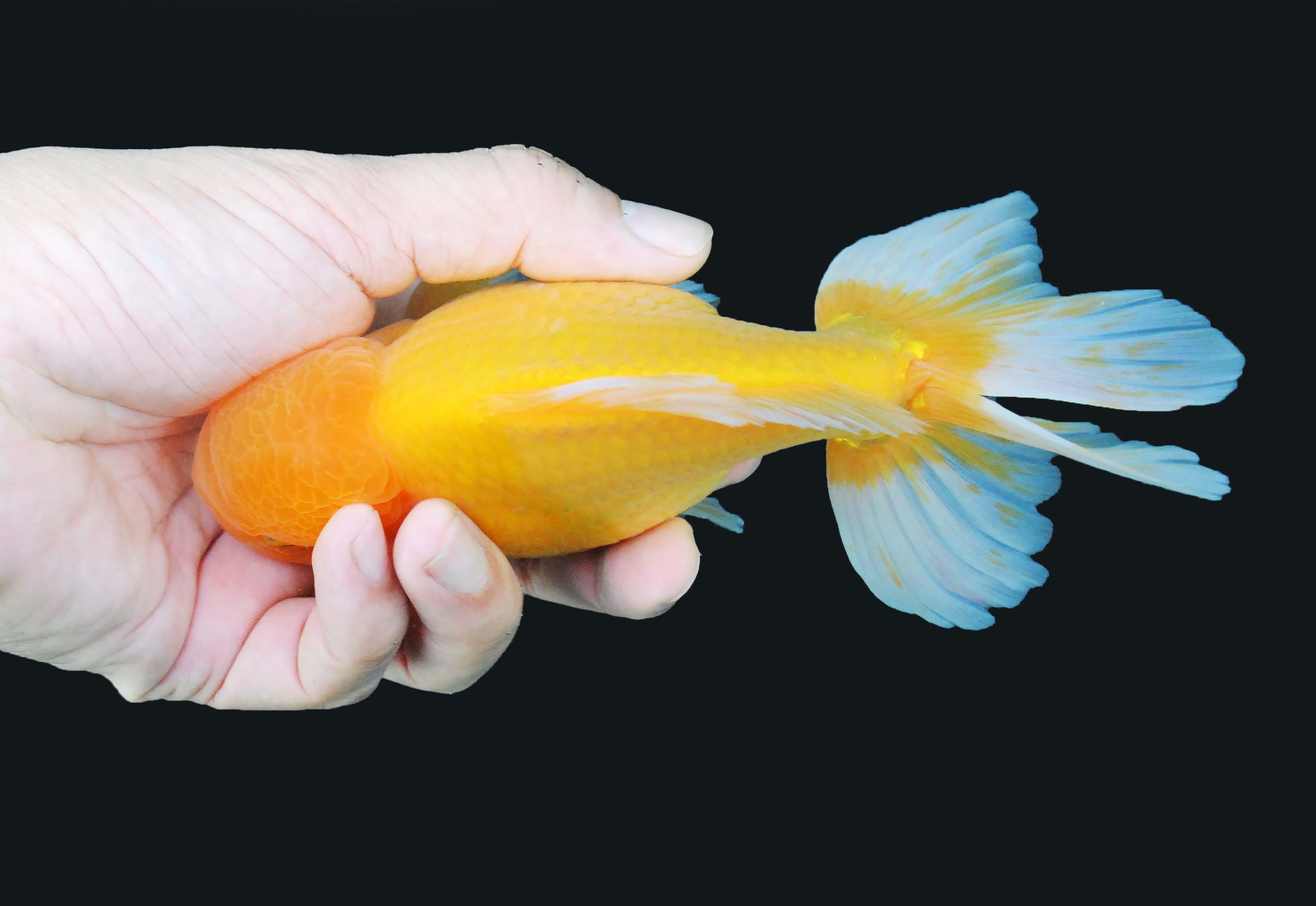
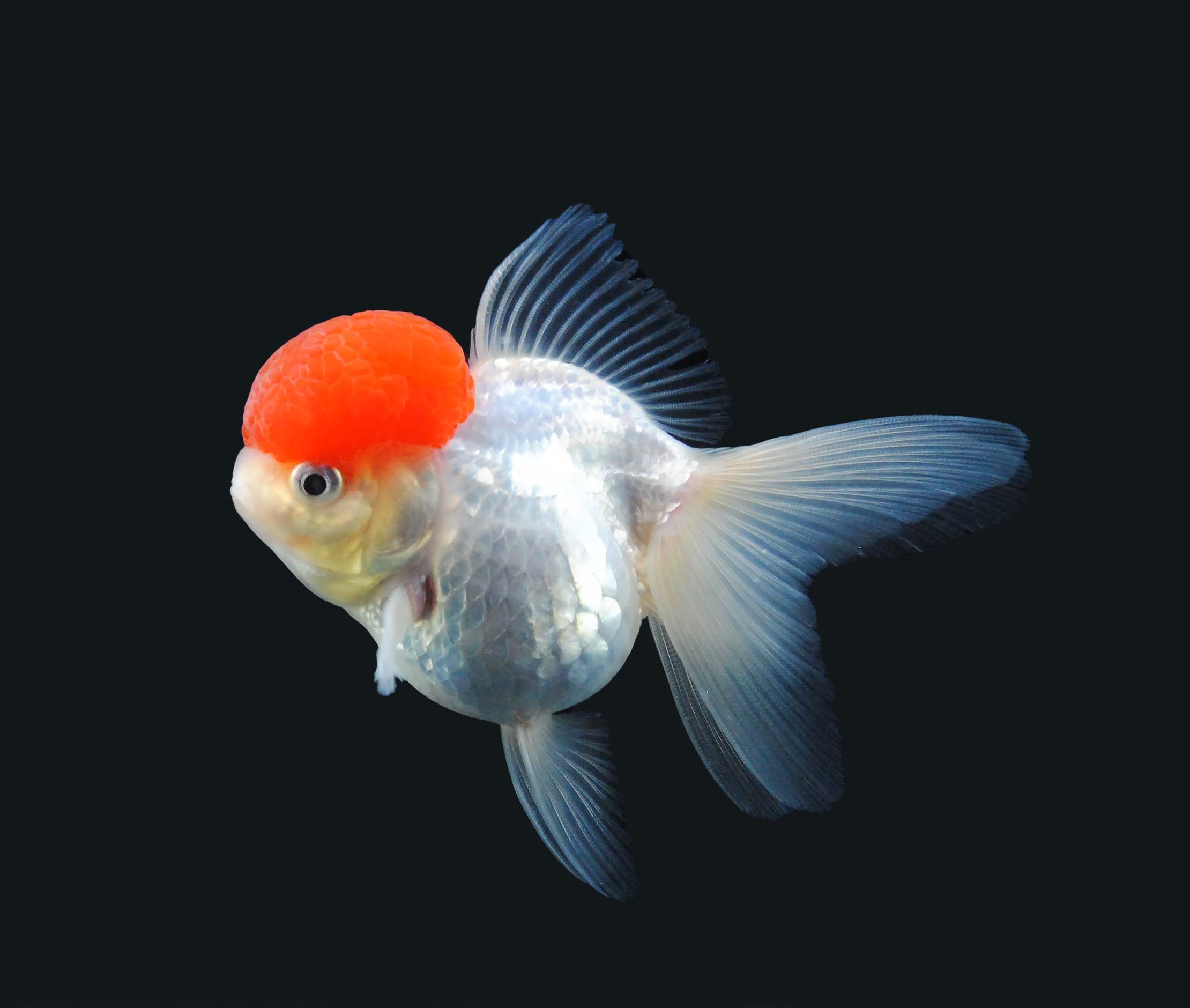
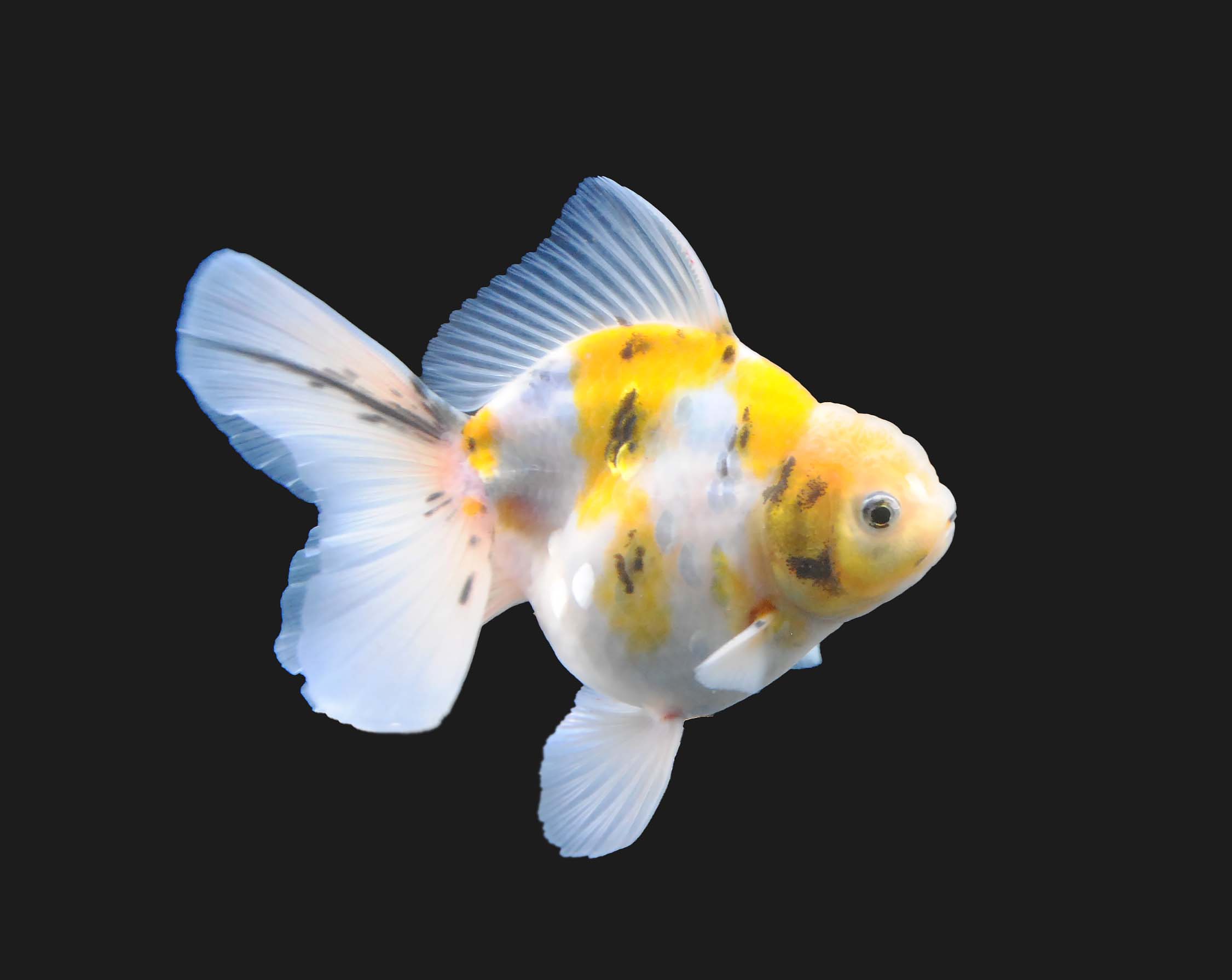
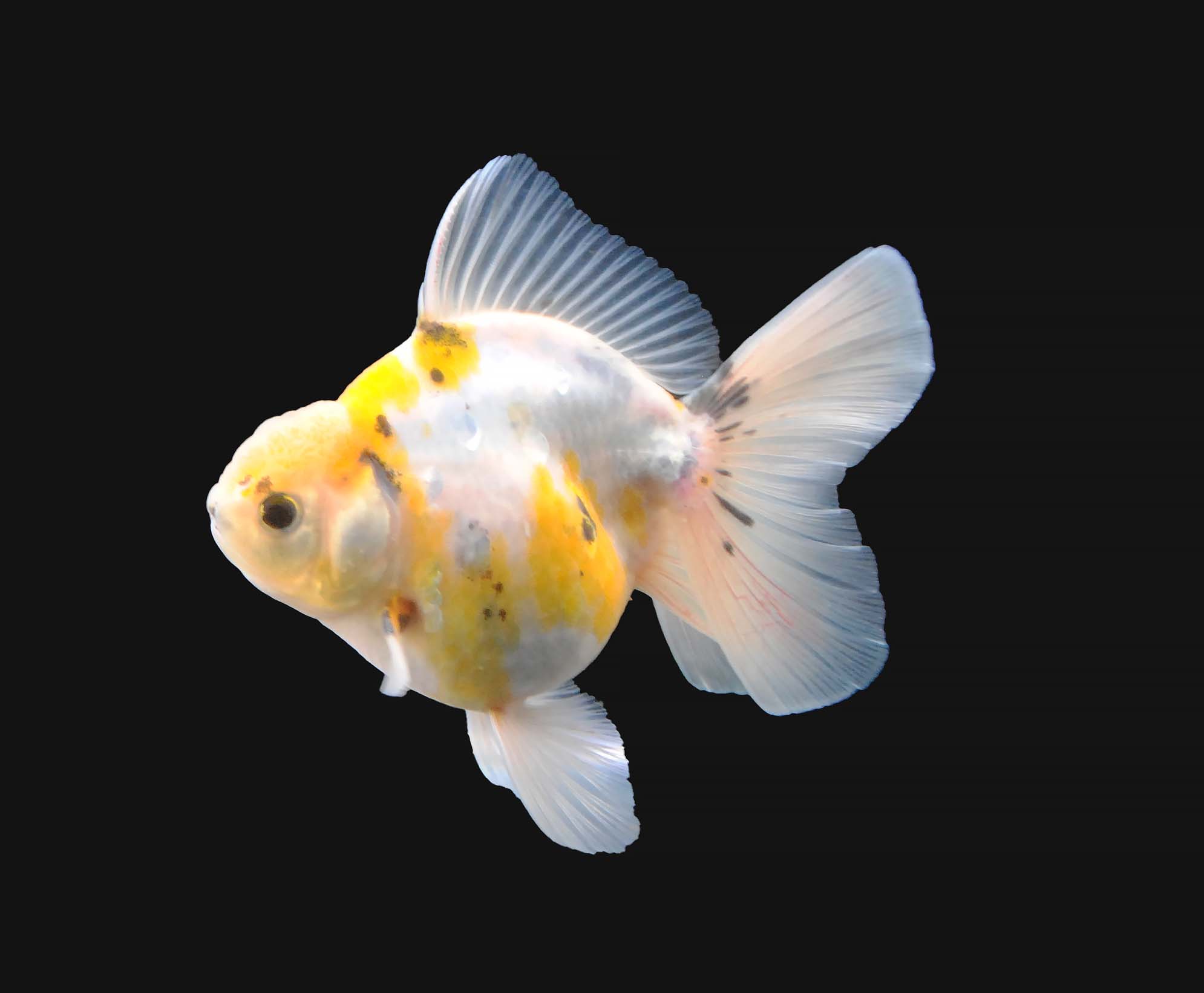
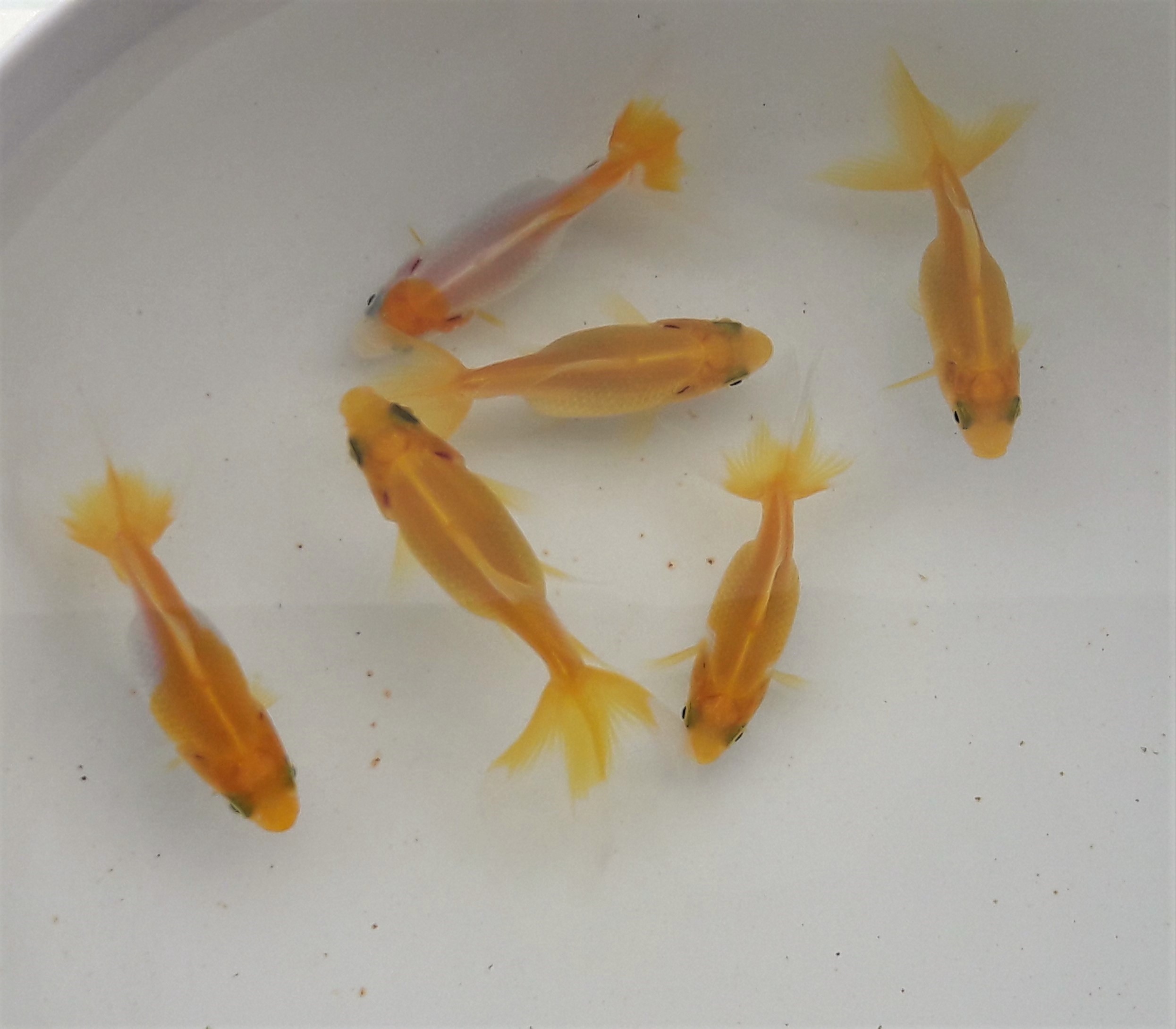
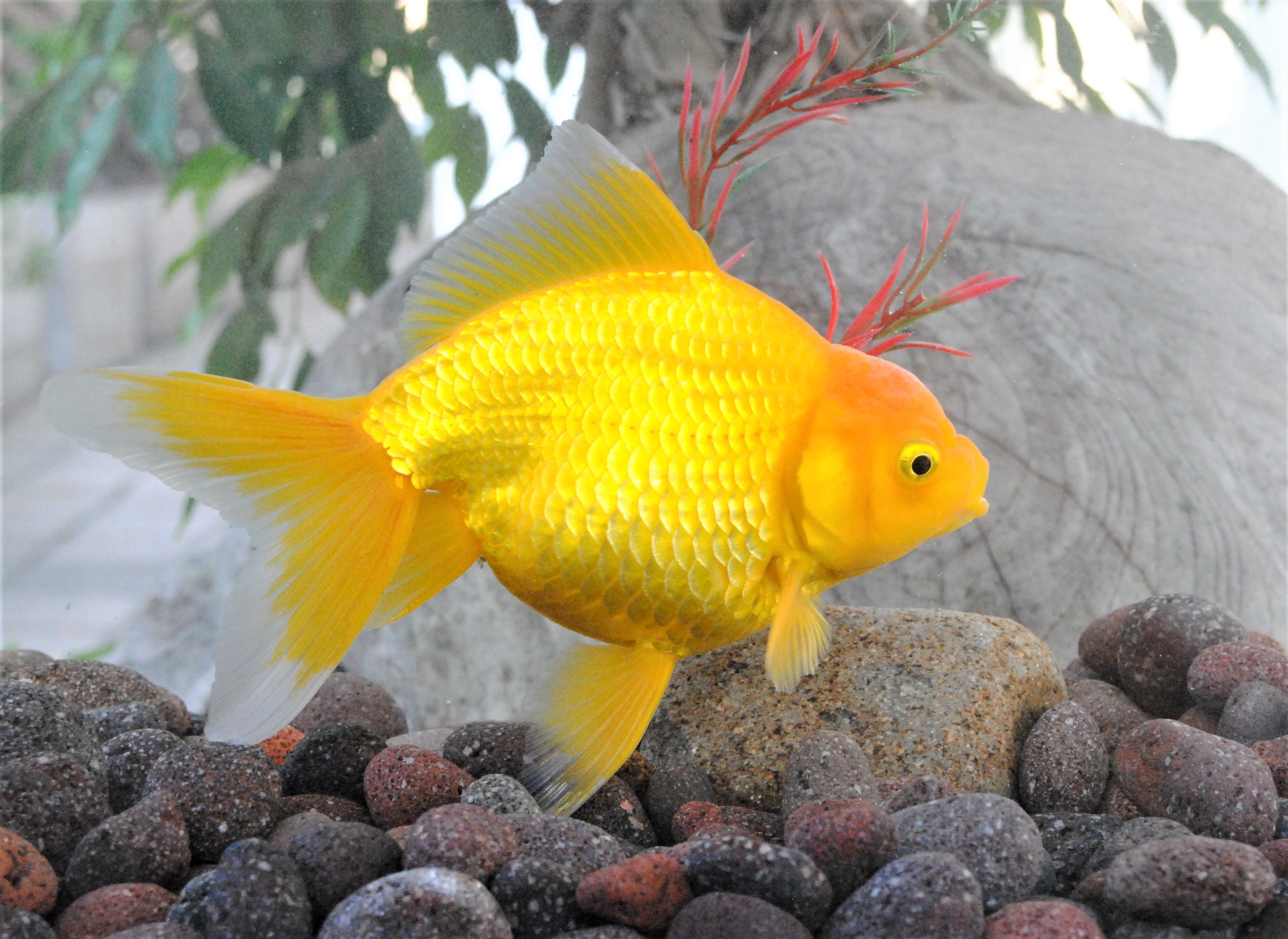
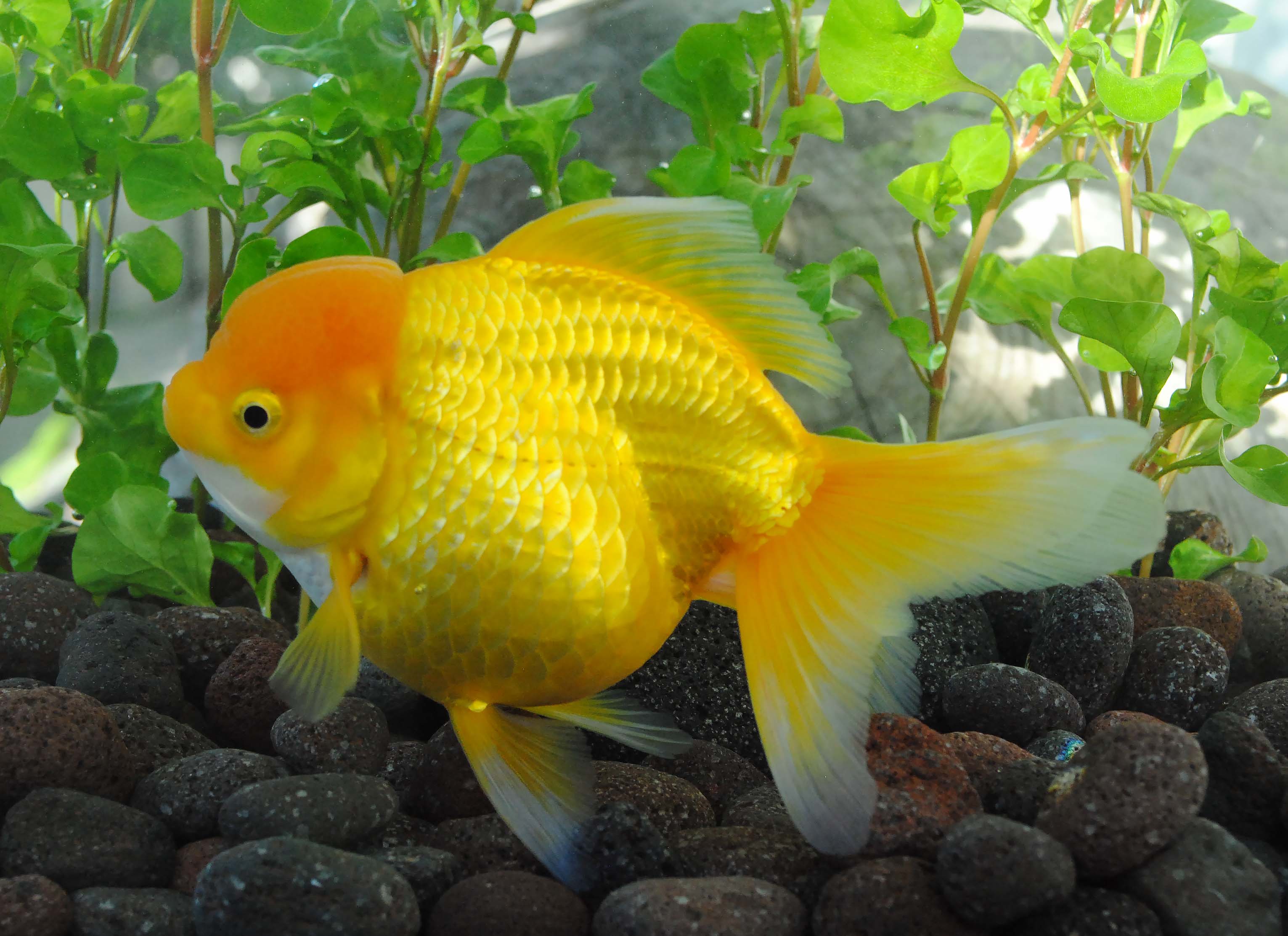
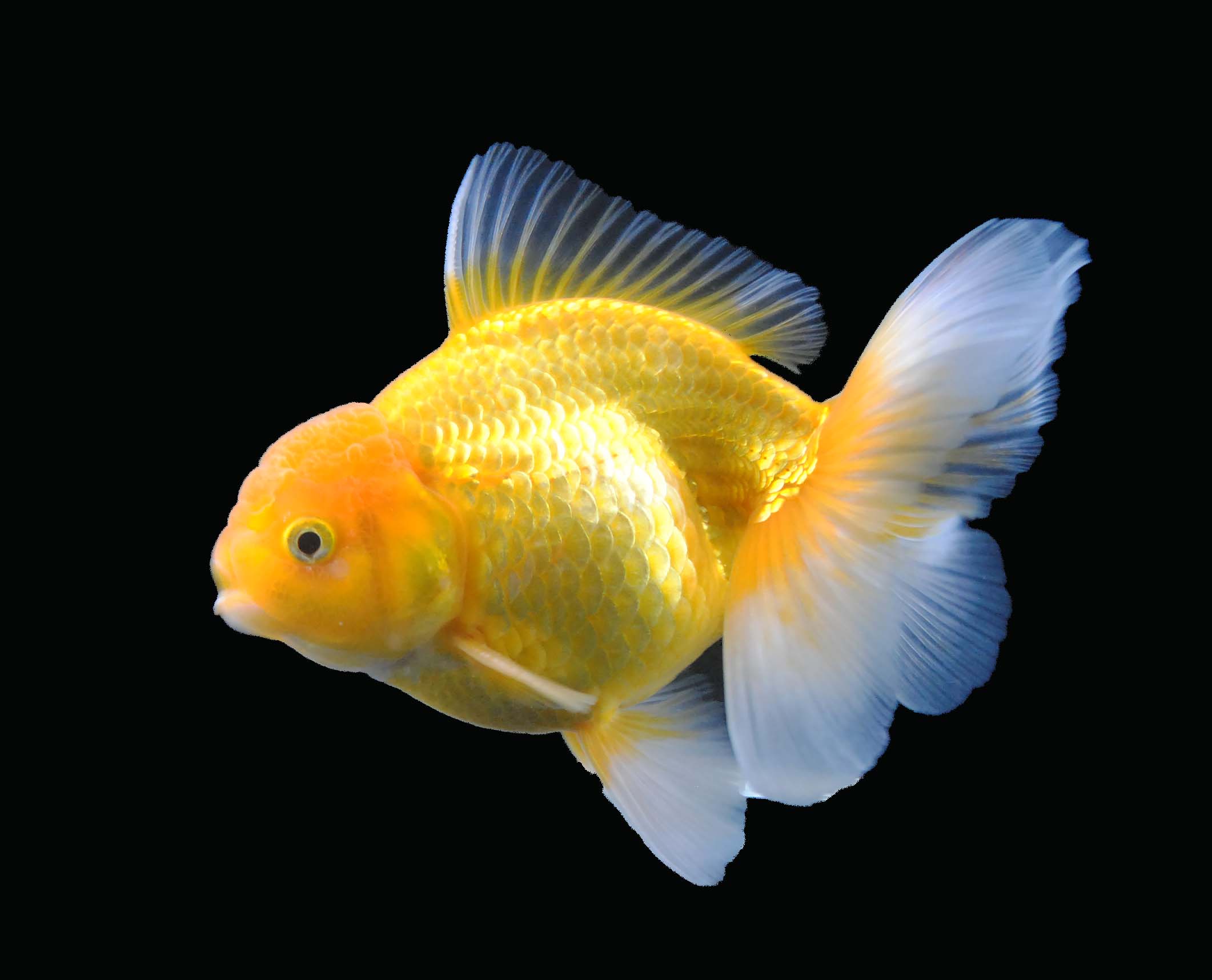
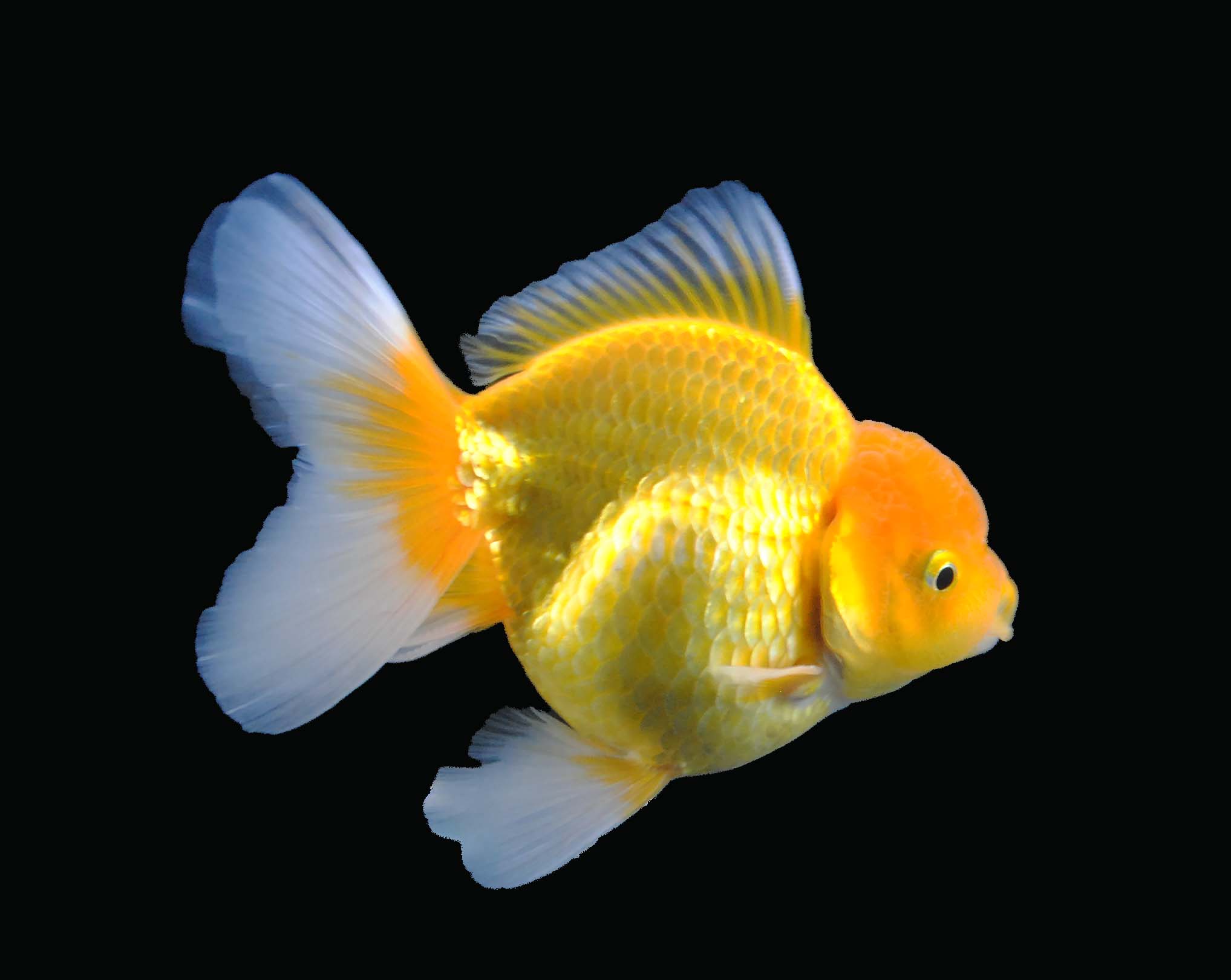
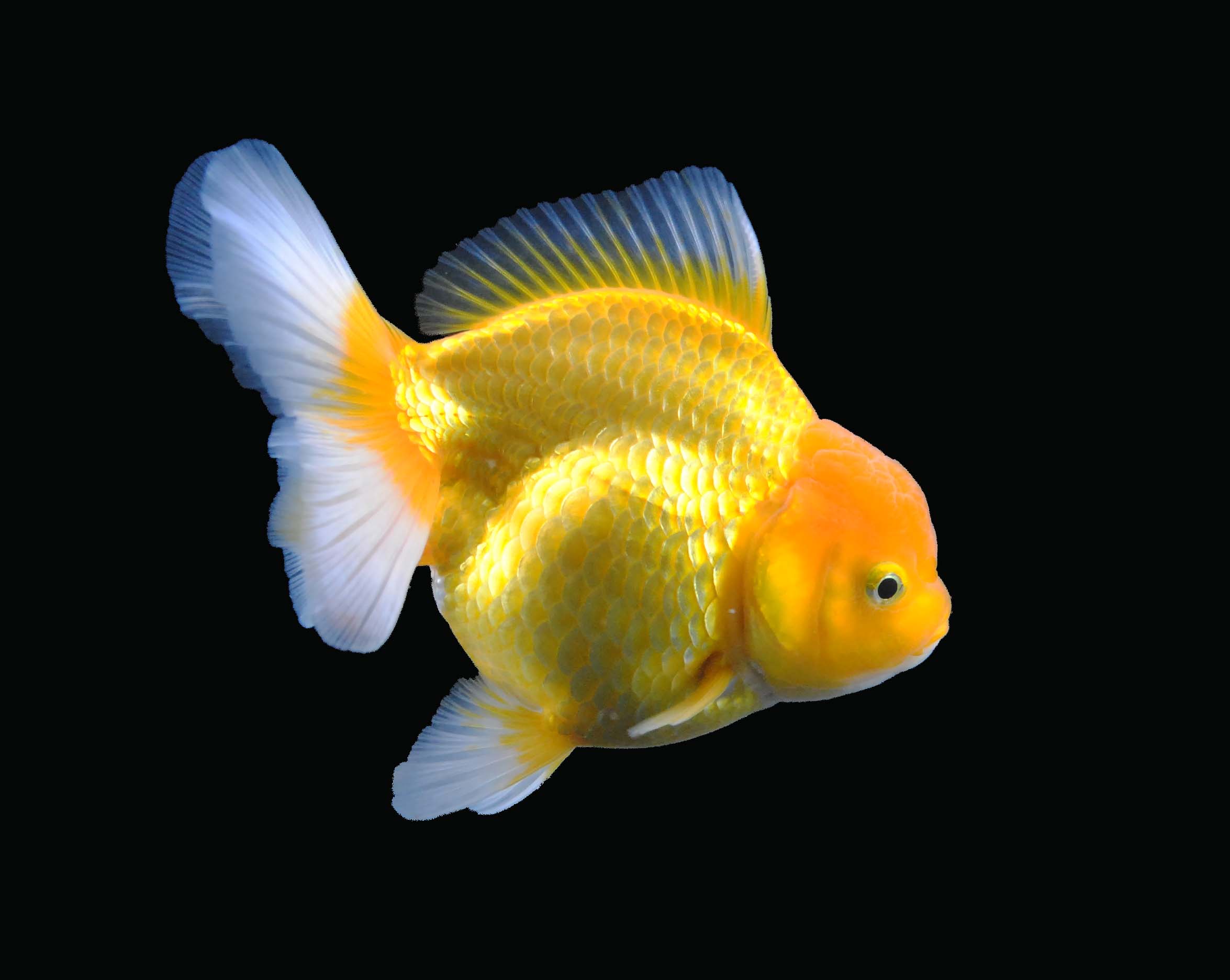
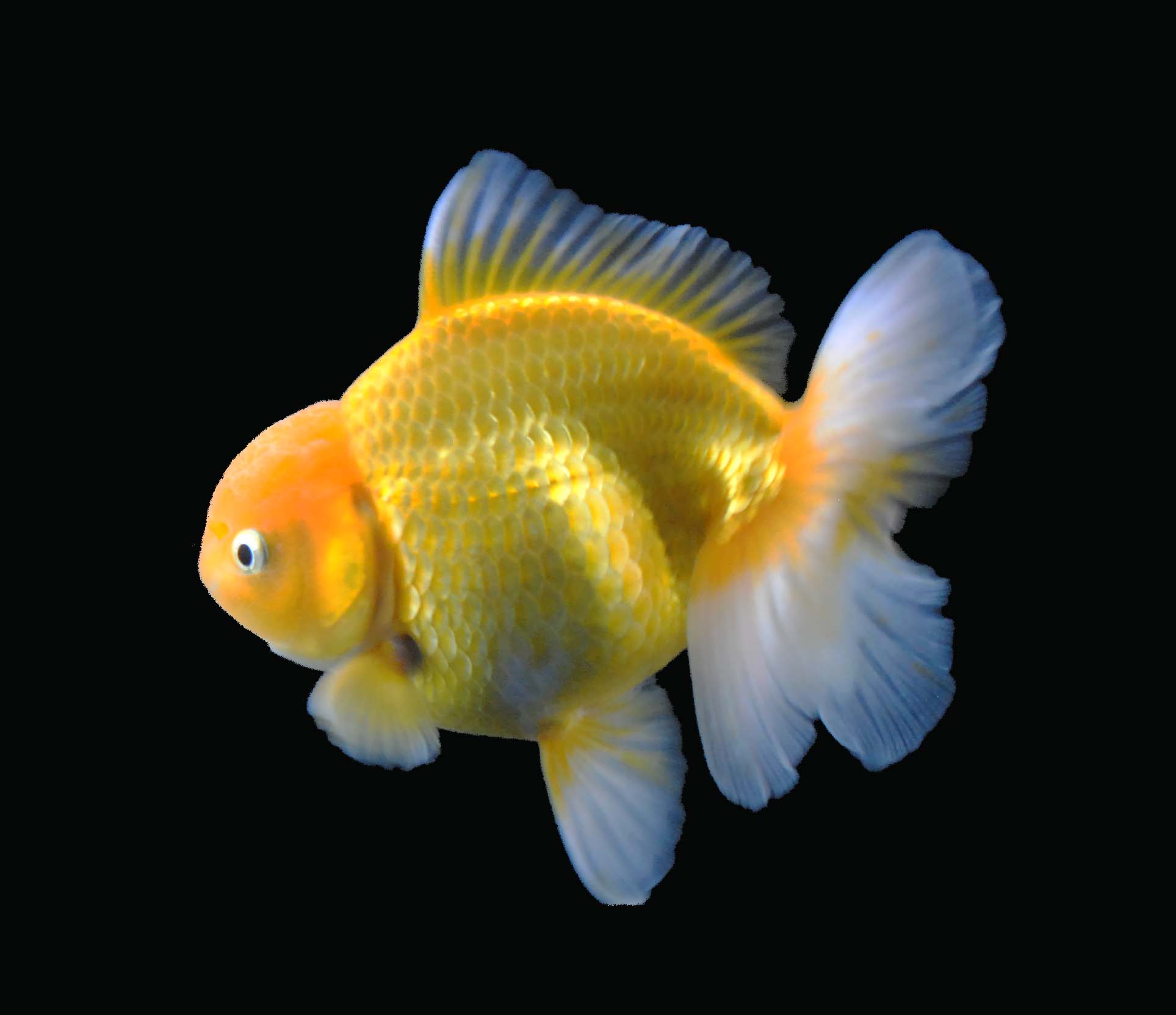
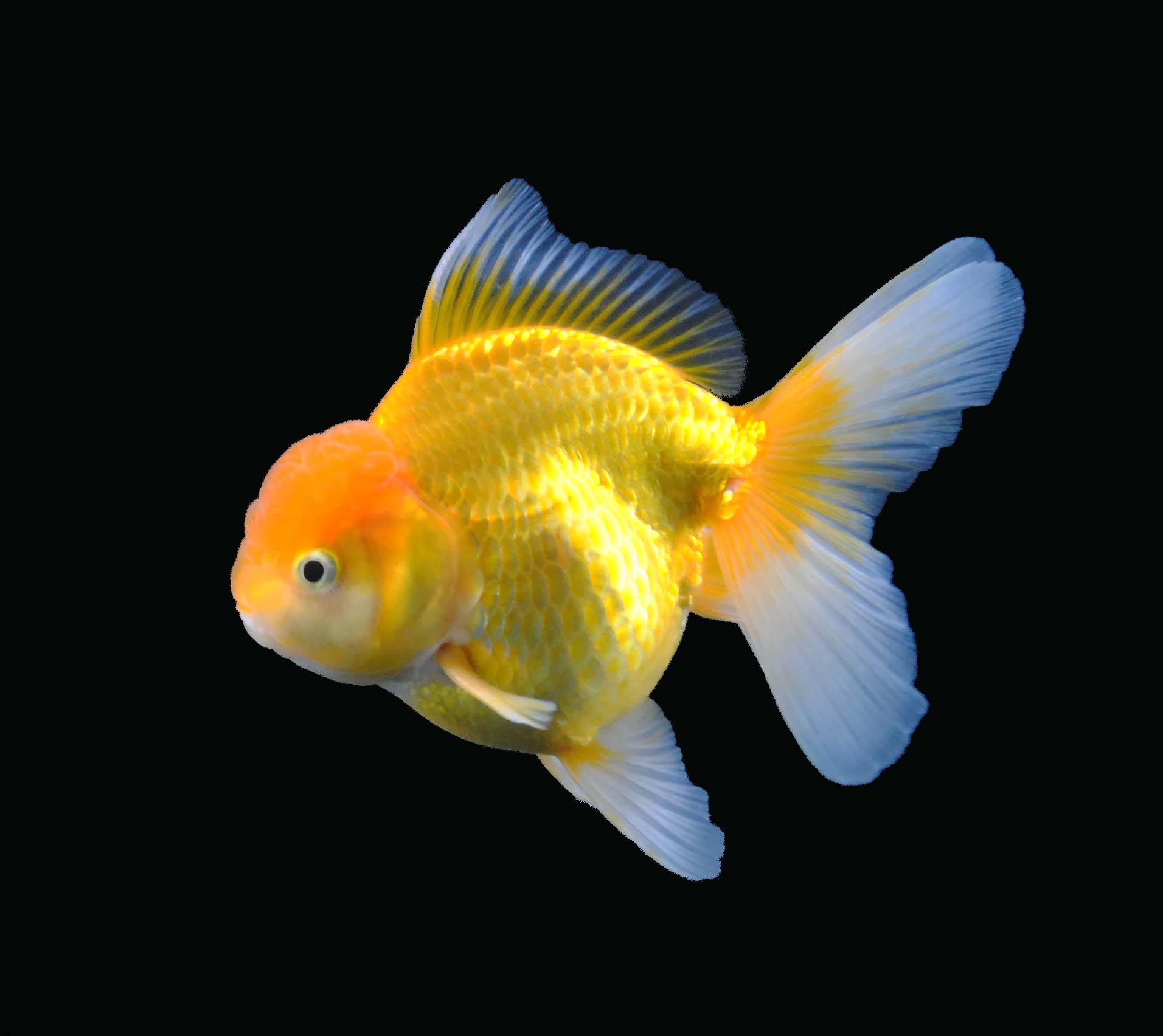
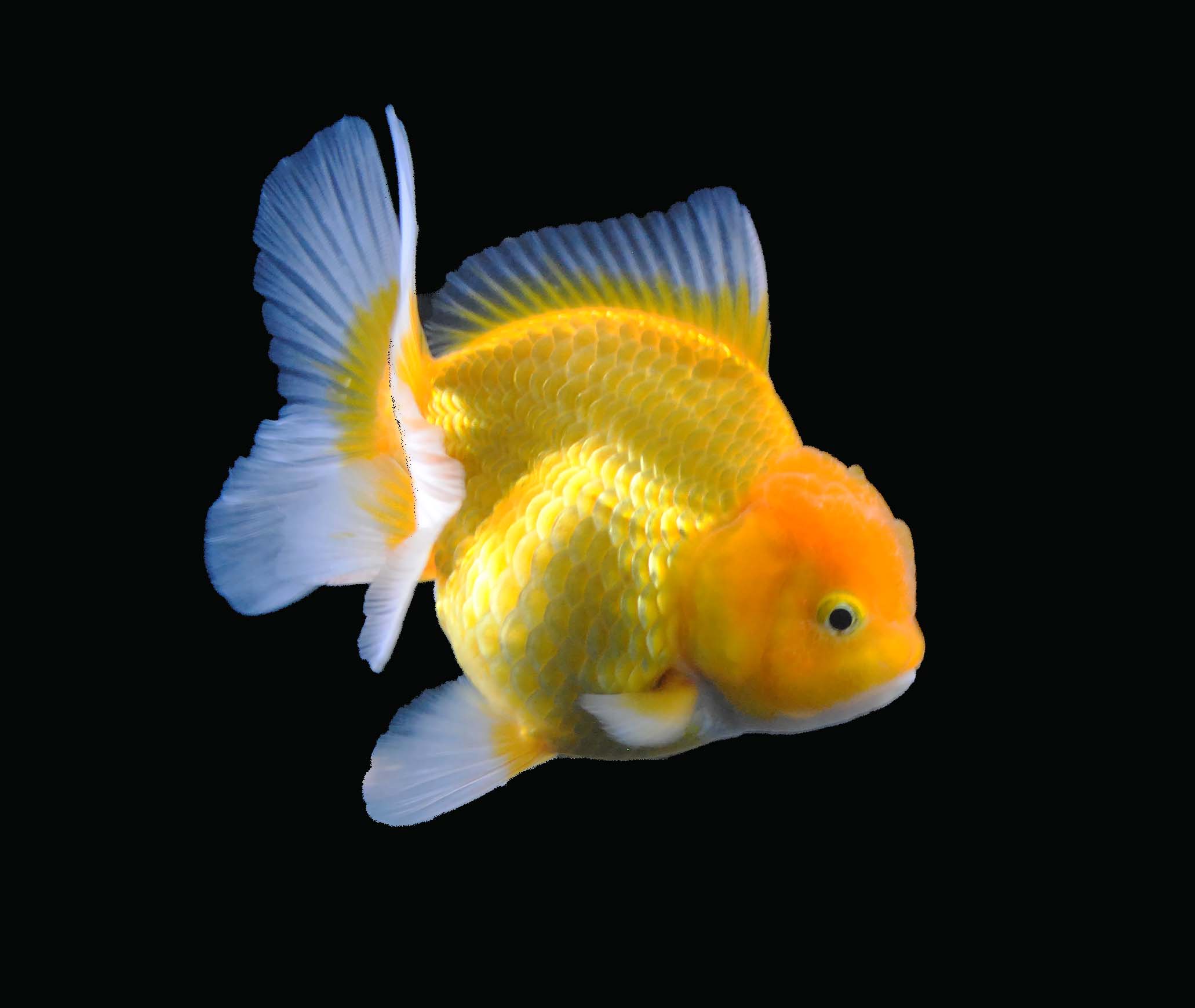
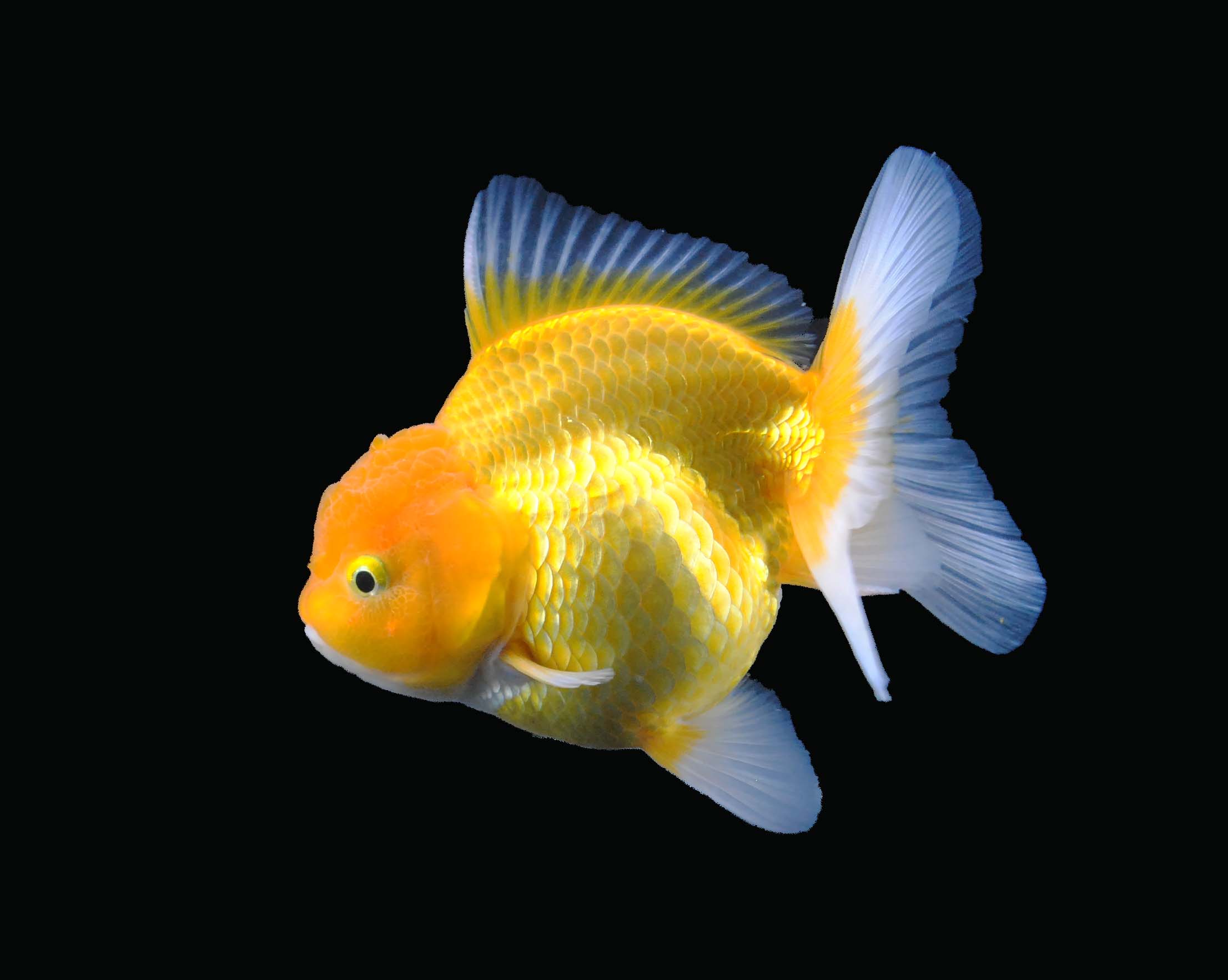
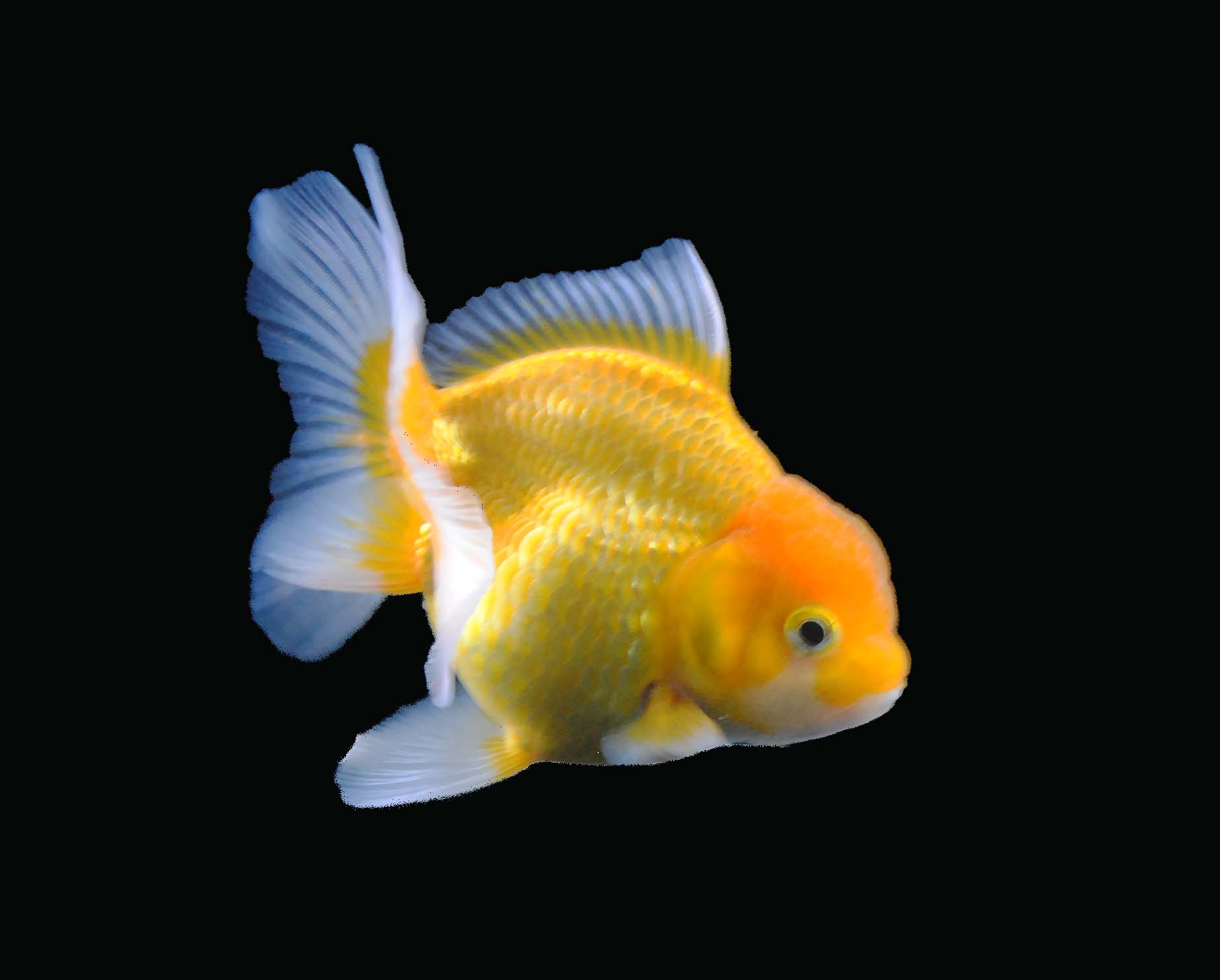
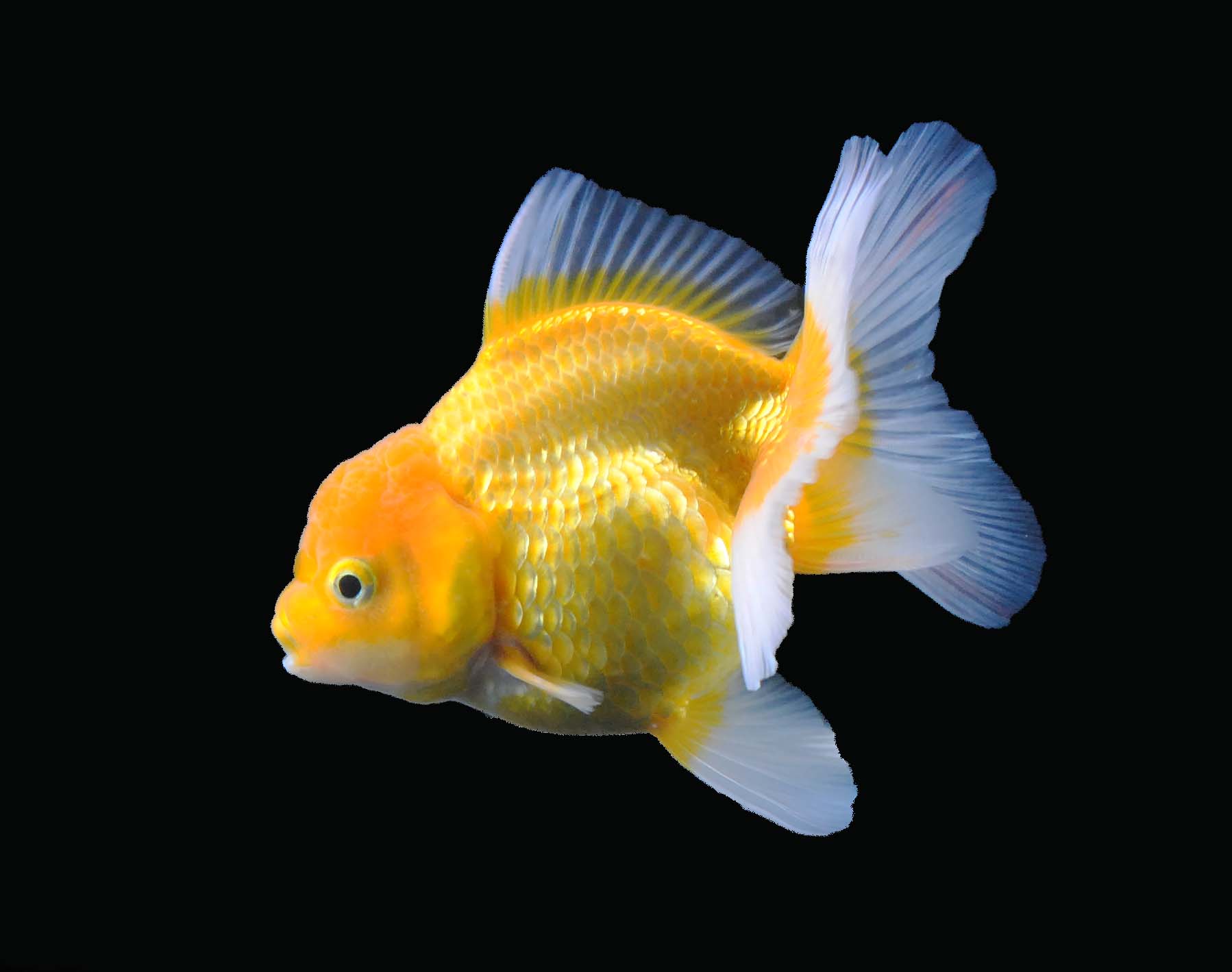
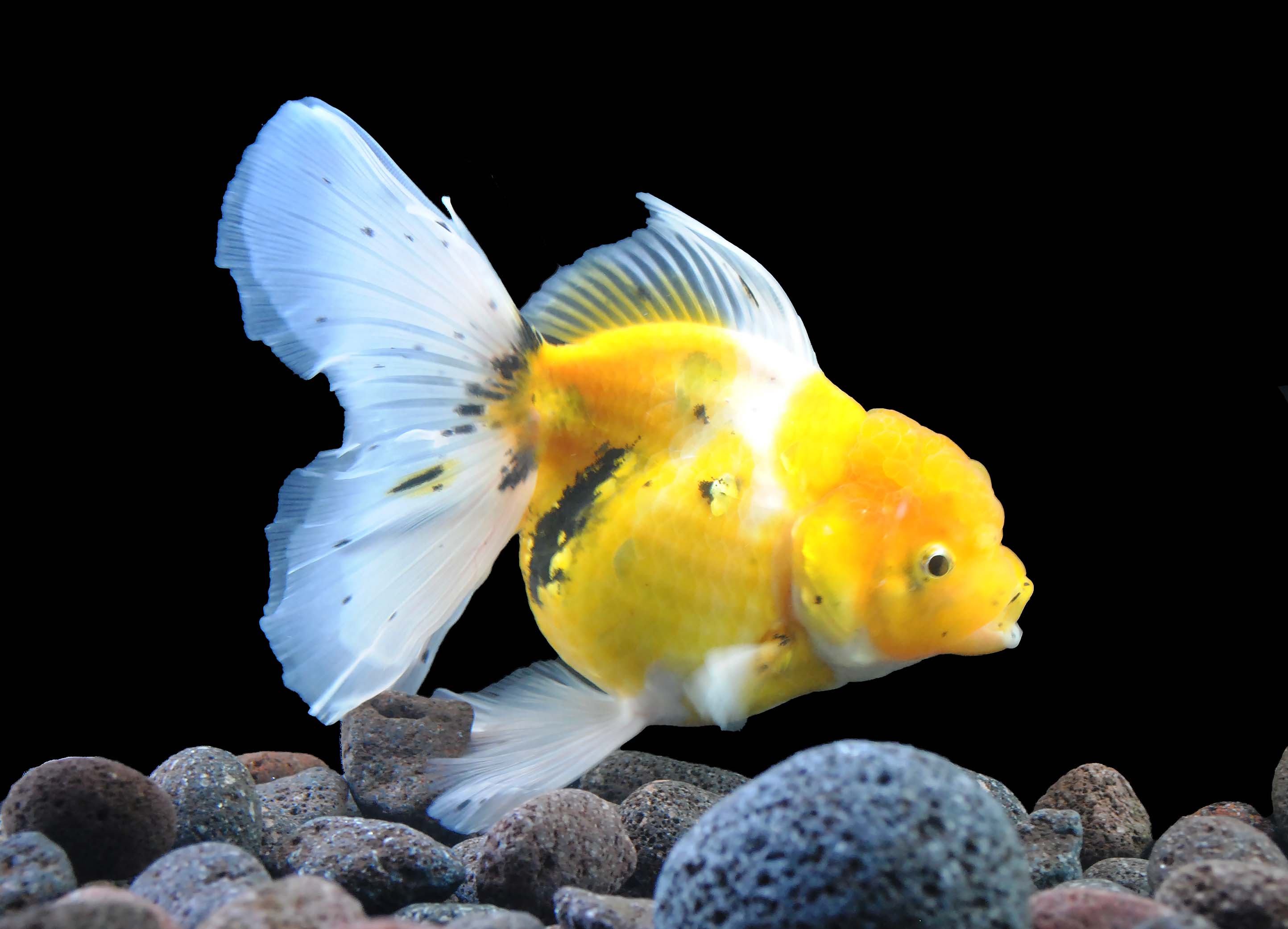
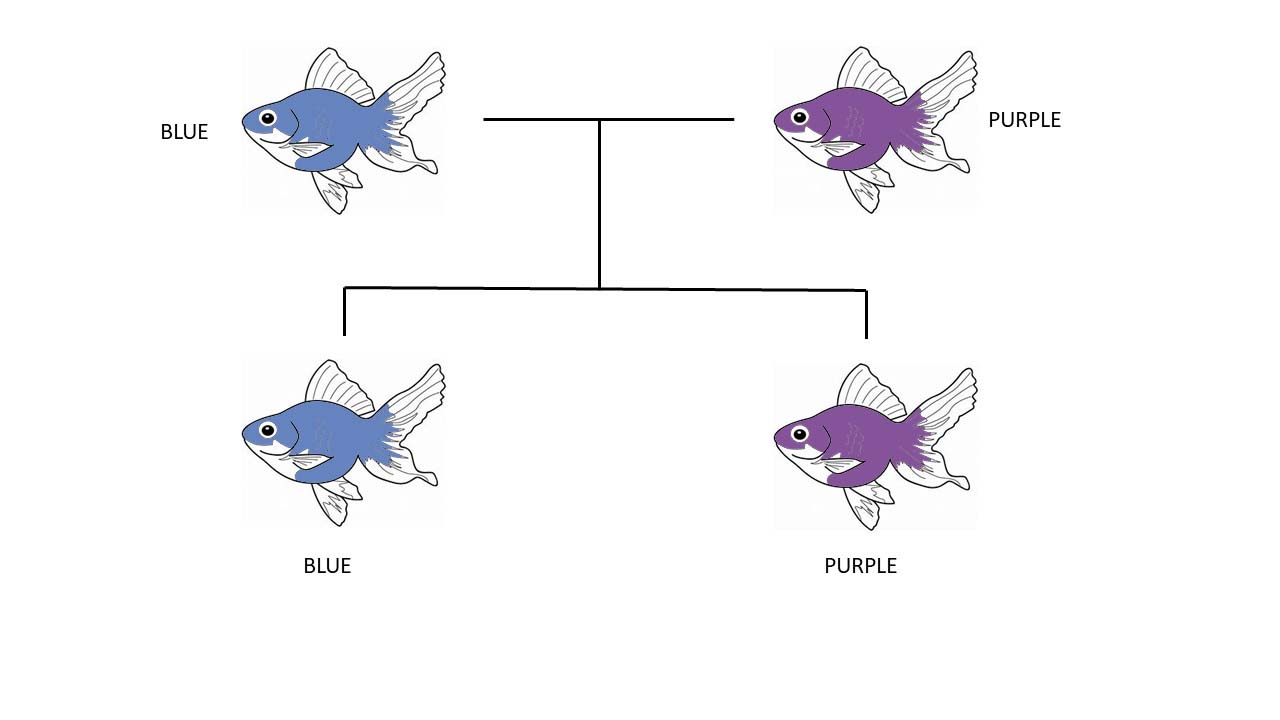
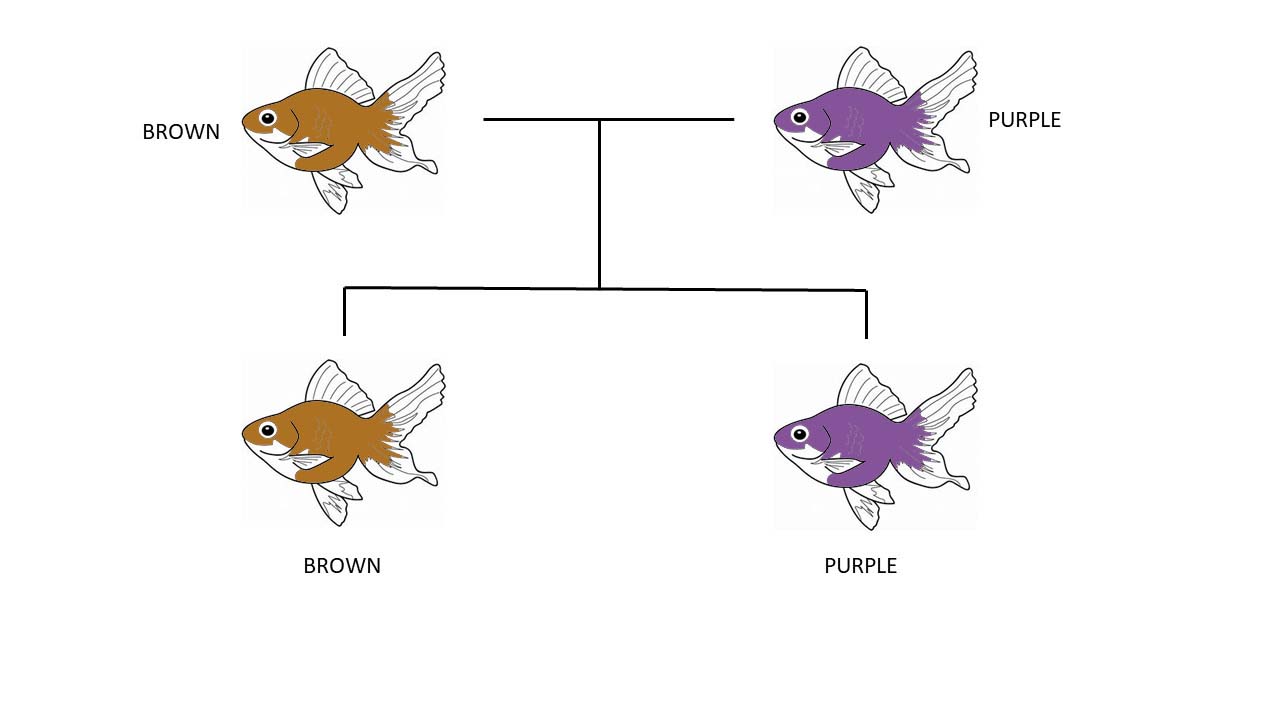
Blue Oranda, Brown Oranda, purple oranda, yellow oranda

The Diary of a Goldfish Breeder 2025 (#2)

  1. Update on myself
  2. New side project: Yellow x Purple Oranda

I am 52 years old now, and taking goldfish pictures and videos is getting wearisome for me. The last time I took some pictures, I had a strained lower back. From that moment on, I think I need to cut back on my photo taking activities. On top of that, several business and family matters occupied my attention. While my overall health was (and is) diminishing (when vertigo took over several times) and my travelling schedule was tight, Not to mention that the earning generated during several years of working on this blog cannot even pay the subscription fee for even a year, haha! I was still faithful to my goldfish breeding projects, though. Every morning when I was not travelling, I will did my daily routine: doing water change, scrubbing dirty tubs, closely working on my projects. It is just that I had far less time to update on this blog. Going forward, I might update on this blog with less (and lesser quality) pictures. Oh yes, my vision is also deteriorating (welcome to old age, said my eye doctor!) I also think of discussing a new topic, that is about appreciation and the philosophy behind it. I think it will be an interesting topic for me to explore, though I fully acknowledge my limitation. Well, it is all still just wishful thinking, though. No promise.

During my blog absent last year, I had a chance to make a unique cross that I had an eye on a long time ago. The color of yellow and purple are both recessive to red. How if I cross them? What will the offspring variety be? I already know what happens if I cross red to yellow, or red to blue / brown / purple. But I have no idea what will happen if I cross yellow to purple. As far as I know, nobody has ever reported this kind of project.

The F1 are all orange (some with black spatter). I did not manage to take picture of them due to the reason I mentioned above. Since it is easier to take video of them from my handphone, I managed to take their video and upload it in youtube:

And here are the F2

Is there any interesting result? I would say yes, though I am not sure they will do well in the market. They are interesting for curiosity purpose.

The most obvious results are the red / red white and the yellow / yellow white color. This is predictable, of course. But I do note that the yellow color has a bit of orangish color, in a different spectrum of yellow from its father, yet can still be differentiated from the red siblings. I do not think I will use them in my next projects, though.

Next in line are the blue and purple color. This is also predictable. If the F2 of red x purple results in blue and purple (along with brown and red), it is expected that the F2 of yellow x purple will results in blue and purple also (along with brown which I will discuss after this, and red and yellow).

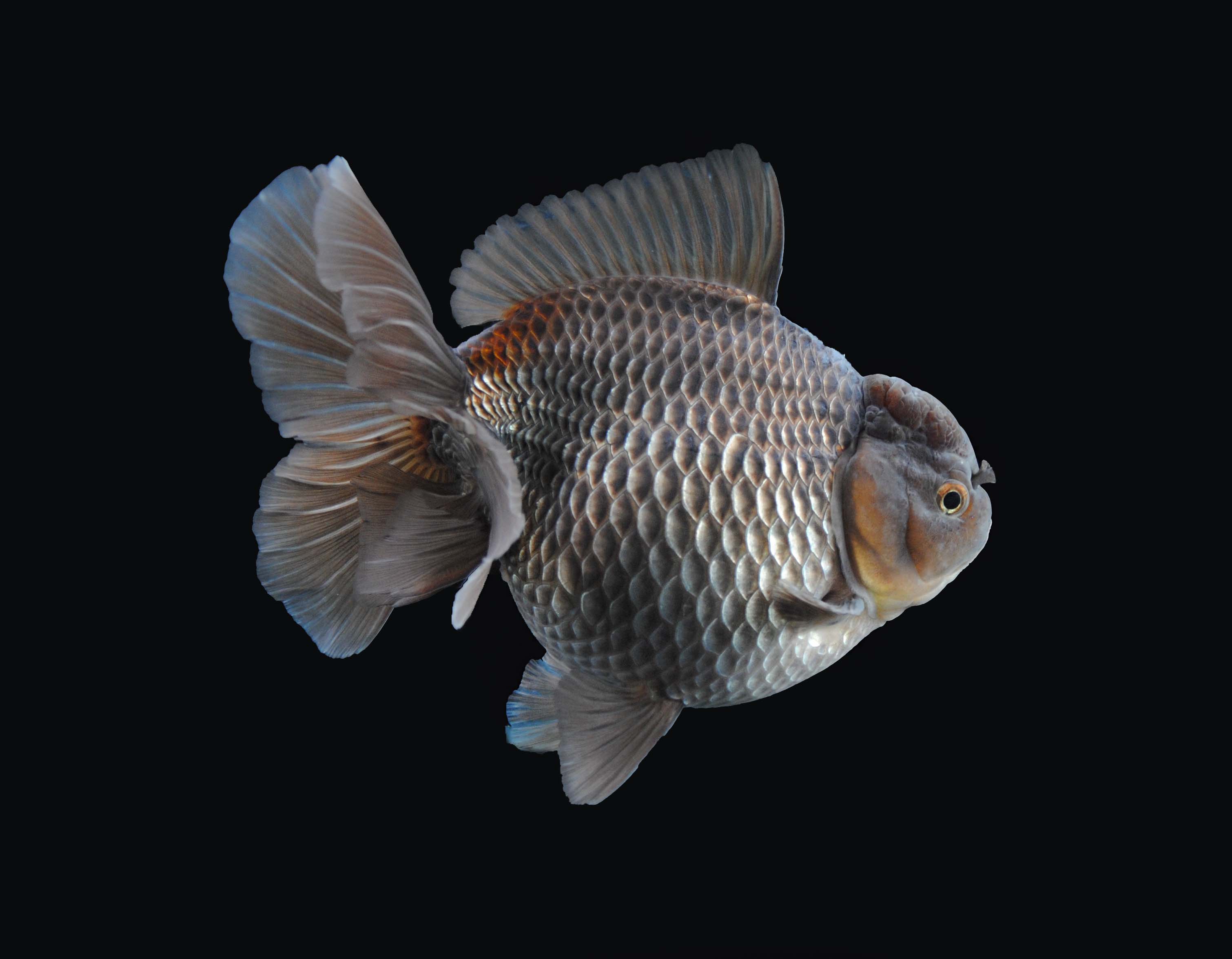
The brown offspring is a bit tricky and interesting. First, let me show you the grey (wild) color as also one of the offspring, and its dark brownish sibling. The wild color being #1 and the sibling #2. Do you think we can call the #2 brown / chocolate? I am not sure. It is close to Dark Brown color I discussed before in my previous blogs.

And there is one unique color in the offspring, which I am not sure how to call it. Is it bronze? Green? Copper? Gold? I do not know. I call it #3. When compared to the wild color, it is obviously not wild:

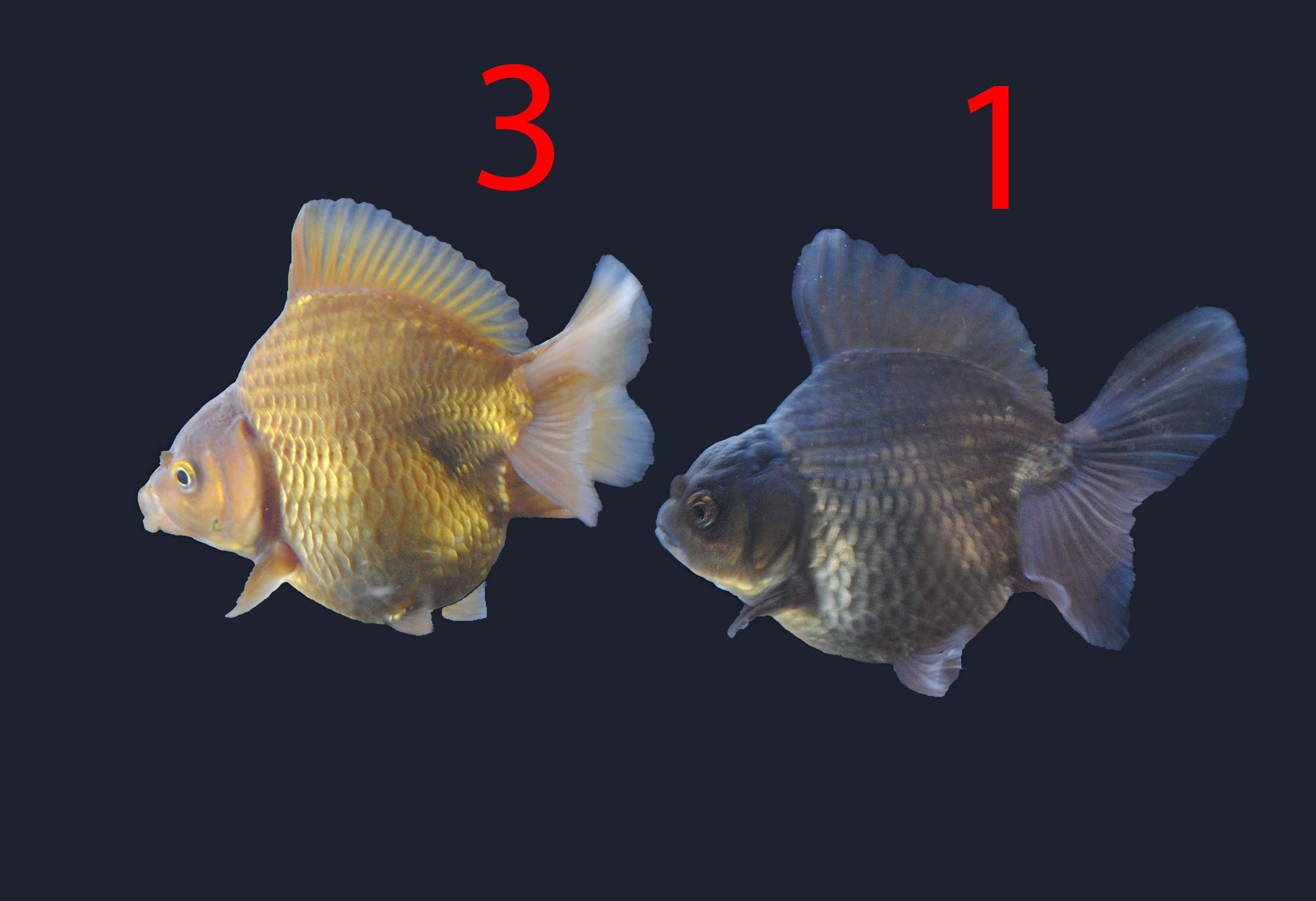
But compared to #2, it is certainly not as brown as #2:
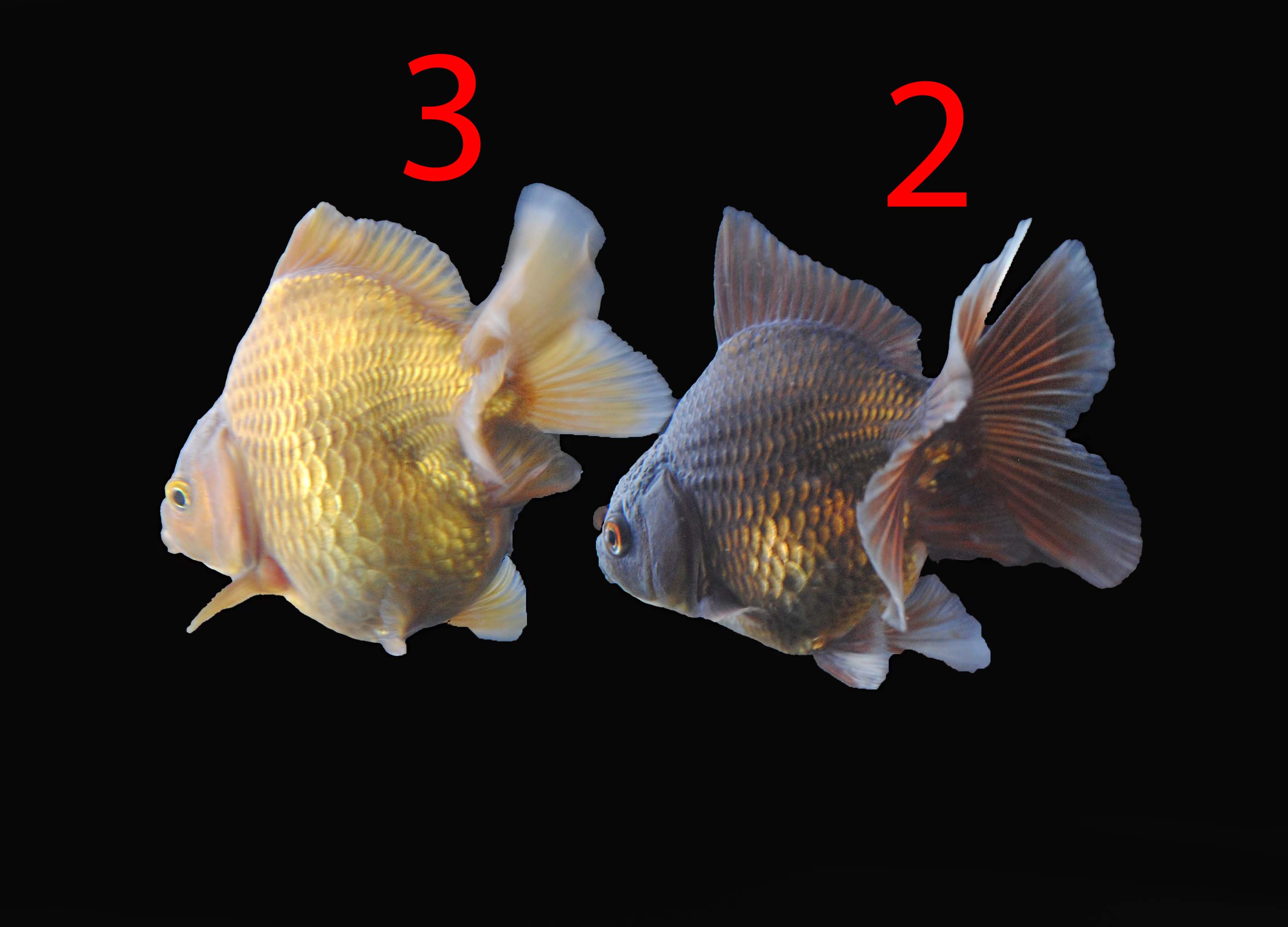
Can we call #3 as light brown? I do not think so, because we have another variant of brown as #4:

I compared #4 with #3 and #2:

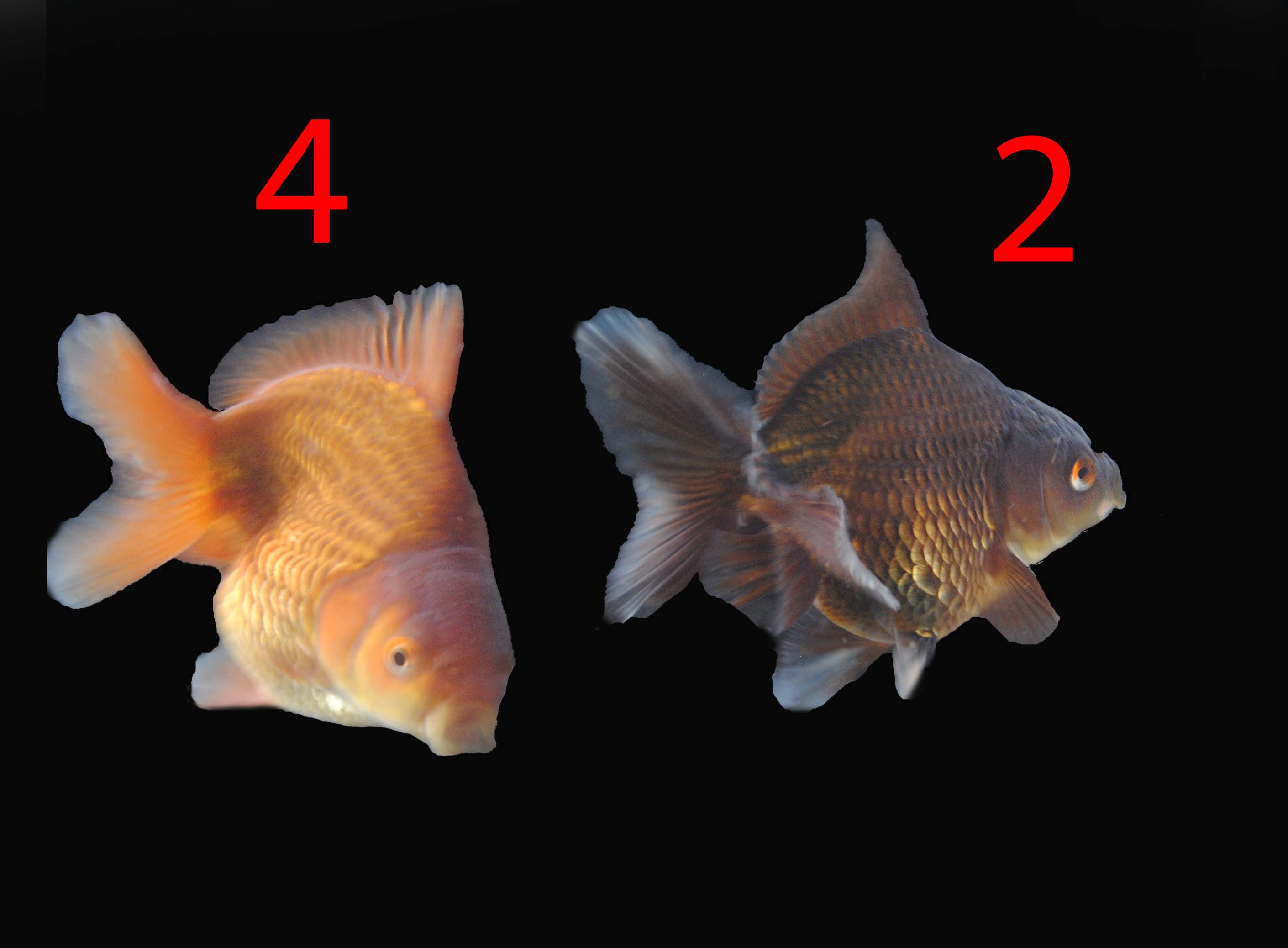
And if we think #4 is an interesting brown color, I still have #5 which is slightly different from #4 but more eye-catching. #5 is the best brown color I have ever seen. Too bad, when I took these pictures, I already tired myself to the core. So, pardon me for the few and blurry picture.

I will definitely try to duplicate the color of #5!

Now, some of the brown color can fade into brown-red-white and brown-yellow-white color. The brown-red-white is already a rare color. But the brown-yellow-white is even more rare!
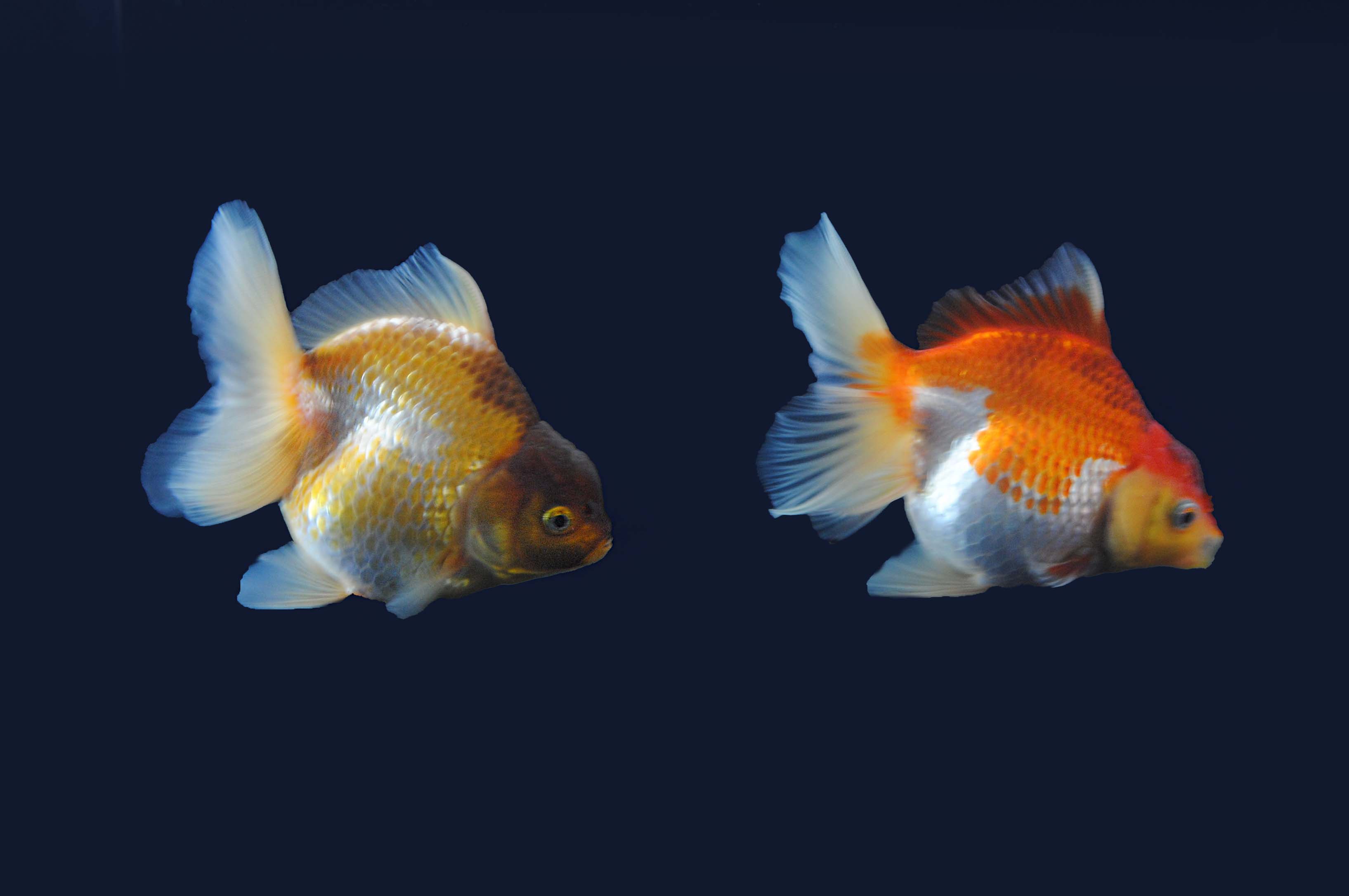
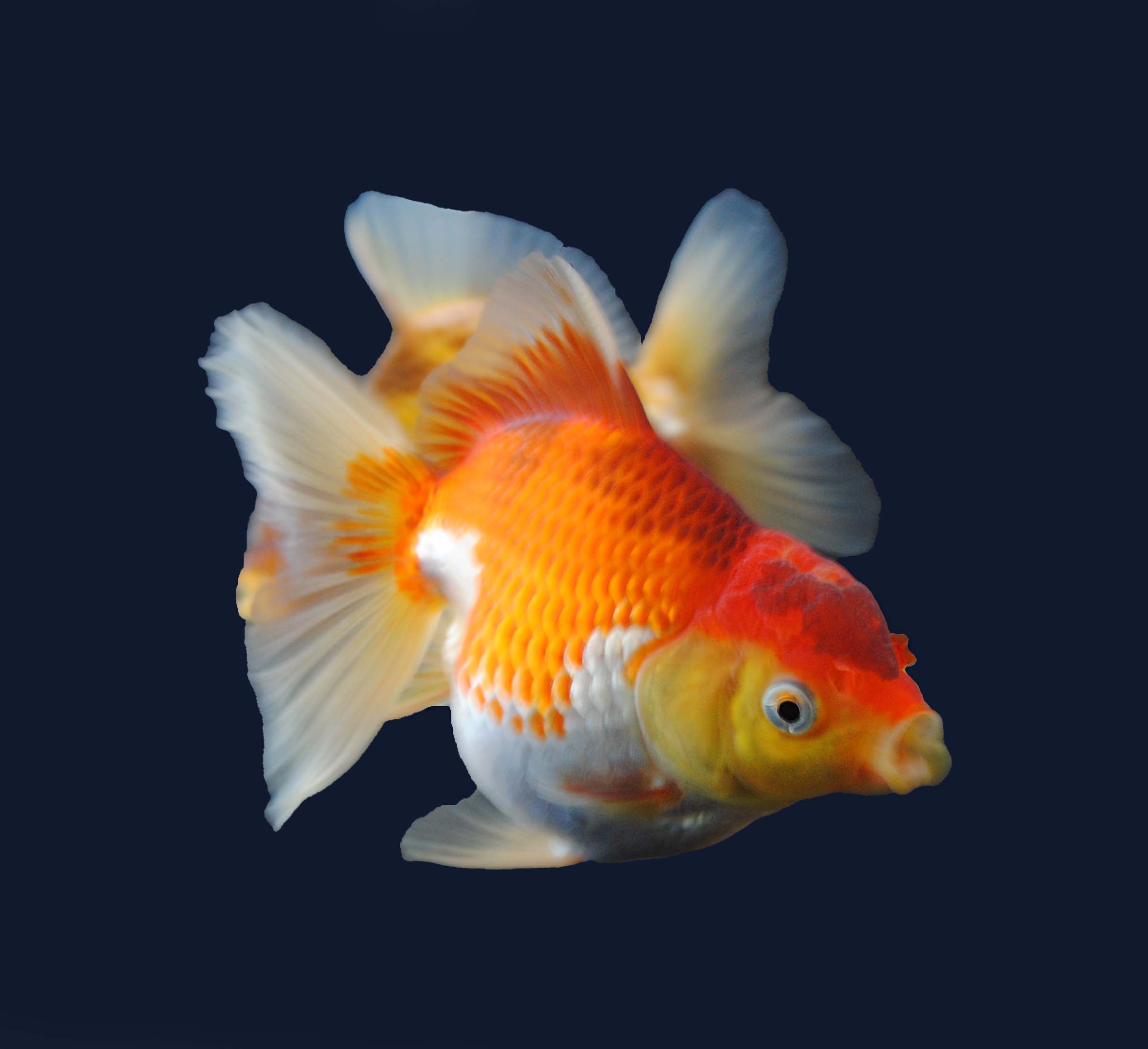
I think the brown color might eventually gone totally. But the existence of these two creates the possibility of us having those rare color combinations in a stronger version. Very unique, right? However, I am not sure if the market can accept them well.

Since the brown-red-white fish is full of defect, I cannot use it for my breeding project. But the brown-yellow-white is perfect. I will keep it for now and think about a follow up project later on.
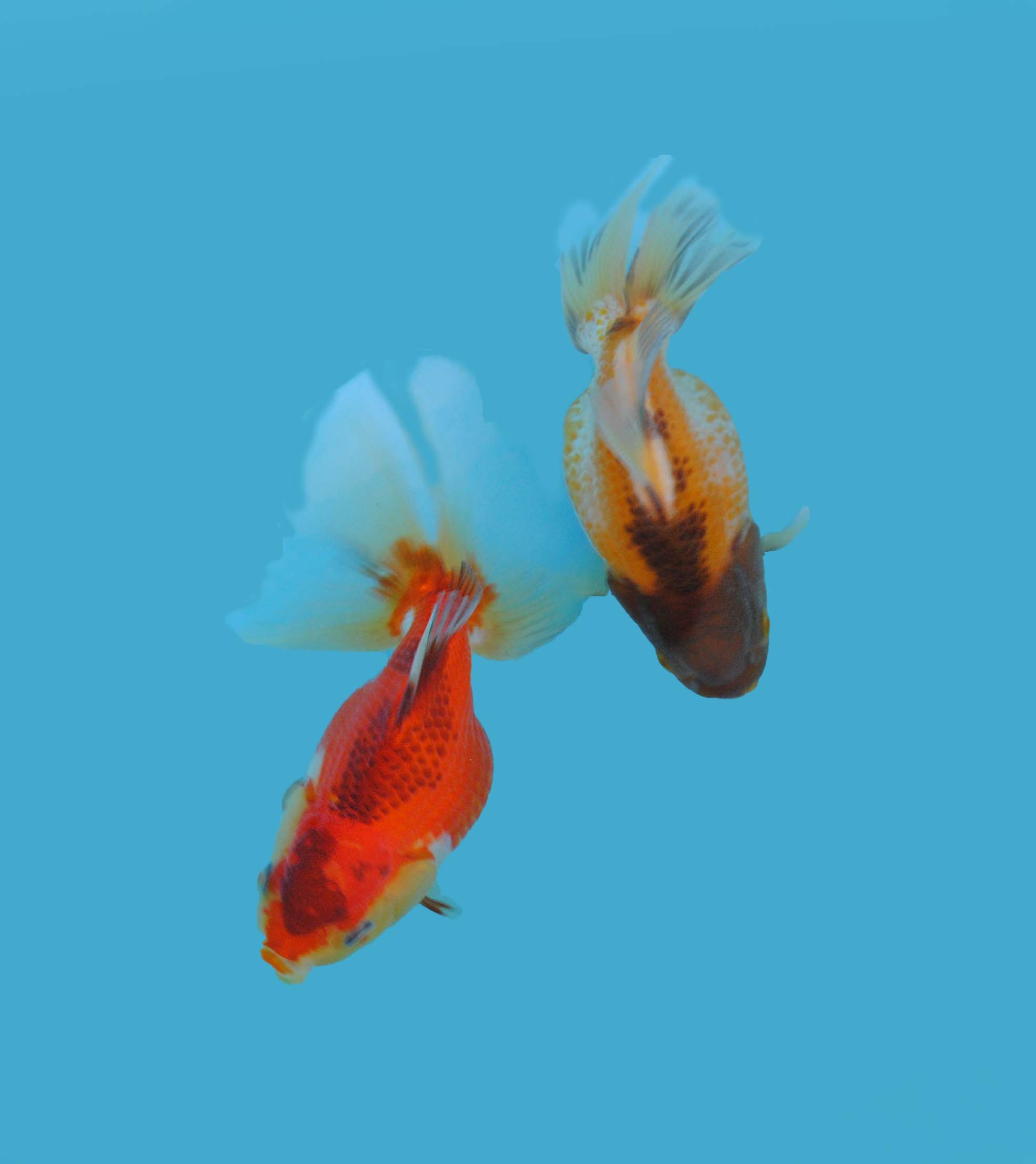
Of course, there is a tricolor (black-red-white) fish in the offspring. The black color almost disappears completely. But this shows that such crossing might yield a tricolor combination. The picture below shows the difference between the black and the brown in red fish.
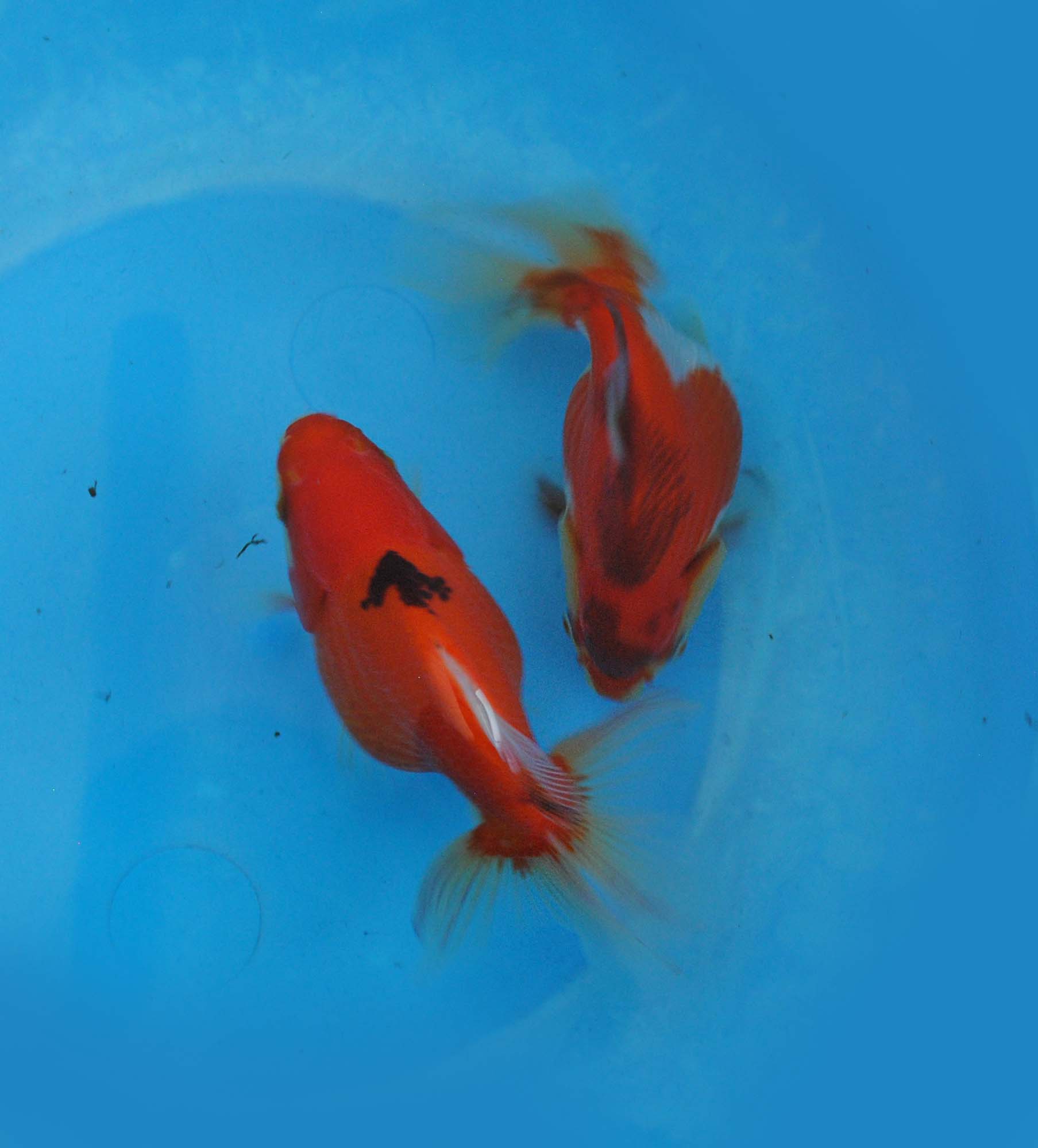
I might use the black-red-white fish in my tricolor project.

That’s all my diary today. Hope the reader enjoy!

Standard
The Diary of a Goldfish Breeder 2023, yellow oranda, yellow sakura oranda

The Diary of a Goldfish Breeder 2023 (7)

Update Project #4: Yellow Oranda

There was a setback on this project as the results were weak. Fortunately hope arises unintentionally.

Following the project I mentioned in the Diary 2021 #25, I end up Yellow Oranda with goosehead type of headgrowth, short body, and weak fins. The best among them is this male:

As you can see, the first ray of the dorsal is short and curved, so as the tail. I think this curvature looks a bit abnormal to me. The fish swim normally in my deep pond, but seems to have maneuver difficulty in a small space (as I observed when placing him in a tank for the purpose of taking these pictures.) But yes, I must admit that the head is beautiful, and the body looks positively thick. I have a hard time deciding whether I should use him as a parent or not. And I think, I will pass.

The rest of the batch is worse. I keep only one as she is the only female in the batch. And she is also the only female Yellow Oranda I have! Let’s take a look at her:

The goosehead type is visible in her, but not as pronounced as the male. Perhaps the lack of white color in the body and head makes her less attractive than the male. The fins differ sharply from the male as they belong to the long-fin category. The dorsal fin and the tail are not well-erected. And there are traces of untidiness on the borders of the fins (first ray and last rays of the dorsal and tail.)

I don’t think I want to use them as parent as I suspect they show weak genetics. Mating them might not be a good move.

Fortunately, there is a hope out of my expectation.

To improve my Yellow Sakura Oranda line (Project #5), I crossed my Yellow Sakura Oranda (Diary 2021 #26) with the parent of my metallic Yellow line (Diary 2021 #25). The cross yielded two variants: Yellow Sakura and Yellow Metallic. Of course my main expectation was in the better quality of Yellow Sakura Oranda. I did not expect anything about the second variant. Unfortunately, the expected Yellow Sakura Oranda was also experiencing a drawback. The fins were untidy, the color was dominantly white, and the heads were almost bald! I think this is a big blow for me. For several months to come, I will have nothing to update on the Yellow Sakura line. Yet, surprisingly, the Yellow metallic fish that came from the same batch has tidy fins and good body shape quality! Mostly bald, though. I kept only one from source, the best one, with sufficiently good headgrowth. He is a male fish that I can be proud of:

Handsome, right?

The only weakness I see is in the lower lobe of the right tail. The curve is not perfect. But overall, this fish is a joy to me as it provides hope for my next generation of Yellow (metallic) Oranda.

What strategy do I employ?

Yes, as you can guess, I have no choice but to mate him with the weak female above. And the eggs are hatching today!

But that’s not all.

During all this time, I also managed to cross my Yellow metallic line to my Basic Material (Helen offspring). The results are redwhite oranda carrying yellow gene recessively. The fish are large, long, semi goosehead type, and moderately good finage. They have not laid eggs right now. If they do, I think I will also mate them with the handsome yellow male!

Exciting, right?

Please wait for the result!

For video of the handsome male, please check the youtube below:

Standard
Brown Oranda, oranda, The Diary of a Goldfish Breeder 2022, yellow oranda

The Diary of a Goldfish Breeder 2022 (12)

This is a comparison between three shapes of Oranda.

Three of my Oranda have grown mature into Jumbo size. I think they have reached their peaks, or almost. So, it is the right time to compare them with the purpose of learning and adjusting my idealism of Oranda.

The first one is Helen the 2nd, as my main blueprint. She carries the recessive gene of purple color, so she is what I call a semi purple oranda. Let’s see her development over time:

Previous (6 months ago):

Now:

I am not really happy with the development. The headgrowth is growing, so there is no problem with it. But the body which was stout before seems to lose its thickness. I do not know why. Can it be because of the headgrowth? As the head grows, the previously high curve of the back bone looks a bit flat now. Or can it be due to the excessive breeding? Perhaps lots of nutrients in the body are directed to producing eggs to let the body lose its muscles, just like a human mother facing calcium deficiency after giving birth. I do not know. The size of the fish is amazing, but she looks like a young fish with mediocre quality. The color does not seem to change much. The orange color cannot become red. And yes, few flecks of black pigment appear on her body. It is not a sign of stress. It is common for a semi purple fish to develop such color over time. The first ray of the dorsal fin becomes untidy. The tail is in good shape.

These are the video of Helen from the side and top, showing her size:

The second oranda to compare is my Dark Choco Oranda. Amazingly, with such a round body she can grow into jumbo size also! Let’s see how she develops:

Previous (6 months ago):

Now:

She was not in my blue print at all. I never think about such a ryukin-like body shape. I do not even have a ryukin currently. So, this shape comes to me out of the blue. And the dark chocolate color is another blessing. I do not even know that such color exists. I only knew the tea-colored brown goldfish so far. So, to have this fish is like to hit a double jackpot for me. Since this fish has caught my attention, I think it is suitable for me to give her a name. But I cannot make up my mind whether to name her Kong or Godzila. I think Godzila sounds better, though she is a female.

The headgrowth grows but not so much. It grows in the same pace with the body growth, so she can maintain her bulky ryukin-like shape with the small headgrowth. But the color seems to grown more solid, and it spreads to the fins! The dorsal fin is getting slightly bent.

Seeing this color, I remember that we have various spectrum of black color in goldfish. But usually, we divide them into just two: solid black, and not so solid one. The tea-colored brown resembles the not so solid type of black pigment, while the dark choco resembles the solid black color. There seems to be another layer or coat of brown color on top of the scale, which might be the cause of darker appearance. Let’s review the differences in a picture:

I felt the urge to preserve this dark brown color. So far, I see it nowhere else. It will be a pity if we lose such a beautiful color. I have a male sibling of her with the same dark color, thank God! But the sibling has a very different shape of body and fin! If I mate them, there is a possibility to be able to preserve the dark brown color, but I might not be able to maintain the bulky shape of Godzila. Well, life seldom gives all we want.

But there was a bigger problem than that. Godzila is now about 1.5 years of age and no sign of breeding till last month. Fish usually lays eggs at the age of four months in my place. Godzila definitely falls under the category of unproductive / sterile. I already gave up on her. Fortunately, suddenly she laid eggs for the first time at the beginning of this month. I was not prepared at that time. But I was able to keep the eggs the second time she mated. I could not wait to see the result!

These are her video, from side, from top (to show the size) and the comparison between the dark and the light brown:

The third fish is a male yellow goldfish. He is a jumbo fish right now and the last of yellow oranda I keep at this moment. Of course, I have his offspring but in a crossing appearance. I mean, I cross her with a goosehead and comes up with a red and white fish as the F1. They are semi yellow oranda. This yellow has a stout longer body with a beautiful headgrowth. Let’s see the development of this handsome guy:

Previous (6 months ago):

Now:

The headgrowth has developed very well. The goosehead type of head is visible, along with the slight development on its cheeks. The fish does not lose its stoutness nor its body length, which I think is good. The only weaknesses are the fold in its lower right tail and the dorsal fin losing a bit of its ability to stay erect.

Here are his videos:

And now it is the time to compare these three:

Well, do tell me how will you rank them and why 😊

Standard
oranda, The Diary of a Goldfish Breeder 2022, yellow oranda

The Diary of a Goldfish Breeder 2022 (3)

While waiting for my ranchu offspring to grow, I manage to assess the current state of my oranda projects. First, I unexpectedly found two beautiful redwhite oranda as side results of my breeding program. When I crossbred my oranda to create the blue, brown, and purple color, I also got grey fish as the side result. I usually cull them out. But sometimes I saw some with interesting quality. I was tempted to keep them without bothering to keep track of their lineage. Some of them stayed grey, some turned into red or redwhite fish. I located these two beautiful oranda among them. Both of them are female. If only I had their male sibling, I might be able to establish them as a solid lineage.

These two fish have almost identical body shape, but one is a bit larger then the other one. The smaller one has single anal fin. So, I put a lot of hope in the larger one as my alpha female this year. Although I do not know her parents, I can make a guess. Their body shape reminds me of Helen – my alpha female last year. So, I give this new female the name: Helen2 – a very unimaginative name, for sure 😂

I only take picture of Helen2. This is her:

And yes, Helen is a big young fish!

For her video, I have uploaded it in my youtube: https://www.youtube.com/watch?v=KccfPVWNm88

And this is Helen, her mother. Do you see any resemblance?

I value Helen2 in terms of its strong body shape. It has beautiful body depth (measured from top to bottom) which make her long body looks medium (or some might perceive it as short). It is a character I want to maintain. The stomach is beautifully round. The tail is of medium size, a bit smaller than her mother’s. The headgrowth is still minimal, yet it looks handsome. Well, I will still improve the headgrowth later on. But there is a great temptation to be satisfied with Helen2. Unfortunately, her color is more orange than red.

Definitely Helen is now my Basic Material. I realized how far I have gone away from my basic material of the previous year, but I am happy with that. To refresh our memory, these were my original basic materials:

Second, I need to select a male fish to cross with Helen. Which fish will be the best match?

Right now, my adult blue, brown, and purple oranda are way unsatisfactory. As a surprise, my yellow oranda grow into beautiful specimen. This is unexpected, since I though they need one or two more crossing to yield the desired result.

My yellow oranda has strong body, better headgrowth (than Helen2), and has uniformity. Well, actually, there are two types of body among my yellow line. I kept 6 fish, 3 males and 3 females. One type of the body looks like this:

This one is the largest female yellow oranda. The body is very compact and round. A bit short, yes. But it can grow into big fish without losing its swimming balance. I think I can accept this quality as satisfactory. There is no Helen’s blood in these yellow. I think the body and head shape is influenced by my tricolor goosehead oranda (now extinct from my collection, too bad). Three females and one male has this body type. I was waiting for the females to lay eggs right now.

Another type is like this:

Two males have this body type. This shape reminds us of my original Basic Material, don’t you think? This picture depicts the best male oranda I have right now. He is my alpha male. I think as the fish grow larger, this shape will hold the balance better than her sibling’s shape (the more compact one). So, yes, I use this male to be Helen2’s ultimate partner.

Helen2 has laid eggs several days ago. The hatching rate is less than 50%. But I am fine with that. It suits my capacity well. This cross will enable me to have my new line of Basic Material, and also my new line of Yellow Oranda.

Third, I also think about the improvement of Helen2 and this Yellow guy, especially in the headgrowth type. Last year I made a resolution to incorporate the goosehead type in my oranda lines. I have not change this commitment. But, perhaps, I was aiming at a more decent size of the goosehead type of headgrowth, not the excessive one as those of the redcap oranda.

Yet, in order to do that, I need to use the redcap oranda. So, two weeks ago, I bought some. Here are two of them (male and female):

They are small fish with weak body (short and thin). But their headgrowth is amazing.

I mated the male redcap with Helen2. My vision is to have Helen2’s body and tail shape with redcap’s headgrowth. But I am afraid that the offspring might have drawbacks in terms of body shape due to this cross. The eggs are ready to hatch tomorrow.

I also mated the yellow guy with the female redcap to improve my yellow oranda line’s headgrowth. Same concern about the potential drawbacks. The eggs will hatch in the next two days.

That’s all the update of my oranda projects for now. Wish me the best.

Standard
The Diary of a Goldfish Breeder 2021, yellow sakura oranda

The Diary of a Goldfish Breeder 2021 (26)

The new project I take this year is the Yellow Sakura Oranda.

It just occurred to me last year that it might be interesting to cross Sakura Oranda with my Yellow Goldfish. I pictured a goldfish with soft color skin as Sakura Oranda but the color is yellow white instead of red white. But I was not so sure about the upcoming result. Would the cross yield the color I imagined? Or would it be just orangish color which could not be clearly differentiated from the sakura color? Some transparent color goldfish have yellowish color, would my cross yield something differentiable from that?

I did this project out of curiosity. I just want to know.

After I separated the transparent from the metallic scale in the F1, I got all sakura color (red white). This is as expected, since yellow is recessive to red. I got the yellow color in the F1. Strangely, some of them had black marking. Perhaps the sakura oranda I used in the crossing was carrying the calico genetics. They were not perfect.

This one was not neat. The fins looked weak. Yet, I could confirm the color as yellow instead of red. I was very glad with this first result in terms of color. When I write this blog, the fish is no more.

The second yellow sakura had some improvements. The fins looked good, the body shape was more stout. The yellow color was a bit too little, but it was ok. I really liked this one. I managed to cross this with my metallic yellow oranda once, and this guy died.

I was left with several yellow sakura offspring.

One thing about sakura coloration is that the pattern counts. When the red color is too dominant, or when the red and white pattern was too plain (such as half the body is red and half is white), the fish becoming uninteresting for me. I consider a combination of red and white in proportional amount with some red islands as good pattern. I applied the same appreciation standard to my yellow sakura. So, I culled out a lot with dull pattern, and kept just one precious gem. This one piece is the one I currently have. The body quality is good enough, although there is a slight defect in the lower tail lobe and the dorsal which disqualify him from the contest. But, I found the pattern very beautiful. I think I can see two cartoon eyes in the pattern. And the soft yellow color combined with the milky white is more than I can expect. I also succeed in getting rid of the black pigment from the fish.

I take several pictures of him. Please enjoy. Merry Christmas.

Standard
The Diary of a Goldfish Breeder 2021, yellow oranda

The Diary of a Goldfish Breeder 2021 (25)

Update on Yellow Oranda.

I think my most successful project this year is the yellow oranda. I can breed them in slightly larger quantity with almost uniform shape. Regarding the quality, well, of course there are plenty to improve.

Let me refresh our memory concerning this project. I started by buying imported yellow common goldfish. Then I crossed them with wakin to produce yellow wakin.

I discontinued the yellow wakin project, and planned to create yellow oranda. So, I crossed the yellow wakin with a red white oranda that I had at that moment. Here were the initial results:

The body was a bit elongated. The headgrowth and tail were weak. To improve the headgrowth, I mated them with my goosehead tricolor oranda (short body). Here were the results:

There was a good improvement on the headgrowth. The body became shorter. And the tail was still weak. So, I crossed them with my Basic Material. And here are the current results (7 fish):

I can see that there is uniformity in them. The headgrowth does not look excessive right now, but it is there. They are still young right now, and I believe the headgrowth will grow more in the coming months. The body has a good width, most of them are short, few has medium length body. The tail erects pretty well, but some are too open. And the color are dominantly yellow.

I am quite satisfied with these results. I think this quality is already acceptable to the market. But since selling is not my main purpose, I still want to improve them. I think I will maintain the headgrowth, or make it slightly bigger to display the goosehead style. I also want the body to be longer without losing the body width. I want to have a good erect tail without being too open. And last but not least, I want the color to be yellow and white instead of fully yellow. These are the homework for next year.

Right now, none of the female lays eggs yet. But the male are already productive. So, I managed to mate these male with Helen. This should be the back up plan, but I do it first since Helen is fertile. I think this cross might improve the body length and the tail style (Helen has rose tail / wrinkle tail style while none of these yellow oranda display this feature). But the headgrowth will be a concern since Helen does not have a good headgrowth. The main plan is to cross these yellow with the Basic Material again. But this must wait until the female yellow oranda lay eggs. All my current Basic Material are male.

Wish me the best.

Standard
statistics

A bit of Stats: transparent x metallic scales

I have crossed metallic scales goldfish with transparent one many times. The offspring consists of both types of scales. But I never counted how many for each of them. Since my concentration was mainly to keep the transparent ones, I just cull out the metallic ones without counting. Now I am curious to know the statistics.

I happen to cross my yellow transparent scale oranda (female – left pic) with my yellow metallic scale oranda (male – right pic):

I quickly realize that I made two mistakes which might affect the accuracy of the result. But it already happened, anyway.

First, the counting will be more accurate if I kept all the offspring from the beginning. I did not do it since I had no intention to count at that time. So, I have done the first culling, which is sorting out one-week-old hatchlings with tail defects (seen from above) and small sizes. Assumptions can be made, whether the number of both types being culled out are the same or the percentage of both types being culled out are the same (as the result I will report shortly), but both assumptions are risky. This is one of the weakness.

Second, I forgot whether the transparent scale fish carries the metallic genetics (a cross between transparent and metallic scale parentage) or it is pure transparent already (a mating between transparent and transparent). I fear this might influence how the result will be interpreted.

Admitting these weaknesses, I counted the offspring when they are about three weeks old. Here are some samples of them (not the total number):

Transparent scales: 73 (53.3%)

Metallic scales: 64 (46.7%)

Looking at these numbers, the transparent scales are slightly more than the metallic scales. But I think the difference is not significant, considering the first mistake. I think it is safe to conclude as a rough breeding guideline that the cross between transparent and metallic scales will yield both types of scales with 50:50 ratio.

Standard
The Diary of a Goldfish Breeder 2021

The Diary of a Goldfish Breeder 2021 (11)

I have refined my breeding strategy.

First, let me update the projects I have started at the beginning of this year: the blue, brown, purple, and yellow oranda. I have crossed my original fishes with the better quality oranda which I labeled as my Basic Material (orange in color). The purpose of the project is to improve the quality of my blue, brown, purple, and yellow oranda.

I have crossed each type of color with the Basic Material. Unfortunately, not all went as planned. The successful one is the purple oranda project. The crossing produced male and female semi purple oranda (right now they are in orange and red white color). I have mated these F1 x F1 on this June and have kept the purple fry only. So far so good. It is a different story with the blue cross.

The cross between blue and basic material yields good quality semi blue offspring. Sadly, they are all male. I cannot continue the project with this condition. (I still keep one female blue oranda from my original line as a back up, though.)

The brown and basic material cross failed miserably. Due to the overload in my capacity, I could not take care the offspring well. I must let them go. (I still have brown oranda from two other lines which I can use as back up.)

The yellow project produced so many single tail, which I must cull out. So, this project also failed. (Of course, I still keep some yellow for back up plan.)

Besides these crossing, I also paired my Basic Material with each other because I might use them later on. This line is important for me. I must manage them well.

Second, I just realize that I do not have to make four separate projects as mentioned above, actually. The blue, brown, and purple are somewhat related. This fact can simplify my breeding strategy a lot. Let me explain.

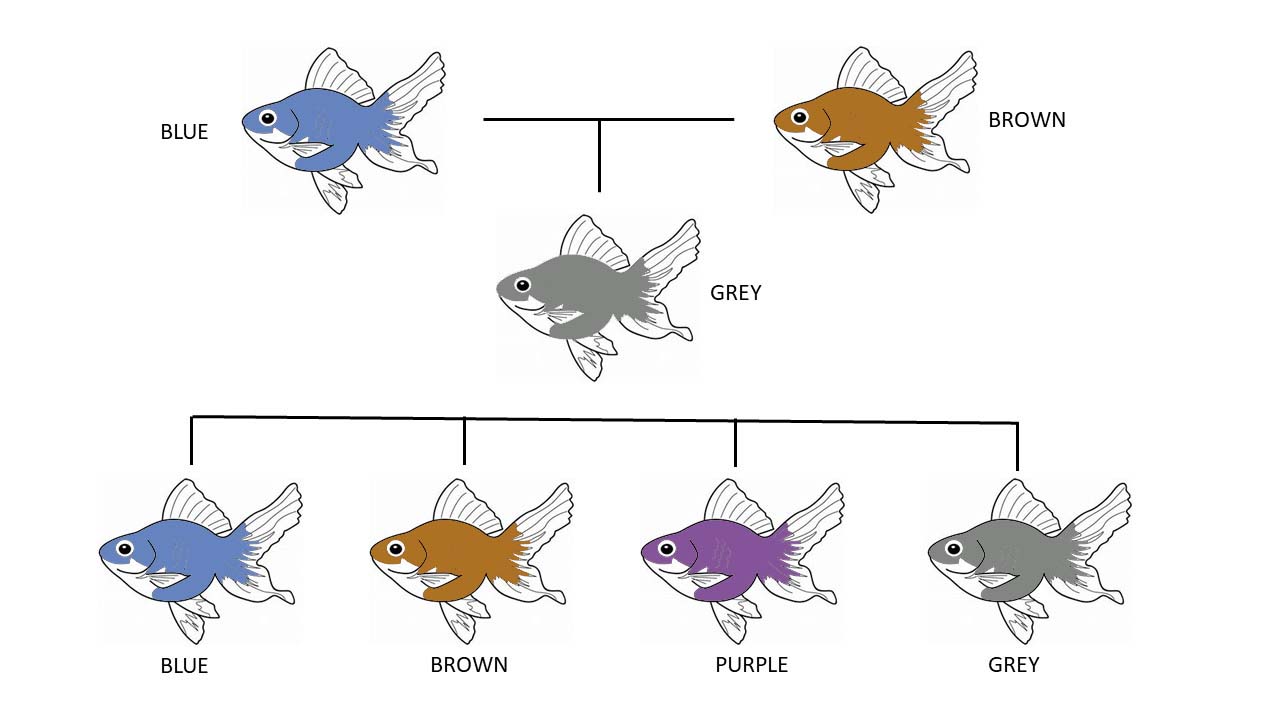
To review a bit, this chart explains the basic:

The blue and brown are not related. When they are crossed, the F1 is grey in color, which sometimes turn into orange fish. But when the grey is paired with each other (F1 x F1), the result will be blue, brown, purple, and grey. I always cull out the grey. This is how I get my purple goldfish.

So, although the blue and brown are not related, the blue is somewhat related to the purple. The brown is also related to the purple. Here we see that the key is the purple goldfish. When we crossed the blue and purple, the result will be blue and purple right on the F1. The same case happen in the cross between brown and purple. We will immediately get brown and purple.

So, what I need to cross with the basic material is actually only the purple. When I get the desired result (the purple with higher quality), I can cross the purple with the blue and the brown. Instead of mating each color with the basic material (three projects), it is sufficient for me to cross the purple only. This simplify my projects a lot, doesn’t it? This is the refinement of my breeding strategy.

The yellow oranda is a different case. This color has no relation at all with the blue, brown, or purple. So, this project must stand on its own. I must cross the yellow with the basic material.

Thank you for reading 😊

Standard
The Diary of a Goldfish Breeder 2021

The Diary of a Goldfish Breeder 2021 (9)

Yellow Color in goldfish is a fascinating project for me due to its rarity. My main project is to create Yellow Oranda (or better, Yellow and White Oranda), which I have succeeded. This variant falls in the category of Metallic Scale. Now my task is to improve the quality of the fish in terms of its headgrowth, body shape, and tail.

A side project in this Yellow Adventure is to create Yellow and White Transparent Scale Oranda. I nickname the variant as the Yellow Sakura Oranda. I did this out of curiosity to satisfy my imagination. In fact, I have a doubt about its market acceptance. Can the fish be clearly differentiated from the common Calico Oranda and its variations?

I started this project last year. I mated my Yellow Oranda (metallic scale) with a Calico Oranda. The F1 were Sakura in its Phenotype. I had a chance to inbreed the F1 this January. Too bac, most of the offspring have single tail and I must cull them out. I was left with only four fishes, which grow into different colors. One become Sakura with strong red color, one is a black and white fish, another one is a color between yellow and orange, and the best one is clearly yellow with white and black / blue spots! This last one is what I am interested in.

The yellow color is pale, but it is clearly yellow. However, it is a bit hard to capture in camera. I must do some editing to try to bring out the real color. I cannot say it is nice, but surely it is an interesting combination when combined with the white color. My surprise comes from the melanin showing up in the combination in the form of blue and black spots. I thought the melanin pigment will go away when the fish grows up. But it stays.

Well, the fish is not a perfect one. The middle tail does not split (but invisible from the side viewing). Yet the body and tail shape are not bad. Concerning the color, let the reader be the judge.

Standard
Yellow goldfish

Yellow Oranda 2020

It has been a long way to create Yellow Oranda from Yellow Comets. While the project had shown some success as reported in my last update, I was not content with the result. The main problem was the small headgrowth. Well, headgrowth was and is and will always be the main identity of an oranda. The small headgrowth did not highlight its main identity, in my point of view. So, I needed to do something about it.

What I did was to cross my initial Yellow Oranda with an Oranda displaying a large and stable headgrowth. I chose my tricolor Oranda for this purpose, since my tricolor Oranda had large goosehead type of headgrowth. Of course, the F1 displayed no yellow color. But the F2 produced several of them. As I analyze the result, I think I am satisfied with the headgrowth of my current F2. Here are two of them:

Aren’t they beautiful? The second picture is the same fish as the one in the featured image (the Title).

The color is as intense as it can be, since they are kept outdoor full of sunshine and algae. And they are still as yellow as lemons.

I only kept four of them, since that is all I need to multiply their number. I does not take a picture of the third fish since it is almost white. Only a tiny stain of yellow is left in its body. Not good for a picture. But still good for breeding. At least I learn that it is possible to produce yellow-white goldfish, just as it is possible to produce red-white goldfish. Yes, the yellow color can coexist with the white.

The last fish is a surprise! At first, it mutated from grey (Yes, the yellow golfsish starts from grey fry) into complete yellow. But then, it develops black color. I thought it was due to stress. It is often for a stress fish to display temporary black color on its body. But the black color persists until now (more than three months). It looks gorgeous. Remembering that one of the grandparent was a tricolor which carried strong black pigment, it is possible that this fish has turned into yellow-black variant! Of course I do hope this is true. It will take more time to confirm this. Here is the handsome fish:

Do you love him?

My next plan with the Yellow Oranda are these:

  1. Of course I will breed them just to make sure they have successor that I can use in my next breeding project.
  2. I am still not satisfied with the quality of the Oranda. So, I plan to cross this yellow oranda with a better quality Oranda in terms of the body and tail. I picture a strong and thick Yellow Oranda with beautiful tail.
  3. Concerning the yellow-black Oranda, I would like to create more of it. Right now I don’t have any pair for it. I am thinking of crossing it back with the tricolor oranda. It will ensure the presence of the black color. Of course the yellow color will not be found in the F1. But the F2 will yield several yellow-black Oranda, I hope!
Standard