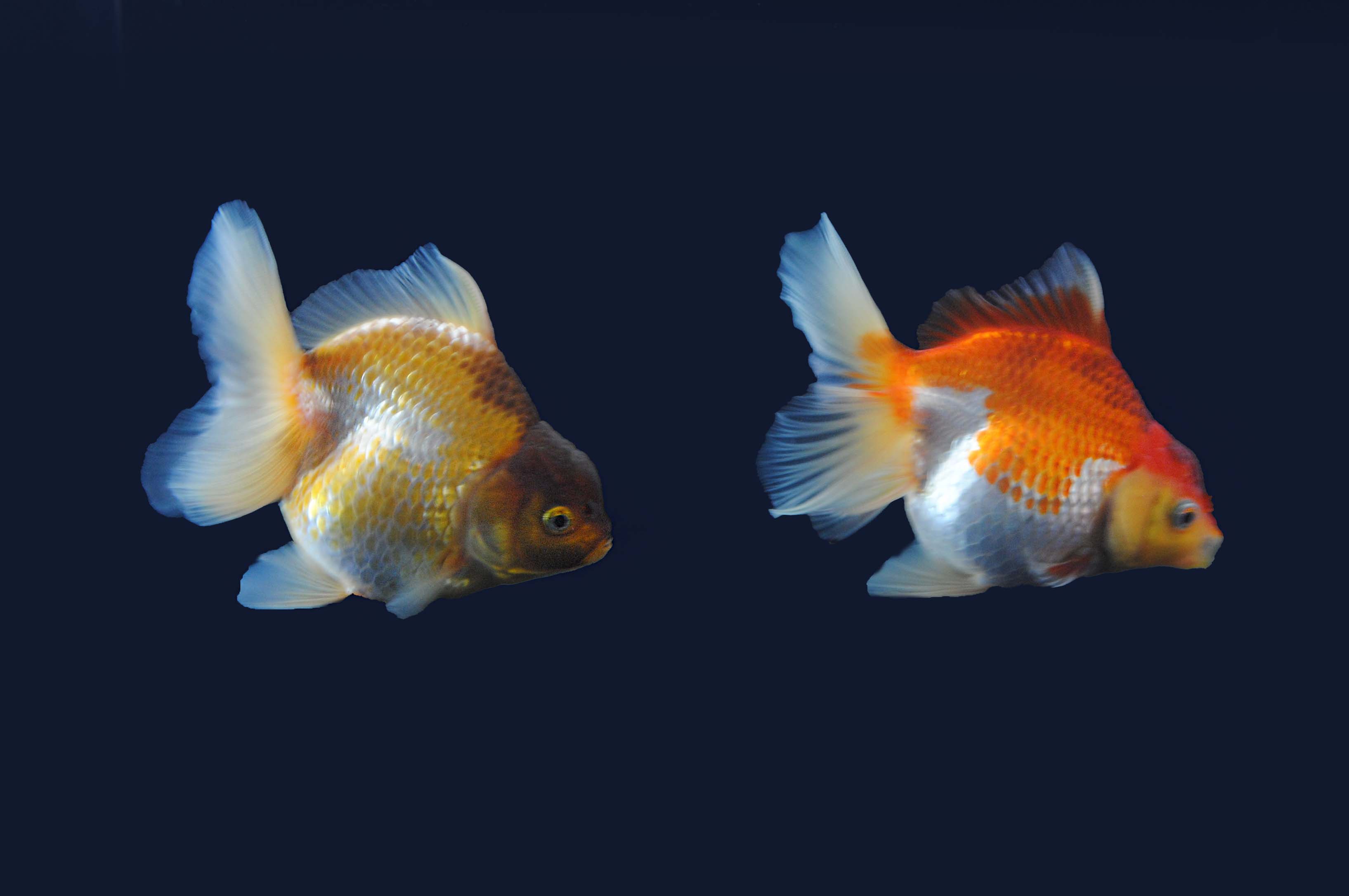
In my Diary #8 2024 I mentioned the emergence of a beautiful tricolor Ranchu out of nowhere. Well, it is not really from nowhere, but from (unexpectedly) my cow ranchu project. From that moment on, my tricolor breeding strategy diverged into two separate paths. The first path was to follow the inbreeding of my initial stocks. The second path was to cross the unexpected tricolor ranchu with my initial stock. In this diary, I will talk about the second path, that is from the cross between these two:
Male (unexpected stock)Female (initial stock)
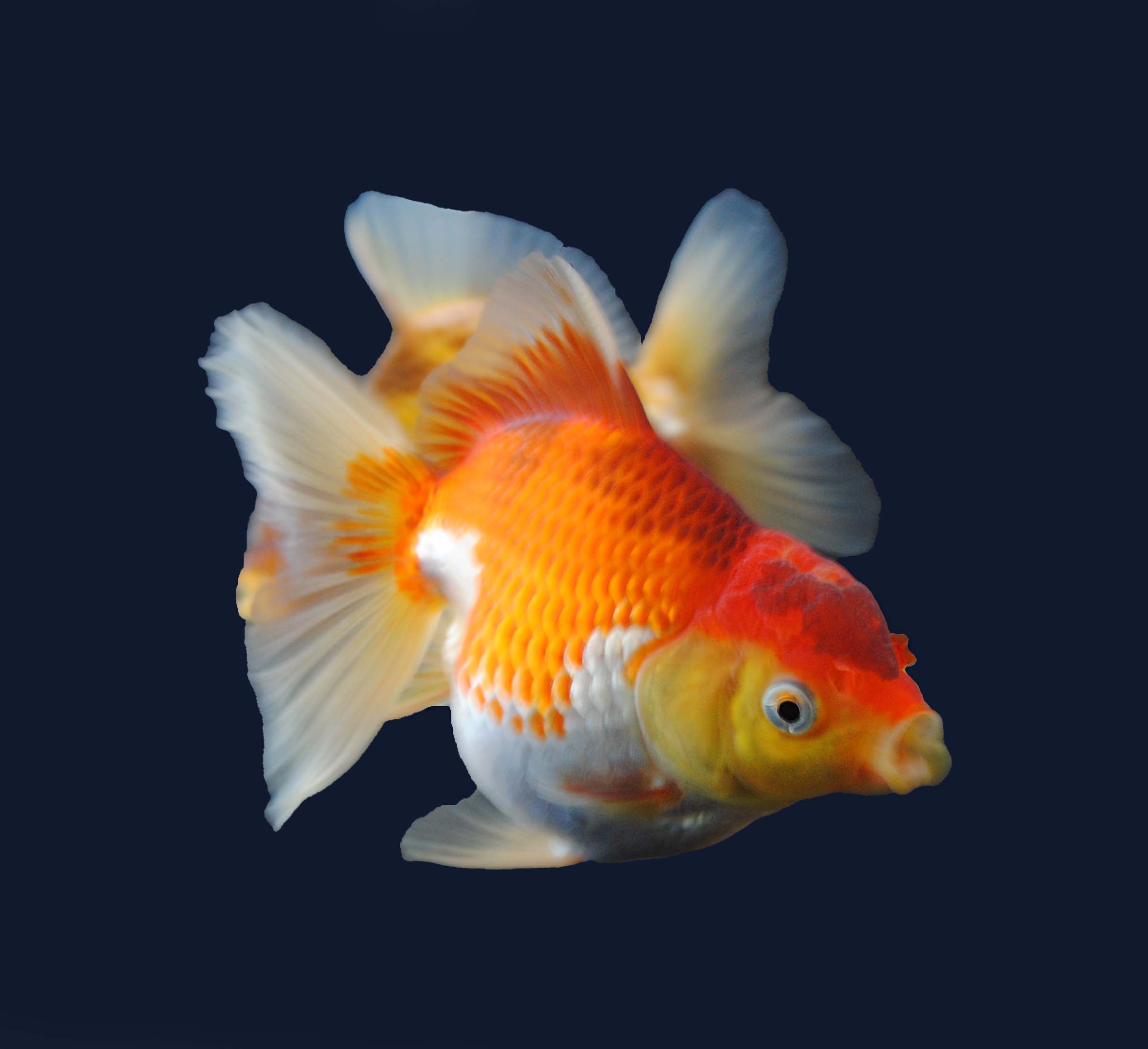
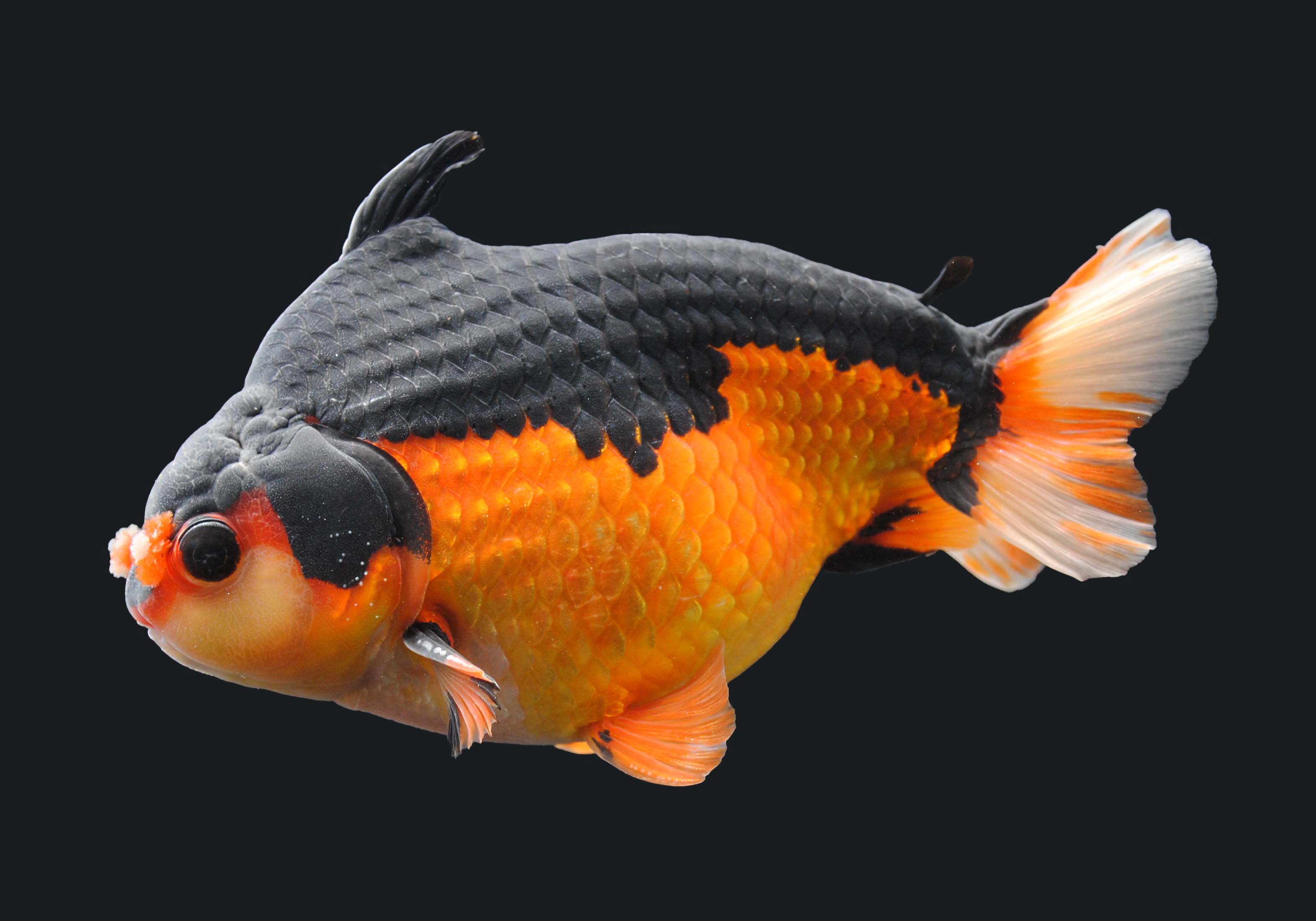
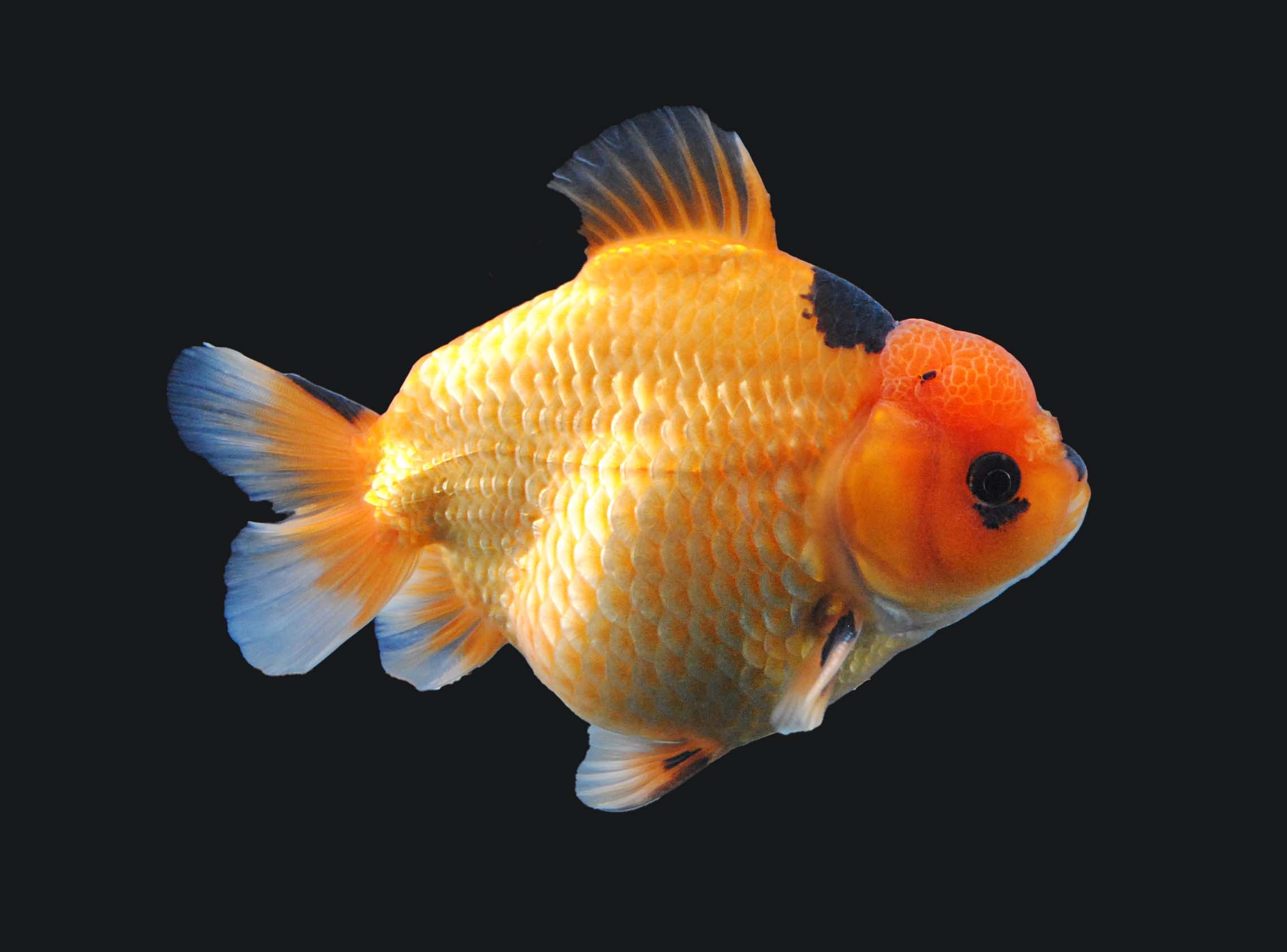
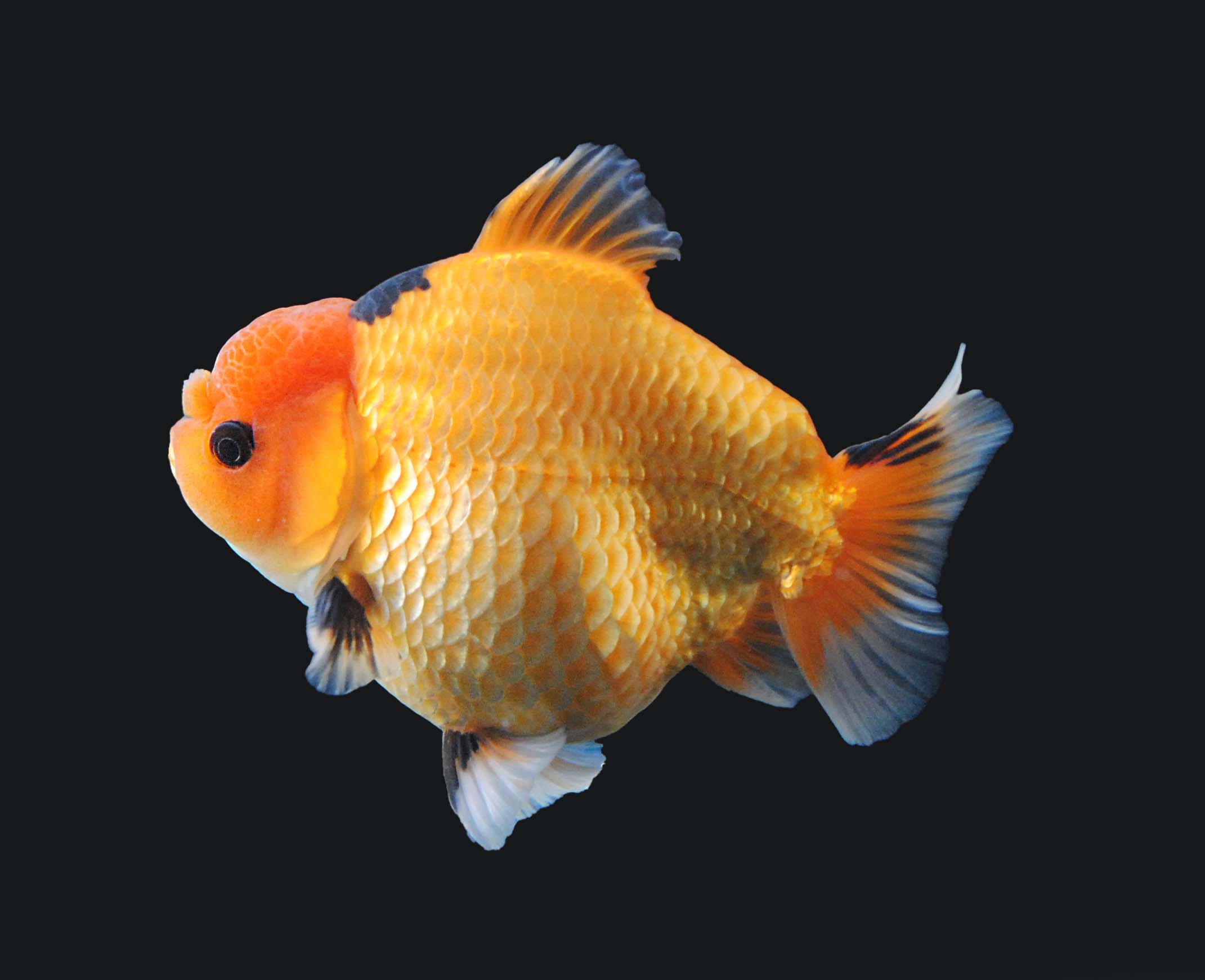
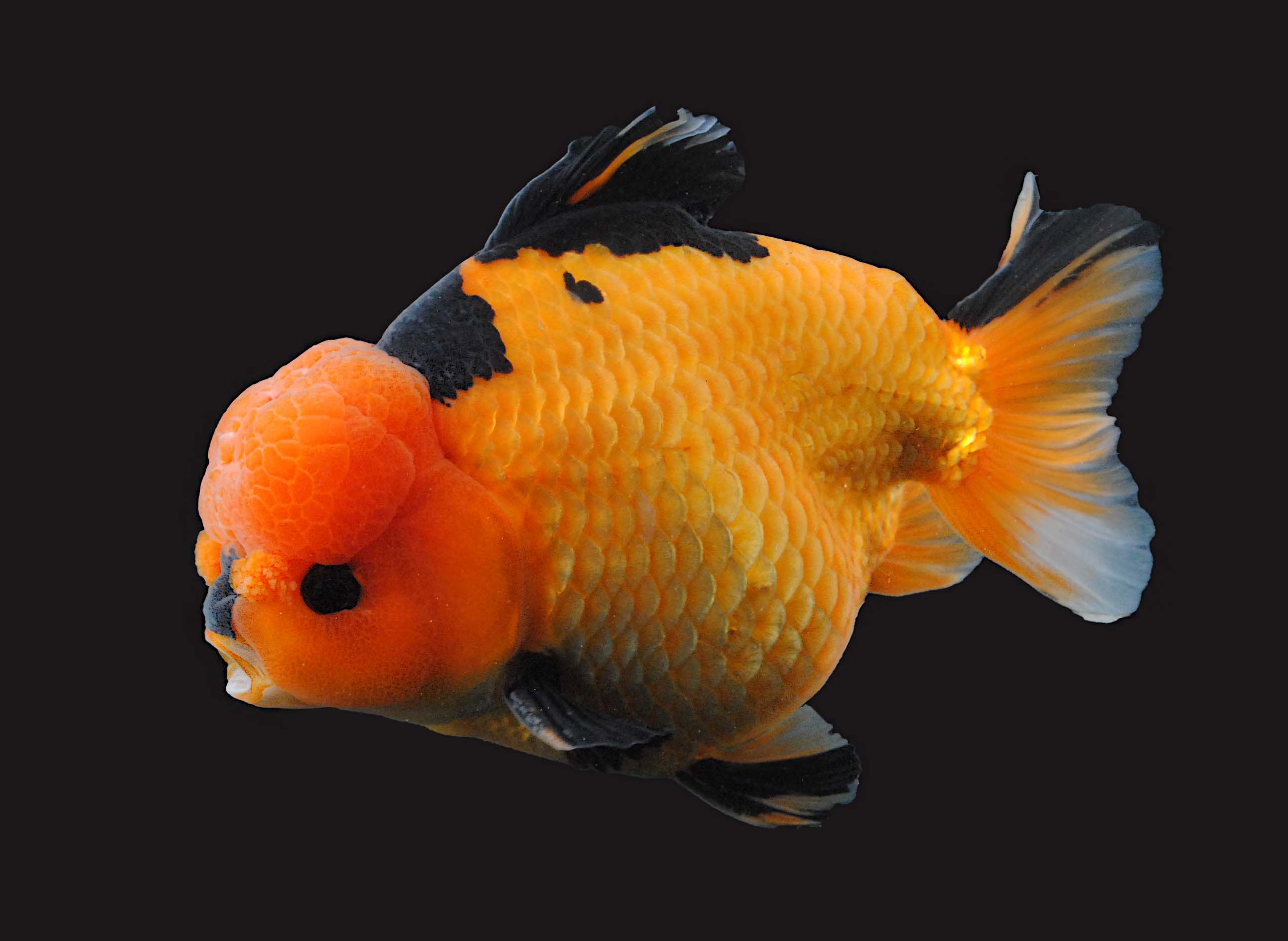
The offspring shows some interesting result in terms of coloration. Some exhibits strong black pigmentation on top of white or red-white color. This leads me to think that they are decent panda / tricolor ranchu! The quality of the body form varies. But as long as I can get the color genetics right, it is not that difficult to improve, I think.
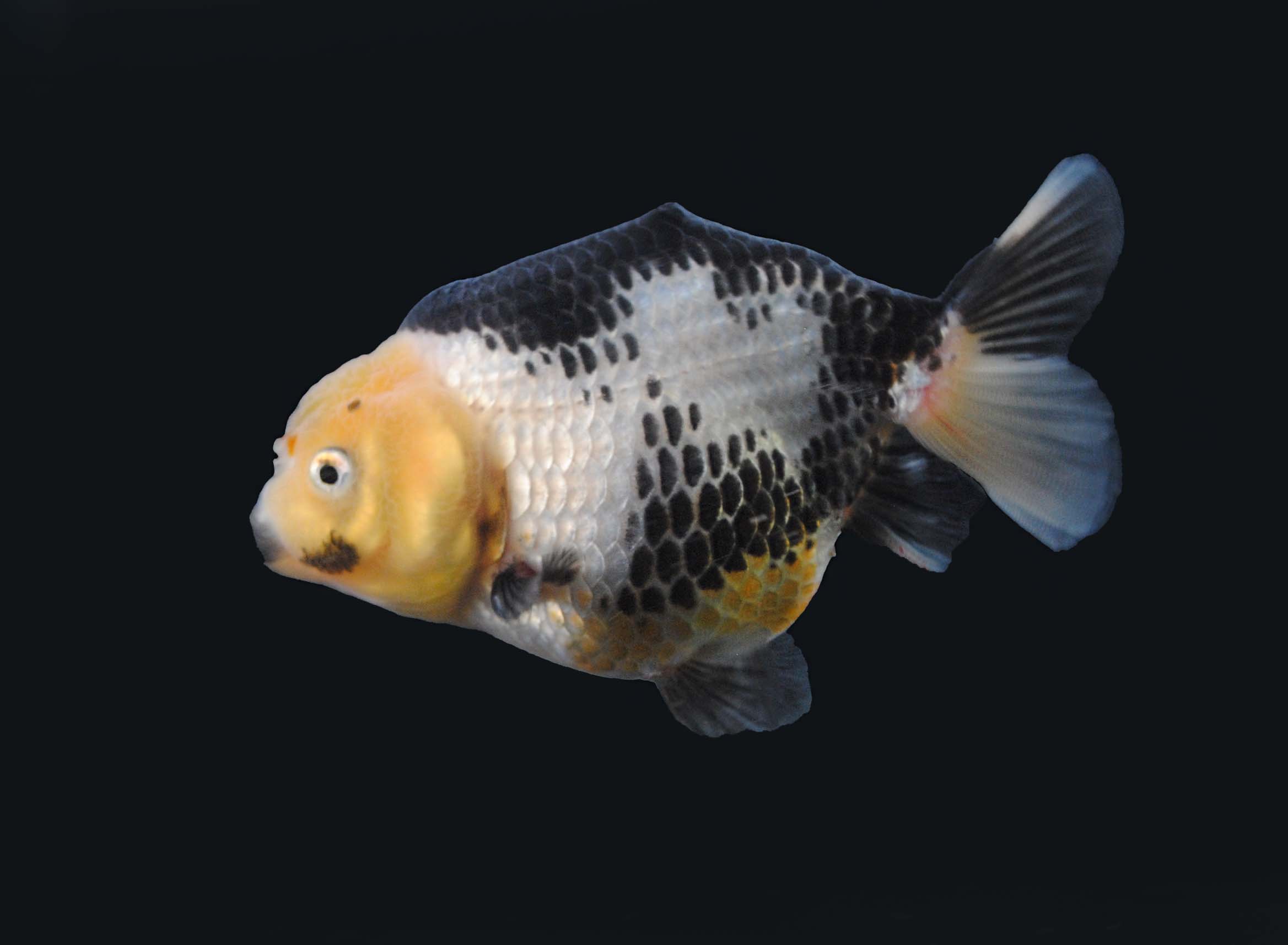
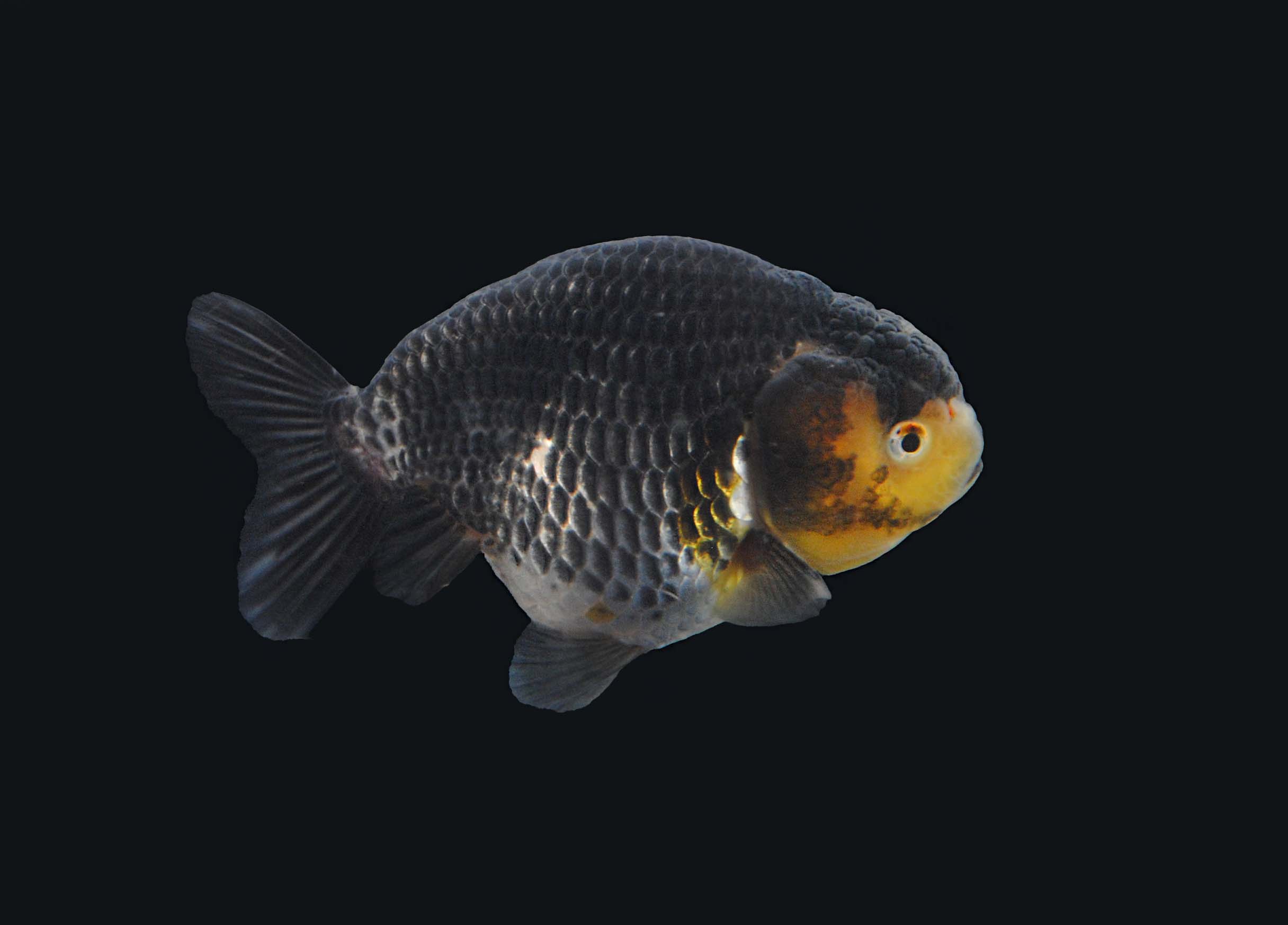
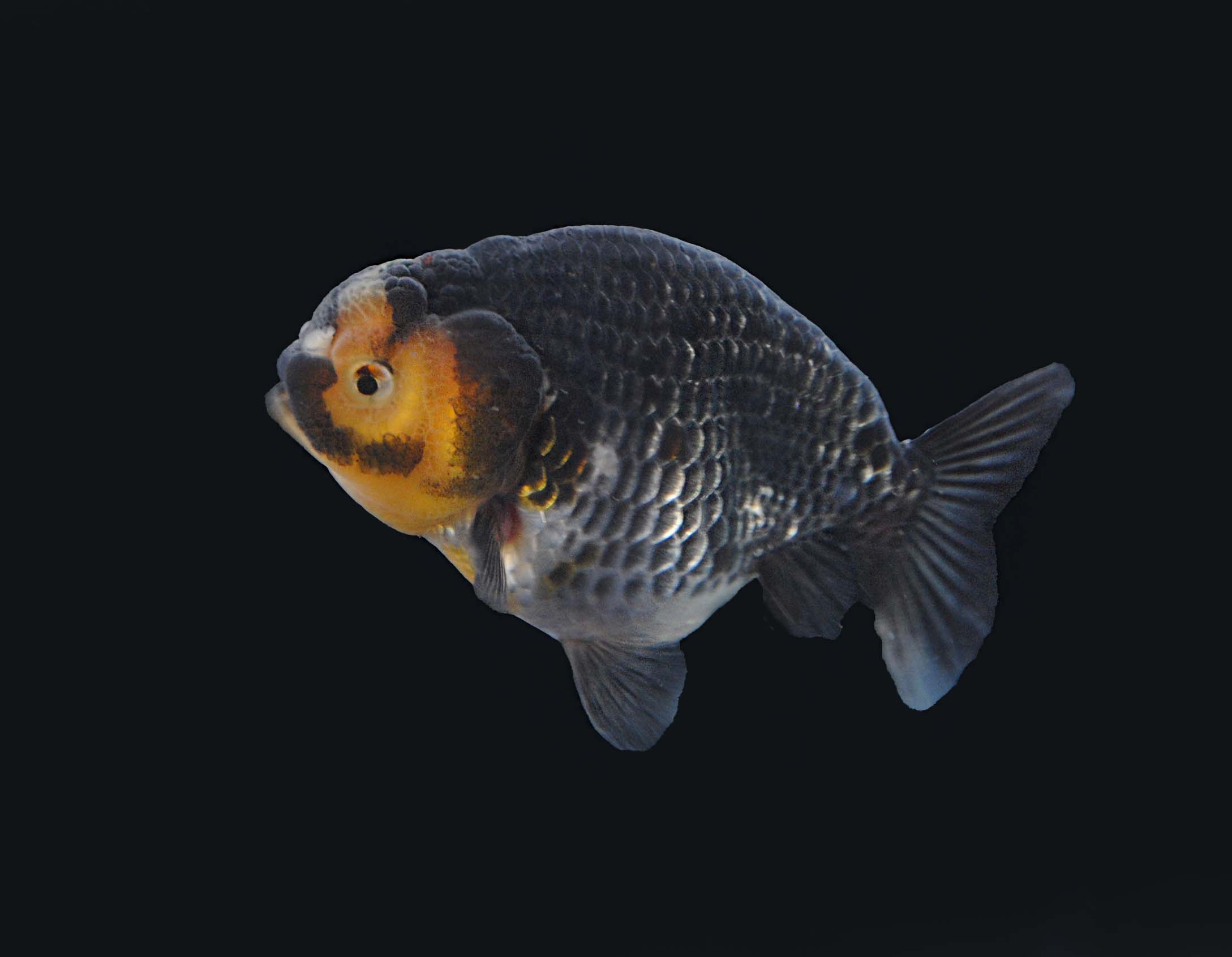
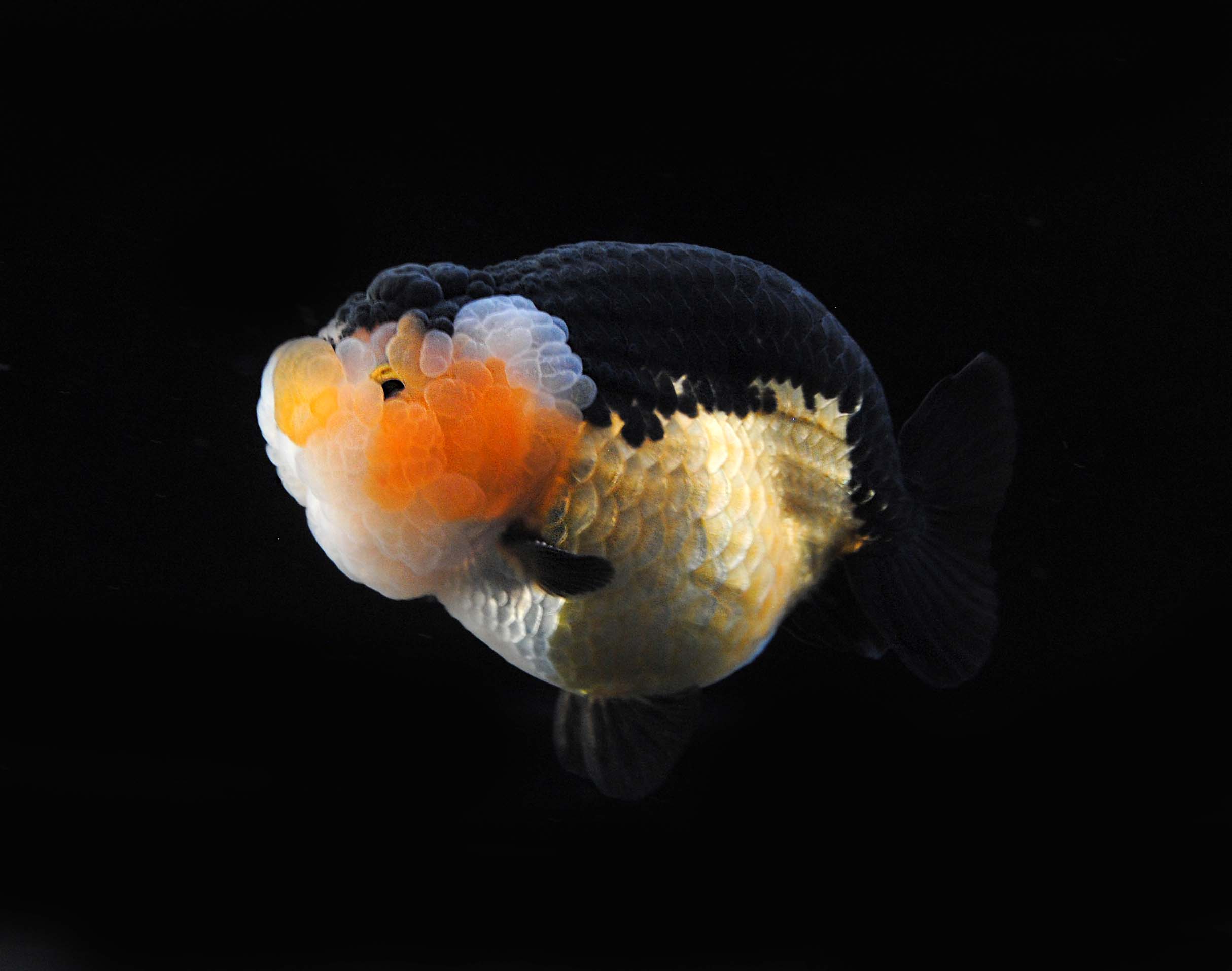
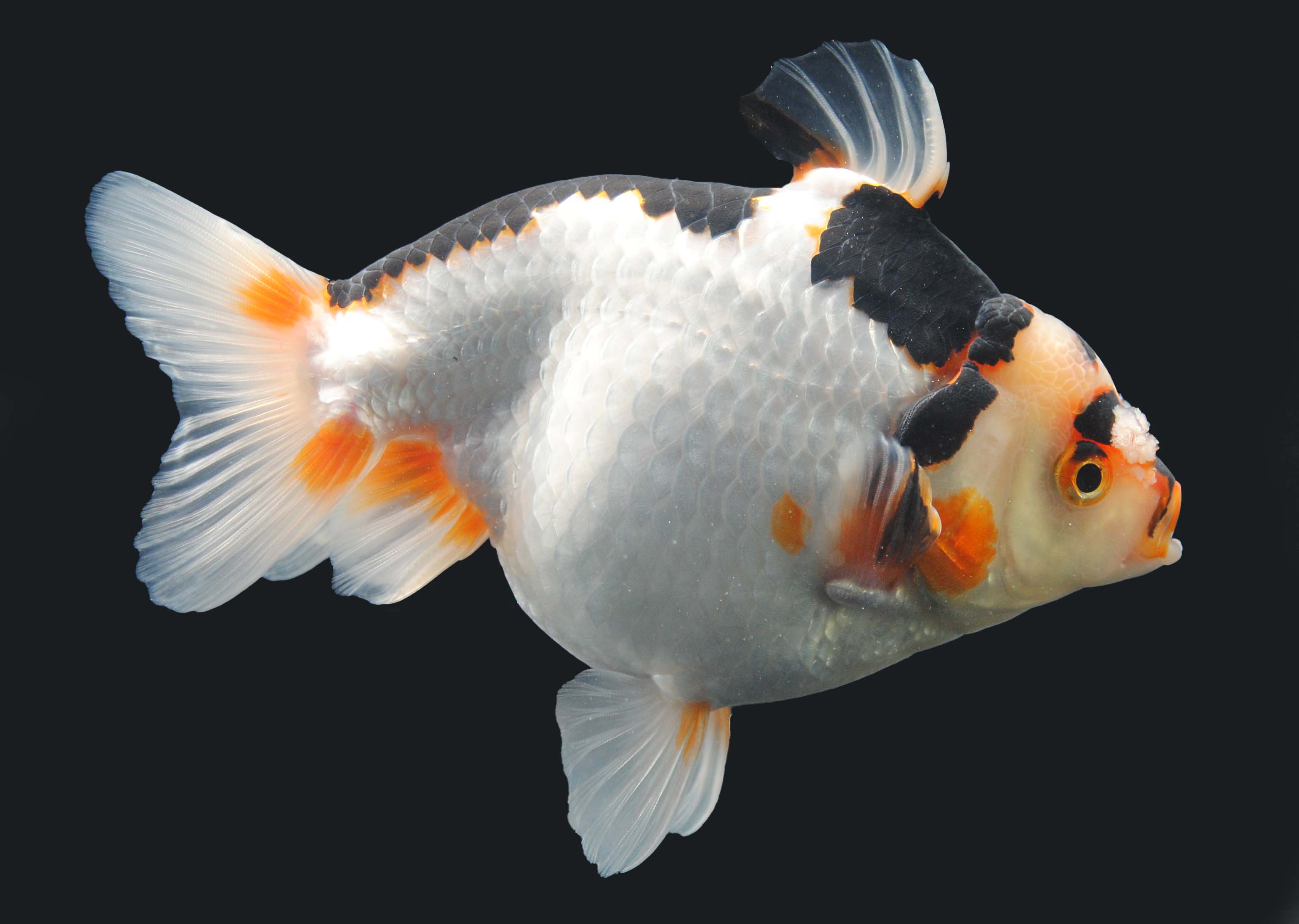
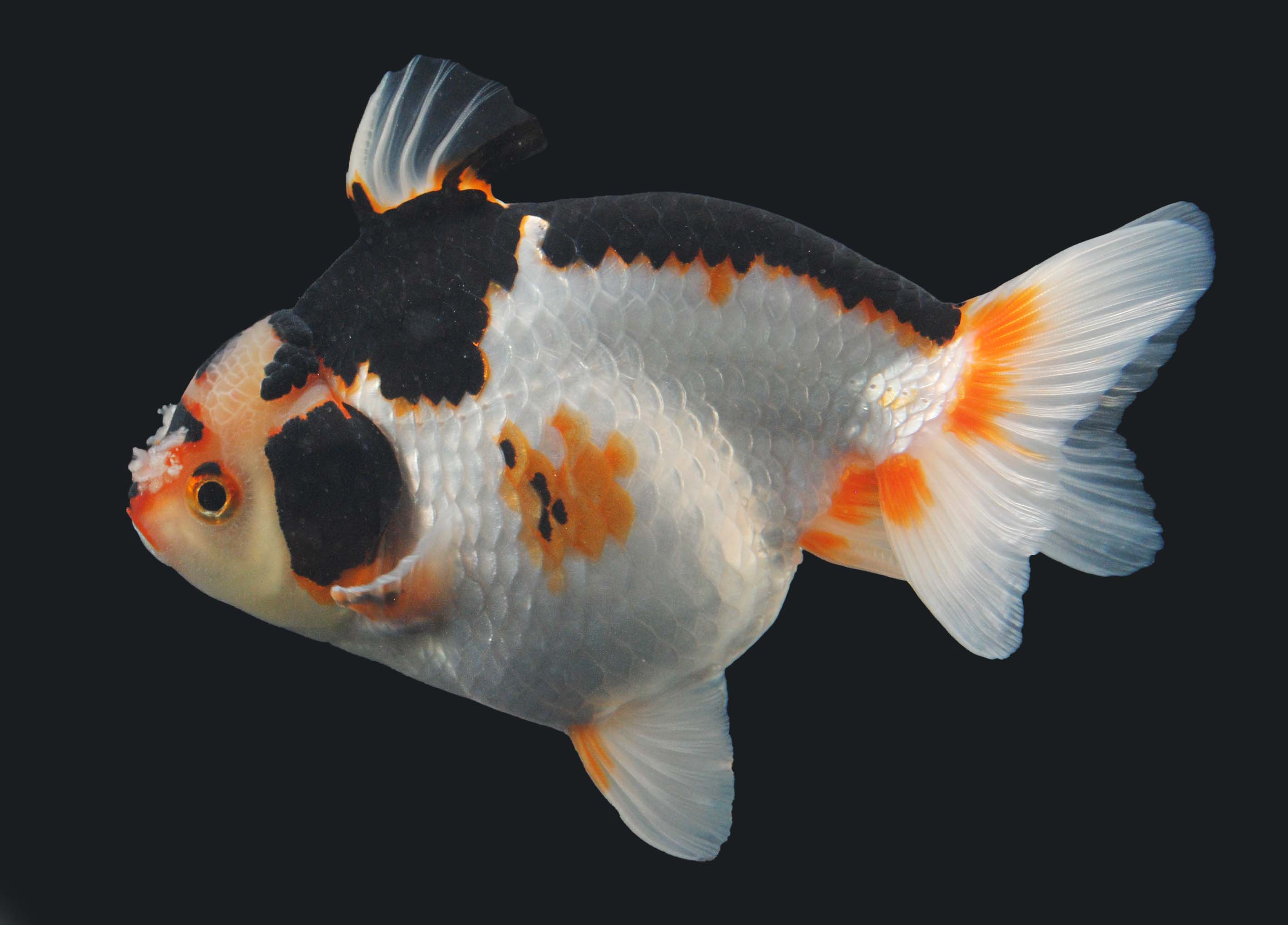
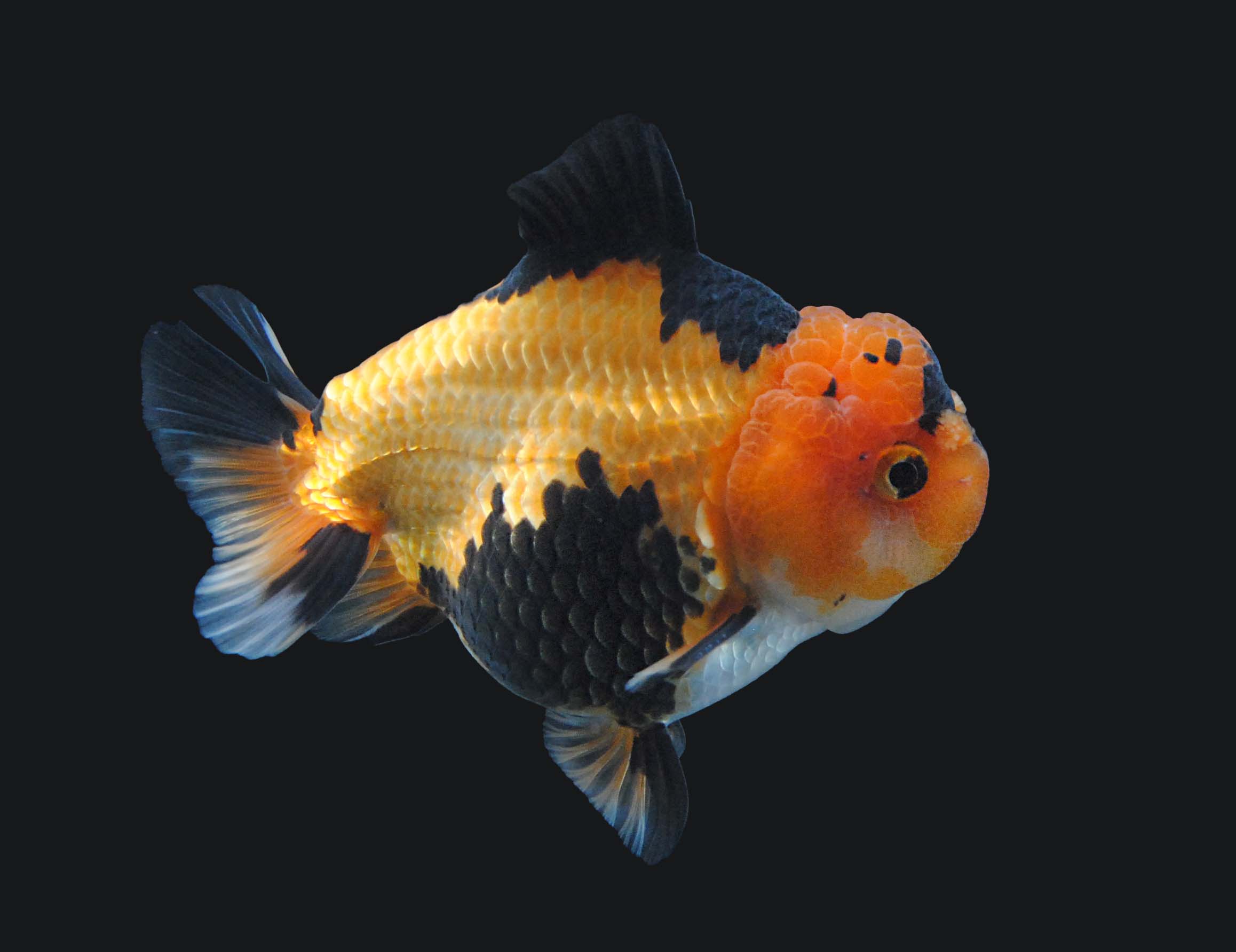
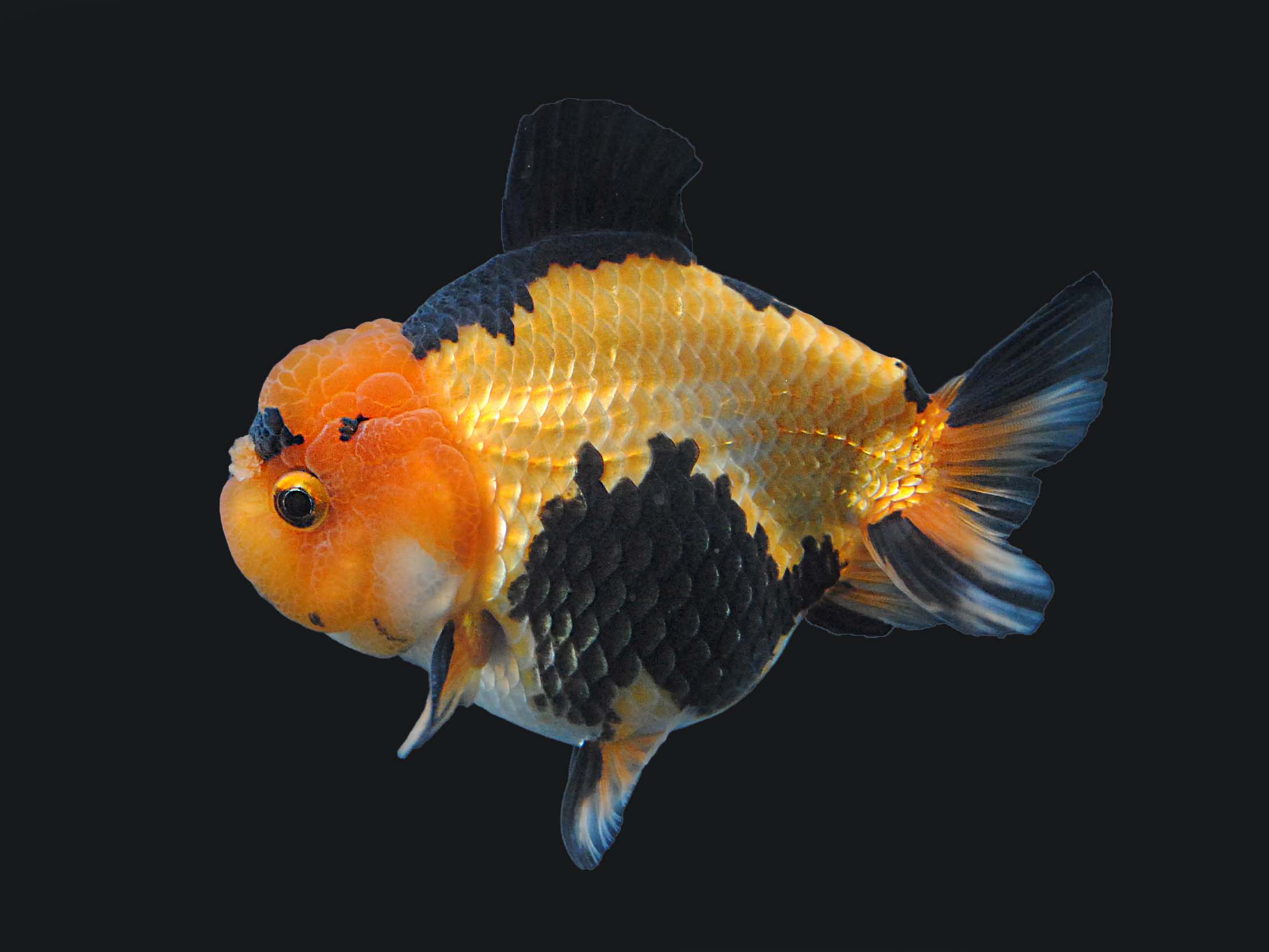
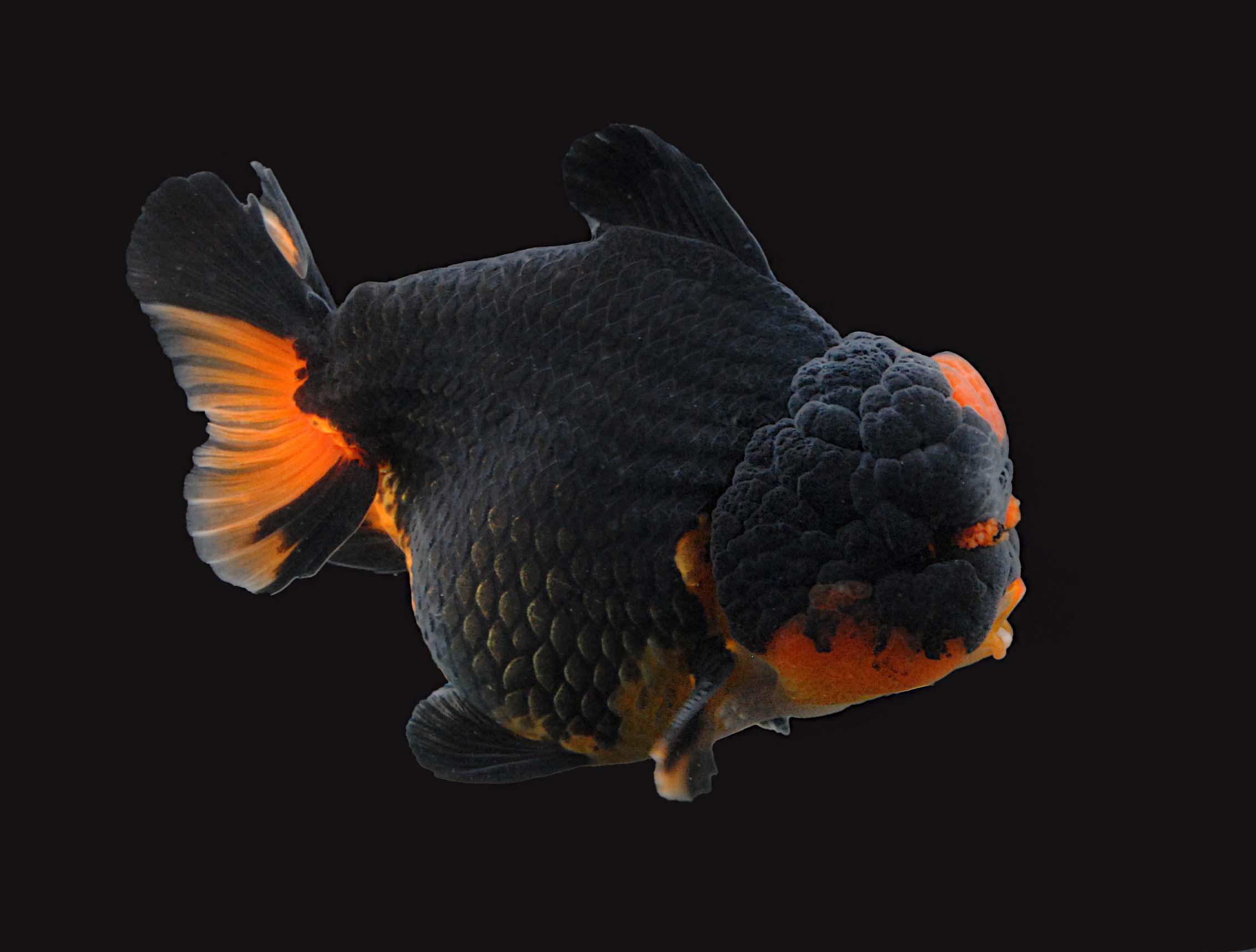
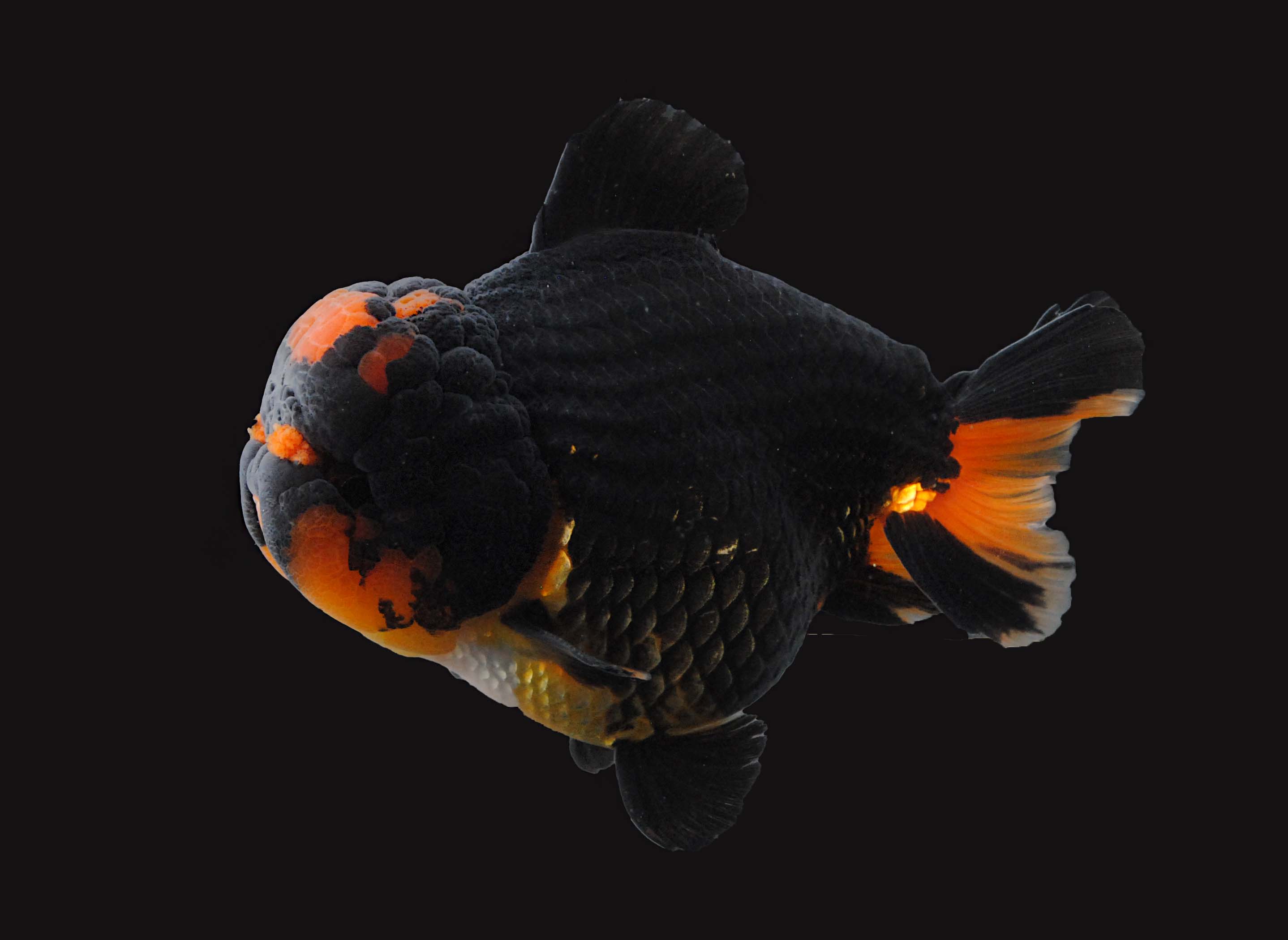
Here are four of the results. In fact, one of them has become a decent tricolor ranchu!
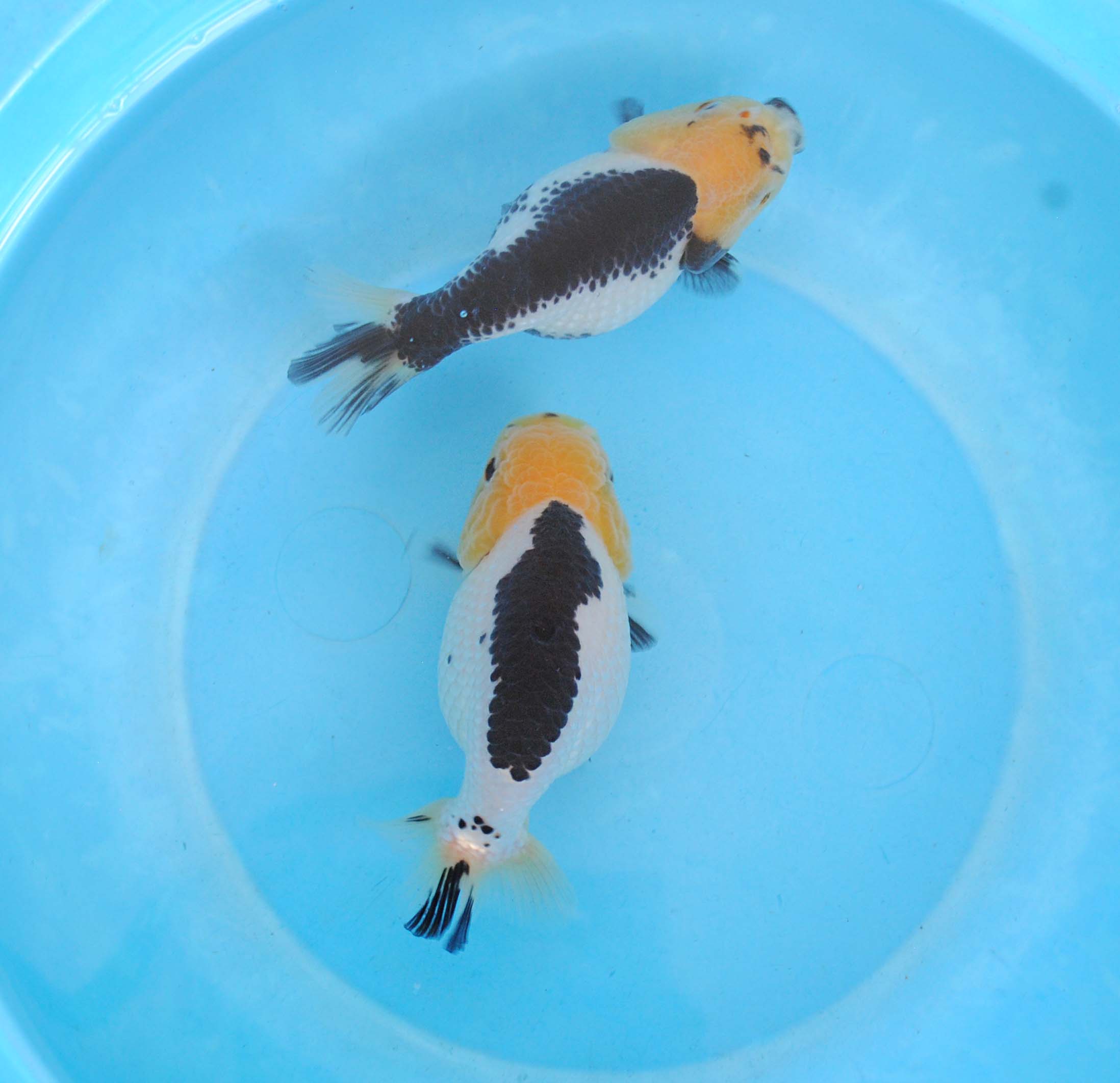
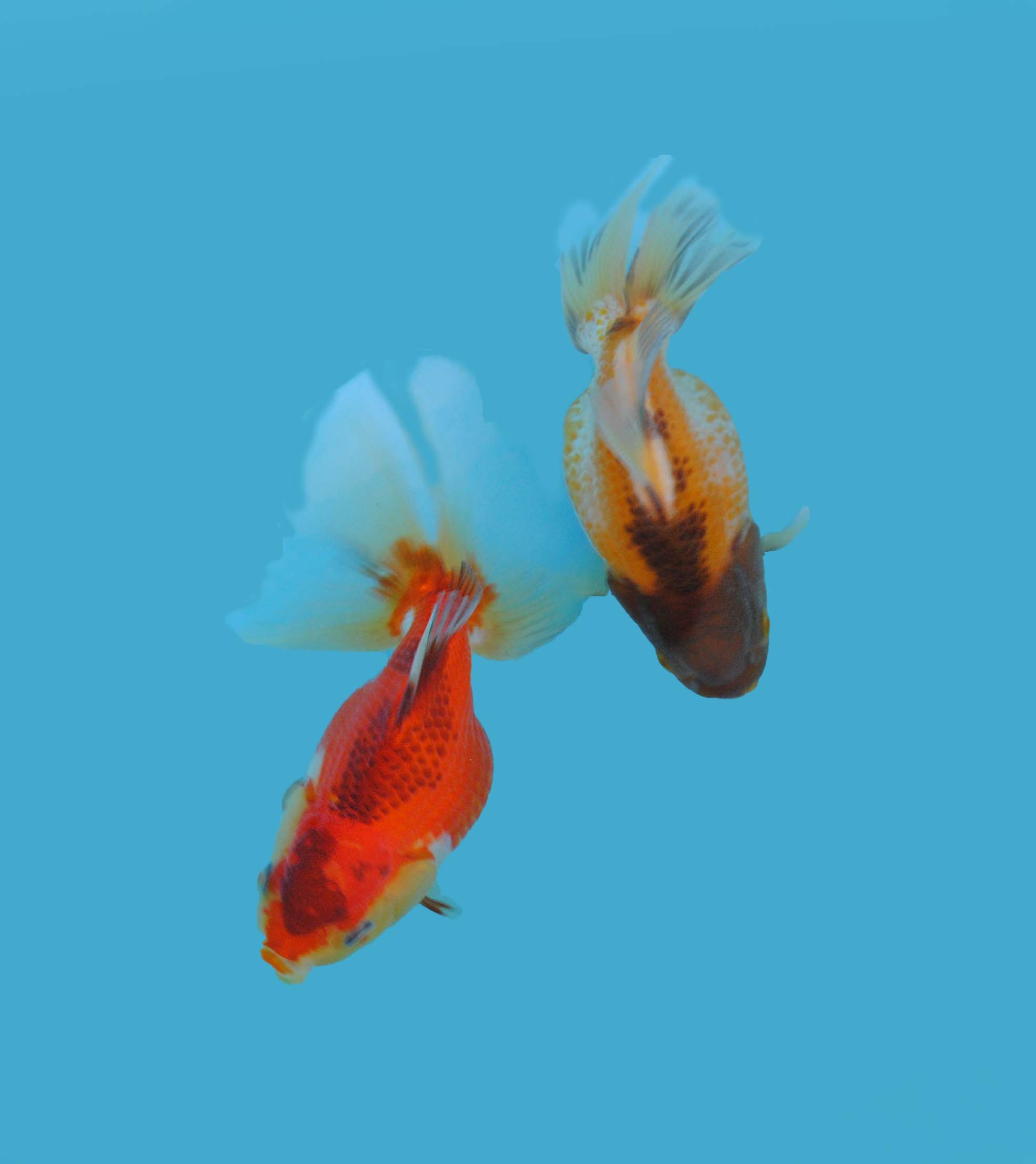
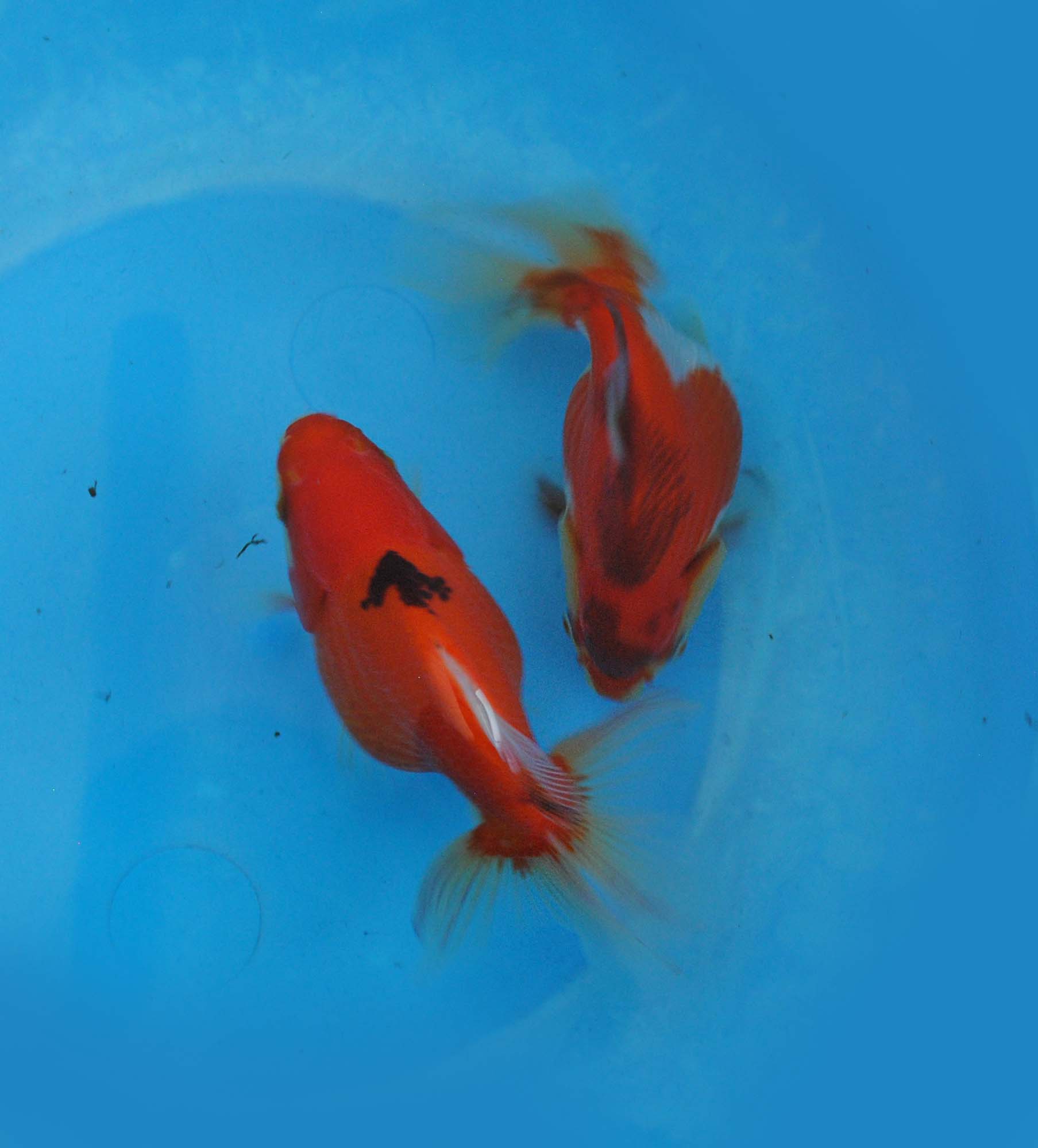
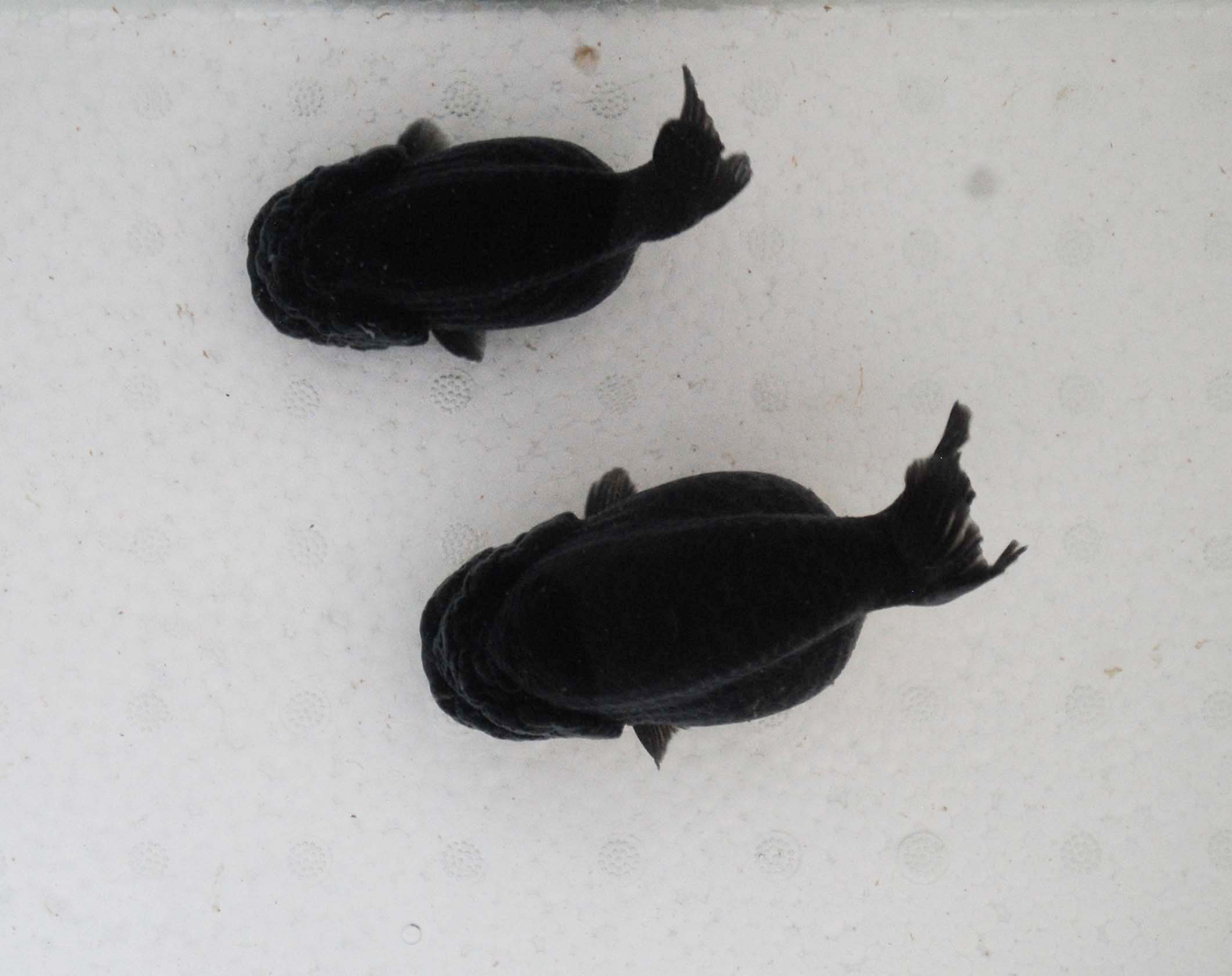
From the topview, some of the black and white color look startling!
I do hope I can realize my goals of creating panda / tricolor ranchu from these fishes.
I am 52 years old now, and taking goldfish pictures and videos is getting wearisome for me. The last time I took some pictures, I had a strained lower back. From that moment on, I think I need to cut back on my photo taking activities. On top of that, several business and family matters occupied my attention. While my overall health was (and is) diminishing (when vertigo took over several times) and my travelling schedule was tight, Not to mention that the earning generated during several years of working on this blog cannot even pay the subscription fee for even a year, haha! I was still faithful to my goldfish breeding projects, though. Every morning when I was not travelling, I will did my daily routine: doing water change, scrubbing dirty tubs, closely working on my projects. It is just that I had far less time to update on this blog. Going forward, I might update on this blog with less (and lesser quality) pictures. Oh yes, my vision is also deteriorating (welcome to old age, said my eye doctor!) I also think of discussing a new topic, that is about appreciation and the philosophy behind it. I think it will be an interesting topic for me to explore, though I fully acknowledge my limitation. Well, it is all still just wishful thinking, though. No promise.
During my blog absent last year, I had a chance to make a unique cross that I had an eye on a long time ago. The color of yellow and purple are both recessive to red. How if I cross them? What will the offspring variety be? I already know what happens if I cross red to yellow, or red to blue / brown / purple. But I have no idea what will happen if I cross yellow to purple. As far as I know, nobody has ever reported this kind of project.
MaleFemale
The F1 are all orange (some with black spatter). I did not manage to take picture of them due to the reason I mentioned above. Since it is easier to take video of them from my handphone, I managed to take their video and upload it in youtube:
And here are the F2
Is there any interesting result? I would say yes, though I am not sure they will do well in the market. They are interesting for curiosity purpose.
The most obvious results are the red / red white and the yellow / yellow white color. This is predictable, of course. But I do note that the yellow color has a bit of orangish color, in a different spectrum of yellow from its father, yet can still be differentiated from the red siblings. I do not think I will use them in my next projects, though.
Red white and yellow white
Next in line are the blue and purple color. This is also predictable. If the F2 of red x purple results in blue and purple (along with brown and red), it is expected that the F2 of yellow x purple will results in blue and purple also (along with brown which I will discuss after this, and red and yellow).
purpleblue
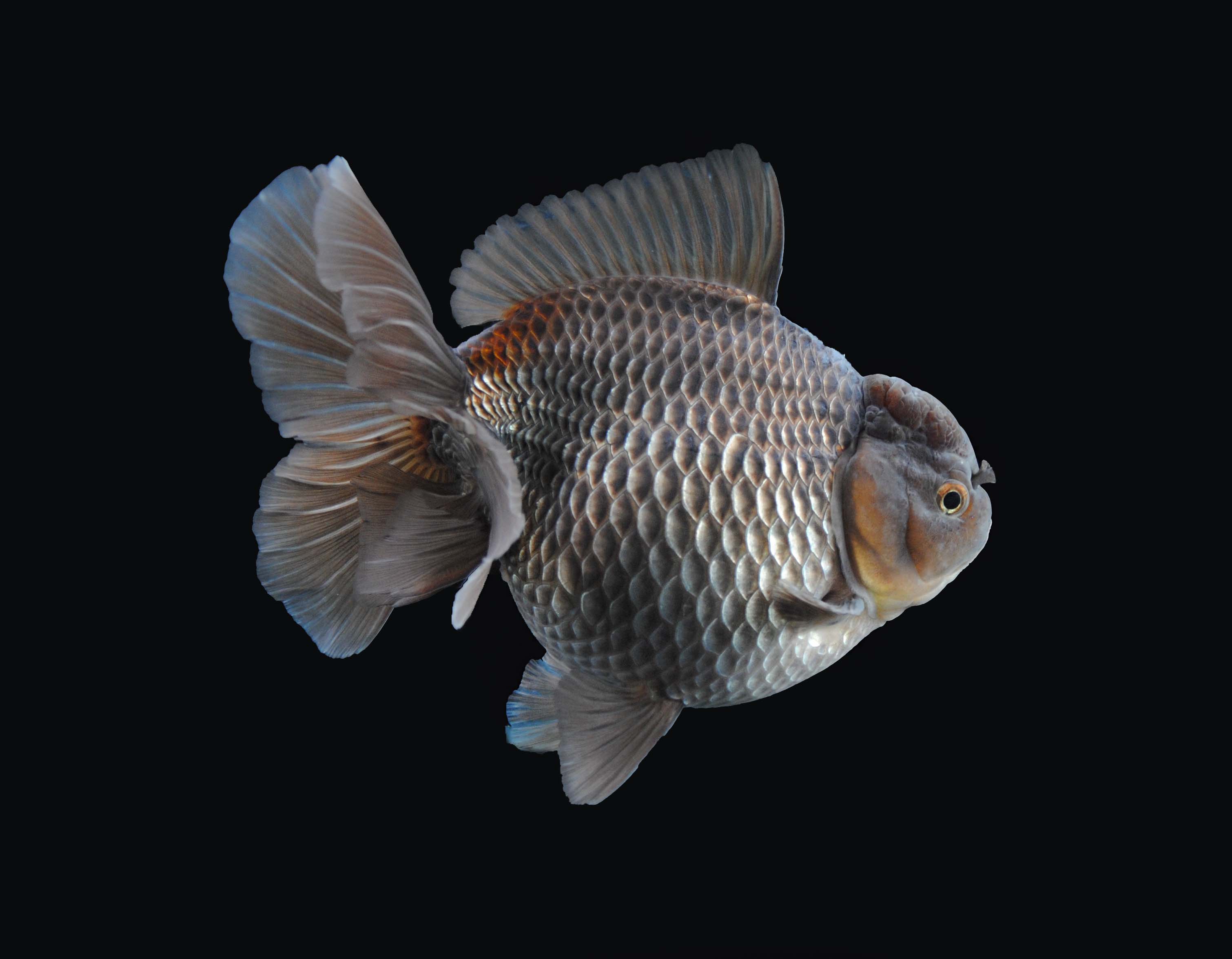
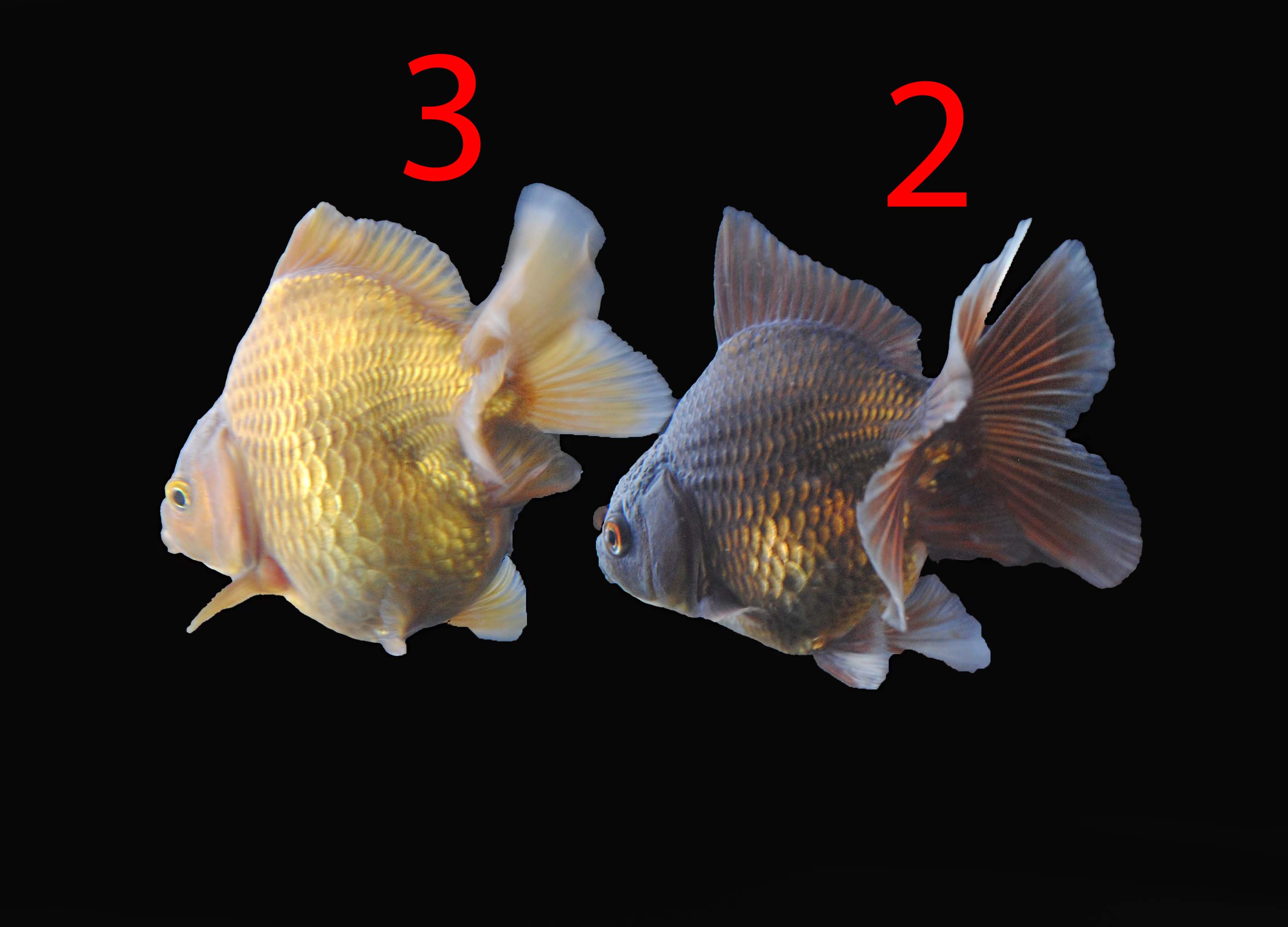
The brown offspring is a bit tricky and interesting. First, let me show you the grey (wild) color as also one of the offspring, and its dark brownish sibling. The wild color being #1 and the sibling #2. Do you think we can call the #2 brown / chocolate? I am not sure. It is close to Dark Brown color I discussed before in my previous blogs.
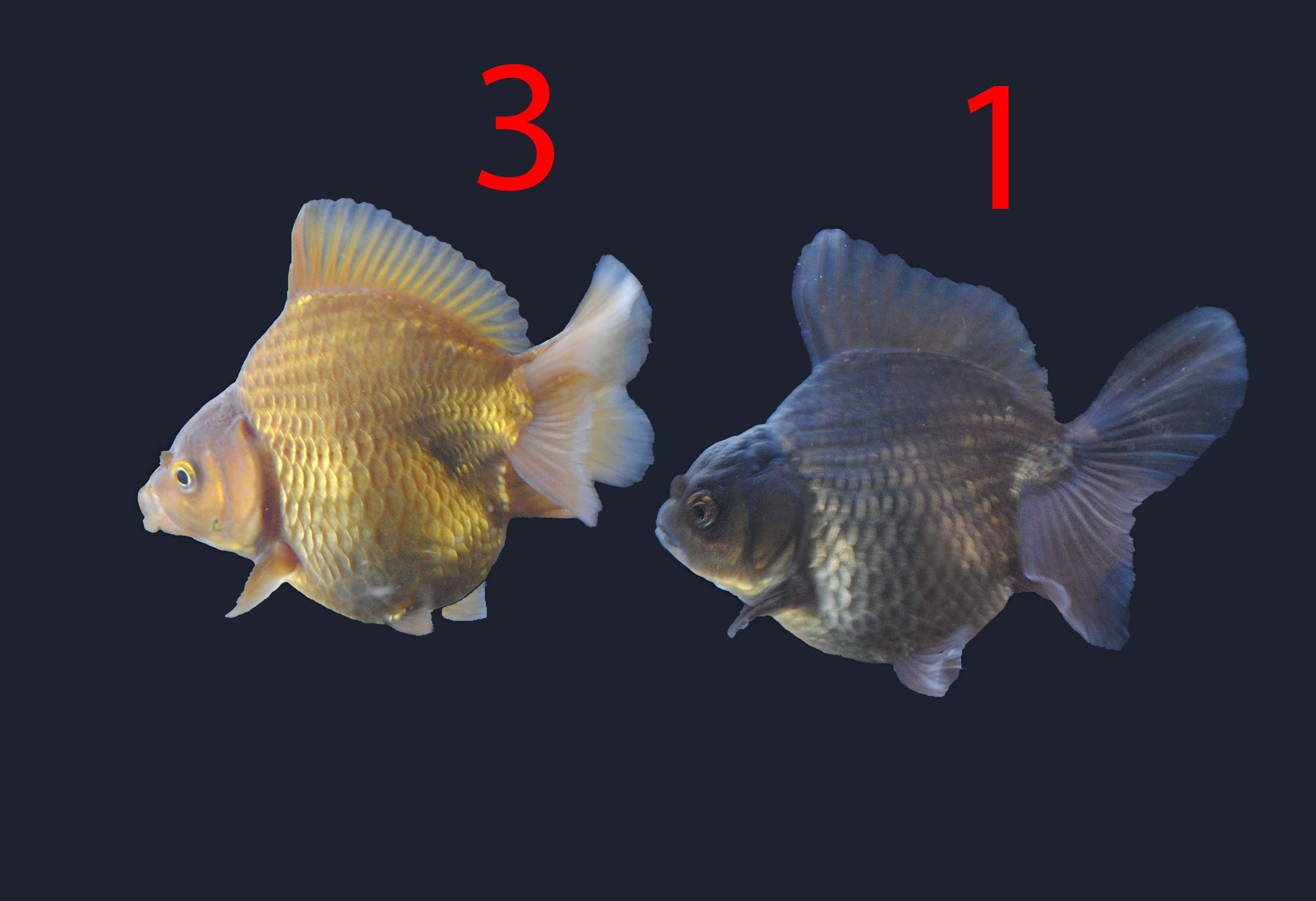
And there is one unique color in the offspring, which I am not sure how to call it. Is it bronze? Green? Copper? Gold? I do not know. I call it #3. When compared to the wild color, it is obviously not wild:
in a darker lightin a brighter light
But compared to #2, it is certainly not as brown as #2:
Can we call #3 as light brown? I do not think so, because we have another variant of brown as #4:
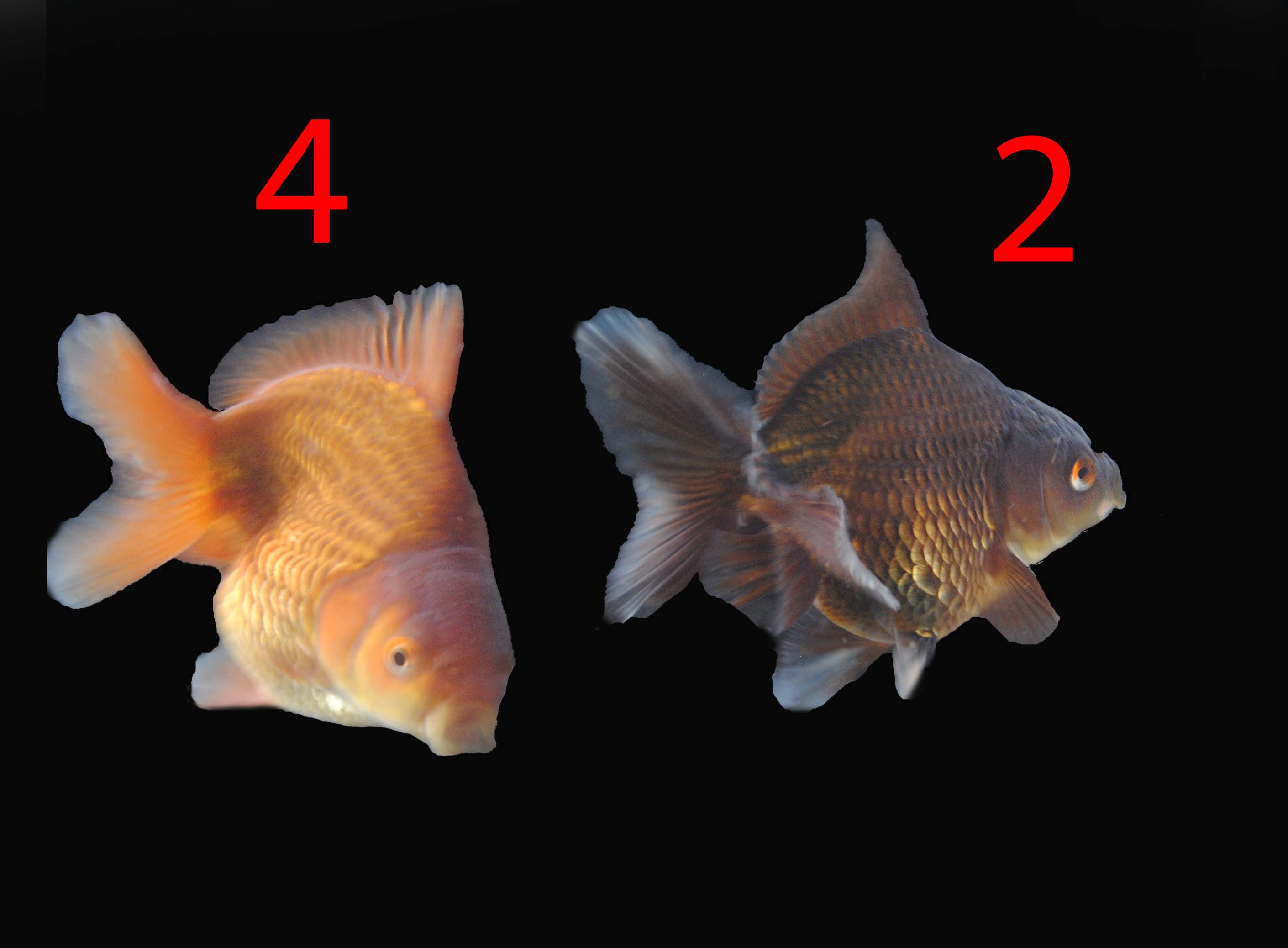
I compared #4 with #3 and #2:
#4 compared to #3#4 compared to #2
And if we think #4 is an interesting brown color, I still have #5 which is slightly different from #4 but more eye-catching. #5 is the best brown color I have ever seen. Too bad, when I took these pictures, I already tired myself to the core. So, pardon me for the few and blurry picture.
#4 and #5
I will definitely try to duplicate the color of #5!
Now, some of the brown color can fade into brown-red-white and brown-yellow-white color. The brown-red-white is already a rare color. But the brown-yellow-white is even more rare!
I think the brown color might eventually gone totally. But the existence of these two creates the possibility of us having those rare color combinations in a stronger version. Very unique, right? However, I am not sure if the market can accept them well.
Since the brown-red-white fish is full of defect, I cannot use it for my breeding project. But the brown-yellow-white is perfect. I will keep it for now and think about a follow up project later on.
the brown-red-white and brown-yellow white from above
Of course, there is a tricolor (black-red-white) fish in the offspring. The black color almost disappears completely. But this shows that such crossing might yield a tricolor combination. The picture below shows the difference between the black and the brown in red fish.
I might use the black-red-white fish in my tricolor project.
For friends who follow my Cow Ranchu projects and anticipate much (like myself), I must inform two bad news. First, all the offspring from both the Cow x Black and Cow x Sakura result in 100% male fish! That is a disaster for a breeder. Before I finish lamenting, there was an outbreak in my farm that cost me almost all of them. The Cow x Sakura line was totally wiped out. Fortunately, I managed to save few from the Cow x Black line.
These three patterns from the Cow x Black survived:
My main plan was to cross the first pattern type (the left picture) with the black colored sibling. But it was not possible since all were male. As a change of plan, I buy another female Cow Ranchu and cross it with the first type. Too bad the female cow died after delivering her first offspring before I took any documentary of her. I might post the result later on. But for now I can report that there is no single black in the offspring. After this mating, I sell all the first type pattern since I do not think I need them for my project anymore. I still keep the second type pattern and the black. And here the interesting news comes!
The black offspring turn into two handsome princes!
I kept two best of them. One of them turn into a black gold, and another one into tricolor pattern!
Aren’t they handsome?
I find that the black color is so persistent in them. It makes me full of hope. At least, not for my Cow Project, but for my Tricolor Ranchu Project! It is like getting a lottery!
Of course, I know that the stability of the pattern here is under question. Will they stay? Well, I am still observing. And when I cross them with fish from my Tricolor Project, how is the compatibility knowing that they come from Cow lineage?
Now, let me update on my Tricolor Project.
The project had shown a good progress. My latest offspring consists of some male and female shark ranchu (bad body form) with strong tricolor pattern. I highlight the strong pattern here. After I achieve that, the rest of the project becomes easier. I just need to improve on the body formation.
But when the outbreak kills lots of my fish, I am left with one female only! I was heartbroken. If this single fish died, then I must restart this project that I have done for several years. So sad.
This is the survivor:
I mated this female with the two male Ranchu above. Frankly, it is hard for me to make a prediction of what will the offspring be. My hope is to have Tricolor Ranchu, of course.
First try, all the eggs cannot hatch.
Second try, no luck. I begin to suspect this female is infertile.
But I still try.
Third attempt, same result. Not even a single offspring. Actually, at this time I also mated this female with a ryukin just to make sure that the infertile ones were not the male. Same result, The possibility of the female being infertile is high!
Yet, I still try.
In the fourth attempt, I mated the female with the two princes above, with a ryukin, and with a tricolor Oranda! And guess what? All hatched perfectly!
If you ask me how come, I do not know.
Now, I am raising all of them. They are 3 cm in length right now.
Then, I try again to mate the female with the two princes for the fifth, and sixth time, and nothing hatched. The female resumes her infertility.
Well, I have no explanation for this. But I thank God for the one successful shot (the fourth attempt).
And let’s see the results in several months to come.
I managed to keep two pairs with very good black pigmentation. Some are lacking white color, so they become black gold. But the characteristic of the black color on these black gold is superb, to differentiate them from the commonly seen black gold which deteriorate over time to become orange fish. Here, the black color stays.
But the fish have not produced decent ranchu back curve. At best, they are still what we call shark dorsal fin type. It is ok for me, since I see it as an improvement for this project.
The female 1:
Female 2:
Male 1:
Male 2:
All of them have pompoms, which I do not know where those come from!
Well, I was hoping that their offspring would yield some dorsal-free back curve. It was the most logical thing for me. Yet, it does not work that way. Almost all of the offspring have perfect small dorsal fins! I do not know why. But this is frustrating for me. I have tried to breed using these pairs more than twice with the same results. So, I think I need to adjust my strategy.
Among the plans I execute are to cross them with a male blue ranchu, and with a female grey ranchu. Both the blue ranchu and the grey ranchu still have genetics connection with them as a side result from the previous crossing. I also plan to cross them with true blue ranchu in the near future.
That’s all the update I can give right now concerning the tricolor ranchu project. Wish me luck.
I finally kept only two male fish from this project. They are semi-ranchu (ranchu with a defect dorsal) but with good intense black color. The black pigment has grown since, defying the demelanization process! Here are their development from six months ago.
First fish previously:
Now:
Second fish (previously):
Now:
If I do not follow their development closely, I might not be able to recognize them. The black color is expanding, and also the orange color! Both fish lost some of the white color in their tails to become orange! The second fish lost its white color on the cheeks. That is an amazing phenomenon. We can still recognize them from their awkward back bone shapes.
Interesting to note that the first fish has a goosehead type of headgrowth while the second one has a lionhead type.
I mated them with their female sibling, which died after that. I mated them back with a tricolor oranda (no picture). The result is great in terms of color. But the dorsal appears fully again. These are two of the results from the tricolor oranda cross:
They have superb colors, don’t they?
The first offspring is my favorite. She is the female I crossed back to the two father four days ago. I do not hope for a decent ranchu shape at this stage. I will settle for a defect dorsal but with good tricolor quality.
The second offspring is a male. There is no point in mating him with the sibling. I mated her with a grey ranchu from my previous failed tricolor project. The backcurve is decent enough, but the tail is weak. It has tricolor gene in its grandparent.
Want to see the results? Must wait for several months to come. Hopefully it will look like this (I clear out the dorsal using Photoshop):
Tricolor ranchu (metallic scale) has always been my aim. When the tricolor (or panda) ranchu with metallic scale appeared several years ago from Thailand, I immediately thought of creating its ranchu version. I did not realize how hard it would be.
Up to now, I have crossed the tricolor oranda with ranchu three times. Each time, I followed the project up to the 2nd generation. When there was no sign of success, I repeated the same crossing again and again, for I could think of no other way to achieve the result. Of course, I used different fishes, and sometimes I used the result from previous failed attempts. It has been roughly three years now with no apparent success.
However, the latest result seems to rekindle my broken spirit. When the previous failed attempts only yielded orange or wild color, the current results show a more stubborn black color. One particular fish even gains back its black pigment after losing it – a process I frequently witness in tricolor goldfish. I call the process as a re-melanization process.
This is the piece (male) that undergoes the remelanization process:
And this one is his sibling (male) but does not undergo the remelanization process. Yet, his black pigment has stayed this way for a longer time. A common fish under demelanization process will lose that black pigment sooner.
I put a lot of expectation on these two guys. I have mated them with a tricolor oranda. Now the offspring are 2 cm in length and are still wild color. I think some of them will become tricolor fish. Yet, most of them generate fully normal dorsal fins. That is the problem with crossing back to oranda.
The only female from the same batch is this one:
The black color of this female is not as dark as the males. And the demelanization process looks similar to the common fish. If I have high confidence for the males to be tricolor, I do not have that much confidence for this female. Yet, mating this female with the two male fish is an option. (The female has not laid eggs yet).
Those three are from the same parents and same batch.
There are two more female fish I kept from previous failed attempts as reserve:
I think I can get rid of the yellow one. The wild colored one might be an option to mate with the two male fish. Who knows the wild color is a better choice than the blackgold one?
That’s all my update on the tricolor ranchu project right now. Wish me the best 🙏
One feature that I want to include in my line of Oranda is the Goosehead type of headgrowth. In the book “Goldfish Appreciation” (By Steven Tong & Hermanto), we mention the principle of Main Identity. And the main identity of an Oranda is its headgrowth. Many breeders may not be aware of this principle such that when they try to improve their lines of Oranda (mostly by cross breed), they forsake the headgrowth. Well, one example of such a breeder is myself. Helen, as my main female Oranda this season, is a result of such attempt. In the effort to produce better body form and tail shape, the headgrowth becomes smaller in size.
Not a bad fish, right?
But the headgrowth is not the highlight of the fish. When we see Helen from sideview:
the first thing that catches our attention might be the stout body, or the beautiful tail, but not the headgrowth. In the principle of Main Identity, Steven and I insist that first impression we get from an Oranda should be the beauty of its headgrowth. Helen does not have this highlight.
Let us compare Helen with this Oranda:
This fish is also mine. At the first glance, people will almost always notice its headgrowth. So, the fish satisfies the requirement of the Main Identity Principle. Too bad, the body and tail are not as good as those of Helen. (This fish is not with me anymore by the time I write this blog)
I must mention that the book also talks about the principle of Overall Beauty. By this we mean that after the Main Identity get the right attention, the body and tail should also be good to make overall fish beautiful. Some breeder fall into the other spectrum of the trap by putting all the effort to make eye-catching headgrowth but by neglecting the body form and tail shape. This will not do.
So, my aim is to create a balance between the principle of Main Identity and Overall Beauty. I want to improve the headgrowth of Helen’s offspring. How? By crossing Helen with other Oranda that has good headgrowth. Luckily, I have two males for this purpose.
But before that, let me explain why I choose the goosehead type when obviously there are many other headgrowth type equally beautiful. First, it is purely personal preference. I just fall in love with the goosehead type. Second, I want to differentiate my line from the existing ones in the market.
Now, these are the two goosehead I have. First male:
Second male:
These two males are the halfway result to improve the goosehead tricolor Oranda body and tail forms. Forgive my bad memory, I think they are the cross between the tricolor Oranda with my purple Oranda. That is why their body and tail are not very weak, though not as beautiful as those of Helen. Unfortunately, I have no compatible female for them. I end up with only these two males. That is why my best choice is to cross them with Helen.
The offspring has been three days old. A small portion of them is light in color, which means they are either purple or brown Oranda. The rest are dark color, which can become wild color or red like Helen. If some becomes tricolor, it will be a big bonus for me. But I do not know about this.
After marveling and experimenting with the tricolor oranda for some times, I began to think about creating ranchu with such coloration. This specimen I am thinking of has been seen in Thailand, so it will not be a surprise that it will become available in the market in the next one or two years. It is still rare today, though. Instead of waiting them to be available in the market, I think it will be more satisfying for me to create one of my own. When I succeed, perhaps it will not be rare anymore. But it will still be a pride for me.
The first thing I did was to cross my tricolor Oranda with a ranchu. I did not think carefully about what ranchu would be best to use at that time. This might be my mistake. I did not remember it well, perhaps I used blue ranchu since they were abundant in my pond or grey ranchu which carries the recessive blue ranchu gene since I made many crossing using blue ranchu. The results were all grey fish (wild color) with predictable defects on the dorsal.
My plan was to do the F1 x F1. I was certain that I would get several tricolor fish with defect dorsal. I did not expect to get a smooth ranchu back curve at that stage, which was reasonable. What surprised me was that I got some blue offspring. It made the project complicated. I should use pure red or red-white color, instead. But it had happened. I sorted out all the blue. I kept only the grey color, in the hope that some of them will turn into tricolor. I purposely rejected the fish with full dorsal and kept only the ones with defected dorsal. Yet, I must admit, those fishes with perfect dorsal were cute. Some of them resemble Yuan Bao. I could not help to keep one of them alive. Here is the lucky guy:
The second surprise I got was that the expected tricolor never appeared. I waited for four or five months, and these F2 were still grey. I lost hope in them turning into tricolor or any other color. I realized that this was a failure.
But I did not give up. I started the project still using the same F1. But this time I did not do F1 x F1. I crossed the F1 back to the tricolor Oranda! I expected this move to produce a better chance of having tricolor fish. Yet, I worried about the shape turning back into fishes with full dorsal. So, I tried to keep all the offspring alive as many as possible till I could see the dorsal clearly. Thank God, I ended up with enough defect dorsal fishes. They look like this:
And yes, I faced the same problem again. I have kept them close to four months right now and the majority are still grey! I could not explain this. Yet, this time I am lucky to have two fishes mutated into tricolor! Some more mutated into red-white fish with no trace of melanin – I will wait for a little while for them since sometimes the melanin can appear again.
From the two tricolor I get, one has minimal black pigmen. She will be used as my plan B. She looks like this:
But the other one has a lot of black pigment and the color looks strong! I don’t mind about the lack of red color. Tricolor usually comes in either tricolor or panda color. No problem for me. This fish will be my main parent fish. This is the beauty:
My plan is to mate her with ranchu again. And the new F1 will be crossed back to its mother. The new F2 will be a tricolor fish that looks closer to ranchu, yet with imperfect back curve. I will need to repeat the whole two step process again to create a better quality of tricolor ranchu. So, the total time I need from now will be four generation, or approximately two years. Well, I think I will just enjoy the process.
It has been a long way to create Yellow Oranda from Yellow Comets. While the project had shown some success as reported in my last update, I was not content with the result. The main problem was the small headgrowth. Well, headgrowth was and is and will always be the main identity of an oranda. The small headgrowth did not highlight its main identity, in my point of view. So, I needed to do something about it.
What I did was to cross my initial Yellow Oranda with an Oranda displaying a large and stable headgrowth. I chose my tricolor Oranda for this purpose, since my tricolor Oranda had large goosehead type of headgrowth. Of course, the F1 displayed no yellow color. But the F2 produced several of them. As I analyze the result, I think I am satisfied with the headgrowth of my current F2. Here are two of them:
Aren’t they beautiful? The second picture is the same fish as the one in the featured image (the Title).
The color is as intense as it can be, since they are kept outdoor full of sunshine and algae. And they are still as yellow as lemons.
I only kept four of them, since that is all I need to multiply their number. I does not take a picture of the third fish since it is almost white. Only a tiny stain of yellow is left in its body. Not good for a picture. But still good for breeding. At least I learn that it is possible to produce yellow-white goldfish, just as it is possible to produce red-white goldfish. Yes, the yellow color can coexist with the white.
The last fish is a surprise! At first, it mutated from grey (Yes, the yellow golfsish starts from grey fry) into complete yellow. But then, it develops black color. I thought it was due to stress. It is often for a stress fish to display temporary black color on its body. But the black color persists until now (more than three months). It looks gorgeous. Remembering that one of the grandparent was a tricolor which carried strong black pigment, it is possible that this fish has turned into yellow-black variant! Of course I do hope this is true. It will take more time to confirm this. Here is the handsome fish:
Do you love him?
My next plan with the Yellow Oranda are these:
Of course I will breed them just to make sure they have successor that I can use in my next breeding project.
I am still not satisfied with the quality of the Oranda. So, I plan to cross this yellow oranda with a better quality Oranda in terms of the body and tail. I picture a strong and thick Yellow Oranda with beautiful tail.
Concerning the yellow-black Oranda, I would like to create more of it. Right now I don’t have any pair for it. I am thinking of crossing it back with the tricolor oranda. It will ensure the presence of the black color. Of course the yellow color will not be found in the F1. But the F2 will yield several yellow-black Oranda, I hope!
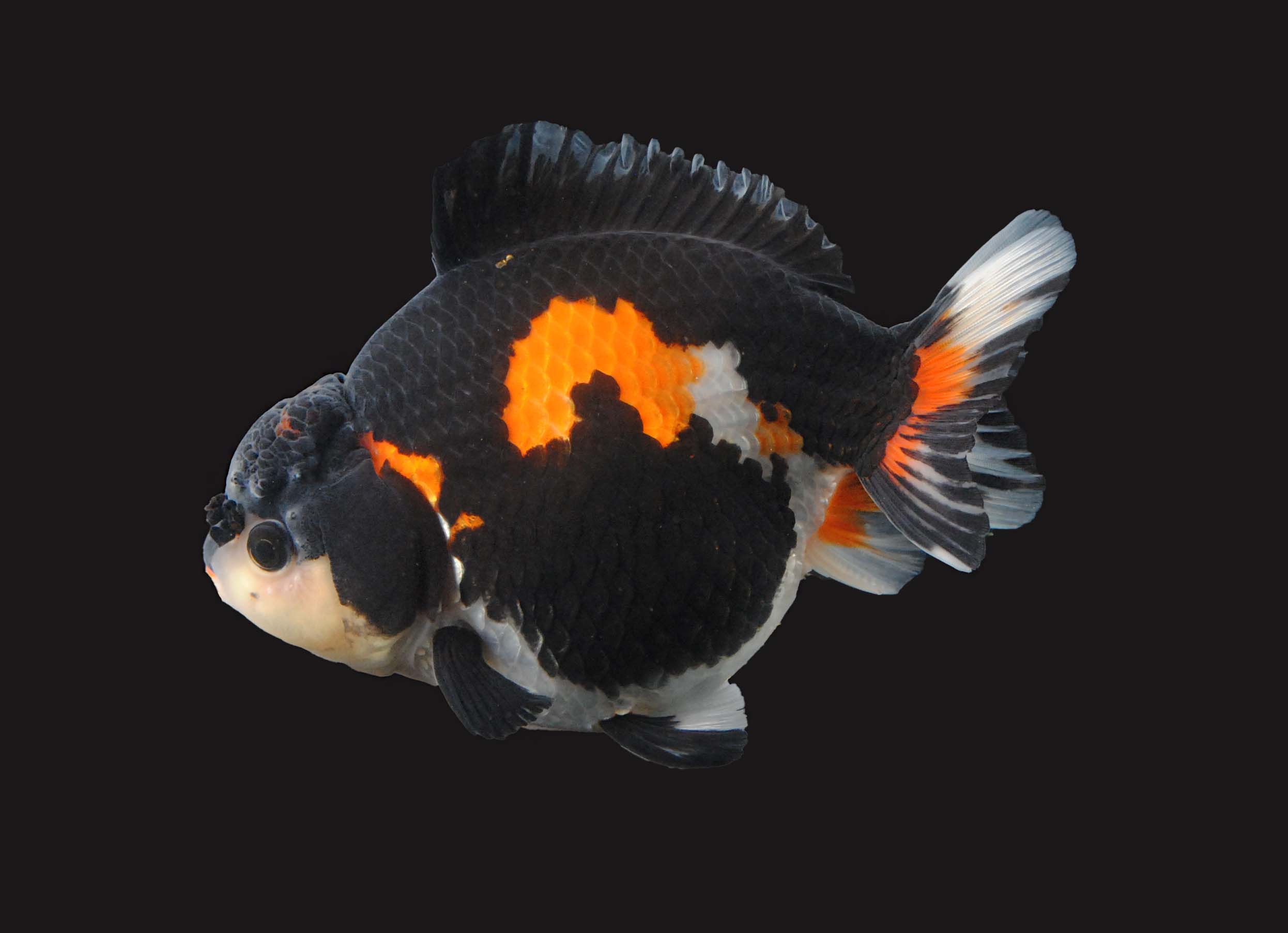
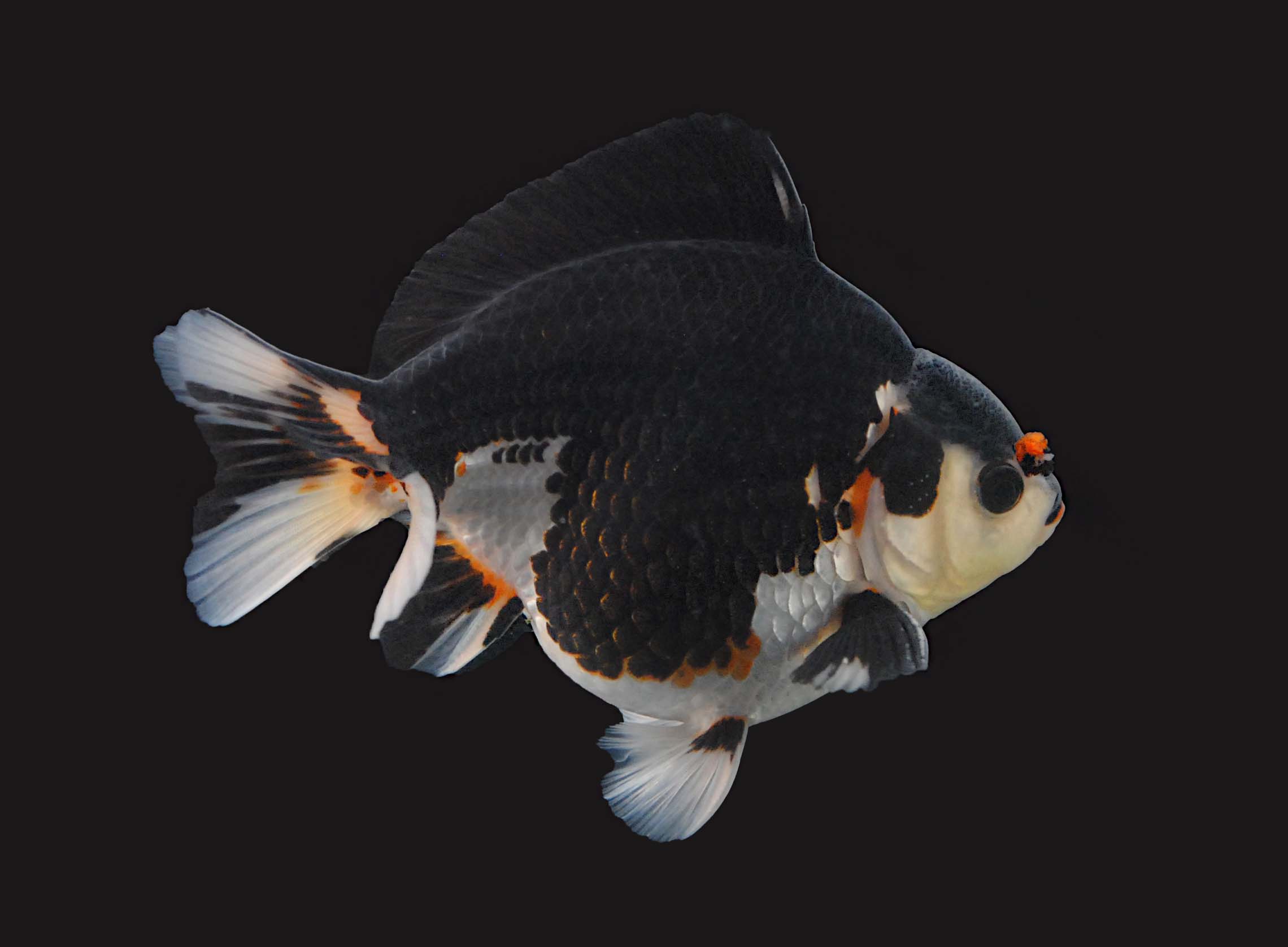
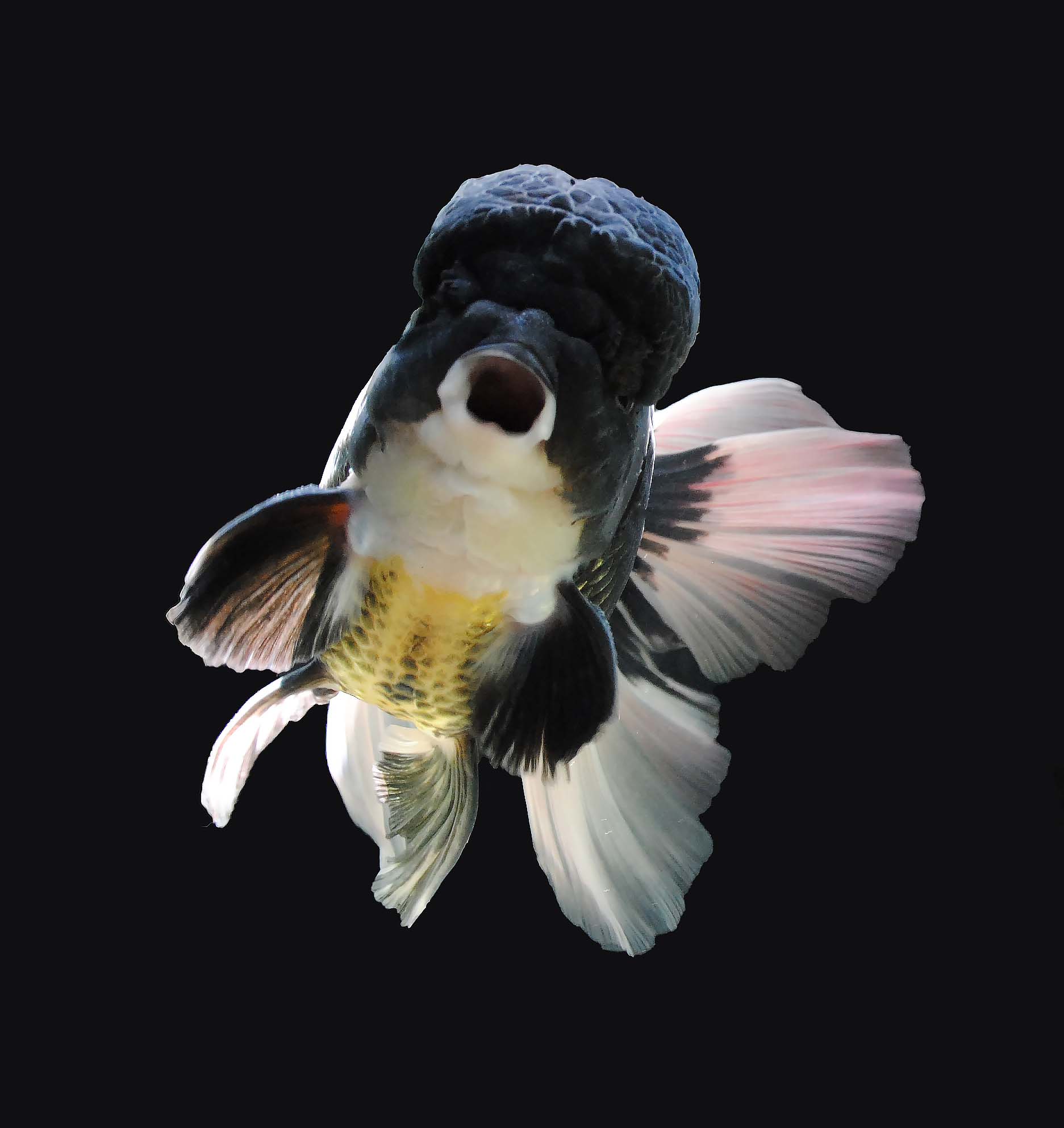
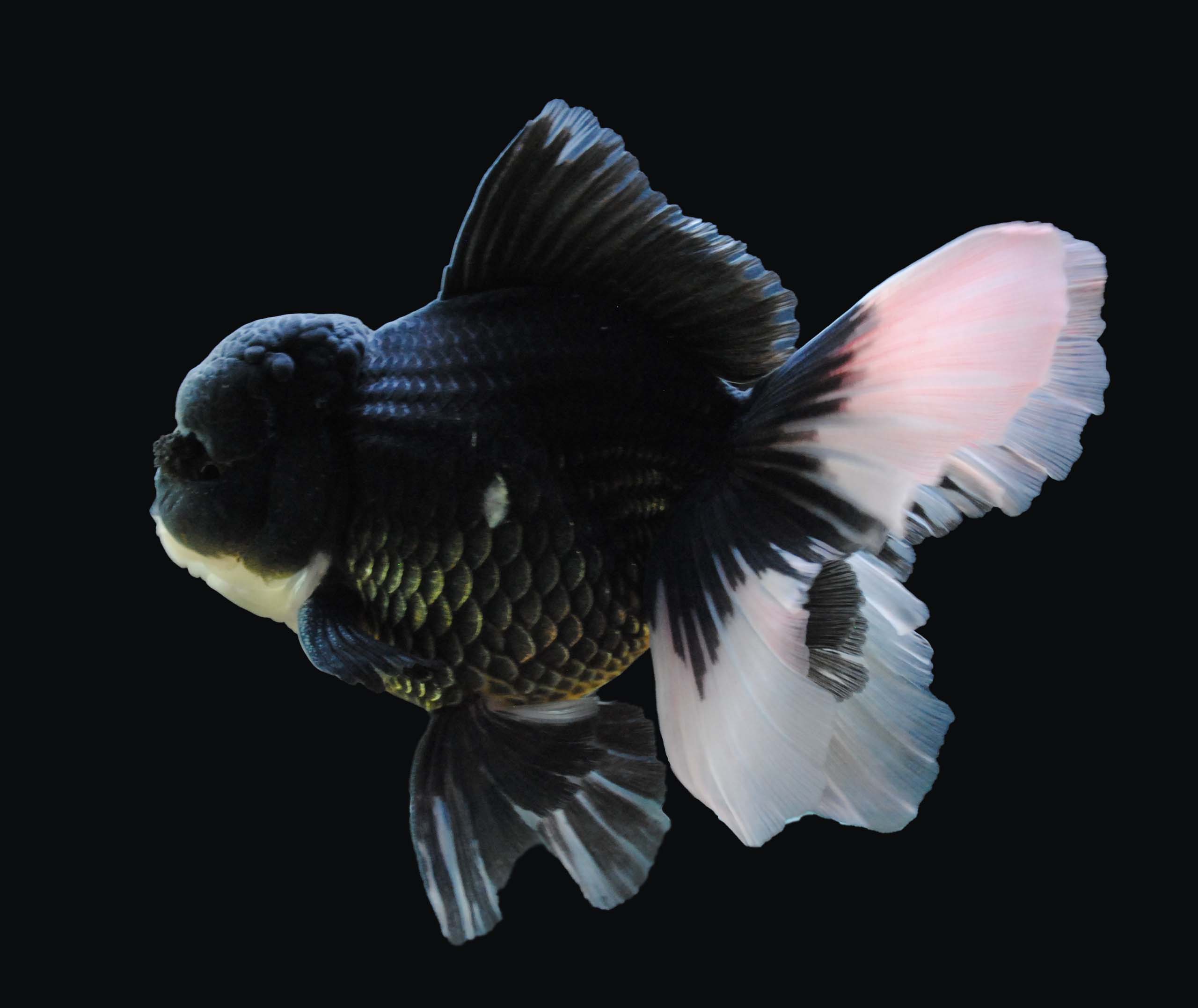
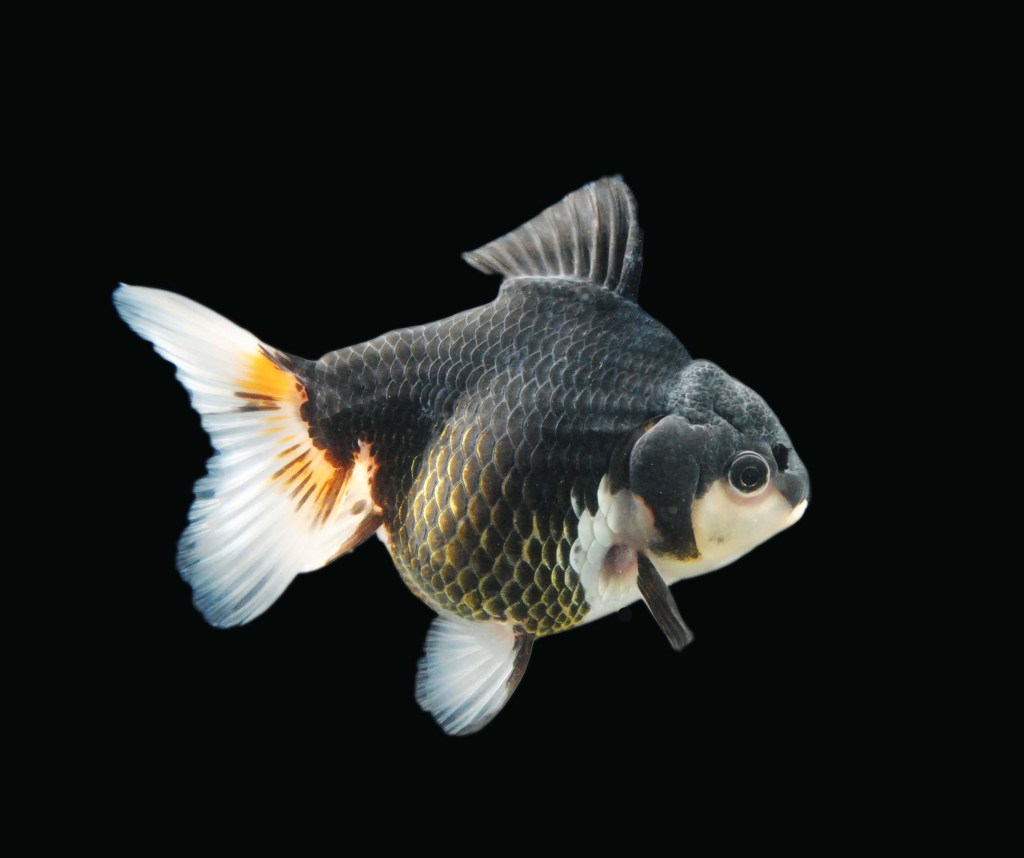
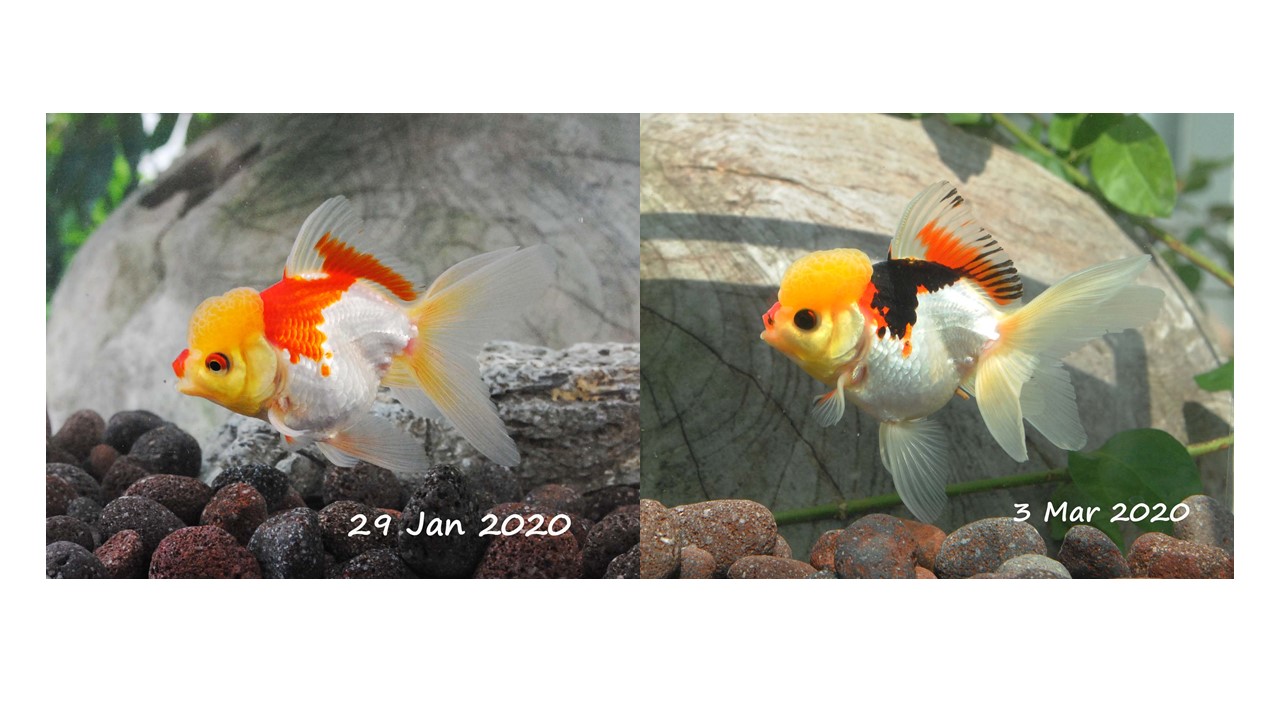
Some people complain about their black and white goldfish losing their black pigment. This is common in goldfish and the process is called de-melanization process. Well, my late experiment with breeding black and white oranda from Thailand (not from the blue metallic scale, but from the grey metallic scale as I wrote in my last post) shows quite a strong character of melanin (black pigment). The black pigment can reappear or grow. This is different from stress fish which often shows some temporary black pigment which will be gone on several weeks (or months). I am tempted to call this phenomena as re-melanization process. I notice that this changing pattern also happens in koi world in the kumonryu variety.
Well, not all black and white oranda from Thailand shows this characteristics. It just happen that the line on my hand is very strong in this unique character, and it happens in my ponds at least five times (as I noticed), which is quite often compared to my previous twenty years of experience in the goldfish world. I think I should preserve this gene and hopefully introduce it to other goldfish varieties. Below shows two fishes, one had lost all its black pigment and then regained it in just one month, and the other had a growing black pigment in the same time period.






































 hermantogoldfish