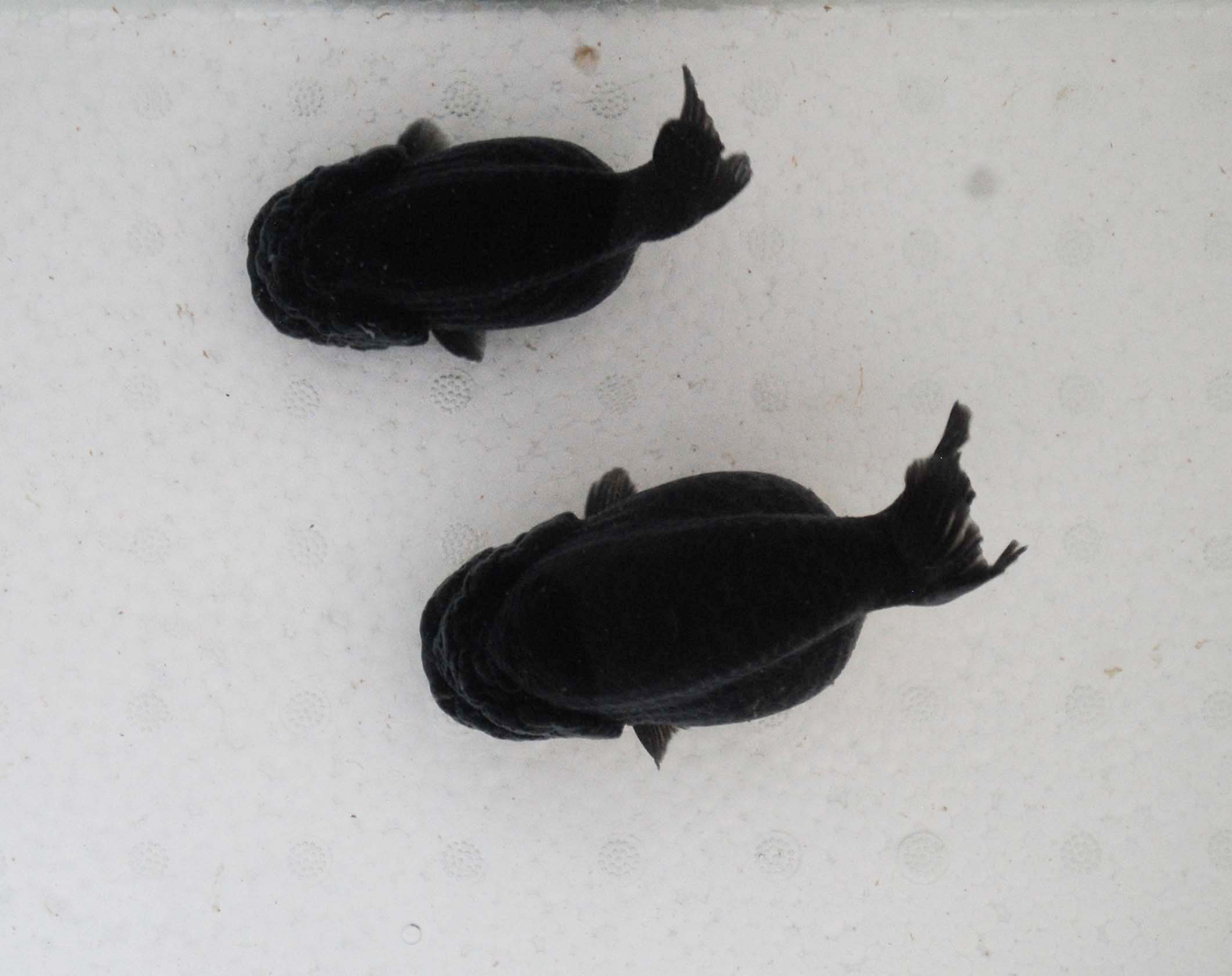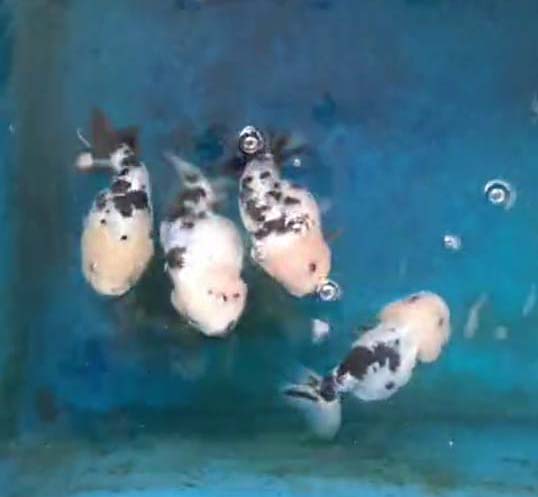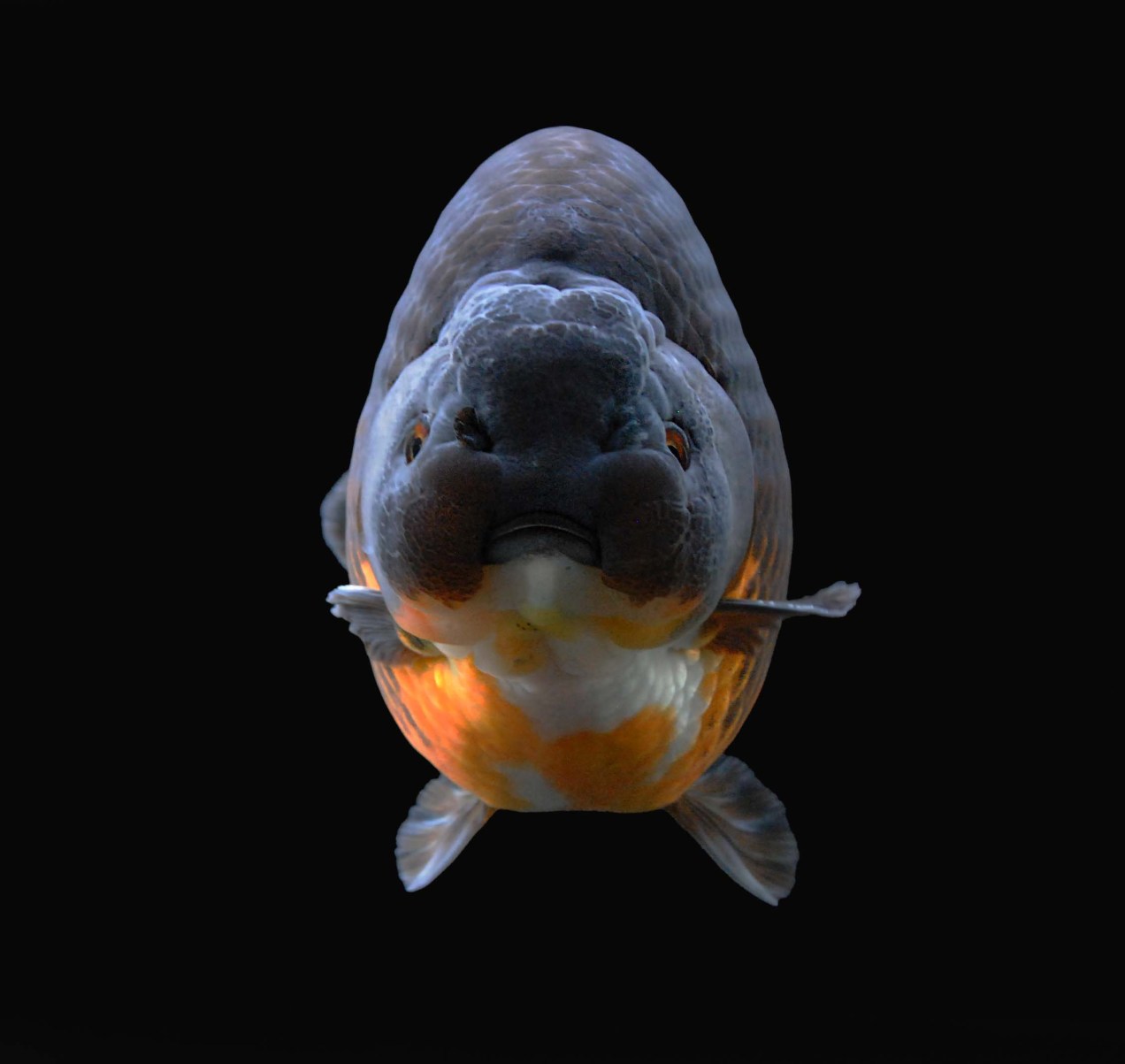
blue ranchu, brown ranchu

The Diary of a Goldfish Breeder 2026 (#1)

Update: Blue, Brown Ranchu

There is an unexpected twist on these projects. This is the story.

I mentioned that I almost lost all my ranchu lines in my previous posts last year. Only one Blue Ranchu left in my collection. To revive them, I acquired Blue Ranchu from a friend breeder who once bought the seed from me. I also bought some Brown and Purple Ranchu from another friend breeder who also got the seed from me. They might have crossed my original lineage to other Ranchu to maintain the genetic vigor, which is good, but will still relatively close to my lineage, which is good for me.

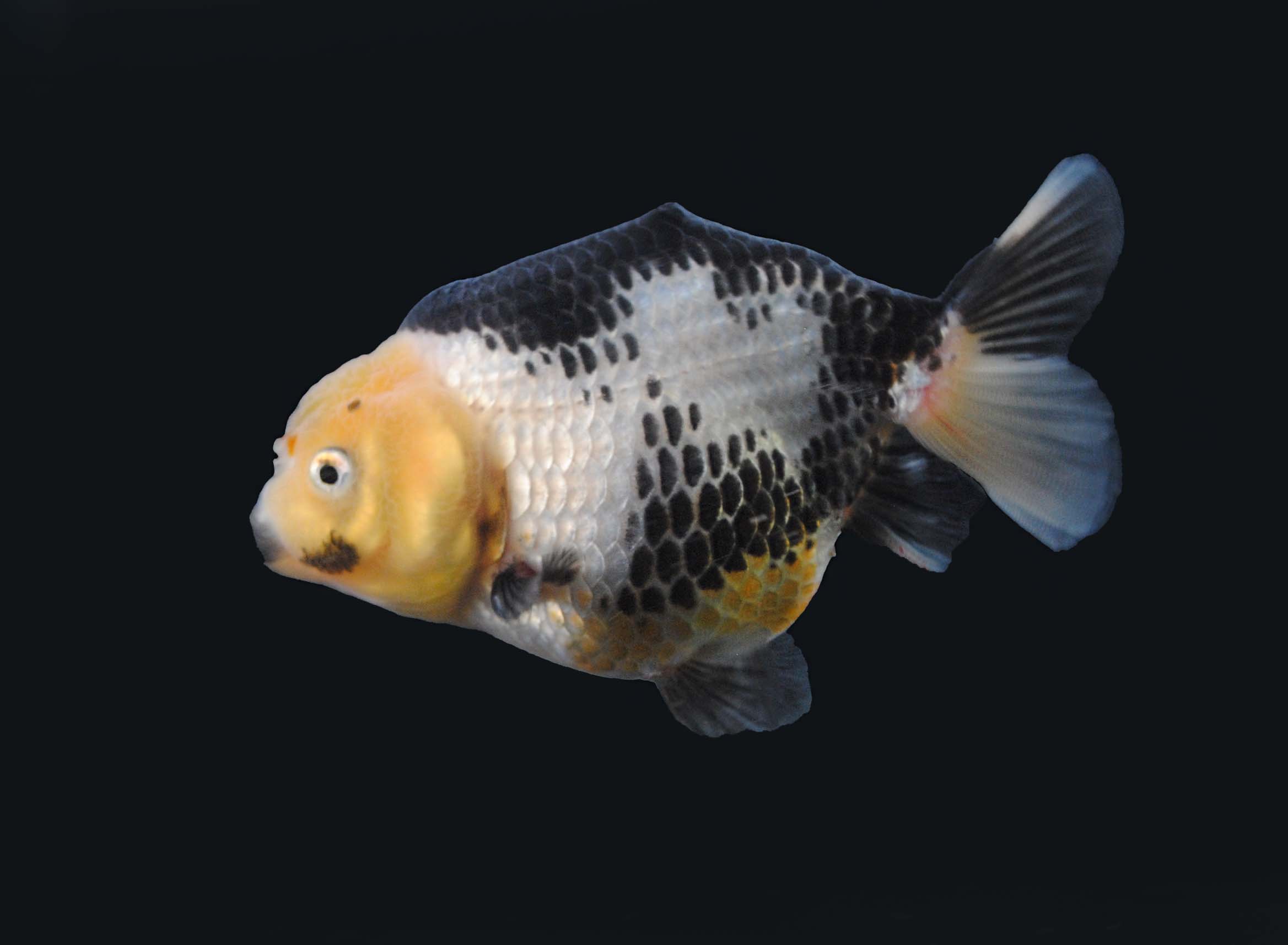
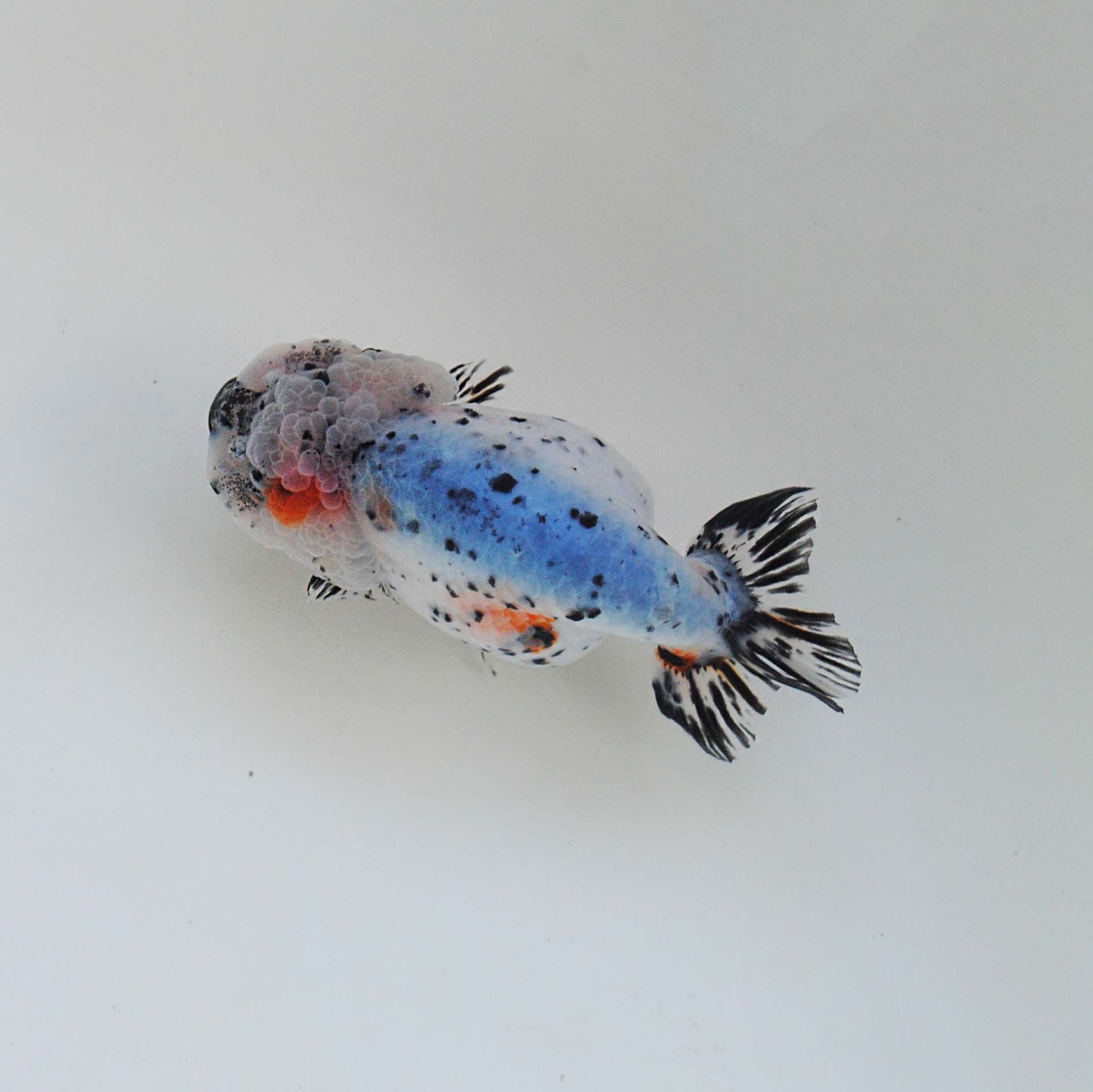
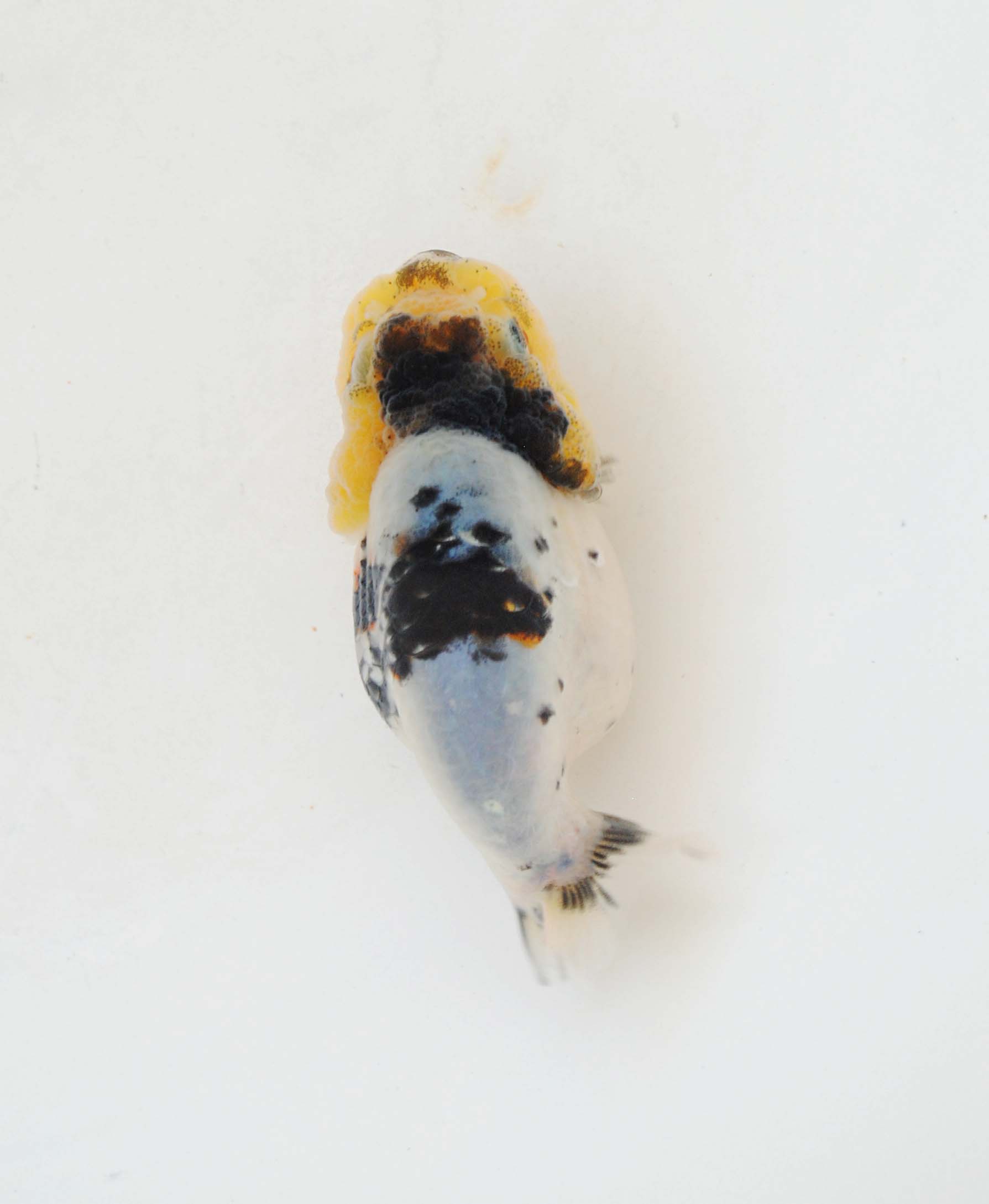
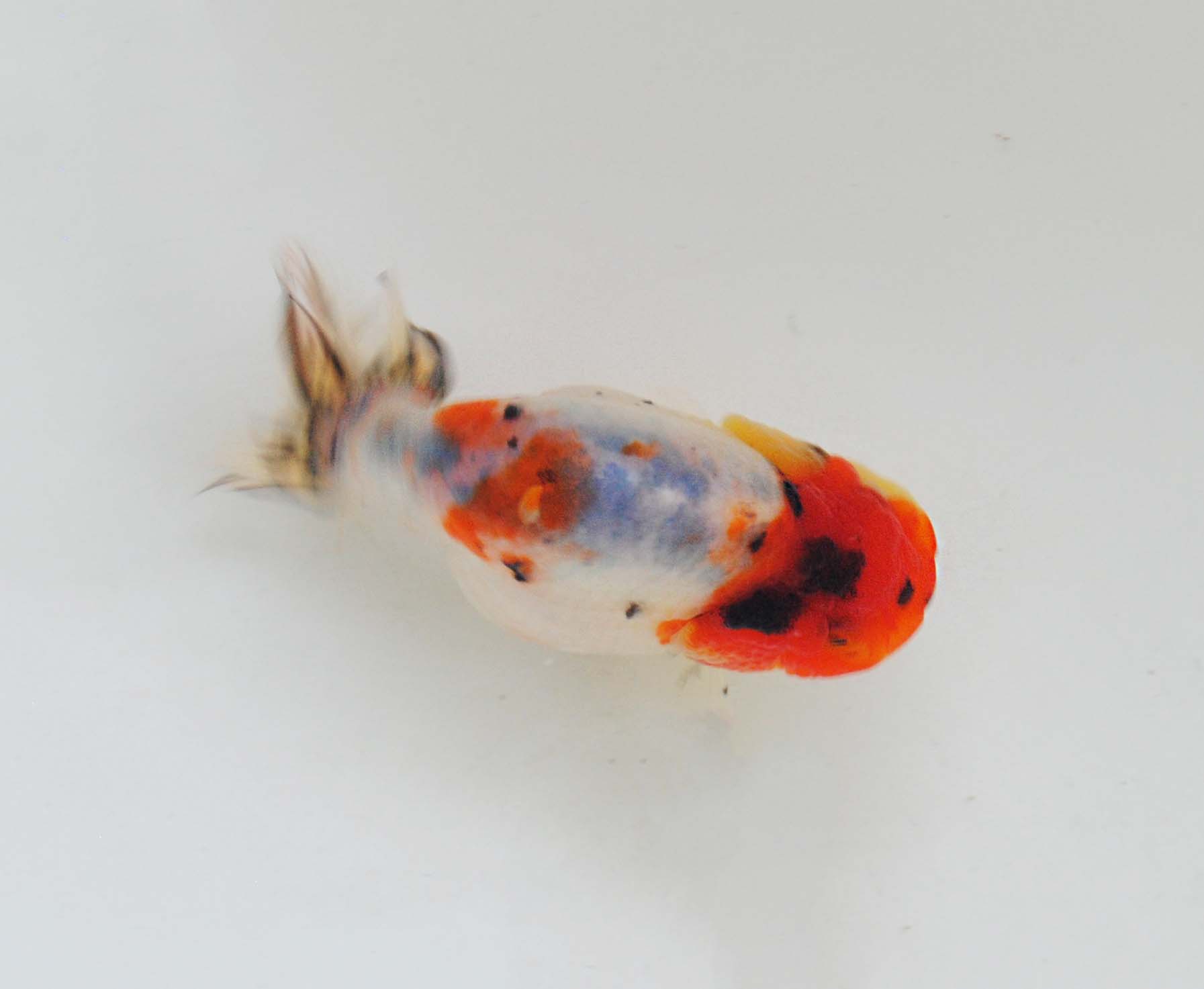
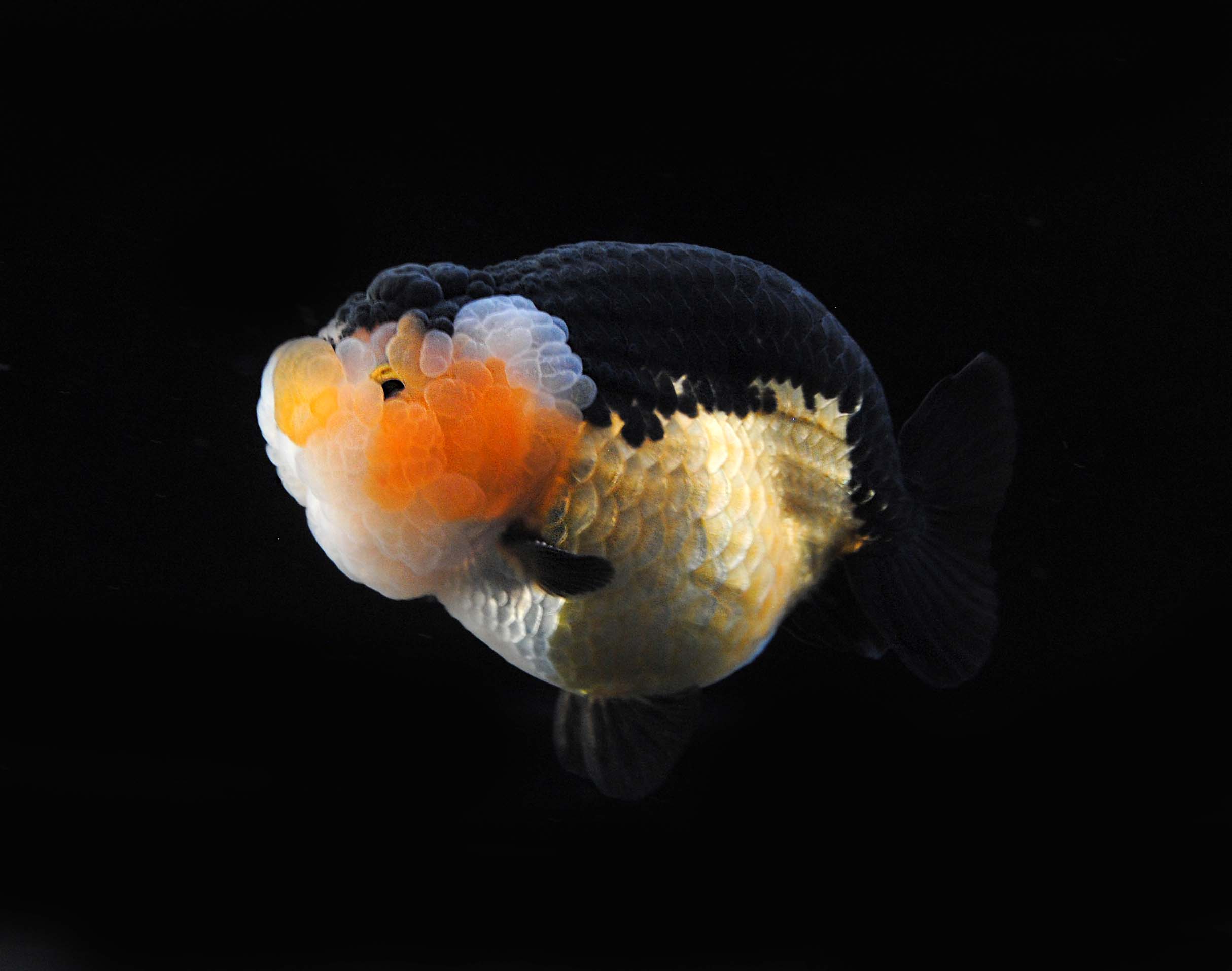
The twist comes from the Blue Ranchu that I bought. I noticed that several Blue Ranchu my friend breeder offered on the internet have whitish color in the neck area which sometimes carry over to the belly area. I did not have the exact picture of the fish. But this one offspring illustrates my point well. This one is a result of crossing the Blue Ranchu with the one remaining in my collection.
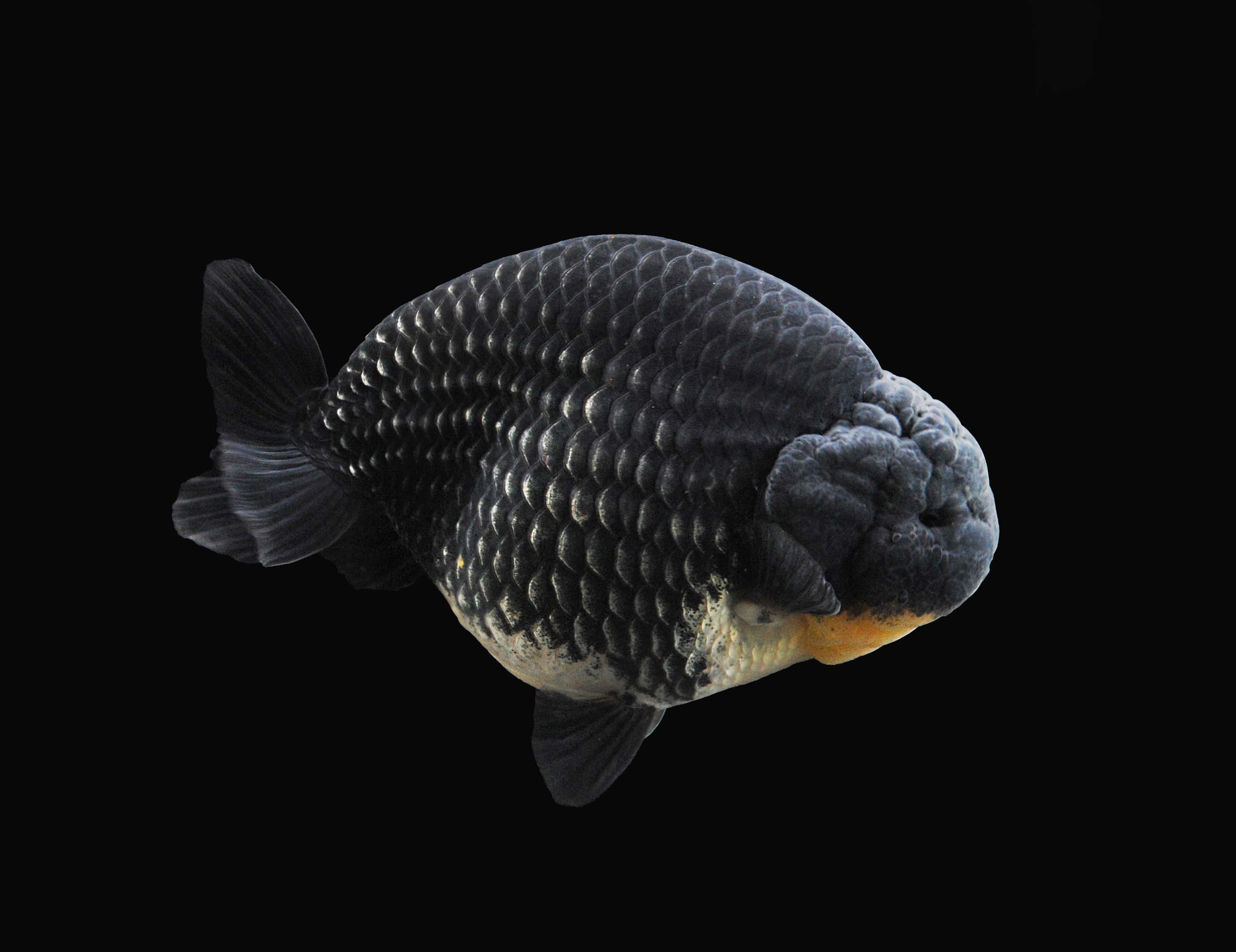
At first, I think the white area in the neck and abdoment is normal. Some of my Blue Ranchu shows the demelanization process to become blue and white fish, or sometimes even black and white if the blue is too dense. Some even become totally white. I was not aware of anything. But when my cross yielded some Kirin Ranchu and Calicos, I began to study the fish closely.
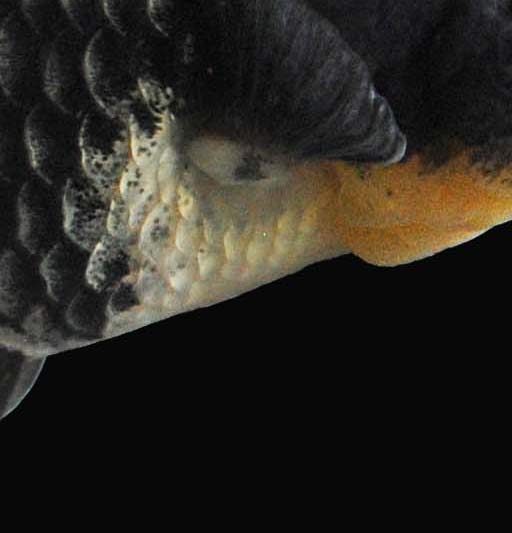
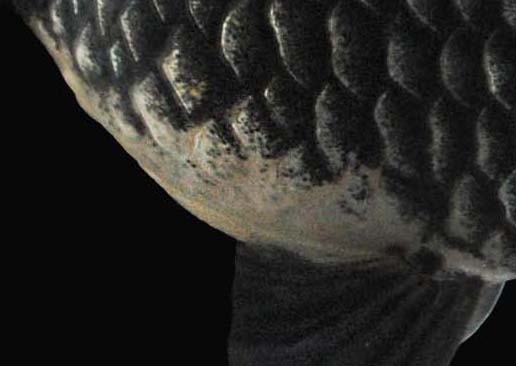
The white color in the neck is fully covered with metallic scale, makes me falsely believe this fish (and the fish I bought) is a truly metallic scale fish. But I fail to examine the white part of the belly. If we watch closely, we will notice that it lacks the metallic shine. It is a sign that the fish has transparent side in its gene.

I remembered that my friend breeder also acquired from me my line of Cow Ranchu (transparent scale). My guess is that he made a cross between the cow and the blue at a certain point in time and then tried hard to bring back the metallic scalation, resulting in this kind of phenotype. The specimen is almost totally metallic scale! But when we think they are truly metallic, we will be surprised when we see the offspring. We might think, how come metallic x metallic produces some transparent scale.

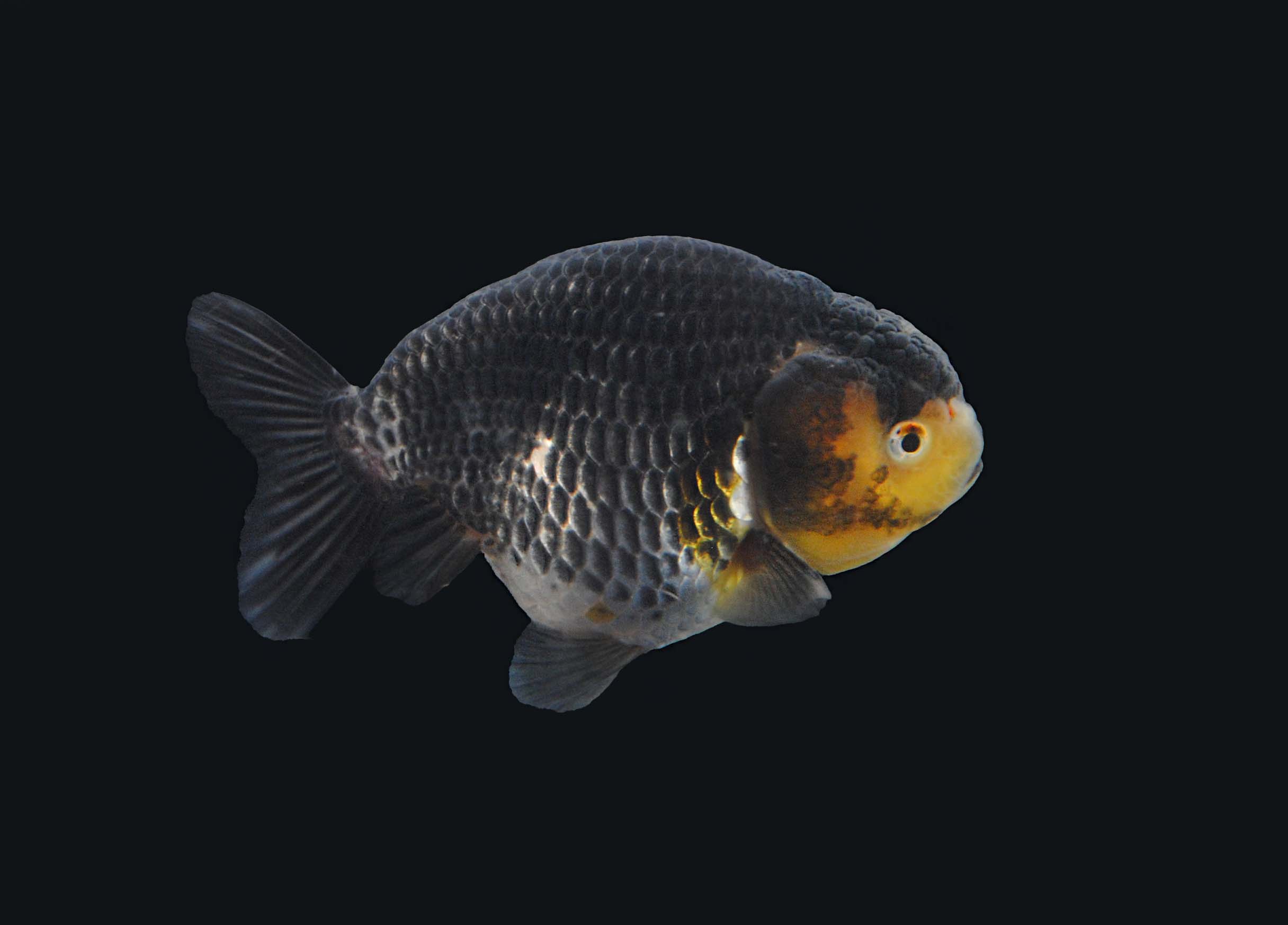
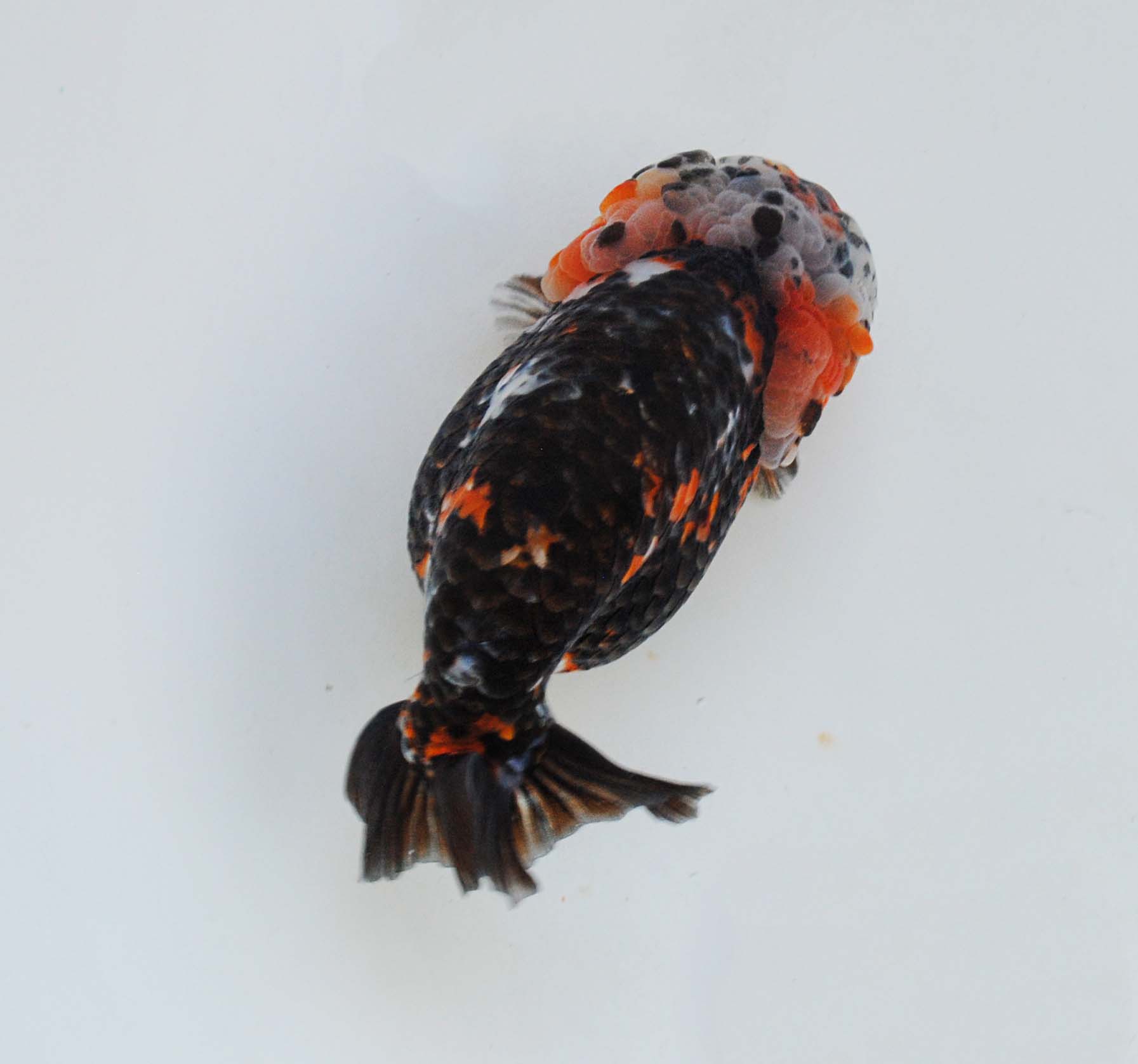
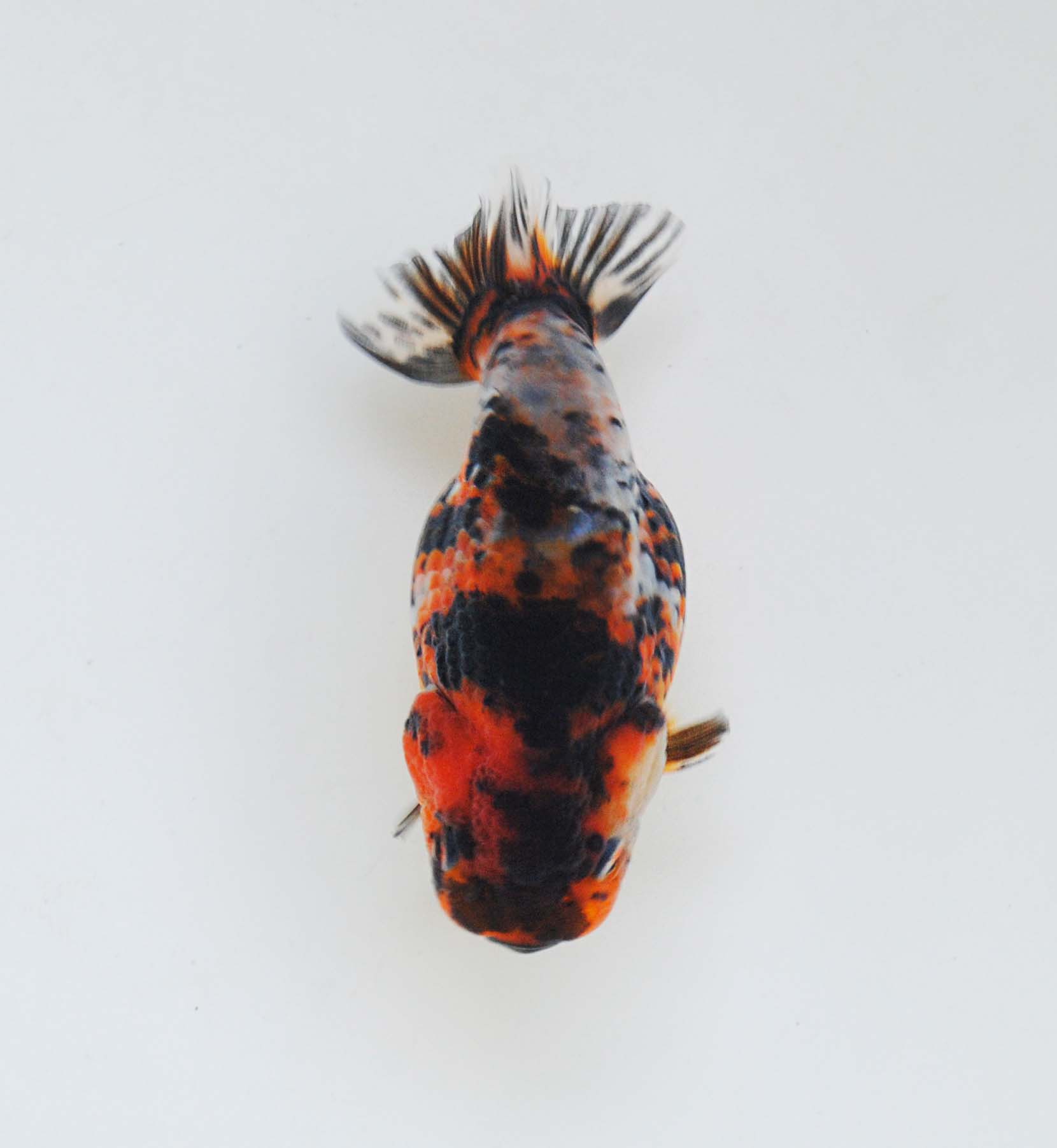
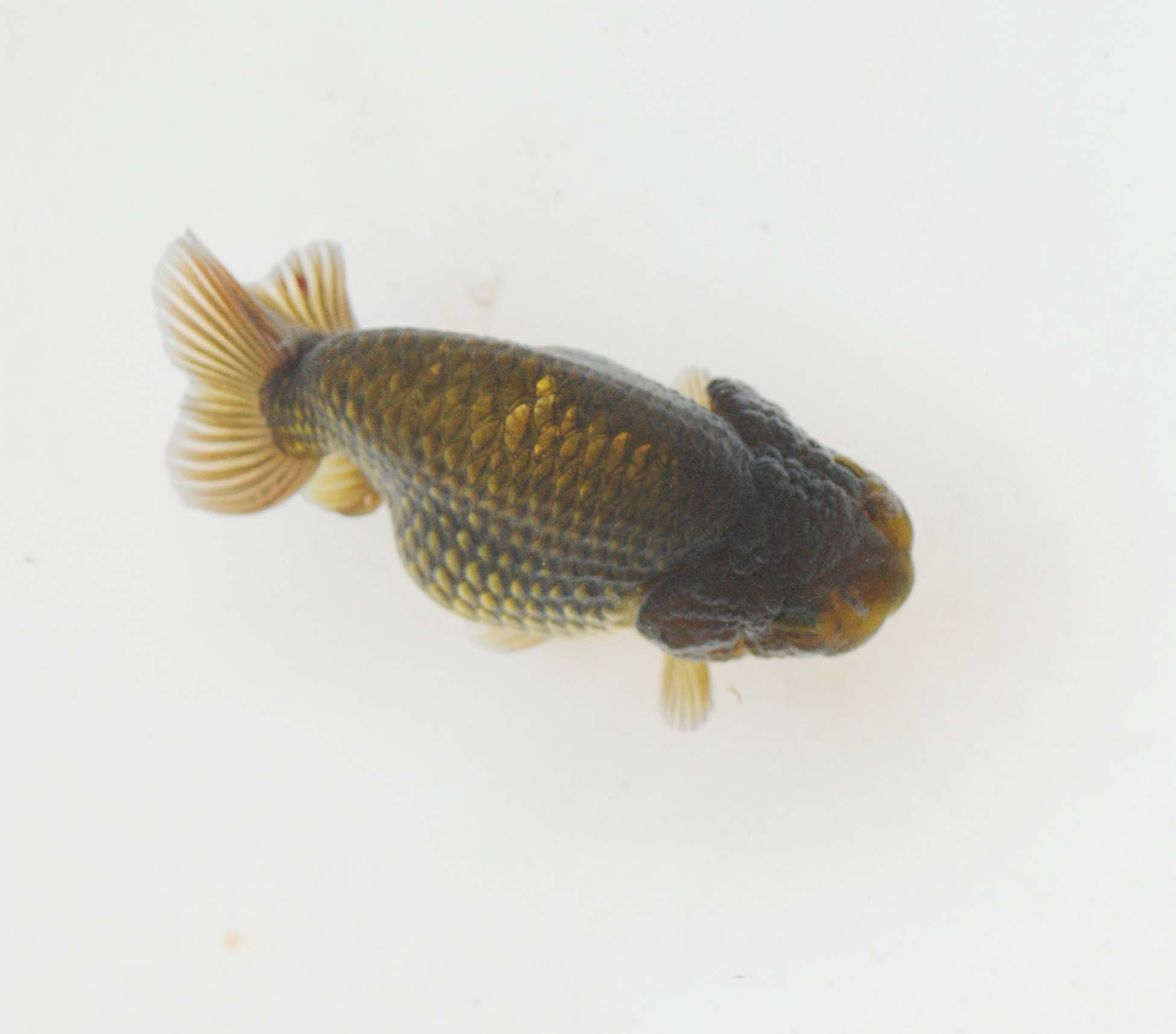
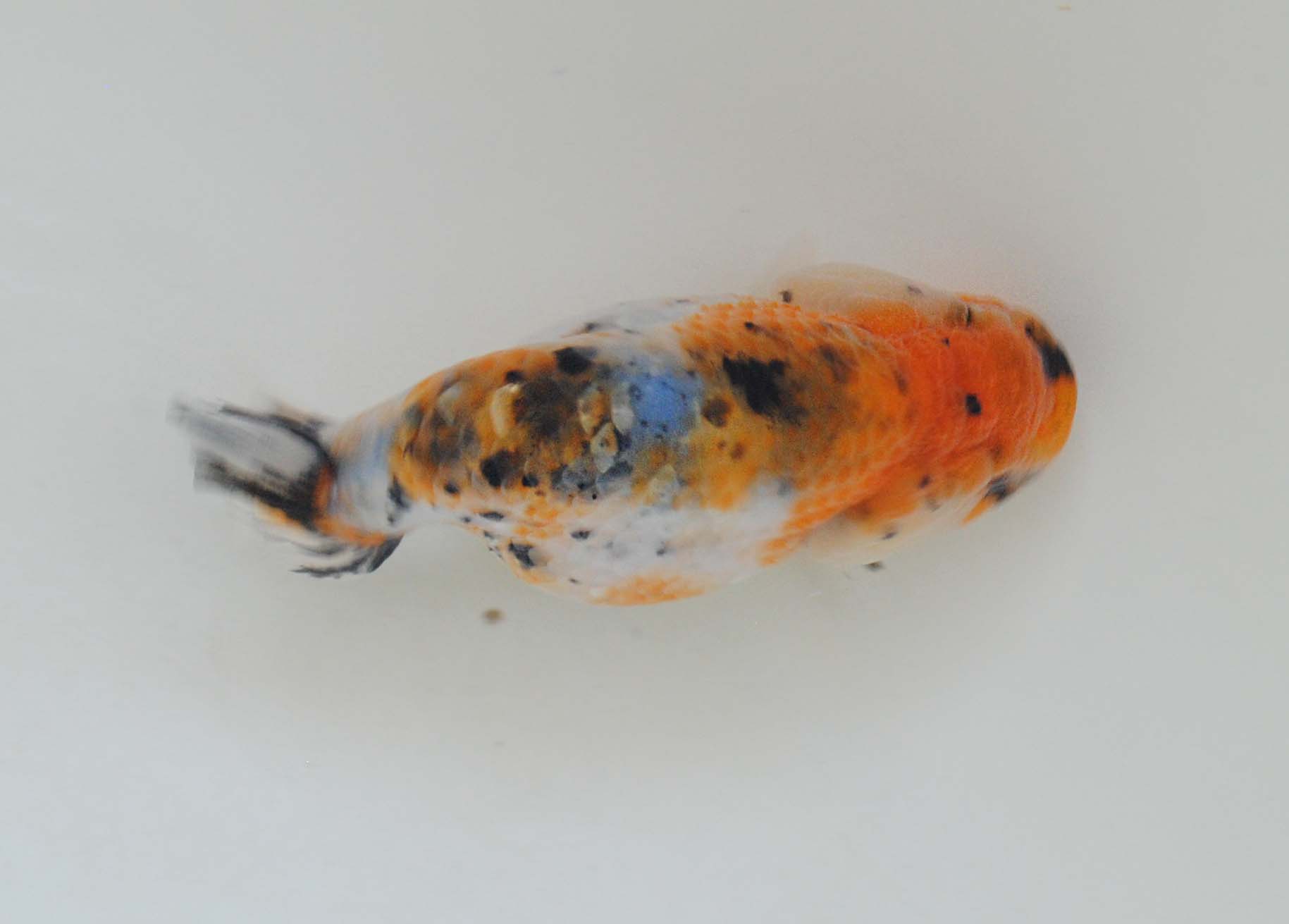
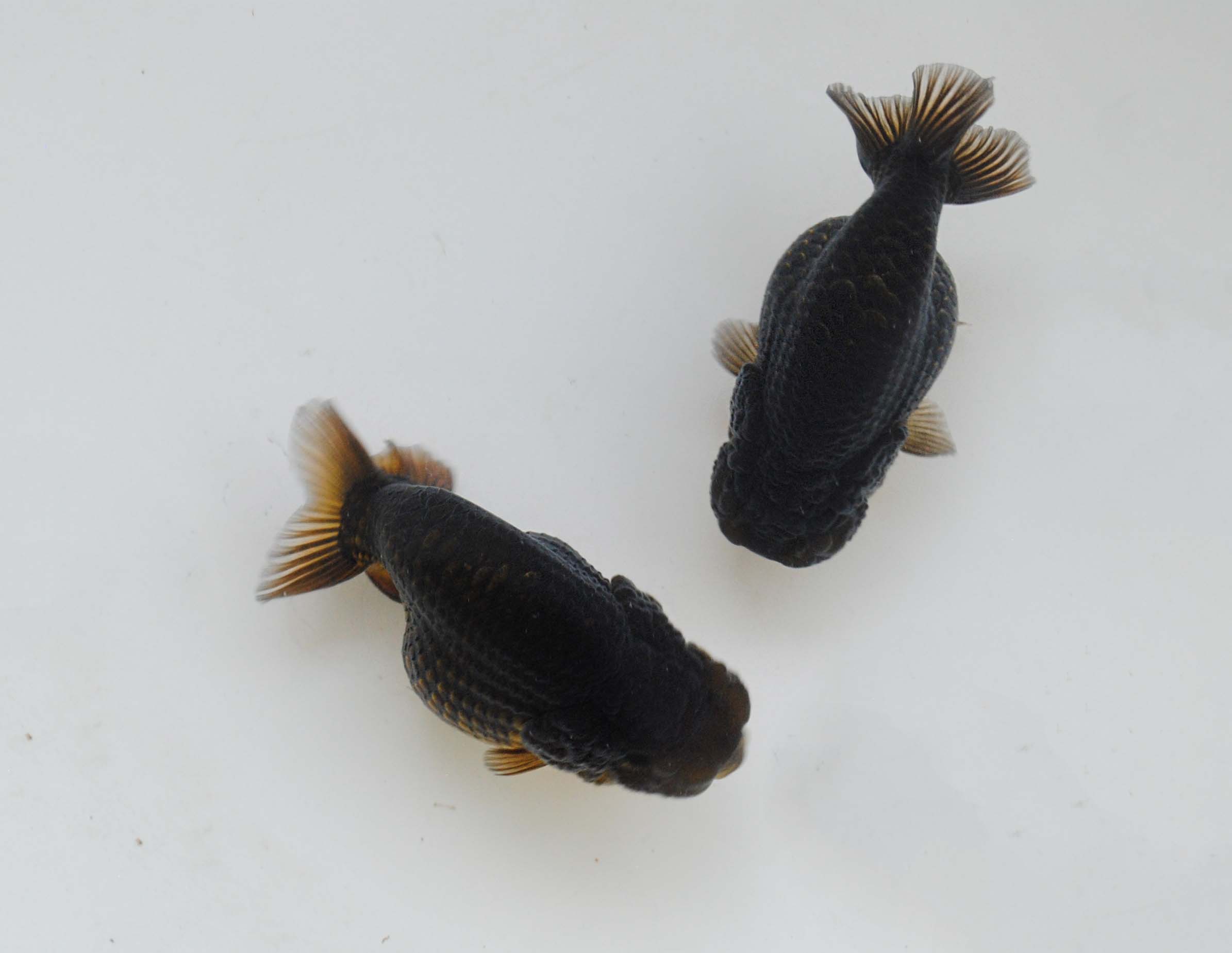
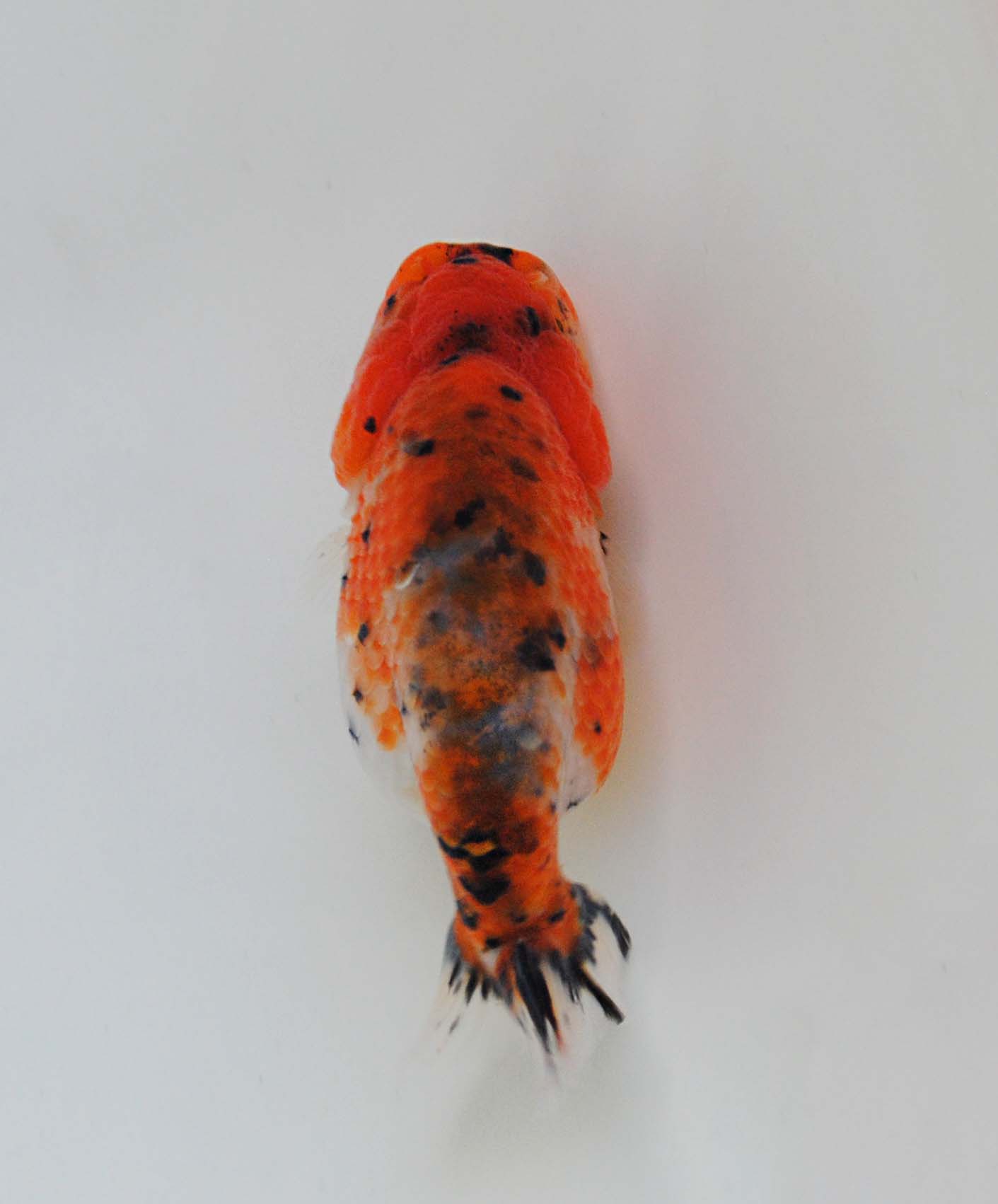
Without being aware of this fact, I must have crossed that false metallic Blue with the brown Ranchu I acquired from my other friend breeder. After 2nd generation, I noticed strange brown color. I got totally transparent Brown Ranchu! I thought it was weird. And I wanted to know how it will grow. Too bad, I did not take a picture of the fish in that state. I was thinking to document it later on. But strangely, as the fish grew into adulthood, it developed in metallic scale Brown Ranchu! This is the fish I am talking about.
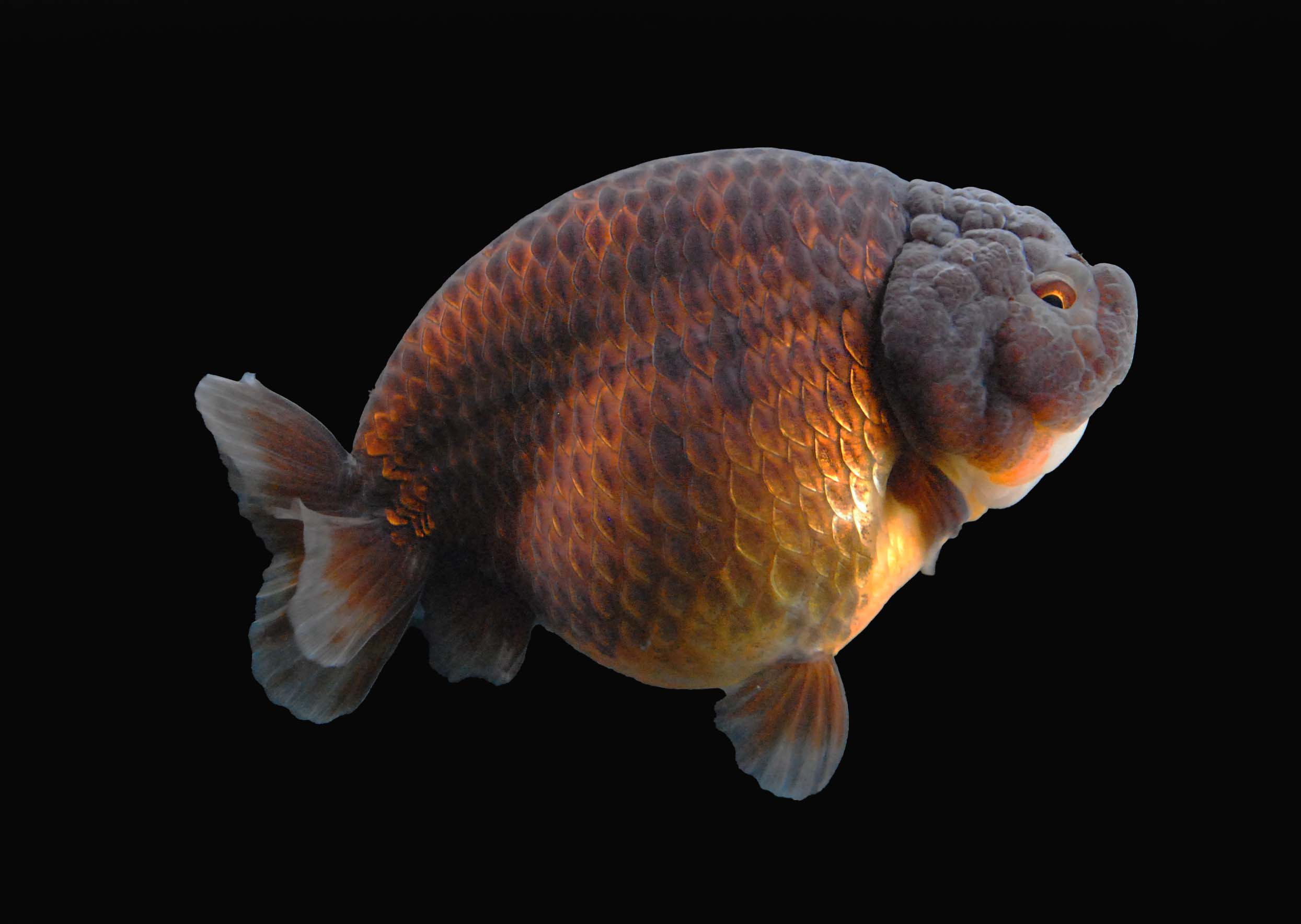
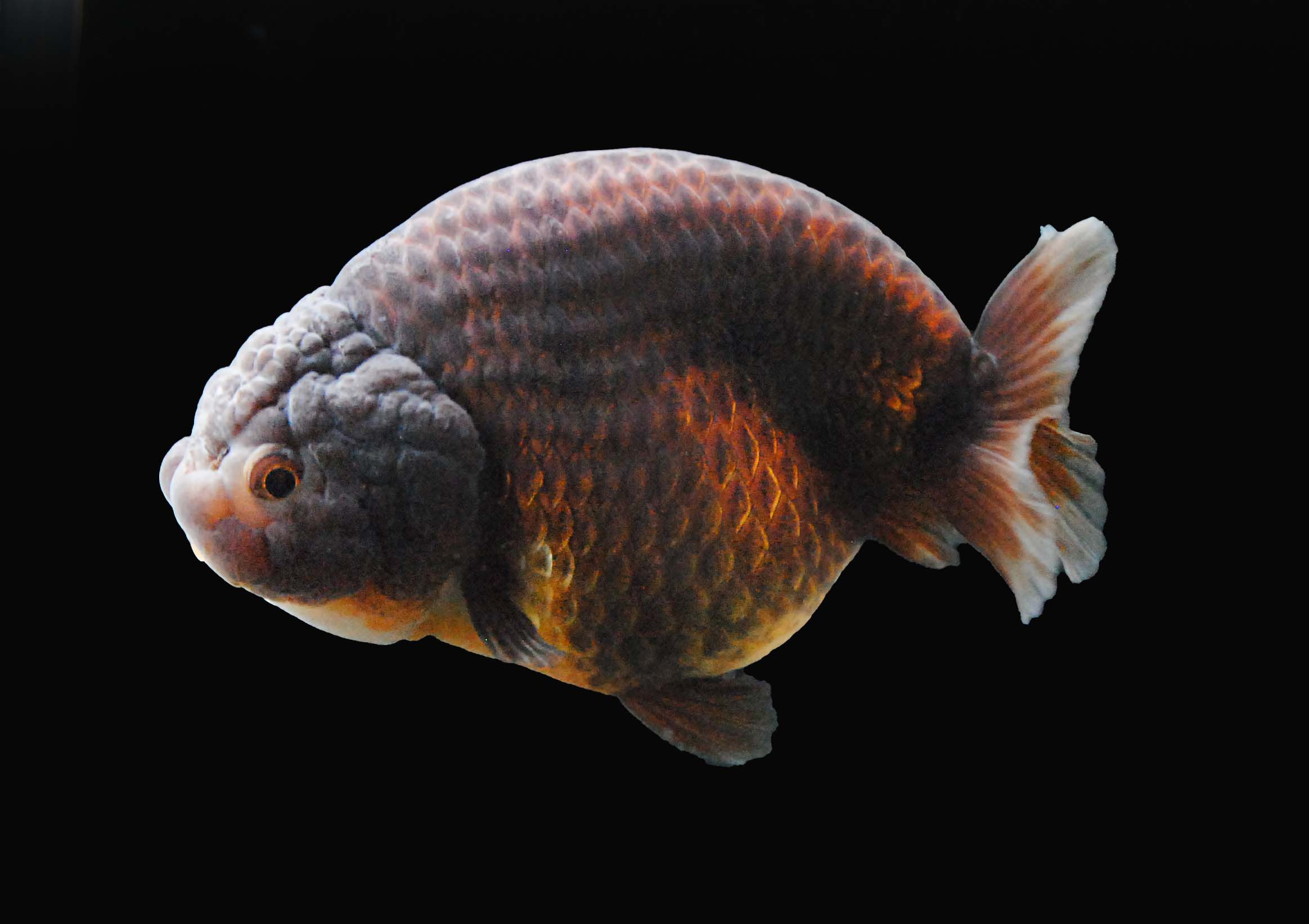
Who will think that this one is not a metallic Brown in the first place?

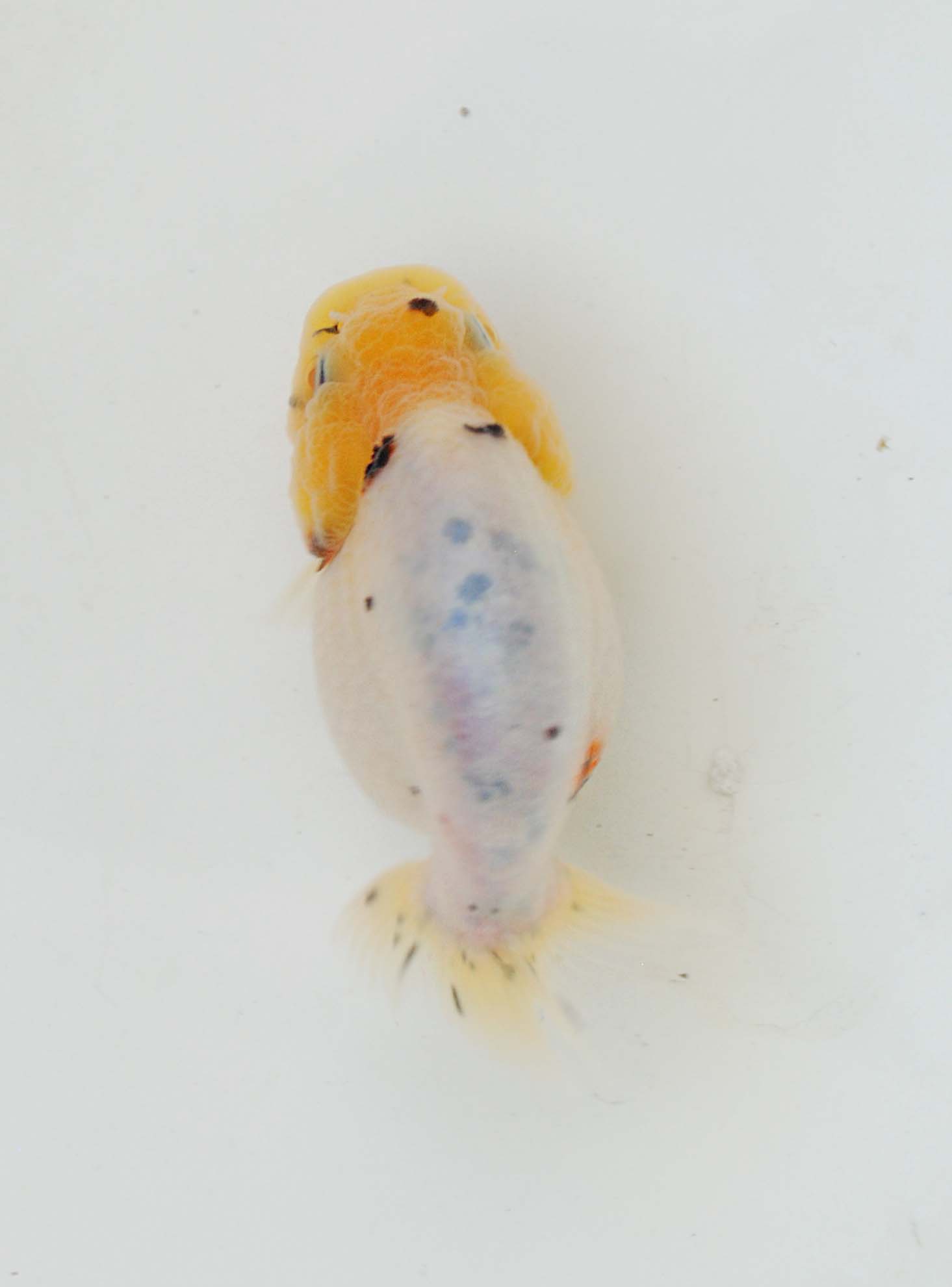
But if we watch closely to the neck and belly area, we will know that the light color part comes from the transparent scale genetics. It is not a trully Metallic Brown Ranchu.

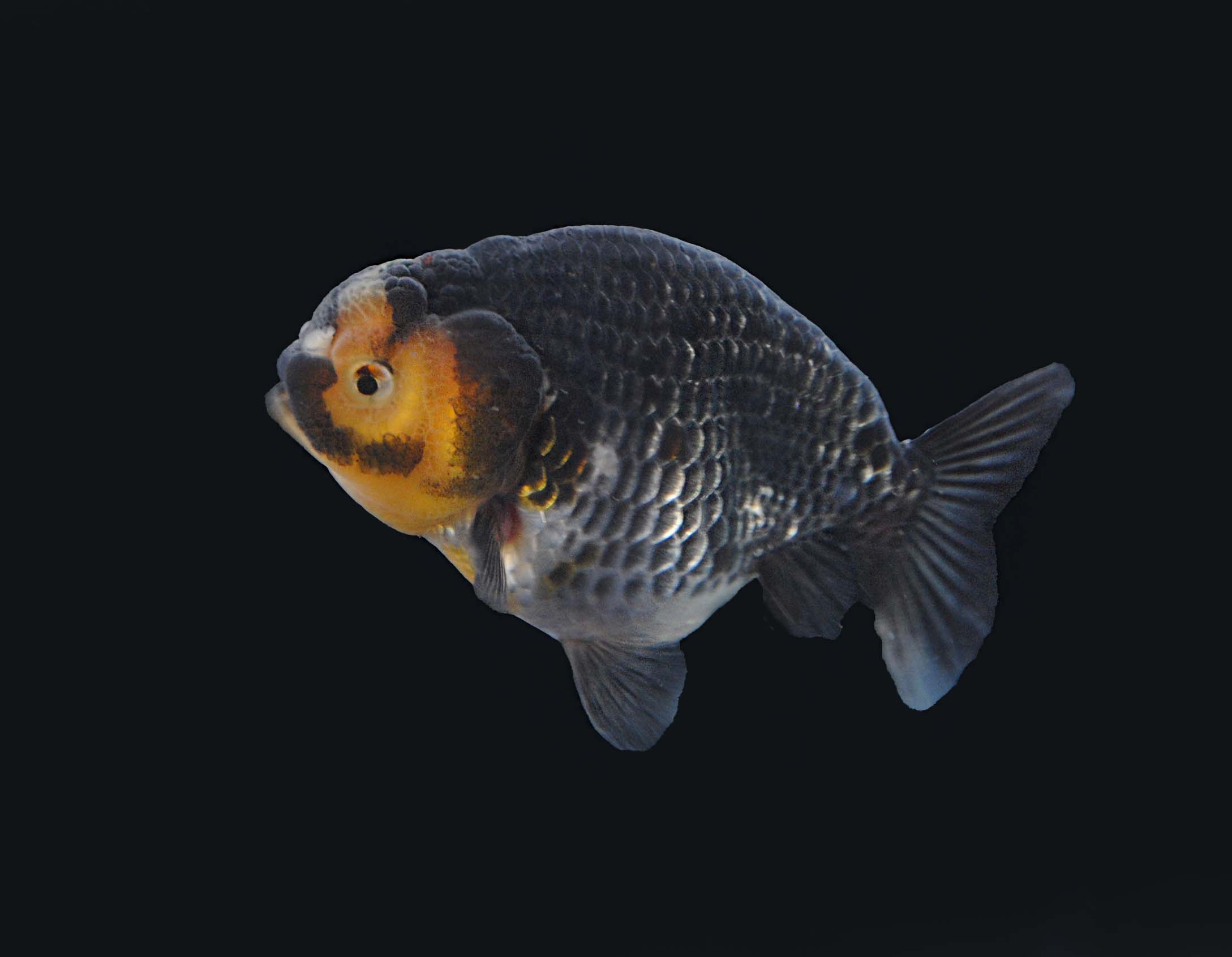
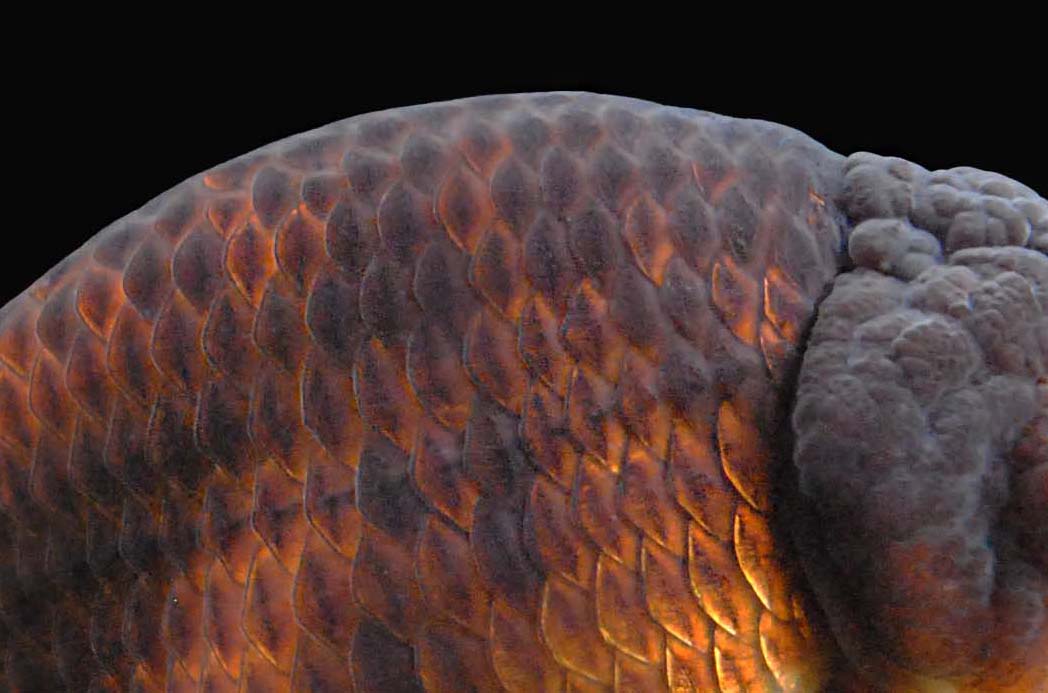
What is even more interesting is the pattern on its back noticed by my other friend breeder. There is a play between dark and lighter brown color to create a beautiful pattern. A trully metallic brown cannot produce that kind of pattern, as far as I know.
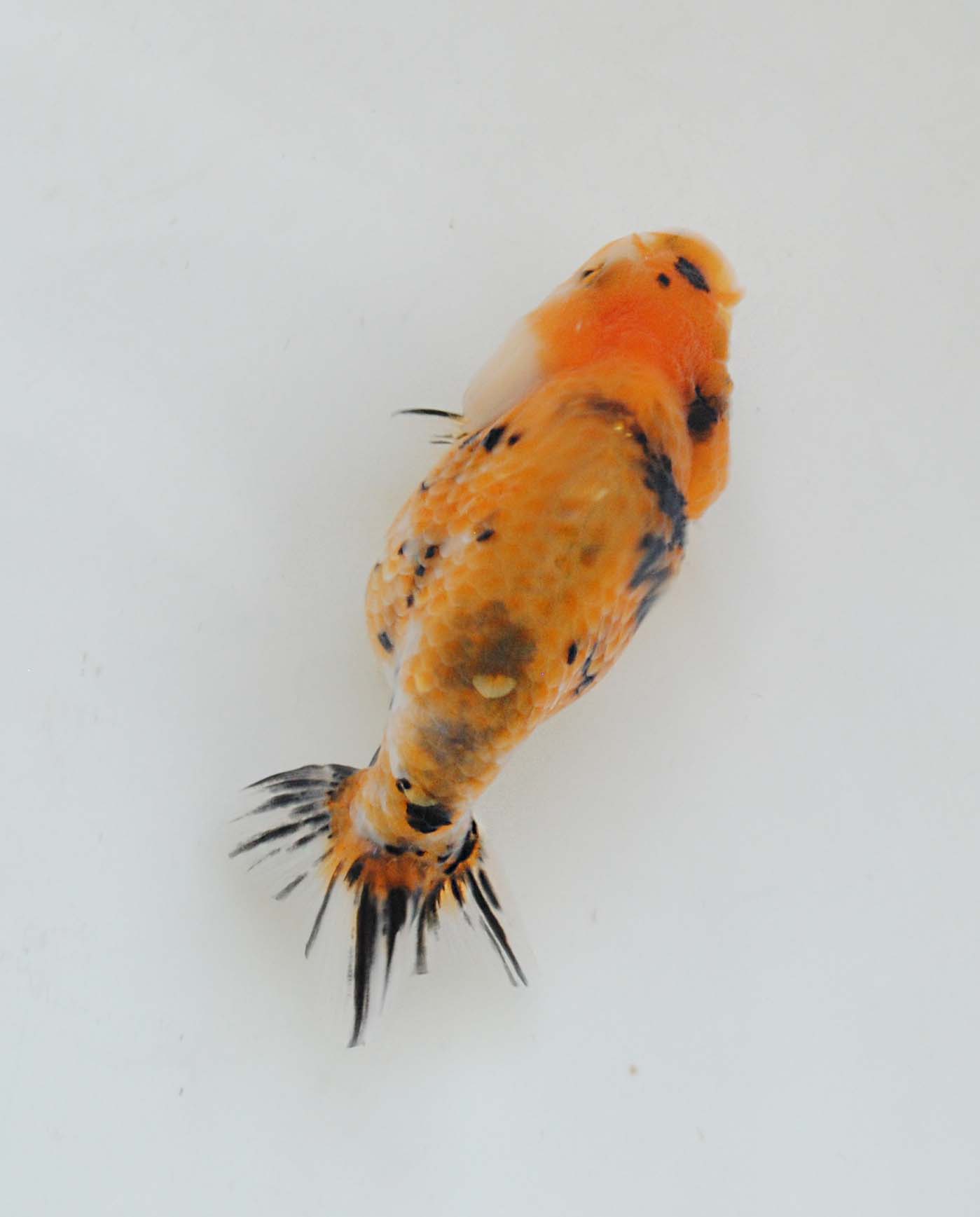
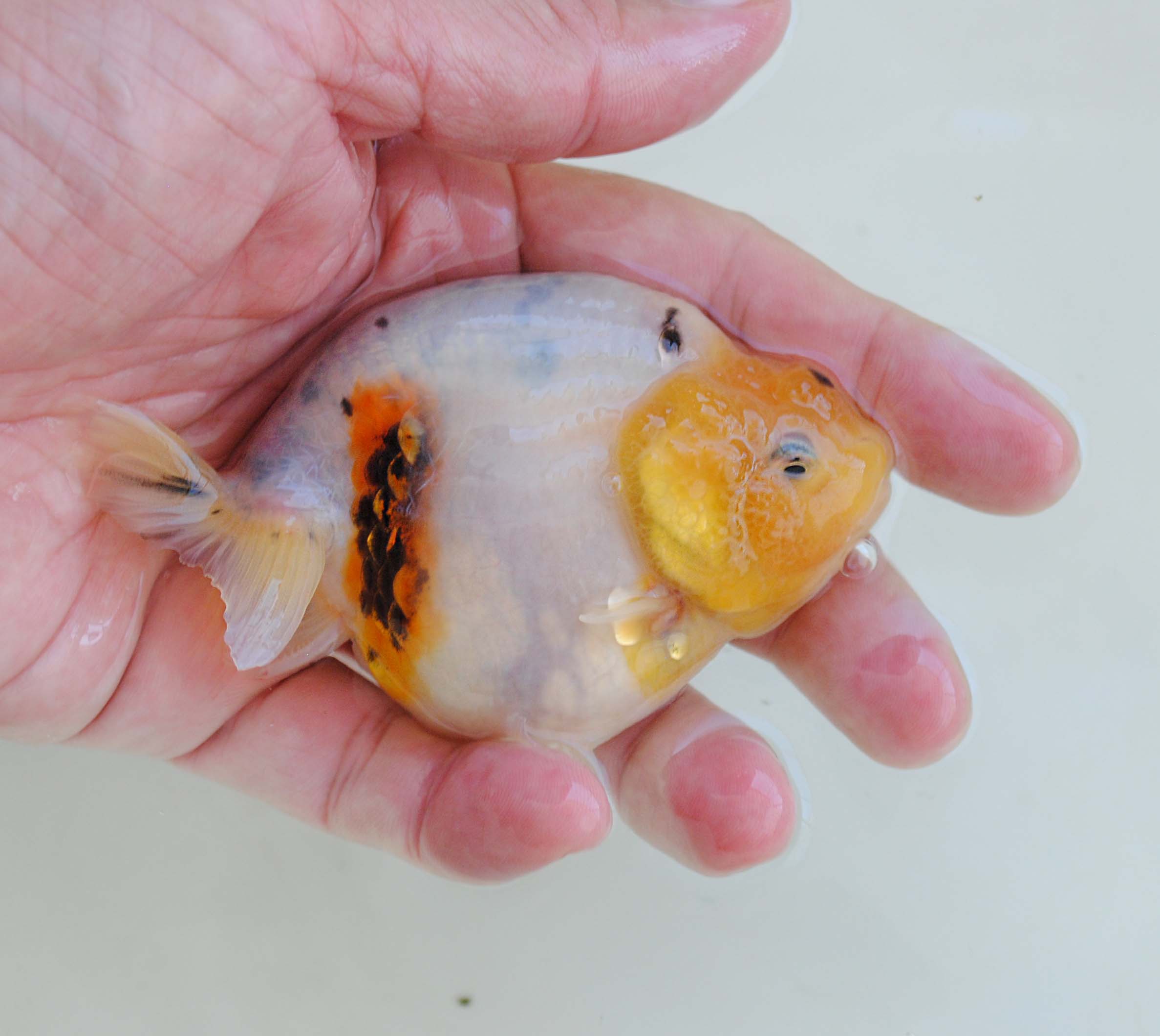
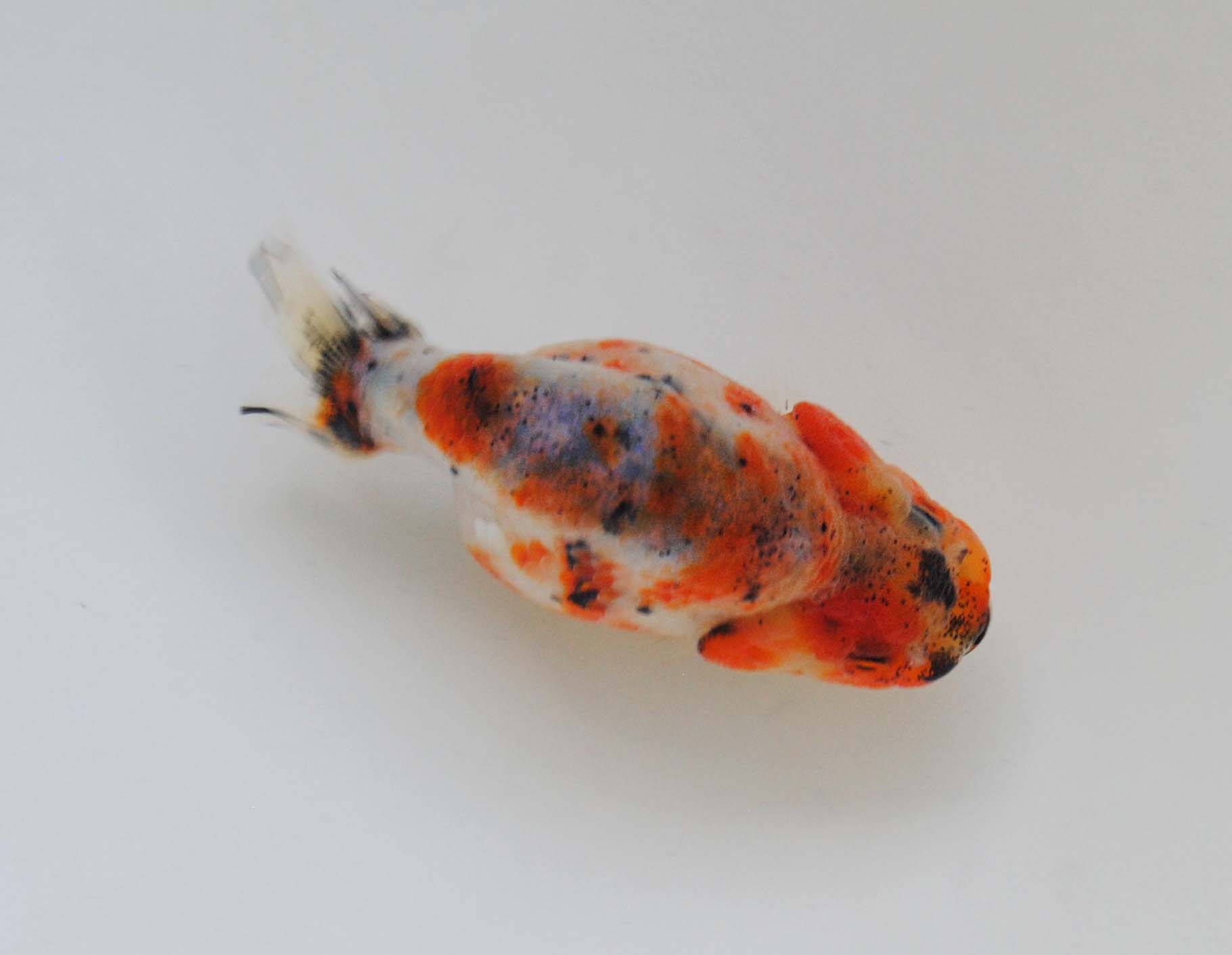
Another offspring is a male Brown Ranchu, with no such pattern, but with a lighter belly pattern.
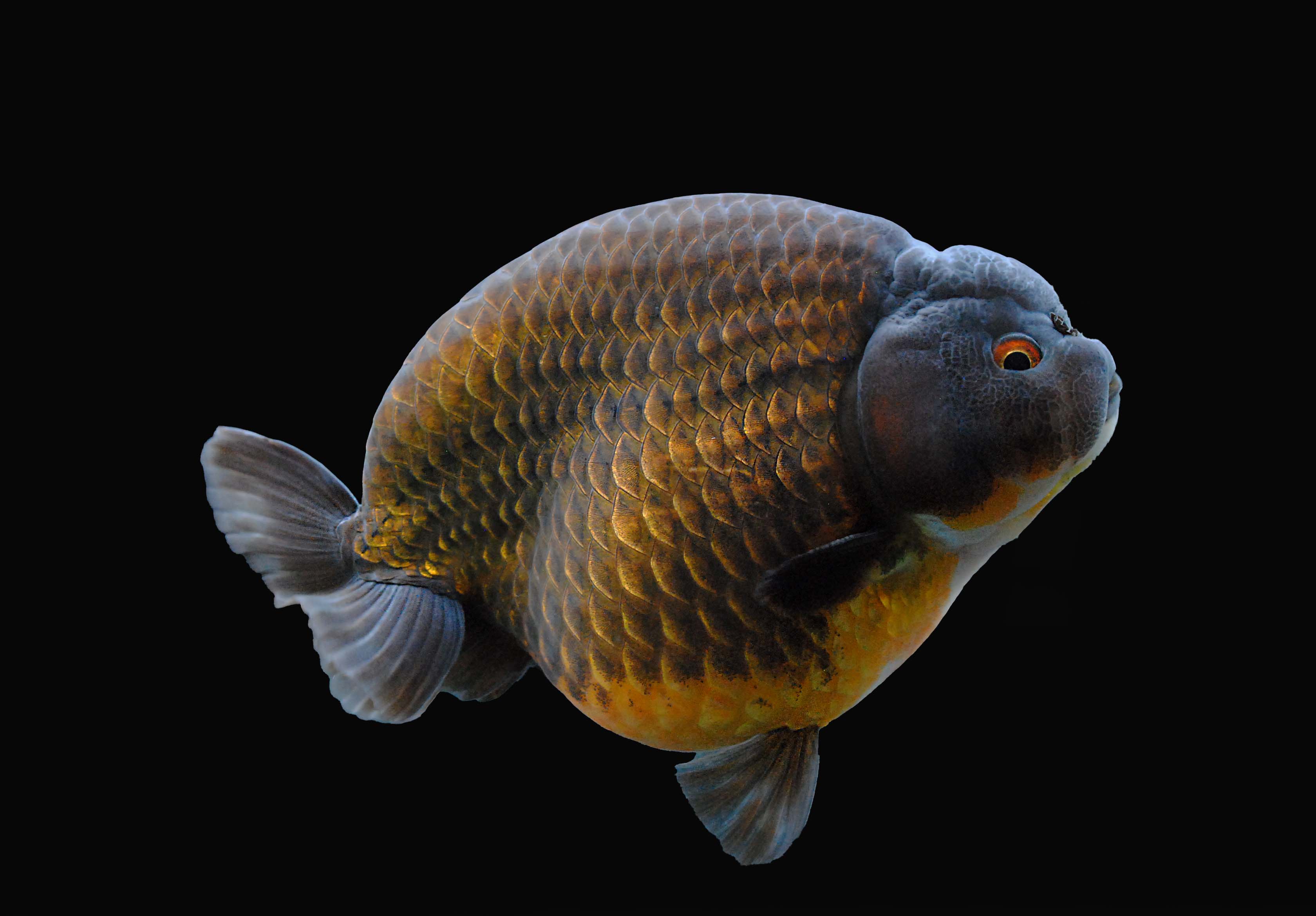
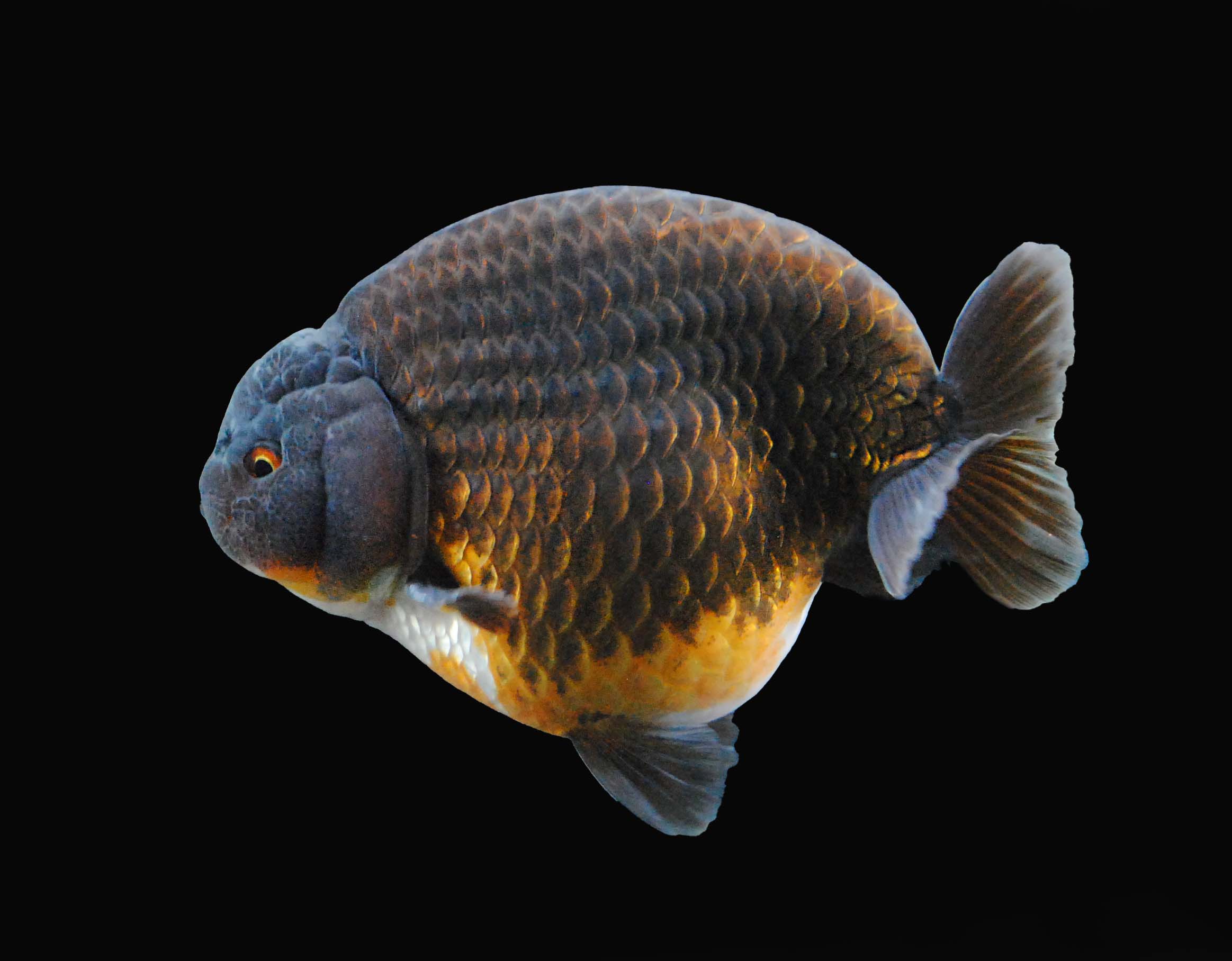
The lighter color is orange and white. Beautiful, right?
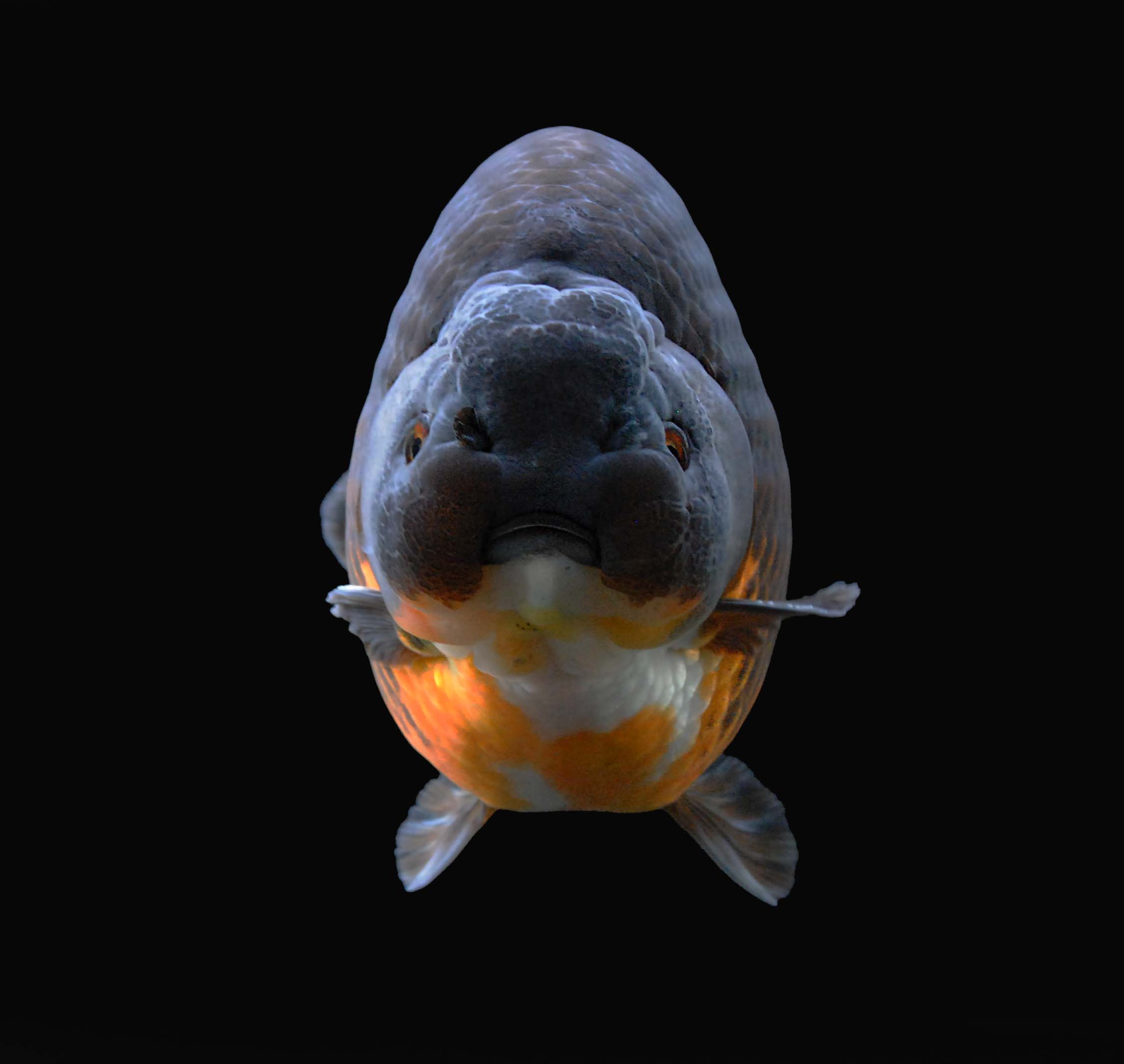
The pattern reminds us of Kirin Ranchu. But this comes in Brown variation.

I do personally think that this is not a setback to my Brown Ranchu Project. Yes, it is unexpected, but it enhances the beauty of the Brown Ranchu. I welcome this twist. The world of goldfish still surprises me.

What will it be like if this kind of variation comes in Purple Ranchu? It is yet to be seen.

Standard
Panda Ranchu, tricolor ranchu

The Diary of a Goldfish Breeder 2025 (#4)

Update on: Tricolor Ranchu Project

In my Diary #8 2024 I mentioned the emergence of a beautiful tricolor Ranchu out of nowhere. Well, it is not really from nowhere, but from (unexpectedly) my cow ranchu project. From that moment on, my tricolor breeding strategy diverged into two separate paths. The first path was to follow the inbreeding of my initial stocks. The second path was to cross the unexpected tricolor ranchu with my initial stock. In this diary, I will talk about the second path, that is from the cross between these two:

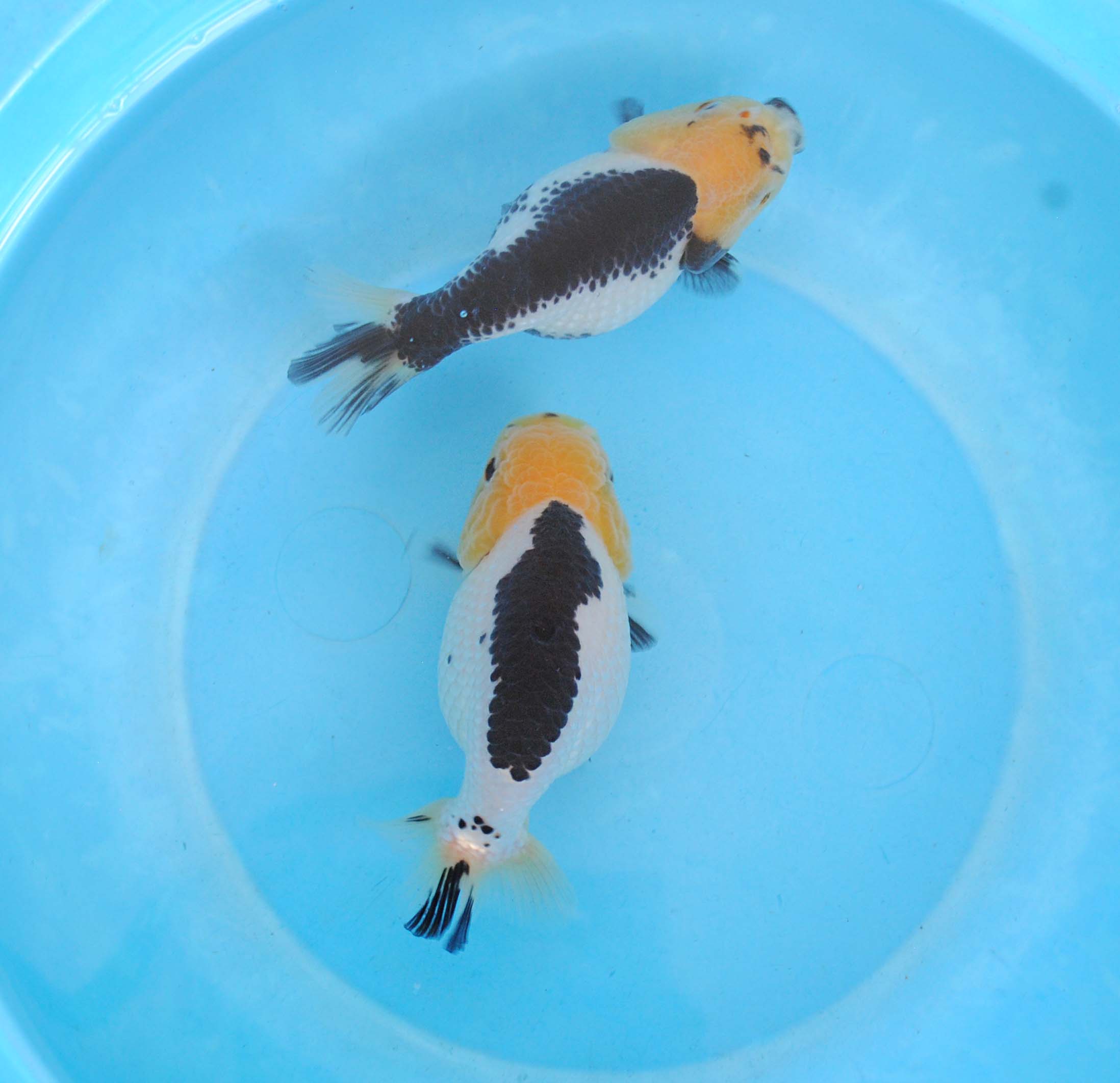
The offspring shows some interesting result in terms of coloration. Some exhibits strong black pigmentation on top of white or red-white color. This leads me to think that they are decent panda / tricolor ranchu! The quality of the body form varies. But as long as I can get the color genetics right, it is not that difficult to improve, I think.

Here are four of the results. In fact, one of them has become a decent tricolor ranchu!

From the topview, some of the black and white color look startling!

I do hope I can realize my goals of creating panda / tricolor ranchu from these fishes.

The video is available in my youtube channel:

Standard
calico ranchu, cow ranchu

The Diary of a Goldfish Breeder 2025 (1)

Update on Cow & Calico Ranchu

As a follow up to Diary 2024 (5) and (8), I would like to refresh our memory that I was left with these fellows:

The bad news is that all are male.

So, to continue the project, I acquired several Cow Ranchu from a local breeder, two male and two female specimens. Too bad, they did not last long. I did not have a chance to take proper pictures of them. Here is a lousy picture using my handphone:

My first instinct was to cross the three male Ranchu (left picture) with these cows. They did not carry black fish nor cow pattern in the offsprings. Some were white, sakura and calico with dotted black patterns. I got rid of the white. Here are two offspring that I keep. Both of them are female:

The first to lay eggs was the calico. It was about three months ago. So, this diary is about the offspring of this calico female. The sakura lays eggs recently and the offspring is just 2 centimeters long. It will take a couple more months or so to update on them.

Since the calico female was so productive, I mated her with several male fish.

First, I mated her with her uncle. Remember the calico fish in the upmost middle picture? It has turned into a calico with lots of black patterns:

So, just to be more systematic, the first cross is this:

And the offsprings I kept after lots of culling are:

Fish 1 seems to inherit the strong black pattern from the father. I treasure this strong black pattern feature for the next breeding.

Fish 2 seems to be a balanced mix from both parents, creating a pleasant pattern. I do notice there is a large block of black pattern in the back, which is good. If the fish can get rid of the red, blue and little dotted black pigment, it will be left with white color and that large black block. It will be a beautiful cow ranchu.

Fish 3 is the closest to the cow pattern I am looking for. I hope I can create more of this pattern. So, this fish is my first priority in the next breeding.

Fish 4 is weak, since it has no large black pattern. It has only few small dotted black pigments. It has no red and less of the blue shadow, which is good for a cow. I think if I cross this with a Ranchu with strong black pigment, there is a chance it will produce beautiful offspring. So, I keep it as a reserve.

Fish 5 shows that this cross can produce black / grey offspring, and also offspring with metallic scale. This is good, since this kind of fish might come handy in the next crossing.

The second cross is between the cow and the calico female:

And these are the results:

Do notice that this cross does not produce any black / grey nor metallic fish.

Fish 1 is a sakura which I will not use.

Fish 2 is a weak color. The red is not a strong red. It is more of a pale orange color. And the black pigmentation is weak. I will not use it.

Fish 3 is a calico with weak red and black color. I will not use.

Fish 4 is interesting. It is almost totally white with minimal blue coloration and red color, which is what I need. Too bad it also has less black pigment. But as the sideview picture shows, the black pattern is interesting, reminding me of a belt pattern. I think it is nice to see how the offspring will turn out when crossing this with a fish that has strong black pigment. I only keep this one from this crossing.

The third crossing is a metallic tricolor ranchu with the calico female. This tricolor comes from a black fish (also calico offspring from my previous breeding project) that turns into this spectacular pattern. There is only one specimen of this.

And the results are:

I think fish 1, 2 and 3 are pretty similar. They are dominated by white color with a little bit of red, blue and black which make them nice to see. They all have not so large but also not too small black pattern. I decide to keep them all.

Fish 4 show that this cross carries the black / grey and metallic gene.

Last crossing is between a black uncle and the calico female:

Let me show the results:

Fish 1 and 2 are calico with weak black pigmentation. The red color is stronger than the 2nd cross. I do not think I will use these two.

I guess my reader will know for an instance that I will keep fish 3 for the same reason I mention in the analysis of the previous crossing above. So also with fish 4. I will keep all black / grey fish at this moment.

Now my task is to wait for them to mature.

Wish me the best.

Thank you.

Standard
cow ranchu, tricolor ranchu

The Diary of a Goldfish Breeder 2024 (8)

Update On: Cow Ranchu & Tricolor Ranchu Projects

For friends who follow my Cow Ranchu projects and anticipate much (like myself), I must inform two bad news. First, all the offspring from both the Cow x Black and Cow x Sakura result in 100% male fish! That is a disaster for a breeder. Before I finish lamenting, there was an outbreak in my farm that cost me almost all of them. The Cow x Sakura line was totally wiped out. Fortunately, I managed to save few from the Cow x Black line.

These three patterns from the Cow x Black survived:

My main plan was to cross the first pattern type (the left picture) with the black colored sibling. But it was not possible since all were male. As a change of plan, I buy another female Cow Ranchu and cross it with the first type. Too bad the female cow died after delivering her first offspring before I took any documentary of her. I might post the result later on. But for now I can report that there is no single black in the offspring. After this mating, I sell all the first type pattern since I do not think I need them for my project anymore. I still keep the second type pattern and the black. And here the interesting news comes!

The black offspring turn into two handsome princes!

I kept two best of them. One of them turn into a black gold, and another one into tricolor pattern!

Aren’t they handsome?

I find that the black color is so persistent in them. It makes me full of hope. At least, not for my Cow Project, but for my Tricolor Ranchu Project! It is like getting a lottery!

Of course, I know that the stability of the pattern here is under question. Will they stay? Well, I am still observing. And when I cross them with fish from my Tricolor Project, how is the compatibility knowing that they come from Cow lineage?

Now, let me update on my Tricolor Project.

The project had shown a good progress. My latest offspring consists of some male and female shark ranchu (bad body form) with strong tricolor pattern. I highlight the strong pattern here. After I achieve that, the rest of the project becomes easier. I just need to improve on the body formation.

But when the outbreak kills lots of my fish, I am left with one female only! I was heartbroken. If this single fish died, then I must restart this project that I have done for several years. So sad.
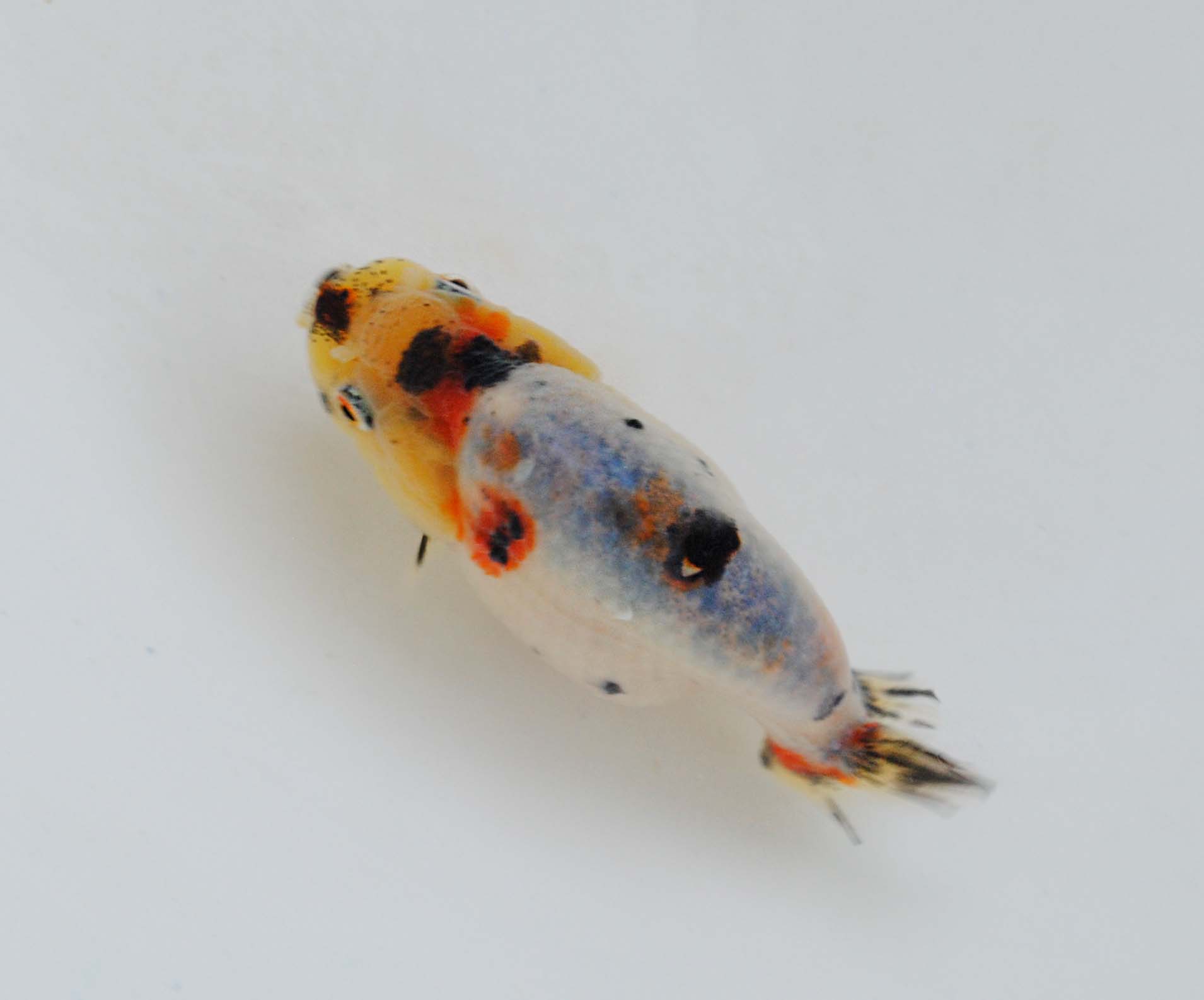
This is the survivor:

I mated this female with the two male Ranchu above. Frankly, it is hard for me to make a prediction of what will the offspring be. My hope is to have Tricolor Ranchu, of course.

First try, all the eggs cannot hatch.

Second try, no luck. I begin to suspect this female is infertile.

But I still try.

Third attempt, same result. Not even a single offspring. Actually, at this time I also mated this female with a ryukin just to make sure that the infertile ones were not the male. Same result, The possibility of the female being infertile is high!

Yet, I still try.

In the fourth attempt, I mated the female with the two princes above, with a ryukin, and with a tricolor Oranda! And guess what? All hatched perfectly!

If you ask me how come, I do not know.

Now, I am raising all of them. They are 3 cm in length right now.

Then, I try again to mate the female with the two princes for the fifth, and sixth time, and nothing hatched. The female resumes her infertility.

Well, I have no explanation for this. But I thank God for the one successful shot (the fourth attempt).

And let’s see the results in several months to come.

Standard