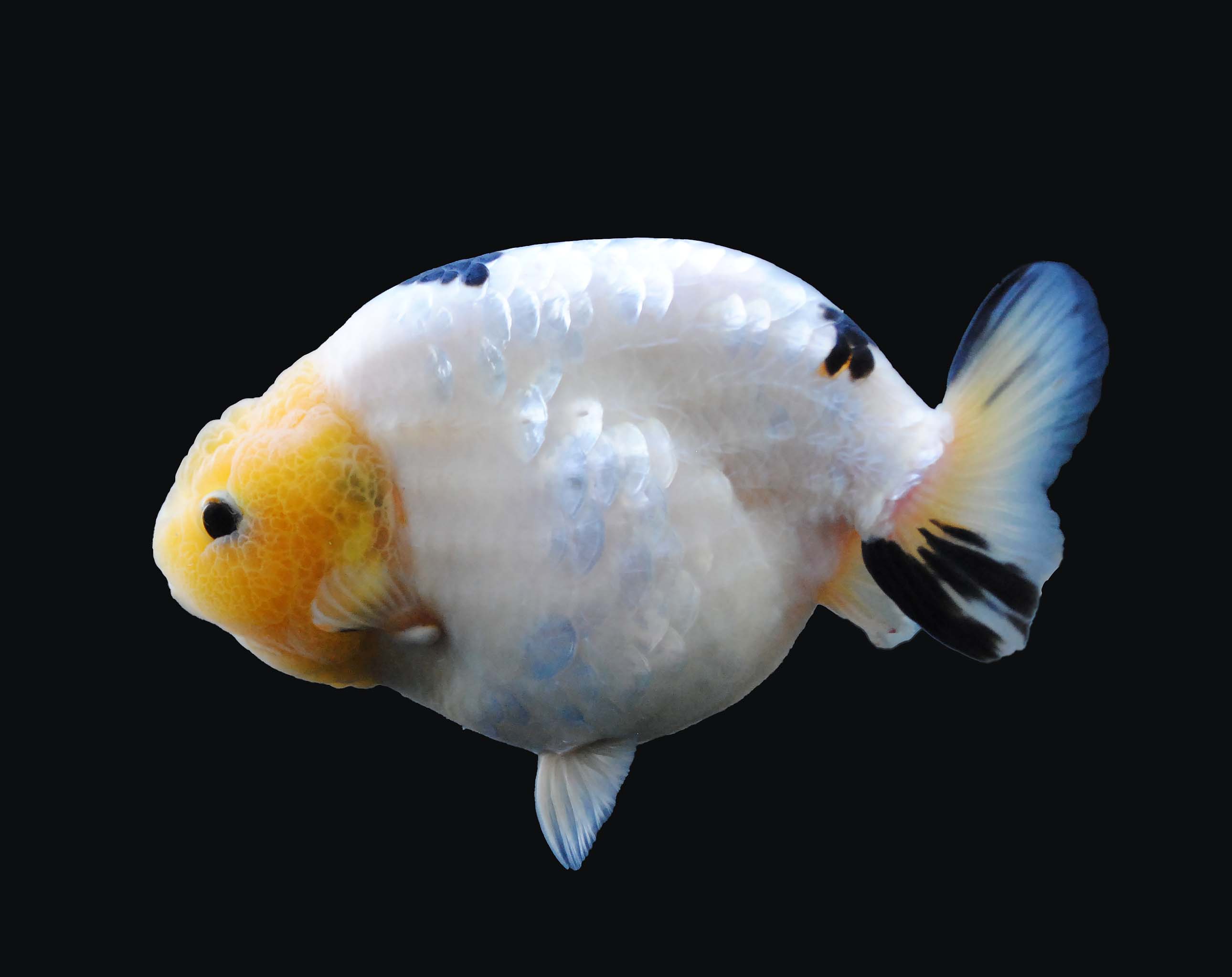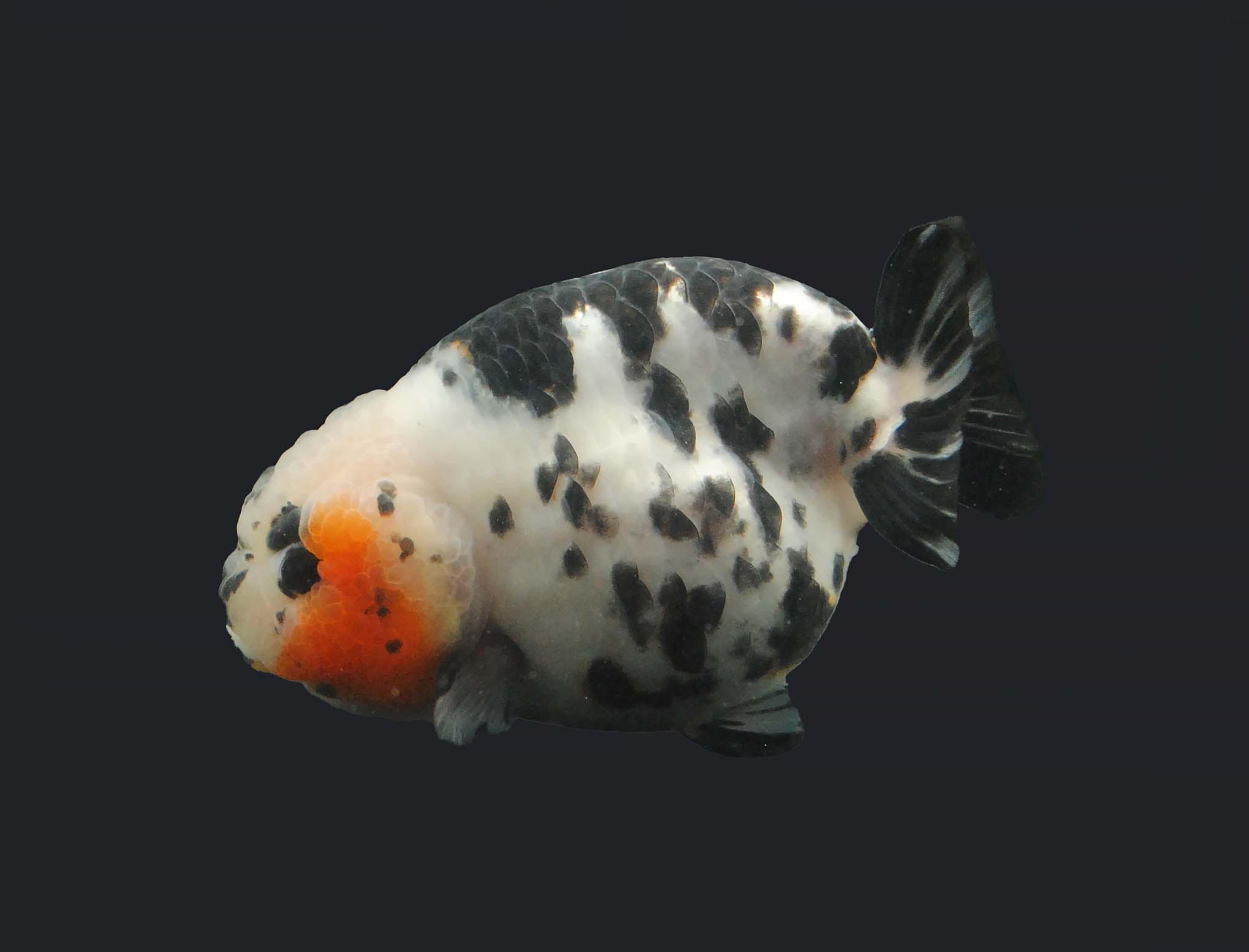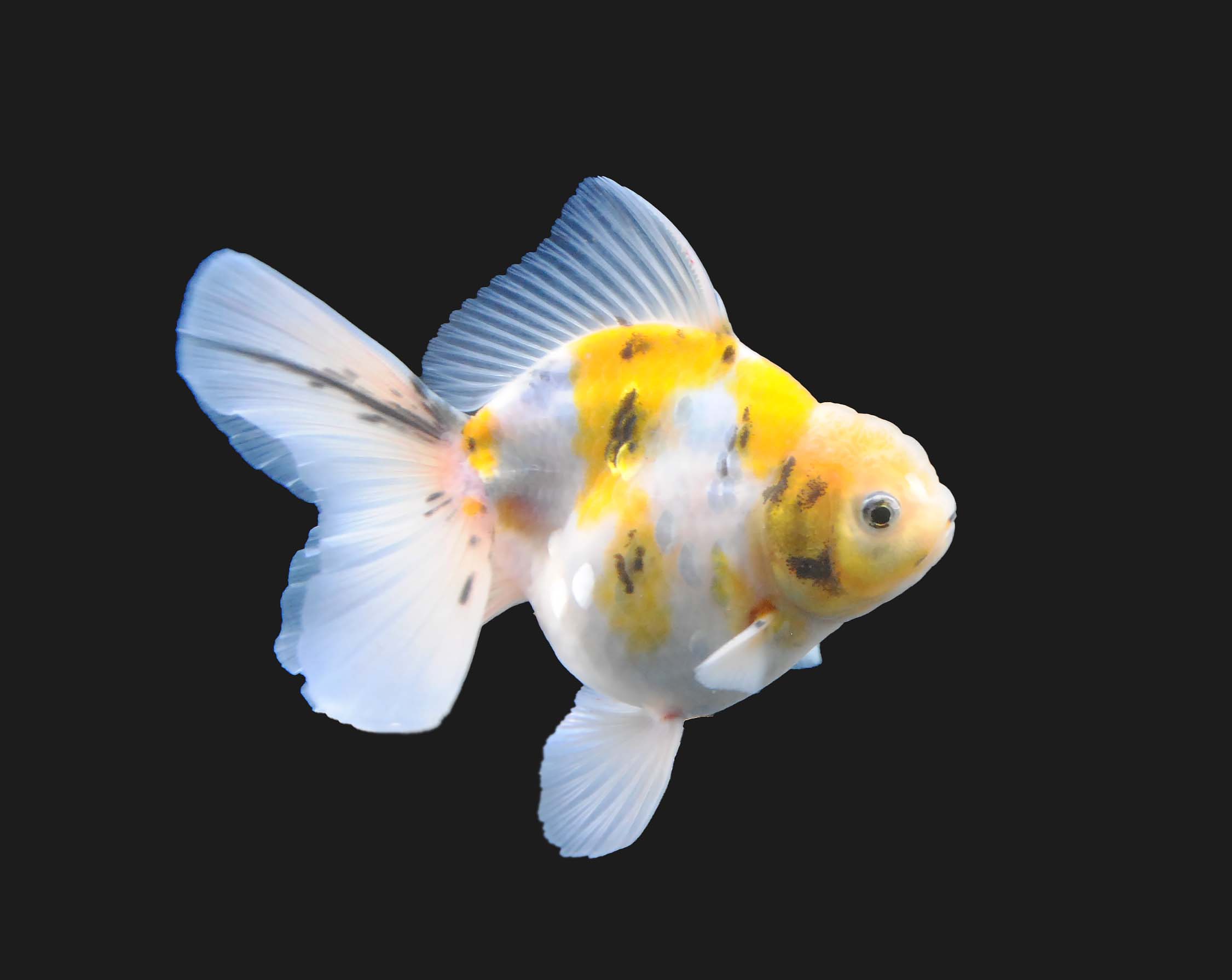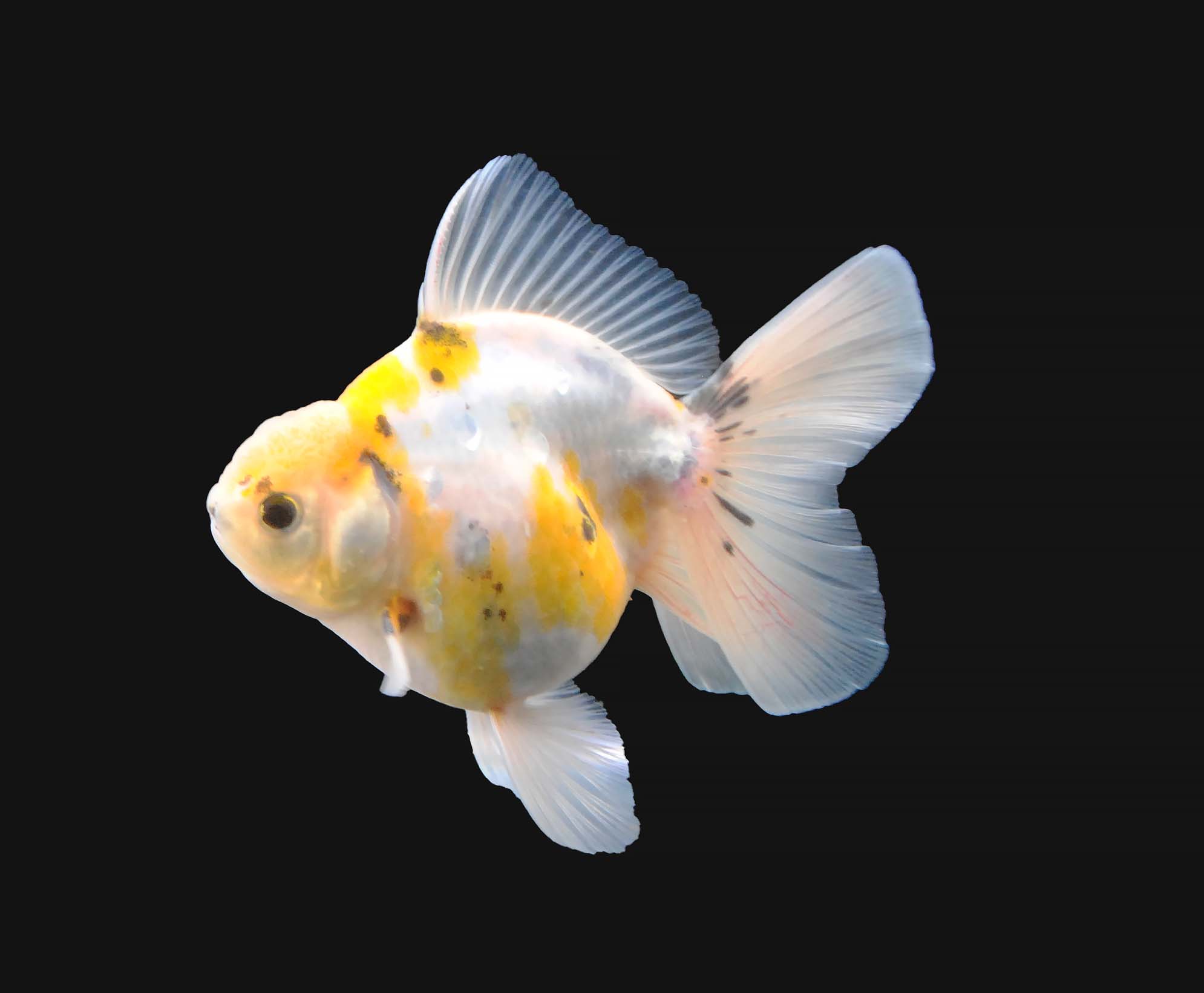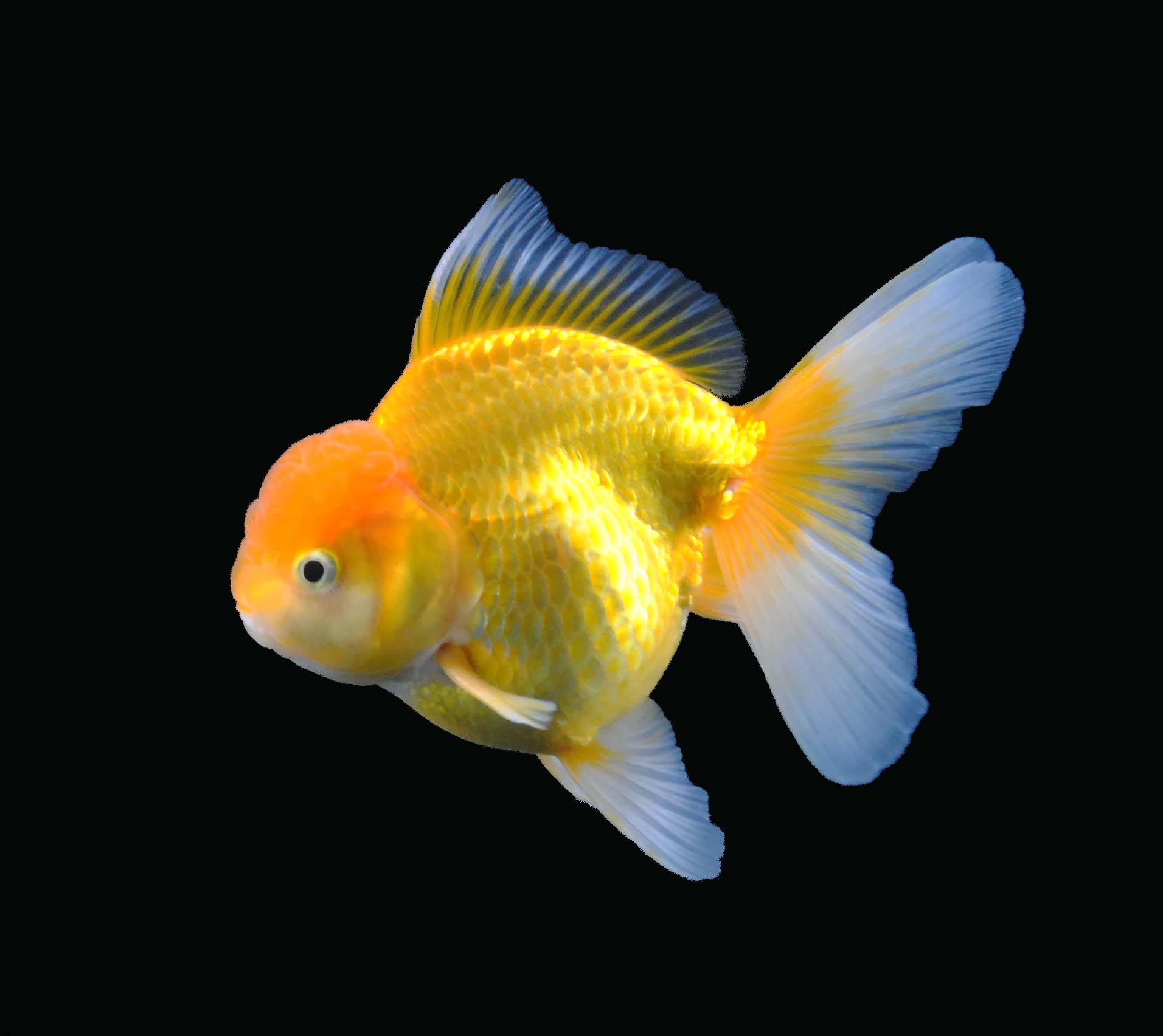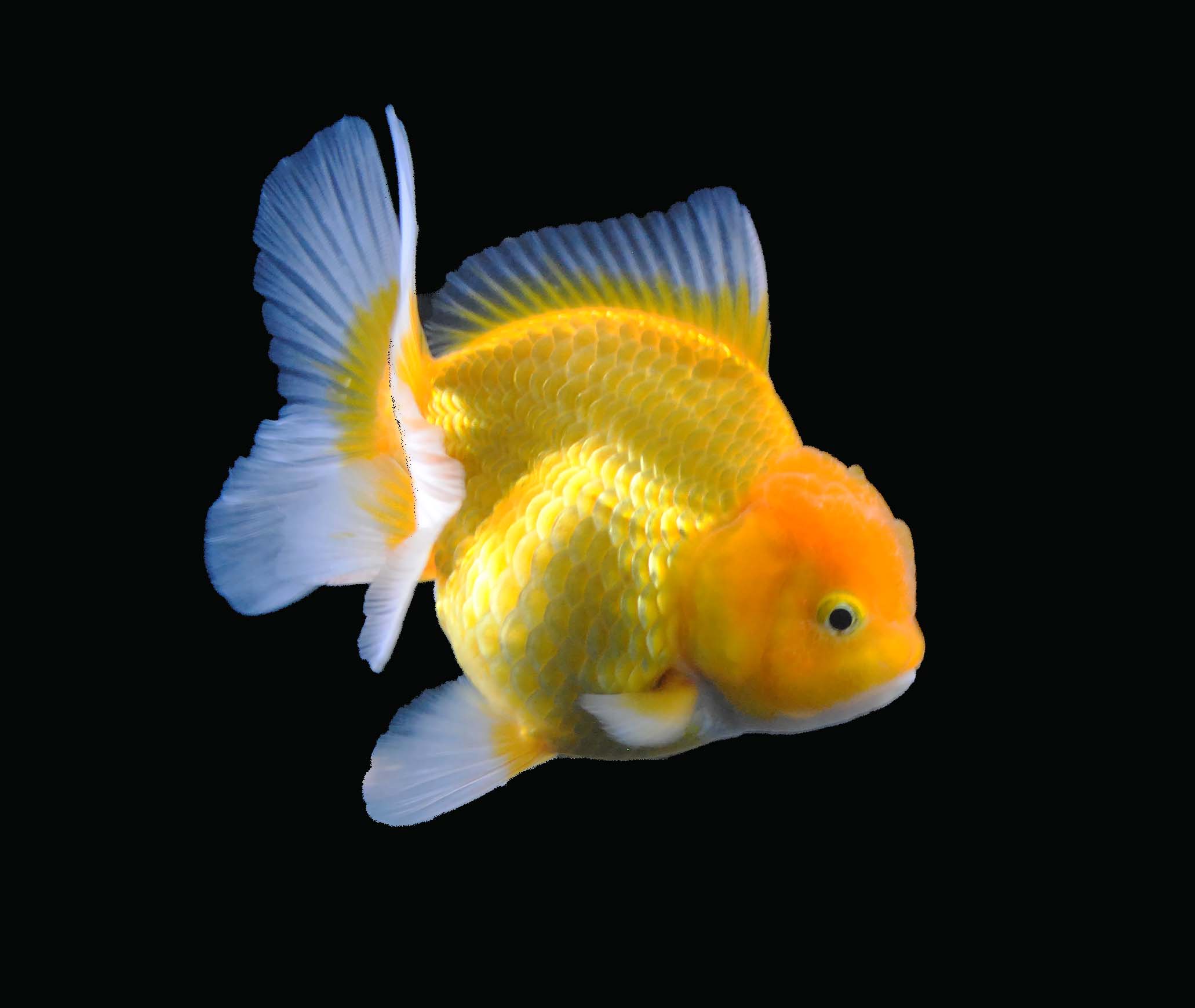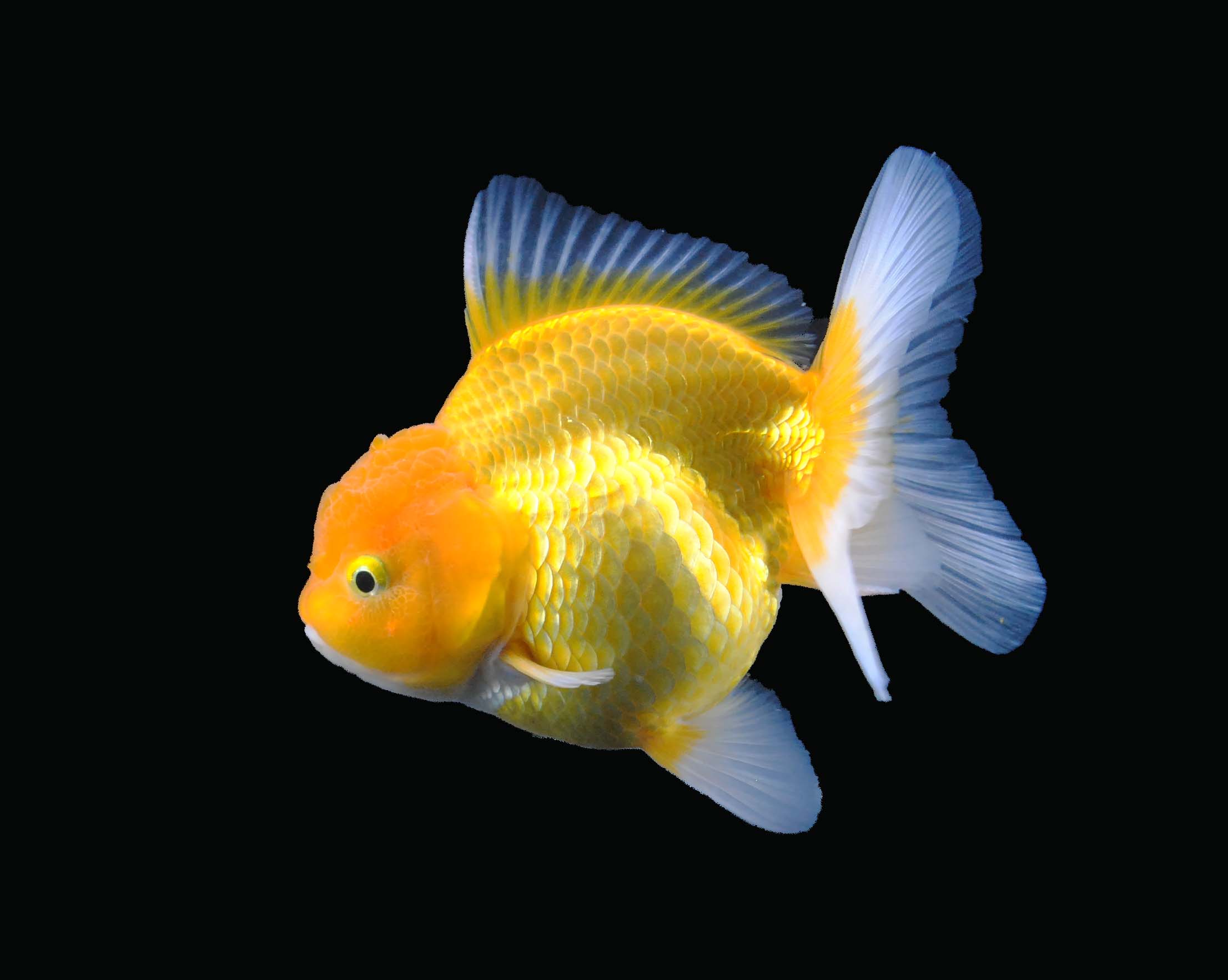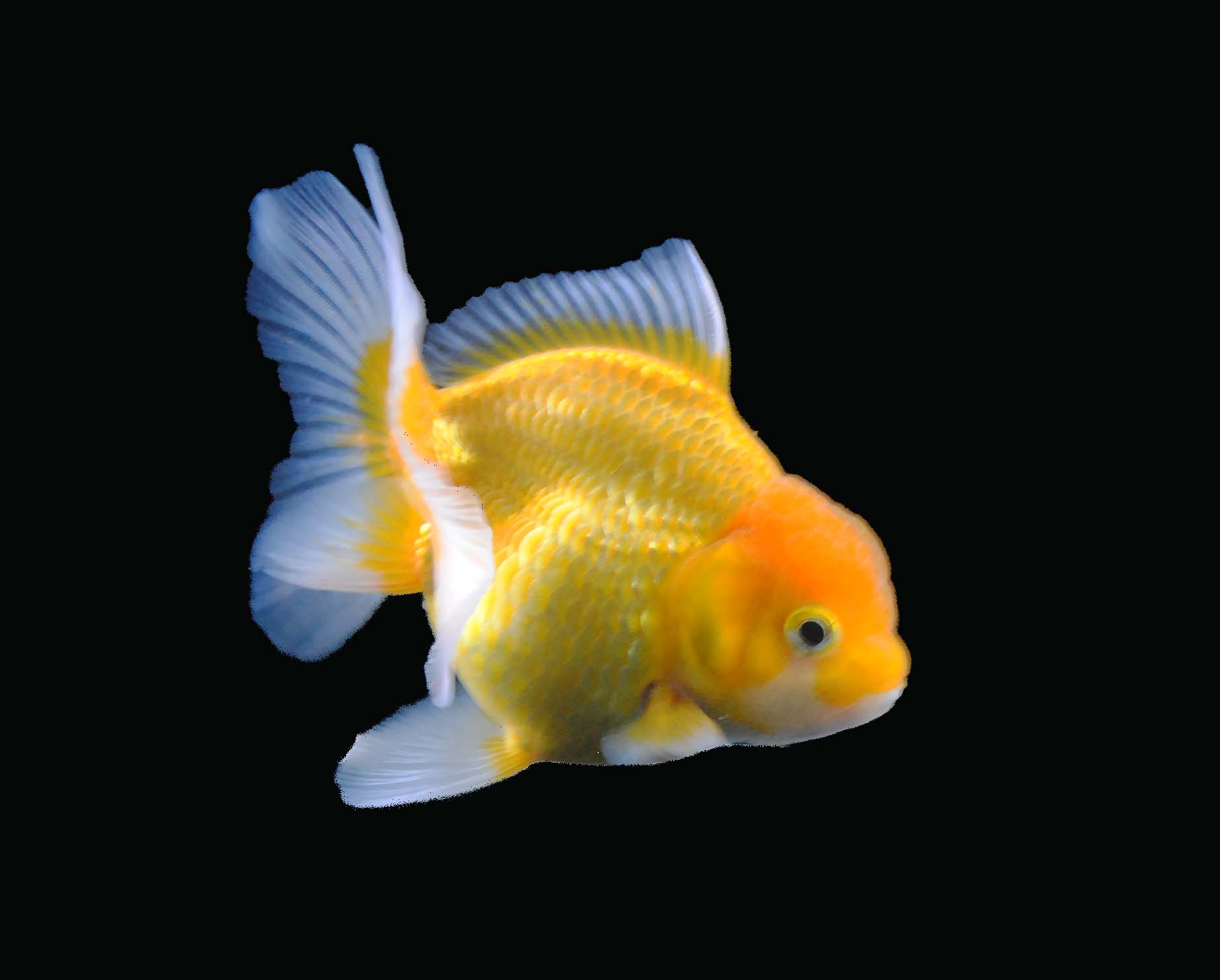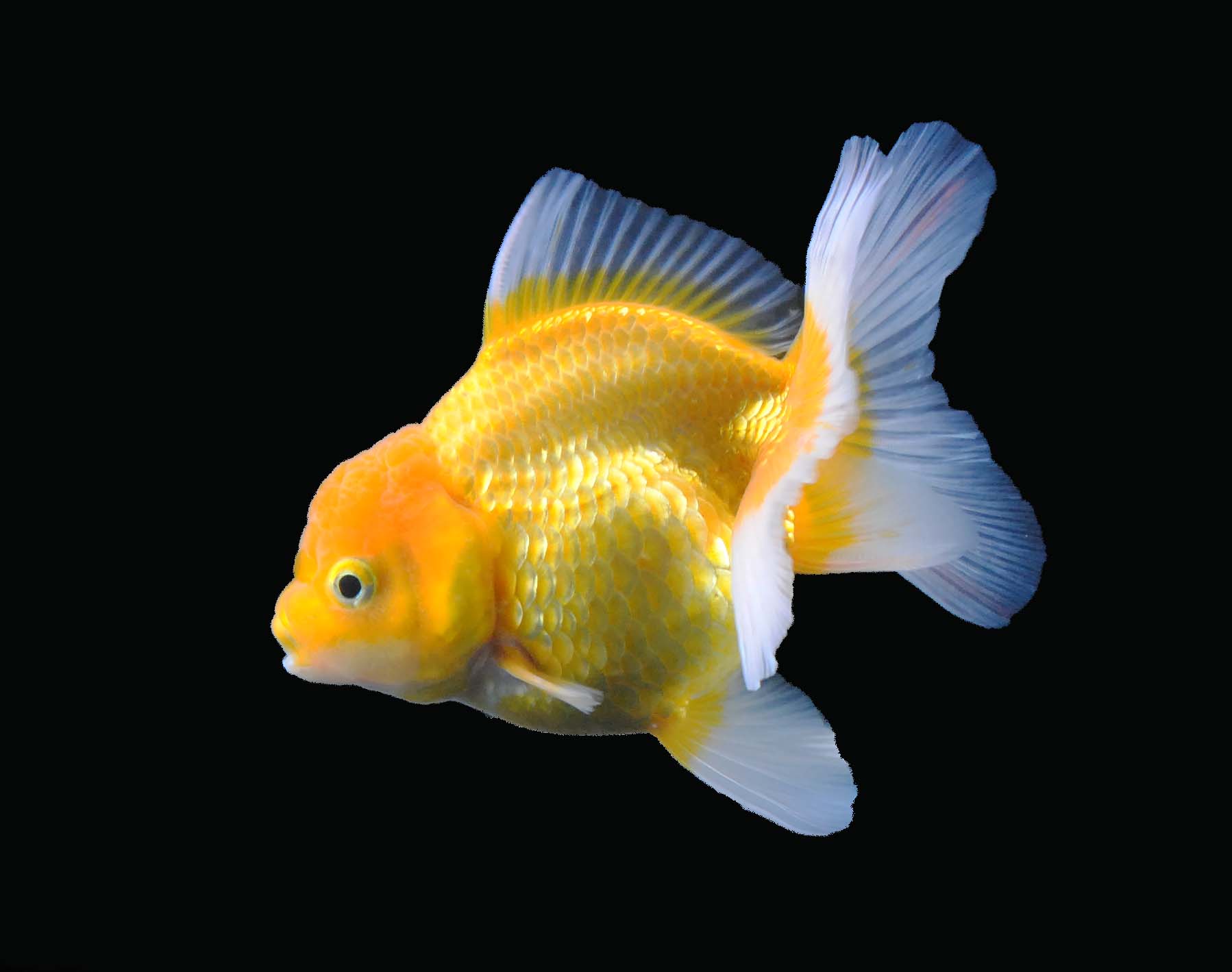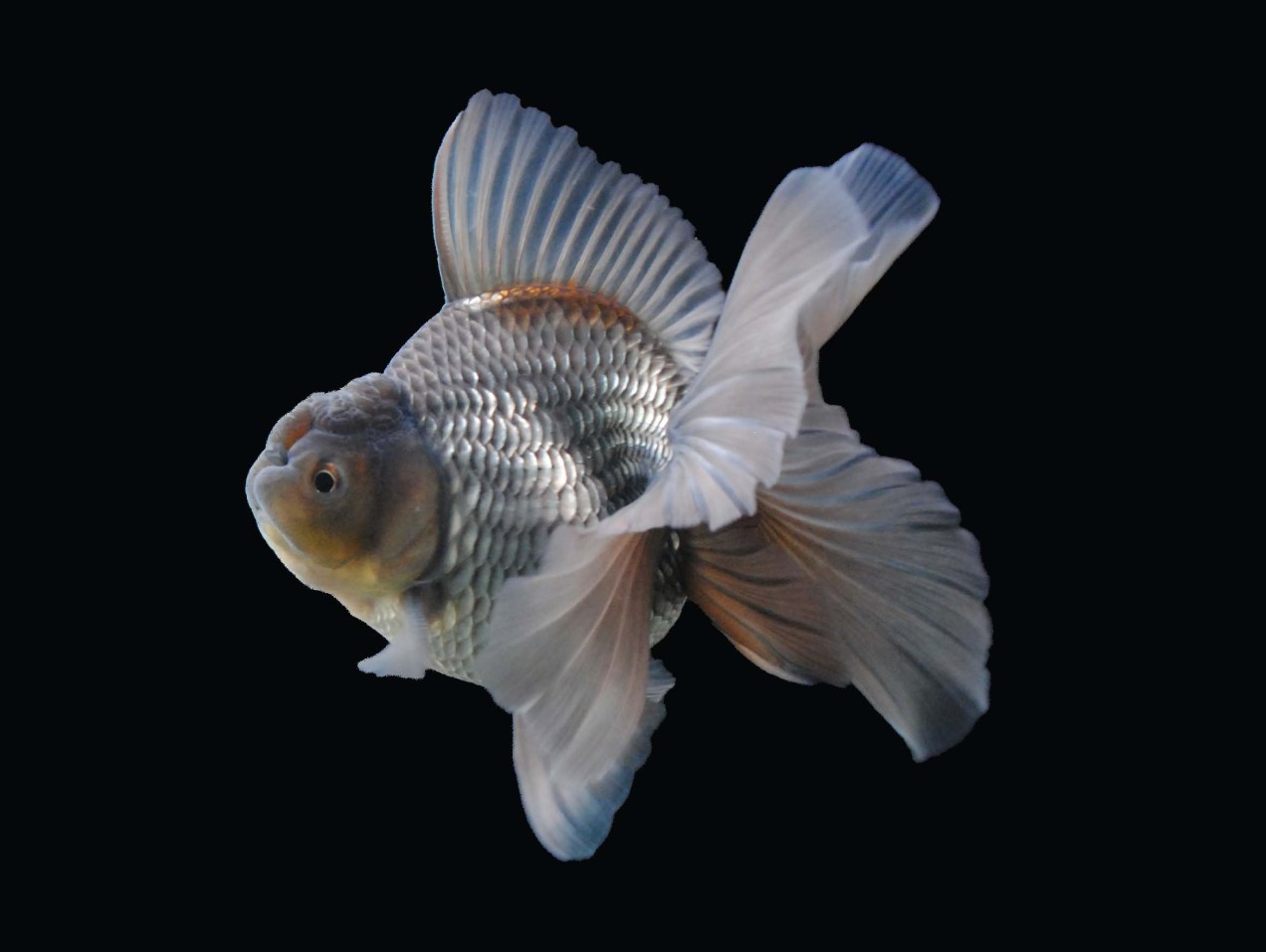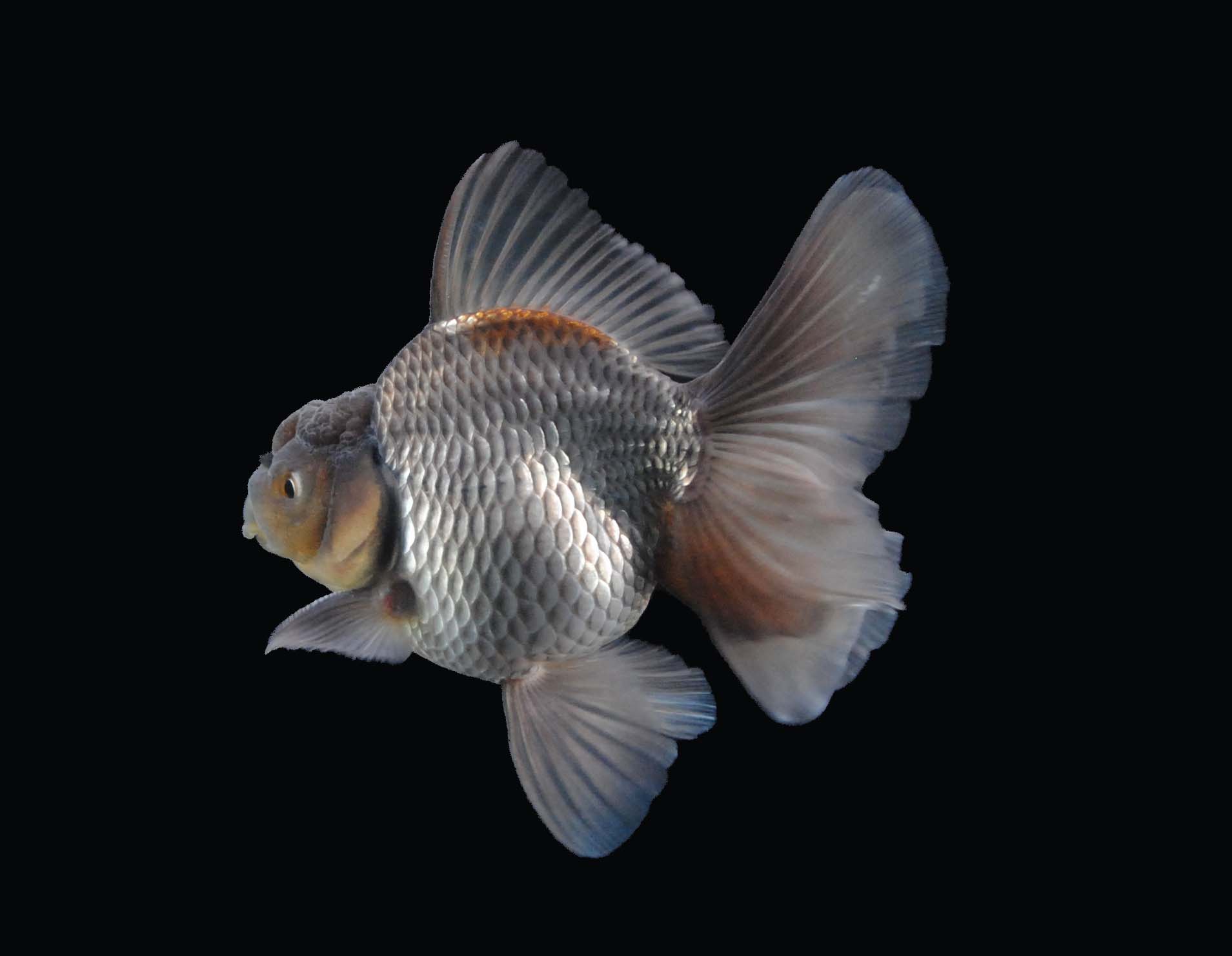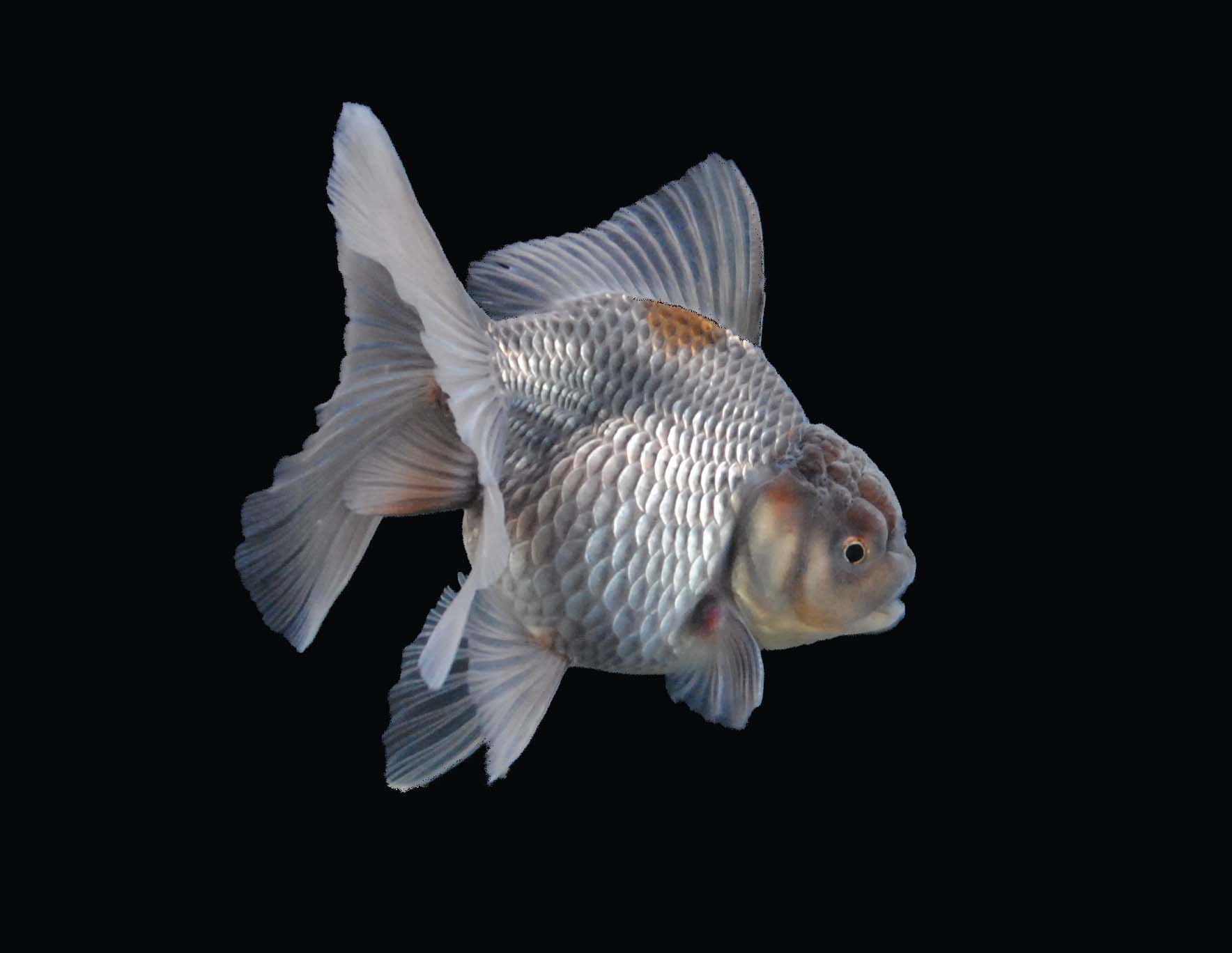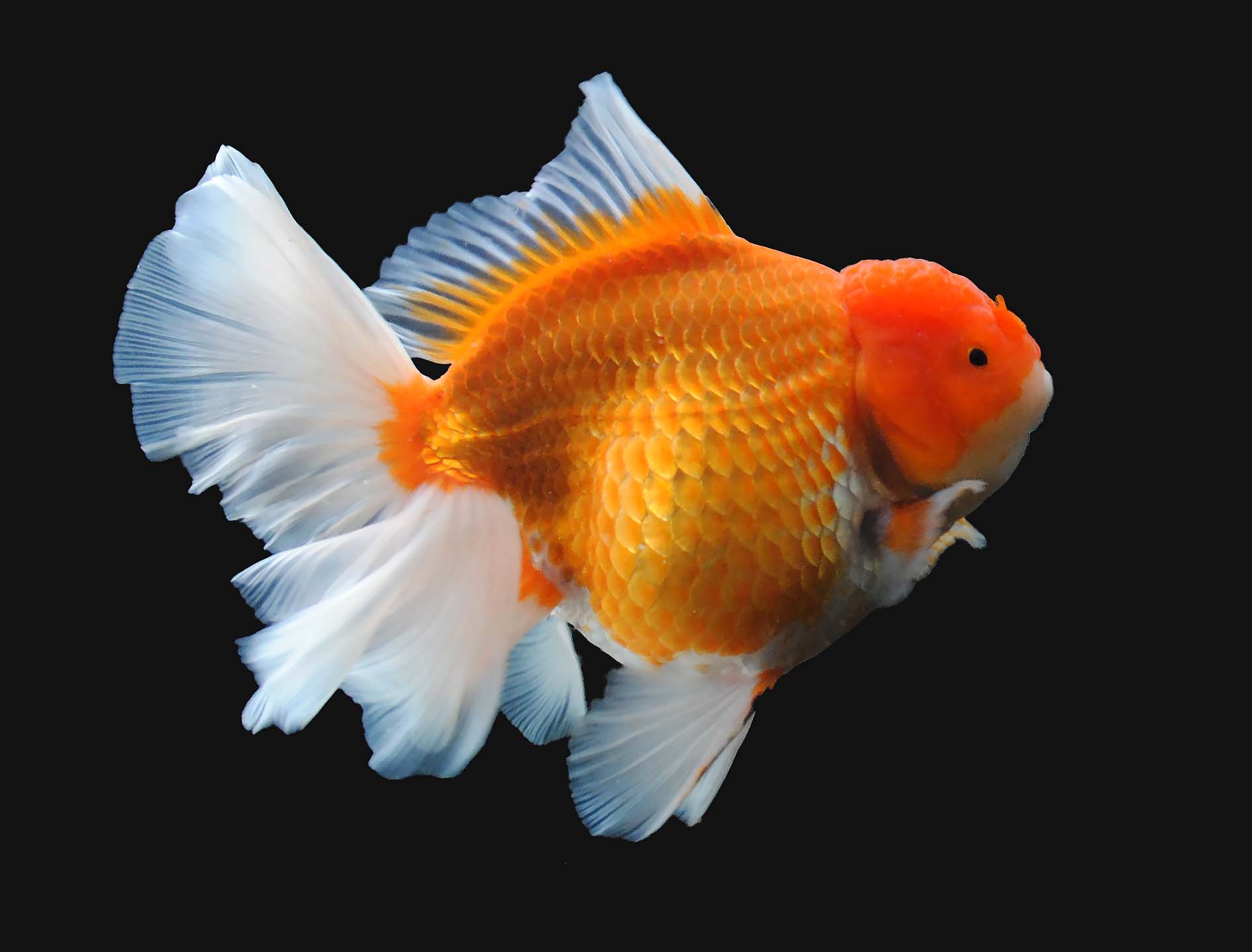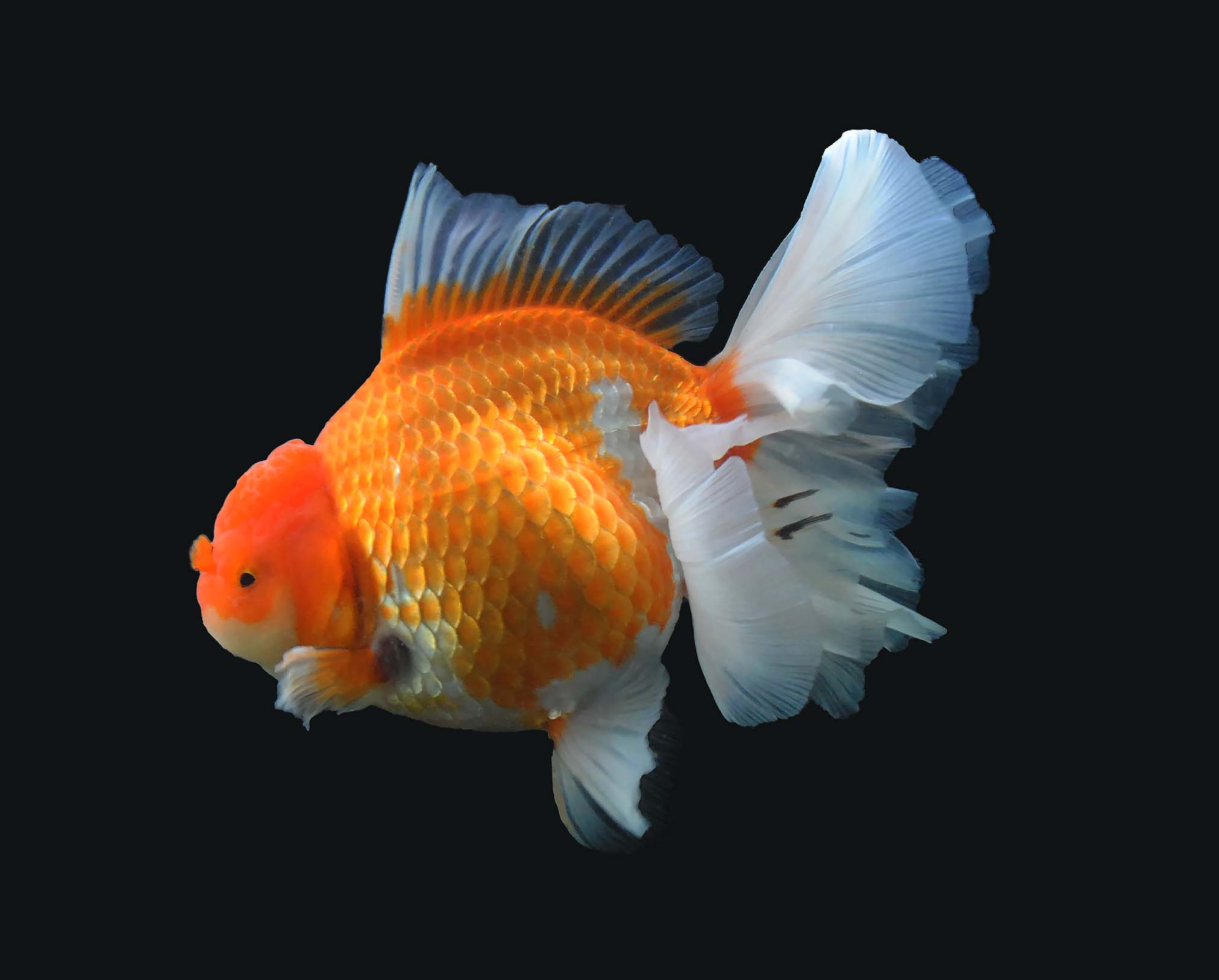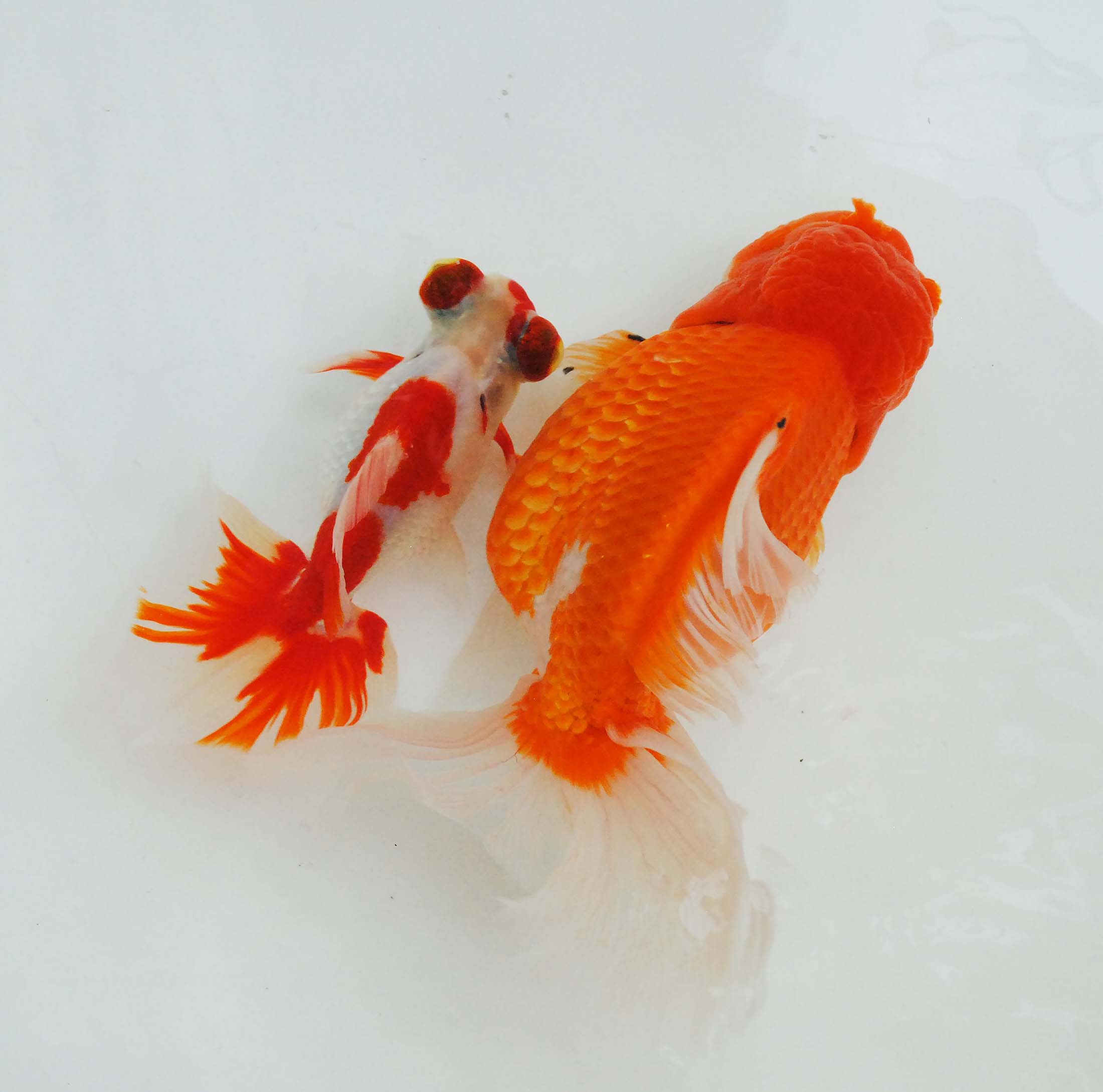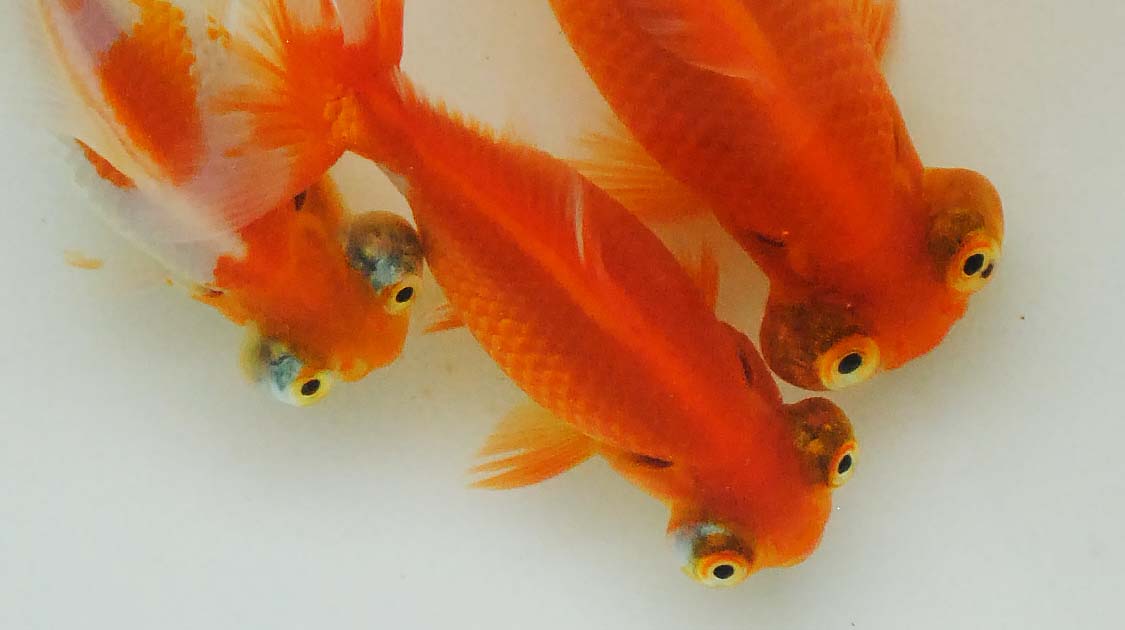
cow ranchu, The Diary of a Goldfish Breeder 2022

The Diary of a Goldfish Breeder 2022 (1)

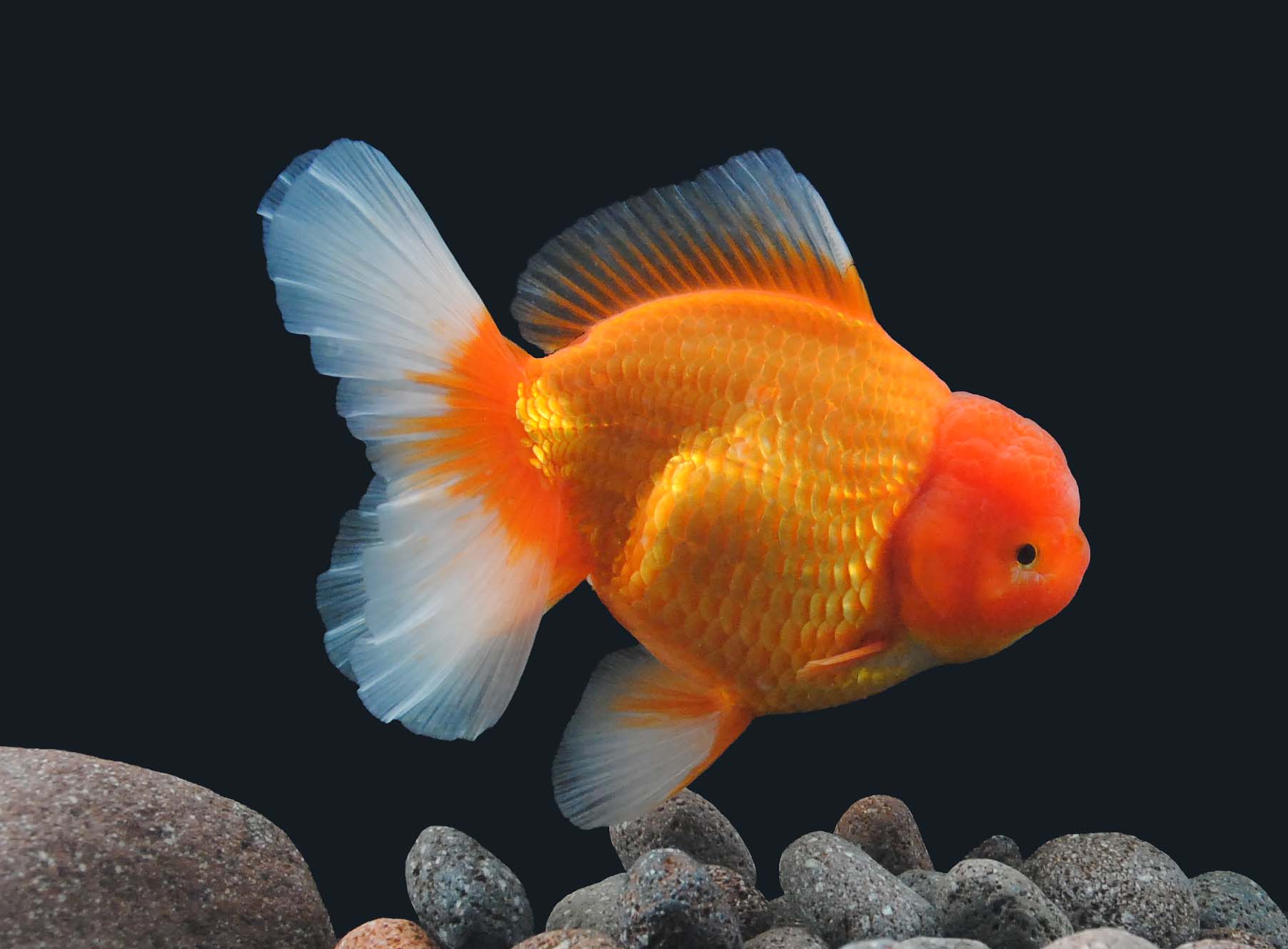
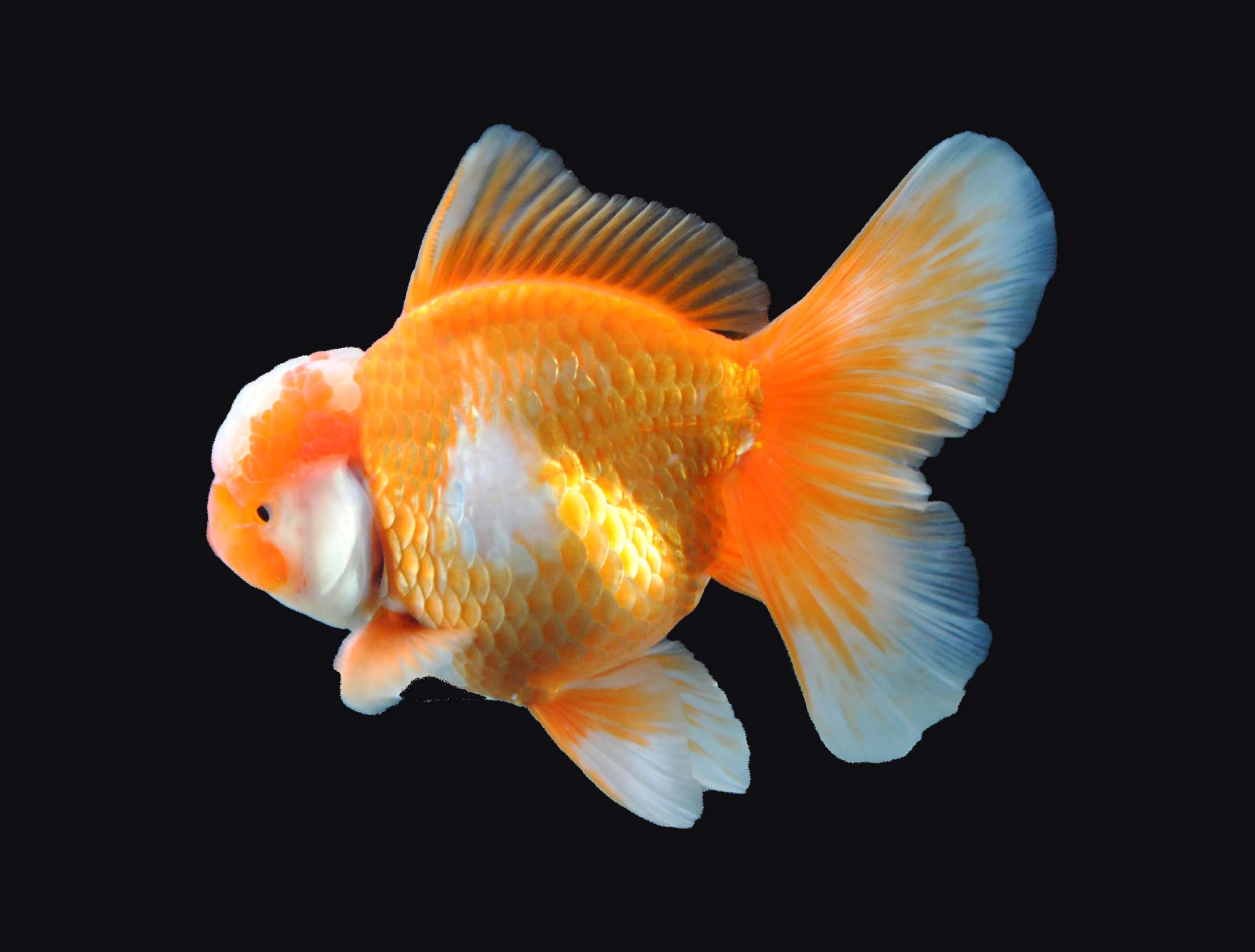
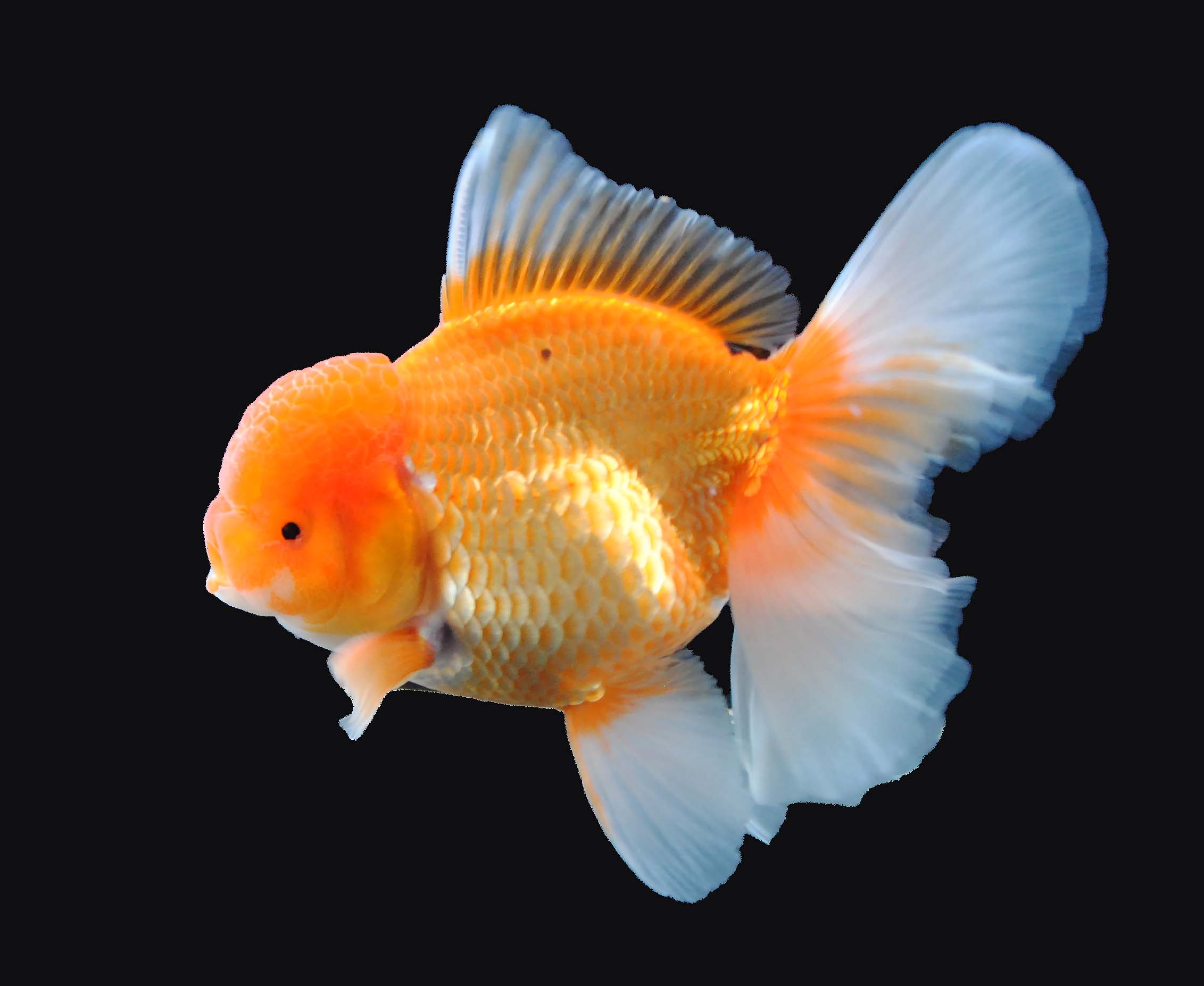
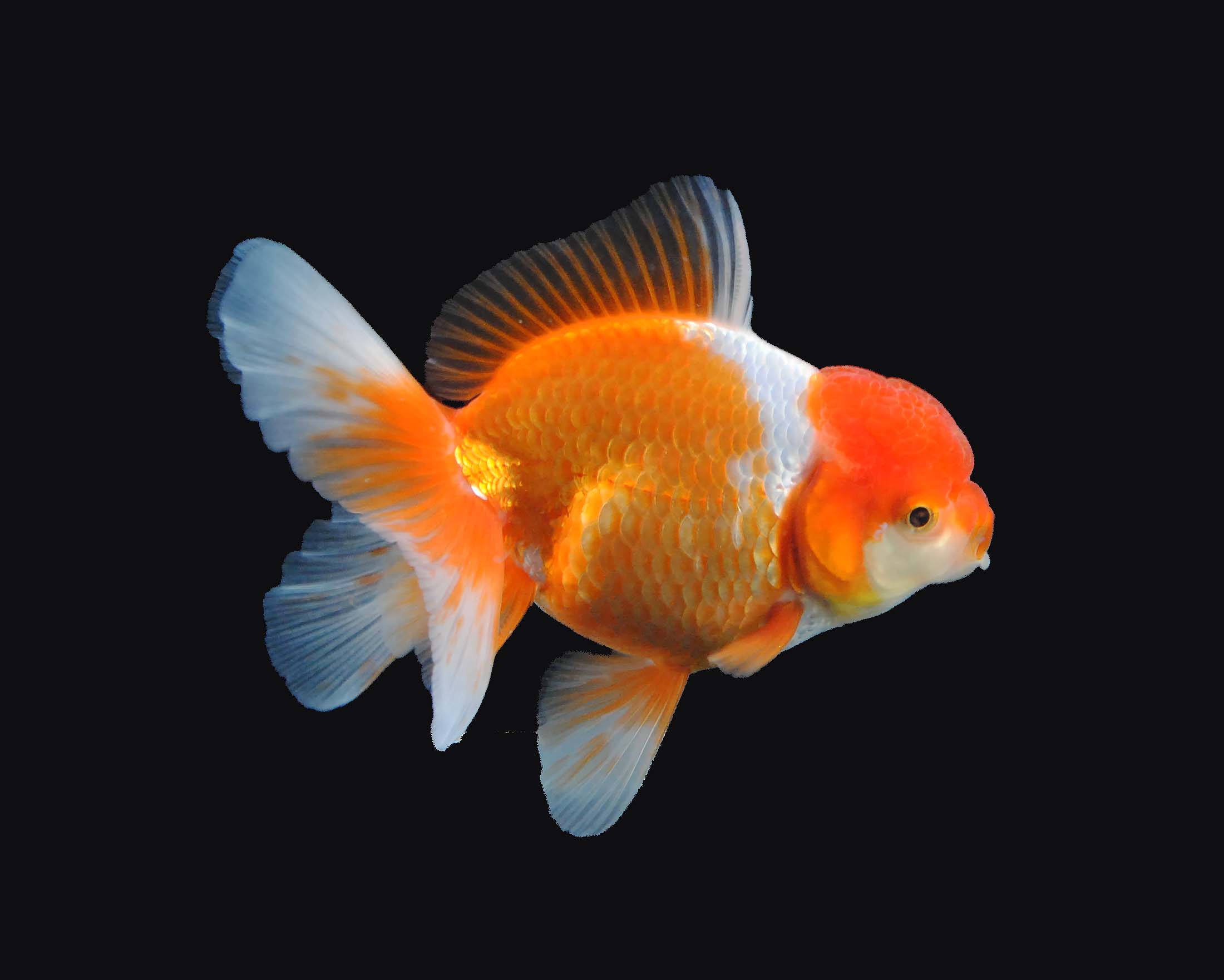
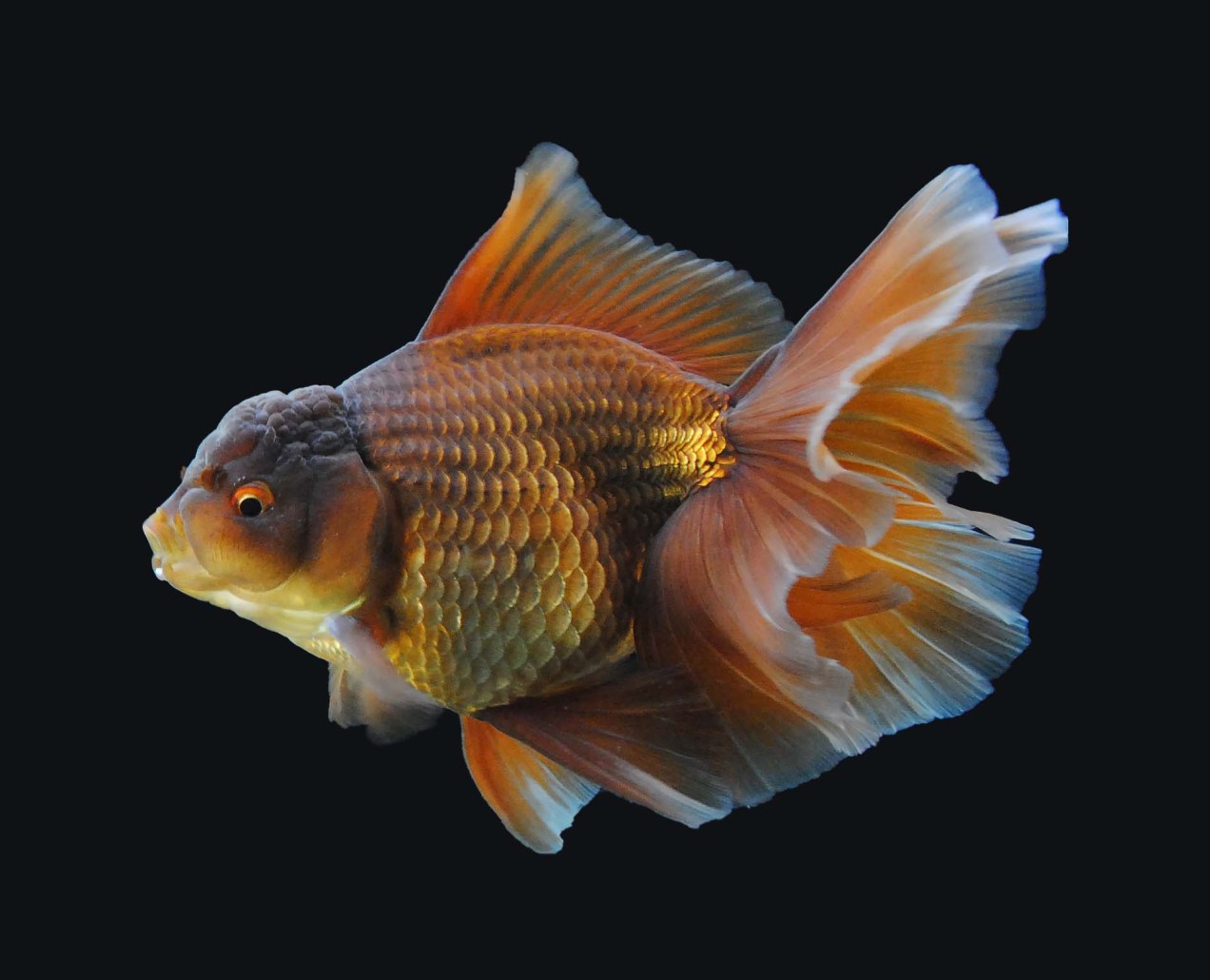
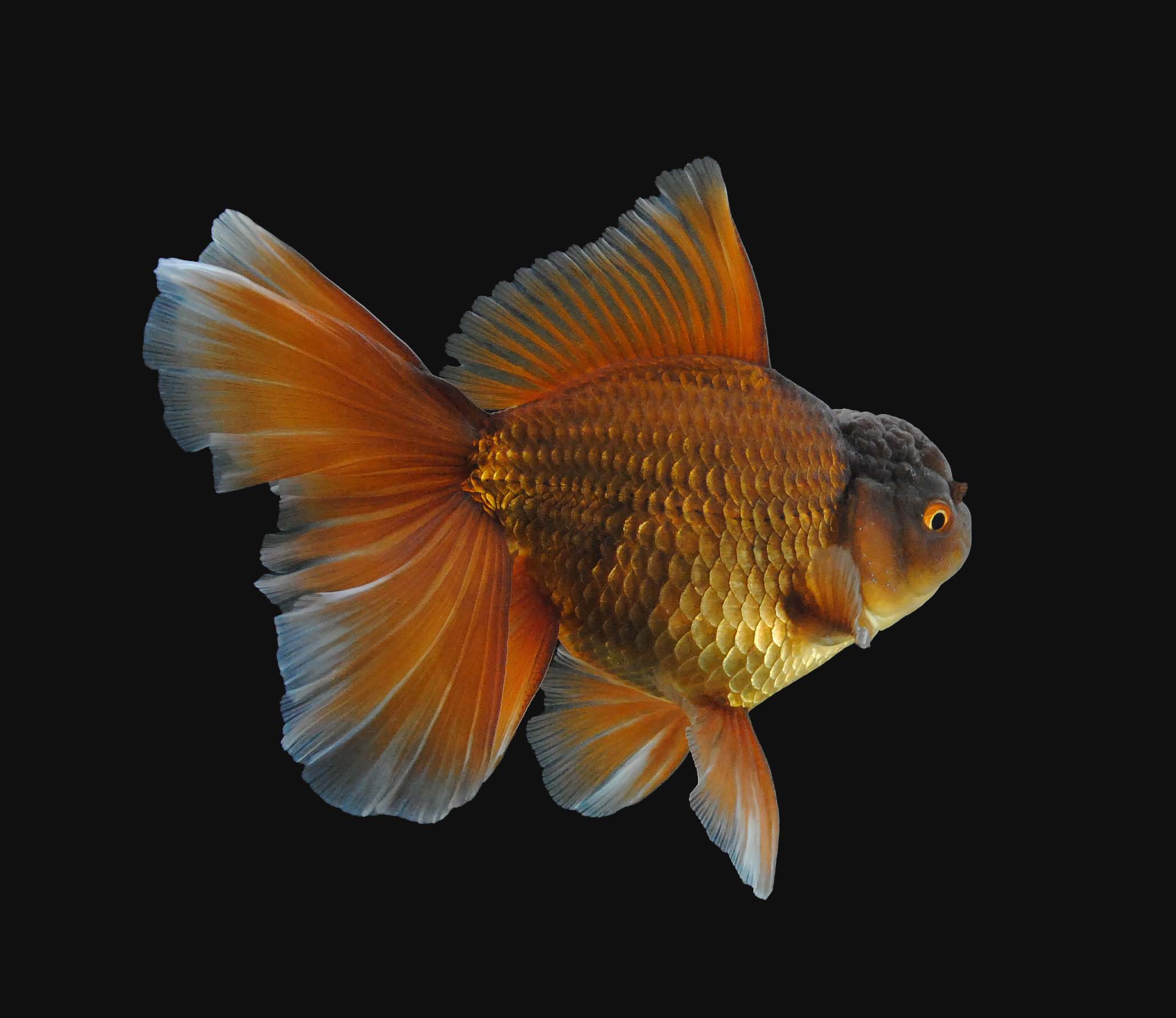
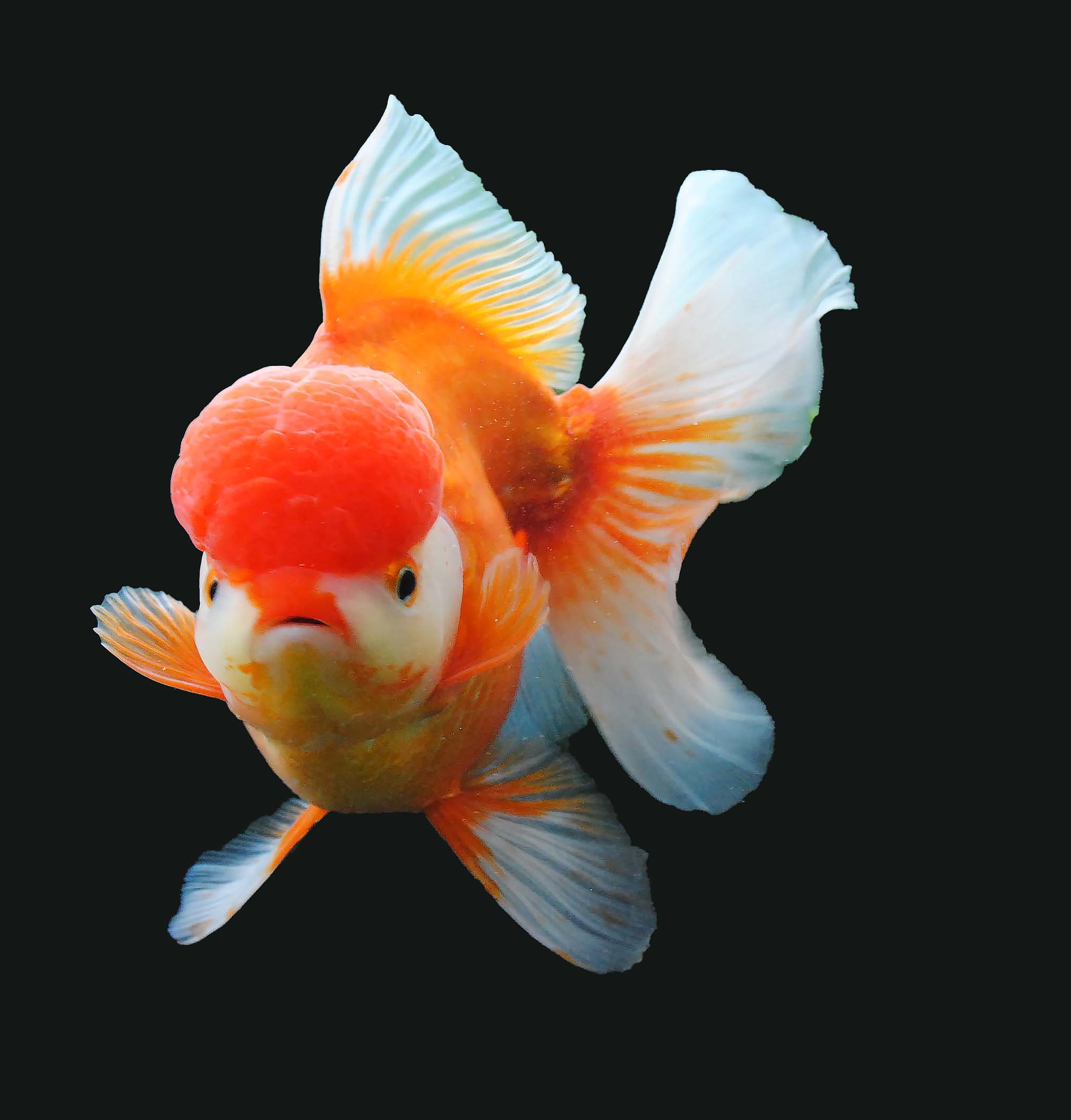
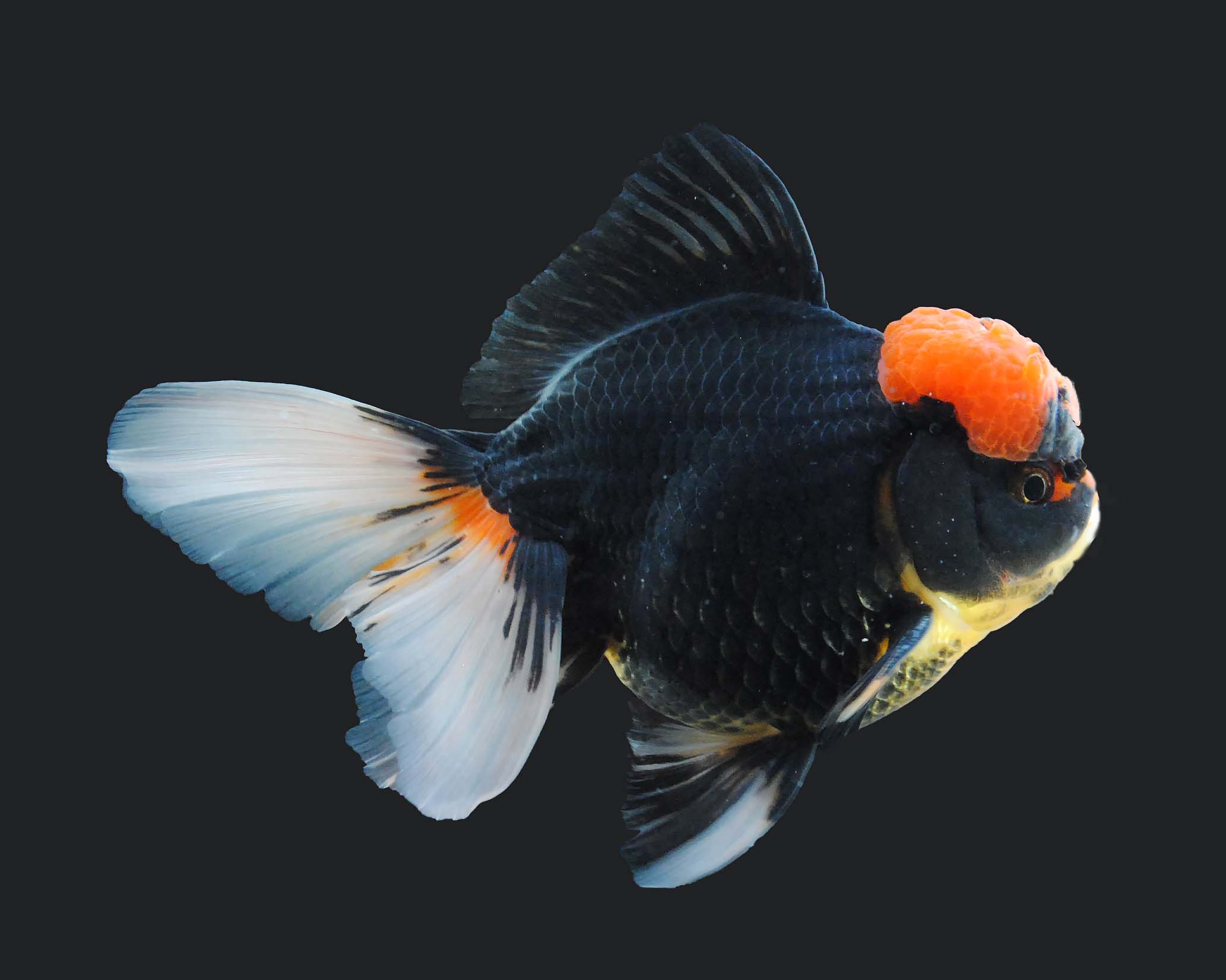
This new year I got a pleasant surprise that could propel my cow ranchu project. But first, let me update the color development of my cows. It is interesting to see how the black pattern grows.

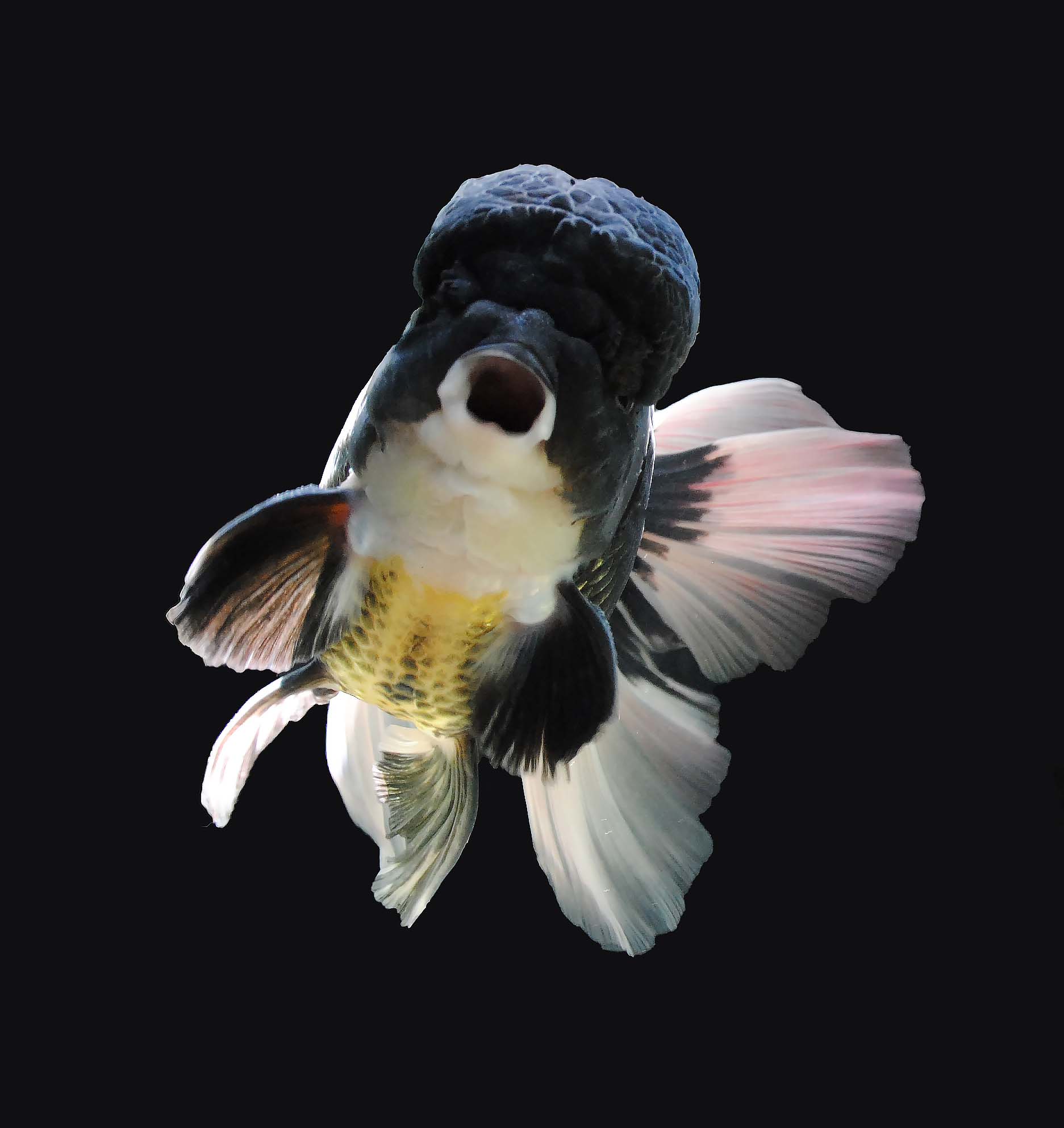
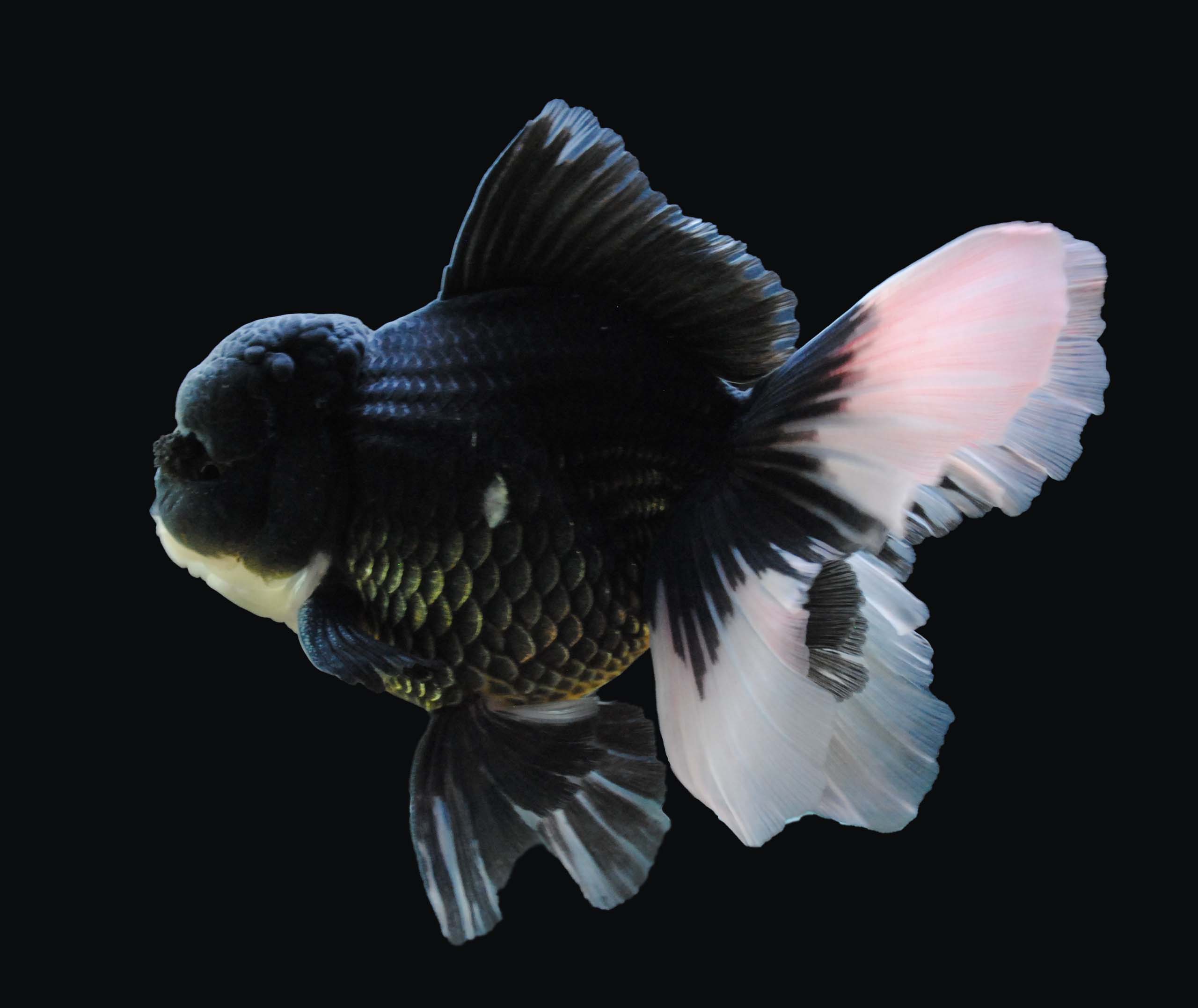
This is my Alpha male. He is my own breed – my only success so far. The last time I took his pictures (last year), he looked like this:

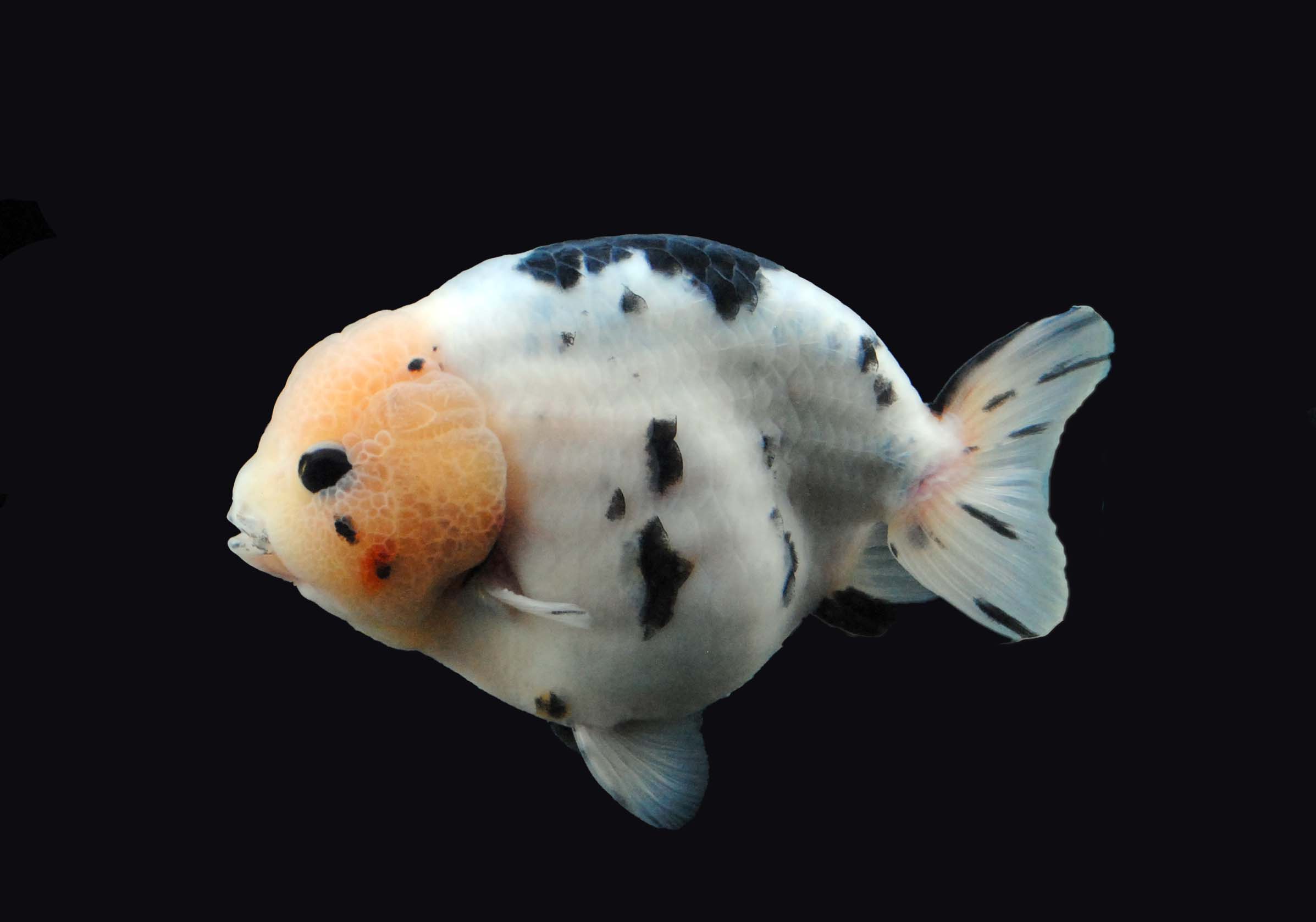
And now, he turns into this beauty:

Impressive, right?

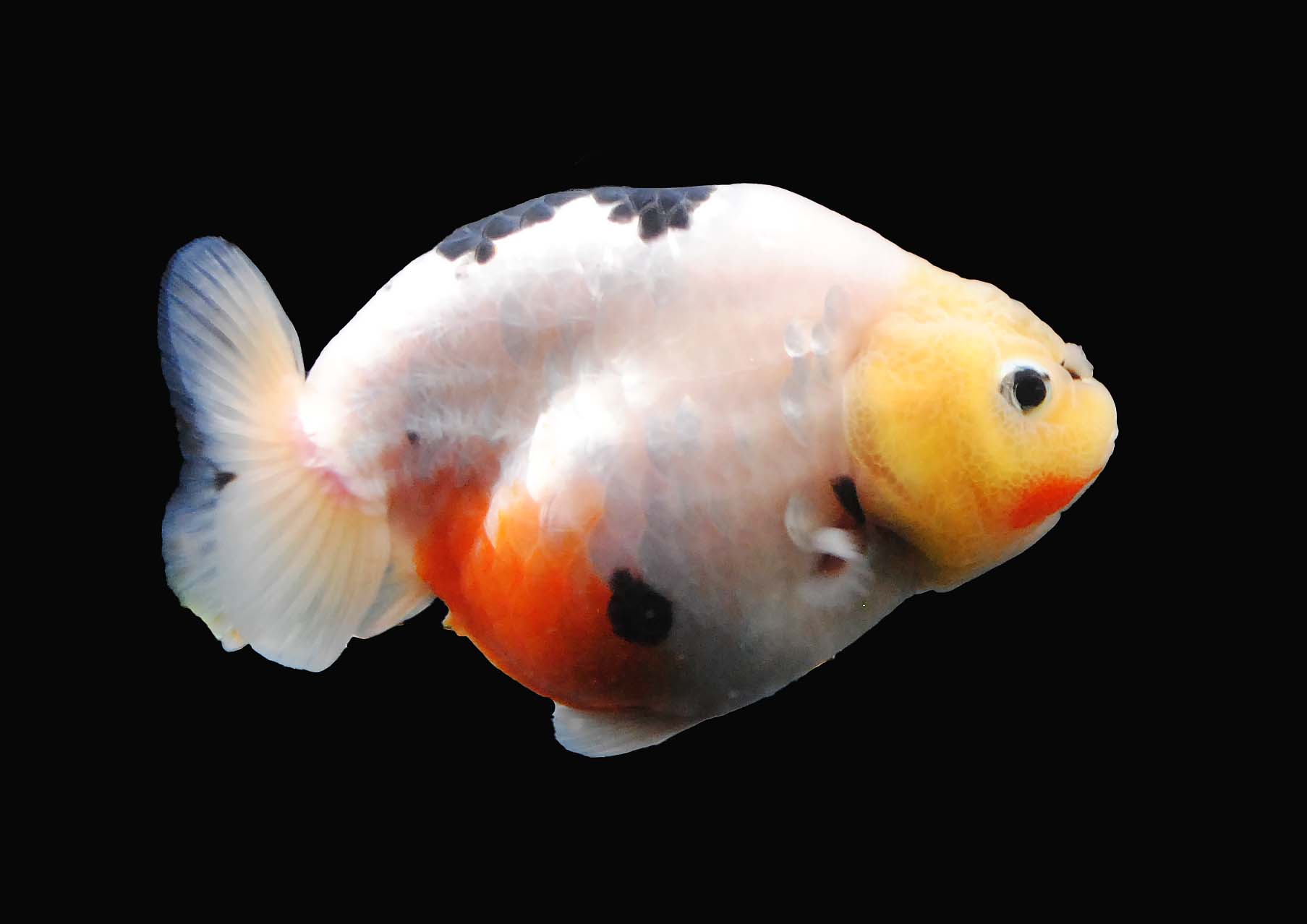
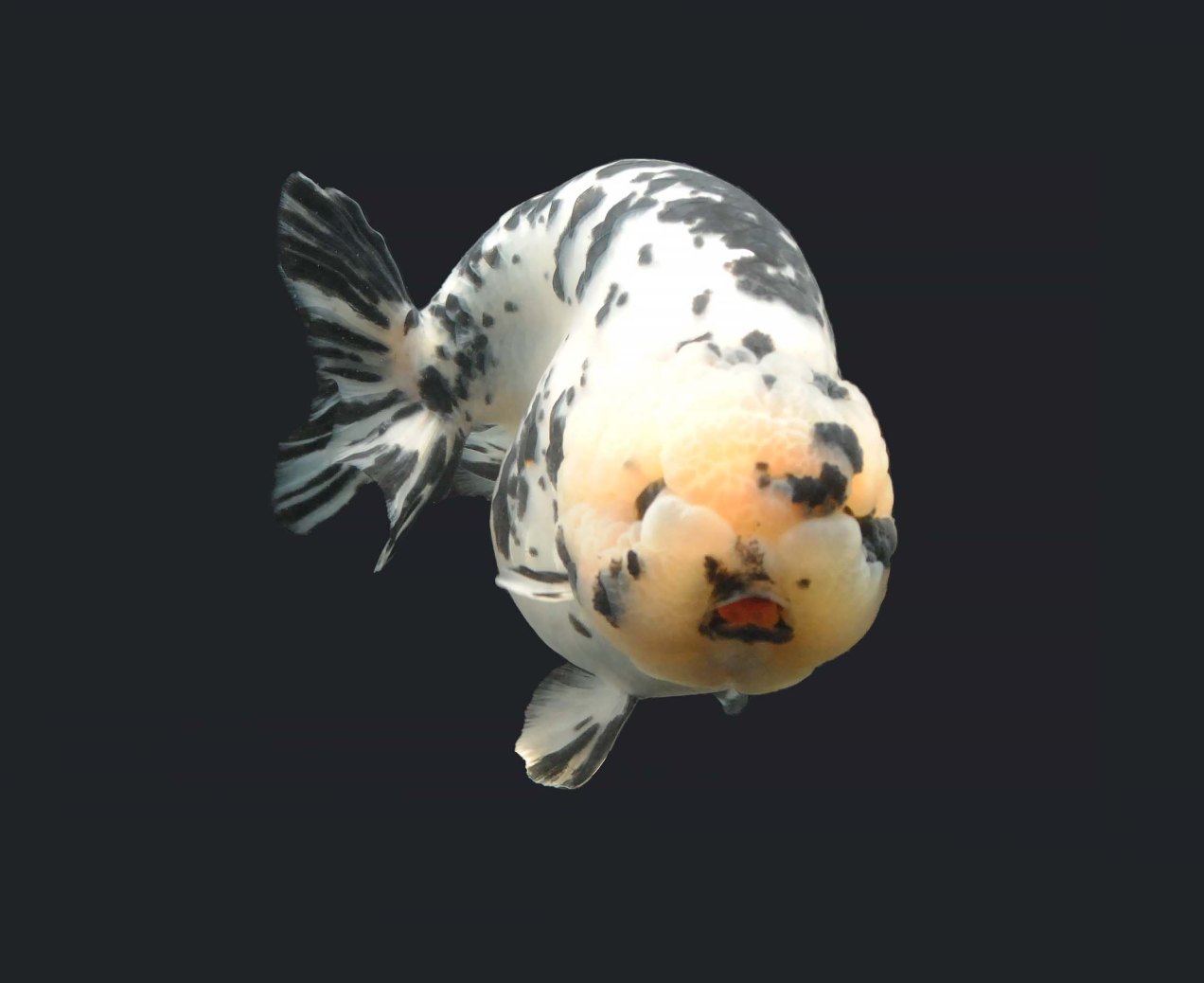
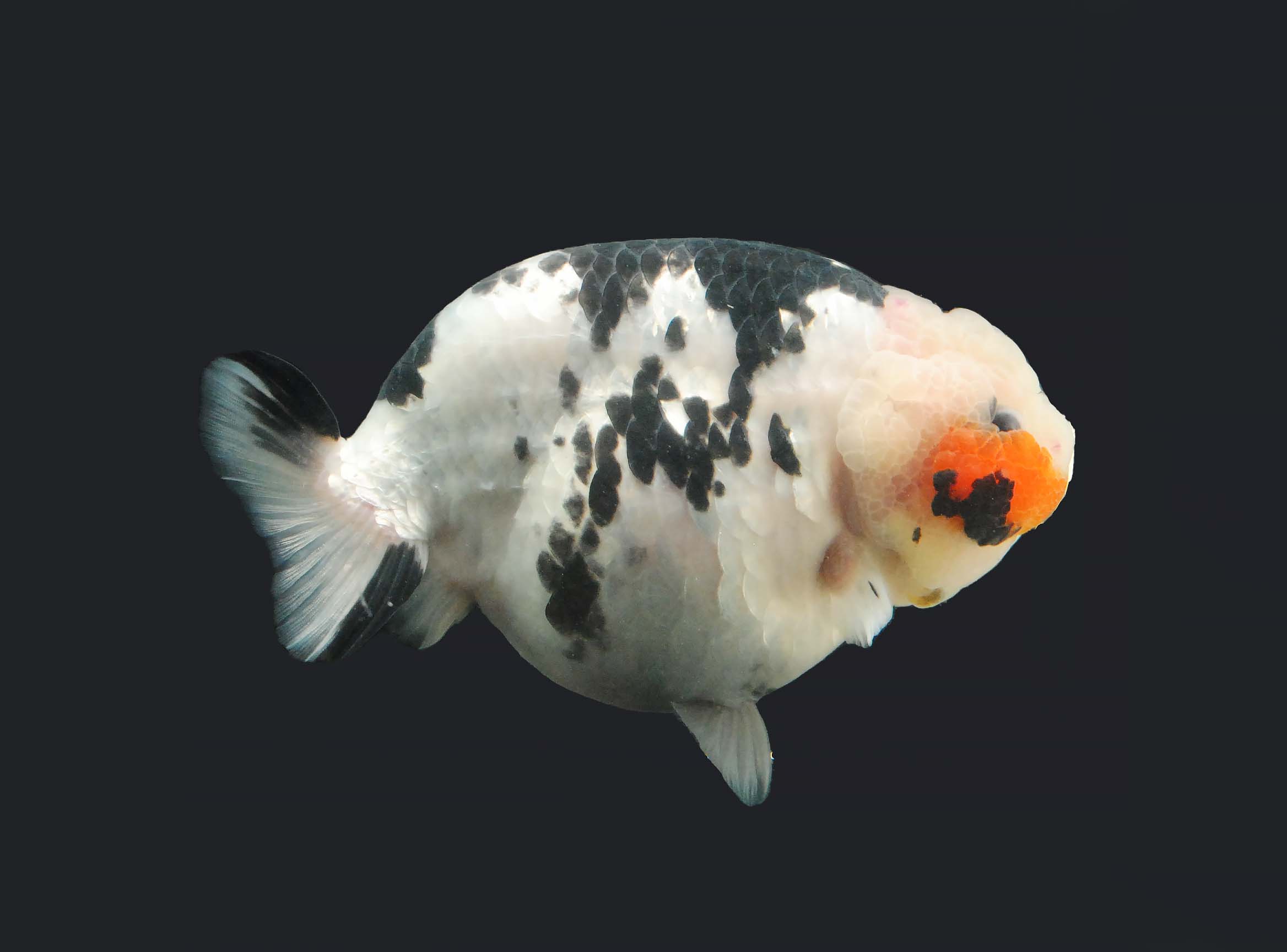
Last year I bought several more. The seller called them Milk Cow Ranchu since they were dominated by white color and the black came in few large patches. But the color progress proved them not so much different from my own breed. This makes me wonder whether I do something wrong in my keeping or it is the genetics. Here are their pictures before and after:

Male fish (Before):

After:
Female fish (Before):

And she turns into:

The transformations are almost magical! That is the wonder of Cow Ranchu!

Yet, this Cow Ranchu project proved to be quite a challenge for me. Three years of trial yields only a single good fish (the Alpha Male). During these years I have acquired many cow ranchu from different lines (and they are expensive!), and still no success. The female above gives me no satisfaction, either. It yielded few eggs. Most of the eggs did not hatch. Some of the hatchlings remained at the bottom, unable to swim. And those who could swim and grow, had so many problems with the quality and swimming ability.

Dec 29, 2021. A Friend notified me about a local online auction featuring cow ranchu. So far, there were rumor about local farmers being successful in breeding cow ranchu. But as far as I knew, none had been released into the market. When I took a look at the auction, I immediately realized that was a genuine cow ranchu since I saw her resemblance to one of the line of cow ranchu I acquired so far. Many local farmers tried to create cow ranchu from the local calico available here, but none was successful. The only option was to breed from imported parents, just like I did so far. When I saw the fish in auction, I could not determine whether it was an import fish or a local breed. But it did not matter to me. Then friends told me that it was a “tired fish.” They said the fish had been used as female parents exhaustively to the point of being unproductive anymore, and that was the reason it was on auction. Well, I did not buy that story. The news that she had been used in breeding was a good news to me! Concerning the fish being tired, I had a determination to treat her well to induce her to breeding again. So, without further ado, I won the auction. Concerning her real background, I felt no need to investigate. There are things better left unquestioned. Here she is:
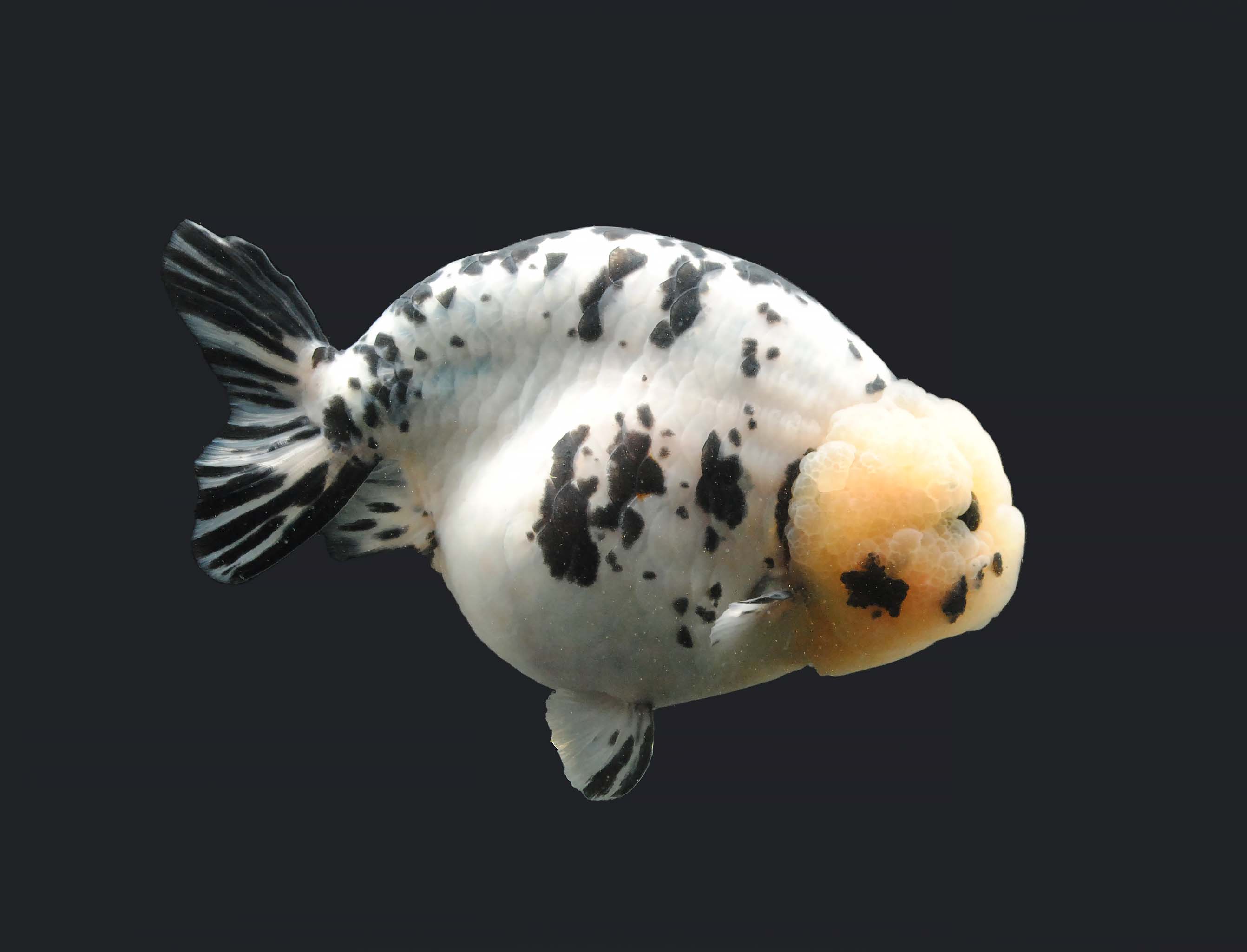
She turns out to be very productive! When she came to my place, even in the quarantine stage, she laid thousands of eggs! What a blessing! Of course I did not hatch the eggs since she was still in quarantine alone. After that, she laid lots of eggs again. In my rough calculation, the hatching rate was around 90%. And the fry were healthy and able to swim well. Two days ago, I examined the two weeks old hatchlings and I found their quality satisfying (in terms of the smooth curve and erect tail). Now, I am waiting for the color to develop into true cow or not. In my heart, I am very satisfied. Perhaps this is a bit too early, but I feel that my cow ranchu project has already been successful, and I need to move on to a new project. I will tell you what is in my mind at the end of this essay.

The fish laid another thousand of eggs for the third time last week. I know I could not take care of them. My farm is small, and I need to do some renovation next months. I have dried lots of my tubs for now. This will pause my breeding activity for at least a month.
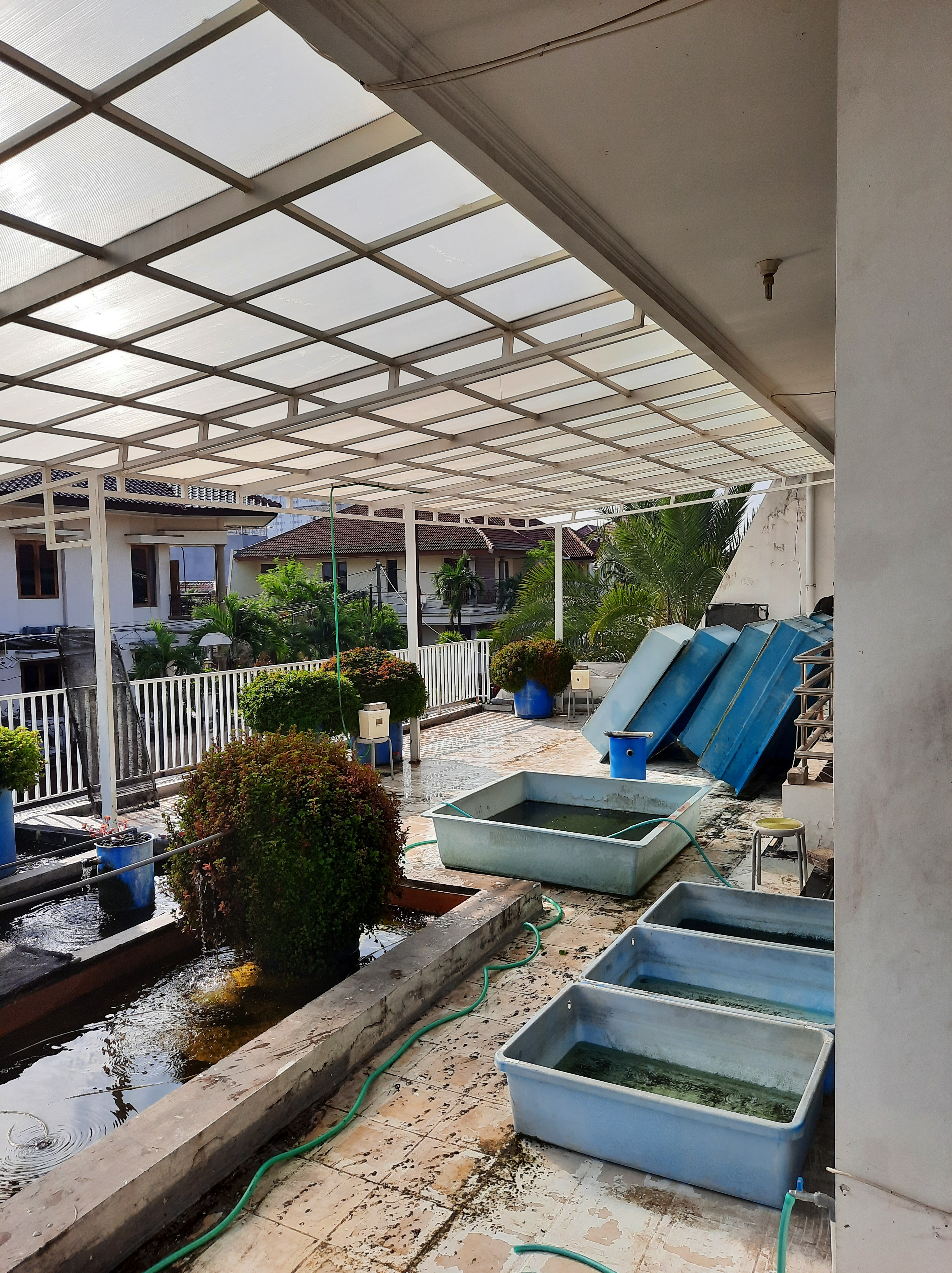
But I felt reluctant to let the fry go to waste. What to do?

In this case, I decided to share. I clarify my thinking that this breeding activity is mainly a hobby for me, not so much for profit. Yes, I sell my fishes when I had too many, but selling is not my main purpose. So, I send all those thousands of new hatches into a farmer in the village. He will be able to raise the fry better than me. This is also an opportunity for me to learn not too attach to selfishness.

What is the new project I have in mind?
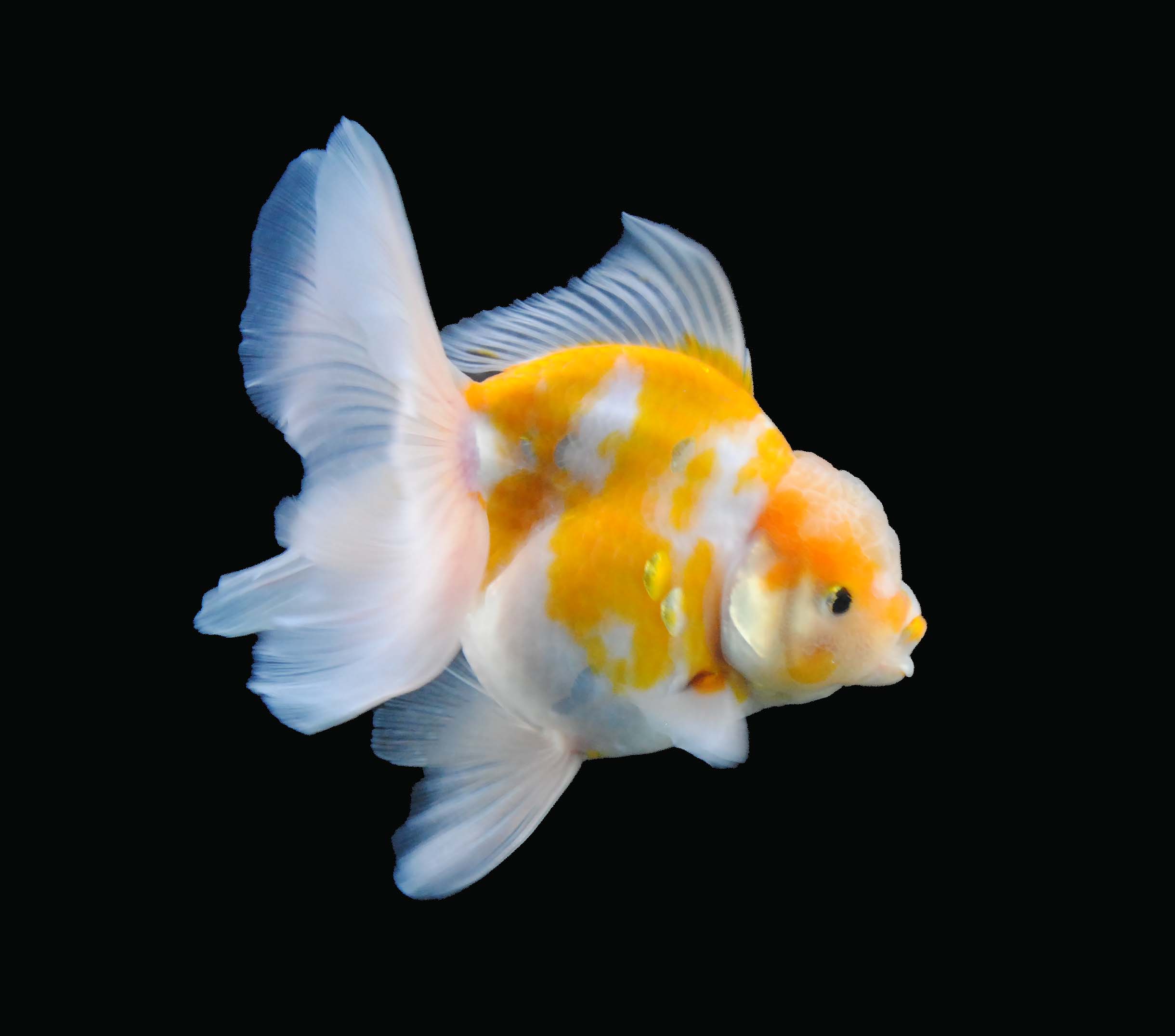
I am thinking of crossing my sakura yellow goldfish with the cow ranchu!

When the cow ranchu become more available in the market and not unique anymore, I will be on my way to create yellow cow ranchu! Let’s picture cow ranchu but replacing the white color with yellow! Another two years of project 😊

Standard
The Diary of a Goldfish Breeder 2021, yellow sakura oranda

The Diary of a Goldfish Breeder 2021 (26)

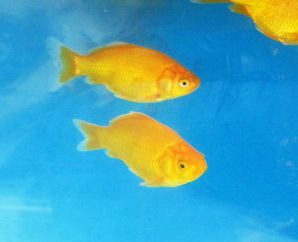
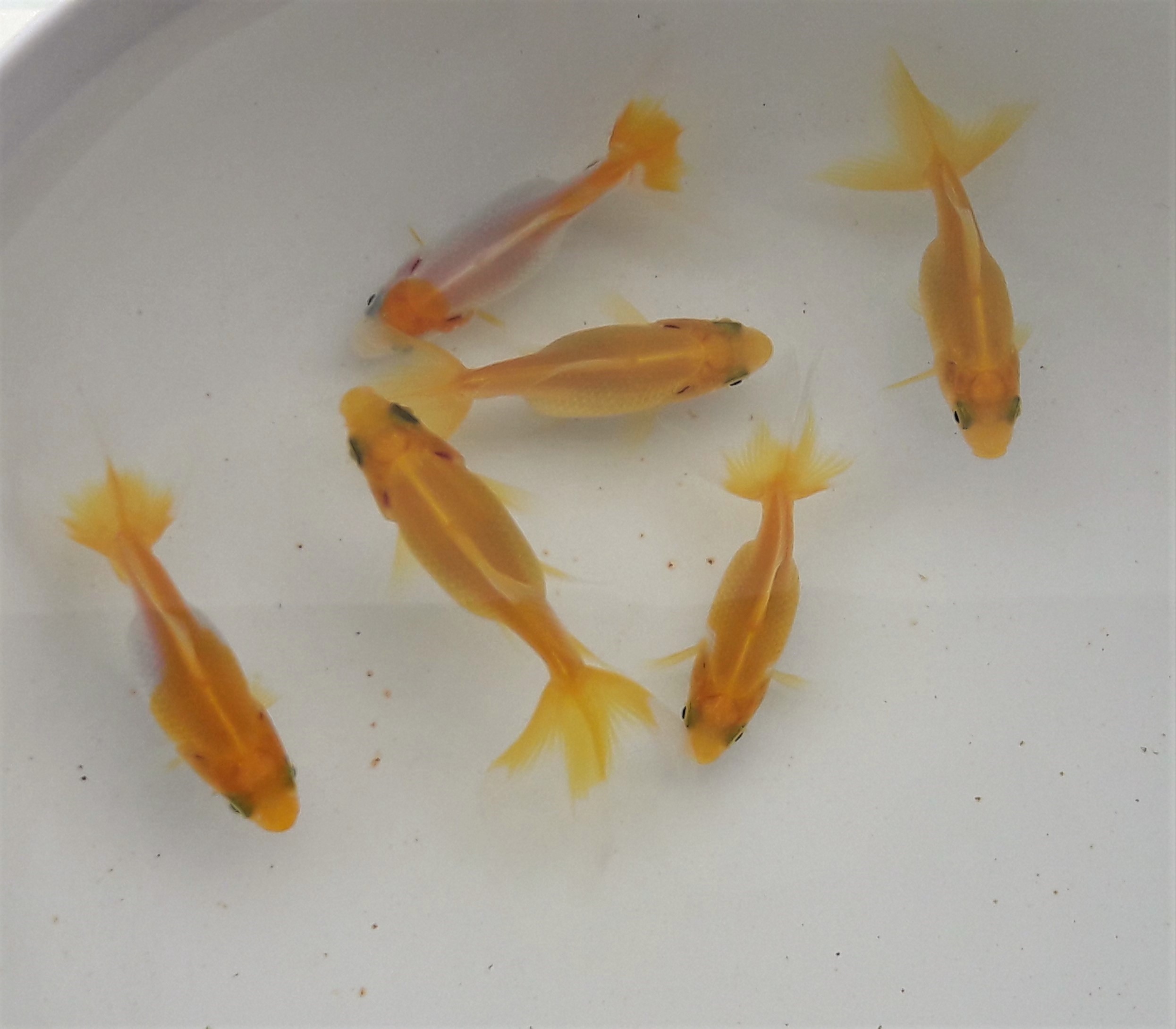
The new project I take this year is the Yellow Sakura Oranda.

It just occurred to me last year that it might be interesting to cross Sakura Oranda with my Yellow Goldfish. I pictured a goldfish with soft color skin as Sakura Oranda but the color is yellow white instead of red white. But I was not so sure about the upcoming result. Would the cross yield the color I imagined? Or would it be just orangish color which could not be clearly differentiated from the sakura color? Some transparent color goldfish have yellowish color, would my cross yield something differentiable from that?

I did this project out of curiosity. I just want to know.

After I separated the transparent from the metallic scale in the F1, I got all sakura color (red white). This is as expected, since yellow is recessive to red. I got the yellow color in the F1. Strangely, some of them had black marking. Perhaps the sakura oranda I used in the crossing was carrying the calico genetics. They were not perfect.

This one was not neat. The fins looked weak. Yet, I could confirm the color as yellow instead of red. I was very glad with this first result in terms of color. When I write this blog, the fish is no more.

The second yellow sakura had some improvements. The fins looked good, the body shape was more stout. The yellow color was a bit too little, but it was ok. I really liked this one. I managed to cross this with my metallic yellow oranda once, and this guy died.

I was left with several yellow sakura offspring.

One thing about sakura coloration is that the pattern counts. When the red color is too dominant, or when the red and white pattern was too plain (such as half the body is red and half is white), the fish becoming uninteresting for me. I consider a combination of red and white in proportional amount with some red islands as good pattern. I applied the same appreciation standard to my yellow sakura. So, I culled out a lot with dull pattern, and kept just one precious gem. This one piece is the one I currently have. The body quality is good enough, although there is a slight defect in the lower tail lobe and the dorsal which disqualify him from the contest. But, I found the pattern very beautiful. I think I can see two cartoon eyes in the pattern. And the soft yellow color combined with the milky white is more than I can expect. I also succeed in getting rid of the black pigment from the fish.

I take several pictures of him. Please enjoy. Merry Christmas.

Standard
The Diary of a Goldfish Breeder 2021, yellow oranda

The Diary of a Goldfish Breeder 2021 (25)

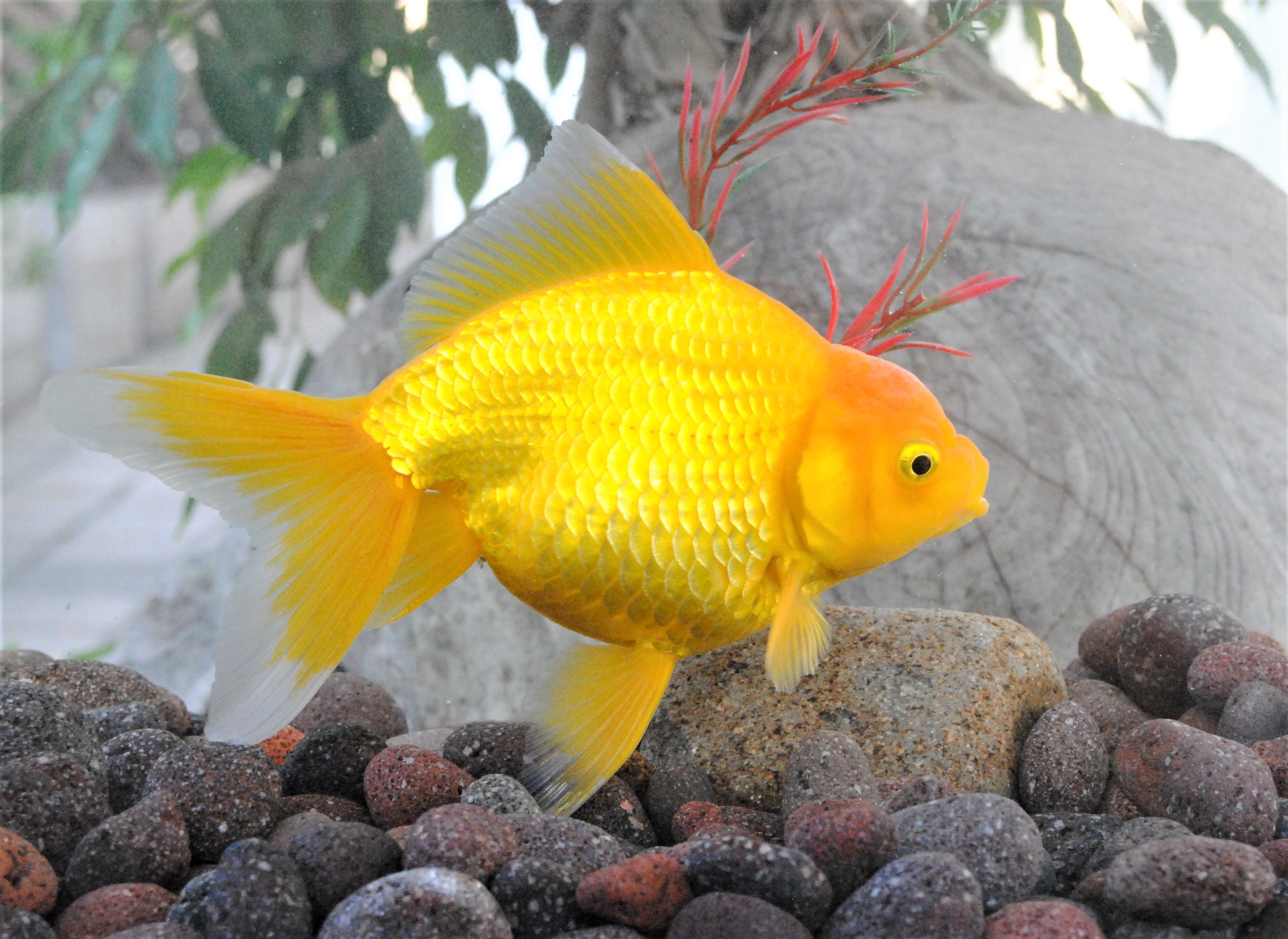
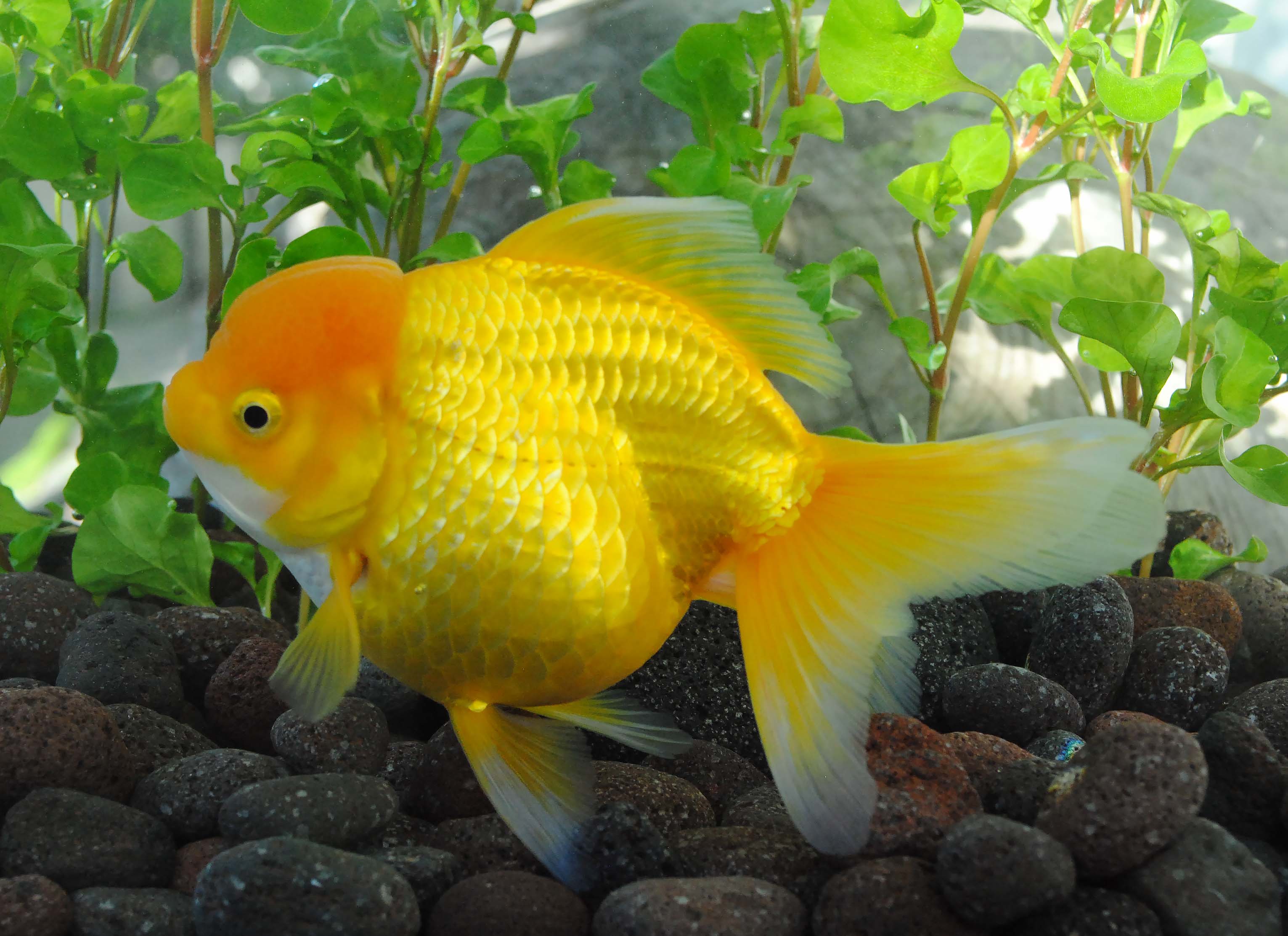
Update on Yellow Oranda.

I think my most successful project this year is the yellow oranda. I can breed them in slightly larger quantity with almost uniform shape. Regarding the quality, well, of course there are plenty to improve.

Let me refresh our memory concerning this project. I started by buying imported yellow common goldfish. Then I crossed them with wakin to produce yellow wakin.

I discontinued the yellow wakin project, and planned to create yellow oranda. So, I crossed the yellow wakin with a red white oranda that I had at that moment. Here were the initial results:

The body was a bit elongated. The headgrowth and tail were weak. To improve the headgrowth, I mated them with my goosehead tricolor oranda (short body). Here were the results:

There was a good improvement on the headgrowth. The body became shorter. And the tail was still weak. So, I crossed them with my Basic Material. And here are the current results (7 fish):

I can see that there is uniformity in them. The headgrowth does not look excessive right now, but it is there. They are still young right now, and I believe the headgrowth will grow more in the coming months. The body has a good width, most of them are short, few has medium length body. The tail erects pretty well, but some are too open. And the color are dominantly yellow.

I am quite satisfied with these results. I think this quality is already acceptable to the market. But since selling is not my main purpose, I still want to improve them. I think I will maintain the headgrowth, or make it slightly bigger to display the goosehead style. I also want the body to be longer without losing the body width. I want to have a good erect tail without being too open. And last but not least, I want the color to be yellow and white instead of fully yellow. These are the homework for next year.

Right now, none of the female lays eggs yet. But the male are already productive. So, I managed to mate these male with Helen. This should be the back up plan, but I do it first since Helen is fertile. I think this cross might improve the body length and the tail style (Helen has rose tail / wrinkle tail style while none of these yellow oranda display this feature). But the headgrowth will be a concern since Helen does not have a good headgrowth. The main plan is to cross these yellow with the Basic Material again. But this must wait until the female yellow oranda lay eggs. All my current Basic Material are male.

Wish me the best.

Standard
oranda, Purple goldfish, The Diary of a Goldfish Breeder 2021

The Diary of a Goldfish Breeder 2021 (23)

Update result on Purple Oranda Project.

There was a big gamble in this project. I mated my previous line of purple oranda with my basic material. That’s it. Other plans did not work. So, if this single effort failed, I would lost my purple oranda line. Well, I did not worry so much about it since I could still revive the line using my blue and brown crossing all over again.

I waited the offspring of this semi oranda to mature. They grew very fast and big, a good sign of gene vitality. One of them is, you guess it, Helen! When the time came, I mated Helen with her own sibling. The setbacks come in the form of color instability. Most of them turn white. So frustrating!

I collected only four offspring with stable purple color. Two of them had slight defect which I did not want to use as the next parent, so a new friend from India adopted them. Now I am left with two purple oranda. For my purpose, it is enough.

Here they are:

The top fish is male, the bottom one is female. Obviously the male is far more beautiful than the female in terms of the body shape, dorsal, and tail. A friend asks if I infuse ryukin genetics to him. No. In fact, I do not have any ryukin project. I do not even have any ryukin for a long time. Then, how come I get that round body with hump? I do not know. None of his parents nor grandparents have that shape. I think that is the beauty of breeding. Sometimes we get surprises along the way.

Anyway, I am satisfied with the current result. Doesn’t mean that there is no more to improve. On the other hand, there are lots of them! First, comparing the two siblings, I know that there is no uniformity. That alone is something to work for. Second, the headgrowth is uniformly lacking. Third, concerning the body shape, of course the male is better. But I would like a slightly longer body. About the tail, well, If I can maintain the tail quality of the male fish, it will be superb. Perfect tail, in my opinion. The dorsal fin is an issue. Yes, the male has an outstandingly high dorsal fin. It is nice to see. Yet, it looks fragile. I will be satisfied with lower but strong dorsal fin.

Before I forget, let me repost my previous line of purple oranda. Don’t you think I have made lots of improvement?

For friends who are still confused about the difference between purple color and blue color, I take this picture:

The fish in front is the purple, or also called lavender. The one in the back is the blue, or also called platinum.

These last weeks I have started to move on with this projects:

  1. I mated the male purple oranda with my brown oranda (which I will update shortly). The purpose is to prevent the purple genetics from being saturated. That is why I do not plan to inbreed these siblings (purple with purple).
  2. I mated the male purple oranda with Helen. Yes, I do a backcrossing to his mother. And I will be very cautious to plan my next move. My purpose is to get stable purple color in the shape of Helen
  3. In my previous post (#22) I mentioned a white oranda (blue oranda that lost its melanin) with a desirable body shape. I mated him with Helen. Since the mating is between a genetically blue fish and a semi purple fish, the offspring results in a certain percentage of purple color.

Those three moves have been done. In the coming months I will have three lines of purple oranda which will give me more freedom to do the next crossing or to choose which line is the best. My only worry is the stability of the purple color.

Well, let’s see. I will update the results perhaps in the next five or six months.

Standard
oranda, The Diary of a Goldfish Breeder 2021

The Diary of a Goldfish Breeder 2021 (21)

In the beginning of this year, I mentioned the use of an oranda lineage I call my Basic Material. I crossed this line with my purple oranda line to produce Helen (the semi purple oranda). Let me refresh how they look like:

Besides crossing this line with my purple, blue, and brown oranda, I inbred them to keep the pure lineage to anticipate their usage one day. But I detect the saturation in their gene. Minor problems seem to occur in the offspring. Currently I only keep these three males:

In my first impression, they all lack the body stoutness of the parents. But the headgrowth feature is preserved. This headgrowth is important since Helen and her offspring still lacking in headgrowth.

So, several weeks ago I managed to cross Helen with those three musketeers. I am enthusiastic to see how the offspring will appear. There is a rule of thumb that the headgrowth (the front half of the body) tend to follow from the female parent while the rest of the body tend to follow from the male parent. Obviously, I go against this rule of thumb for this project. Anyway, it is just a rule of thumb for me. I never think it as a 100% truth. For the headgrowth, I hope to see a headgrowth larger than Helen’s. For the body, I am excited to find out. If we examine Helen’s body formation, it is different from the Basic Material already. But Helen’s body is also good in its own shape. Concerning the tail, both Helen and the Basic Material already have the rose-tail type. The offspring will inherit this trait, I believe. I just hope that they are free from the minor defects seen in the parents. The first of the three musketeers has excess layer in its upper lobes (left and right). The second one has slight unevenness in its lower lobe (not seen in the picture). The third one has the same weakness as Helen, which is one of the lower lobe folds inside when swimming. Perhaps I need to tackle this problem later if it persists.

I will update the results in the next few months.

Standard
oranda, The Diary of a Goldfish Breeder 2021

The Diary of a Goldfish Breeder 2021 (20)

Helen was born at the beginning of this year. She is not one year old yet. Interestingly, she has become the primary female in my breeding project this year.

Close to the end of this year, there are three projects left for Helen before she retires:

  1. Deep red oranda project
  2. Basic Material Preservation project
  3. Purple Oranda project

In this essay, I will update the first project.

In my childhood, I had one occasion to keep a special red-white oranda. It was special because the red color was so intense. It was not orange nor deep orange. It was truly red. I have never seen such an oranda again ever since. If we examine Helen, she is an orange and white fish. In the world of goldfish, we call it red and white, since we believe the orange can be improved by giving her certain ingredients. But even with a good color enhancer diet, it is hard to improve Helen’s color in my city where the general climate is warm (tend to be hot). It is easier to achieve deep red coloration in the colder water. Anyway, I do not use color enhancer often. I use it mostly during the color mutation stages.

I felt lucky when one of my red-white butterfly goldfish offspring developed an intense red color. It was an anomaly in the batch. There was only one individual. I named him Beni. The red color is so striking even without color enhancer diet. I have used Beni to improve the color of my butterfly goldfish (it is under way). I have also mated Beni with my semi-tosakin goldfish with the long term purpose of creating tosakin with deep red coloration. And now, I am thinking of reviving my childhood special oranda!

So, I mated Beni with Helen at the end of last month.

Their feature differences are in the eyes, headgrowth, and tail shape. Adding color to the list, the project becomes a four-level difficulties. Well, the body shape is certainly different, but I think it will not contribute much to the difficulty. So, with this difficulty level, I do not think my special oranda will occur directly in the F1.

I predict I will get some intense red color offspring in F1, but not in the shape of a decent oranda. The protruding eyes are usually recessive to the normal eyes, so I expect normal eyes in the F1. I will also expect minimal or no headgrowth. From my experience, such a cross between a goldfish with headgrow and without headgrowth will result in no headgrowth in the initial stage. But as the fish gets older, it will develop small headgrowth. Let’s assume that I will get no headgrowth in the F1. The tail might not be as erect as I desire. The body shape might be so so. I will just pick the intense color ones to be the next parent fish.

At this stage I have two choices:

  1. I can cross F1 x F1
  2. I can cross F1 with another oranda

The first choice will strengthen the desired red color, but will let the improvement of oranda body conformation to chance. In fact, I might have some telescope eyes as the result of the recessive gene meeting. The headgrowth and tail might come variably, but might not even close to the desired standard. If this course is taken, the next step is to pick the F2 (already with deep red color) that resembles oranda as close as possible. From there, I can cross the F2 with another oranda.

The second choice will let me improve the body conformation to oranda standard. But, I do not know about the coloration. At this point, I need to admit that I do not know how the deep red color and the orange color will interact when they are mated. I know about yellow x orange, or blue x orange. They follow simple Mendellian rule. I also know about black x orange, which resulted in a spectrum between black and orange (namely: black, semi-black, grey, black-gold, and orange). But different crossing between black and orange can result in different color, though still within that spectrum. But I do not know what will I get if I cross deep red and orange. My guess is that it might behave similar to the black x orange. There might be a spectrum of color in the result (namely, orange, reddish orange, and intense red). But my F1 is not purely deep red since it is a cross between red and orange already. Will that mean my chance of getting intense red will be very slight in the F2 or even none? This course might give me a better oranda conformation but jeopardizing the intense red color.

Which course should I take?

Well, I still have half a year to come up with an answer. Plenty of time. But if you have any insight for me, please write a comment. I will be thankful.

Standard
butterfly, celestial, The Diary of a Goldfish Breeder 2021

The Diary of a Goldfish Breeder 2021 (19)

One of my side project is to create a celestial eye butterfly goldfish. The inspiration comes from an old internet picture displaying a twelve-red goldfish with short body-type, beautiful butterfly tail, and celestial eyes!

I have been breeding Butterfly Goldfish and Celestial Eyes for some years. Both were rare in my country at that time. When a certain seller imported the fishes, I quickly acquired them in order to preserve the gene in Indonesia. There are two types of popular Celestial Eyes nowadays. The first one is the old style that has slim long body and long tail. The second one has thicker long body, short tail, with pompom in its nostril. Mine is the second type.

At that time, I was thinking that keeping these two goldfish varieties was a tedious job for me. I had lots of other projects as my priority. But, I did not want to lose these unique gene. So, I thought that combining these two varieties was a good idea. I started this project in the beginning of this year, in the midst of my Oranda Projects.

I was very certain that I would get some Celestial Eyes right in the F1. This confidence came from the fact that Celestial and Telescope Eyes are related (Butterfly has telescope eyes). If we watch the development of Celestial Eyes, the eyes start from protruding to the right and left, which is the same development as in Telescope Eyes. But if telescope eyes development stops right there, the development of celestial eyes continue. After protruding to the sides, the eyes will rotate to the front, and then rotate again upwards. So, their first eye-development stage is the same, which makes me think they are related. And this proves to be true in the result.

The body types of the two variants differ. Butterfly has short rounded body form, while Celestial has an elongated body shape. My goal is the butterfly body form. But it seems that the elongated gene is dominant. All the offspring has elongated body shape. I hope there will be some shorter and rounder body in the F2.

The tail shapes of the two are different. Butterfly has beautiful large and long tail, while my celestial has short tail. The result varies between short and medium tail in F1, but no butterfly tail shape. I hope there will be some butterfly tail in the F2. If this happens, then my project will be completed. But I prepare myself for disappointment which might take longer time to realize my goal.

Now the F1 has come of age and start to lay eggs.

I had two males with decent enough Celestial Eyes type. The females are all Telescope eyes. The eggs will hatch tomorrow, and I am excited to see the result in the next several months.

These are the two males:

I will update the results when the time comes. Enjoy.

Standard
Brown Oranda, The Diary of a Goldfish Breeder 2021

The Diary of a Goldfish Breeder 2021 (18)

One unsuccessful attempt in the beginning of this year was the Brown Oranda project. Gladly I have the opportunity to resume the endeavor right now. I still keep few offspring from my original brown oranda line as a back up. One of these have matured into a charming male ready to mate.

This male is not perfect. There is a defect in its tail where the left and right upper lobes do not align well. The left tail is higher than the right one. The body is a bit slim, and one of the aim in this improvement project is to create a more stout body. The headgrowth is still minimalist. Yet he is very photogenic. I cannot help to post his many beautiful pose for us to enjoy.

What I learn about the brown color is that there is a spectrum in the color. There is the dull brown color which is almost undifferentiable from the wild color. Well, most of the brown color look grey when they are in the pale state, such as after being medicated. But they will turn darker into brown color. The one that can only achieve dull color closer to the wild color is not a good fish. There is also the dark brown color, which is nice. But my favorite is the brown color that resembles tea color such as this male. For me, it is the best.

Let us enjoy this guy:

This pair this male with Helen. This has taken place several weeks ago, and now the offspring is already two centimeter in size. In my prediction, some of the offspring will have stout body like Helen the mother. Most will have beautiful tail since both parents have good tail though in a different style. But the headgrowth will still be minimalist since both parents are like that.

How about the color? Yes, Helen is a red fish in its phenotype. But she carries 50% of purple color genetics. So, Helen is a semi-purple goldfish. We need to remember that purple is a color that emerges from the crossing between brown and blue. So, when the purple genetics meets the brown genetics, I will directly get some brown in the offspring.

When the eggs hatched, they can be distinguished into two color: the dark one and the light one. I am sorry I do not take their picture. The dark one is just like the usual fry which will turn into wild / red color. The light one will turn into brown or purple – they can be distinguished at such an early state but this is very hard to do. So, I just separate the light ones from the dark ones at day 1 after they can swim. Why do I need to separate them so early? Because the light one is weaker. Most of them cannot compete with the dark one for food, resulting in malnutrition and stunted growth. Separating them as early as possible will let the light colored fry to develop better. I cull out the darker ones at this stage.

Will I have a good tea-colored offspring? This is hard to predict. In my experience, such a crossing sometimes creates a weak brown color where the fish looses the melanin totally. The fish turns into a complete orange color. If this happens, it will be a set back to the project. Some turns into brown color with the spectrum ranging from the pale / dull ones, the tea-colored ones, and the deep brown ones. There is a special case where the fish turns into a brown and orange fish (two colors) or a complete orange color but then the melanin grows. So, instead of loosing the brown color, the fish regains it and stay in a pleasing two tones color of brown and orange. This is a desirable result.

The pictures below are from my old files (2018). Pardon the bad photography. These pictures illustrate the transformation of the special case where the brown color grew.

The end.

Standard
The Diary of a Goldfish Breeder 2021

The Diary of a Goldfish Breeder 2021 (17)

One feature that I want to include in my line of Oranda is the Goosehead type of headgrowth. In the book “Goldfish Appreciation” (By Steven Tong & Hermanto), we mention the principle of Main Identity. And the main identity of an Oranda is its headgrowth. Many breeders may not be aware of this principle such that when they try to improve their lines of Oranda (mostly by cross breed), they forsake the headgrowth. Well, one example of such a breeder is myself. Helen, as my main female Oranda this season, is a result of such attempt. In the effort to produce better body form and tail shape, the headgrowth becomes smaller in size.

Not a bad fish, right?

But the headgrowth is not the highlight of the fish. When we see Helen from sideview:

the first thing that catches our attention might be the stout body, or the beautiful tail, but not the headgrowth. In the principle of Main Identity, Steven and I insist that first impression we get from an Oranda should be the beauty of its headgrowth. Helen does not have this highlight.

Let us compare Helen with this Oranda:

This fish is also mine. At the first glance, people will almost always notice its headgrowth. So, the fish satisfies the requirement of the Main Identity Principle. Too bad, the body and tail are not as good as those of Helen. (This fish is not with me anymore by the time I write this blog)

I must mention that the book also talks about the principle of Overall Beauty. By this we mean that after the Main Identity get the right attention, the body and tail should also be good to make overall fish beautiful. Some breeder fall into the other spectrum of the trap by putting all the effort to make eye-catching headgrowth but by neglecting the body form and tail shape. This will not do.

So, my aim is to create a balance between the principle of Main Identity and Overall Beauty. I want to improve the headgrowth of Helen’s offspring. How? By crossing Helen with other Oranda that has good headgrowth. Luckily, I have two males for this purpose.

But before that, let me explain why I choose the goosehead type when obviously there are many other headgrowth type equally beautiful. First, it is purely personal preference. I just fall in love with the goosehead type. Second, I want to differentiate my line from the existing ones in the market.

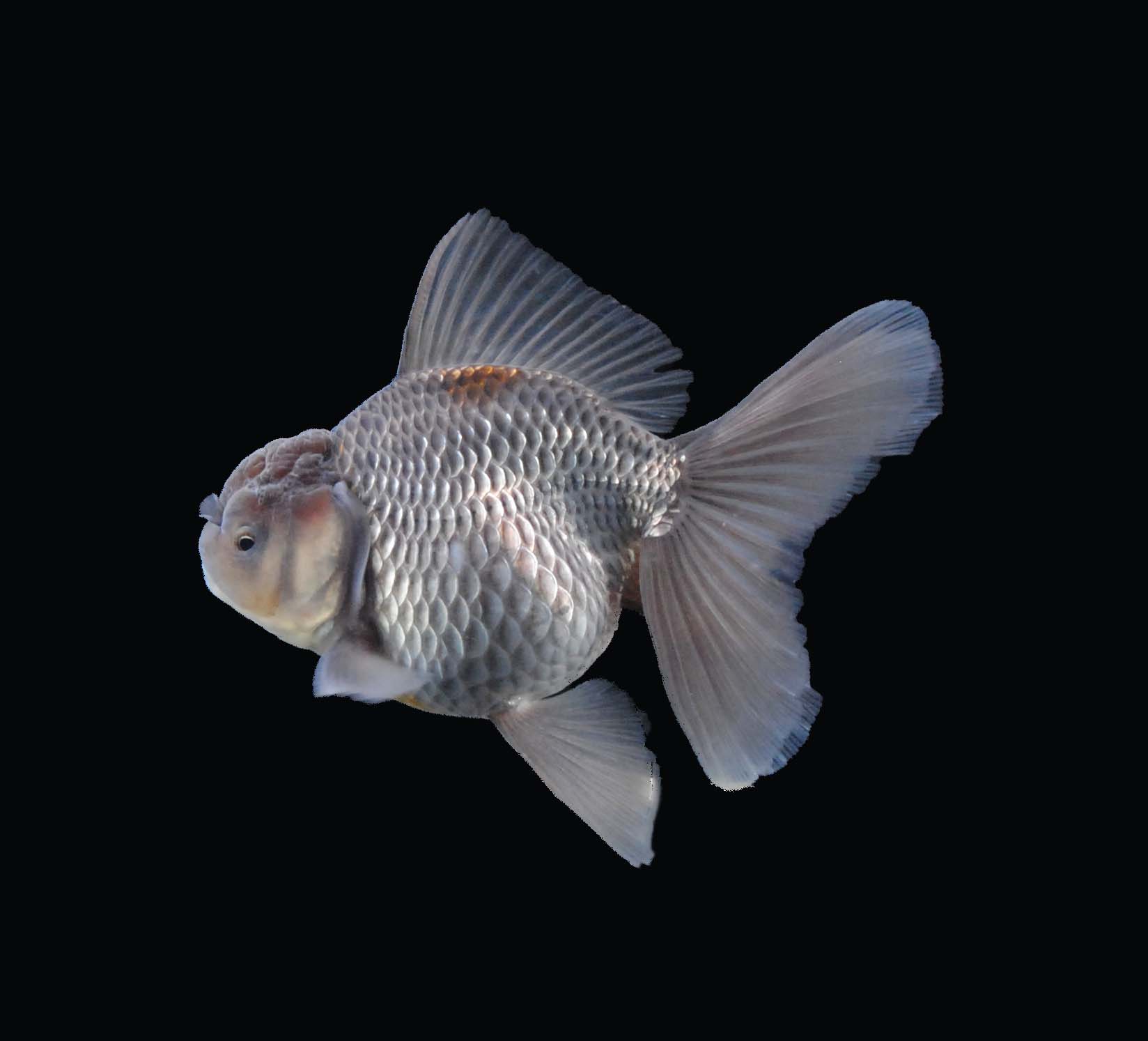
Now, these are the two goosehead I have.
First male:

Second male:

These two males are the halfway result to improve the goosehead tricolor Oranda body and tail forms. Forgive my bad memory, I think they are the cross between the tricolor Oranda with my purple Oranda. That is why their body and tail are not very weak, though not as beautiful as those of Helen. Unfortunately, I have no compatible female for them. I end up with only these two males. That is why my best choice is to cross them with Helen.

The offspring has been three days old. A small portion of them is light in color, which means they are either purple or brown Oranda. The rest are dark color, which can become wild color or red like Helen. If some becomes tricolor, it will be a big bonus for me. But I do not know about this.

Well, wish me the best 😊
Standard
cow ranchu, The Diary of a Goldfish Breeder 2021

The Diary of a Goldfish Breeder 2021 (16)

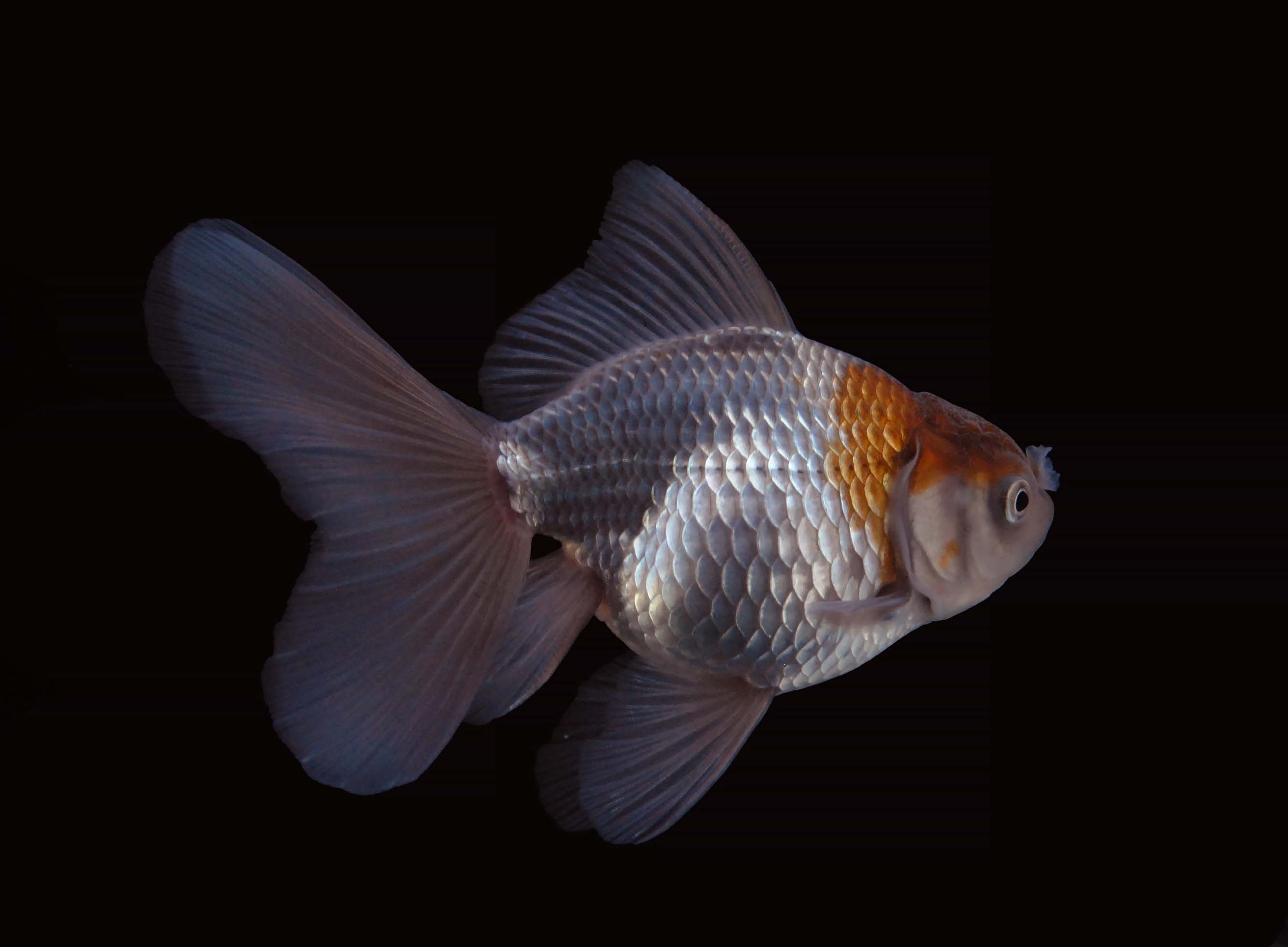
I am really enchanted by Cow Ranchu. Producing one good quality after several years of effort cannot be considered as a success. I might need new ammunitions. Gladly, a seller friend (Kwan Goldfish, Jakarta) imported several beautiful Cow Ranchu several months ago. I observed that they have different characters from mine. I quickly bought some of them. I selected the fishes with least red pigmentation since I could not find any without any red color. I also chose the ones with minimal black patches. Well, this is a personal preference. I believe the black color will grow.

This is the suspected male.

The next one below is a female. She does not lay eggs yet.

And the last one is surprisingly productive. She lays eggs from the start. The eggs are not many, and some are infertile. I guess this is the first time for her to lay eggs. She is a bit too young. I expect better result from her in the coming weeks. I mated her with my current male Cow Ranchu (from Diary #15) since the male sibling does not produce enough sperm yet. Probably he is still very young.

And these are their pictures from top-view:

Wish me the best to be able to breed them 😊
Standard