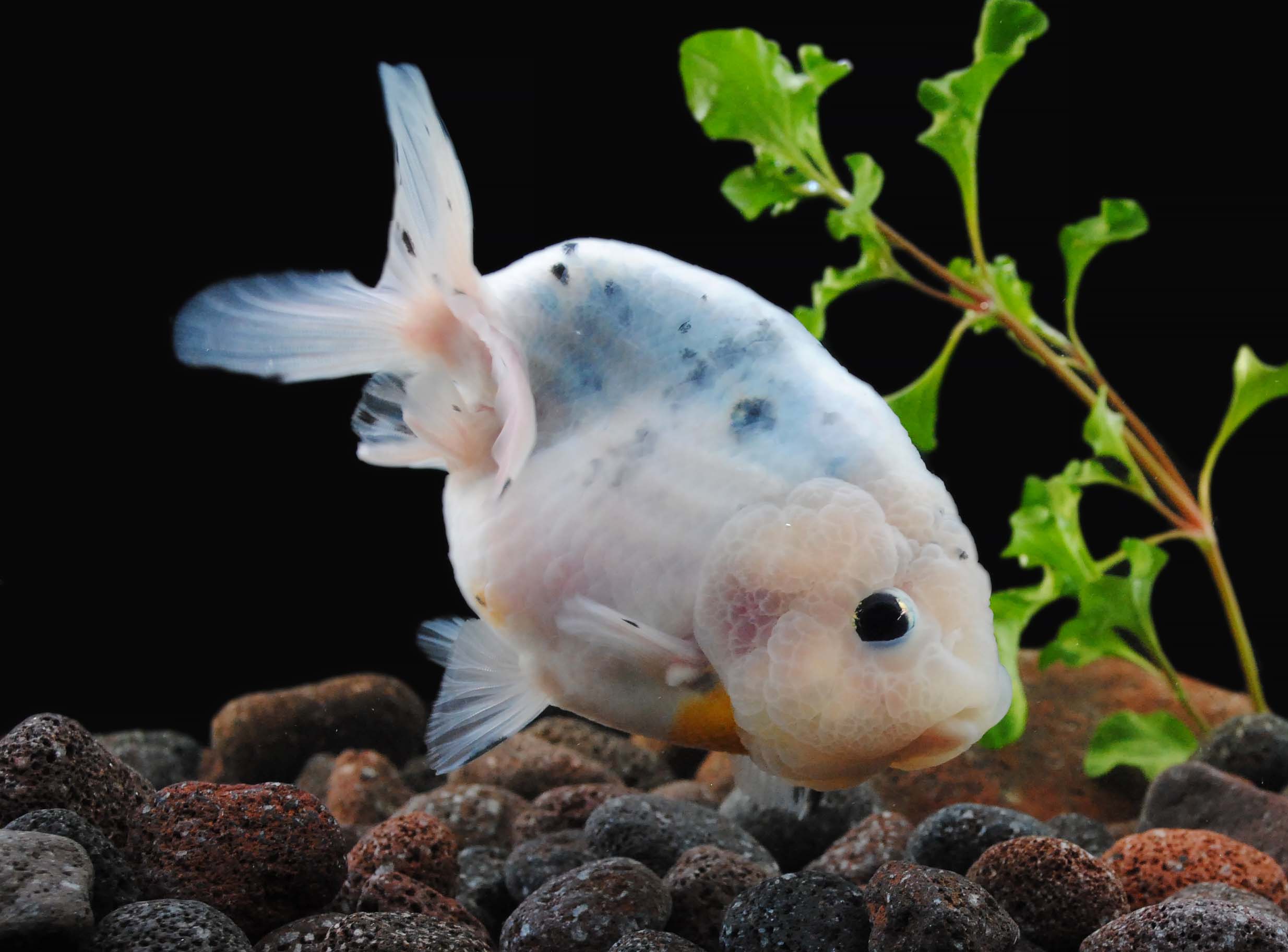
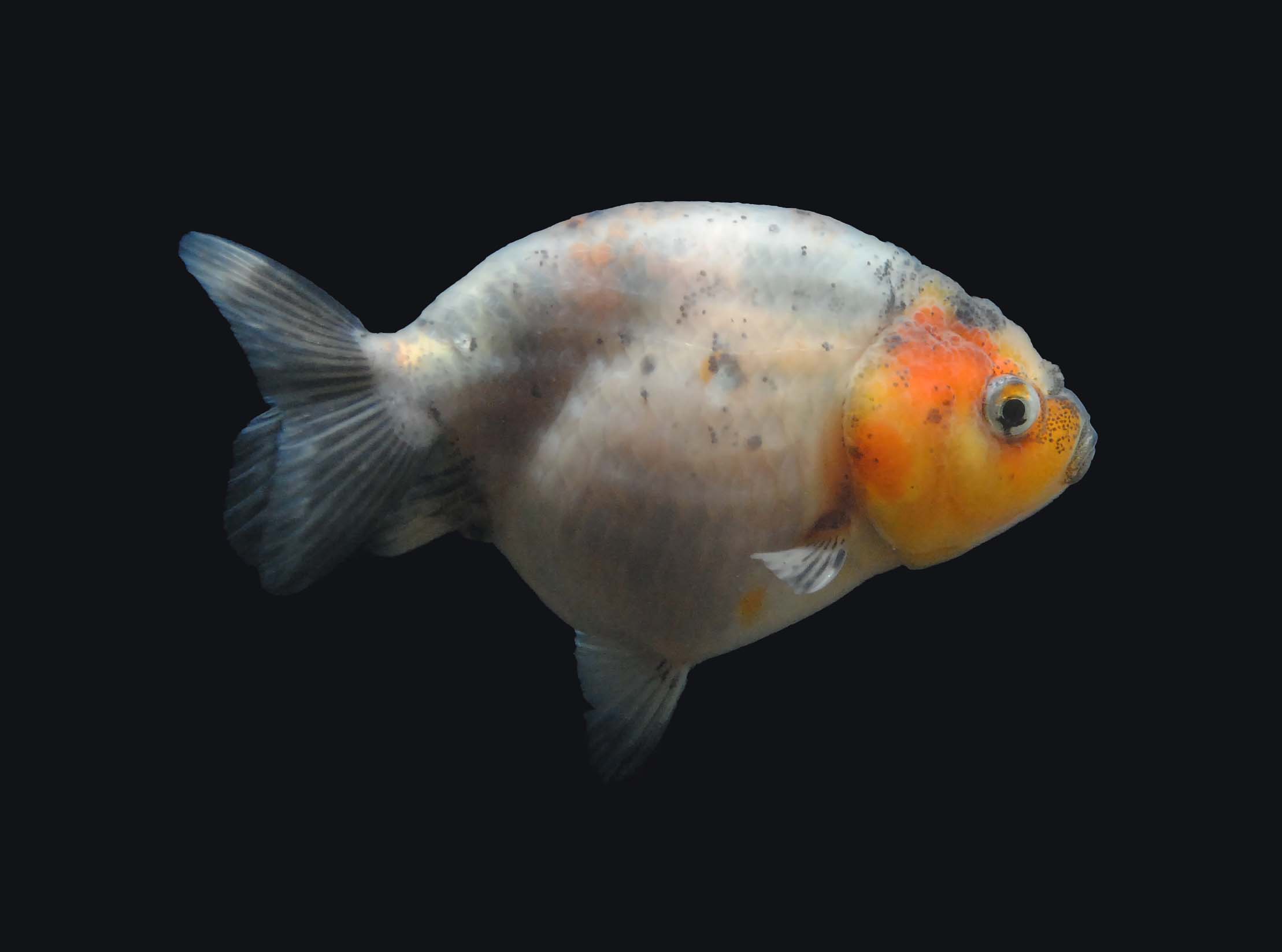
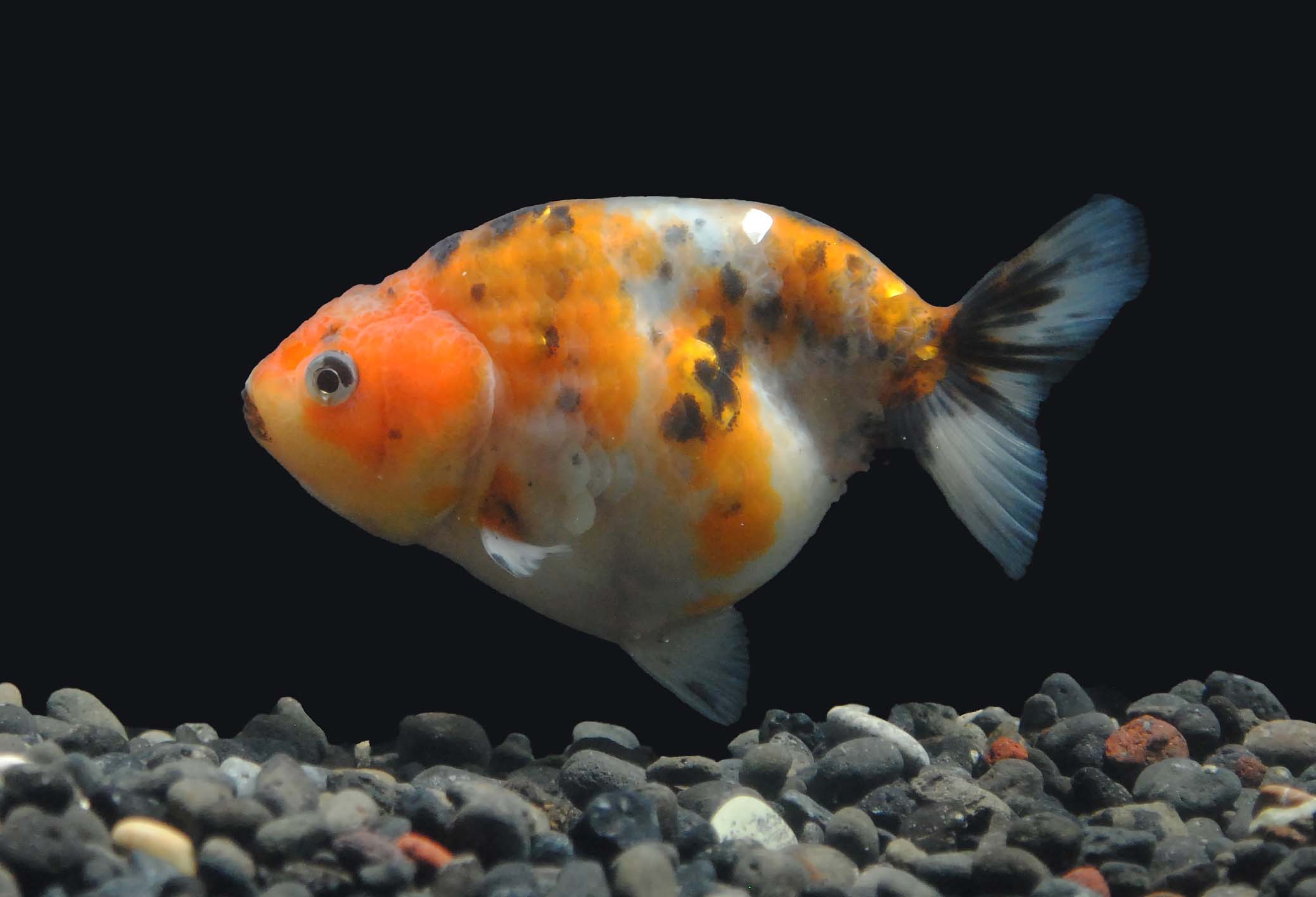
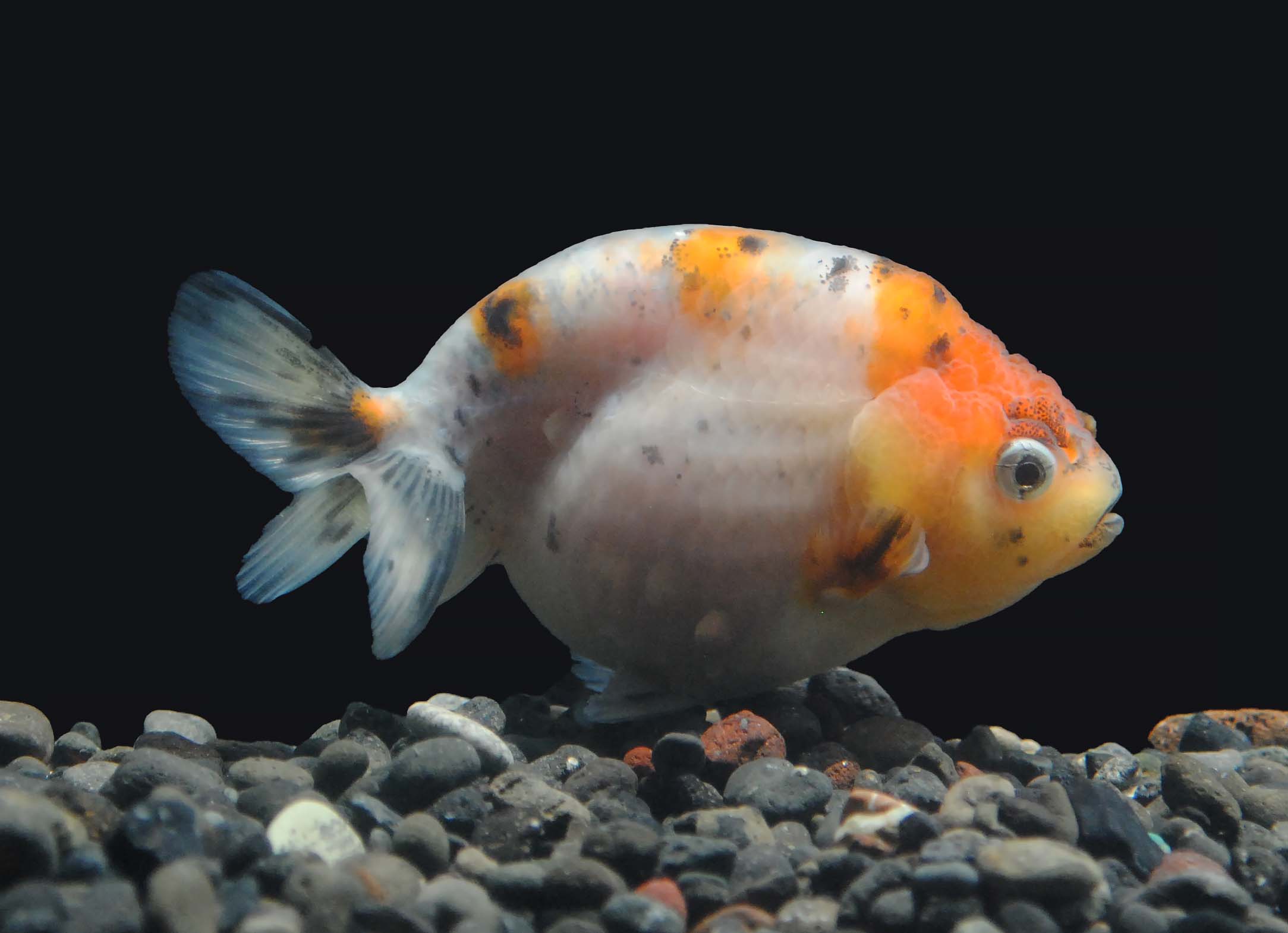
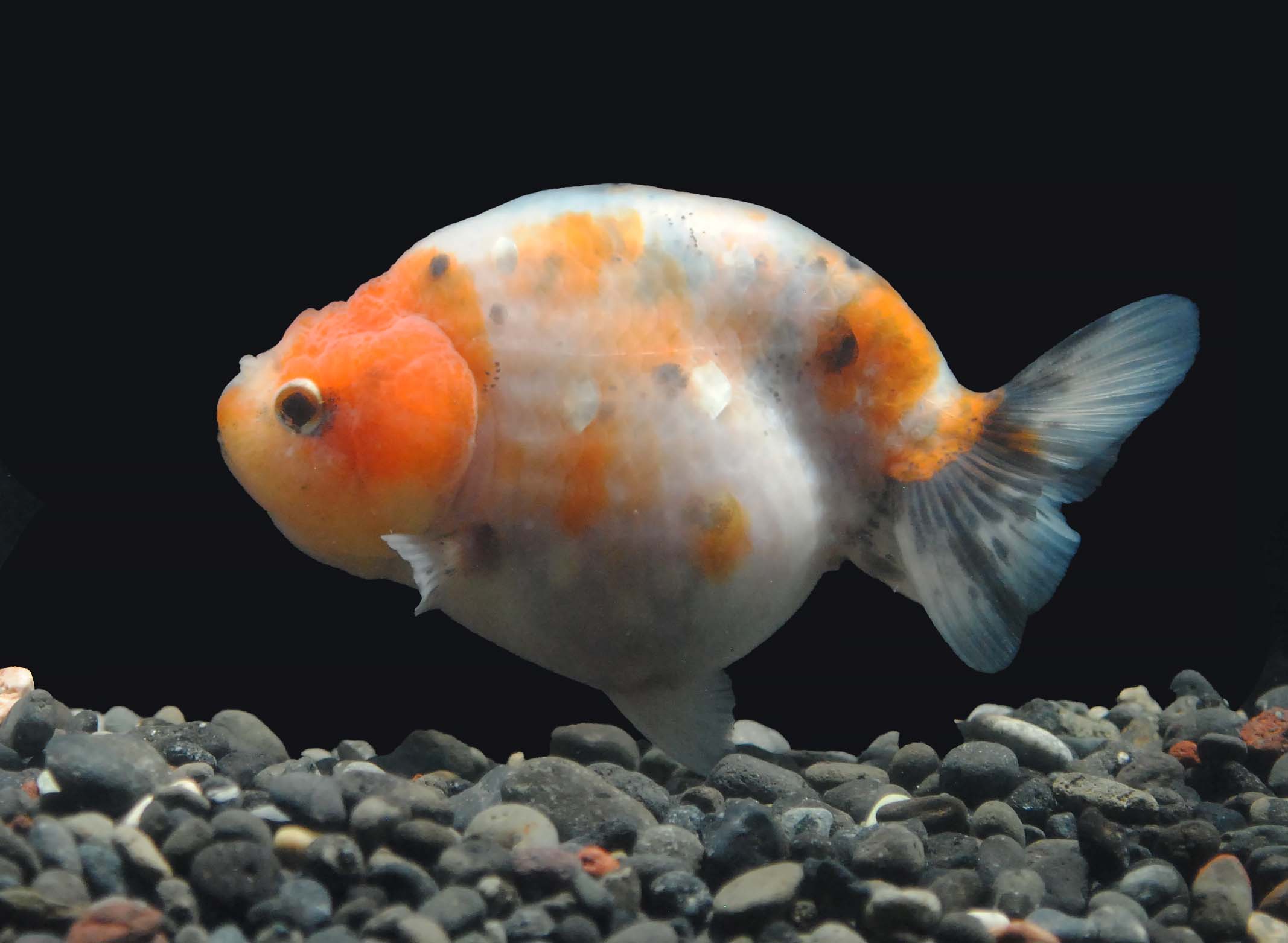
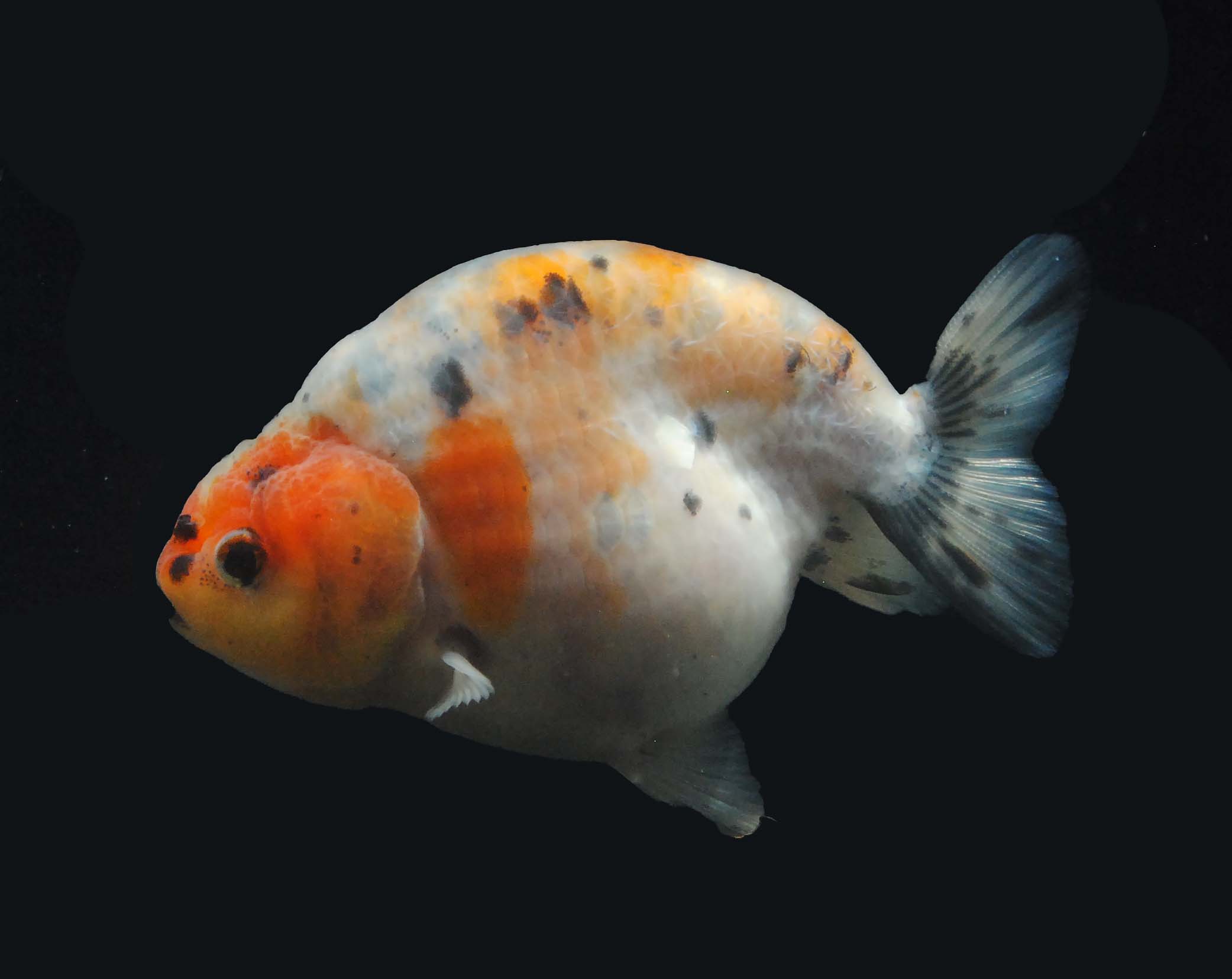
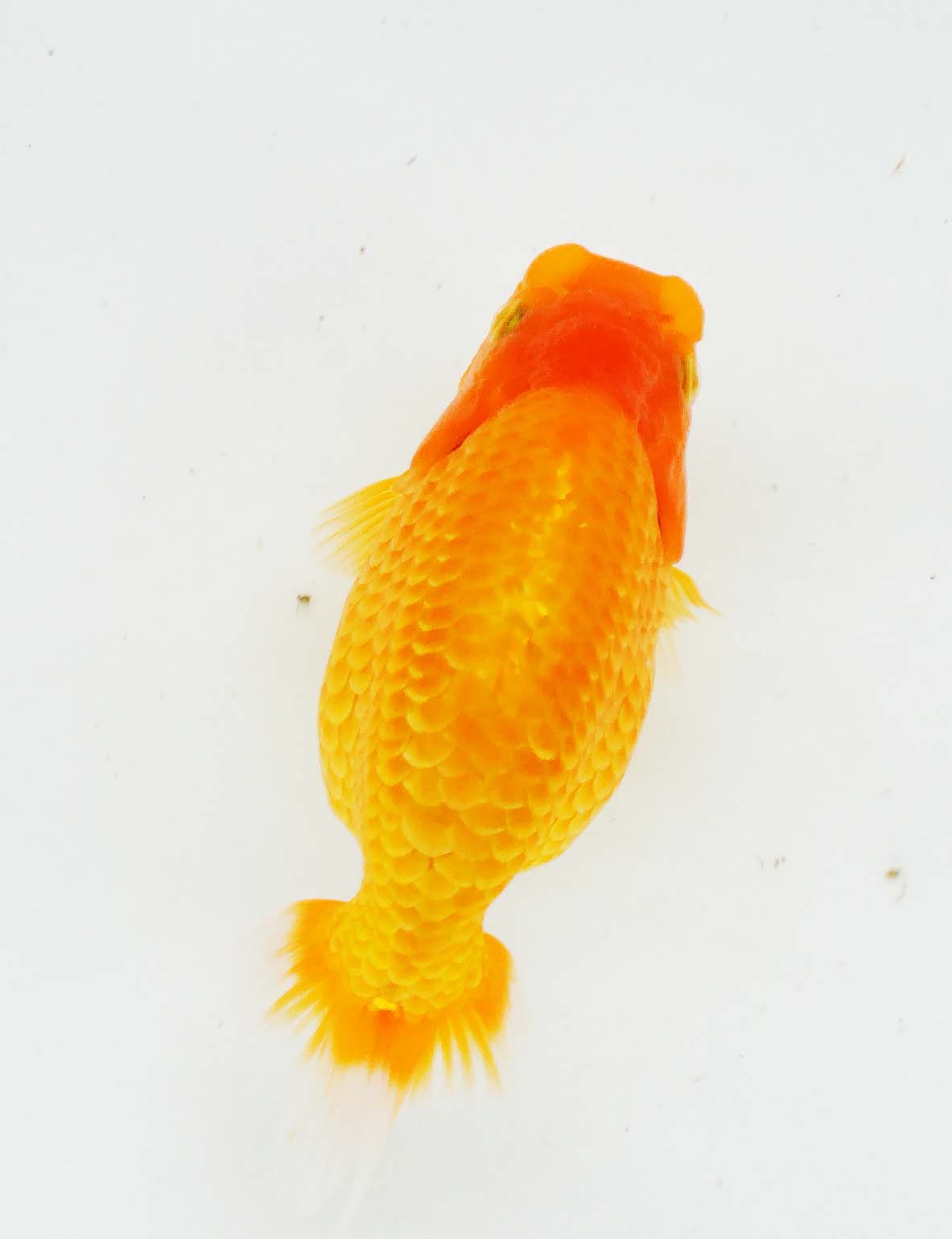
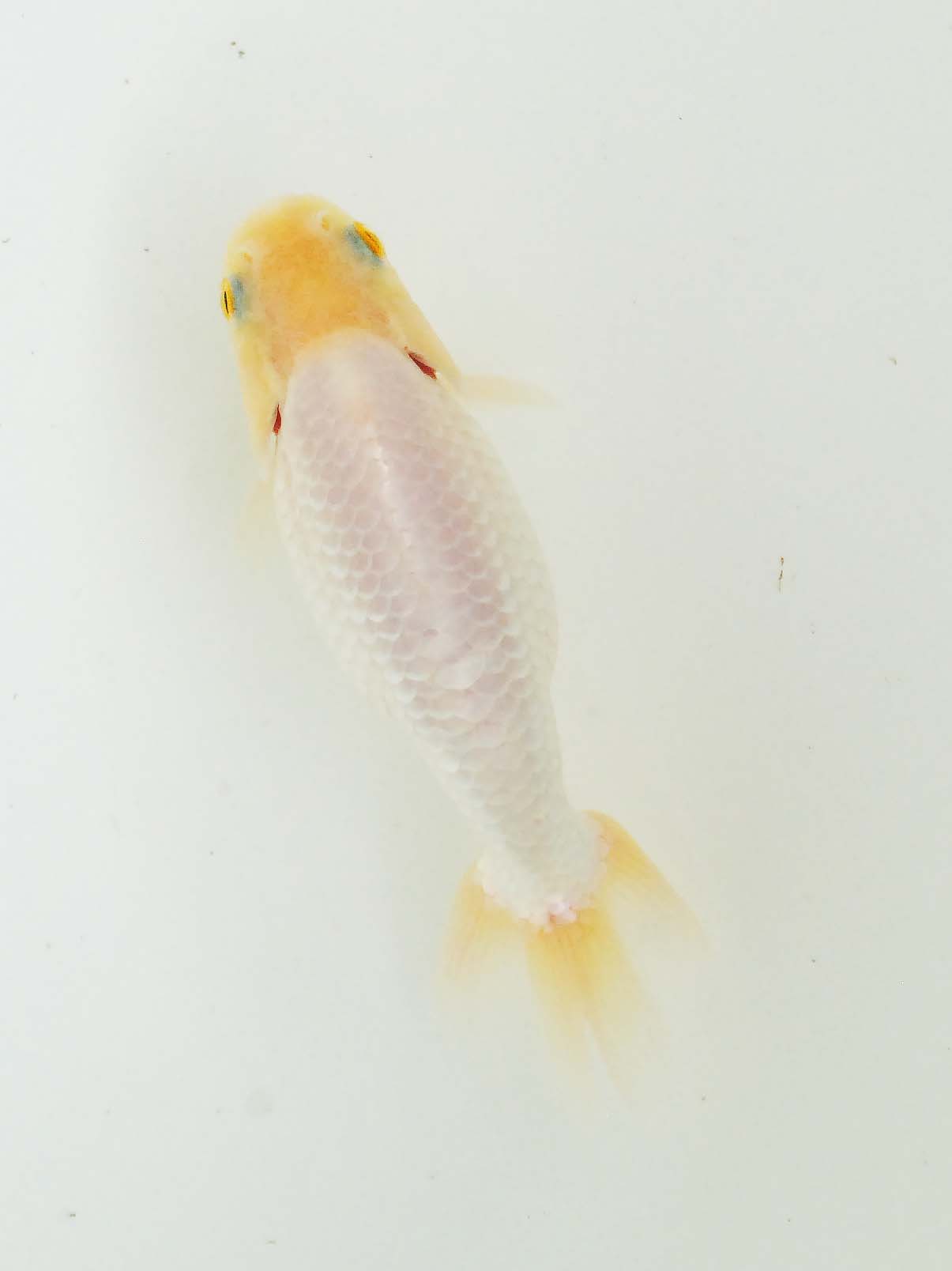
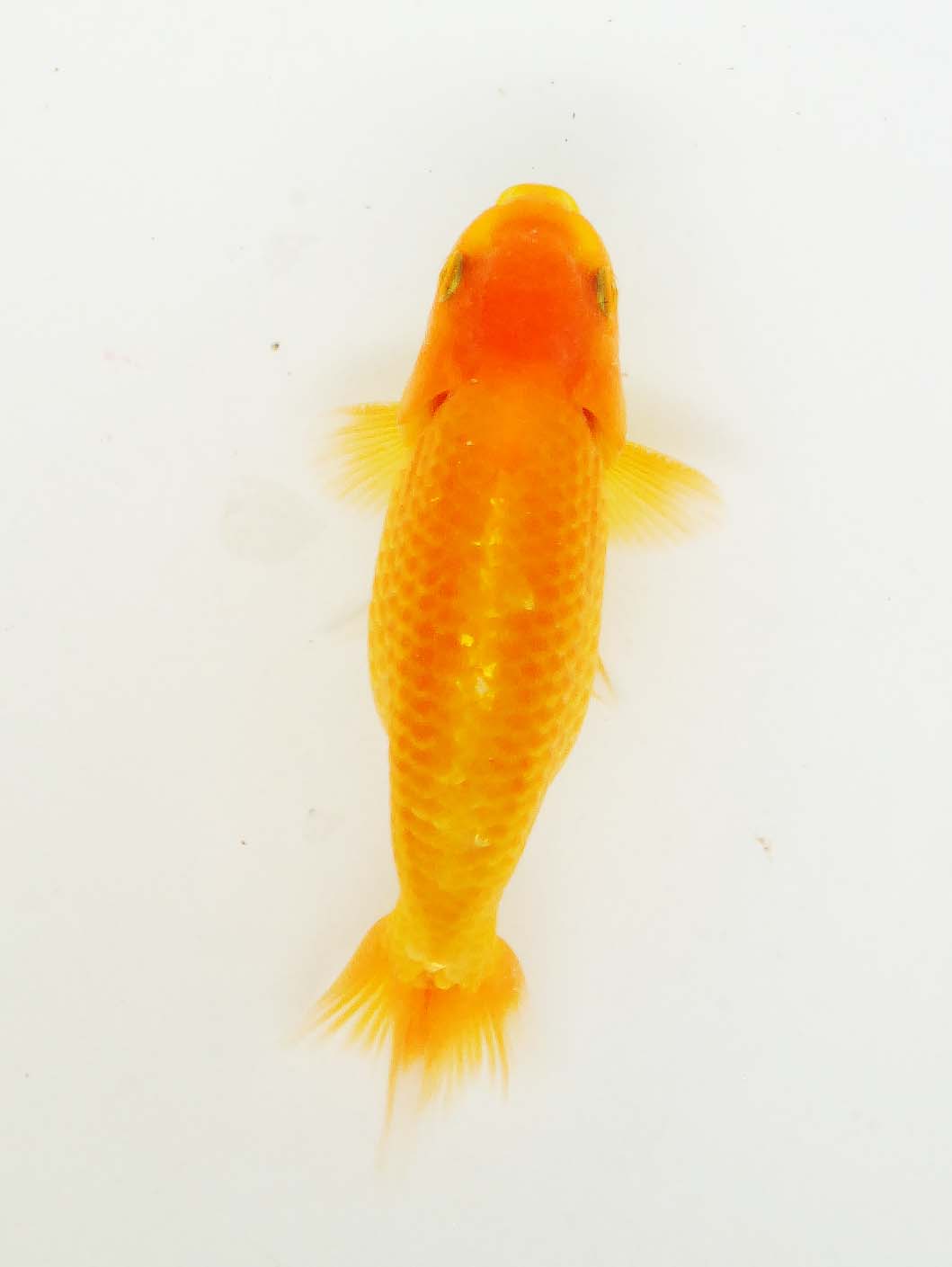
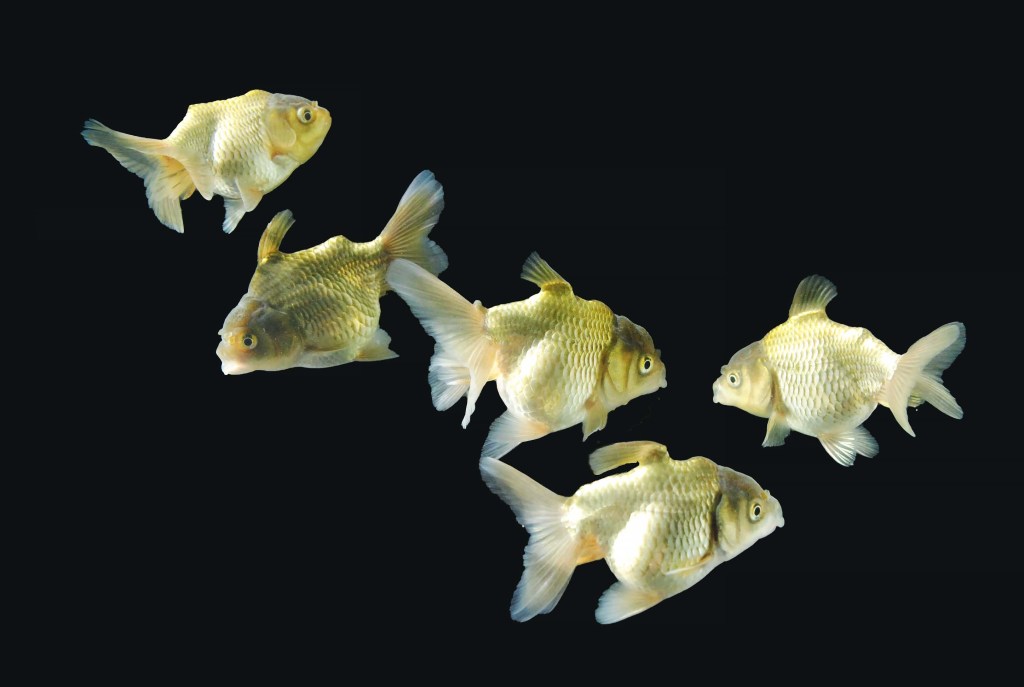
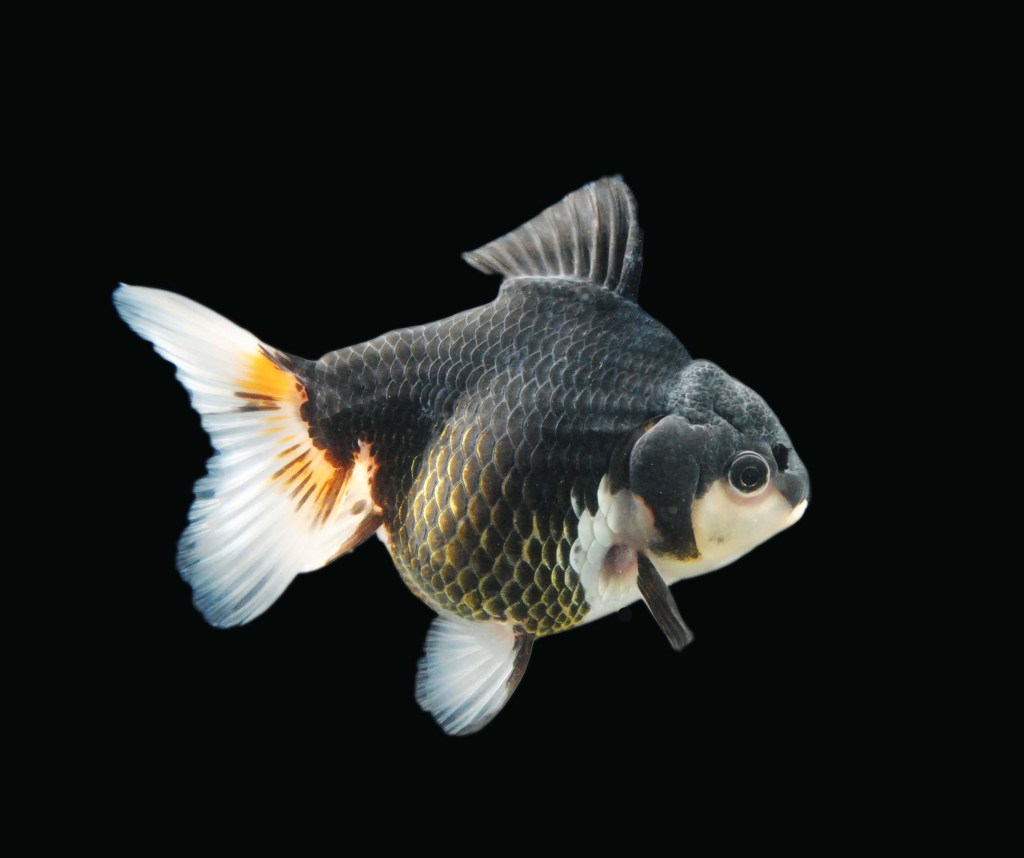
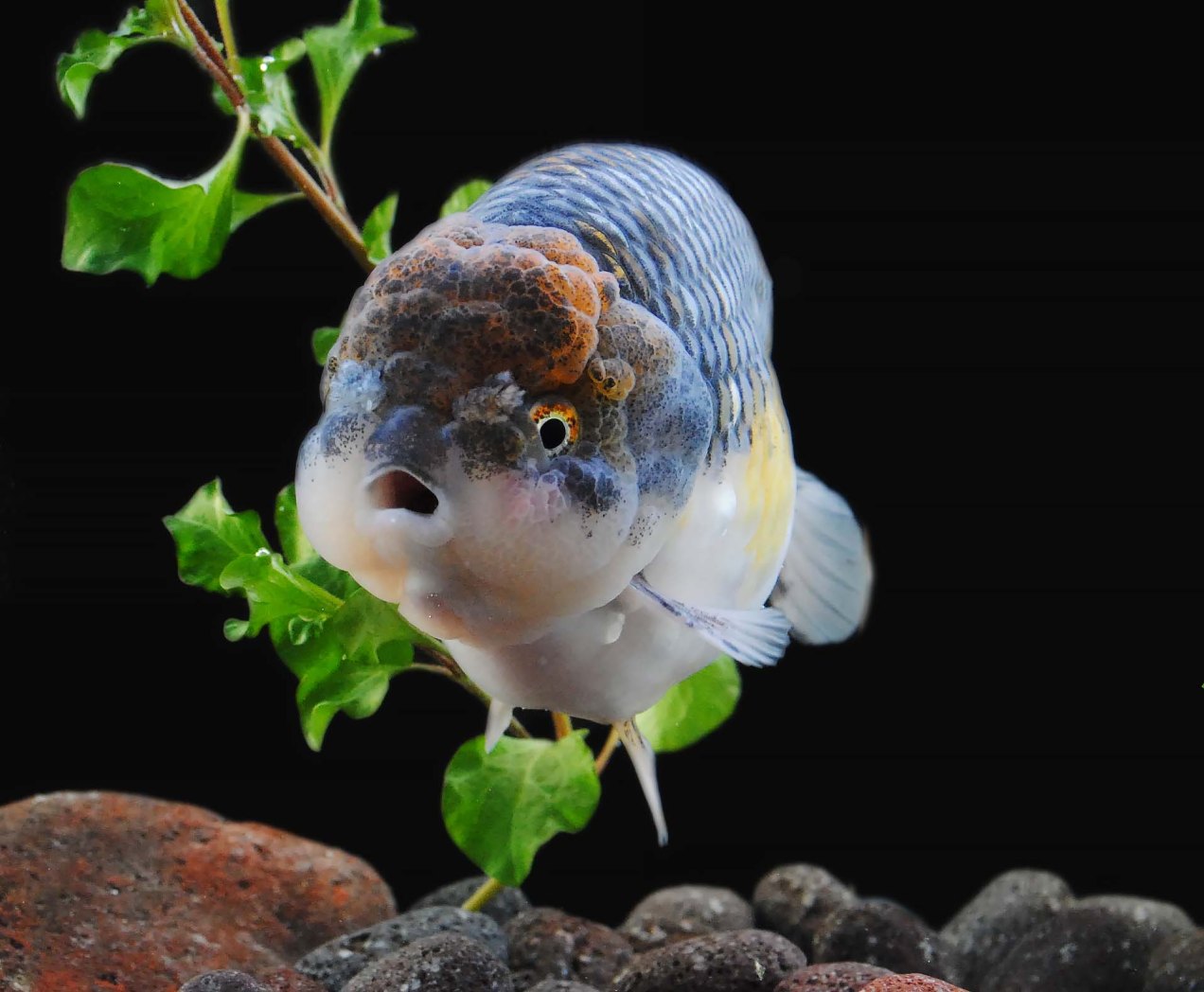
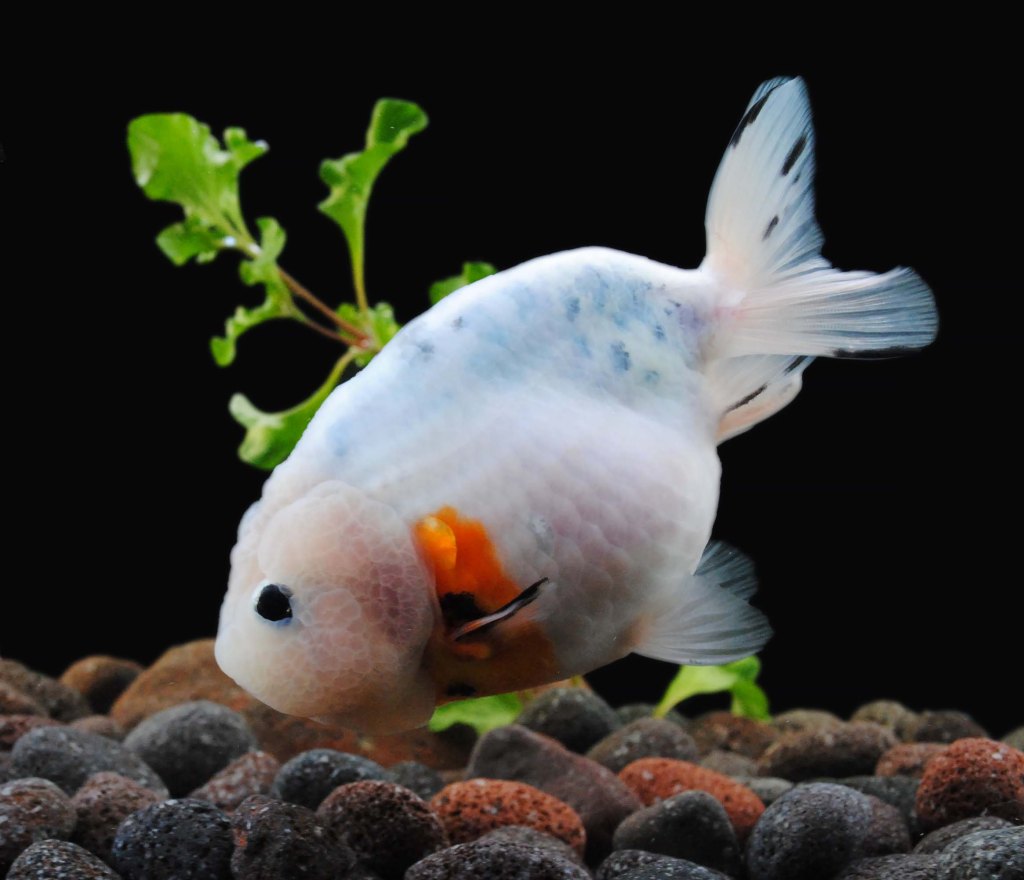
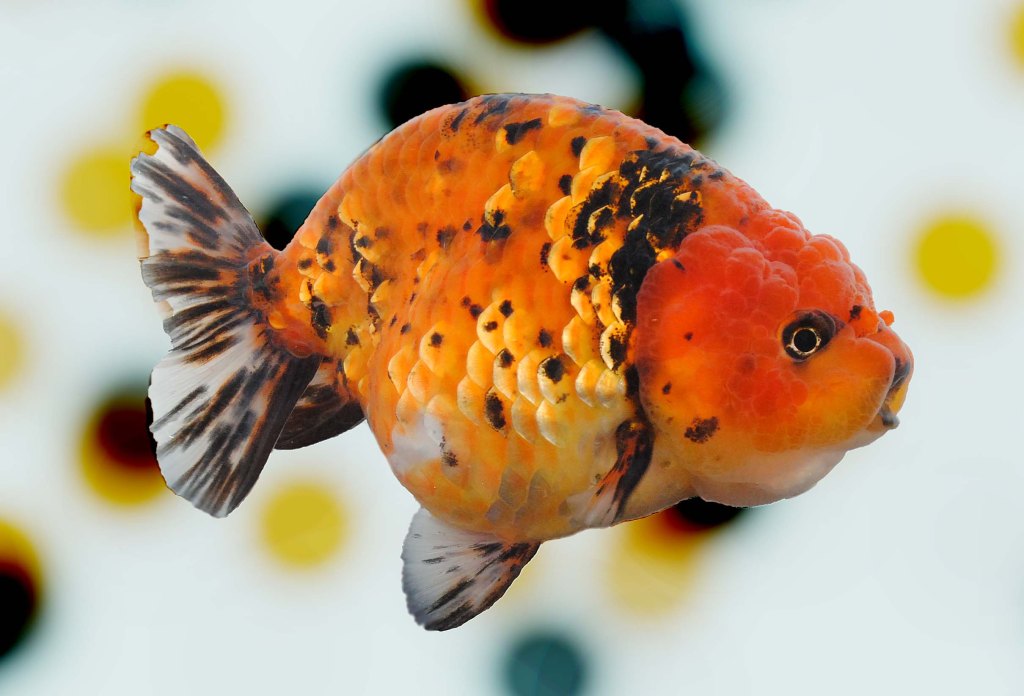
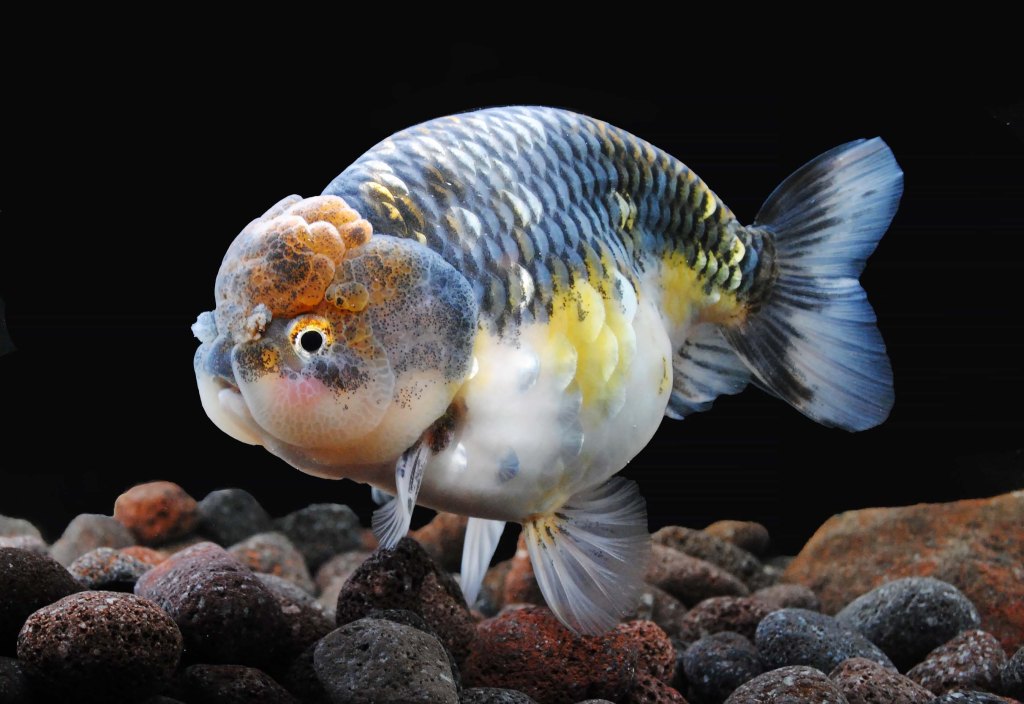
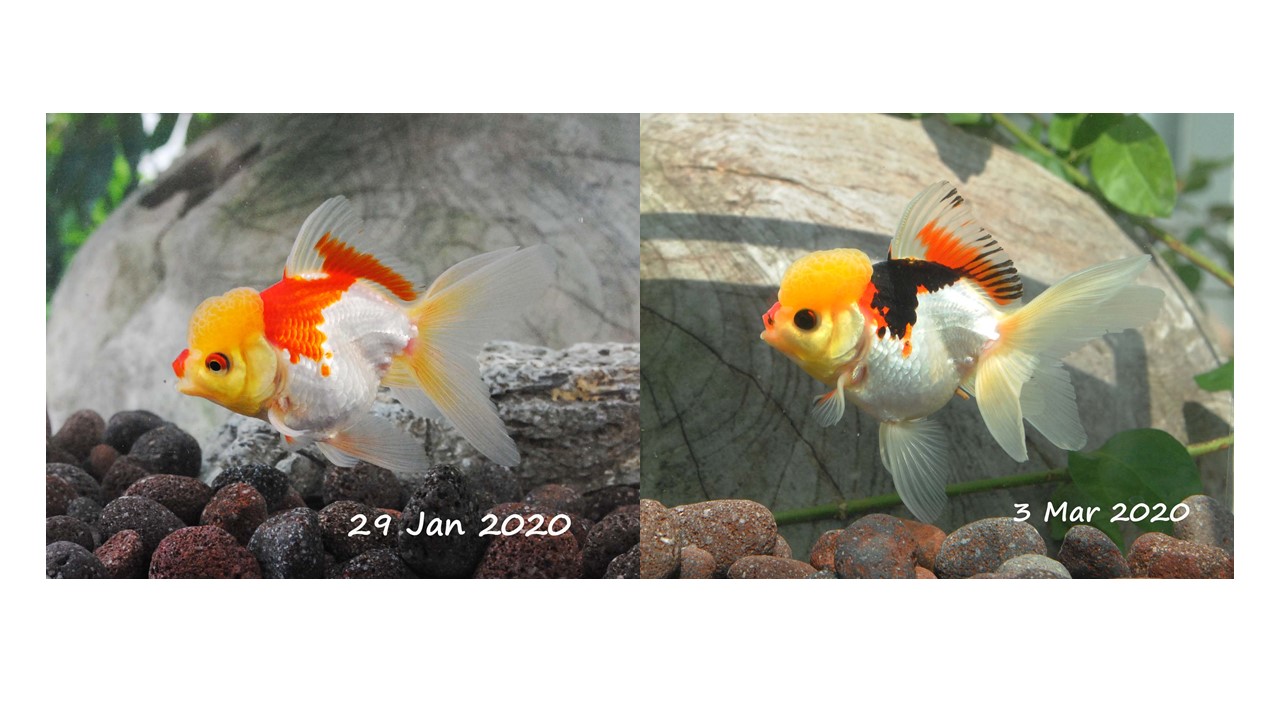
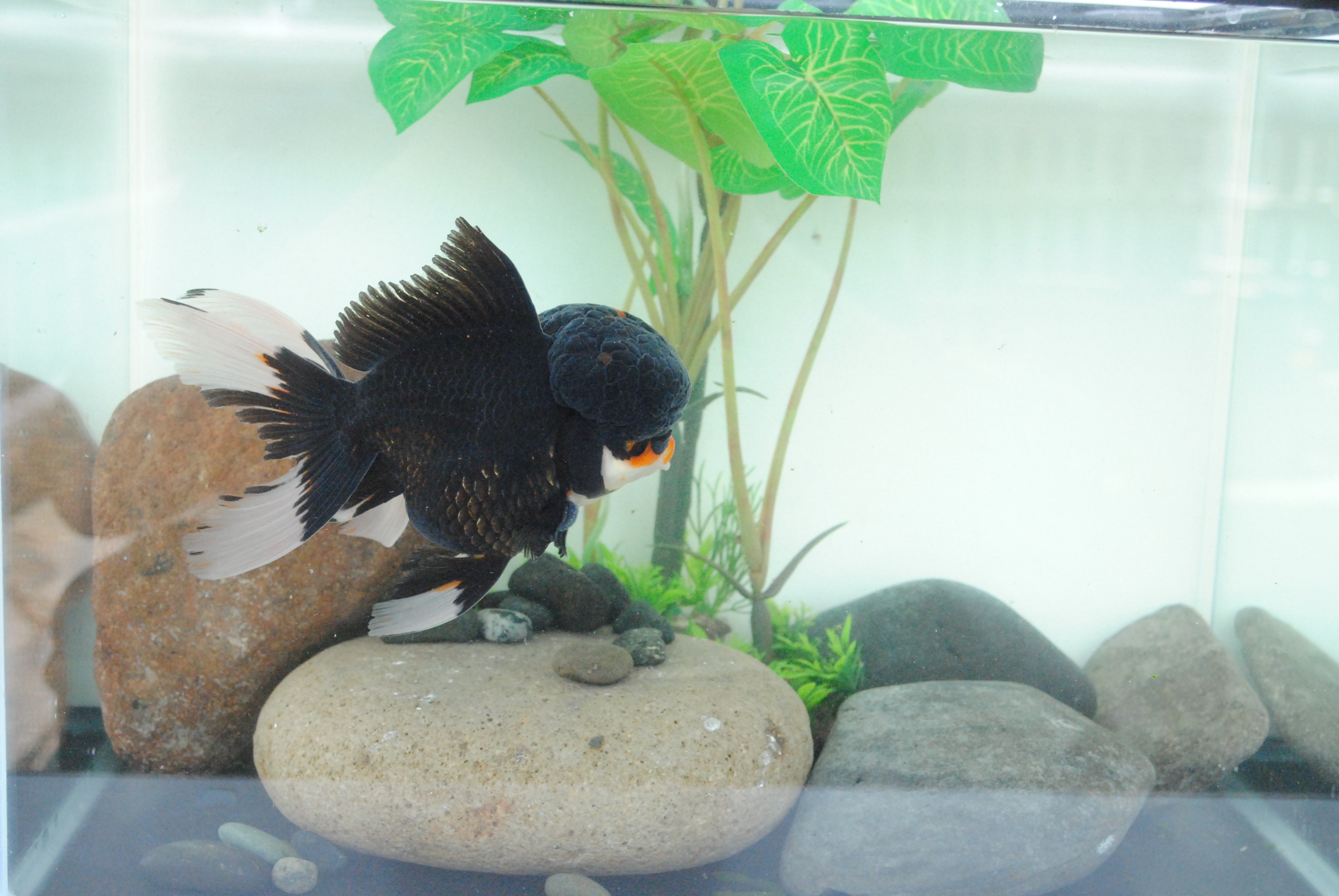
Blue Oranda, Brown Oranda, Purple goldfish, The Diary of a Goldfish Breeder 2021, Yellow goldfish

The Diary of a Goldfish Breeder 2021 (1)

Date: 19 Feb 2021

               This year is the 21st year of my breeding activity. In accordance to my New Year resolution to “celebrate my potential”, I see the need to be more focus in the area of my goldfish breeding. Though breeding is just a hobby for me – an obsessive one, I must admit – I need a clear direction. So, in the beginning of January, I assessed my breeding situation and made plans. The most feasible thing for me to do turns out to be establishing my line of Oranda.

               I have been working with color experiment for many years already. I played with the blue, brown, purple, and yellow color in metallic goldfish. Right now, I have the blue oranda, brown oranda, purple oranda, and yellow oranda. I used many different sources to create them. For example, to create brown oranda, I crossed the brown pompom goldfish with red oranda; to create yellow oranda, I crossed yellow commet with red oranda. These different sources resulted in different oranda shapes. Though they are oranda, my brown and yellow oranda look very different. To make things complicated, I sometimes used several different lines of oranda in the crossing. So, for each type of color, I might have more than one shape variation. It is a bit overwhelming to maintain all of those variation.

               Now it is time to simplify things. I want one uniform shape in all my colorful oranda variety. It does not mean that I will not keep other shapes. It just means that I should have my primary shape for oranda. It will be my line: my signature.

               In order to do that, I need a basic material to work with. This, I think, is very important. I will induce this basic material into my colorful oranda so that I will have the blue, brown, purple, and yellow oranda with the shape as close as the basic material. Of course, the real basic material is only an idealism in my imagination. It does not exist. In reality, I need to find one close to my idealism. Or at least, a satisfying one. This non-existence of my ideal oranda creates a possibility to continually improve the basic material in the future.
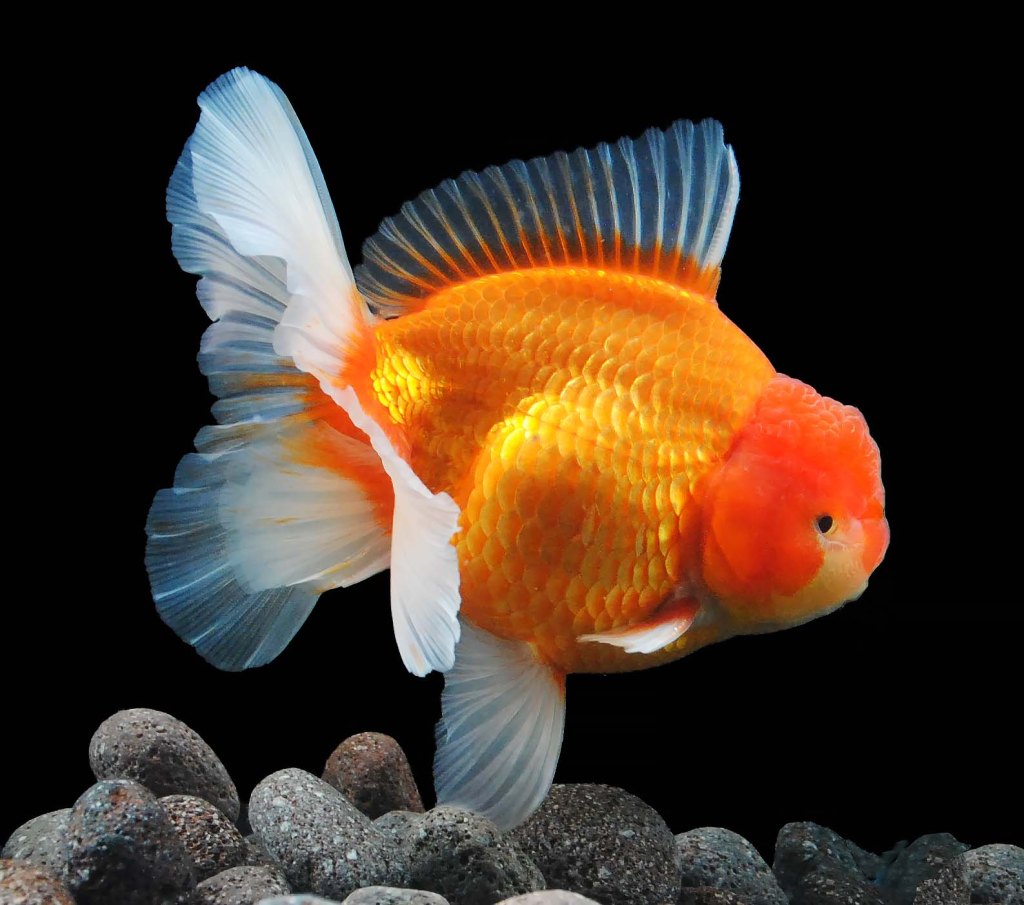
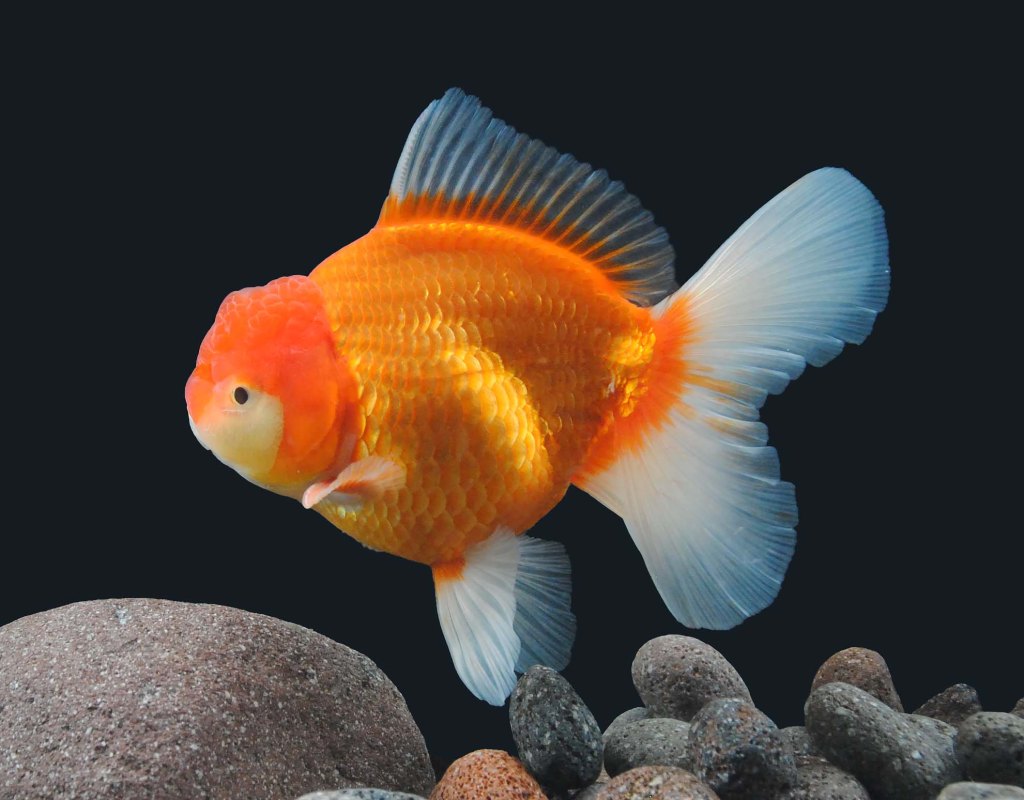
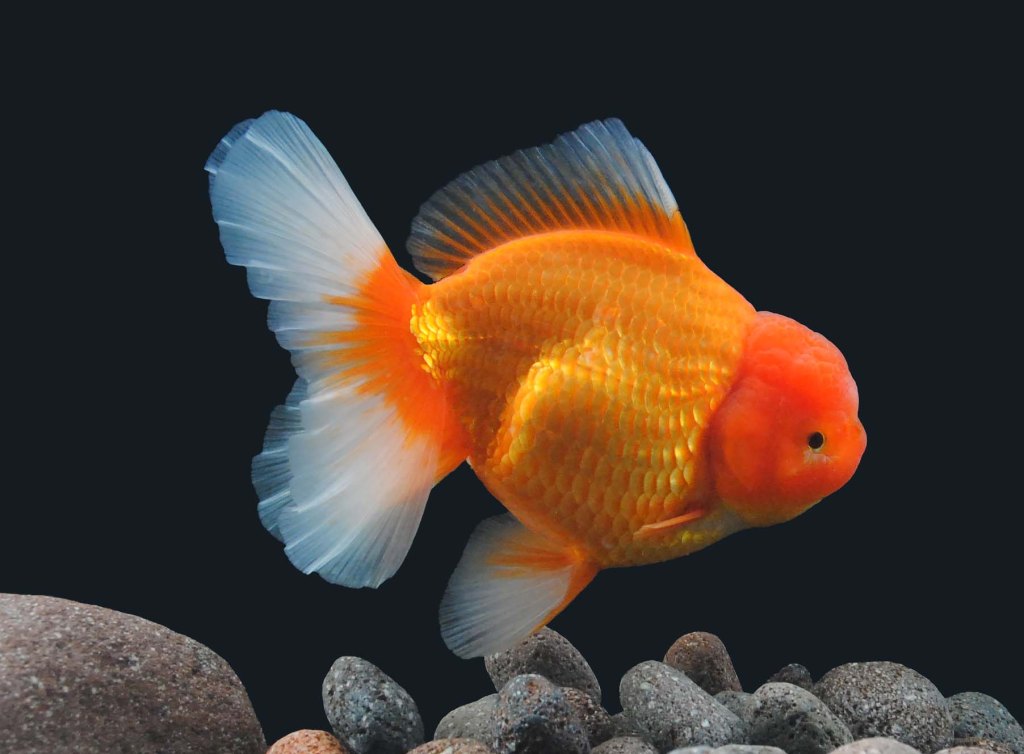
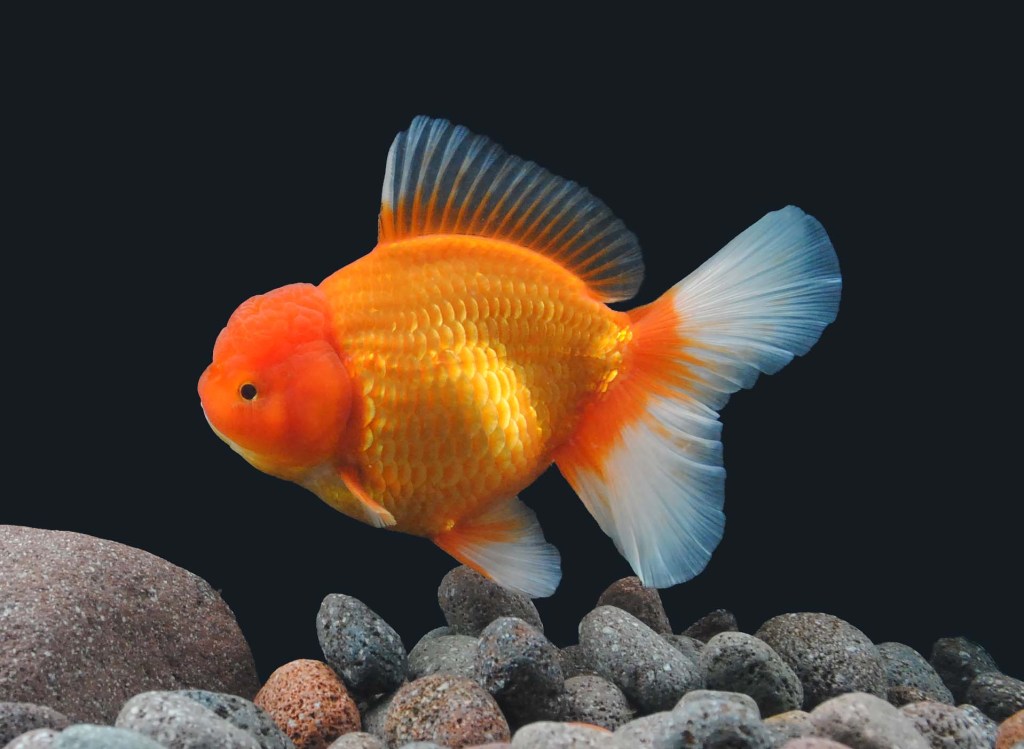
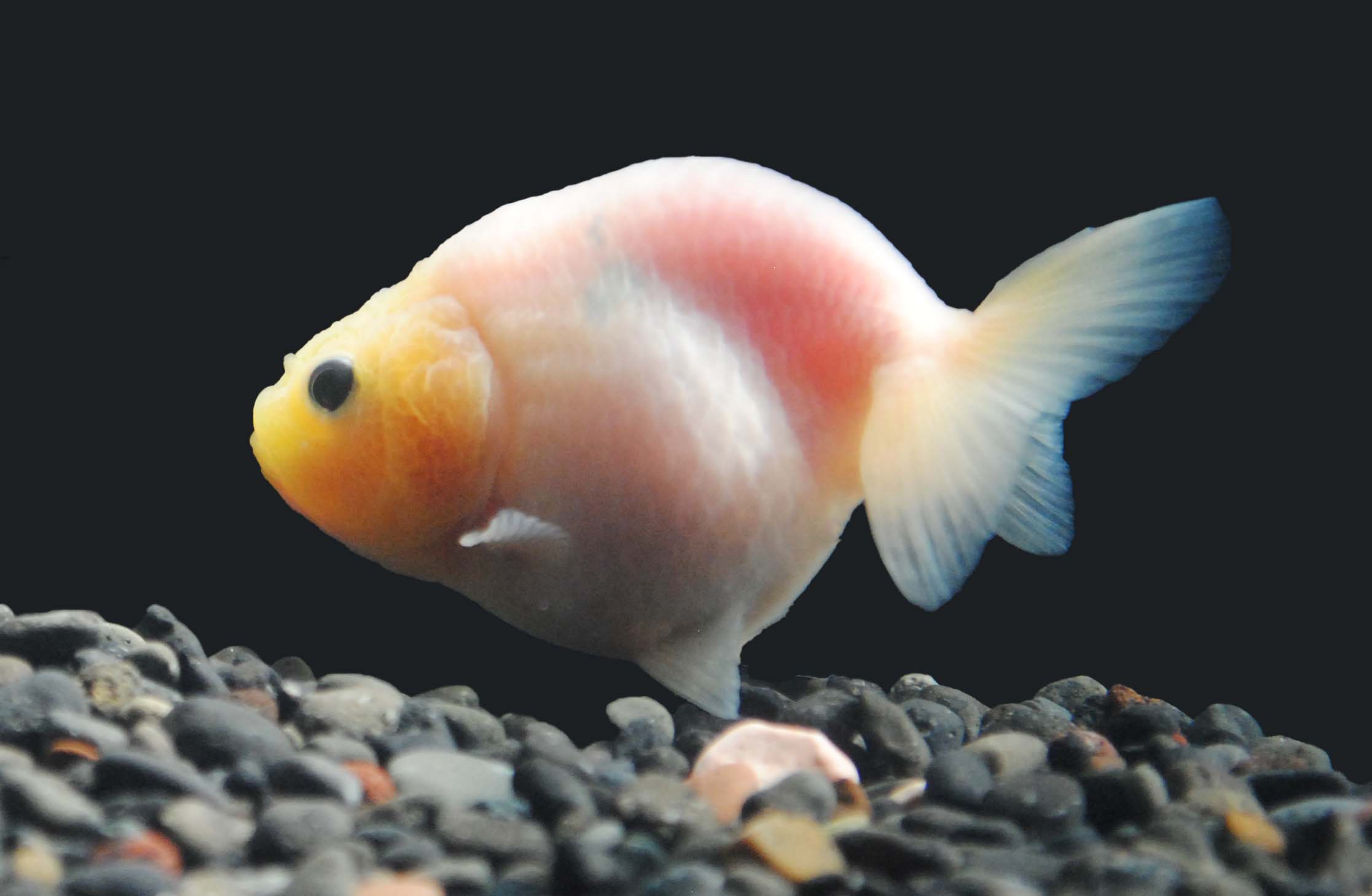
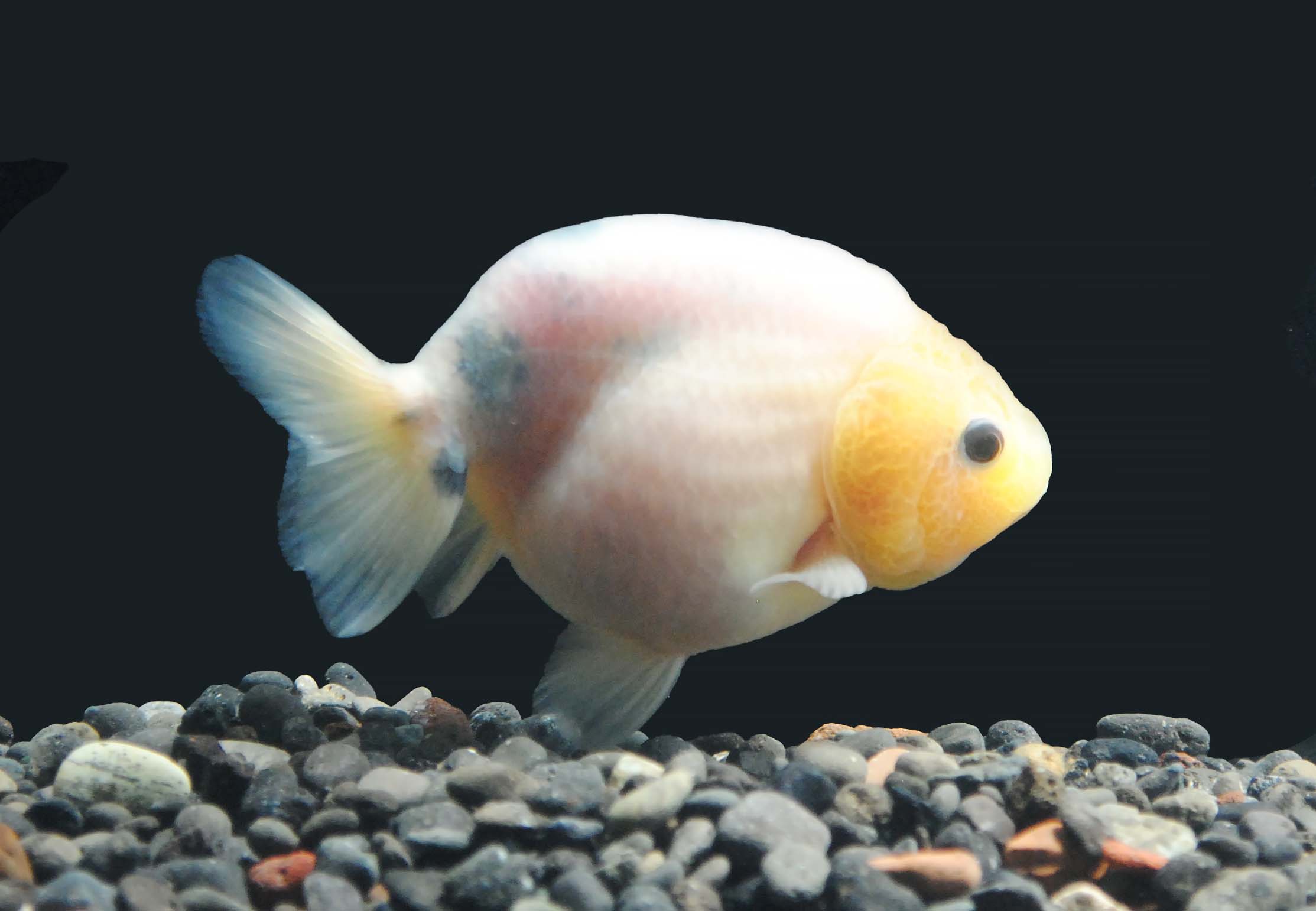
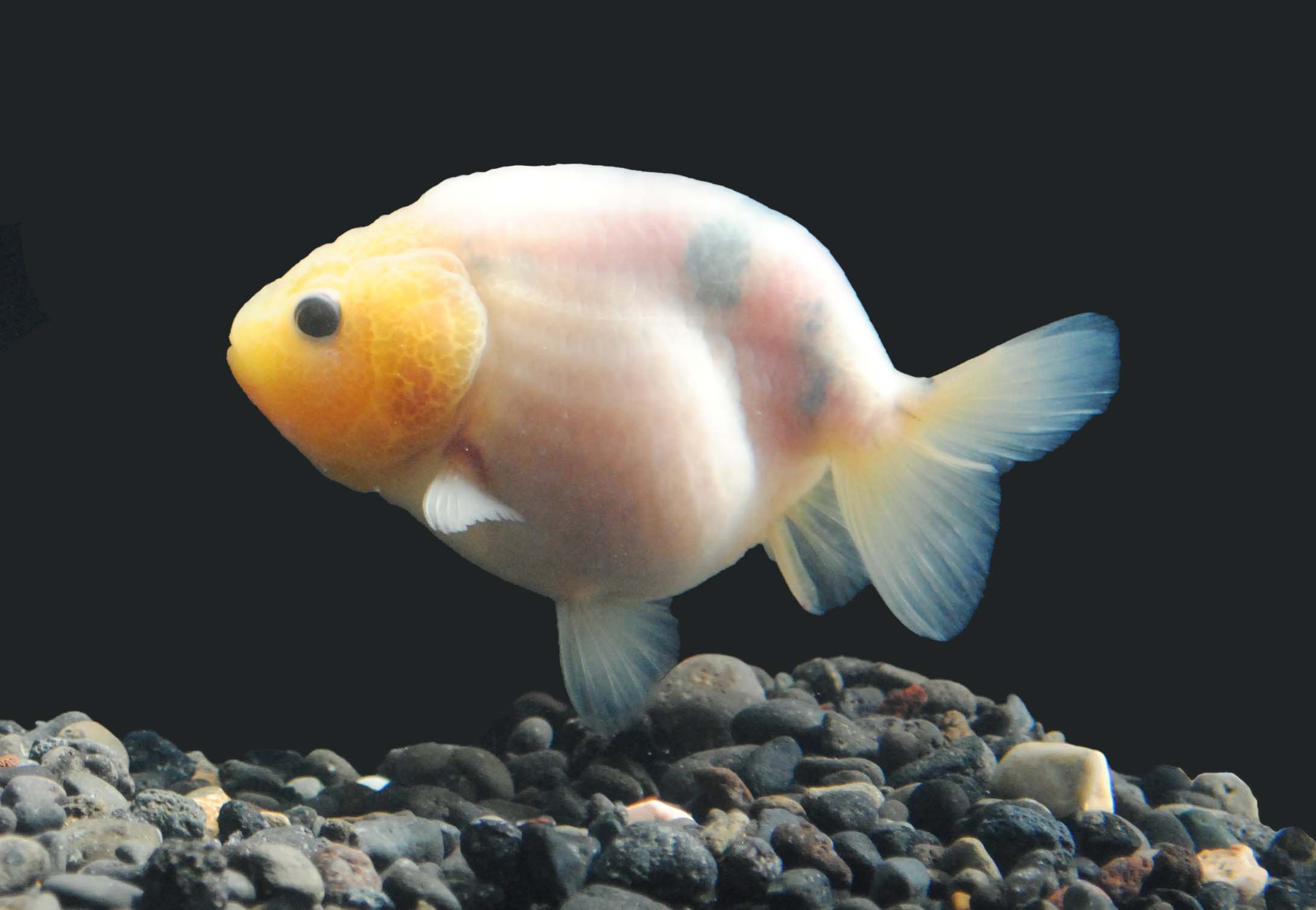
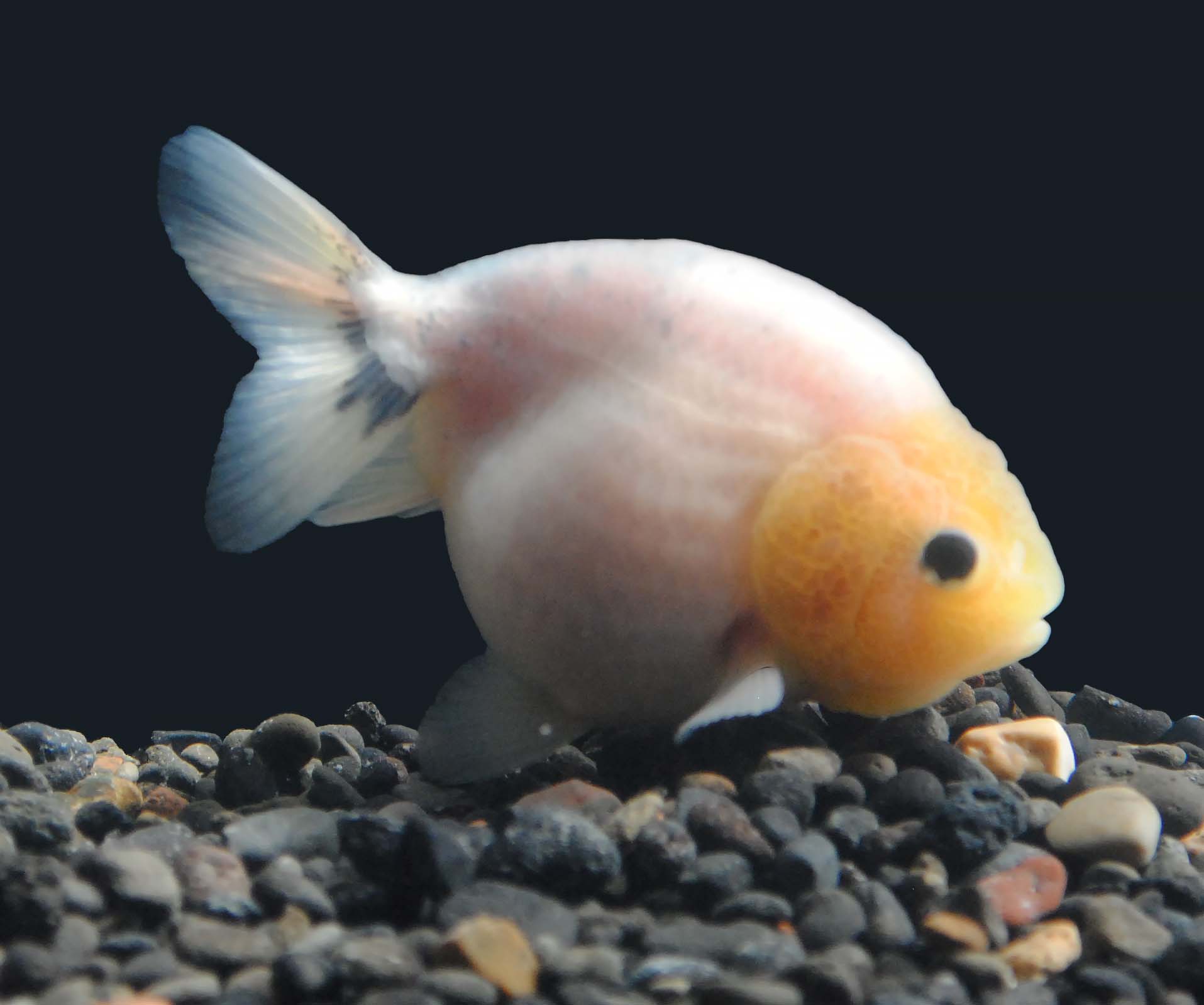
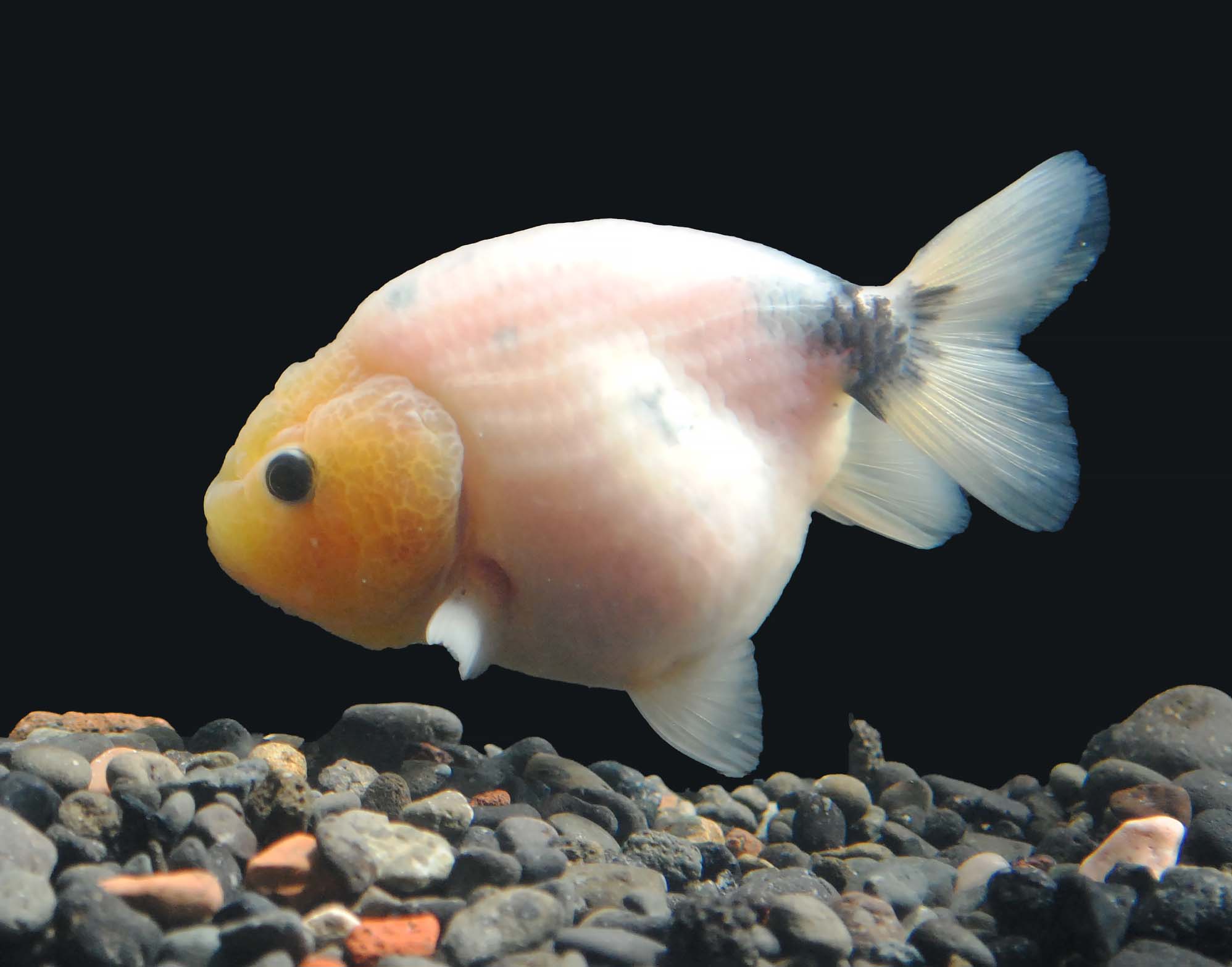
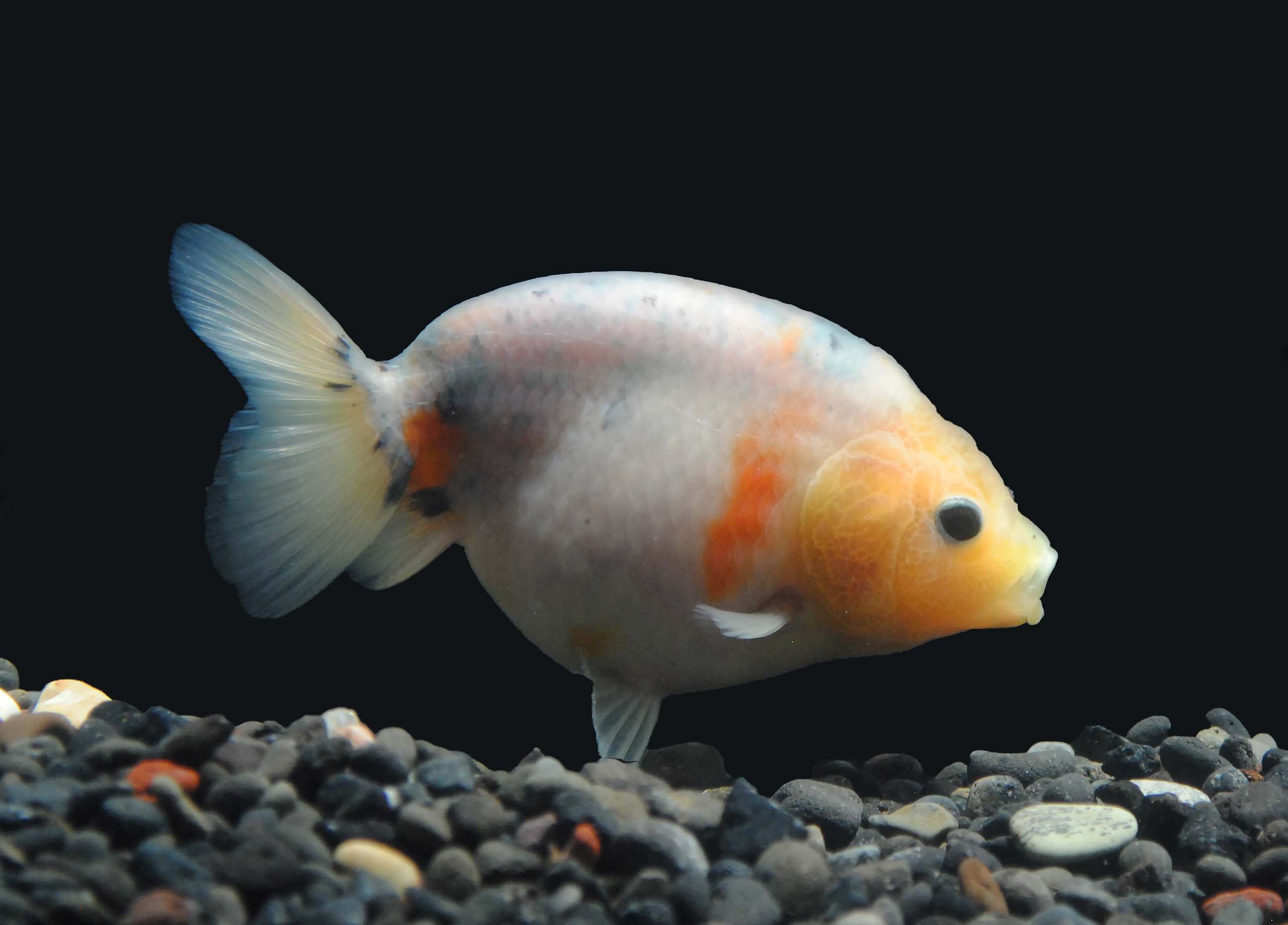
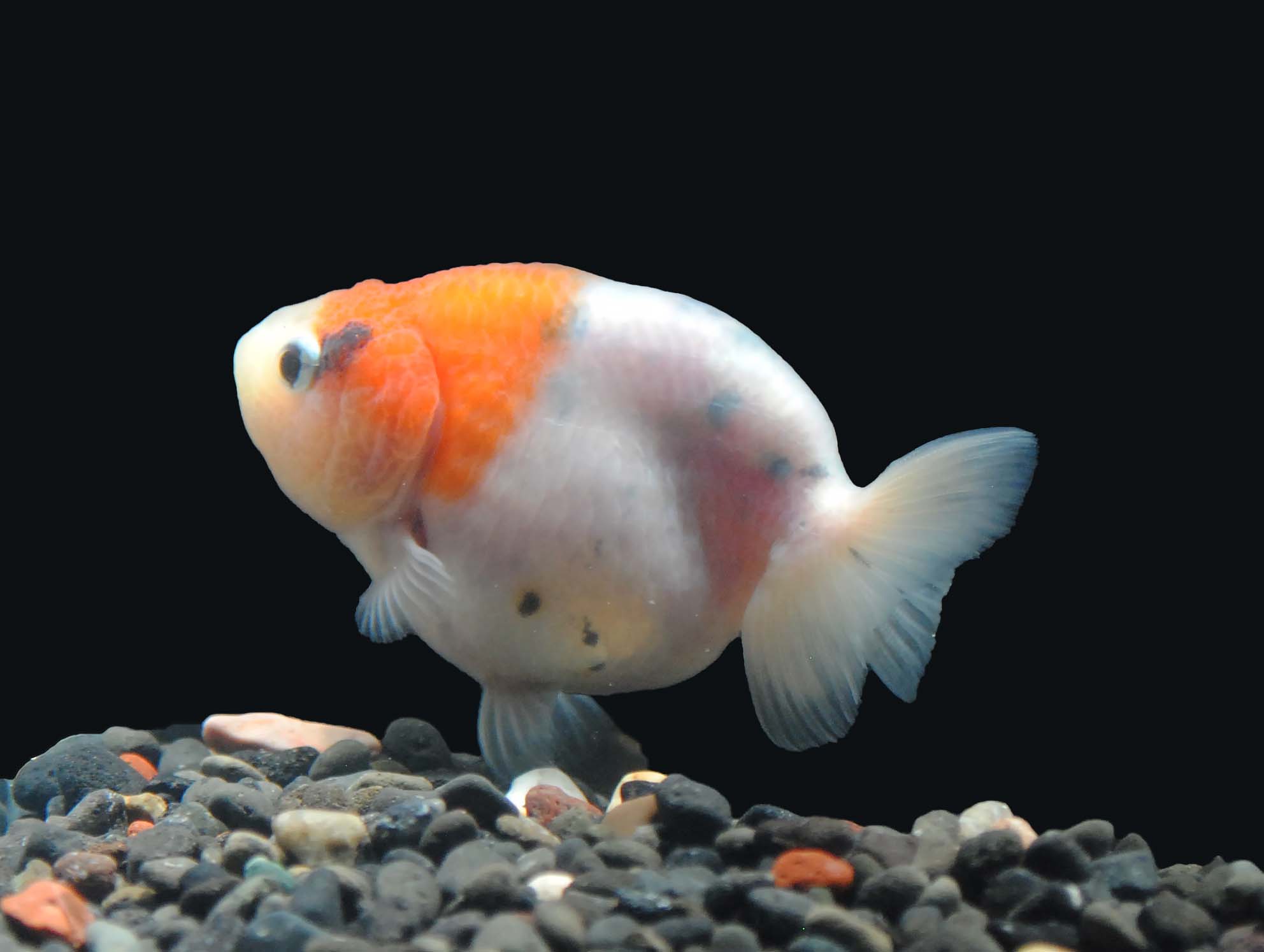
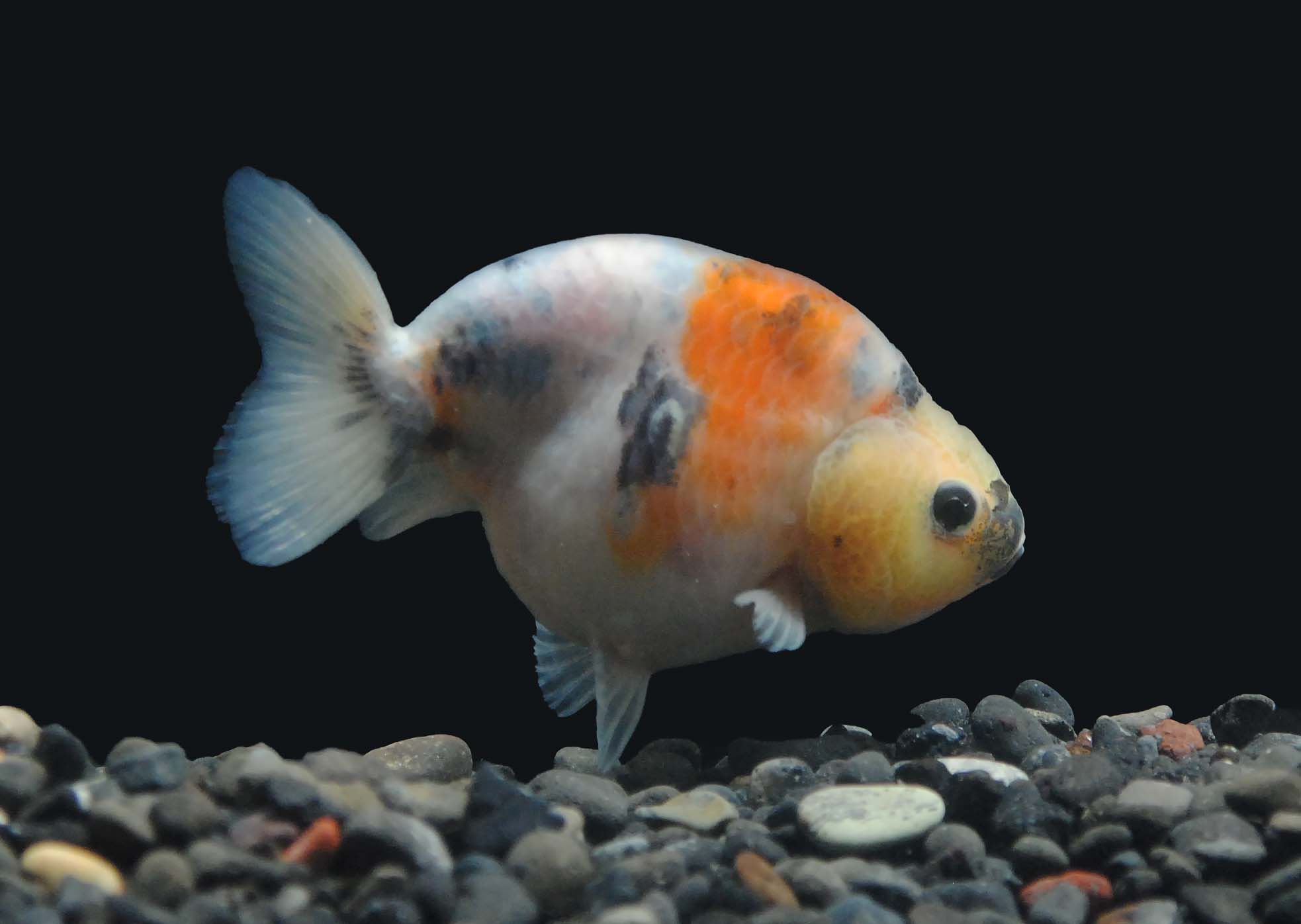
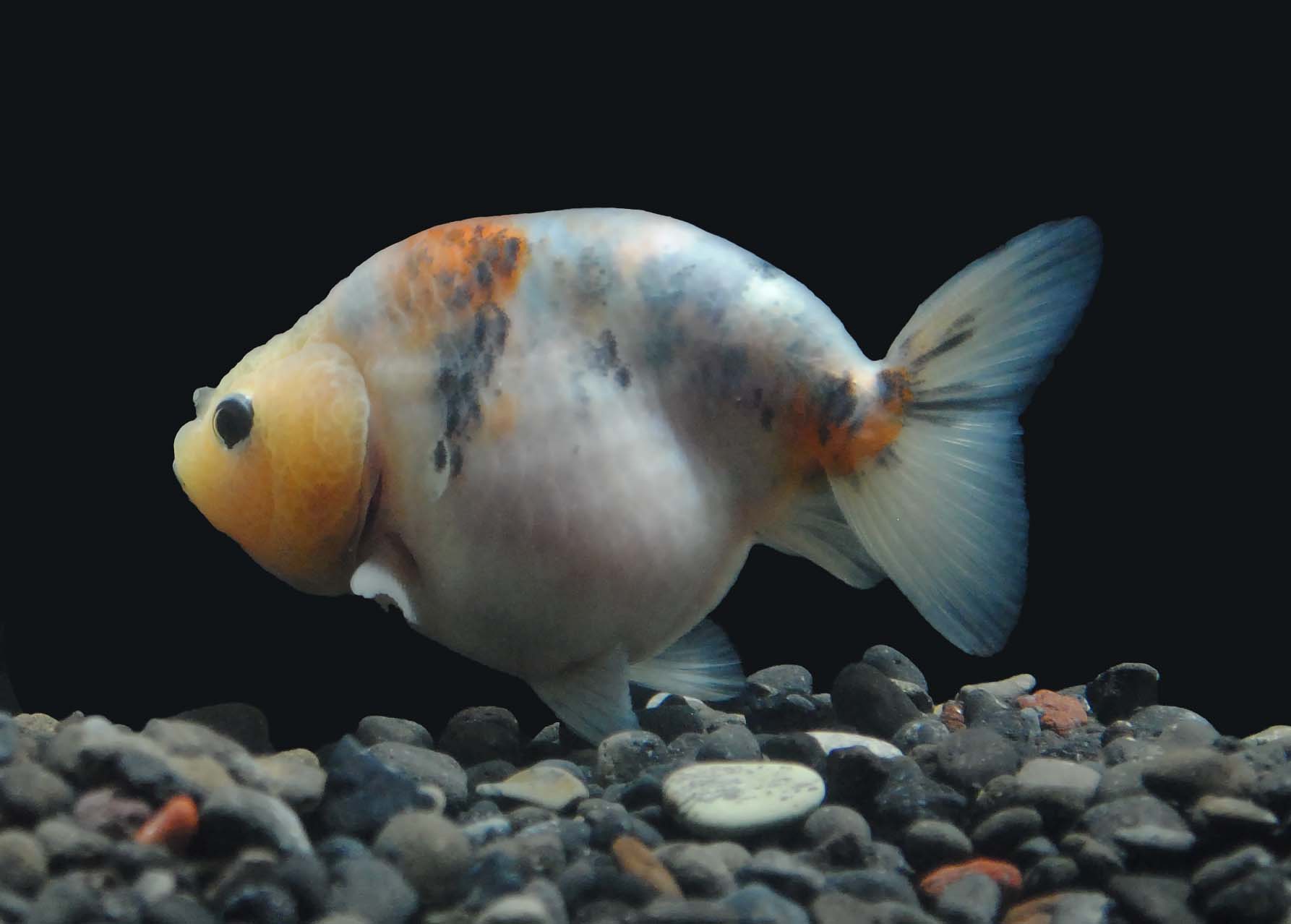
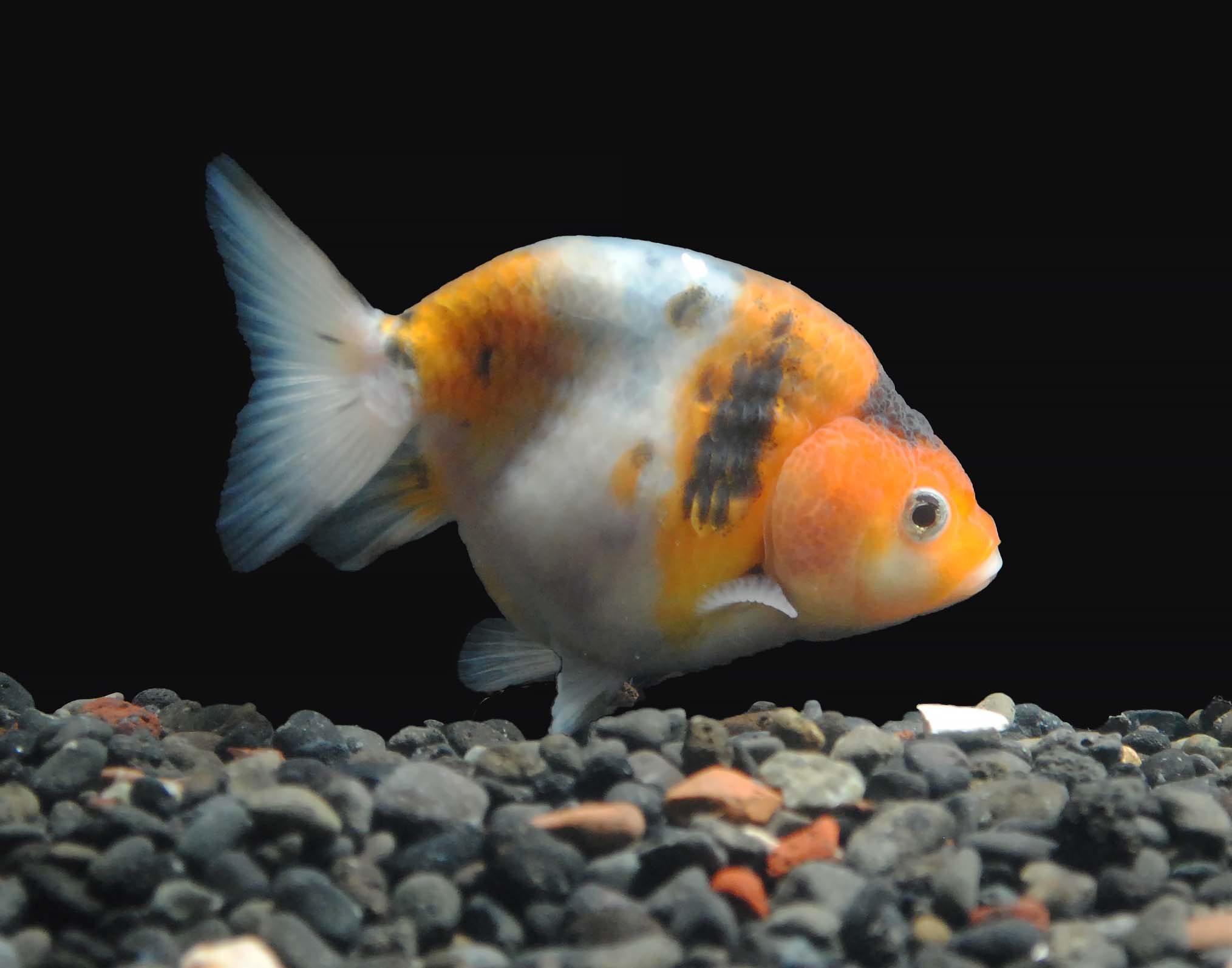
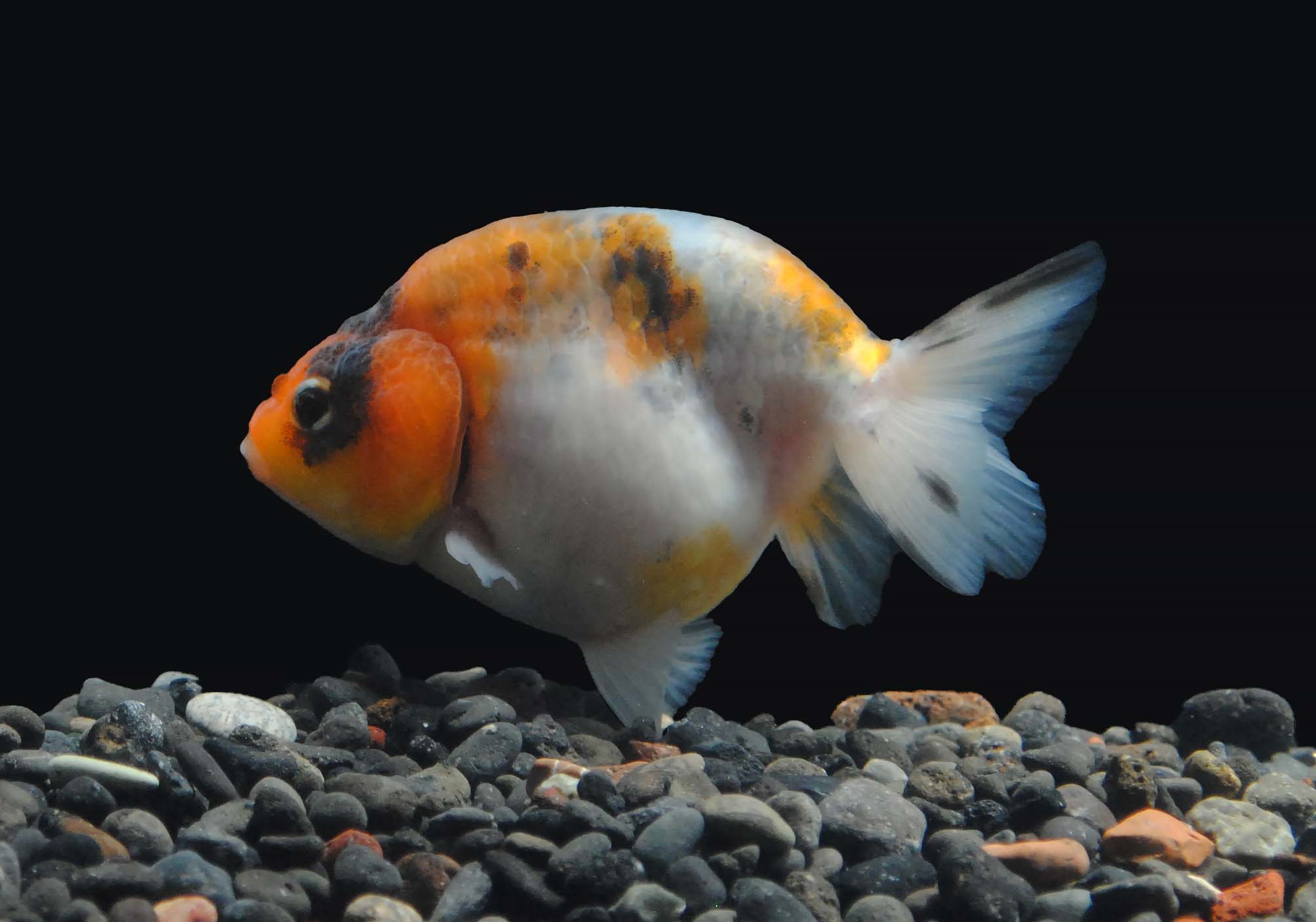
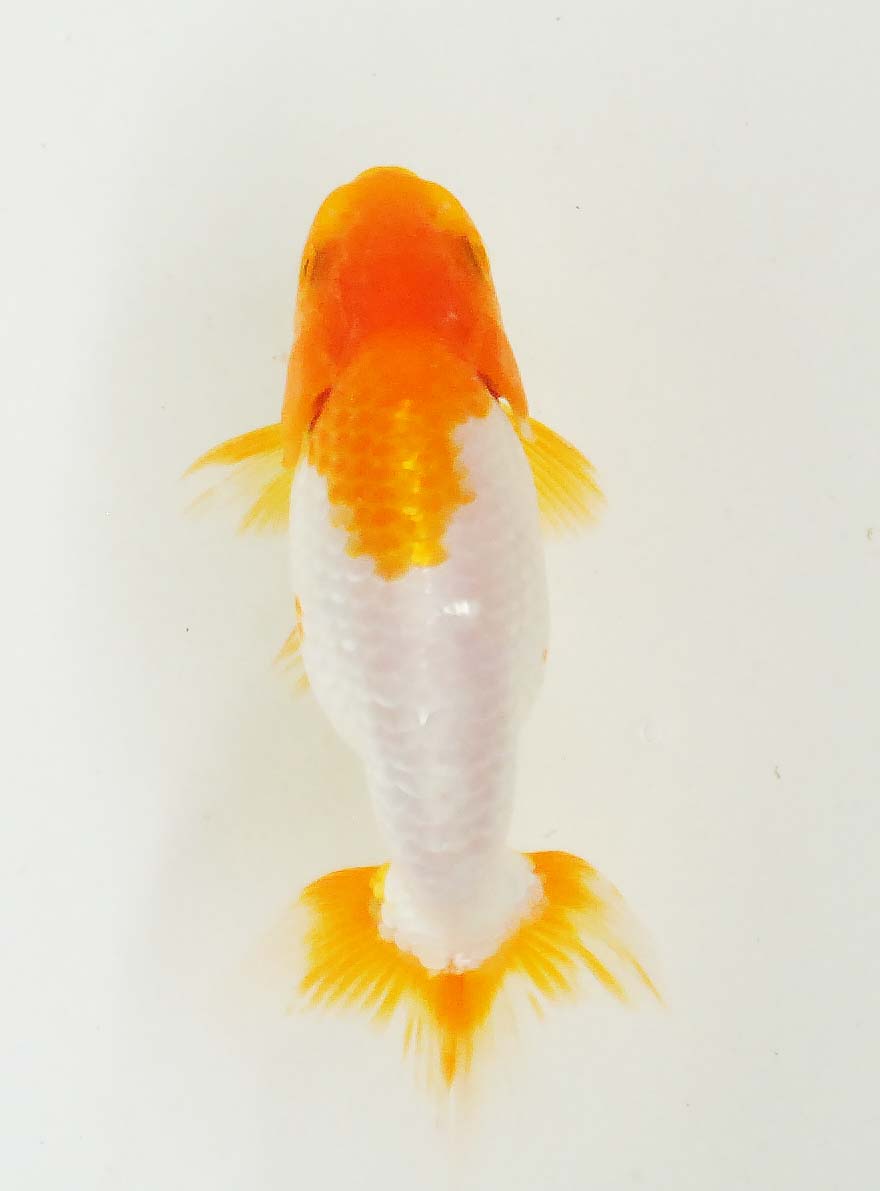
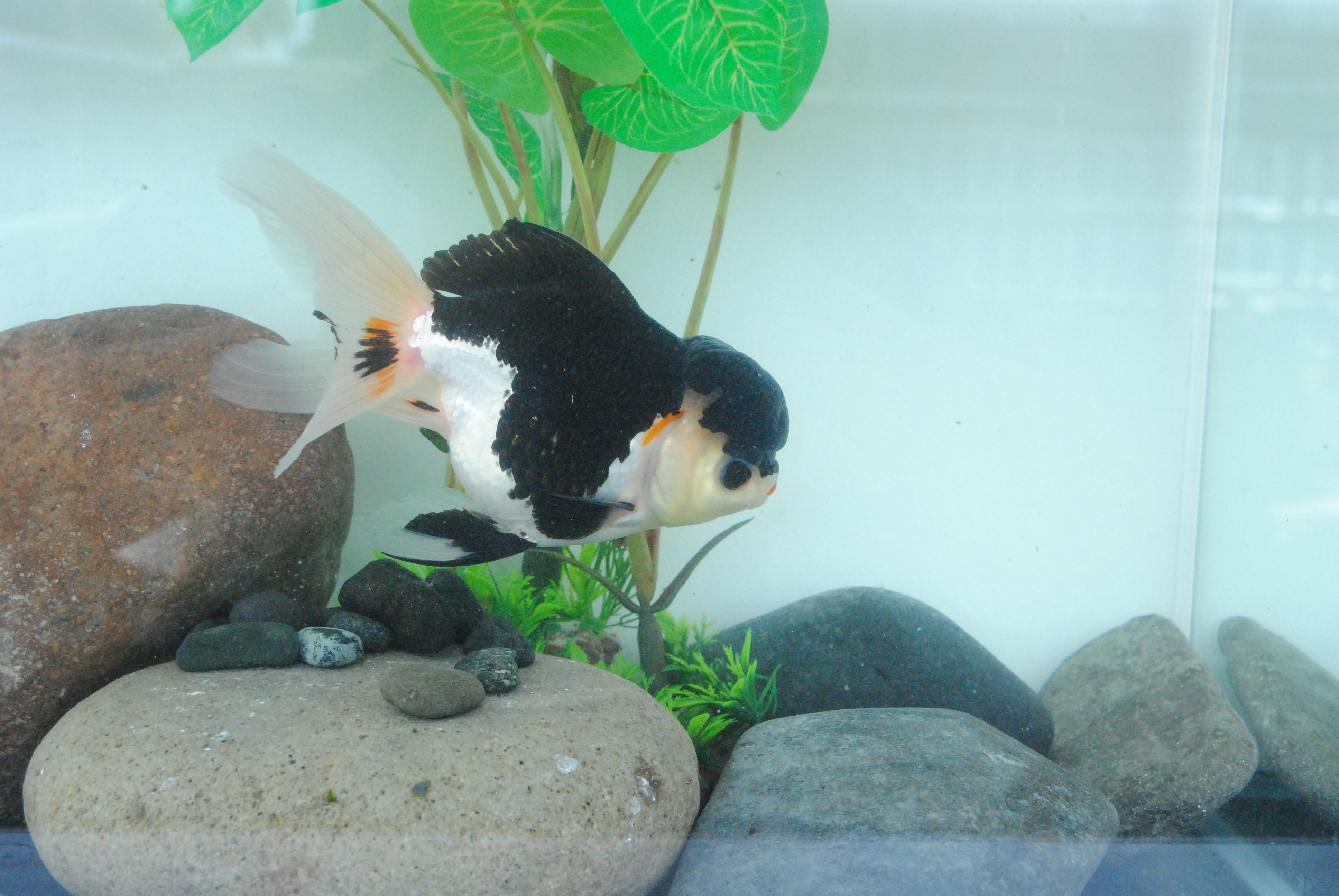
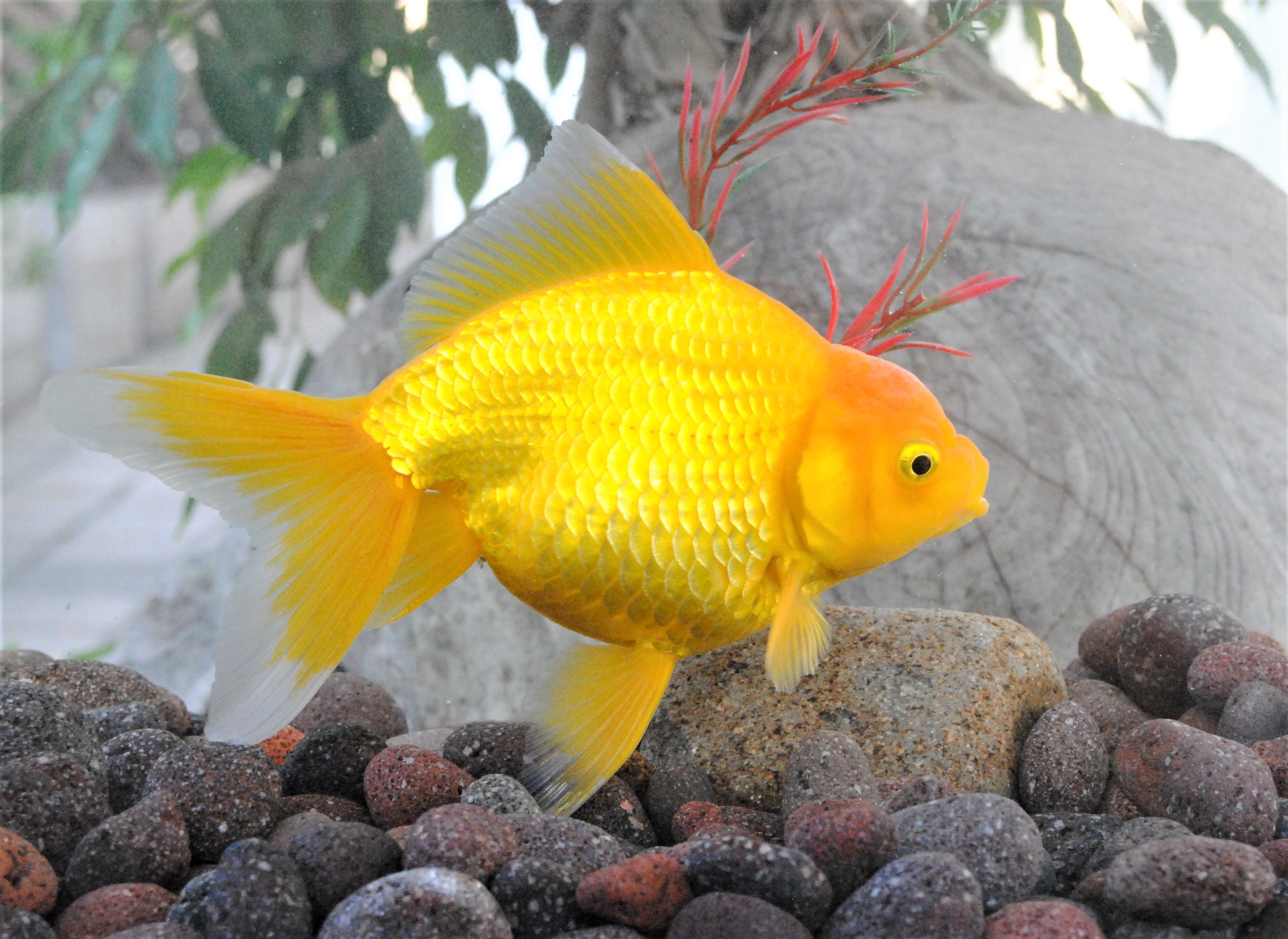
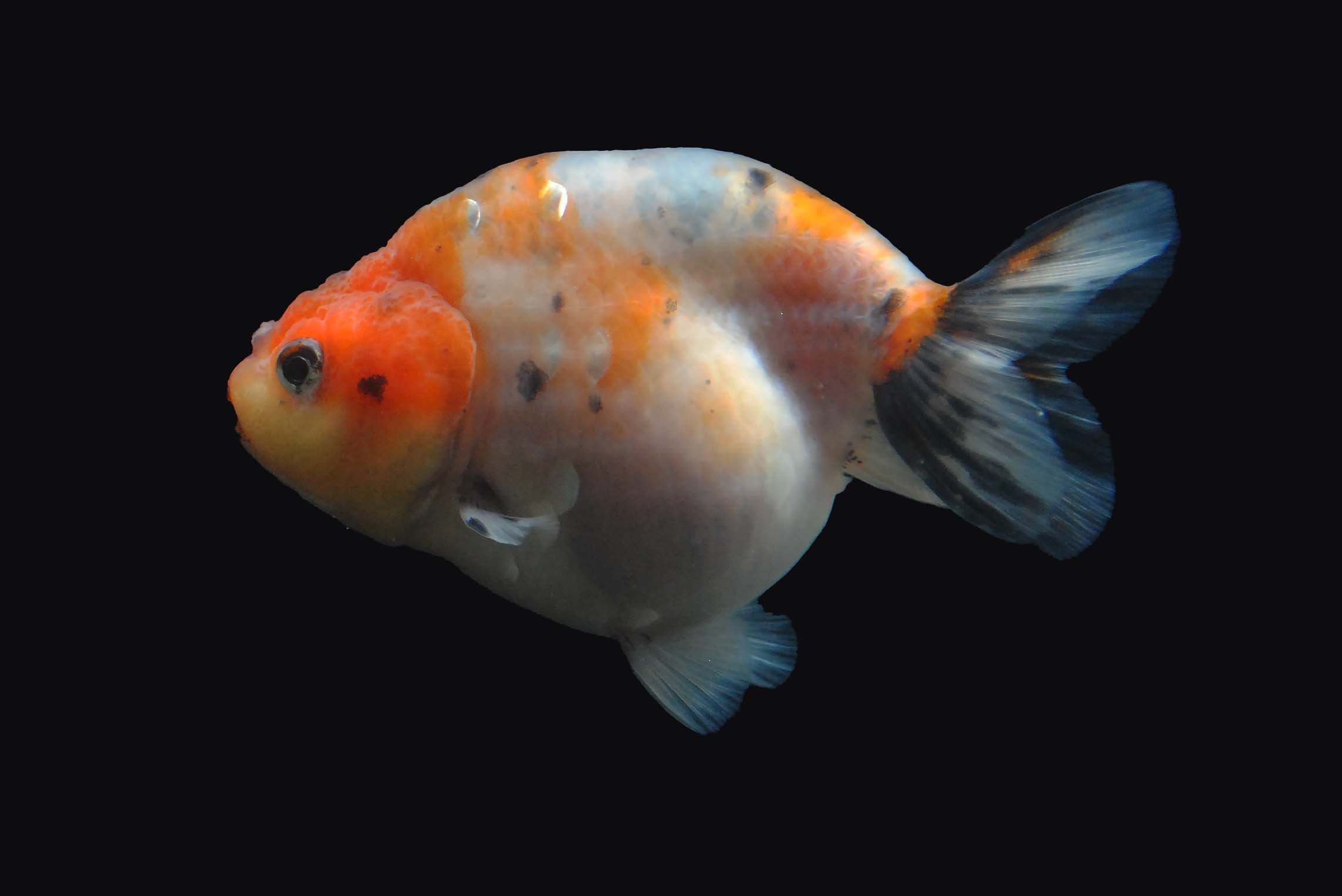
               For the past several years, I had my eye on a certain red-white oranda shape developed by a breeder friend. I especially admired its body form. I acquired that line, and mixed it with my fishes. The offspring becomes my basic material right now. In today’s diary, I would like to talk in length about this basic material. Let me first show the picture:

The Male

The Female

               Basically, if I can create blue, brown, purple, and yellow oranda with such shape quality, I will be quite satisfied. And that is my current goal. Don’t you agree that those fishes will be gorgeous? These projects might take one to two years to complete.

               Now let me go deeper.

               What I admire in these two basic materials is, first of all, their body shape. The body length is medium; it has a good thickness (especially in the peduncle area); and it has a good body width (measured vertically from the back to the stomach). The female is slightly longer than the male. If I must choose the body length, I will choose the female. This preference of medium body length differs from the current trend of a shorter oranda. I know I do not really follow the trend.

The back curve is also good enough. It has a good height: higher than the headgrowth as required by a good standard, yet not as high as the oranda-ryukin hybrid. The current trend in the market is a very high oranda hump, which is fine with me, but I do not follow it. If I compare the male and female here, the male has a slightly better height.

My first concern about the body shape is that the peduncle of the female is positioned a bit upward / high. It makes the fish looks slightly imbalance – but only slightly. Fortunately, the male does not show this weakness. I think this weakness might occur in the offspring once in a while.

The bigger concern is the shape of the abdomen. The male has a good egg-shaped abdomen, though if it can be stretched a bit further back will be nicer. Yet, the female does not have the egg-shaped abdomen. I do not know yet if the stomach can be fuller later on in its development. It is yet to observe. But it is reasonable that some of the offspring might carry this weakness, since I saw the same case with the original line (from my breeder friend).

The scalation looks beautiful. The red color is not deep red, but is more intense than just orange color. There is a possibility that the red can be improved using color enhancer food. But the color is not my concern here, since I do not intend to breed the red or the red-white color as my main oranda. I will need to breed them still just to have enough basic material for the next breeding, but my main purpose is to have the blue, brown, purple and yellow oranda.

Concerning the headgrowth, I have come to a realization that my line will be more of the goosehead type of headgrowth. Looking back to the past several years when I have not decided at what type of headgrowth will my line be, I was already working many times with the goosehead type. And now, I am settled with it. The pictures above were taken two months ago. Now, the fishes have developed the headgrowth more. They have a larger growth on the hat area. Beautiful. The headgrowth was not excessive as in my tricolor oranda line, but it is not small, either. I might want to have a little bit more, if possible, so that the main identity of the fish (the headgrowth) will catch more attention when one sees it. In this basic material, the headgrowth is also seen below the eyes. I think it is the gene from the original line. For my line, I do not desire it and wish to minimize it later on. For now, I must expect that this trait (headgrowth below the eyes) might still occur in the offspring.

Last but not least, I must talk about the tail. The tail is of medium length (or between medium and long). It is a good length for me. I do not want the medium short or even a short tail. The degree of erection of the tail is good enough. It is not very spectacular, but it is considered good. The thickness of the tail tissue is good enough, though I will welcome a thicker one. There are three concerns about the tail. First, the lower tail lobe is not round. So, the lower tail cannot cover the anal fins well. The anal fins are too exposed. I also see this in the original line. And this weakness is uniform in the line. So, I need to plan a long-term repair for this, which is not easy if I cannot find this trait in the existing market. I have made several efforts, though. Yet, it is still a long process. For now, I must accept this weakness. Second, the lower lobes of the female (and some of its sibling) have small folds. The male does not have this. I guess this defect might occur once in a while in the offspring. Third, it was examined that the left and right lower lobes sometimes become imbalance when one of the lobes curls inward when swimming. The curl is not symmetric between the left and right lobes. Not all the sibling develops this, and I certainly do hope that this is not a hereditary defect. It is also possible that this type of tail needs special care so that it does not developed into imbalance curl inward. Perhaps this type of tail is not suited to deep water or strong current. I still need to observe this.

Anyway, after analyzing the basic material and see that they are obviously not perfect, I must say that I will be satisfied to have the basic material shape exist with blue, brown, purple, and yellow color. It is feasible for me to do. I also want to incorporate the tricolor into this basic material shape, but the difficulty is greater. I will save it for later.

Standard
cow ranchu, Purple goldfish

Cow Projects 2020

This is the second time I breed my cow ranchu. There are two ongoing projects. First, I cross my remaining cow ranchu (male) with his own offspring (or niece – since I used several male to produce her). Second, I cross the same cow ranchu with a female purple ranchu out of curiosity.

The first project (cow x cow) resulted in weak body shape offspring. But it is not my main interest. My interest is in the coloration of the offspring. At the age of roughly three months old, they are still mostly transparent white. Few have red patches. Some have black little dots and / or black patches “inside” (beneath the scale). Black marking on top of the scale (outside) is rare in these offspring. If they do, the black marking is in the shape of patches, not dots.

The fully white ones are nicknamed Casper by my friends. I was informed that these Caspers and the ones with black dots inside will develop the black color outside later on. It is certainly my hope to see it comes true. But so far, I do not see it coming. None of them can be claim as cow ranchu yet.
Let me refresh our memory with the pictures of the parent:

The male cow ranchu
The female

I do this first project twice. So I have collected two batches. Since the first batches were on medication when I took these photographs, I only managed to take pictures of the second batches. And these are the results. Each fish is displayed from left and right side.

The second project (cow x purple ranchu) has a different result. The offspring looks more like calico with a satisfying color composition. To compare this with the above project, this second project does not produce Caspers. They have black patches inside (not dots), but also white dots outside (not patches at this stage). I am eager to see how these dots will develop later on. And to compare with my previous project of crossing the cow with blue ranchu, I do not get any kirin-like color in this crossing (cow x purple) as I get one in the previous crossing (cow x blue). This comes as a surprise to me, since the blue and purple color are closely related. I expected to see a kirin-like coloration in this project, but it does not happen. I am still curious though about what will happen if I cross these offspring back to a purple ranchu.

These are the parent fishes:

Male parent
female parent

And the offspring are:

I already cull out the fishes from these two projects. Those with weak body shape are eliminated (I give them freely to friends). So, the next update will not contain all of the fishes portrayed here.

Enjoy.

Standard
kinranshi

Kinranshi version 2.0

In my previous attempt, I crossed topview ranchu (Andou line) with wakin. I called the offspring Kinranshi since they looked similar to the Kinranshi goldfish type I saw in a book. I already made a post about that project.

Now, to move the project forward, I crossed the Kinranshi back to topview ranchu. I used three lines such as Andou, Kudou / Murakami (the seller was not sure about the line of this particular fish), and my own line (forgot to record). The results are varied. They are not yet conformed to the standard of topview ranchu, so I called them Kinranshi version 2.0.

Some of them are thin and long, some have thickness on their backbone, and some are shorter. Some have collapsed tail and some have wide-spread tail. The head growths are also varied. I am glad to see these rich variations. It triggers my imagination how to direct the next development of them.

Here are the Kinranshi 2.0:

Standard
tricolor ranchu

Towards Tricolor Ranchu

After marveling and experimenting with the tricolor oranda for some times, I began to think about creating ranchu with such coloration. This specimen I am thinking of has been seen in Thailand, so it will not be a surprise that it will become available in the market in the next one or two years. It is still rare today, though. Instead of waiting them to be available in the market, I think it will be more satisfying for me to create one of my own. When I succeed, perhaps it will not be rare anymore. But it will still be a pride for me.

The first thing I did was to cross my tricolor Oranda with a ranchu. I did not think carefully about what ranchu would be best to use at that time. This might be my mistake. I did not remember it well, perhaps I used blue ranchu since they were abundant in my pond or grey ranchu which carries the recessive blue ranchu gene since I made many crossing using blue ranchu. The results were all grey fish (wild color) with predictable defects on the dorsal.

My plan was to do the F1 x F1. I was certain that I would get several tricolor fish with defect dorsal. I did not expect to get a smooth ranchu back curve at that stage, which was reasonable. What surprised me was that I got some blue offspring. It made the project complicated. I should use pure red or red-white color, instead. But it had happened. I sorted out all the blue. I kept only the grey color, in the hope that some of them will turn into tricolor. I purposely rejected the fish with full dorsal and kept only the ones with defected dorsal. Yet, I must admit, those fishes with perfect dorsal were cute. Some of them resemble Yuan Bao. I could not help to keep one of them alive. Here is the lucky guy:

The second surprise I got was that the expected tricolor never appeared. I waited for four or five months, and these F2 were still grey. I lost hope in them turning into tricolor or any other color. I realized that this was a failure.

But I did not give up. I started the project still using the same F1. But this time I did not do F1 x F1. I crossed the F1 back to the tricolor Oranda! I expected this move to produce a better chance of having tricolor fish. Yet, I worried about the shape turning back into fishes with full dorsal. So, I tried to keep all the offspring alive as many as possible till I could see the dorsal clearly. Thank God, I ended up with enough defect dorsal fishes. They look like this:

And yes, I faced the same problem again. I have kept them close to four months right now and the majority are still grey! I could not explain this. Yet, this time I am lucky to have two fishes mutated into tricolor! Some more mutated into red-white fish with no trace of melanin – I will wait for a little while for them since sometimes the melanin can appear again.

From the two tricolor I get, one has minimal black pigmen. She will be used as my plan B. She looks like this:

But the other one has a lot of black pigment and the color looks strong! I don’t mind about the lack of red color. Tricolor usually comes in either tricolor or panda color. No problem for me. This fish will be my main parent fish. This is the beauty:

My plan is to mate her with ranchu again. And the new F1 will be crossed back to its mother. The new F2 will be a tricolor fish that looks closer to ranchu, yet with imperfect back curve. I will need to repeat the whole two step process again to create a better quality of tricolor ranchu. So, the total time I need from now will be four generation, or approximately two years. Well, I think I will just enjoy the process.

Wish me the best 😊

Standard
cow ranchu

Update on Cow Ranchu Project 2020

In the previous blog (see: https://hermantogoldfish.com/category/cow-ranchu/) I talked about buying several cow ranchus and crossed them with several ranchu variants. Since then, most of my cow ranchus have died due to illness and accident. I was left with one beautiful male and one unproductive female. This female laid eggs often, but none hatched. After several failures, I let the female go (I sold her). It occurred to my mind the possibility that the female had undergone a certain treatment to make her unproductive. I was glad to have two pure offspring which I posted on the previous blog.

I must admit that the two offspring were weak. One of them could not keep her balance which resulted in stunted growth. I was forced to terminate it early. The remaining one was female, which I keep until now. It had slight imbalance which grew more and more acute. It might not survive long. Here she is:

The good news is I had the chance to mate her with her uncle (the remaining male cow ranchu that I bought in the first place). I am raising two batches right now and will post them in the coming months when they are ready. It is my interest to see if they will breed true or if they will just be calicos.

From the cross between the cow ranchu and the common calico, I kept one female:

For sure the deportment is better than the pure cow ranchu offspring. She grows well, yet she lays no eggs until now. It has past her due time. I still hope she will lay eggs soon. My plan is to mate it back with the “uncle” (the initial cow ranchu).

My pride so far goes to the cross between the cow ranchu and the blue ranchu. I keep only one, also. He is a male with the kirin style pattern. He looks handsome now. My plan is to mate him with a blue ranchu. I would like to see what offspring will they produce. This is the pictures of the handsome guy:

It is interesting to compare them with their childhood pictures (in the previous blog).

Well, these are the updates for now. Hopefully they bring happiness to your days.

Standard
cow ranchu

Cow Ranchu Crossing

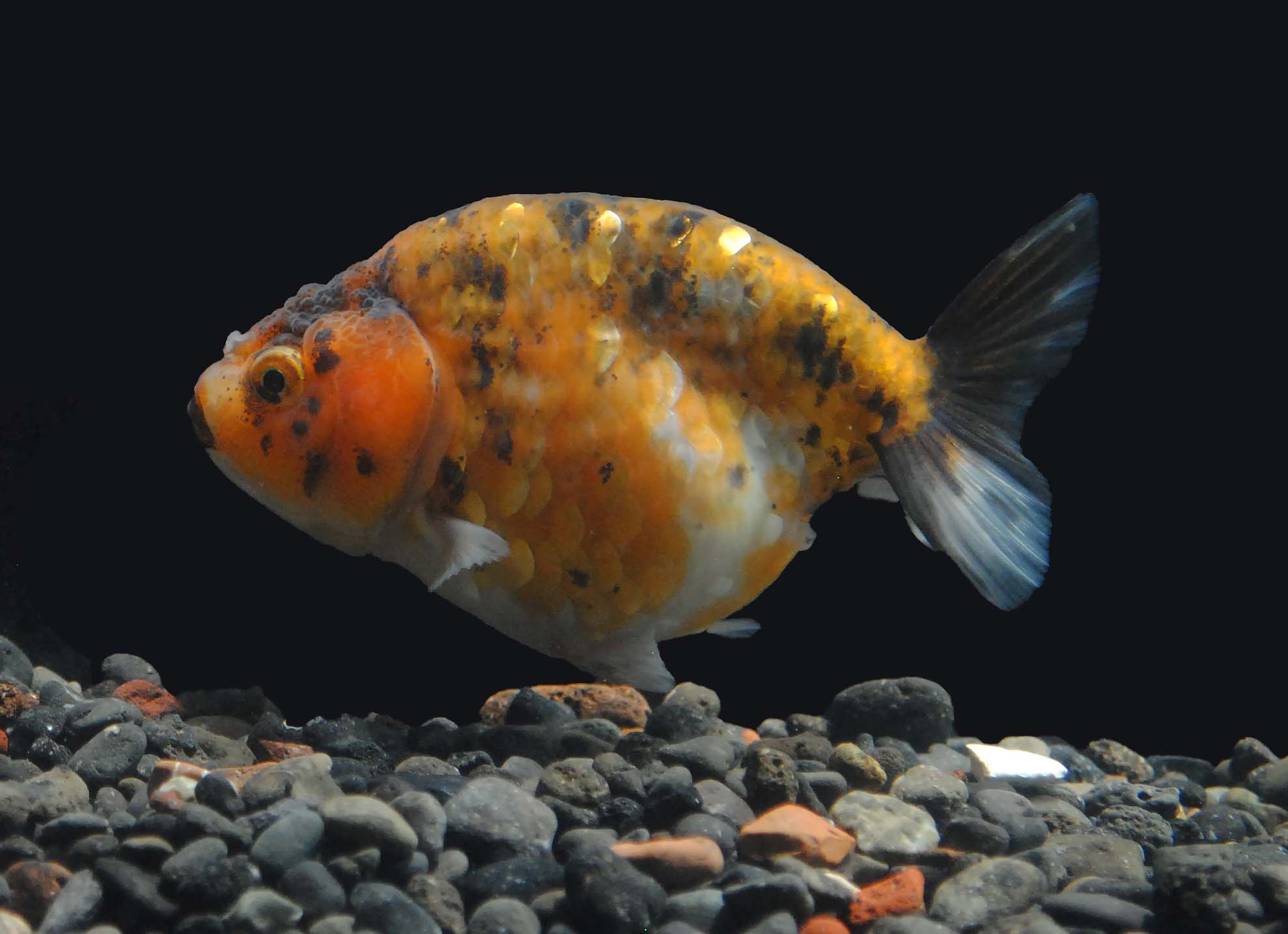
Cow Ranchu is a variant of the transparent scale ranchu that has black and white color. Sometimes the black pattern can expand. The black comes in large patterns and small dots. Red color might be present in small areas of the body. If the red is too much, it cannot be called cow ranchu anymore. I do not know if it is the International standard name of not, but we Indonesian calls it Cow Ranchu since it resembles the color of black and white cow. This breed was rare before (especially in Indonesia), but it is available recently through imports from Fuzhou, China (if my information is correct). How people come up with this pattern is still a mystery for me. A breeder friend told me once that when he bred them, he got a variety of transparent color ranchu including calicos. So, in his view, the cow is just the offspring of the usual calico which then being separated purposely based on the color. So, it will not breed true. I doubt this explanation. In my understanding, the usual calico does not have the ability to expand its black pigment like this cow ranchu. And the black in calico usually comes in dots, not large patterns or blocks as in this cow ranchu. So, I decided to buy some cows at the end of 2019 with three purposes: first, to breed them to see if they breed true, second, to observe the expansion of the black pigment, and third, to cross them with other colors to see what will happen. Well, the 1st and 2nd purposes was facing hindrances. My first attempt to breed them resulted in so few offsprings. I think I need to breed more of them. And then, three out of five that I bought died, sadly. Gladly, I managed to crossbreed them with the common calico and with the blue metallic scale ranchu. This writing will mainly talk about the crossbreeding result.

These are the five I bought (I show them the left and right side for each):

The first three are the males. And the last two are the females. My favorites are number three and four. Too bad, they are gone. The remaining two are number one and five. I am trying to buy some more to replace them.

Their offspring in my first attempt to breed them was few, and they were weak in quality. Yet, my initial conclusion is that they breed true. Majority of the offsprings were cow ranchu. Few had minor red stains. No calico observed. Yet, I need to confirm this with my next breeding. I could not stand the quality of the offspring, so I culled most of them. I come out with these two left:

The first one has a yellowish stain in the area of its left pectoral fin. The rest are white with black pigment under the skin. The first one also has an outer black pigmen in its pectoral fin. I think they are good specimen to observe whether the black pigment will expand or not. These two are the reason for my initial conclusion that they can breed true.

Next, I mated the cows with these calicos:

I bought them from an importir friend who acquired the parents from China. So far, he has bred them true. I saw myself the offspring in his pond was pretty much similar in color characteristic. I asked for one female and two males. Too bad, he mistakenly sent me all females. Anyway, I could still pair them with my cows.

Here are the results of the cross between the calicos (female) and the cow (male) – after hard culling, ten of them remain:

The quality is far below my standar, so I cull them hard. Even these ten will be culled again after they serve the illustration purpose. (Mostly, my wife’s pupils will adopt them.) The offsprings resulted in different eye type, and different color variation: tiger, calico, sakura, and cow (the last one). I kept the cow one to see the progress of the black pigment.

I also use this blue metallic ranchu which comes from my own previous project to breed with the cows:

And the result of the cross between the blue metallic (female) and the cows are:

cowblue 7

The offspring consists of blue metallic scales and grey metallic scales, but I want to focus on the transparent scale offspring. After much culling due to the low quality, I keep these to represent the range of transparent color emerged from this cross: tiger, calico, and kirin-like ranchu (the last one). Kirin is another variation of transparent color where the dark color and the light color seemed to separate in half. The dark color (purple, blue, grey, black) always dominates the upper part of the body, while the light color (white, yellow, red, orange) is more in the lower part. Actually, a more accurate description I think is that the light color is all over the body in the background, while the dark color exists in the foreground and occupies only the upper part of the body. The dark color usually looks with scales, or looks like a net, while the light color is transparent. Some shiny and big metallic scales are usually seen scattered all over the body.

Comparing the two crossing, it is obvious that there are overlaps: the tiger, calico, and sakura (perhaps some of the calico will turn into sakura when they lost their black pigment, or it will never happen in this cross, I do not know and do not focus on that). But interestingly, the cross between the cow and the calico produces cow-like offspring, where the other cross does not. And the cross between the cow and the blue metallic produces the kirin-like offspring, where the other cross does not. It is a hint, I think, that kirin pattern involves the blue metallic scale in the making. I kept the kirin-like one to see or use in further project.

That’s all that I can report so far. Thank you for reading. Enjoy!

Standard
Panda Oranda

Re-melanization process

Some people complain about their black and white goldfish losing their black pigment. This is common in goldfish and the process is called de-melanization process. Well, my late experiment with breeding black and white oranda from Thailand (not from the blue metallic scale, but from the grey metallic scale as I wrote in my last post) shows quite a strong character of melanin (black pigment). The black pigment can reappear or grow. This is different from stress fish which often shows some temporary black pigment which will be gone on several weeks (or months). I am tempted to call this phenomena as re-melanization process. I notice that this changing pattern also happens in koi world in the kumonryu variety.

Well, not all black and white oranda from Thailand shows this characteristics. It just happen that the line on my hand is very strong in this unique character, and it happens in my ponds at least five times (as I noticed), which is quite often compared to my previous twenty years of experience in the goldfish world. I think I should preserve this gene and hopefully introduce it to other goldfish varieties. Below shows two fishes, one had lost all its black pigment and then regained it in just one month, and the other had a growing black pigment in the same time period.

remelanization process 2 mar 2020remelanization process mar 2020


Standard
Panda Oranda

Panda That Humbled me down

Years of my experiment brings me the conclusion that the panda coloration (or the tricolor as its side effect) is actually the blue coloration in metallic scale fish that undergoes demelanization process. That process can happen quickly in certain blue fish, turning it into a totally white fish or red and white one. But it can also happen slowly, even to the point of being halted forever, producing the beautiful panda / tricolor goldfish.

Recently, since 2018, breeders from Thailand storm the market with panda / tricolor oranda which seems to be strong in its coloration. I acquired some and breed them to see if they conformed to my understanding. And what did I find?

The offspring were not blue in color!

They were grey just like the common metallic goldfish!

I raised them to see if they will become panda like their parents. And yes, with mix results, I got several decent panda oranda. The results consist of grey (which does not seem to turn into black nor panda), black, panda, tricolor, and some who loses the melanin totally.

Here are some of the results that I raised until maturity:

DSC_9166DSC_9362DSC_9467 (2)

So, panda does not come from blue fish only. My previous conclusion was wrong. I still does not know how the grey fish can become panda, since the common grey fish (red white fish) cannot do so. Actually, I experience this once a long time ago. But I dismiss it as an exception. Perhaps next time I can find my documentation and write about it. For now, I must humbly admit that there are panda color that does not come from blue fish.

Standard
Yellow goldfish

Yellow Oranda 2019

It has been a long time I do not update on my projects. Now is the time to catch up. First, lately, I have successfully developed yellow wakin from the yellow comets I bought from Japan. However, I found out that the yellow color is most striking when seen from the side-view. So, I crossed my yellow wakin with Oranda. The yellow and red white color cross is pretty straight forward, the yellow color is recessive and the red / red white is dominant. The F1 had no yellow color. The yellow occurred as the result of F1 x F1. And after sorting hard, I kept a few as my next parent fish. This is the main female:

DSC_9571 (2)

Some of them have white marks. It is an interesting combination. This is the 2nd female which has few white color on its head and fins:

DSC_9592 (2)

Analyzing these fishes, I think it is too early to call them as Oranda. The headgrowth is there, but too small. And the tail will be more beautiful if it is more erect, as the current Asian preference dictates. So, I am not satisfied yet. I have done further projects to improve this features. I made two crosses. First is to cross these yellows with large-head Oranda (as a record, I use a Thai tricolor Oranda with goosehead type of headgrowth, with the not-so-spectacular tail shape). Second is to cross these yellows with superb body and superb tail type oranda, yet with not-so-spectacular headgrowth). As I am writing this blog, they are 3cm already. Of course, they will not be yellow. Their offspring will. So, it will take about another year to see the result. Well, let’s see ….


Standard
Brown Oranda

Brown Oranda

DSC_6510 (2)

It all started with some chocolate pompom I bought from China. The brown color captivated my attention. Most of them had orange fluffy nostrils to make them adorable. To my knowledge so far, chocolate color like this was rarely found in other goldfish variety. Well, I saw a brown butterfly sometimes on the internet, but I have never seen one alive. I remembered seeing a brown oranda nicknamed chakin in an encyclopedia I had during my childhood. But I cannot find one live specimen of chakin (teh-kin, or tea-kin, the tea colored goldfish) here in Indonesia. Even the chocolate pompom had to be imported from China. I was entertaining a project to recreate brown oranda from this chocolate pompom I had.

This is one chocolate pompom I bred from the imported parents. I had many of this several years ago.

DSC_7809R

I crossed it with an oranda. I am sorry I forget about an important fact regarding this matter. I could not recall whether I used a common oranda or a redcap oranda for this cross. The result was all orange goldfish, with small head growth, and the small pompom in some. Those were my transition fish. I did not bother to take a picture of them.

Then I inbred those transition fish to get the desired result. I chose the few brown colored offspring and mated them with oranda again to improve the oranda characteristic. Once again, I got all orange color, but this time, they were decent oranda, with no or insignificant pompom. My final result should come from inbreeding them.

And yes, I got what I wanted! The brown oranda! From the start, I picked up the fry which showed light brown color right after they hatched. I grew them up. Yet, to my disappointment, only one remained brown until maturity. The rest turned into orange.

I mated this only brown with its orange sibling. The hatchlings were all brown in the beginning. And only two remained brown until now. I still keep them and now they are roughly 20 cm long with no hint of turning into brown. Unfortunately, both of them are male. All the female has turned orange. Below is one of current brown oranda I had, which I consider as my throphy.

DSC_6474 (2)

One strange phenomenon is this. Actually, there was a third male brown oranda, which slowly turned into orange. It retained less than 10 percent of its brown color. I was about to cull it out. Yet, I did not know how, it started to regain its brown color. This is one of the phenomenon I call the reverse demelanization. I managed to take the picture when it regained its brown color after being almost all orange:

DSC_6516 (2)

At first, I thought the increasing brown color might due to stress. If that is the case, the brown color will be temporary. But, it continued to grow to cover the whole body of the fish, leaving out only its cap. It grew into a beautiful fish: a brown red cap, if I may say! And then the reversing process stopped. Until today the fish is still alive, and has been almost a year in this state of pattern!

DSC_6633 (2)

Beautiful, isn’t it?

Any explanation?

That is my project to recreate the brown oranda. I think the project is finished. The only thing left is to multiply them, and to get the market to appreciate them.

Have a good day!

Standard