

Project #12: Cow Ranchu (Discourse on Criteria)
There might not be a formal standard of Cow Ranchu yet, as far as I know. For my own purpose in judging the quality of Cow Ranchu, I employ several three criteria.
First is the shape of the black pattern. I divide the black pattern in cow (and calico) into three types as illustrated below:
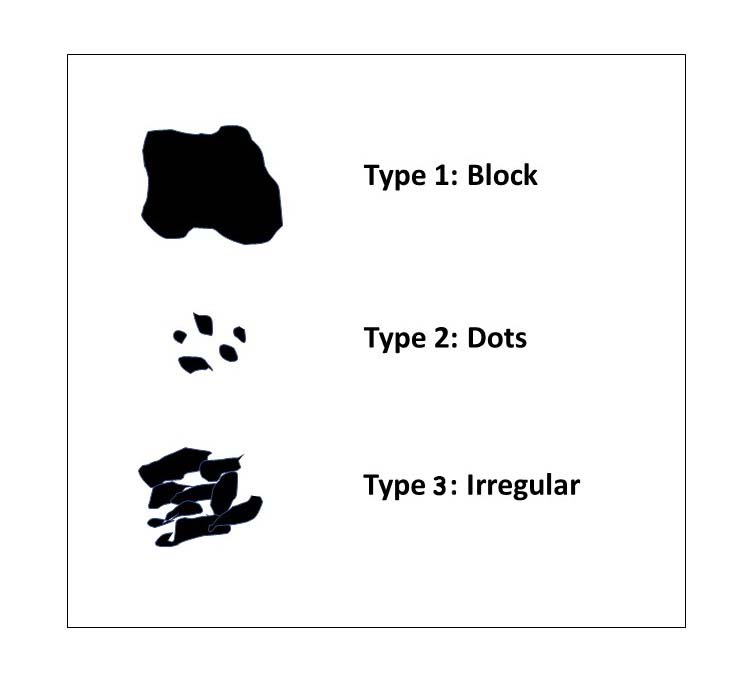
Type 3 is actually a category to include everything else which are not type 1 and 2.
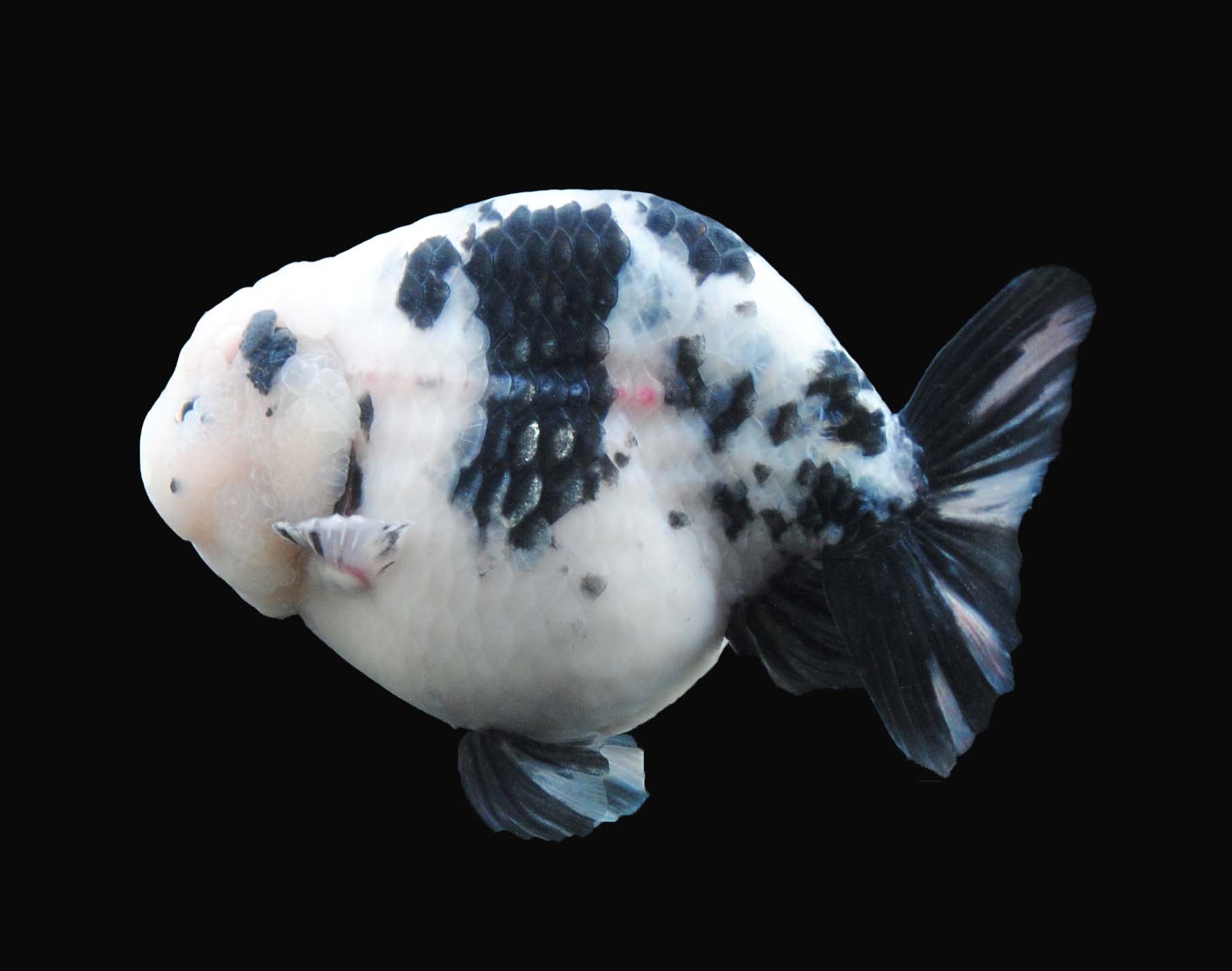
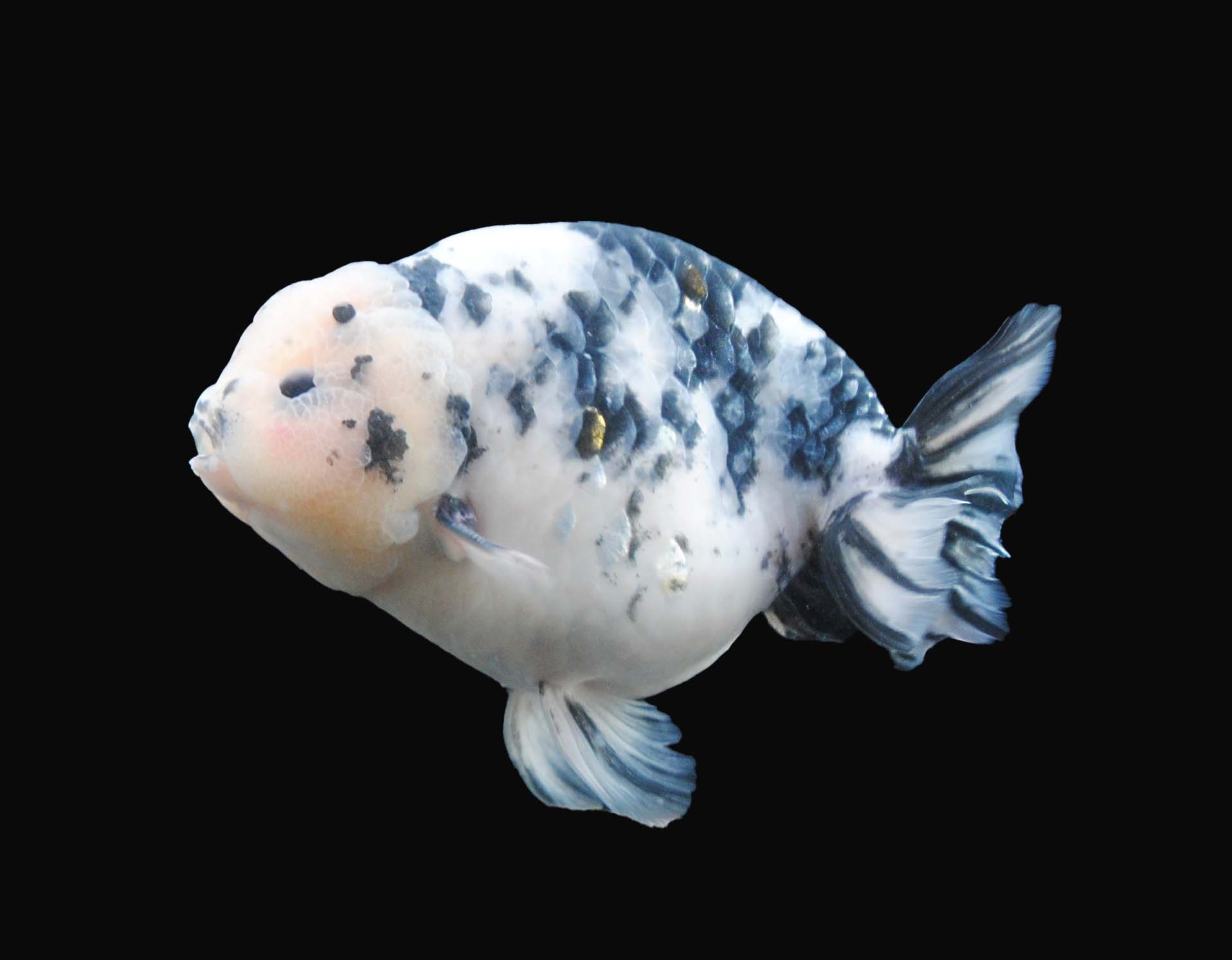
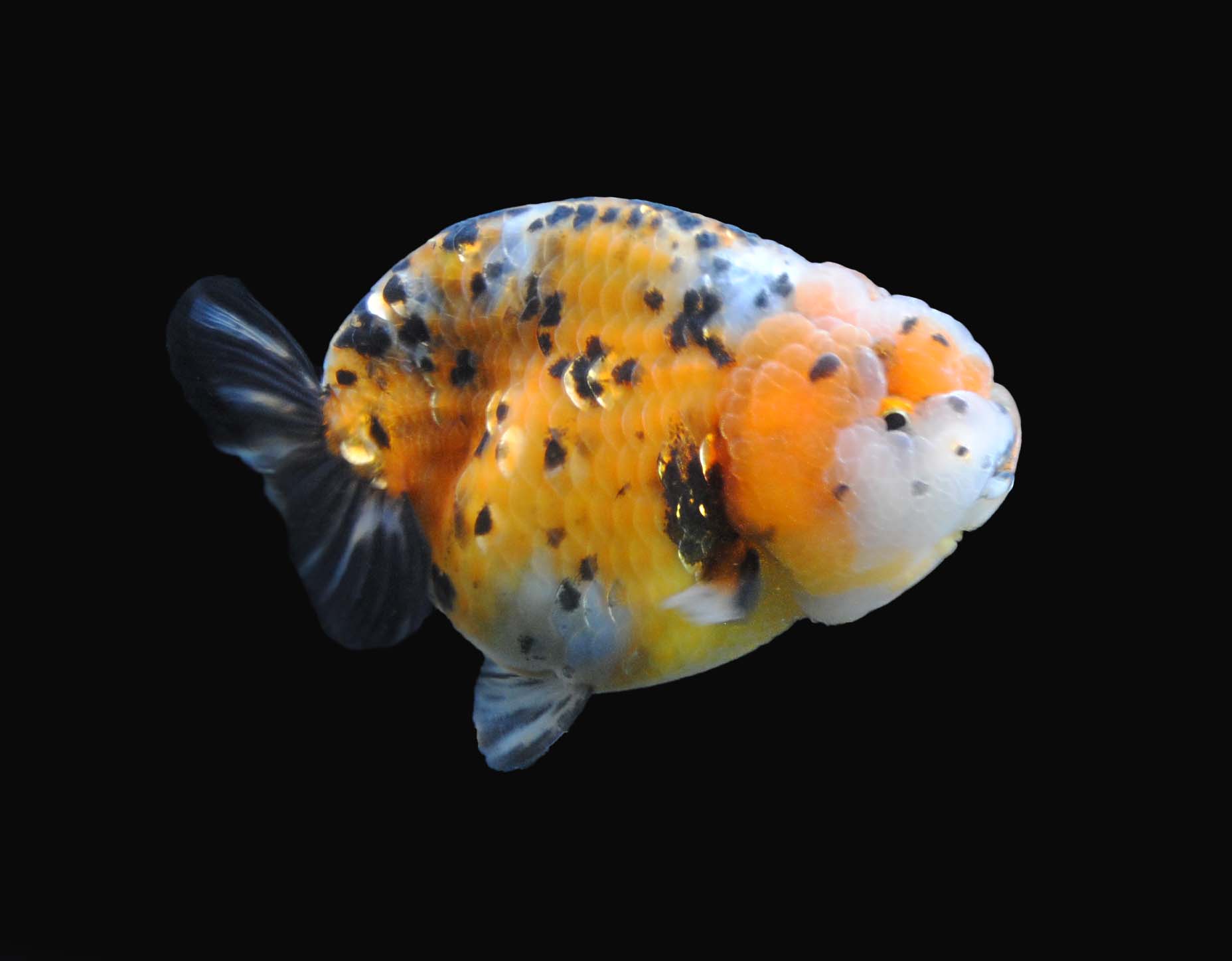
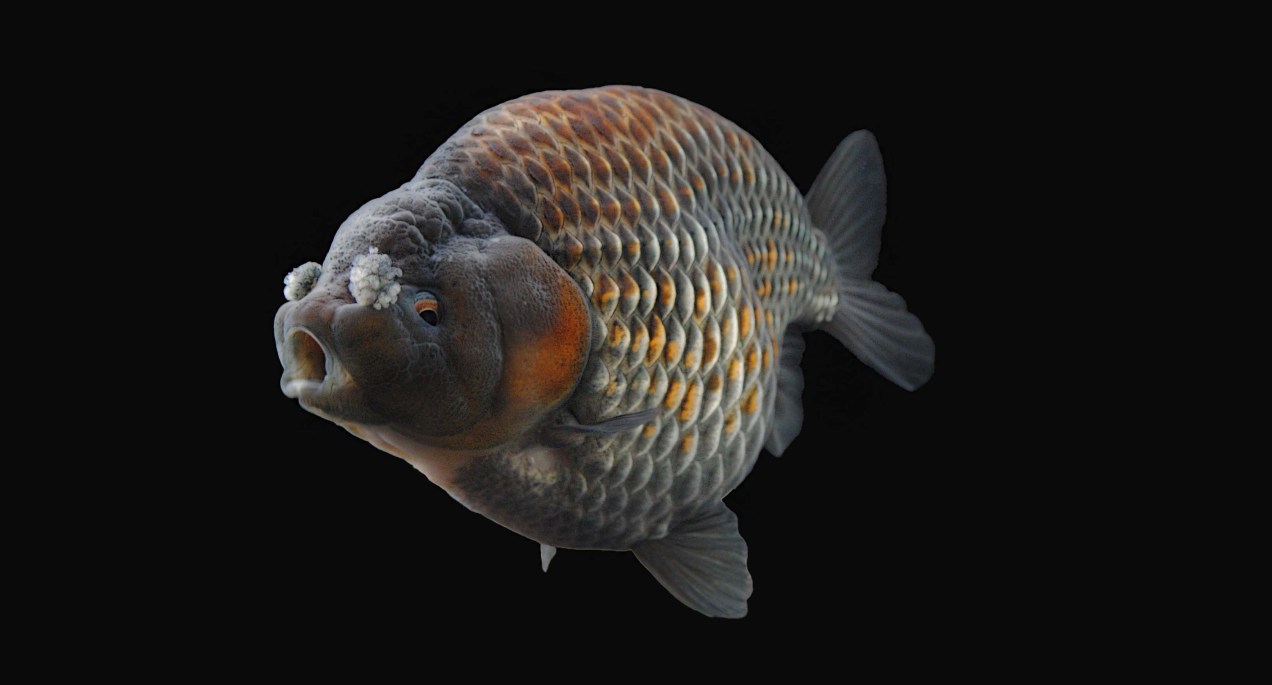
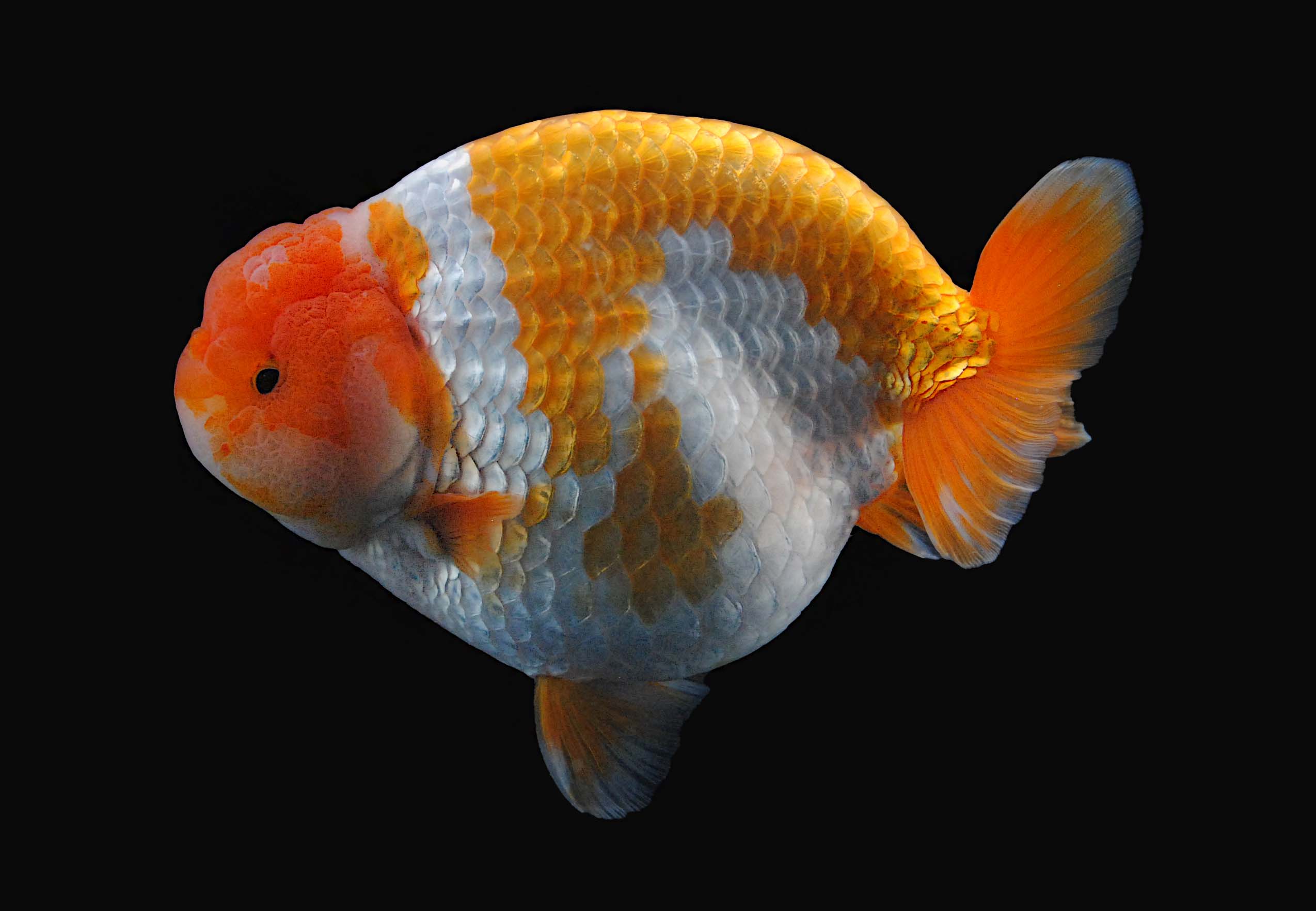
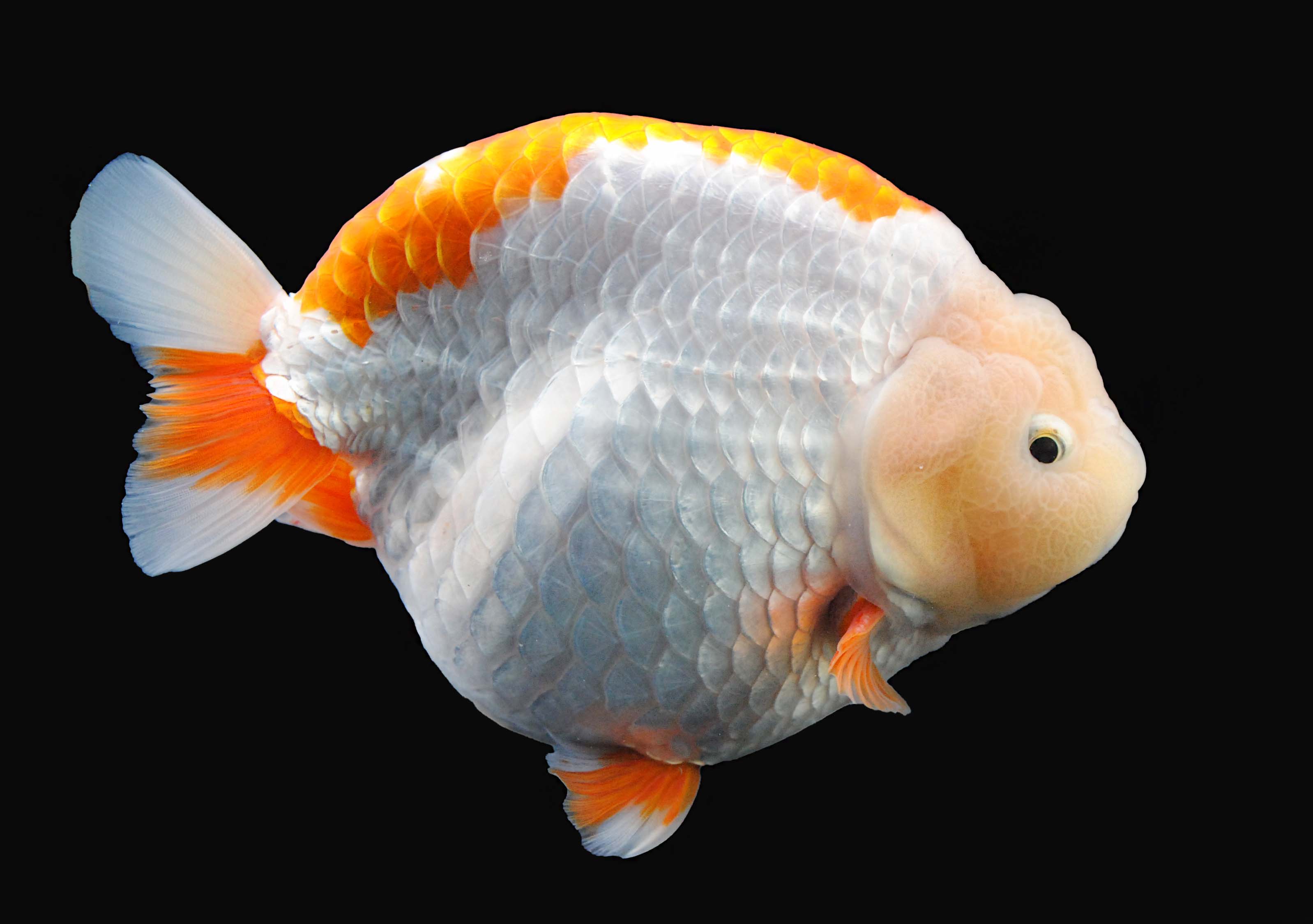
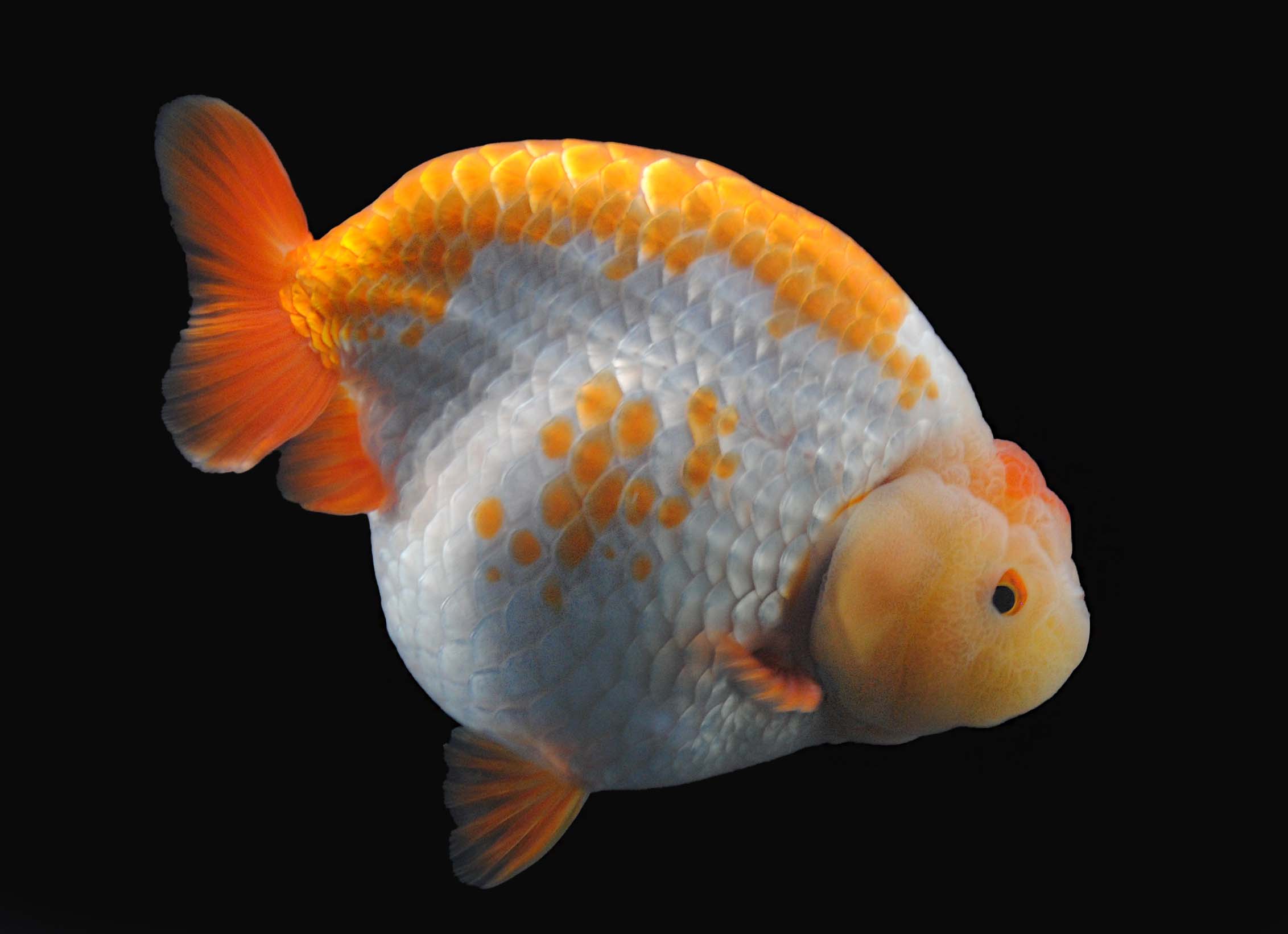
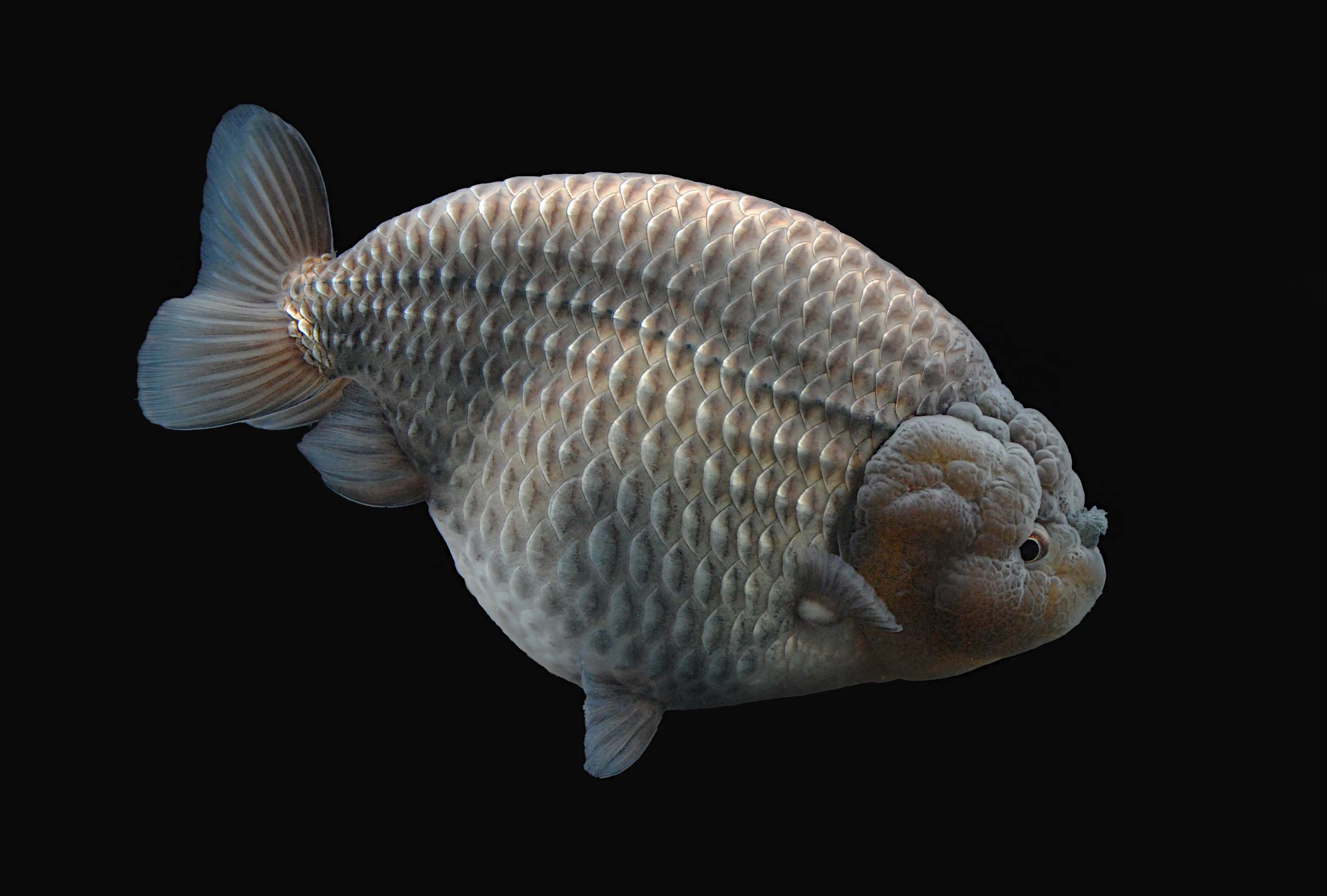
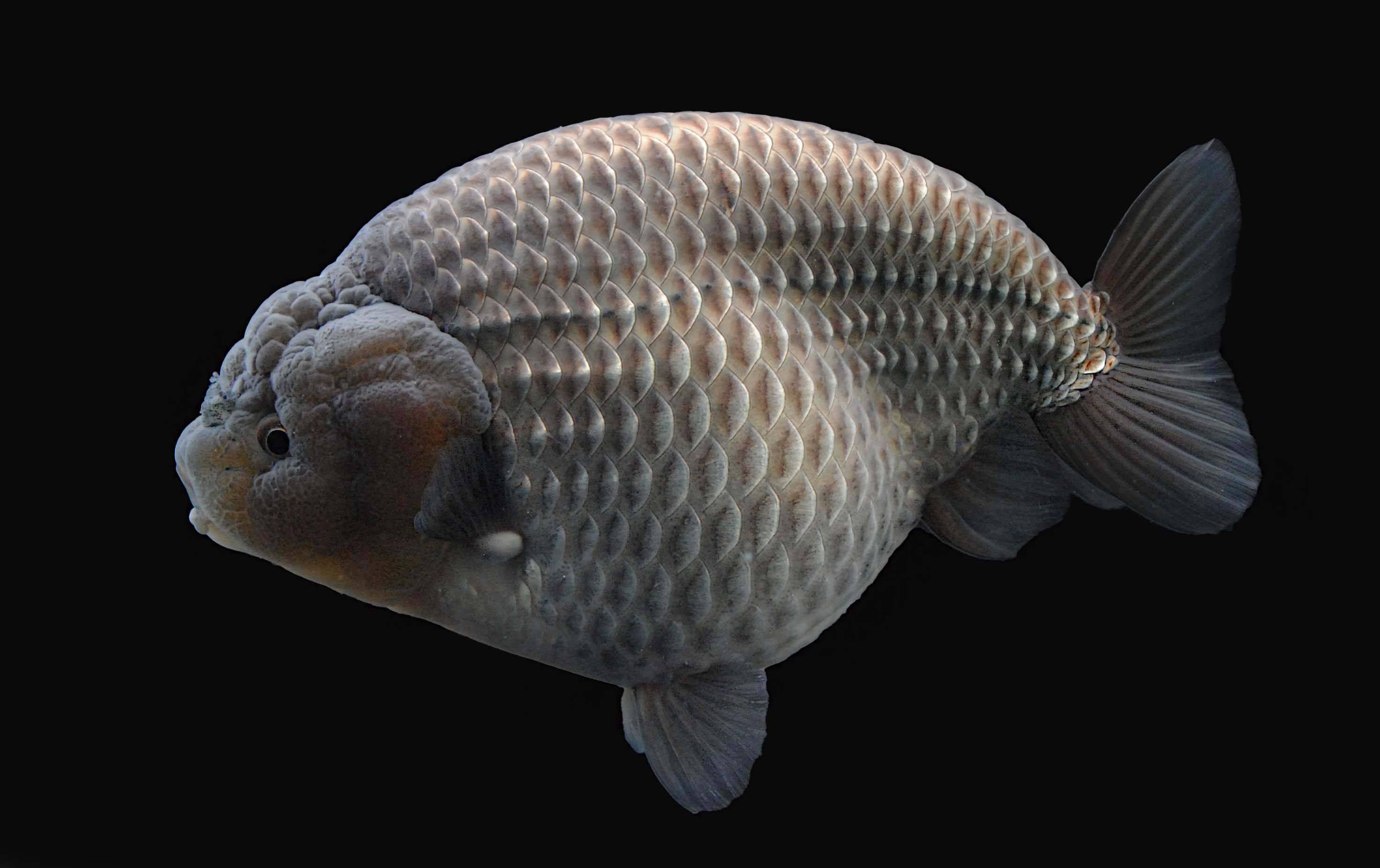
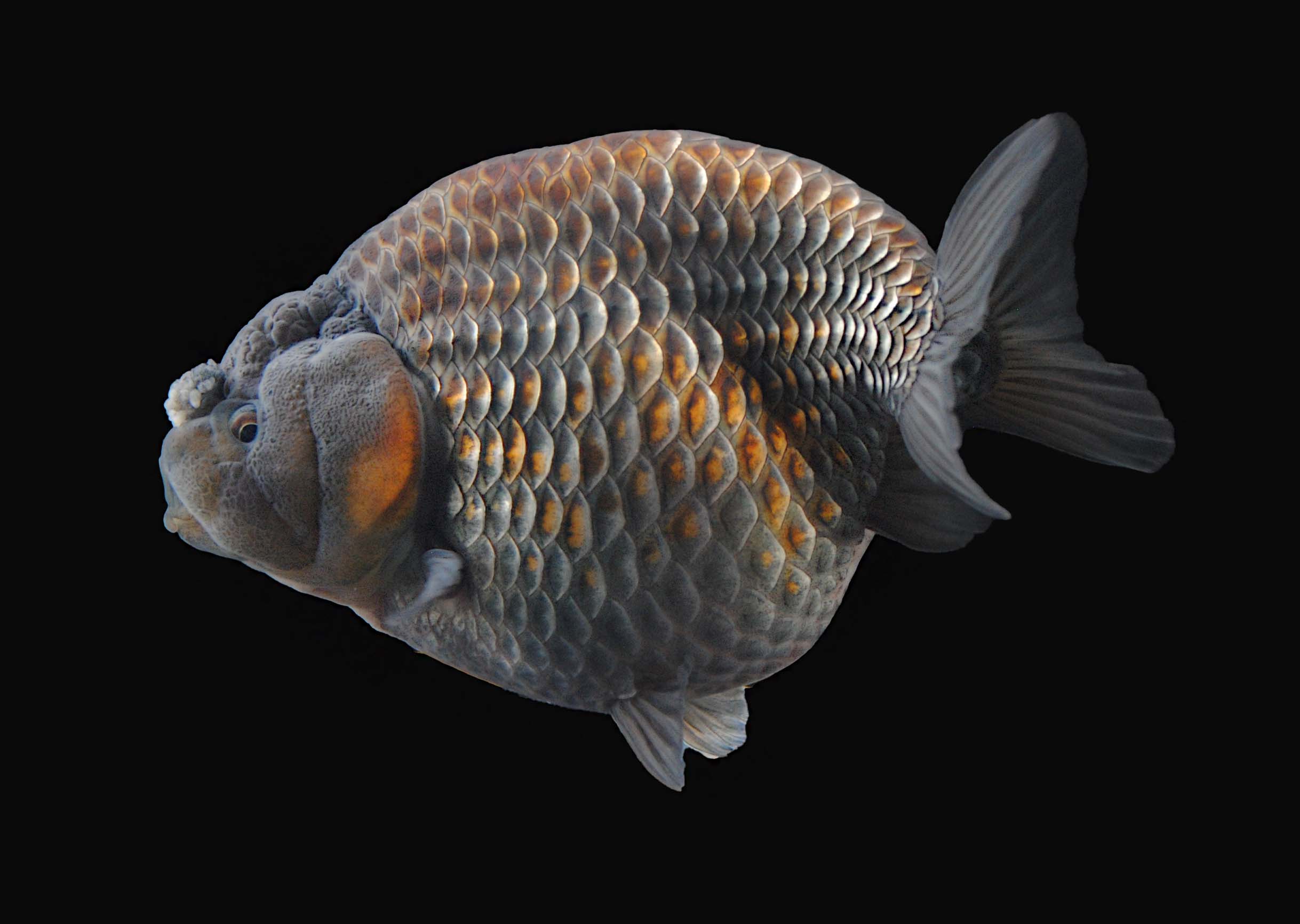
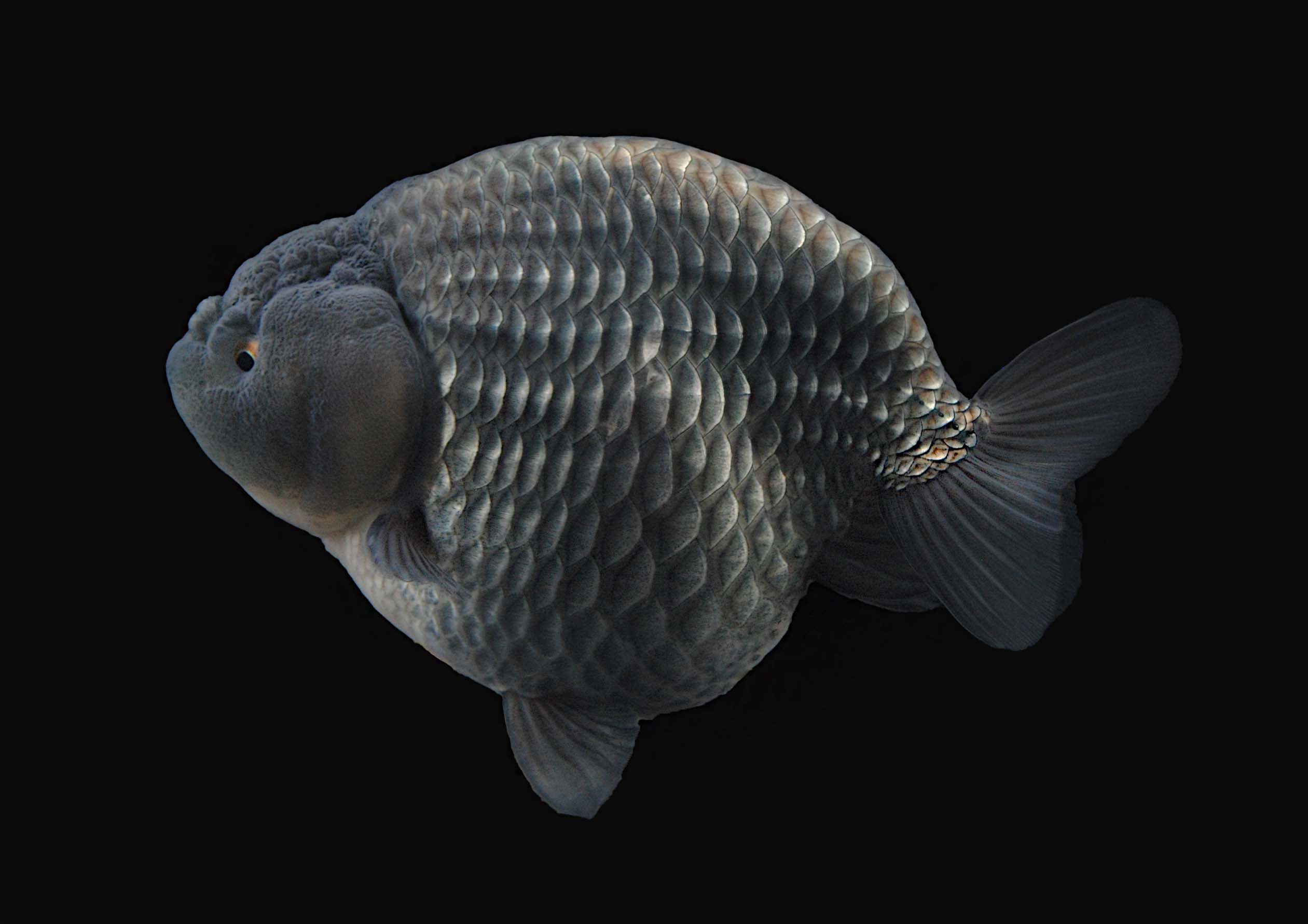
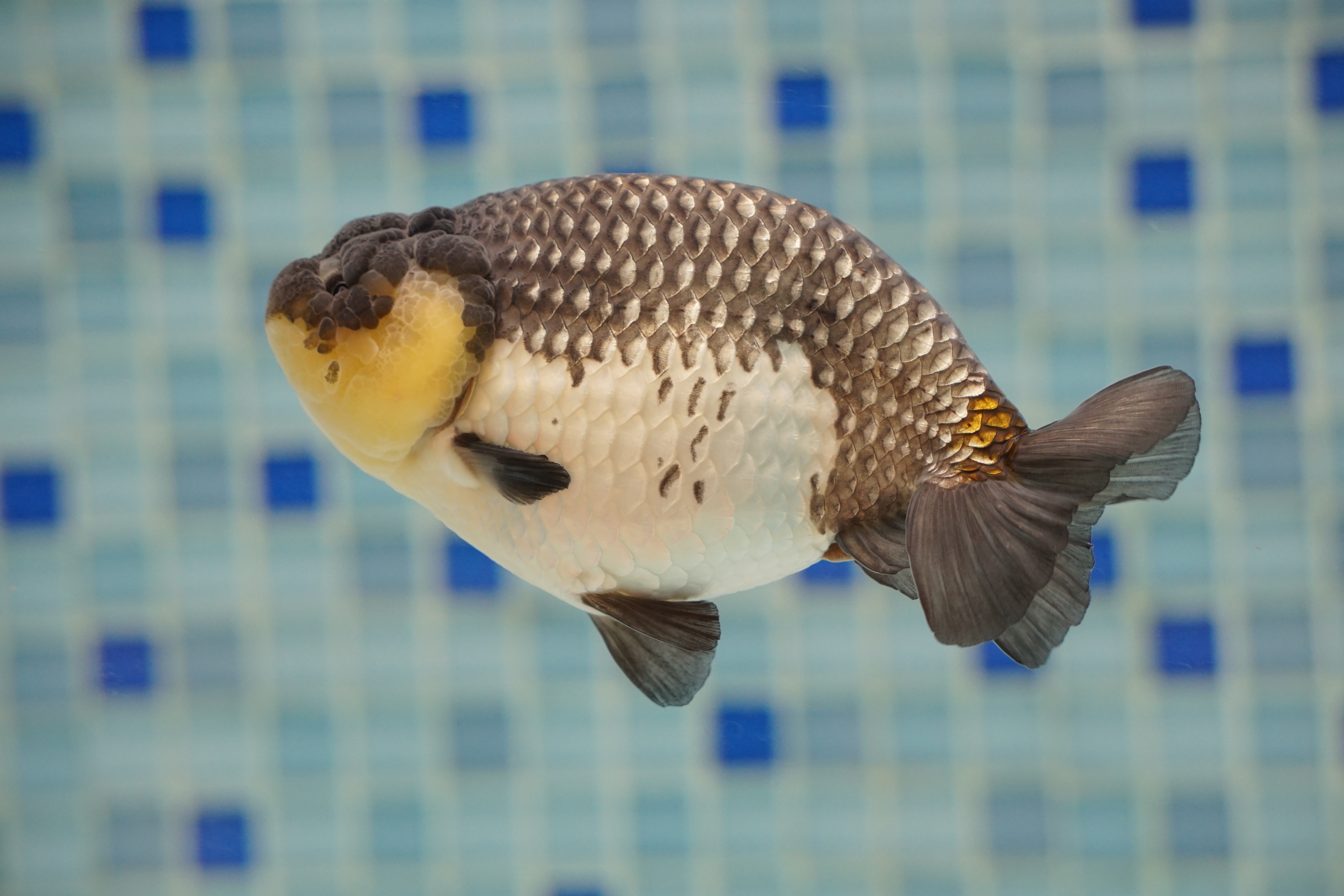
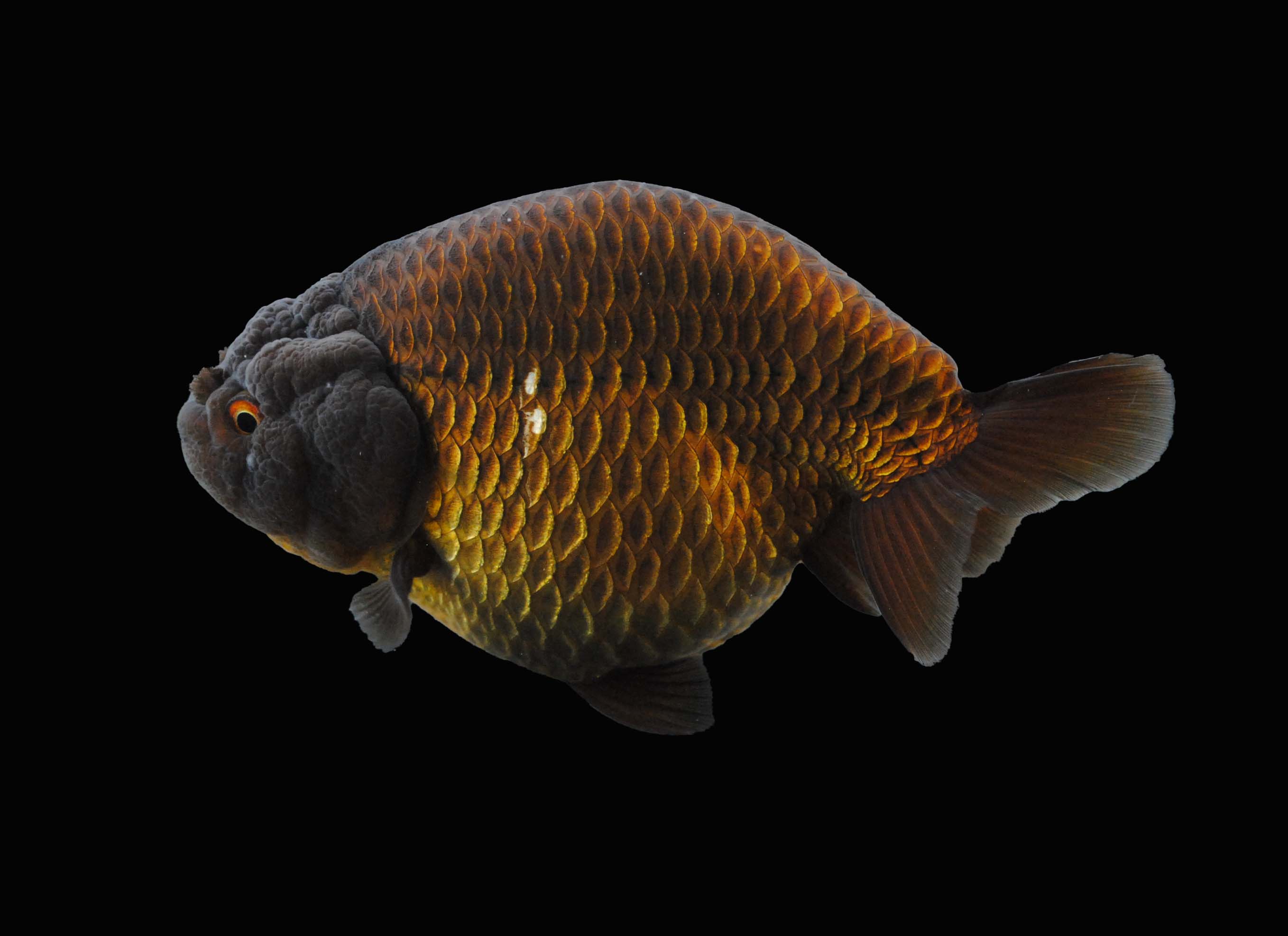
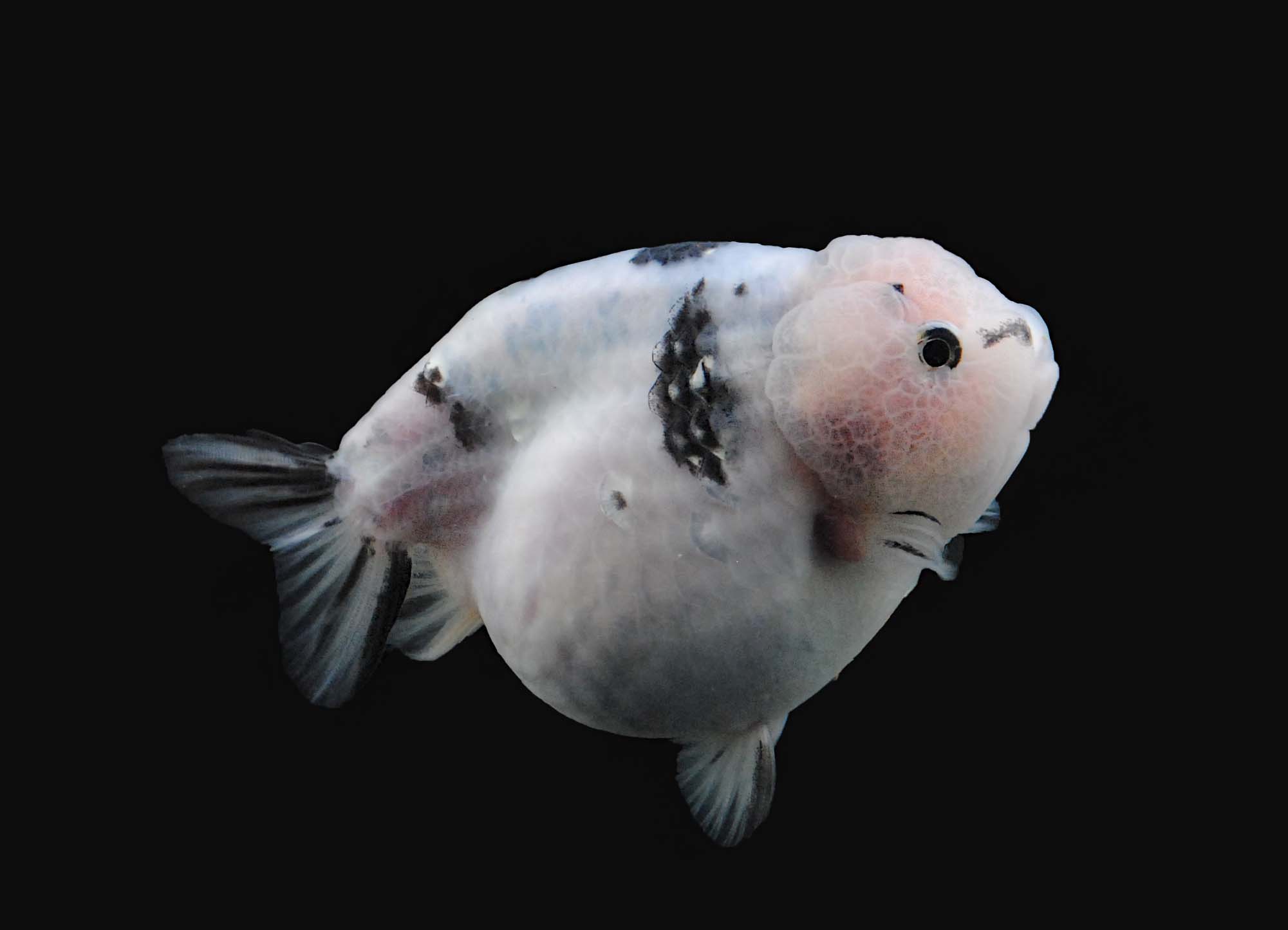
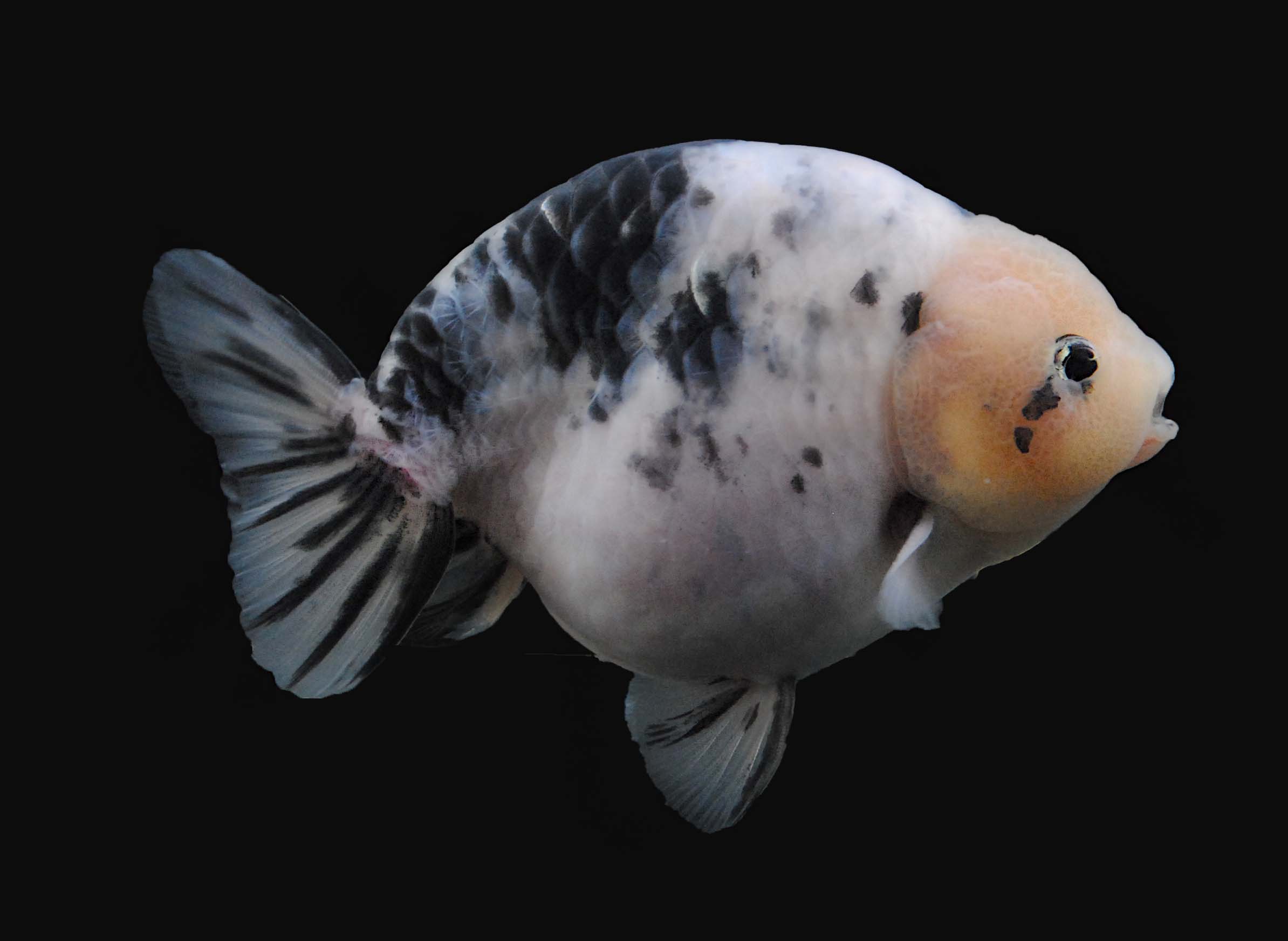
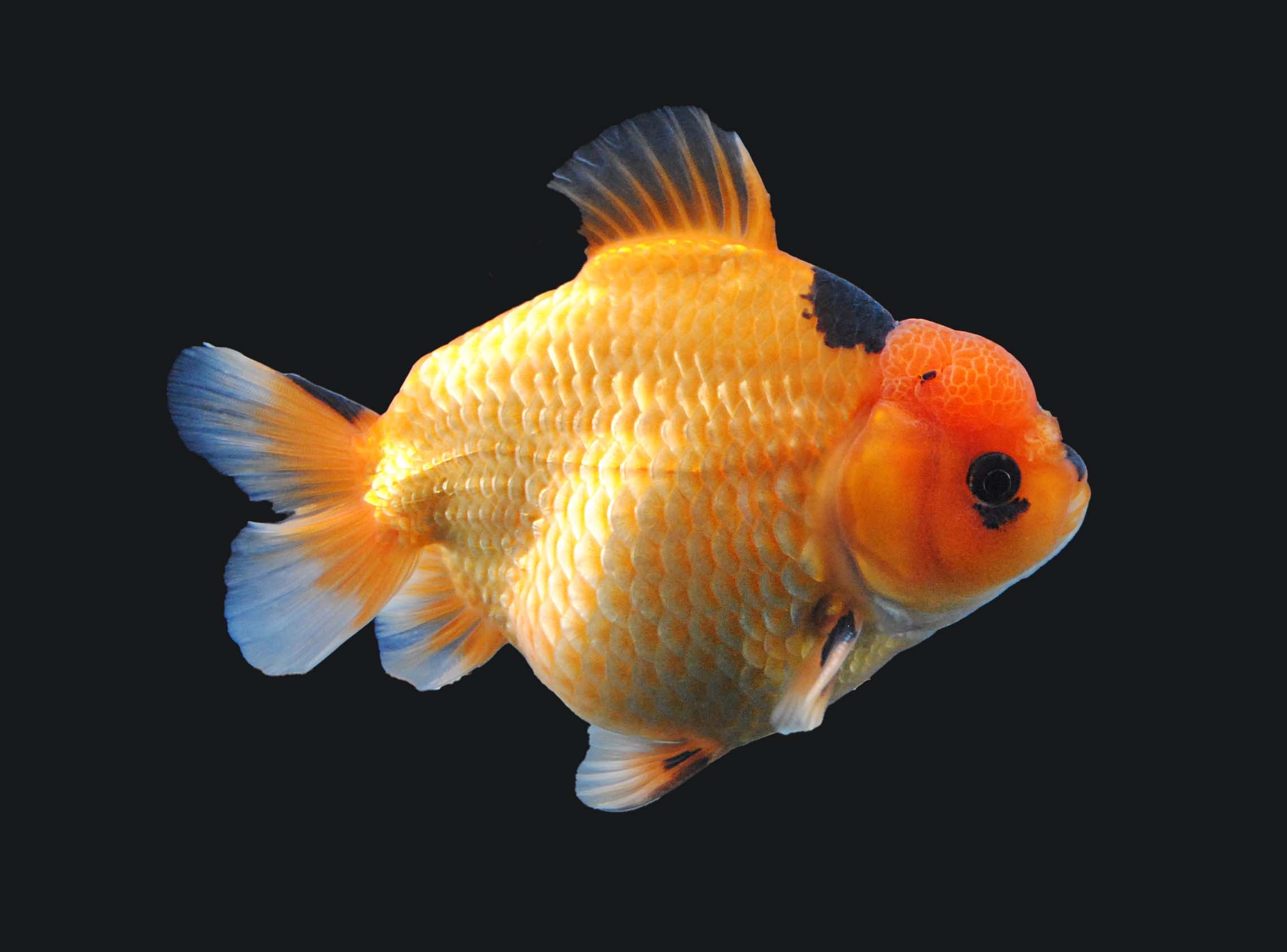
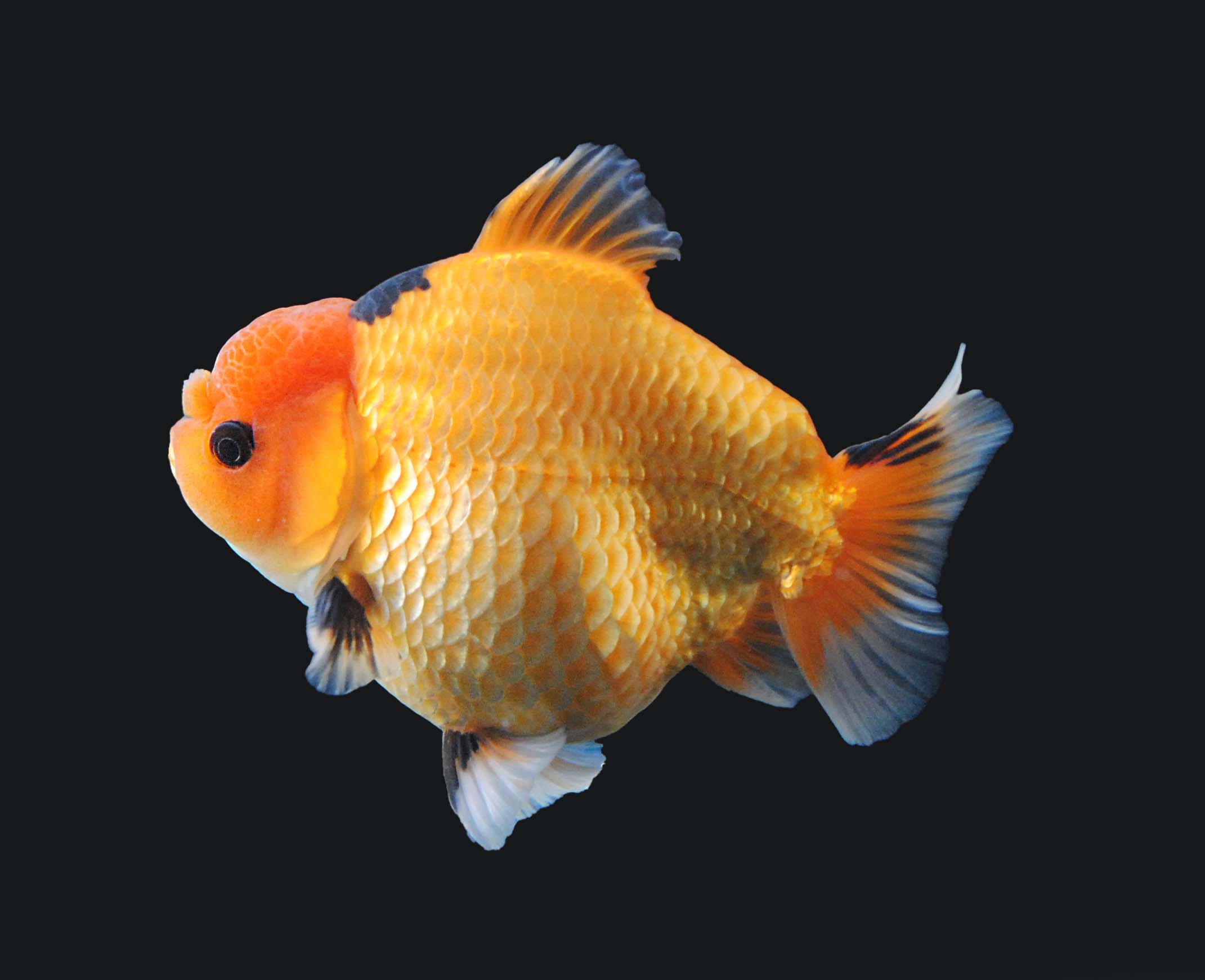
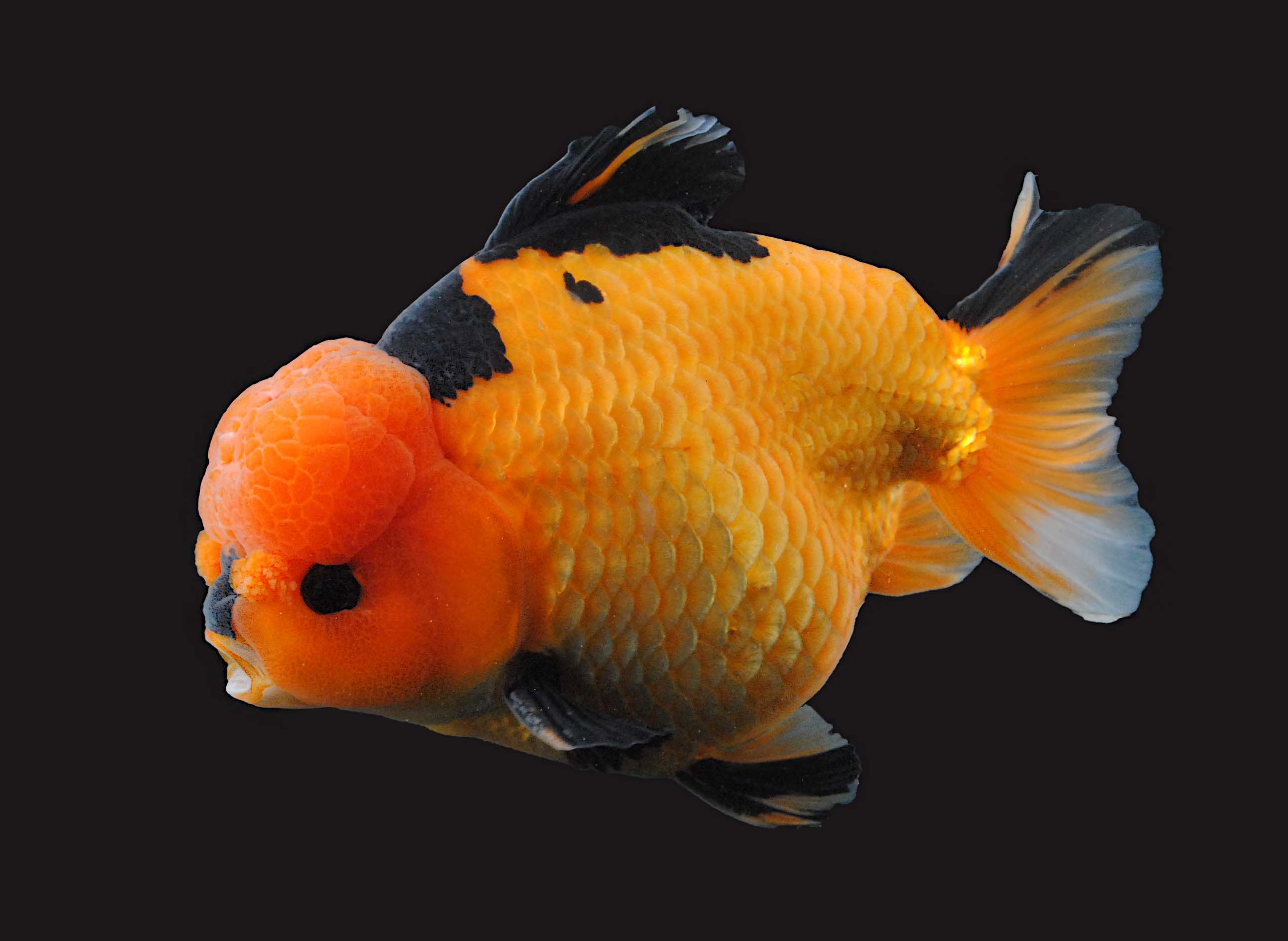
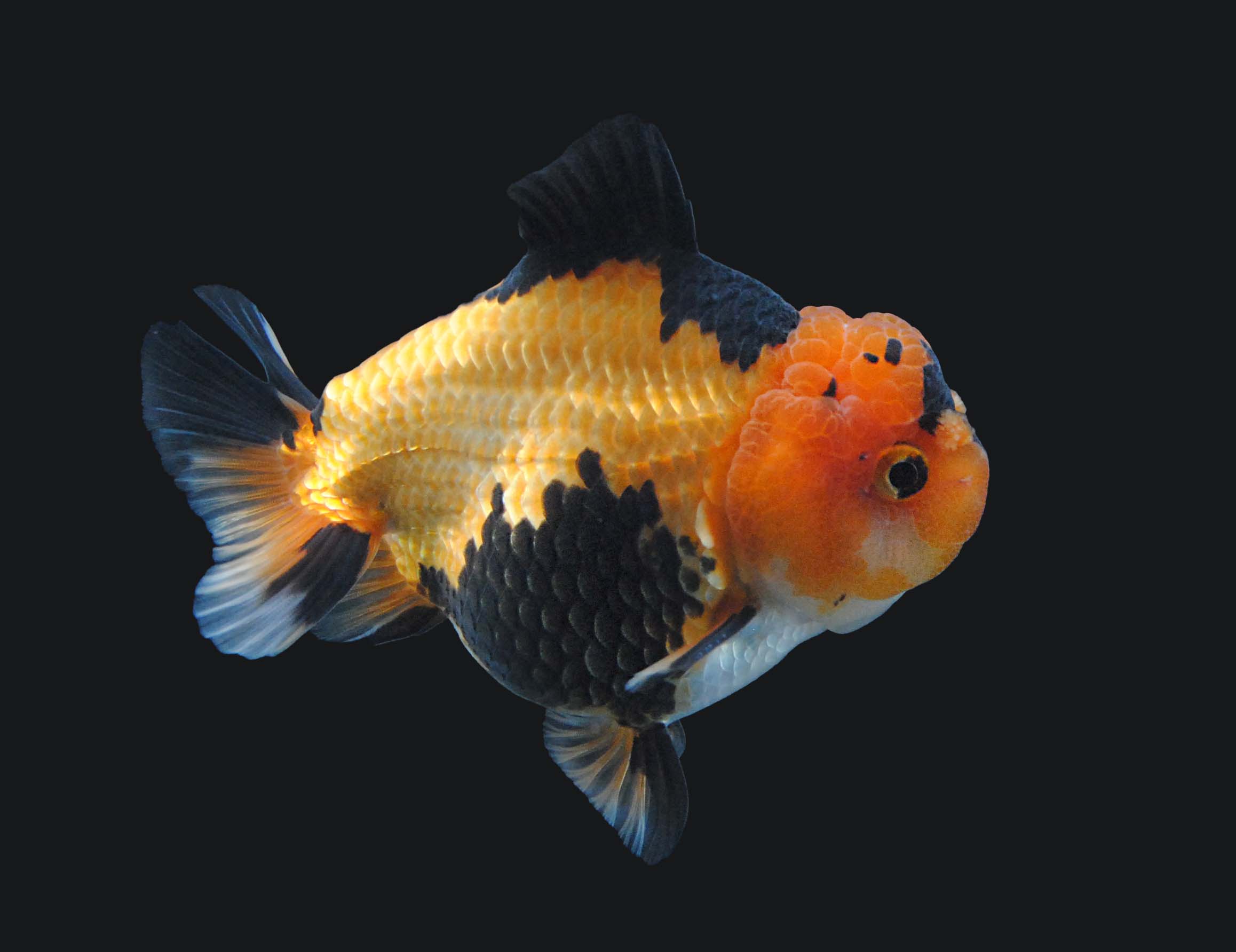
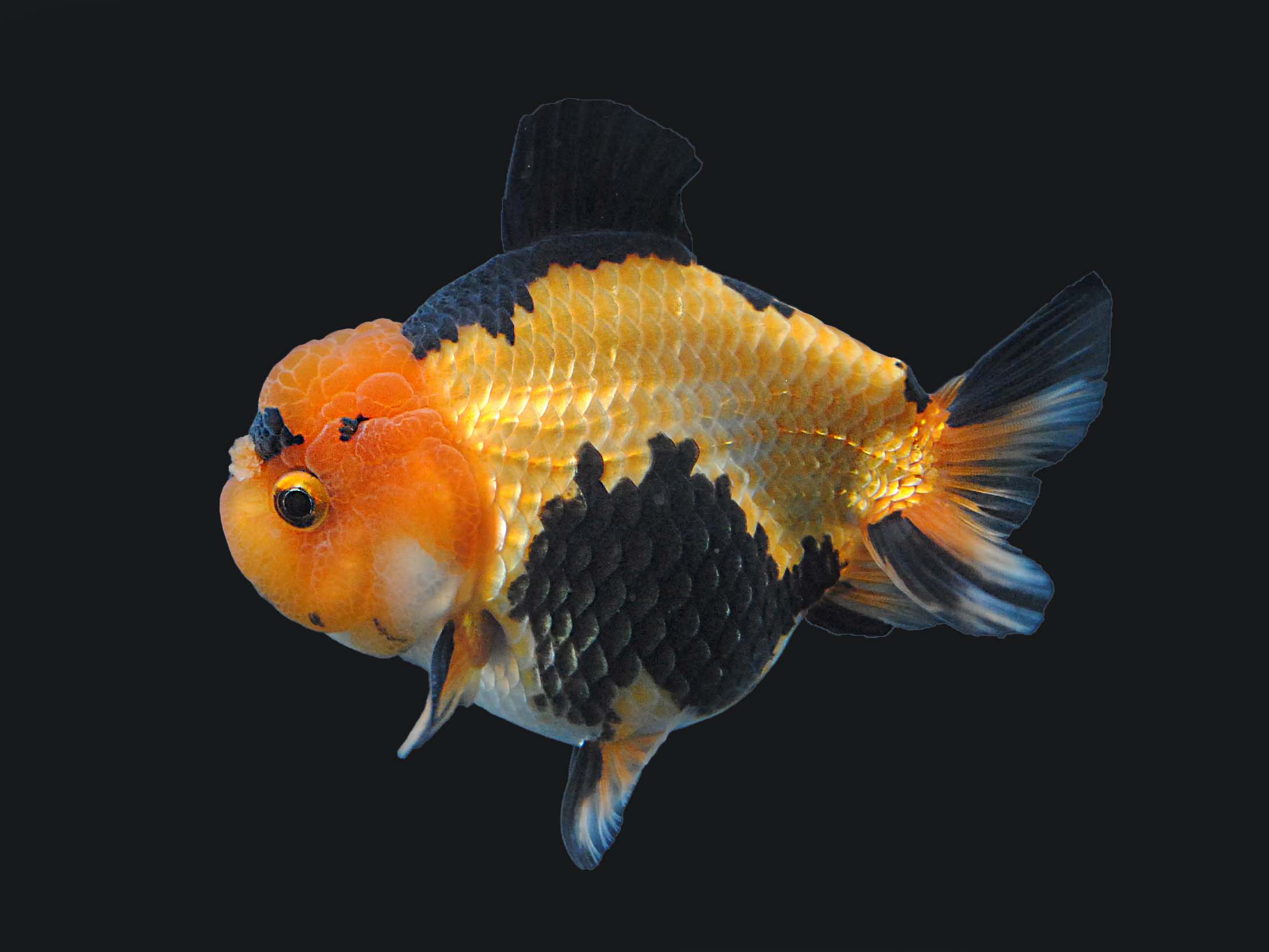
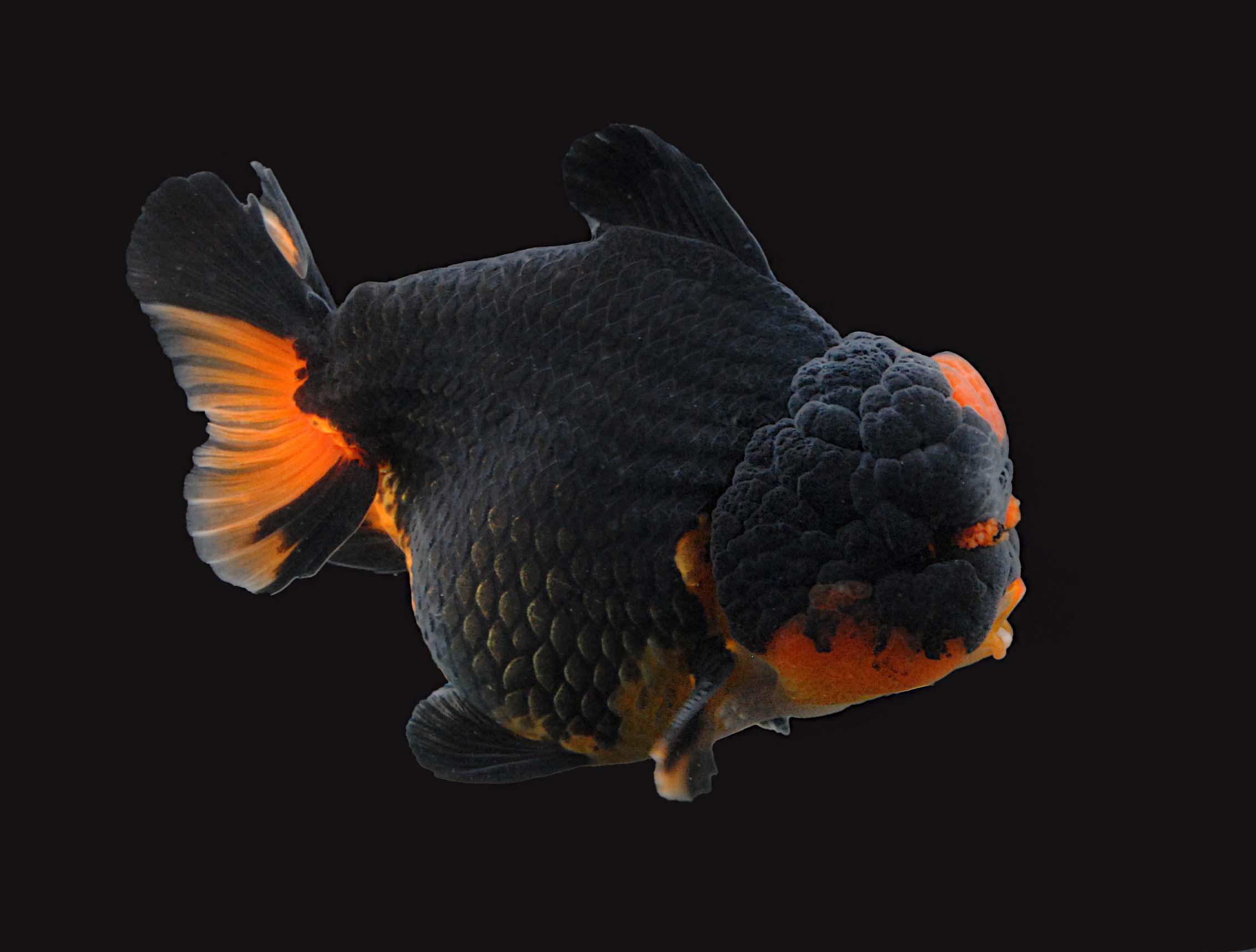
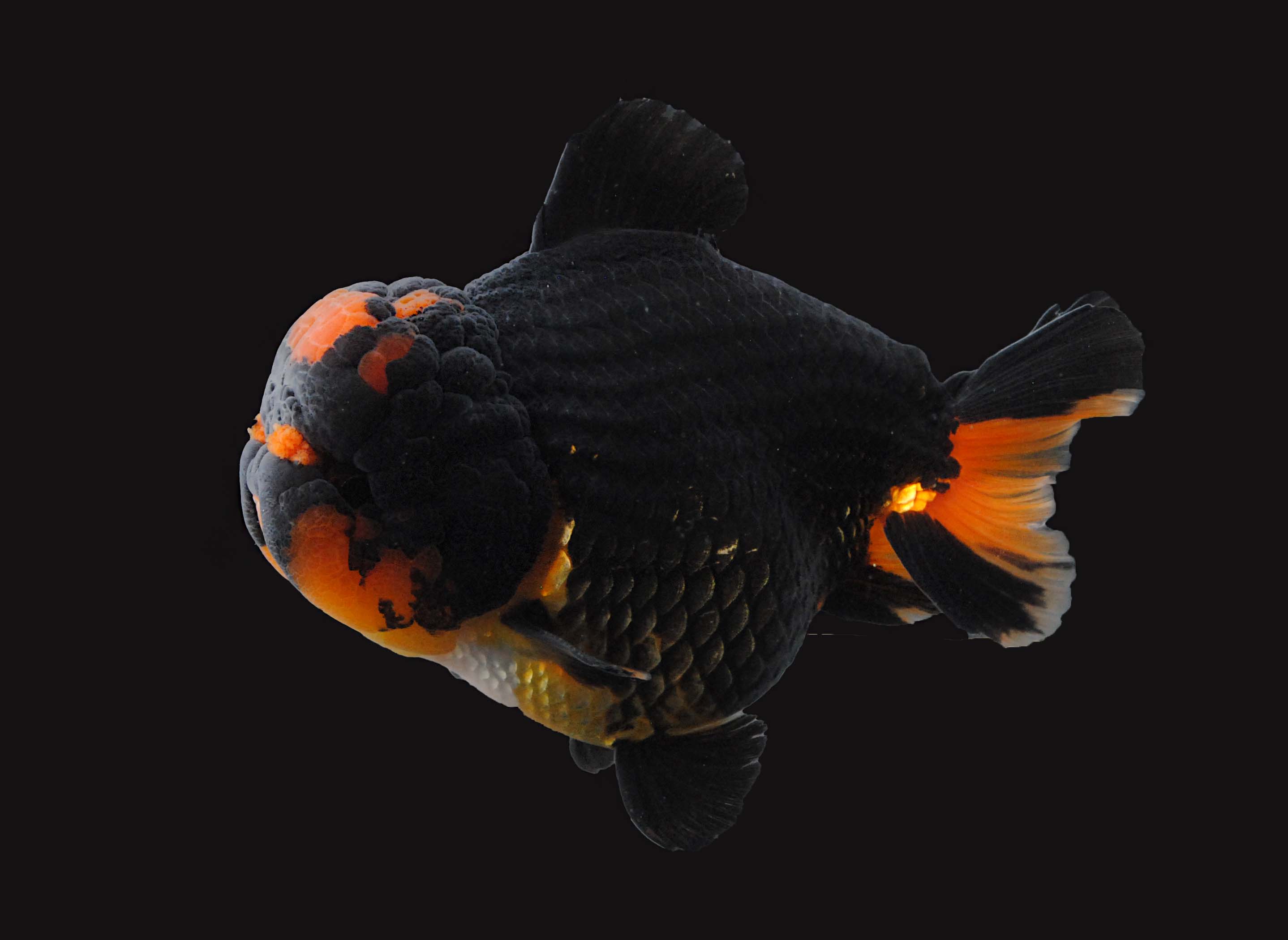
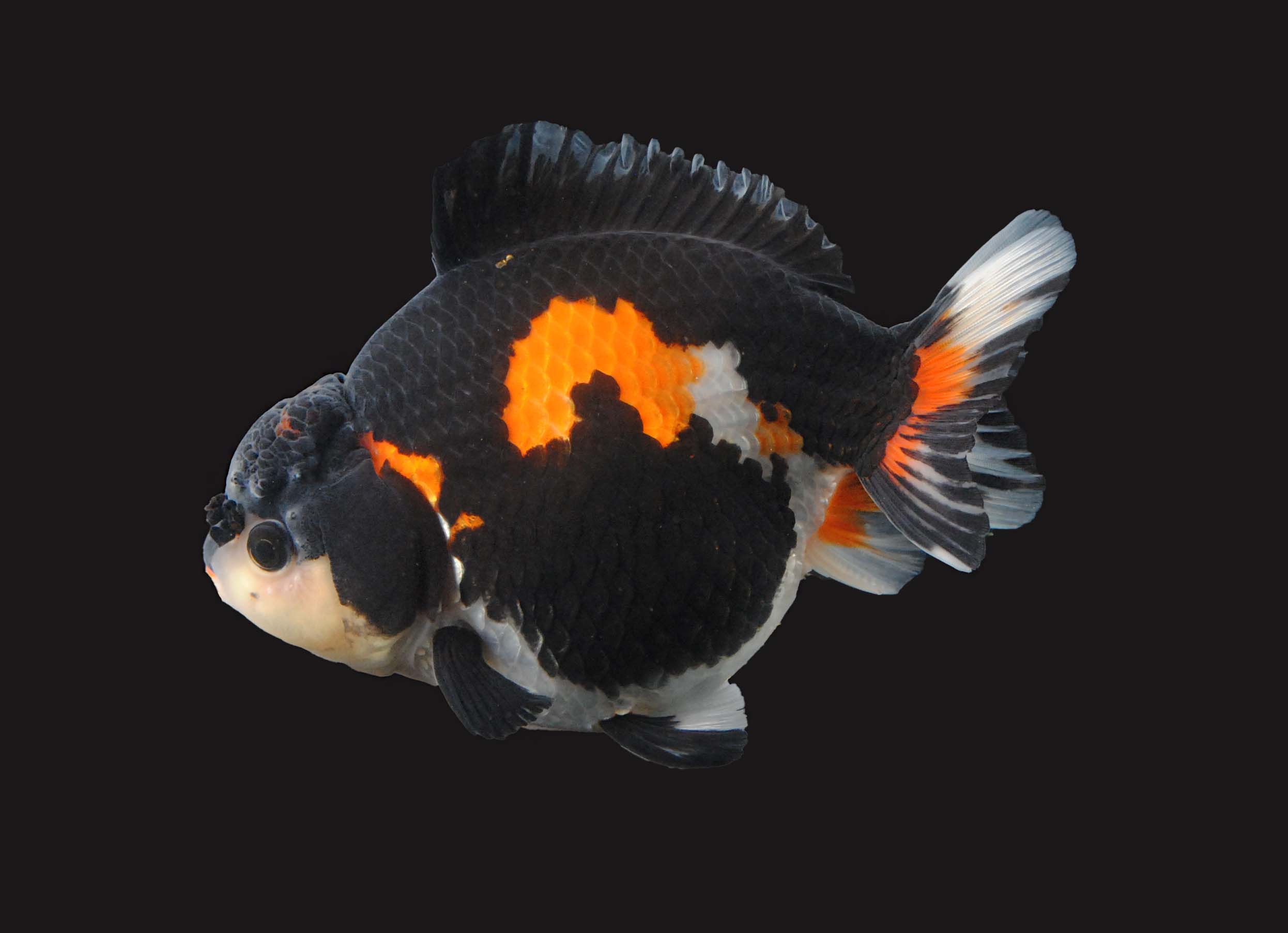
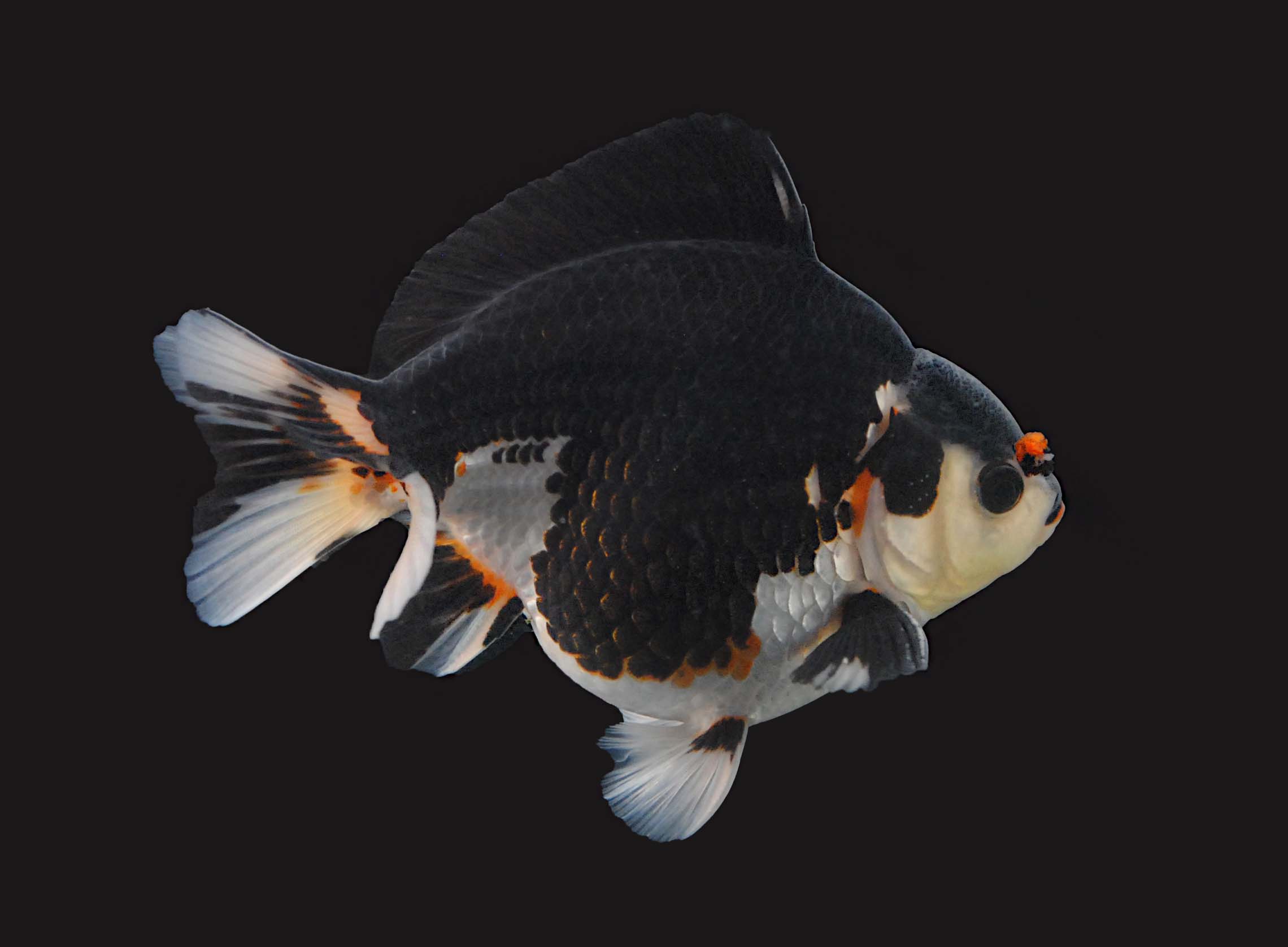
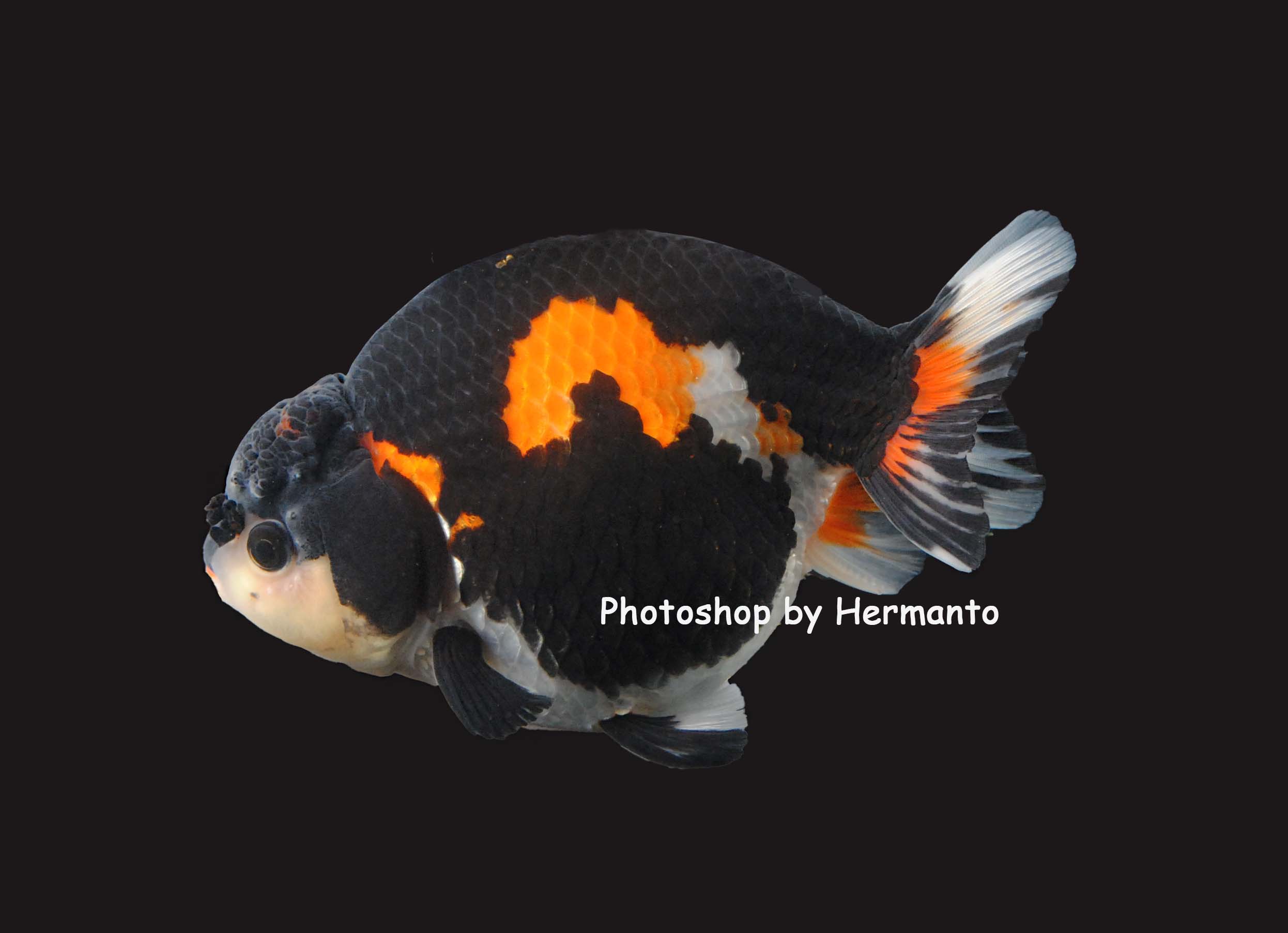
Three fish below illustrate the three types of black pattern:
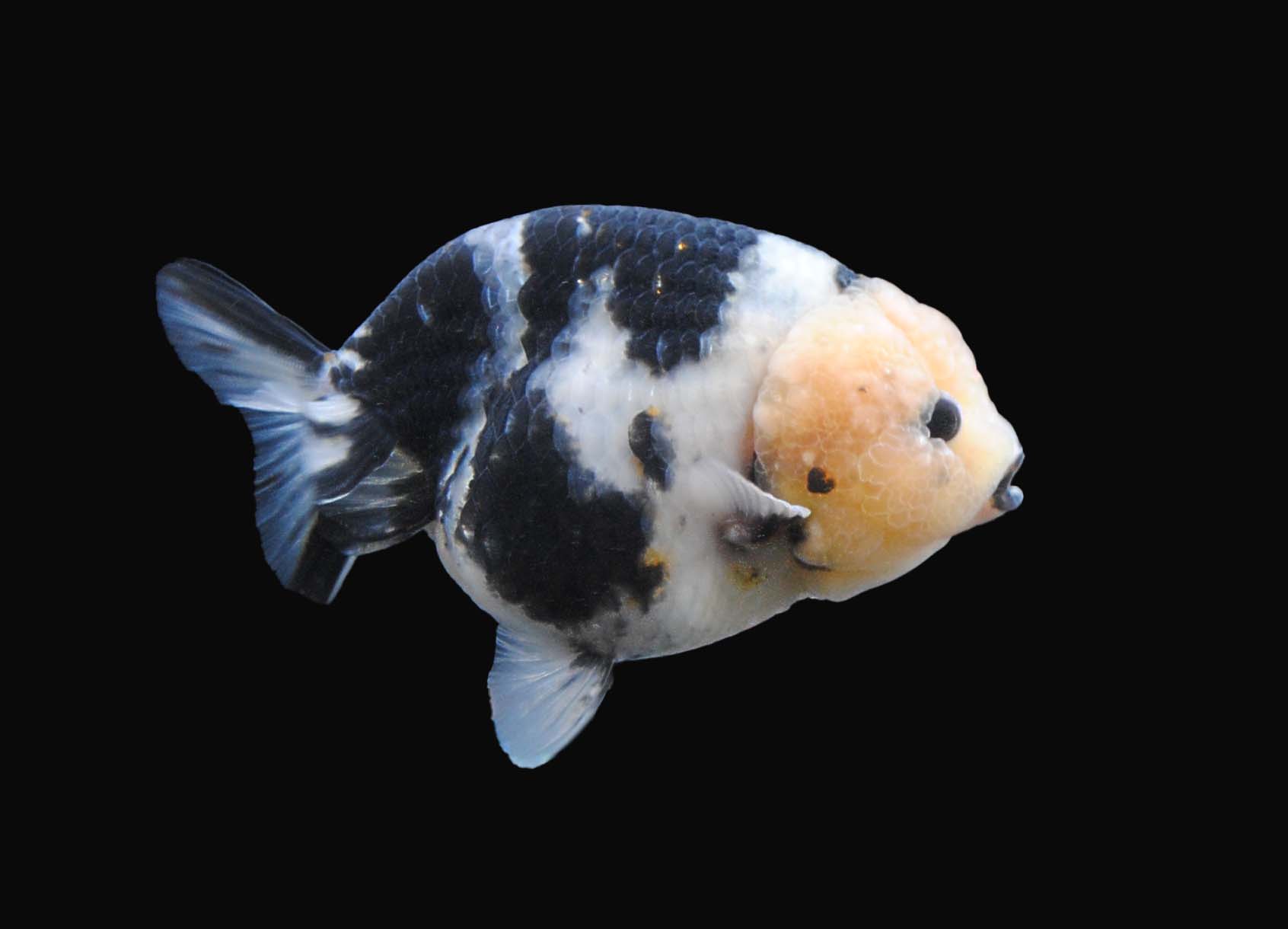
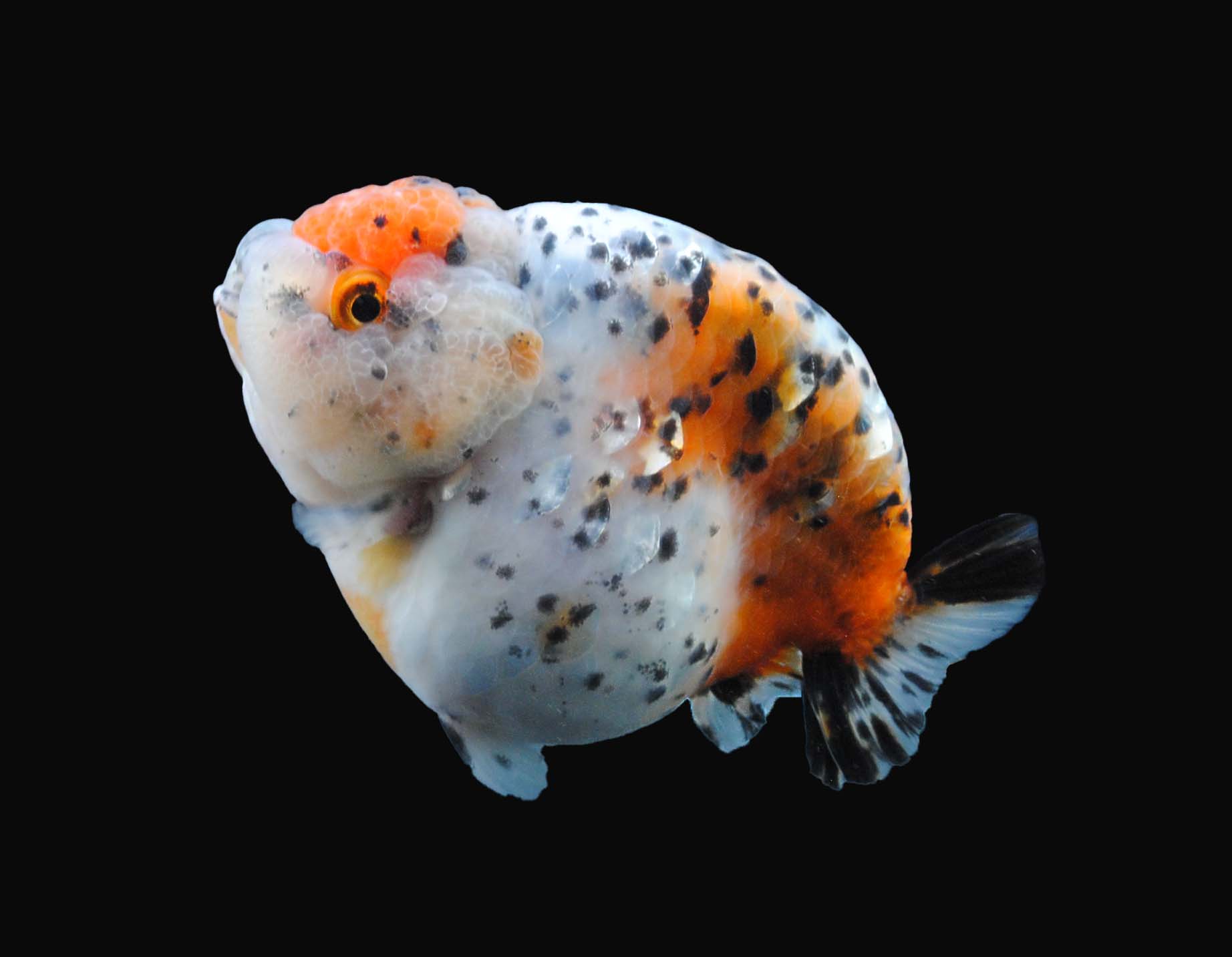
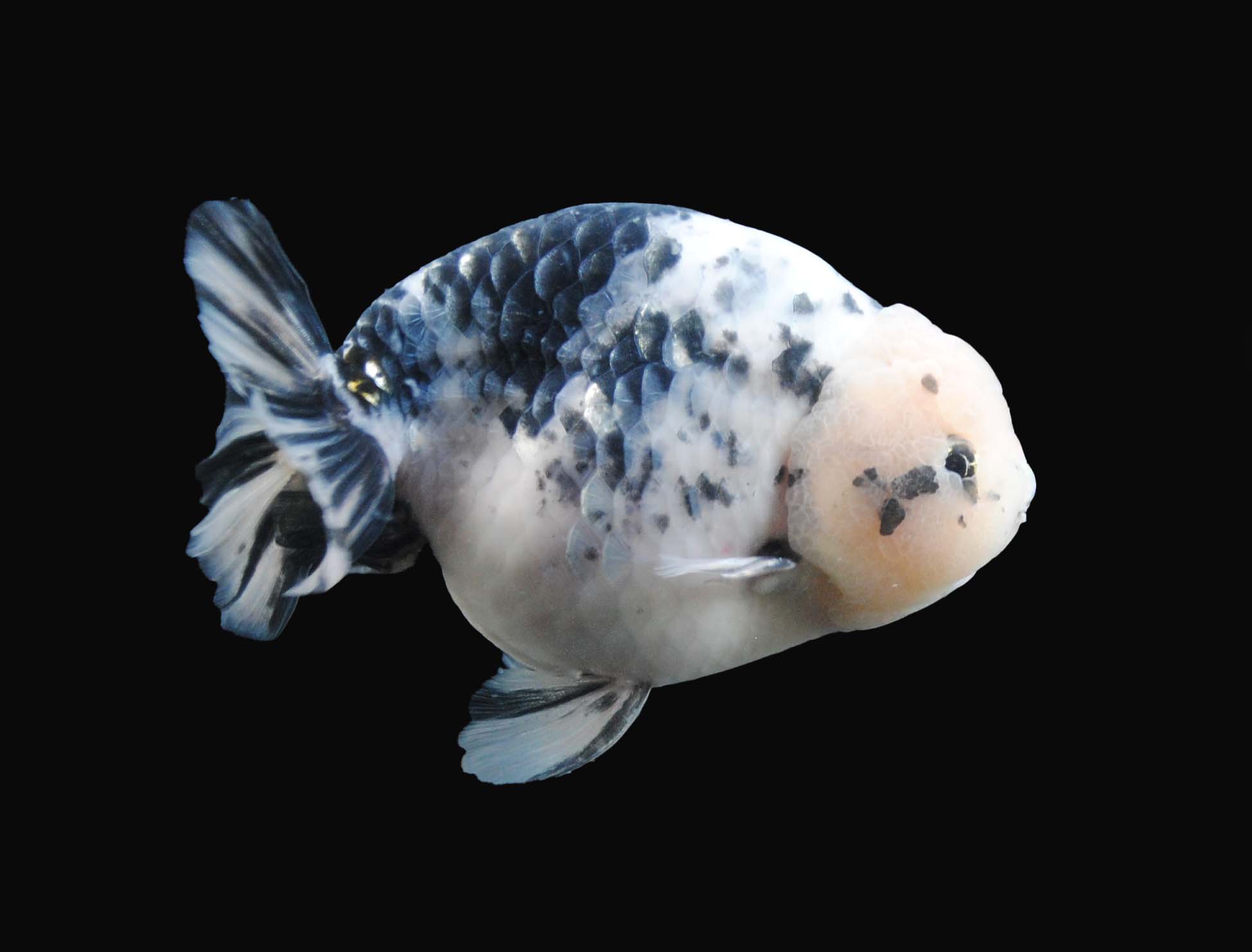
In my opinion, the most suitable pattern for cow ranchu is type 1. So, I am aiming at that pattern.
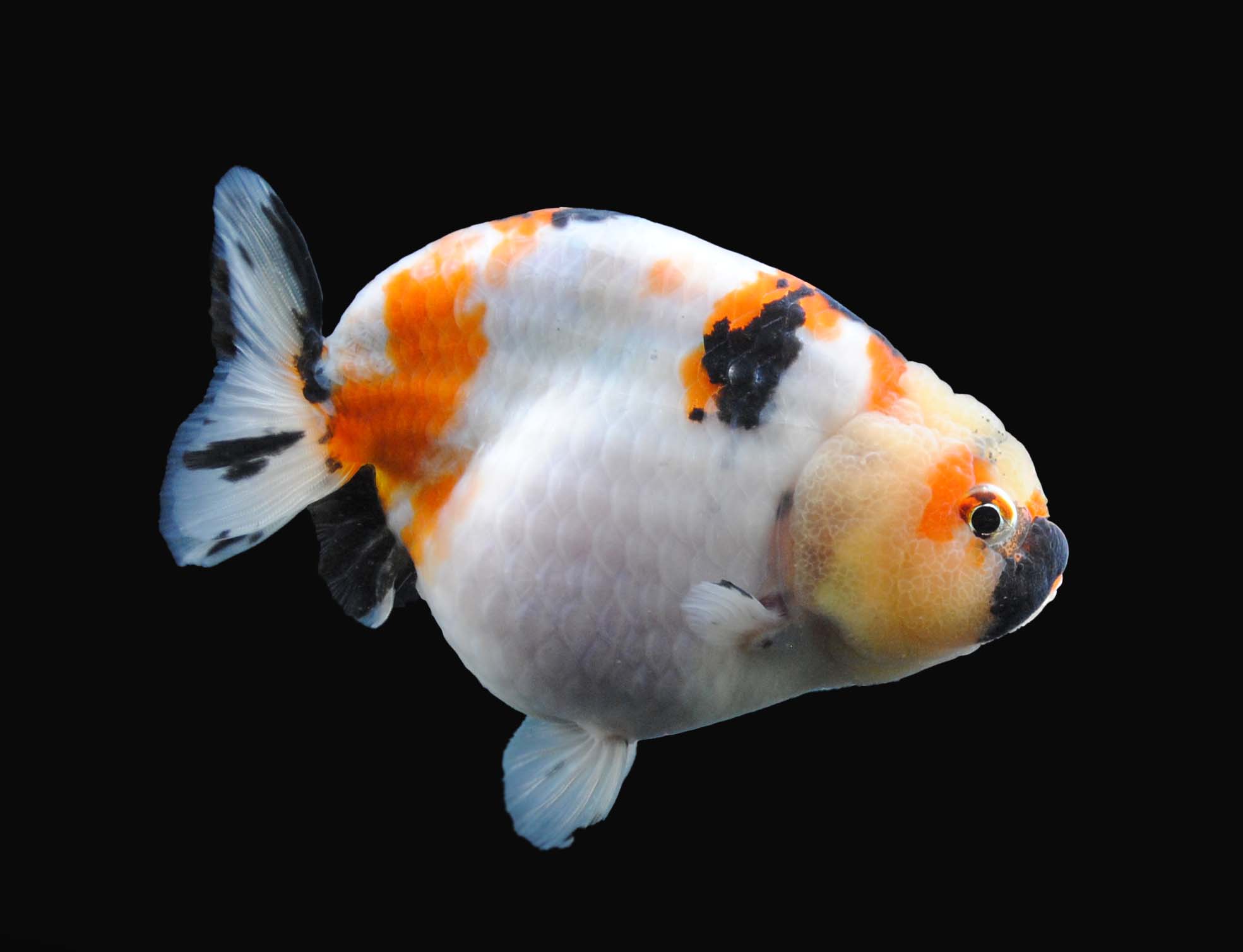
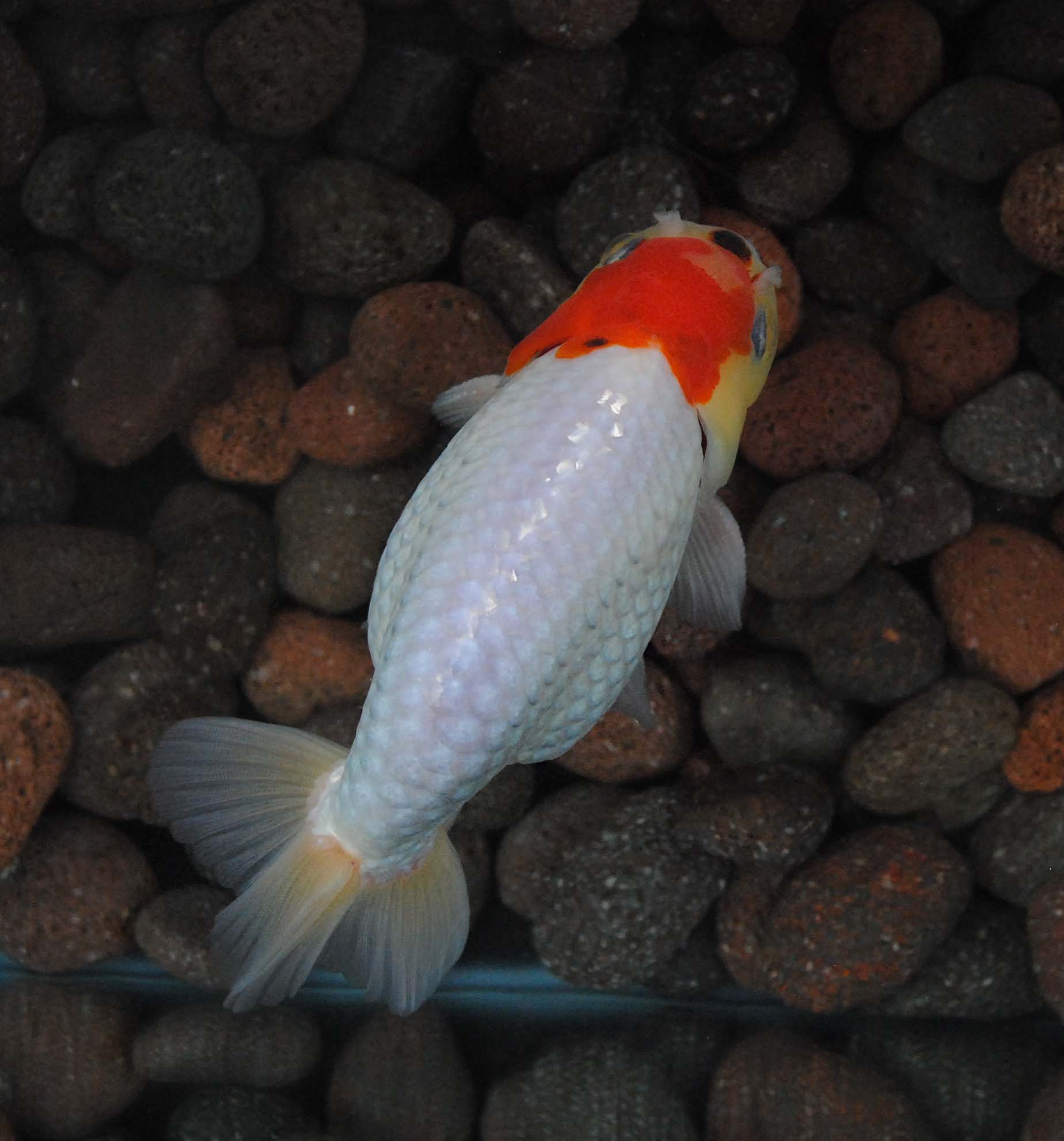
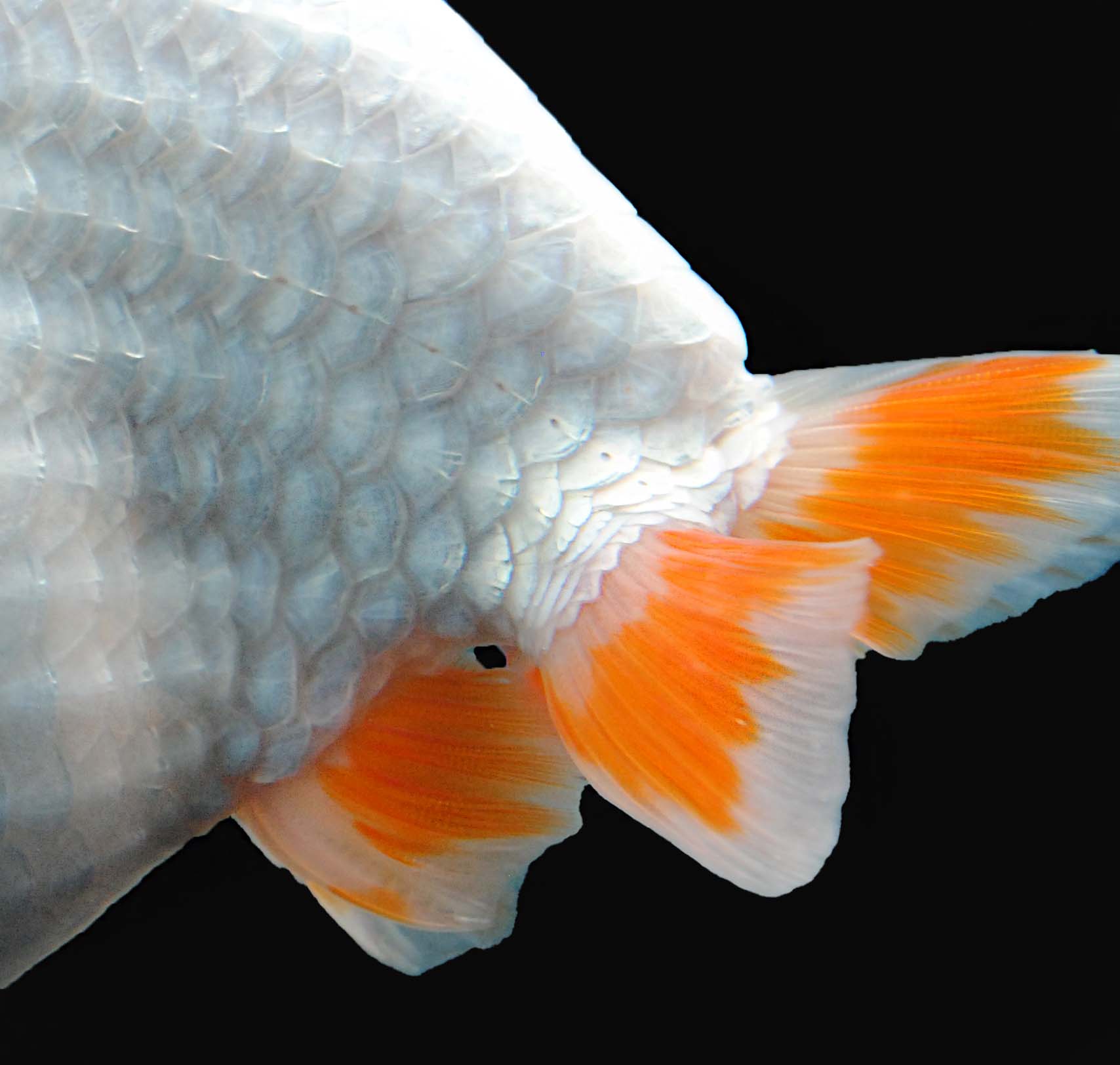
The second criteria is the presence of red color in the fish. Of course, for a good cow ranchu, the red color should be none. By this, I do not say that the presence of red is ugly. Not at all. In fact, it can enhance the beauty of the fish. But it is not a cow.

The fish above has a type 1 black pattern. It has lots of red color. Well, it is better to categorize her as three color (until people invent another more interesting name) and not as “perfect” cow ranchu color.
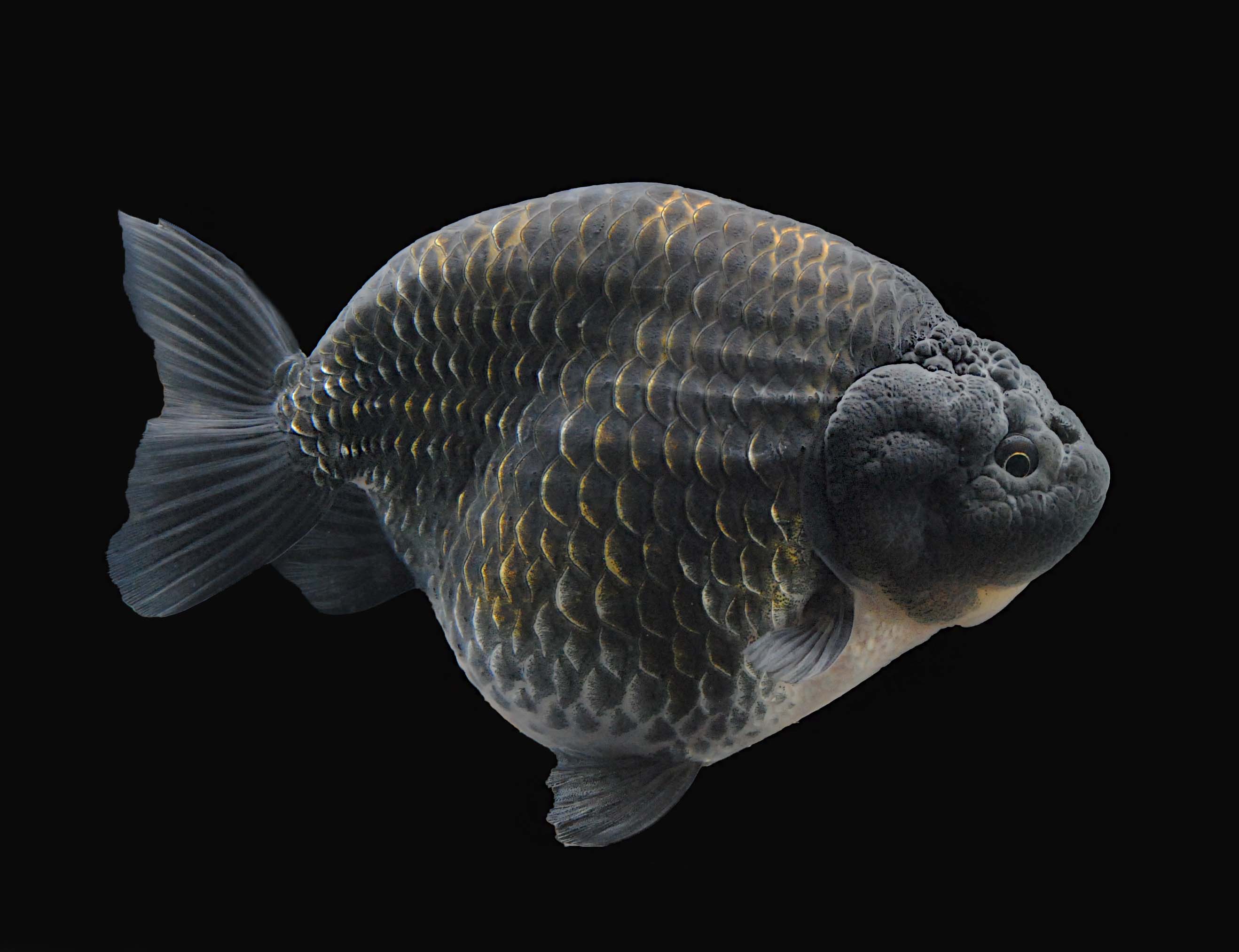
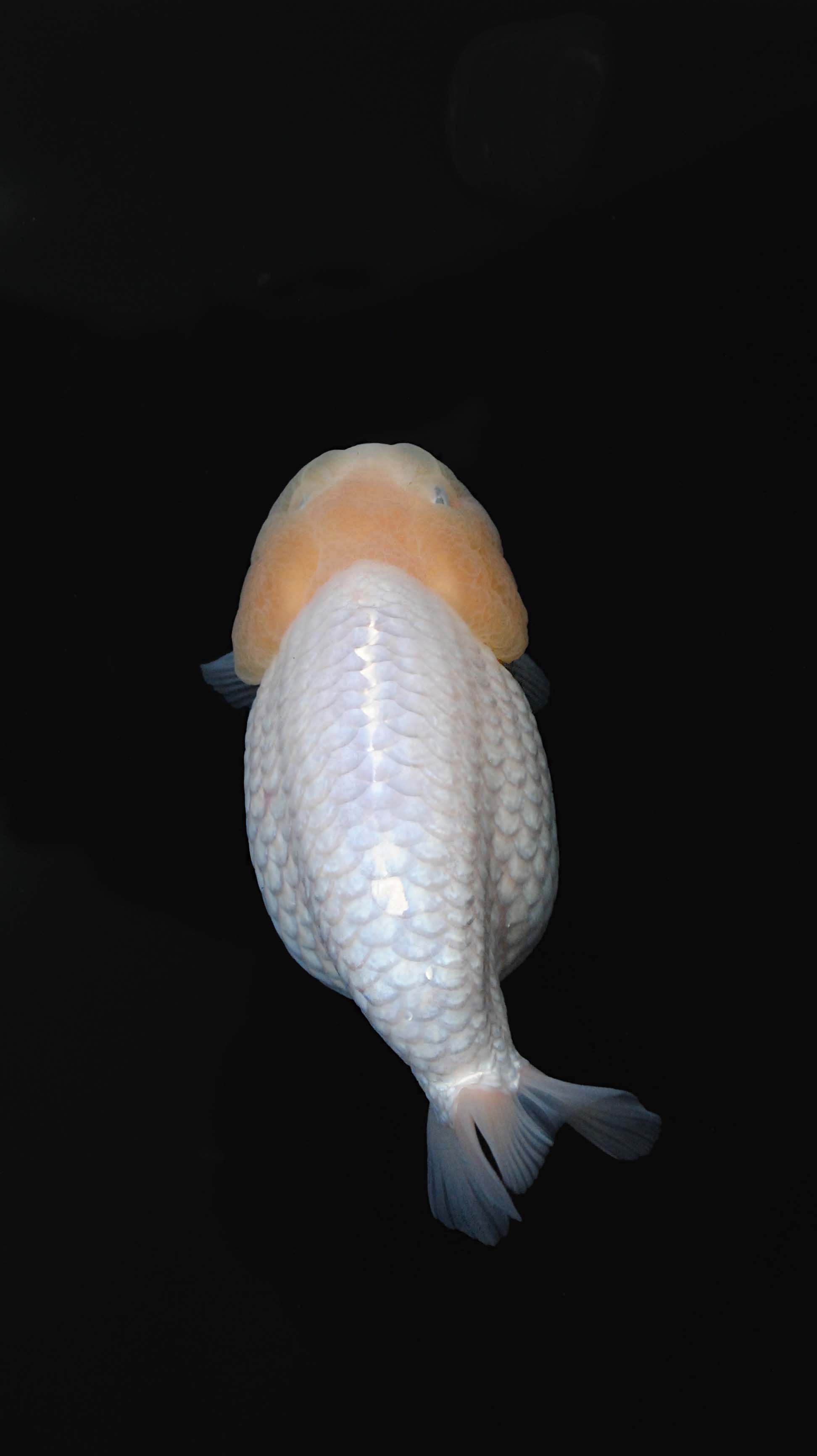
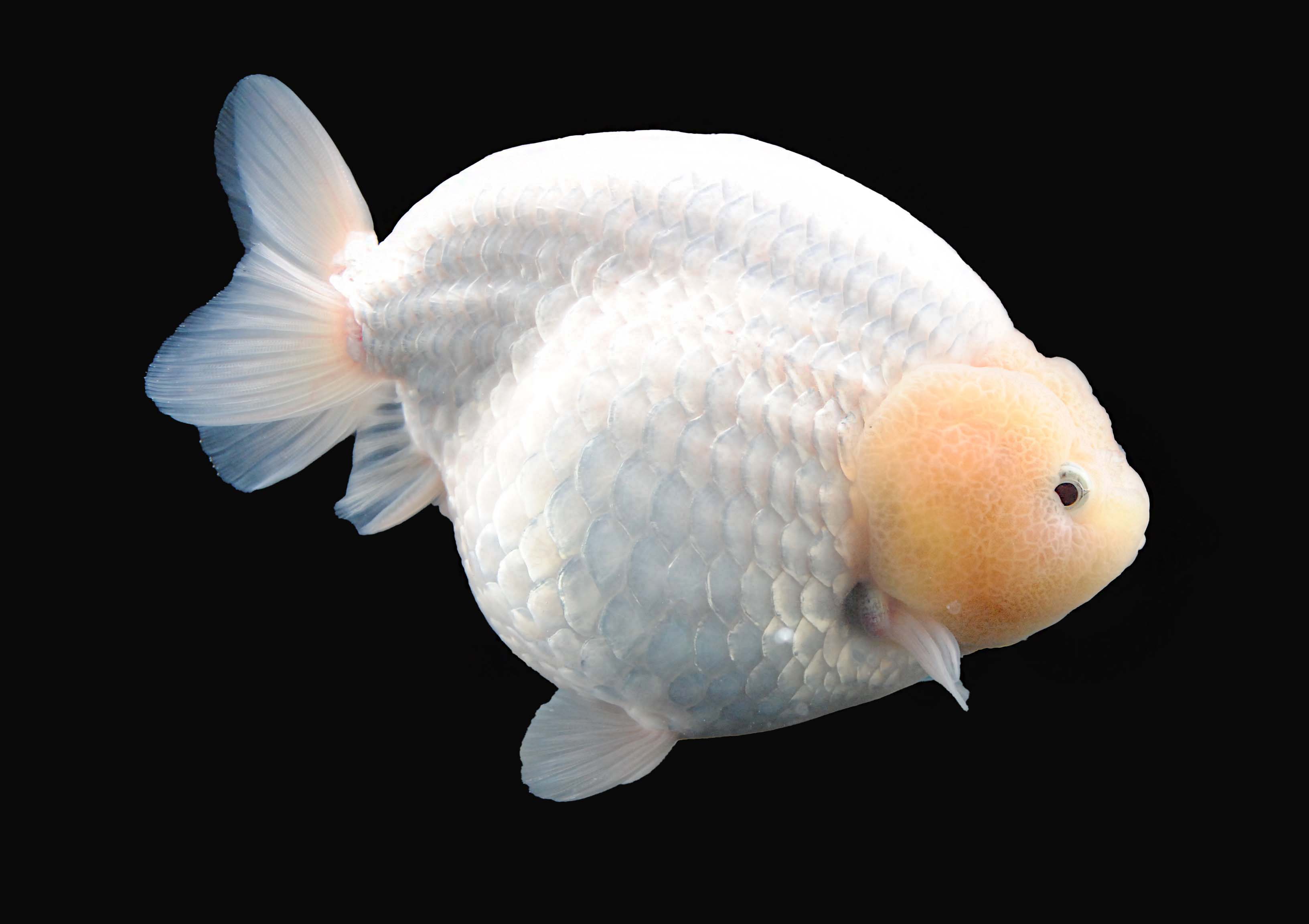
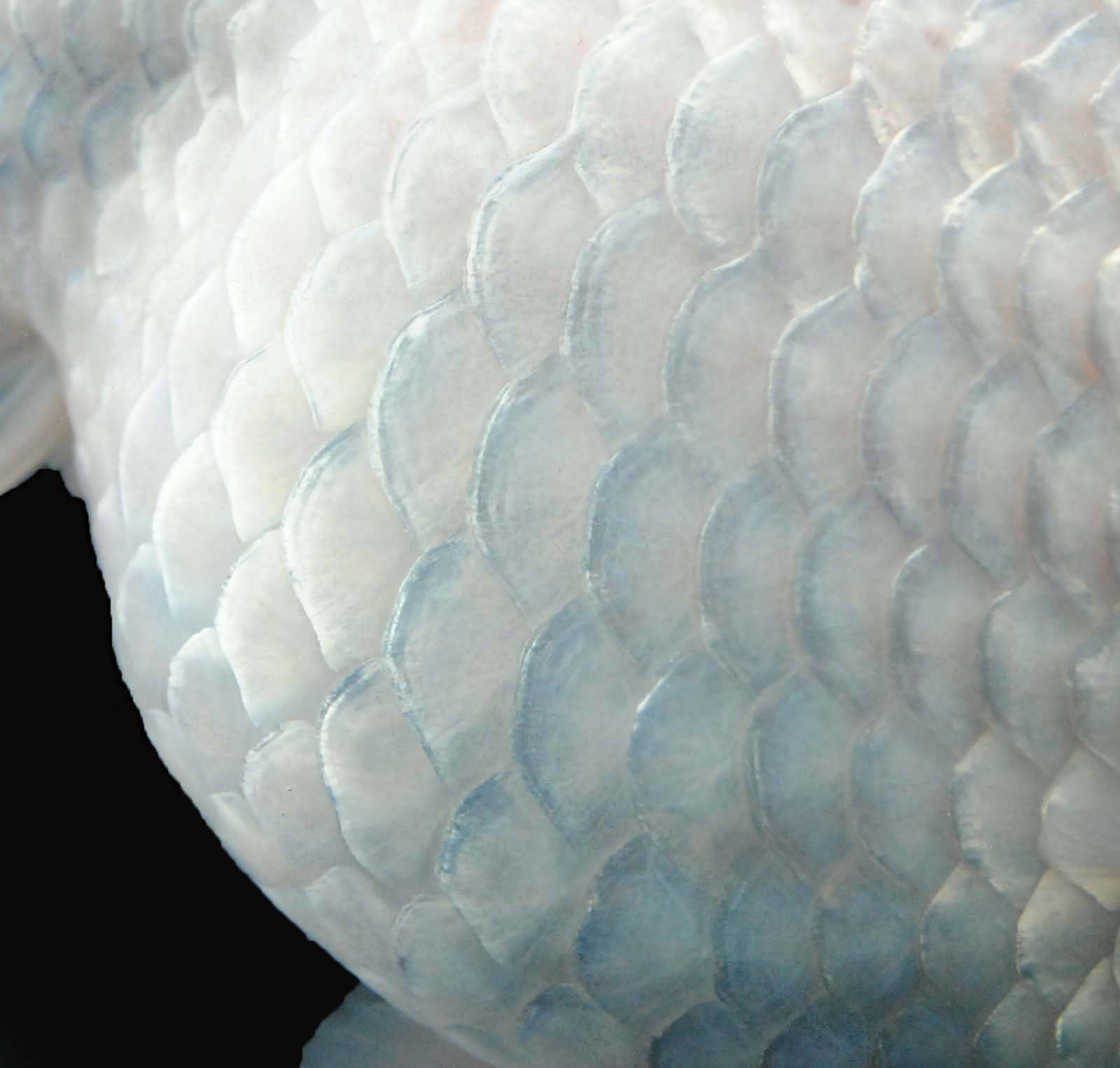
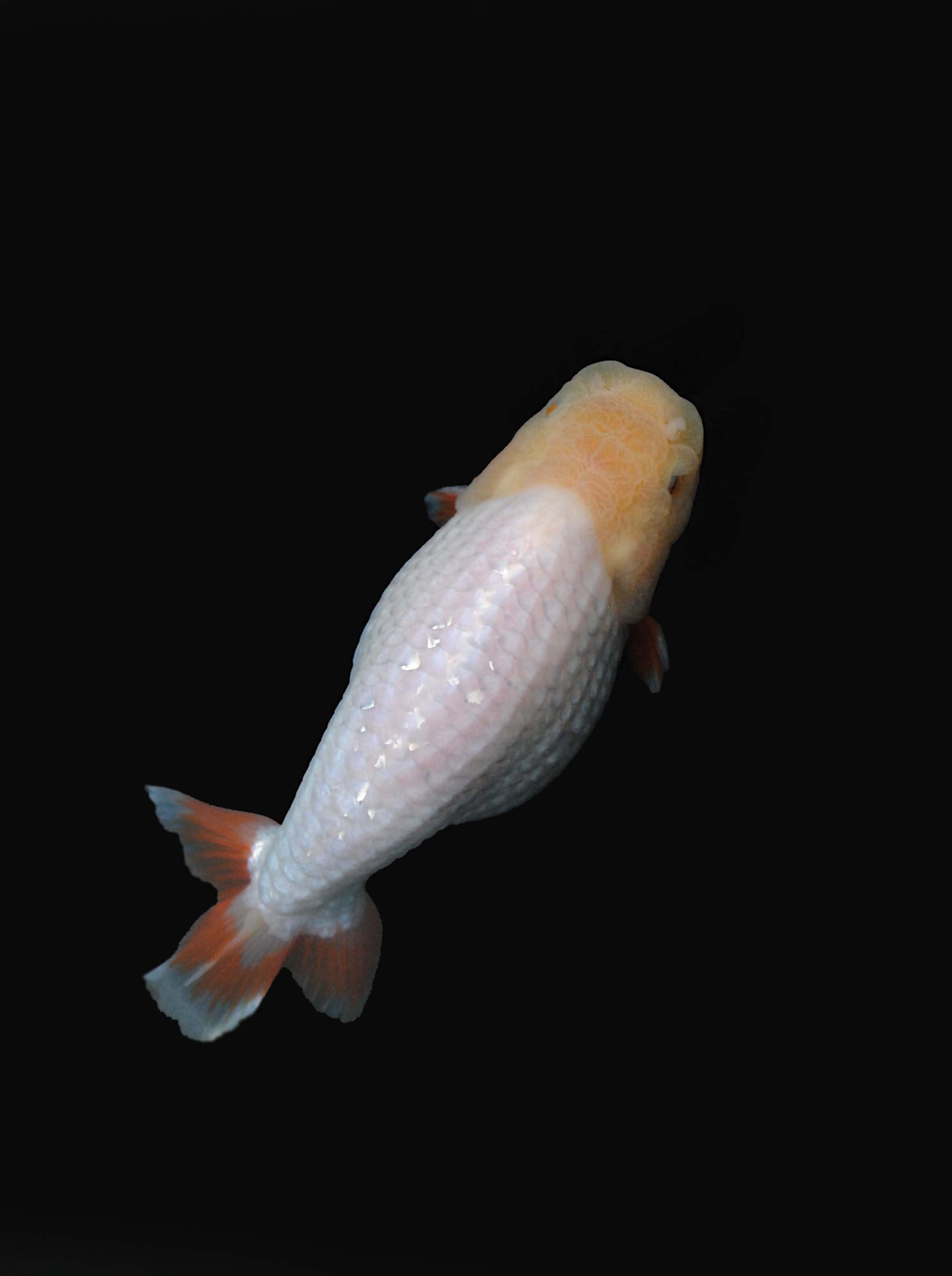
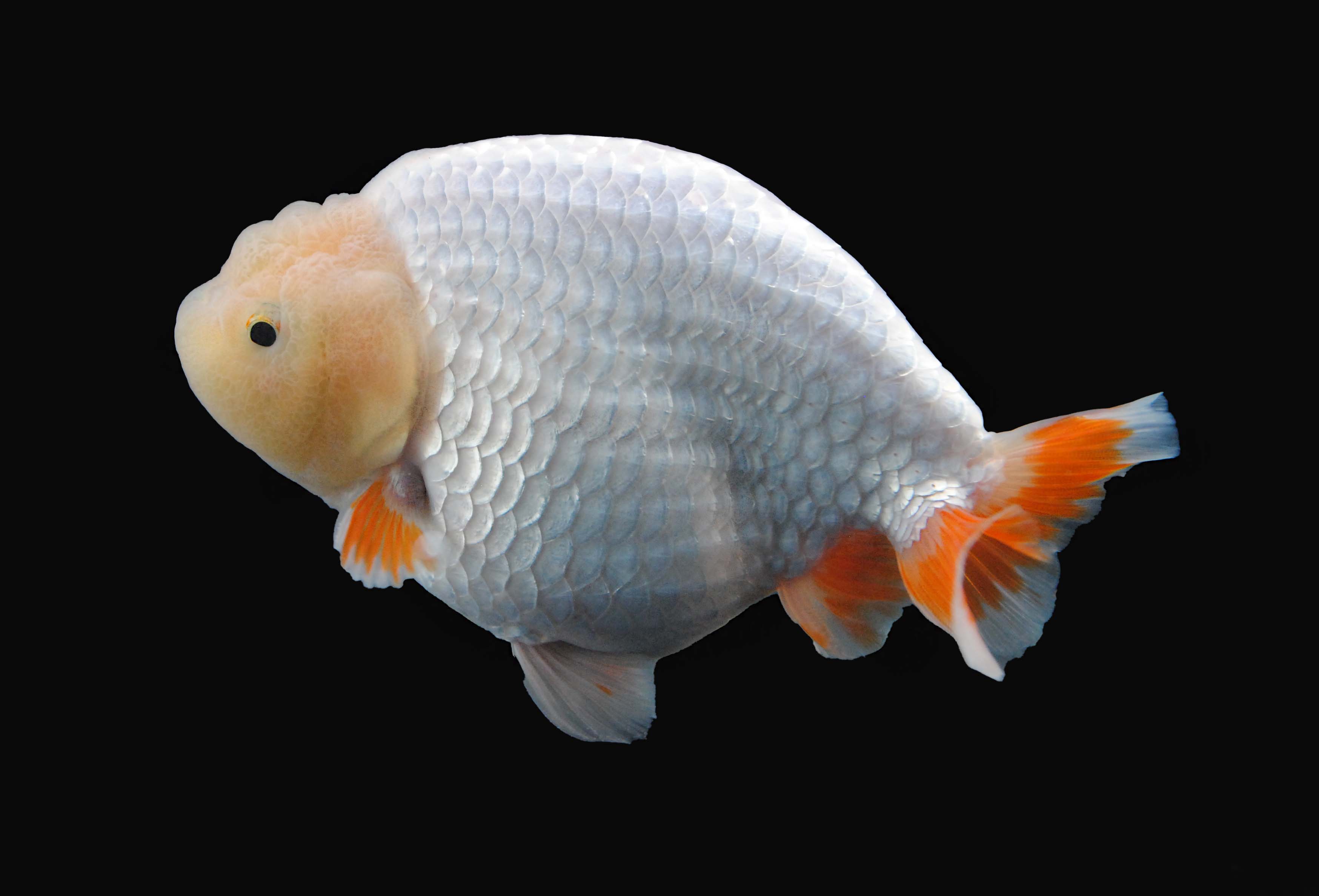
Third criteria is the quality of the color, namely the white and the black color. When the fish has too much black inside (to give the appearance of blue), while it is a desired color in calico, I think it is not desired in cow. The presence of the blue only gives the impression of dirty white color. The same case happens with the pink color as a result of the lack of guanine in the inner skin. So, in my opinion, the more pure the white (some call it milky white) the better.
The black color quality is also important. The desired black color is the one in the outer skin (or in outer part of the skin), not the one inside. And the deeper the black, the better. The border of the black color should be clearly defined.
Those are the criteria of the cow ranchu I have in mind.
Note: In my observation, these black patterns are not constant throughout the life of the fish. The block (or island) pattern can start from a tiny dots, which grows larger and larger. The dots in calico can grow from none (or few) to many. And in some low grade fish, the black pattern can also get dim or even vanish.









































 hermantogoldfish