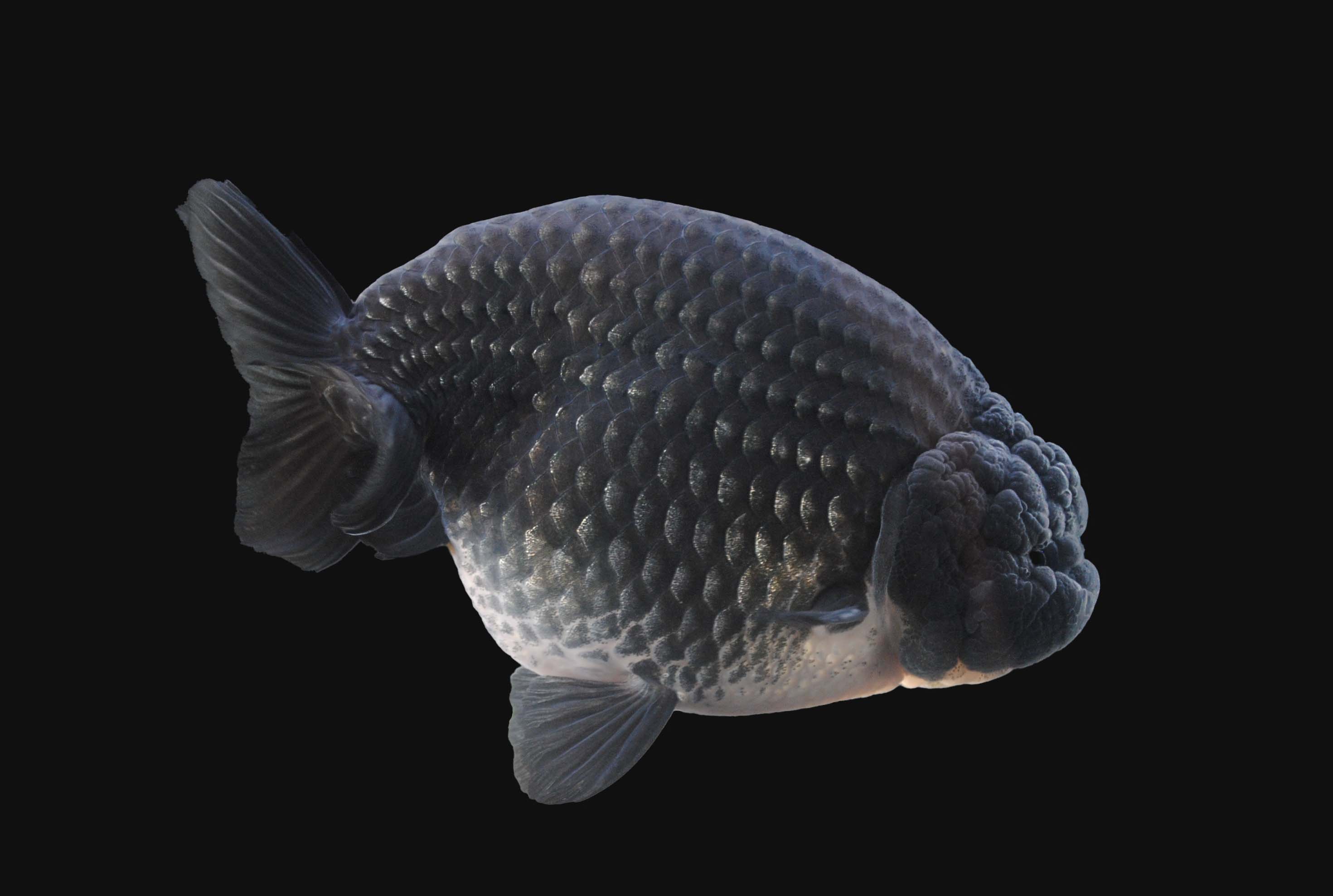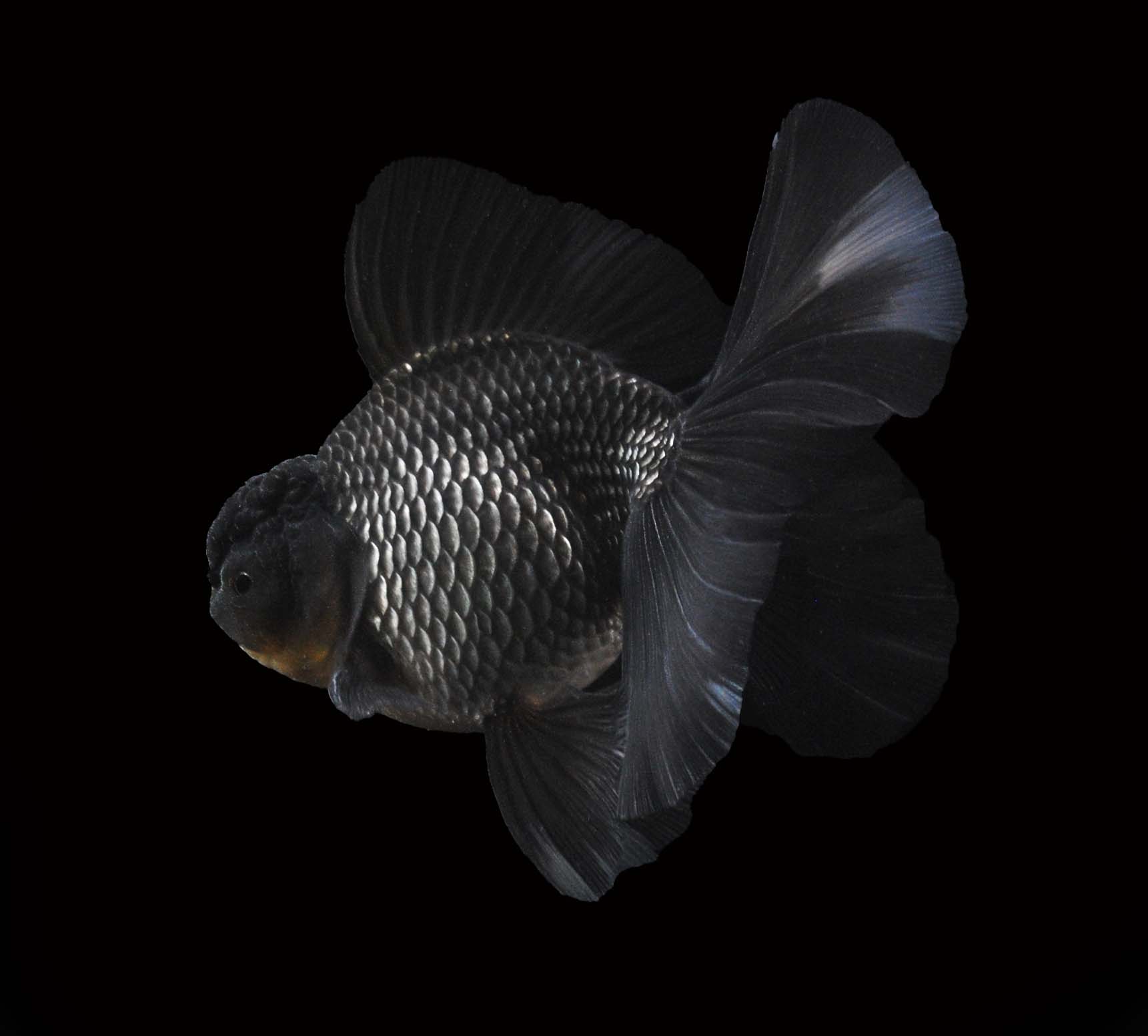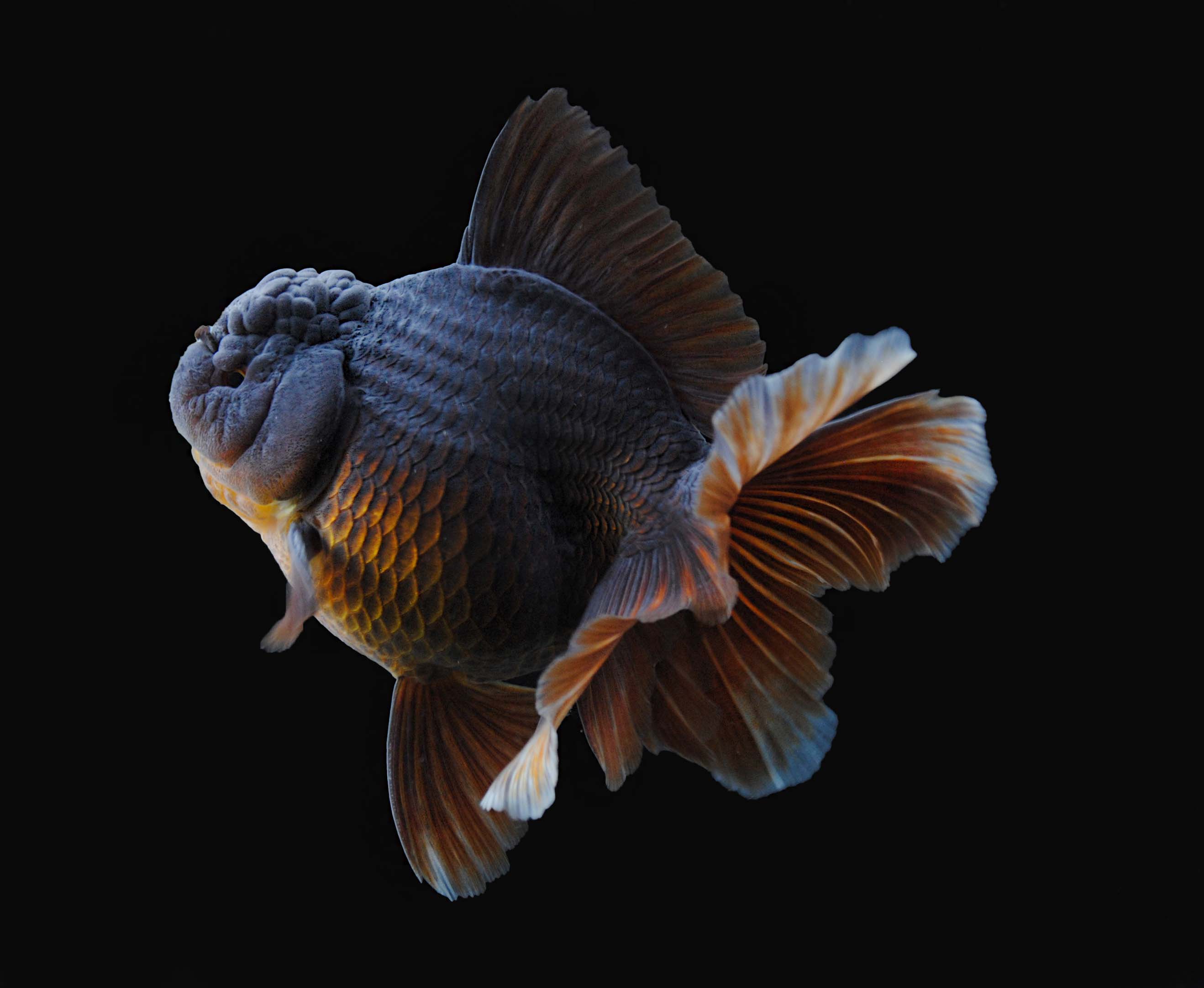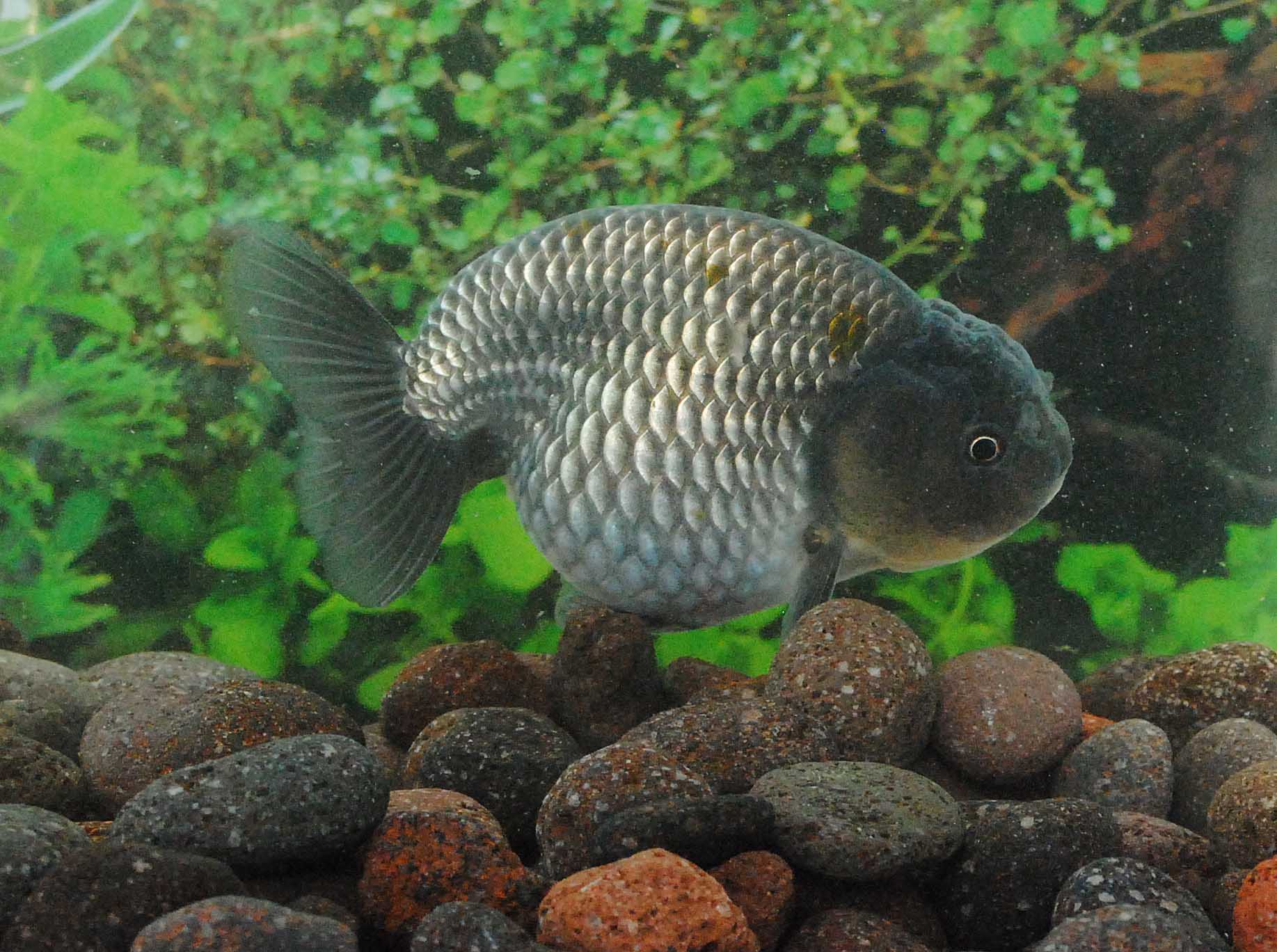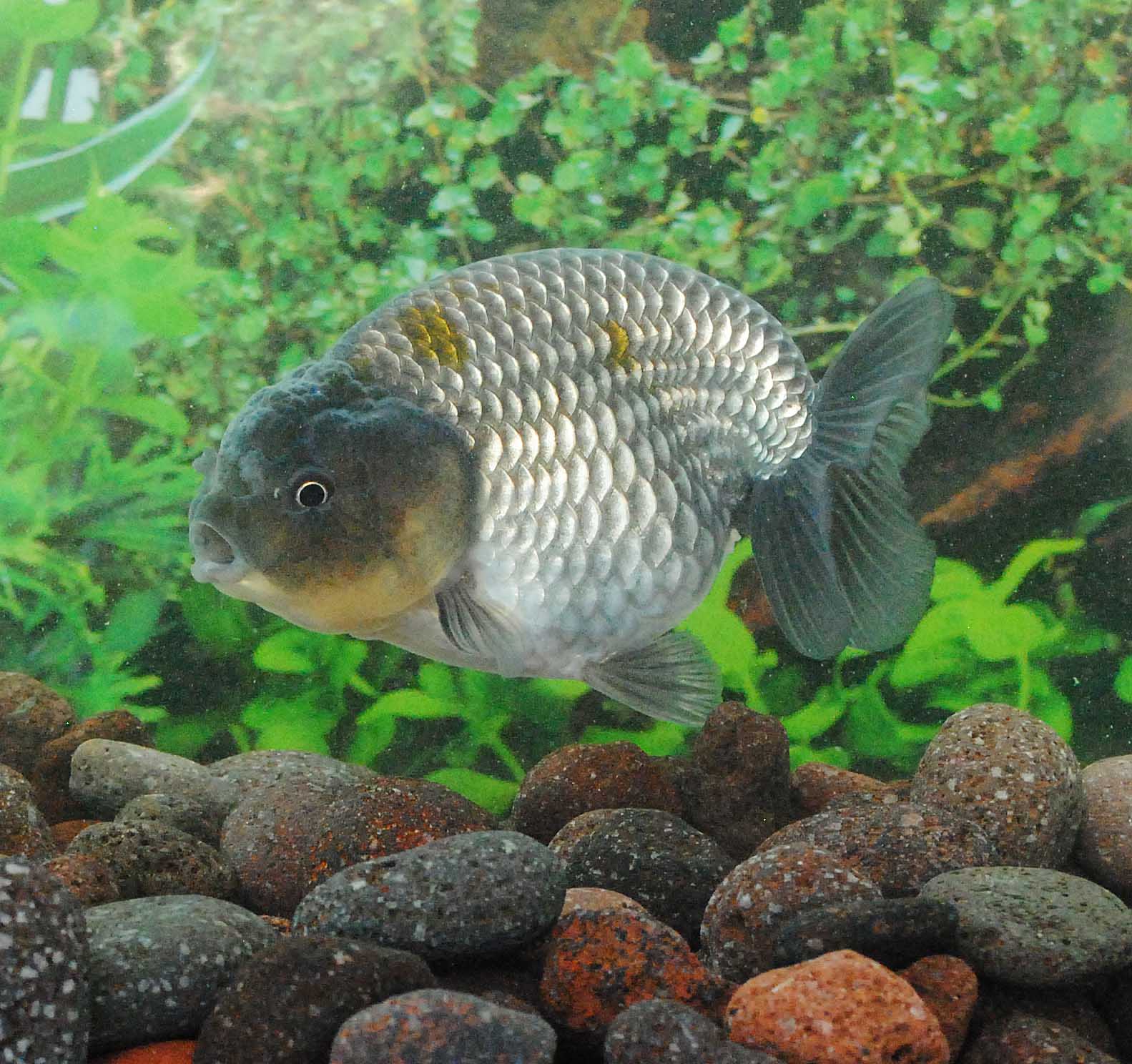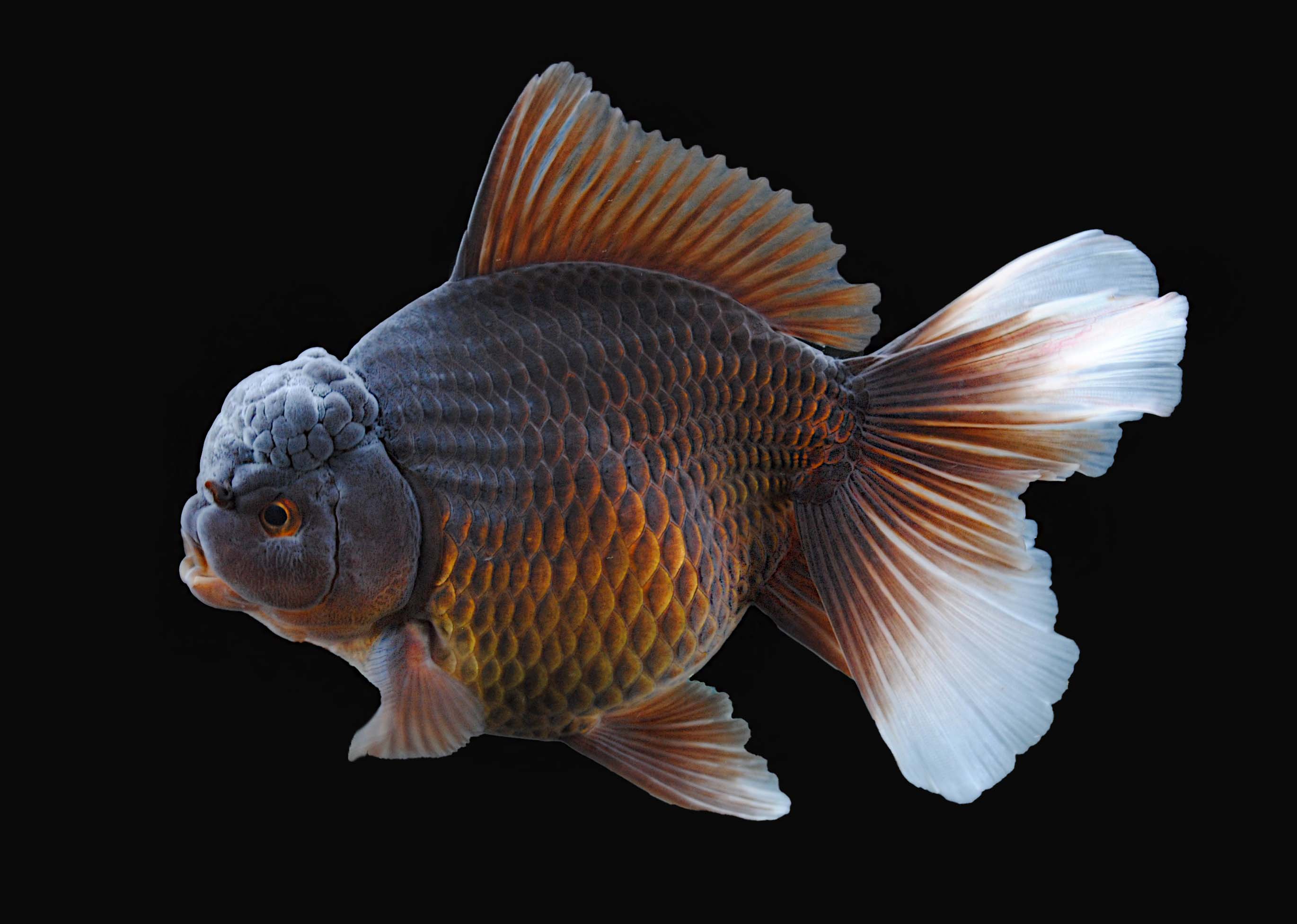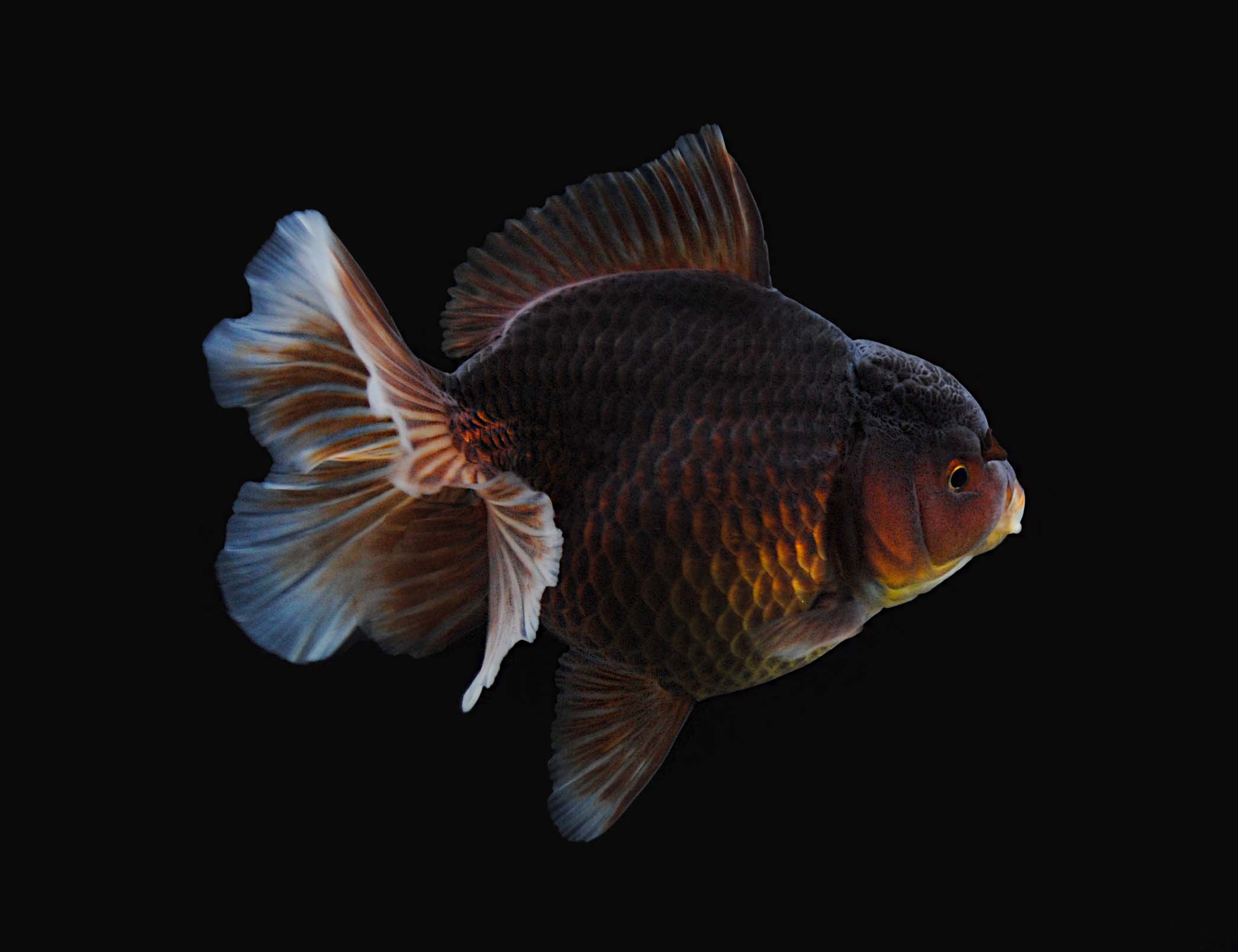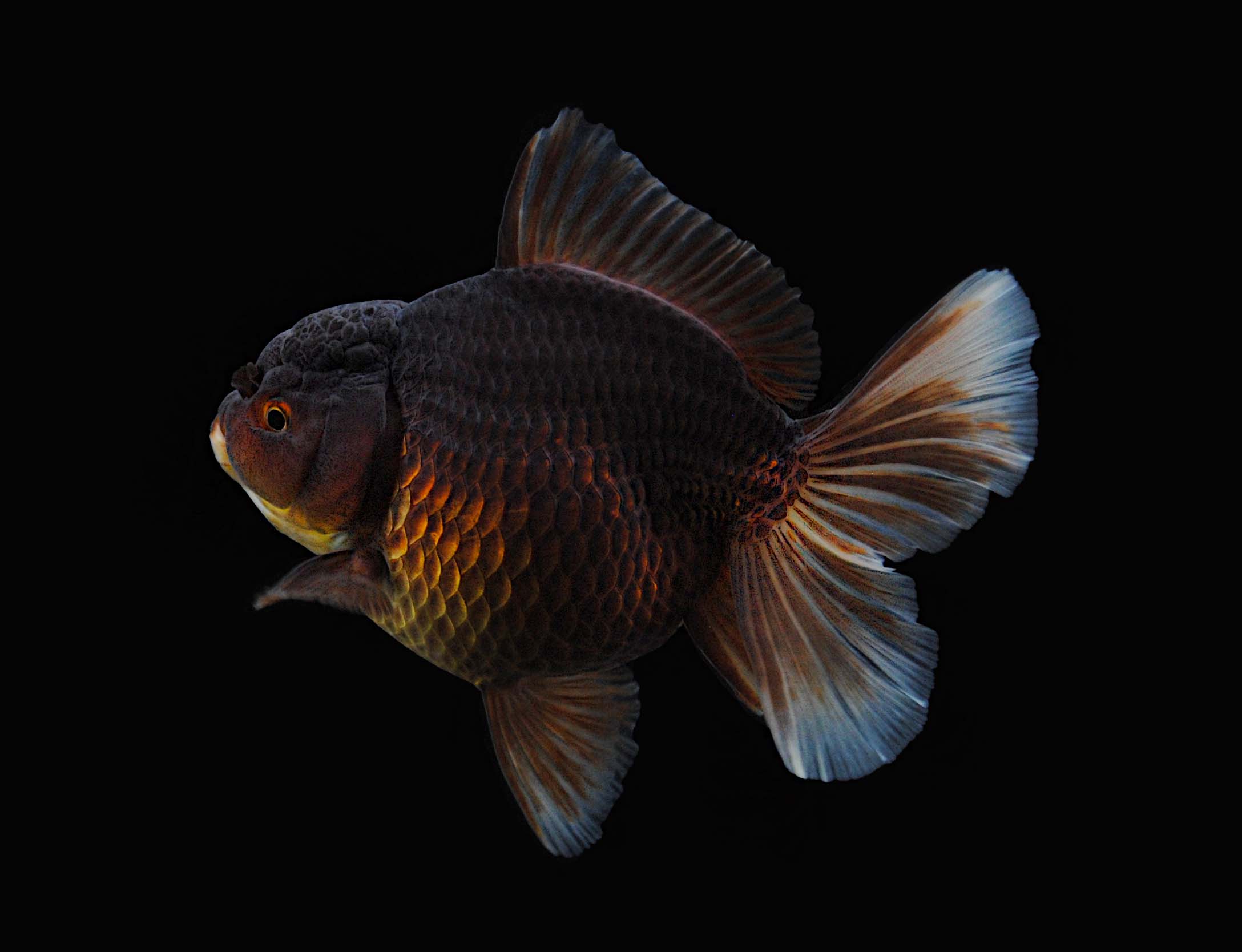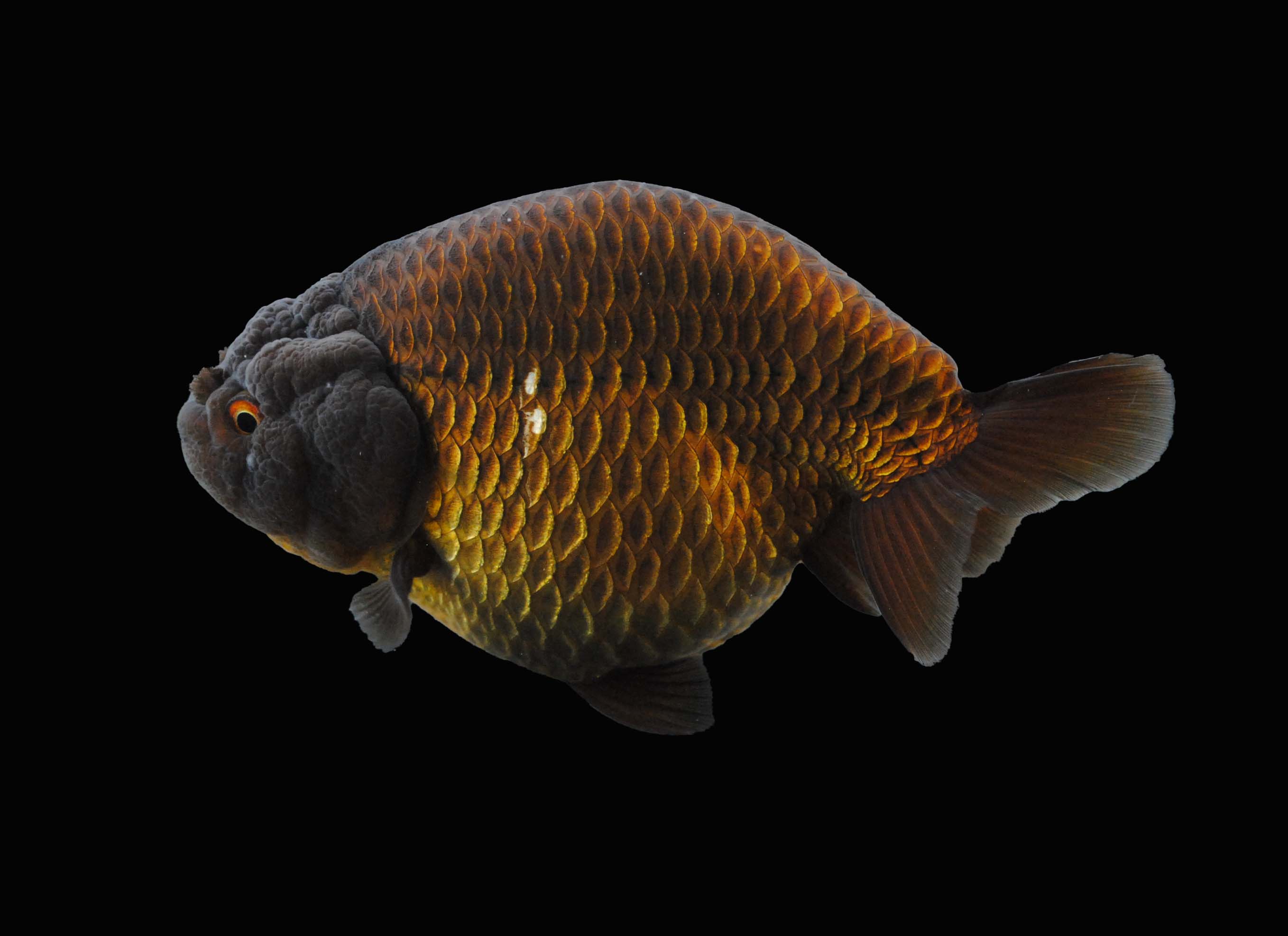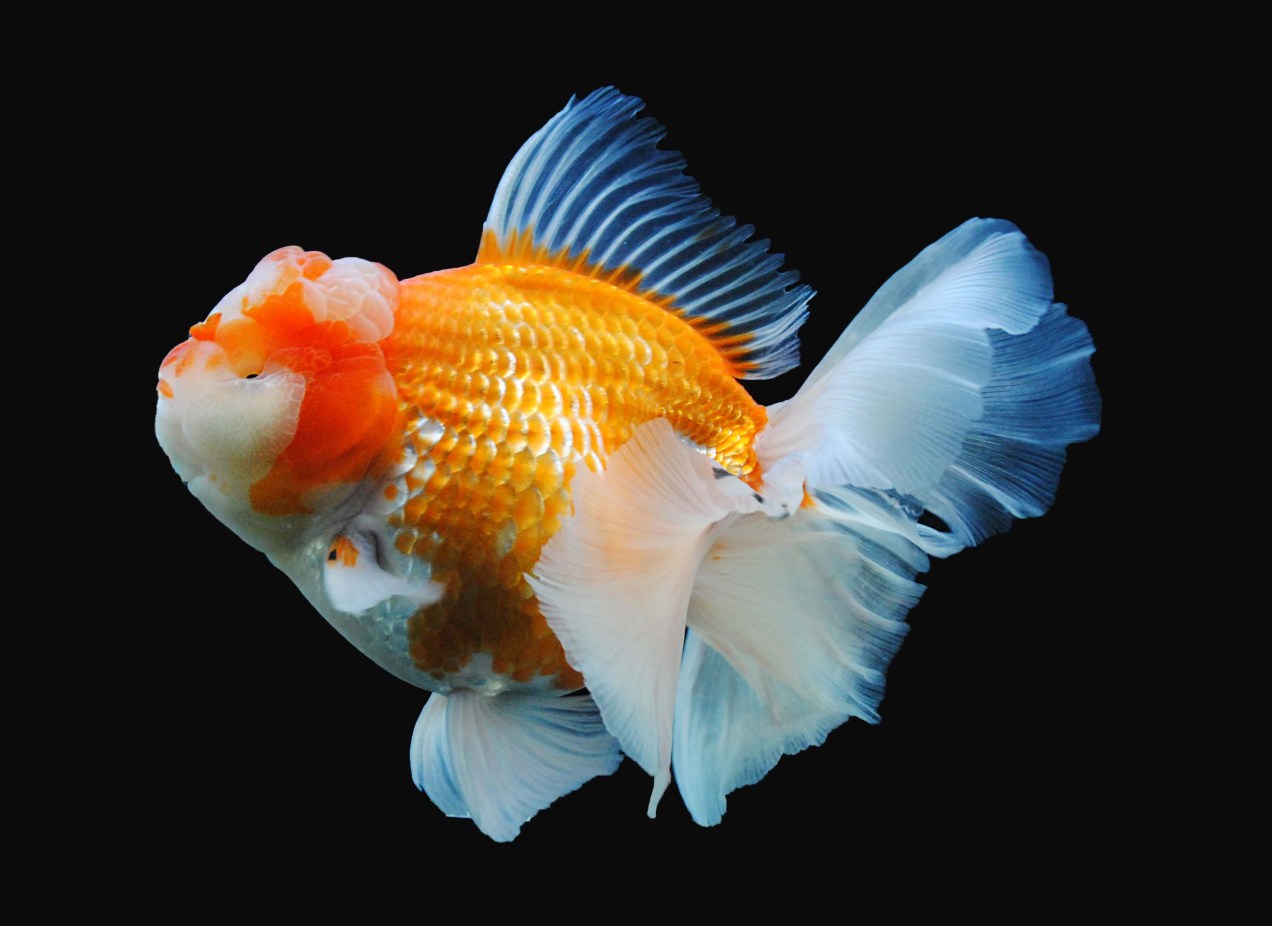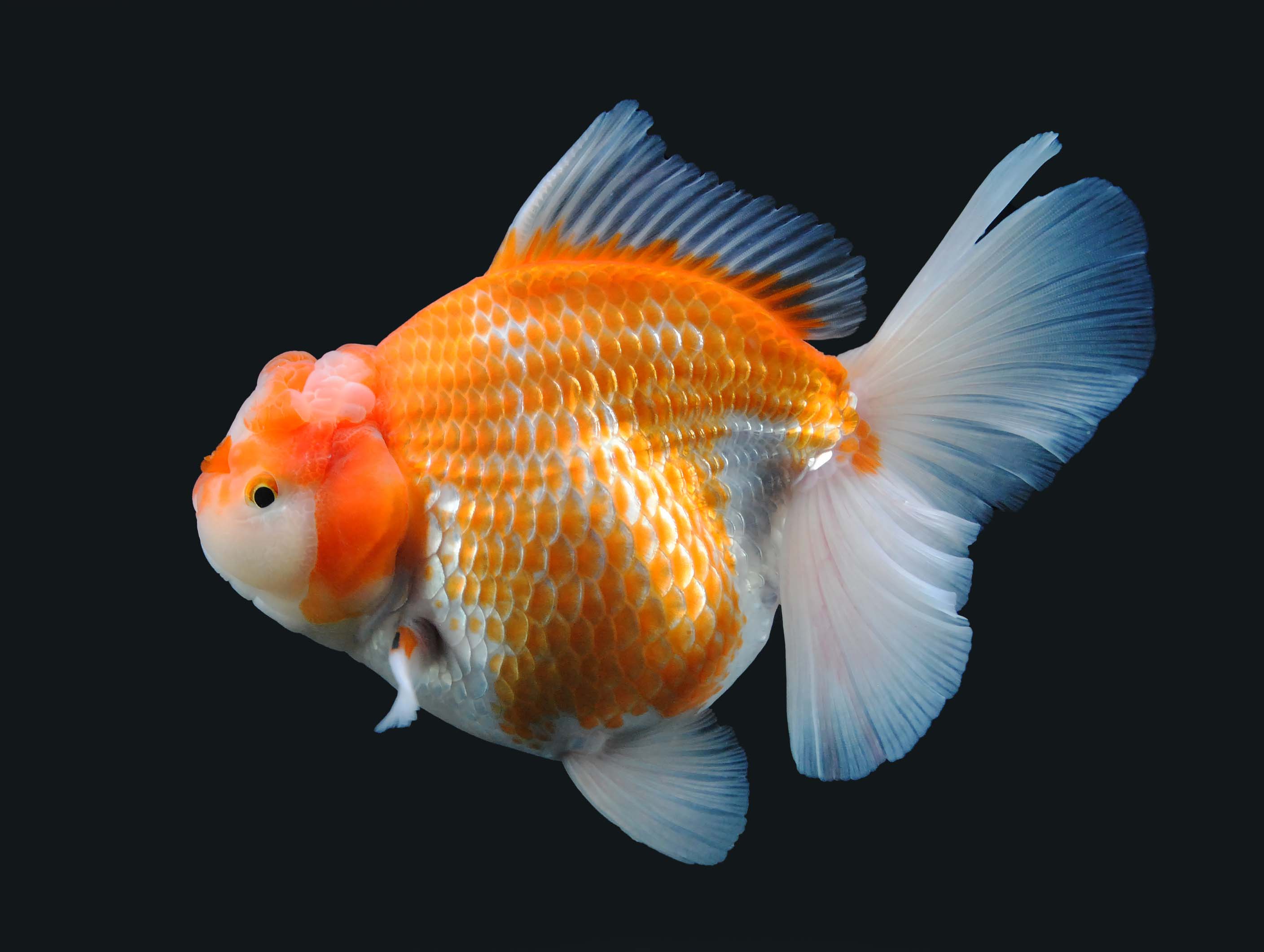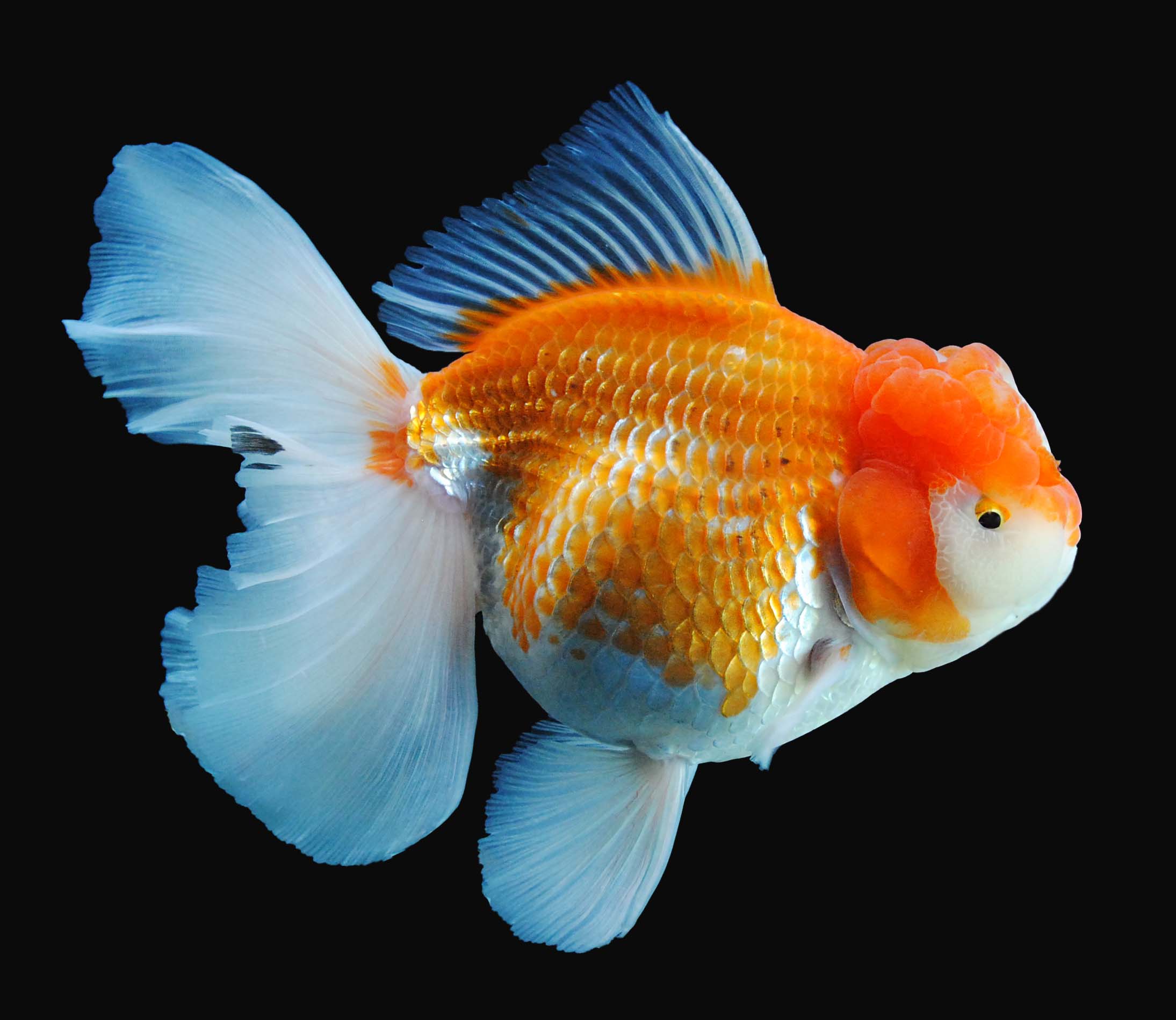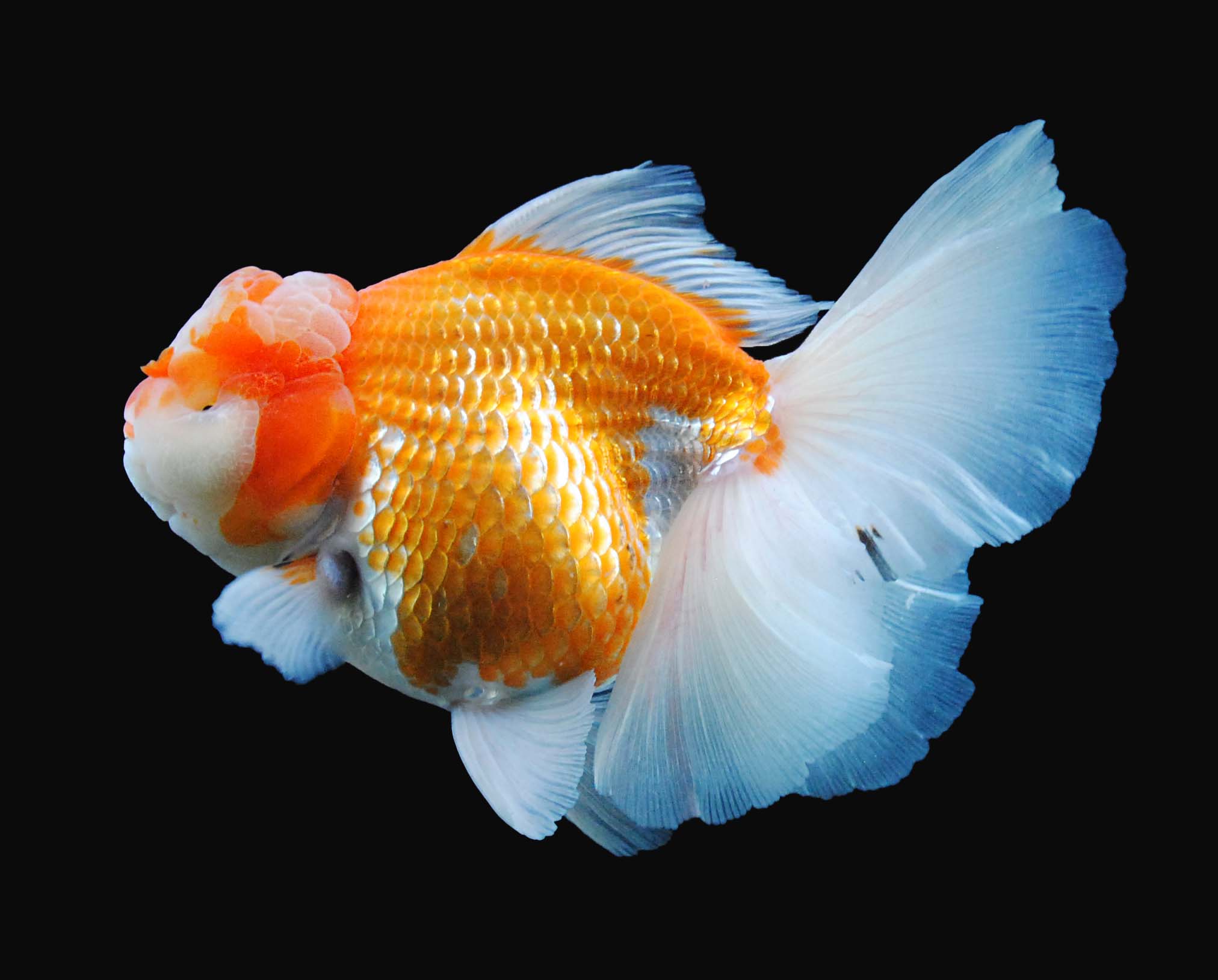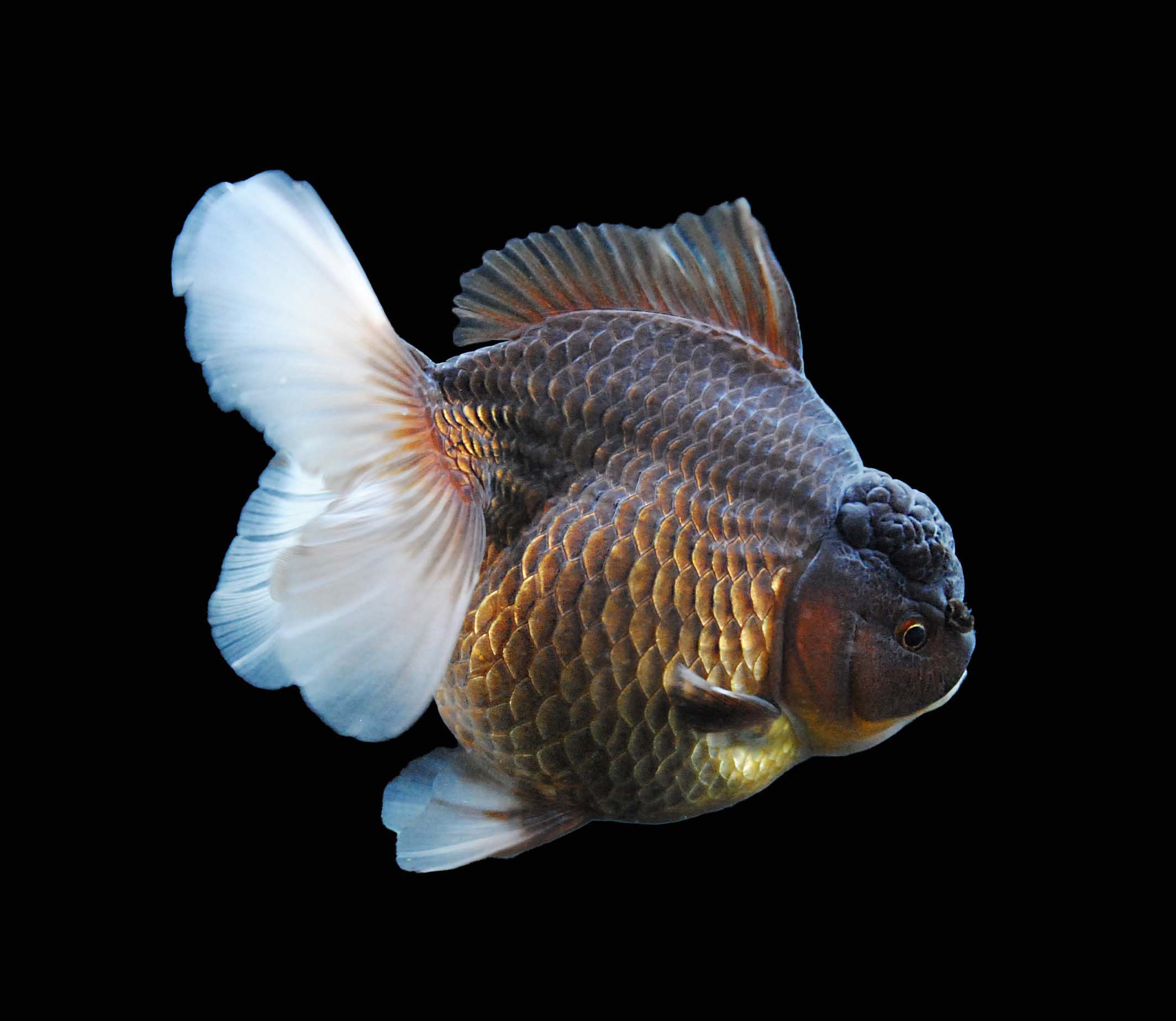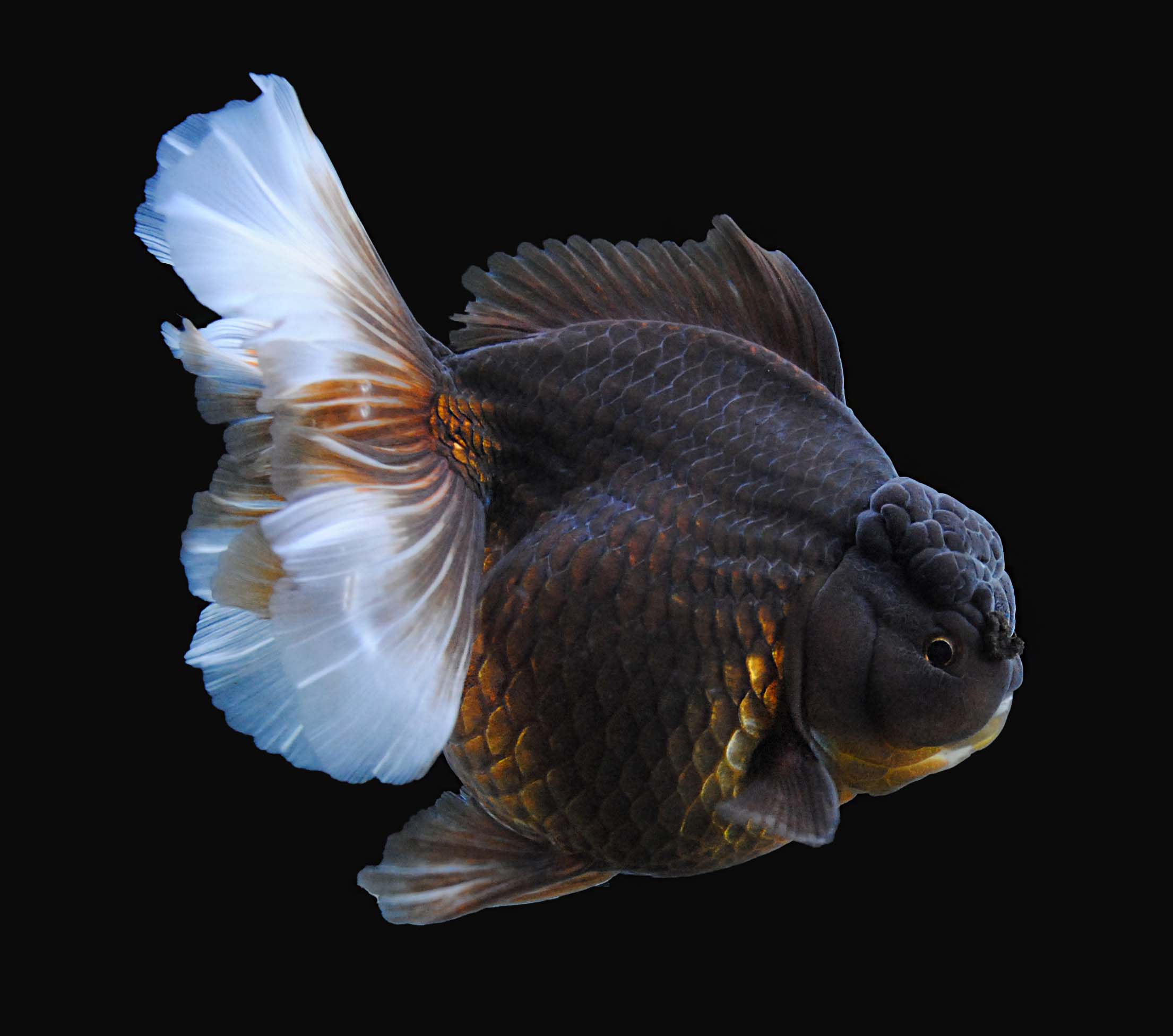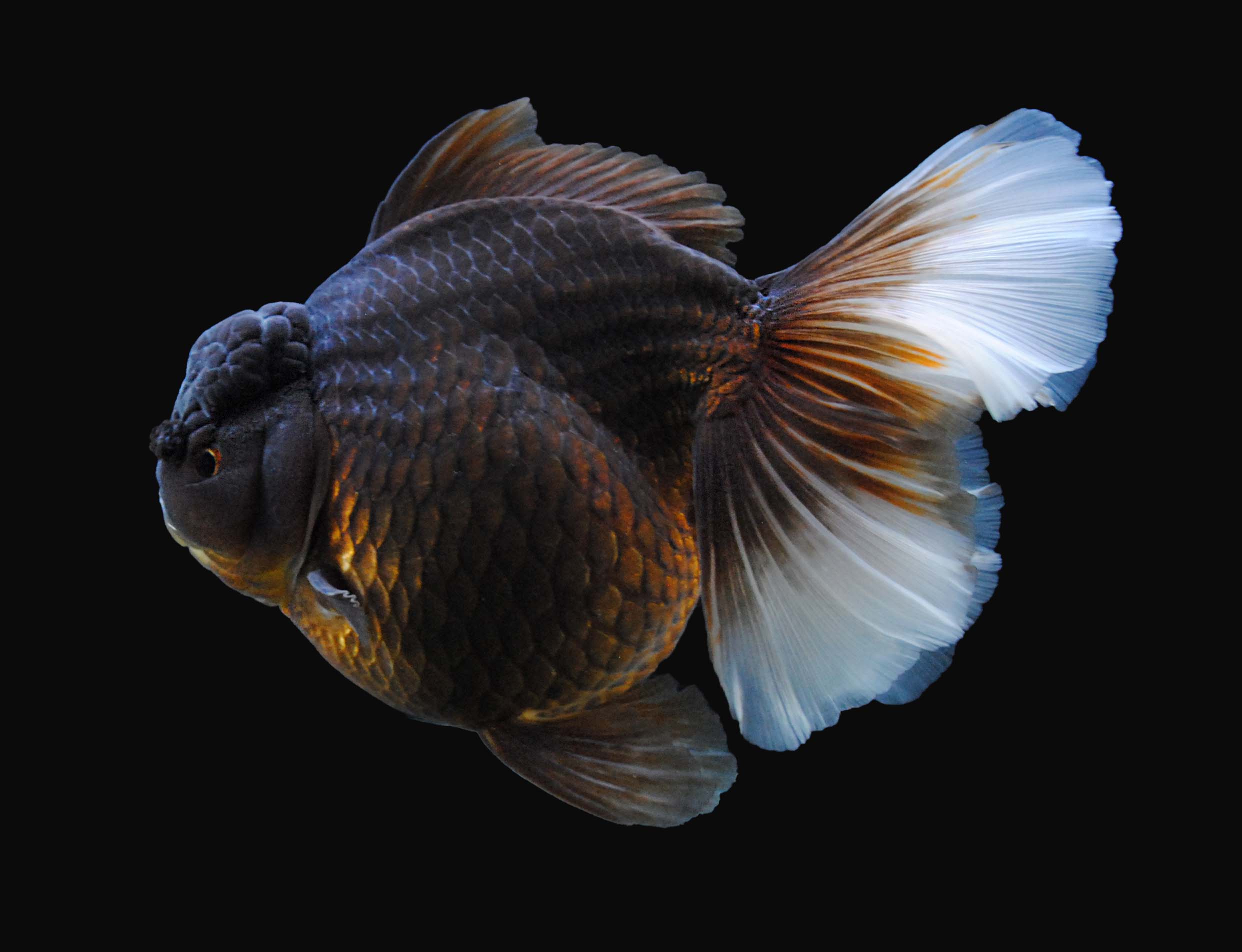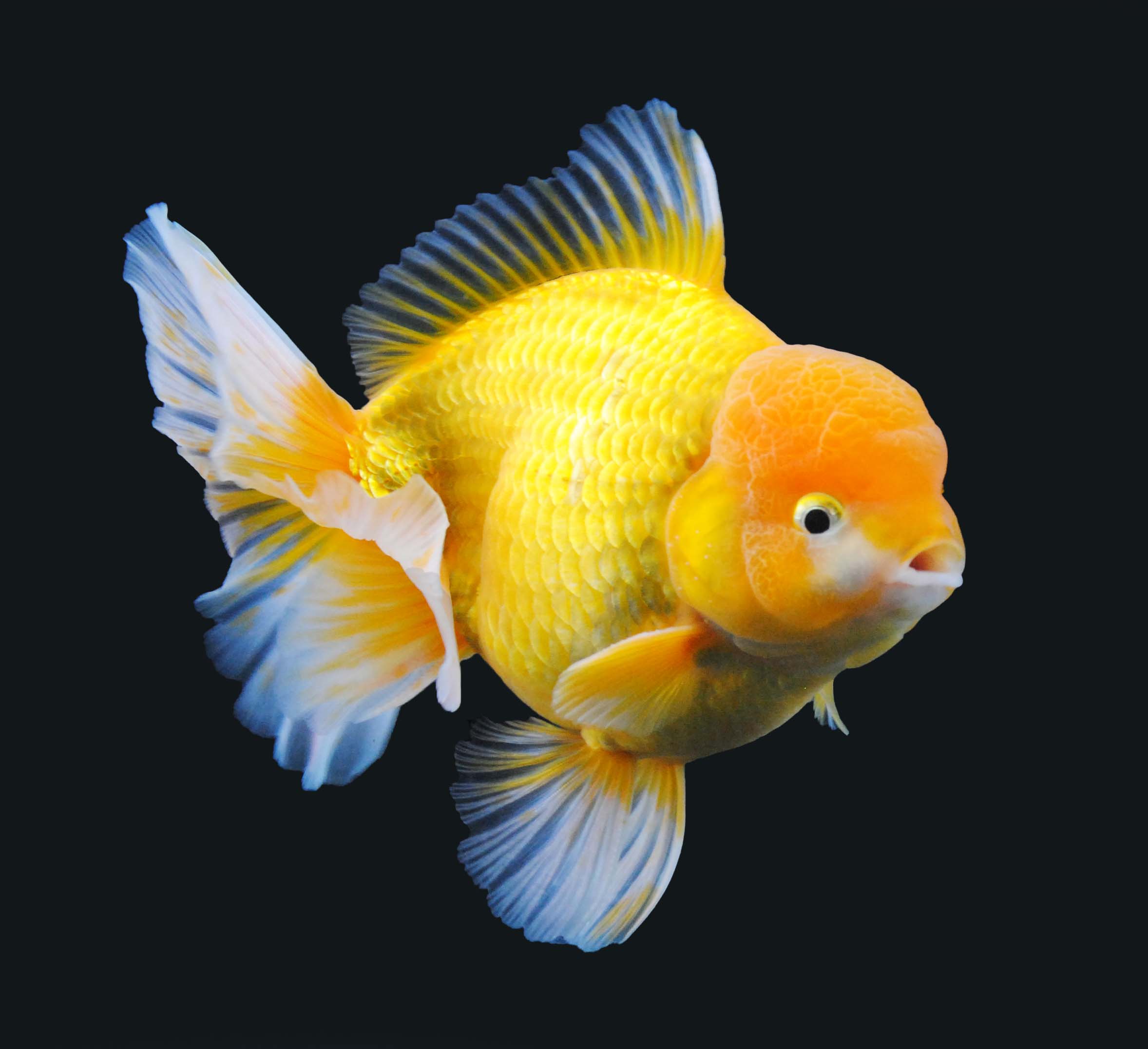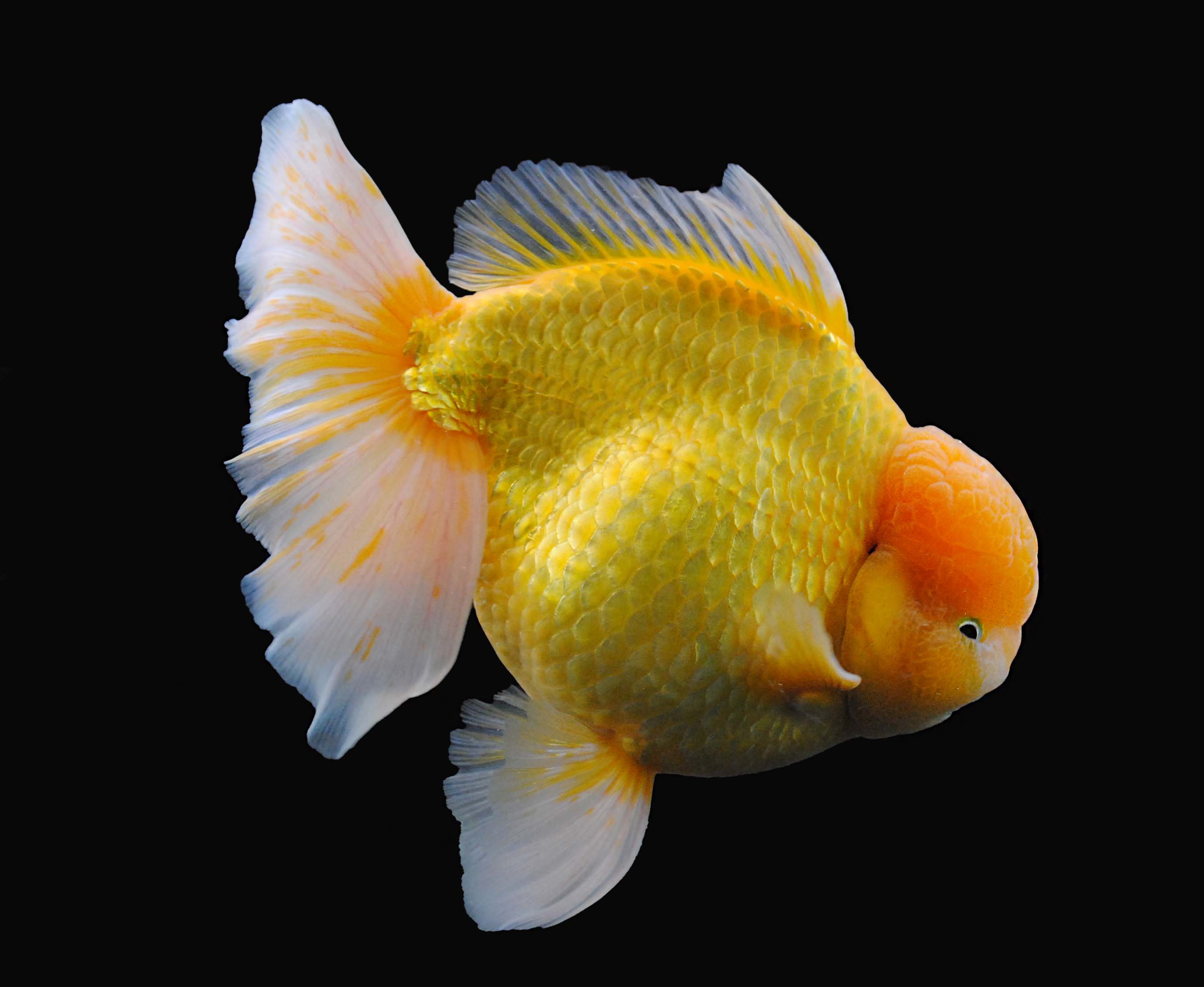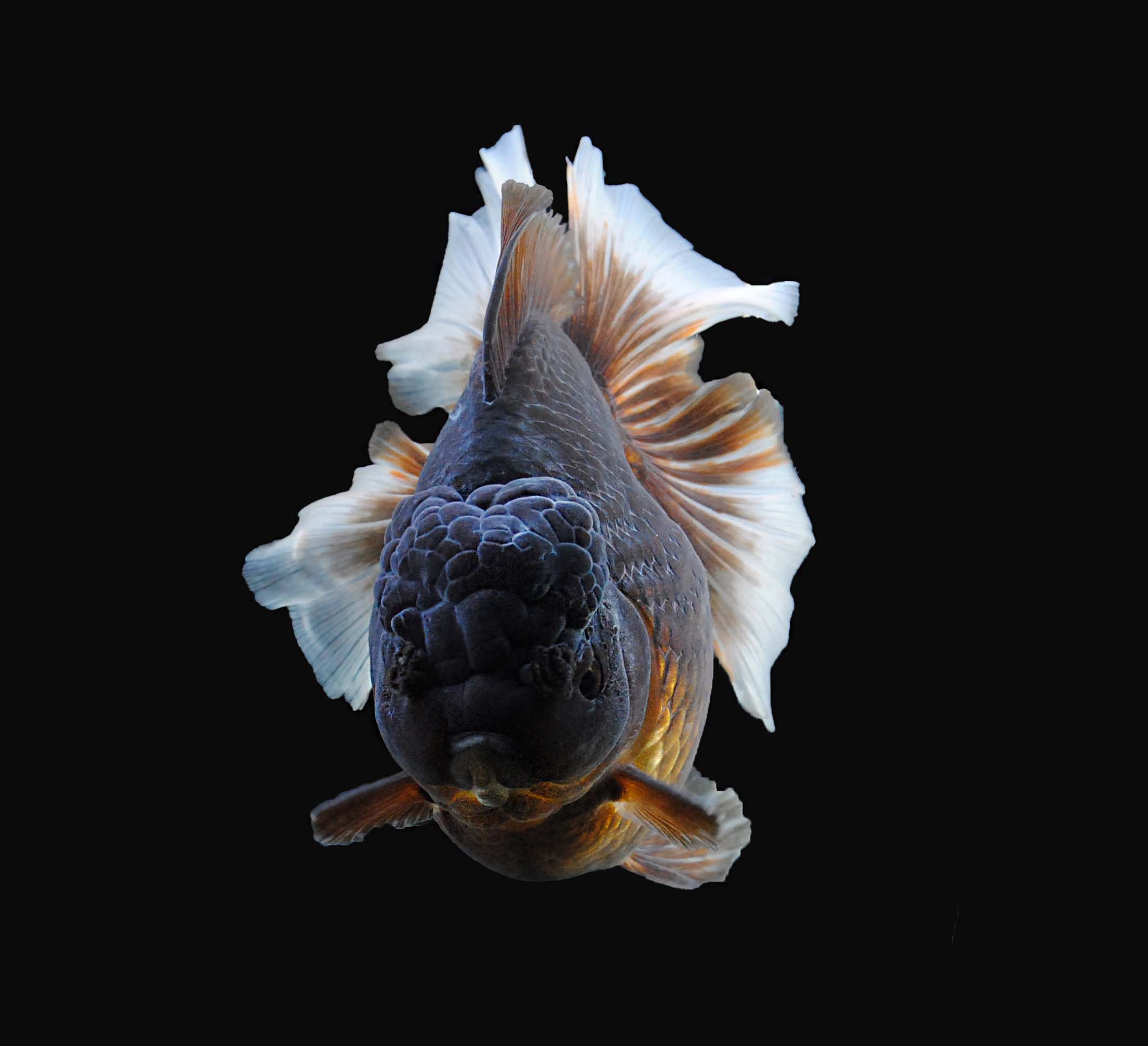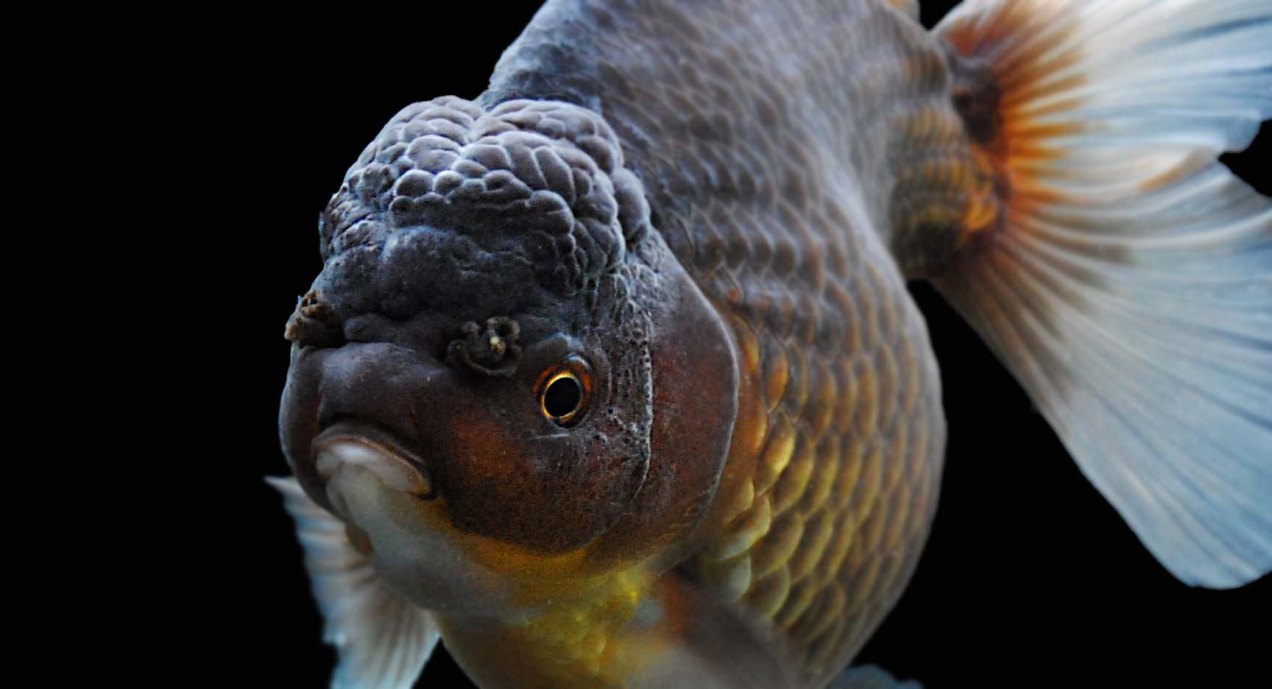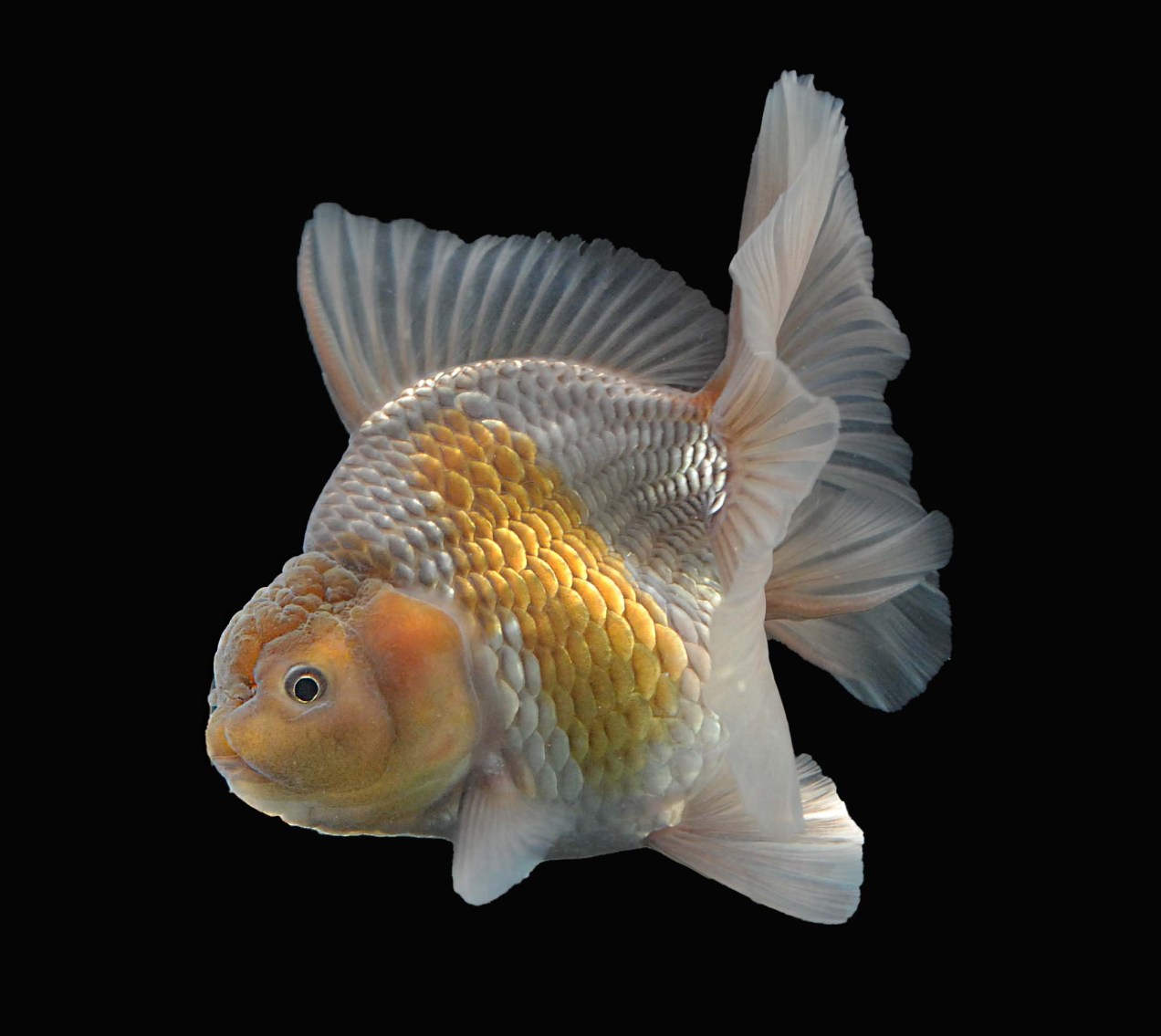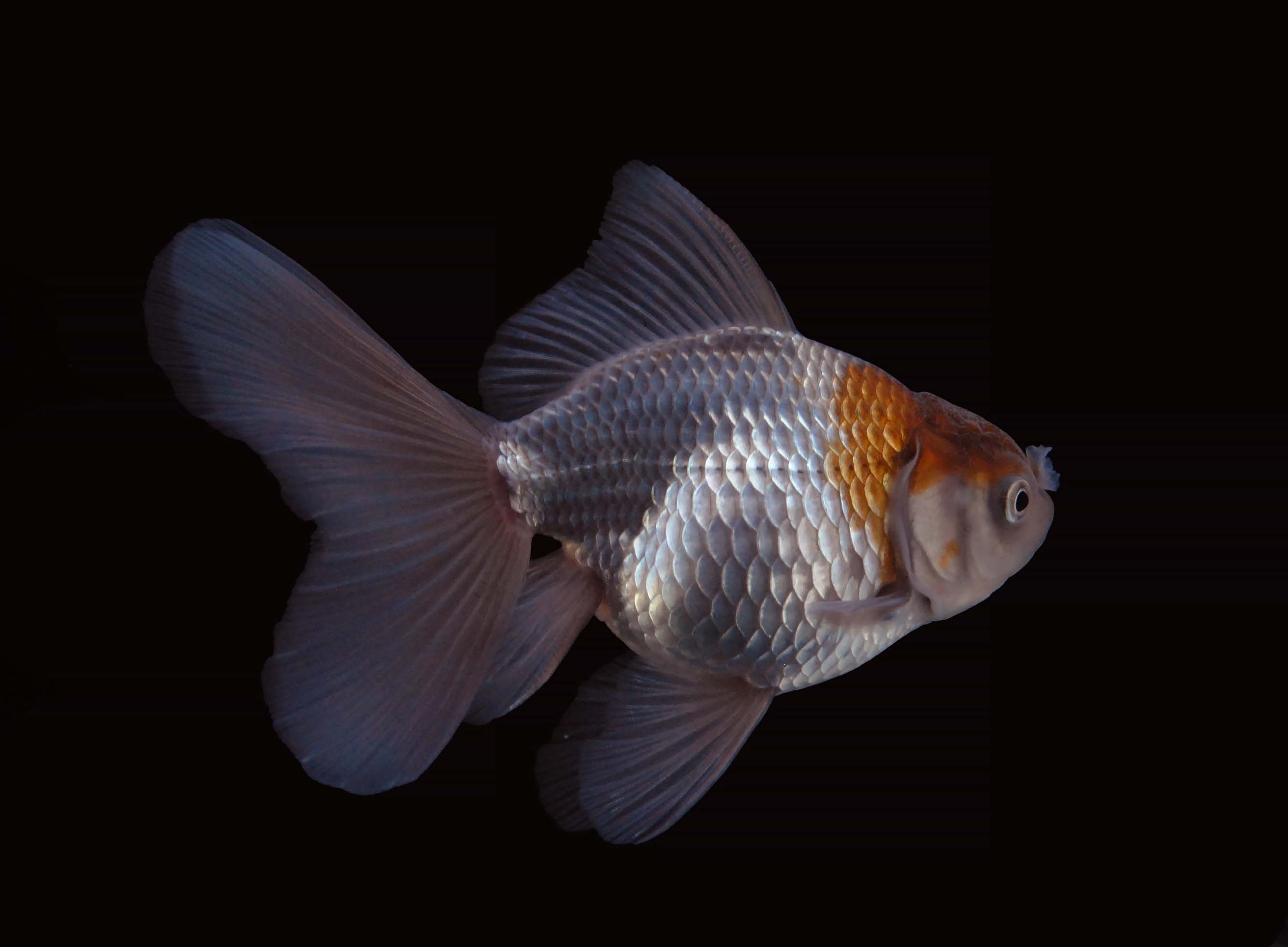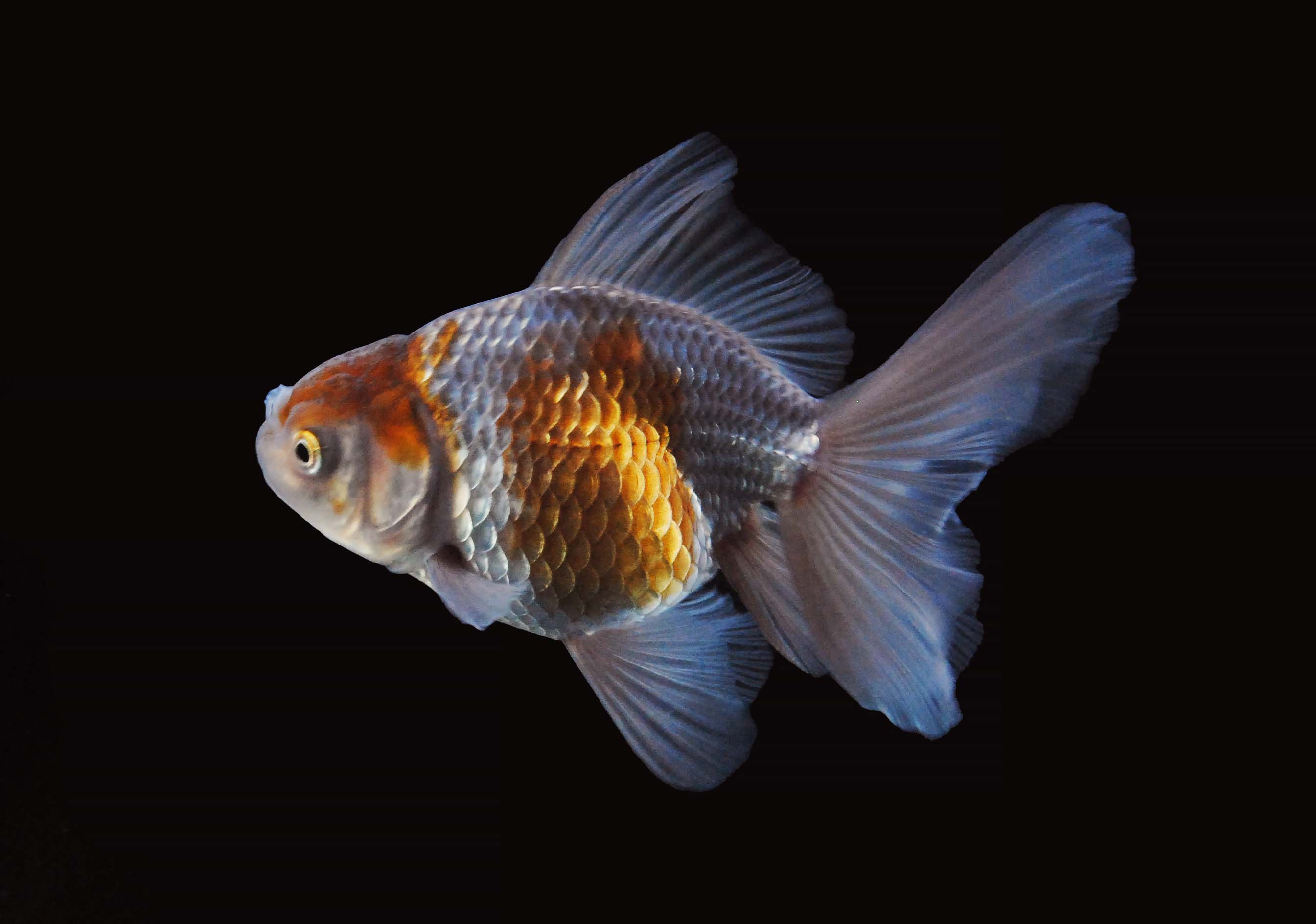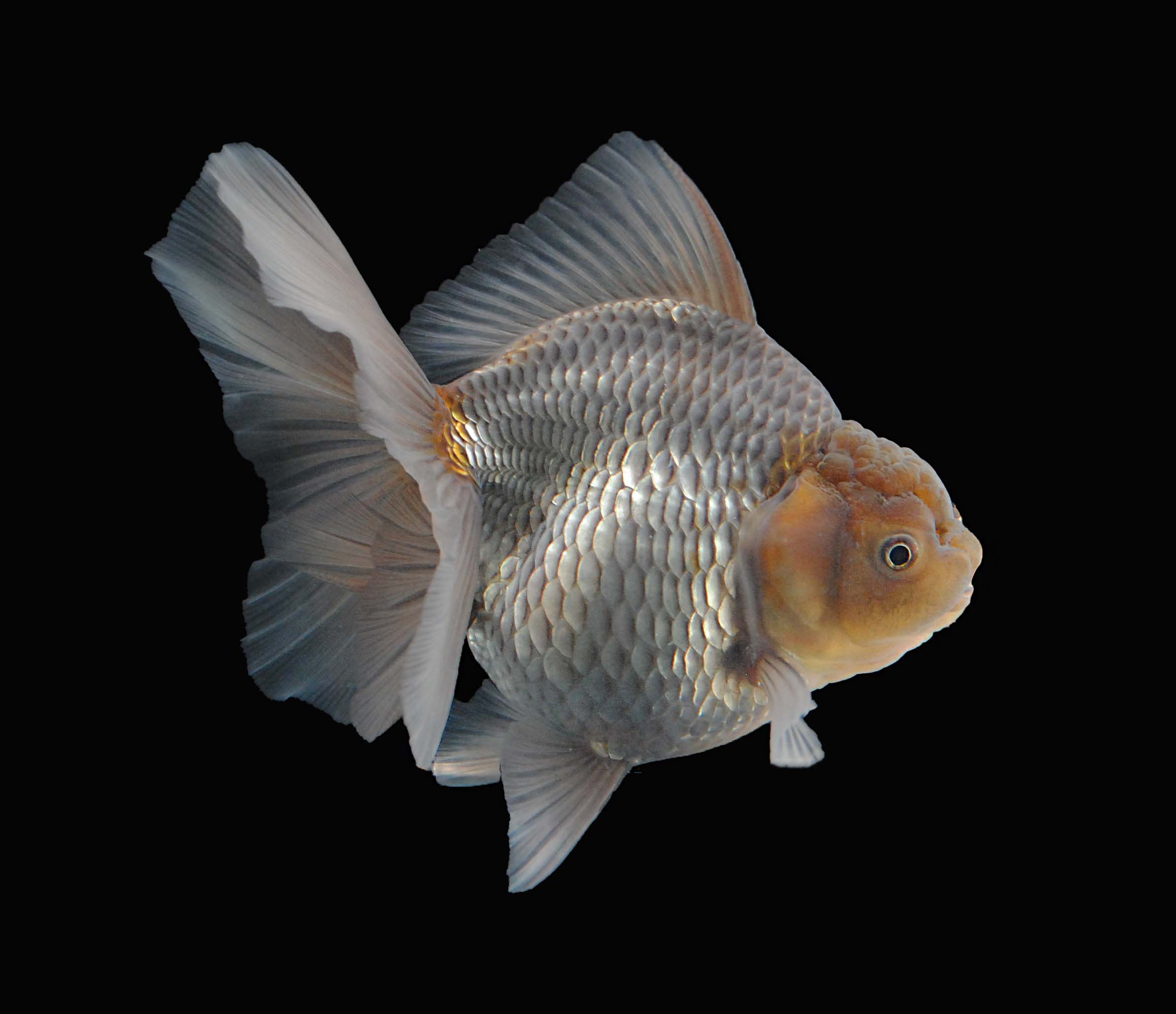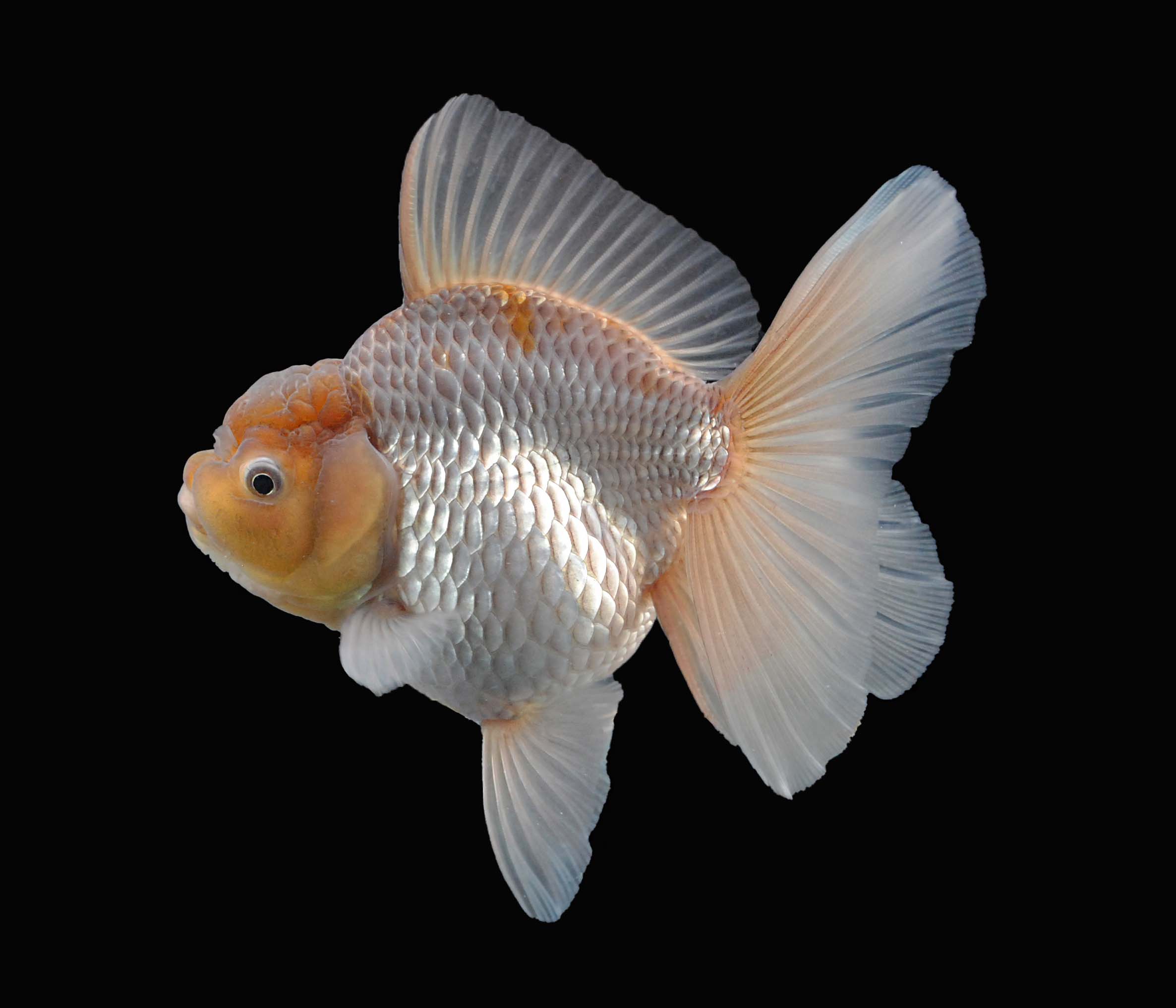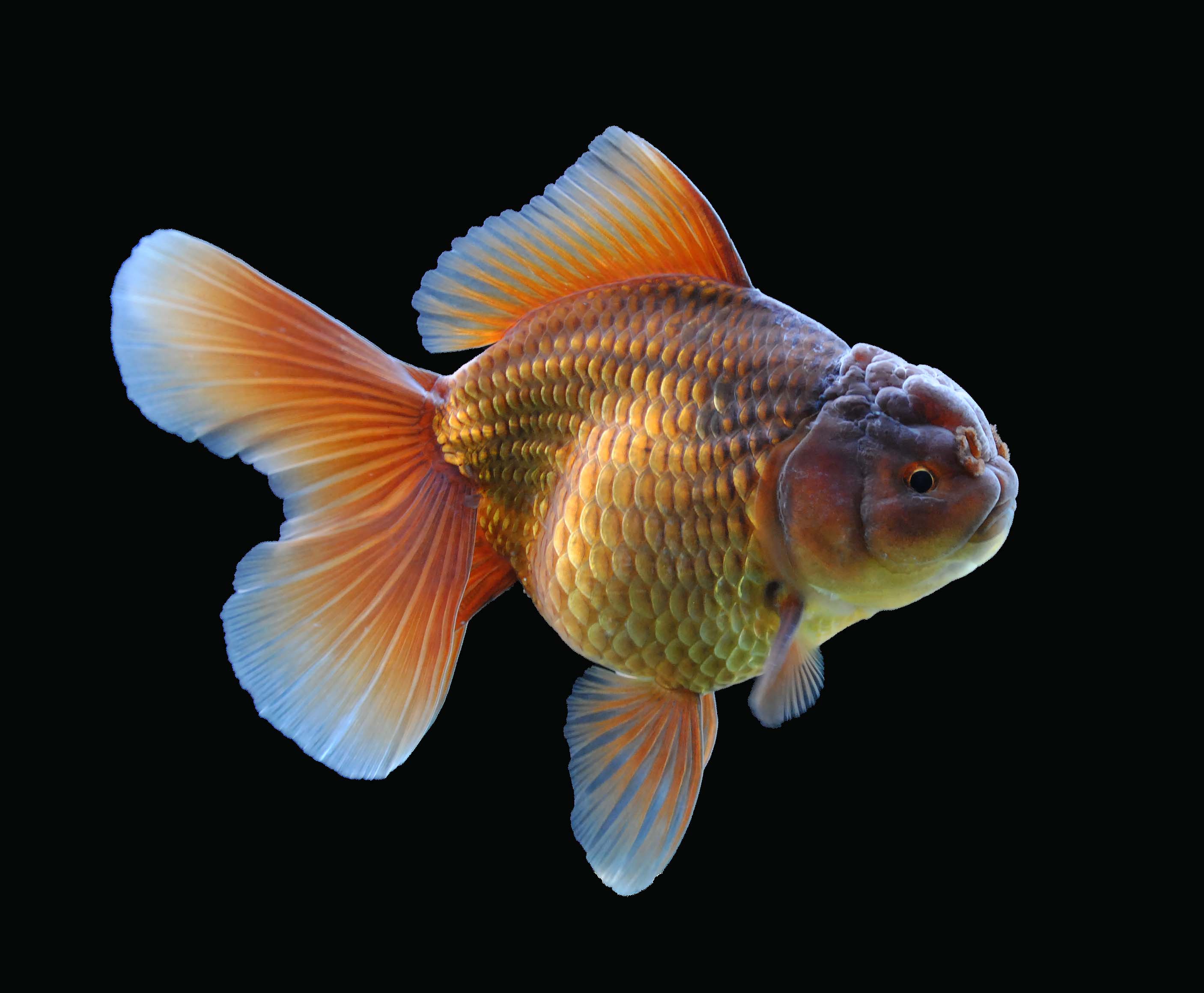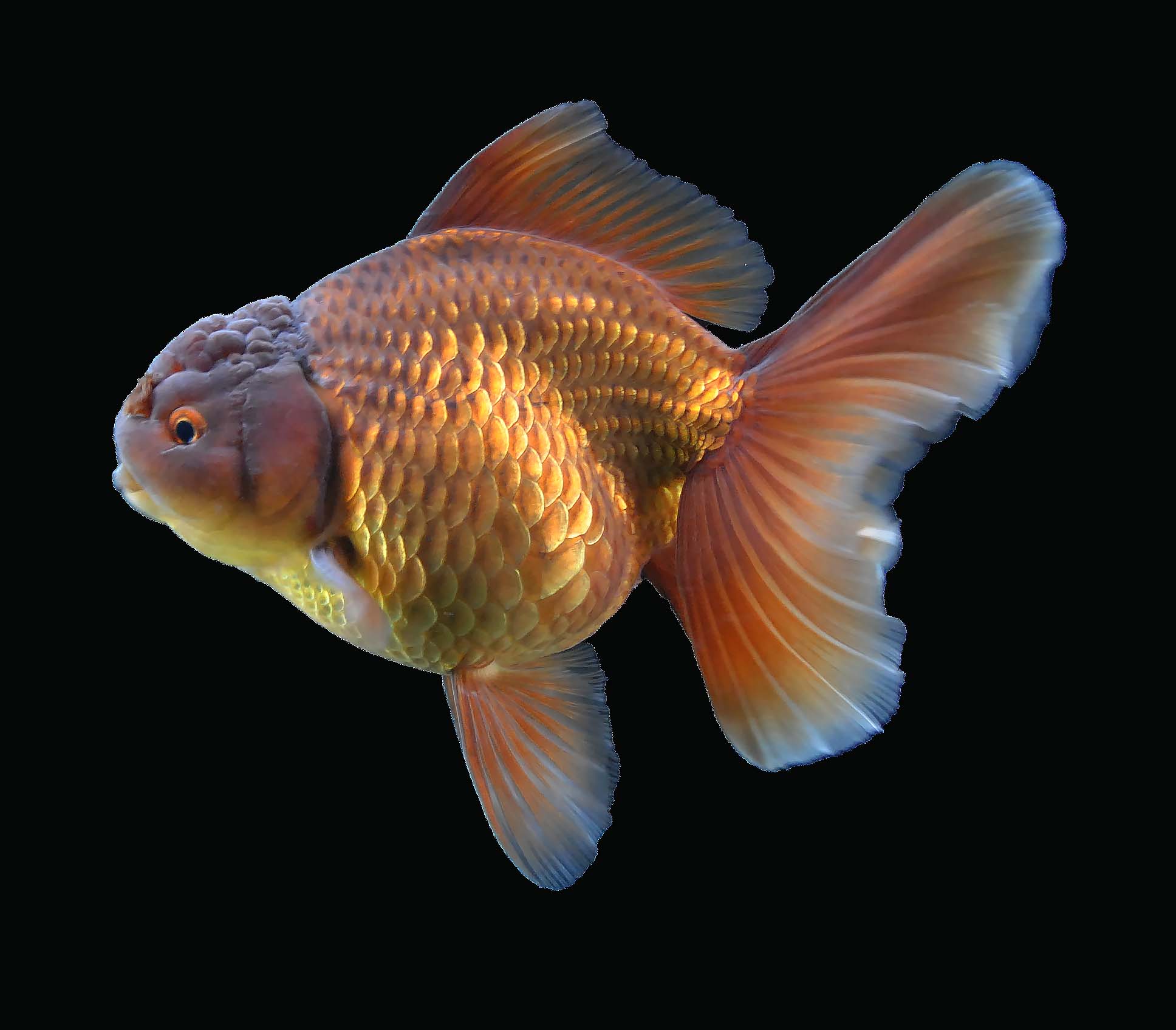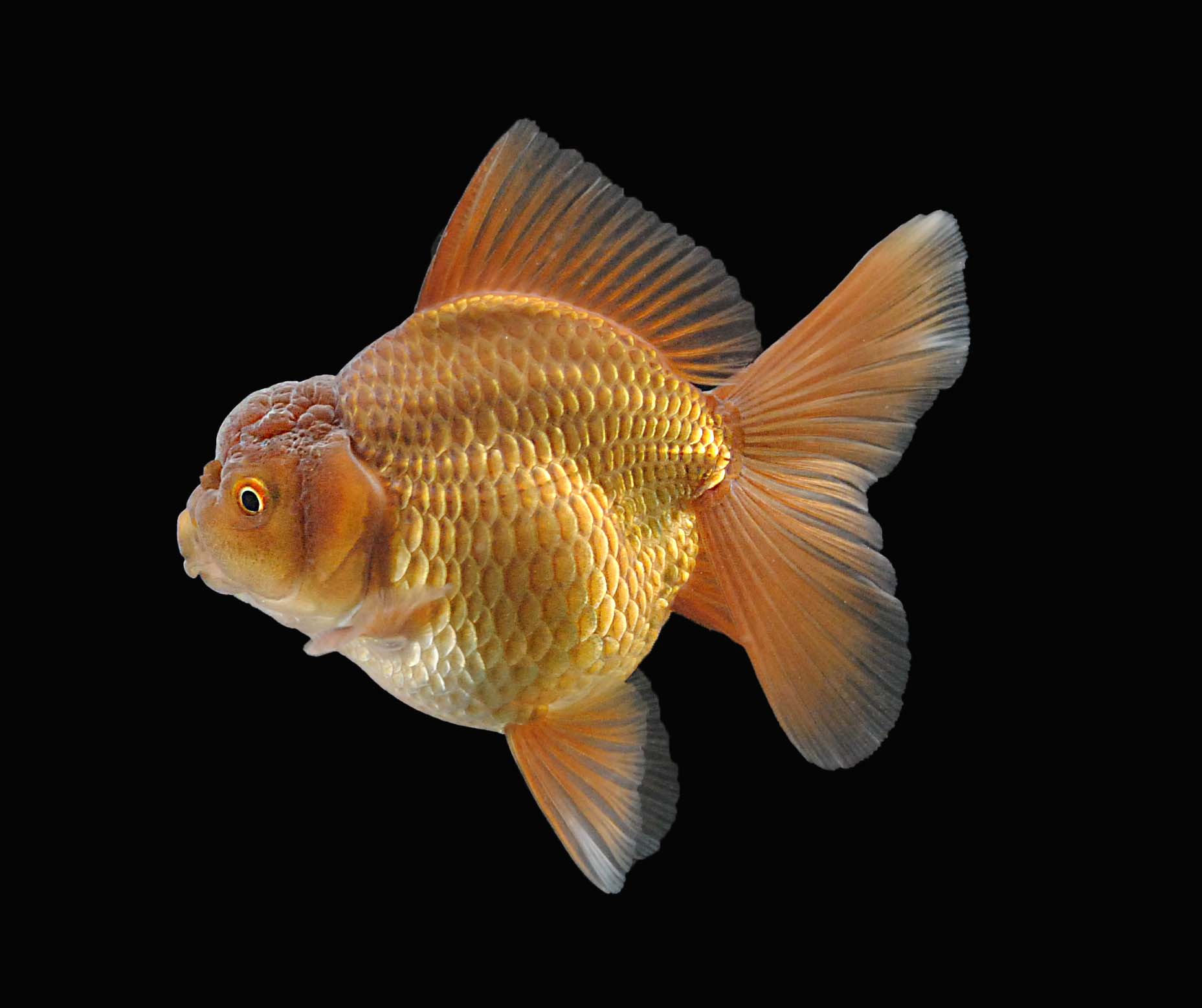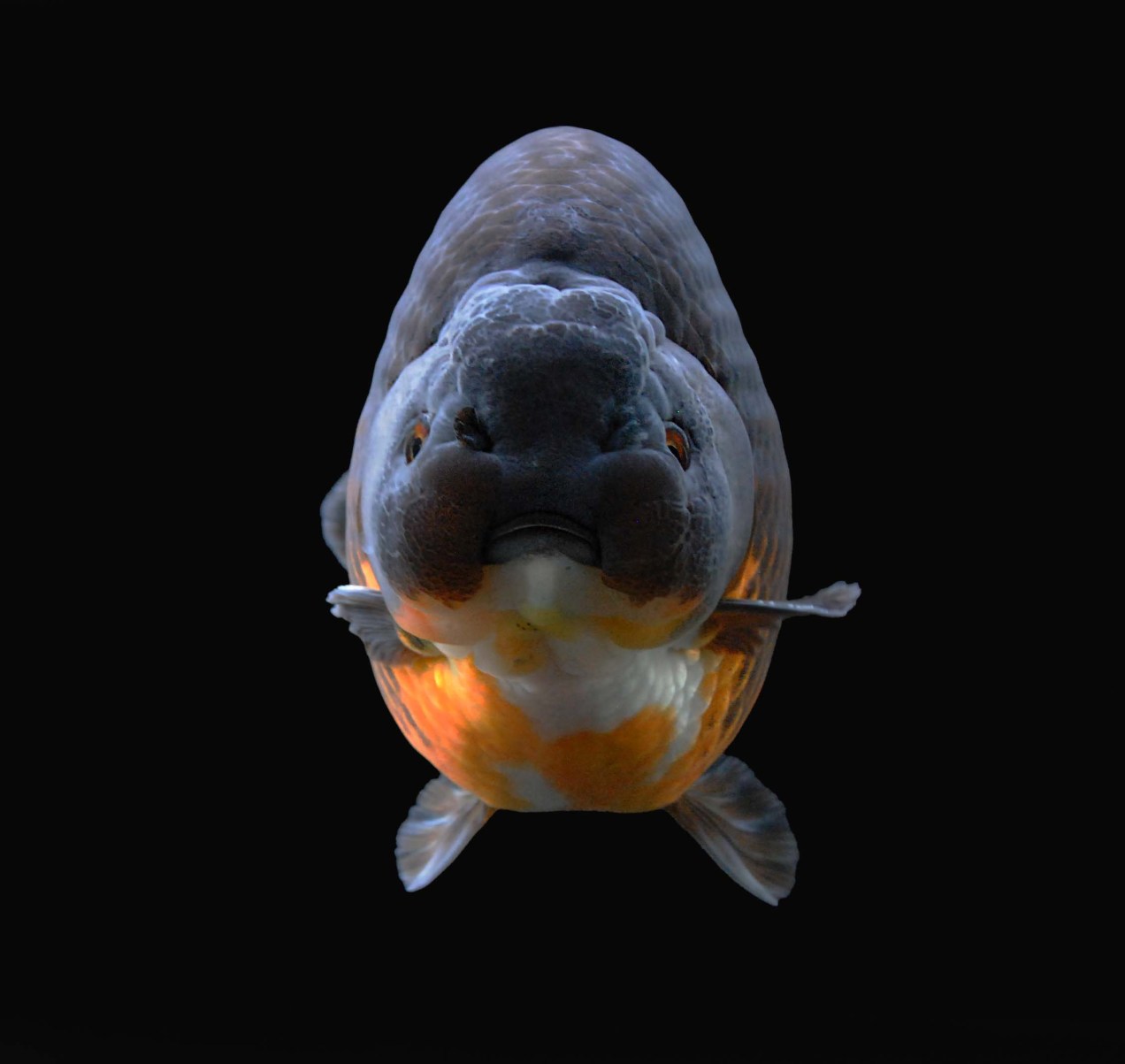
Blue Oranda, Brown Oranda, purple oranda, yellow oranda

The Diary of a Goldfish Breeder 2025 (#2)

  1. Update on myself
  2. New side project: Yellow x Purple Oranda

I am 52 years old now, and taking goldfish pictures and videos is getting wearisome for me. The last time I took some pictures, I had a strained lower back. From that moment on, I think I need to cut back on my photo taking activities. On top of that, several business and family matters occupied my attention. While my overall health was (and is) diminishing (when vertigo took over several times) and my travelling schedule was tight, Not to mention that the earning generated during several years of working on this blog cannot even pay the subscription fee for even a year, haha! I was still faithful to my goldfish breeding projects, though. Every morning when I was not travelling, I will did my daily routine: doing water change, scrubbing dirty tubs, closely working on my projects. It is just that I had far less time to update on this blog. Going forward, I might update on this blog with less (and lesser quality) pictures. Oh yes, my vision is also deteriorating (welcome to old age, said my eye doctor!) I also think of discussing a new topic, that is about appreciation and the philosophy behind it. I think it will be an interesting topic for me to explore, though I fully acknowledge my limitation. Well, it is all still just wishful thinking, though. No promise.

During my blog absent last year, I had a chance to make a unique cross that I had an eye on a long time ago. The color of yellow and purple are both recessive to red. How if I cross them? What will the offspring variety be? I already know what happens if I cross red to yellow, or red to blue / brown / purple. But I have no idea what will happen if I cross yellow to purple. As far as I know, nobody has ever reported this kind of project.

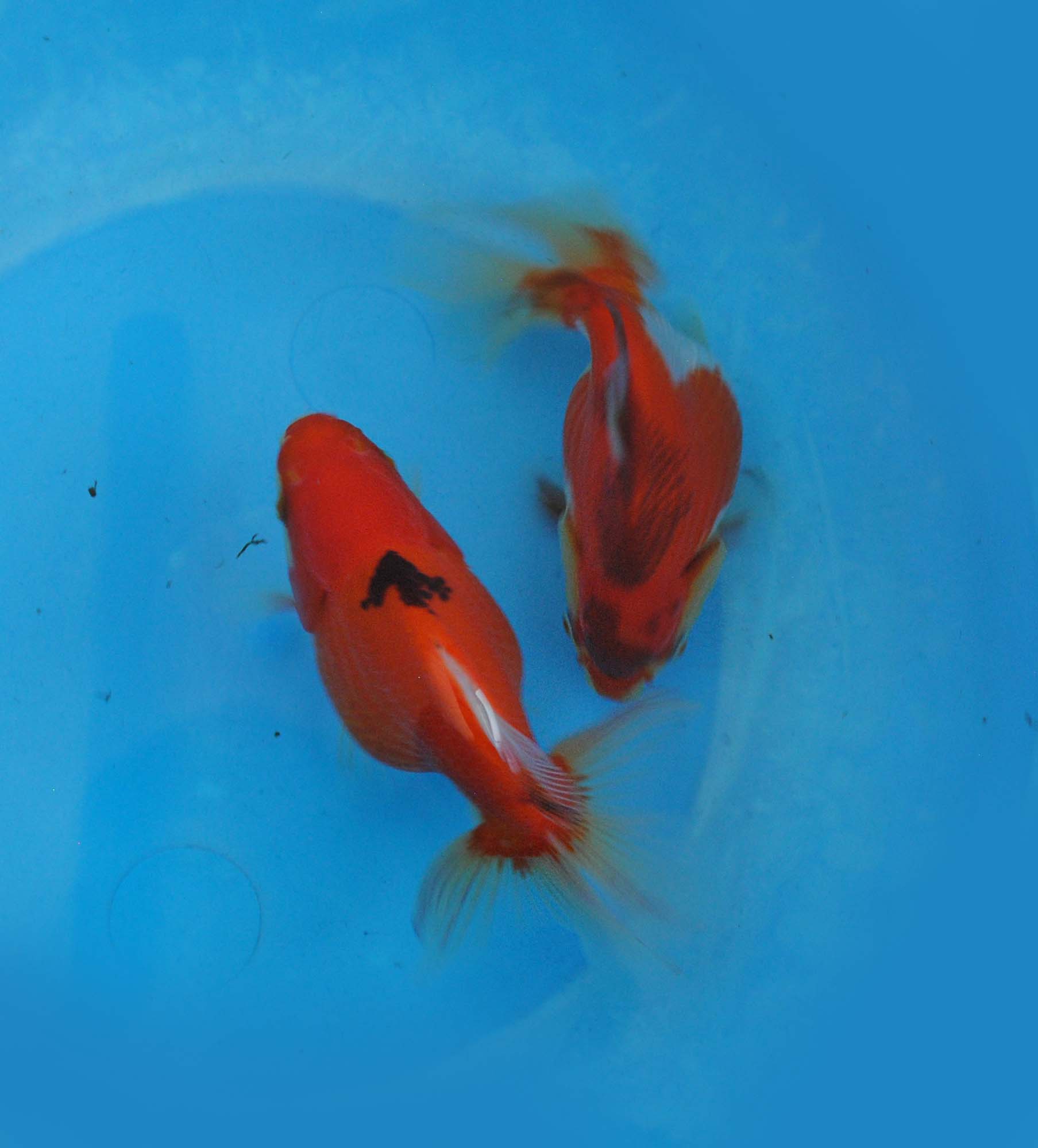
The F1 are all orange (some with black spatter). I did not manage to take picture of them due to the reason I mentioned above. Since it is easier to take video of them from my handphone, I managed to take their video and upload it in youtube:

And here are the F2

Is there any interesting result? I would say yes, though I am not sure they will do well in the market. They are interesting for curiosity purpose.

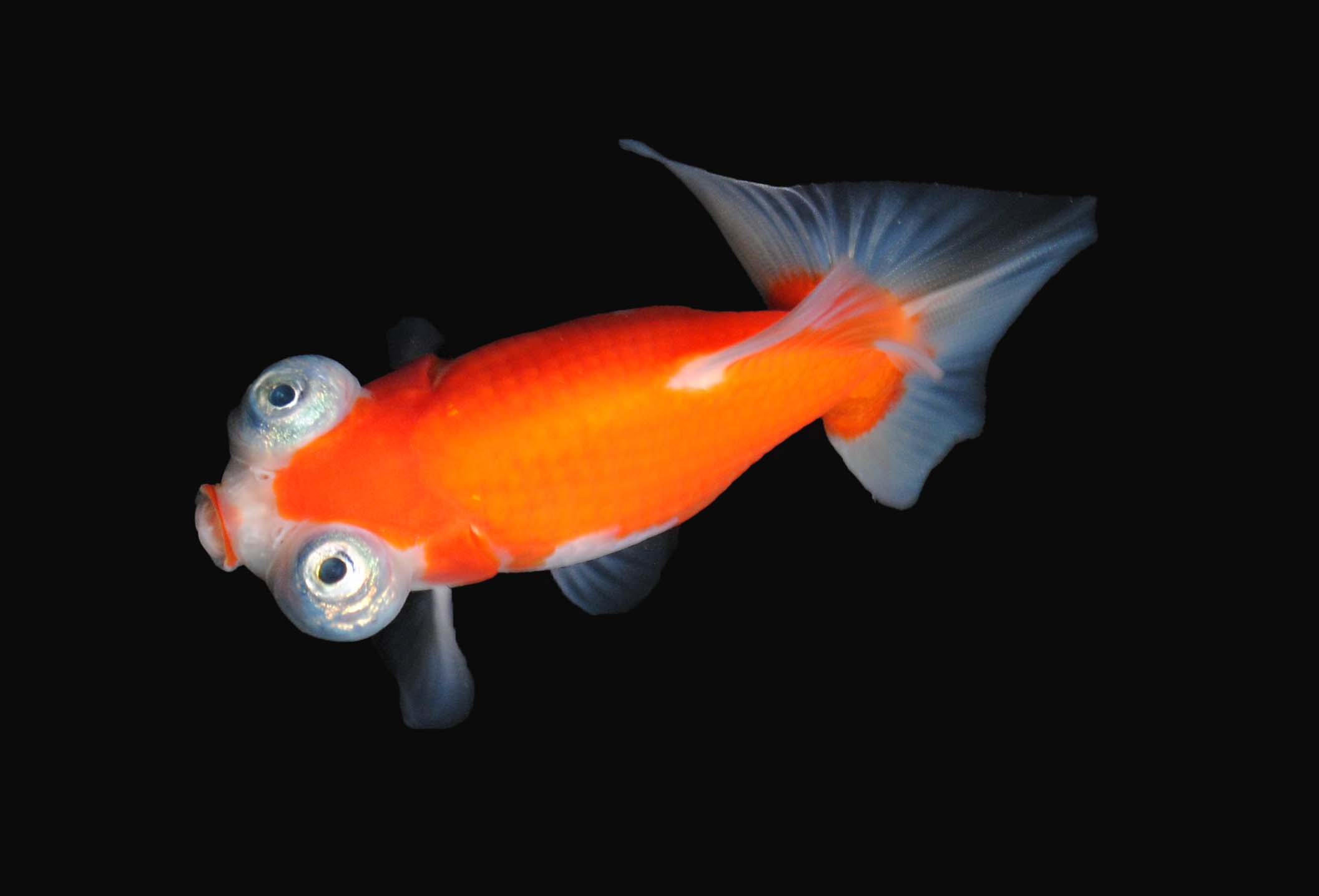
The most obvious results are the red / red white and the yellow / yellow white color. This is predictable, of course. But I do note that the yellow color has a bit of orangish color, in a different spectrum of yellow from its father, yet can still be differentiated from the red siblings. I do not think I will use them in my next projects, though.

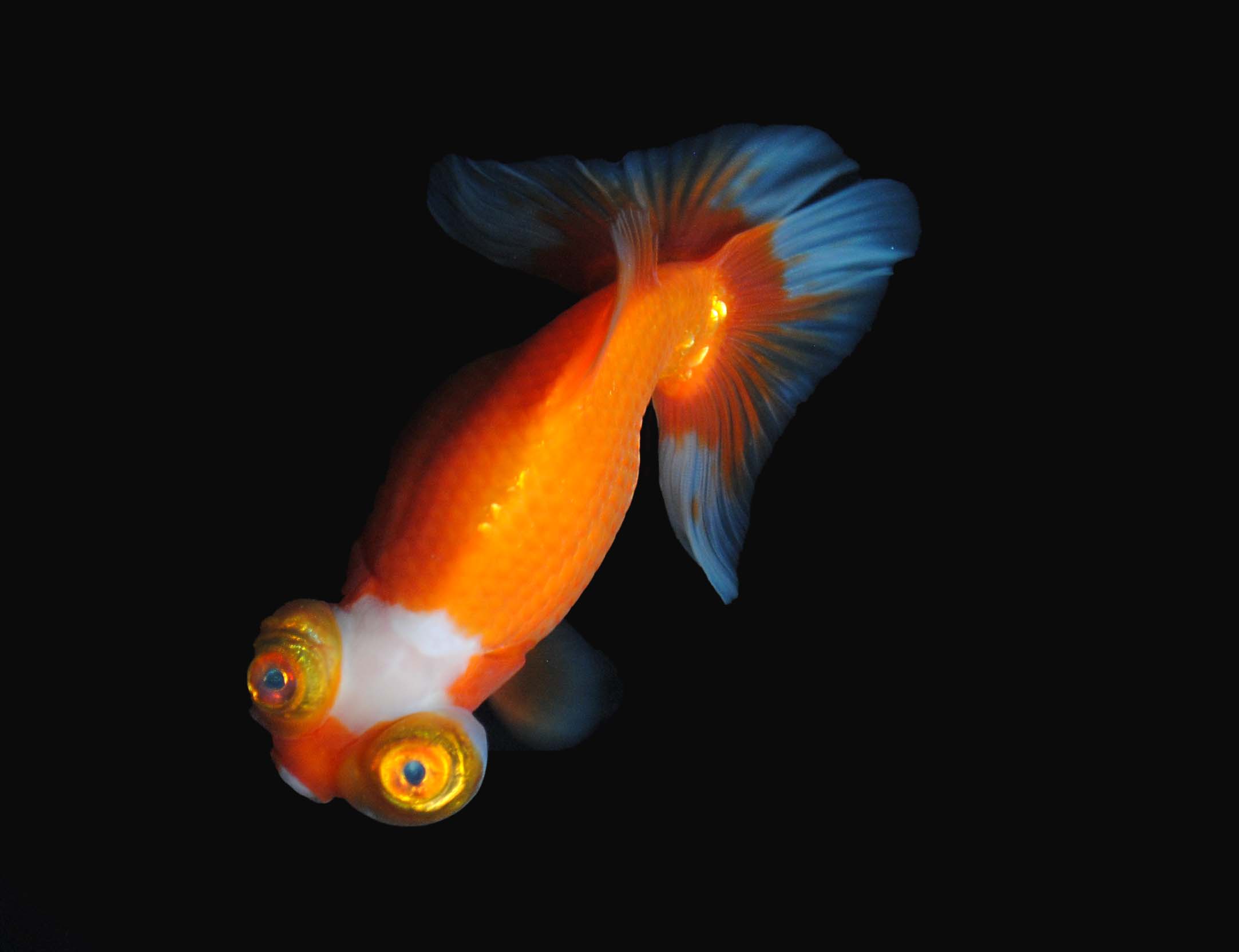
Next in line are the blue and purple color. This is also predictable. If the F2 of red x purple results in blue and purple (along with brown and red), it is expected that the F2 of yellow x purple will results in blue and purple also (along with brown which I will discuss after this, and red and yellow).

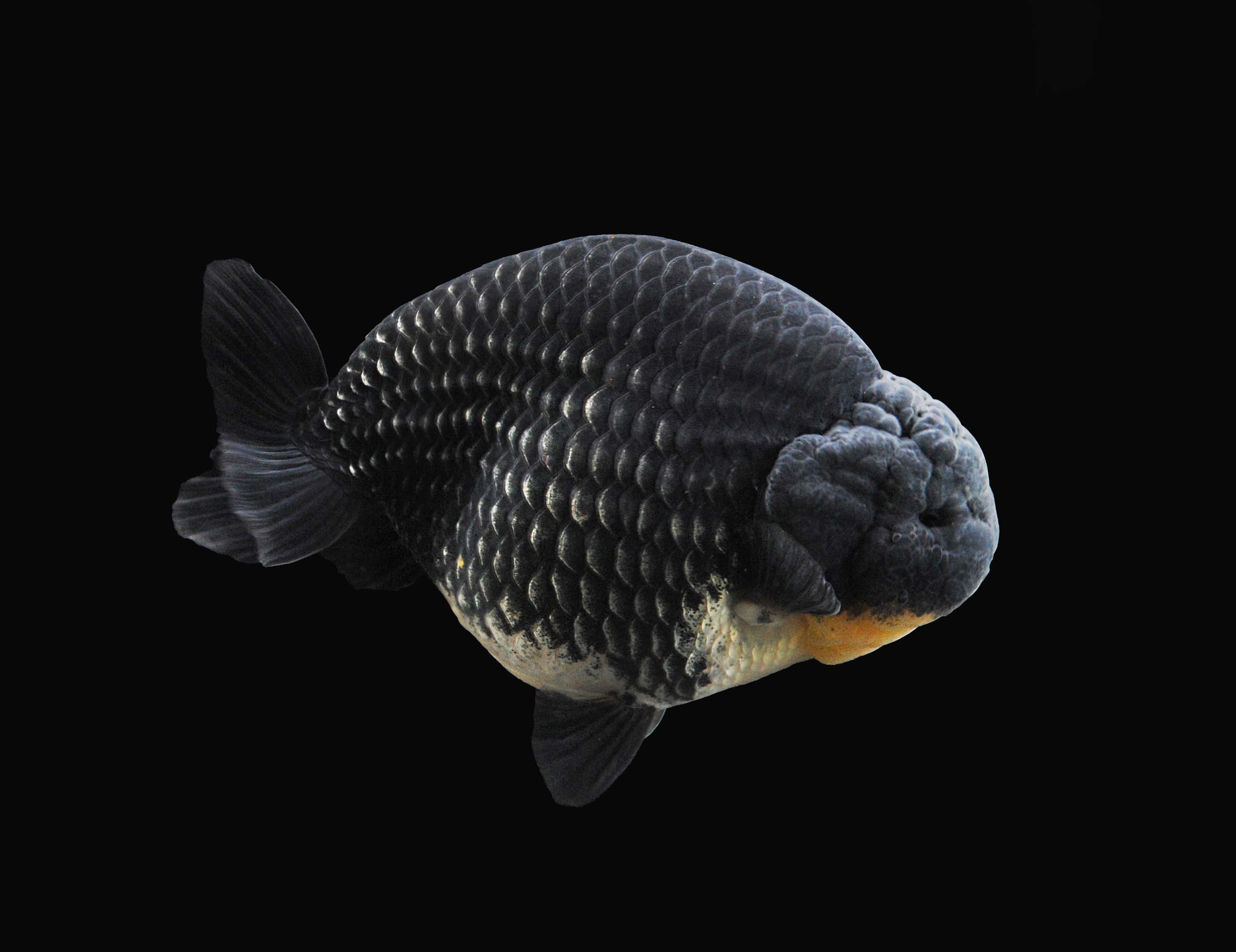
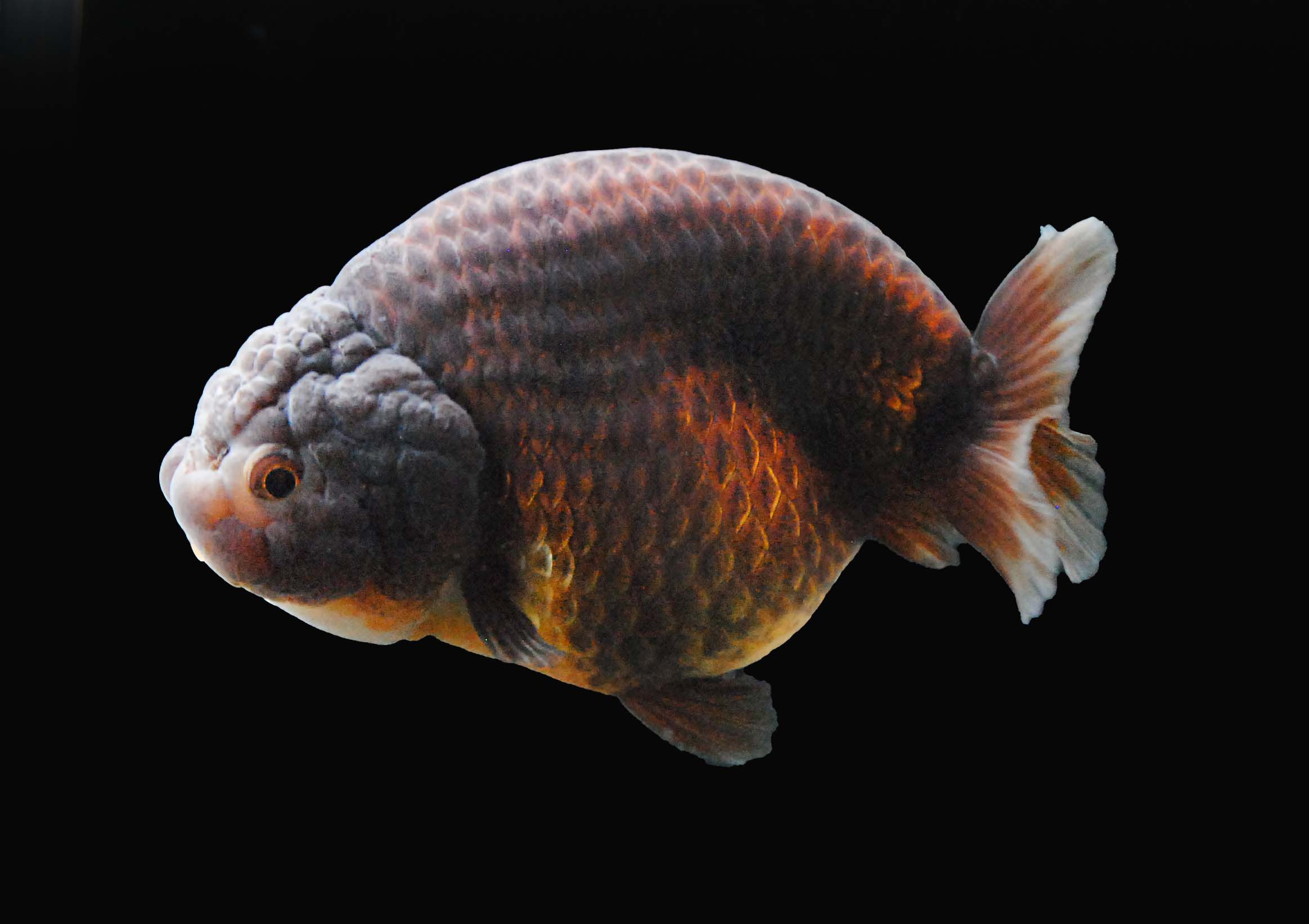
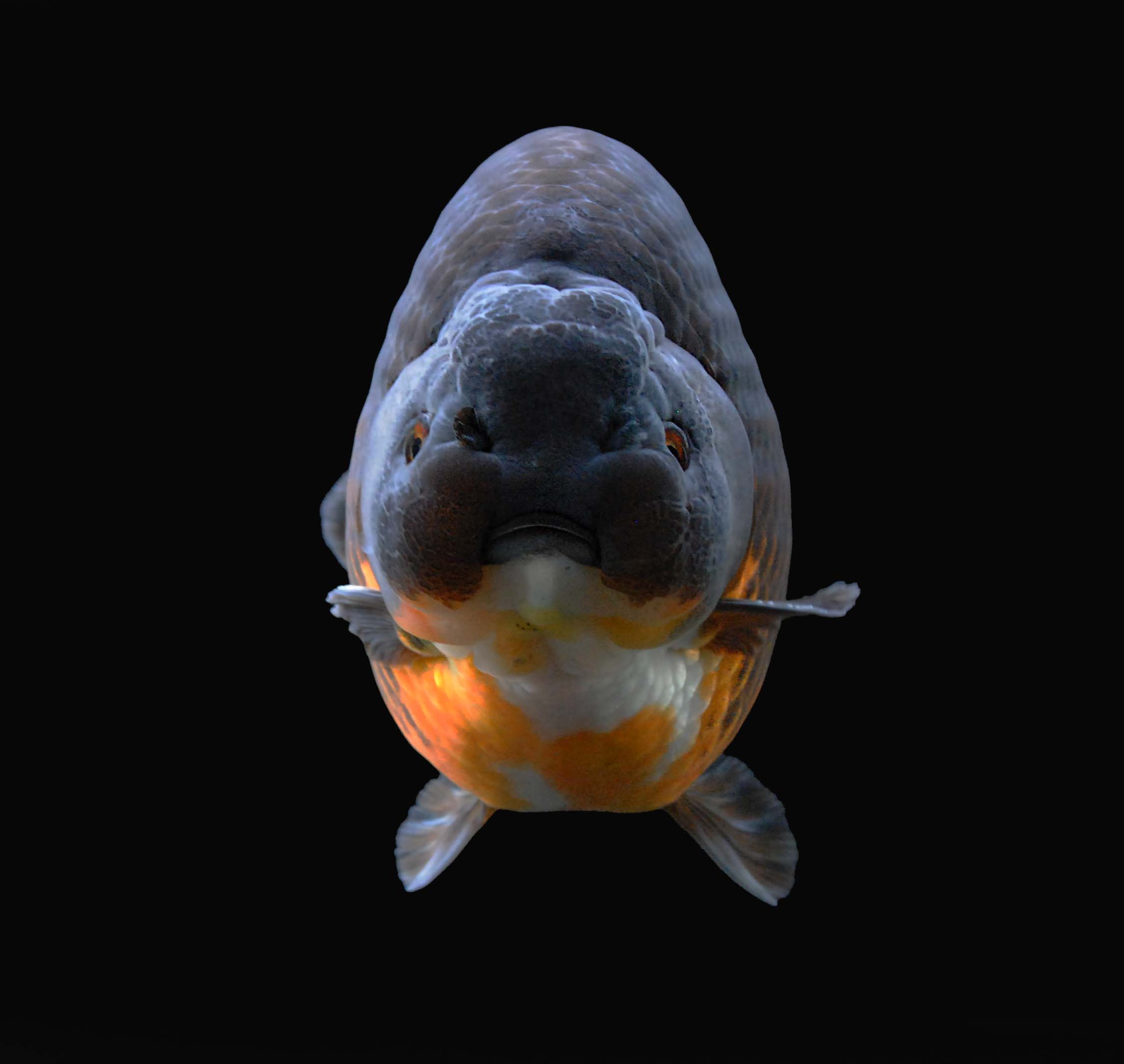
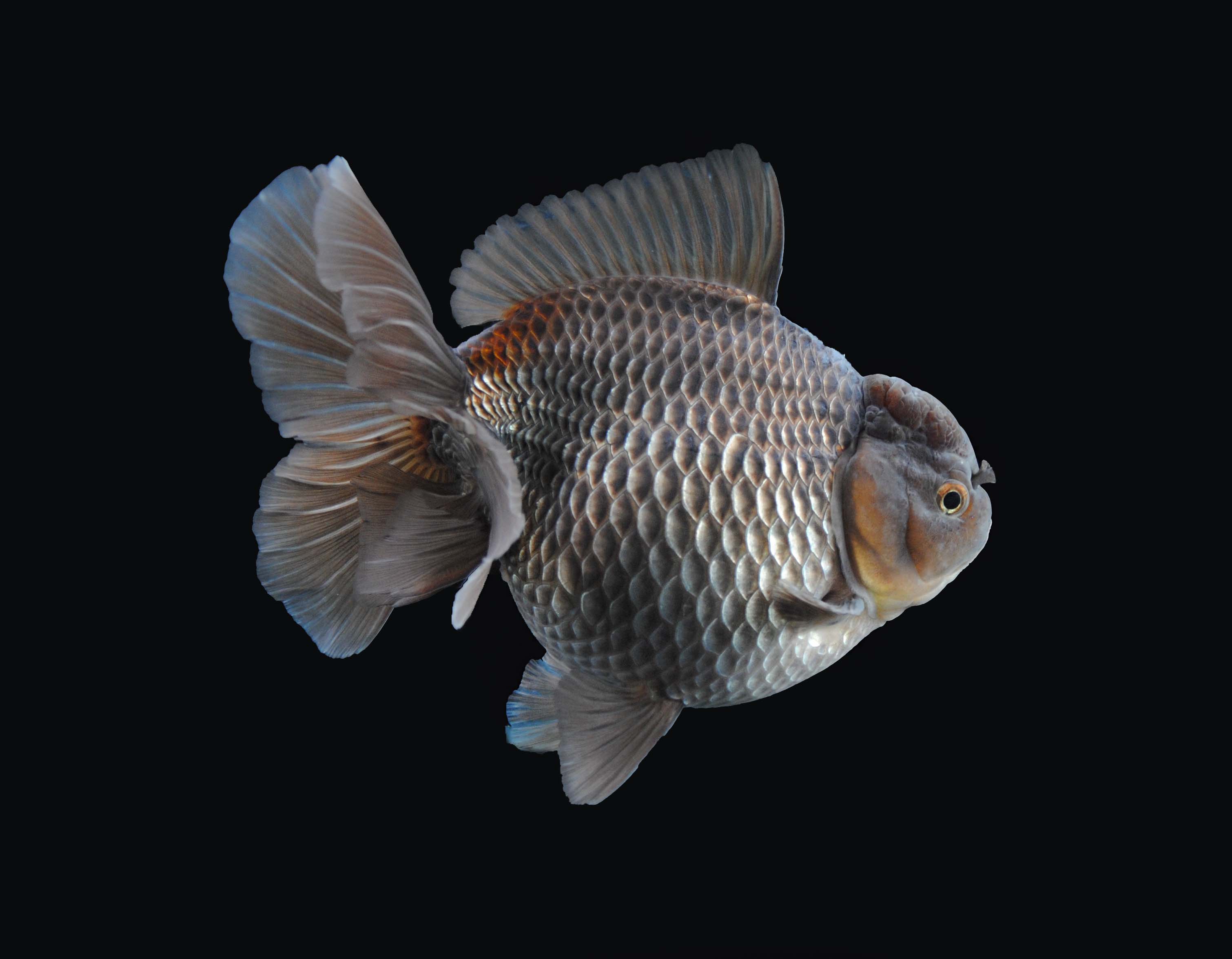
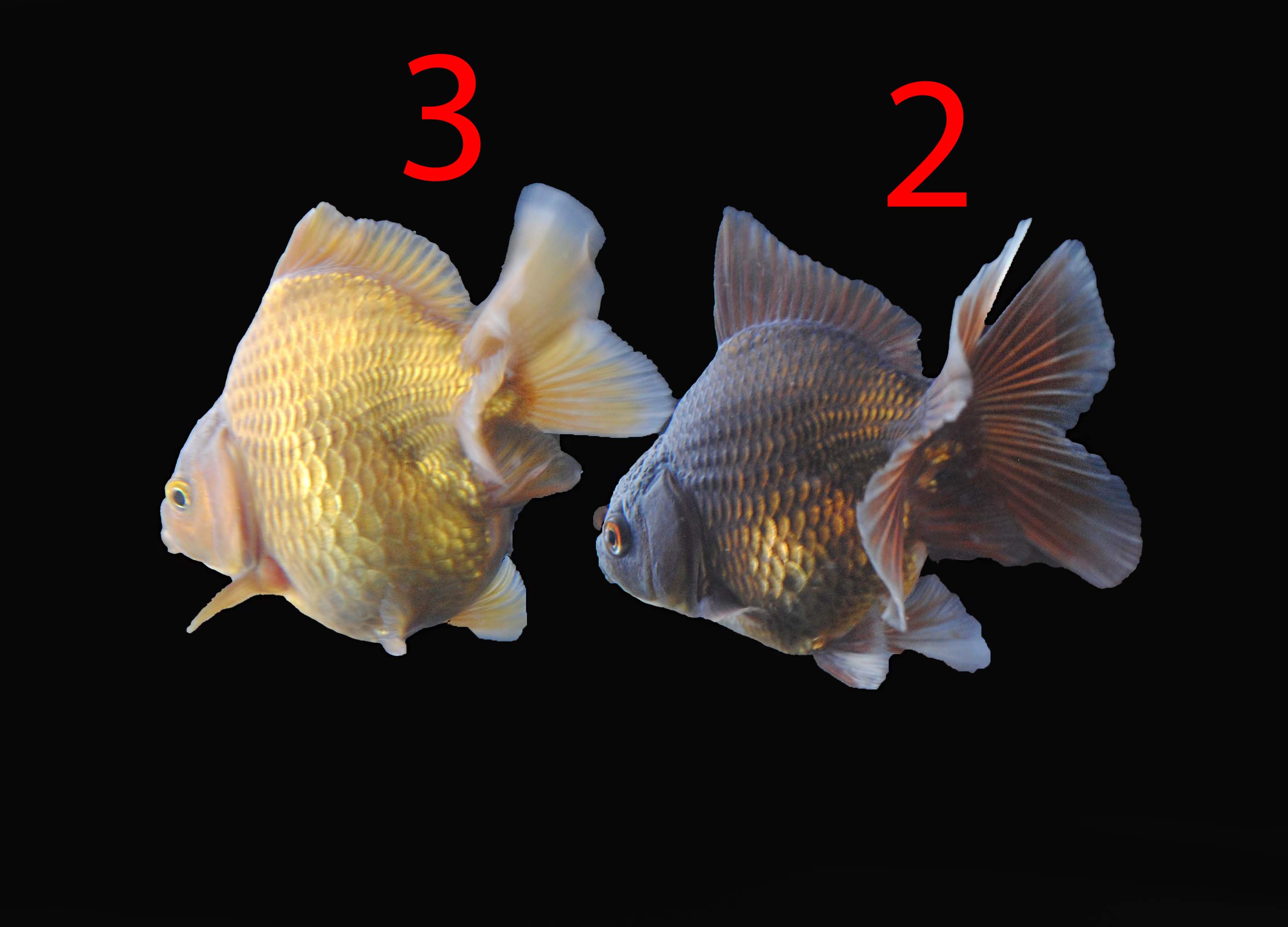
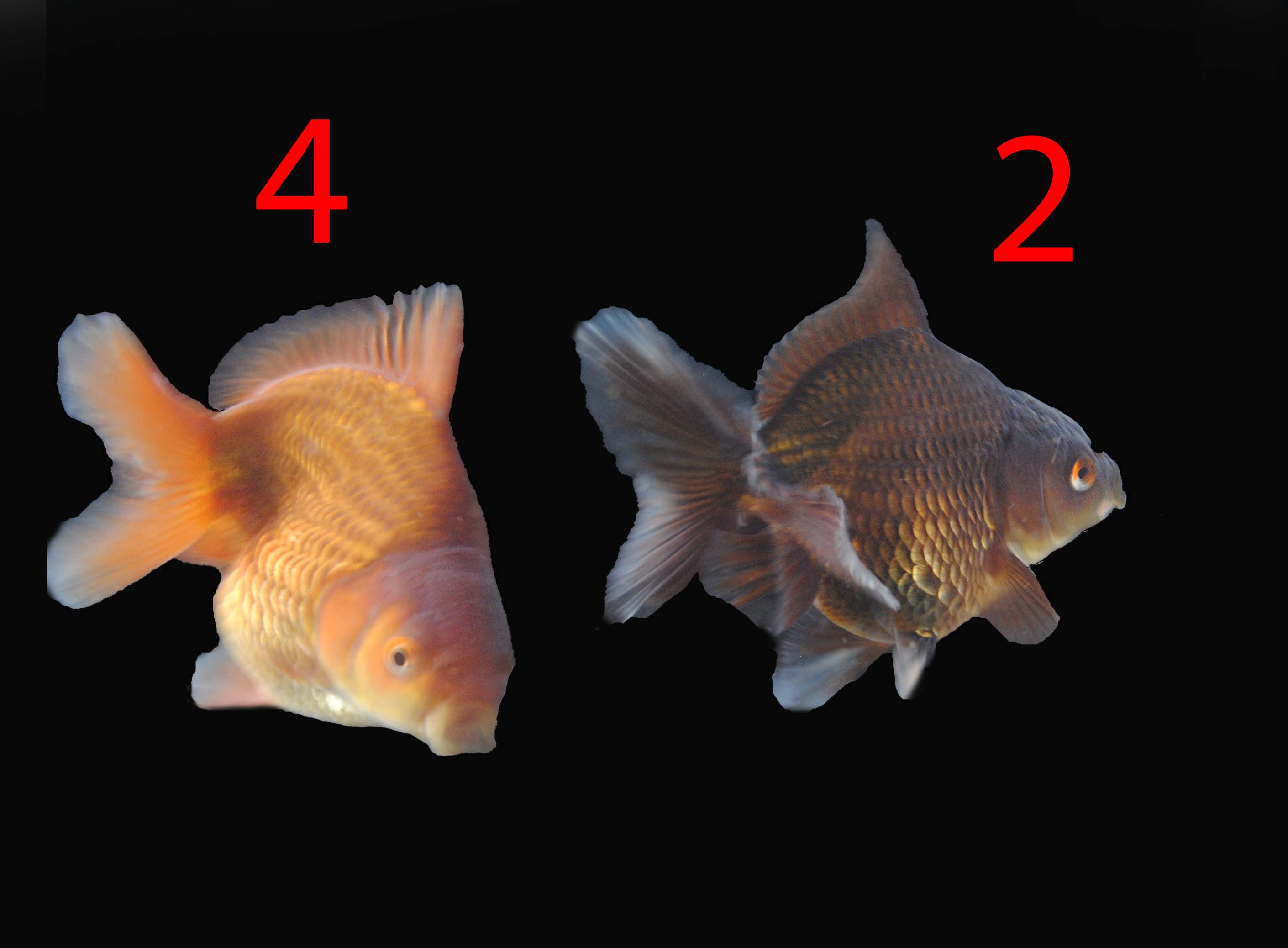
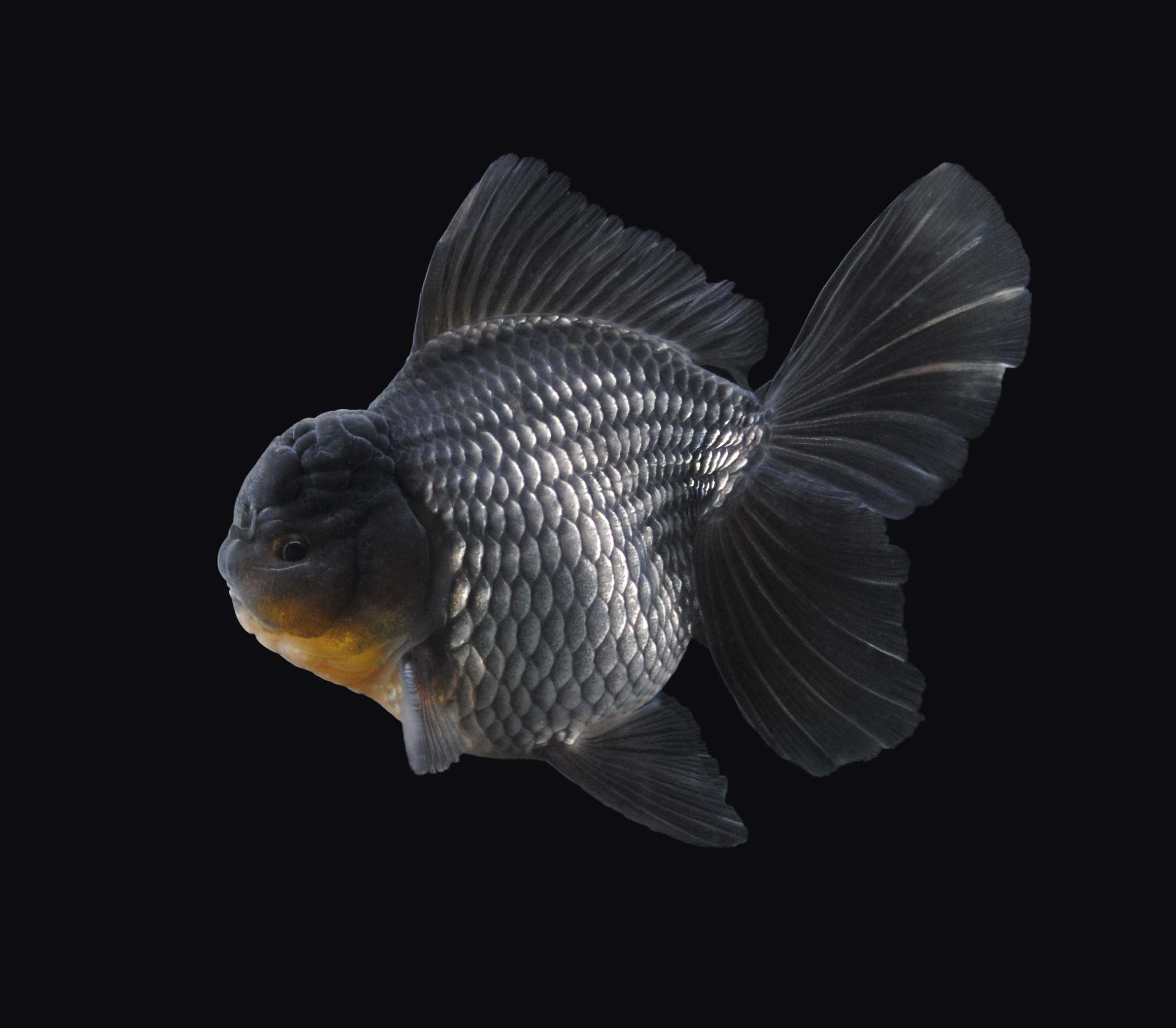
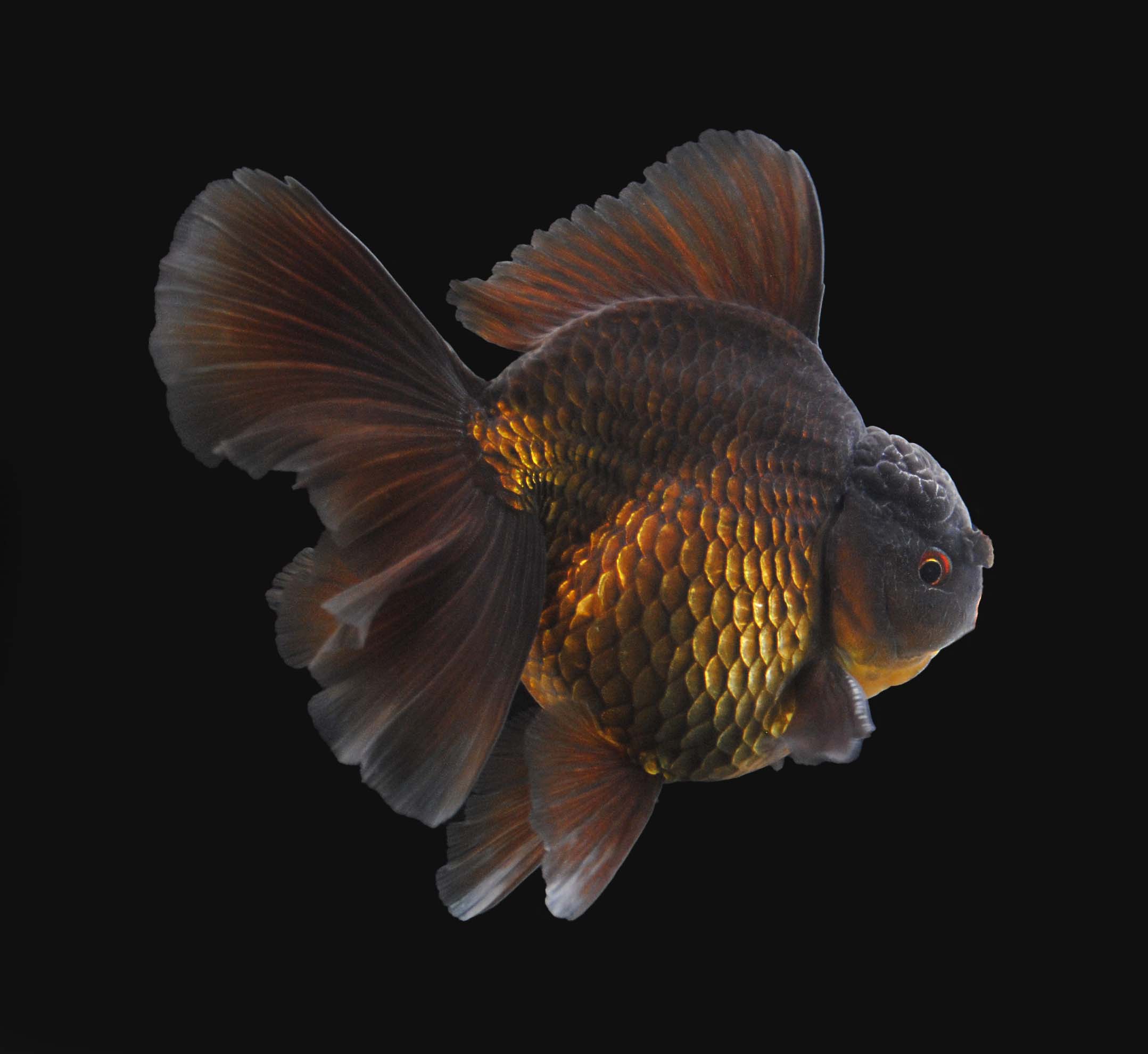
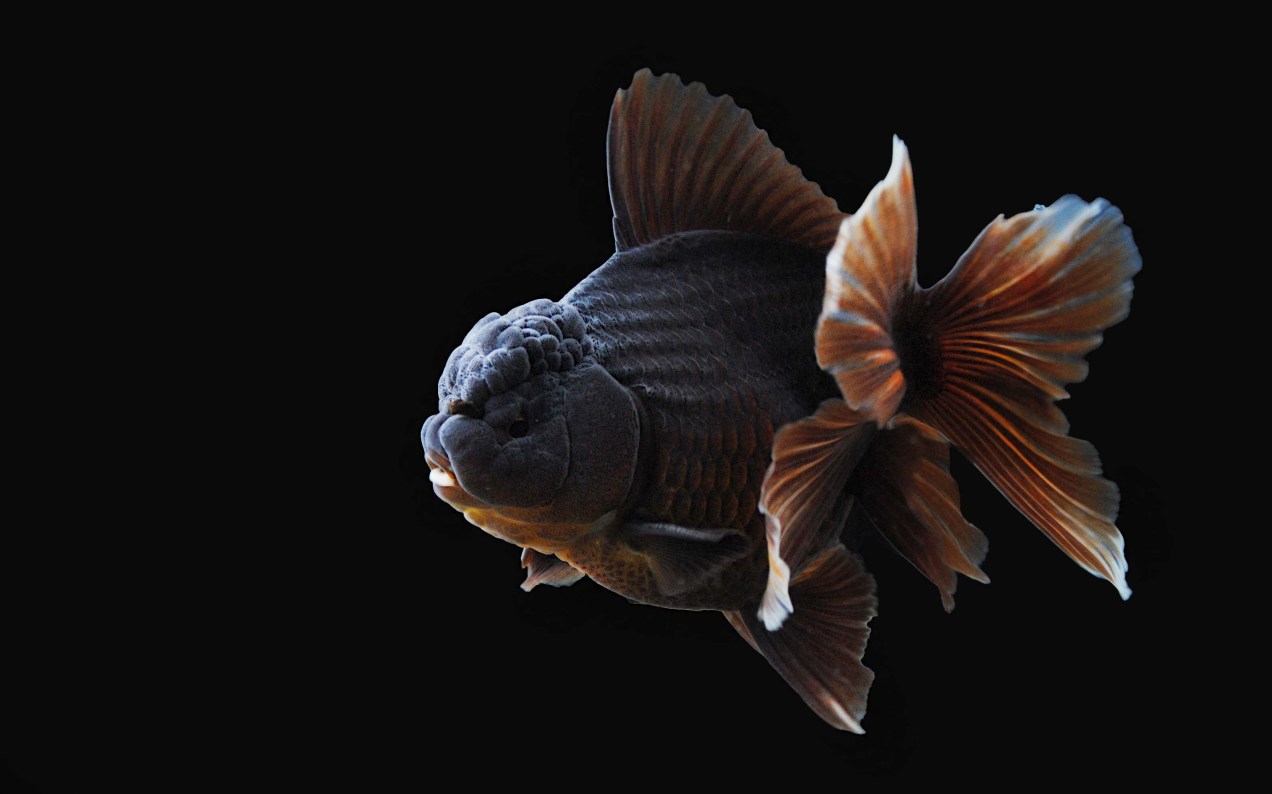
The brown offspring is a bit tricky and interesting. First, let me show you the grey (wild) color as also one of the offspring, and its dark brownish sibling. The wild color being #1 and the sibling #2. Do you think we can call the #2 brown / chocolate? I am not sure. It is close to Dark Brown color I discussed before in my previous blogs.

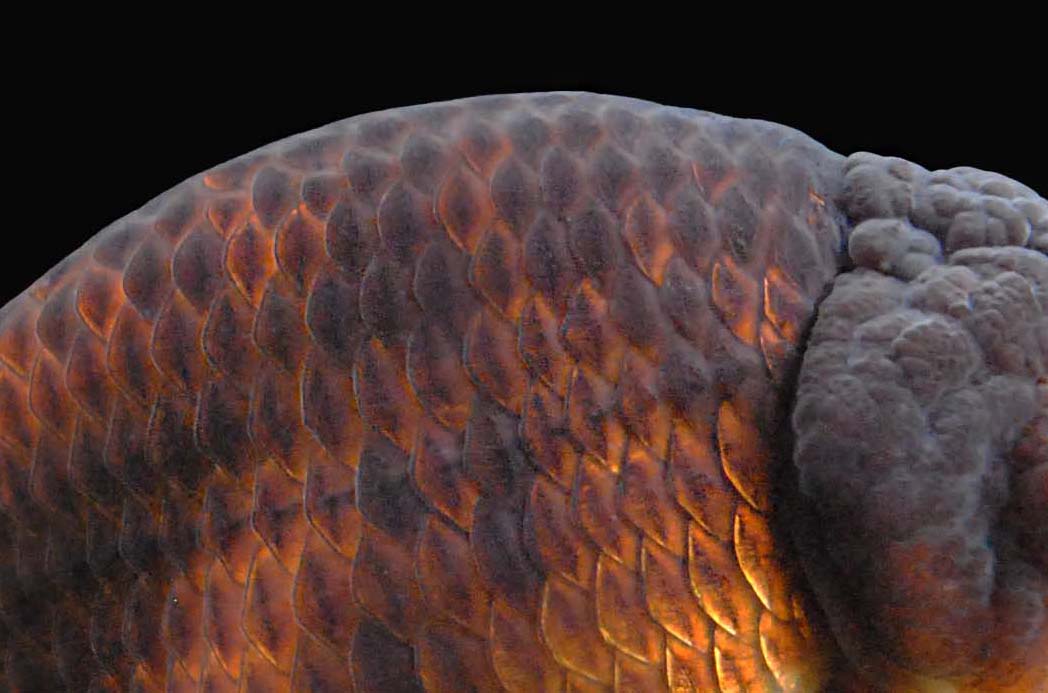
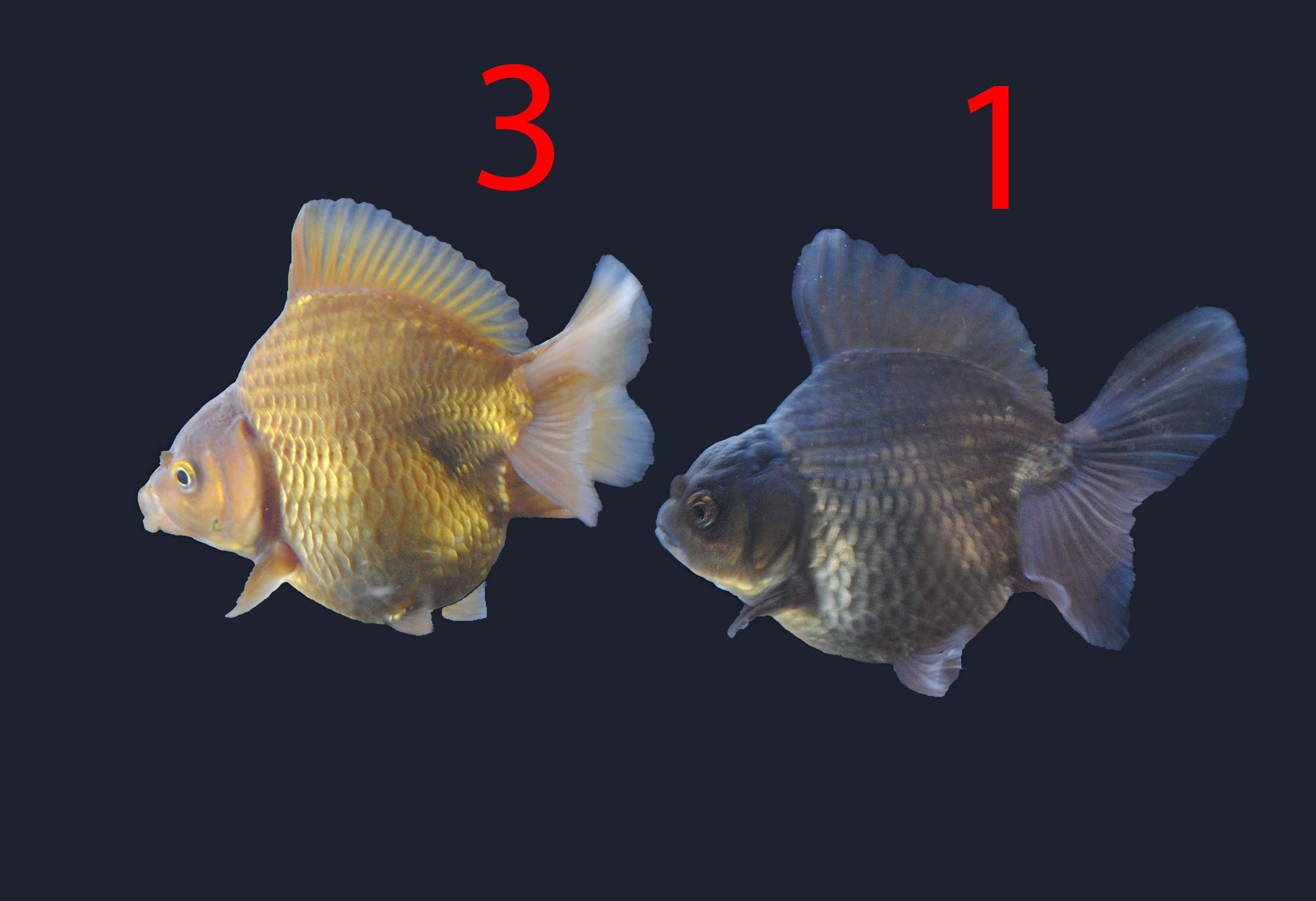
And there is one unique color in the offspring, which I am not sure how to call it. Is it bronze? Green? Copper? Gold? I do not know. I call it #3. When compared to the wild color, it is obviously not wild:

But compared to #2, it is certainly not as brown as #2:

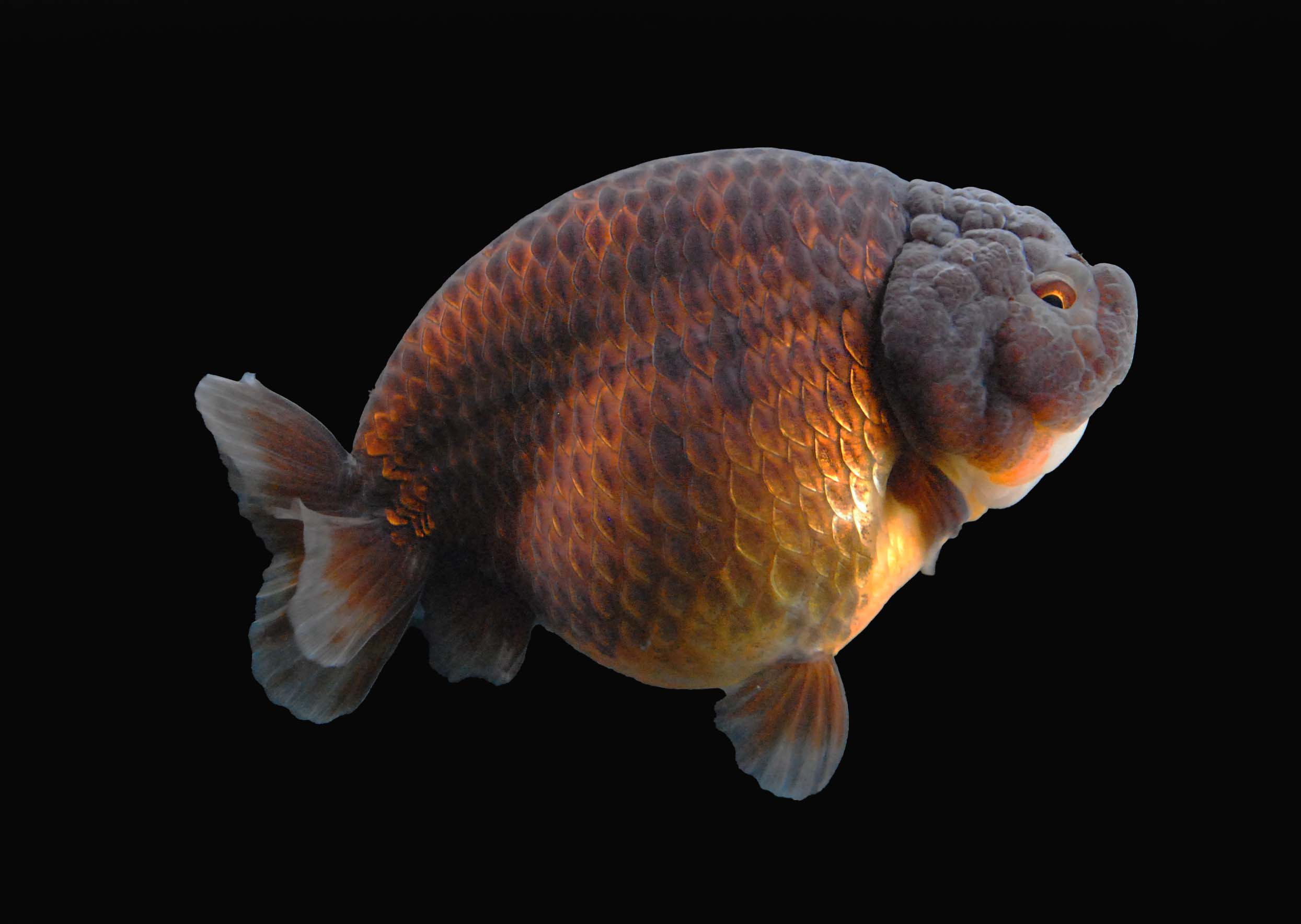
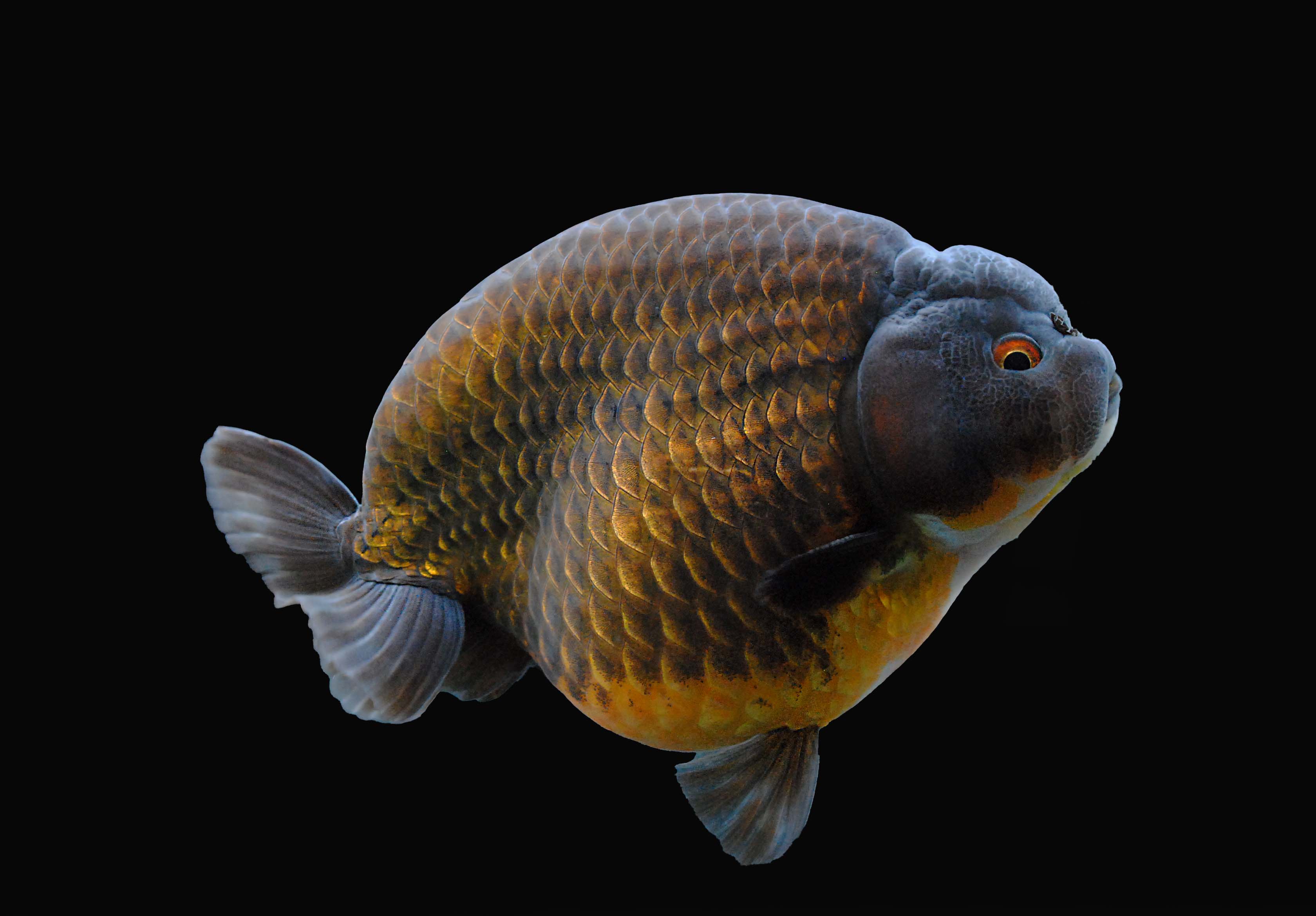
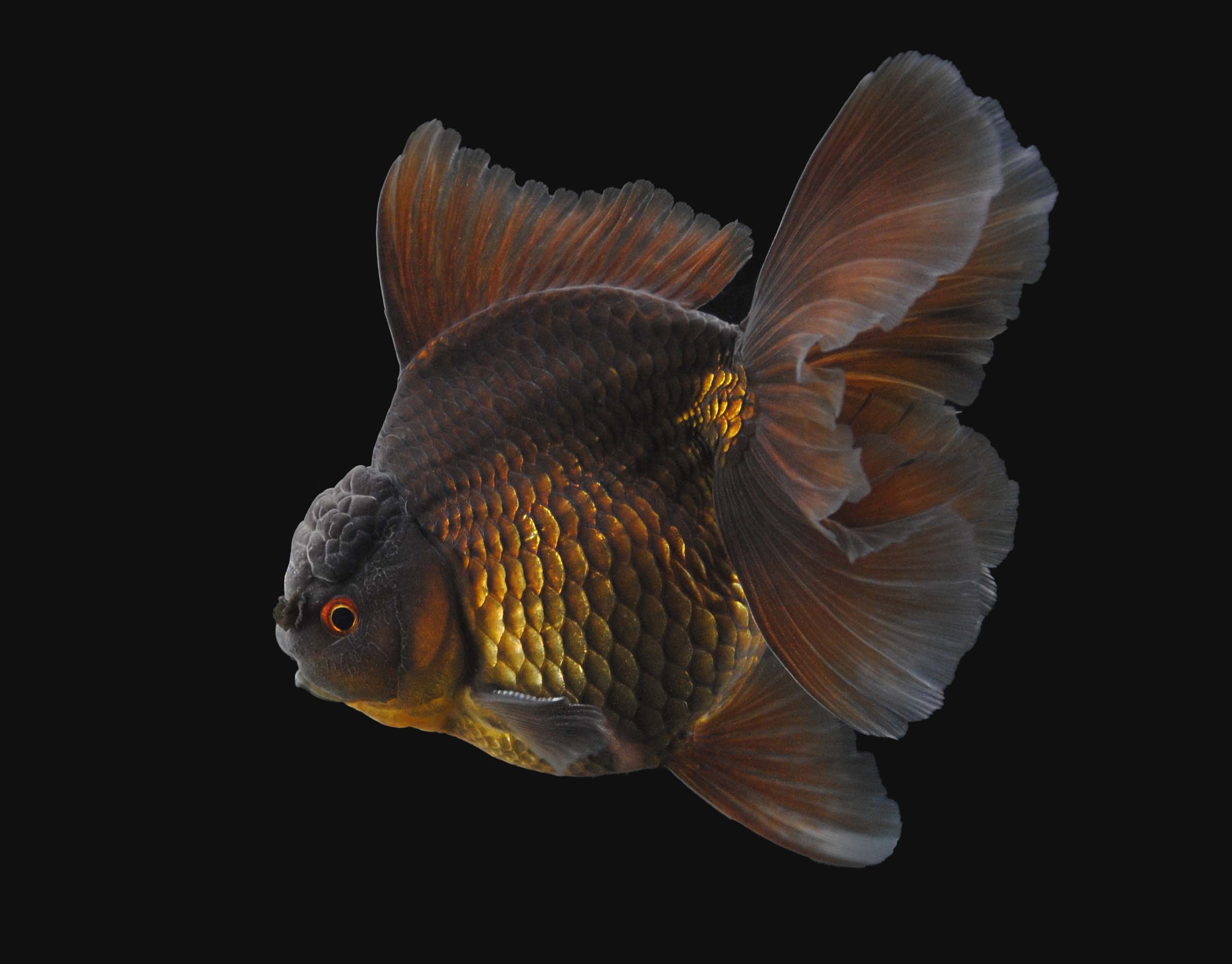
Can we call #3 as light brown? I do not think so, because we have another variant of brown as #4:

I compared #4 with #3 and #2:

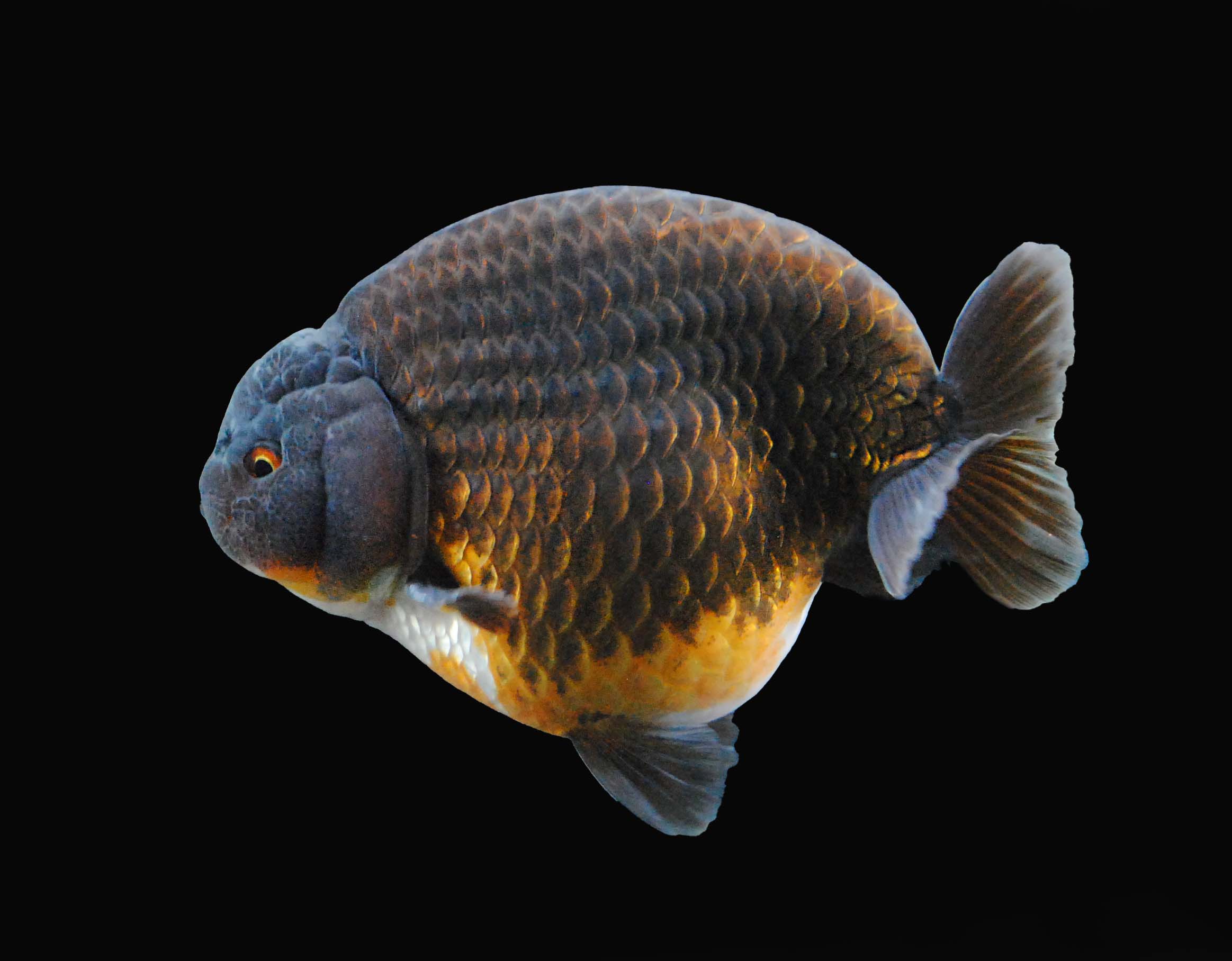
And if we think #4 is an interesting brown color, I still have #5 which is slightly different from #4 but more eye-catching. #5 is the best brown color I have ever seen. Too bad, when I took these pictures, I already tired myself to the core. So, pardon me for the few and blurry picture.

I will definitely try to duplicate the color of #5!

Now, some of the brown color can fade into brown-red-white and brown-yellow-white color. The brown-red-white is already a rare color. But the brown-yellow-white is even more rare!

I think the brown color might eventually gone totally. But the existence of these two creates the possibility of us having those rare color combinations in a stronger version. Very unique, right? However, I am not sure if the market can accept them well.

Since the brown-red-white fish is full of defect, I cannot use it for my breeding project. But the brown-yellow-white is perfect. I will keep it for now and think about a follow up project later on.

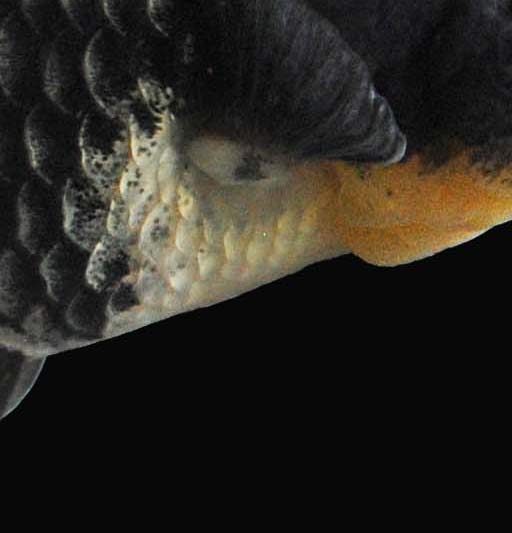
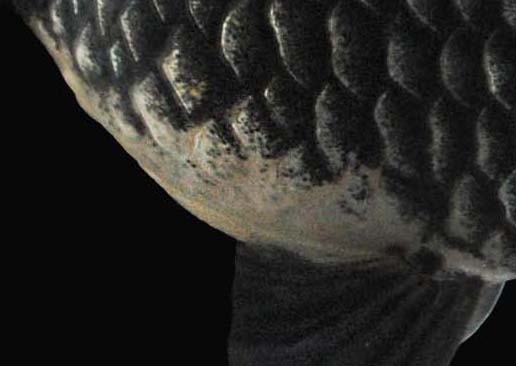
Of course, there is a tricolor (black-red-white) fish in the offspring. The black color almost disappears completely. But this shows that such crossing might yield a tricolor combination. The picture below shows the difference between the black and the brown in red fish.

I might use the black-red-white fish in my tricolor project.

That’s all my diary today. Hope the reader enjoy!

Standard
Blue Oranda, Brown Oranda

The Diary of a Goldfish Breeder 2024 (3)

As mentioned in my previous diary, I must commit this year to my Ranchu projects. In order to do this, I must rearrange my priorities. I must let go some to make room for the Blue, Brown, and Purple Ranchu projects. And sad to say, I am thinking (very hard) to let go my Blue and Brown Oranda lines. I have been working hard to improve the quality of the Blue, Brown, and Purple O for several years. And I think I have accomplished the projects to a certain extent. Among the three, I plan to keep only the Purple line. I have several reasons for this choice:

  1. The Purple is the most rare among the three. I considered it as the hallmark of my Oranda achievement. The blue and the brown were ingredients to produce the Purple.
  2. I can always recreate the blue and brown from the purple if I want to.

With this thinking, I have started to let go all my Blue and Brown Oranda. Well, almost all. I still keep one male from each variant (the best ones) just for my collection. I have no plan to breed them in the near future, but in case I miss those lineages and have spare times, I can always cross them with my Purple.

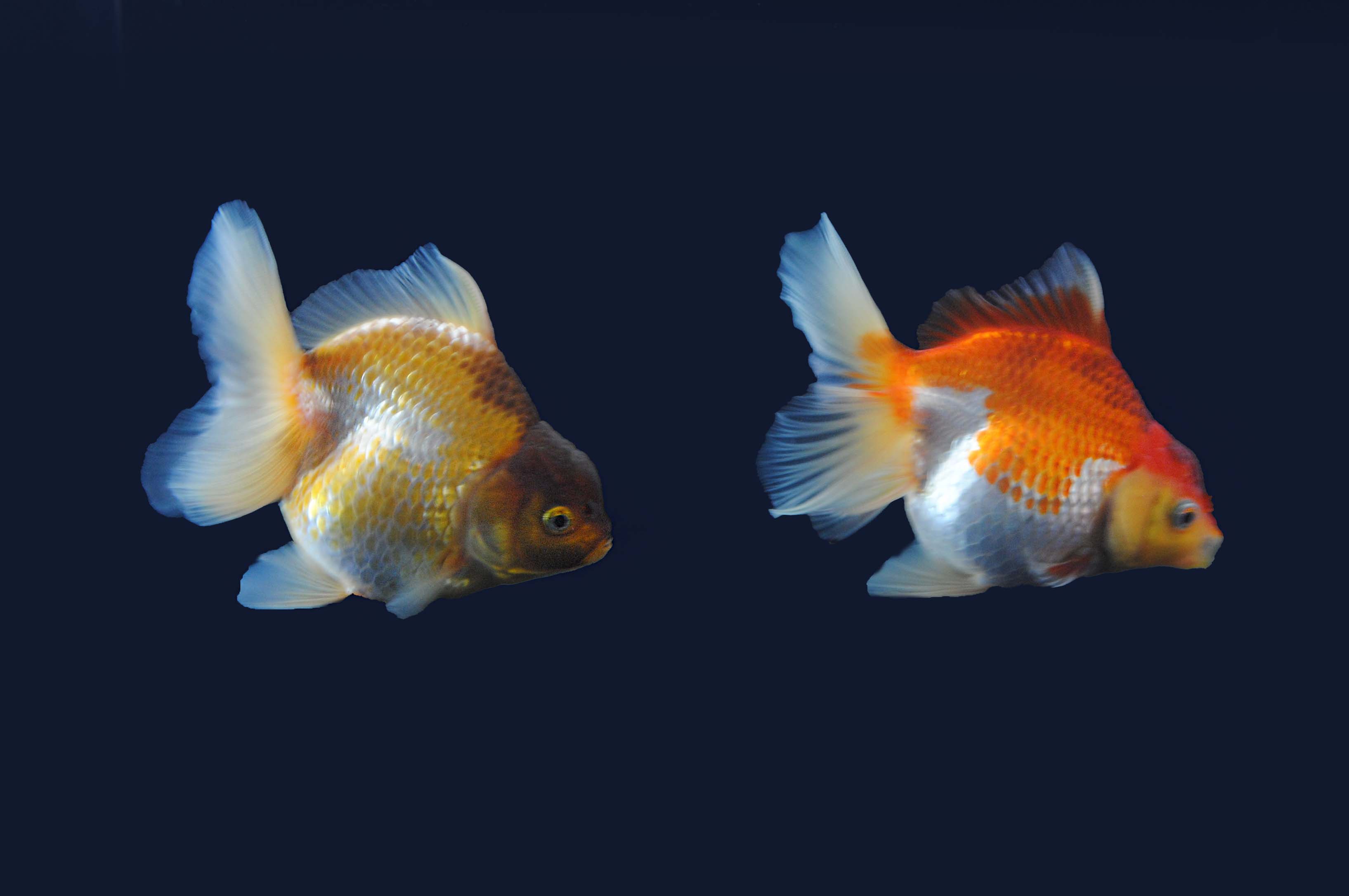
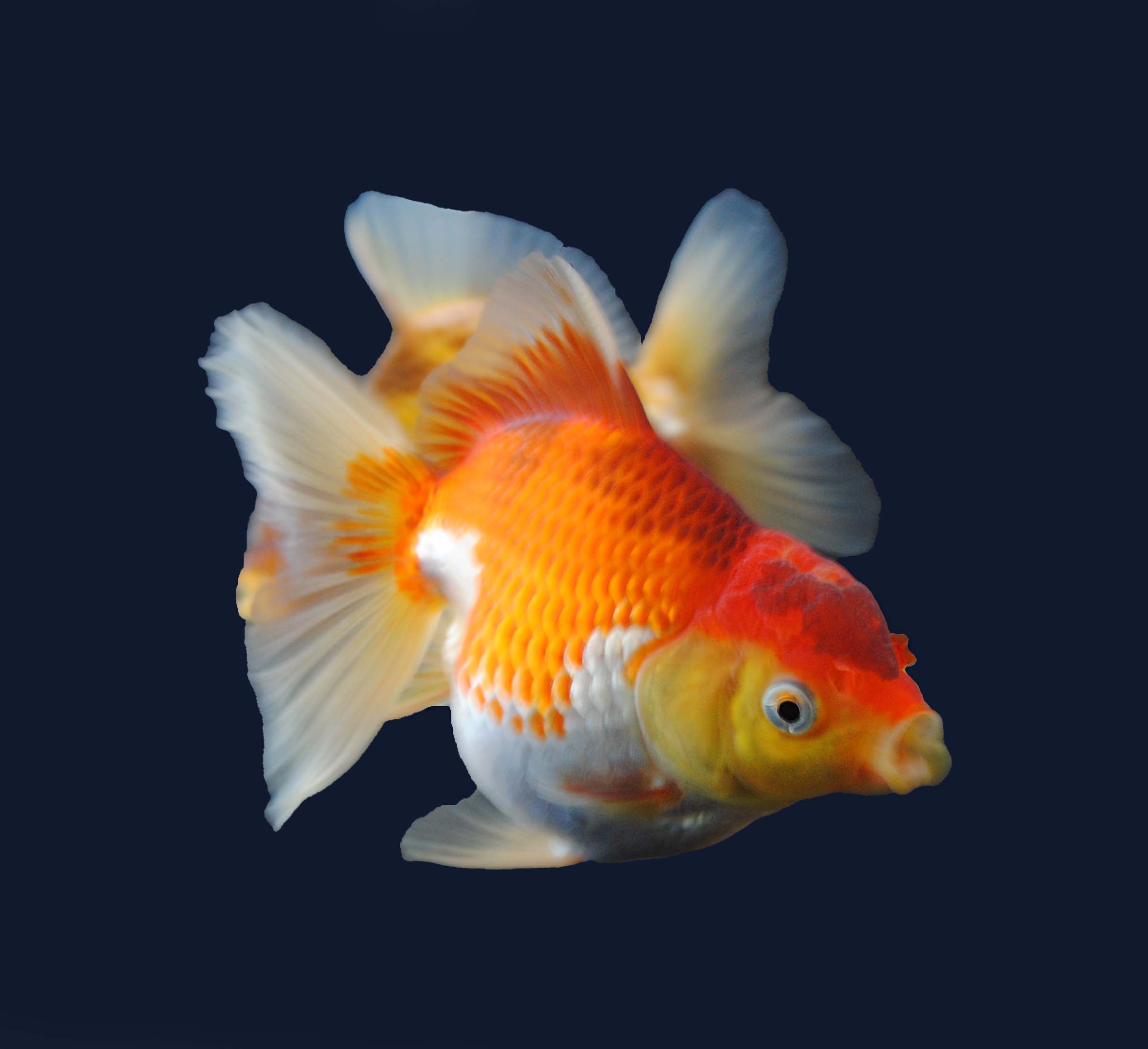
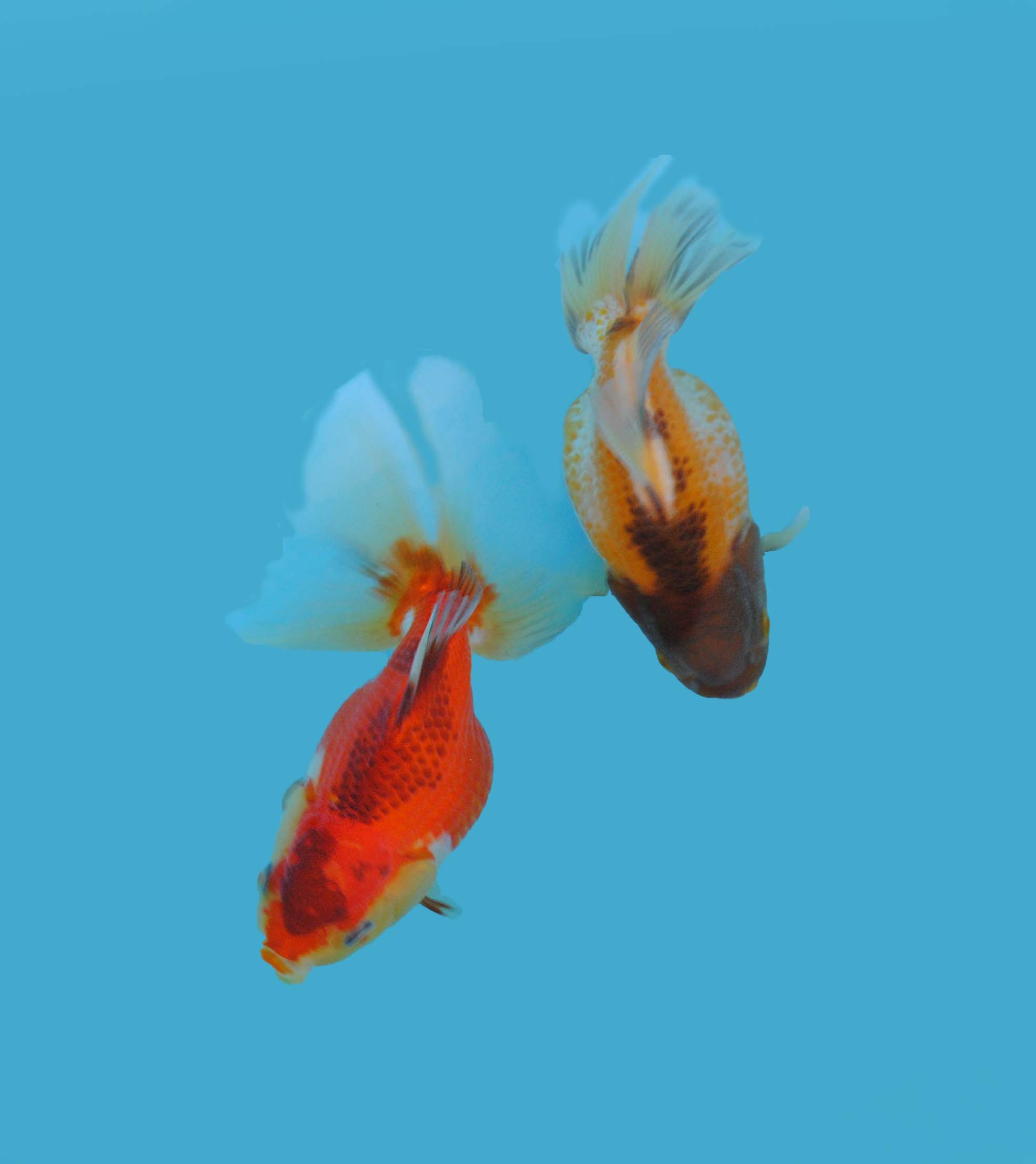
I have taken some pictures and videos of the last two for us to enjoy. Hopefully you like them.

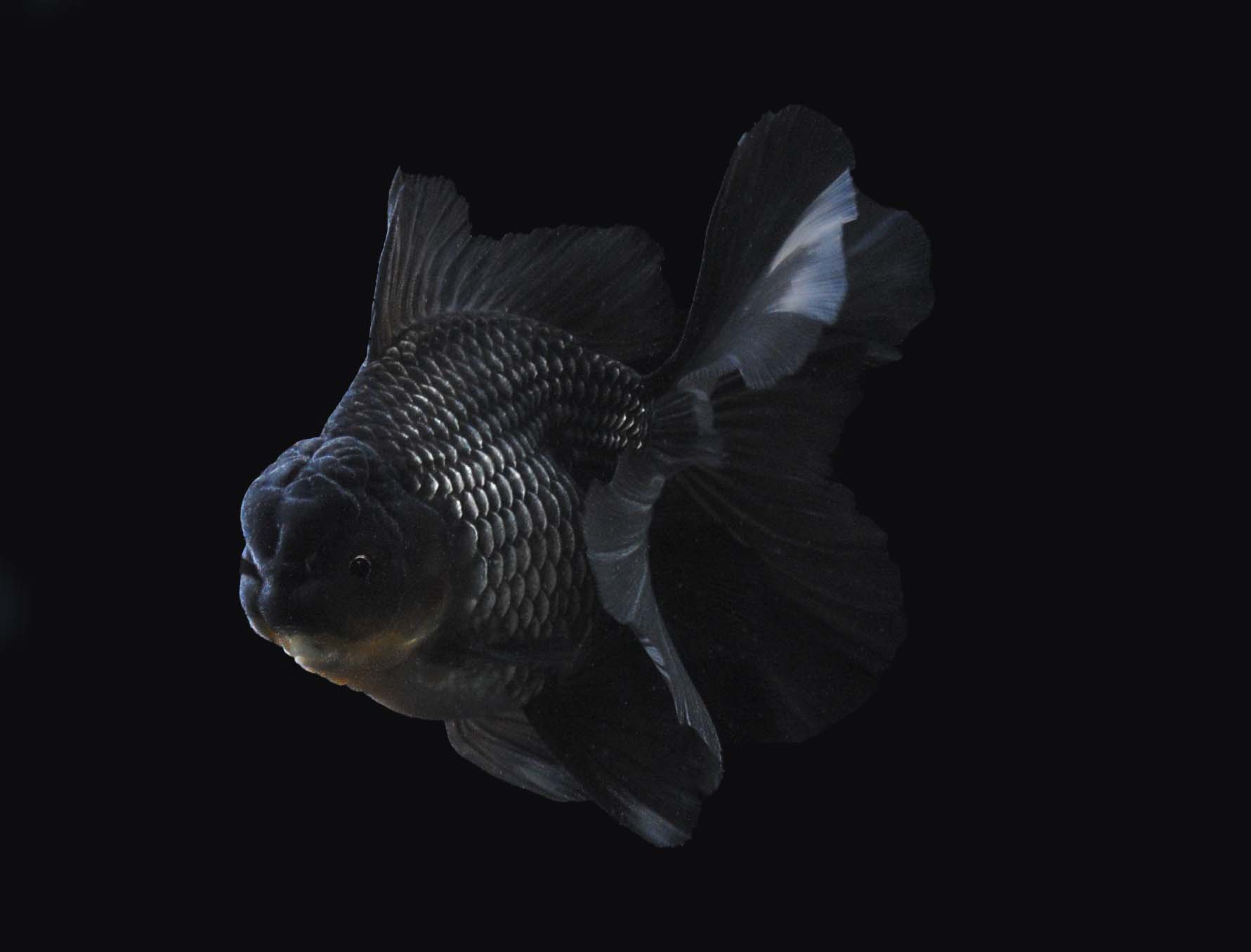
The headgrowth is not minimal nor excessive. I think it is decent and can still grow a little bit more with age without ever covering his eyesight. The back curve is higher than the headgrowth, to give him a strong body impression. The body length is medium with a good head – body proportion, in my opinion. He has a good body width (measured from top to bottom. If we take a straight line from the eye to the peduncle, then the line will divide the body in approximately the same portion. A good balance. The scales have beautiful shine, neatly arranged in the right side of the body. We see some out of proportion scalation in the left side behind the upper head area. The first ray of the dorsal is not very straightly upright (if we want to scrutinize in detail) but it is a good one. There is a sign of recovery from injury in the middle of the first ray, my bad. The tail angle is good, and I put a special attention on the lower lobe which has a slight nice curve towards the abdomen. This is a feature seldom remembered nowadays. The brown pattern makes him more handsome, I think. A note about the brown color: when it appears on Blue fish, the brown looks paler compared to when it appears on Purple fish. I love the fish.
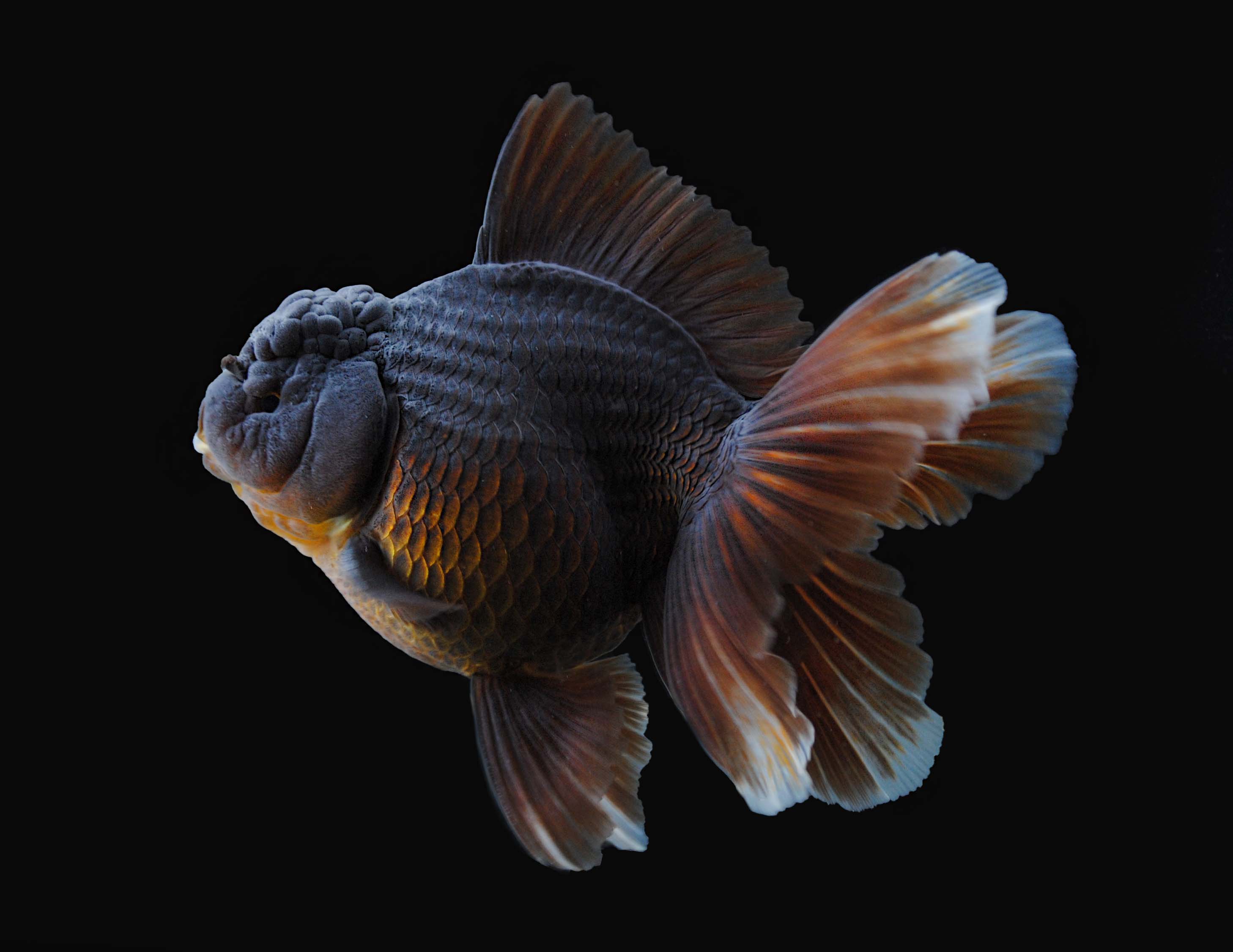
The headgrowth tends to be minimalist, not highlighted enough, actually. The body has an impression to be round. It means, the length is medium short, and the body width is good. The head – body proportion is still okay. The brown color is vibrant. The dorsal and the tail are good. A special attention should be given to the tail. It is a luxurious tail! The lower lobes curve towards the abdomen, and there is a tosakin-tail flavor to it. This reminds me to my terminated Dancing Queen projects, which tried to create Oranda with Tosakin curled tail viewed from the side. I must have crossed the result from that project to my Oranda line sometimes ago. The beauty of the tail is more visible in the videos below.

Enjoy these two youtube videos!

Standard
blue ranchu, brown ranchu, purple ranchu

The Diary of a Goldfish Breeder 2024 (2)

For the last several years I focused too much on developing my Blue, Brown, and Purple Oranda line. I postponed the Ranchu projects on the same color to the point of neglecting them. I must confess that all my Blue, Brown, and Purple Ranchu line were wiped out almost completely. There is only a single old male Blue ranchu left. I can hardly do anything with that. So, basically, these projects must be restarted from zero.

Is he not handsome? He is a large fish. Personally, I like his strong body type. It is a bit long but with a balanced body width. And he has a thick waist. His headgrowth is decent. Yes, he has some obvious weaknesses in the smoothness of his back curve and the angle of his tail. Hopefully I can still have his offspring that carries the positive features. But I must act quickly, because he is losing his vigor due to old age.

I tried to find other breeders that might carry the blue and brown genetics. I do not worry about the purple, since if I can get blue and brown, I can recreate the purple. Gladly, I find breeder friends who bought from me before and are still keeping the genetics of these rare colors.

From Mr. Malek I bought some of his Blue Ranchu. He acquired the gene from my line before, and he crossed it with his own fishes. These two females are in my possession right now.

They are very fertile, and that is the most important thing for me. I also bought a male blue from him just for a reserve. But since these two females are good at laying eggs, I do not want to mate the male with them. Looking at the specimen here, I must admit they have their charm. I do not want to produce the same line. I want to differentiate a bit.

These two females show two spectrums of blue color, the lighter and the darker ones. Their body type can be considered medium short. This is the first point of difference with my male. The curve is varied, but I believe my friend has lots of good quality ones. The tail is also varied. The headgrowth is more well -developed than mine. This is the second point of difference. I make a cross between my line (the old male) with these two. I am tending their newly hatched offspring right now. Wish me success.

From Mr. Aji Linting I acquired this Brown Ranchu:

He acquired the brown (and also purple) from me a long time ago when I have just started. At that time, my line was of low quality. My friend crossed it with the previous type of Thailand’s Black Ranchu since he appreciated that variant very much. We can see the trace of the Black Ranchu feature in this male specimen. I was breeding that Black variant twenty years ago, so I am familiar with the features. New hobbyists might not be familiar with it. Anyway, looking at the bright brown color, I am very enthusiastic!
I acquired several male and female. Some with purple combination. But I focus on this brown male Ranchu as my material. I already crossed him with the two female Blue Ranchu and am waiting for the offspring to grow. Wish me success also on this project.

I also acquire a red and white Ranchu from local breeder to use in my crossing:

He is an enormous fish. He is handsome in his own way. But for me, I do not like the indentation in his upper neck and his excessive headgrowth covering his eyes. But still, this is the best I can find so far. I plan to cross him with the two Blue Female to enrich the blue genetics I have. The richer the gene pool the more choices I have to work on improving my Blue Ranchu quality. And also, I think I might need to have my own red and white lineage. Hmmm, let’s see ….

That is the update so far. Stay tuned.

Standard
miscellaneous

The Diary of a Goldfish Breeder 2024 (1)

It has been a long time I did not update this blog. More than half a year, I think. I apologize for that. Business concerns, family matters, health issue, facility upgrades, employee’s absence, and vacations have prevented me from taking pictures and making updates. Now is a long Moslem holiday. I have a chance to catch up.

Last year, in the midst of my busy schedule, I managed to give an online talk to goldfish enthusiasts in Malaysia. They asked me to talk about my breeding projects. And a realization came to me that some of my projects are actually inspired by my childhood. I would like to start this first 2024 diary with this topic.

I mentioned before about an encyclopedia my Mom bought me more than 40 years ago. There is a page – yes, only a page – containing goldfish pictures. That page had become my daily childhood contemplation. My mind wandered wild, imagining whether someday I will have such beautiful fish.

In that talk to Malaysian friends, I realized that some of my projects correspond to this picture!

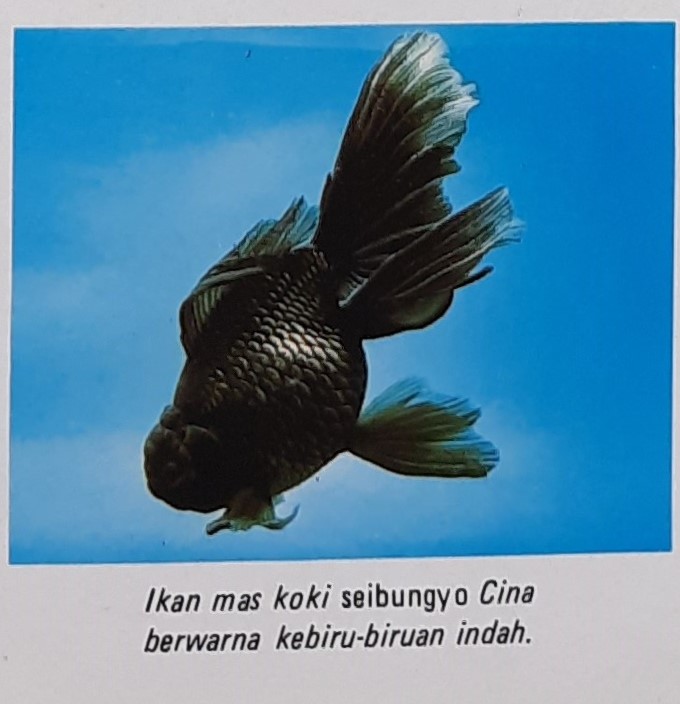
First, there is Seibungyo in the bottom of the picture.

The description is: a Chinese Seibungyo goldfish with beautiful bluish color. I always wondered what Seibungyo means. It sounds like Japanese word, but the description says it is a Chinese goldfish. As a child I remembered asking goldfish sellers whenever I went to local fish shops about that name. As you guessed, nobody ever heard about it.

But now I think I know what variety of goldfish this is. Is it not just a blue oranda? Yes, it is! And it is one of my main projects! My blue oranda line has improved significantly. I think I have a better quality of blue oranda than the seibungyo in the picture. One of my childhood dream has come true!

The Blue Oranda above is my most recent male. Some people nowadays prefer to call this color as Platinum.

Second, there is Chakin goldfish.

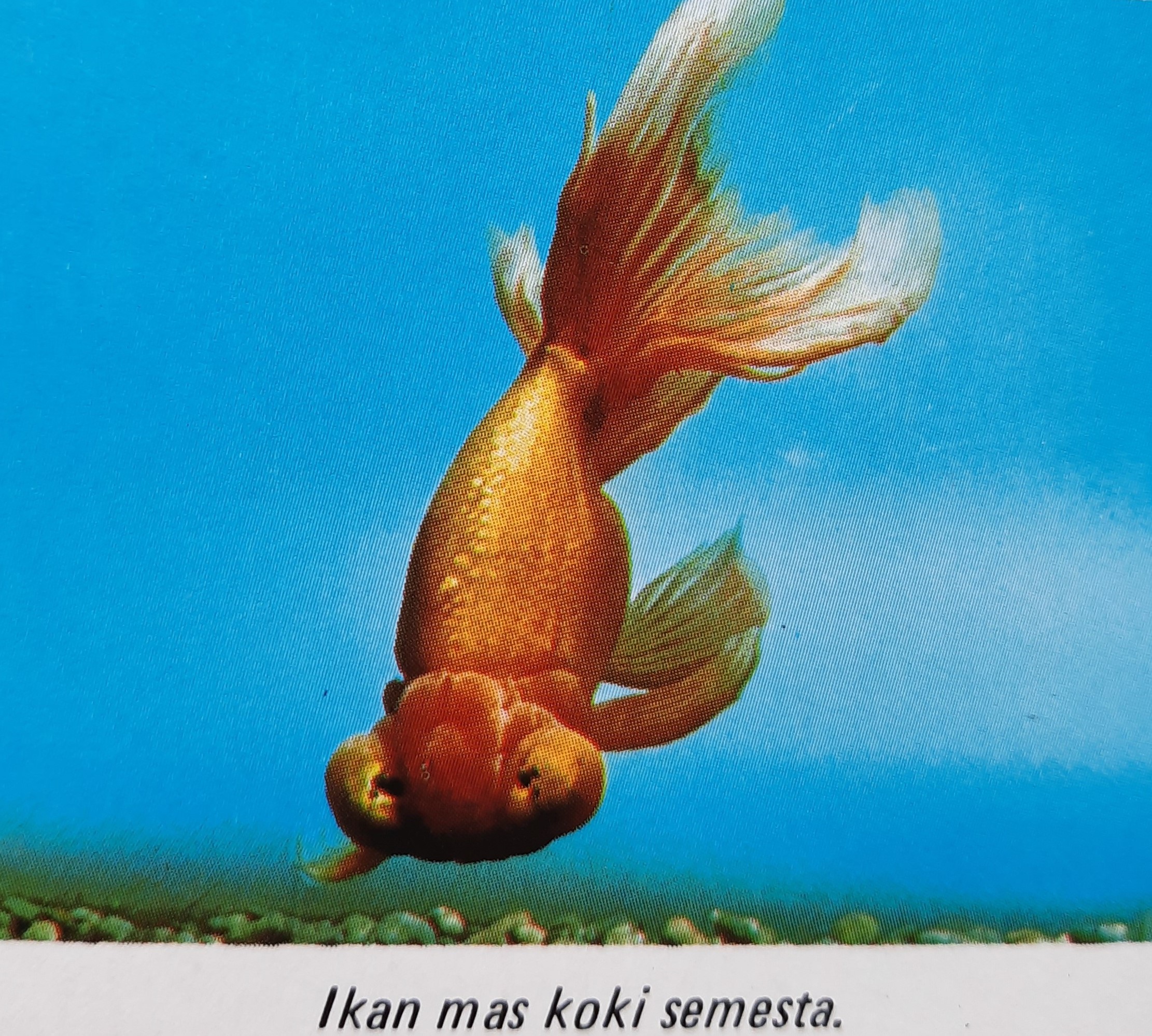
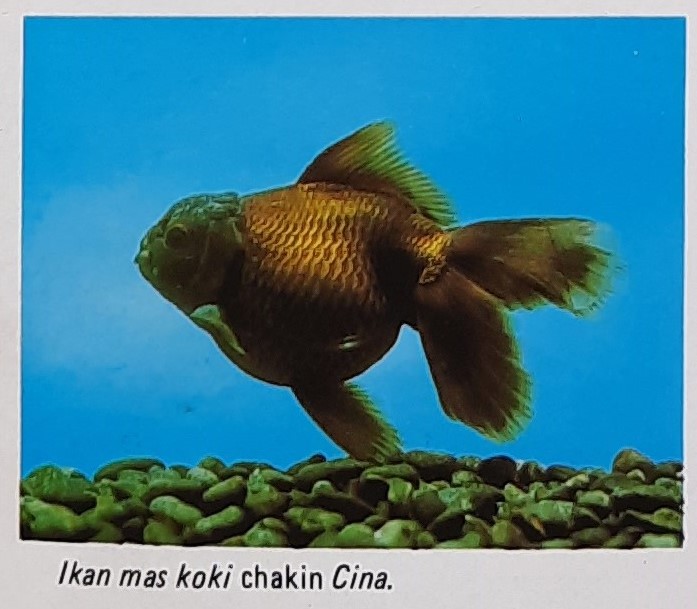
The description only says Chinese Chakin goldfish. It took me a long time in my childhood to understand that “cha” refers to “tea-color.” Yes, this is actually a tea-colored goldfish. Is this not the Brown Oranda line I have been developing so far? I have even gone further than that. I have also developed Purple / Lavender colored Oranda! With better quality, I think. Another childhood dream comes true!

Yes, my brown oranda is a bit darker. I find out that the brown color has at least two main types: the light one (which is the tea-color) and the darker one (which is the dark chocolate color). The darker one seems to have the ability to elicit white color – a quality I do not see in the lighter / tea-colored one. The tea-color seems to elicit orange color only when the dark pigment (melanin) fades away.

The picture above is the comparison between the dark and light color of Brown Oranda.

Third is the Chinese Goldfish with silver color and no dorsal fin.

Silver is just another name for blue or platinum. The fish resembles ranchu with long tail. I do not have such variety, but my blue ranchu is a good substitute for this fish, I think.

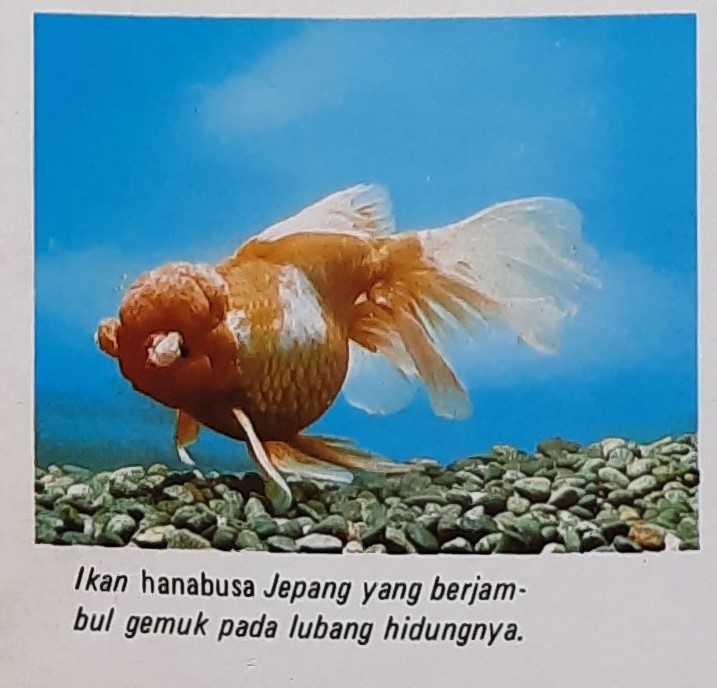
Fouth is Hanabusa!

What in the world is Hanabusa! Thanks God the description gives us a clue. It says Japanese Hanabusa with large headgrowth in its nostrils. Headgrowth might not be the right terms. But now I know it is an oranda with pompom. I do not breed pompom oranda. But I mentioned before that I use the Chinese chocolate pompom to create my brown oranda line. Although I do not specifically breed pompom, once in a while the pompom feature just show up again and again in my facility. The latest I have is this piece of short tail oranda with pompom (or to be more precise, it is a ranchu with dorsal and pompom!) This piece shows up in my breeding unintentionally.

Isn’t she adorable? I cannot help bring her up to maturity due to its cuteness. And I am thinking of creating ryukin with pompom in the future by mating this piece with ryukin.

The last one is this rare specimen.

The description just says celestial goldfish. And I have a hard time figuring out what is in between the eyes. I think it is a headgrowth – the goosehead type of headgrowth. I think there is no such variety anymore nowadays. Perhaps the combination of headgrowth and celestial eyes features decreases the fish ability to acquire food and this might contribute to its continual creation.

I think I have a better ideal. One of my ongoing project is to create Celestial Eye with Butterfly Tail. It will be a fish with dorsal. The project has show positive improvement.

I think one more crossing with Butterfly will finalize this project. Wish me success.

Enjoy!

Standard
Brown Oranda, The Diary of a Goldfish Breeder 2023

The Diary of a Goldfish Breeder 2023 (5)

Project #2: Brown Oranda

Last time I mentioned my Brown Oranda splitted into two lineage: the Dark Choco and the Tea-colored Oranda. I decided to focus on the Dark Choco one, since it is more unique.

This lineage of Brown Oranda diverged from my Blue Oranda line far enough to manifest different body features. My Blue Oranda line has a rounder body and well-erected tail. But it has weakness in its dorsal fin shape. The dorsal looks a bit thin. Some is good in its straight position while others is slightly curved or even a bit fallen to side. This Brown Oranda line is directly opposite to it. The body is a bit longer than the Blue one, and the dorsal looks thick and strong with a sharply straight position. The weakness is in the tail, which is not so well-erected.

I am happy with these differences since they provide me with materials to improve both lineages through cross breeding.

These are three of my Dark Choco:

As you can see, the dorsal fins are pretty uniform. This become their strength.

The dark brown color is also consistent, which is another point to value. There is a special observation I made regarding this color. This dark brown color usually comes with white color in part of its tail, while the tea (or light) brown color has totally uniform color in all its parts. Could this be that the dark brown is actually the exact same pigmen but more condensed than the light one? I do not know about that. But there is another significant different among these two types: in the light brown one, when the brown color fades, the occuring color is always (as far as I observe) orange color. So, it is possible to have brown and orange pattern in a fish coming from the fading light brown color. But the dark brown one has the capacity to introduce white color in its pattern, which the light brown one does not have. So, it is possible to have brown and white pattern (or even brown, red and white) pattern coming from the dark brown lineage. Isn’t it amazing?

In fact, the third fish was brown and white fish before. But then the brown color takes over to make the body totally dark brown and leave the white to the tail. So, this is another unique feature: the ability to remelanize (to reintroduce the dark brown color that had faded)

Back to analyzing the fishes, their body lengths are different. The second fish has the longest body, while the third one has the shortest (roundest) type. The first one is the medium length type. So there is no uniformity in the body length.

The tail is varied, also, with the second fish becomes the weakest.

Well, after analyzing the strength and weakness of this dark brown lineage, I think I am happy with the current result. I am also excited to see the possibility to improve them in the future. My best pair is the first fish (male) and the third one (female). I am also thrilled to see whether I can create the brown, red, and white stable pattern. If so, it will be an interesting alternative to the current tricolor (black, red, and white pattern) in the market. It will be a pattern I have never seen during my whole life time!

For the video please see the youtube below:

Standard
blue ranchu, brown ranchu, purple ranchu, The Diary of a Goldfish Breeder 2022

The Diary of a Goldfish Breeder 2022 (16)

Update on several ranchu projects.

In my plan, I am supposed to concentrate on my ranchu projects this year. But I must confess that I am too occupied with tosakin instead of focusing on ranchu. It is already October. The year will end soon. I have not made any significant progress on my brown, purple, and blue ranchu projects. But I think I still need to report my progress here.

To follow up the diary #6, most of the offspring are not satisfying in terms of the quality. I took a big risk by sorting out almost all of them. I kept only one female from each type. And I am not proud with the quality.

Yes, there is a bump near the tail area. The color is good, though.

This purple ranchu has a rough back curve.

This tricolor is actually a blue ranchu that lost some of its melanin. She has been in this stable color for months. I hope she will continue to be like this. However, the back curve is very bumpy.

I mated these three with my two male semi-purple ranchu:

The results are few. They are 7 cm right now. And I think I see some interesting quality. Thank God!

I will take their pictures when they are older and provide the update later on.

Have a nice day!

Standard
Brown Oranda, oranda, The Diary of a Goldfish Breeder 2022, yellow oranda

The Diary of a Goldfish Breeder 2022 (12)

This is a comparison between three shapes of Oranda.

Three of my Oranda have grown mature into Jumbo size. I think they have reached their peaks, or almost. So, it is the right time to compare them with the purpose of learning and adjusting my idealism of Oranda.

The first one is Helen the 2nd, as my main blueprint. She carries the recessive gene of purple color, so she is what I call a semi purple oranda. Let’s see her development over time:

Previous (6 months ago):

Now:

I am not really happy with the development. The headgrowth is growing, so there is no problem with it. But the body which was stout before seems to lose its thickness. I do not know why. Can it be because of the headgrowth? As the head grows, the previously high curve of the back bone looks a bit flat now. Or can it be due to the excessive breeding? Perhaps lots of nutrients in the body are directed to producing eggs to let the body lose its muscles, just like a human mother facing calcium deficiency after giving birth. I do not know. The size of the fish is amazing, but she looks like a young fish with mediocre quality. The color does not seem to change much. The orange color cannot become red. And yes, few flecks of black pigment appear on her body. It is not a sign of stress. It is common for a semi purple fish to develop such color over time. The first ray of the dorsal fin becomes untidy. The tail is in good shape.

These are the video of Helen from the side and top, showing her size:

The second oranda to compare is my Dark Choco Oranda. Amazingly, with such a round body she can grow into jumbo size also! Let’s see how she develops:

Previous (6 months ago):

Now:

She was not in my blue print at all. I never think about such a ryukin-like body shape. I do not even have a ryukin currently. So, this shape comes to me out of the blue. And the dark chocolate color is another blessing. I do not even know that such color exists. I only knew the tea-colored brown goldfish so far. So, to have this fish is like to hit a double jackpot for me. Since this fish has caught my attention, I think it is suitable for me to give her a name. But I cannot make up my mind whether to name her Kong or Godzila. I think Godzila sounds better, though she is a female.

The headgrowth grows but not so much. It grows in the same pace with the body growth, so she can maintain her bulky ryukin-like shape with the small headgrowth. But the color seems to grown more solid, and it spreads to the fins! The dorsal fin is getting slightly bent.

Seeing this color, I remember that we have various spectrum of black color in goldfish. But usually, we divide them into just two: solid black, and not so solid one. The tea-colored brown resembles the not so solid type of black pigment, while the dark choco resembles the solid black color. There seems to be another layer or coat of brown color on top of the scale, which might be the cause of darker appearance. Let’s review the differences in a picture:

I felt the urge to preserve this dark brown color. So far, I see it nowhere else. It will be a pity if we lose such a beautiful color. I have a male sibling of her with the same dark color, thank God! But the sibling has a very different shape of body and fin! If I mate them, there is a possibility to be able to preserve the dark brown color, but I might not be able to maintain the bulky shape of Godzila. Well, life seldom gives all we want.

But there was a bigger problem than that. Godzila is now about 1.5 years of age and no sign of breeding till last month. Fish usually lays eggs at the age of four months in my place. Godzila definitely falls under the category of unproductive / sterile. I already gave up on her. Fortunately, suddenly she laid eggs for the first time at the beginning of this month. I was not prepared at that time. But I was able to keep the eggs the second time she mated. I could not wait to see the result!

These are her video, from side, from top (to show the size) and the comparison between the dark and the light brown:

The third fish is a male yellow goldfish. He is a jumbo fish right now and the last of yellow oranda I keep at this moment. Of course, I have his offspring but in a crossing appearance. I mean, I cross her with a goosehead and comes up with a red and white fish as the F1. They are semi yellow oranda. This yellow has a stout longer body with a beautiful headgrowth. Let’s see the development of this handsome guy:

Previous (6 months ago):

Now:

The headgrowth has developed very well. The goosehead type of head is visible, along with the slight development on its cheeks. The fish does not lose its stoutness nor its body length, which I think is good. The only weaknesses are the fold in its lower right tail and the dorsal fin losing a bit of its ability to stay erect.

Here are his videos:

And now it is the time to compare these three:

Well, do tell me how will you rank them and why 😊

Standard
Brown Oranda, The Diary of a Goldfish Breeder 2022

The Diary of a Goldfish Breeder 2022 (8)

Color exists in spectrum.

When we say red goldfish, we must understand that there are different kinds of red with slight differences among them. The same case happens in other types of goldfish color.

In this opportunity, I would like to present two types of brown color I observe in my goldfish collection. In the previous diary (#7) I posted my current development of brown oranda. The color reminds us of the color of tea:

Actually, when I do a project – say, the brown oranda project – I do not just do one mating / crossing. I do several different pairings in the same period of time. One of the pairs produces the tea-colored oranda above. But another pair, which I must admit I did not document it well, results in a darker colored brown oranda. The color looks like the color of dark chocolate, I think. And it has a beauty of its own! Here she is:

This is the video link: https://www.youtube.com/watch?v=rqSy4SucwvQ

This dark choco oranda seems to be from slightly different lineage from the tea colored one. Yes both of them have cute little hump and similar headgrowth type. Both have good body depth (width). But the dark choco has a bit longer and thicker body, and smaller tail type. And I think there is an important feature to note: while the tea-colored has the color in all its body, including the tail, the dark choco can develop white color (or no pigment) in its tail! I used to think that the white color cannot coexist with the brown. Usually, when the brown color fades, the fish will reveal orange color. But this dark choco forces me to revise my understanding. The white color can coexist with the brown color! Aesthetically, it is beautiful. If the white color can exist in its tail, perhaps one day I will see the white color occurs in the body to create the brown (dark brown) and white goldfish. It will be amazing!

I do not know what creates this different spectrums of brown. I also do not know why the white color can occur in this dark choco girl. But when I see the development of this dark brown color, I immediately fall in love. Right now, if I must choose one brown color to be my line, I do not know which one will I choose. As a hobbyist city breeder, I do not think I can afford both.

Which one do you prefer?

Standard
Brown Oranda, purple oranda, The Diary of a Goldfish Breeder 2022

The Diary of a Goldfish Breeder 2022 (7)

Finally, this is the update on my Purple and Brown Oranda projects – half way. I think I have done a lot of improvements on these two lines. Let me start with my Purple Oranda project.

This is the purple oranda I had in the beginning of this project:

Skinny fish, with minimal headgrowth.

After working on it for a year, I have made significant improvement, I think. These two are the best I currently have:

Do you like them? 😊

The improvement is in the body depth (width) and thickness, the headgrowth, and the tail erection. And yes, I can see they have beautiful little humps, which I do not know where they come from. I have never used any ryukin in the crossing.

Now, let me remind us of my previous line of brown oranda:

This brown oranda project has also made some improvement. These two are the best results right now:

Improved, right?

At this point, I am tempted to consider this project as final. I love the shape of these purple and brown oranda at this current state. But I keep reminding myself that this is the half way result of a two years project. Well, what more do I want to improve? I still want to improve the headgrowth, and if possible I want to elongate the body just a little bit more.

Anyway, I am satisfied with my current result. Hope you all enjoy these results as I do.

Standard
purple ranchu, The Diary of a Goldfish Breeder 2022

The Diary of a Goldfish Breeder 2022 (6)

I must revise my understanding about the breeding of blue, brown and purple crossing.

Several weeks ago I crossed semi purple ranchu with semi purple ranchu. What I mean by semi purple is the cross between purple ranchu and red ranchu. The phenotype (outward appearance) is red / red-white / wild color. To refresh our memory, these are the pair I used (female, male, and male):

In my understanding, the result will be as shown in this illustration:

SP = Semi Purple

I mentioned earlier that the result consists of two different visible color: the light colored fry and the dark one. The light colored fry will become purple, and the dark colored one will become grey (which might eventually turn into red / red-white / stay grey). Based on this understanding, I usually cull out the dark colored one.

I have done these crossing with oranda and ranchu several times and I have revised my understanding. The light colored ones do not turn into solely purple, but also brown fish! So, without any crossing back to brown, I get brown color as a bonus. This will make my life easier. I do not need to make the brown as a separate project. But in this revised understanding, I still cull out all the dark colored ones.

This time, when I breed the semi purple ranchu above, I decided to keep the dark color fry. My initial purpose is to see if some of can become my Basic Ranchu Material. To my surprise, as the color become more visible in several weeks, the dark color turn out to be not only grey fish but also blue fish! So, I have been wrong all this time by culling out all the dark ones! So, once again I must revise my understanding to be like this:

Here are the real offspring:

  1. purple ranchu
  2. brown ranchu
  3. grey / green / wild colored ranchu (that might turn into red/red white)
  4. blue ranchu

Knowing this, I can simplify my projects. Instead of three projects of blue, brown and purple, I can just do one. The purple project will yield all the three color types I want. Is not that great?

But there is a certain doubt lingers. Why does the semi purple cross produce all the three color types? In my understanding, there is two possible solution:

  1. the purple genetics I use is not pure.
  2. even the pure purple genetics carries all the three color types with it, which will be reintroduce when being crossed with another fish (in this case a red fish)

Possibility number one is likely to happen, since I crossed my purple to many other color which I did not keep track diligently. I tried to purify the purple by mating purple with purple. I also mated purple with brown, and purple with blue, which yielded several percentage of purple goldfish (which I guess the purple gene is not pure in this case). And I do not know which purple I use to produce the semi purple ranchu above.

So, yes, I cannot answer which one of the two possibility is true. If number 1 is true, then to reduce my three projects into one will only work if I use the impure purple genetics. If number 2 is true, then I can reduce the three into one in all cases. Hopefully someday someone else can clarify this by doing a better experiment with diligent journal.

Standard