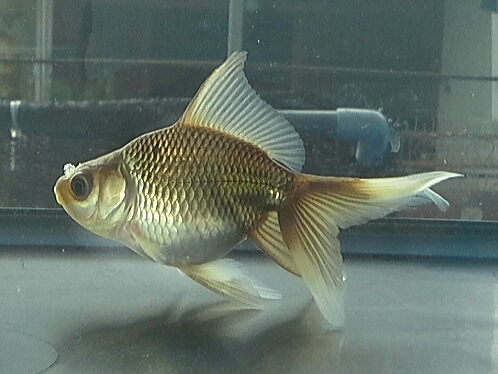
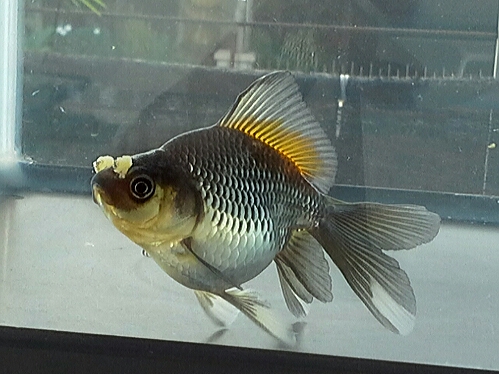
Blue Oranda, Purple goldfish, The Diary of a Goldfish Breeder 2021

The Diary of a Goldfish Breeder 2021 (12)

It seems that my writing activity is not as active as my breeding activity. There has been a lot of progress in my breeding projects that I have not updated here. Let me try to catch it up.

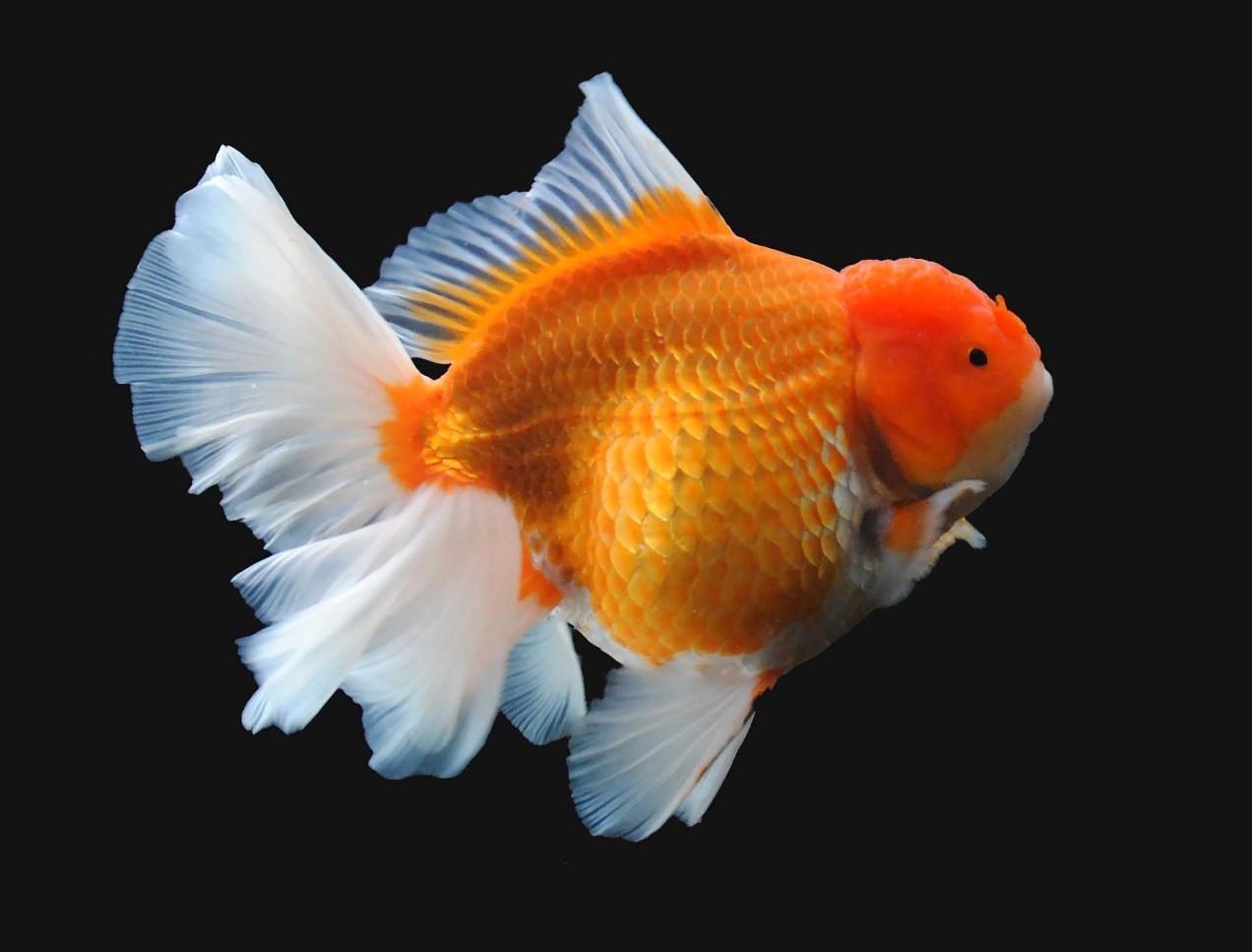
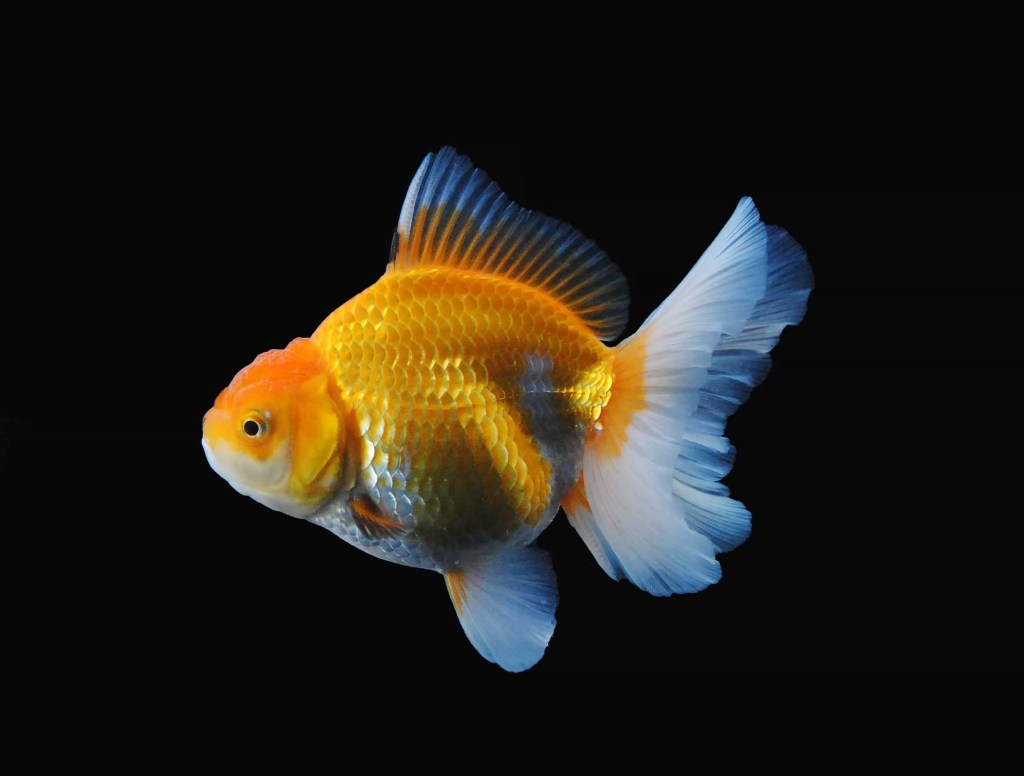
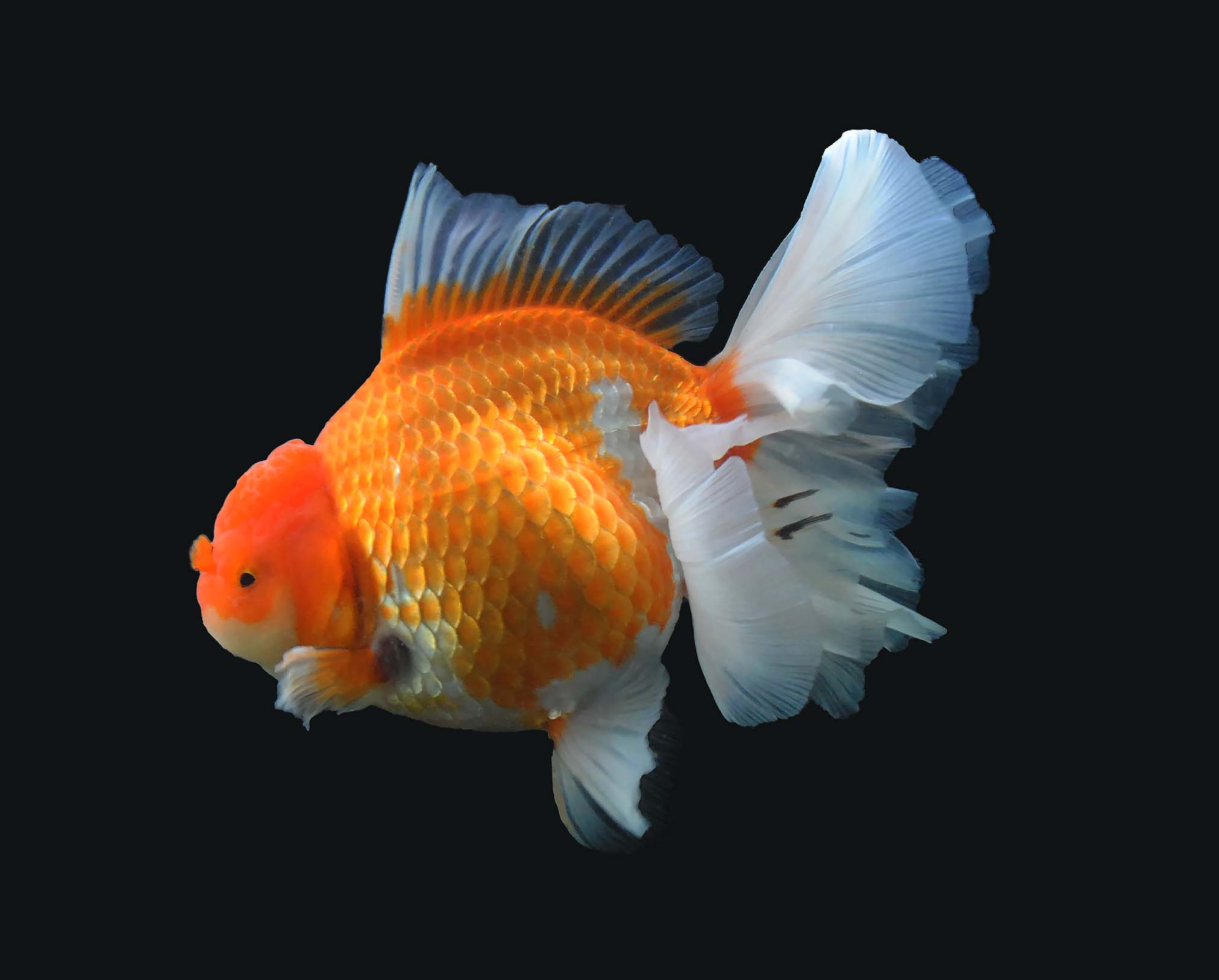
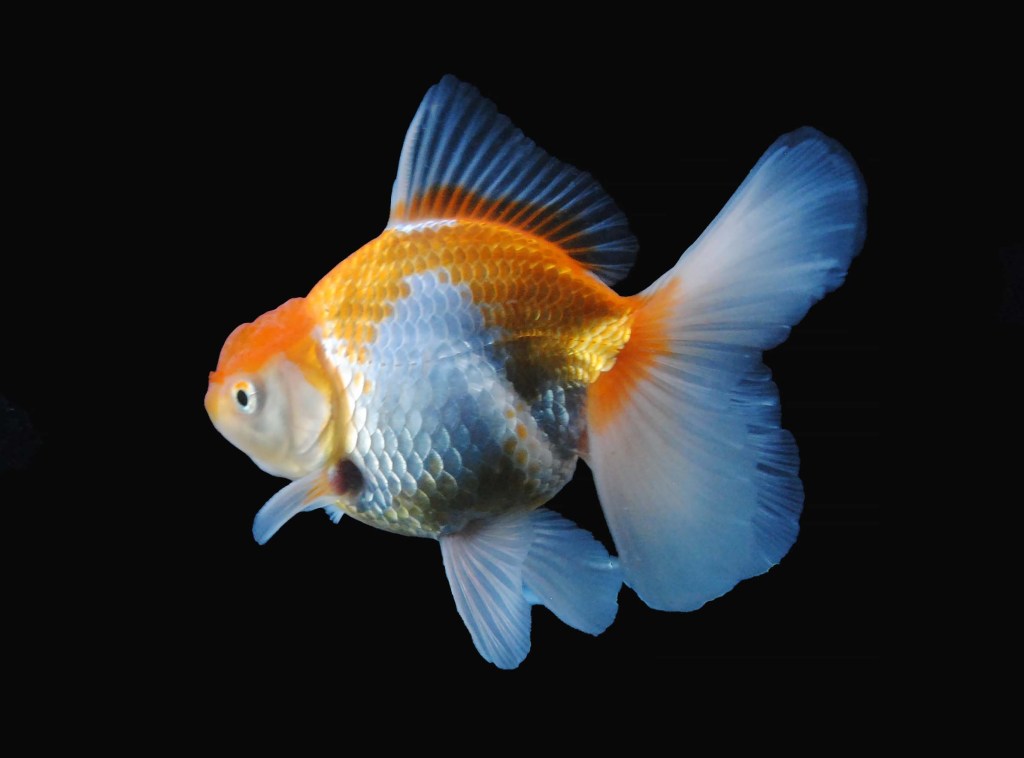
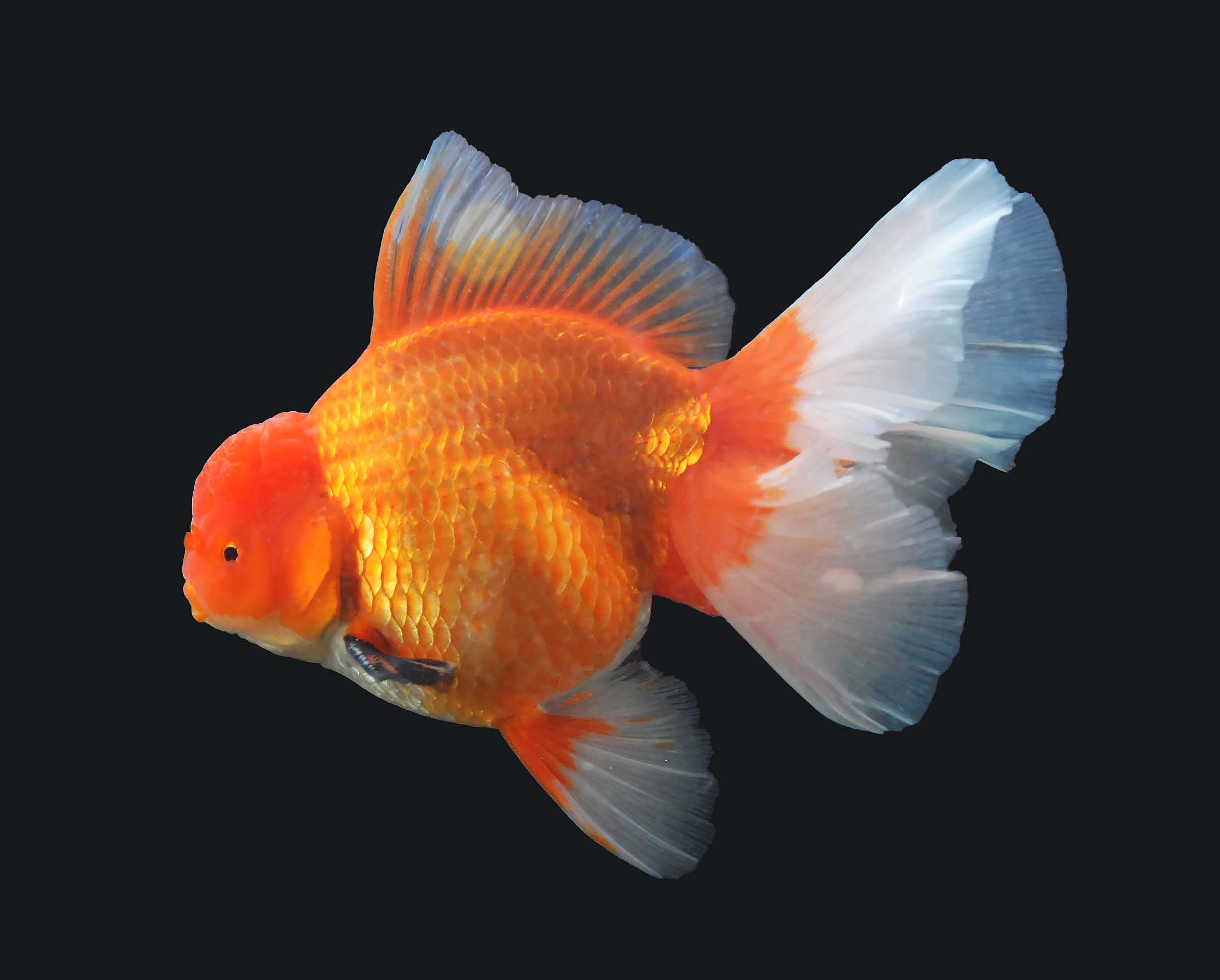
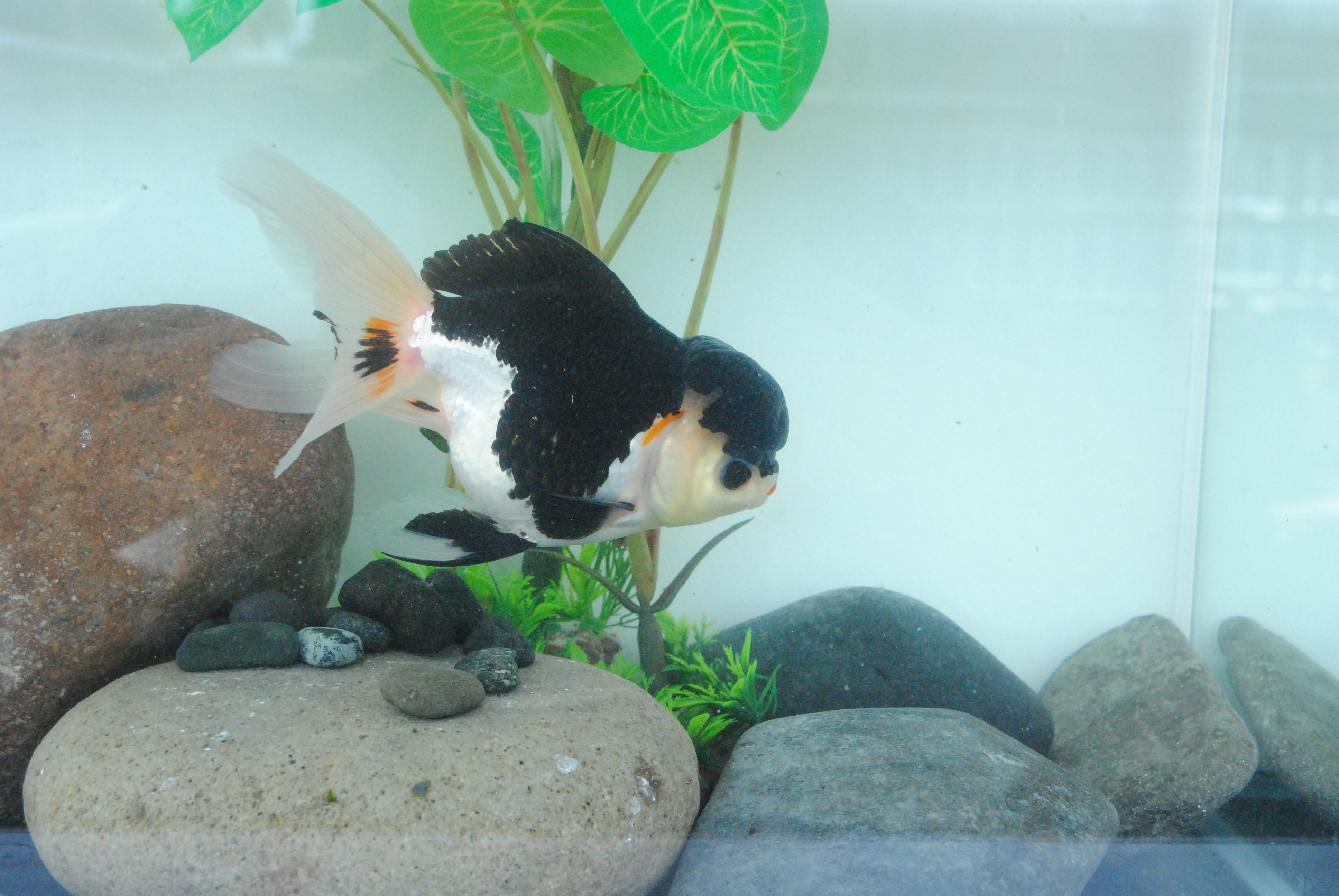
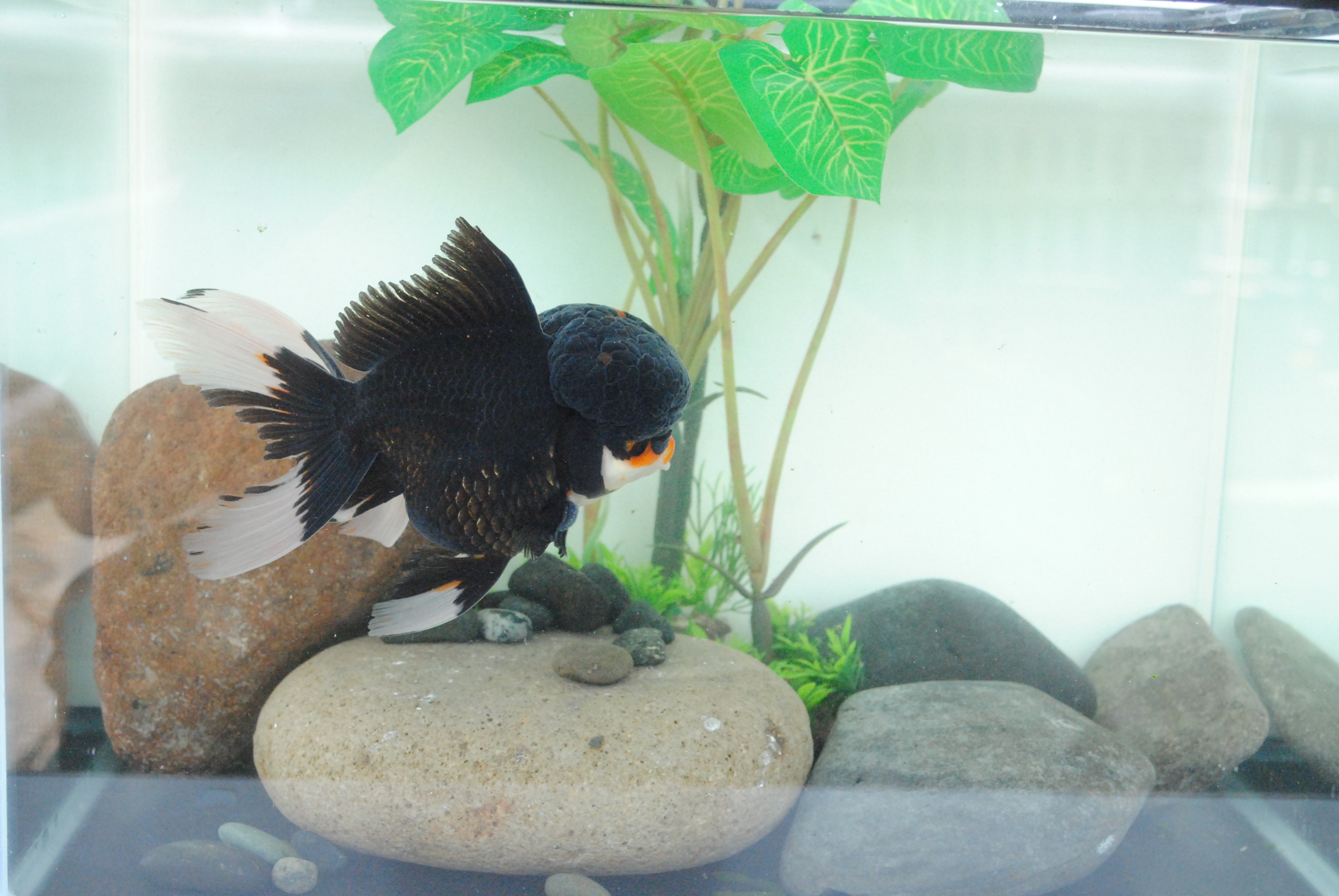
In this occasion, I would like to update my Oranda breeding project since it is my main priority this year. To continue the Diary number 7 about the cross between Purple Oranda and my Basic Oranda Material in order to improve the quality of my purple oranda, I have selected a pair of offspring (semi purple Oranda) as the main parent fish. They are mature right now and have been bred several times. These are their pictures (before and after):

The fish above has grown big and becomes difficult to handle during hand-spawning. The body is strongly built. The tail wrinkles beautifully displaying the rose-tail style. The headgrowth has grown a little bit, but not impressive enough. This is the part that need to be improved still. Anyway, at this stage, I am satisfied with the quality so far. This female is productive. She is the main star during this year. I use her in several different projects. Let’s call her Helen the Oranda.

After

This male is from the same batch as the female one. Strangely his red and black pigments grow. At first, I thought he was in a stressful condition. But that was not the case. I mated this male with the main female to produce improved Purple Oranda. But complication arose. Most of the purple oranda produced lost their purple color and turned into white fish. I must discard them. Right now I am left with only two purple offspring which seem to retain their color. Right now the offspring is seven centimeters in size. I will post them later when they are bigger. So, with only two purple offspring left, I cannot say that this project is succesful. I plan to redo this mating once again to see if I can get more purple ones.

From my crossing of the Basic Oranda Material with my blue oranda of the same age as above fishes, I am blessed with one male semi blue oranda. Its phenotype is red, of course. I mentioned this project in my previous posts but had never posted any picture. So, I do not have the “before” picture. This is the recent picture of him:

The body is stout. The tail has some wrinkle genetics but it is not quite the same as the Helen the Oranda (the semi purple one). The headgrowth is slightly better than the result of the semi purple project. I mention this male because he is significant in producing my improved blue oranda. I mated this male with Helen which successfully resulted in improved version of my blue oranda. A small percentage of the offspring loses its blue pigmen but the majority are good. So, excitingly, the cross between the semi blue oranda and the semi purple oranda results in good blue oranda offspring. They are still young right now, roughly seven centimeters in size. I will update them later when they are bigger.

Concerning my brown oranda project, I mentioned my failure before. But this week, I have successfully crossed my previous version of brown oranda with Helen. I have lots of confidence of being successful, but it is too early now to claim that. I will update the result in the next several months.

One more thing. I have another female semi purple Oranda besides Helen. The color was grey, and now she turns totally black. I did not include her in my post number 7 at that time since I was not aware of her presence. I thought all have been mutated into red or red-white fishes. Only when I did the total water change I realize that there was one grey fish left. I was planning to cull her out, but right now she ends up as the only back up female from the semi purple project. Considering her strong black pigment, she might be a better candidate to produce purple color than Helen. Yet, she has slender body and weaker tail than Helen. I do not take her picture. I just think I need to mention her in case I use her in my project one day.

So, to conclude, the successful one at this point is the improved blue oranda project. The purple and brown ones still need to be repeated again. And another interesting side project involving Helen comes to mind which I will report in the next post. Please wait 😊

Standard
The Diary of a Goldfish Breeder 2021

The Diary of a Goldfish Breeder 2021 (11)

I have refined my breeding strategy.

First, let me update the projects I have started at the beginning of this year: the blue, brown, purple, and yellow oranda. I have crossed my original fishes with the better quality oranda which I labeled as my Basic Material (orange in color). The purpose of the project is to improve the quality of my blue, brown, purple, and yellow oranda.

I have crossed each type of color with the Basic Material. Unfortunately, not all went as planned. The successful one is the purple oranda project. The crossing produced male and female semi purple oranda (right now they are in orange and red white color). I have mated these F1 x F1 on this June and have kept the purple fry only. So far so good. It is a different story with the blue cross.

The cross between blue and basic material yields good quality semi blue offspring. Sadly, they are all male. I cannot continue the project with this condition. (I still keep one female blue oranda from my original line as a back up, though.)

The brown and basic material cross failed miserably. Due to the overload in my capacity, I could not take care the offspring well. I must let them go. (I still have brown oranda from two other lines which I can use as back up.)

The yellow project produced so many single tail, which I must cull out. So, this project also failed. (Of course, I still keep some yellow for back up plan.)

Besides these crossing, I also paired my Basic Material with each other because I might use them later on. This line is important for me. I must manage them well.

Second, I just realize that I do not have to make four separate projects as mentioned above, actually. The blue, brown, and purple are somewhat related. This fact can simplify my breeding strategy a lot. Let me explain.

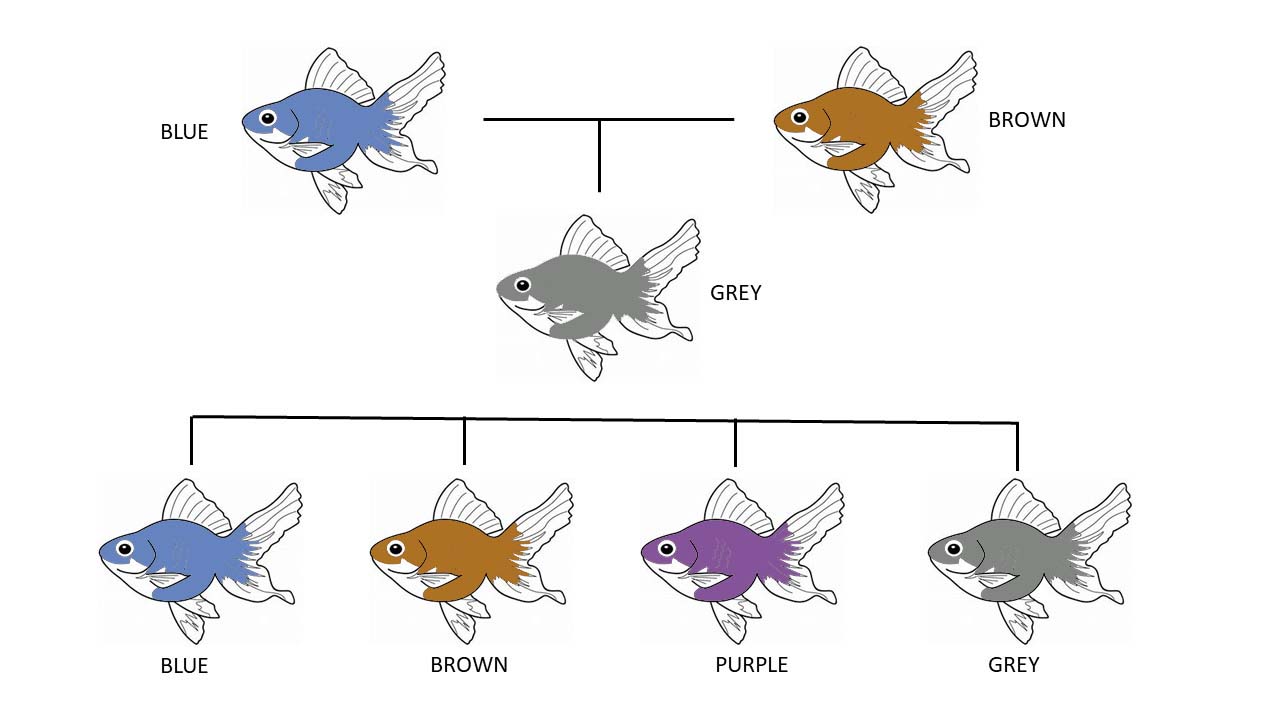
To review a bit, this chart explains the basic:

The blue and brown are not related. When they are crossed, the F1 is grey in color, which sometimes turn into orange fish. But when the grey is paired with each other (F1 x F1), the result will be blue, brown, purple, and grey. I always cull out the grey. This is how I get my purple goldfish.

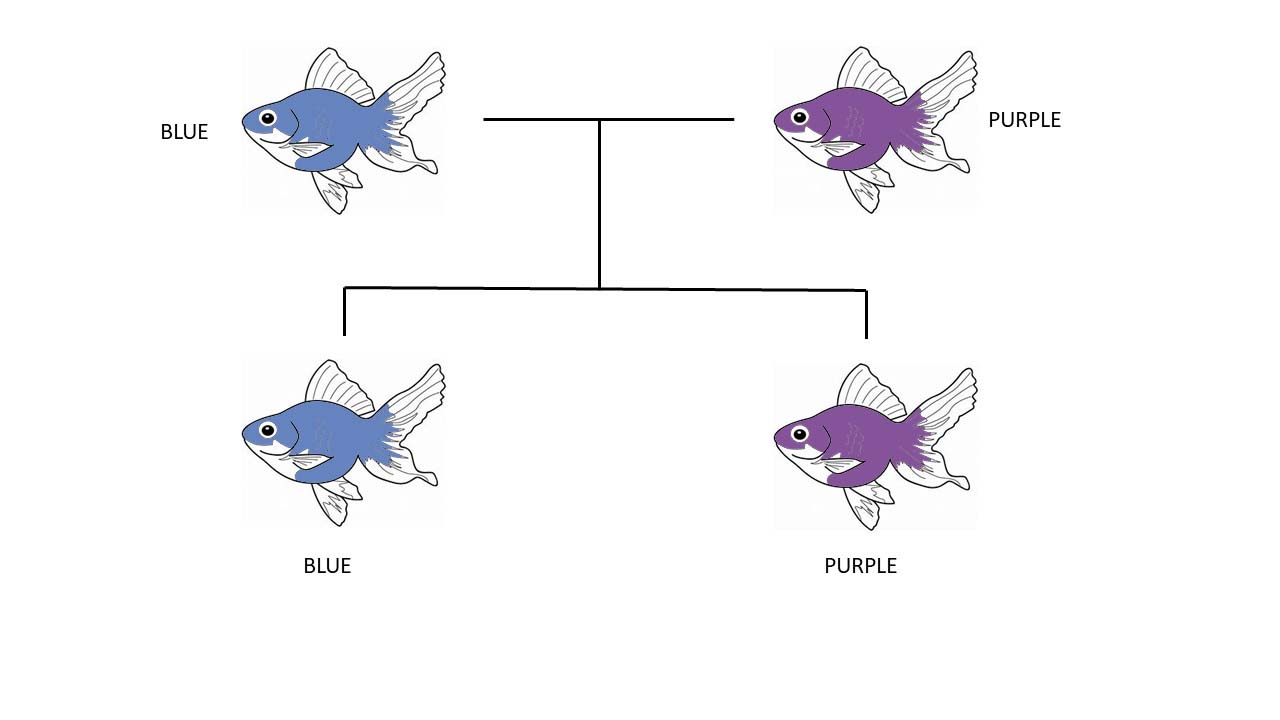
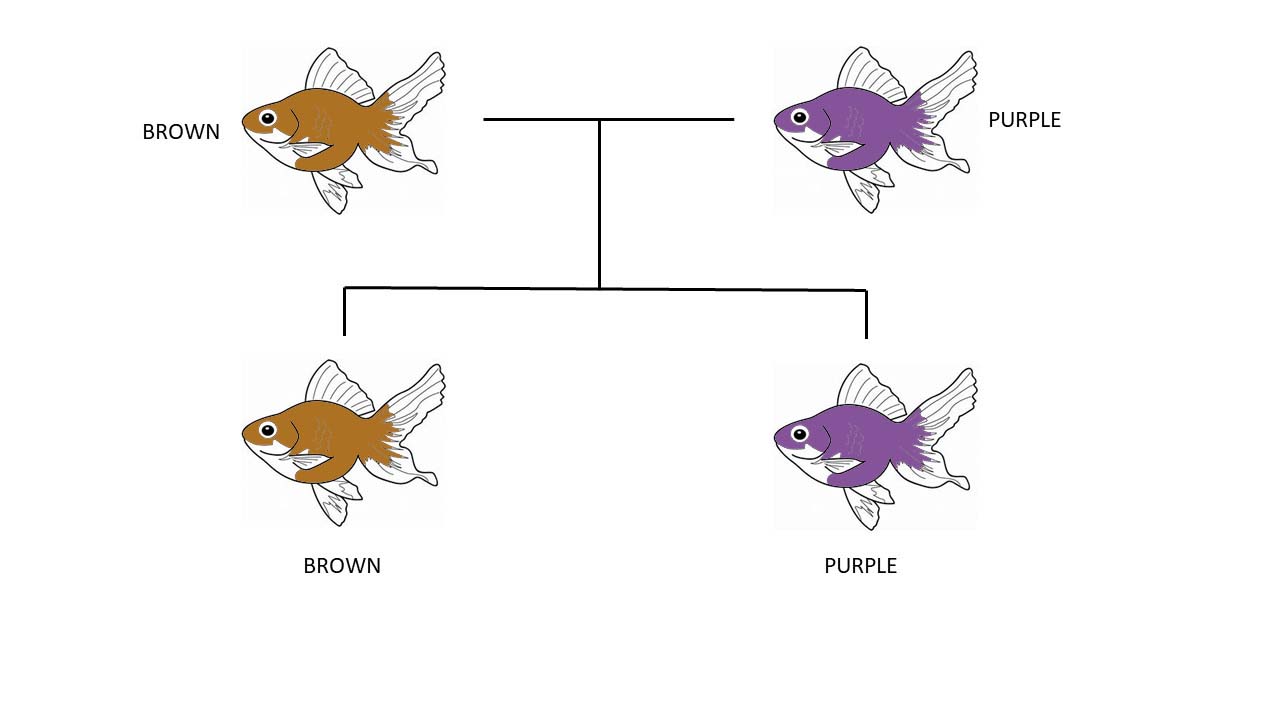
So, although the blue and brown are not related, the blue is somewhat related to the purple. The brown is also related to the purple. Here we see that the key is the purple goldfish. When we crossed the blue and purple, the result will be blue and purple right on the F1. The same case happen in the cross between brown and purple. We will immediately get brown and purple.

So, what I need to cross with the basic material is actually only the purple. When I get the desired result (the purple with higher quality), I can cross the purple with the blue and the brown. Instead of mating each color with the basic material (three projects), it is sufficient for me to cross the purple only. This simplify my projects a lot, doesn’t it? This is the refinement of my breeding strategy.

The yellow oranda is a different case. This color has no relation at all with the blue, brown, or purple. So, this project must stand on its own. I must cross the yellow with the basic material.

Thank you for reading 😊

Standard
cow ranchu

Cow Ranchu Crossing

Cow Ranchu is a variant of the transparent scale ranchu that has black and white color. Sometimes the black pattern can expand. The black comes in large patterns and small dots. Red color might be present in small areas of the body. If the red is too much, it cannot be called cow ranchu anymore. I do not know if it is the International standard name of not, but we Indonesian calls it Cow Ranchu since it resembles the color of black and white cow. This breed was rare before (especially in Indonesia), but it is available recently through imports from Fuzhou, China (if my information is correct). How people come up with this pattern is still a mystery for me. A breeder friend told me once that when he bred them, he got a variety of transparent color ranchu including calicos. So, in his view, the cow is just the offspring of the usual calico which then being separated purposely based on the color. So, it will not breed true. I doubt this explanation. In my understanding, the usual calico does not have the ability to expand its black pigment like this cow ranchu. And the black in calico usually comes in dots, not large patterns or blocks as in this cow ranchu. So, I decided to buy some cows at the end of 2019 with three purposes: first, to breed them to see if they breed true, second, to observe the expansion of the black pigment, and third, to cross them with other colors to see what will happen. Well, the 1st and 2nd purposes was facing hindrances. My first attempt to breed them resulted in so few offsprings. I think I need to breed more of them. And then, three out of five that I bought died, sadly. Gladly, I managed to crossbreed them with the common calico and with the blue metallic scale ranchu. This writing will mainly talk about the crossbreeding result.

These are the five I bought (I show them the left and right side for each):

The first three are the males. And the last two are the females. My favorites are number three and four. Too bad, they are gone. The remaining two are number one and five. I am trying to buy some more to replace them.

Their offspring in my first attempt to breed them was few, and they were weak in quality. Yet, my initial conclusion is that they breed true. Majority of the offsprings were cow ranchu. Few had minor red stains. No calico observed. Yet, I need to confirm this with my next breeding. I could not stand the quality of the offspring, so I culled most of them. I come out with these two left:

The first one has a yellowish stain in the area of its left pectoral fin. The rest are white with black pigment under the skin. The first one also has an outer black pigmen in its pectoral fin. I think they are good specimen to observe whether the black pigment will expand or not. These two are the reason for my initial conclusion that they can breed true.

Next, I mated the cows with these calicos:

I bought them from an importir friend who acquired the parents from China. So far, he has bred them true. I saw myself the offspring in his pond was pretty much similar in color characteristic. I asked for one female and two males. Too bad, he mistakenly sent me all females. Anyway, I could still pair them with my cows.

Here are the results of the cross between the calicos (female) and the cow (male) – after hard culling, ten of them remain:

The quality is far below my standar, so I cull them hard. Even these ten will be culled again after they serve the illustration purpose. (Mostly, my wife’s pupils will adopt them.) The offsprings resulted in different eye type, and different color variation: tiger, calico, sakura, and cow (the last one). I kept the cow one to see the progress of the black pigment.

I also use this blue metallic ranchu which comes from my own previous project to breed with the cows:

And the result of the cross between the blue metallic (female) and the cows are:

cowblue 7

The offspring consists of blue metallic scales and grey metallic scales, but I want to focus on the transparent scale offspring. After much culling due to the low quality, I keep these to represent the range of transparent color emerged from this cross: tiger, calico, and kirin-like ranchu (the last one). Kirin is another variation of transparent color where the dark color and the light color seemed to separate in half. The dark color (purple, blue, grey, black) always dominates the upper part of the body, while the light color (white, yellow, red, orange) is more in the lower part. Actually, a more accurate description I think is that the light color is all over the body in the background, while the dark color exists in the foreground and occupies only the upper part of the body. The dark color usually looks with scales, or looks like a net, while the light color is transparent. Some shiny and big metallic scales are usually seen scattered all over the body.

Comparing the two crossing, it is obvious that there are overlaps: the tiger, calico, and sakura (perhaps some of the calico will turn into sakura when they lost their black pigment, or it will never happen in this cross, I do not know and do not focus on that). But interestingly, the cross between the cow and the calico produces cow-like offspring, where the other cross does not. And the cross between the cow and the blue metallic produces the kirin-like offspring, where the other cross does not. It is a hint, I think, that kirin pattern involves the blue metallic scale in the making. I kept the kirin-like one to see or use in further project.

That’s all that I can report so far. Thank you for reading. Enjoy!

Standard
Panda Oranda

Panda That Humbled me down

Years of my experiment brings me the conclusion that the panda coloration (or the tricolor as its side effect) is actually the blue coloration in metallic scale fish that undergoes demelanization process. That process can happen quickly in certain blue fish, turning it into a totally white fish or red and white one. But it can also happen slowly, even to the point of being halted forever, producing the beautiful panda / tricolor goldfish.

Recently, since 2018, breeders from Thailand storm the market with panda / tricolor oranda which seems to be strong in its coloration. I acquired some and breed them to see if they conformed to my understanding. And what did I find?

The offspring were not blue in color!

They were grey just like the common metallic goldfish!

I raised them to see if they will become panda like their parents. And yes, with mix results, I got several decent panda oranda. The results consist of grey (which does not seem to turn into black nor panda), black, panda, tricolor, and some who loses the melanin totally.

Here are some of the results that I raised until maturity:

DSC_9166DSC_9362DSC_9467 (2)

So, panda does not come from blue fish only. My previous conclusion was wrong. I still does not know how the grey fish can become panda, since the common grey fish (red white fish) cannot do so. Actually, I experience this once a long time ago. But I dismiss it as an exception. Perhaps next time I can find my documentation and write about it. For now, I must humbly admit that there are panda color that does not come from blue fish.

Standard
Purple goldfish

Final Chapter on Purple Ranchu Project

I think I have come to the final stage of my project on purple goldfish. Starting with the report by Shisan C. Chen as my inspiration, I am finally able to create the purple ranchu. I called the color purple, since I heard that term being used when I was young and naive in goldfish breeding. Shisan C. Chen did not use that term. He just said that it is an intermediate color between brown and blue. I remembered my heart yearned for a more definite description or picture, “what sort of color is that? I would like so much to see it!”

In doing this project, I learned that there are two kinds of brown color in goldfish, and they are genetically different. I am sorry I cannot speak in a more scientific term since my training in genetics is very limited. But I know from my observation that when the two different brown are mated with blue, the result is totally different. I will not elaborate more on this since I have written about it several times on this blog.

So, this is the result:

Left side view:

Yes, it has brown stain, to make it a purple and brown ranchu. Some friends prefer to use the koi terminology to address this breed and call it ochiba ranchu. Yes, the head and perhaps the body could still be improved. I have focused much on the color and sort of neglecting the body conformation. But, for the color experiment, this is final.

Right side view:

Less brown stain on the right side views to make it a decent purple. I know for most people who are not familiar with this project, it is hard to differentiate this purple color with blue. So, let me give some comparison picture.

Comparison between purple and blue:

Yes, the purple has a reddish color compared to the blue.

Comparison between purple, blue and brown:

Hopefully, this project will be useful for the coming generation of goldfish breeders and hobbyist. Thank you for all the motivational support for this project. It is finished now 🙂

Standard
Purple goldfish

Updates on purple goldfish (Dec 11th, 2015)

As an overview, I was repeating the classic experiment by Shishan C. Chen. The experiment was crossing a blue metallic scale goldfish with a chocolate metallic scale goldfish. My slight modification was that I use the panda metallic scale goldfish instead of blue, noting that panda and blue color has a close relationship. I crossed a panda tosa with a chocolate pompom. I got the panda tosa from crossing panda telescope eyes (which is available in the market) with blue oranda.

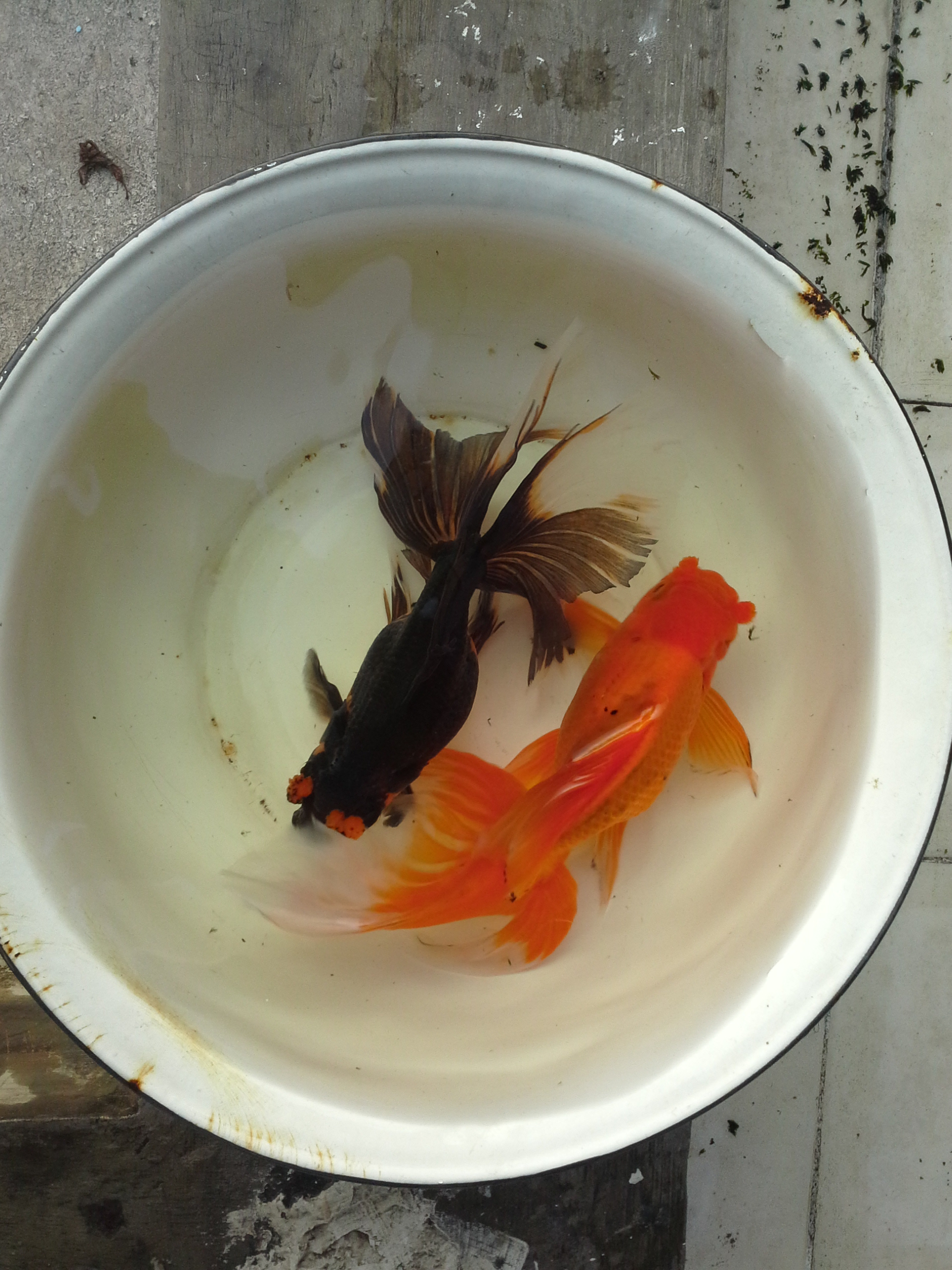
The F1 was wild in color. Some turned into wild and orange, and some turned into totally orange color. No blue, no panda, no chocolate appeared at this stage. All have small pompom balls. Interestingly, their size became giants! I took my lesson that crossing far related types of goldfish may trigger the production of large sizes. (This inspires the possibility of doing projects on giant sized goldfish!)

This is the picture of the F1. Picture was taken 5 months ago, and the fishes have grown larger since. The bowl is 40cm in diameter.
20150811_061647

Then I did F1 x F1. The results were amazing! I got:

1st category: blue, blue-white combination (or we call it panda) and white (as the blue color totally disappeared)

2nd category: chocolate, chocolate-orange combination, and orange

3rd category: purple (the color in between blue and chocolate), chocolate-white combination (!), and white (as the chocolate color totally disappeared)

4th category: wild color

The shape were all pompom goldfishes. Some with large pompom balls, some with small ones.

I got rid of the wild color early. (And now I regret it, since I would like to know whether it can be used to create red-white pompom combination or not). So, I focused on in-breeding those 3 categories. My utmost desire was to breed and stabilizes the chocolate-white combination, since it is a rarer color compared to the panda. Unfortunately, they do not lay eggs till now even when all the other categories have spawned. My project of creating chocolate-white is in jeopardy! It is not funny to start all over again from the beginning.

The first pair to spawn was the panda. I am happy, since panda pompom is nowhere to be seen nowadays. I was thinking that these panda will produce 100 percent genuine panda color. That is what happen when I crossed panda color with red-white. When I crossed panda with red-white, the F1 was red-white/red. The F2 yield roughly 25 percent of panda. And when I crossed these panda with its panda sibling, the result was 100 percent panda / blue. So, I was hoping the same to happen in this project. Interestingly, the result is different!

Panda color produced from the cross between panda and chocolate, when mated with its panda sibling, does not only yield panda / blue color, but also purple / chocolate-white color in small percentage! I think this is an important matter. It needs someone knowledgeable in genetics to explain this. I do not have that expertise.

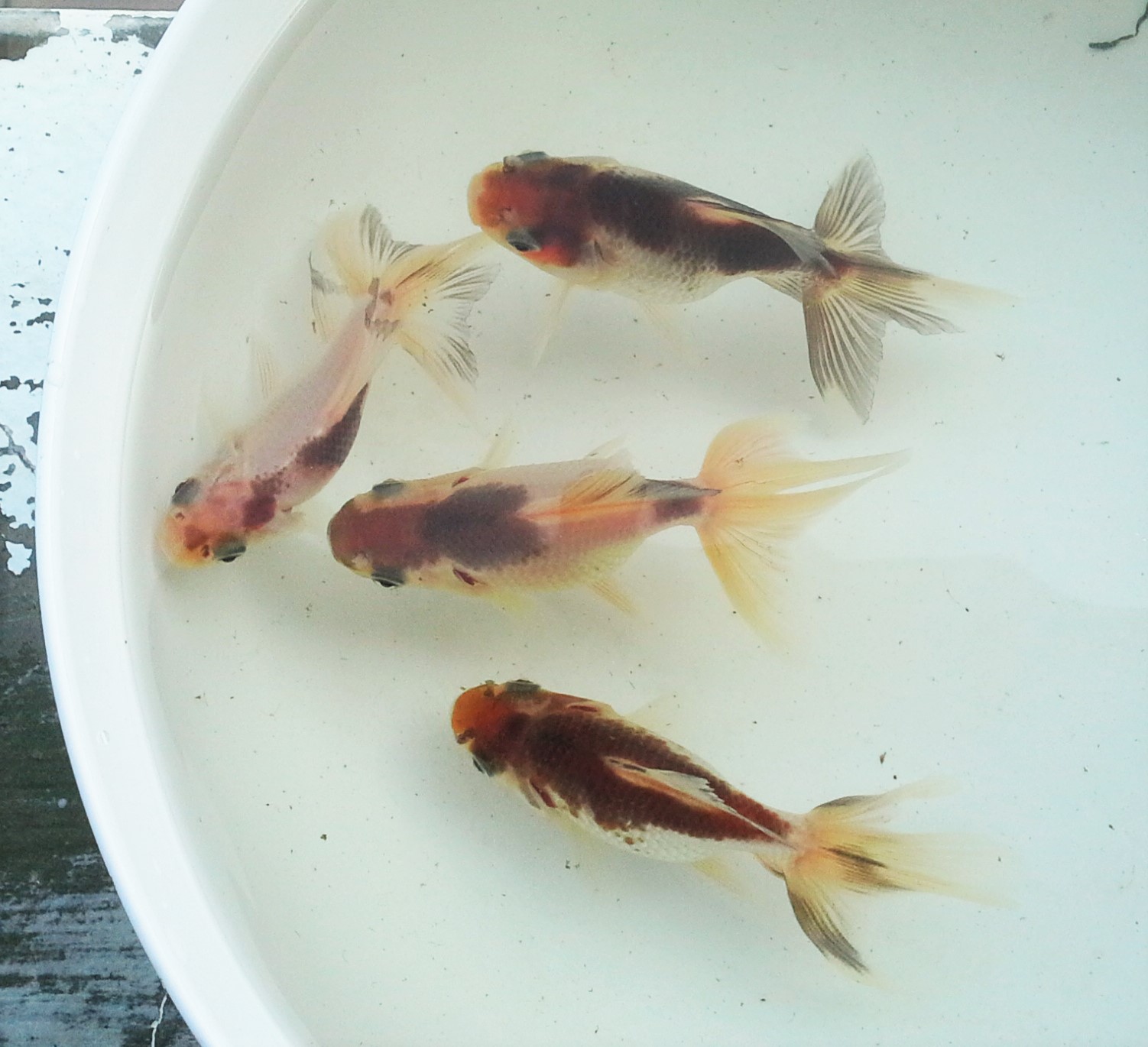
These are the chocolate-white goldfish aged roughly three months old. Some have turned totally white. These are the ones that still retain the chocolate color. Aren’t they lovely?
20151209_061256 (2)

20151209_061251 (2)

First, I am glad that I do not need to rely on my 3rd category that do not spawn till now. I can still get chocolate-white combination from the panda pair.

Second, let me make clear of the relationship between purple and chocolate-white. For the start, it is better to understand that there are three color involved here: blue, chocolate and purple. Shishan Chen has discussed the difference between them. It involves the black pigmen, the red pigmen, their combination and distribution. Though I do really want to understand more about it and what involves that create the difference between blue and black, chocolate and red, they are not really my stuffs. (I am too stupid for that.) It is enough for me to know that purple is a color between blue and chocolate.

It is also important to understand that there are “base” color in goldfish. I have never read about this. This is my own terminology, that will need help from friends who understand more. This “base” color is what makes the difference betwen black and blue, and between chocolate pompom and purple. Let me explain. In the case of black and blue, we know that differences happen in the melanin pigment. Black ranchu has melanin pigment, so also blue ranchu. But somehow, that same pigment behaves differently in those two. One factor is the different pigment distribution. Is it the only factor involved? I do not think so. But I cannot say anymore about this. There is a second important differentiation between the black and blue, and I want to draw the attention to this. Their “base” color is different. In black ranchu, if the black color fades, we will see an orange color. That is what I mean by base color. Even in Thai black ranchu where the black color does not fade, if we try to scratch the black skin, we will see the orange color underneath the black coat. But in blue color, if the black (or blue) pigment fades, what we will see is white color. So, this is the base color of blue fish. In black ranchu, as the melanin fades, we will have black-gold color (or black-orange), while in blue ranchu, as the melanin fades, we will have black-white color (or panda). So, the base color is different.

The relationship between chocolate pompom and purple pompom has something to do with this “base” color. The base color of chocolate pompom is orange. That’s why, when the chocolate color fades, we will see the orange as the base color. The fish can turn into chocolate-orange,or totally orange fish. We witness the same behavior with black and black-gold fish. In purple goldfish, the base is not orange, but white! So, when the purplish color fades, the fish will have purple-white color combination. And in this kind of combination, the purple color will be more intense, the pigmen distribution will be thicker, and the purple will look like chocolate. That is why I call the purple-white color combination as the chocolate-white. It is the same case with panda, where the blue-white combination is called black-white since the blue is getting thicker and looking like black.

This answers my second point, that is about the relationship between purple and chocolate-white. When the purple color does not fade, the fish will stay purplish. When the purple fades, the fish will become chocolate-white, and some will even turn into totally white.

Third, there seems to be several spectrum of chocolate color in the chocolate-white combination. I am still not sure about this. I am not sure of whether they are worthy to be identified separately.

Fourth, the good news is, when I crossed chocolate pompom with chocolate pompom resulted from this project, the result is not 100 percent chocolate, either! There are purple color also! The same behavior I examined from crossing panda with panda from this project.

Fifth, I have not had chance to cross purple with purple, or purple-white with purple-white. If I do this, will the result yield several panda and chocolate also, or will they be 100 percent purple and purple-white?

Sixth, it will be nice to create purple-white ranchu! A project that is enough to occupy my time for several years ahead!


Standard
Purple goldfish

The difference between blue and purple

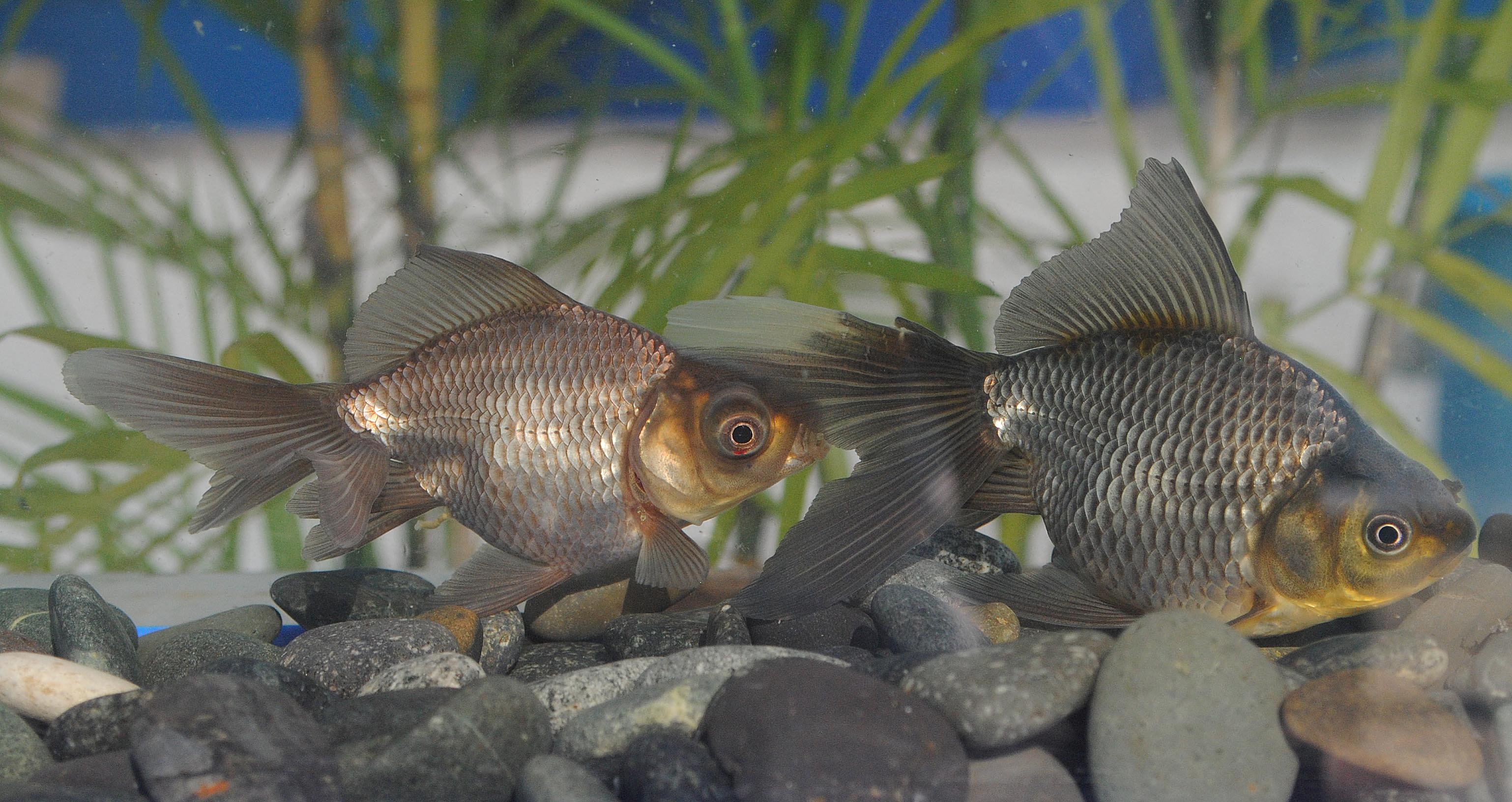
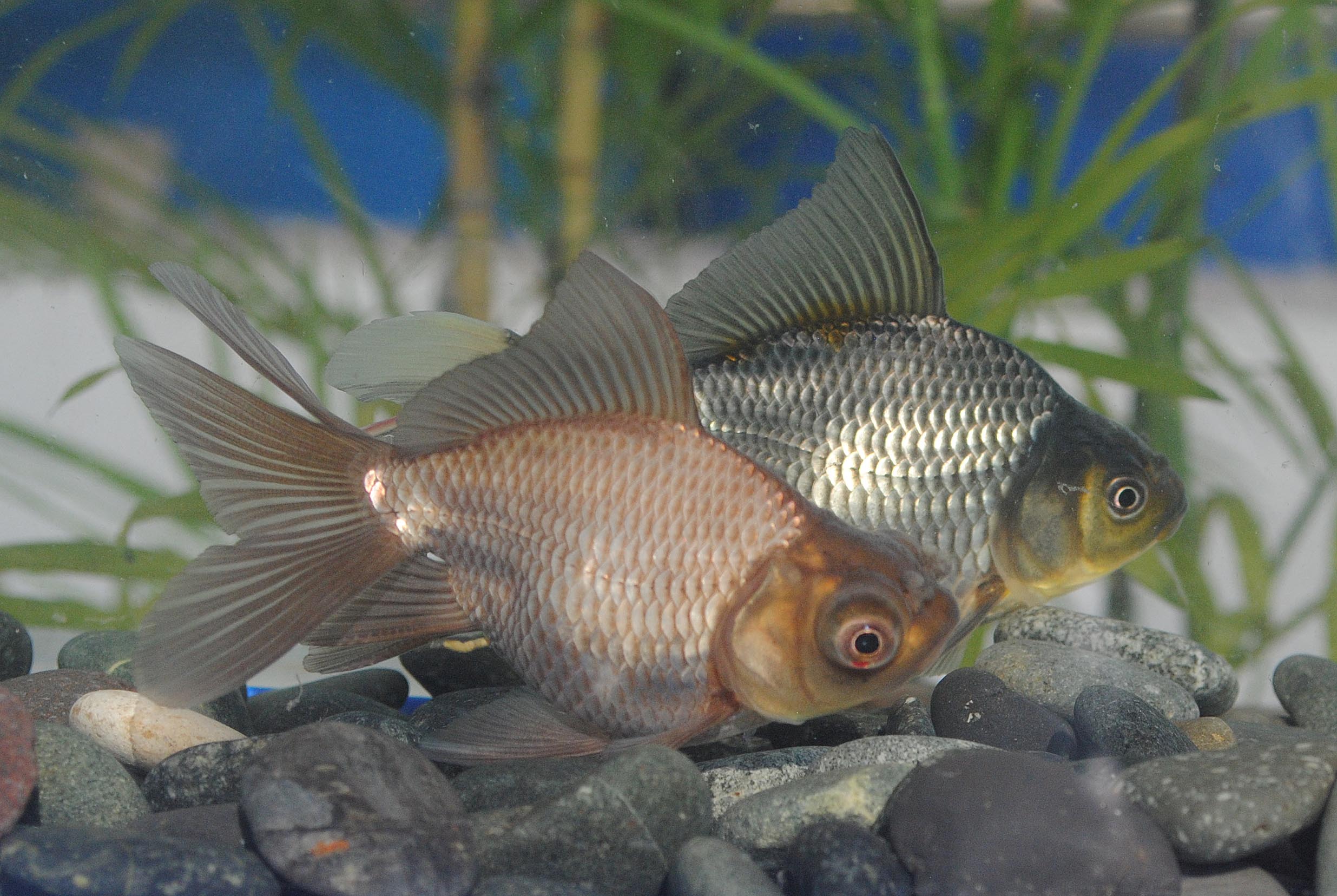
One of my concern is that the purple color is hard to differentiate from the blue color. My aim of posting these pictures is to show that those two colors are indeed differentiable. When being put side by side with chocolate / brown, the purple will look like blue. But when being put side by side with blue, the purple look like brown. So, purple is indeed a color spectrum between the blue and the brown, and differentiable from the two. The pictures below show the difference between blue and purple. I hope it is clear which one is which 🙂 Have a good day.

purple and blue 2

purple and blue 1

Standard
Purple goldfish

What color is this?

This is the most unique color I find in this purple goldfish project. It started as purple fish. But then it develops white coloration. The purple color becomes darker, to make it look like light brown. I do not know what to call this combination. Purple and white? Chocolate and white? It surely looks like brown magpie bird to me.

20150723_072508(2)

20150723_072449(1)

Many of the purple develop the white color, but most turn into totally white. So, I guess the behavior of this pattern is basically similar to the panda. That means there is a room for stabilizing the pattern through selective breeding.

unfortunately, there is only one with this kind of pattern. I hope the pattern will stay, though it is very probable that it will fade. And the purple goldfish is always the smaller compared to the blue and brown in the same batch.

My plan is to strengthen this pattern and multiply them in the form of pompom goldfish. Next, I would like to develop ranchu in this pattern. Wish me the best 🙂

Standard
Panda pompom

Panda pompom

From my experiment to create purple goldfish, I accidentally create panda pompom. This is predictable, since I use chocolate pompom and metallic blue fish as the grandparent. Some blue fishes appear in the offspring. Some have pompom, some do not. But most of the pompom feature are blue also. This one is extraordinary since the pompom feature is white, giving it a good contrast. If today we usually find pompom goldfish with chocolate body and orange pompom features, hopefully we will see more of blue or panda body and white pompom features. I can’t wait to see this piece mature. Enjoy.

20150723_072638(1)

Standard
Purple goldfish

Purple goldfish update on July, 2015

DSCN2583(1)

DSCN2601(1)

The above picture is the same purple goldfish in a lighter and darker background. This color is distinguishable from the blue and chocolate below:

Blue goldfish

Blue goldfish

Chocolate goldfish

Chocolate goldfish

The pictures below show the differences between purple and blue

DSCN2607(1)DSCN2619(1)

and this shows the difference between purple and chocolate

DSCN2635(1)

The picture below shows the fishes with respective colors from left: purple, green, blue and brown

DSCN2652(2)

Below are the highlights

Blue scale on top, purple scale below

Blue scale on top, purple scale below

Purple scale on top, chocolate scale below

Purple scale on top, chocolate scale below

So far I think I have succeeded in producing purple goldfish, or purplish one, or any other name differentiable from blue and brown (chocolate). At this point, I think I can wrap up this project and consider it done. What remains is to try the same project again but with different type of fish. What I have in mind is ranchu. I would like to create purple ranchu. But first, I need to create the chocolate ranchu, which is still my ongoing project. It will be a challenging project!

There is another observation coming from this purple goldfish which I am not ready to share yet. Let see for another year or more if this observation really yields something interesting.

Have a good day!

Standard