cow ranchu, The Diary of a Goldfish Breeder 2023

The Diary of a Goldfish Breeder 2023 (11)

Project #12: Cow Ranchu

Update: Cow x Black

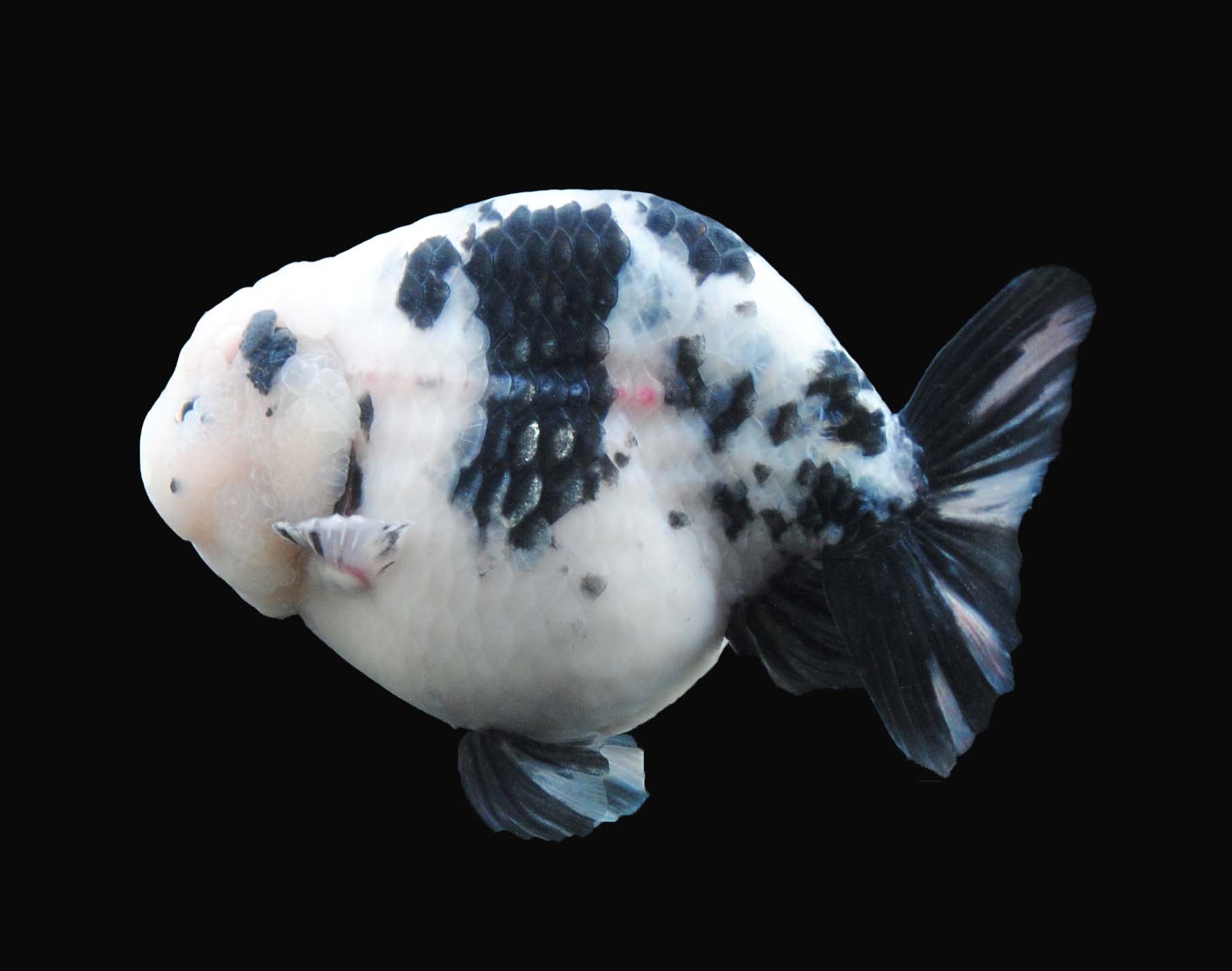
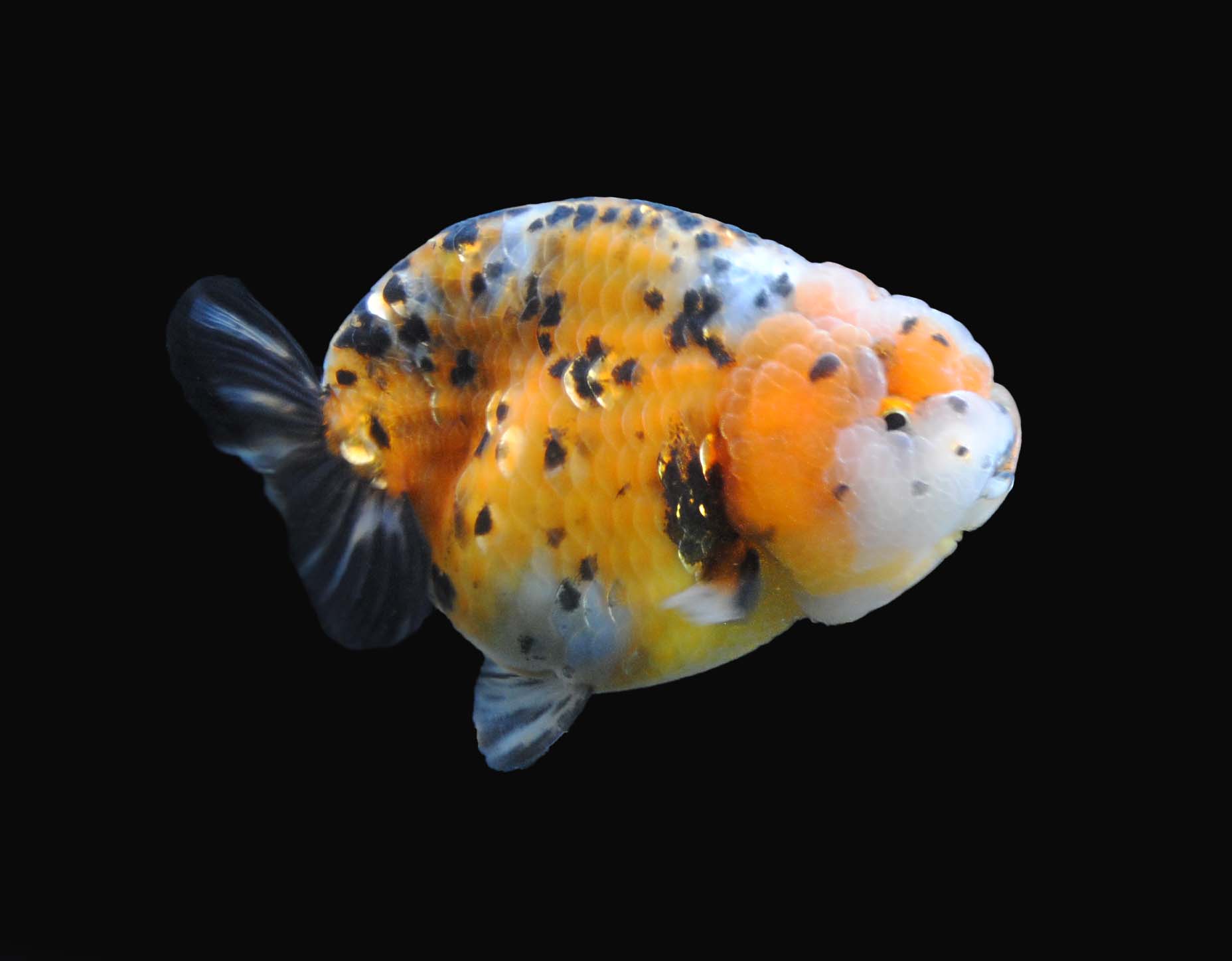
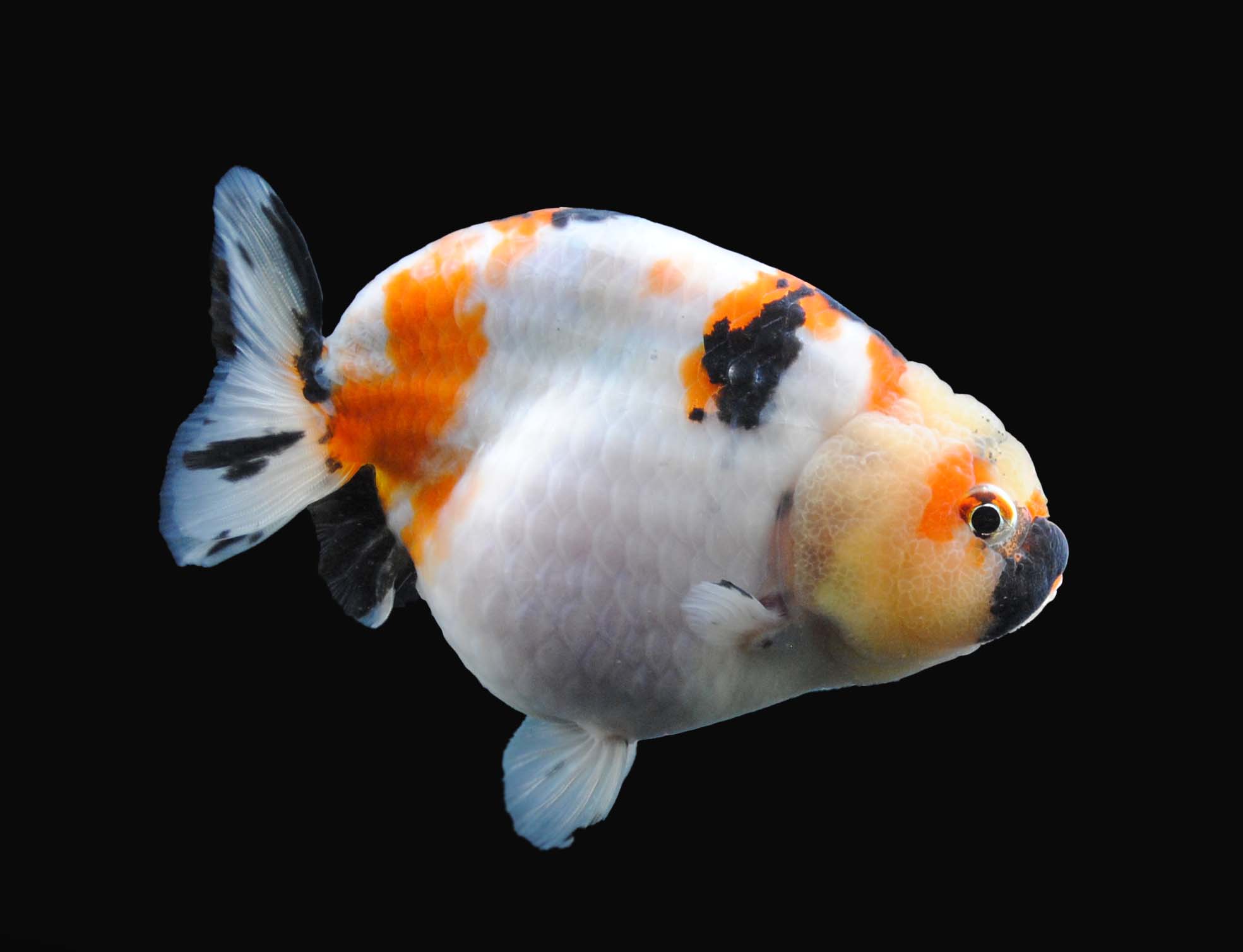
I would like to report the result of Cow Ranchu (male) x Black Ranchu (female). These are the parents:
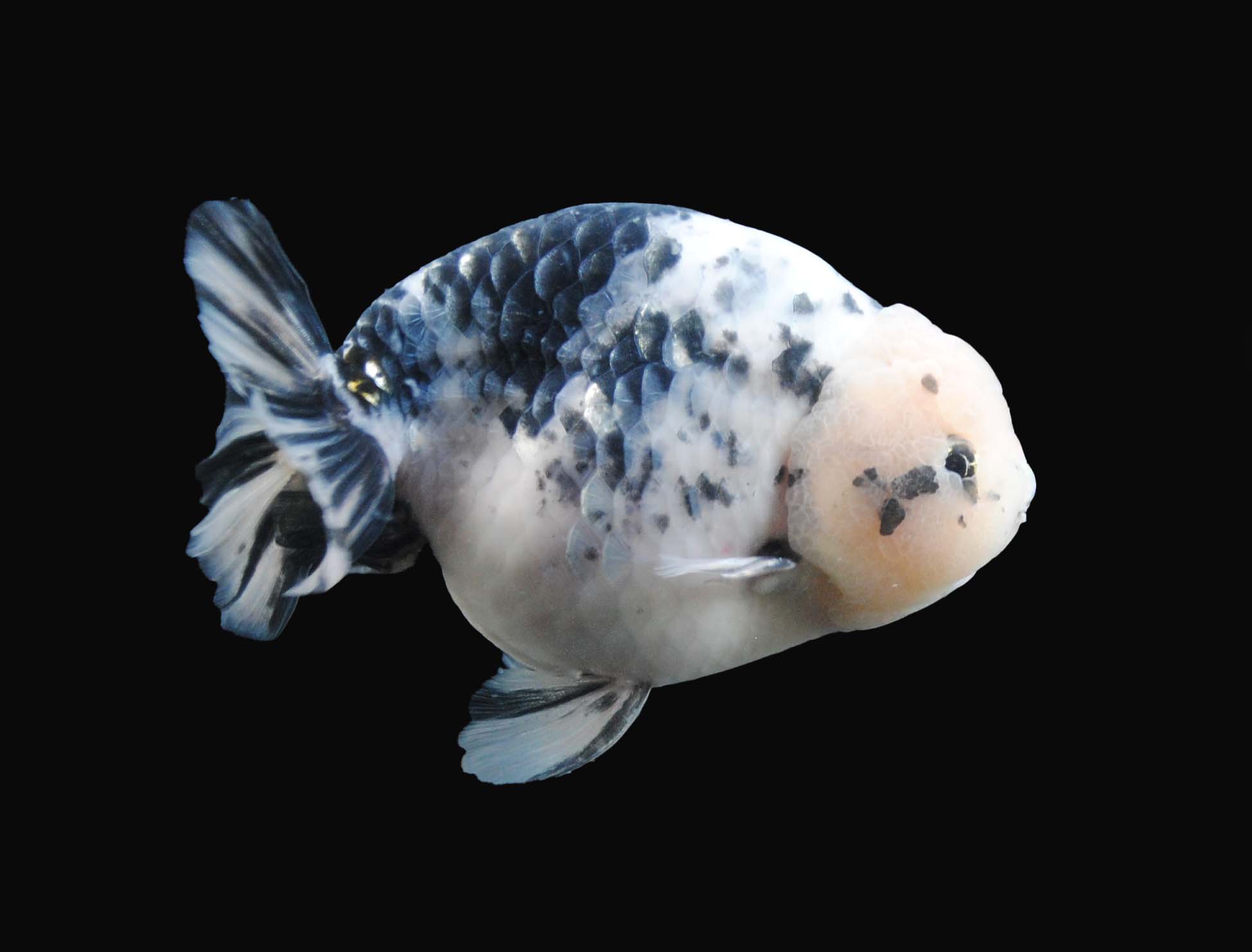
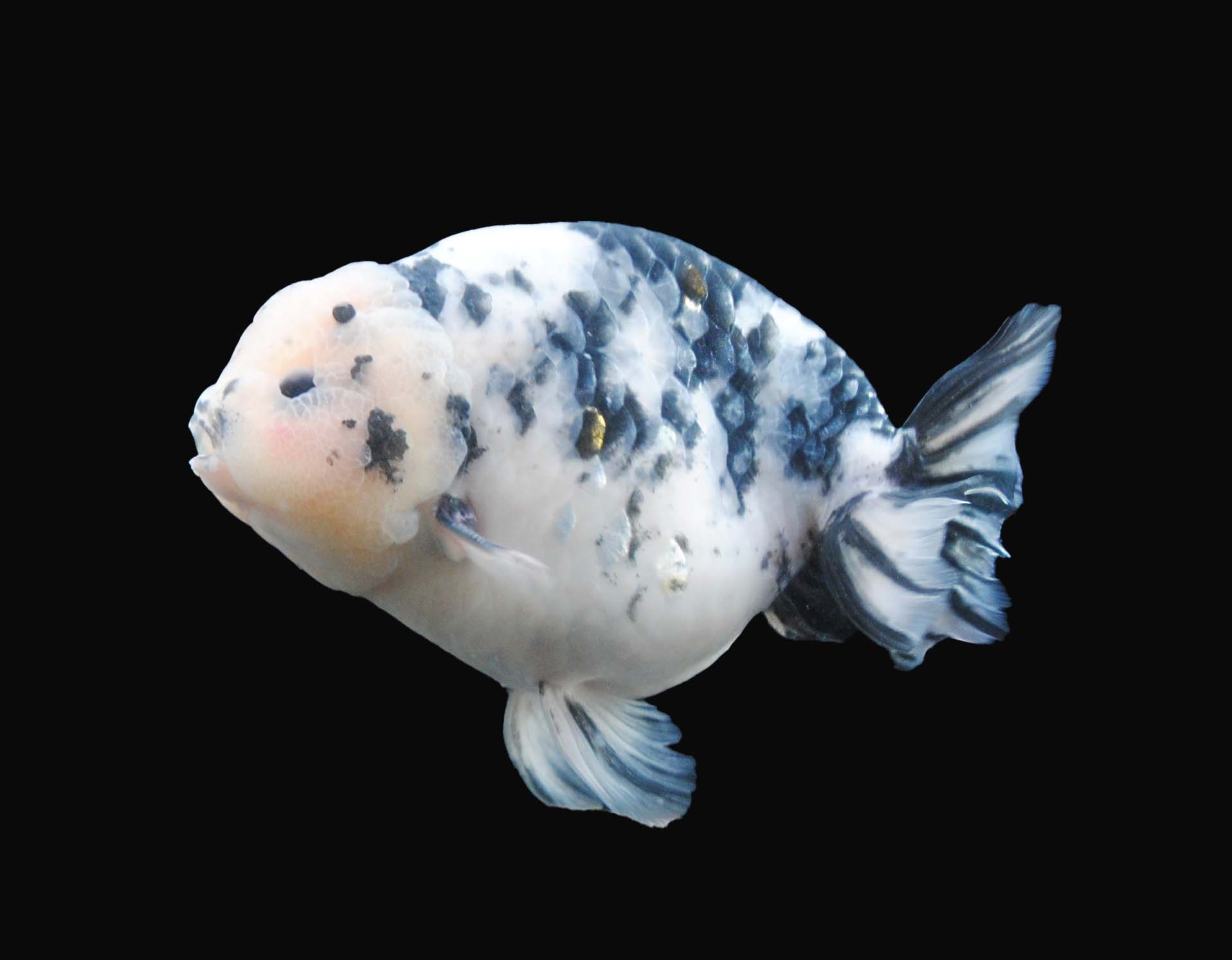
The offspring consists of two types: the grey / wild color, and the transparent color. I cull the grey out early. So, I do not know whether they will turn into some other color or will continue to be grey. I keep the transparent color only.

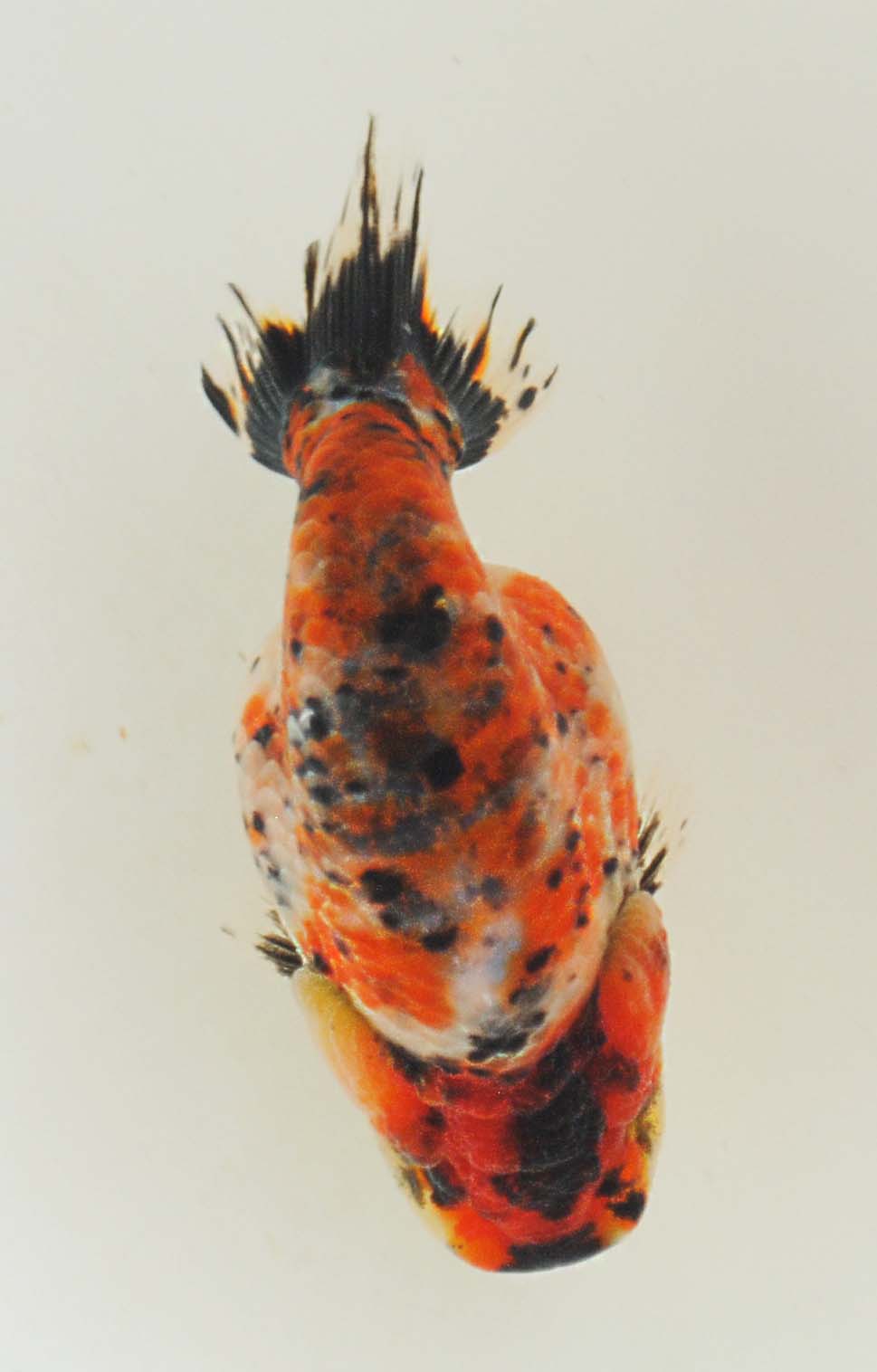
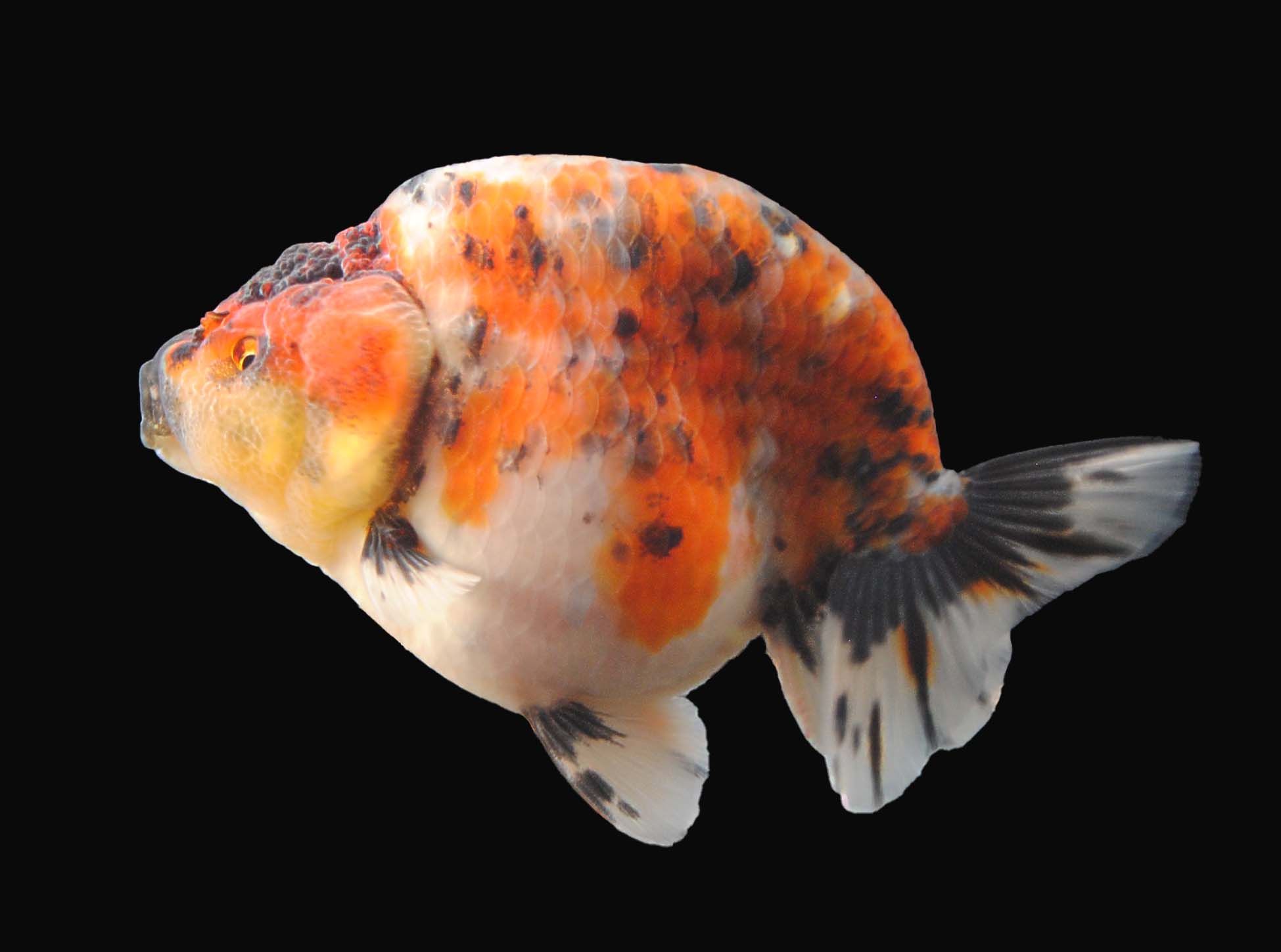
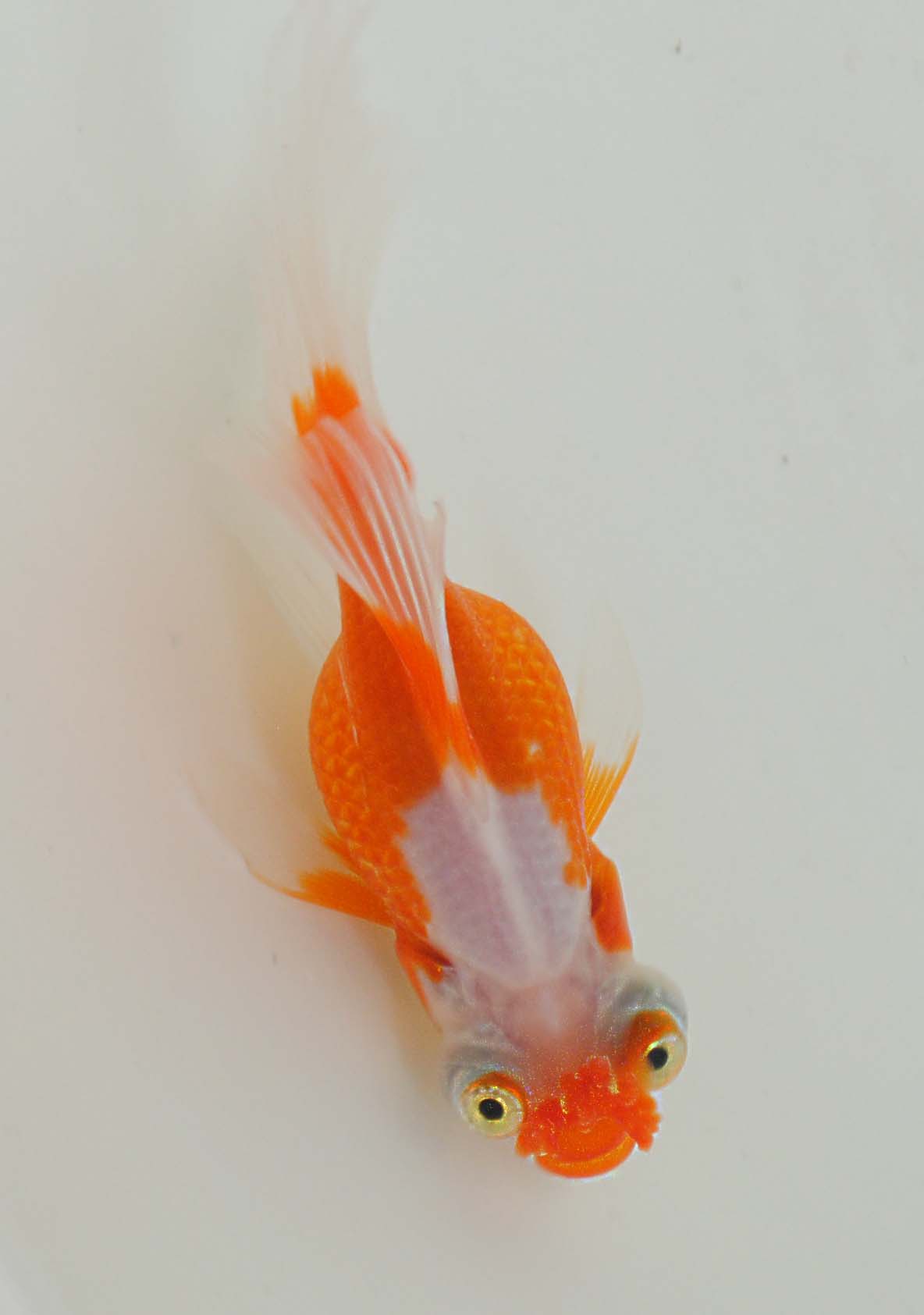
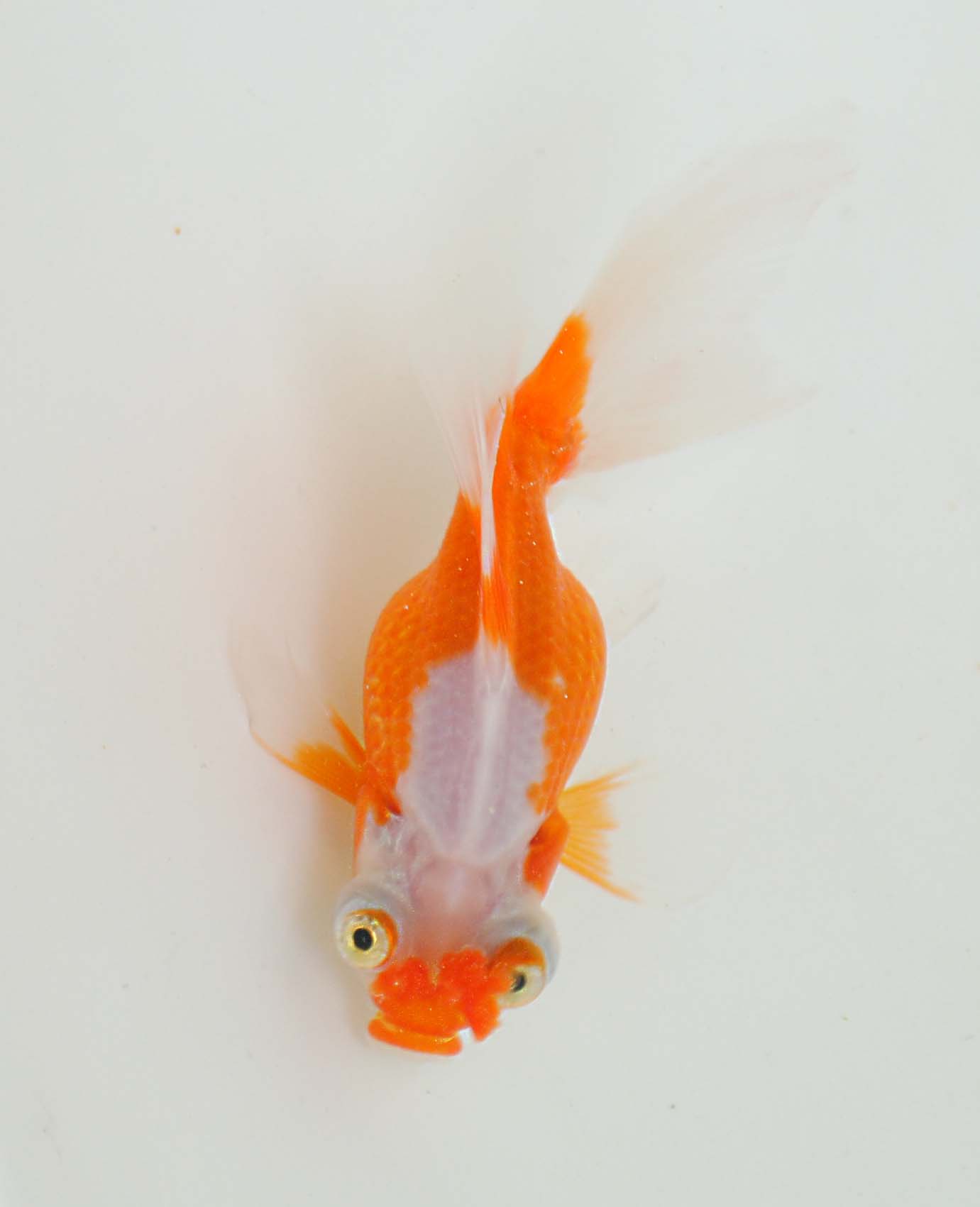
I also cull out the defects in finages from the transparent color. I end up with 7 of them. Let me first show them from top view.

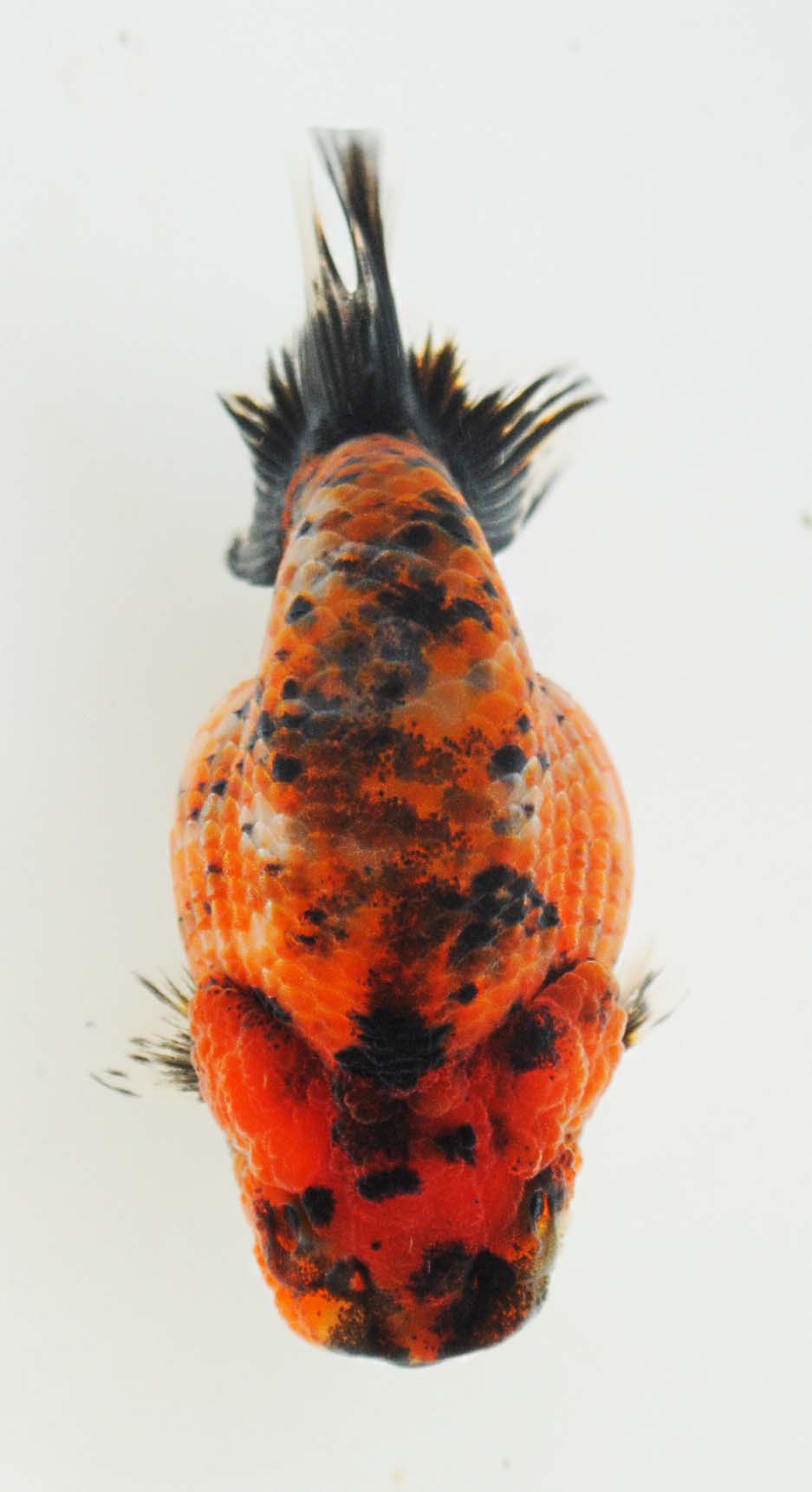
1. The black pattern is a combination between type 1, 2, and 3 mentioned in my previous writing (diary #10). The blocks, dots, and irregular pattern appear here. I cannot say this is desirable. But it is not a bad thing, either.

2. The black pigment exist throughout all the offspring. Unlike my offspring of cow x cow which yields lots of casper fish (totally white), the existence of black color in this cross is a good thing. I can say that the black pigment of the black ranchu contribute to the abundance of black color here.

3. The red color is dominant and is not a good thing in a cow project. I will say that this red color is due to the black ranchu genetics, also because underneath the black coat of a black ranchu is actually a red / orange color. This is visible when we (accidentally) scratch the skin of a black ranchu.

4. Some of the fish shows thick peduncle, following the genetics of the male parent. This is interesting.

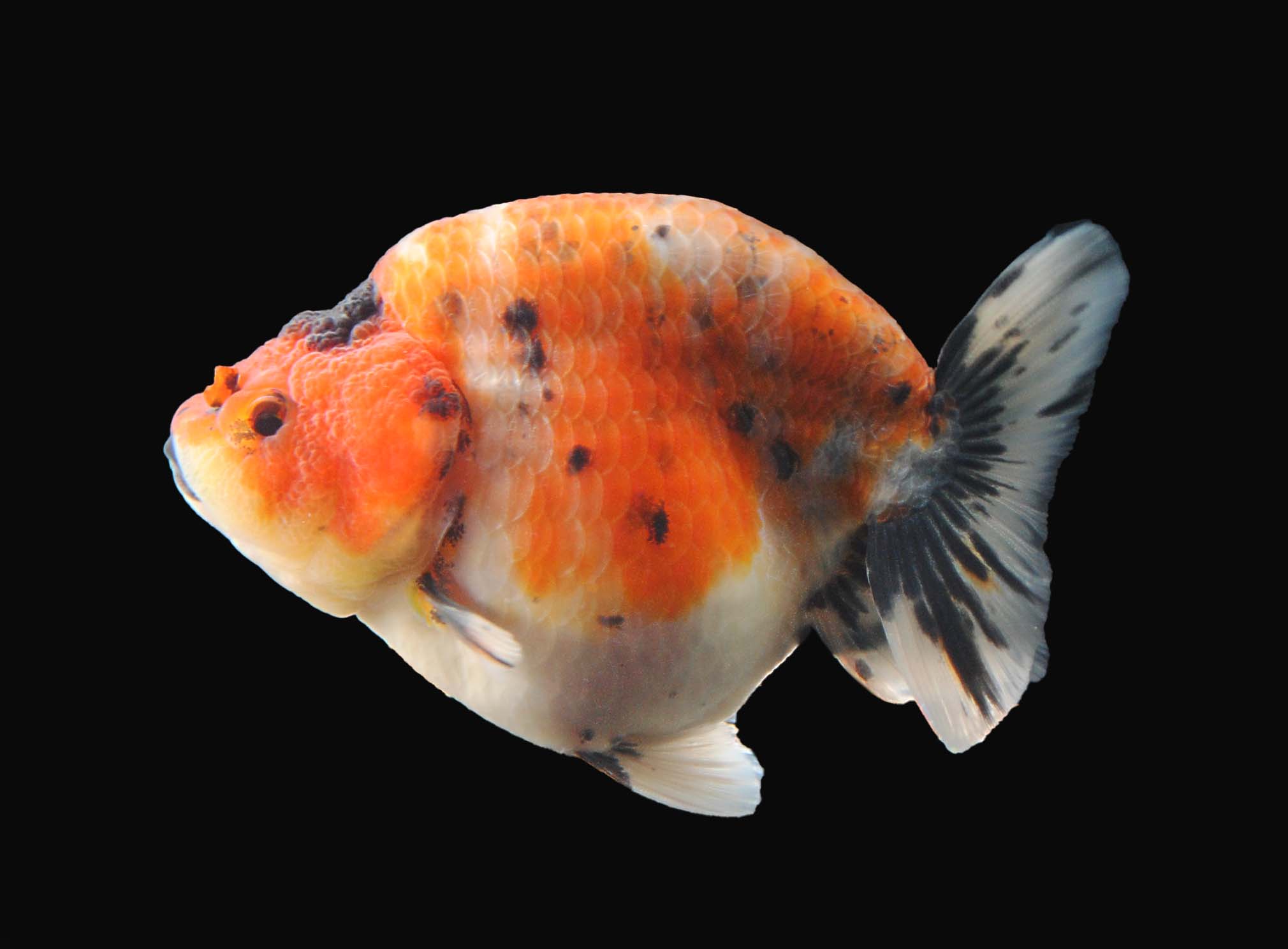
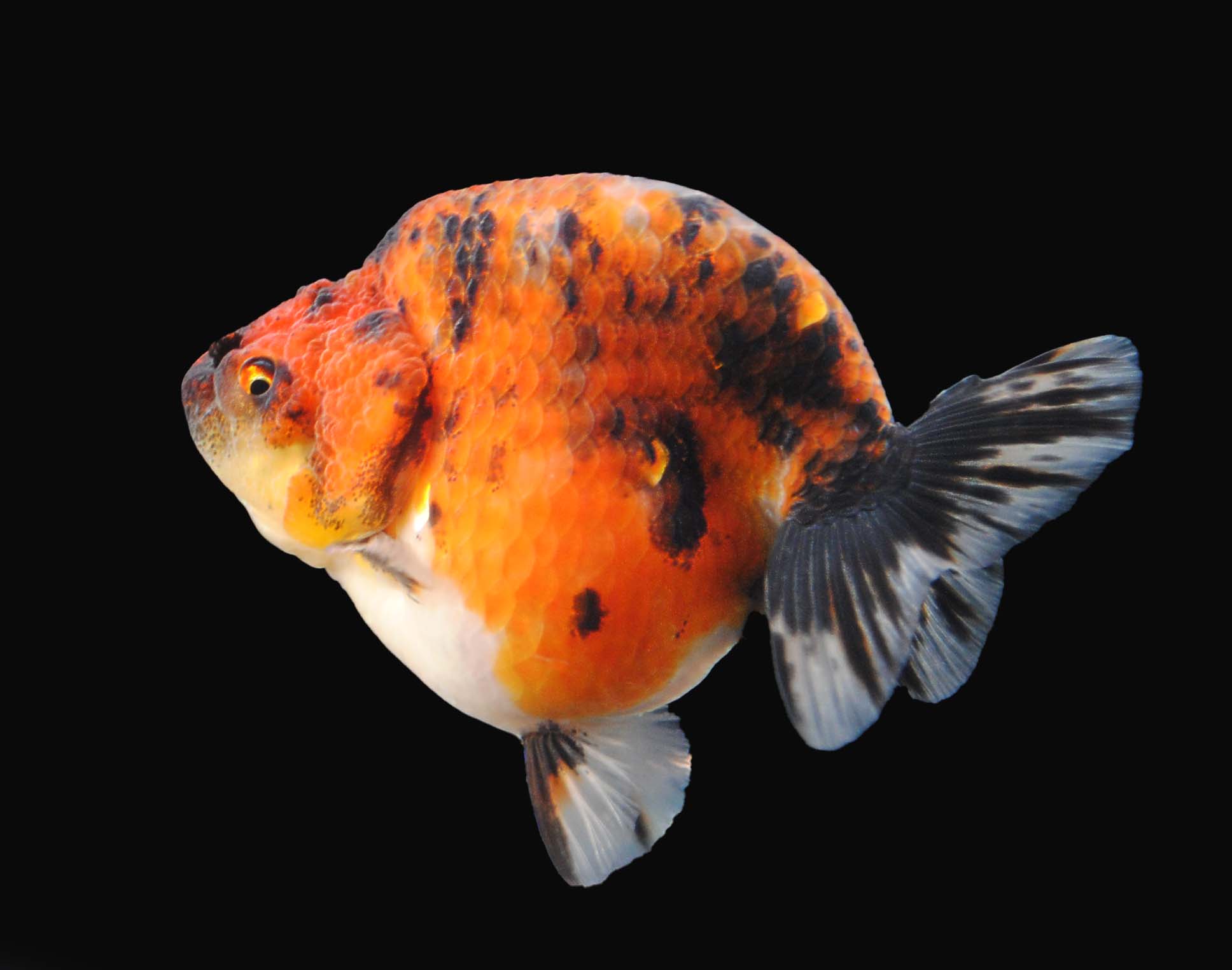
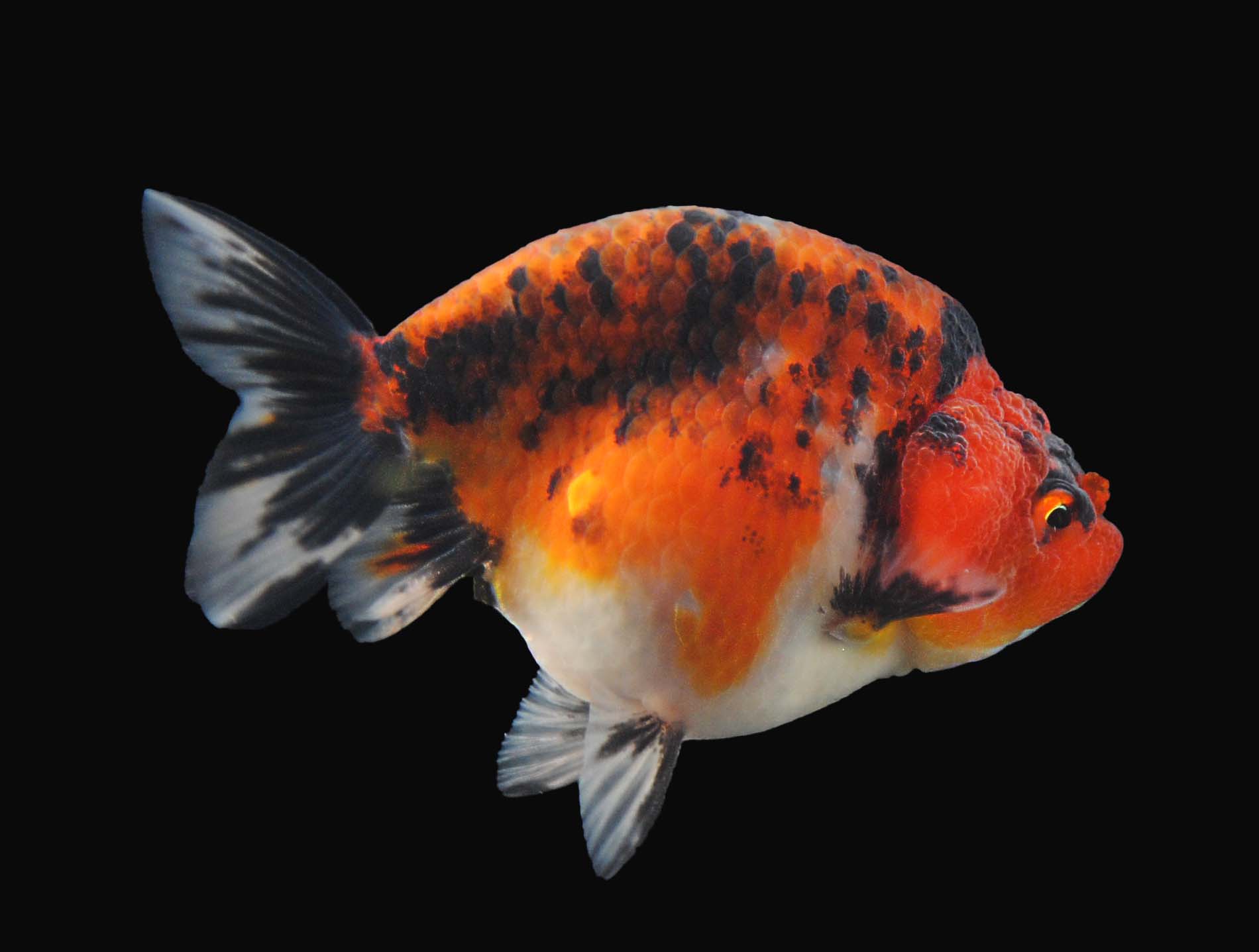
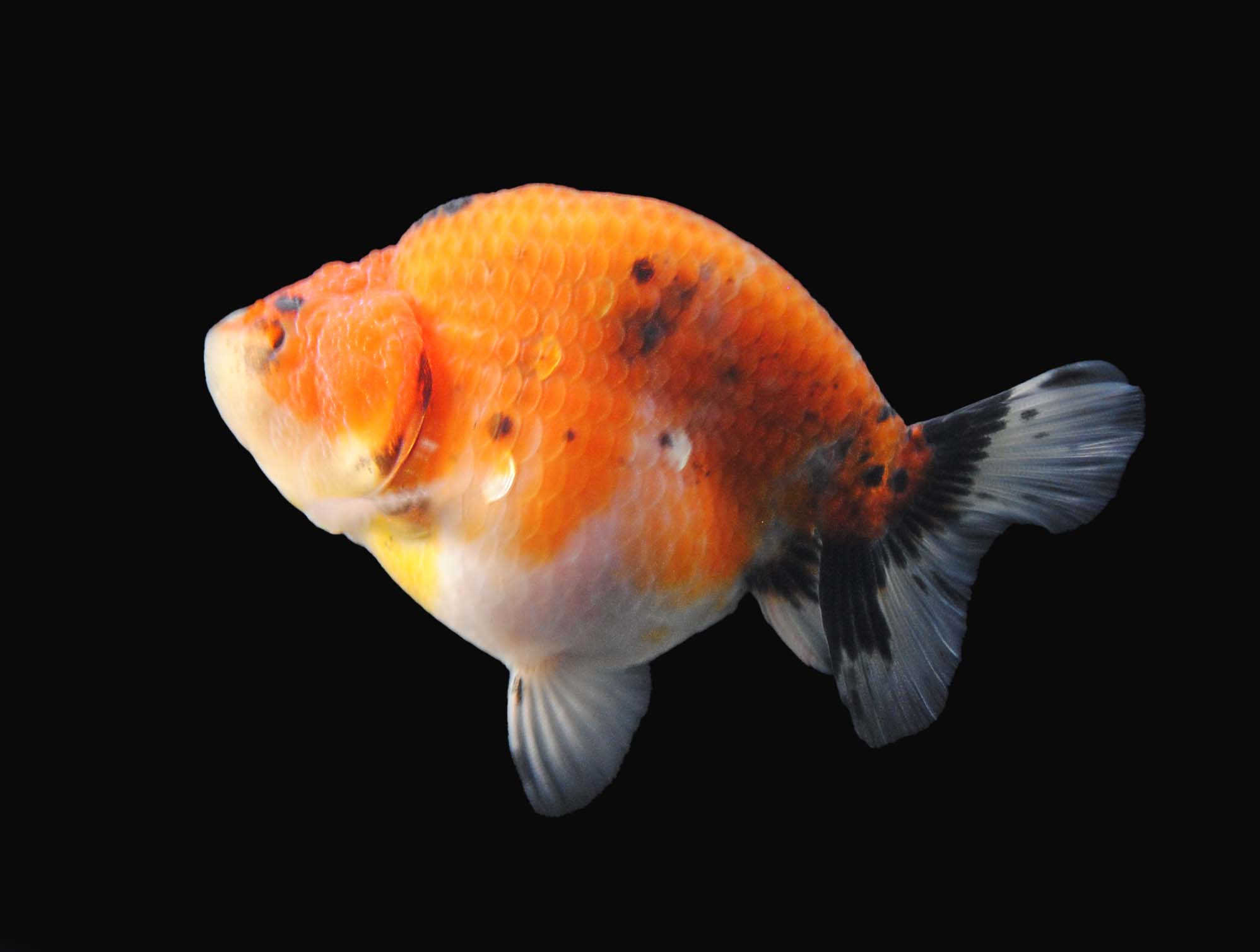
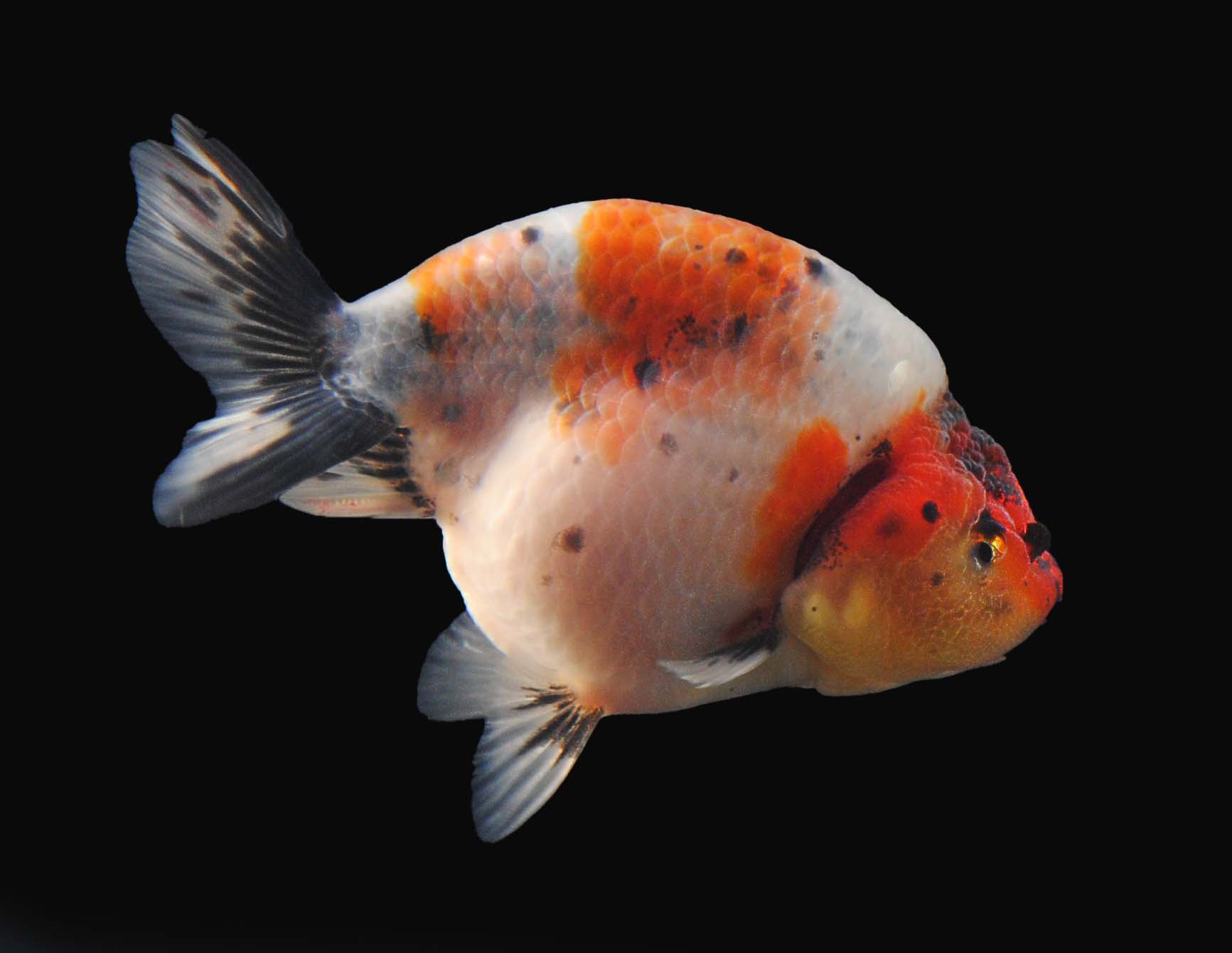
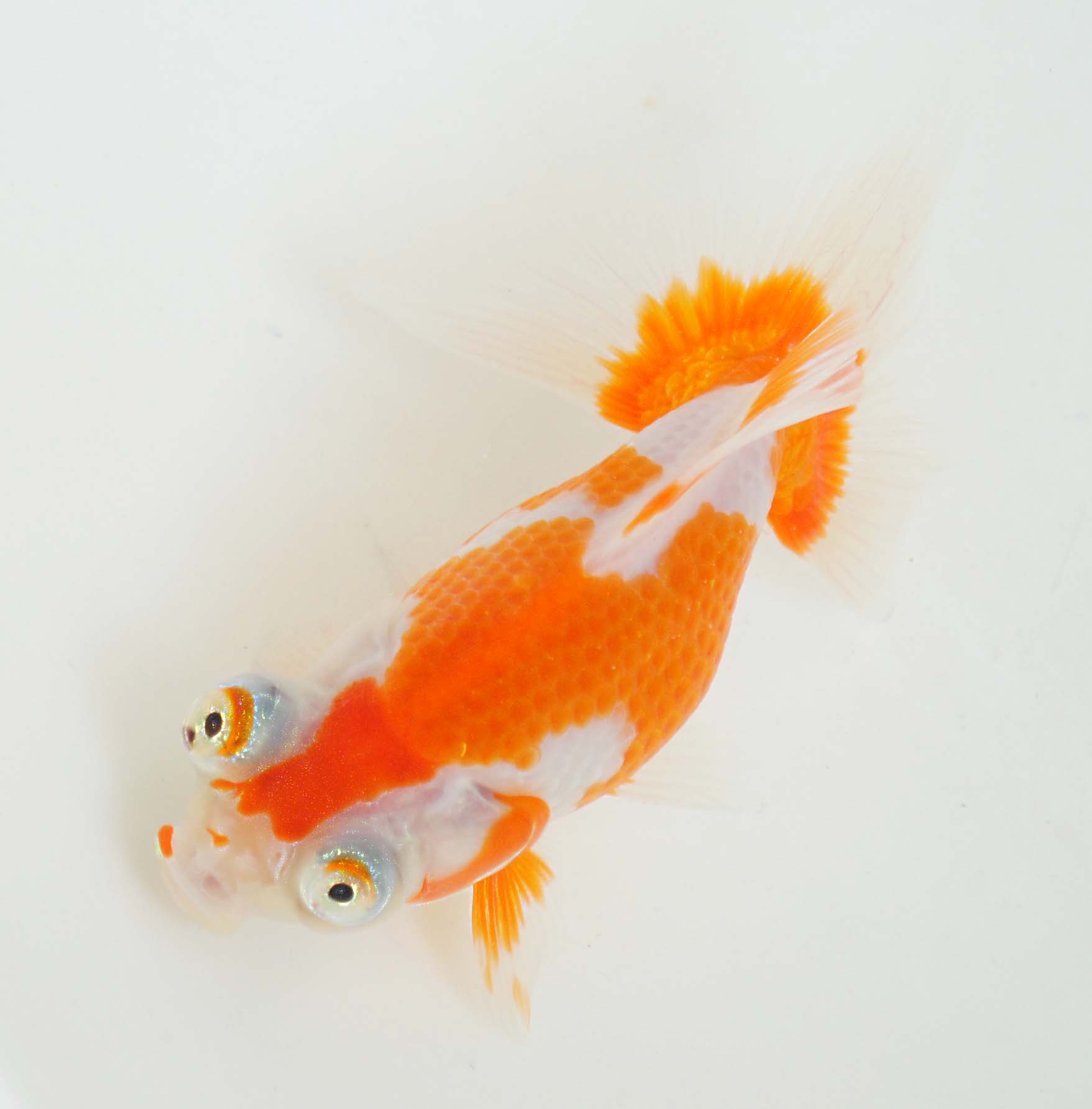
Now, let’s examine the side view of the fish. The pictures are in the same order.

1. One interesting observation is that all of them have white belly! The red color tends to be dominant in the upper part of the fish, while the abdoment tend to be white.

2. All have hints of black pigment in the fins.

3. Black pigments in the body tend to be more in the top part of the body, and get lesser below.

4. The tails are large since both parents have large tails.

My Plan:

Actually, I am not sure whether to use them further for my cow ranchu project or not. It seems that I will have a hard time getting rid of the dominant red color here. It is still interesting to see the result if I cross them back to cow, though. Will the cross diminish the red? It is possible. Will the black color stay? It is also possible. And if this happens, then I will have fish with good black quality (though the pattern type is unpredictable) with less red color.

Crossing them back to black might also be interesting. Observation sideview number 1 reminds me of my attempt to produce Kirin ranchu years before. Kirin tend to have dark color on top of the body and light color in the abdoment. Well, this cow x black shows red color on top and white in the abdoment. And the black pigment tend to be more on top. This seems to be half way in the process of making kirin. So, crossing back to black arouses my curiosity.

But I am not sure I will have time to do all these. I have some other crosses with cow which results I will compare with this. If the other crosses produce closer results to cow, I might prioritize them. If that happens, then this cow x black project will be terminated.

Concerning crossing back to black, I must buy another black ranchu which I am somewhat reluctant to do. Black ranchu is out of my projects. I will think twice to enlarge my projects right now. So, I do not think I will do it.

As a conclusion, this cross might not continue. But it helps me understand crossing better.

Standard
cow ranchu, The Diary of a Goldfish Breeder 2023

The Diary of a Goldfish Breeder 2023 (10)

Project #12: Cow Ranchu (Discourse on Criteria)

There might not be a formal standard of Cow Ranchu yet, as far as I know. For my own purpose in judging the quality of Cow Ranchu, I employ several three criteria.

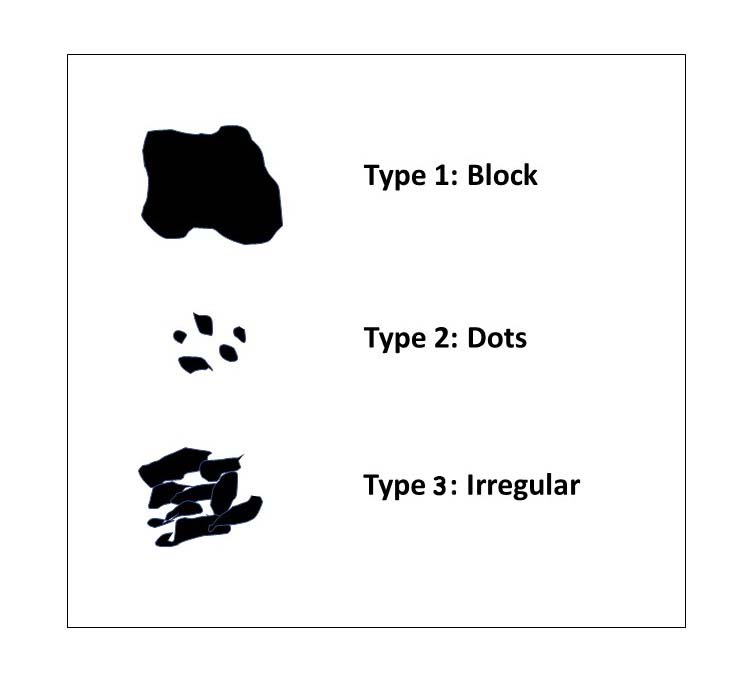
First is the shape of the black pattern. I divide the black pattern in cow (and calico) into three types as illustrated below:

Type 3 is actually a category to include everything else which are not type 1 and 2.

Three fish below illustrate the three types of black pattern:

In my opinion, the most suitable pattern for cow ranchu is type 1. So, I am aiming at that pattern.

The second criteria is the presence of red color in the fish. Of course, for a good cow ranchu, the red color should be none. By this, I do not say that the presence of red is ugly. Not at all. In fact, it can enhance the beauty of the fish. But it is not a cow.

The fish above has a type 1 black pattern. It has lots of red color. Well, it is better to categorize her as three color (until people invent another more interesting name) and not as “perfect” cow ranchu color.

Third criteria is the quality of the color, namely the white and the black color. When the fish has too much black inside (to give the appearance of blue), while it is a desired color in calico, I think it is not desired in cow. The presence of the blue only gives the impression of dirty white color. The same case happens with the pink color as a result of the lack of guanine in the inner skin. So, in my opinion, the more pure the white (some call it milky white) the better.

The black color quality is also important. The desired black color is the one in the outer skin (or in outer part of the skin), not the one inside. And the deeper the black, the better. The border of the black color should be clearly defined.

Those are the criteria of the cow ranchu I have in mind.

Note: In my observation, these black patterns are not constant throughout the life of the fish. The block (or island) pattern can start from a tiny dots, which grows larger and larger. The dots in calico can grow from none (or few) to many. And in some low grade fish, the black pattern can also get dim or even vanish.

Standard
butterfly, celestial, The Diary of a Goldfish Breeder 2023

The Diary of a Goldfish Breeder 2023 (9)

Project #19: Celestial Butterfly

There is an interesting update on this project. I might succeed in a year or less.

I think it is time to tell the more complete story of this project. My original source were Celestial Pompom I bought in 2017. They are a variant of Celestial variety that has pompoms in their nostrils. Their other features are thick bodies and short tail. These were my collections:

I know this variant is adorable in its own way. But I do not plan to keep this line. My plan is to create Celestial Butterfly, that is a goldfish with celestial eyes, dorsal fin, and butterfly tail. I saw a specimen of it somewhere in the internet years before and was captivated by it. I do not know any who sells this variant in the whole world. I have never even seen anyone post a picture of this variant anymore nowadays. So, it is quite an interesting challenge to create one.

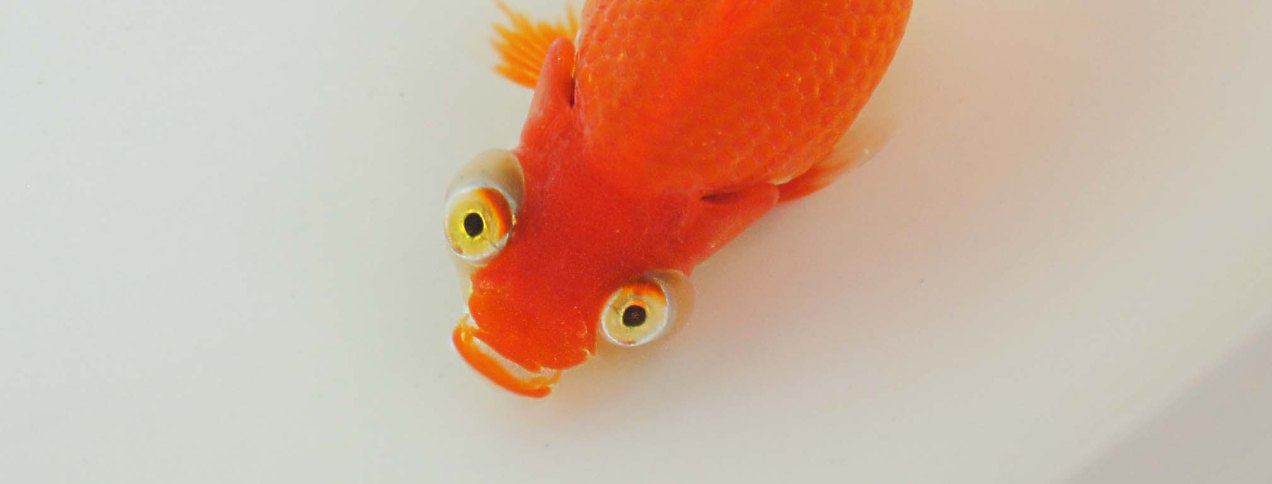
Before I go on, one important observation about the genetics of the eye is worthy to note. I crossed a celestial eye with ranchu before. The first attempt resulted in 100% normal eyes. I kept them till adulthood and there were no sign that the eyes will change. I did the same crossing a second time, and the result was totally different! There were normal eyes, telescope eyes, and imperfect celestial eyes! What I mean by imperfect celestial eyes are celestial eyes which are not looking upward 100% (there is an angle a bit to the front) or one eye being celestial but another being telescope. I was glad to see these results. But I was puzzled – and still am – about what was going on. I do not have an explanation of the two totally different results from a similar crossing.

The second important observation is about the development stages of the celestial eye. The offspring start from normal eyes (stage 0). Then the eyes will change into telescope eyes first – and this is what I want to highlight (stage 1). Then the telescope eyes will turn – not directly upwards, but – somewhat between frontward and upwards (so, not totally frontward, either) (stage 2). Then the eyes will continue its movement upwards to complete the process of being celestial eyes (stage 3).

This piece of information, especially stage 1, gave me confidence that crossing Celestial Eyes directly with Butterfly (Telescope Eyes) might result directly in few Celestial Eyes. The rest will be telescope eyes and no normal eyes. And my crossing (Celestial Eyes x Butterfly) proved this to be the case. We can say that being a telescope eye in this case is halfway towards being a celestial eye. When the process of stage 1 is halted, then the eye stays as telescope eye.

My confidence let me to cull the fry in stage 0 (normal eyes) based on the tail shape. I did not expect to get decent butterfly tail directly in F1, but I was expecting to get wide spread tail. So, I culled out all the collapsed tail. And this was a grave mistake. Most of the fry I kept turned to be only Telescope Eyes and only one or two fishes being imperfect Celestial. I think a safer strategy is to wait until the fry reach stage 3 and then cull out based on the tail spread. But it happened already.

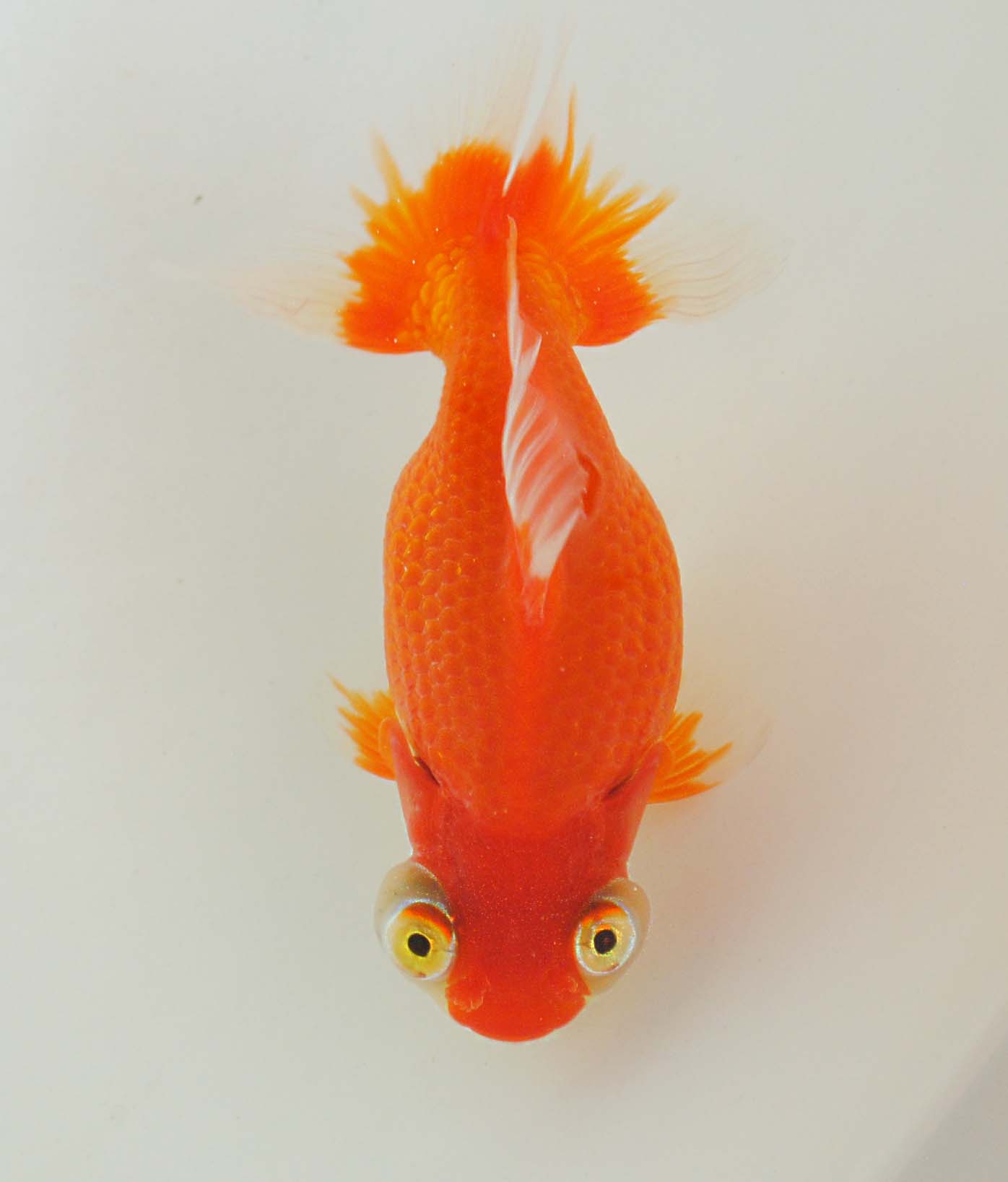
So, the best thing to do with the mistake was to do inbreeding. I crossed the imperfect Celestial Eyes with his Telescope Eyes sibling. This time, I kept all the tails in stage 0 provided they had no defect. I raised them all, occupying lots of facility space. And now, I have with me all sorts of stages from 1 to 3. And there is one with almost perfect Celestial Eyes feature! And it comes with wide-spread tail, though still cannot be categorized as butterfly tail. Let me show my beautiful baby:

The two picture above is a pic of the same fish. Adorable, right? There is a slight imperfection on the left eye (the angle). I am still hoping that the angle is still in the unfinished process. And I do notice that the size of the eyes are not as big as the original Celestial Pompom Eyes I bought. I do not know whether in the coming descendants the size of the eyes can improve or not, I do hope so. But for now, I am satisfied with this boy (I suspect this one is a male).

The second best result from this batch is this one:

The eyes do not align perfectly upwards. There is a slight angle towards the front. So this one is at the end of its stage 2. I do not know whether it will stuck at this stage or will achieve the final stage. But surely it will be a candidate to be the next parents.

The fishes in this batch show thick peduncles. But lots of them have a bit tilted upwards middle tail. And the combination of such feature with wide spread tail spells disaster. The fish will swim in a rotating movement! I culled out lots of them with that tail trait.

Meanwhile – and this is another story that will merge into my story – my friend mr DBS (Dibyo Sasmita) acquired a different variant of Celestial Eyes. He bought the common Celestial Eyes goldfish which has no pompom, having slim peduncle and long tail. Here were his collections (I get permission from him to use the picture here):

A bit different from me who wants to create Celestial Butterfly, mr. DBS would like to create Celestial Tosakin. So, our final goal will be different but might appear closely related. But there was a problem. The fish did not lay eggs in his place. So, I tried to induce his fish in my facility and successfully mate one of his female with my Celestial Pompom (still without dorsal). Well, success might be an over statement since we only got two fry! This is one of them:

Do notice that the peduncle is thicker than the original Celestial Eyes. The tail still a long one but wider. And it has a small pompom! The Celestial Butterfly I created has lost its pompom feature.

From this specimen, mr. DBS crossed it with his tosakin, and once again managed to get two offspring only. I do not have their pictures, but they have dorsal fins already. Then he lends me the female to cross with my project.

So, to complicate the matters, I had several branches on this project:

  1. My Celestial Pompom x Butterfly (which I have told above)
  2. My semi Celestial Butterfly x mr Dibyo’s semi Celestial Tosakin
  3. My semi Celestial Butterfly x Butterfly (crossback to Butterfly again)

From branch number two, there is one interesting result:

The pompom appears again on this specimen!

The tail is collapsed. The peduncle is thin. Well, I have not observed others in this batch. I do not know whether the others have the same features or not. At a glance, they look widely varied. Some do not have split in the tail, for sure.

I still do not know whether to keep this pompom feature or not. I will decide later. My concern is to have too many variants from a project. My facility cannot afford that.

To wrap up this update, these are the links of the current fishes for you to enjoy:

Standard
cow ranchu, The Diary of a Goldfish Breeder 2023

The Diary of a Goldfish Breeder 2023 (8)

Project # 12: Cow Ranchu Update

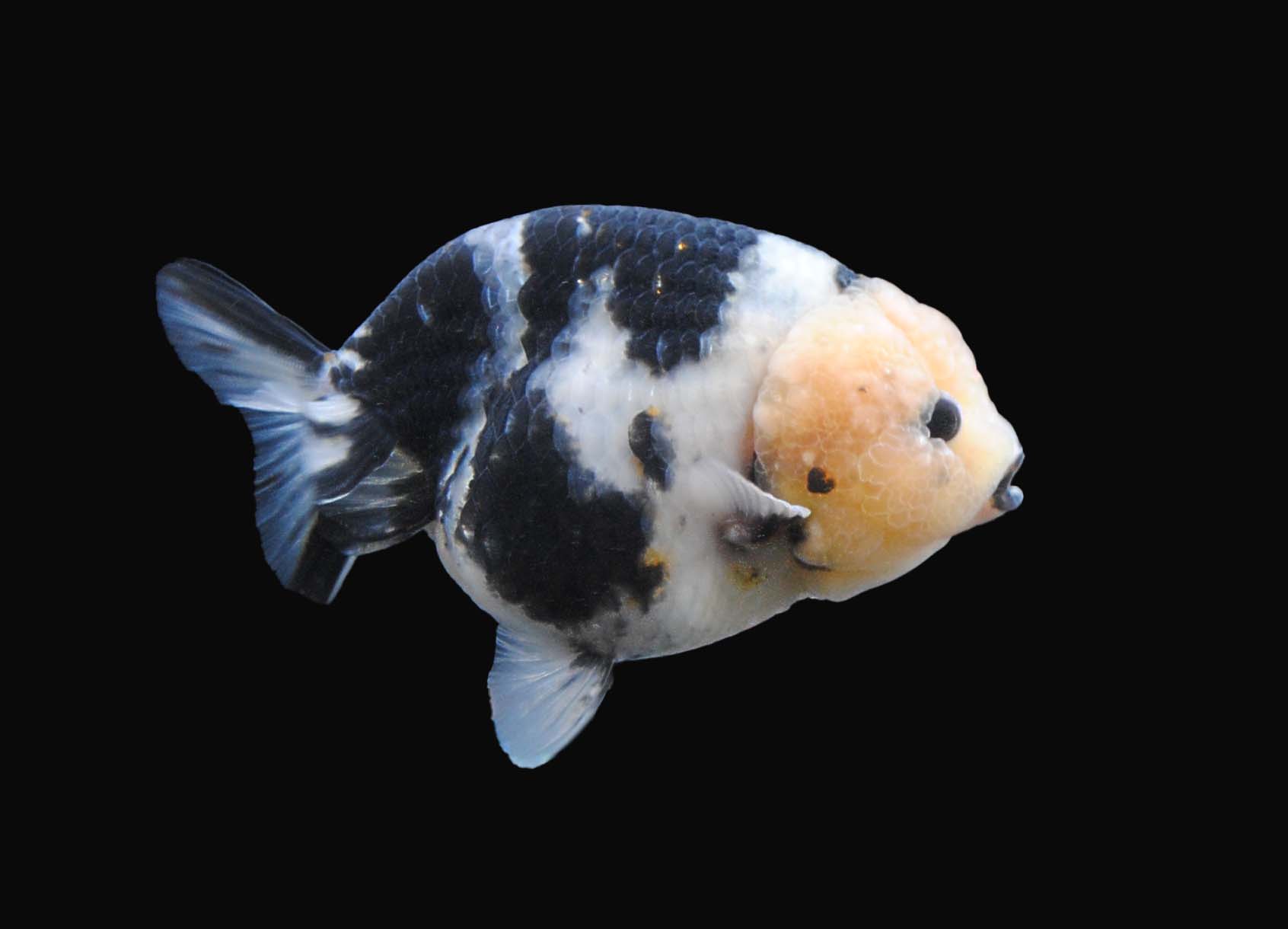
At the end of last year when I tabulated my projects (https://hermantogoldfish.com/2022/10/28/the-diary-of-a-goldfish-breeder-2022-18/) I mentioned that my Cow Ranchu Project was stagnant. I only had two male fish with weak qualities. They are growing old now, so I must come up with a plan quickly to keep this project going. Let me first show the current state of the two male cow ranchu.

In terms of the curve shape, the second fish is a bit better. But in terms of the pattern and color, the first fish is my choice since it has darker black color with more pronounced pattern (large spot with clear cut borders). This project is about color and pattern, so I choose the first fish as my alpha male.

The plan I had was to acquire several female fish to cross with my cow. I did manage to buy a female cow ranchu, two female calico ranchu, a female tricolor transparent scale ranchu, and a black ranchu. I take this moment as an opportunity to experiment with these crossing to understand more about the cow ranchu variant. Here are the female troops:

This female cow ranchu is nice in picture. But she has several defects. First, she is a bit stunted at the size of 11 centimeter. Second, she has a swimbladder issue which makes her swim sideways sometimes. Concerning the color, it is a true cow coloration with lots of strong black patterns. This is the reason I still use her despite her weaknesses. And she produces lots of eggs when being fed properly. (She competes for food poorly due to her swimbladder issue) I will report the result when the offspring come of age.

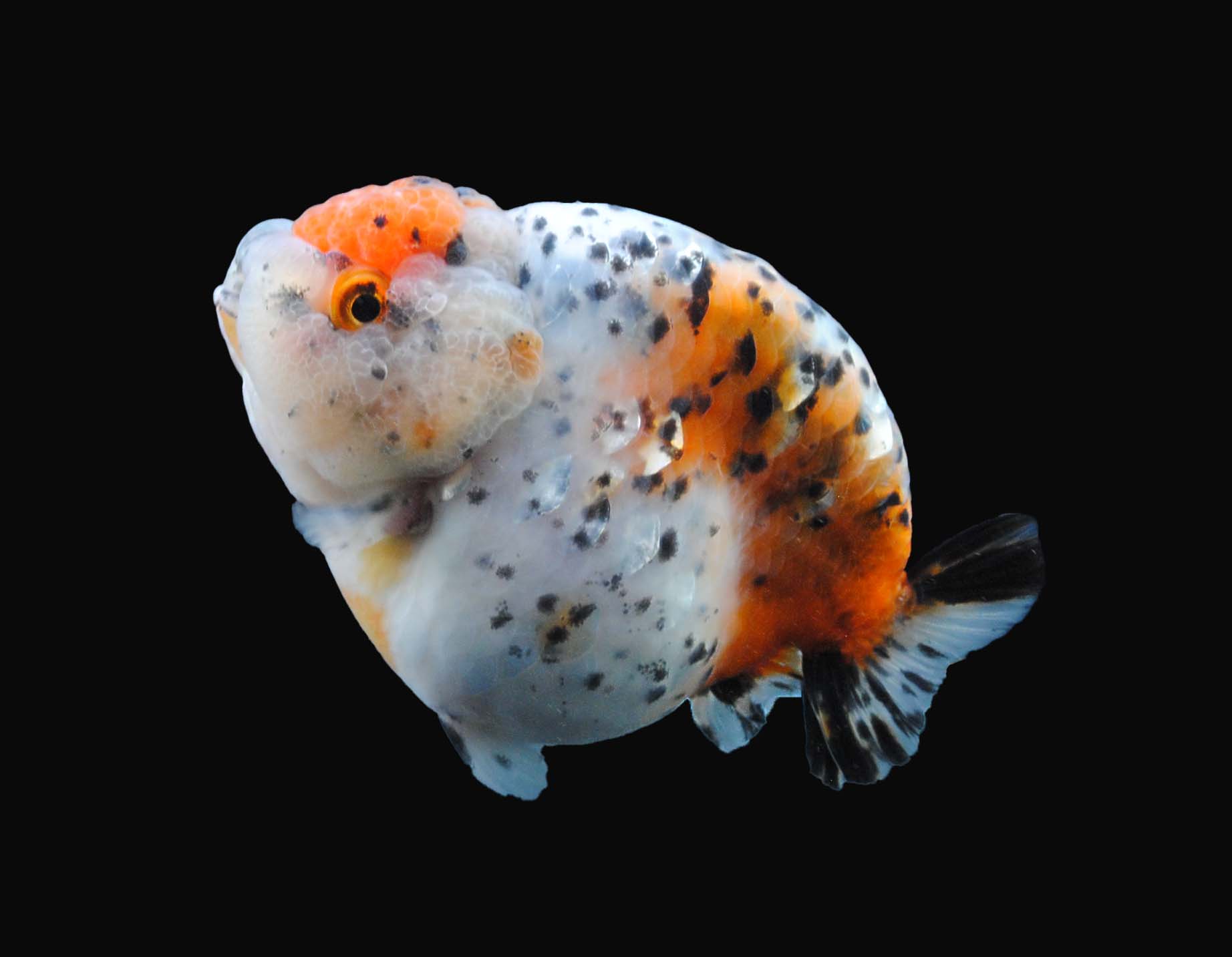
This calico has thick backbone, better curve shape, short tail, and larger headgrowth than my cow ranchu specimen. I think those positive points will be good combination to improve the overall quality of my cow ranchu line. Concerning the color, the black patterns tend to be in dot shapes all over the body. This kind of pattern is different from the cow pattern. Even if this fish lost her orange color, her pattern does not belong to the cow pattern. But yes, the black pigment is dense, which is a good point. I do not know what the offspring will be. I have the newly hatched babies with me now, but must wait for them to grow more before I can report the update.

I bought this girl together with the first calico. They are from the same farm. The backbone is thick and the headgrowth is good. The melanin appears in dotted shapes. The tiny tail shape caught my attention. I guess it will be fun to see what will come out of crossing her with my cow. However, this fish has an issue with its deportment, probably due to its structure. She has problem with swimming and will prefer to stay with head down. And she does not lay eggs so far. I will wait for her to lay eggs for a little more time.

This girl is interesting! It is a superb pattern! She belongs to the transparent scale category, but she is not a calico. It is more suitable to categorize her in the tricolor variant. If she lacks the orange color, she will definitely be a beautiful cow ranchu! And a better one than my cow. You see, my cow still has blue color (dark pigment under the skin), but this fish is almost fully milk white! The origin of this fish is also interesting. The breeder in the village is my friend. He mated my cow ranchu line with a sakura that has lots of metallic scale all over its body. And among the offspring, there is only one specimen like this. I am very grateful he let me have this fish. And I think, the sakura that he used in the crossing is not a key to produce this pattern. He can only produce one fish with this pattern! So, the appearance of this pattern in his breed is purely luck, I think. This fish laid eggs once but all the eggs are infertile, to my disappointment. I will wait for her second batch to confirm whether she is infertile or not. Hopefully not. And if she is fertile, there is still a doubt lingering in me that crossing her with my cow might not produce the desired result. Well, let’s see.

I always have a question if the production of cow ranchu involved black ranchu in the first place. So, I want to cross black ranchu with my cow ranchu to see what will become of them. And yes, I have the offspring ready to report. I just need to find time to take the pictures. Please wait patiently.

So, this is the update of my cow ranchu project. Still struggling. But I hope you find these attempts interesting as I do.

Standard