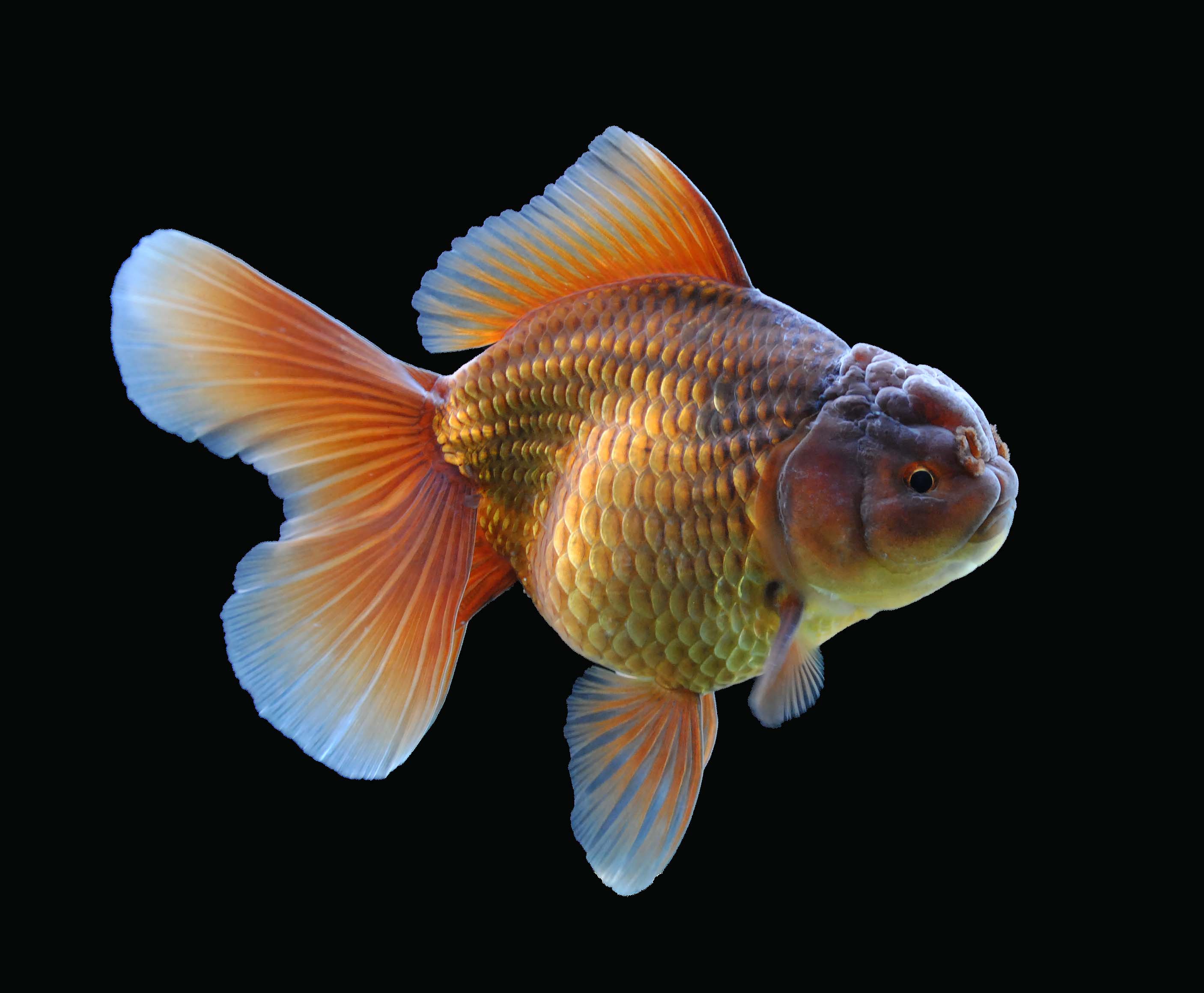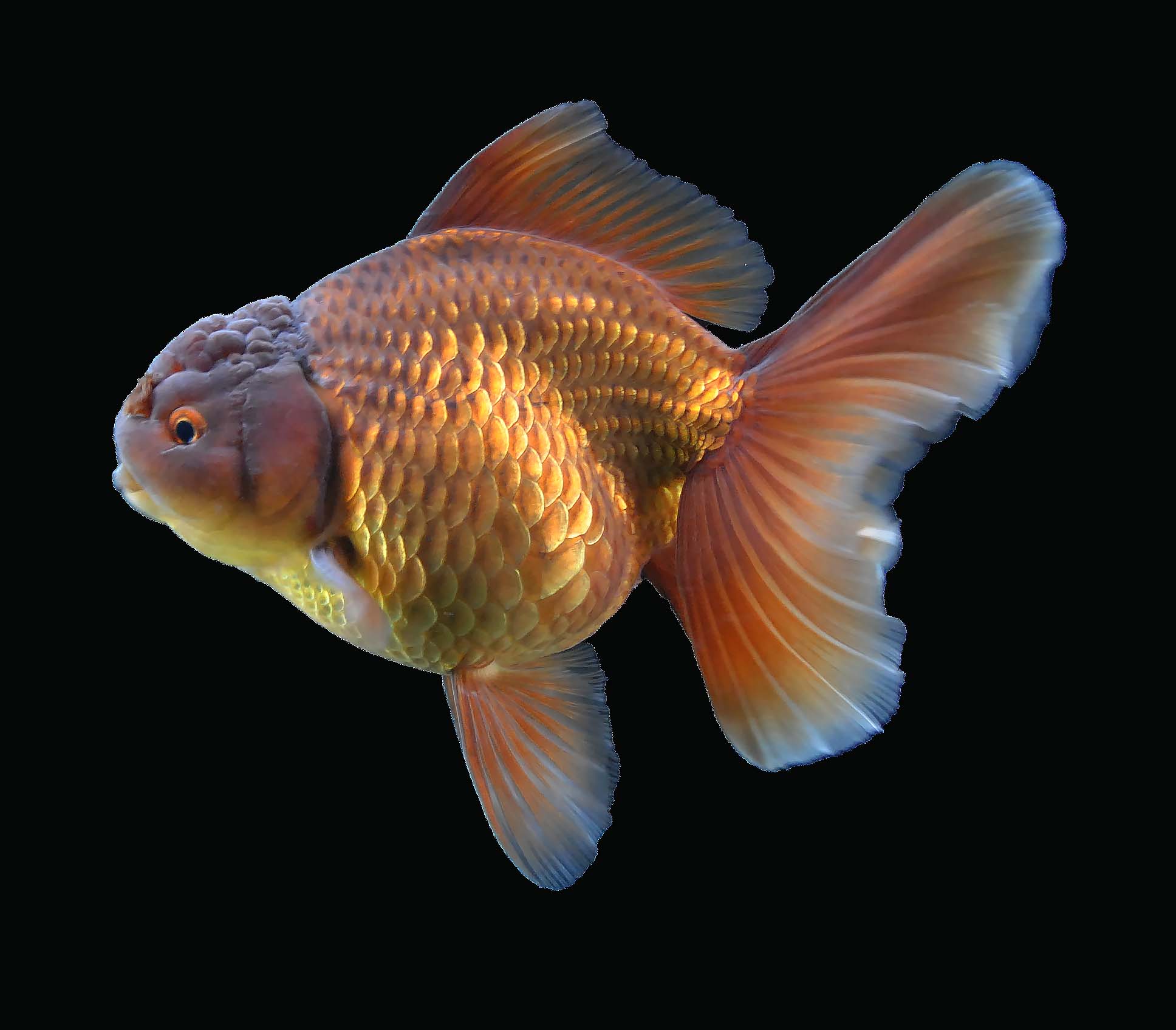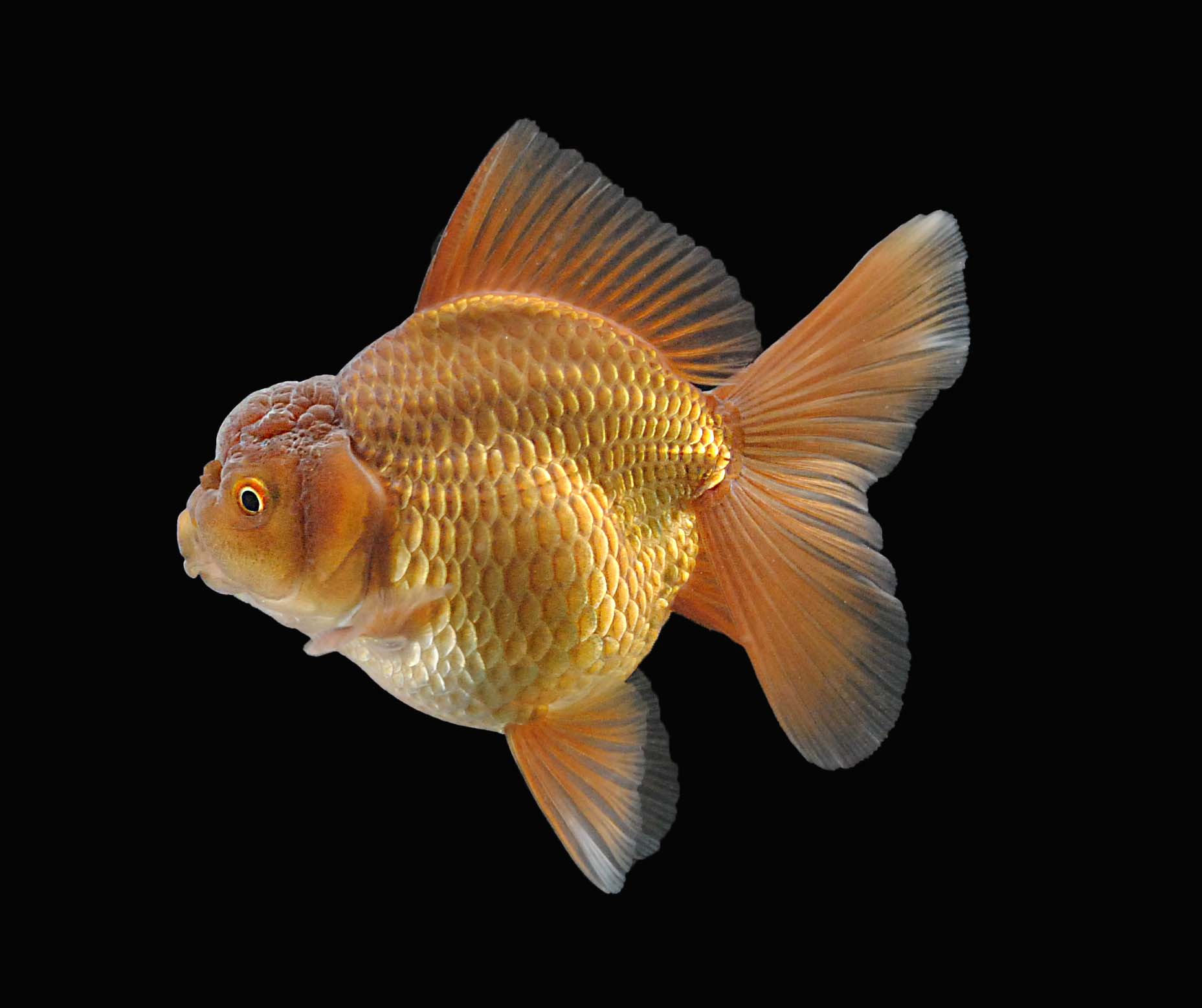
miscellaneous

Goldfish Now Unseen

Browsing through old books on Goldfish, I saw specimens I cannot find nowadays. In this writing, I want to mention three that capture my attention.

First, a celestial eye with headgrowth. This is rare. I have met two kinds of celestial goldfish: the popular celestial eye without dorsal (usually with slim body and long tail) and the celestial eye with pompoms (usually comes with short tail and thick body). From my experiment, I have created celestial eye with dorsal fin (Nicknamed Celestial Dragon according to Mr Lei in his youtube channel Goldfish Corner).

But there is another type of celestial I have never seen alive nor mentioned by anyone else. I find the fish in my old encyclopedia. In fact, it is the first book I read in my childhood that mentions goldfish.
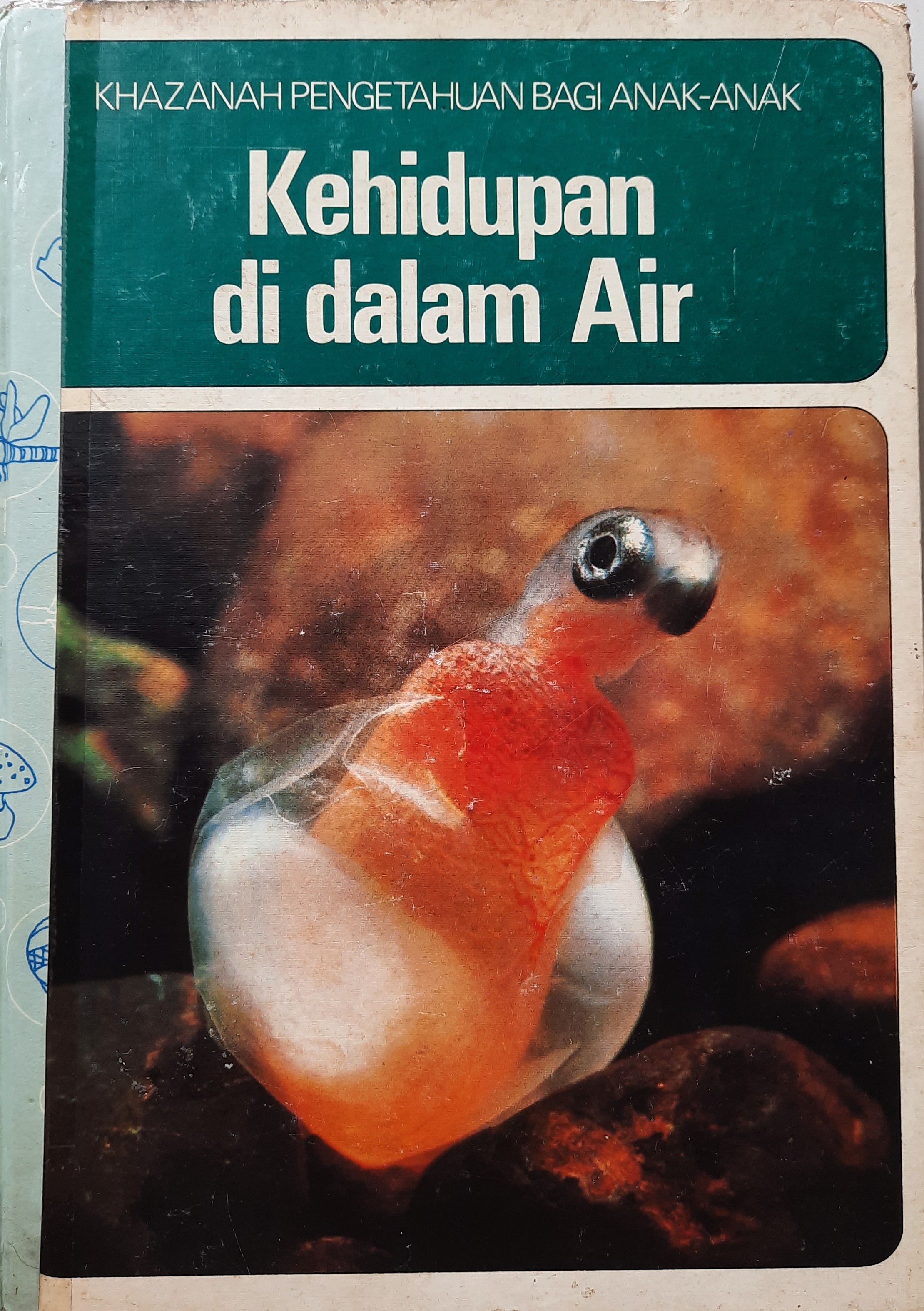
The Indonesia edition has 1979 copyright. Very old! And it has only 1 page about goldfish, which I observed to my heart lots of time.

Beautiful goldfish for a child like me! I adopted the terms Hanabus, Seibungyo, Chakin, and more without knowing what they meant. At the heart of this picture is a weird kind of celestial:
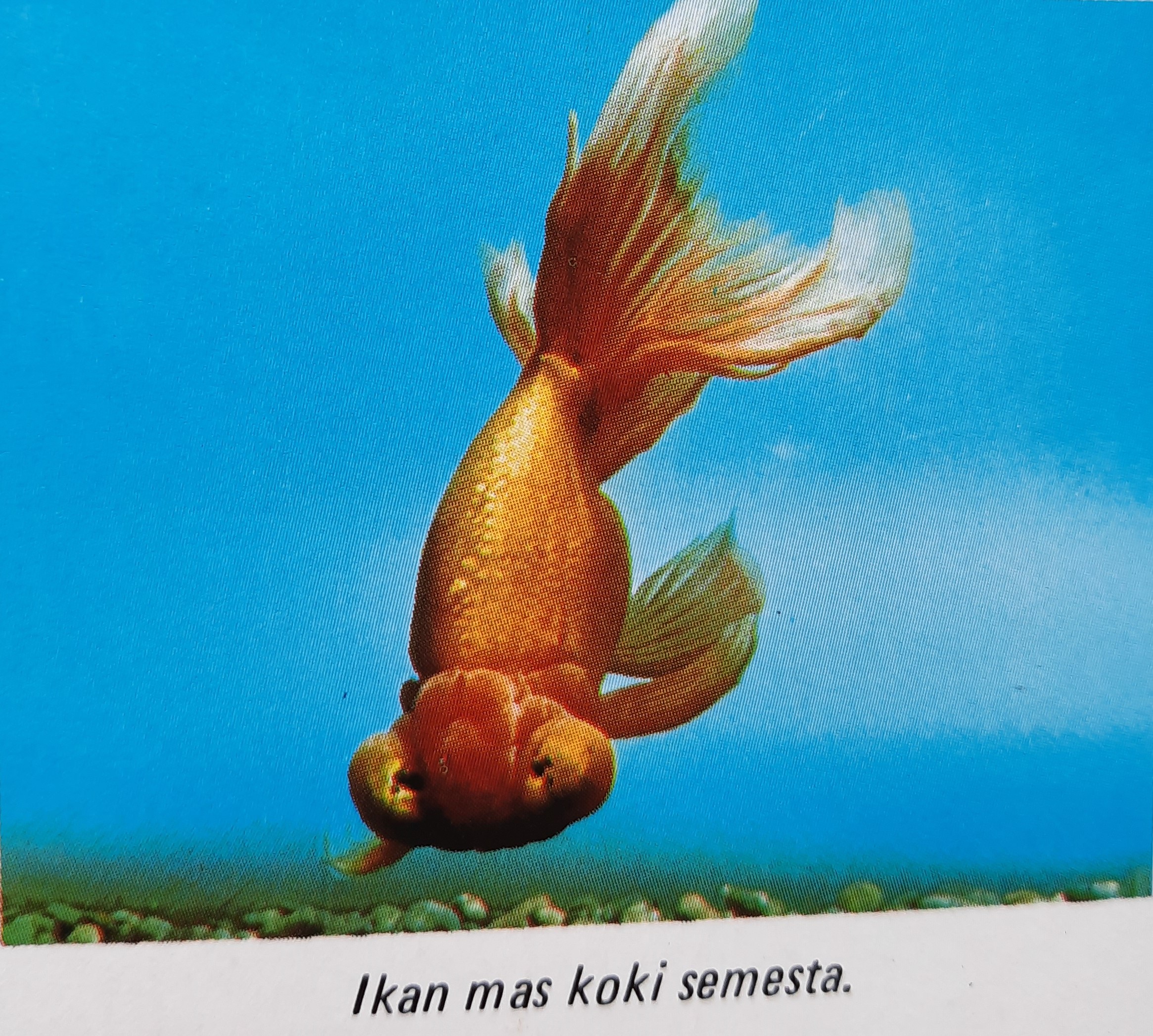
This celestial has a headgrowth!

Well, nothing else I can say about it. No other information. It remains an out-of-this-world goldfish for me. Yes, there is a temptation to recreate it. But as I think again, I do not know if I want to do that. The fact that this specimen existed once but no more might be a hint that something might be wrong with it. Perhaps there was not enough market. Perhaps the fish lost a certain function which make it unable to survive. I do not know. I think a headgrowth like that (seems to be like a goosehead type) might intervere with the eyes, in terms of both the functionality and the appreciation – a conflict between two features). Yet, it remains a mysterious fish for me.

Second, a rare ranchu color from Joseph Smartt and James H. Bundell’s “Goldfish Breeding and Genetics” (1996):

On top of page 67 I see a beautiful but rare color:

There is no description about the color. I try to observe this picture many times to figure out if this belongs to metallic or transparent scalation category, but I just cannot be sure about it. And I have no idea of how to create such color! It occurs to me if this was a real fish or just a redwhite fish painted with black marker. But knowing the reputation of the author, I believe it was a real fish. This specimen reminds a mystery to me. Do tell me if you can throw some light on how to create this coloration.

Third, a rare oranda color from “Goldfish in Hongkong” by An Urban Council Publication (1993):
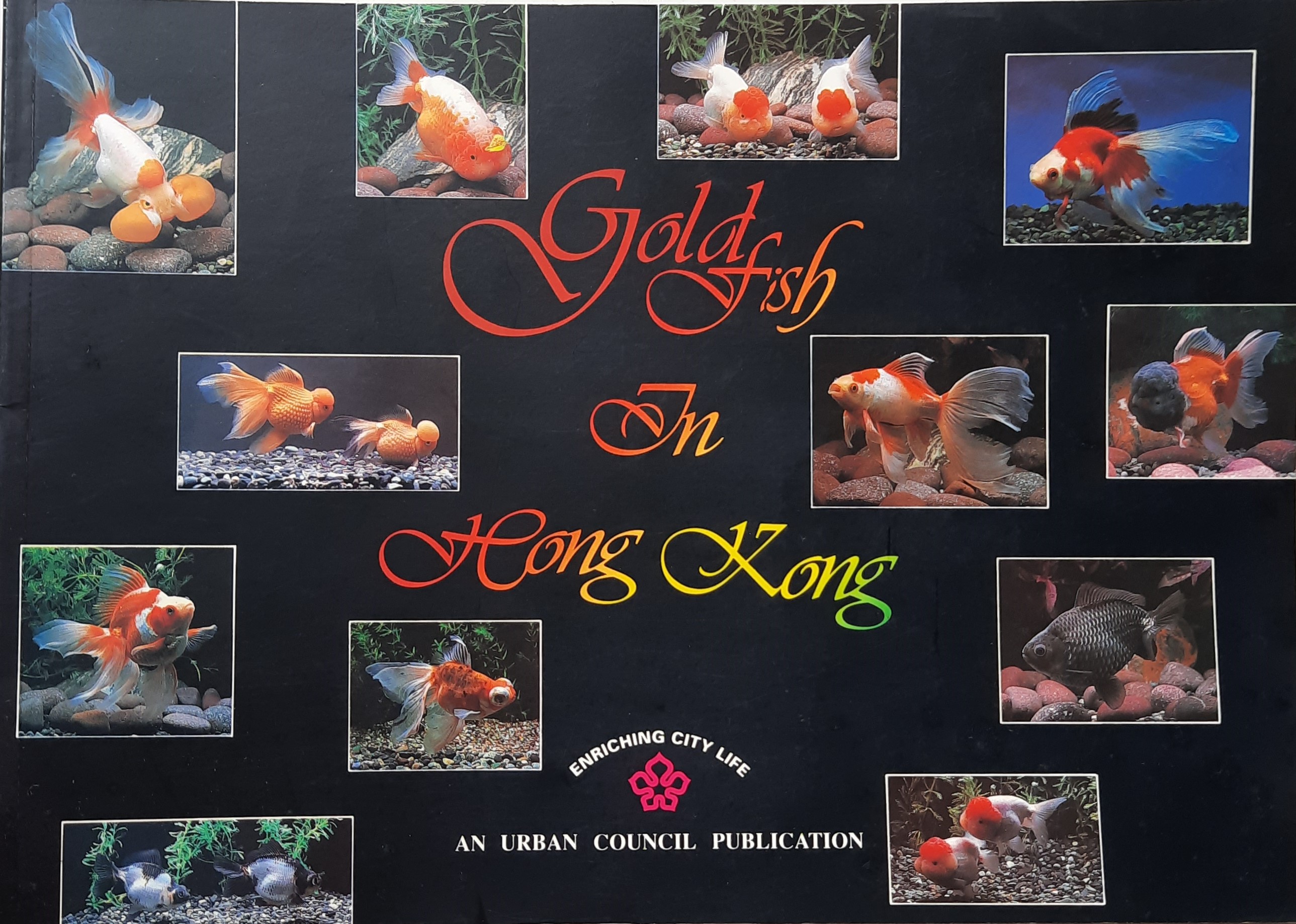
On page 43 there are pictures like these:

And this is the description:
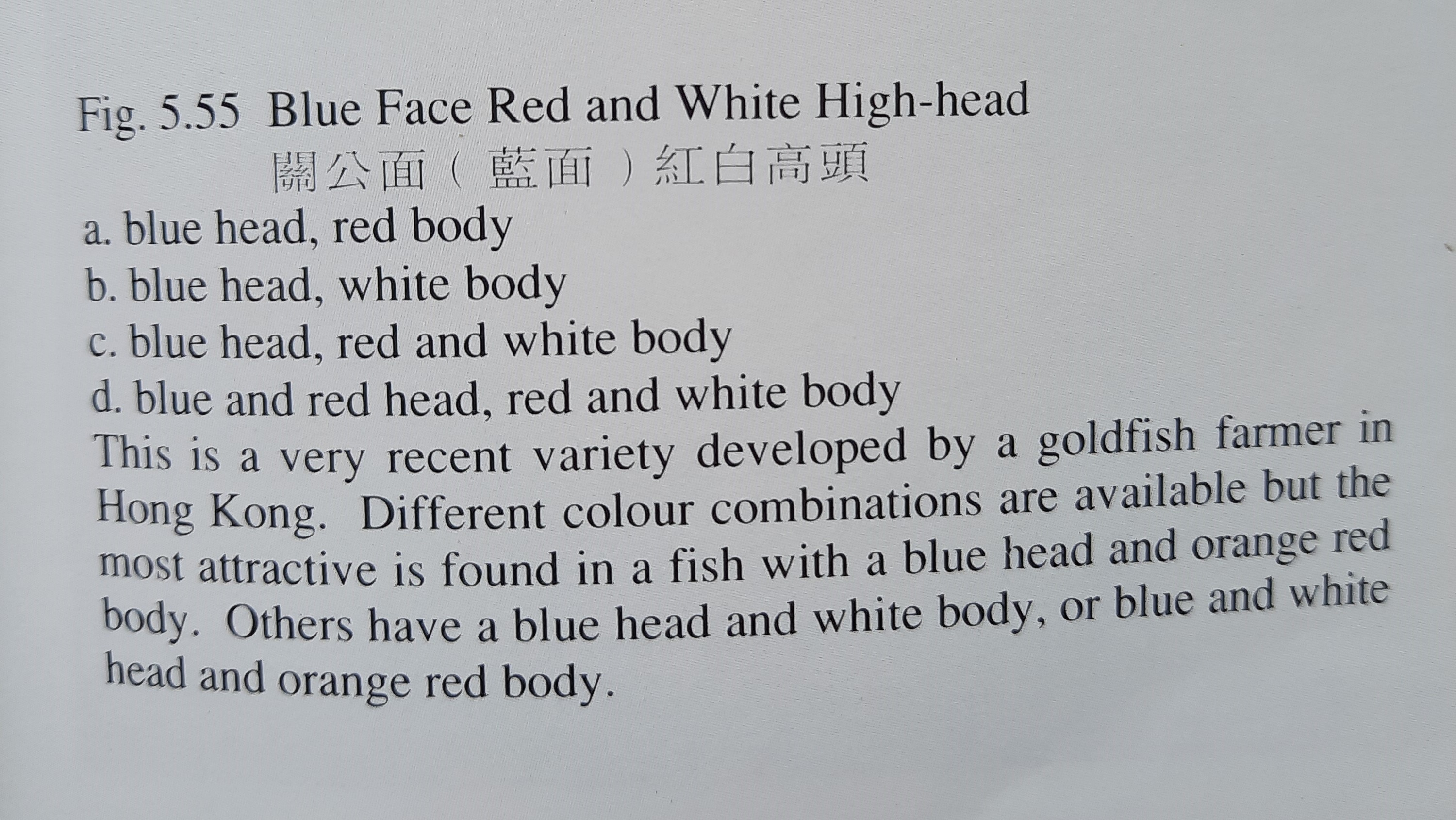
Strange color, right?

For sure I have never seen such a color on the internet nowadays. I also do not know how to create such a fish. The description gives a hint that it has something to do with blue fish (blue metallic scale, I think). But how come the blue color only appear in the face of the fish in a uniform way?

Those three specimens are in the top category of the most mysterious goldfish for me. It will be a delight if one day someone will revive them.

Enjoy.

Standard
Goldfish Trips

A Trip to Ocean Park, Hongkong

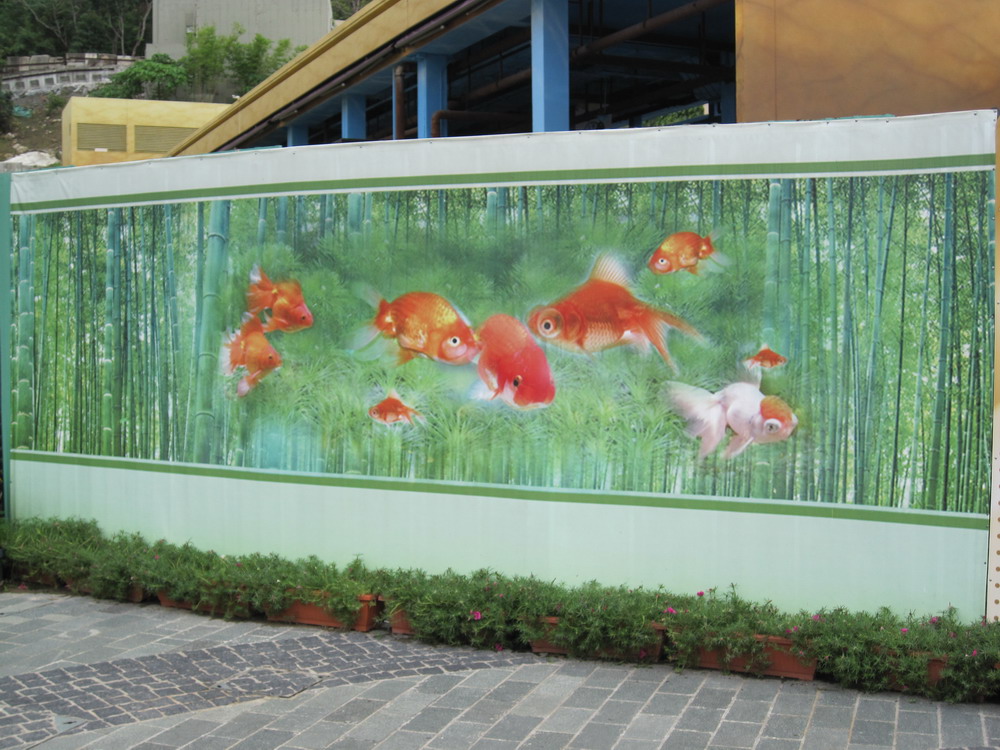
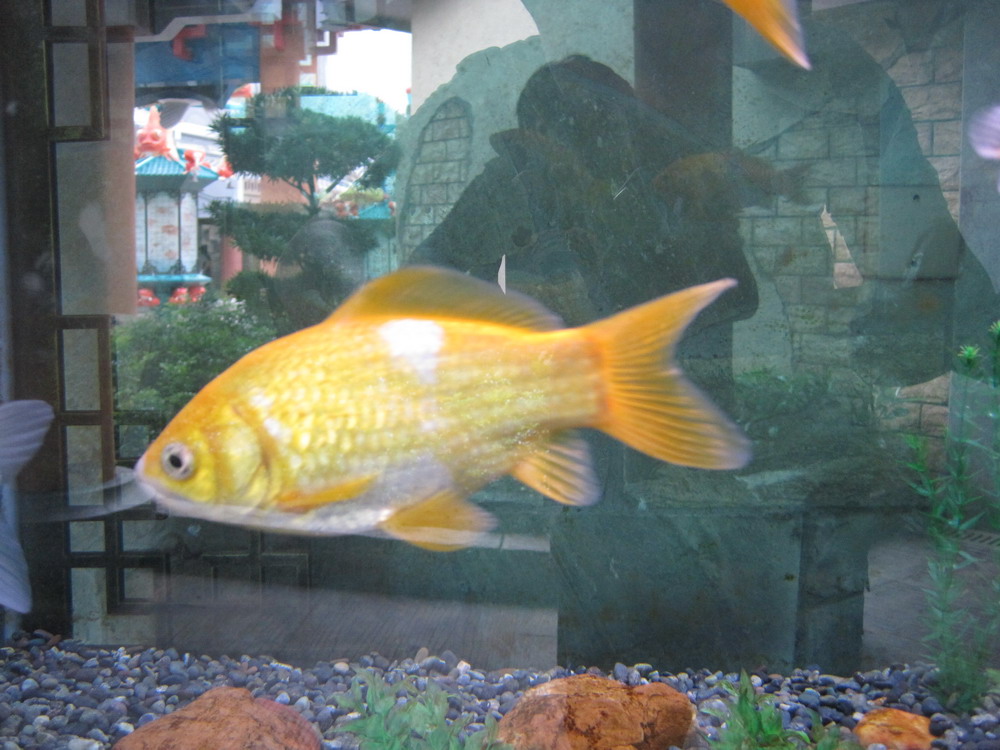
I just browse my old files and find some pictures worth to share. My family and I visited Ocean Park (Hongkong) in 2010. Though the name is Ocean Park, they have a large goldfish section inside. I did not know it before. You can imagine how happy I was when I saw this long wall decorated with goldfish pictures.

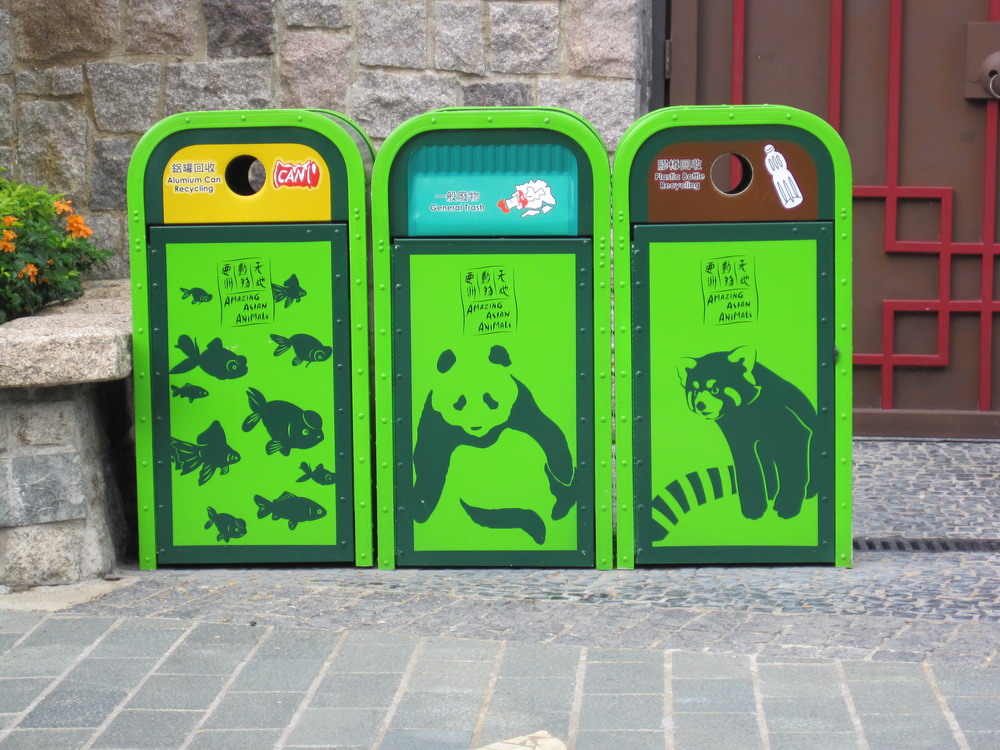
Even the trash bin told me there were goldfish somewhere!

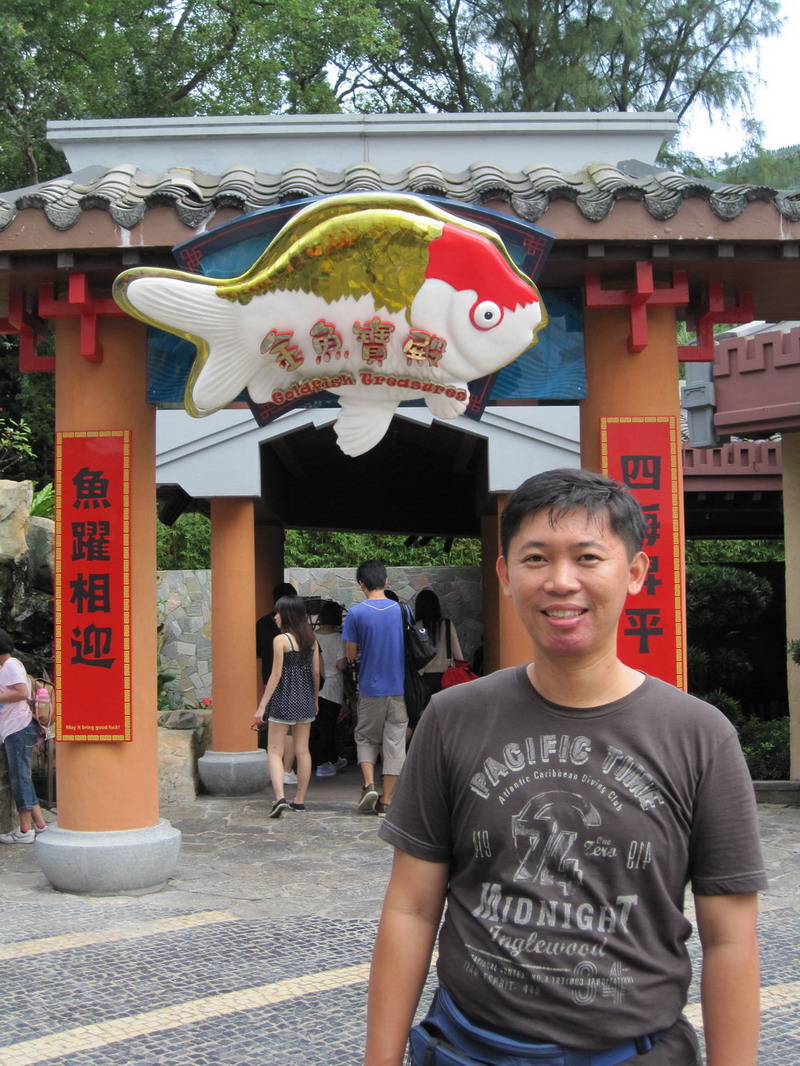
I said in my heart, there must be a goldfish section somewhere! So, after a while, I found this “Treasure”:

How young I was twelve years ago!

I have shared this trip in a goldfish forum before. I did not remember the name of the forum. It must have been gone with time. So, it is good to share it again here, as a documentary. Pardon the poor pictures. It was very amateur.

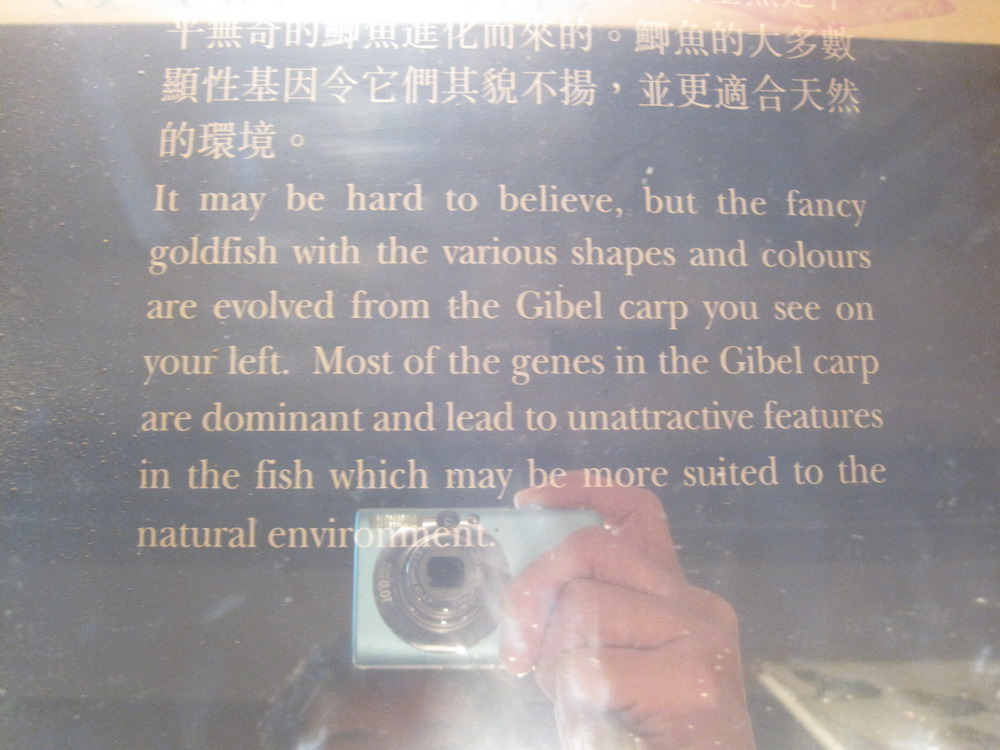
When I entered the place, I was questioned by this sign:

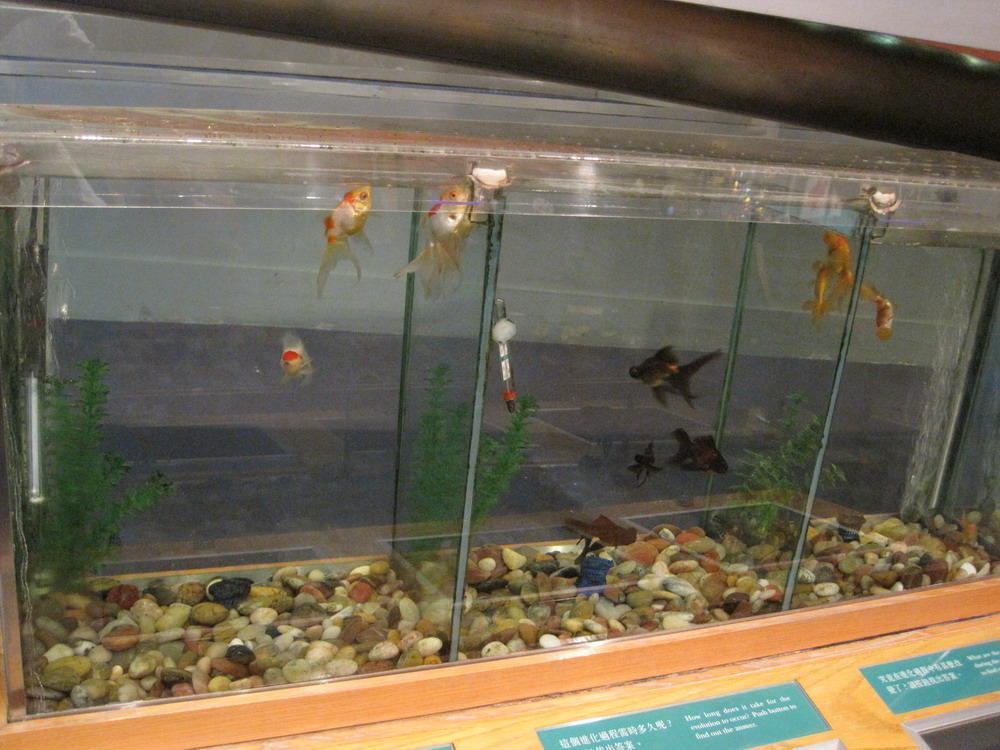
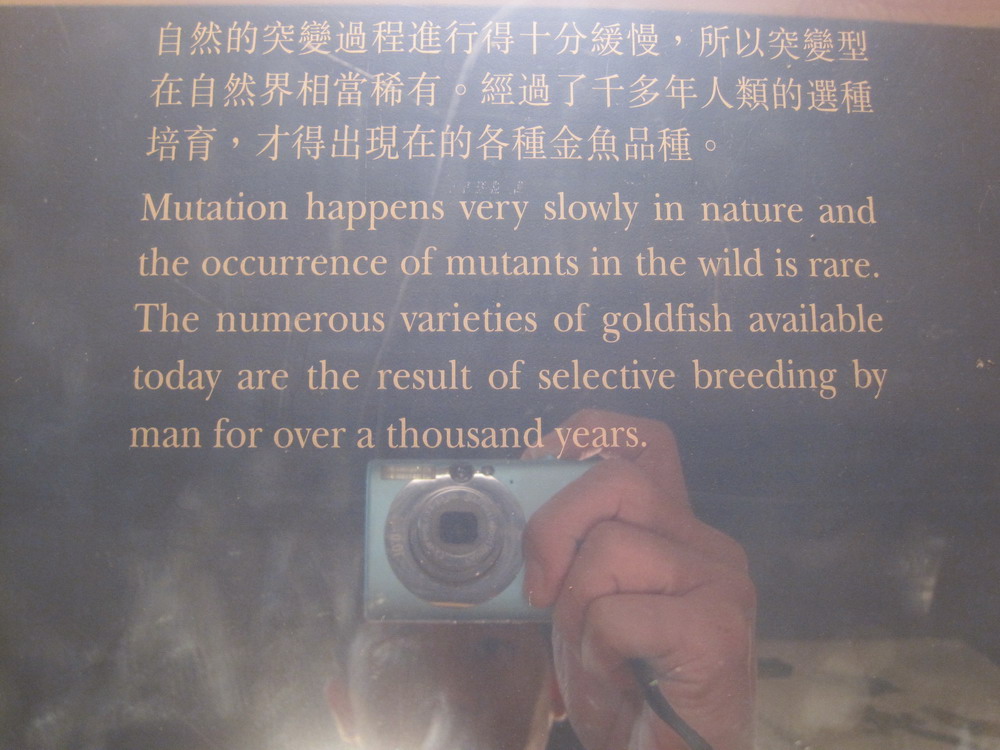
Here are the mentioned tanks:

Frankly, I was puzzled at that time. The fish in the left side did not seem to be a carp to me! Anyway, I had no one to argue with. I just went on reading other information they provided.

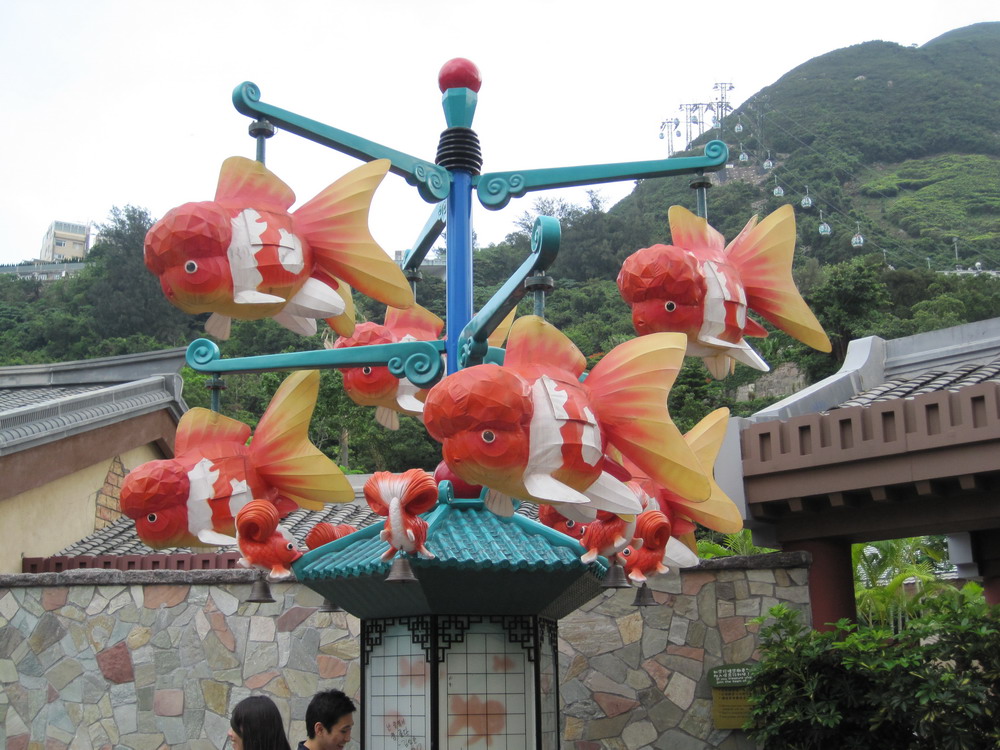
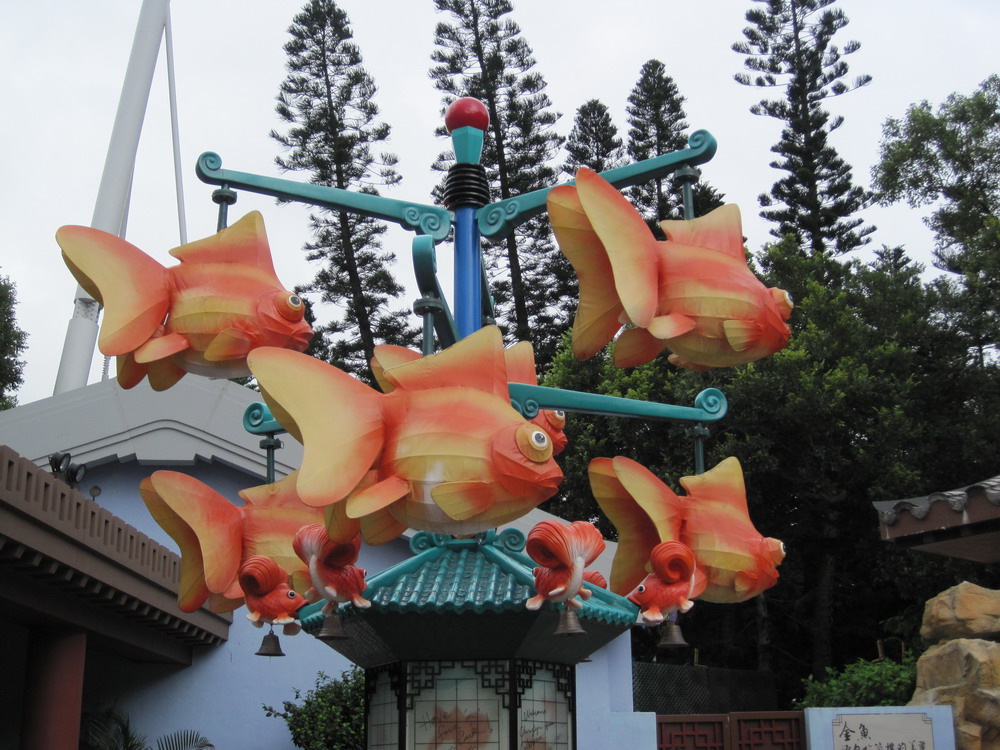
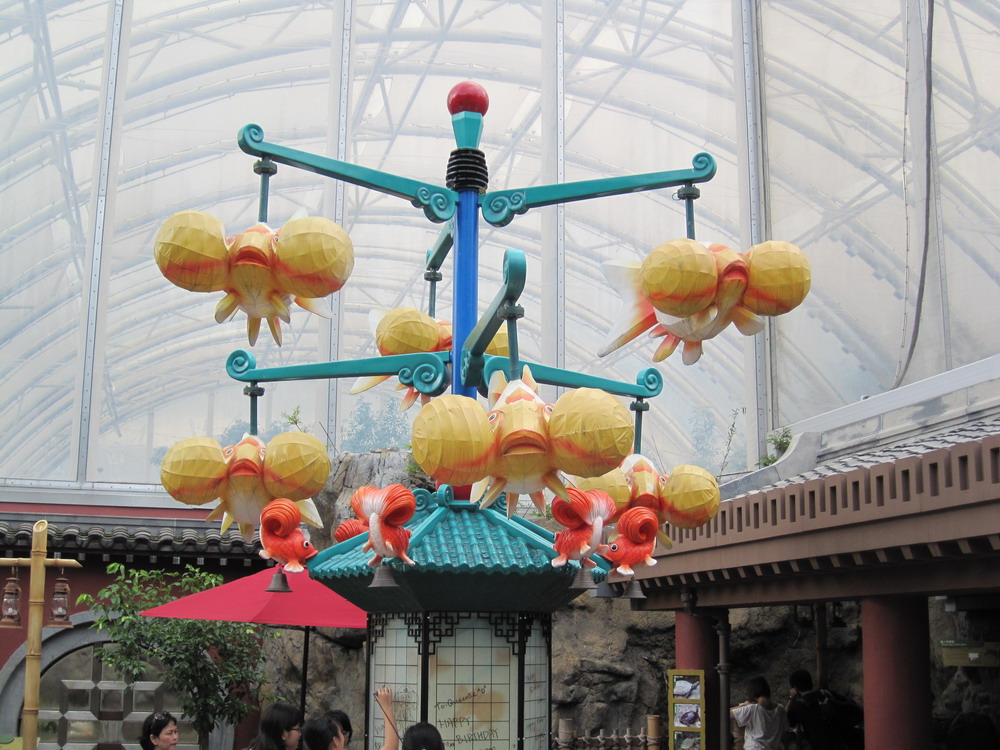
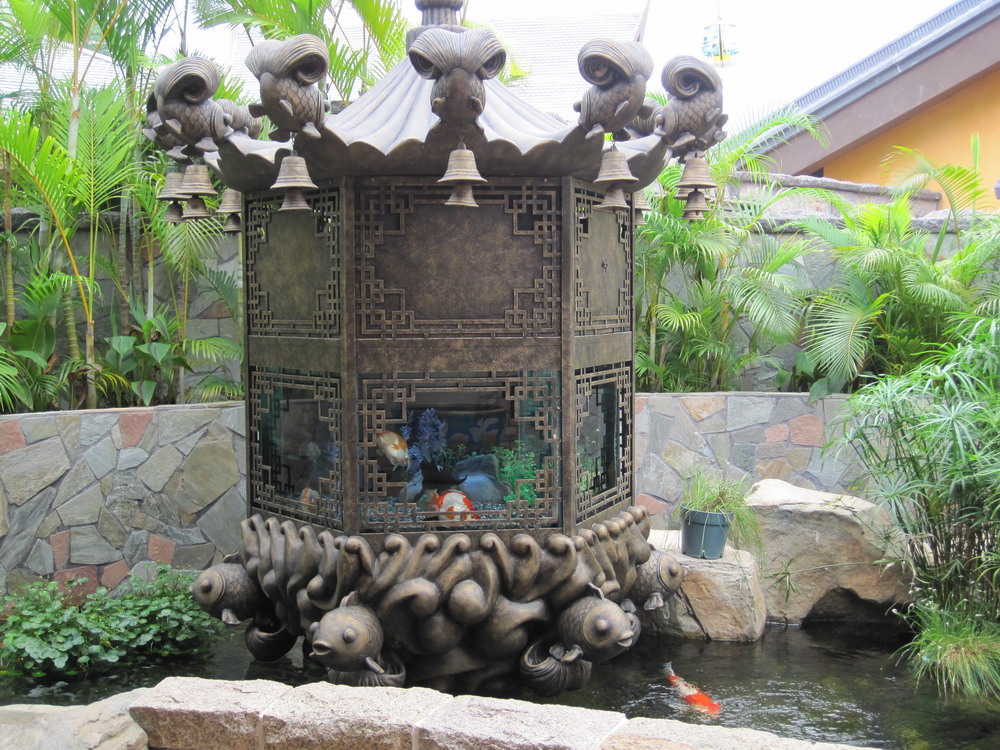
There there was an outdoor area with giant goldfish ornaments. Very beautiful:

There was a beautiful yet simple writing on the wall:

And the fishes to illustrate this was correct this time, I thought. At least, I saw carps!

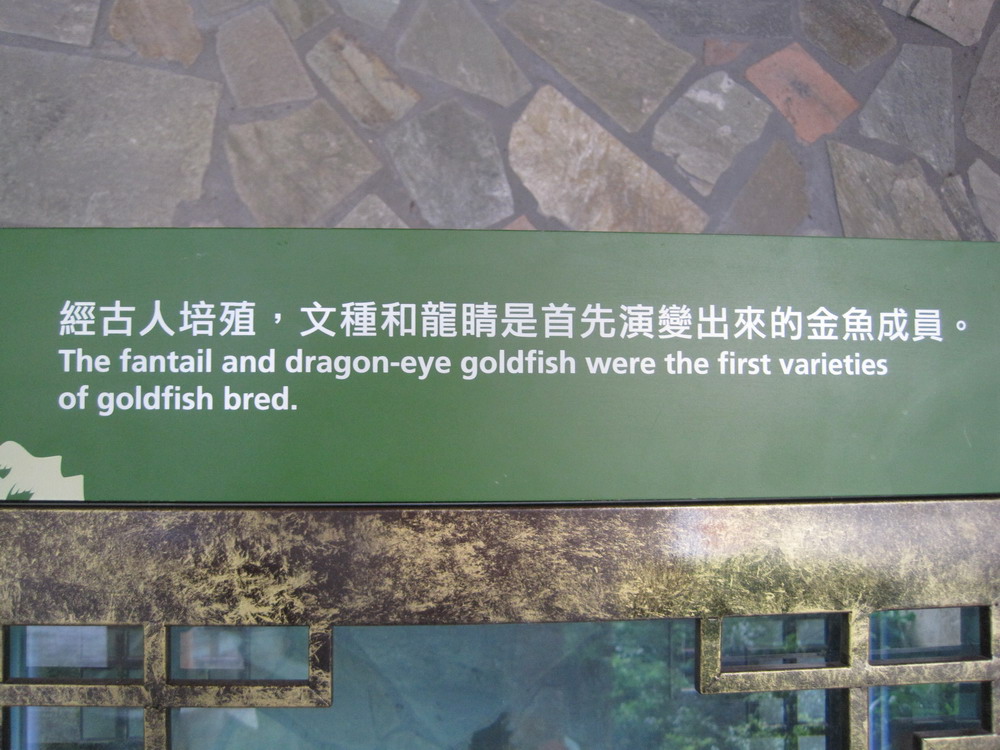
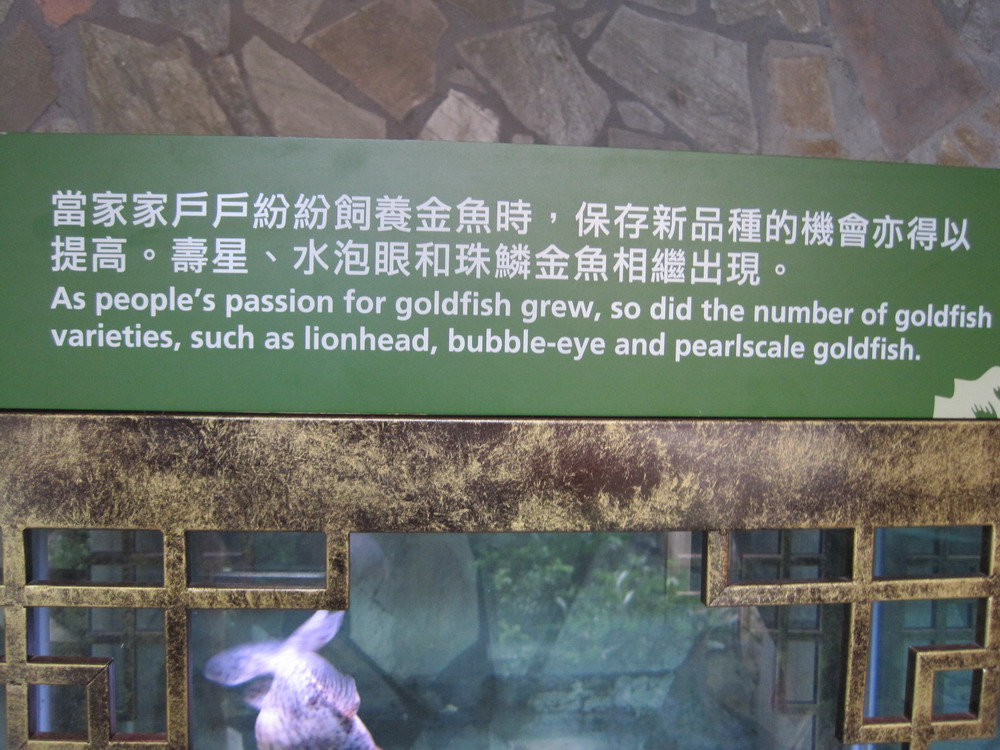
Then I went inside a room with many artistic furniture in combination with goldfish aquariums. Too bad, the lighting was a bit dark for my camera. But I managed to take some pics. Started with some more introductory information:

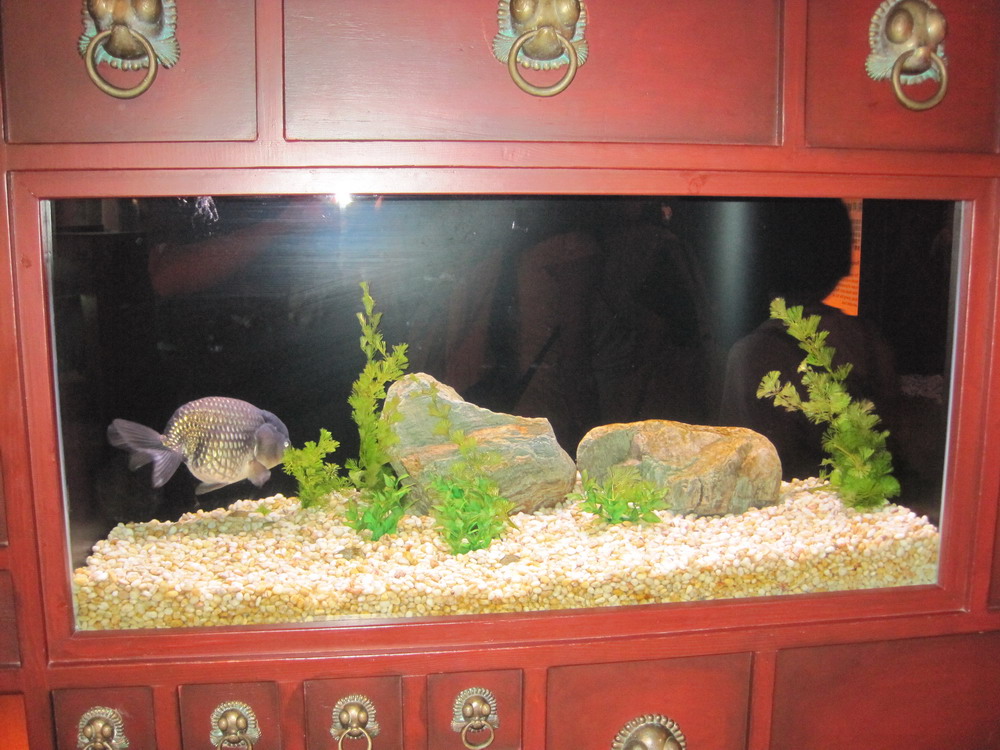
What a beautiful aquarium in a cabinet!

And a large blue ranchu!

This design was so artistic. I did not know where the filtration was, or how to open the tank when doing maintenance. I thought I saw a brown butterfly inside – very rare!

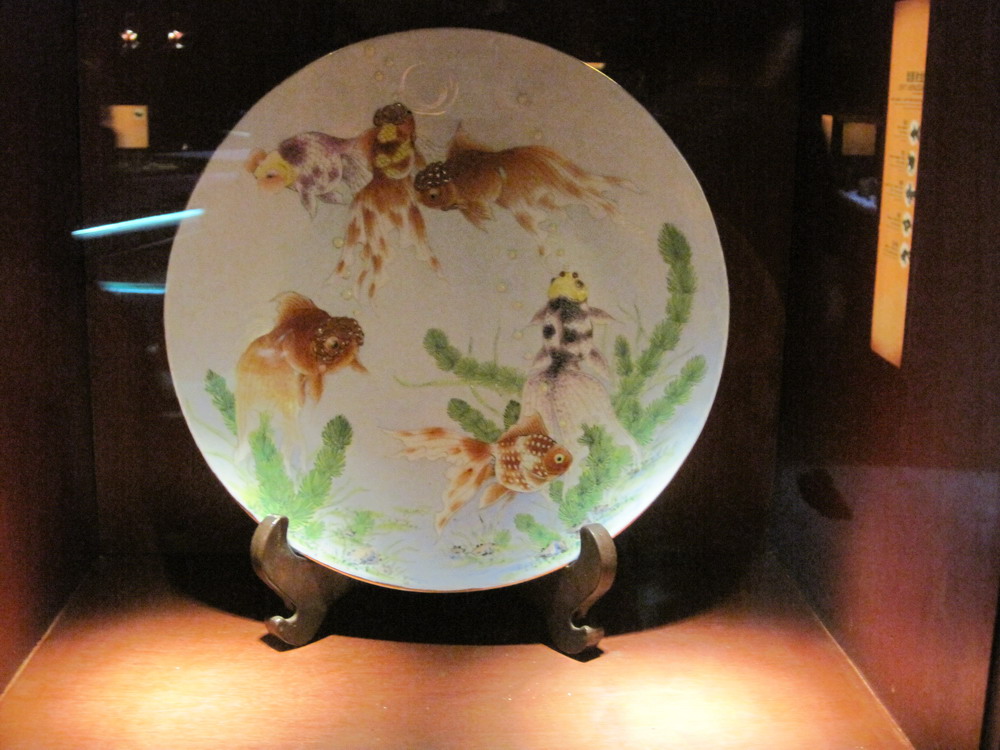
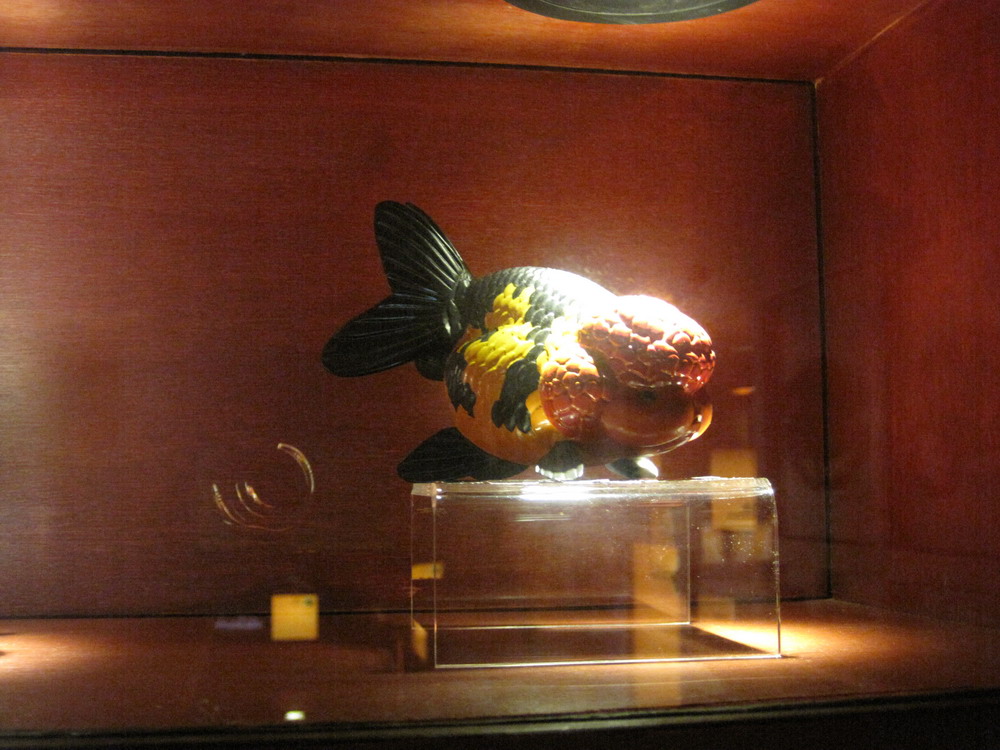
Beautiful combination between the art of woodcraft, glass, aquarium decoration, lighting, and goldfish. And also some ornaments like vase and goldfish images. I could see how passionate the person behind all these carefully thought designs.

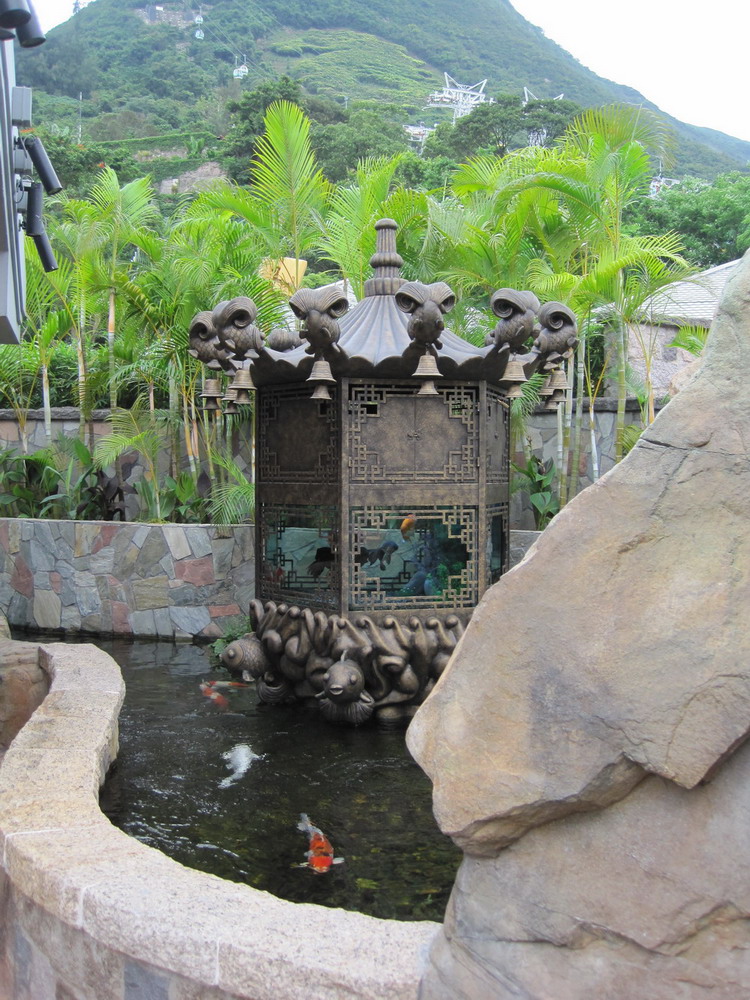
Then there was an outdoor rear garden with koi pond. There was an artistic goldfish tank in the middle of the pond with large goldfish inside!

Let’s look closer at the tank. It looked so ancient.

And closer, please:

What a handsome giant black oranda!

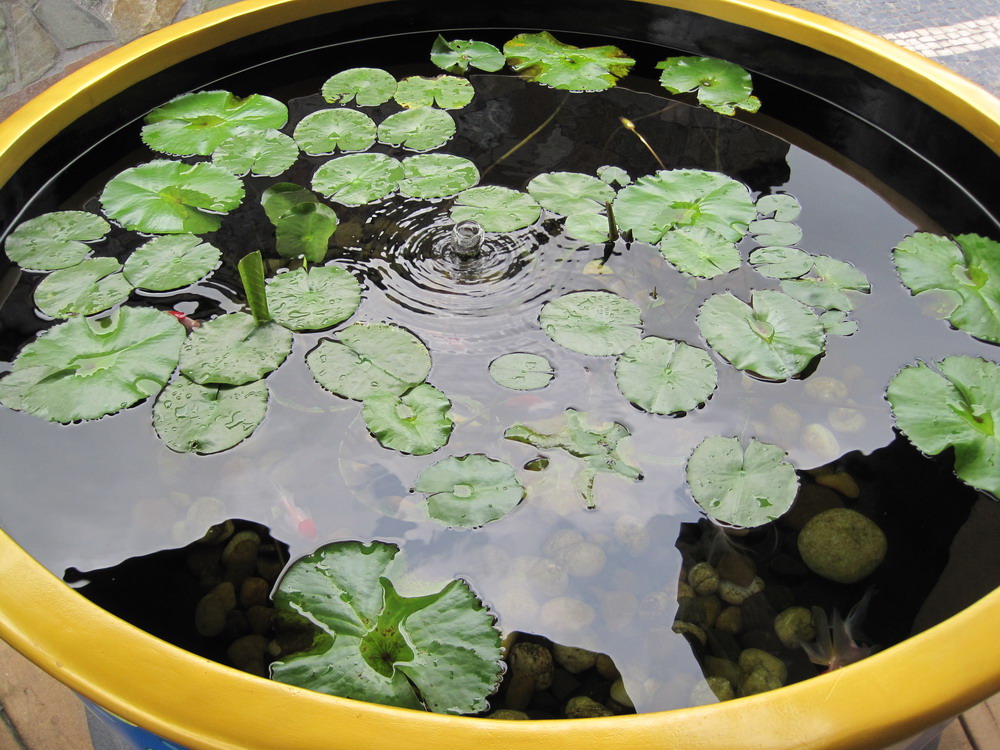
These three giant vase decorated the other corner of the area:

And sad to say, this was the end of the journey in the enchanted hall of goldfish treasure.

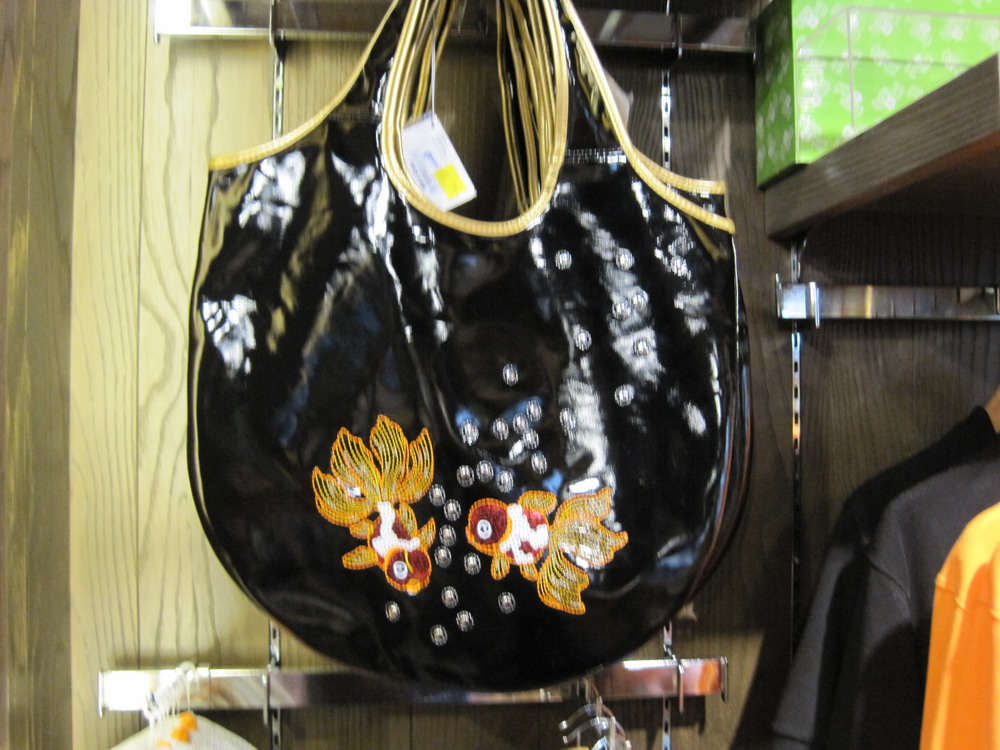
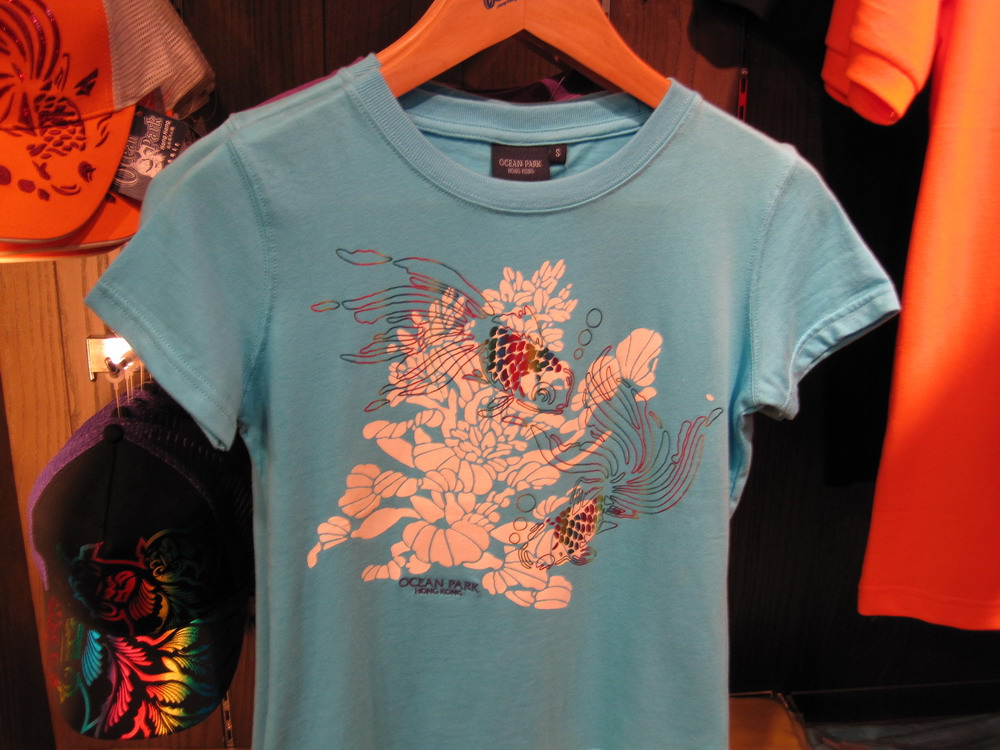
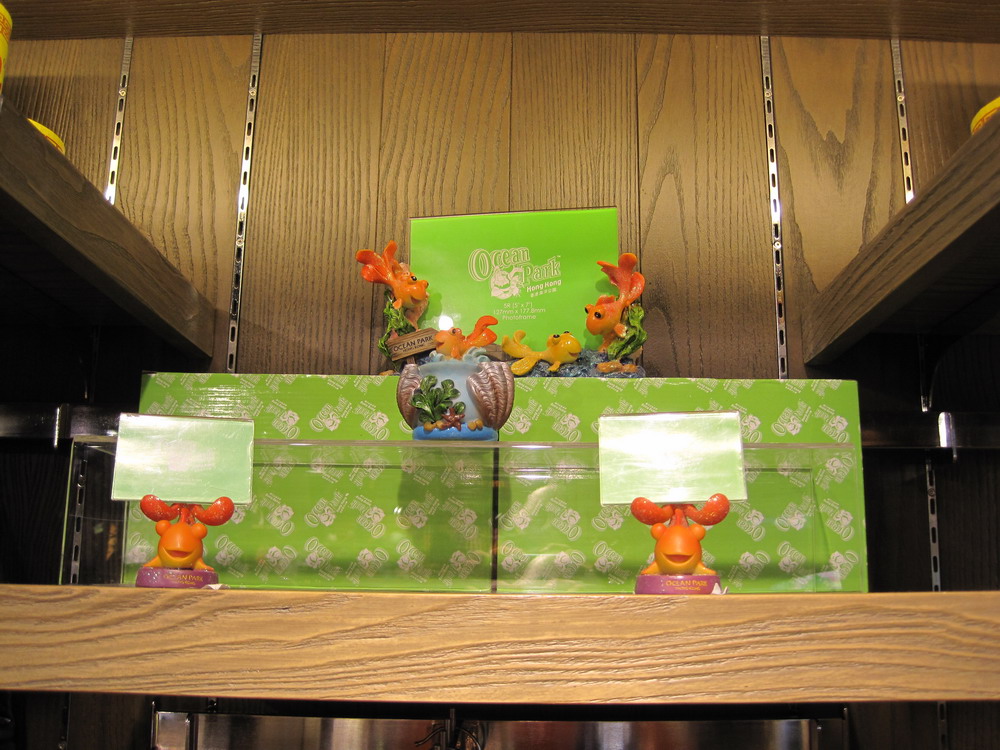
We passed though the merchandise shop before the exit. I managed to take pics of some of the items:

And that’s all of my report. Enjoy!

Standard
Brown Oranda, The Diary of a Goldfish Breeder 2022

The Diary of a Goldfish Breeder 2022 (8)

Color exists in spectrum.

When we say red goldfish, we must understand that there are different kinds of red with slight differences among them. The same case happens in other types of goldfish color.

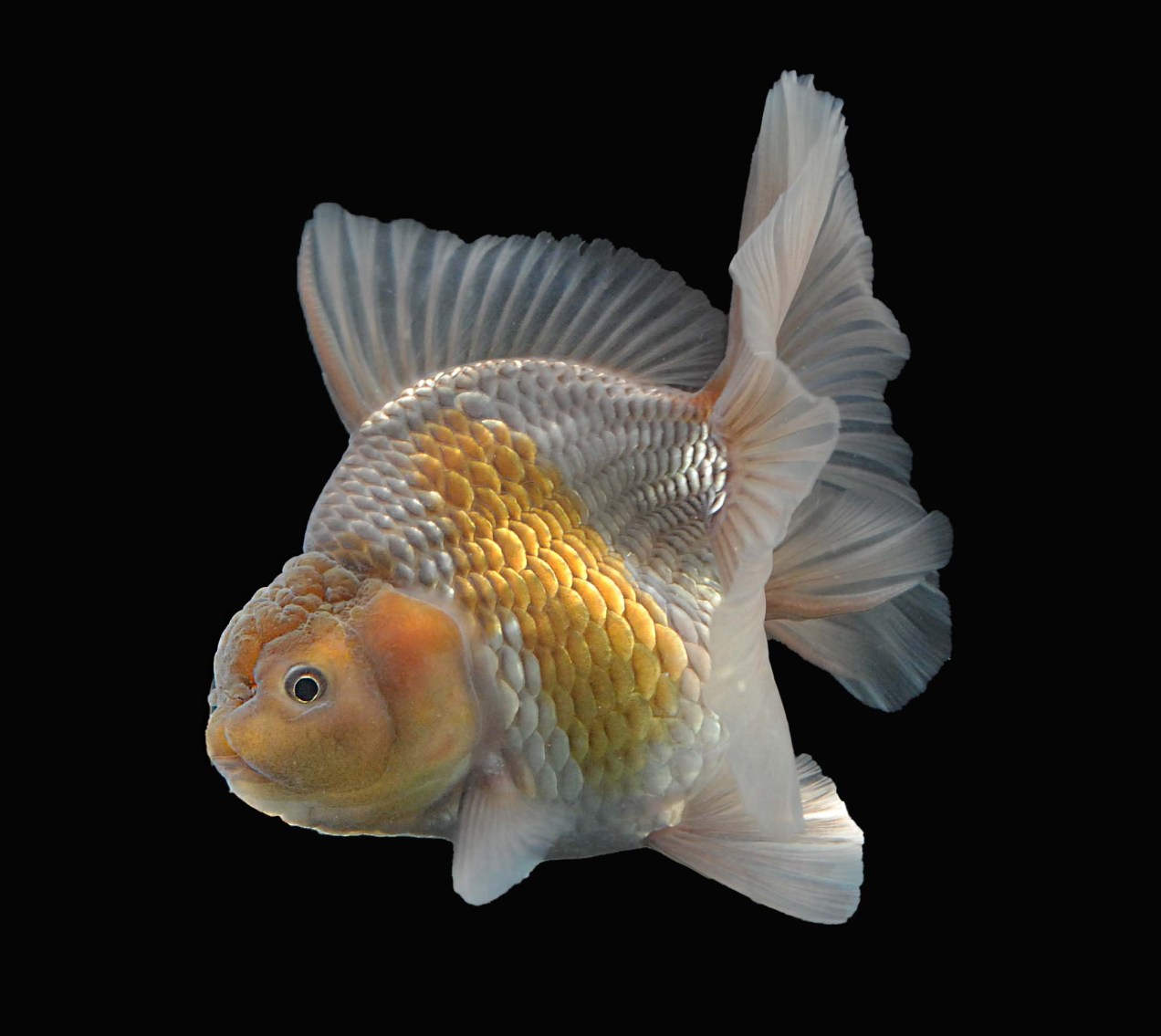
In this opportunity, I would like to present two types of brown color I observe in my goldfish collection. In the previous diary (#7) I posted my current development of brown oranda. The color reminds us of the color of tea:

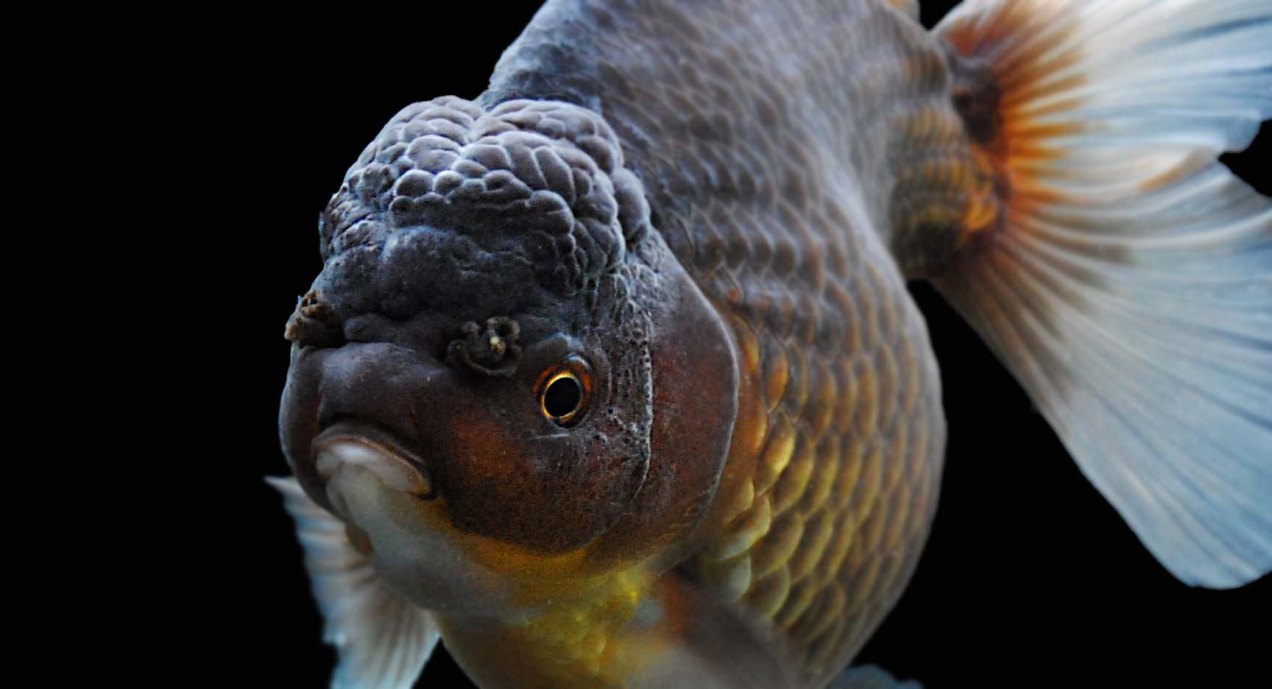
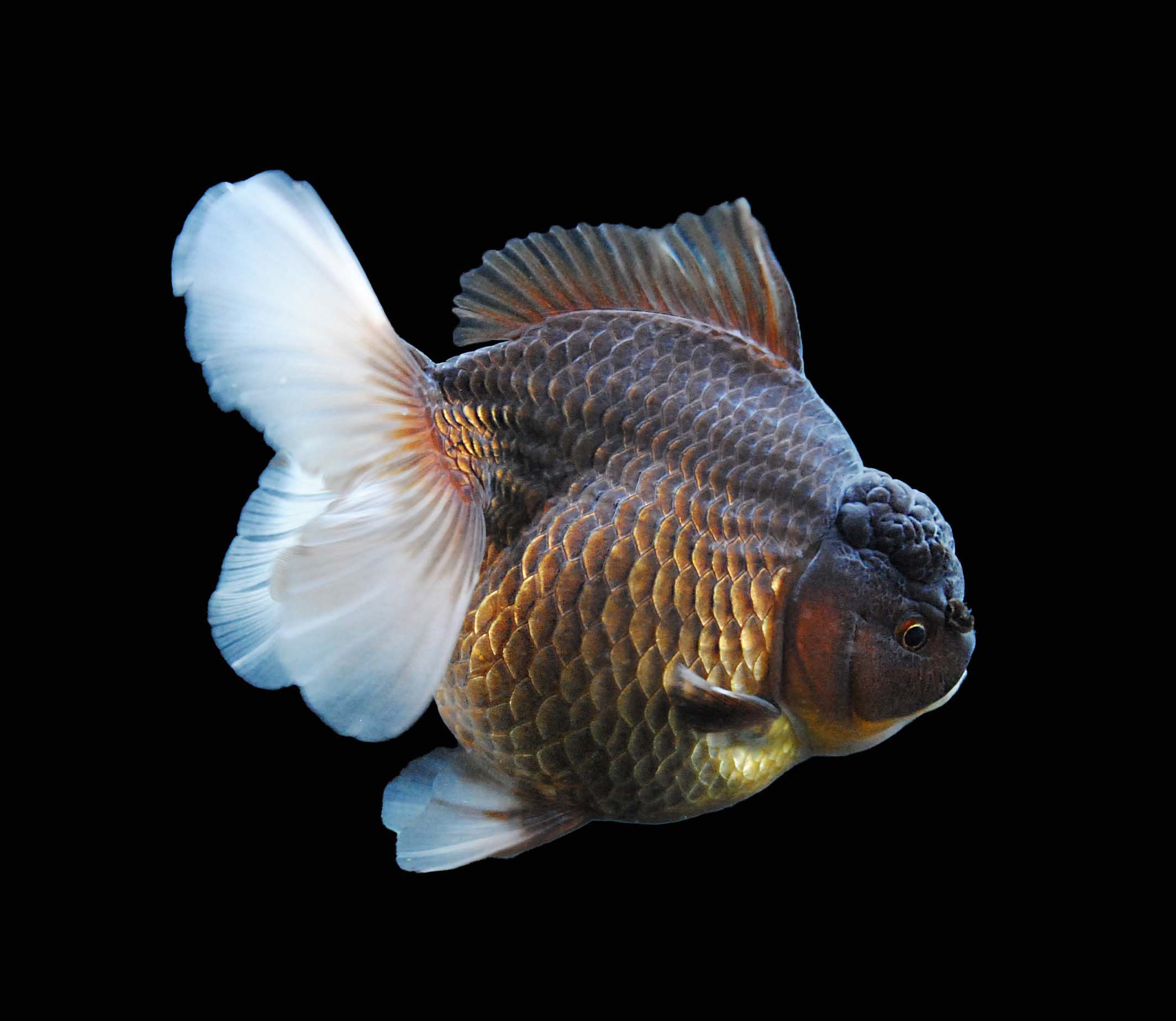
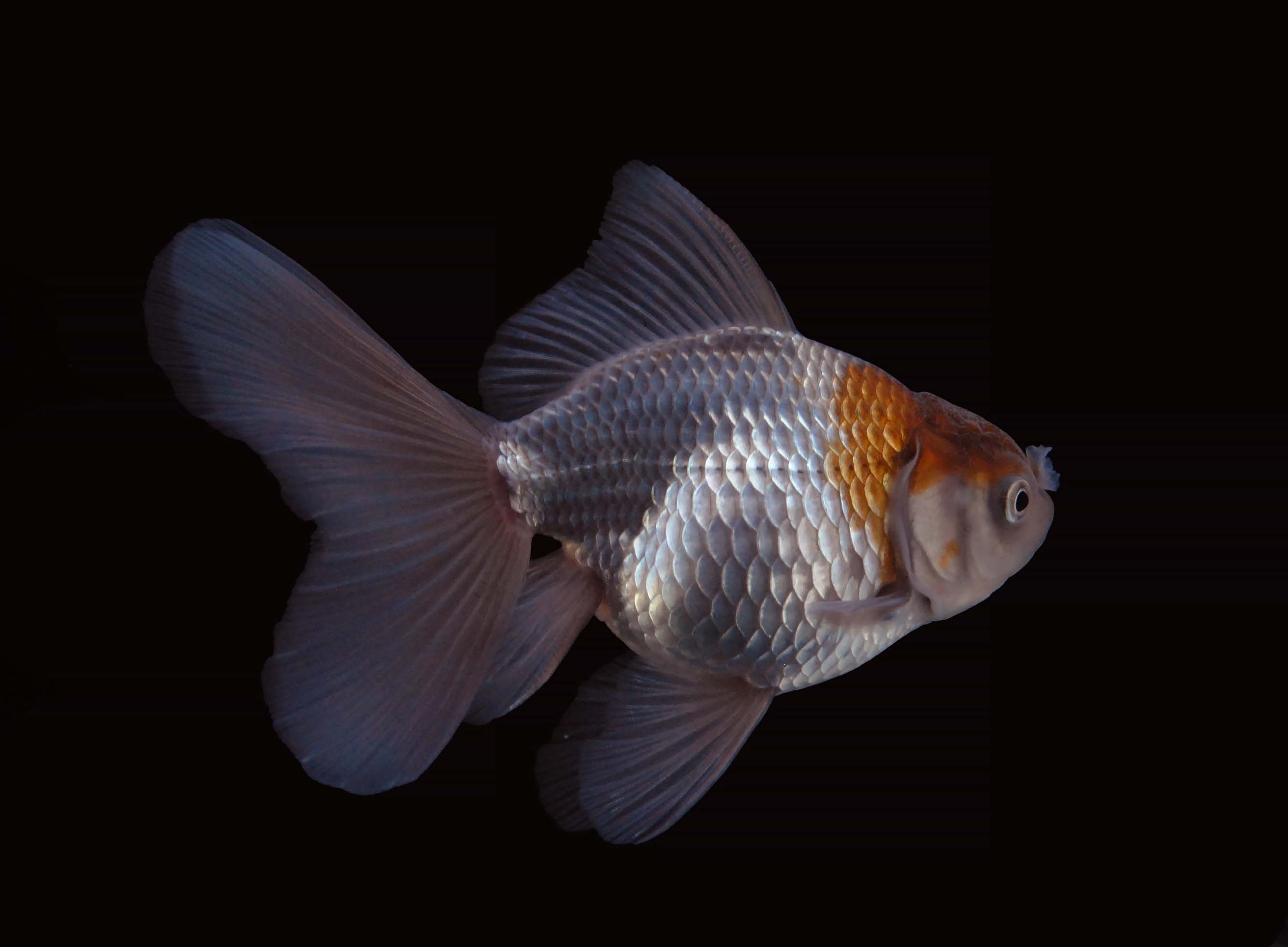
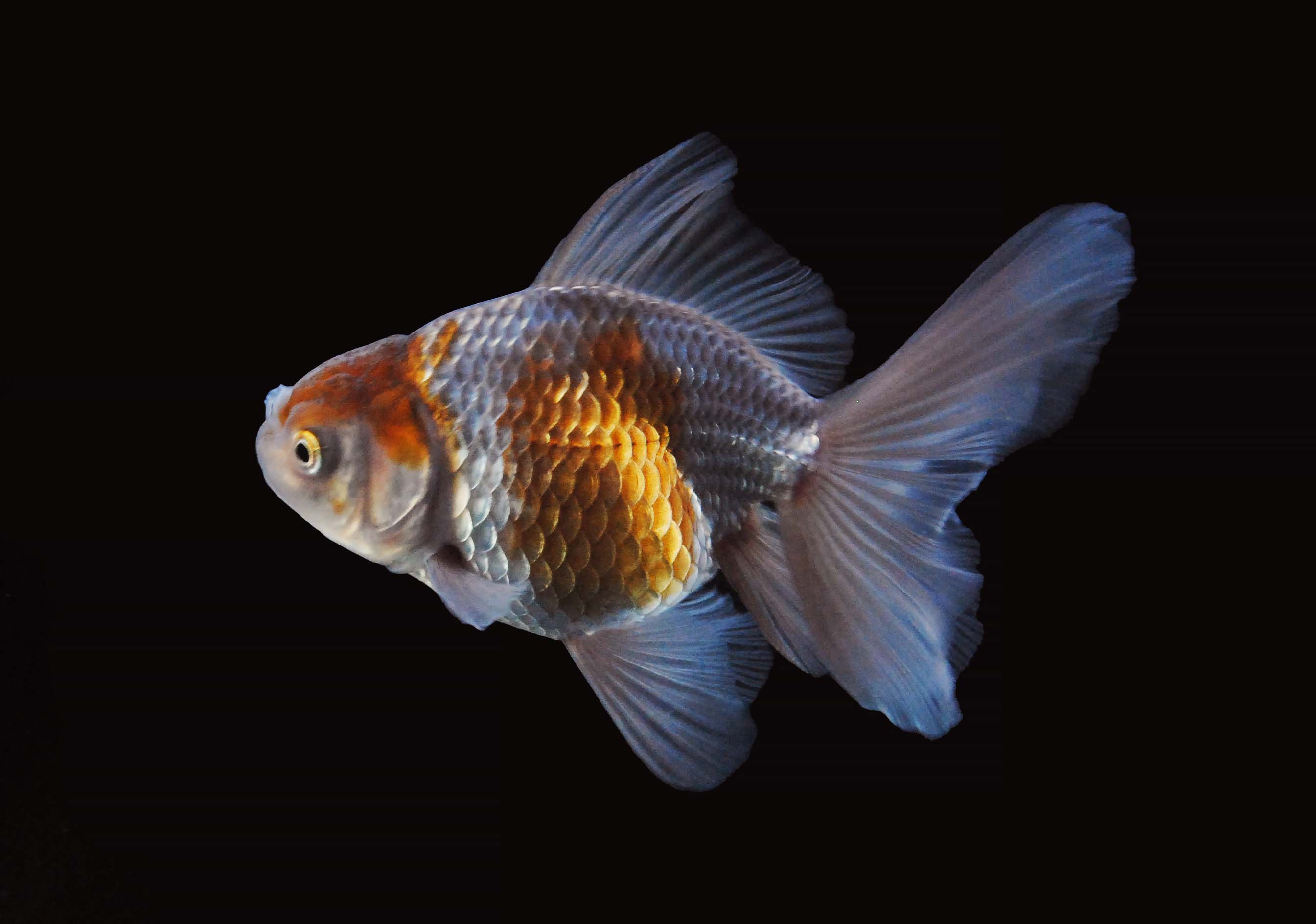
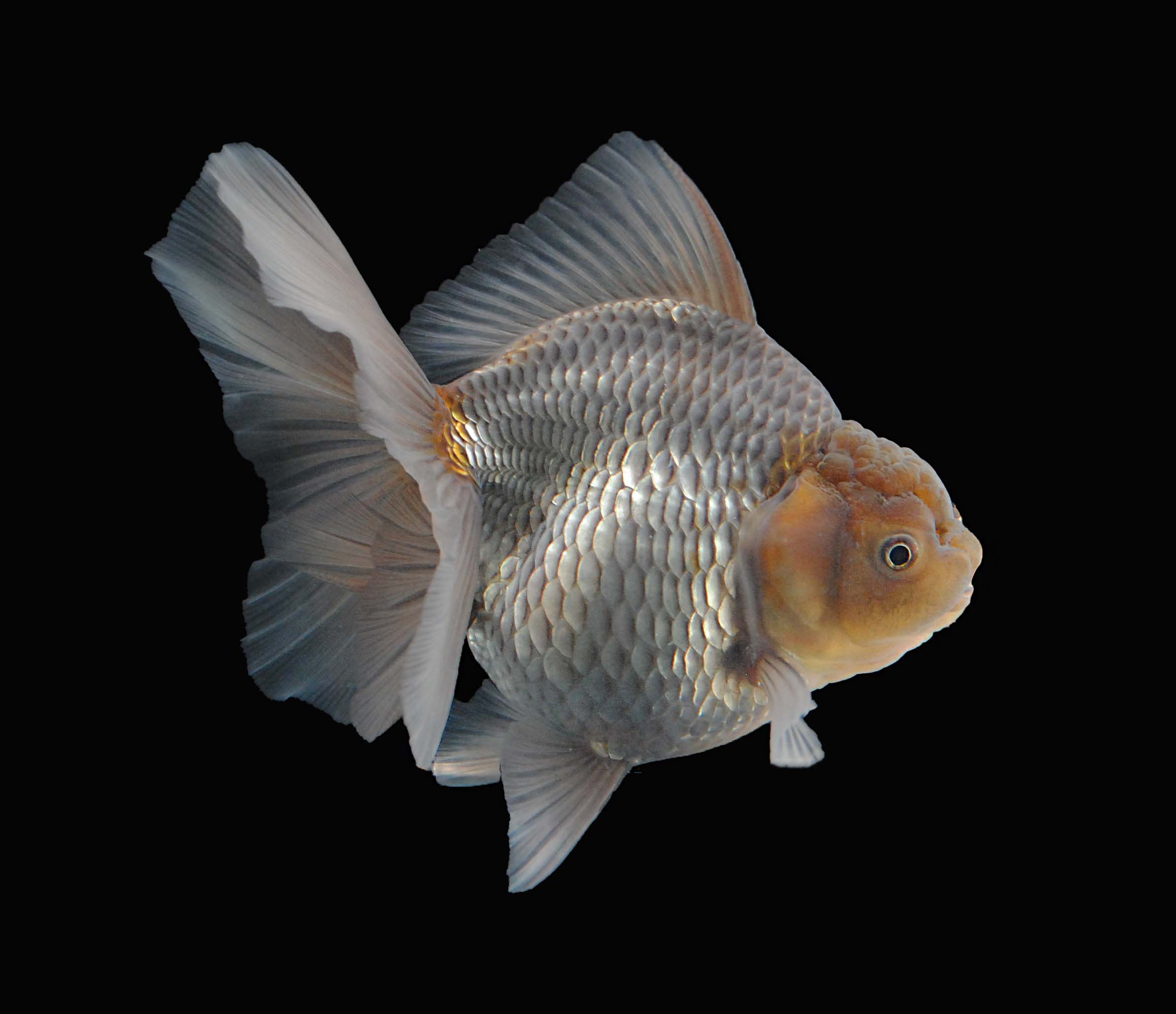
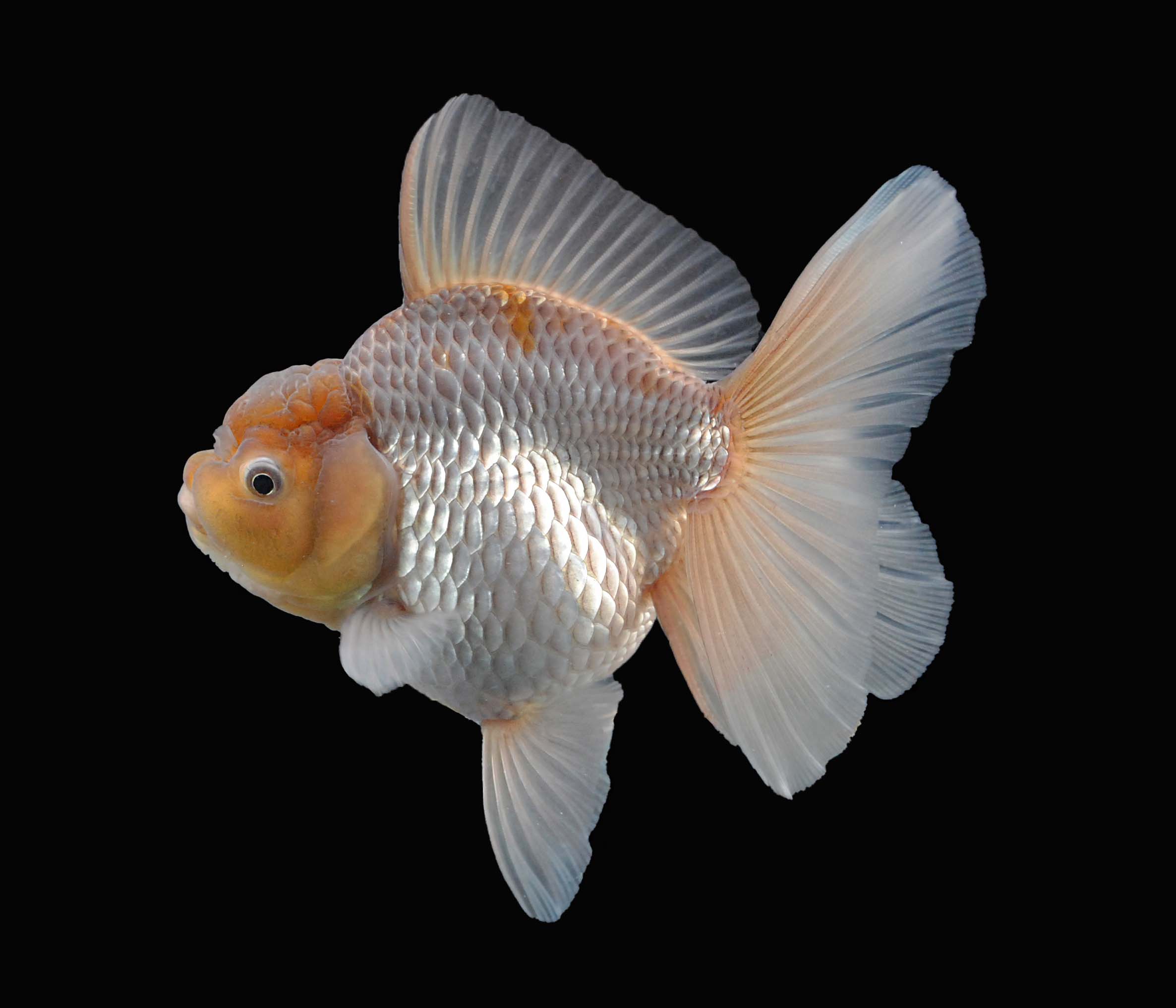
Actually, when I do a project – say, the brown oranda project – I do not just do one mating / crossing. I do several different pairings in the same period of time. One of the pairs produces the tea-colored oranda above. But another pair, which I must admit I did not document it well, results in a darker colored brown oranda. The color looks like the color of dark chocolate, I think. And it has a beauty of its own! Here she is:

This is the video link: https://www.youtube.com/watch?v=rqSy4SucwvQ

This dark choco oranda seems to be from slightly different lineage from the tea colored one. Yes both of them have cute little hump and similar headgrowth type. Both have good body depth (width). But the dark choco has a bit longer and thicker body, and smaller tail type. And I think there is an important feature to note: while the tea-colored has the color in all its body, including the tail, the dark choco can develop white color (or no pigment) in its tail! I used to think that the white color cannot coexist with the brown. Usually, when the brown color fades, the fish will reveal orange color. But this dark choco forces me to revise my understanding. The white color can coexist with the brown color! Aesthetically, it is beautiful. If the white color can exist in its tail, perhaps one day I will see the white color occurs in the body to create the brown (dark brown) and white goldfish. It will be amazing!

I do not know what creates this different spectrums of brown. I also do not know why the white color can occur in this dark choco girl. But when I see the development of this dark brown color, I immediately fall in love. Right now, if I must choose one brown color to be my line, I do not know which one will I choose. As a hobbyist city breeder, I do not think I can afford both.

Which one do you prefer?

Standard
Brown Oranda, purple oranda, The Diary of a Goldfish Breeder 2022

The Diary of a Goldfish Breeder 2022 (7)

Finally, this is the update on my Purple and Brown Oranda projects – half way. I think I have done a lot of improvements on these two lines. Let me start with my Purple Oranda project.

This is the purple oranda I had in the beginning of this project:

Skinny fish, with minimal headgrowth.

After working on it for a year, I have made significant improvement, I think. These two are the best I currently have:

Do you like them? 😊

The improvement is in the body depth (width) and thickness, the headgrowth, and the tail erection. And yes, I can see they have beautiful little humps, which I do not know where they come from. I have never used any ryukin in the crossing.

Now, let me remind us of my previous line of brown oranda:

This brown oranda project has also made some improvement. These two are the best results right now:

Improved, right?

At this point, I am tempted to consider this project as final. I love the shape of these purple and brown oranda at this current state. But I keep reminding myself that this is the half way result of a two years project. Well, what more do I want to improve? I still want to improve the headgrowth, and if possible I want to elongate the body just a little bit more.

Anyway, I am satisfied with my current result. Hope you all enjoy these results as I do.

Standard
purple ranchu, The Diary of a Goldfish Breeder 2022

The Diary of a Goldfish Breeder 2022 (6)

I must revise my understanding about the breeding of blue, brown and purple crossing.

Several weeks ago I crossed semi purple ranchu with semi purple ranchu. What I mean by semi purple is the cross between purple ranchu and red ranchu. The phenotype (outward appearance) is red / red-white / wild color. To refresh our memory, these are the pair I used (female, male, and male):

In my understanding, the result will be as shown in this illustration:

SP = Semi Purple

I mentioned earlier that the result consists of two different visible color: the light colored fry and the dark one. The light colored fry will become purple, and the dark colored one will become grey (which might eventually turn into red / red-white / stay grey). Based on this understanding, I usually cull out the dark colored one.

I have done these crossing with oranda and ranchu several times and I have revised my understanding. The light colored ones do not turn into solely purple, but also brown fish! So, without any crossing back to brown, I get brown color as a bonus. This will make my life easier. I do not need to make the brown as a separate project. But in this revised understanding, I still cull out all the dark colored ones.

This time, when I breed the semi purple ranchu above, I decided to keep the dark color fry. My initial purpose is to see if some of can become my Basic Ranchu Material. To my surprise, as the color become more visible in several weeks, the dark color turn out to be not only grey fish but also blue fish! So, I have been wrong all this time by culling out all the dark ones! So, once again I must revise my understanding to be like this:

Here are the real offspring:

  1. purple ranchu
  2. brown ranchu
  3. grey / green / wild colored ranchu (that might turn into red/red white)
  4. blue ranchu

Knowing this, I can simplify my projects. Instead of three projects of blue, brown and purple, I can just do one. The purple project will yield all the three color types I want. Is not that great?

But there is a certain doubt lingers. Why does the semi purple cross produce all the three color types? In my understanding, there is two possible solution:

  1. the purple genetics I use is not pure.
  2. even the pure purple genetics carries all the three color types with it, which will be reintroduce when being crossed with another fish (in this case a red fish)

Possibility number one is likely to happen, since I crossed my purple to many other color which I did not keep track diligently. I tried to purify the purple by mating purple with purple. I also mated purple with brown, and purple with blue, which yielded several percentage of purple goldfish (which I guess the purple gene is not pure in this case). And I do not know which purple I use to produce the semi purple ranchu above.

So, yes, I cannot answer which one of the two possibility is true. If number 1 is true, then to reduce my three projects into one will only work if I use the impure purple genetics. If number 2 is true, then I can reduce the three into one in all cases. Hopefully someday someone else can clarify this by doing a better experiment with diligent journal.

Standard