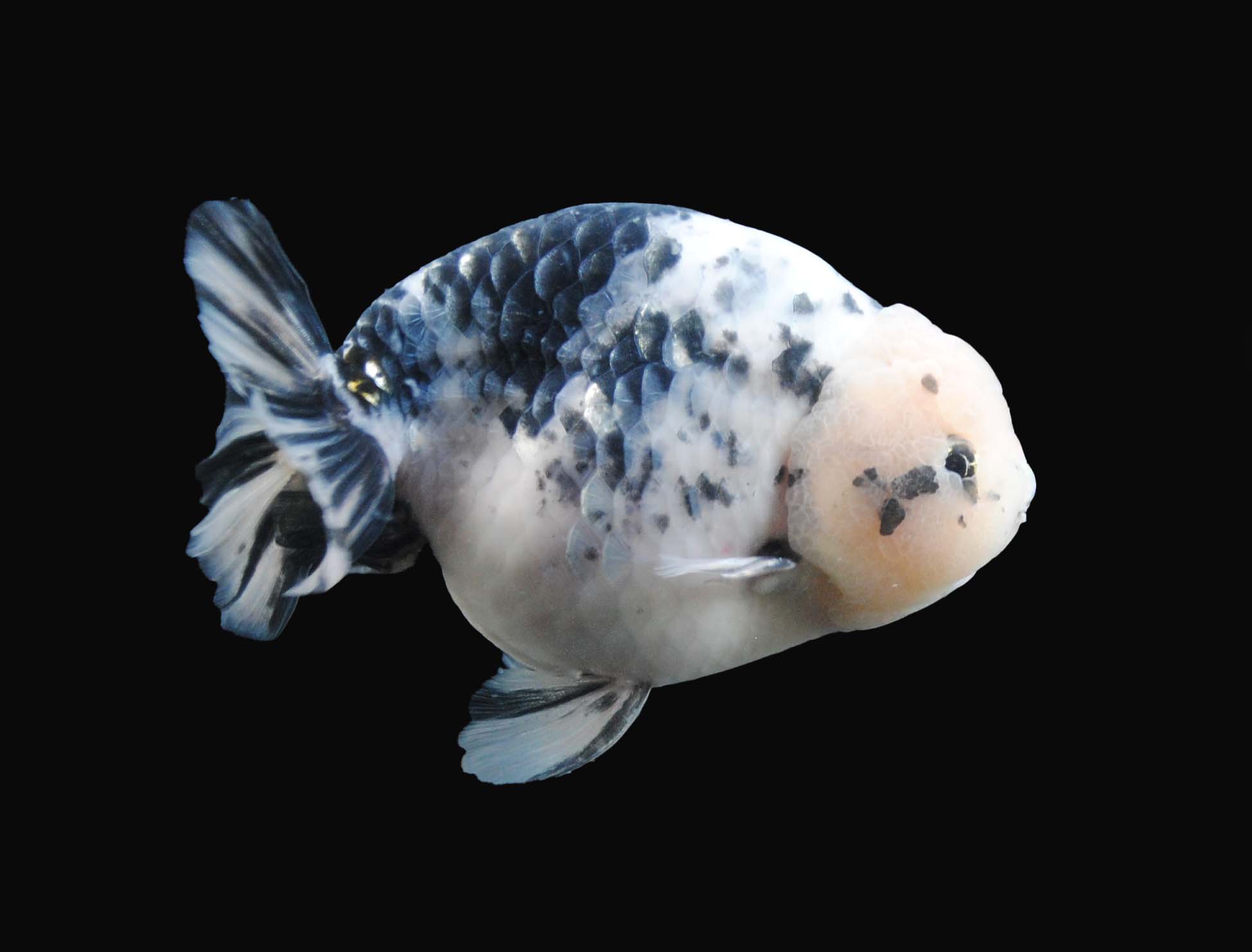
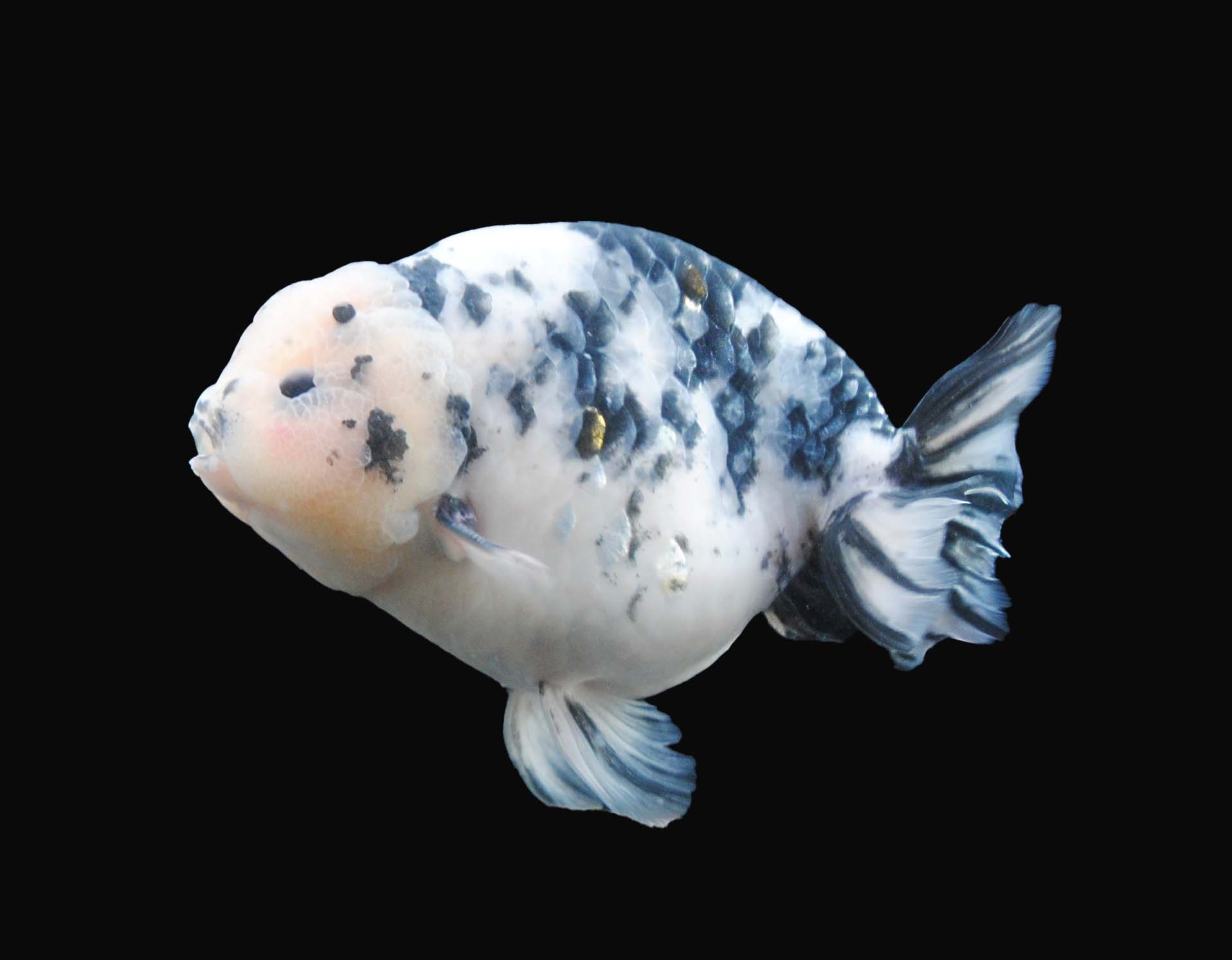
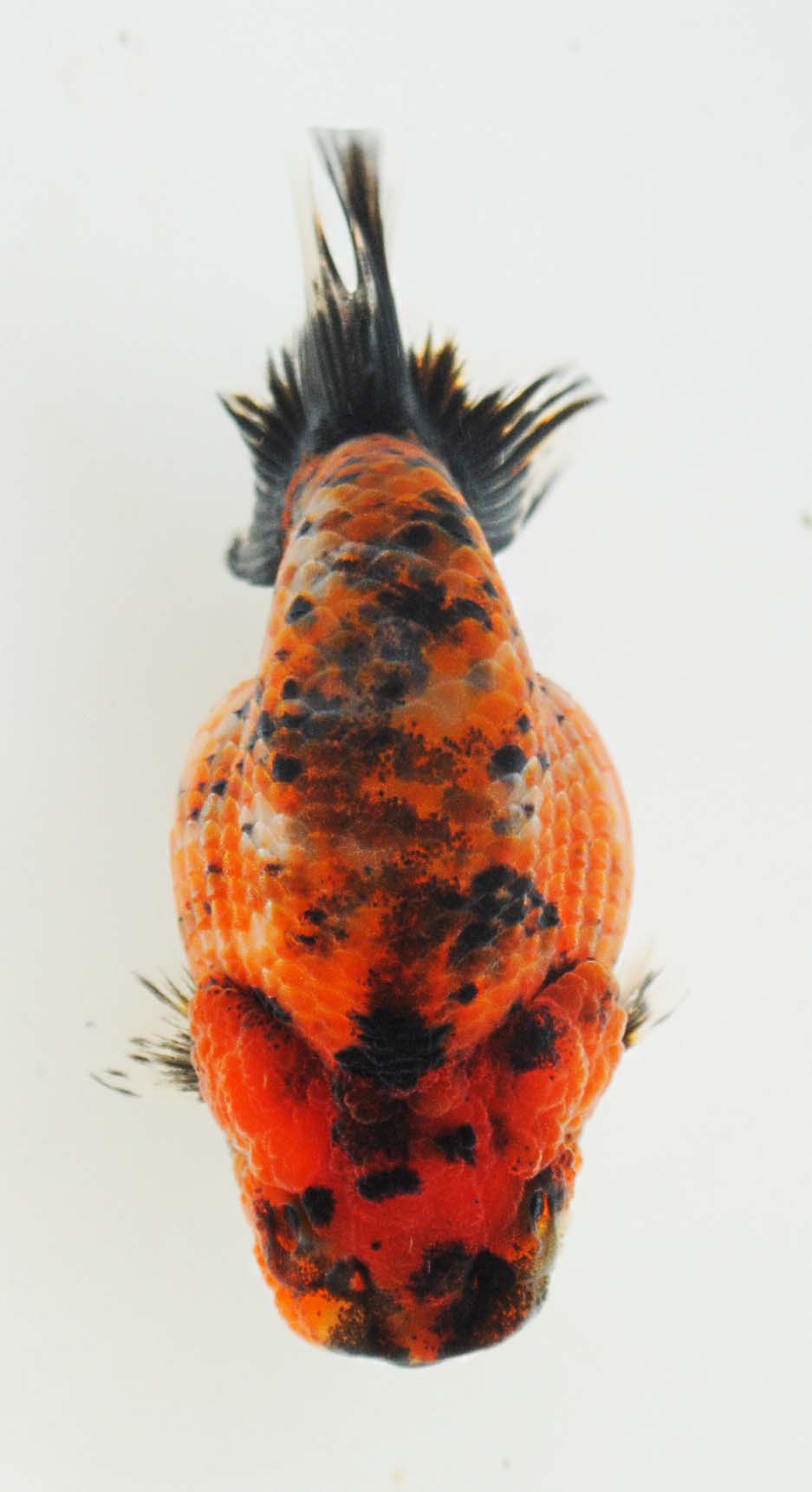
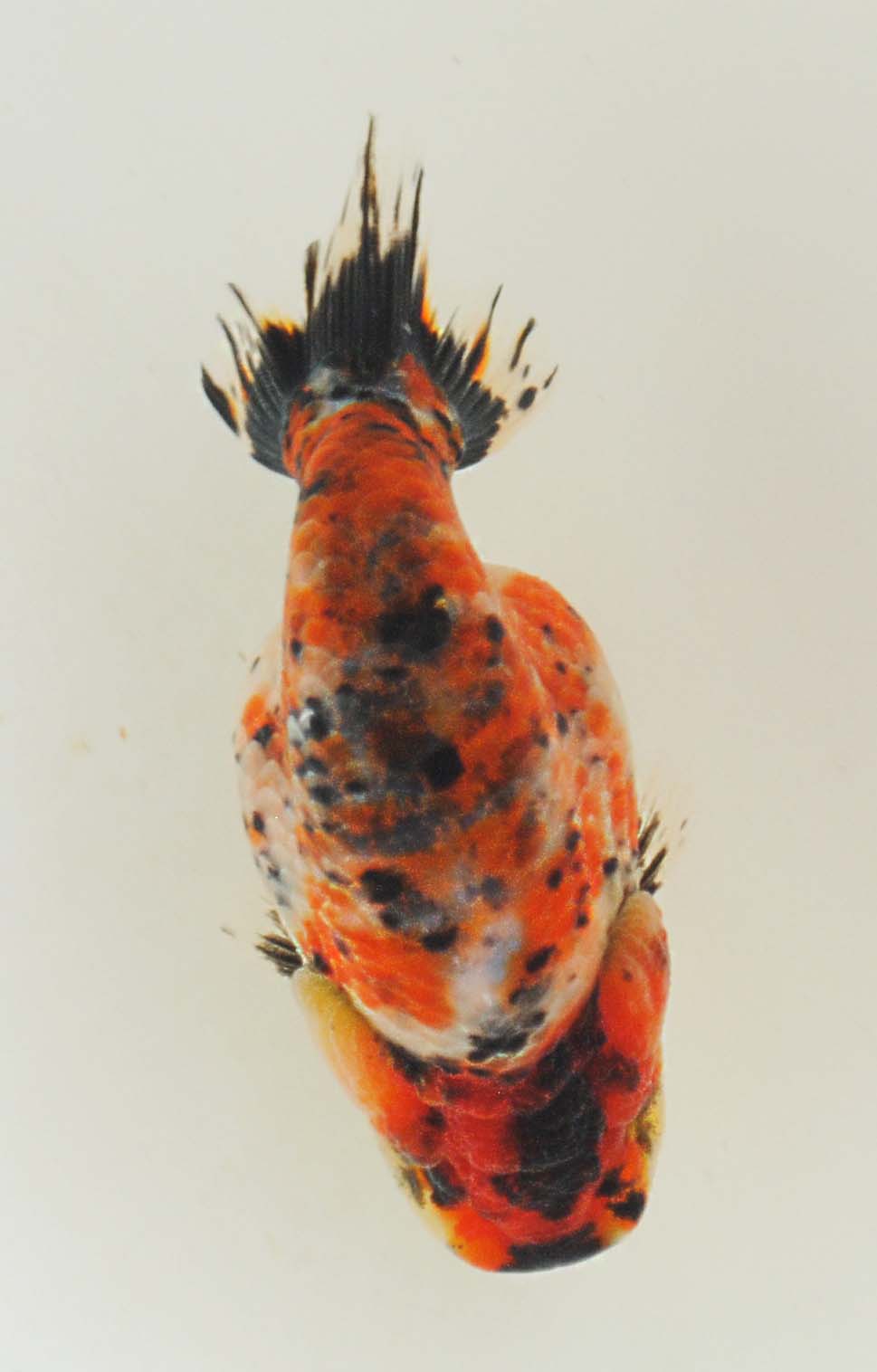
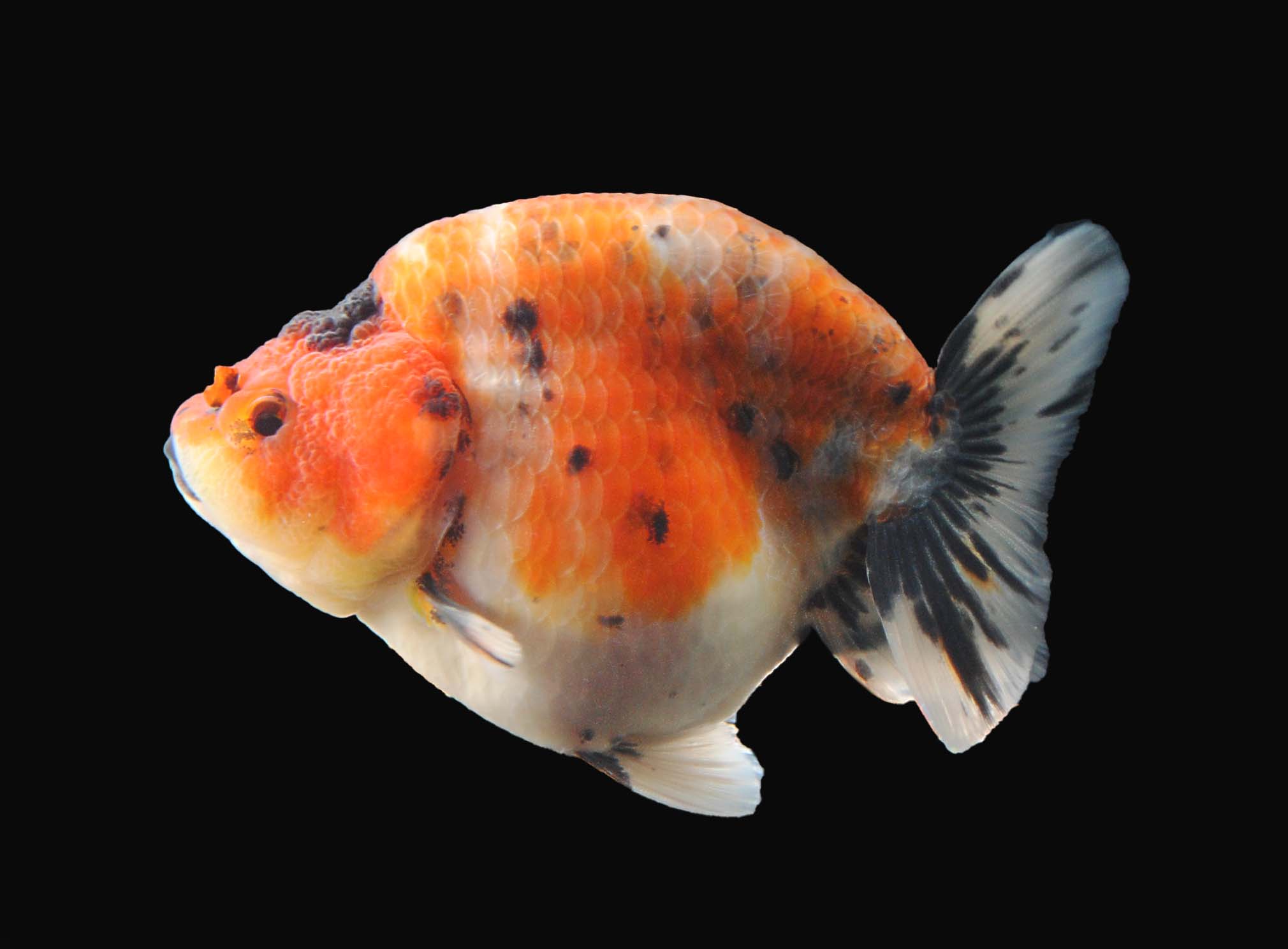
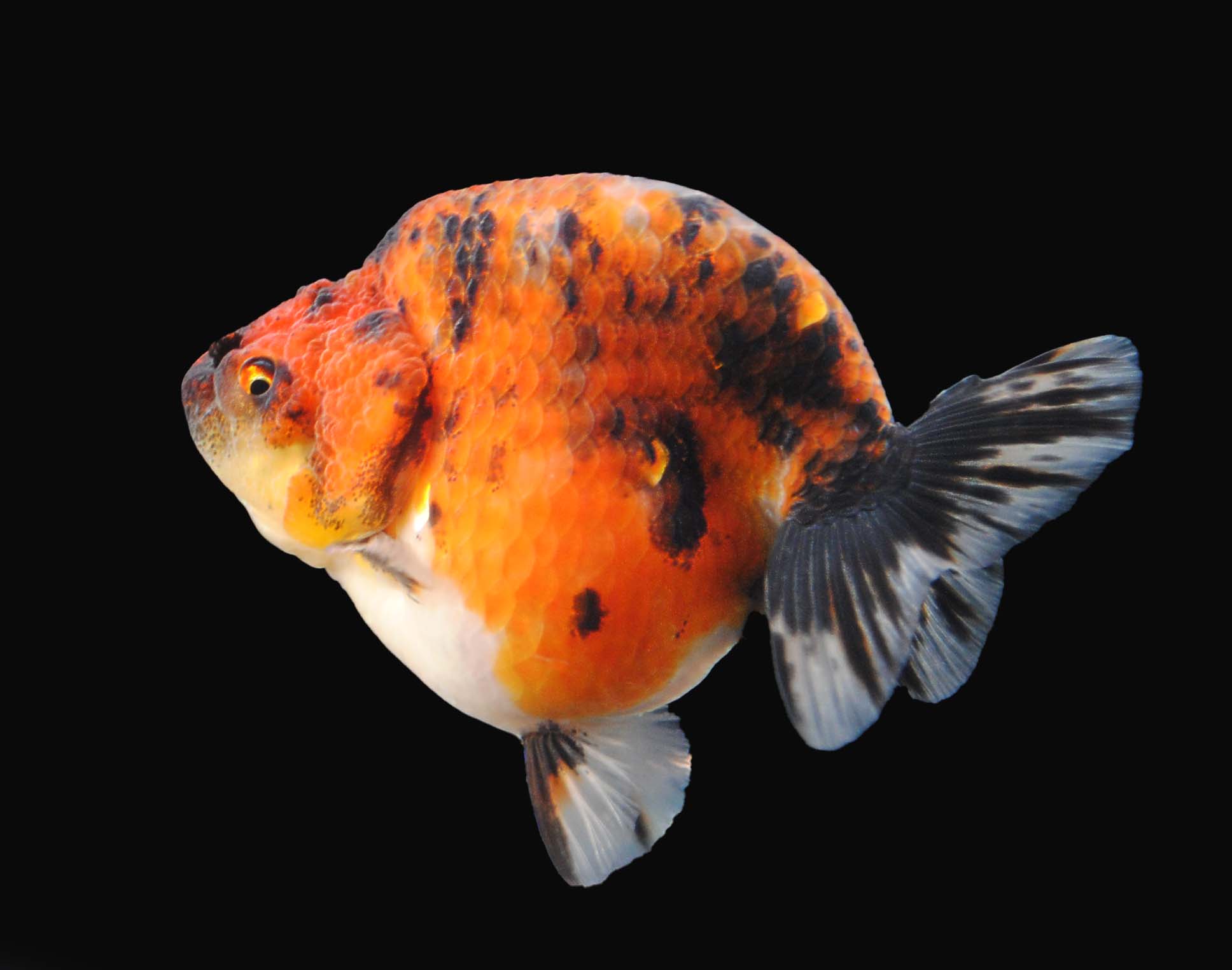
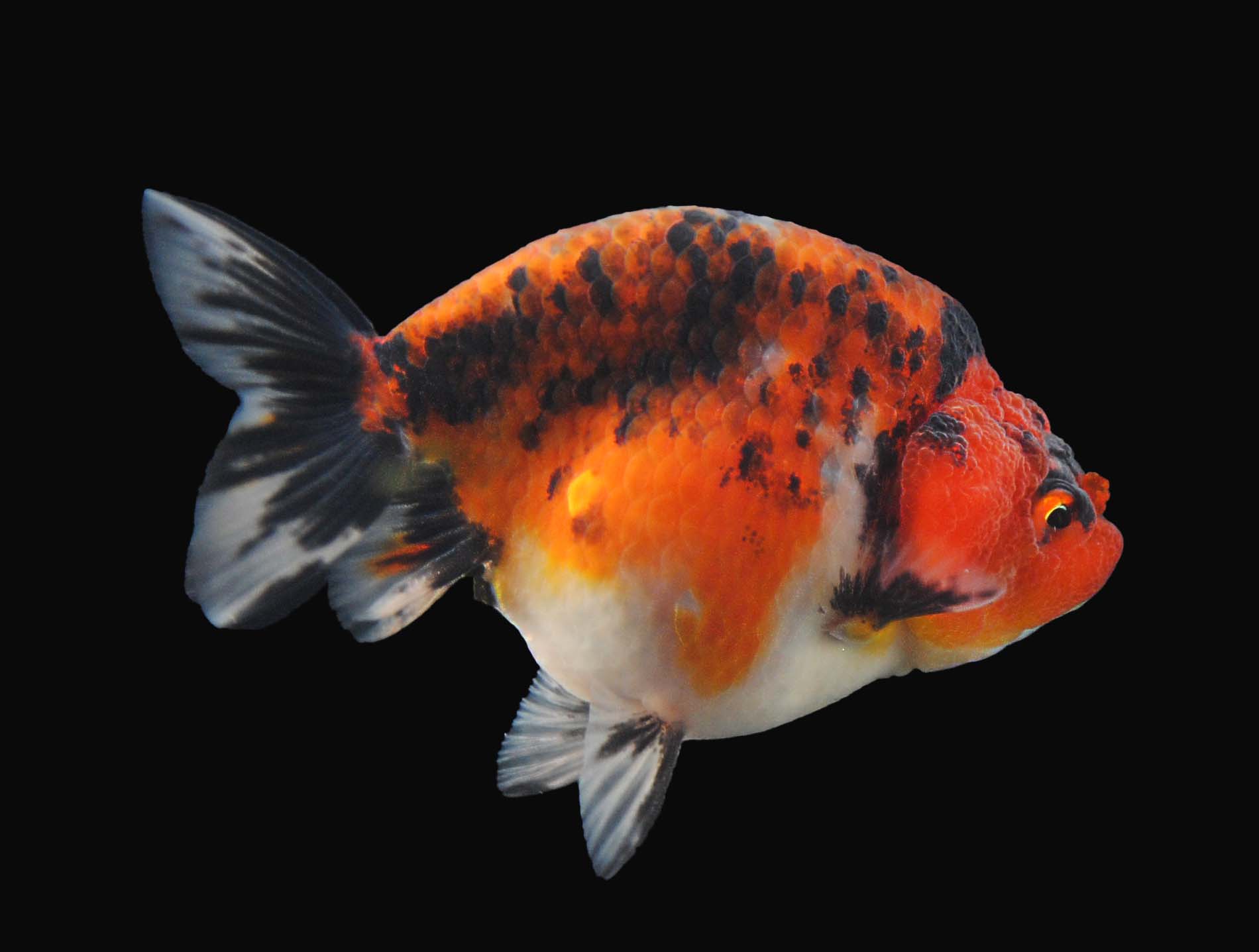
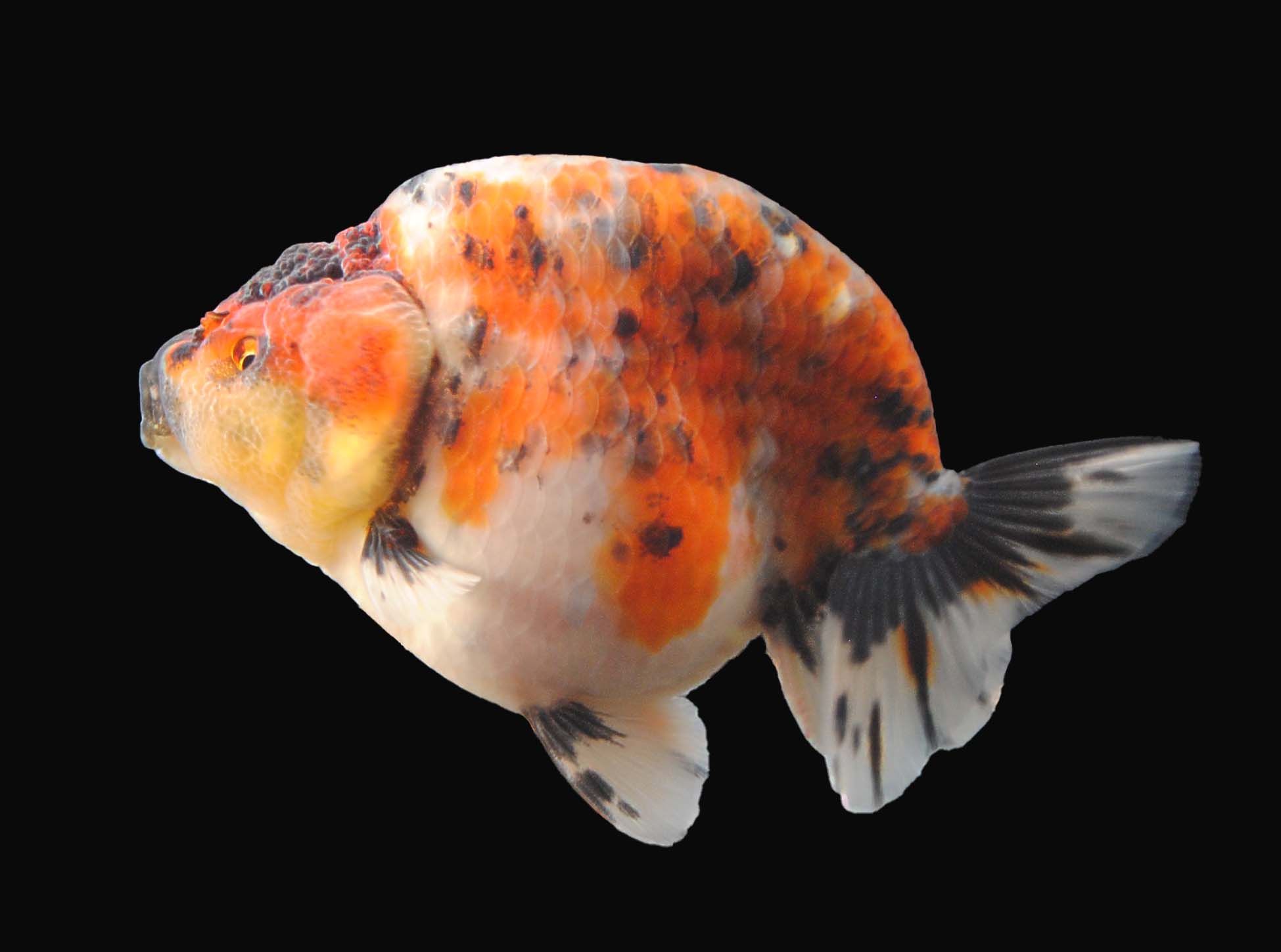
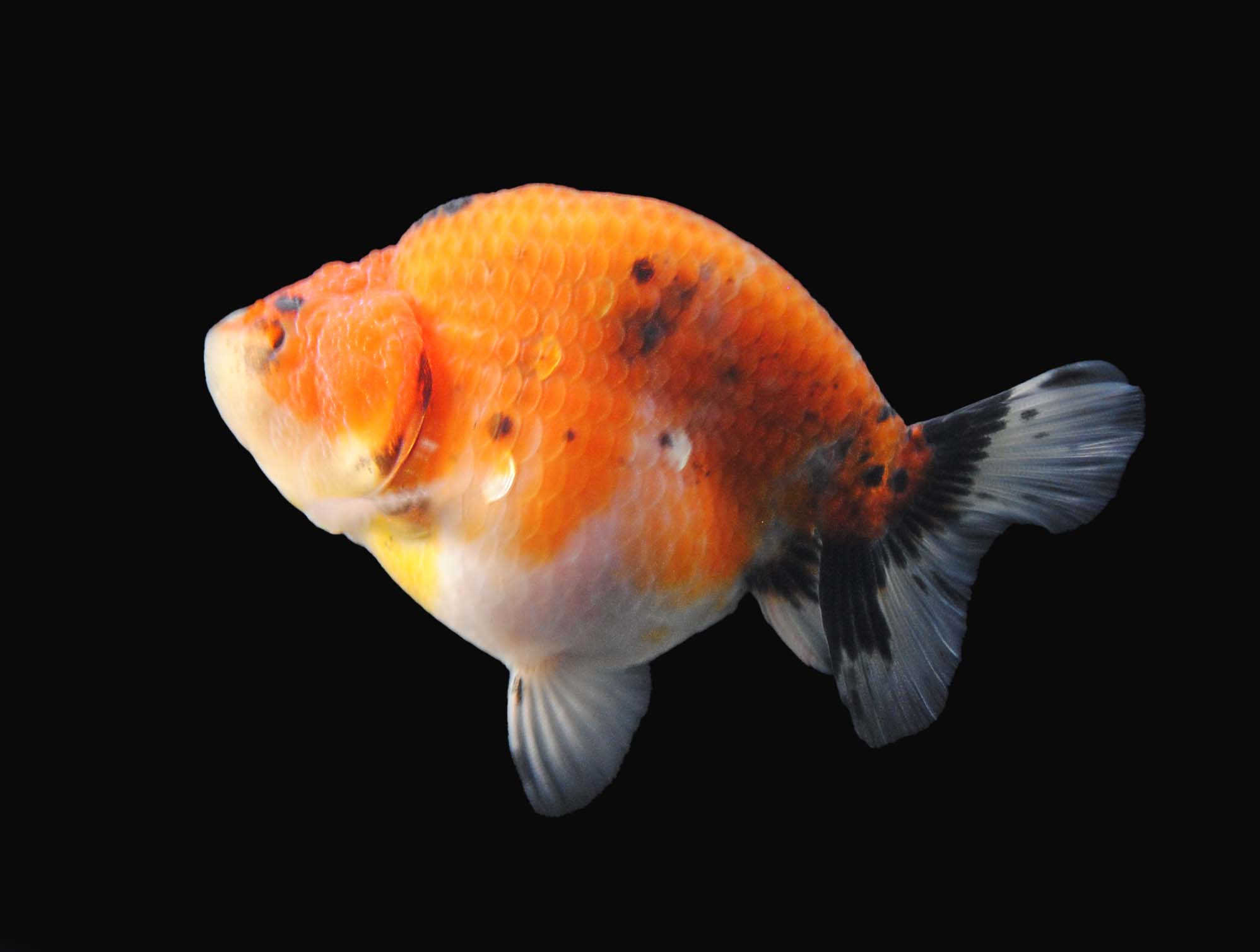
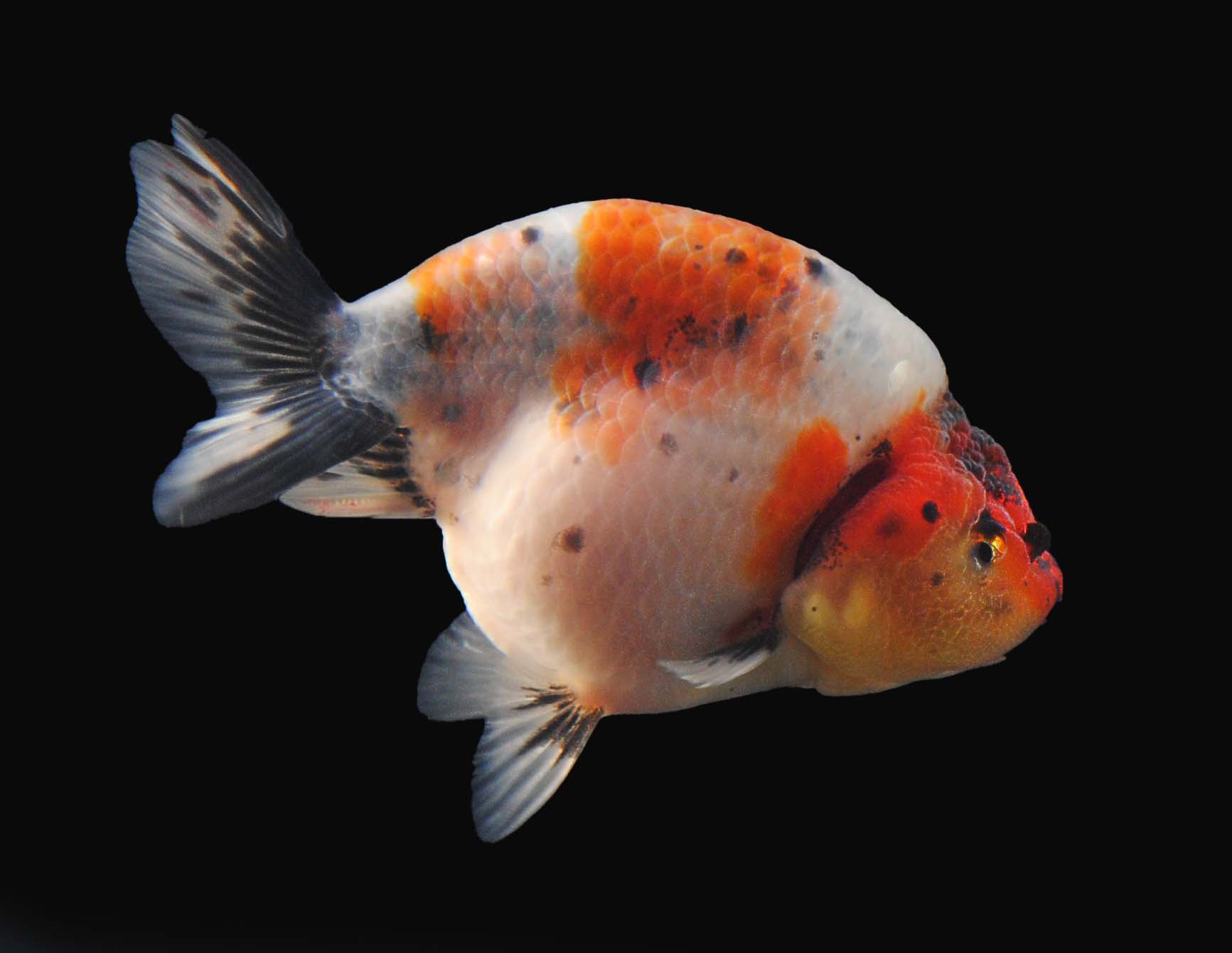
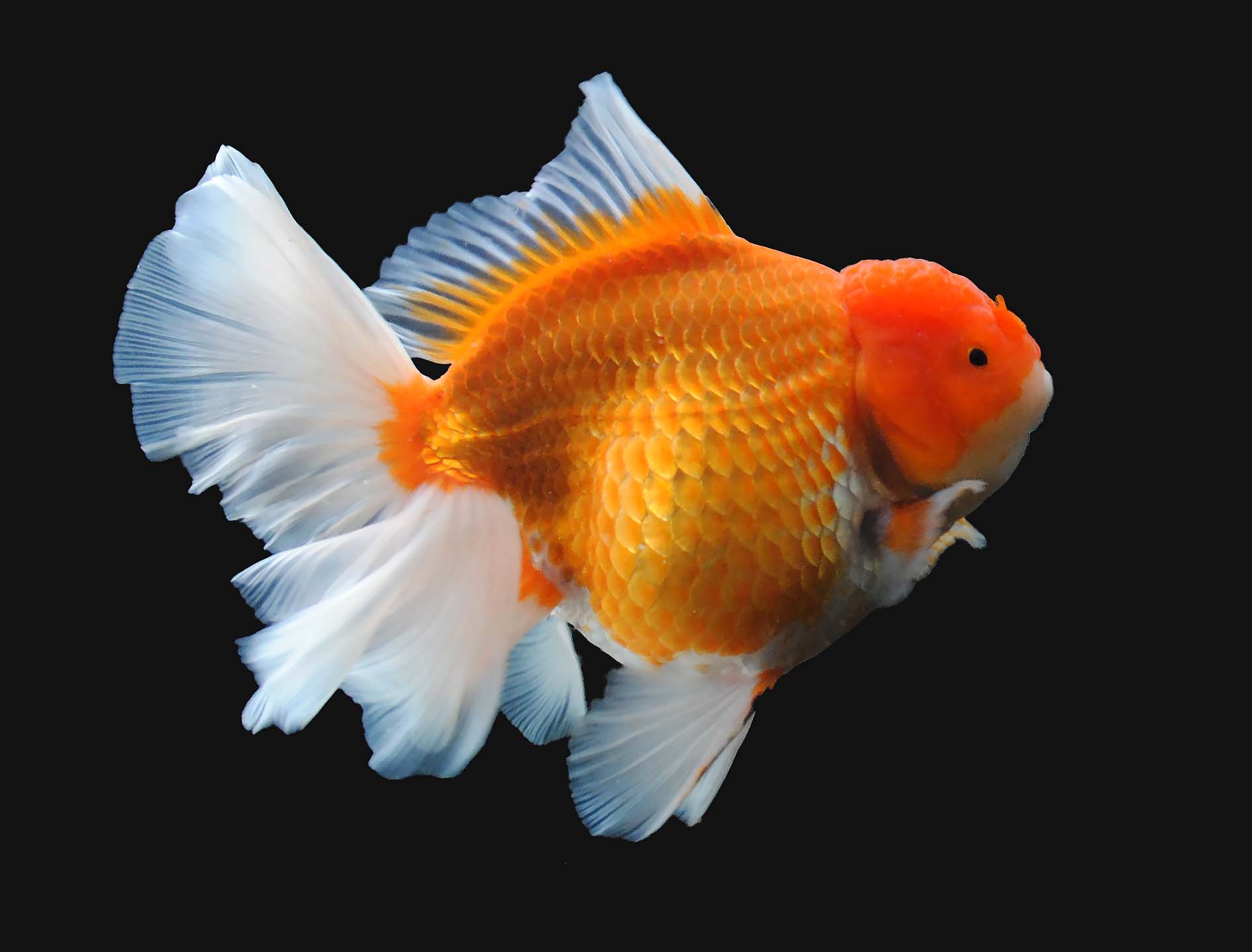
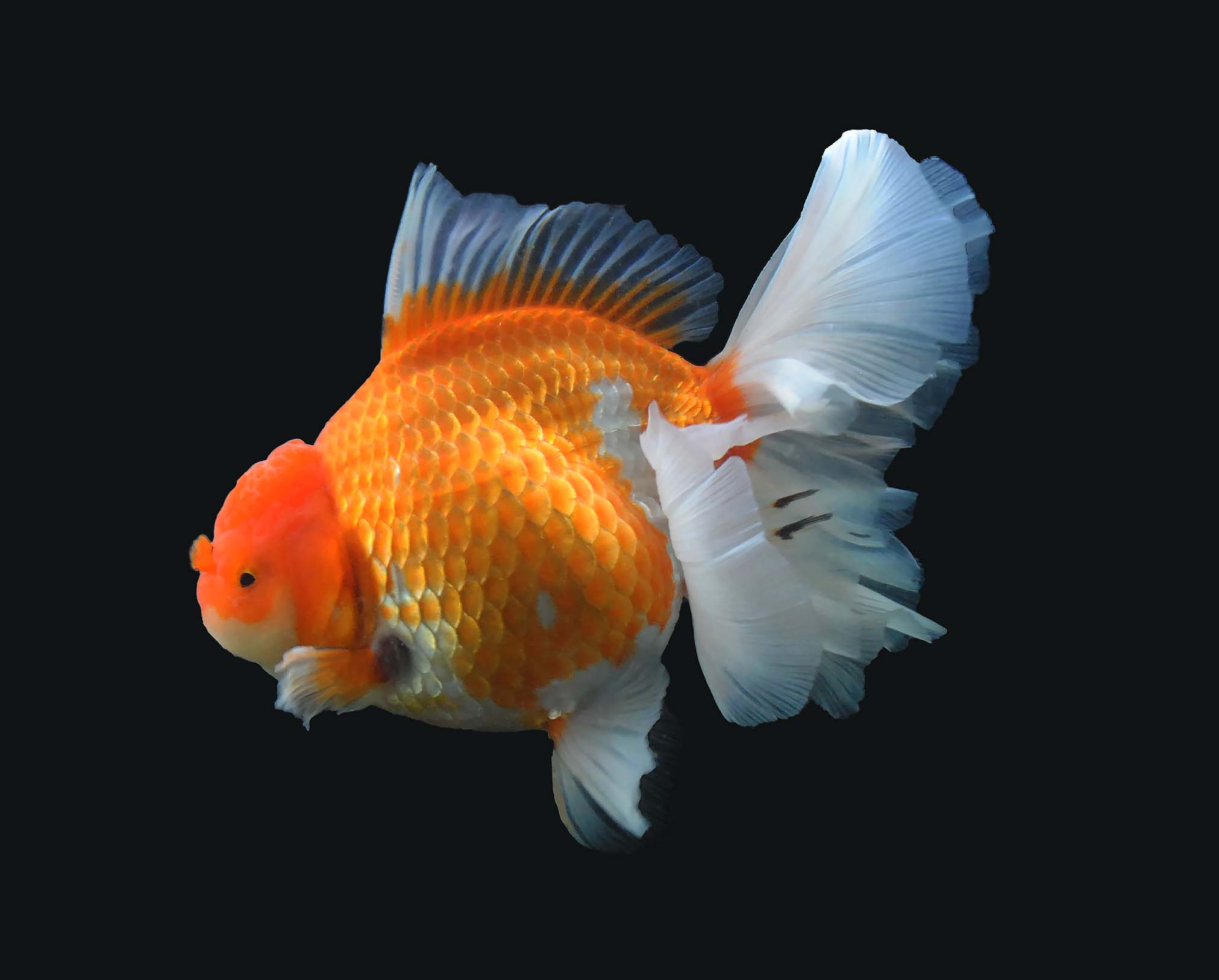
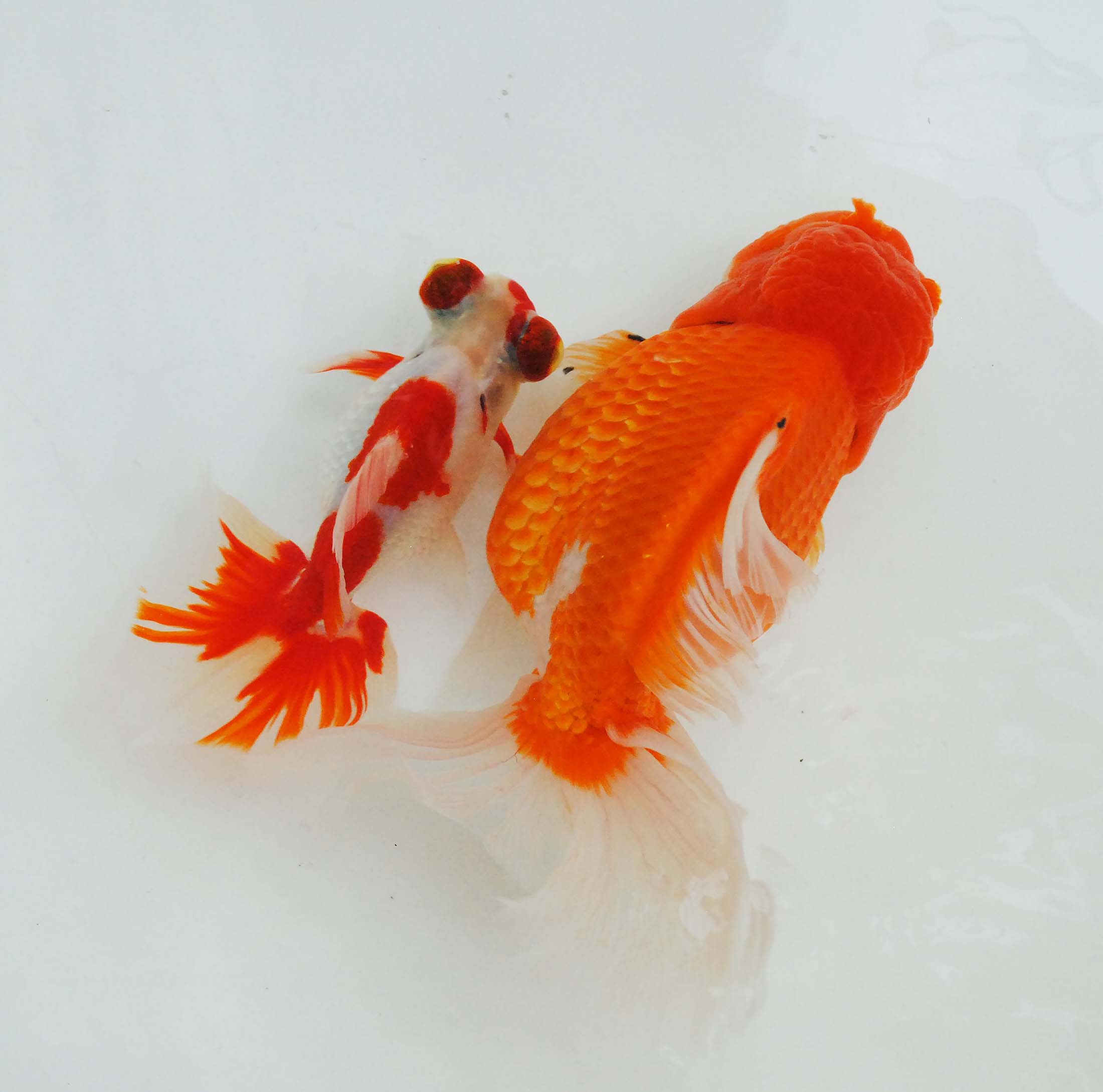
Blue Oranda, Brown Oranda, purple oranda, yellow oranda

The Diary of a Goldfish Breeder 2025 (#2)

  1. Update on myself
  2. New side project: Yellow x Purple Oranda

I am 52 years old now, and taking goldfish pictures and videos is getting wearisome for me. The last time I took some pictures, I had a strained lower back. From that moment on, I think I need to cut back on my photo taking activities. On top of that, several business and family matters occupied my attention. While my overall health was (and is) diminishing (when vertigo took over several times) and my travelling schedule was tight, Not to mention that the earning generated during several years of working on this blog cannot even pay the subscription fee for even a year, haha! I was still faithful to my goldfish breeding projects, though. Every morning when I was not travelling, I will did my daily routine: doing water change, scrubbing dirty tubs, closely working on my projects. It is just that I had far less time to update on this blog. Going forward, I might update on this blog with less (and lesser quality) pictures. Oh yes, my vision is also deteriorating (welcome to old age, said my eye doctor!) I also think of discussing a new topic, that is about appreciation and the philosophy behind it. I think it will be an interesting topic for me to explore, though I fully acknowledge my limitation. Well, it is all still just wishful thinking, though. No promise.

During my blog absent last year, I had a chance to make a unique cross that I had an eye on a long time ago. The color of yellow and purple are both recessive to red. How if I cross them? What will the offspring variety be? I already know what happens if I cross red to yellow, or red to blue / brown / purple. But I have no idea what will happen if I cross yellow to purple. As far as I know, nobody has ever reported this kind of project.

The F1 are all orange (some with black spatter). I did not manage to take picture of them due to the reason I mentioned above. Since it is easier to take video of them from my handphone, I managed to take their video and upload it in youtube:

And here are the F2

Is there any interesting result? I would say yes, though I am not sure they will do well in the market. They are interesting for curiosity purpose.

The most obvious results are the red / red white and the yellow / yellow white color. This is predictable, of course. But I do note that the yellow color has a bit of orangish color, in a different spectrum of yellow from its father, yet can still be differentiated from the red siblings. I do not think I will use them in my next projects, though.

Next in line are the blue and purple color. This is also predictable. If the F2 of red x purple results in blue and purple (along with brown and red), it is expected that the F2 of yellow x purple will results in blue and purple also (along with brown which I will discuss after this, and red and yellow).

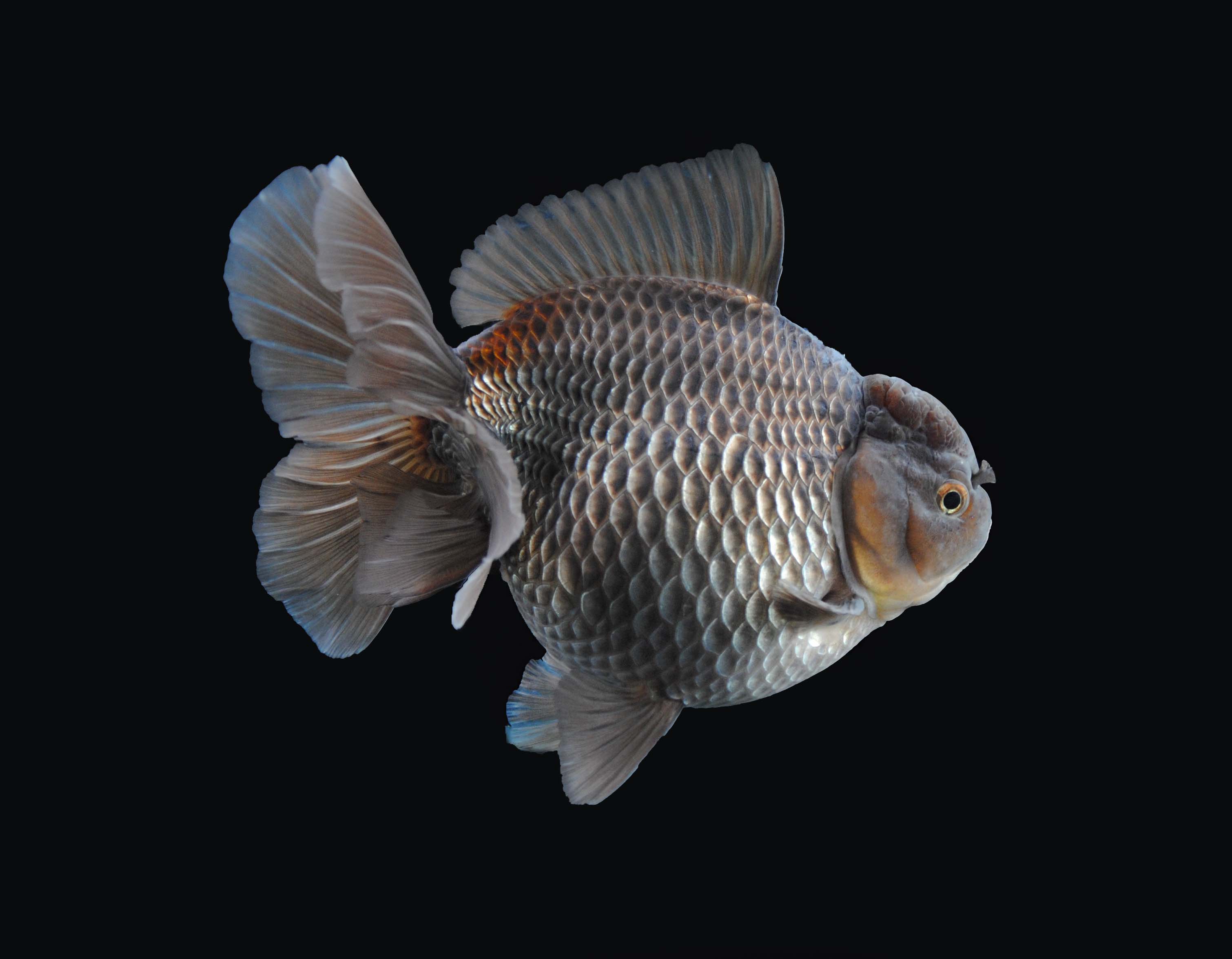
The brown offspring is a bit tricky and interesting. First, let me show you the grey (wild) color as also one of the offspring, and its dark brownish sibling. The wild color being #1 and the sibling #2. Do you think we can call the #2 brown / chocolate? I am not sure. It is close to Dark Brown color I discussed before in my previous blogs.

And there is one unique color in the offspring, which I am not sure how to call it. Is it bronze? Green? Copper? Gold? I do not know. I call it #3. When compared to the wild color, it is obviously not wild:

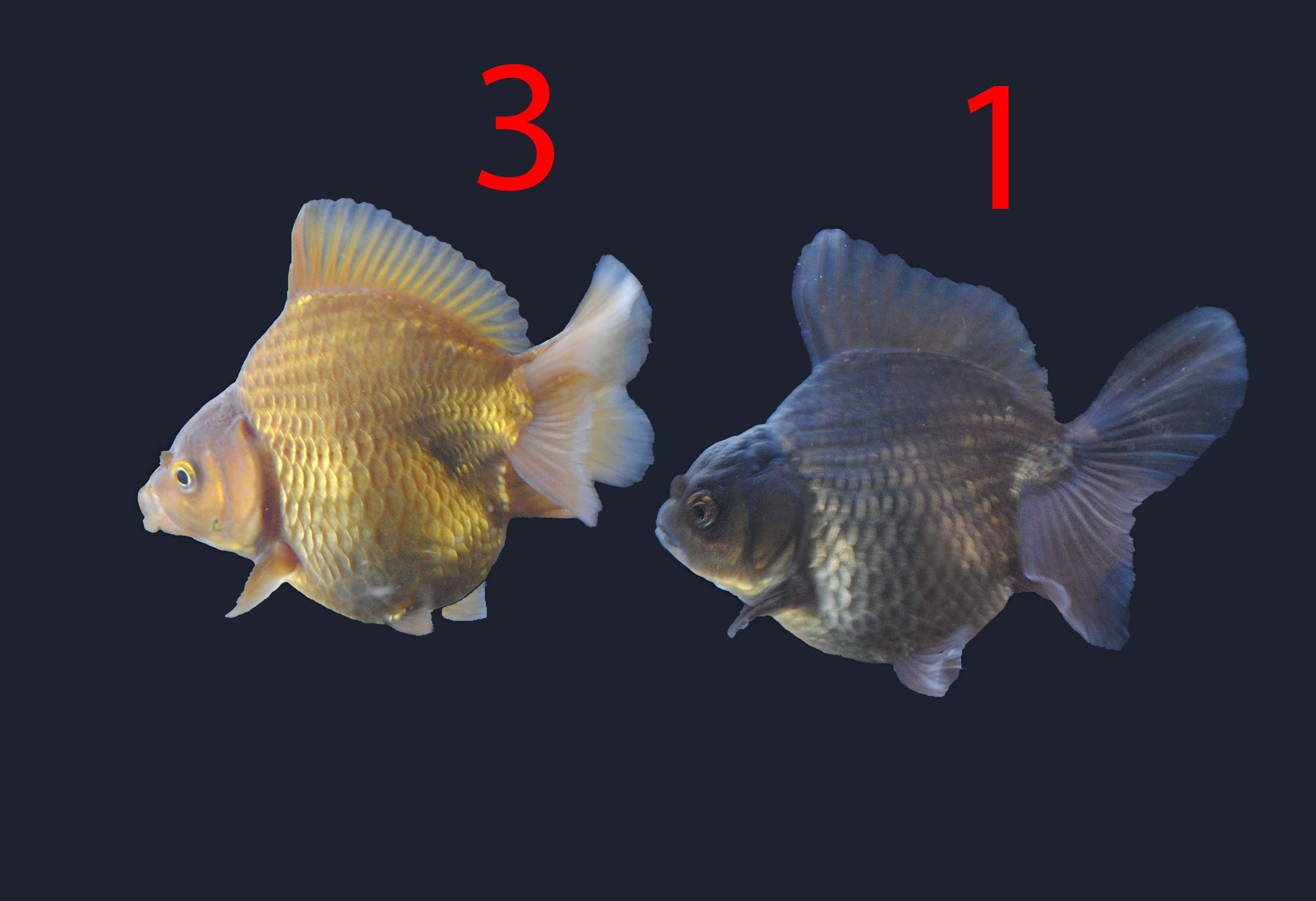
But compared to #2, it is certainly not as brown as #2:
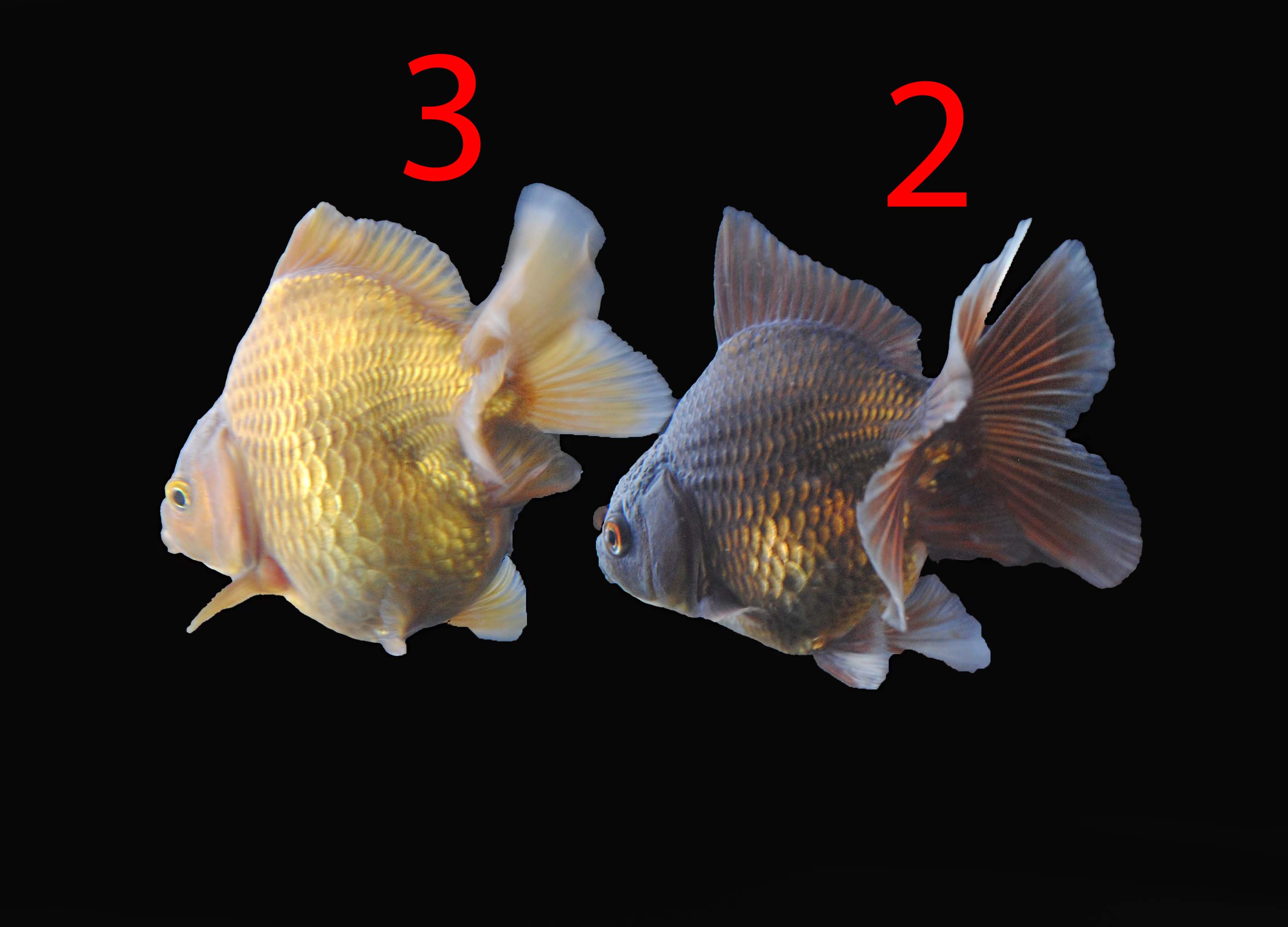
Can we call #3 as light brown? I do not think so, because we have another variant of brown as #4:

I compared #4 with #3 and #2:

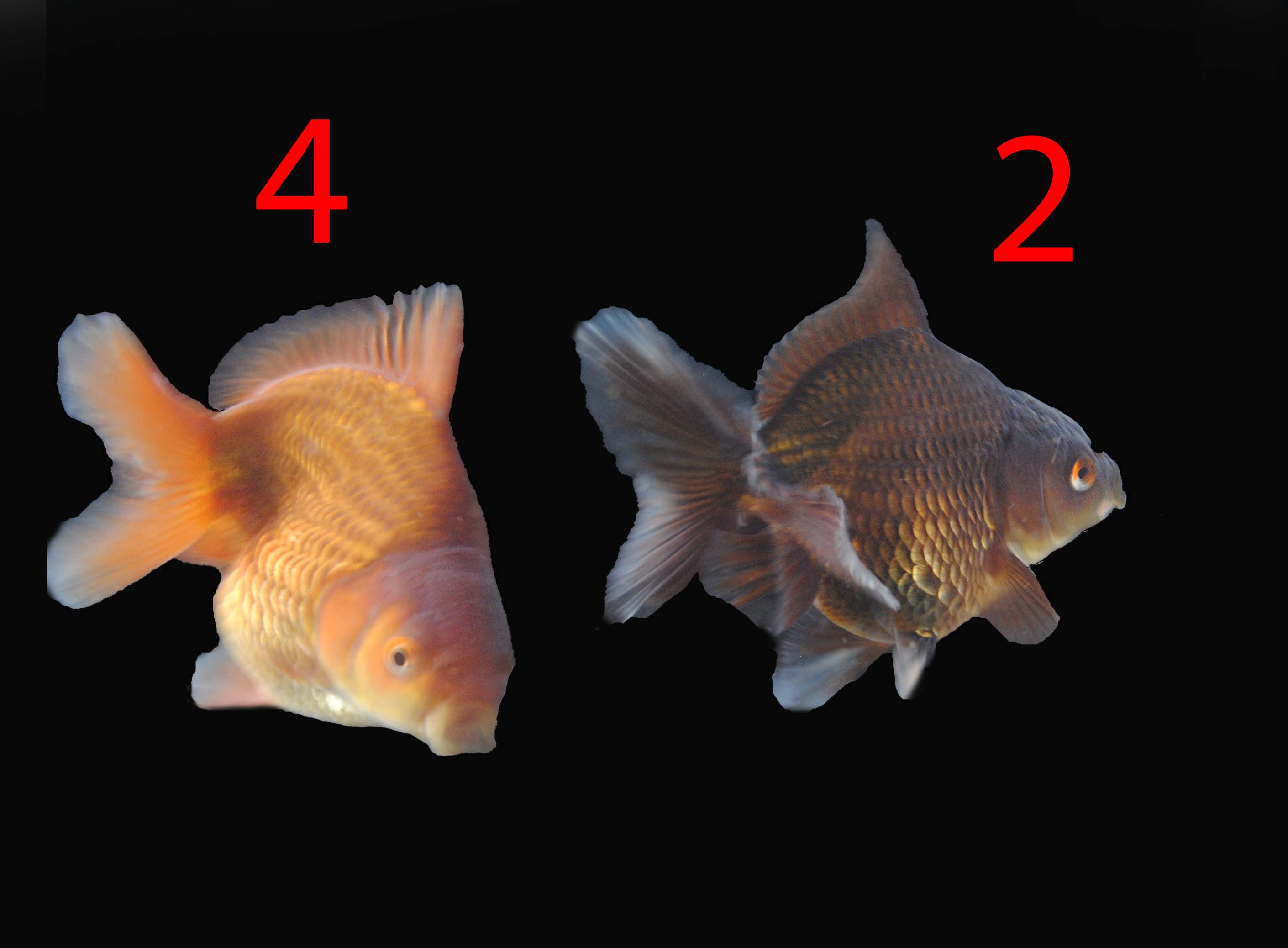
And if we think #4 is an interesting brown color, I still have #5 which is slightly different from #4 but more eye-catching. #5 is the best brown color I have ever seen. Too bad, when I took these pictures, I already tired myself to the core. So, pardon me for the few and blurry picture.

I will definitely try to duplicate the color of #5!

Now, some of the brown color can fade into brown-red-white and brown-yellow-white color. The brown-red-white is already a rare color. But the brown-yellow-white is even more rare!
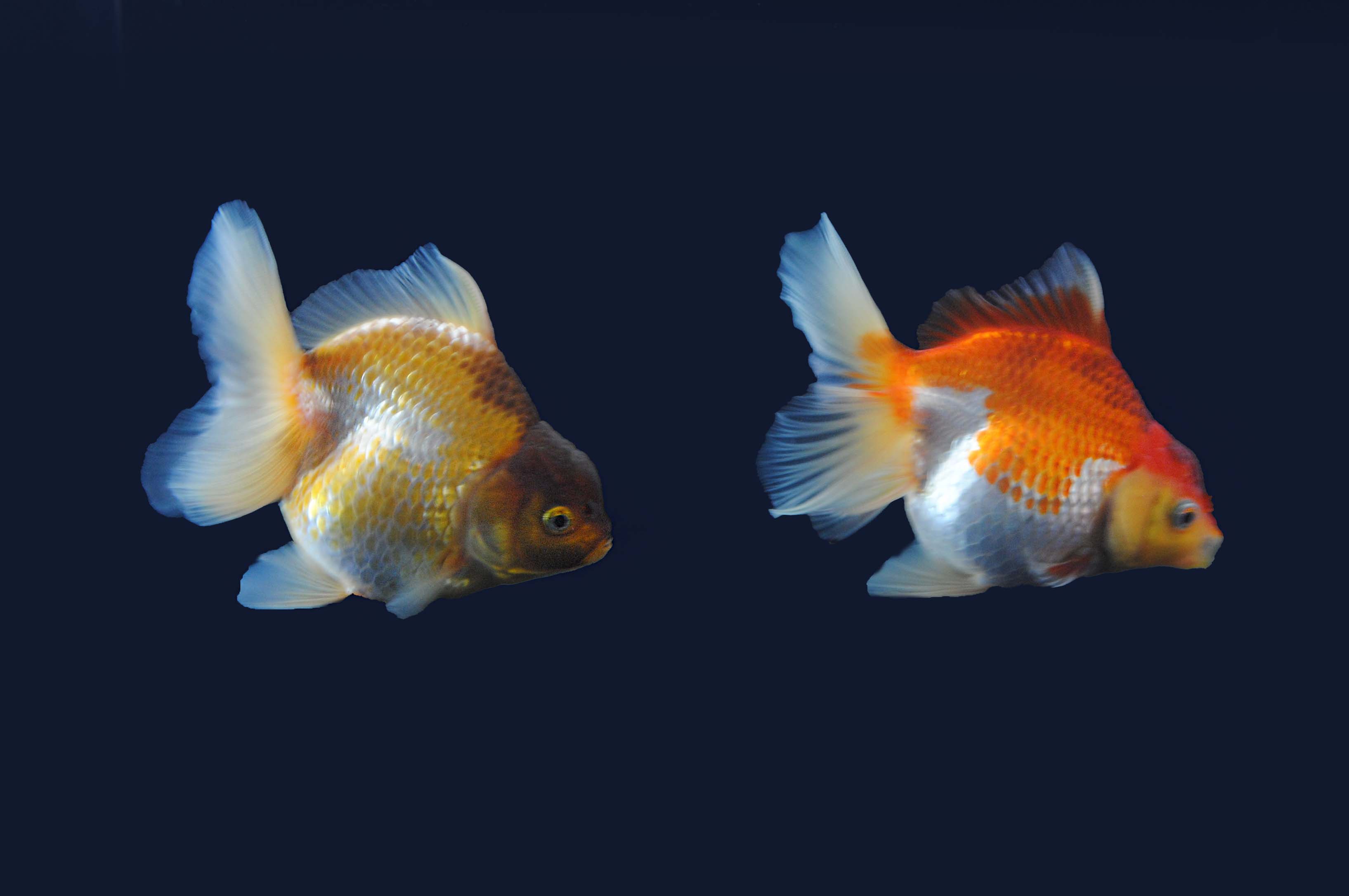
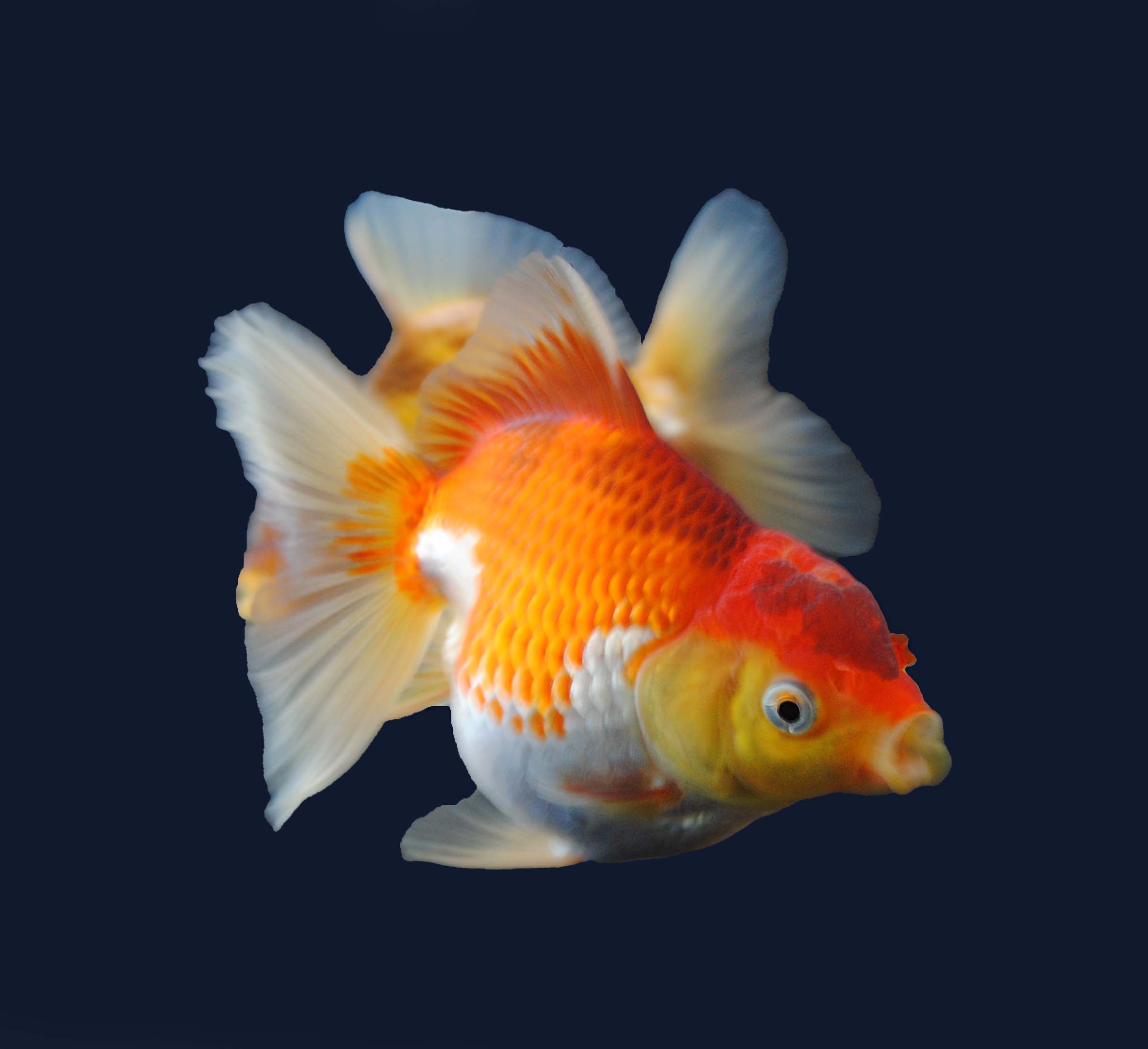
I think the brown color might eventually gone totally. But the existence of these two creates the possibility of us having those rare color combinations in a stronger version. Very unique, right? However, I am not sure if the market can accept them well.

Since the brown-red-white fish is full of defect, I cannot use it for my breeding project. But the brown-yellow-white is perfect. I will keep it for now and think about a follow up project later on.
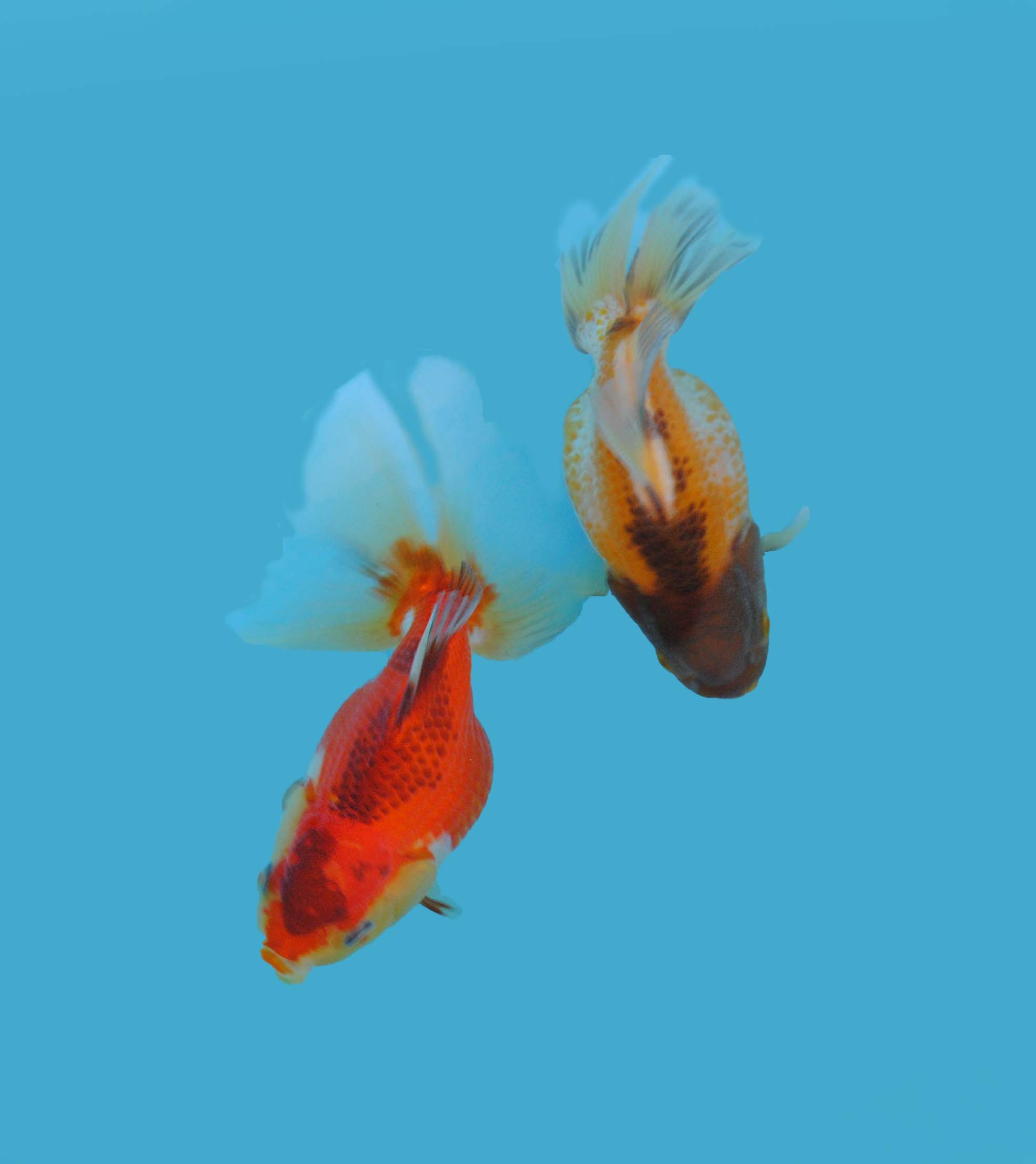
Of course, there is a tricolor (black-red-white) fish in the offspring. The black color almost disappears completely. But this shows that such crossing might yield a tricolor combination. The picture below shows the difference between the black and the brown in red fish.
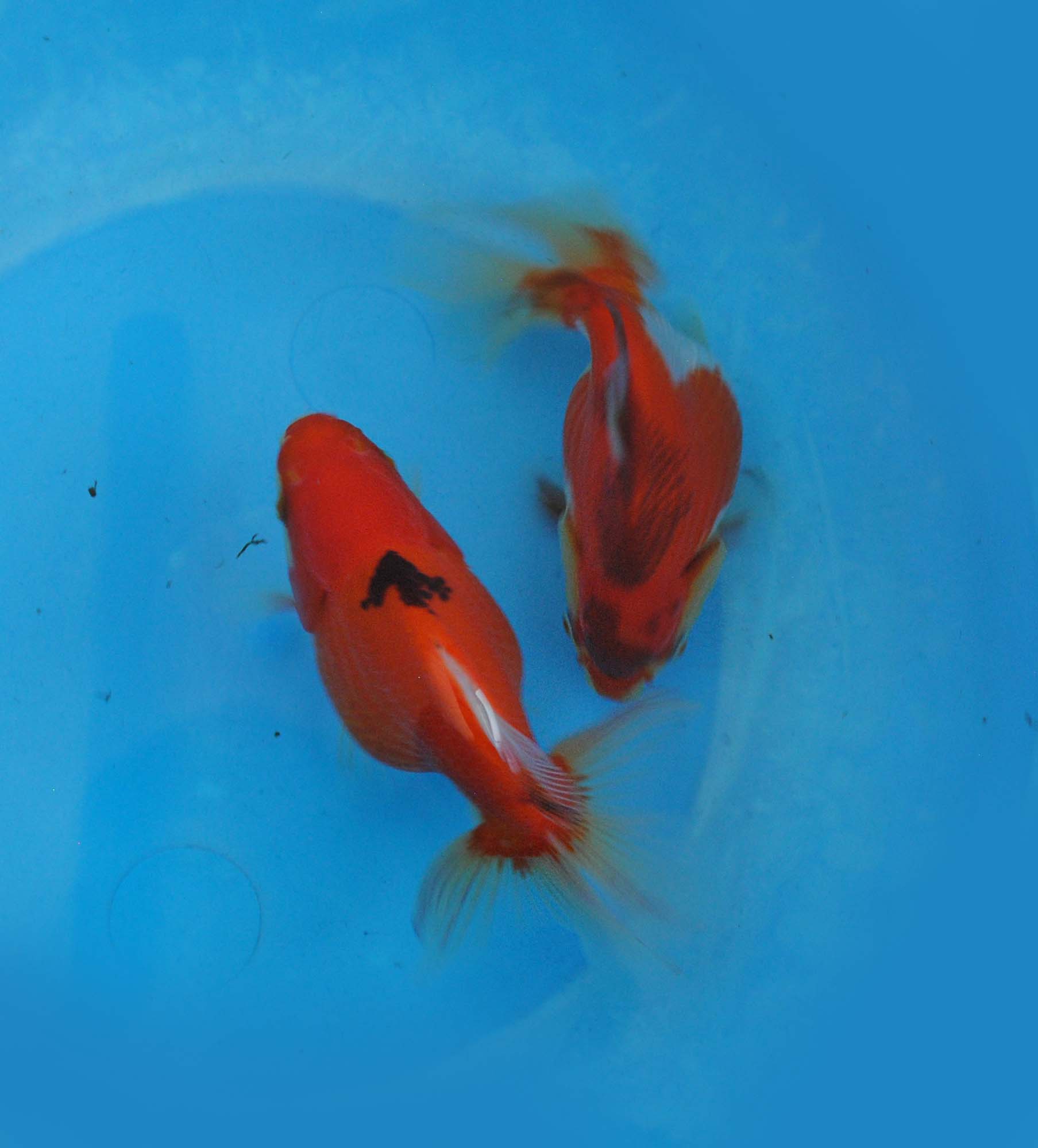
I might use the black-red-white fish in my tricolor project.

That’s all my diary today. Hope the reader enjoy!

Standard
cow ranchu, The Diary of a Goldfish Breeder 2023

The Diary of a Goldfish Breeder 2023 (11)

Project #12: Cow Ranchu

Update: Cow x Black

I would like to report the result of Cow Ranchu (male) x Black Ranchu (female). These are the parents:

The offspring consists of two types: the grey / wild color, and the transparent color. I cull the grey out early. So, I do not know whether they will turn into some other color or will continue to be grey. I keep the transparent color only.

I also cull out the defects in finages from the transparent color. I end up with 7 of them. Let me first show them from top view.

1. The black pattern is a combination between type 1, 2, and 3 mentioned in my previous writing (diary #10). The blocks, dots, and irregular pattern appear here. I cannot say this is desirable. But it is not a bad thing, either.

2. The black pigment exist throughout all the offspring. Unlike my offspring of cow x cow which yields lots of casper fish (totally white), the existence of black color in this cross is a good thing. I can say that the black pigment of the black ranchu contribute to the abundance of black color here.

3. The red color is dominant and is not a good thing in a cow project. I will say that this red color is due to the black ranchu genetics, also because underneath the black coat of a black ranchu is actually a red / orange color. This is visible when we (accidentally) scratch the skin of a black ranchu.

4. Some of the fish shows thick peduncle, following the genetics of the male parent. This is interesting.

Now, let’s examine the side view of the fish. The pictures are in the same order.

1. One interesting observation is that all of them have white belly! The red color tends to be dominant in the upper part of the fish, while the abdoment tend to be white.

2. All have hints of black pigment in the fins.

3. Black pigments in the body tend to be more in the top part of the body, and get lesser below.

4. The tails are large since both parents have large tails.

My Plan:

Actually, I am not sure whether to use them further for my cow ranchu project or not. It seems that I will have a hard time getting rid of the dominant red color here. It is still interesting to see the result if I cross them back to cow, though. Will the cross diminish the red? It is possible. Will the black color stay? It is also possible. And if this happens, then I will have fish with good black quality (though the pattern type is unpredictable) with less red color.

Crossing them back to black might also be interesting. Observation sideview number 1 reminds me of my attempt to produce Kirin ranchu years before. Kirin tend to have dark color on top of the body and light color in the abdoment. Well, this cow x black shows red color on top and white in the abdoment. And the black pigment tend to be more on top. This seems to be half way in the process of making kirin. So, crossing back to black arouses my curiosity.

But I am not sure I will have time to do all these. I have some other crosses with cow which results I will compare with this. If the other crosses produce closer results to cow, I might prioritize them. If that happens, then this cow x black project will be terminated.

Concerning crossing back to black, I must buy another black ranchu which I am somewhat reluctant to do. Black ranchu is out of my projects. I will think twice to enlarge my projects right now. So, I do not think I will do it.

As a conclusion, this cross might not continue. But it helps me understand crossing better.

Standard
oranda, The Diary of a Goldfish Breeder 2021

The Diary of a Goldfish Breeder 2021 (20)

Helen was born at the beginning of this year. She is not one year old yet. Interestingly, she has become the primary female in my breeding project this year.

Close to the end of this year, there are three projects left for Helen before she retires:

  1. Deep red oranda project
  2. Basic Material Preservation project
  3. Purple Oranda project

In this essay, I will update the first project.

In my childhood, I had one occasion to keep a special red-white oranda. It was special because the red color was so intense. It was not orange nor deep orange. It was truly red. I have never seen such an oranda again ever since. If we examine Helen, she is an orange and white fish. In the world of goldfish, we call it red and white, since we believe the orange can be improved by giving her certain ingredients. But even with a good color enhancer diet, it is hard to improve Helen’s color in my city where the general climate is warm (tend to be hot). It is easier to achieve deep red coloration in the colder water. Anyway, I do not use color enhancer often. I use it mostly during the color mutation stages.

I felt lucky when one of my red-white butterfly goldfish offspring developed an intense red color. It was an anomaly in the batch. There was only one individual. I named him Beni. The red color is so striking even without color enhancer diet. I have used Beni to improve the color of my butterfly goldfish (it is under way). I have also mated Beni with my semi-tosakin goldfish with the long term purpose of creating tosakin with deep red coloration. And now, I am thinking of reviving my childhood special oranda!

So, I mated Beni with Helen at the end of last month.

Their feature differences are in the eyes, headgrowth, and tail shape. Adding color to the list, the project becomes a four-level difficulties. Well, the body shape is certainly different, but I think it will not contribute much to the difficulty. So, with this difficulty level, I do not think my special oranda will occur directly in the F1.

I predict I will get some intense red color offspring in F1, but not in the shape of a decent oranda. The protruding eyes are usually recessive to the normal eyes, so I expect normal eyes in the F1. I will also expect minimal or no headgrowth. From my experience, such a cross between a goldfish with headgrow and without headgrowth will result in no headgrowth in the initial stage. But as the fish gets older, it will develop small headgrowth. Let’s assume that I will get no headgrowth in the F1. The tail might not be as erect as I desire. The body shape might be so so. I will just pick the intense color ones to be the next parent fish.

At this stage I have two choices:

  1. I can cross F1 x F1
  2. I can cross F1 with another oranda

The first choice will strengthen the desired red color, but will let the improvement of oranda body conformation to chance. In fact, I might have some telescope eyes as the result of the recessive gene meeting. The headgrowth and tail might come variably, but might not even close to the desired standard. If this course is taken, the next step is to pick the F2 (already with deep red color) that resembles oranda as close as possible. From there, I can cross the F2 with another oranda.

The second choice will let me improve the body conformation to oranda standard. But, I do not know about the coloration. At this point, I need to admit that I do not know how the deep red color and the orange color will interact when they are mated. I know about yellow x orange, or blue x orange. They follow simple Mendellian rule. I also know about black x orange, which resulted in a spectrum between black and orange (namely: black, semi-black, grey, black-gold, and orange). But different crossing between black and orange can result in different color, though still within that spectrum. But I do not know what will I get if I cross deep red and orange. My guess is that it might behave similar to the black x orange. There might be a spectrum of color in the result (namely, orange, reddish orange, and intense red). But my F1 is not purely deep red since it is a cross between red and orange already. Will that mean my chance of getting intense red will be very slight in the F2 or even none? This course might give me a better oranda conformation but jeopardizing the intense red color.

Which course should I take?

Well, I still have half a year to come up with an answer. Plenty of time. But if you have any insight for me, please write a comment. I will be thankful.

Standard