cow ranchu, Purple goldfish

Cow Projects 2020

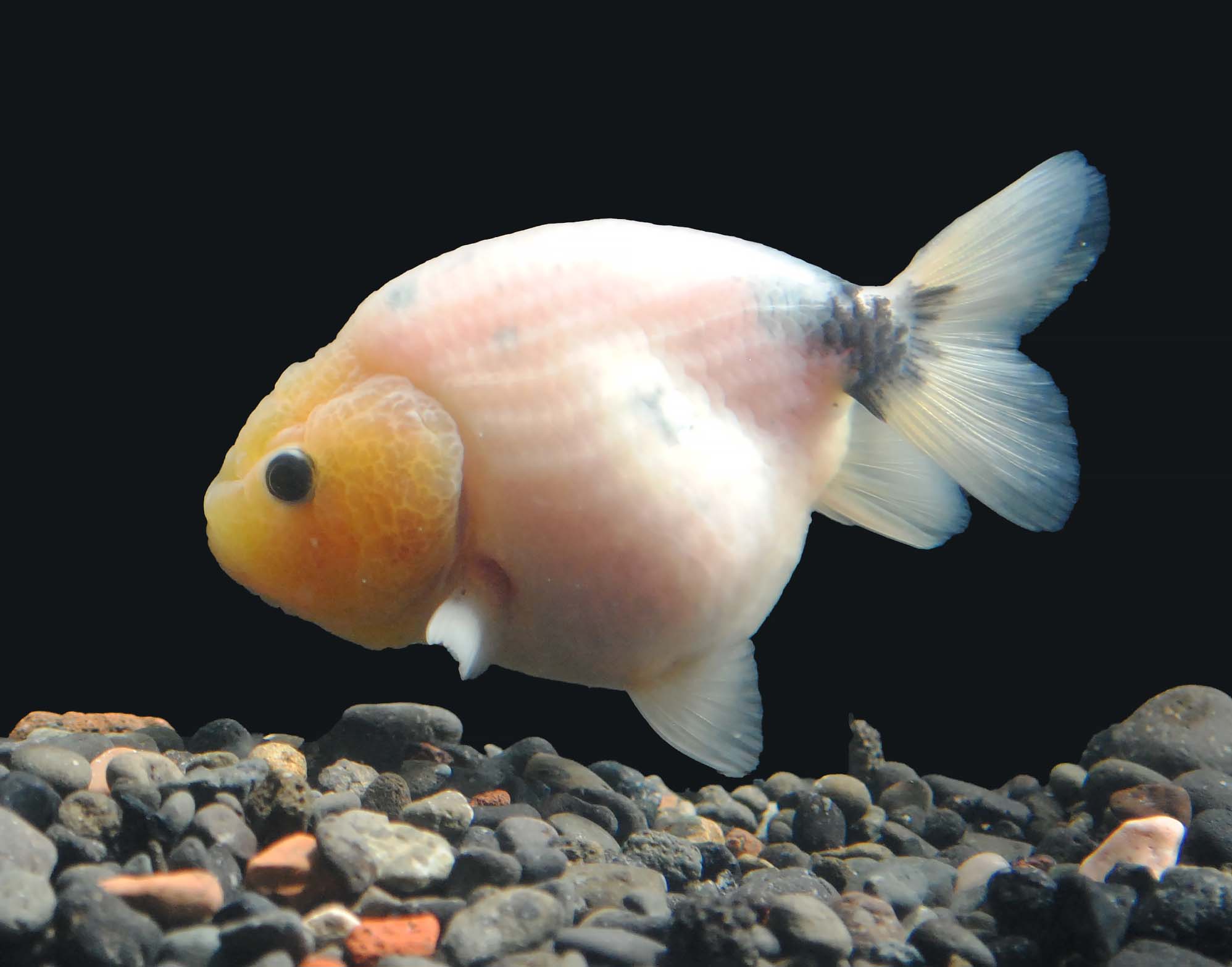
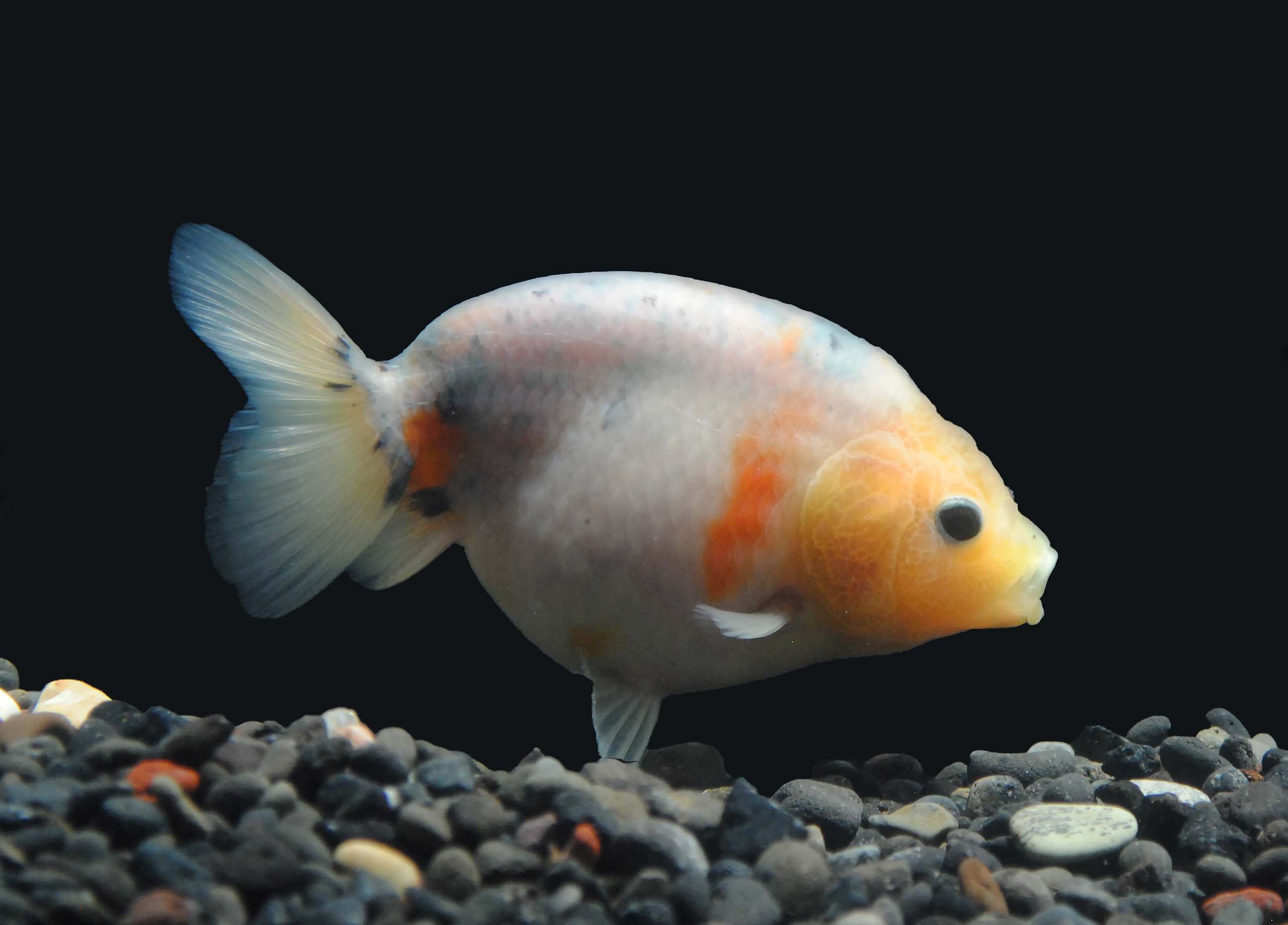
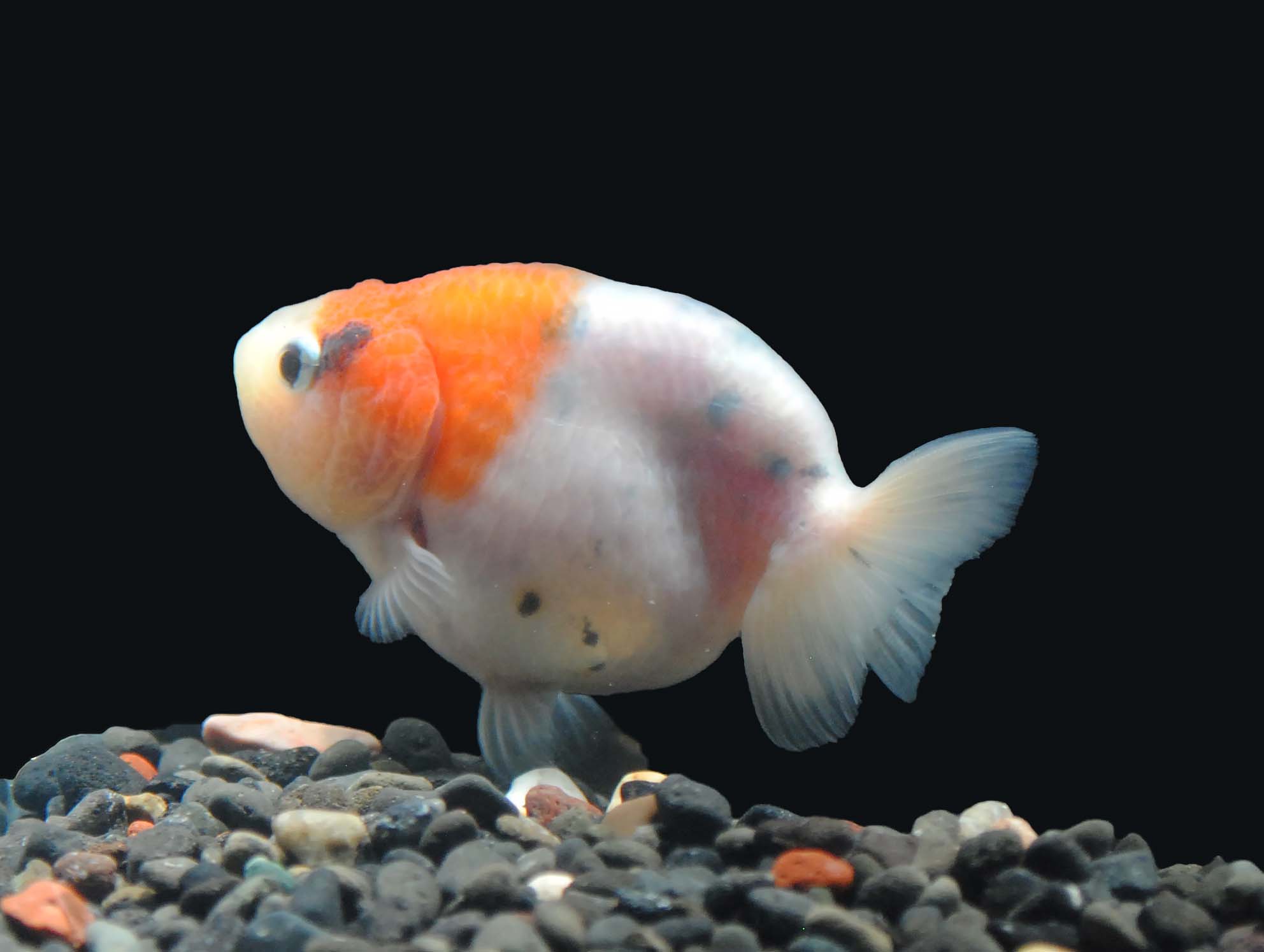
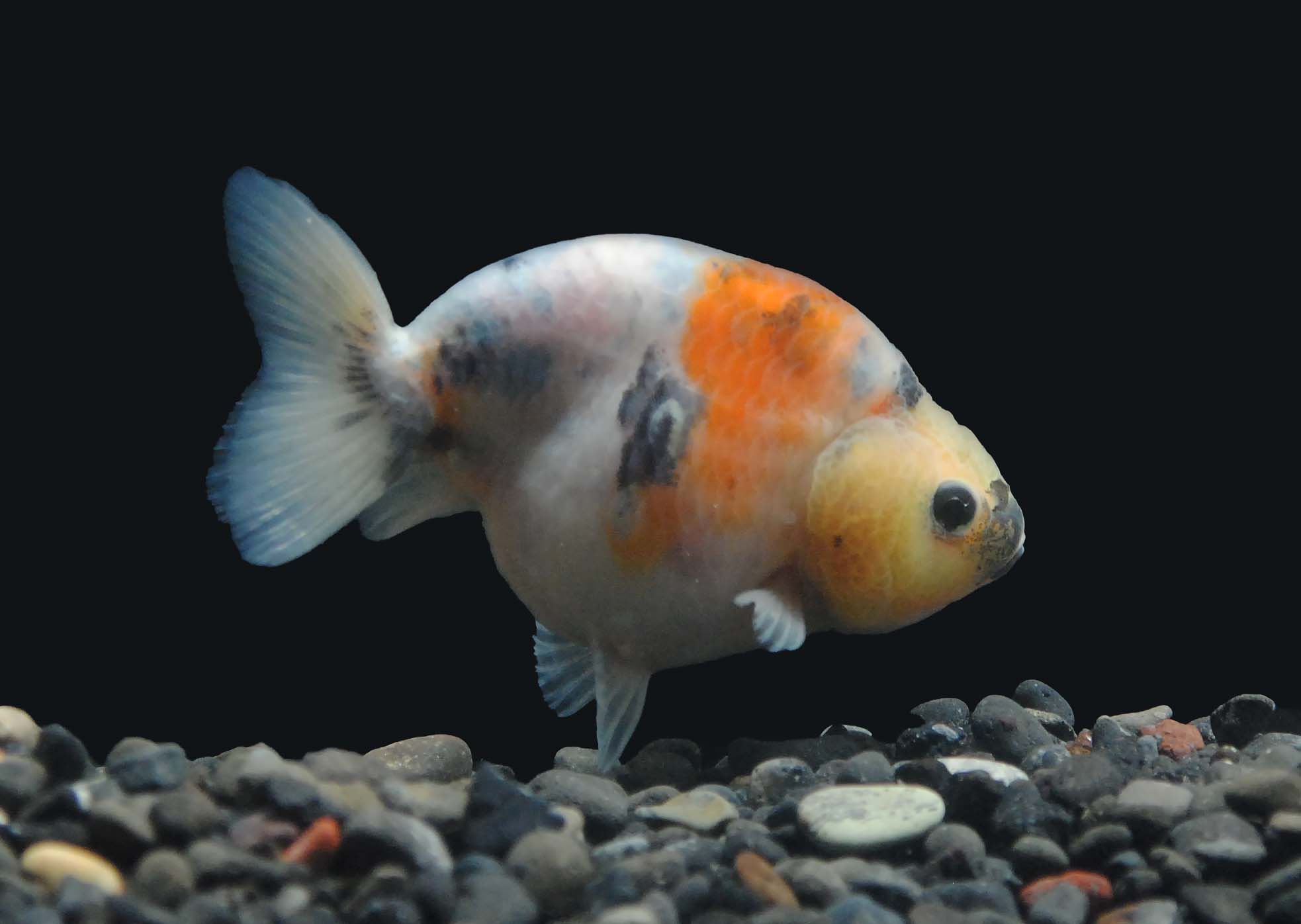
This is the second time I breed my cow ranchu. There are two ongoing projects. First, I cross my remaining cow ranchu (male) with his own offspring (or niece – since I used several male to produce her). Second, I cross the same cow ranchu with a female purple ranchu out of curiosity.

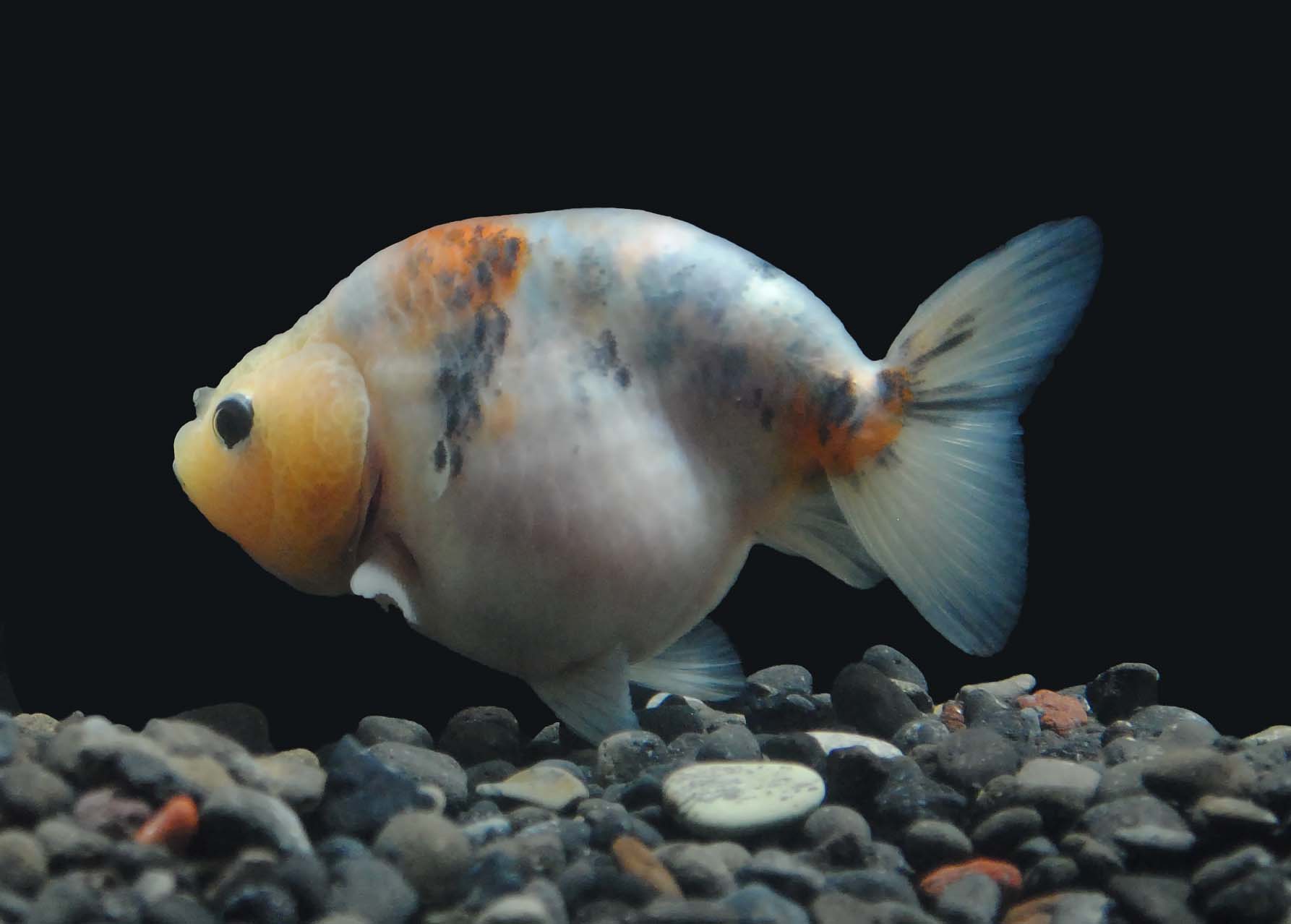
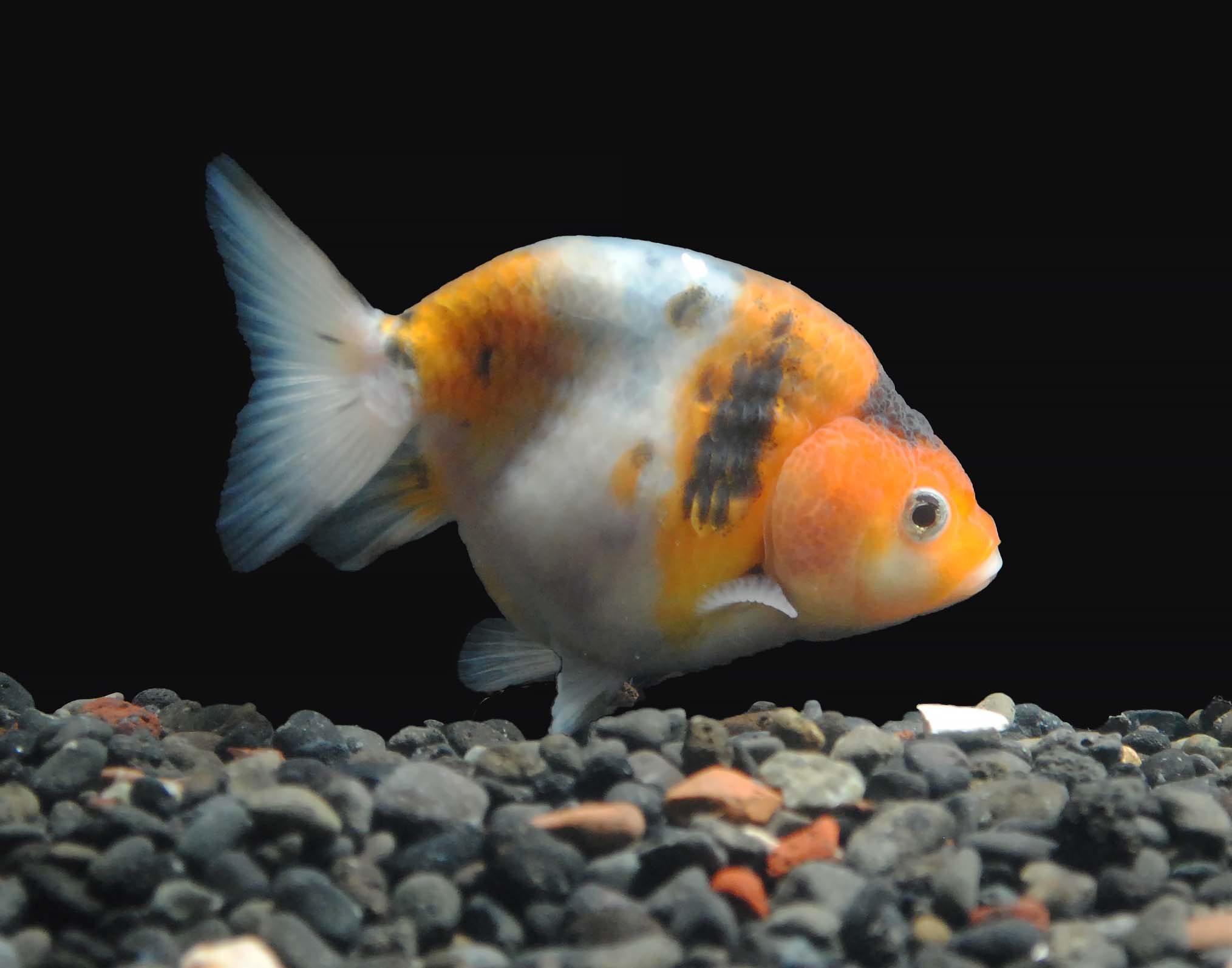
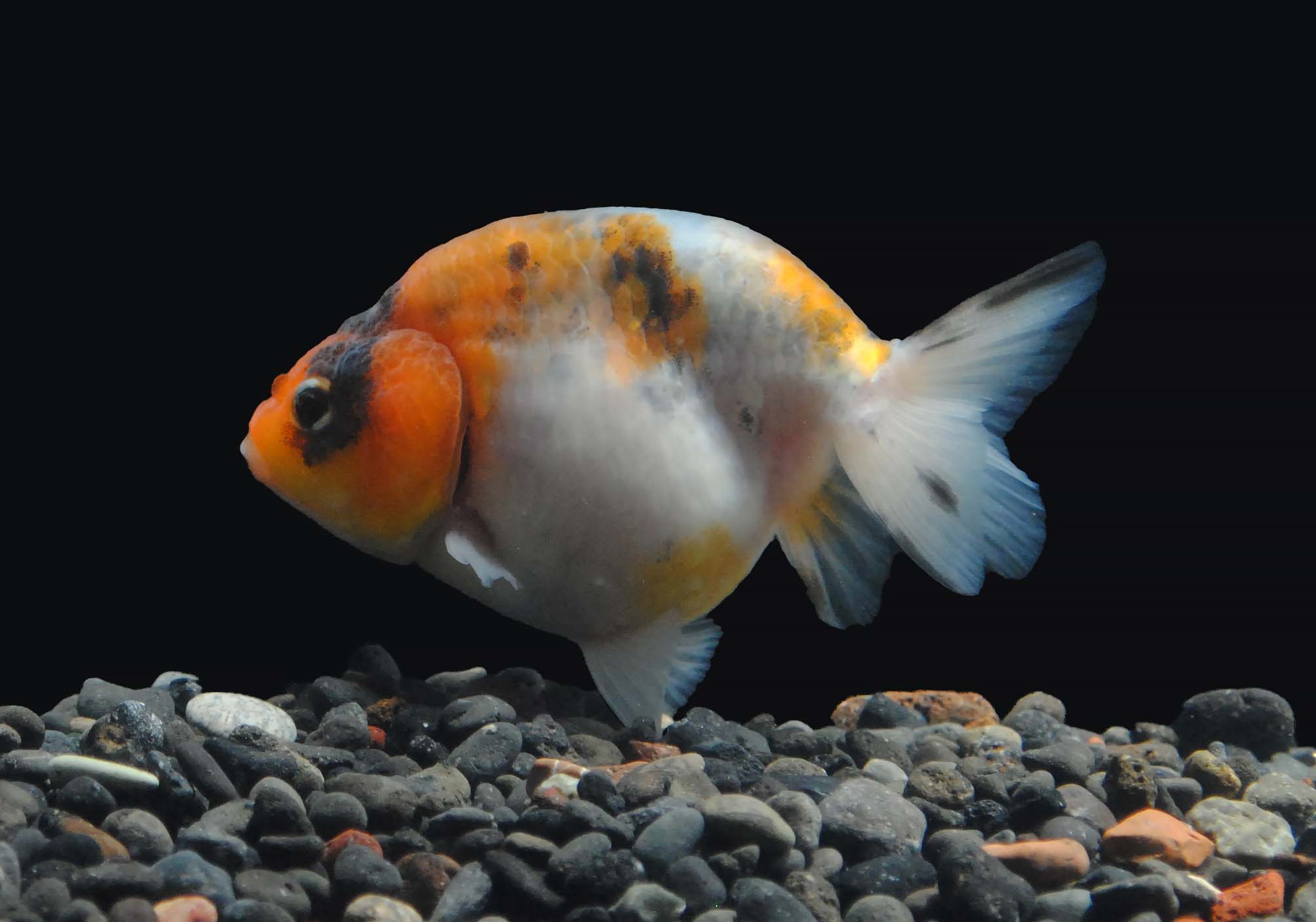
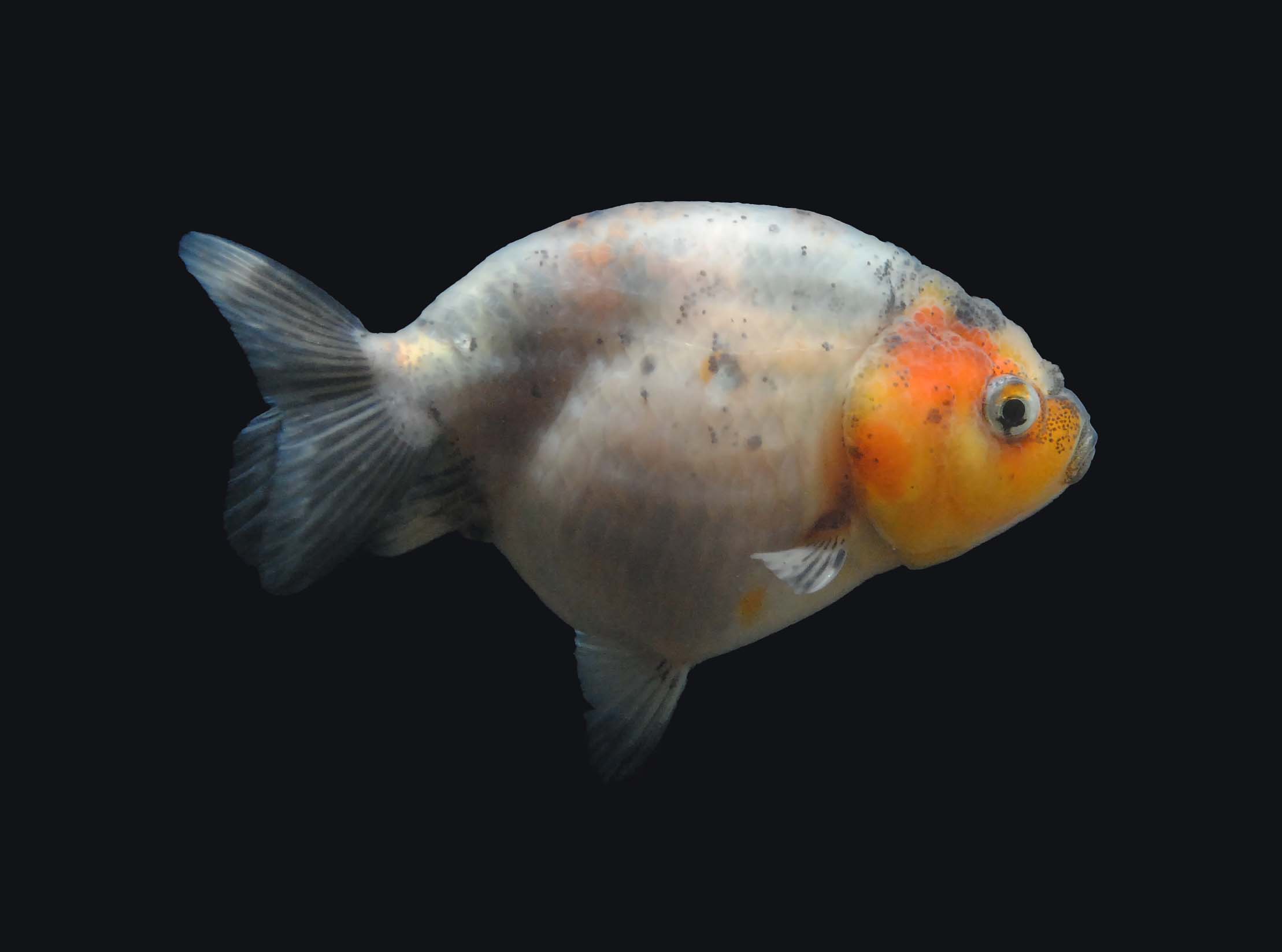
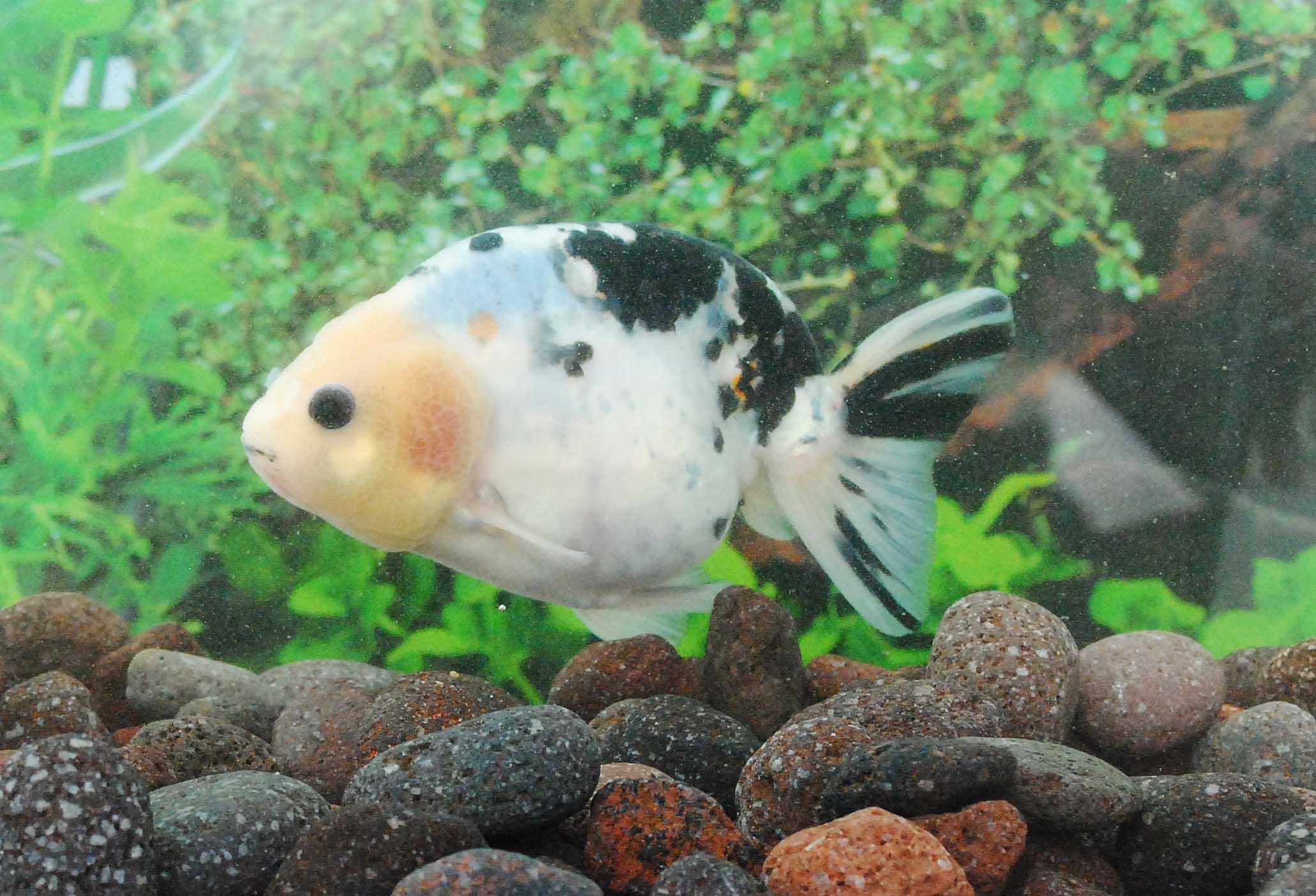
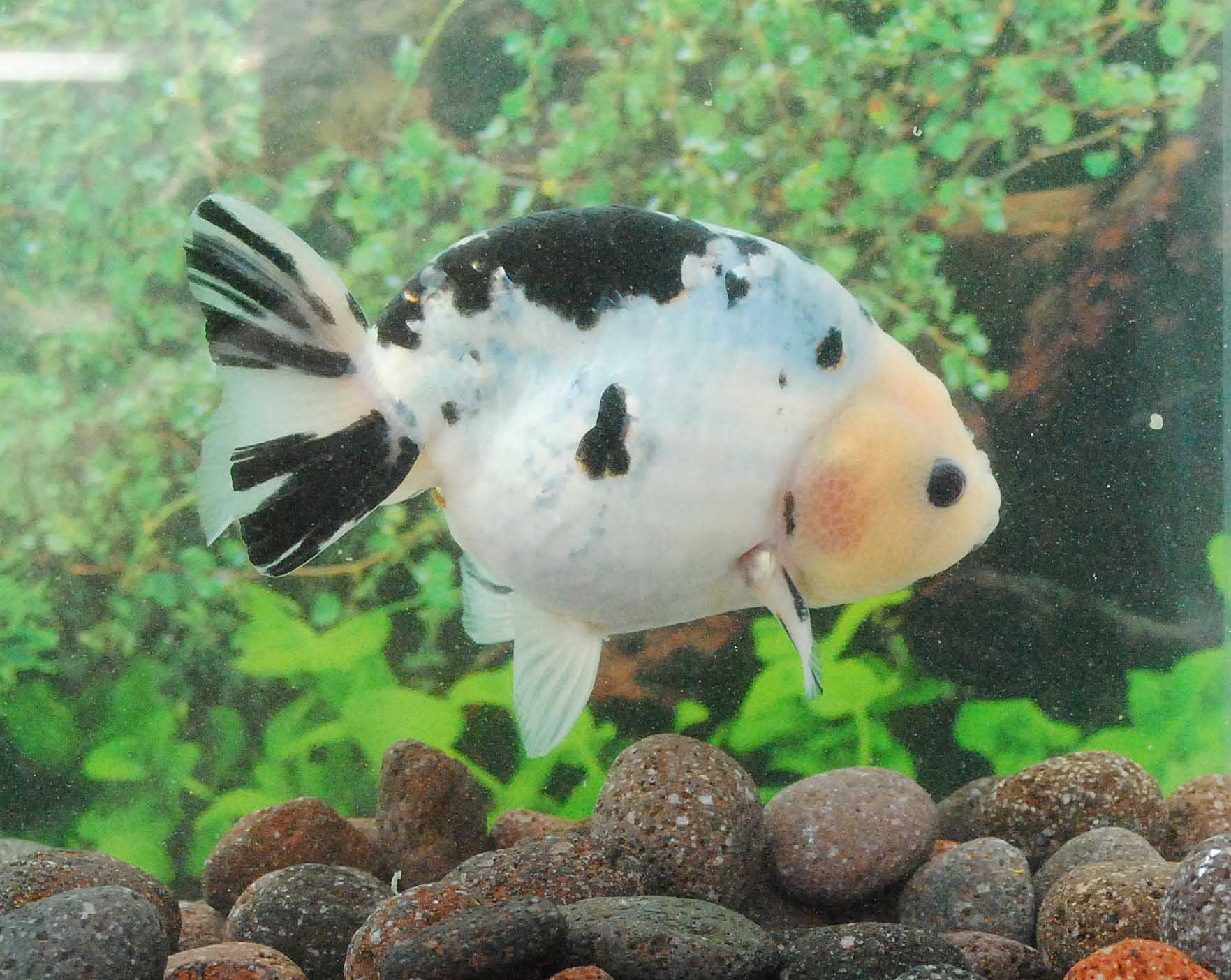
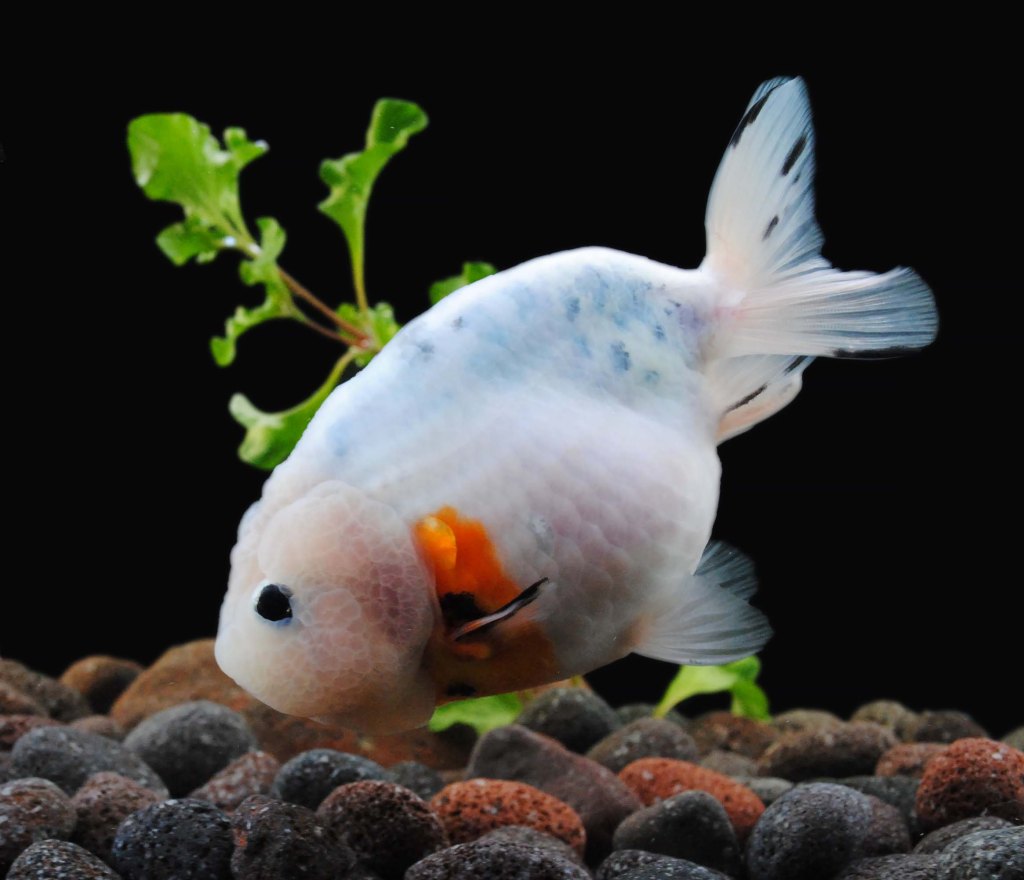
The first project (cow x cow) resulted in weak body shape offspring. But it is not my main interest. My interest is in the coloration of the offspring. At the age of roughly three months old, they are still mostly transparent white. Few have red patches. Some have black little dots and / or black patches “inside” (beneath the scale). Black marking on top of the scale (outside) is rare in these offspring. If they do, the black marking is in the shape of patches, not dots.

The fully white ones are nicknamed Casper by my friends. I was informed that these Caspers and the ones with black dots inside will develop the black color outside later on. It is certainly my hope to see it comes true. But so far, I do not see it coming. None of them can be claim as cow ranchu yet.

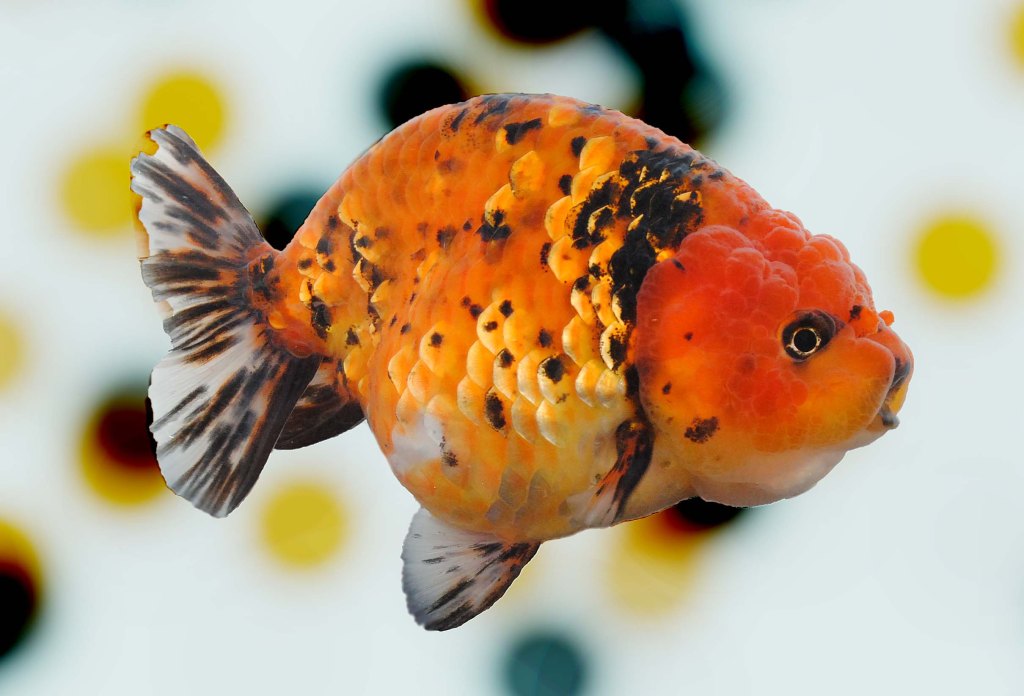
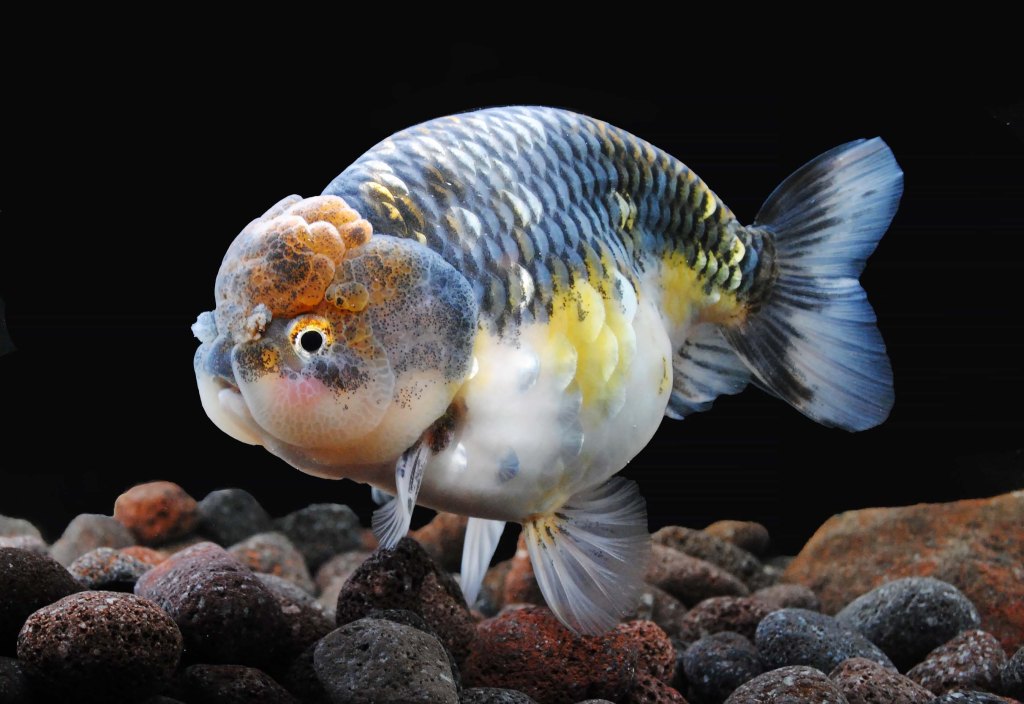
Let me refresh our memory with the pictures of the parent:

The male cow ranchu
The female

I do this first project twice. So I have collected two batches. Since the first batches were on medication when I took these photographs, I only managed to take pictures of the second batches. And these are the results. Each fish is displayed from left and right side.
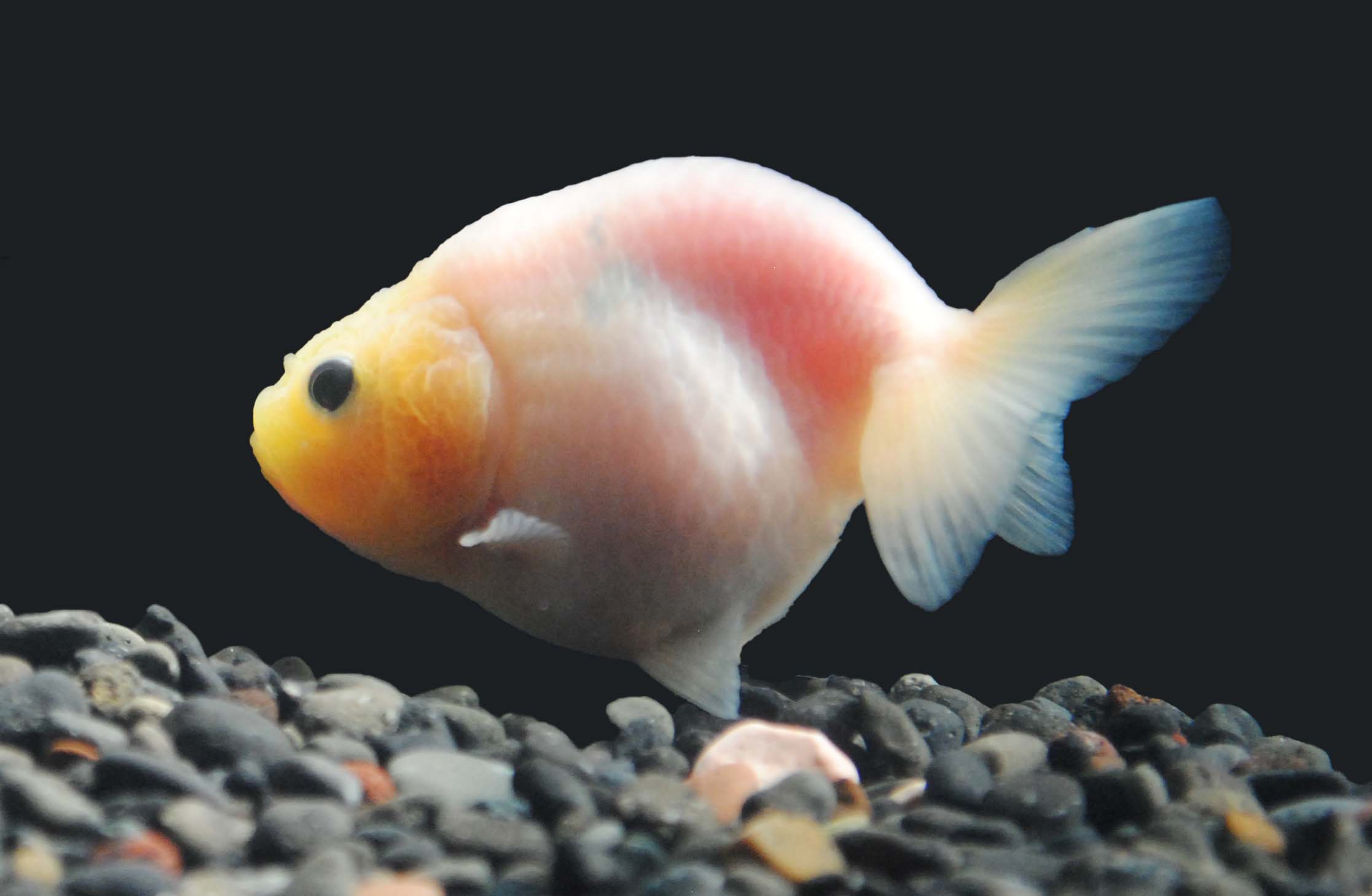
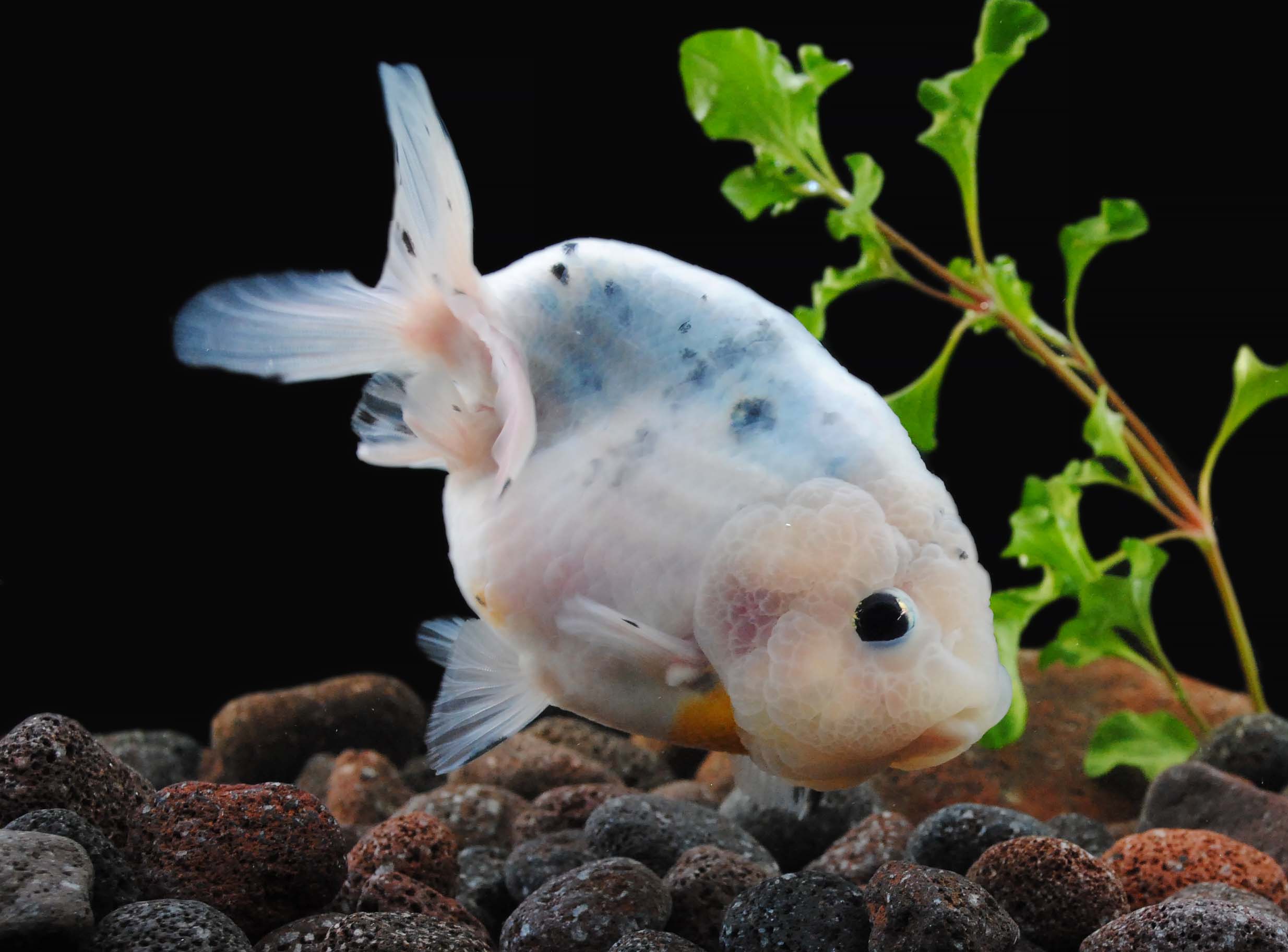
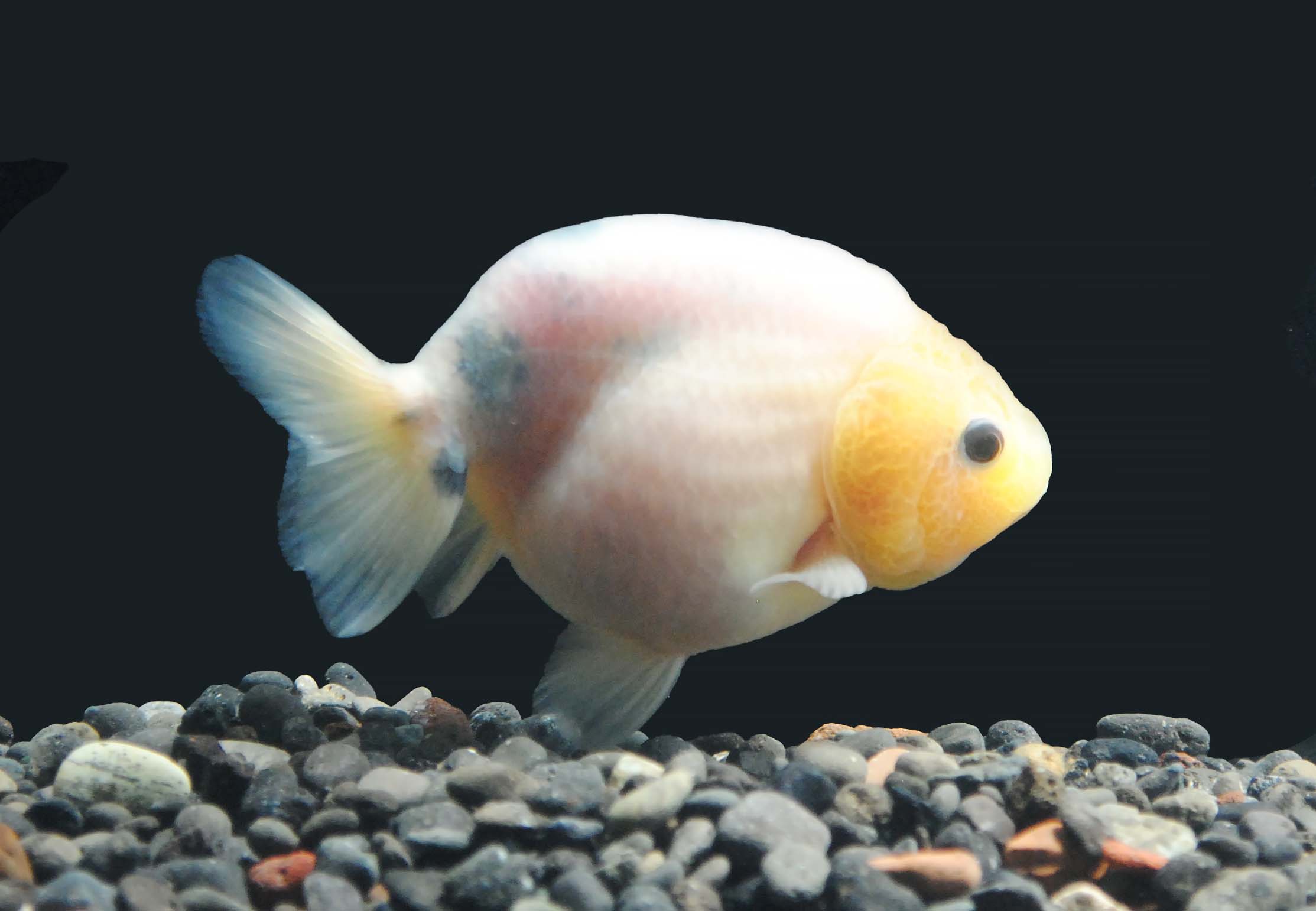
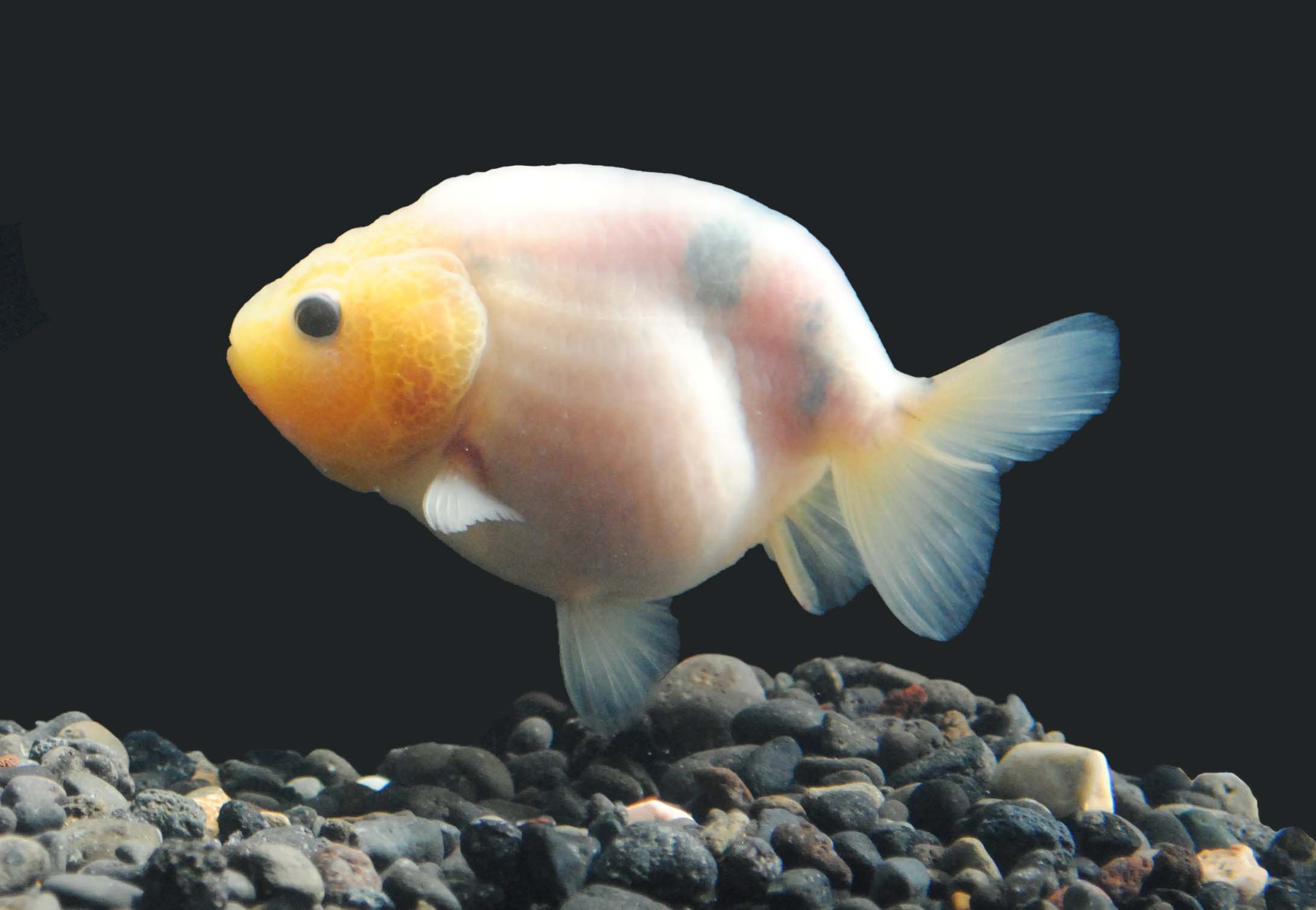
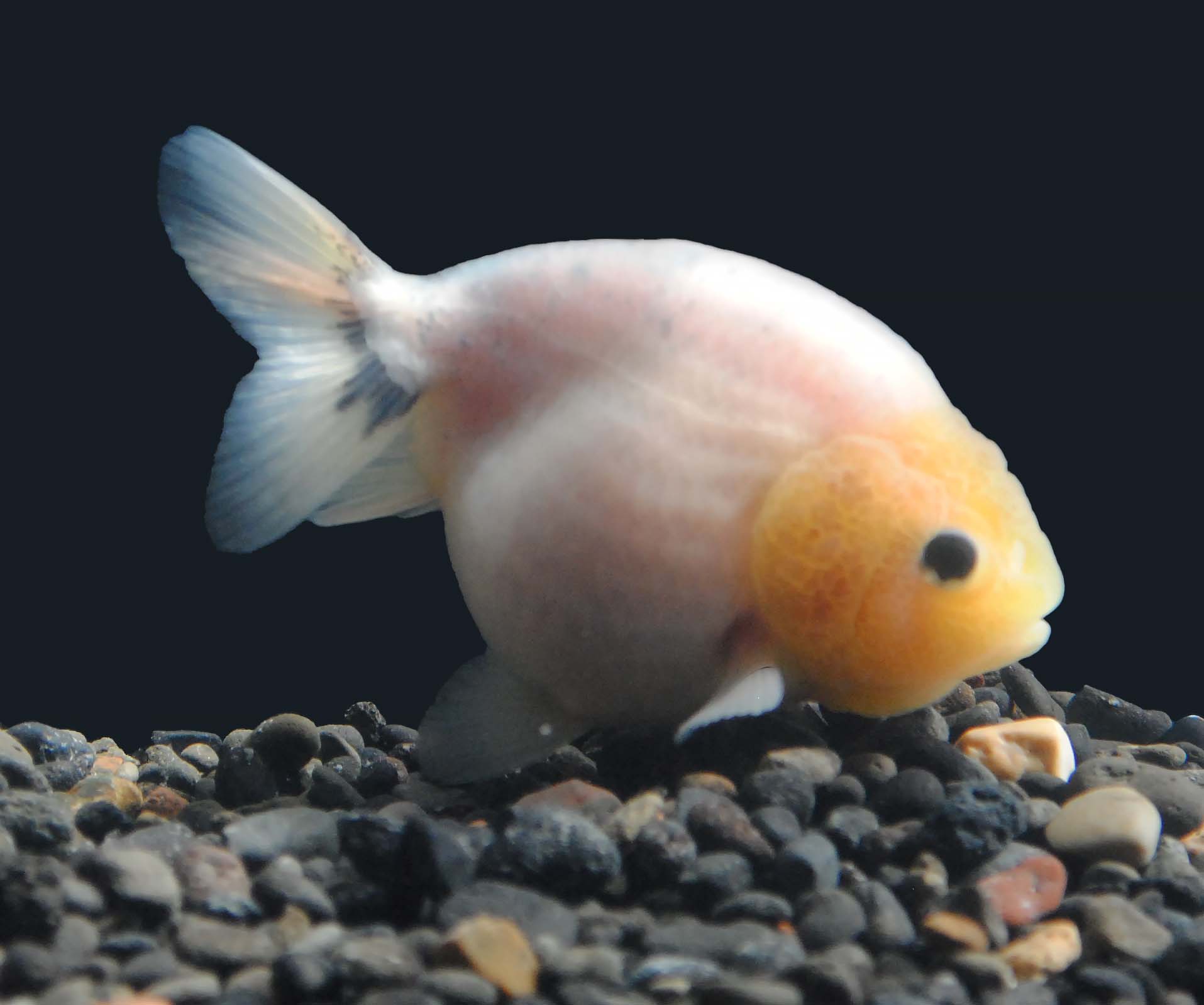
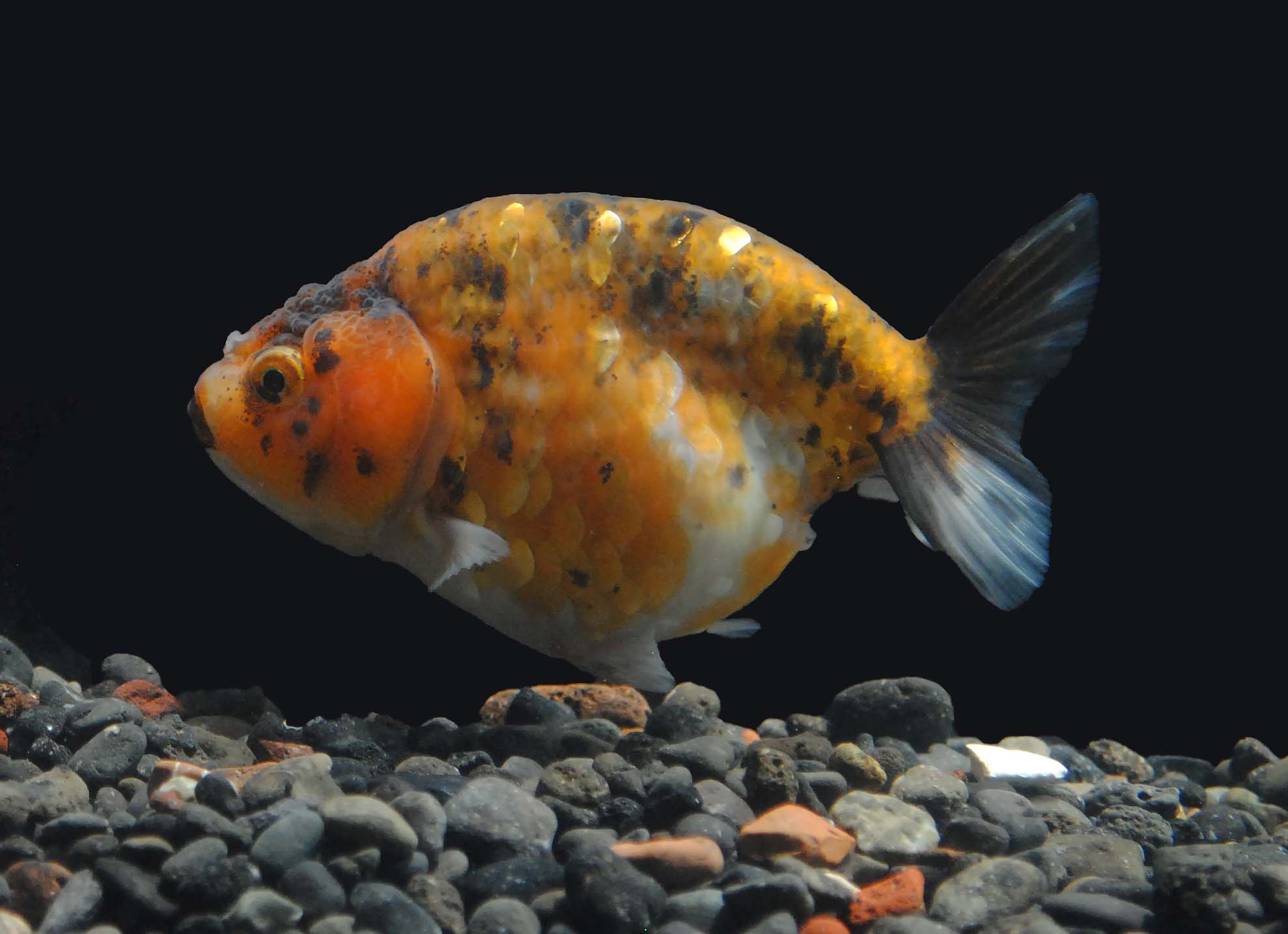
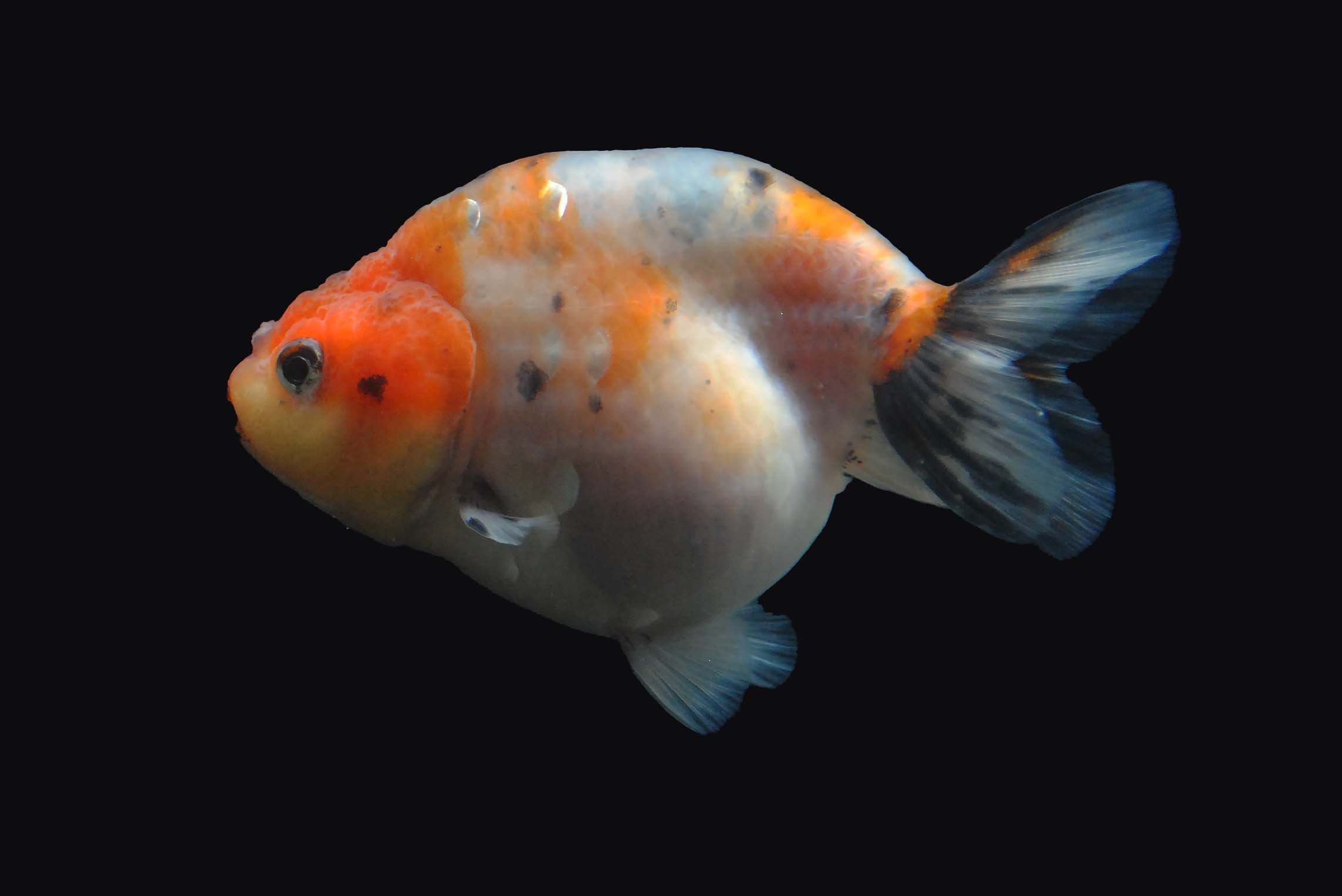
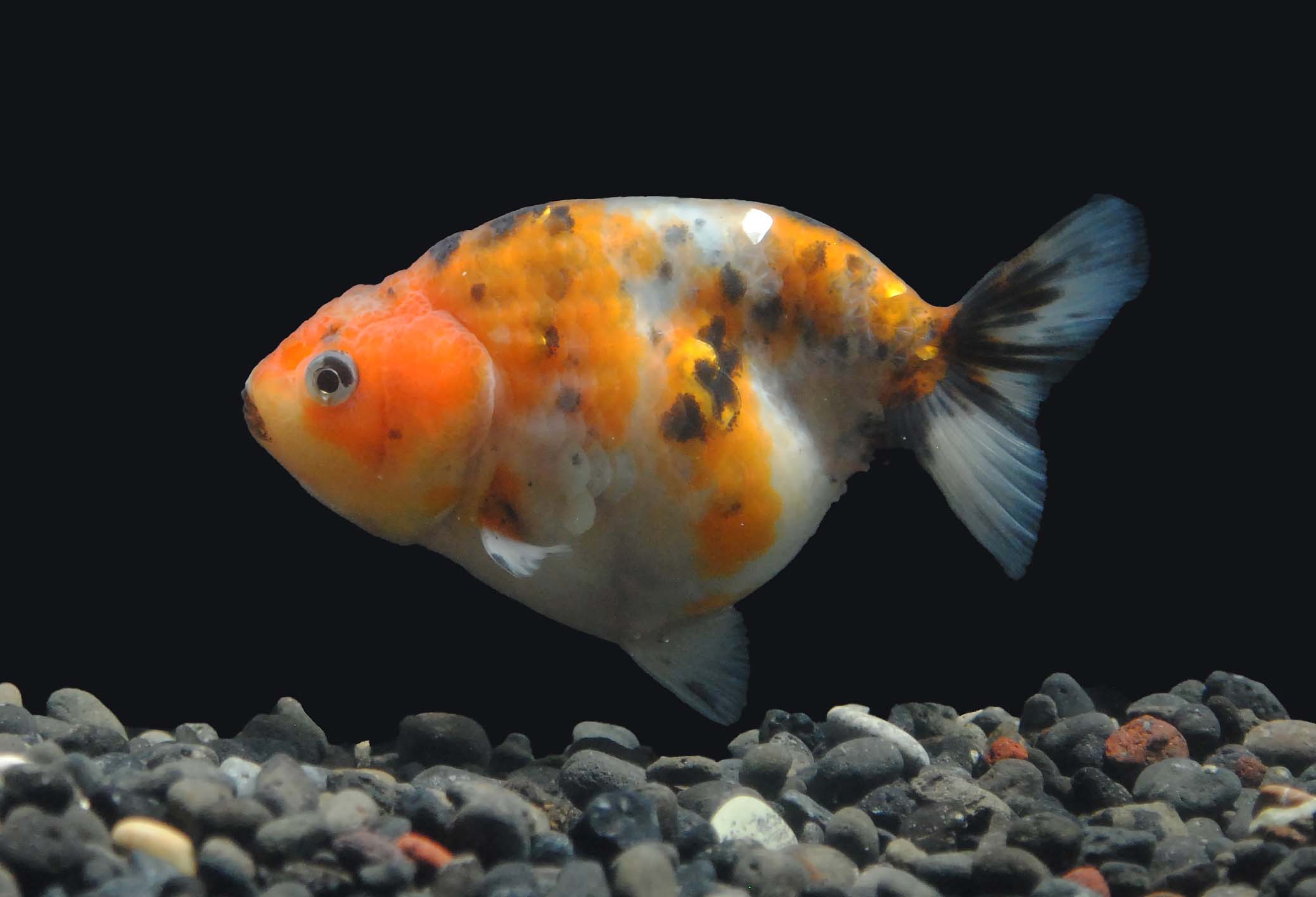
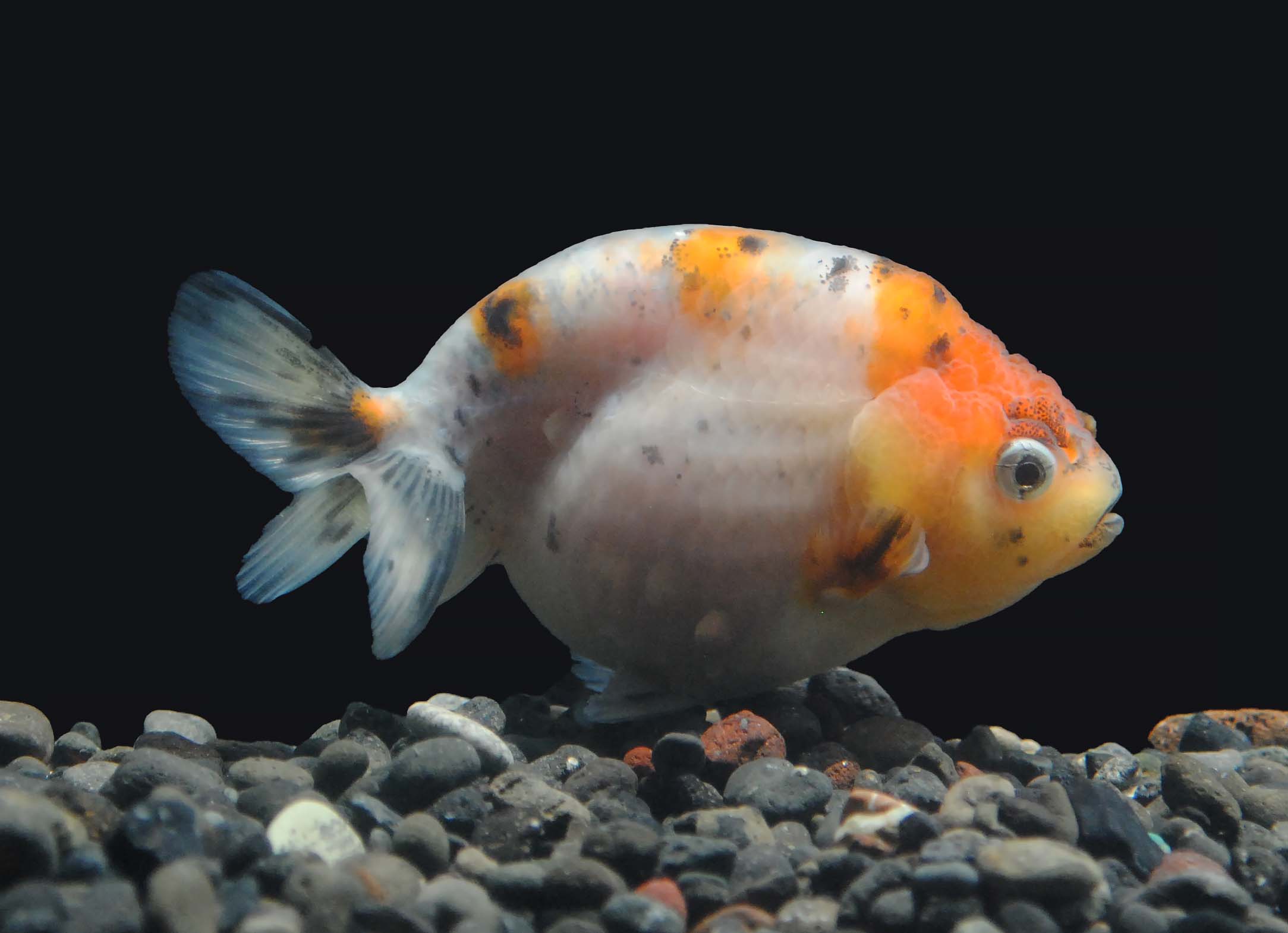
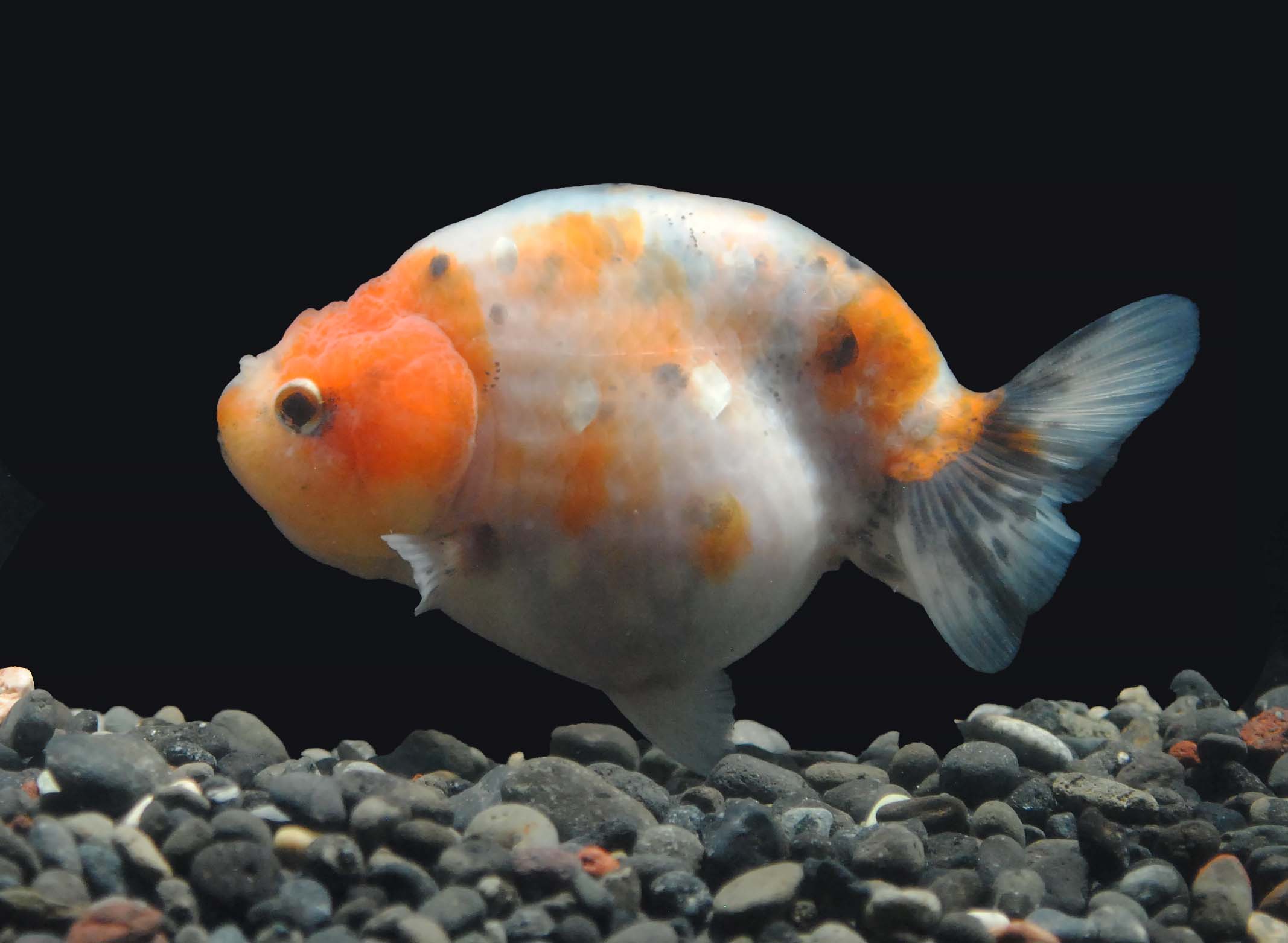
The second project (cow x purple ranchu) has a different result. The offspring looks more like calico with a satisfying color composition. To compare this with the above project, this second project does not produce Caspers. They have black patches inside (not dots), but also white dots outside (not patches at this stage). I am eager to see how these dots will develop later on. And to compare with my previous project of crossing the cow with blue ranchu, I do not get any kirin-like color in this crossing (cow x purple) as I get one in the previous crossing (cow x blue). This comes as a surprise to me, since the blue and purple color are closely related. I expected to see a kirin-like coloration in this project, but it does not happen. I am still curious though about what will happen if I cross these offspring back to a purple ranchu.

These are the parent fishes:

Male parent
female parent

And the offspring are:
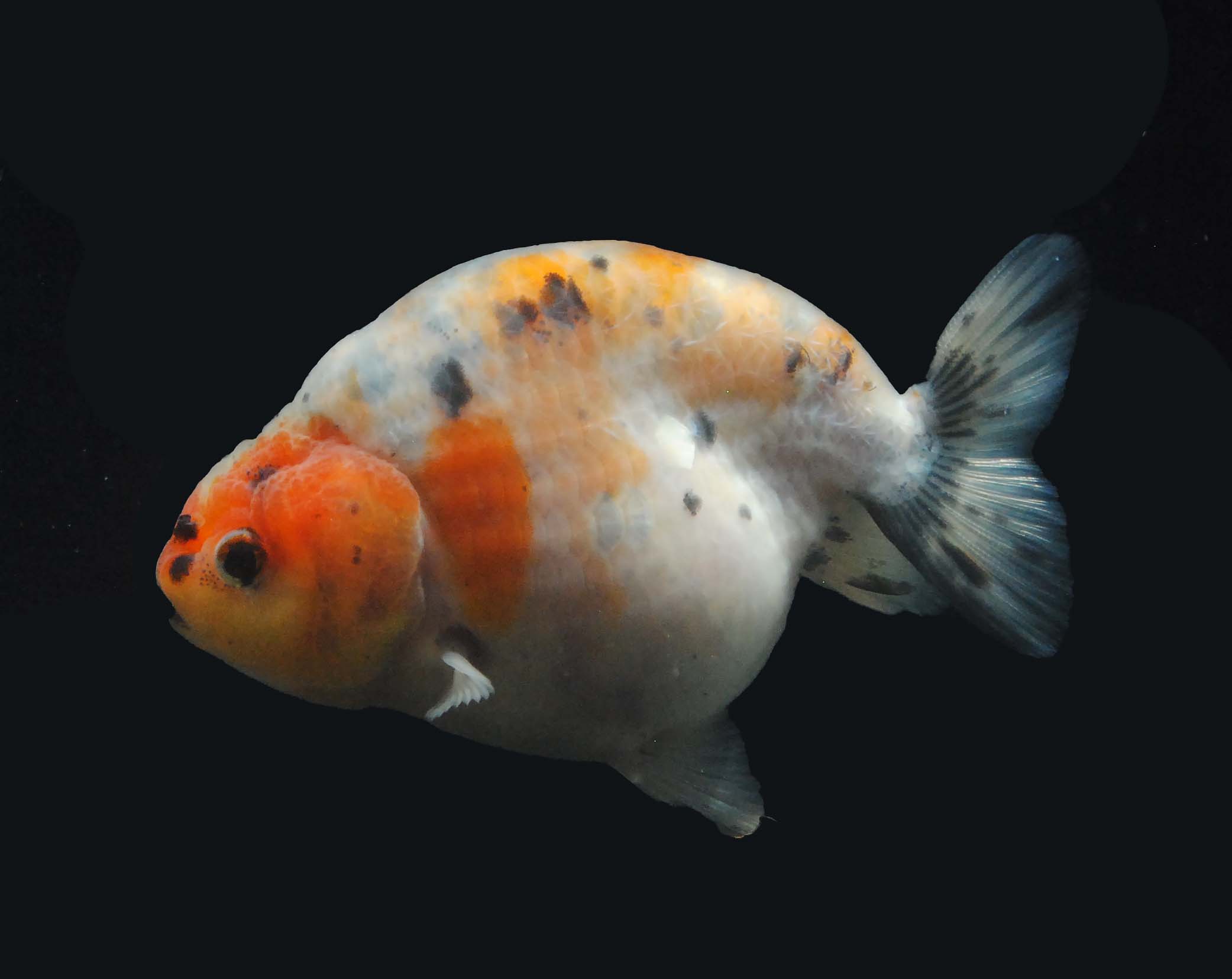
I already cull out the fishes from these two projects. Those with weak body shape are eliminated (I give them freely to friends). So, the next update will not contain all of the fishes portrayed here.

Enjoy.
Standard
cow ranchu

The Transformation of my Cow Ranchu (2019 – 2020)

As I mentioned before, I bought five cow ranchu from an importer in Indonesia (Jakarta Goldfish Centre). They came from De Quan Farm in Fu Zhou, China. Only one male survives until now and he has been my favorite so far. One amazing feature of the fish is the growth of its black pigment. When I compared the fish before and after, I can hardly recognize him. So, it is confirmed that the black pigment in cow ranchu can grow.

This is the picture taken on December 2019:

And this is him in October 2020:

Marvelous, isn’t he?

However, the growth of the black pigmentation on the offspring is quite challenging. Until now (almost 4 months old), the black pigment does not seem to grow at all. Most of the offspring are white with some black spots underneath the transparent scale, which look like bluish or shadowy color. I am hoping that the black pigment can come out to the outer layer of the transparent scale. Some people reported that it usually happens late on the fish. Hopefully they are correct. The rest of the offspring resemble calico. I will post their pictures on the next posting.

Feel free to share what you think about the transformation of this cow ranchu on the comments below 😊 Thank you.

Standard
cow ranchu

Update on Cow Ranchu Project 2020

In the previous blog (see: https://hermantogoldfish.com/category/cow-ranchu/) I talked about buying several cow ranchus and crossed them with several ranchu variants. Since then, most of my cow ranchus have died due to illness and accident. I was left with one beautiful male and one unproductive female. This female laid eggs often, but none hatched. After several failures, I let the female go (I sold her). It occurred to my mind the possibility that the female had undergone a certain treatment to make her unproductive. I was glad to have two pure offspring which I posted on the previous blog.

I must admit that the two offspring were weak. One of them could not keep her balance which resulted in stunted growth. I was forced to terminate it early. The remaining one was female, which I keep until now. It had slight imbalance which grew more and more acute. It might not survive long. Here she is:

The good news is I had the chance to mate her with her uncle (the remaining male cow ranchu that I bought in the first place). I am raising two batches right now and will post them in the coming months when they are ready. It is my interest to see if they will breed true or if they will just be calicos.

From the cross between the cow ranchu and the common calico, I kept one female:

For sure the deportment is better than the pure cow ranchu offspring. She grows well, yet she lays no eggs until now. It has past her due time. I still hope she will lay eggs soon. My plan is to mate it back with the “uncle” (the initial cow ranchu).

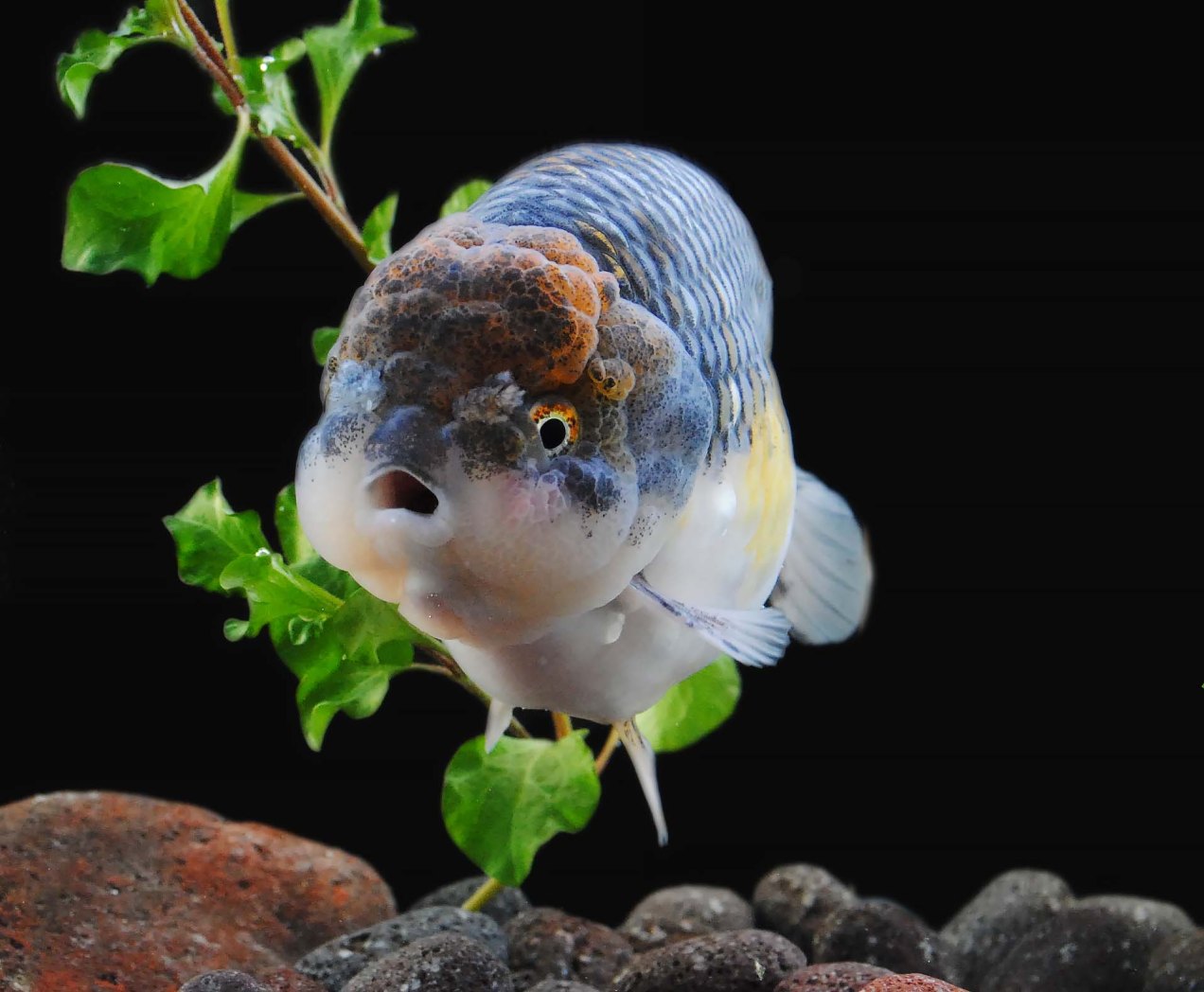
My pride so far goes to the cross between the cow ranchu and the blue ranchu. I keep only one, also. He is a male with the kirin style pattern. He looks handsome now. My plan is to mate him with a blue ranchu. I would like to see what offspring will they produce. This is the pictures of the handsome guy:

It is interesting to compare them with their childhood pictures (in the previous blog).

Well, these are the updates for now. Hopefully they bring happiness to your days.

Standard