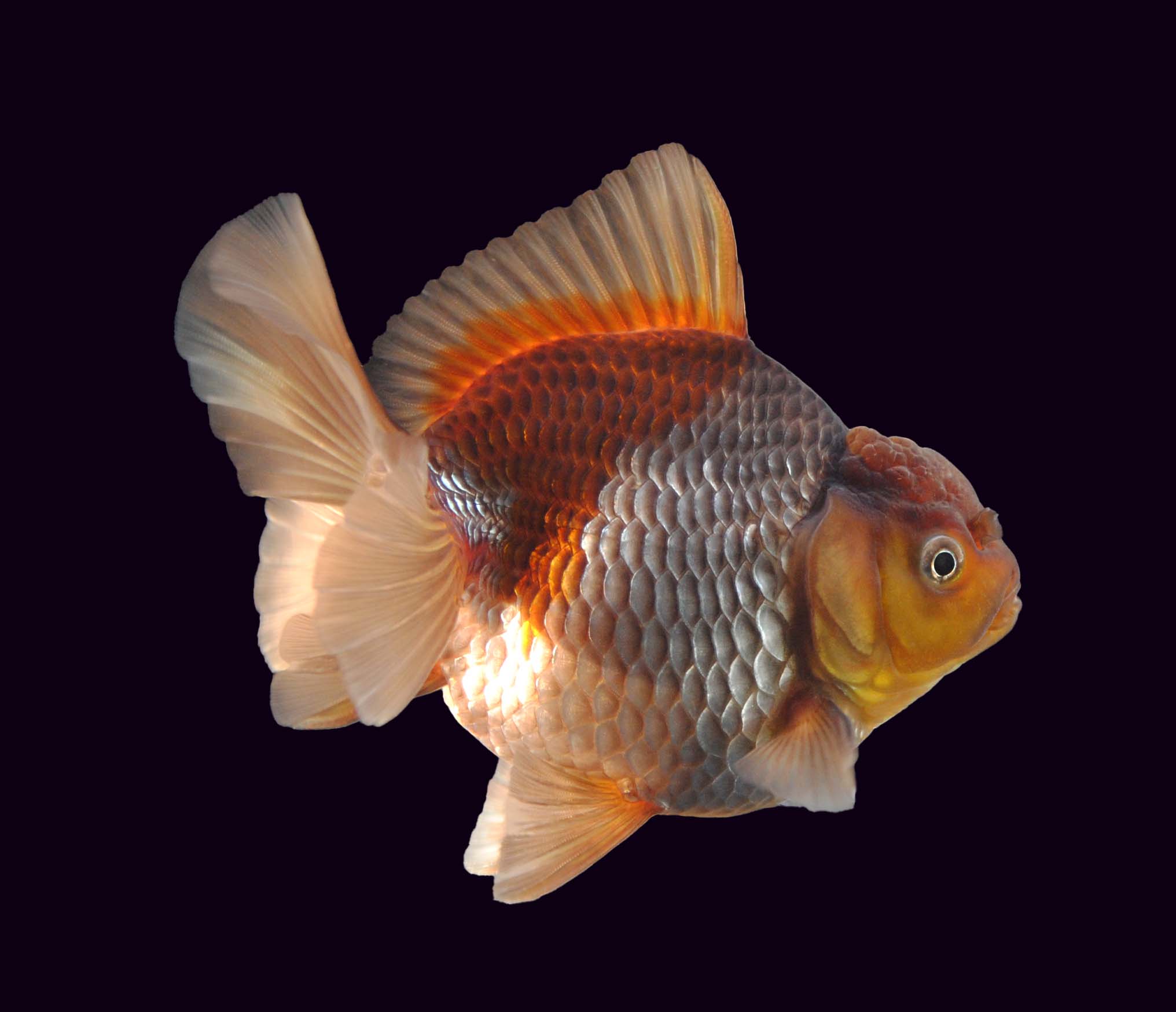
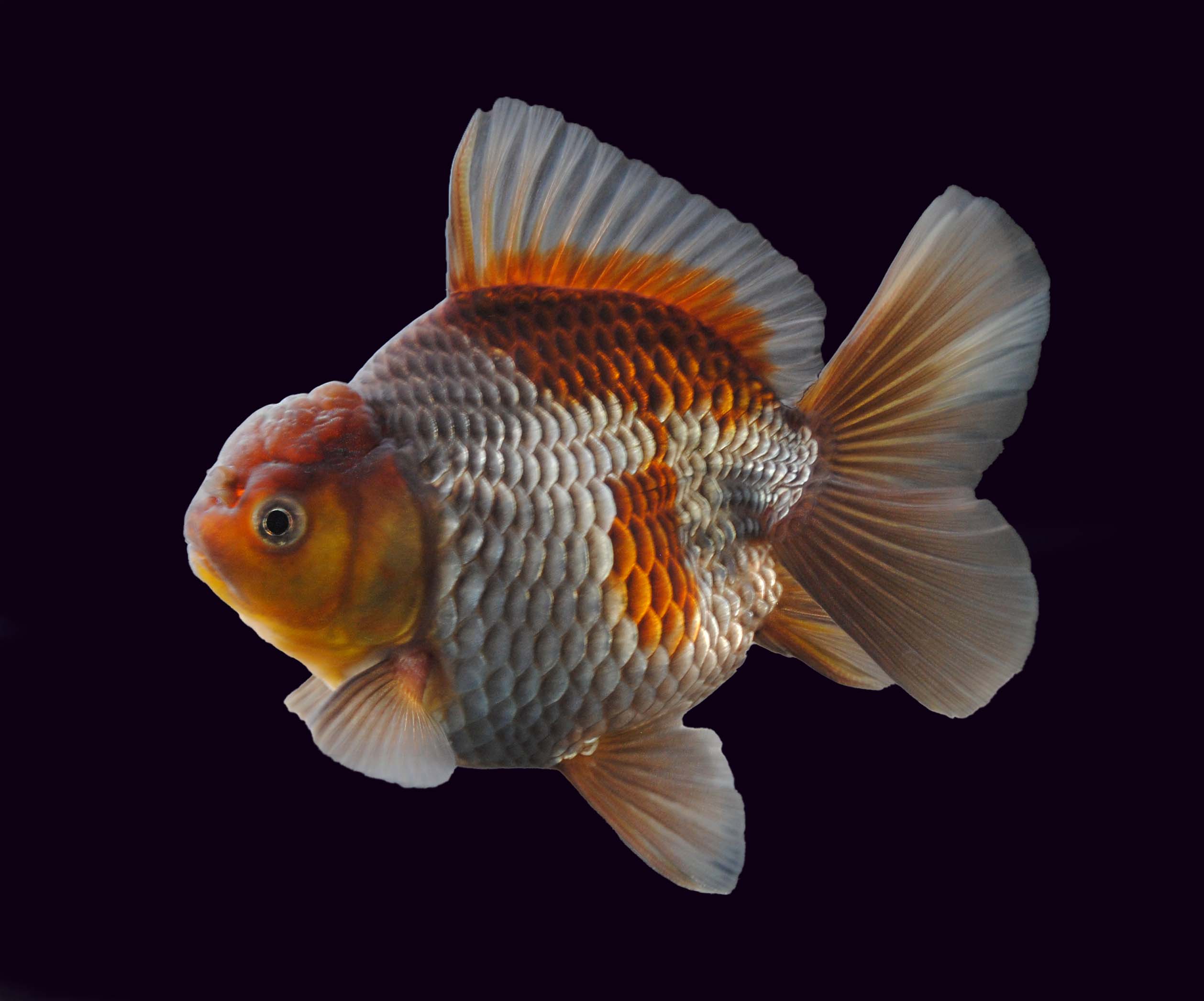
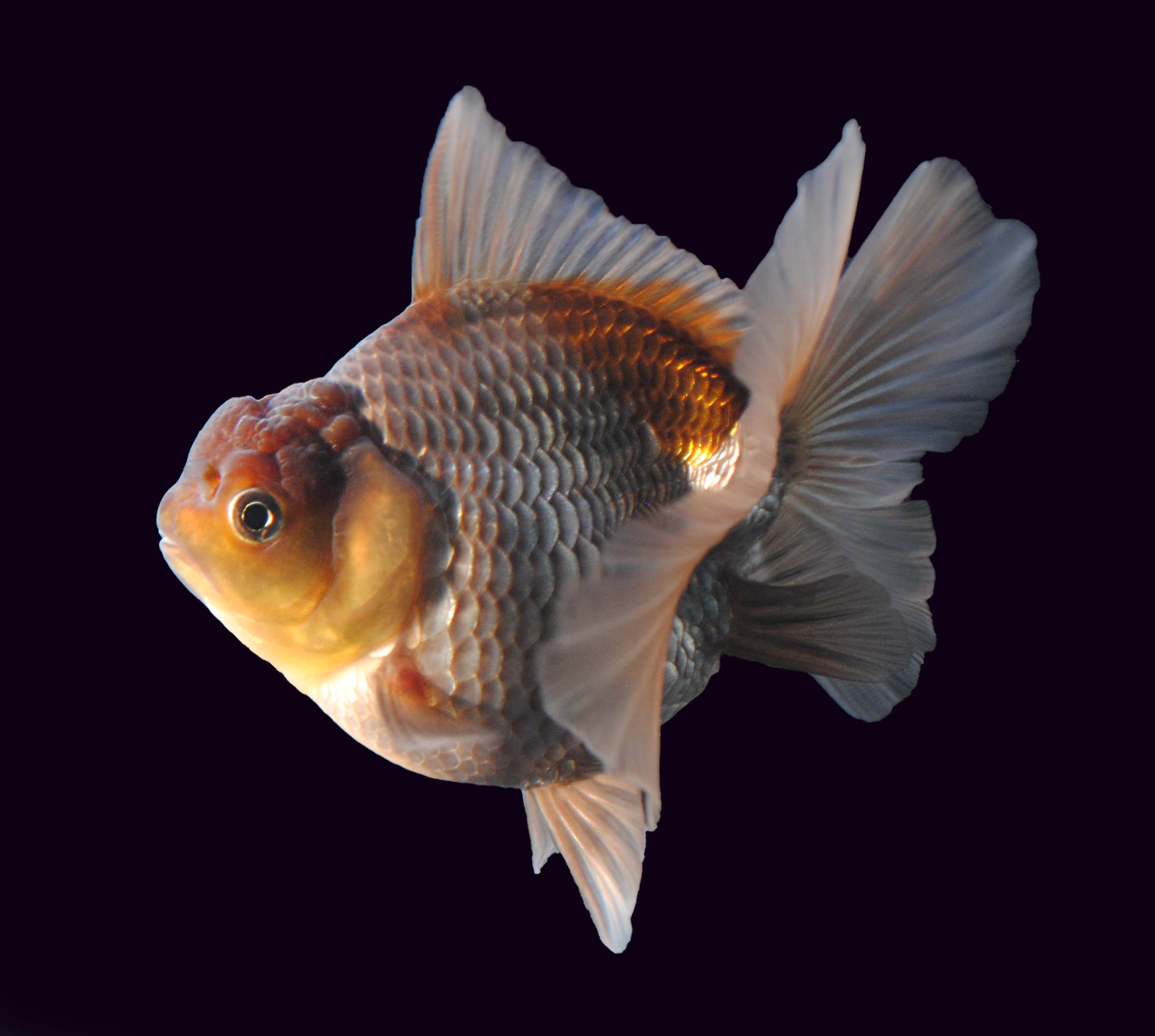
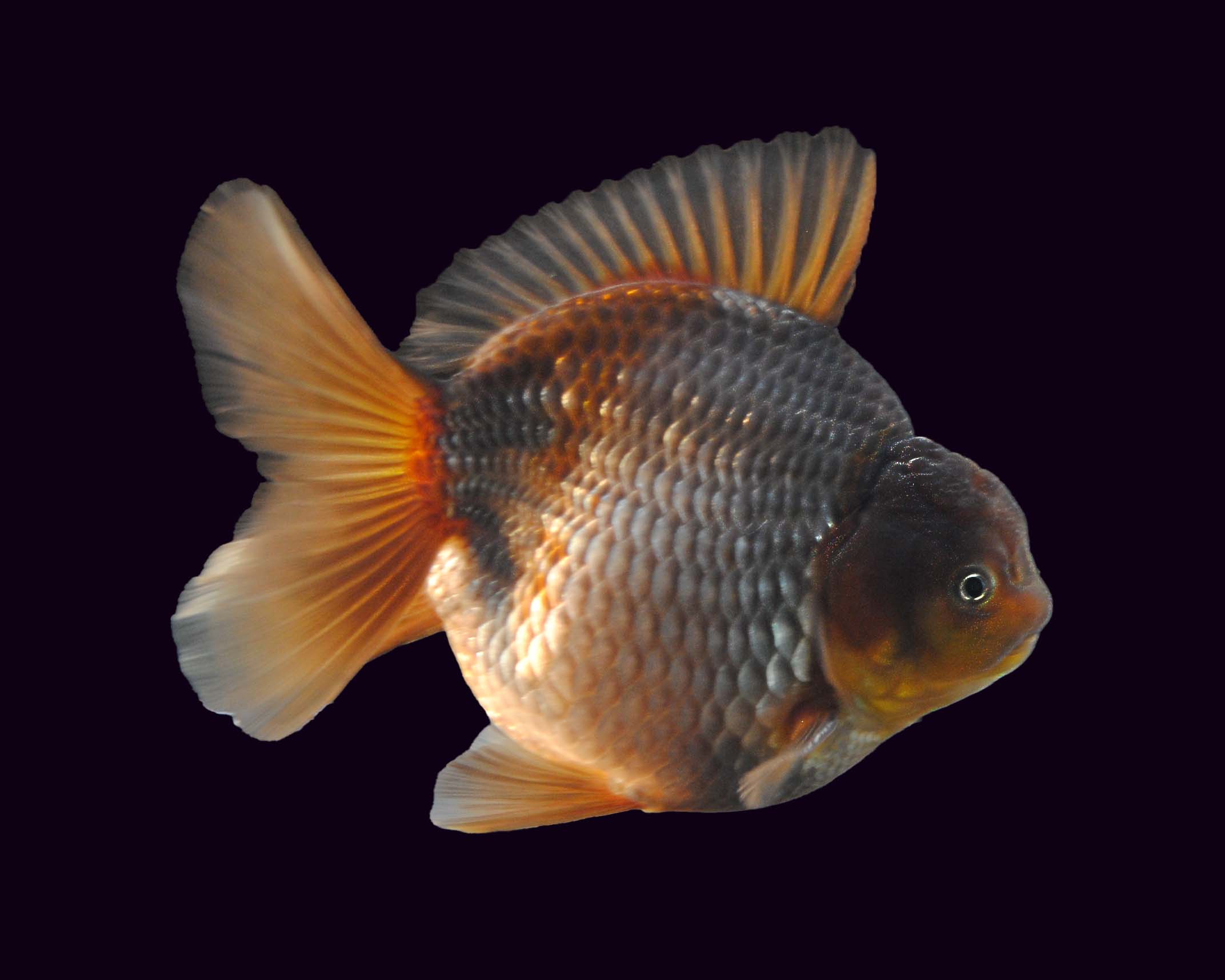
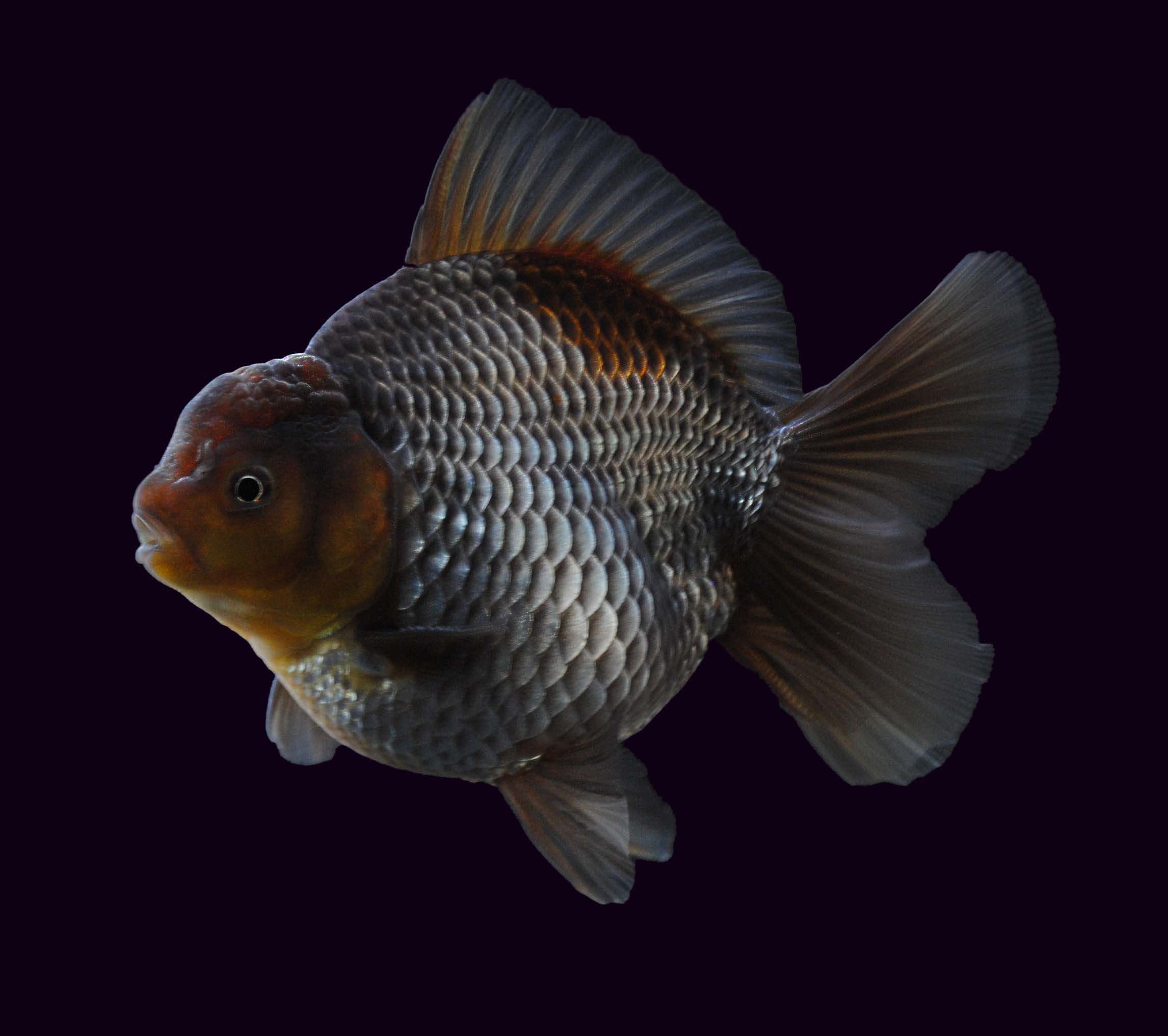
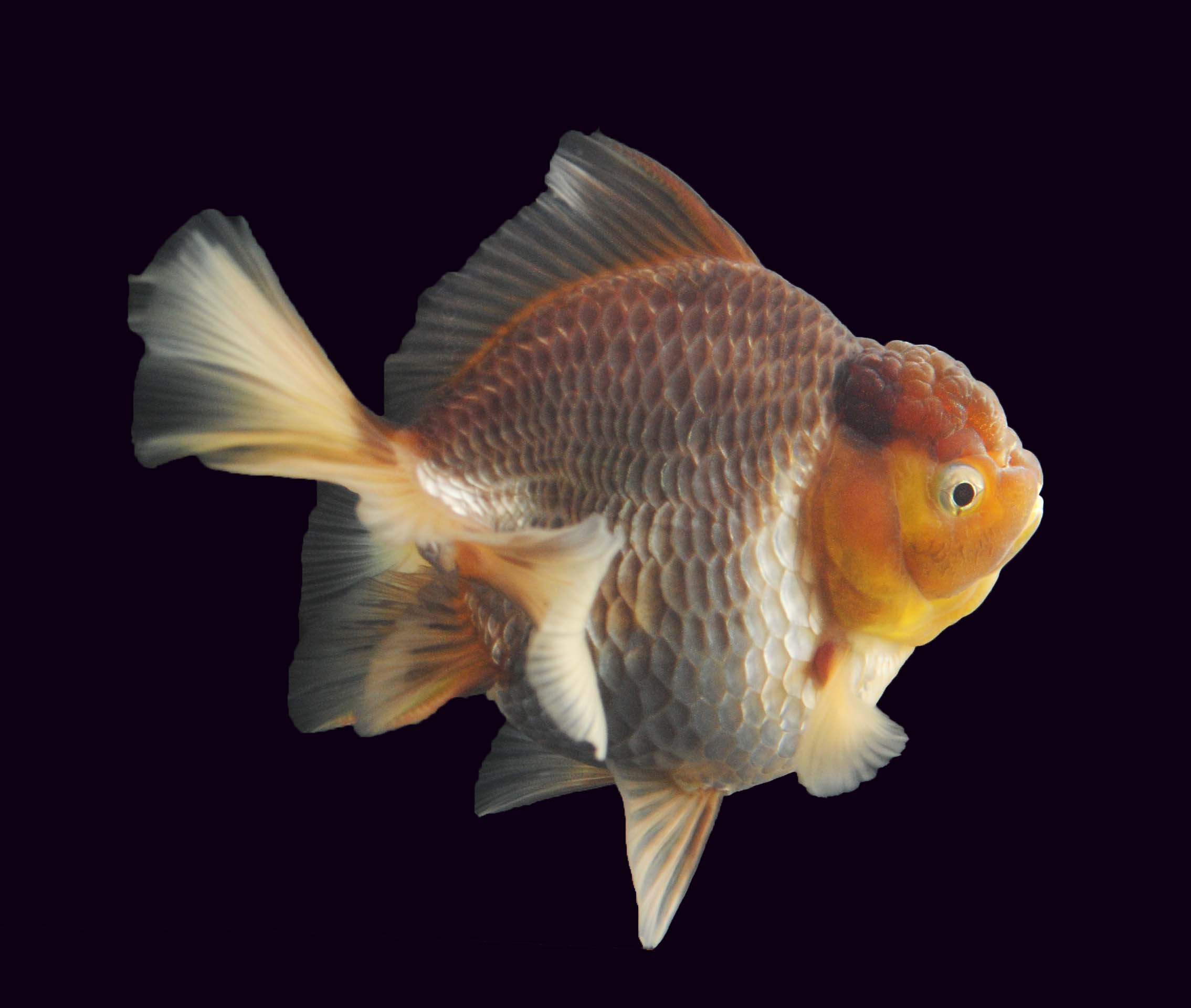
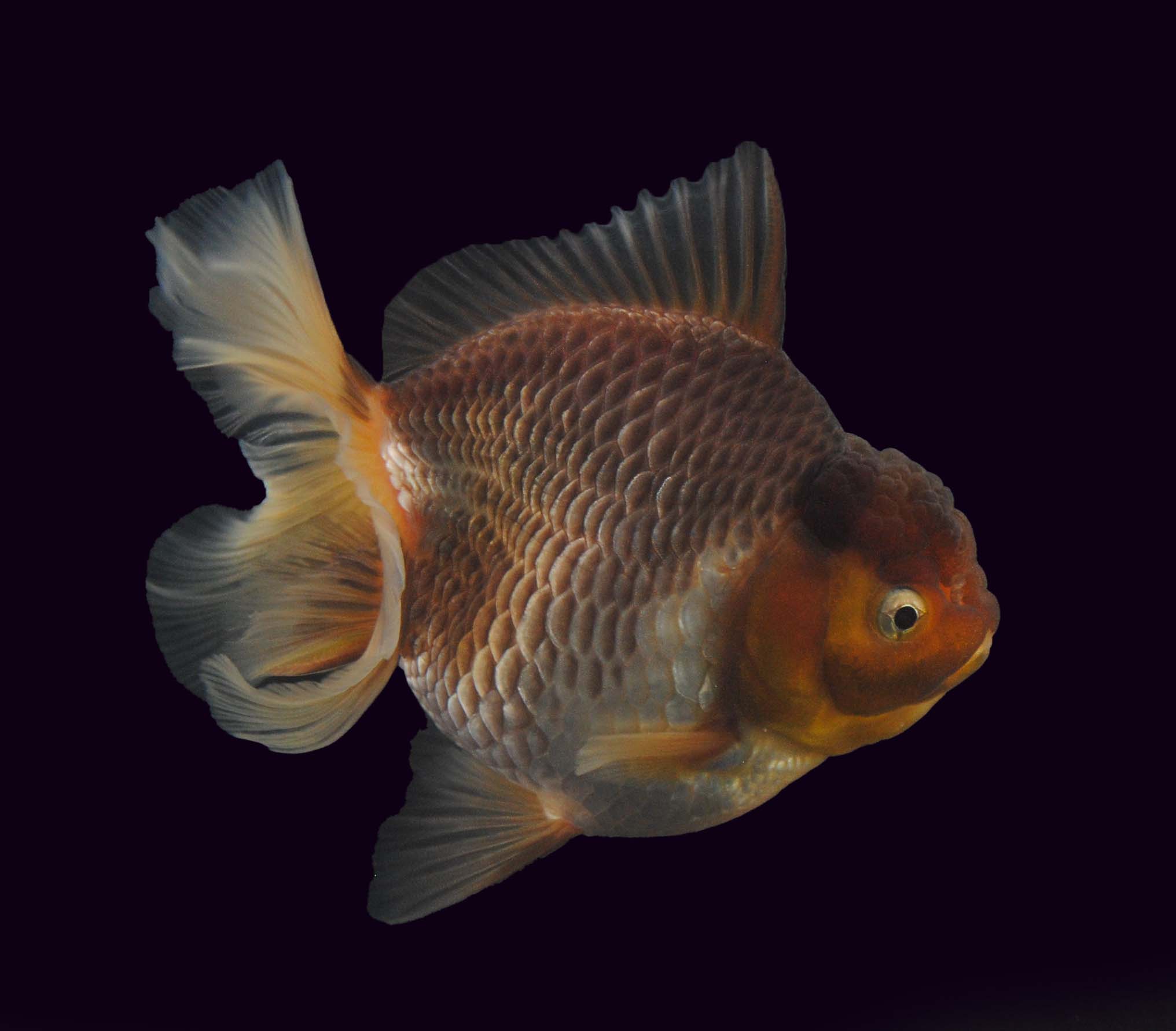
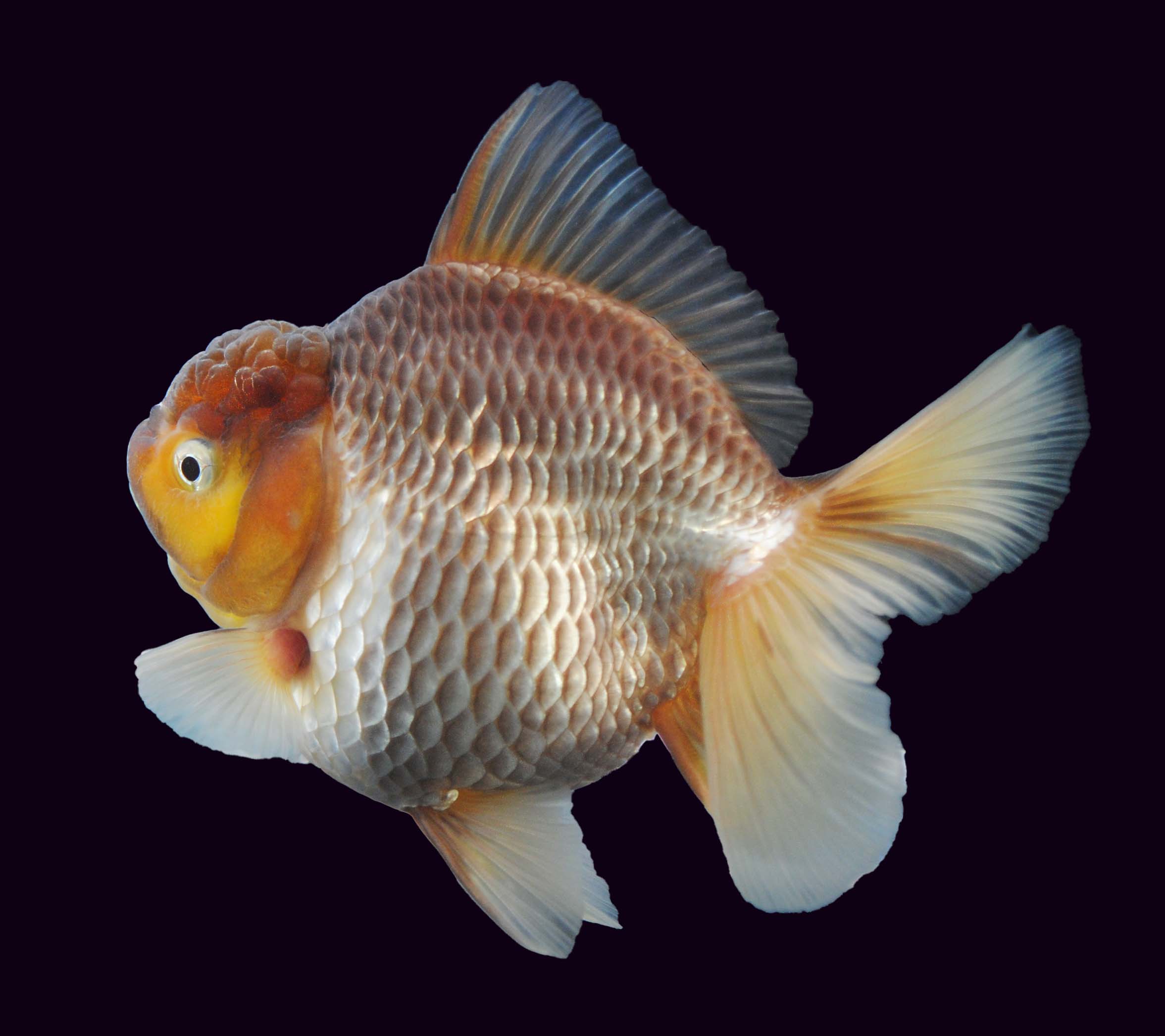
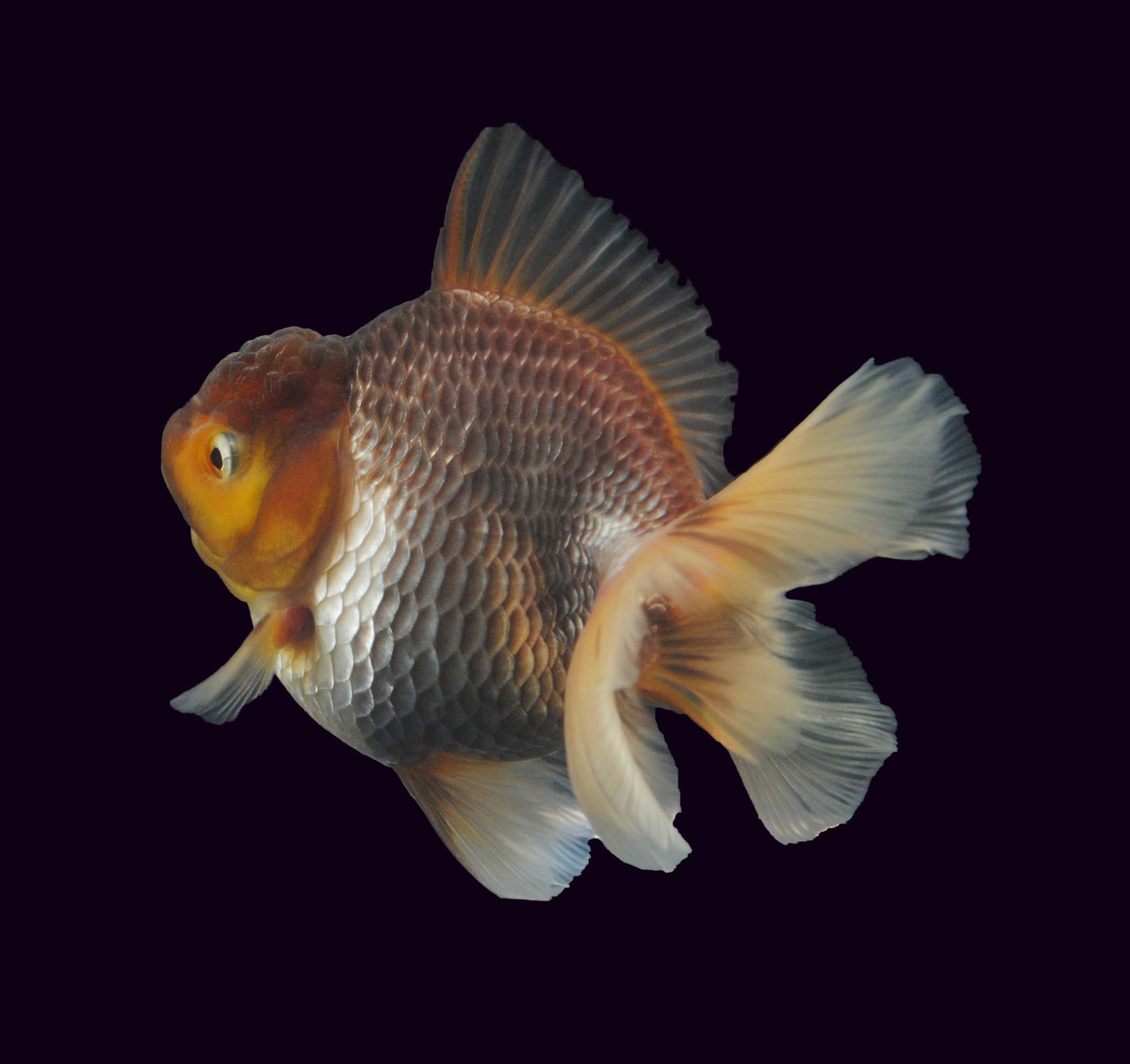
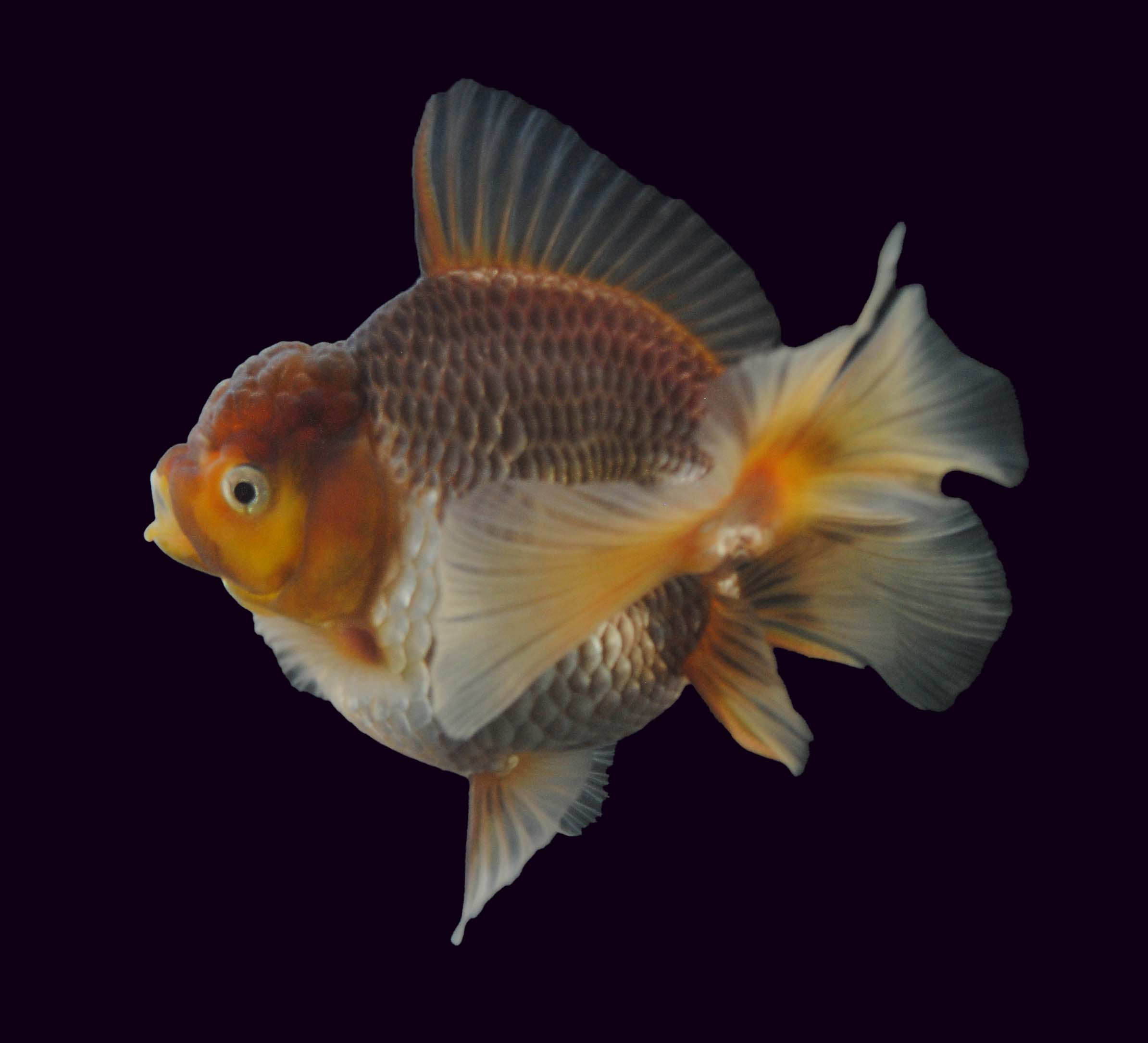
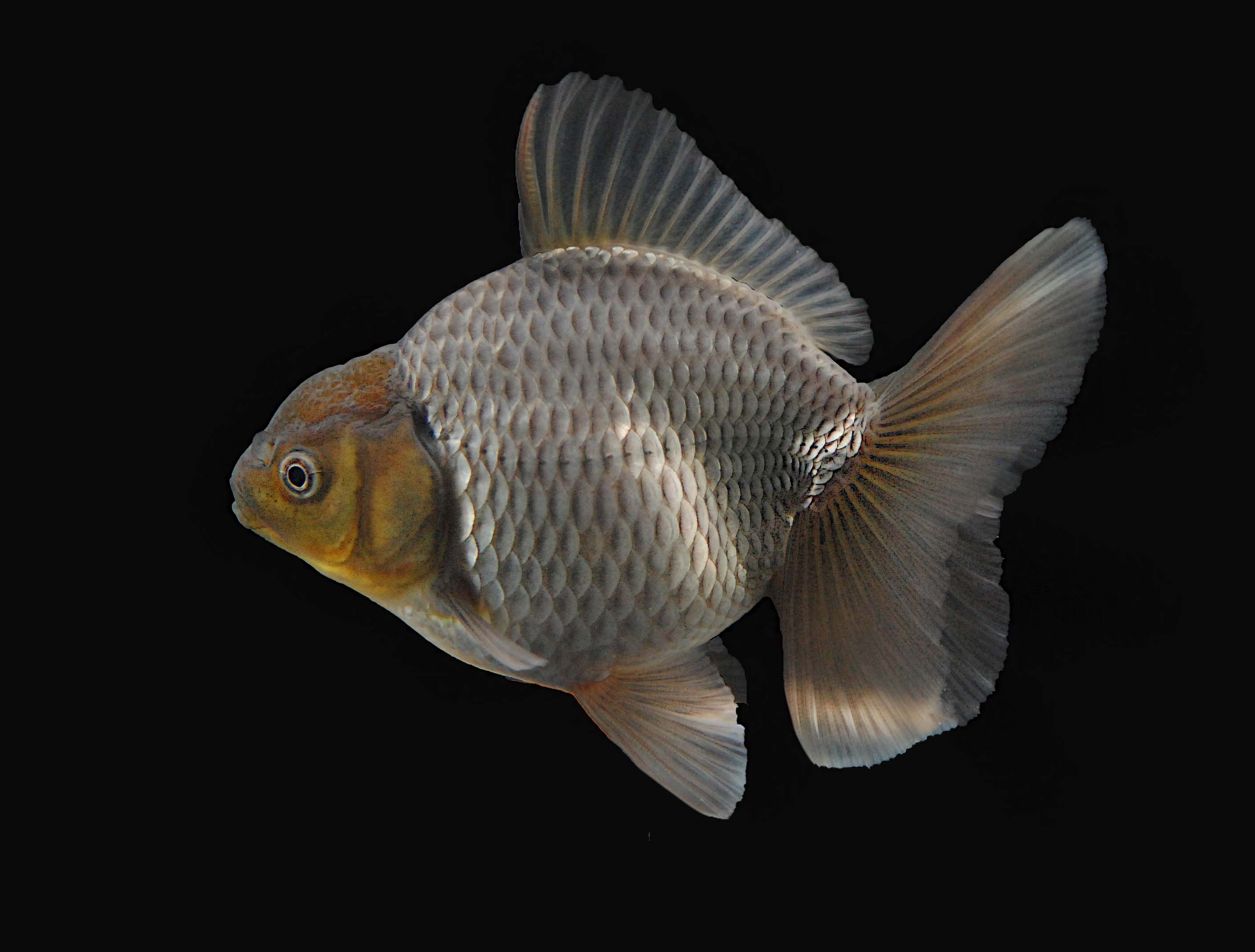
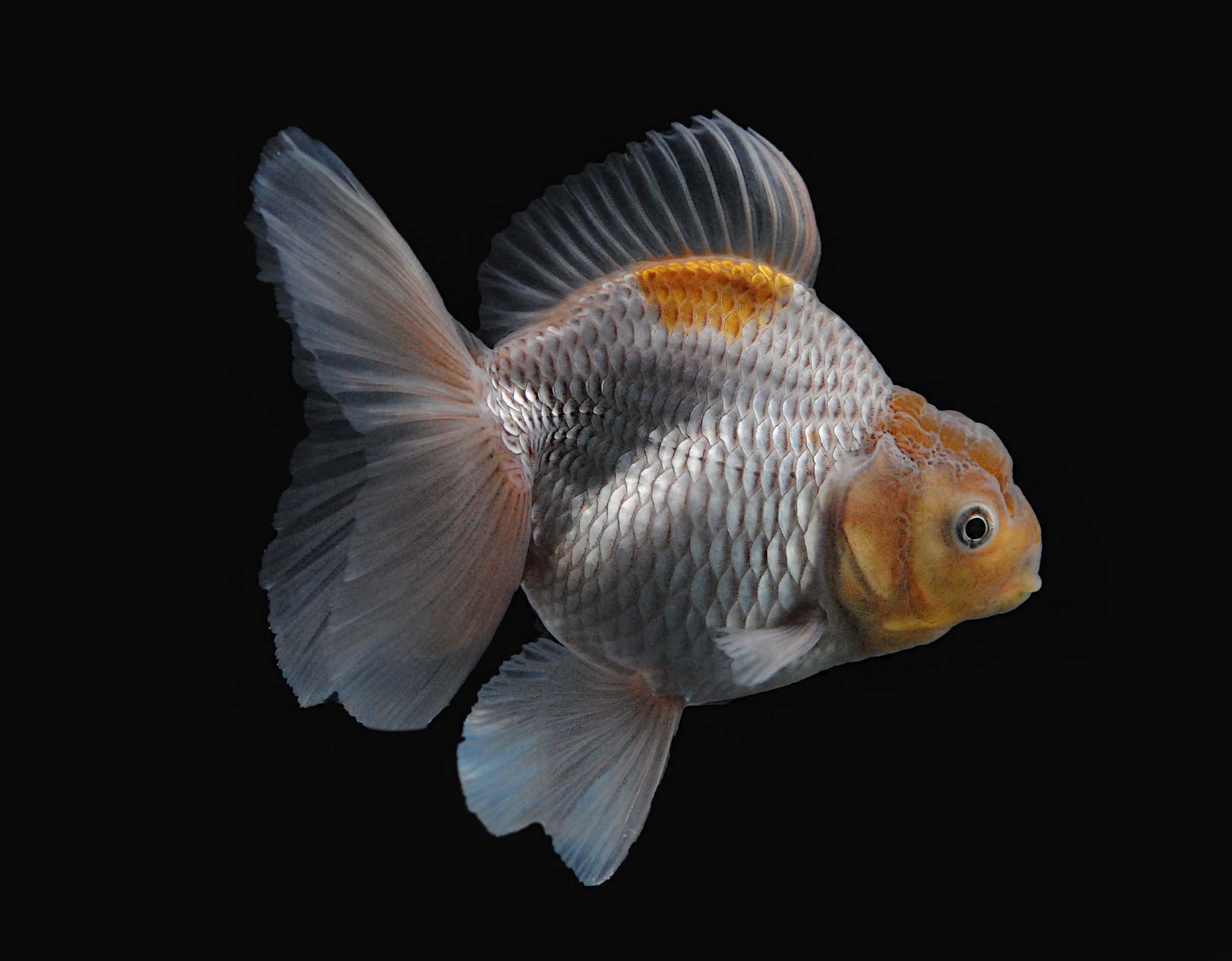
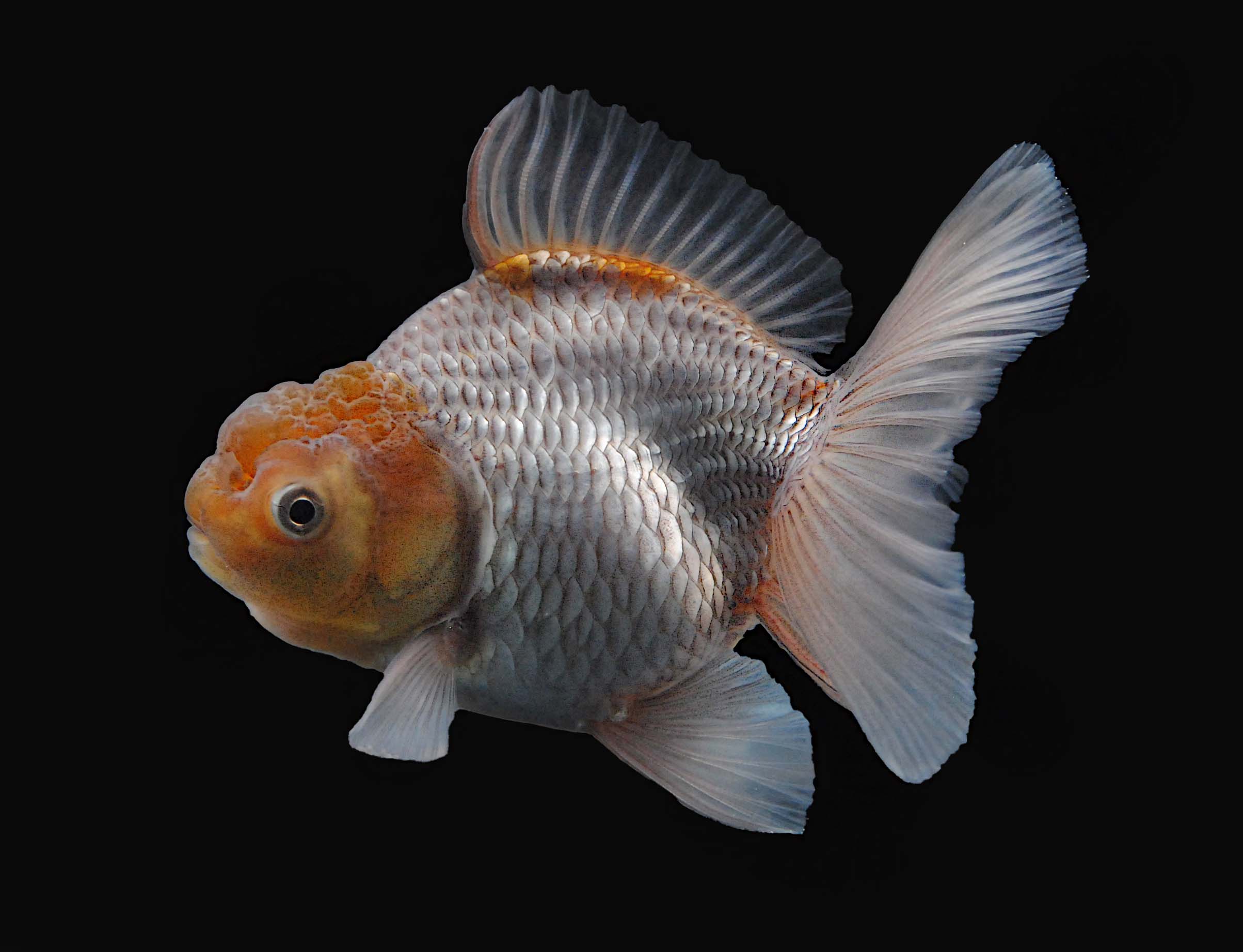
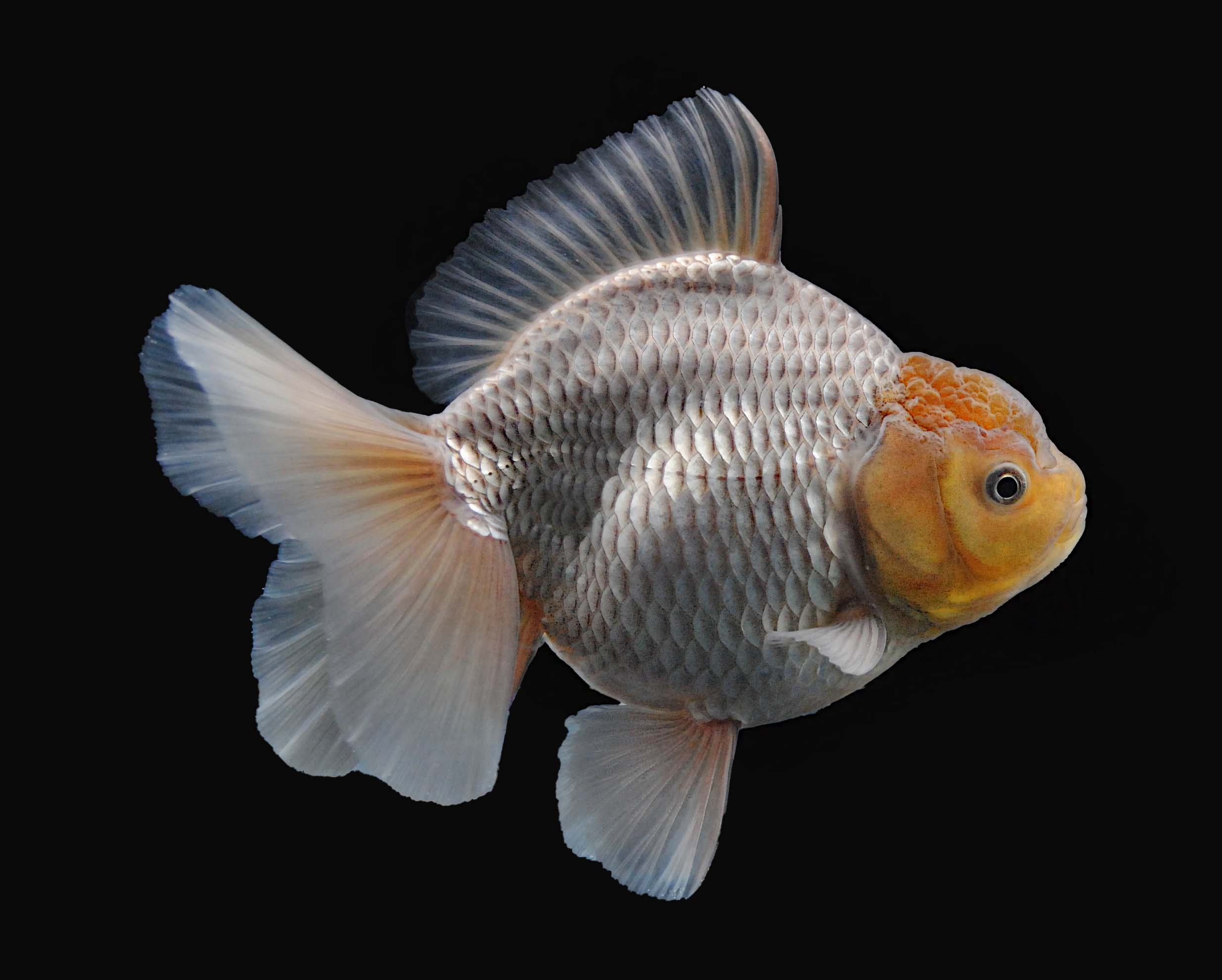
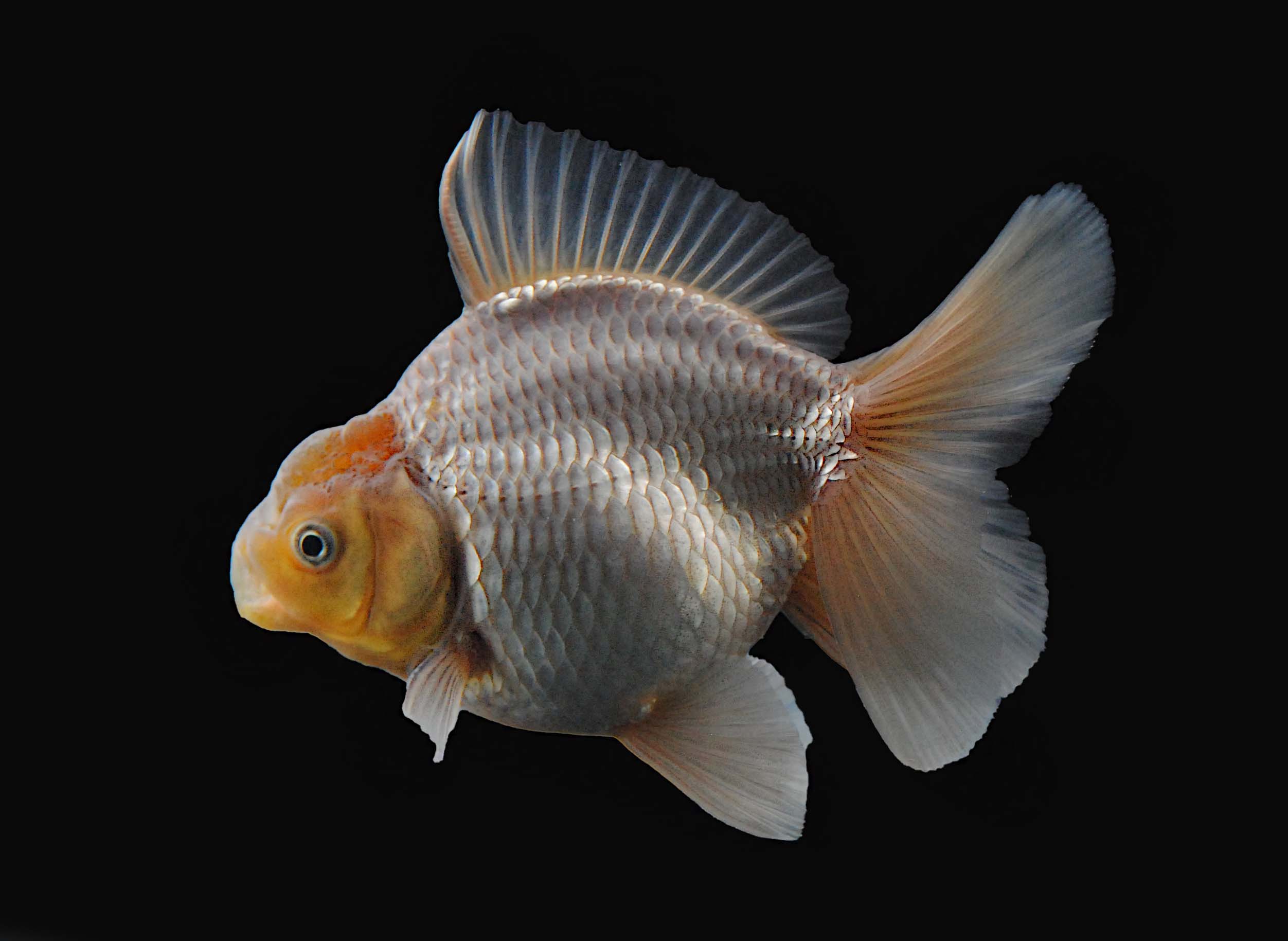
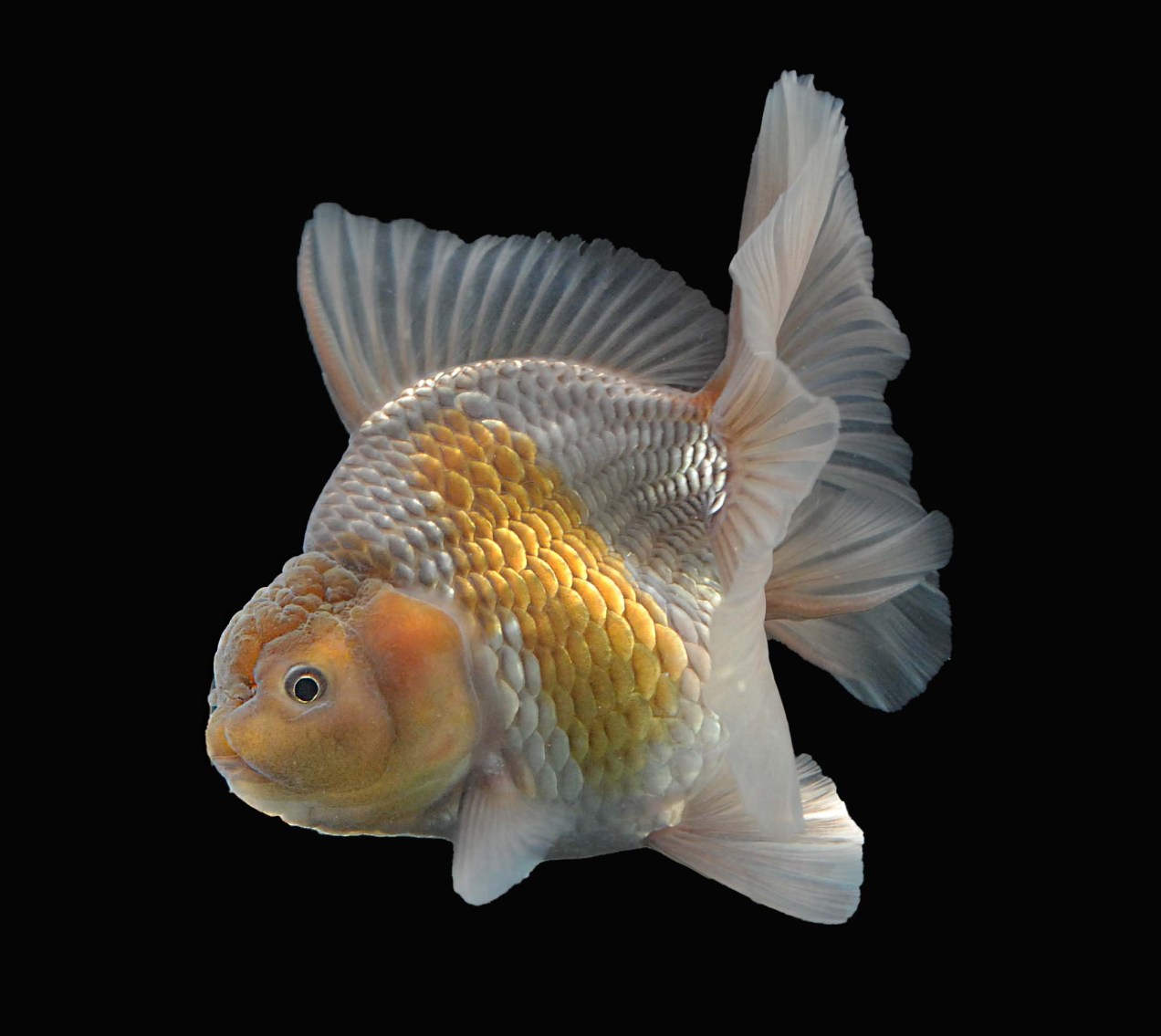
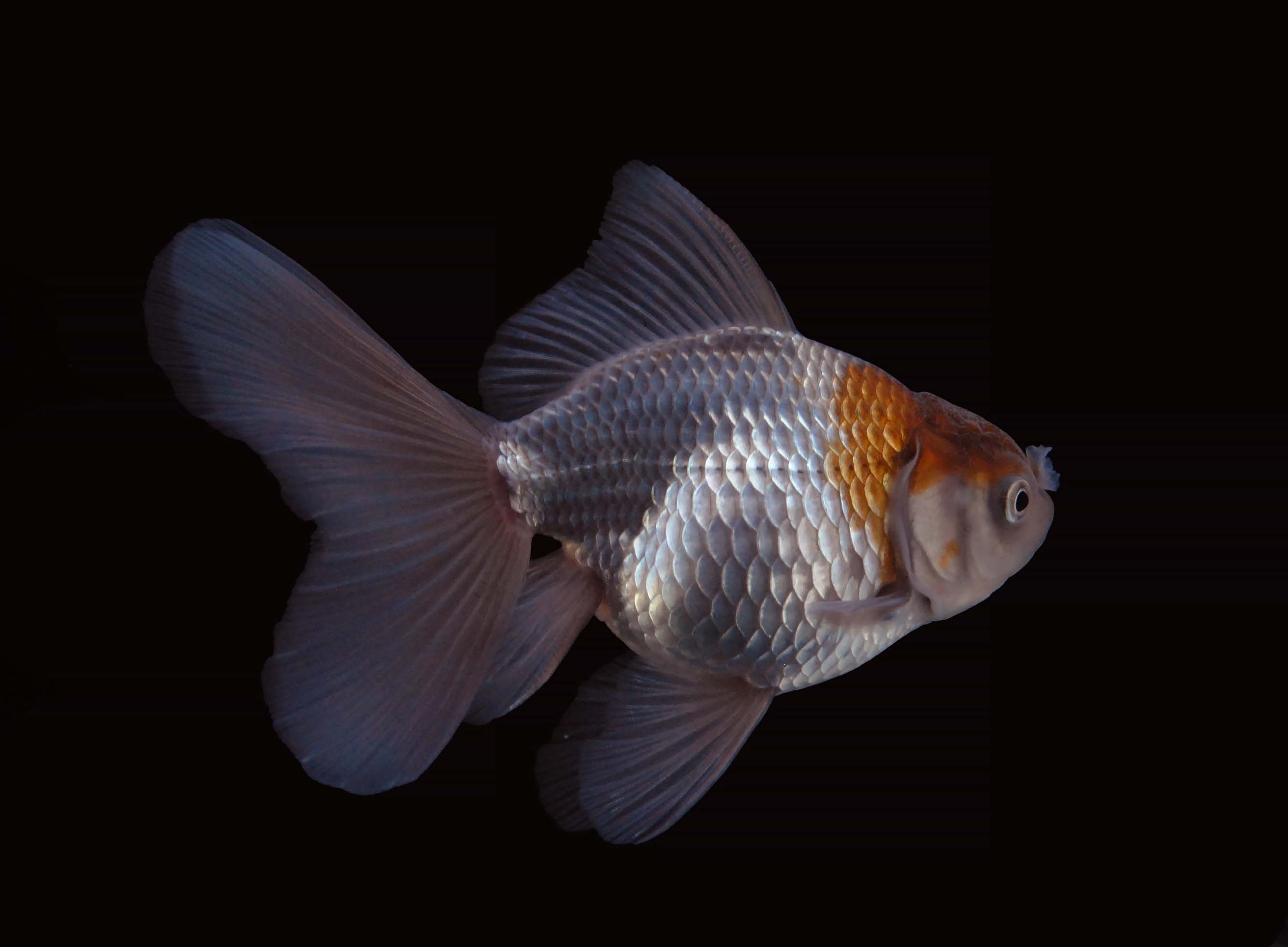
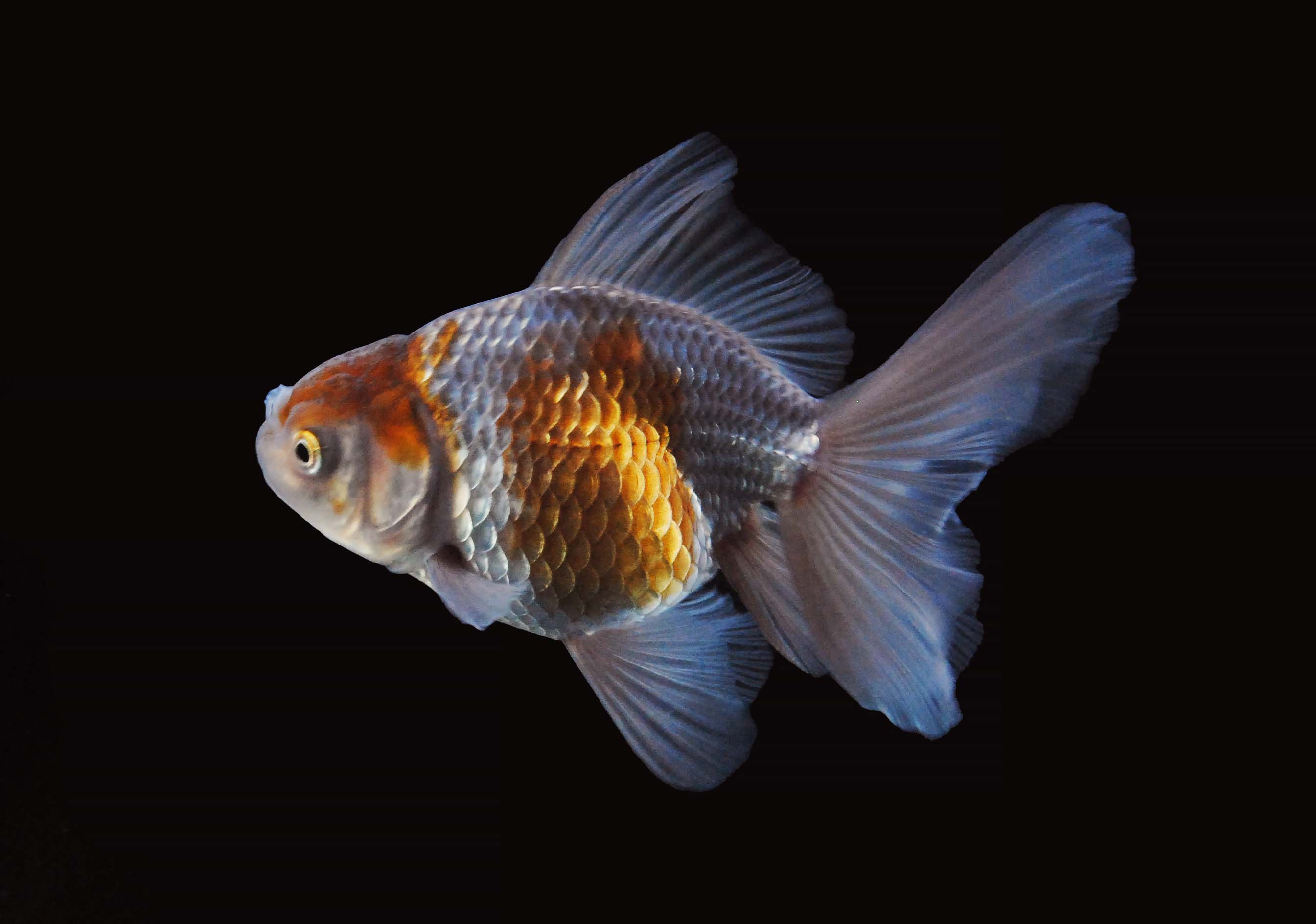
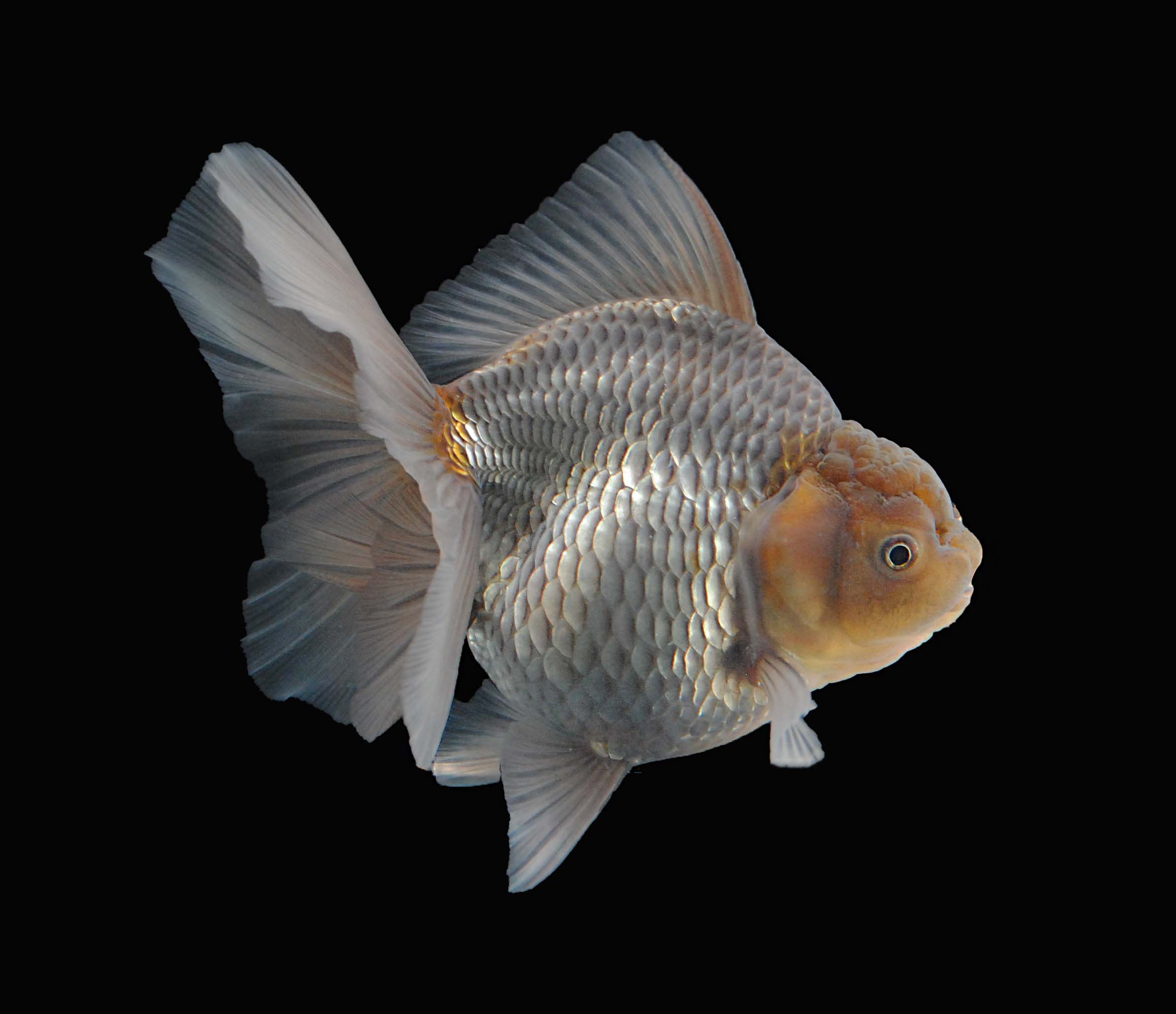
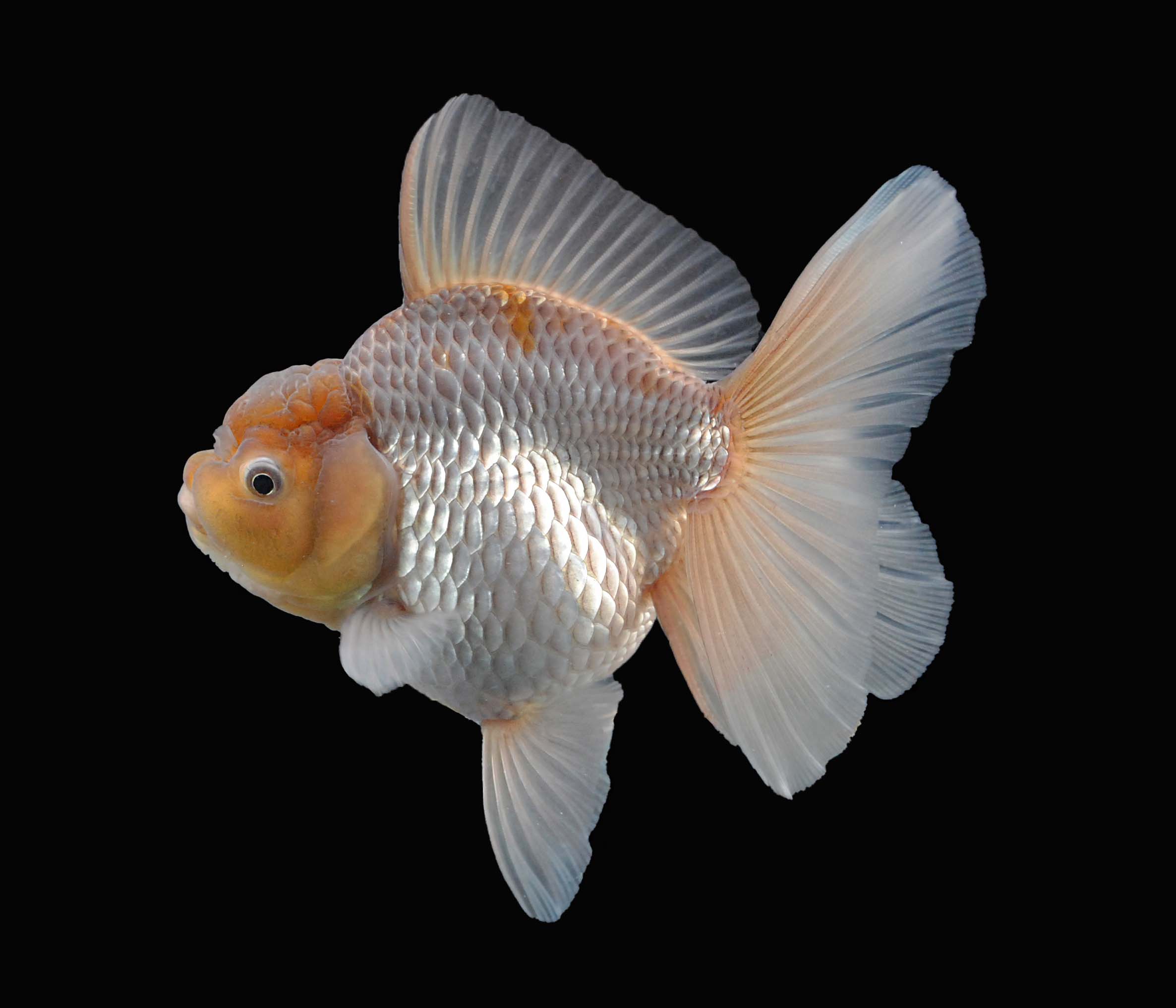
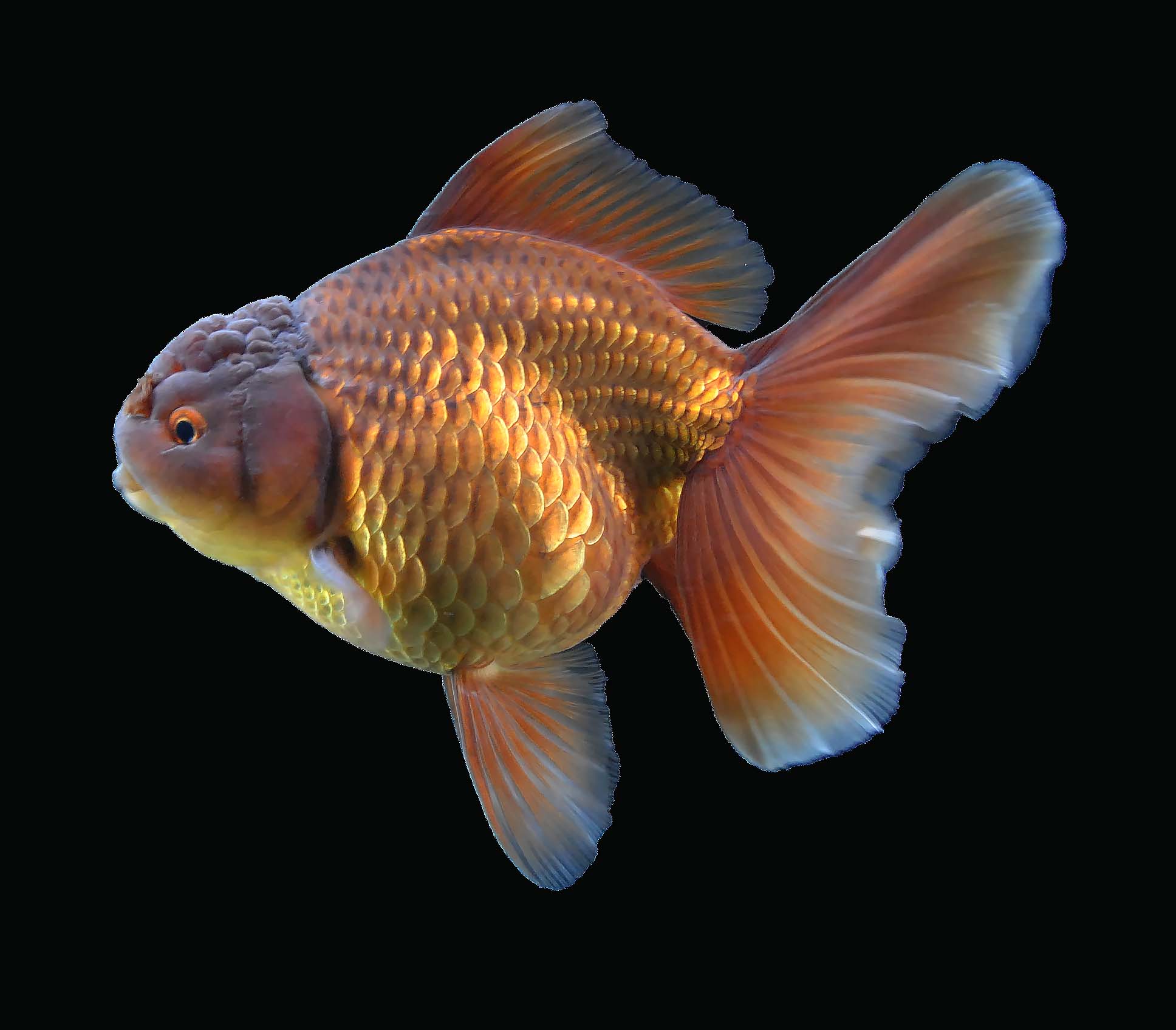
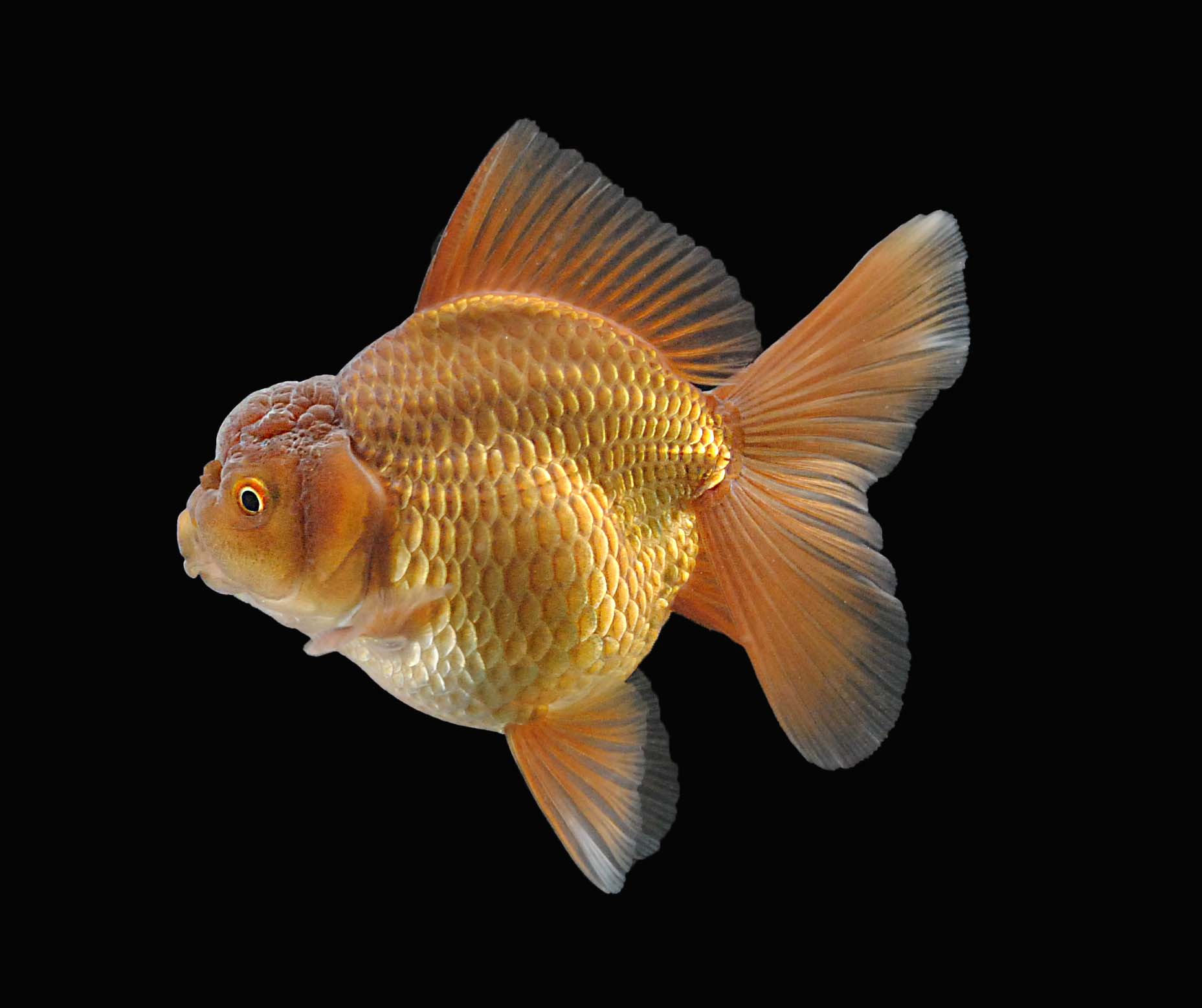
Blue Oranda, Brown Oranda, purple oranda, yellow oranda

The Diary of a Goldfish Breeder 2025 (#2)

  1. Update on myself
  2. New side project: Yellow x Purple Oranda

I am 52 years old now, and taking goldfish pictures and videos is getting wearisome for me. The last time I took some pictures, I had a strained lower back. From that moment on, I think I need to cut back on my photo taking activities. On top of that, several business and family matters occupied my attention. While my overall health was (and is) diminishing (when vertigo took over several times) and my travelling schedule was tight, Not to mention that the earning generated during several years of working on this blog cannot even pay the subscription fee for even a year, haha! I was still faithful to my goldfish breeding projects, though. Every morning when I was not travelling, I will did my daily routine: doing water change, scrubbing dirty tubs, closely working on my projects. It is just that I had far less time to update on this blog. Going forward, I might update on this blog with less (and lesser quality) pictures. Oh yes, my vision is also deteriorating (welcome to old age, said my eye doctor!) I also think of discussing a new topic, that is about appreciation and the philosophy behind it. I think it will be an interesting topic for me to explore, though I fully acknowledge my limitation. Well, it is all still just wishful thinking, though. No promise.

During my blog absent last year, I had a chance to make a unique cross that I had an eye on a long time ago. The color of yellow and purple are both recessive to red. How if I cross them? What will the offspring variety be? I already know what happens if I cross red to yellow, or red to blue / brown / purple. But I have no idea what will happen if I cross yellow to purple. As far as I know, nobody has ever reported this kind of project.

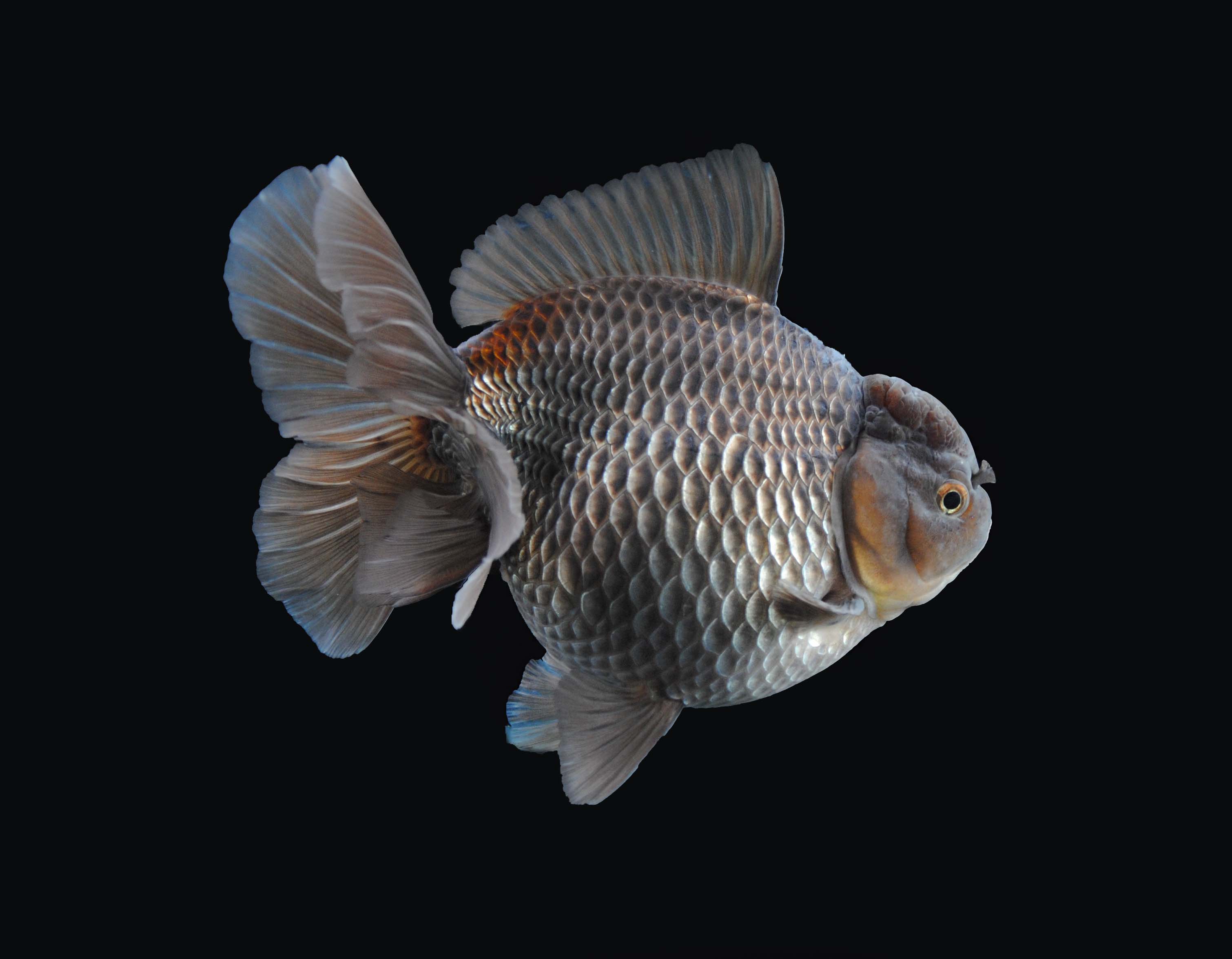
The F1 are all orange (some with black spatter). I did not manage to take picture of them due to the reason I mentioned above. Since it is easier to take video of them from my handphone, I managed to take their video and upload it in youtube:

And here are the F2

Is there any interesting result? I would say yes, though I am not sure they will do well in the market. They are interesting for curiosity purpose.

The most obvious results are the red / red white and the yellow / yellow white color. This is predictable, of course. But I do note that the yellow color has a bit of orangish color, in a different spectrum of yellow from its father, yet can still be differentiated from the red siblings. I do not think I will use them in my next projects, though.

Next in line are the blue and purple color. This is also predictable. If the F2 of red x purple results in blue and purple (along with brown and red), it is expected that the F2 of yellow x purple will results in blue and purple also (along with brown which I will discuss after this, and red and yellow).

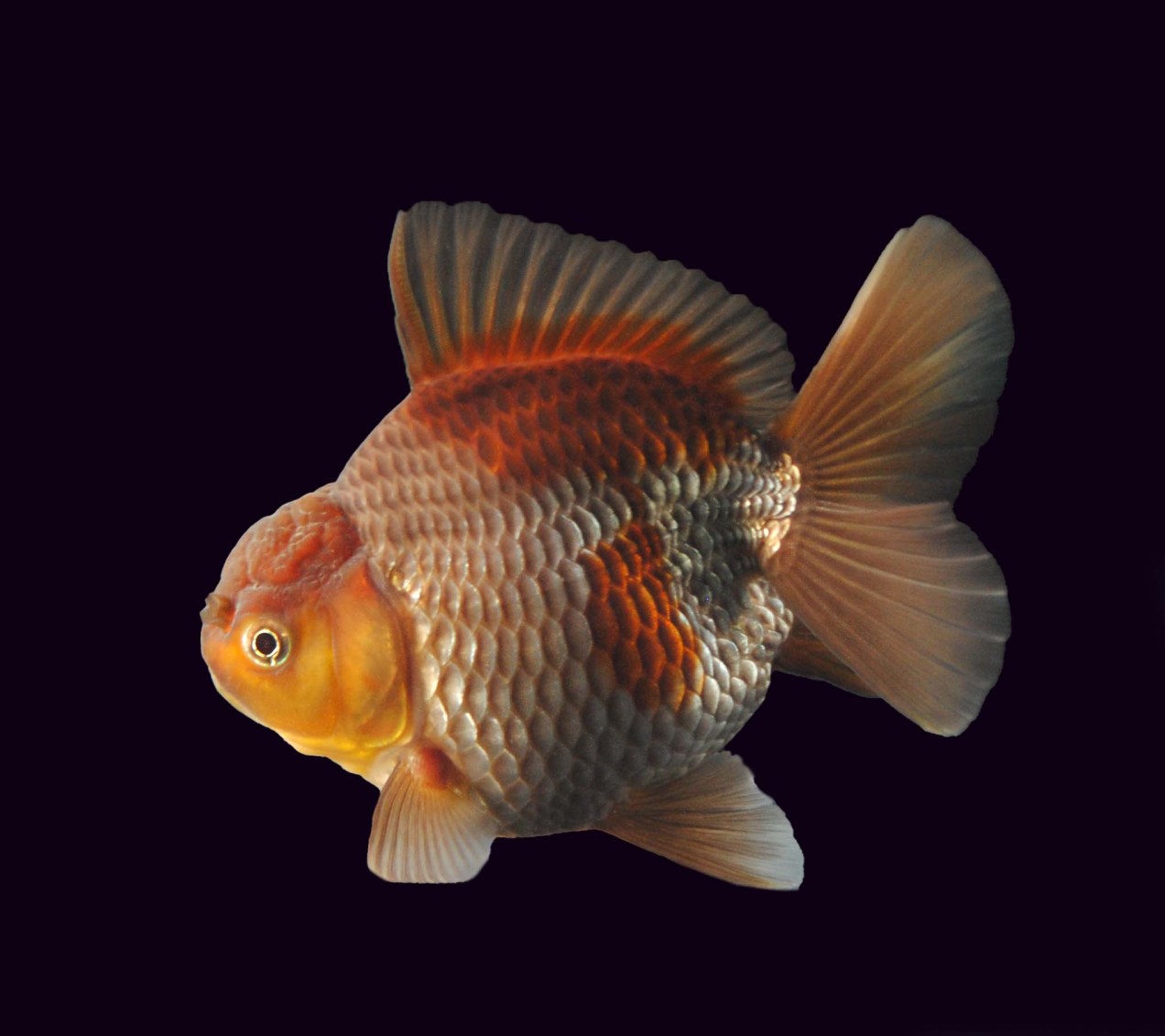
The brown offspring is a bit tricky and interesting. First, let me show you the grey (wild) color as also one of the offspring, and its dark brownish sibling. The wild color being #1 and the sibling #2. Do you think we can call the #2 brown / chocolate? I am not sure. It is close to Dark Brown color I discussed before in my previous blogs.

And there is one unique color in the offspring, which I am not sure how to call it. Is it bronze? Green? Copper? Gold? I do not know. I call it #3. When compared to the wild color, it is obviously not wild:

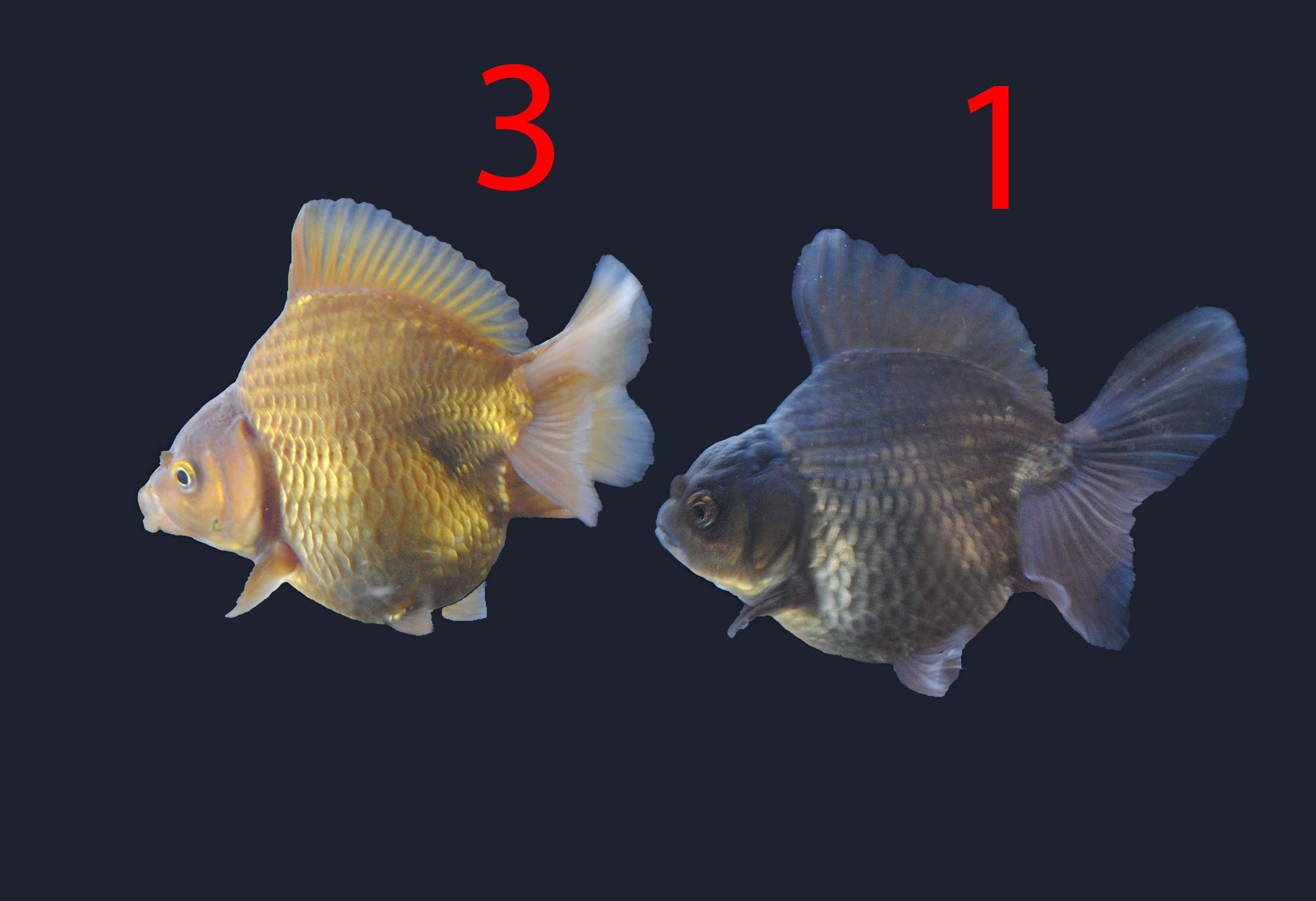
But compared to #2, it is certainly not as brown as #2:
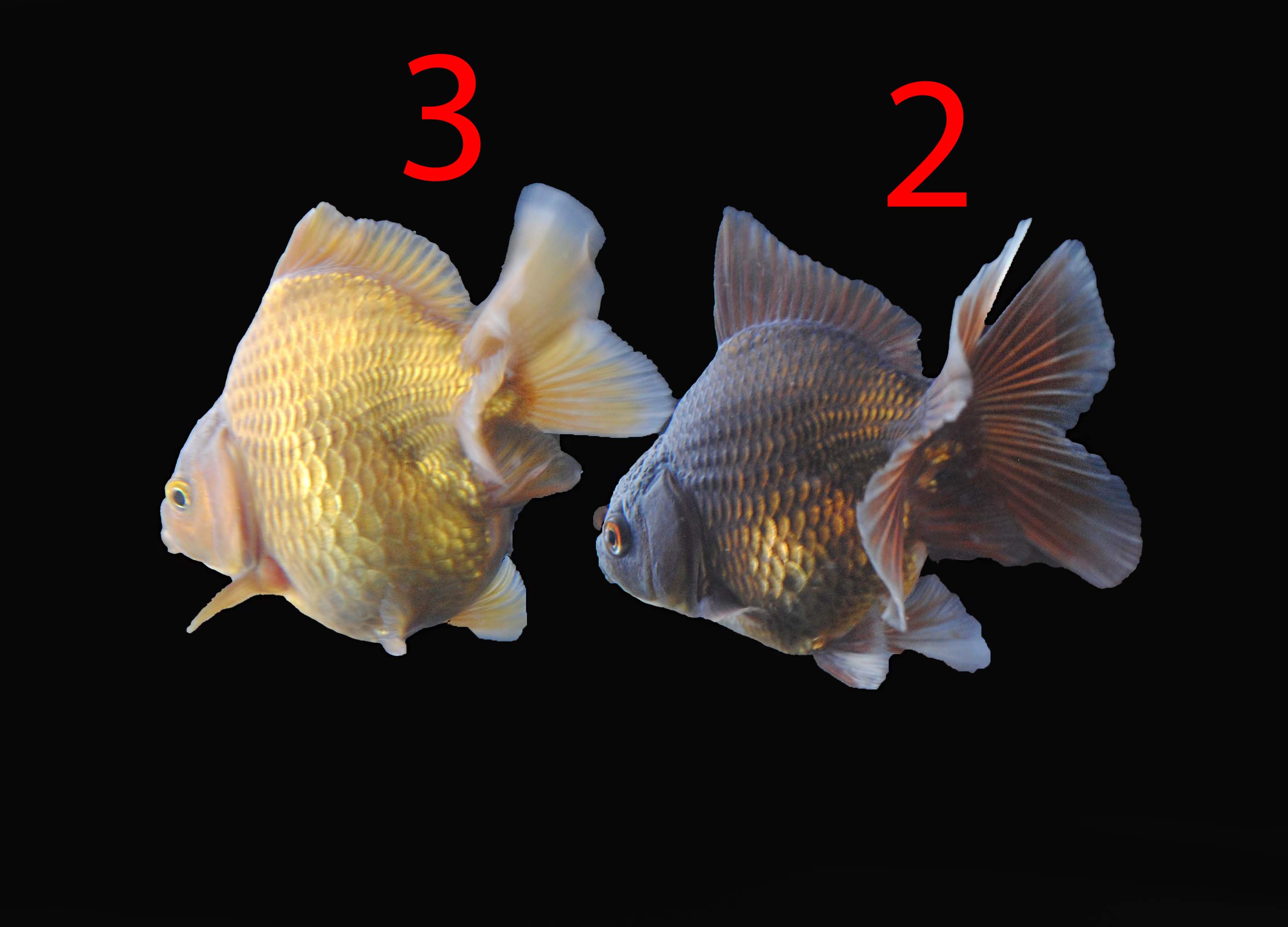
Can we call #3 as light brown? I do not think so, because we have another variant of brown as #4:

I compared #4 with #3 and #2:

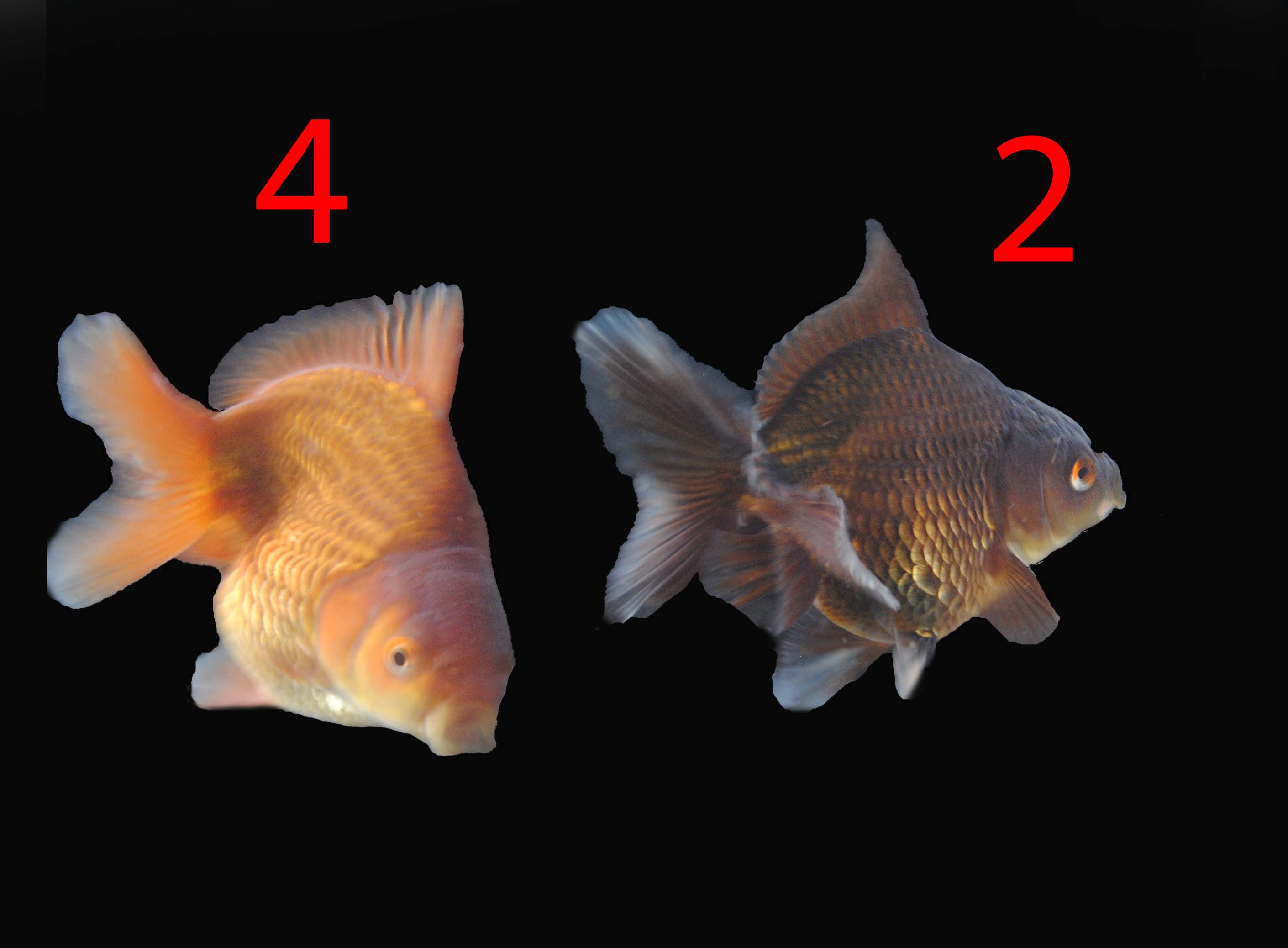
And if we think #4 is an interesting brown color, I still have #5 which is slightly different from #4 but more eye-catching. #5 is the best brown color I have ever seen. Too bad, when I took these pictures, I already tired myself to the core. So, pardon me for the few and blurry picture.

I will definitely try to duplicate the color of #5!

Now, some of the brown color can fade into brown-red-white and brown-yellow-white color. The brown-red-white is already a rare color. But the brown-yellow-white is even more rare!
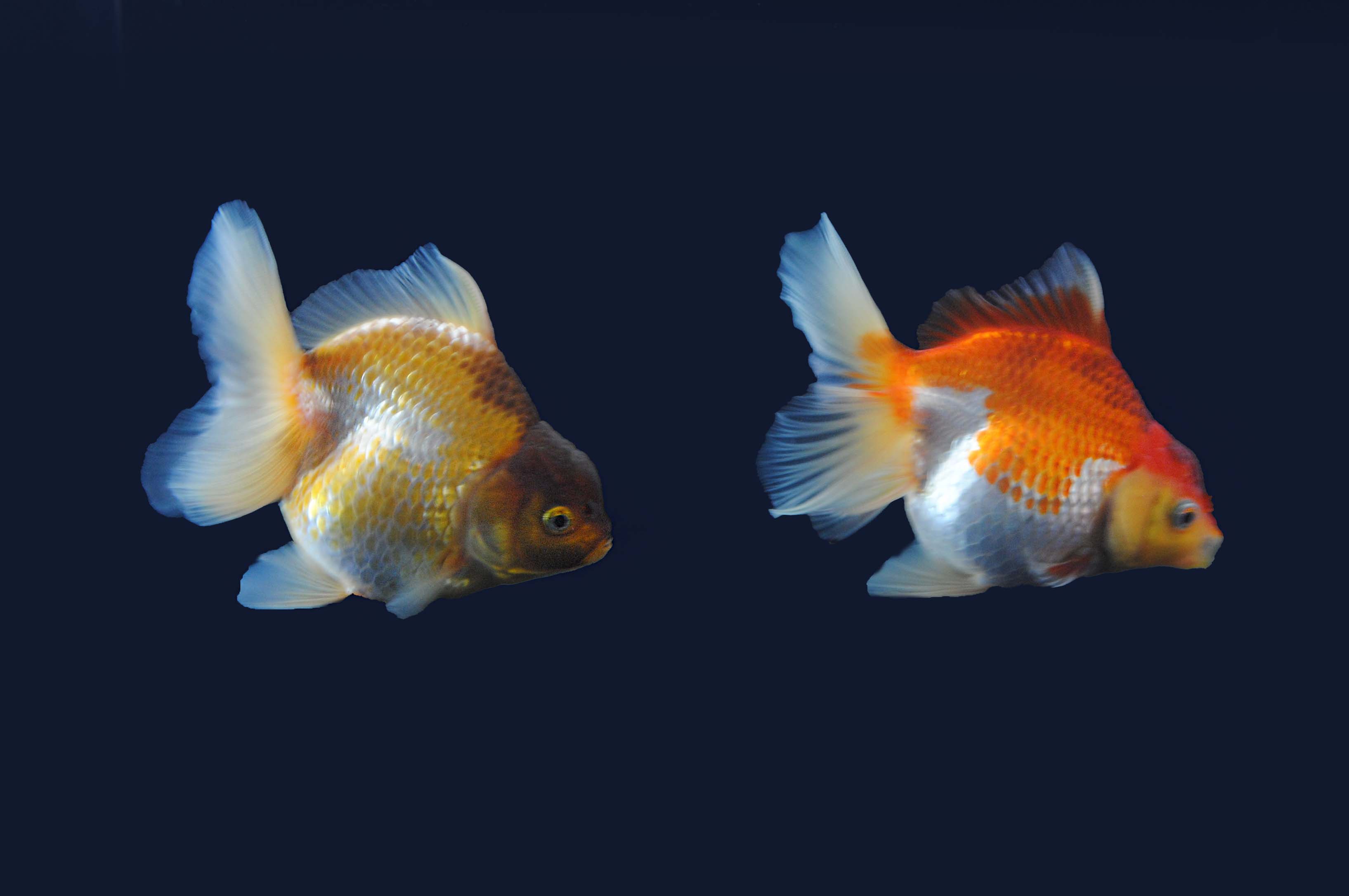
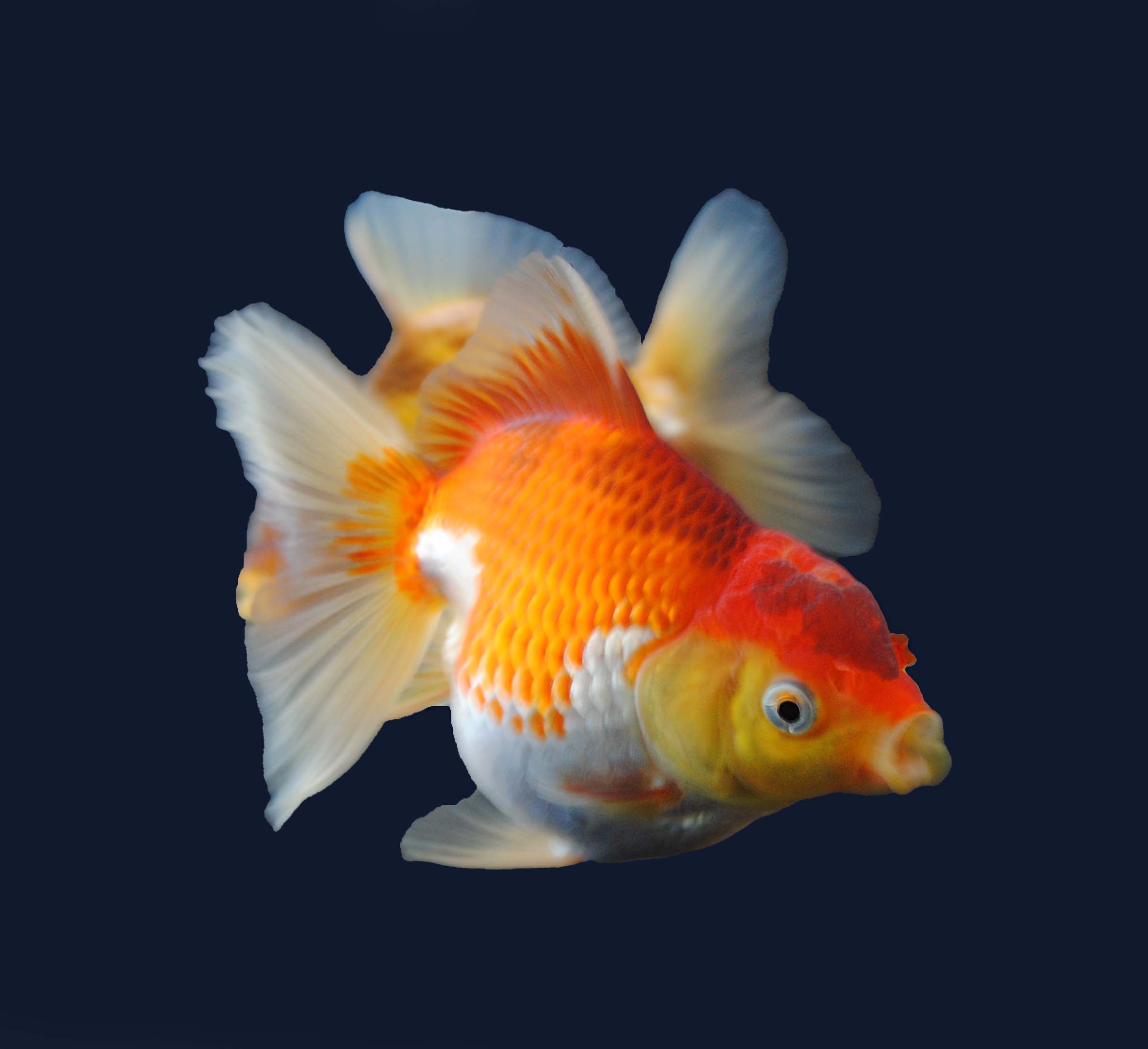
I think the brown color might eventually gone totally. But the existence of these two creates the possibility of us having those rare color combinations in a stronger version. Very unique, right? However, I am not sure if the market can accept them well.

Since the brown-red-white fish is full of defect, I cannot use it for my breeding project. But the brown-yellow-white is perfect. I will keep it for now and think about a follow up project later on.
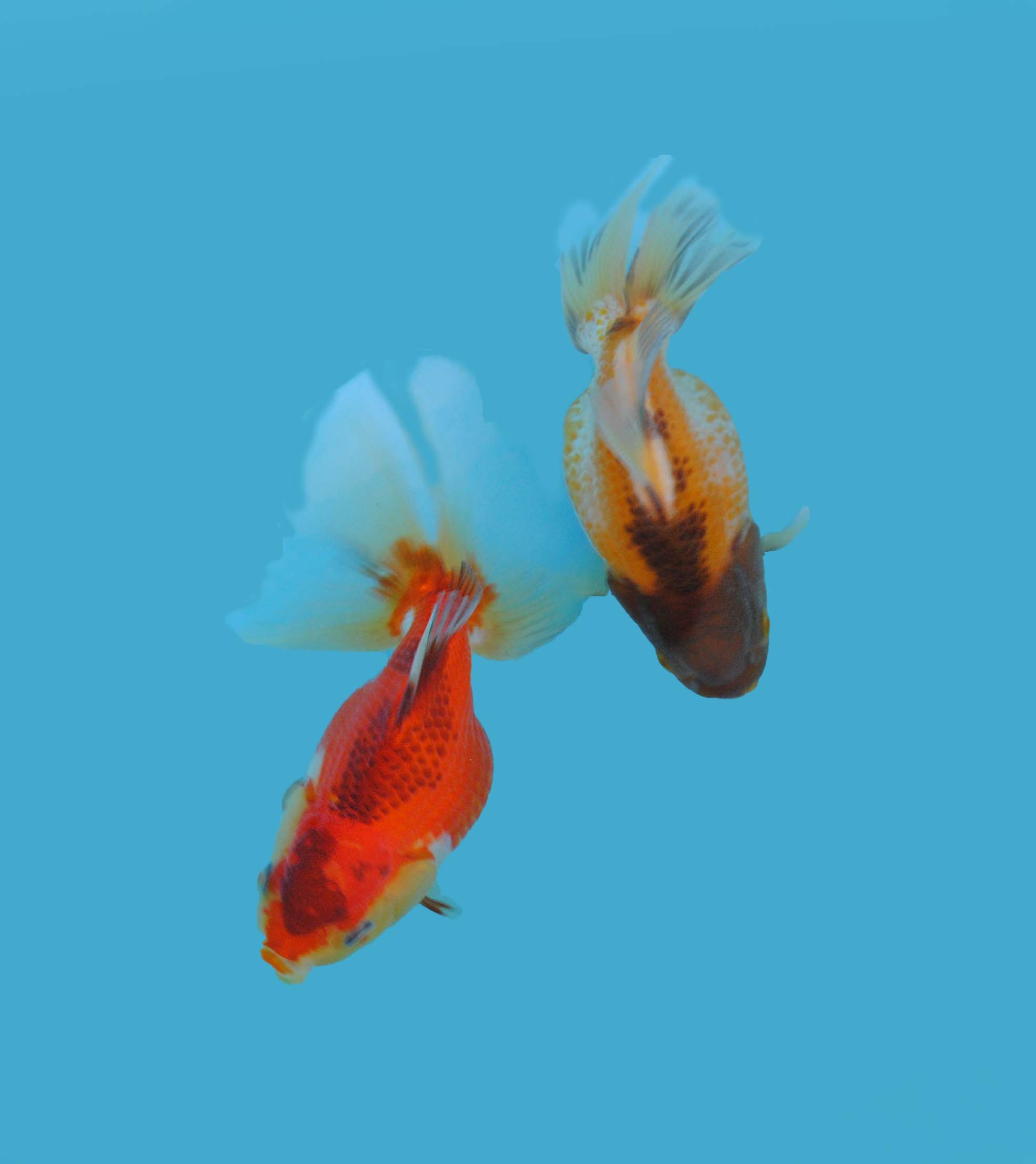
Of course, there is a tricolor (black-red-white) fish in the offspring. The black color almost disappears completely. But this shows that such crossing might yield a tricolor combination. The picture below shows the difference between the black and the brown in red fish.
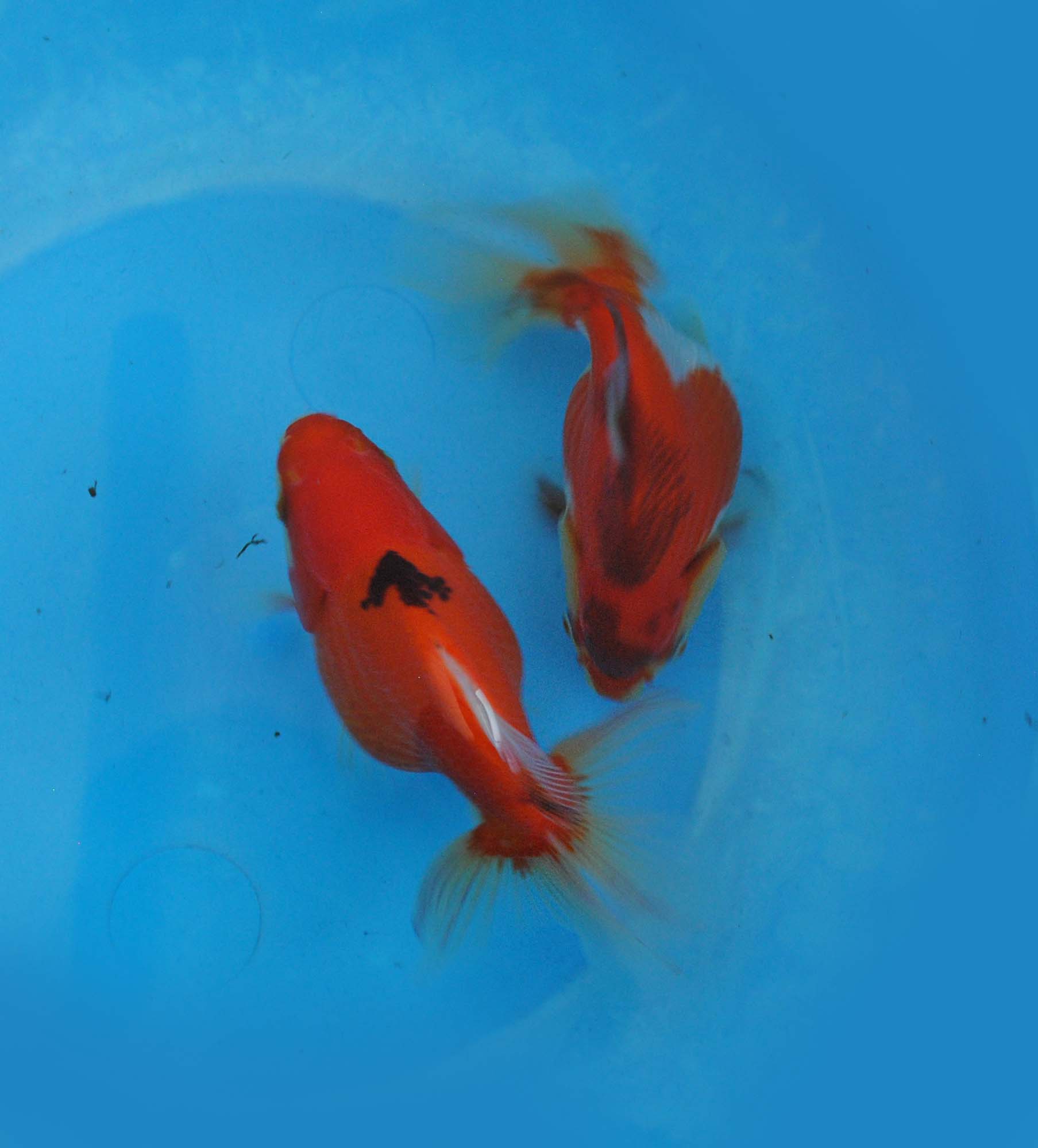
I might use the black-red-white fish in my tricolor project.

That’s all my diary today. Hope the reader enjoy!
Standard
purple oranda, The Diary of a Goldfish Breeder 2023

The Diary of a Goldfish Breeder 2023 (14)

Update Project #3: Purple Oranda

This line of purple oranda is different from the one I posted on the diary 2023 (3) https://hermantogoldfish.com/2023/02/24/the-diary-of-a-goldfish-breeder-2023-3/

The previous line came from crossing my blue and purple oranda. This line comes from the cross between my brown and purple. They produce different characteristics. The most noticeable difference is in the body shape. The previous line has a longer body while the current one has a rounder body. The color combination is also different. The previous one has only single purple color in majority while the current one has brown stains which makes them far more beautiful.

There is a uniformity in the current purple oranda line, both in their strength and weaknesses. The uniformity itself is something I value. But yes, I still have homework to tackle the weaknesses. Let me show you the three specimens I keep for future parents. (Sometimes I post more than two pics for a fish for us to enjoy. The sunset light gives different color tones to the same fish)

Fish 1:

Fish 2:

Fish 3:

To me, the round and strong body shape looks uniform enough. All have the purple and brown pattern (Ochiba pattern). The dorsal fin looks strong in all three. The headgrowth is a bit lacking. The tail belongs to the so so quality and is a bit too widespread.

I think, despite all its weaknesses, the market might welcome it readily. But I take it as my homework to improve it further. But no hurry.

This line also produces another color variant which is purple and white pattern. As the fish loses its purple color, the white part emerges. The purple area become denser to make it looks like brown – well, light brown or pale brown actually. The fish gives an impression of being brown and white color. I am not sure if the color is stable yet. Since the purple color is still dominating the fish skin though the fish gets larger, I think it is stable enough. I am still in the stage of observing this pattern to see how I can develop it further. Here are lots of pictures of our prince and this concludes my post today. Don’t forget to notice his smile. Enjoy.

Standard
purple oranda, The Diary of a Goldfish Breeder 2023

The Diary of a Goldfish Breeder 2023 (3)

Project #3: Purple Oranda / Lavender

Currently I have two lines of Purple Oranda. One comes from the Blue line, and another from the brown line. I will update only the first line at this moment.

As you might have known, I have crossed purple and blue many times such that my blue oranda lineage carries the purple genetics recessively. The blue oranda parents I mentioned in the diary 2022 #19, which I thought were purely blue, turned out to produce a little percentage of purple! So, without any effort, my Project #1 to create blue oranda rewards me with a succesful outcome for Project #3. The quality of the purple oranda is roughly similar to their blue brothers and sisters.
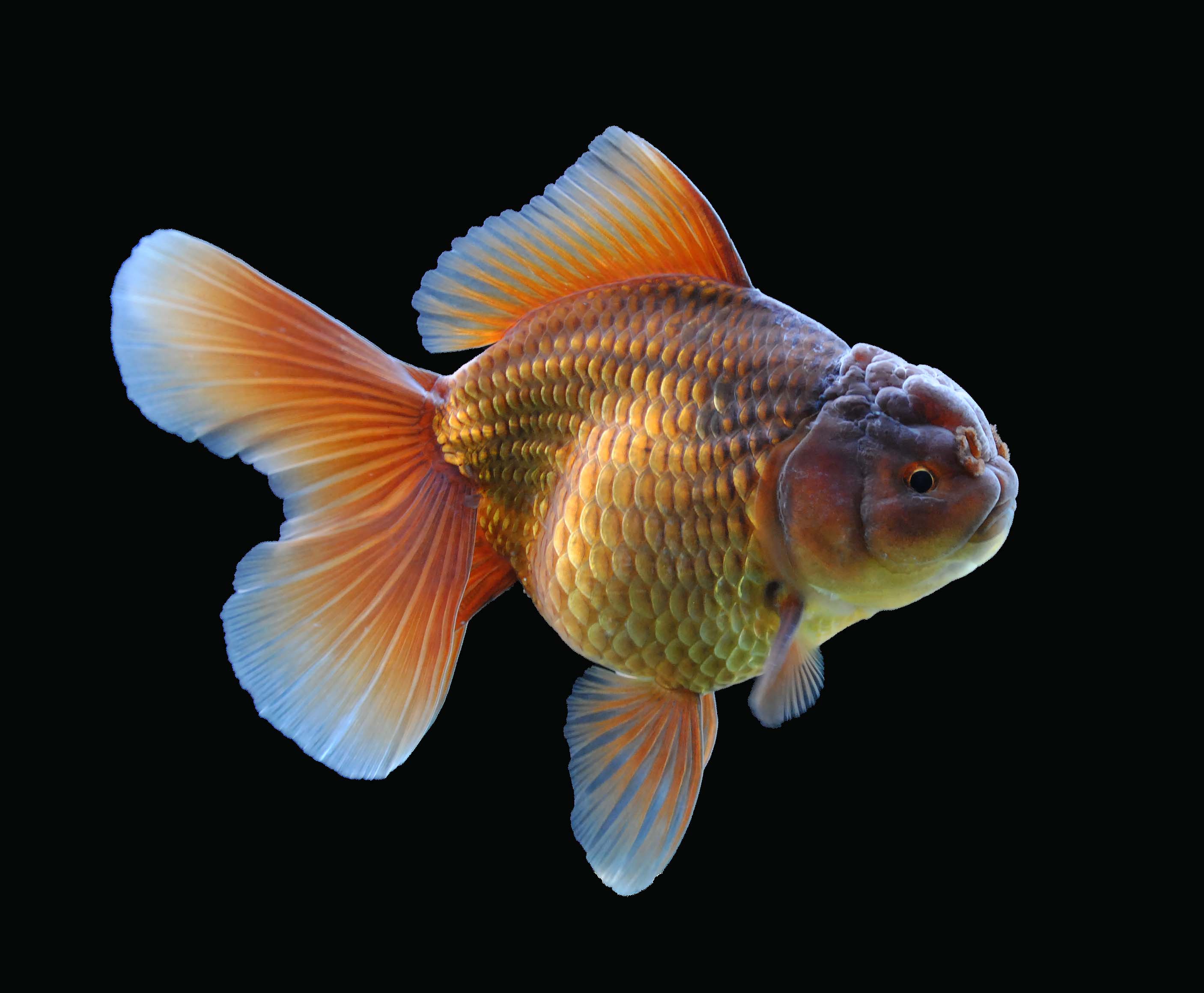
These are five of them:

These are young fish. I am satisfied with their quality right now. I am sure they will turn into beautiful specimens several months to come. Two things I need to improve: the dorsal fin and the pattern. Some fish shows weakness in its dorsal fin, namely the first ray. Concerning the pattern, I am hoping to have more brown color staining the purple to make the ochiba patterns. I consider the ochiba pattern to be more desirable than plain purple.

I will update these fish again when they are mature in shape.

For those interested to see their video, please visit the youtube link below. Thank you.

Standard
Brown Oranda, purple oranda, The Diary of a Goldfish Breeder 2022

The Diary of a Goldfish Breeder 2022 (7)

Finally, this is the update on my Purple and Brown Oranda projects – half way. I think I have done a lot of improvements on these two lines. Let me start with my Purple Oranda project.

This is the purple oranda I had in the beginning of this project:

Skinny fish, with minimal headgrowth.

After working on it for a year, I have made significant improvement, I think. These two are the best I currently have:

Do you like them? 😊

The improvement is in the body depth (width) and thickness, the headgrowth, and the tail erection. And yes, I can see they have beautiful little humps, which I do not know where they come from. I have never used any ryukin in the crossing.

Now, let me remind us of my previous line of brown oranda:

This brown oranda project has also made some improvement. These two are the best results right now:

Improved, right?

At this point, I am tempted to consider this project as final. I love the shape of these purple and brown oranda at this current state. But I keep reminding myself that this is the half way result of a two years project. Well, what more do I want to improve? I still want to improve the headgrowth, and if possible I want to elongate the body just a little bit more.

Anyway, I am satisfied with my current result. Hope you all enjoy these results as I do.

Standard