cow ranchu, The Diary of a Goldfish Breeder 2021

The Diary of a Goldfish Breeder 2021 (16)

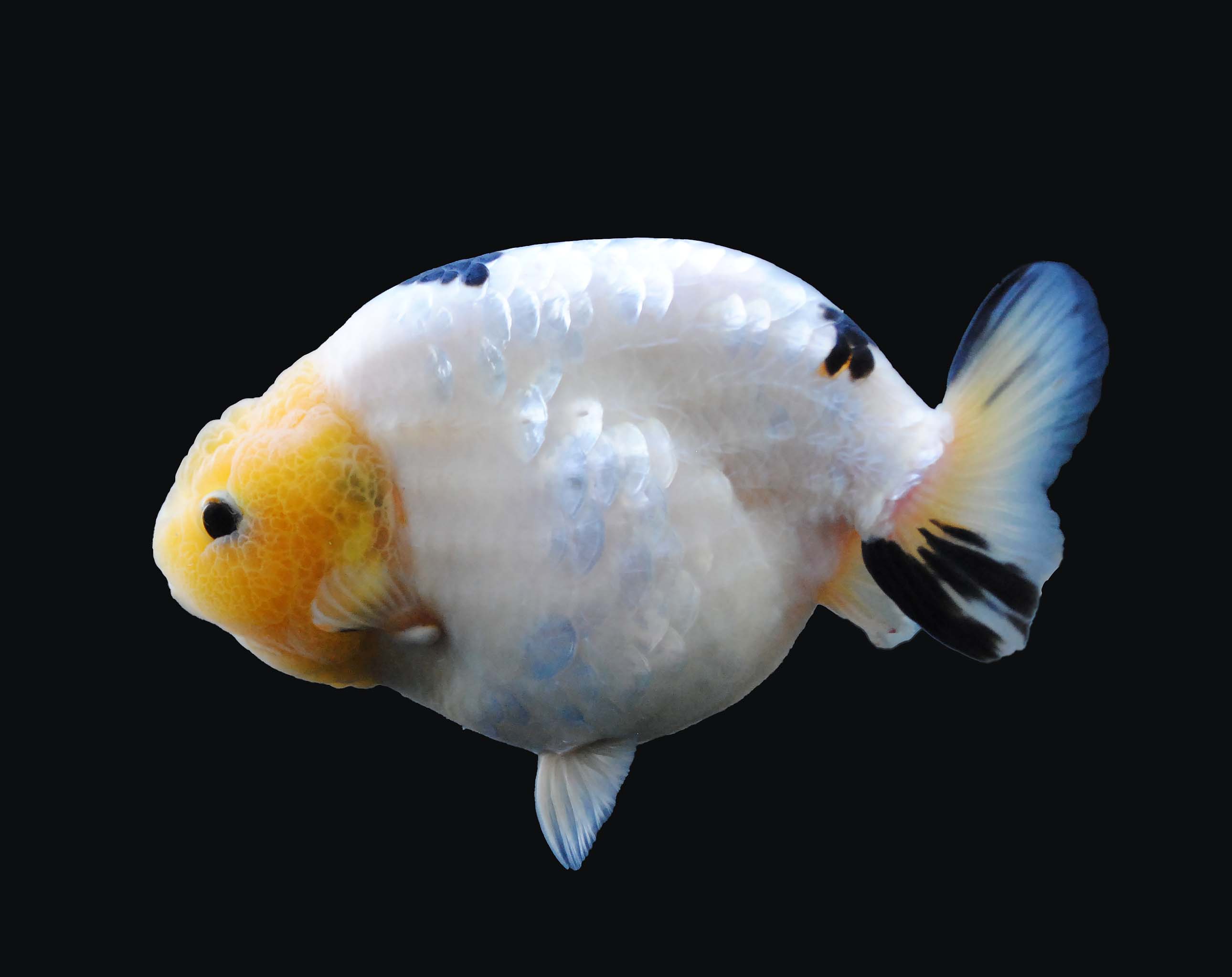
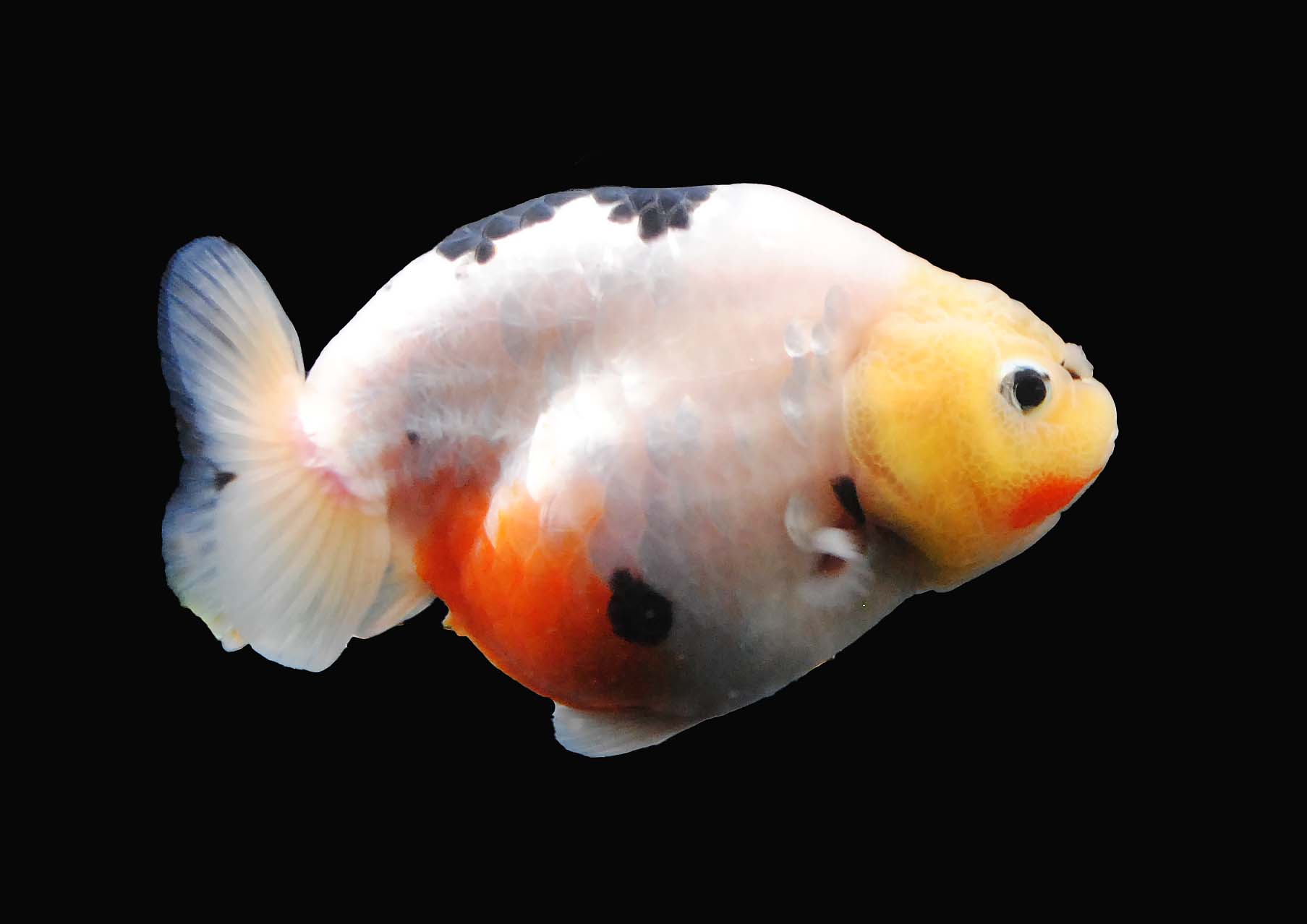
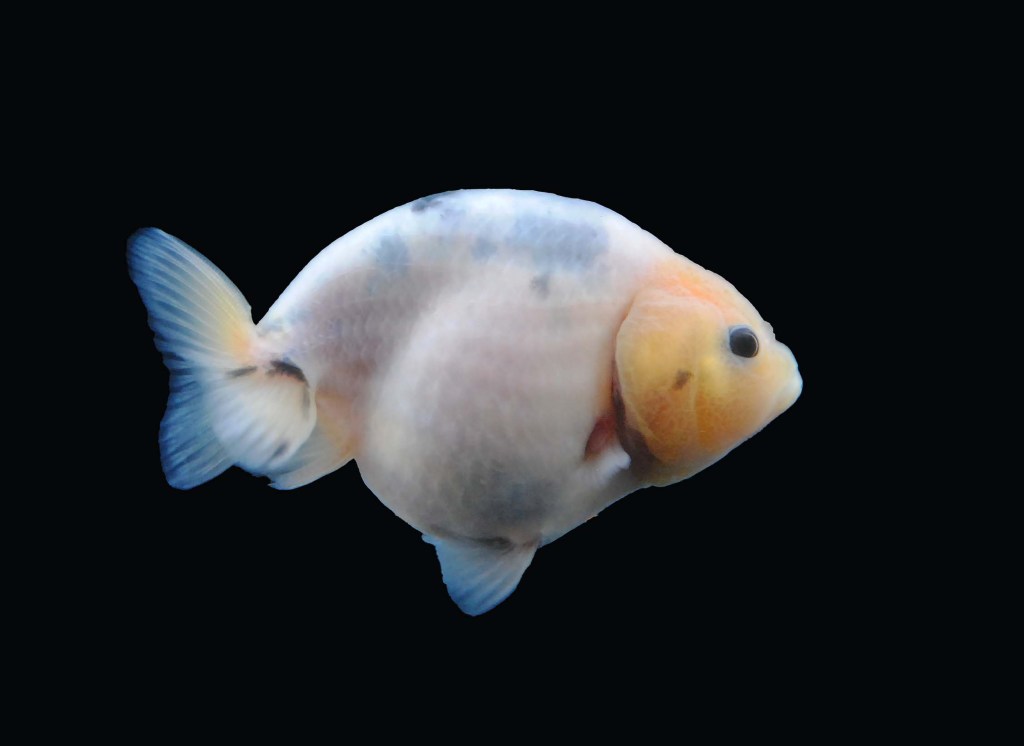
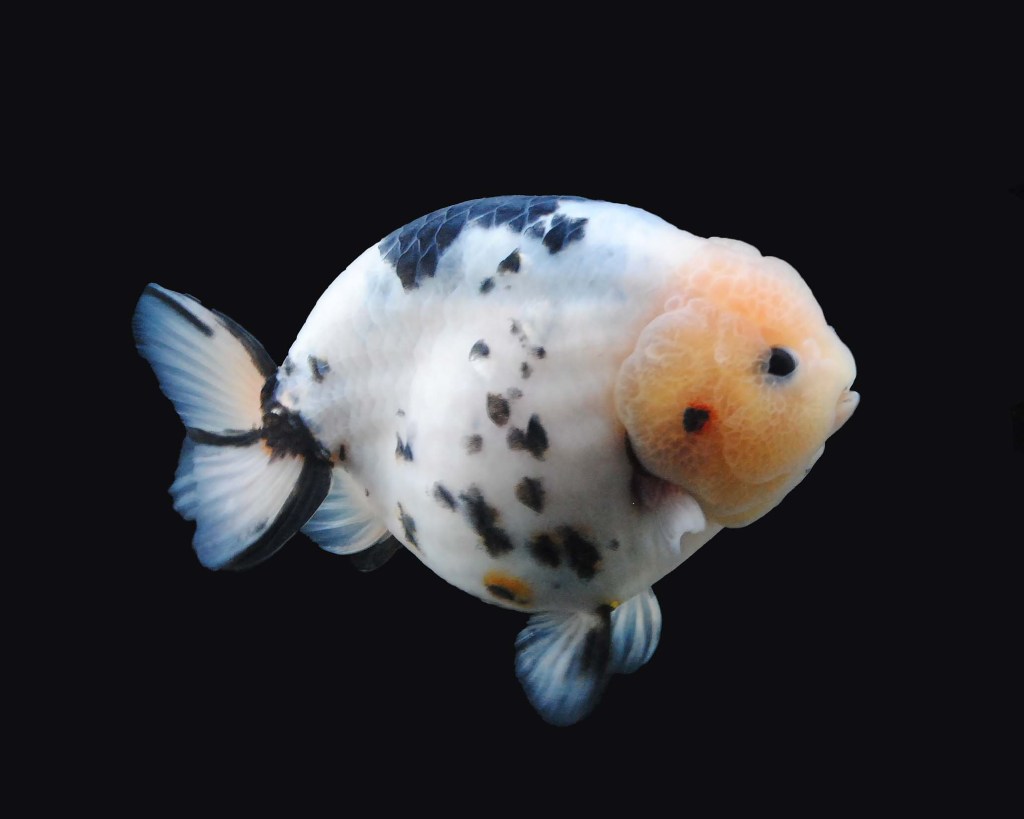
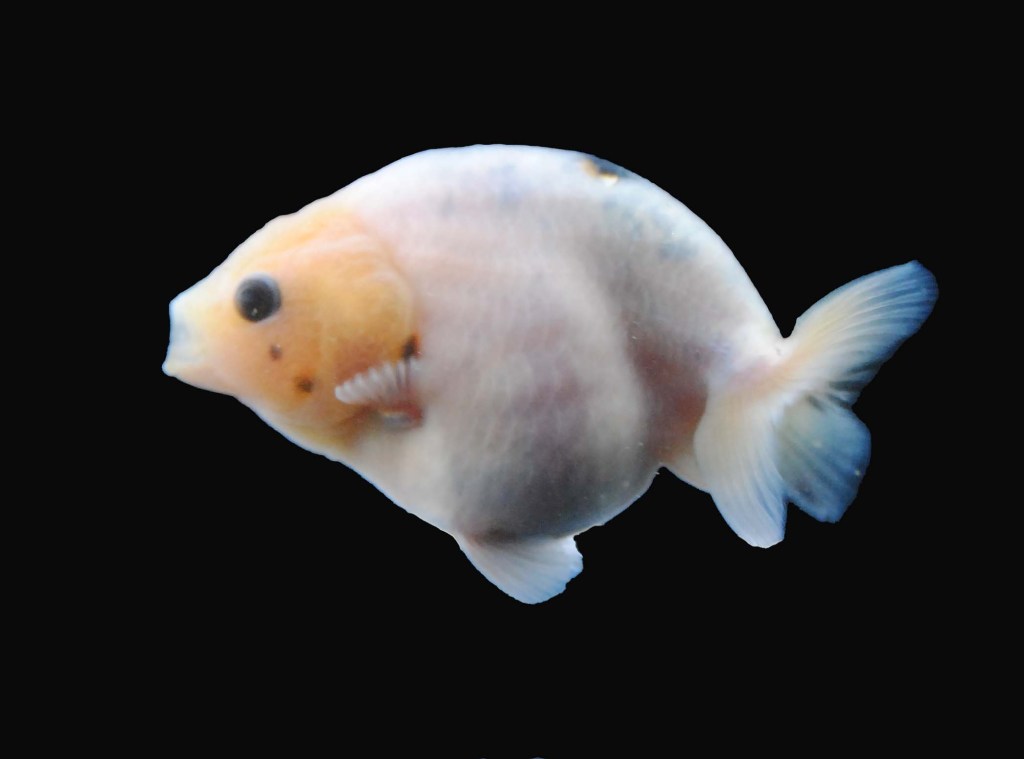
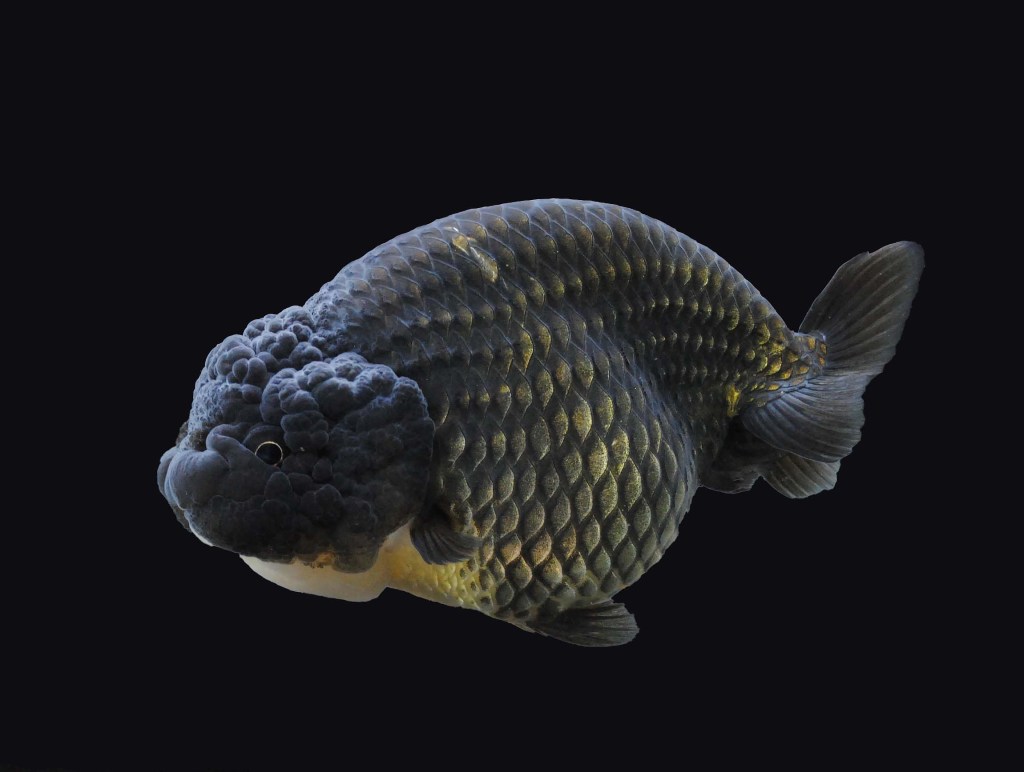
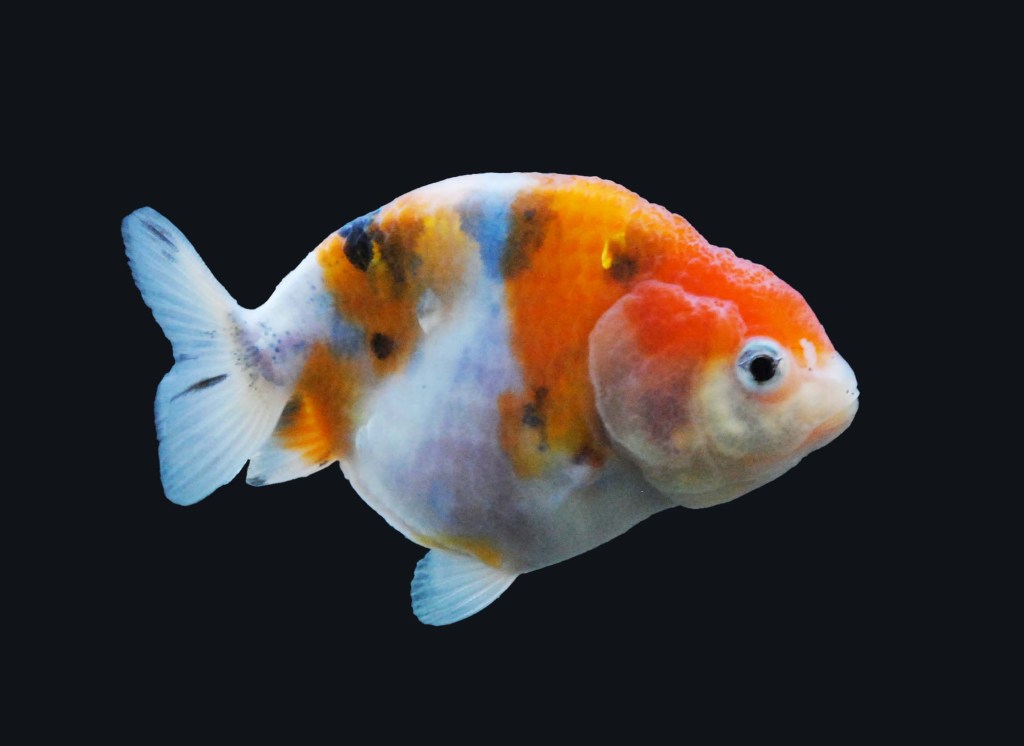
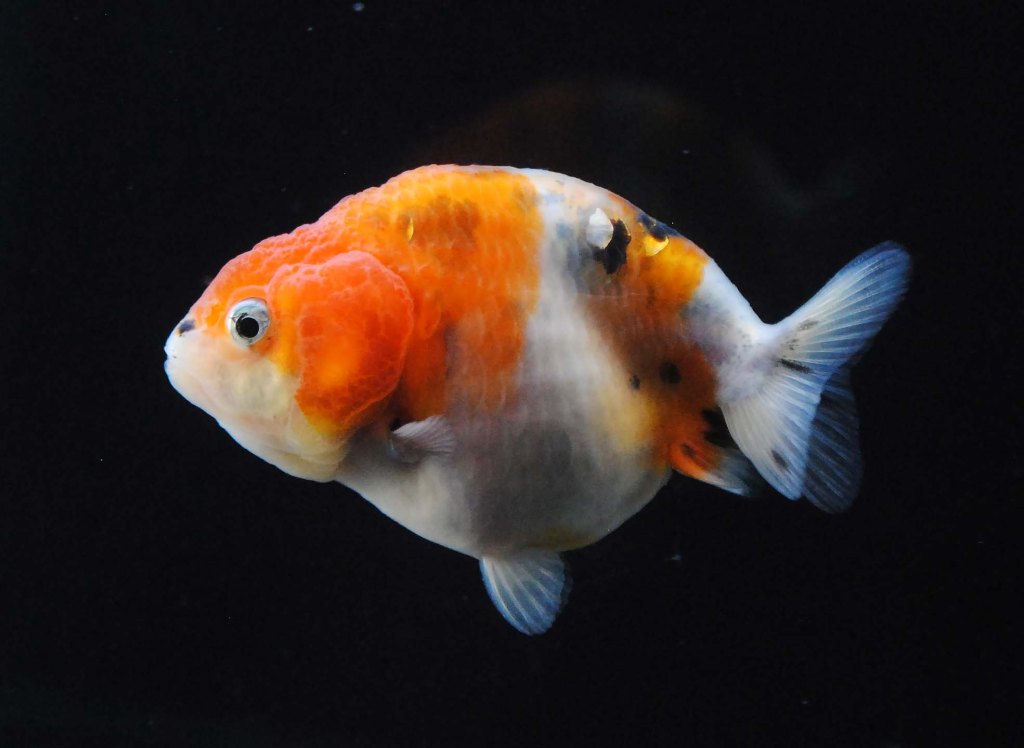
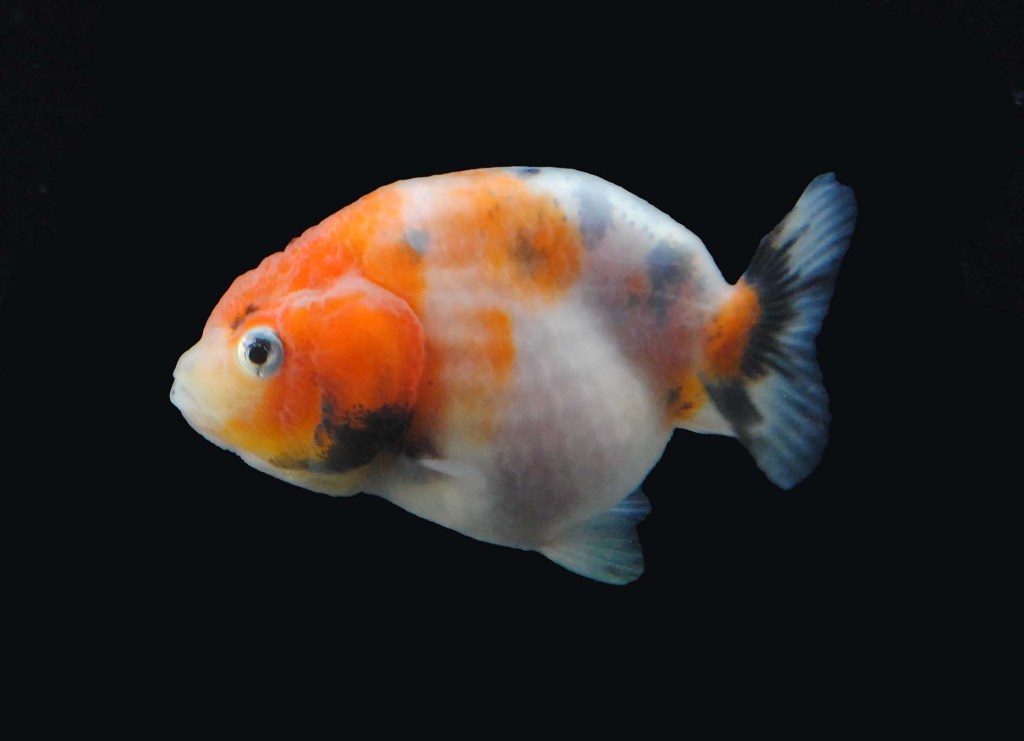
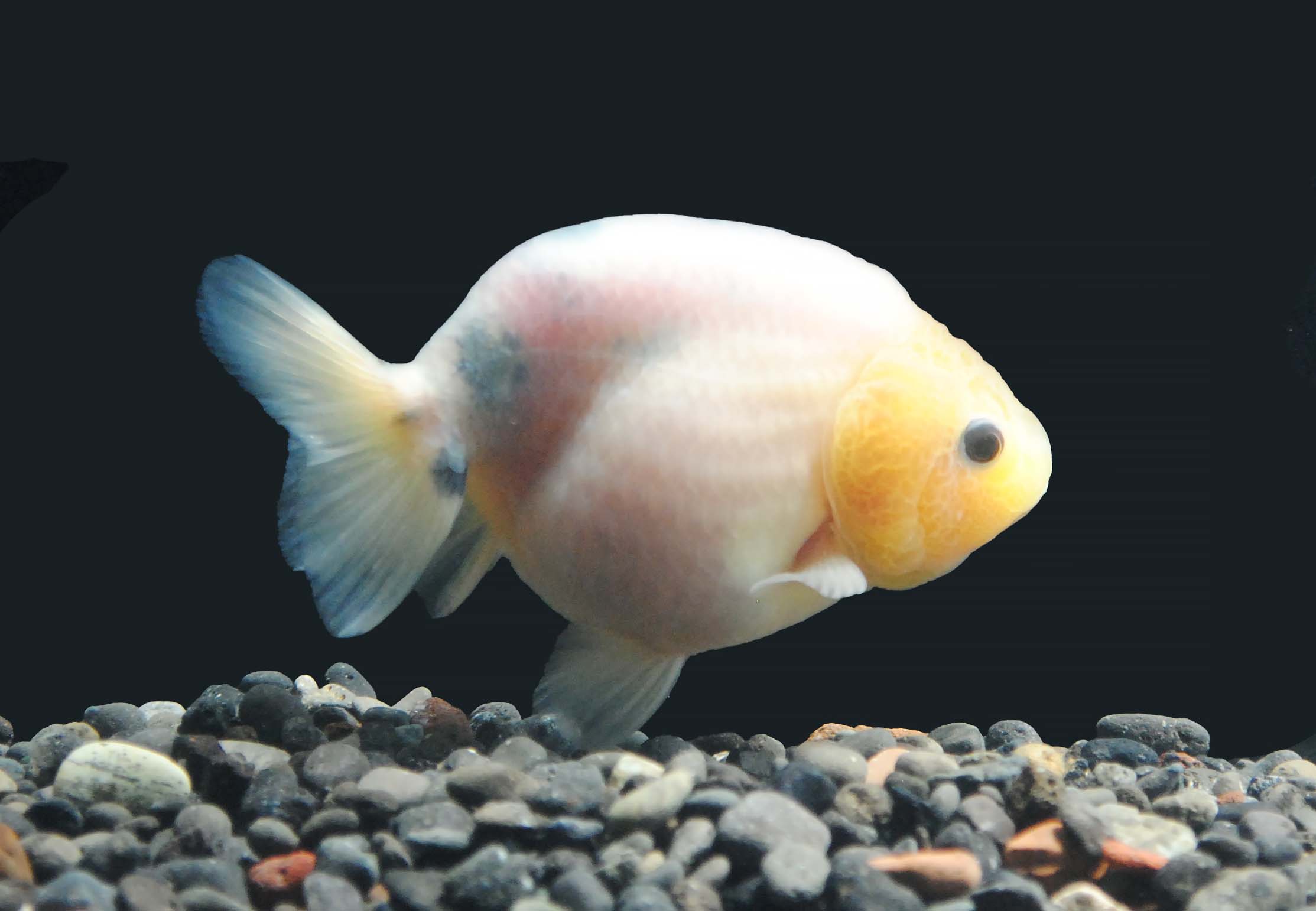
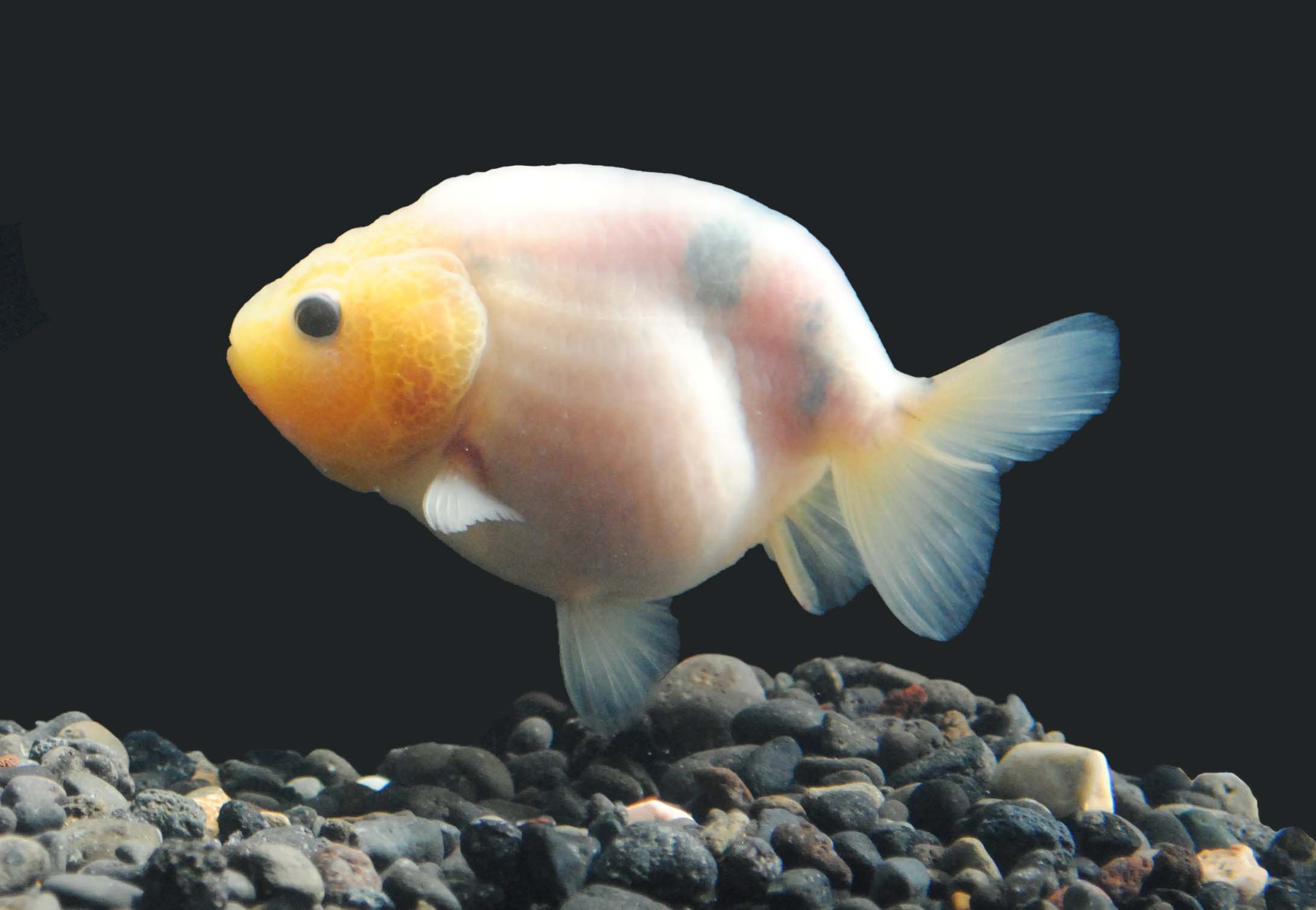
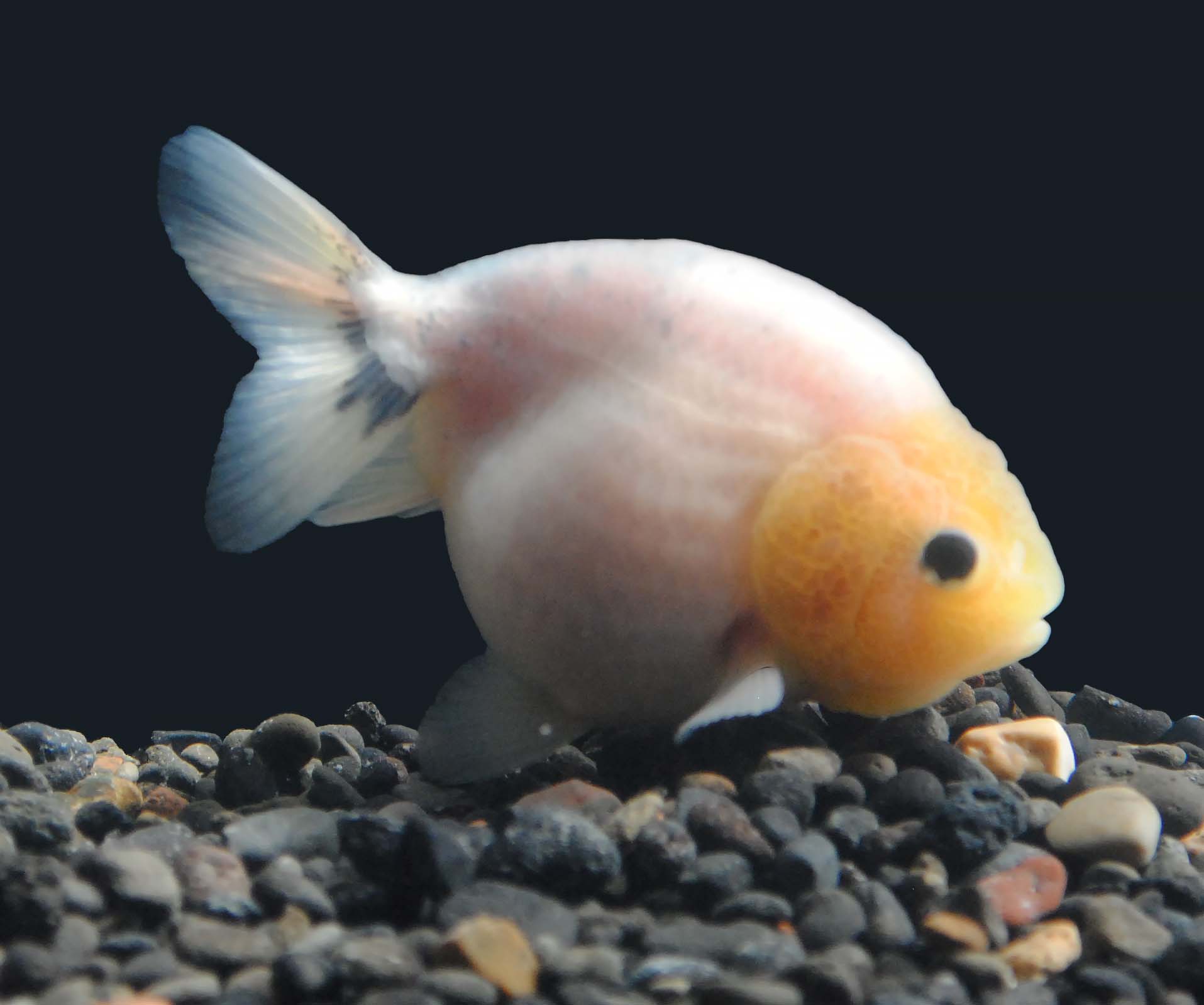
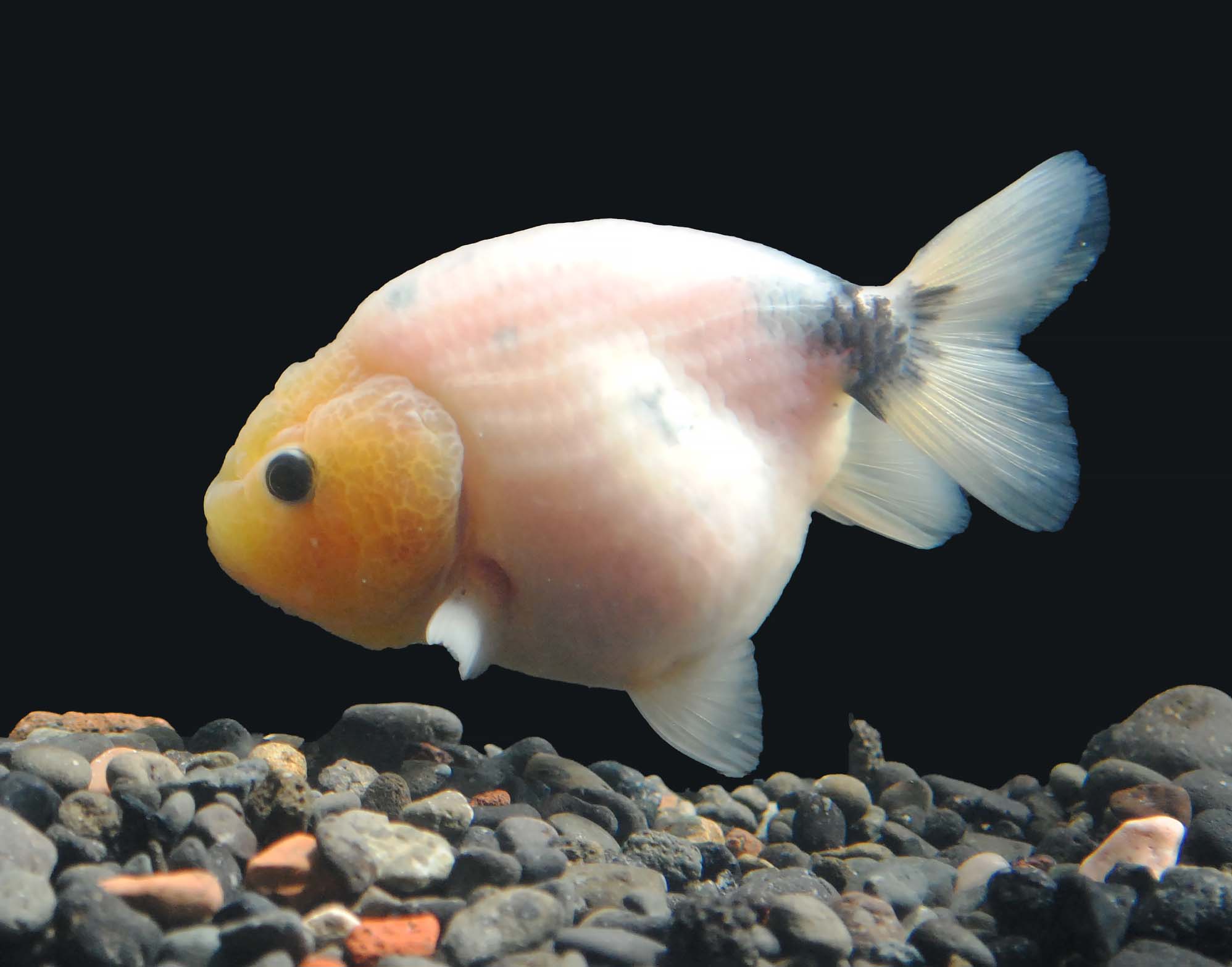
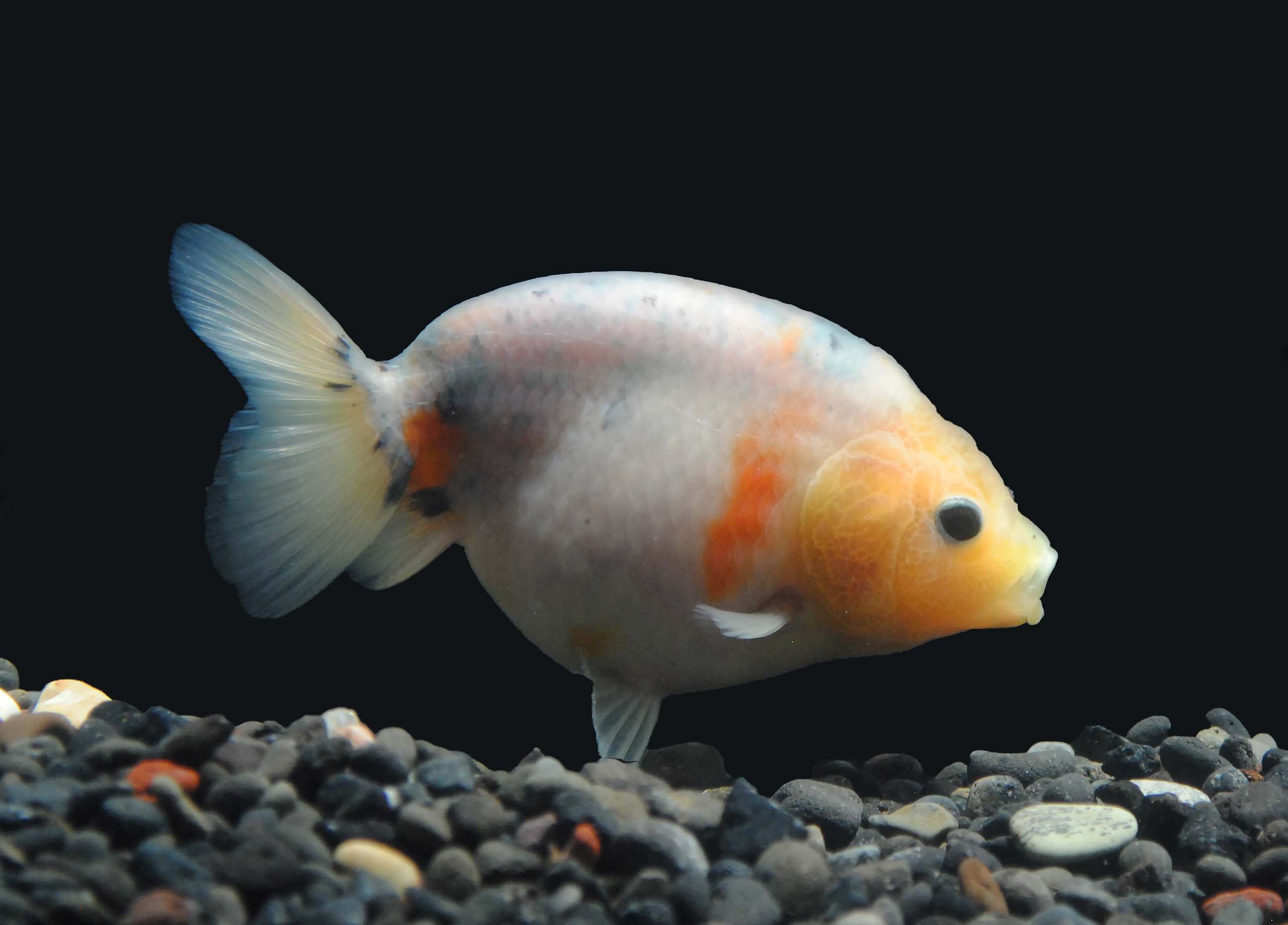
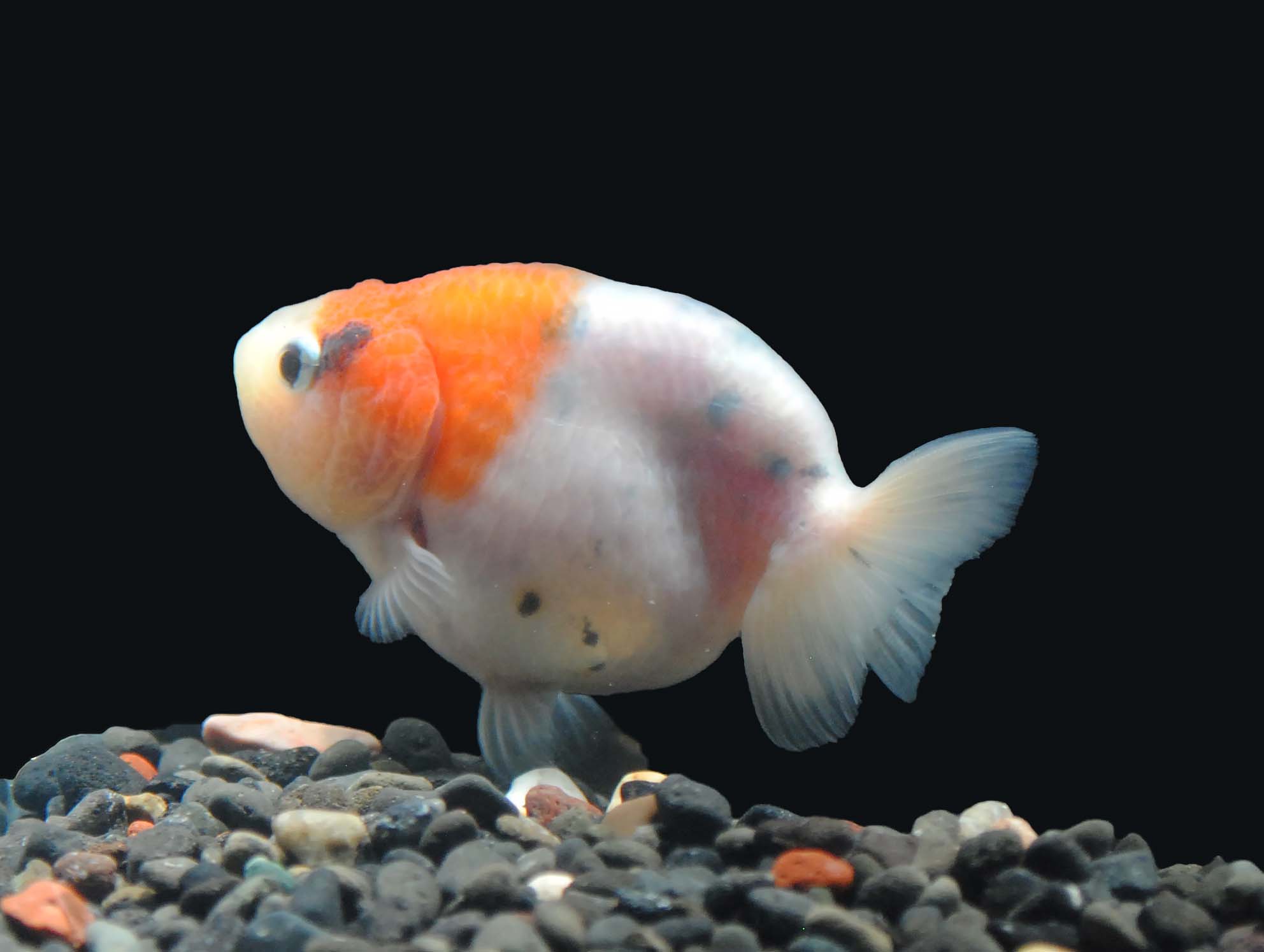
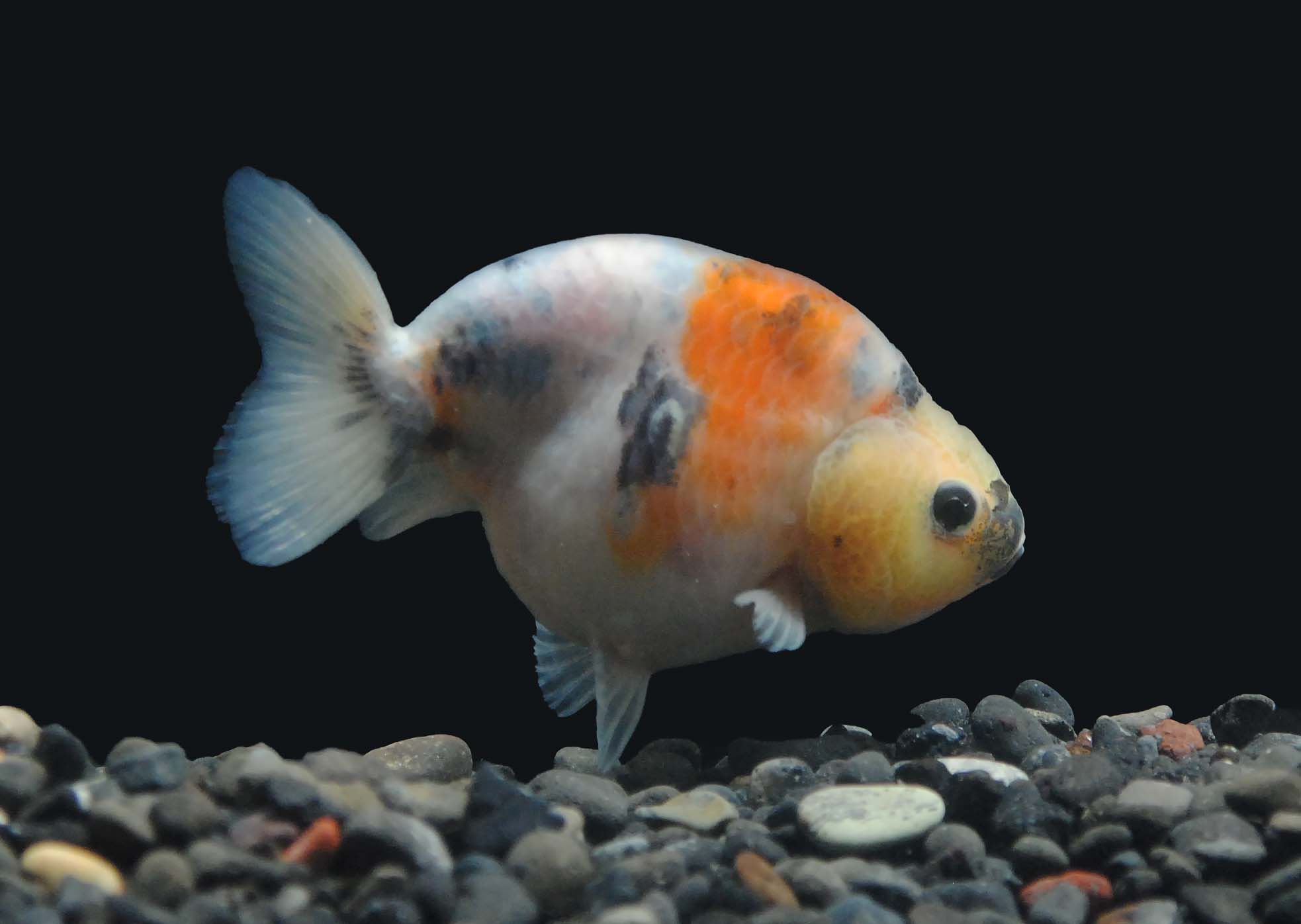
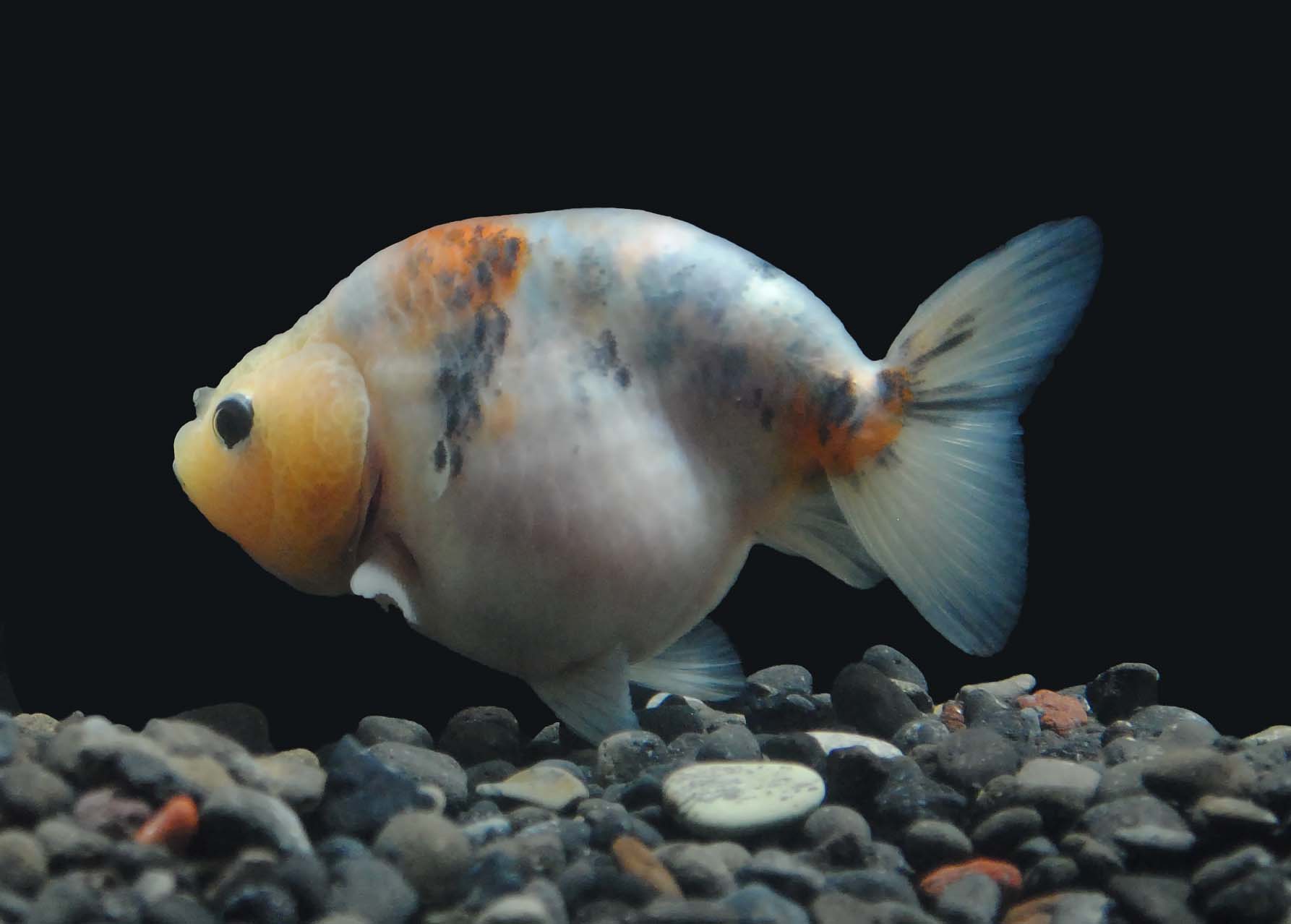
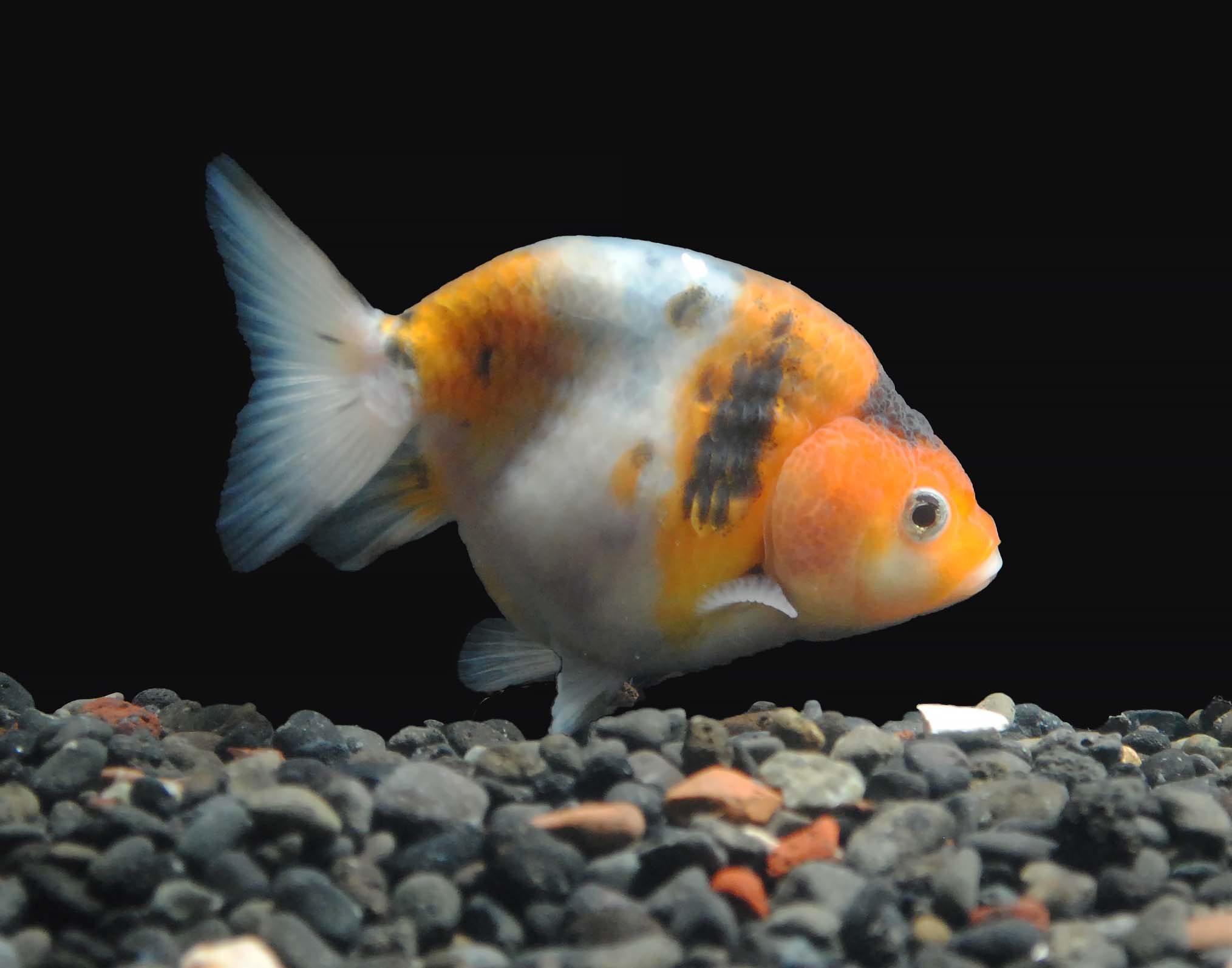
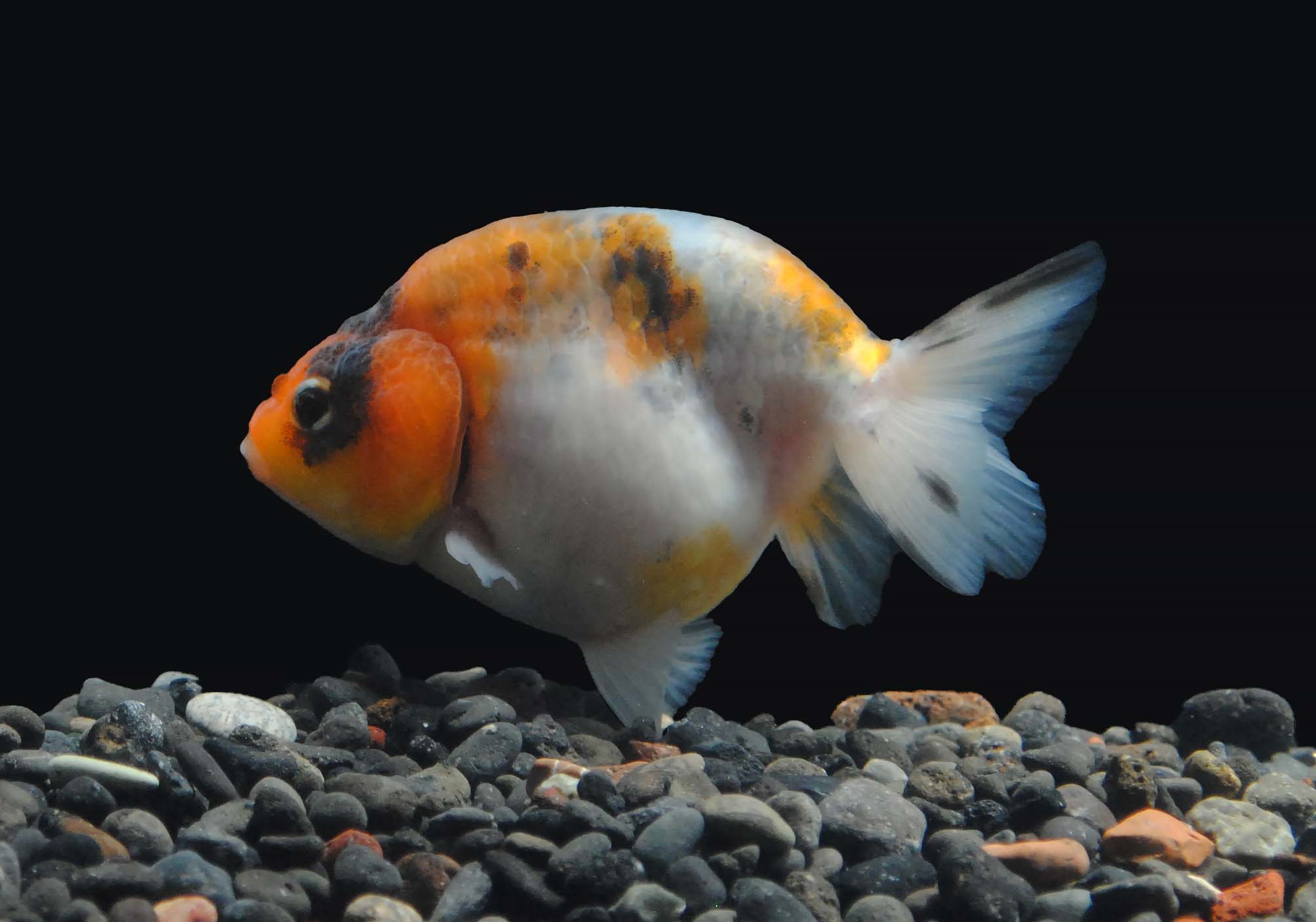
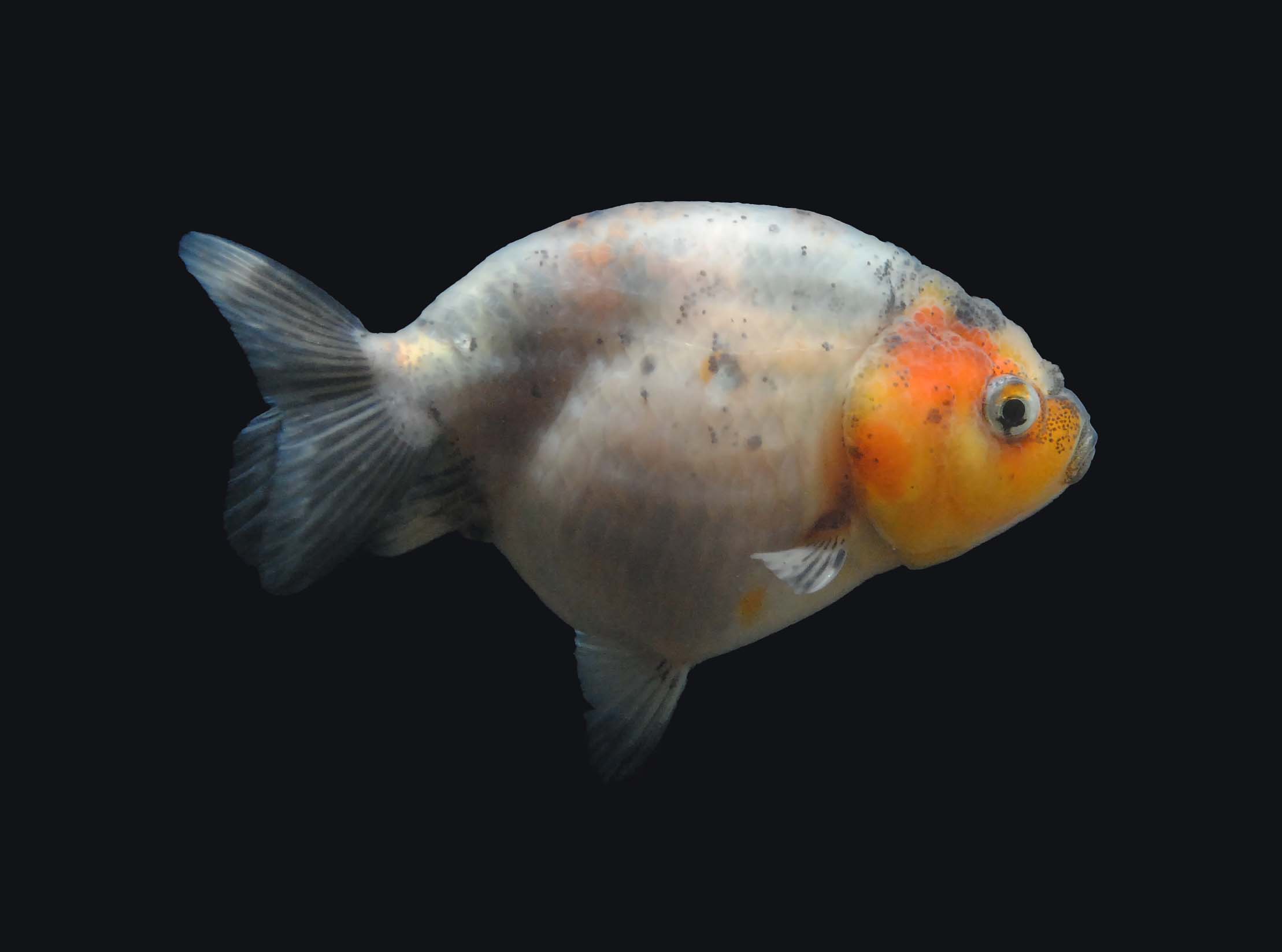
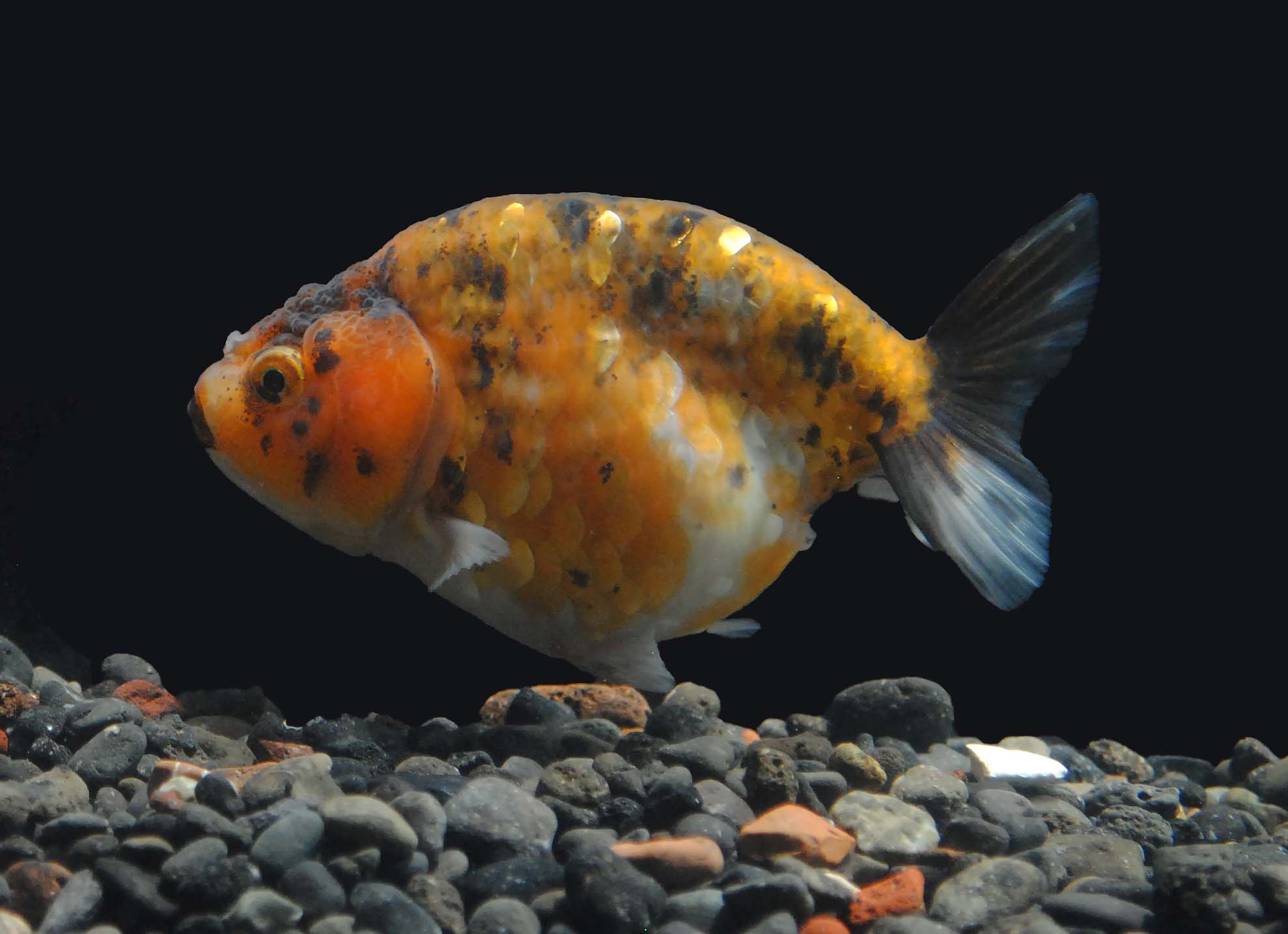
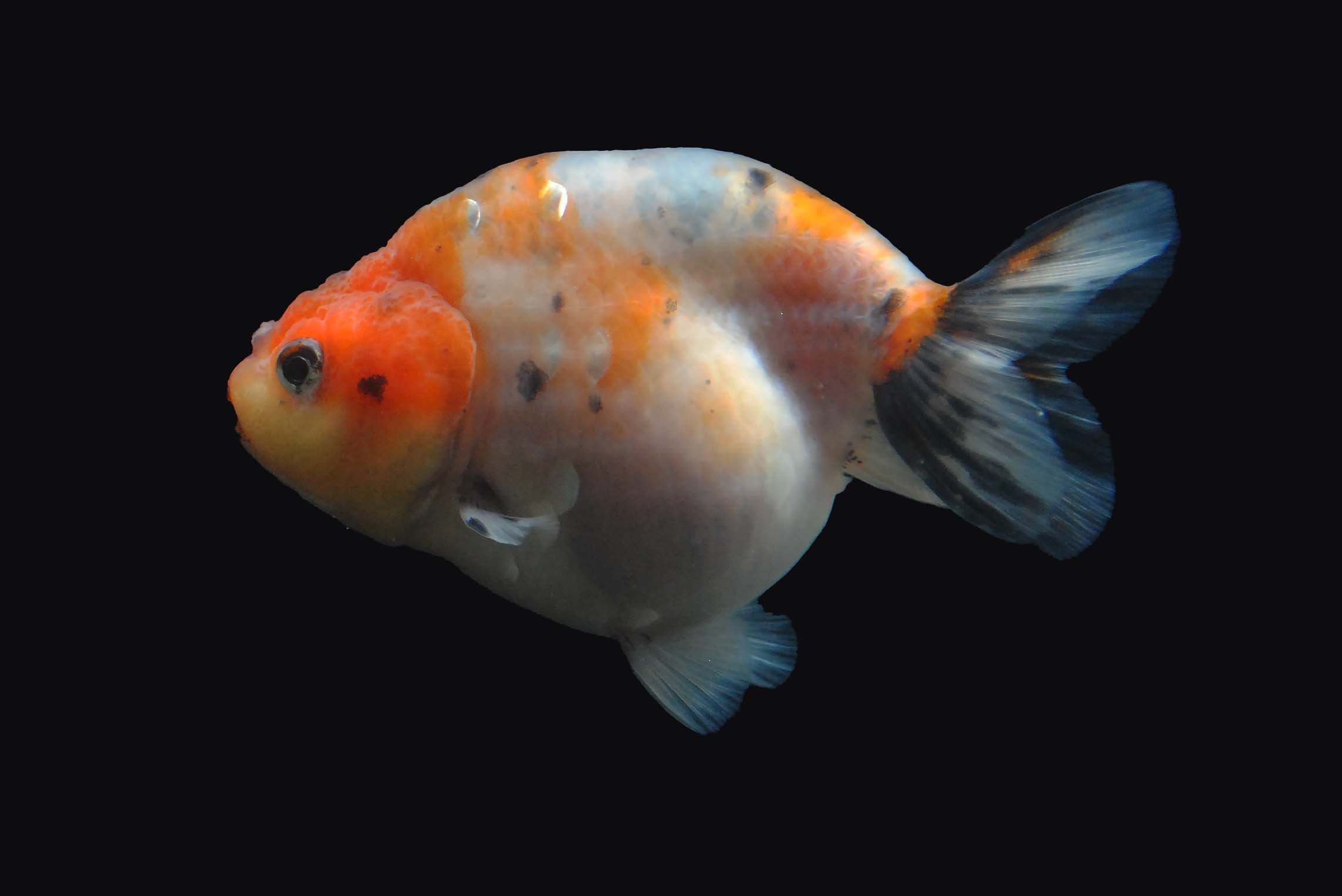
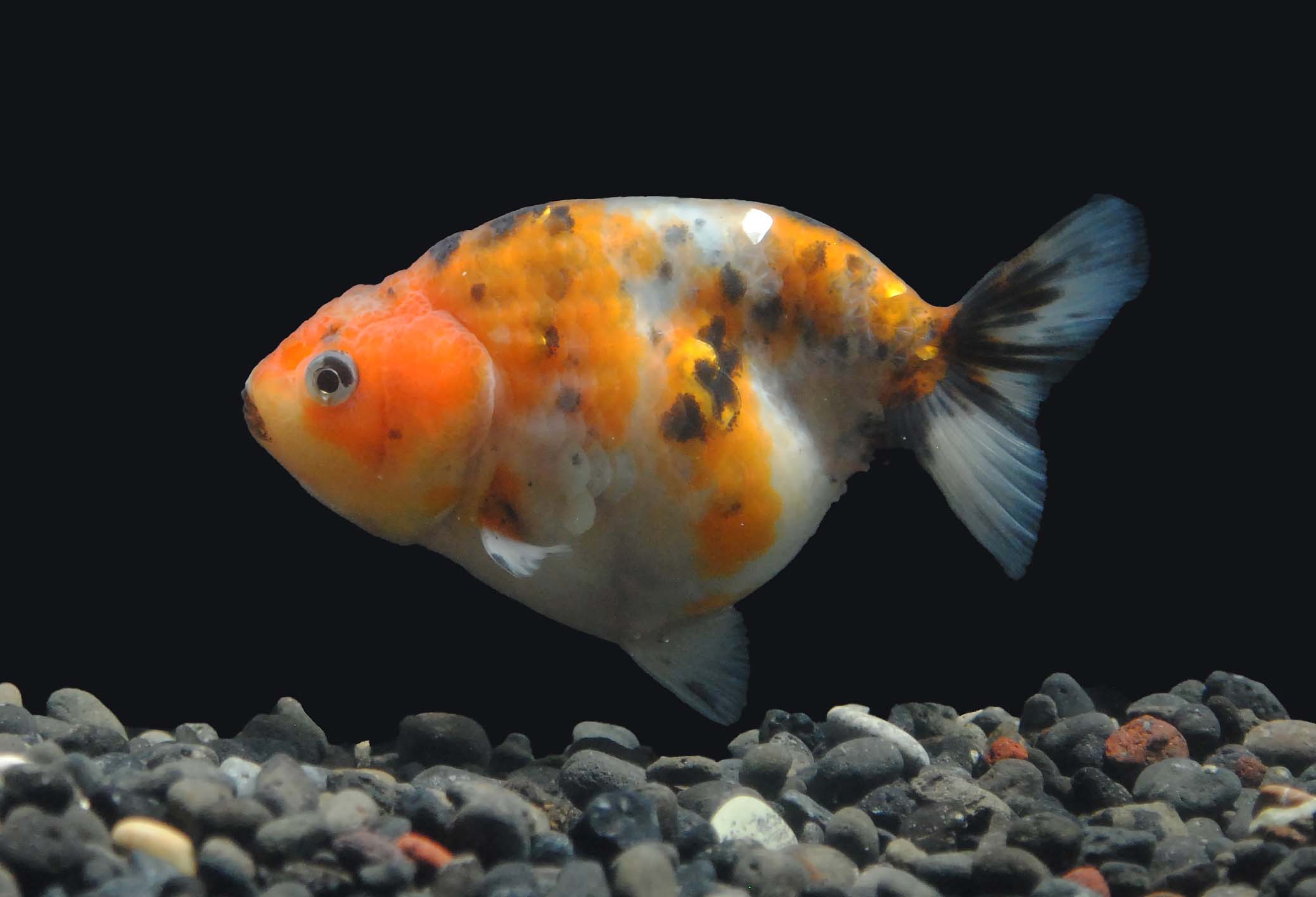
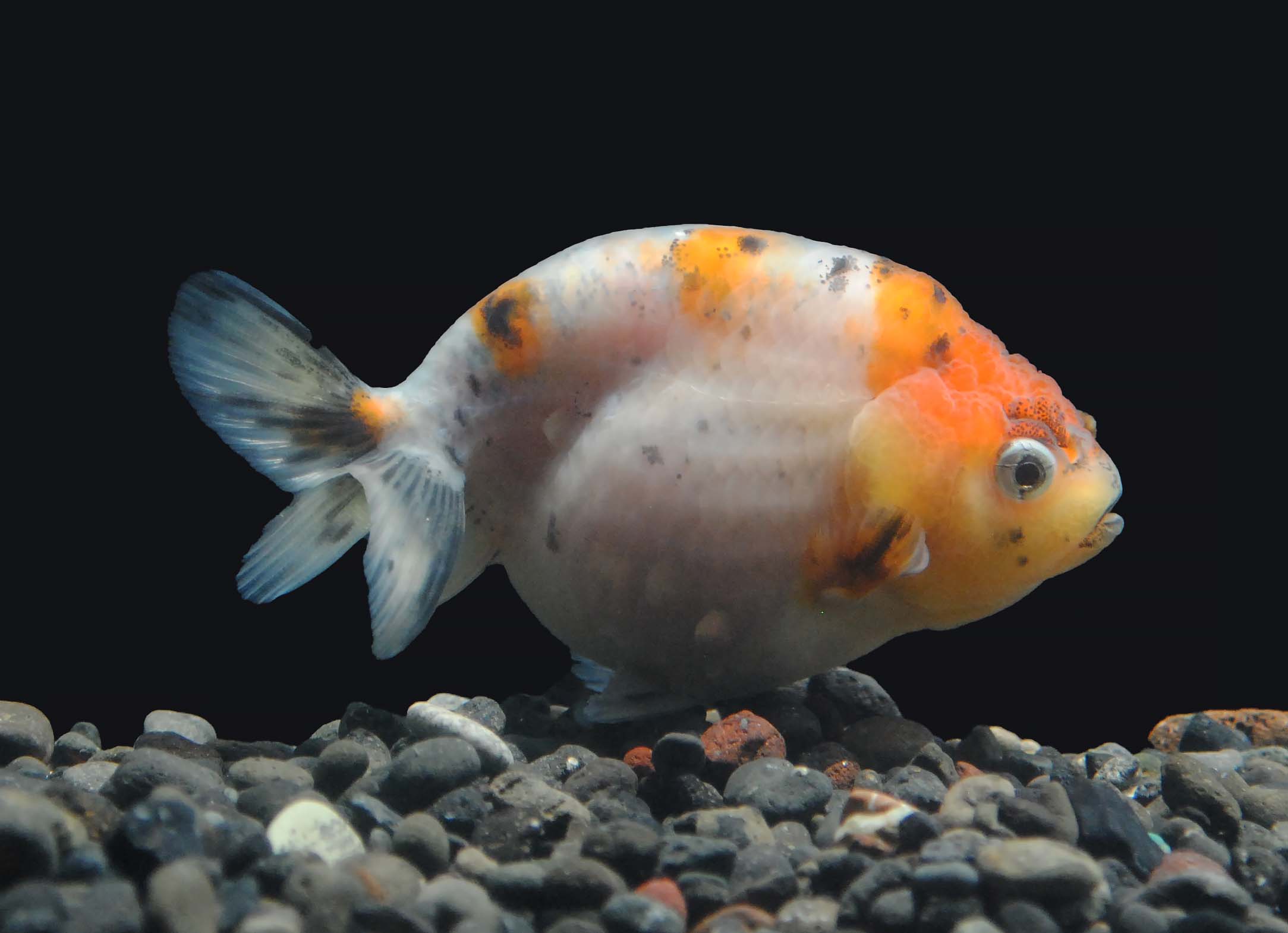
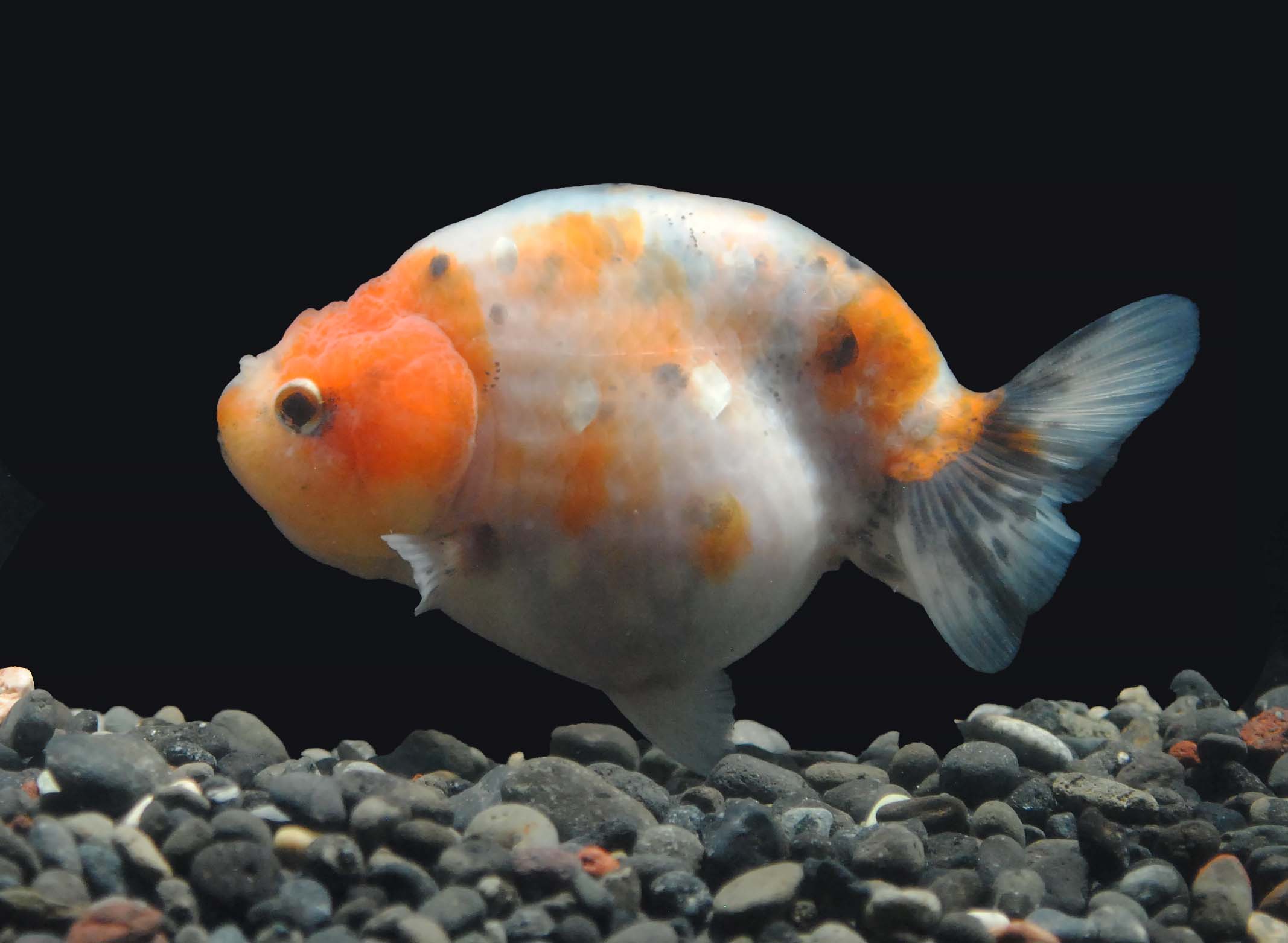
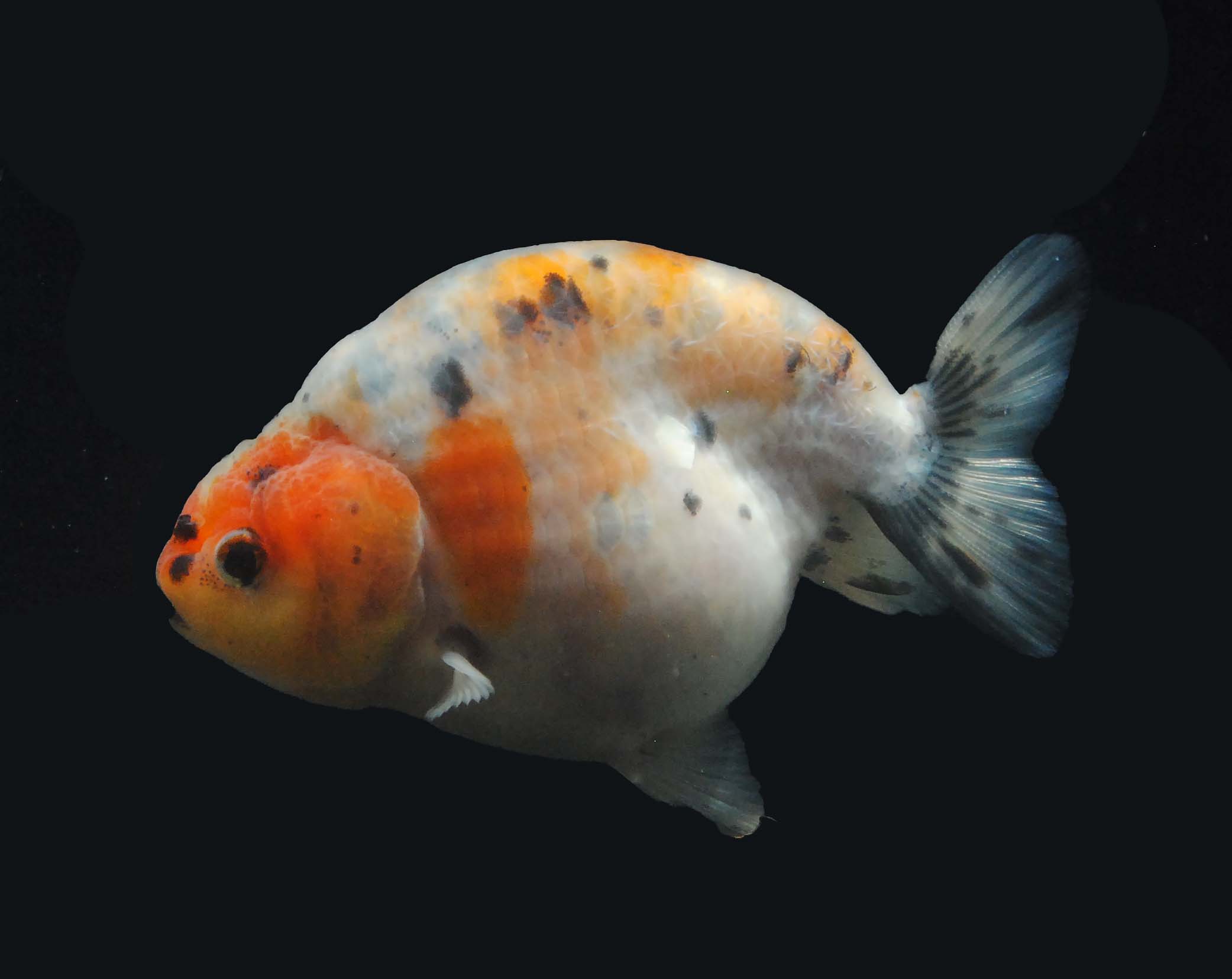
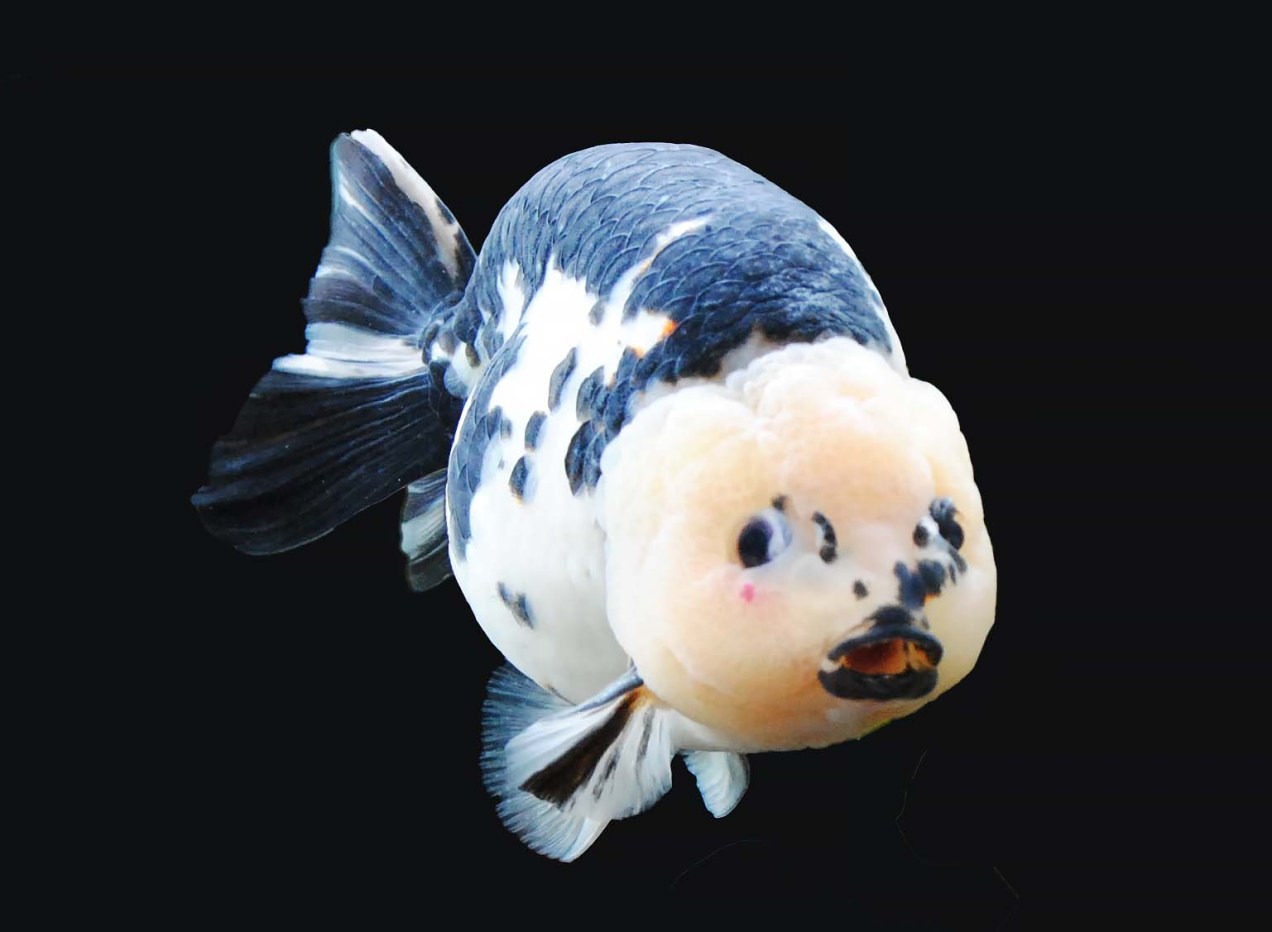
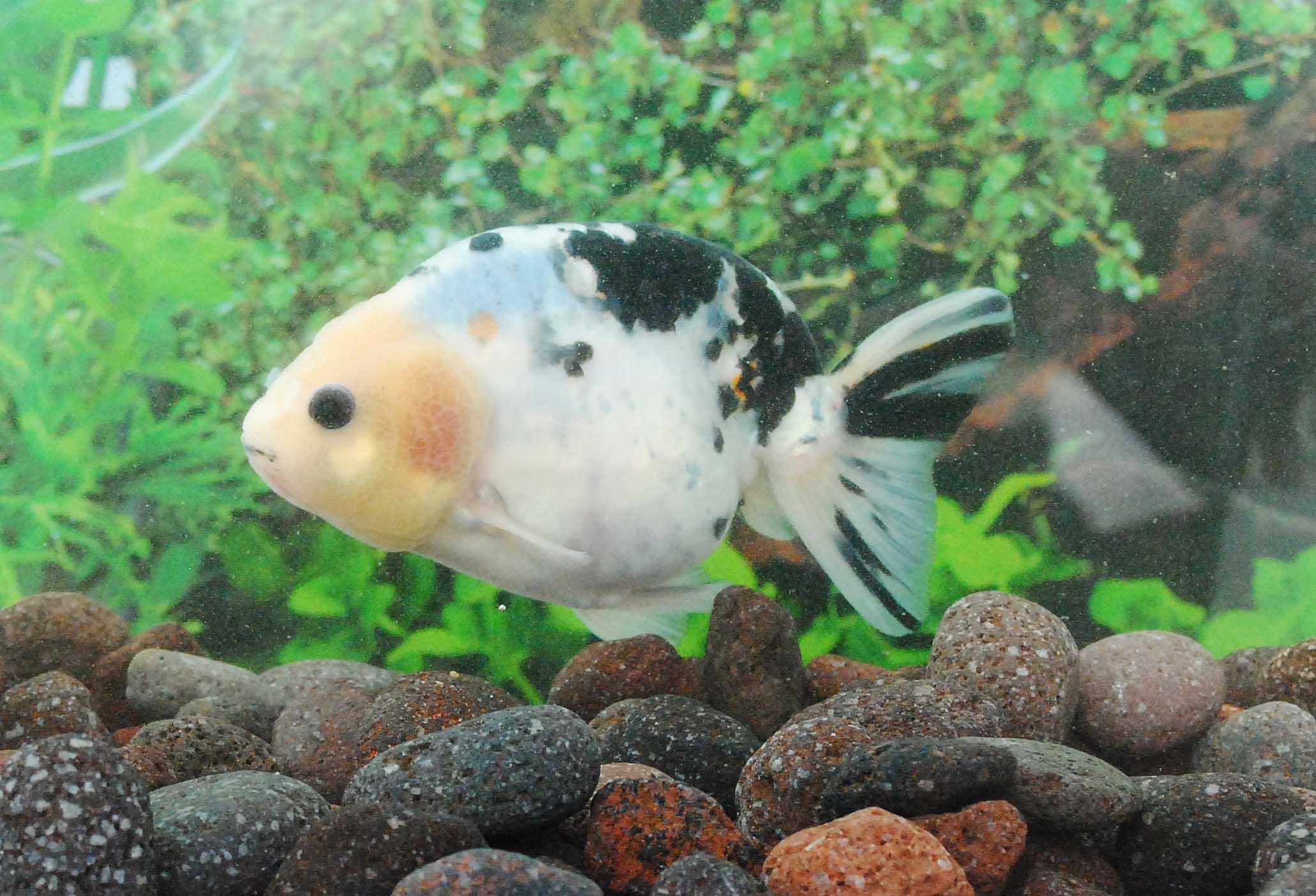
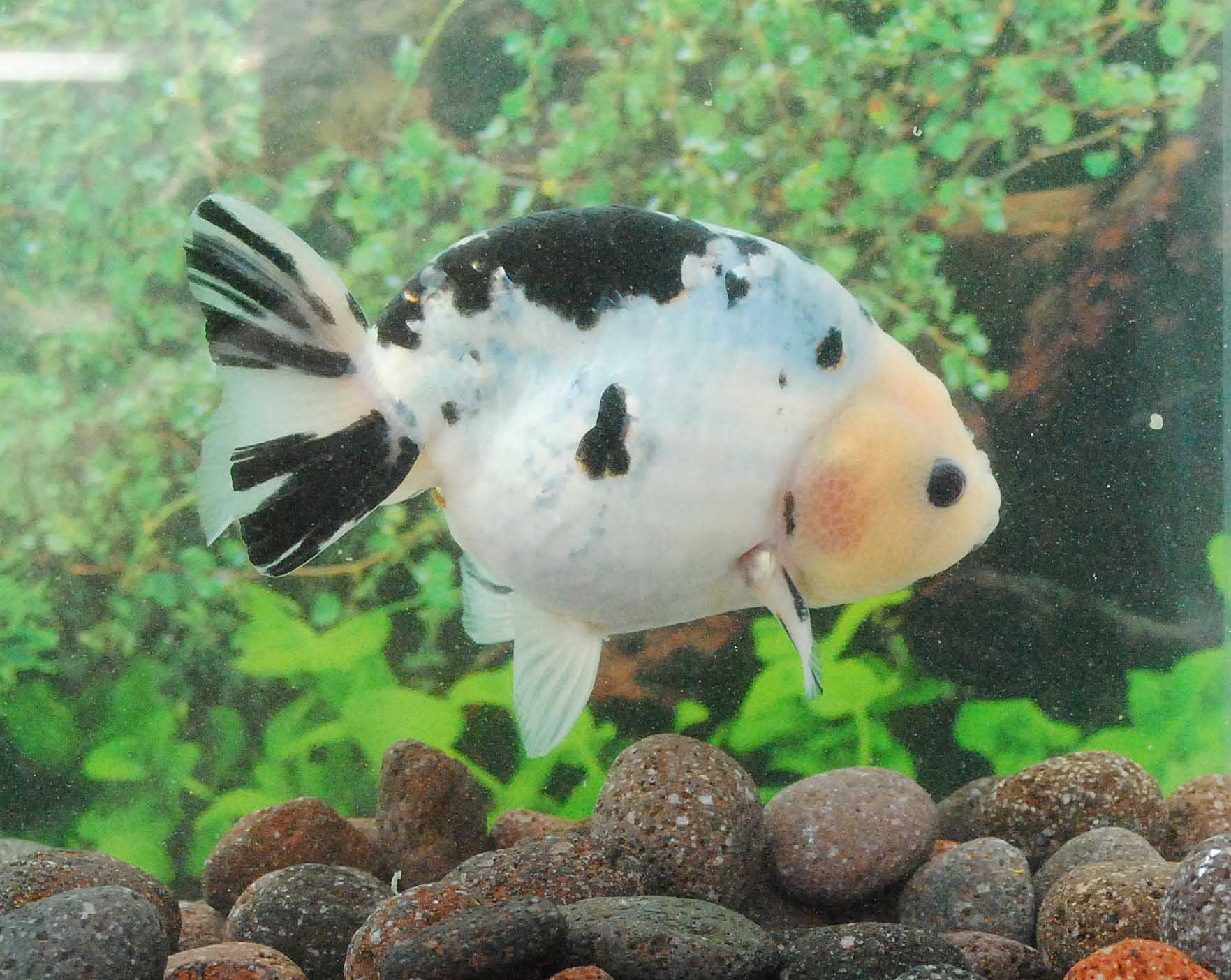
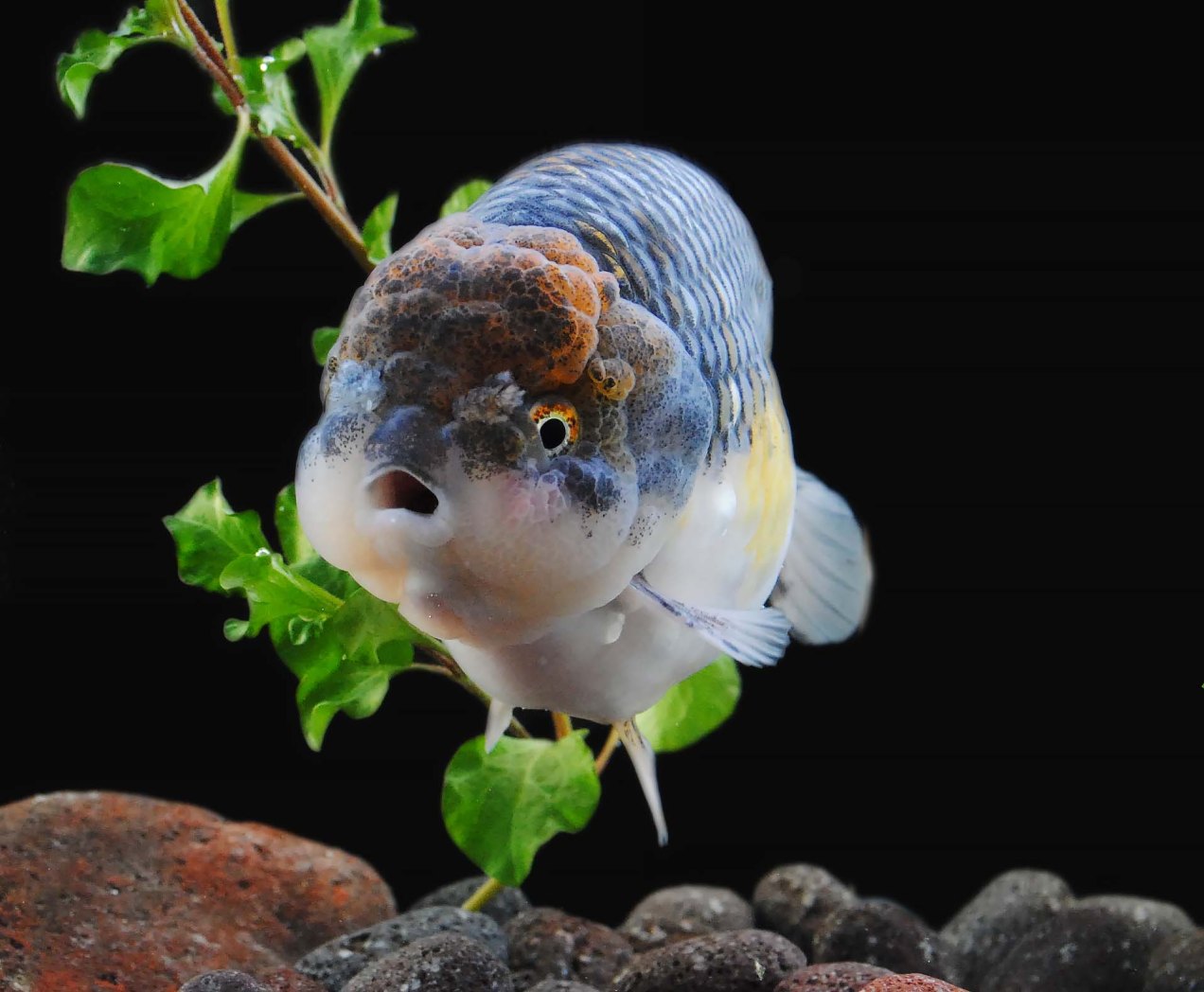
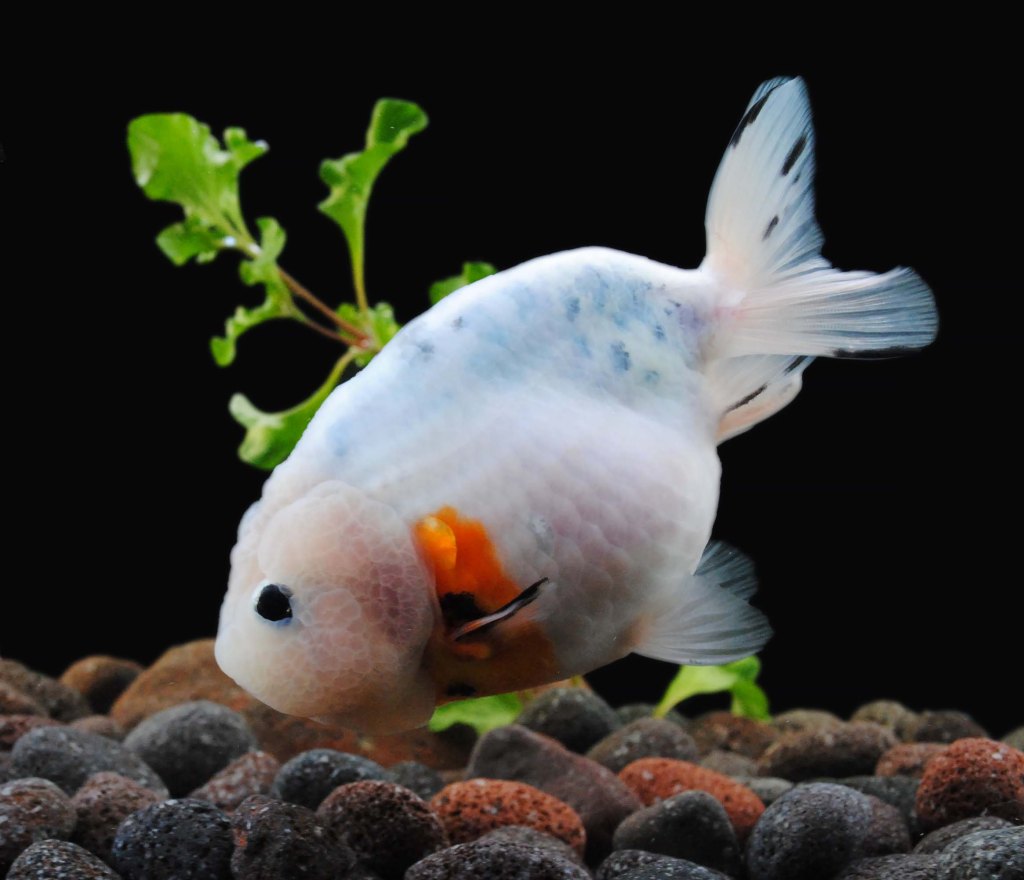
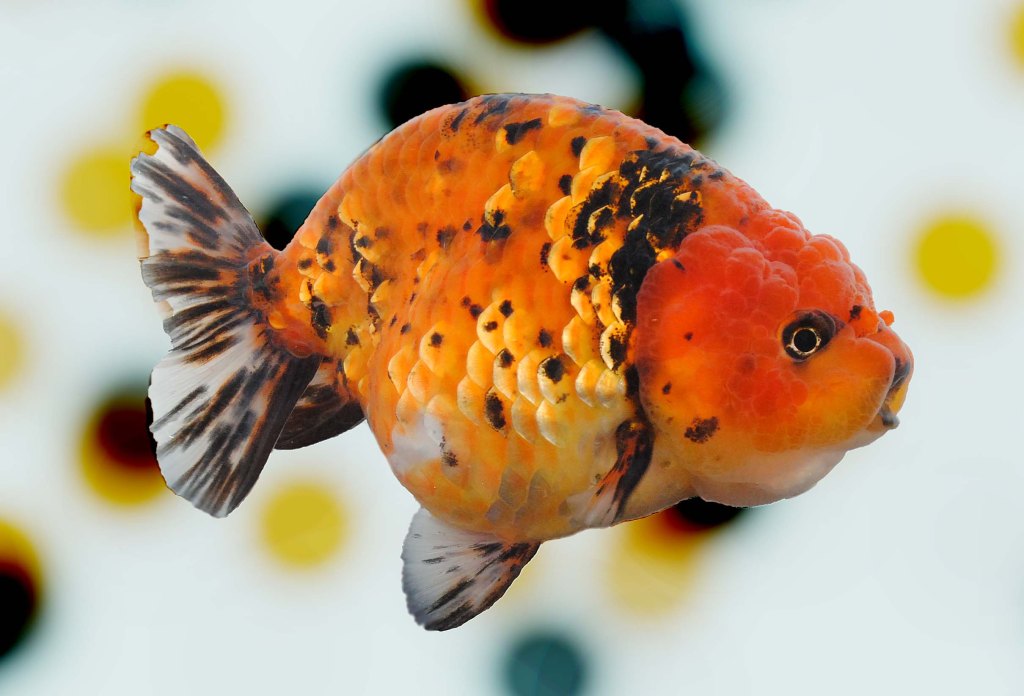
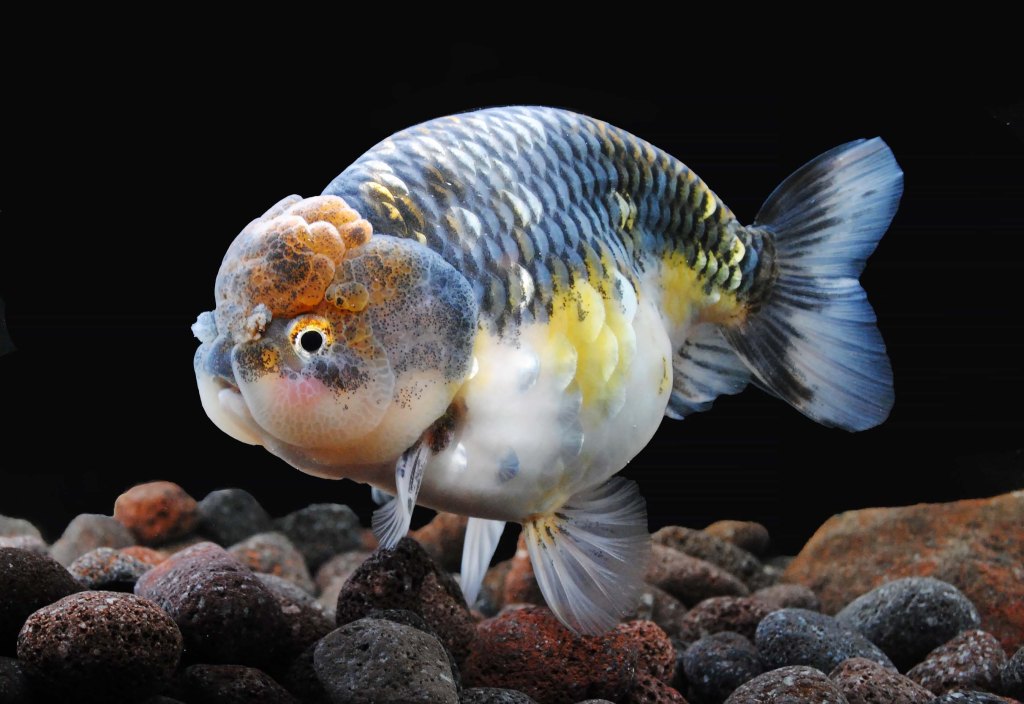
I am really enchanted by Cow Ranchu. Producing one good quality after several years of effort cannot be considered as a success. I might need new ammunitions. Gladly, a seller friend (Kwan Goldfish, Jakarta) imported several beautiful Cow Ranchu several months ago. I observed that they have different characters from mine. I quickly bought some of them. I selected the fishes with least red pigmentation since I could not find any without any red color. I also chose the ones with minimal black patches. Well, this is a personal preference. I believe the black color will grow.

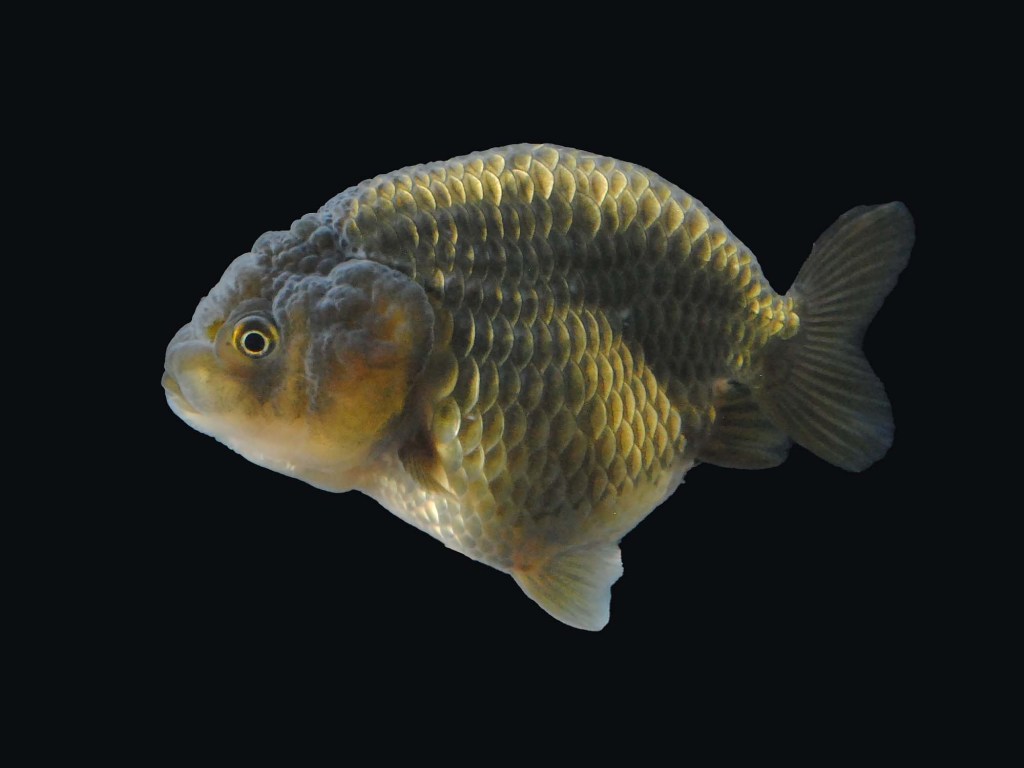
This is the suspected male.

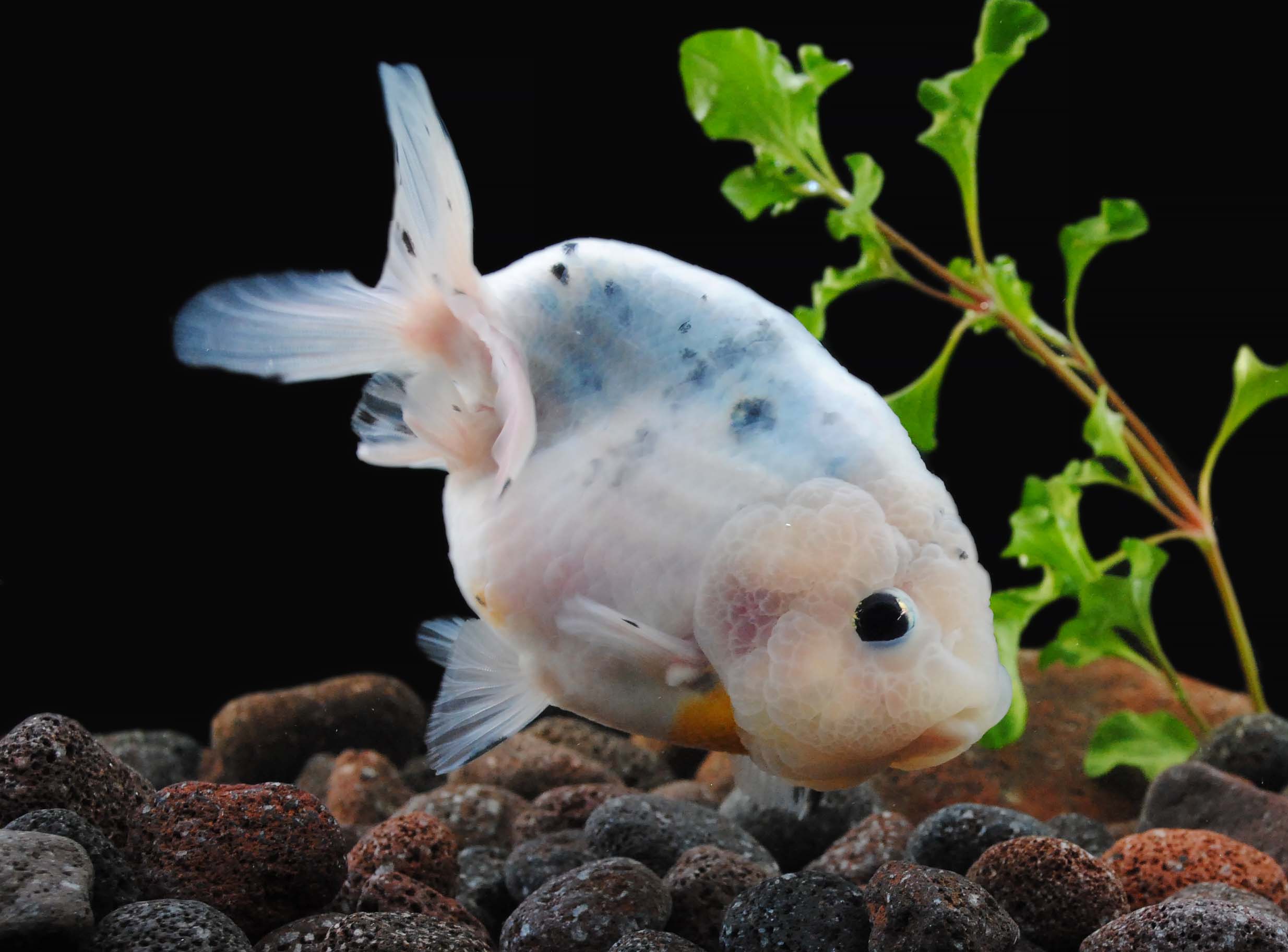
The next one below is a female. She does not lay eggs yet.

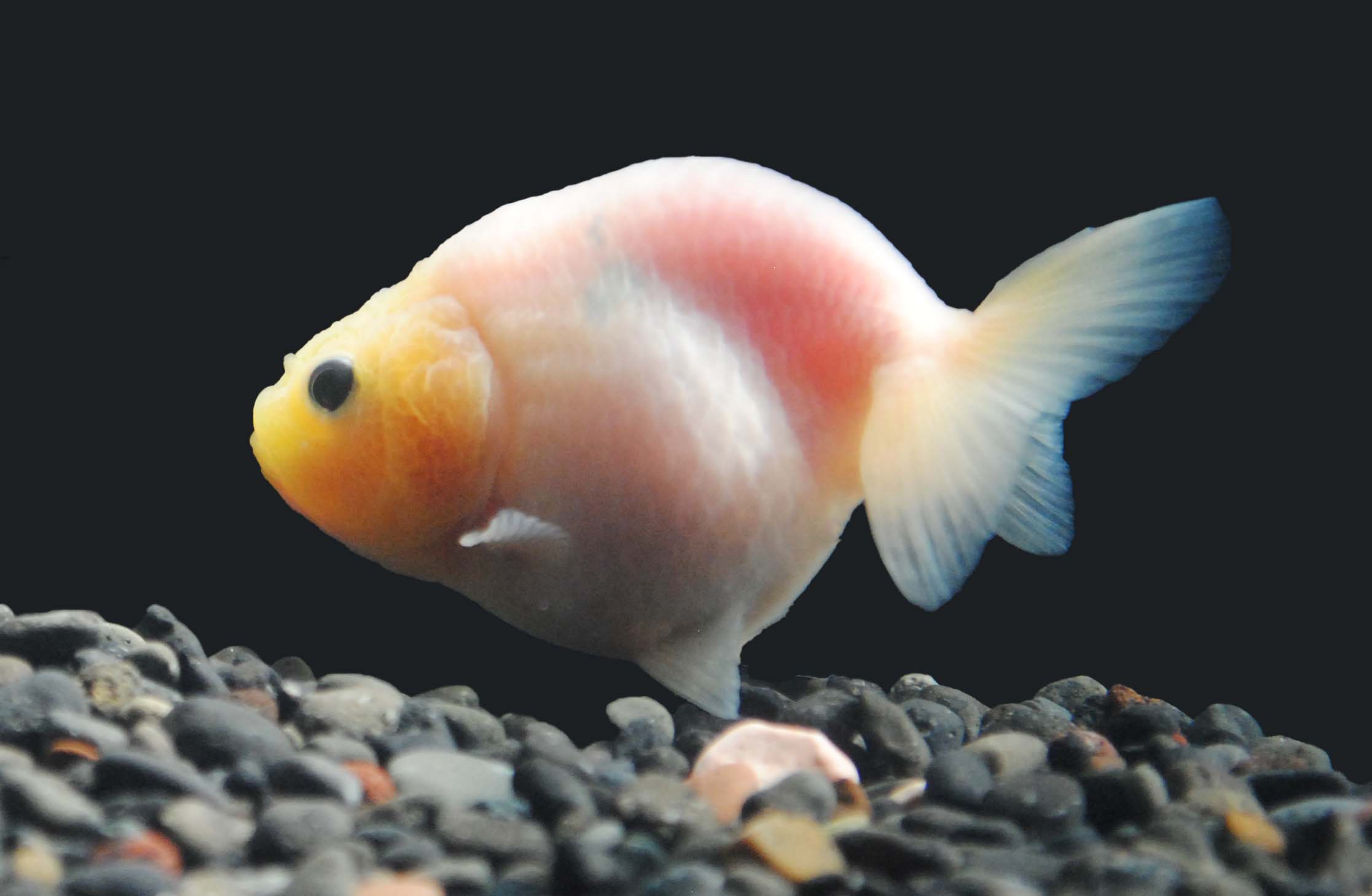
And the last one is surprisingly productive. She lays eggs from the start. The eggs are not many, and some are infertile. I guess this is the first time for her to lay eggs. She is a bit too young. I expect better result from her in the coming weeks. I mated her with my current male Cow Ranchu (from Diary #15) since the male sibling does not produce enough sperm yet. Probably he is still very young.

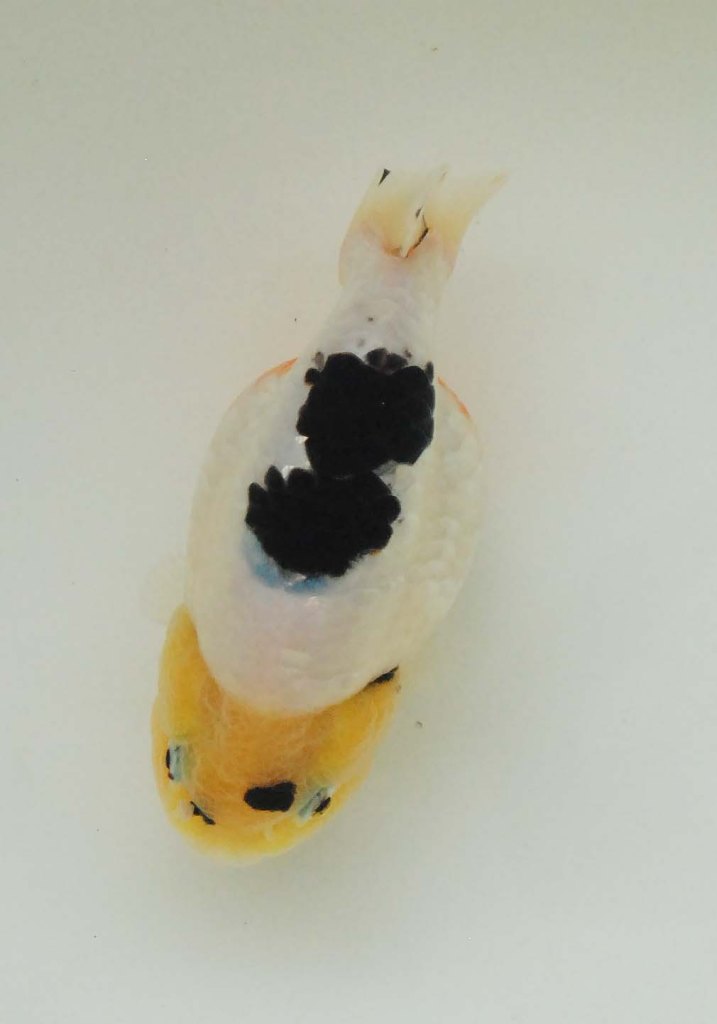
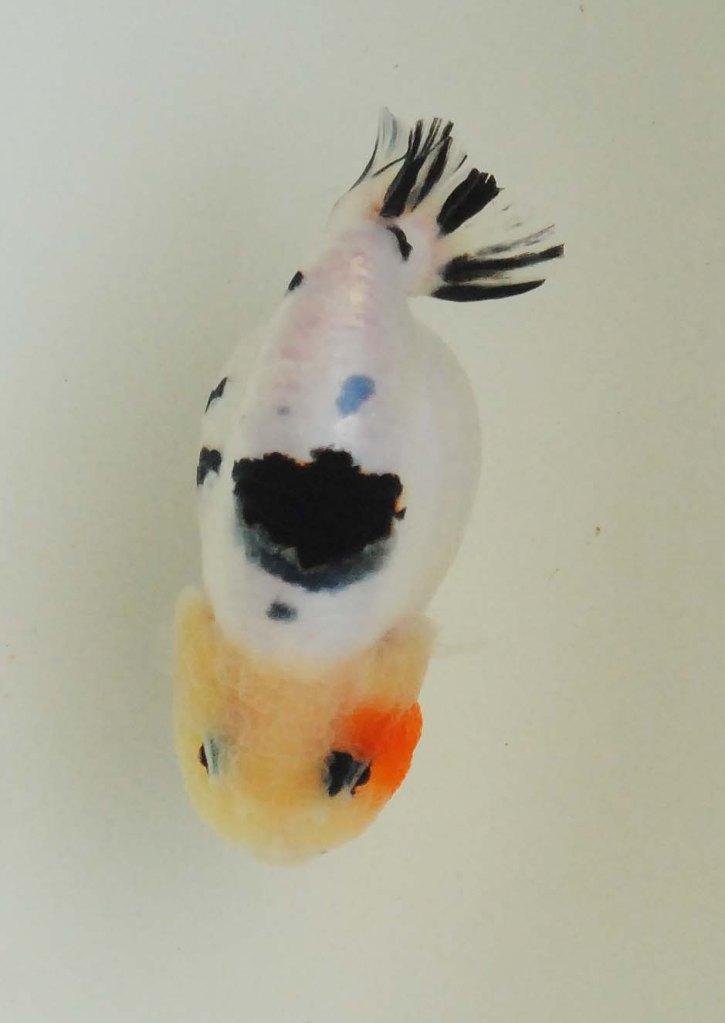
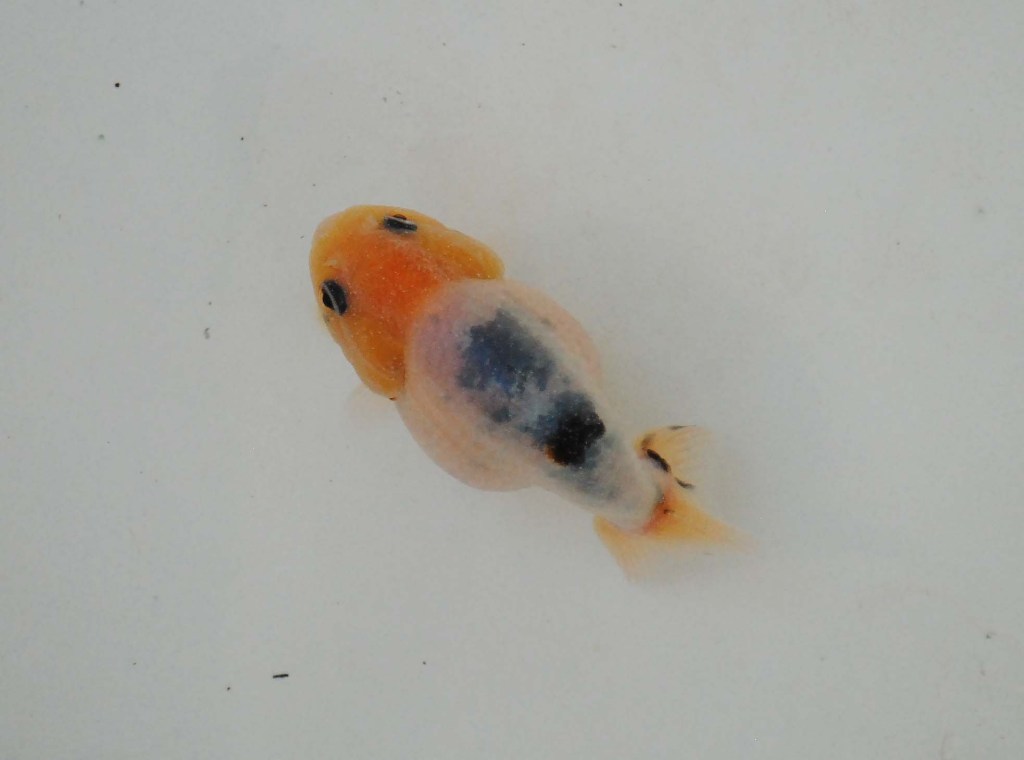
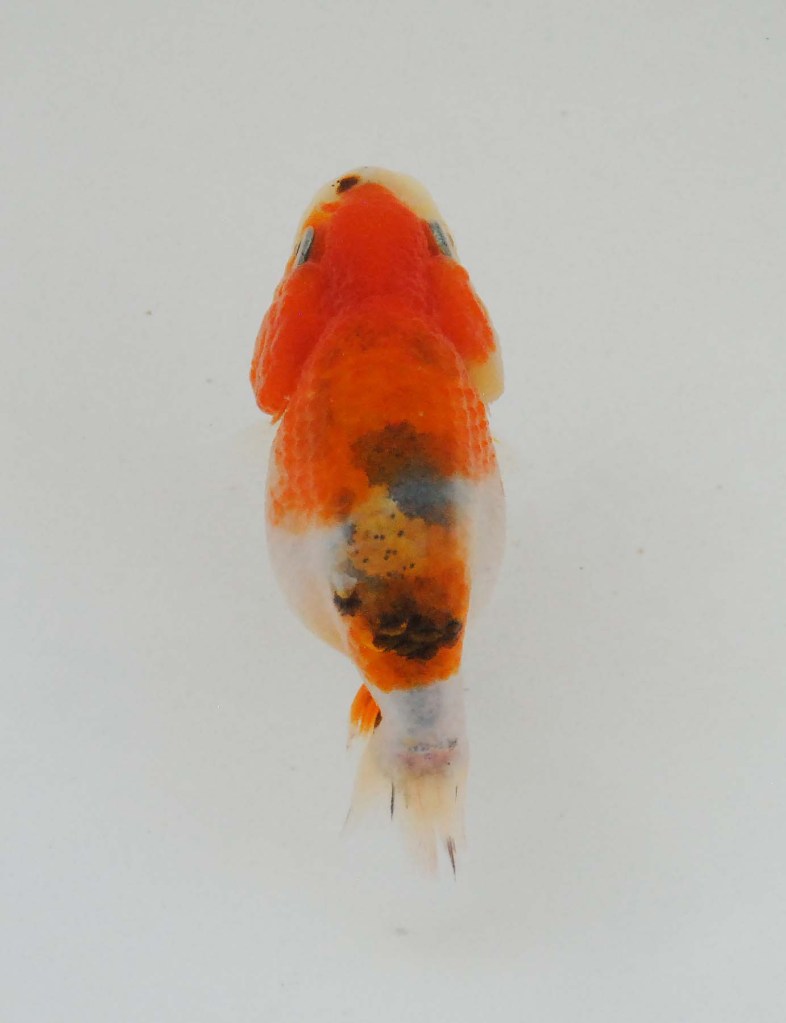
And these are their pictures from top-view:

Wish me the best to be able to breed them 😊

Standard
cow ranchu, The Diary of a Goldfish Breeder 2021

The Diary of a Goldfish Breeder 2021 (15)

My Cow Ranchu babies that I mentioned in the Diary #10 this May have matured and are ready to spawn. This activity takes away a lot of time and space from my Oranda projects for the last several months.

One surprising update is the transformation of one particular baby. As I looks back to his pictures in May, I marvel at his current transformation. These are the before and after pictures:

The black pigment has grown significantly in just several months. This transformation happened also in his father. (https://hermantogoldfish.com/2020/10/31/the-transformation-of-my-cow-ranchu-2019-2020/) I can confidently conclude right now that Cow Ranchu has the ability to grow their black color. This conclusion comes with a note. In my observation, when the young fish has black pigment, be it a black dot or a large black pattern, which exists on the surface of the skin, then the black pigment can grow. But if the fish is totally white without any melanin present in any layer of its skin (some call it Casper) as in Casper the ghost), or if the black pigment exists only under the skin (some call it blue-based / bluish color), my conclusion does not hold. I am not sure yet if the outer black pigments can emerge in such fish.

This cow is a male. There was another male I mentioned in the Diary #10. But since the tail was too widespread, I discard him as a male parent.

The female is the only grey one. She was the offspring of a different version of Cow Ranchu (which I have not documented well – sorry for that). She does not change her color. These are the before and after pics:

The tail is a bit widespread, but I still use her for lack of choice.

What is interesting in both fishes is the small tail size. The current market names it the Tiny Tail. And this feature carries forward to the next generation

I mated the Cow with the Grey several times. As happened many times before, the result is far from satisfying. All of them are calico (no cow color), and mostly come with all sorts of defects. Yet there is an improvement this time. From the first batch, I keep five of them. This is better than before where I discarded all of the offspring. From these five, only the first two I consider as my prize. The rest are just backups. Here they are:

Though the back curves are not very smooth, the shape of the curve is good. There might be some improvement later on, I hope. And they already have black pigments on the outer skin. I hope to see the black pigment grow. I consider calicos with such quality (the growing black pigment) as an interesting quality. These are the pics from top view:

I will see how the fishes develop and decide later onwhat to make out of them. Perhaps they can be my line of Calico Ranchu. Perhaps I can use them in my Cow Ranchu Projects. I have not documented the younger batches, since they are too small to take picture. But the second and third batches are all calicos.

I would like to conclude this Diary with the pictures of the three backups. Have a good day.

These are the backups:

Standard
calico ranchu, cow ranchu, The Diary of a Goldfish Breeder 2021

The Diary of a Goldfish Breeder 2021 (3)

Date: March 5, 2021

               My ranchu projects are not as well planned as the oranda projects. For several years I have worked with blue, brown, and purple ranchu. I develop them from scratch. I got my blue ranchu from the panda moor x ranchu. My brown ranchu came from chocolate pompom x ranchu. And my purple ranchu was a cross between the blue and the brown ranchu. It took years for me to get those colors into the decent ranchu shape. But until now, I have not had a clear vision of how to develop my line’s basic ranchu shape.

               The oranda projects consume a lot of my space. It is the fate of a city breeder like me to work with limited space. I must think of the management of my tubs in a daily basis: moving fishes around from tubs to tubs, maintaining a manageable hatching size, culling as early as possible in the strictest way I can. With this lack of vision and space in developing my ranchu line, I plan to reduce my activity in ranchu projects for now. I will only breed just to make sure they are not extinct from my collection. By doing this, I can save my space. The good thing is that I can always put ranchu in the same tubs / ponds with oranda without the risk of losing track of the lineage. I cannot do this for the hatches between semi brown, semi blue, semi purple, and semi yellow oranda. They all will mutate into the same color (namely red, red-white, or wild color). They must be kept in separate tubs to keep track of which one is which.

Hopefully later on I will be able to develop my own ranchu line’s shape. But for now, they are not my priority.

Actually, there were two main sub projects in my ranchu planning. They were the cow ranchu and the tricolor ranchu.

Last year I was resolved to breed the cow ranchu. I have acquired at least three different line associated with cow ranchu from China (one from De Quan farm, one from Pan Xi, and one from unknown). I even mixed them with my blue and purple metallic scale ranchu. Yet, the results are far from satisfying. I have bred them several times with similar results. Most of the offspring have no anal fins. The rest have horrible back shape. Sometimes I got only one or two decent shape from a batch. The surviving ones mostly become either calicos or casper (the full transparent white fish).

Right now, I revise my cow ranchu project. First, my aim is not to acquire cow ranchu offspring anymore. I revise my aim into producing my calico ranchu line instead of cow ranchu line. So, I will cross whatever transparent scale I have, be it cow ranchu, calico, or a mix with other ranchu type. I will not keep track of the lineage of the offspring anymore. And later on, I will see if there is a good body shape and color from my mix collection that I can develop into my own transparent scale ranchu line. Just surrender myself to the force of randomness. Second, I will sort of postpone this project for later. Right now, I will just breed them only when I have space and time, and to collect few decent fishes from each batch. I will raise them together with my oranda. So, this project will not occupy a lot of my space and energy for now. Hopefully I will have some beauties to work with later on.

It seems that in life, one must choose one’s priority. One cannot have everything, at least in the same time. So, I think I am correct in postponing the priority of my ranchu projects for now to concentrate on my oranda.

The second sub project was the tricolor metallic scale ranchu. I was trying to develop this kind of ranchu from my tricolor goosehead oranda. I have made several attempts for some generations, with no success. I think failure is part of a breeder’s life. But I am still trying and learning from my mistakes. I am still restarting again and again.

Right now, I have three batches of different cross between the tricolor oranda (and also her cross) and ranchu. I dedicated three large ponds for the offspring (roughly 10 weeks old now). They are space-consuming and this project is far from being successful. I am still watching how the offspring turn up (whether they will carry the tricolor genetics or not) and thinking of another way of doing this in case the current project fails.

This sub project of tricolor ranchu is so dear to me. I can postpone the blue, brown, purple, and cow ranchu projects, but not this one.

Standard
cow ranchu, Purple goldfish

Cow Projects 2020

This is the second time I breed my cow ranchu. There are two ongoing projects. First, I cross my remaining cow ranchu (male) with his own offspring (or niece – since I used several male to produce her). Second, I cross the same cow ranchu with a female purple ranchu out of curiosity.

The first project (cow x cow) resulted in weak body shape offspring. But it is not my main interest. My interest is in the coloration of the offspring. At the age of roughly three months old, they are still mostly transparent white. Few have red patches. Some have black little dots and / or black patches “inside” (beneath the scale). Black marking on top of the scale (outside) is rare in these offspring. If they do, the black marking is in the shape of patches, not dots.

The fully white ones are nicknamed Casper by my friends. I was informed that these Caspers and the ones with black dots inside will develop the black color outside later on. It is certainly my hope to see it comes true. But so far, I do not see it coming. None of them can be claim as cow ranchu yet.

Let me refresh our memory with the pictures of the parent:

The male cow ranchu
The female

I do this first project twice. So I have collected two batches. Since the first batches were on medication when I took these photographs, I only managed to take pictures of the second batches. And these are the results. Each fish is displayed from left and right side.

The second project (cow x purple ranchu) has a different result. The offspring looks more like calico with a satisfying color composition. To compare this with the above project, this second project does not produce Caspers. They have black patches inside (not dots), but also white dots outside (not patches at this stage). I am eager to see how these dots will develop later on. And to compare with my previous project of crossing the cow with blue ranchu, I do not get any kirin-like color in this crossing (cow x purple) as I get one in the previous crossing (cow x blue). This comes as a surprise to me, since the blue and purple color are closely related. I expected to see a kirin-like coloration in this project, but it does not happen. I am still curious though about what will happen if I cross these offspring back to a purple ranchu.

These are the parent fishes:

Male parent
female parent

And the offspring are:

I already cull out the fishes from these two projects. Those with weak body shape are eliminated (I give them freely to friends). So, the next update will not contain all of the fishes portrayed here.

Enjoy.

Standard
cow ranchu

The Transformation of my Cow Ranchu (2019 – 2020)

As I mentioned before, I bought five cow ranchu from an importer in Indonesia (Jakarta Goldfish Centre). They came from De Quan Farm in Fu Zhou, China. Only one male survives until now and he has been my favorite so far. One amazing feature of the fish is the growth of its black pigment. When I compared the fish before and after, I can hardly recognize him. So, it is confirmed that the black pigment in cow ranchu can grow.

This is the picture taken on December 2019:

And this is him in October 2020:

Marvelous, isn’t he?

However, the growth of the black pigmentation on the offspring is quite challenging. Until now (almost 4 months old), the black pigment does not seem to grow at all. Most of the offspring are white with some black spots underneath the transparent scale, which look like bluish or shadowy color. I am hoping that the black pigment can come out to the outer layer of the transparent scale. Some people reported that it usually happens late on the fish. Hopefully they are correct. The rest of the offspring resemble calico. I will post their pictures on the next posting.

Feel free to share what you think about the transformation of this cow ranchu on the comments below 😊 Thank you.

Standard
cow ranchu

Update on Cow Ranchu Project 2020

In the previous blog (see: https://hermantogoldfish.com/category/cow-ranchu/) I talked about buying several cow ranchus and crossed them with several ranchu variants. Since then, most of my cow ranchus have died due to illness and accident. I was left with one beautiful male and one unproductive female. This female laid eggs often, but none hatched. After several failures, I let the female go (I sold her). It occurred to my mind the possibility that the female had undergone a certain treatment to make her unproductive. I was glad to have two pure offspring which I posted on the previous blog.

I must admit that the two offspring were weak. One of them could not keep her balance which resulted in stunted growth. I was forced to terminate it early. The remaining one was female, which I keep until now. It had slight imbalance which grew more and more acute. It might not survive long. Here she is:

The good news is I had the chance to mate her with her uncle (the remaining male cow ranchu that I bought in the first place). I am raising two batches right now and will post them in the coming months when they are ready. It is my interest to see if they will breed true or if they will just be calicos.

From the cross between the cow ranchu and the common calico, I kept one female:

For sure the deportment is better than the pure cow ranchu offspring. She grows well, yet she lays no eggs until now. It has past her due time. I still hope she will lay eggs soon. My plan is to mate it back with the “uncle” (the initial cow ranchu).

My pride so far goes to the cross between the cow ranchu and the blue ranchu. I keep only one, also. He is a male with the kirin style pattern. He looks handsome now. My plan is to mate him with a blue ranchu. I would like to see what offspring will they produce. This is the pictures of the handsome guy:

It is interesting to compare them with their childhood pictures (in the previous blog).

Well, these are the updates for now. Hopefully they bring happiness to your days.

Standard
cow ranchu

Cow Ranchu Crossing

Cow Ranchu is a variant of the transparent scale ranchu that has black and white color. Sometimes the black pattern can expand. The black comes in large patterns and small dots. Red color might be present in small areas of the body. If the red is too much, it cannot be called cow ranchu anymore. I do not know if it is the International standard name of not, but we Indonesian calls it Cow Ranchu since it resembles the color of black and white cow. This breed was rare before (especially in Indonesia), but it is available recently through imports from Fuzhou, China (if my information is correct). How people come up with this pattern is still a mystery for me. A breeder friend told me once that when he bred them, he got a variety of transparent color ranchu including calicos. So, in his view, the cow is just the offspring of the usual calico which then being separated purposely based on the color. So, it will not breed true. I doubt this explanation. In my understanding, the usual calico does not have the ability to expand its black pigment like this cow ranchu. And the black in calico usually comes in dots, not large patterns or blocks as in this cow ranchu. So, I decided to buy some cows at the end of 2019 with three purposes: first, to breed them to see if they breed true, second, to observe the expansion of the black pigment, and third, to cross them with other colors to see what will happen. Well, the 1st and 2nd purposes was facing hindrances. My first attempt to breed them resulted in so few offsprings. I think I need to breed more of them. And then, three out of five that I bought died, sadly. Gladly, I managed to crossbreed them with the common calico and with the blue metallic scale ranchu. This writing will mainly talk about the crossbreeding result.

These are the five I bought (I show them the left and right side for each):

The first three are the males. And the last two are the females. My favorites are number three and four. Too bad, they are gone. The remaining two are number one and five. I am trying to buy some more to replace them.

Their offspring in my first attempt to breed them was few, and they were weak in quality. Yet, my initial conclusion is that they breed true. Majority of the offsprings were cow ranchu. Few had minor red stains. No calico observed. Yet, I need to confirm this with my next breeding. I could not stand the quality of the offspring, so I culled most of them. I come out with these two left:

The first one has a yellowish stain in the area of its left pectoral fin. The rest are white with black pigment under the skin. The first one also has an outer black pigmen in its pectoral fin. I think they are good specimen to observe whether the black pigment will expand or not. These two are the reason for my initial conclusion that they can breed true.

Next, I mated the cows with these calicos:

I bought them from an importir friend who acquired the parents from China. So far, he has bred them true. I saw myself the offspring in his pond was pretty much similar in color characteristic. I asked for one female and two males. Too bad, he mistakenly sent me all females. Anyway, I could still pair them with my cows.

Here are the results of the cross between the calicos (female) and the cow (male) – after hard culling, ten of them remain:

The quality is far below my standar, so I cull them hard. Even these ten will be culled again after they serve the illustration purpose. (Mostly, my wife’s pupils will adopt them.) The offsprings resulted in different eye type, and different color variation: tiger, calico, sakura, and cow (the last one). I kept the cow one to see the progress of the black pigment.

I also use this blue metallic ranchu which comes from my own previous project to breed with the cows:

And the result of the cross between the blue metallic (female) and the cows are:

cowblue 7

The offspring consists of blue metallic scales and grey metallic scales, but I want to focus on the transparent scale offspring. After much culling due to the low quality, I keep these to represent the range of transparent color emerged from this cross: tiger, calico, and kirin-like ranchu (the last one). Kirin is another variation of transparent color where the dark color and the light color seemed to separate in half. The dark color (purple, blue, grey, black) always dominates the upper part of the body, while the light color (white, yellow, red, orange) is more in the lower part. Actually, a more accurate description I think is that the light color is all over the body in the background, while the dark color exists in the foreground and occupies only the upper part of the body. The dark color usually looks with scales, or looks like a net, while the light color is transparent. Some shiny and big metallic scales are usually seen scattered all over the body.

Comparing the two crossing, it is obvious that there are overlaps: the tiger, calico, and sakura (perhaps some of the calico will turn into sakura when they lost their black pigment, or it will never happen in this cross, I do not know and do not focus on that). But interestingly, the cross between the cow and the calico produces cow-like offspring, where the other cross does not. And the cross between the cow and the blue metallic produces the kirin-like offspring, where the other cross does not. It is a hint, I think, that kirin pattern involves the blue metallic scale in the making. I kept the kirin-like one to see or use in further project.

That’s all that I can report so far. Thank you for reading. Enjoy!

Standard