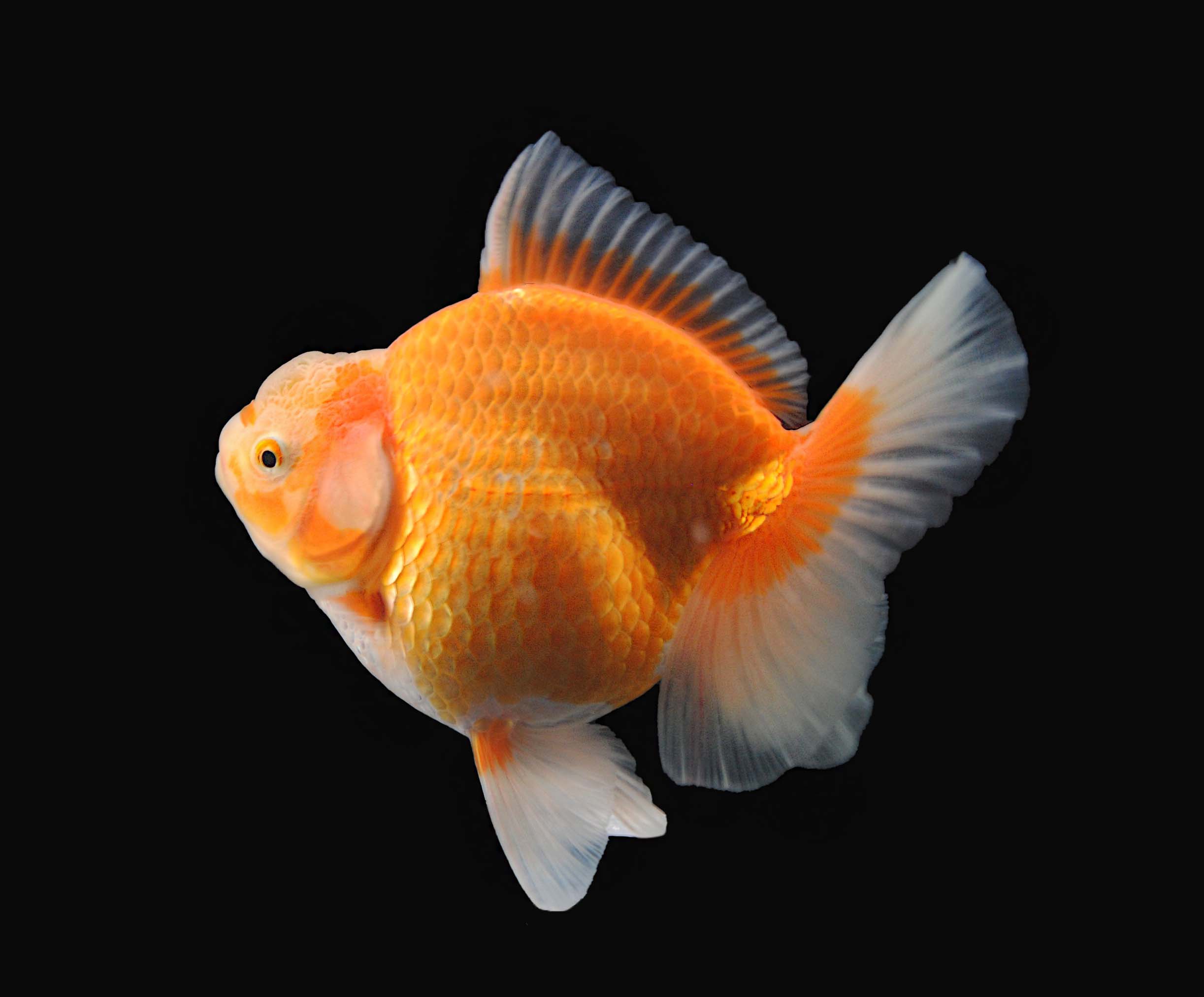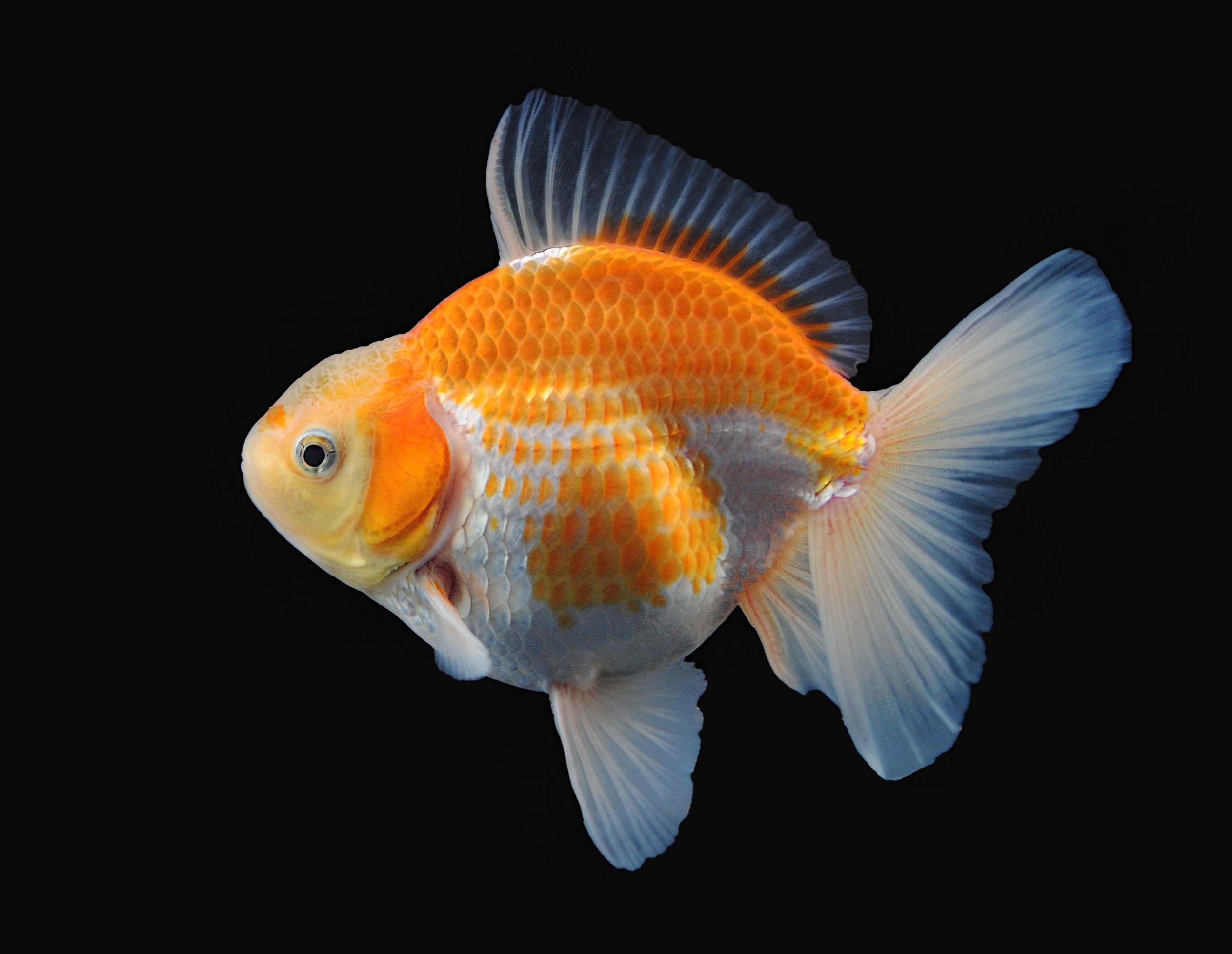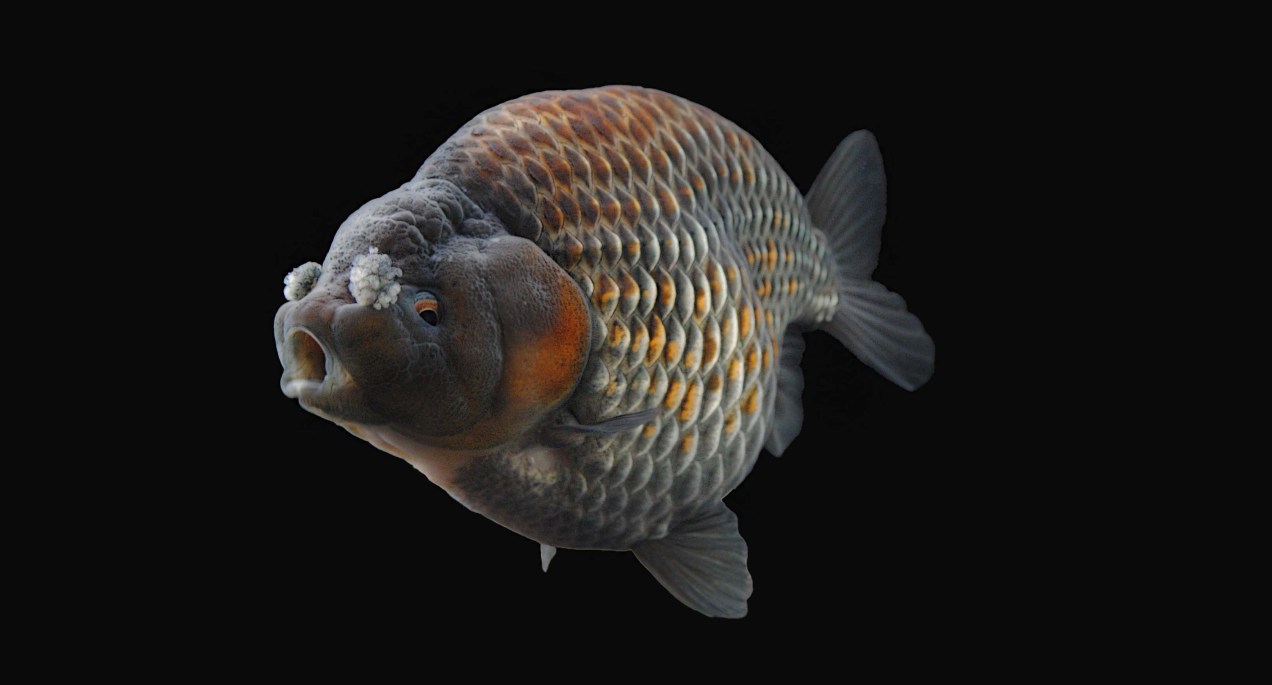
purple ranchu, The Diary of a Goldfish Breeder 2023

The Diary of a Goldfish Breeder 2023 (6)

Project #11: Purple Ranchu

There is no shame in struggling. This blog is not a hall of achievement, but a diary of a journey. My purple ranchu has not yielded desirable result. But I think this does not discourage me at all.

In the previous diary 2022 (19) I posted the update of this project. The fishes have grown large and they are late in breeding. Some of them are semi purple ranchu, while others are purple and blue. No brown color here. Yes, I think I lose that lineage. Too bad. But I am sure I can easily revive them again. The offspring from these mixture will produce some brown color.

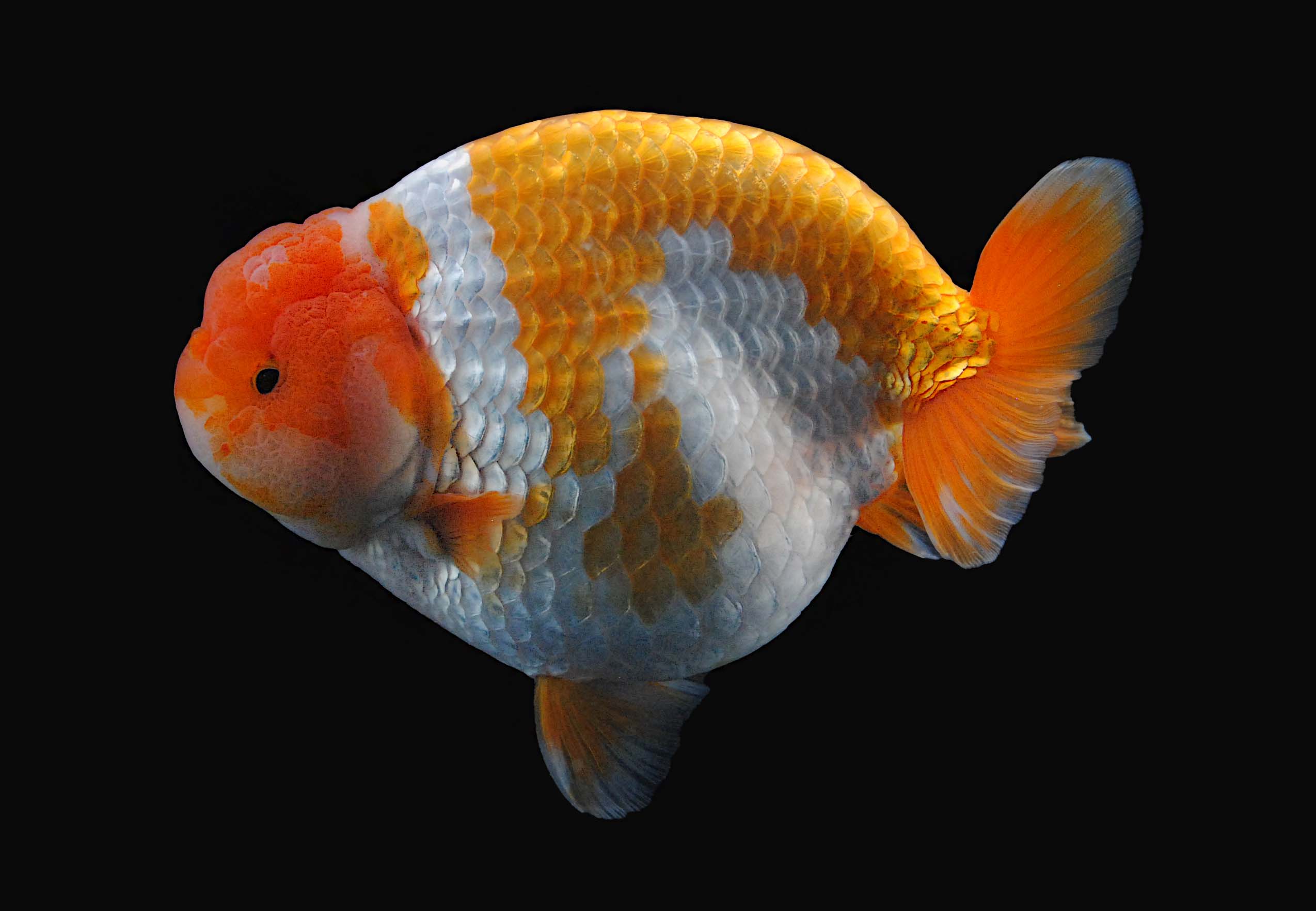
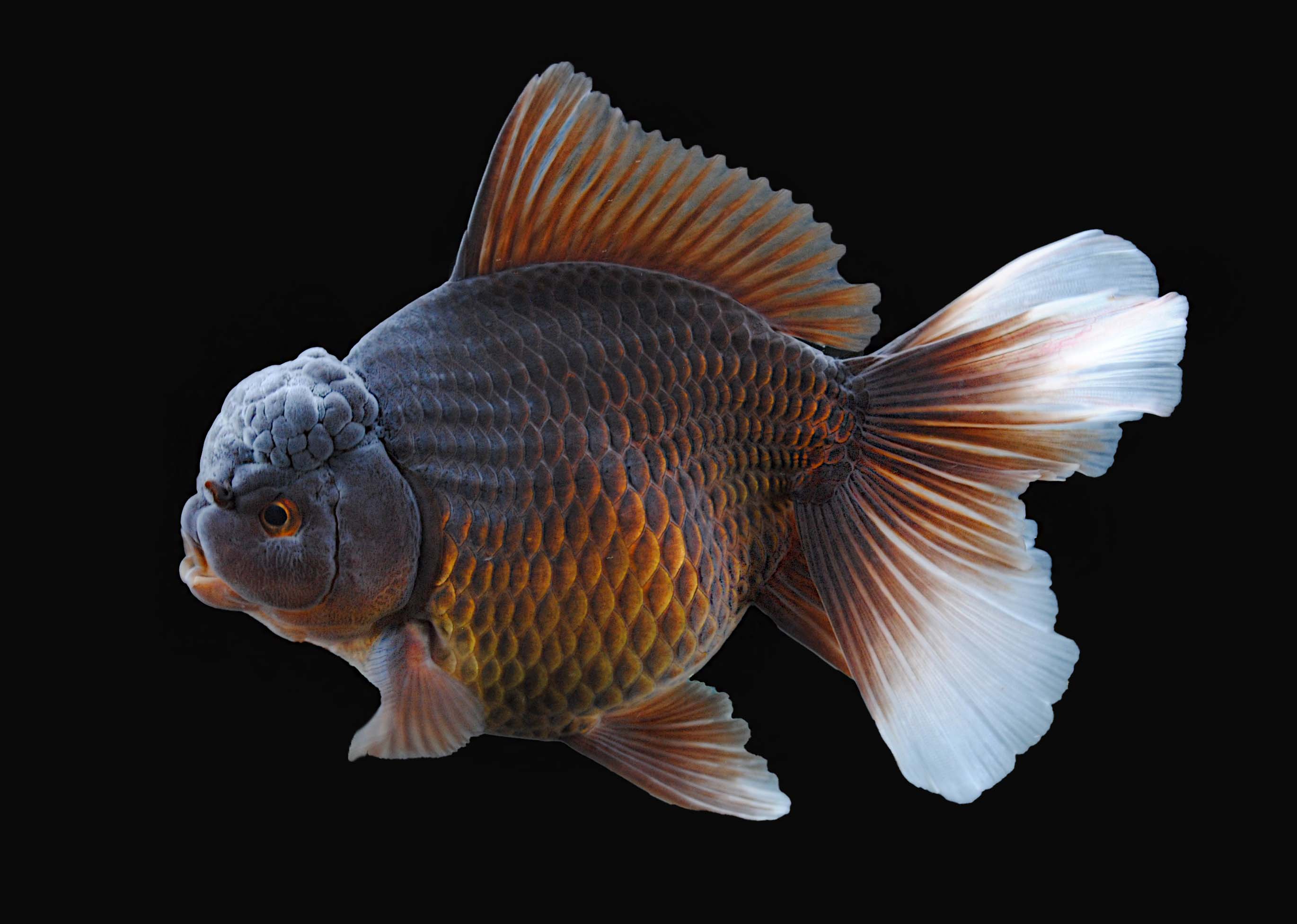
Semi purple 1 (male):

Semi Purple 2 (male):
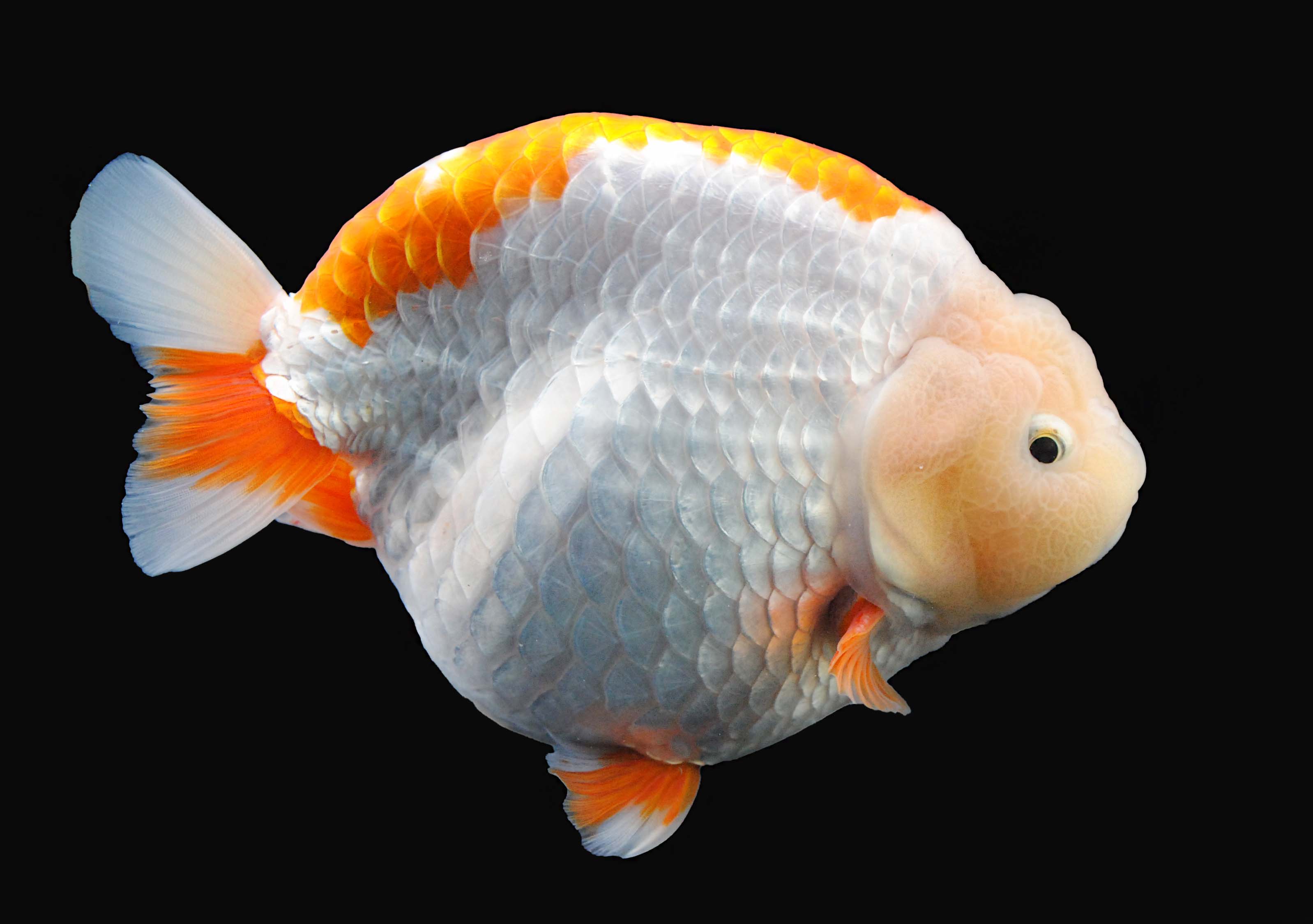
Semi Purple 3 (male):
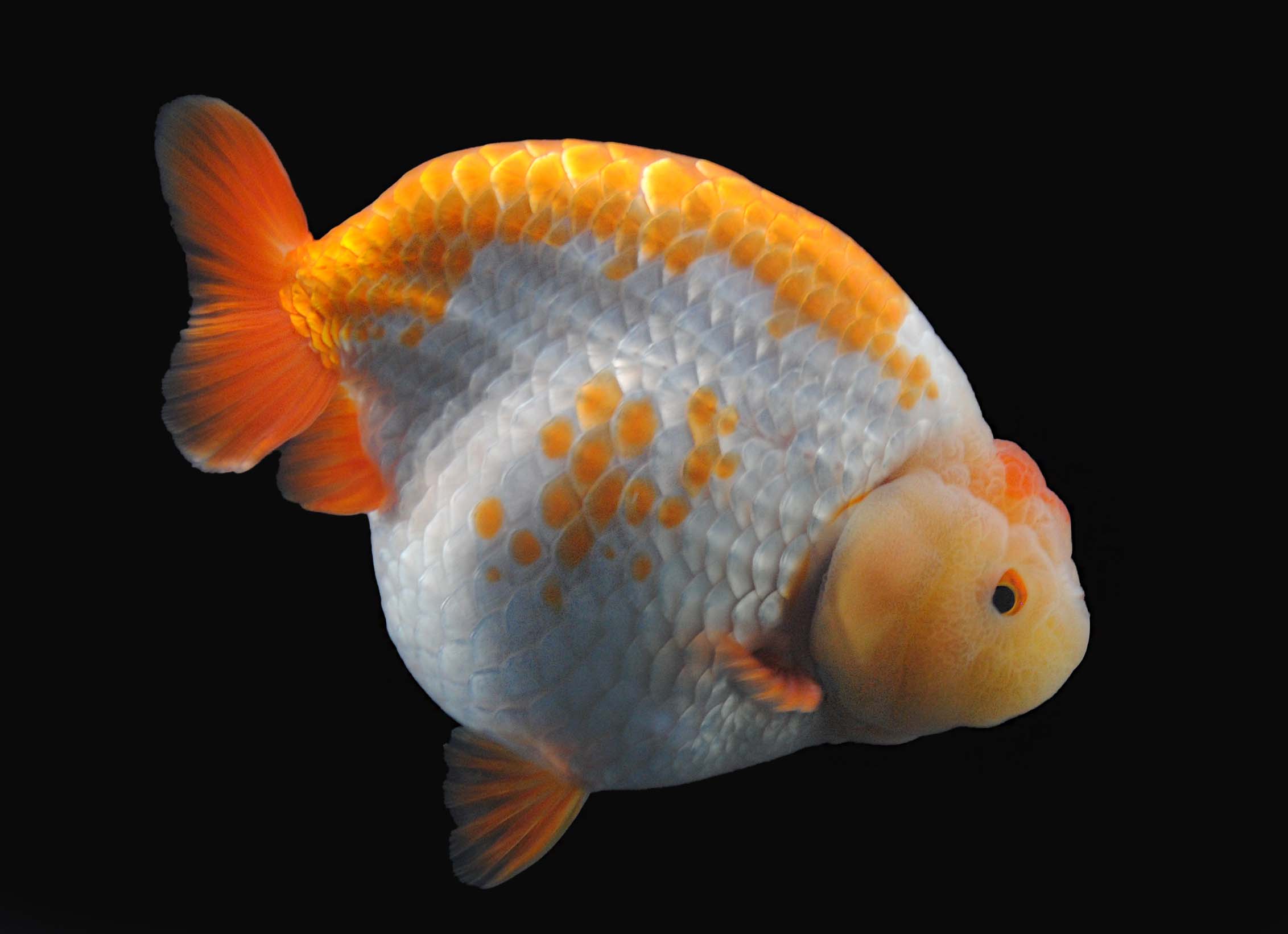
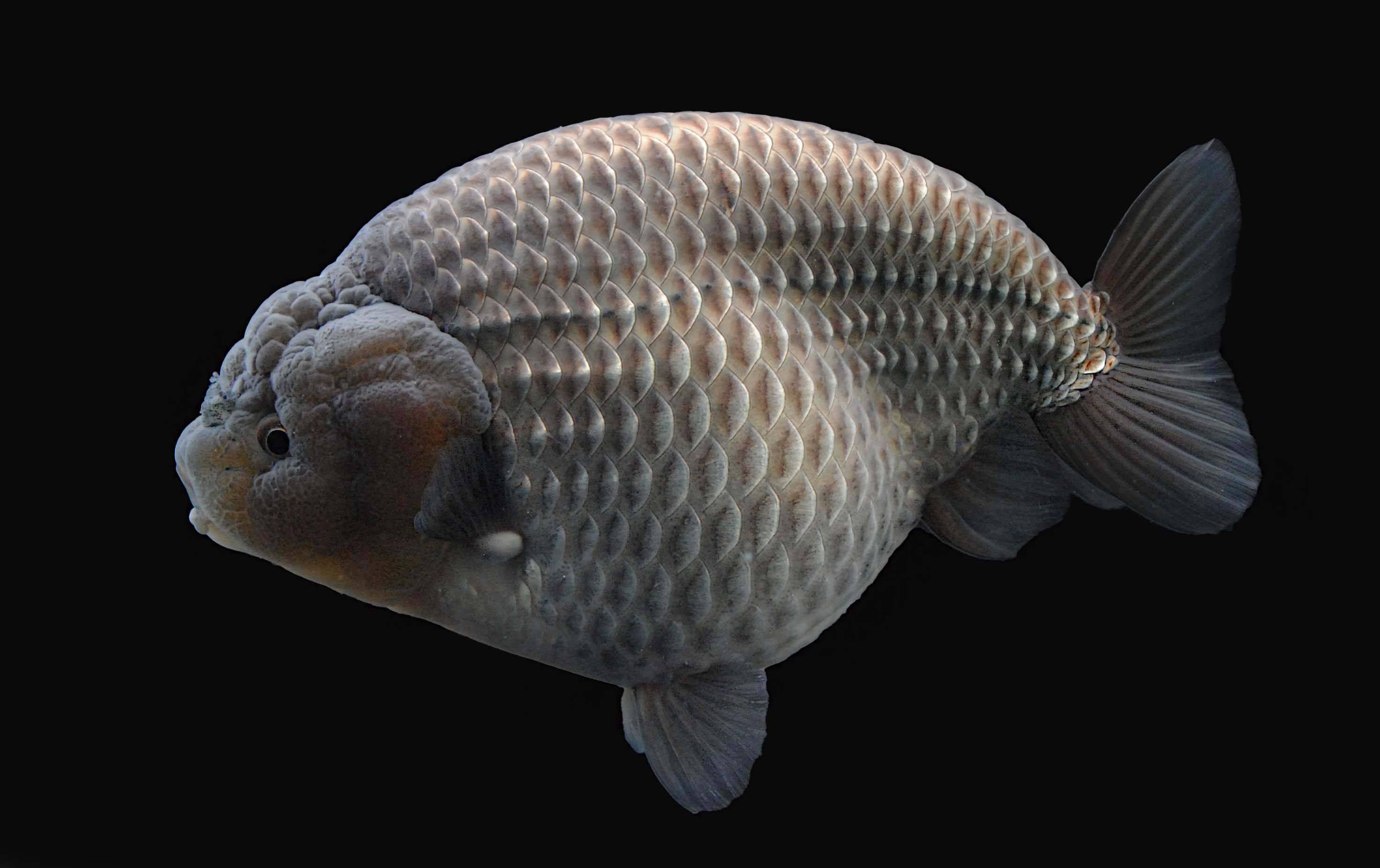
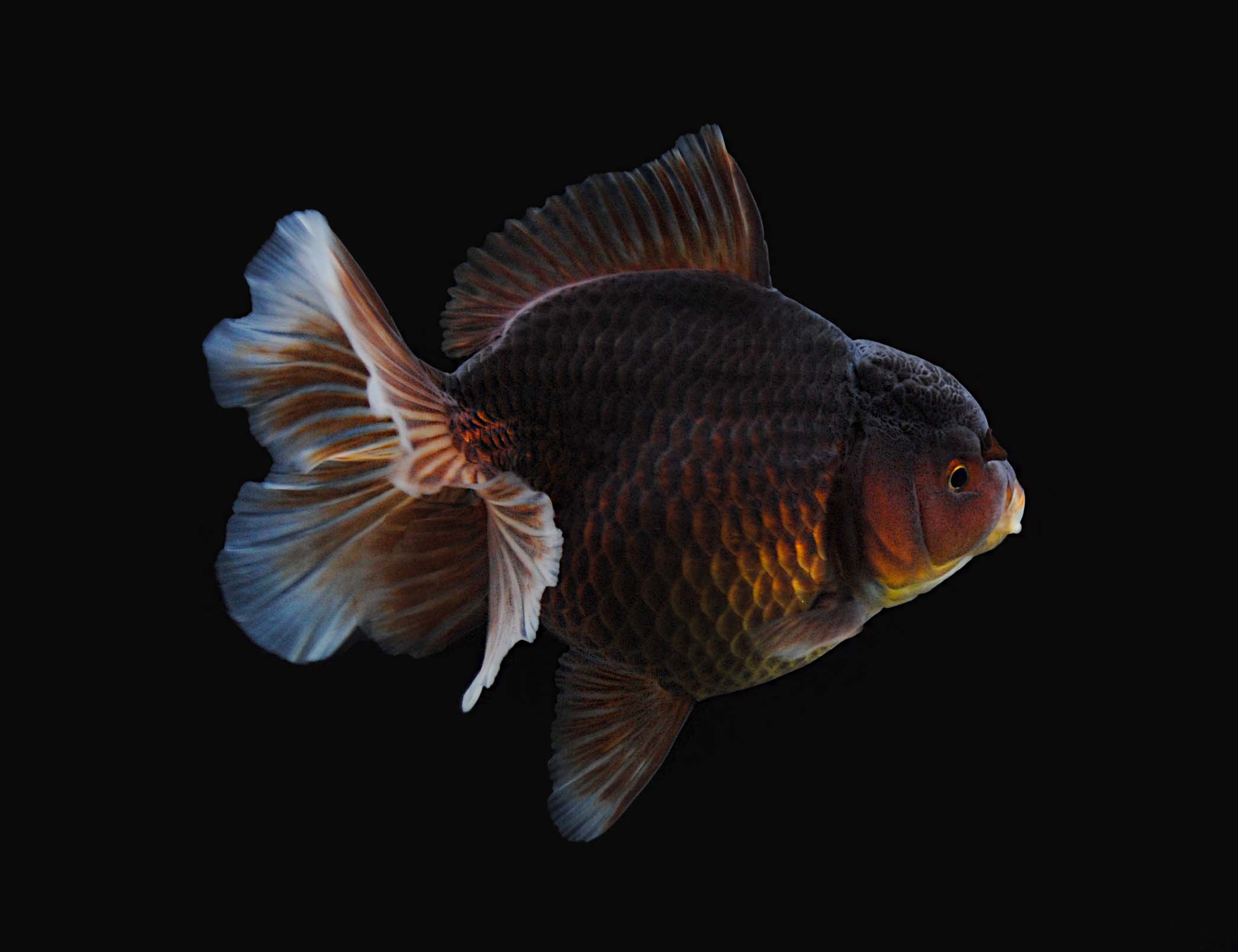
Purple 1 (Suspect female):
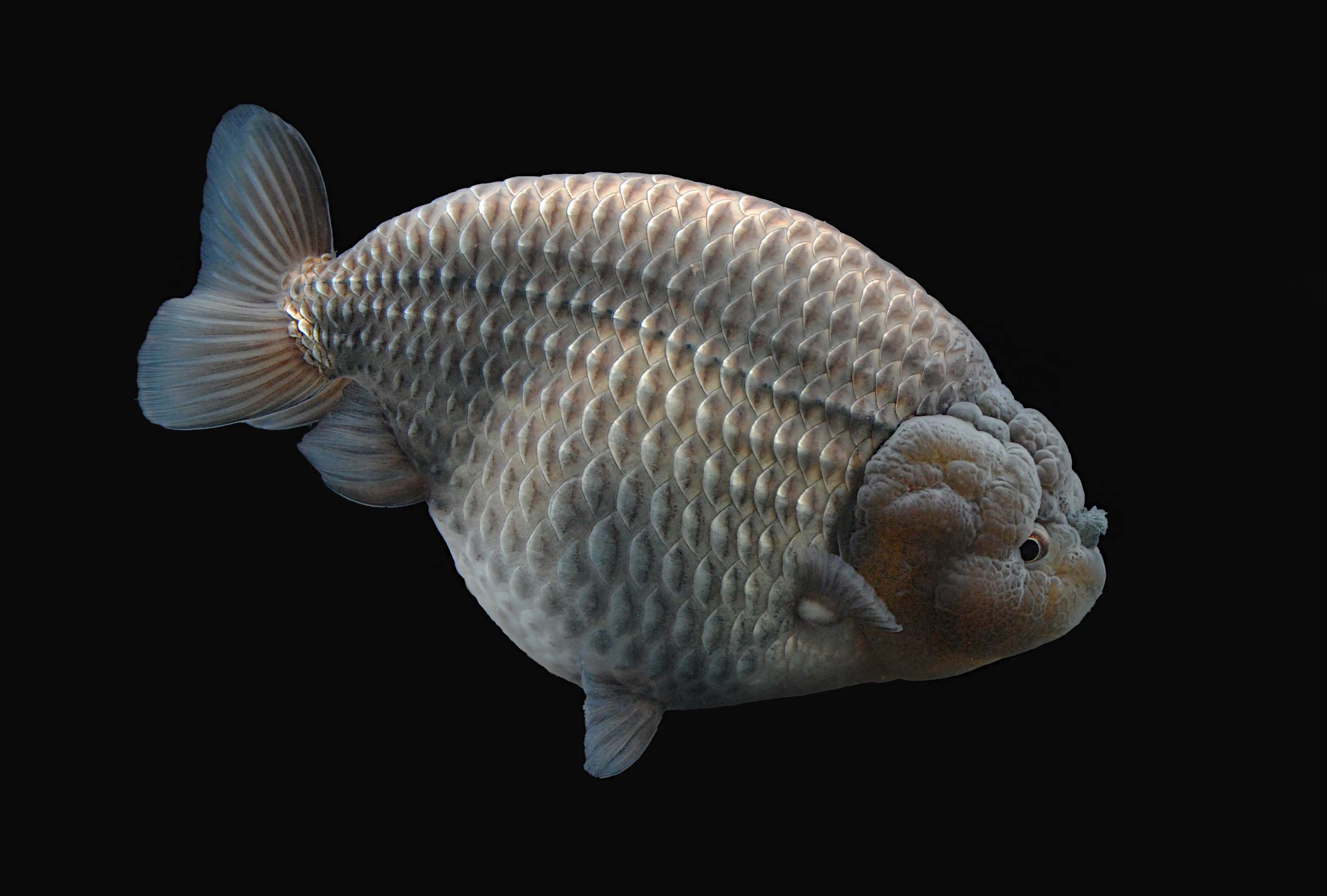
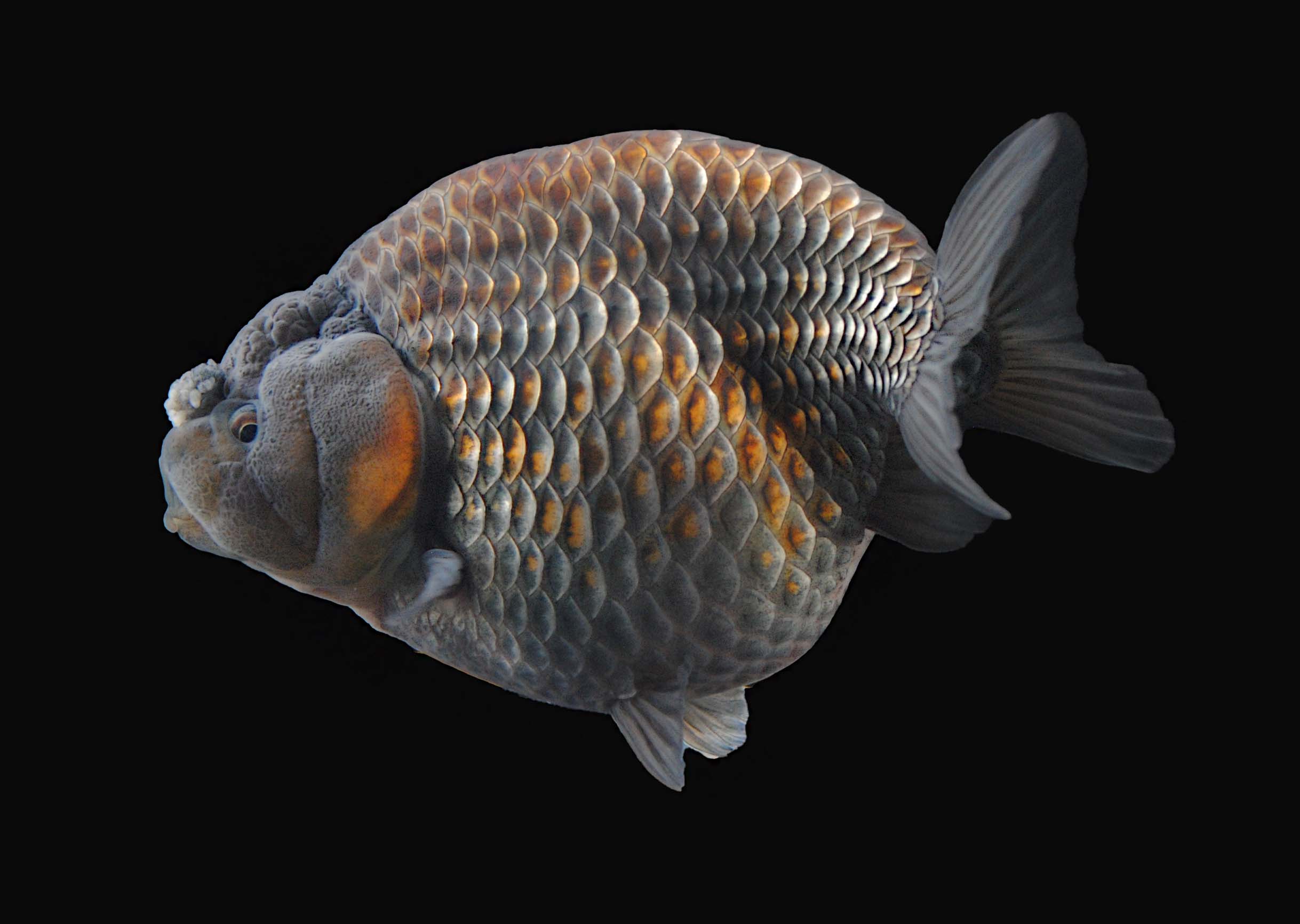
Purple 2 (Suspect female):

Purple 3 (Suspect female):

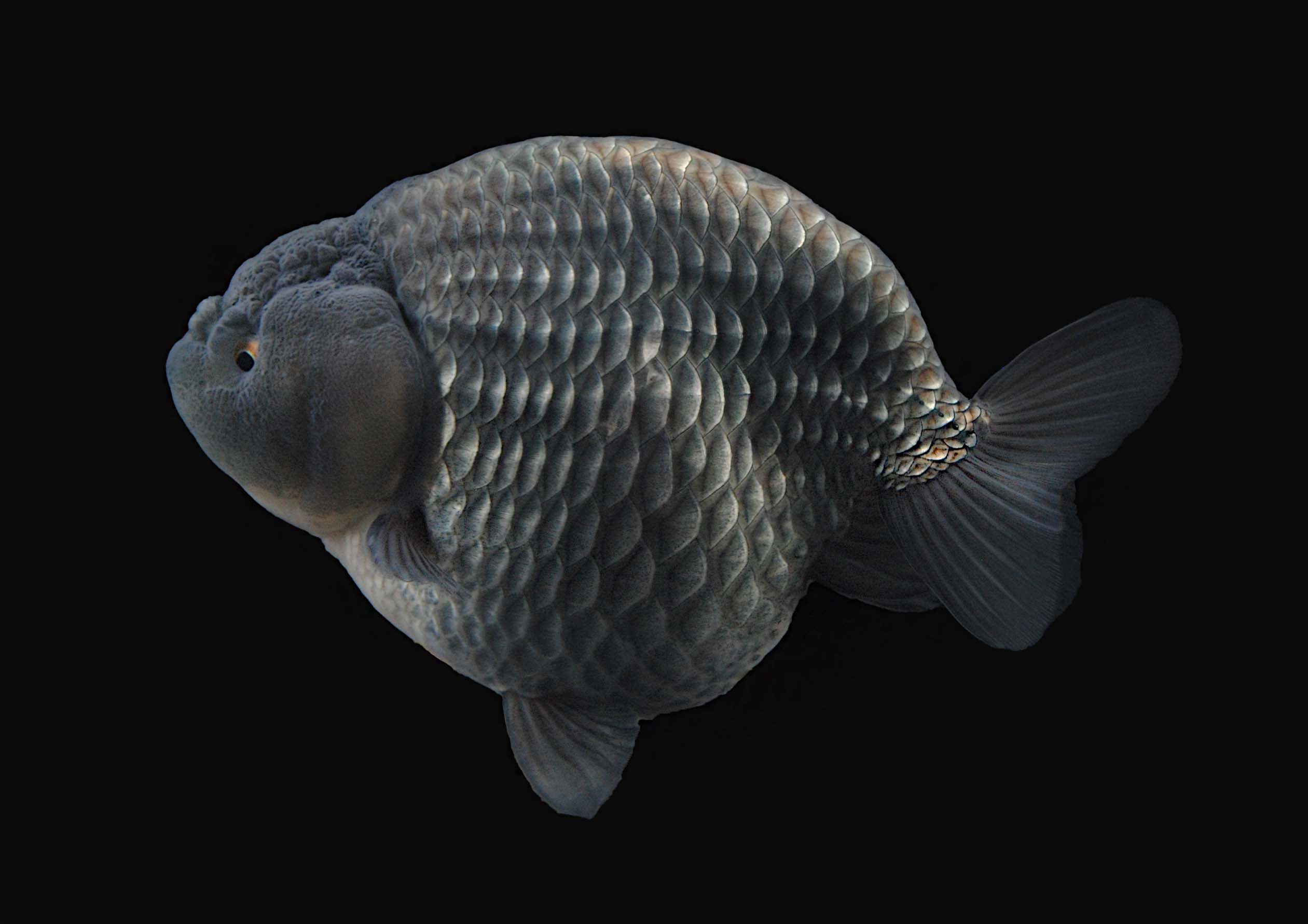
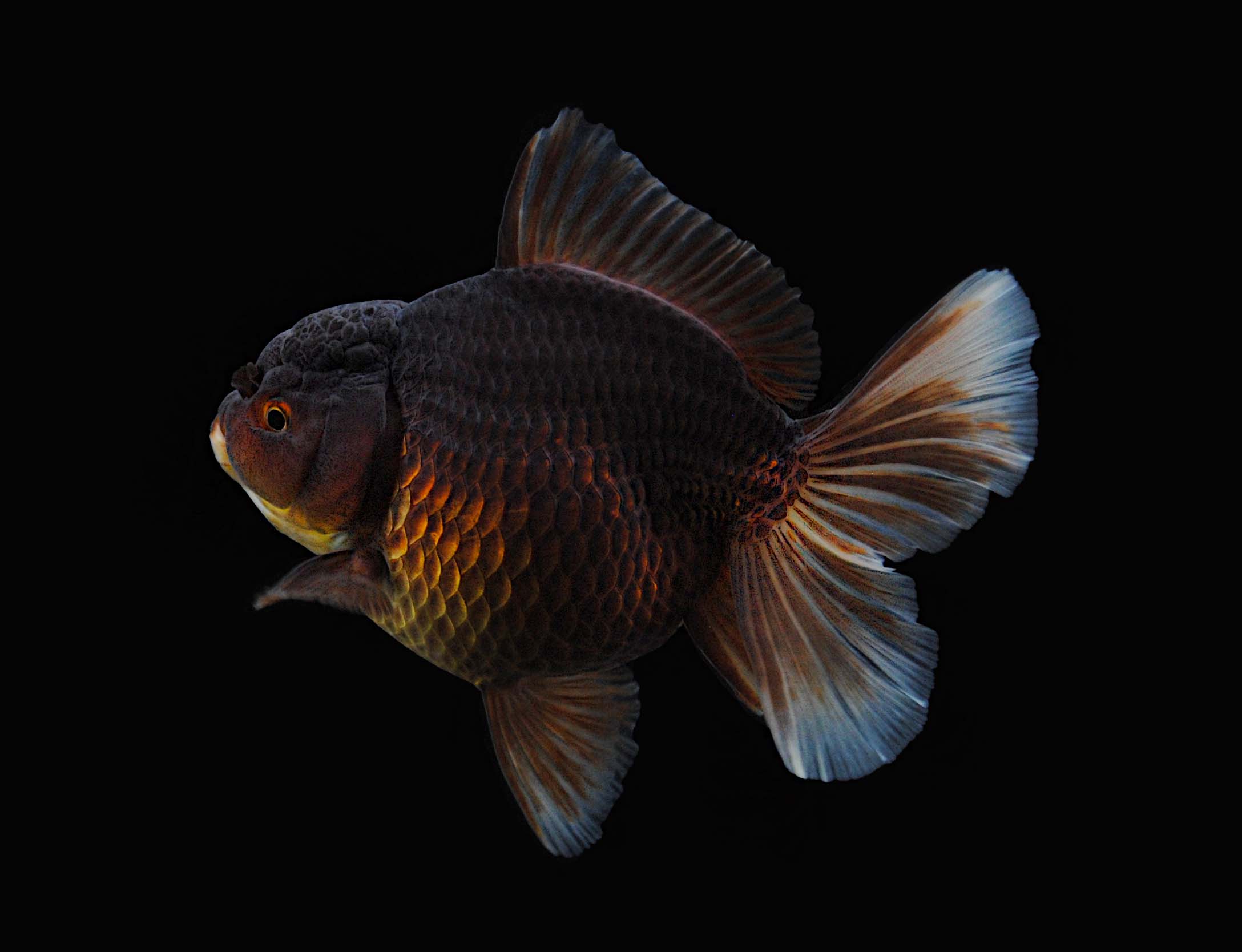
Purple 4 (male):

Blue with golden stain (female):
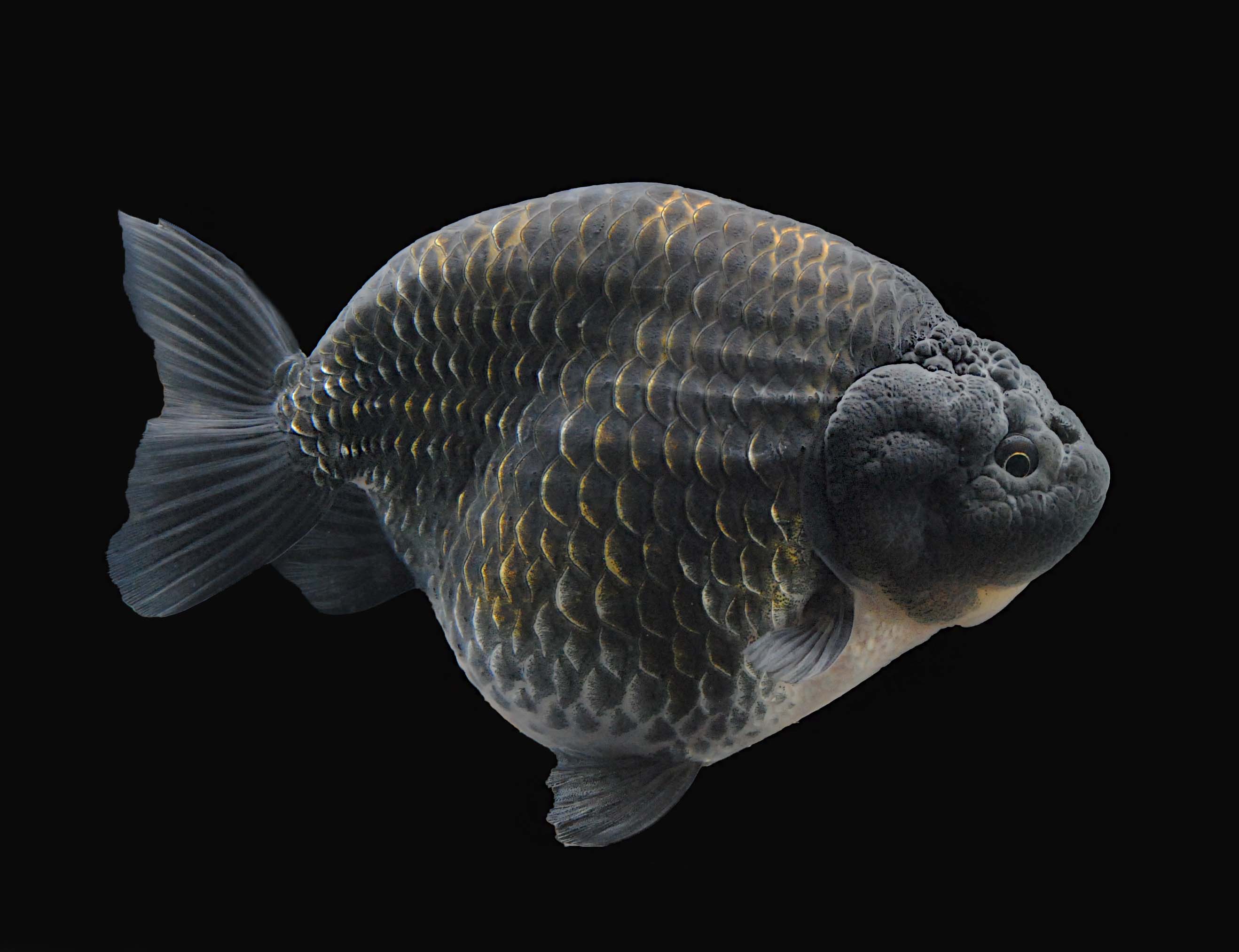
Well, observing their back curve, they are very rough. Not smooth at all!

But I see some interesting desirable features in them, namely the wide body (measured from top to bottom) and the small tail. Those two alone are good materials to produce beautiful ranchu unique enough compared to what is available in the popular market. Actually, I do not know why these “monstrous beauty” develop such features. I am not aware of any parent fish with such characteristics that I use in breeding. I take it as God-given, special for me. And I will try to work with these features as best as I can.

I love the wide body type because it portrays masculinity well. It reminds me of the Hulk.

The tiny tail is a feature gaining trends in Indonesia right now. I am glad I get this feature out of nowhere.

The weakness of these fishes are the rough back curve, the shape of the tail (mostly curved instead of straight, with bad angle). The headgrowth is in need of improvement also. Those are my homework.

To complicate the matter, these suspect females do not produce eggs so far. The only one that lay eggs is the blue one. Yes, it is the worst quality of all the females here. And it is not even purple. Adding to that, it is also difficult enough to arouse her to lay eggs. She will produce eggs only when I have kept her for 5 days in medication (with salt and methylene blue). She laid eggs twice with that method. No other normal methods will do for her. Strange, right? Her appearance is a bit unique for a blue fish. I was thinking she was a grey fish. But when I look at the head, tail and abdomen color, I realize she is a blue fish.

The only male purple ranchu is in no better quality. But I still use him because he is the only purple. His color might not show purple enough in this picture because he just come out from the quarantine tank (with methylene blue). You know, when the purple fish is dip in a highly concentrated methylene blue water, the fish tend to lose its purple color for a while to make it looks like blue fish. The purple color will reappear after several weeks.

So, I need to start this project with unsatisfactory parents. Will I succeed?

I am enthusiastic, for sure. I think I need two to four years to bring this project to satisfaction. And of course, I will open my eyes on the market to look for better materials to cross.

I only take the video of the long purple one. Enjoy.
Standard
Brown Oranda, The Diary of a Goldfish Breeder 2023

The Diary of a Goldfish Breeder 2023 (5)

Project #2: Brown Oranda

Last time I mentioned my Brown Oranda splitted into two lineage: the Dark Choco and the Tea-colored Oranda. I decided to focus on the Dark Choco one, since it is more unique.

This lineage of Brown Oranda diverged from my Blue Oranda line far enough to manifest different body features. My Blue Oranda line has a rounder body and well-erected tail. But it has weakness in its dorsal fin shape. The dorsal looks a bit thin. Some is good in its straight position while others is slightly curved or even a bit fallen to side. This Brown Oranda line is directly opposite to it. The body is a bit longer than the Blue one, and the dorsal looks thick and strong with a sharply straight position. The weakness is in the tail, which is not so well-erected.

I am happy with these differences since they provide me with materials to improve both lineages through cross breeding.

These are three of my Dark Choco:

As you can see, the dorsal fins are pretty uniform. This become their strength.

The dark brown color is also consistent, which is another point to value. There is a special observation I made regarding this color. This dark brown color usually comes with white color in part of its tail, while the tea (or light) brown color has totally uniform color in all its parts. Could this be that the dark brown is actually the exact same pigmen but more condensed than the light one? I do not know about that. But there is another significant different among these two types: in the light brown one, when the brown color fades, the occuring color is always (as far as I observe) orange color. So, it is possible to have brown and orange pattern in a fish coming from the fading light brown color. But the dark brown one has the capacity to introduce white color in its pattern, which the light brown one does not have. So, it is possible to have brown and white pattern (or even brown, red and white) pattern coming from the dark brown lineage. Isn’t it amazing?

In fact, the third fish was brown and white fish before. But then the brown color takes over to make the body totally dark brown and leave the white to the tail. So, this is another unique feature: the ability to remelanize (to reintroduce the dark brown color that had faded)

Back to analyzing the fishes, their body lengths are different. The second fish has the longest body, while the third one has the shortest (roundest) type. The first one is the medium length type. So there is no uniformity in the body length.

The tail is varied, also, with the second fish becomes the weakest.

Well, after analyzing the strength and weakness of this dark brown lineage, I think I am happy with the current result. I am also excited to see the possibility to improve them in the future. My best pair is the first fish (male) and the third one (female). I am also thrilled to see whether I can create the brown, red, and white stable pattern. If so, it will be an interesting alternative to the current tricolor (black, red, and white pattern) in the market. It will be a pattern I have never seen during my whole life time!

For the video please see the youtube below:

Standard
Blue Oranda, The Diary of a Goldfish Breeder 2023

The Diary of a Goldfish Breeder 2023 (4)

Project #1: (Semi) Blue Oranda

Well, the result of my Blue Oranda is satisfactory. But as a breeder, I need to anticipate the genetics being saturated due to inbreeding. So, I develop a cousin-line by crossing the female Blue Oranda parents (Diary 2022 #19) with an orange oranda of my own, which unfortunately I did not manage to take his picture. So, the phenotype of the offspring is orange / red white Oranda, while the genotype carries the blue genetics recessively. I keep only best three of them currently:

Let me analyze them.

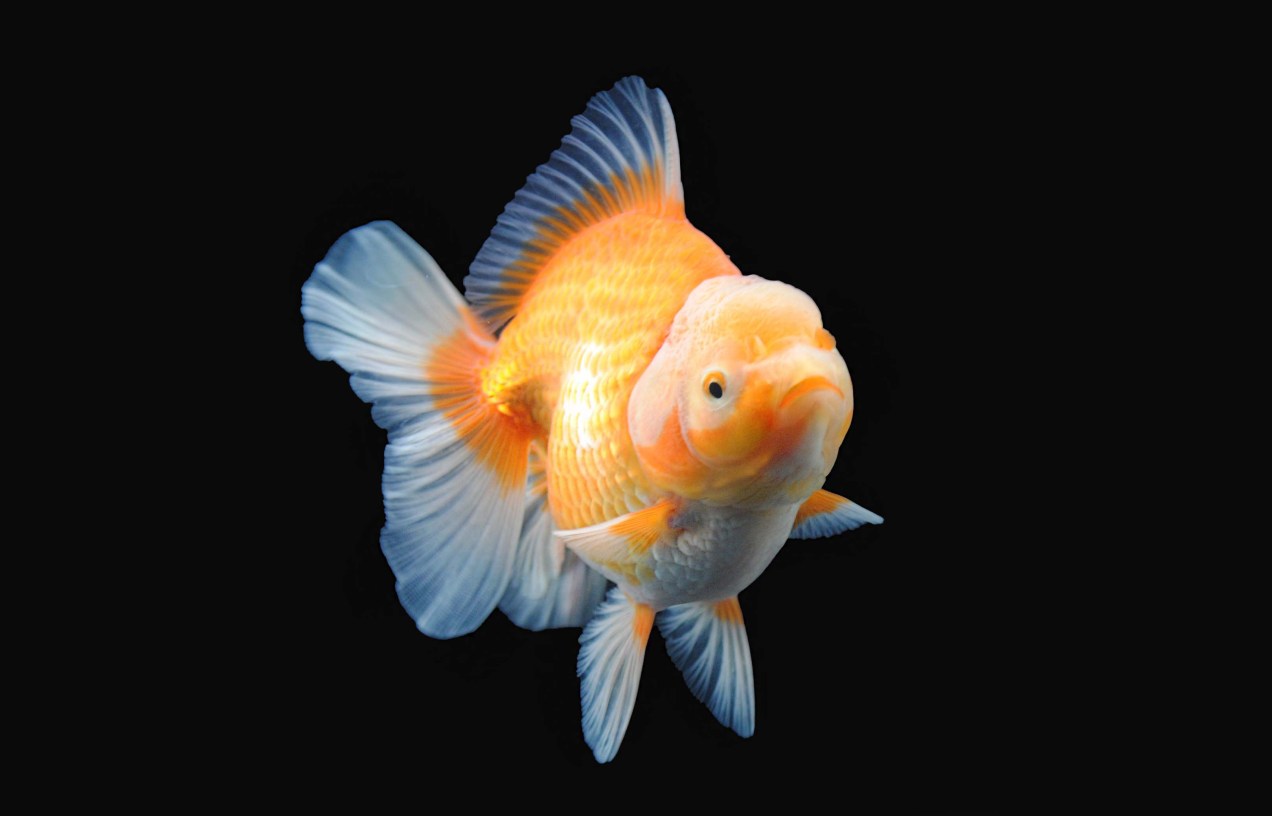
Body-wise, the first fish is superb. It has depth and thickness. The length doesn’t seem to be short, more of a medium type, which is what I want. The curve has a good height. It will contribute to the bulky appearance of the fish even when the headgrowth grows higher. The headgrowth is a bit small right now, but I will not worry since I know the parents headgrowth type. It won’t be small, but it won’t be excessive, either. Just right. The tail has a good erect angle with no defects. Perfect! The only visible weakness is the dorsal fin with its curved first ray. This feature also appears in parts of my current Blue Oranda line. Well, it is not really a defect. It is just less desirable than the perfectly straight one. This fish seems to be a female.

What to make of her?

Of course I want to have Oranda with this shape, but with a better dorsal fin. If I use this to cross with my Blue line, then I must choose a male with a good dorsal fin. This will make my Blue Oranda lineage improved in terms of the dorsal fin, but I don’t think I will get 100% better dorsal fins directly from the crossing. It would be better if both parents have good dorsal fins!

Or I can use the first fish as my Basic Material fish. If I mate it with the second fish, which seems to be male, then I can develop a good quality line of orange / orange white Oranda. I can use the line to improve my other Oranda projects (see Diary 2022 #18 for list of my projects).

The body of the second fish is not as strong as the first one, but it might due to the gender difference. This fish has a strong erect dorsal fin. I am glad to have him since I have the needed material to further my projects.

The third fish is probaly a male also. But the body is not as strong as the second fish. And the dorsal is not desirable. So, I think I have no need of him.

For video, please see the youtube below:

Standard