cow ranchu, The Diary of a Goldfish Breeder 2022

The Diary of a Goldfish Breeder 2022 (15)

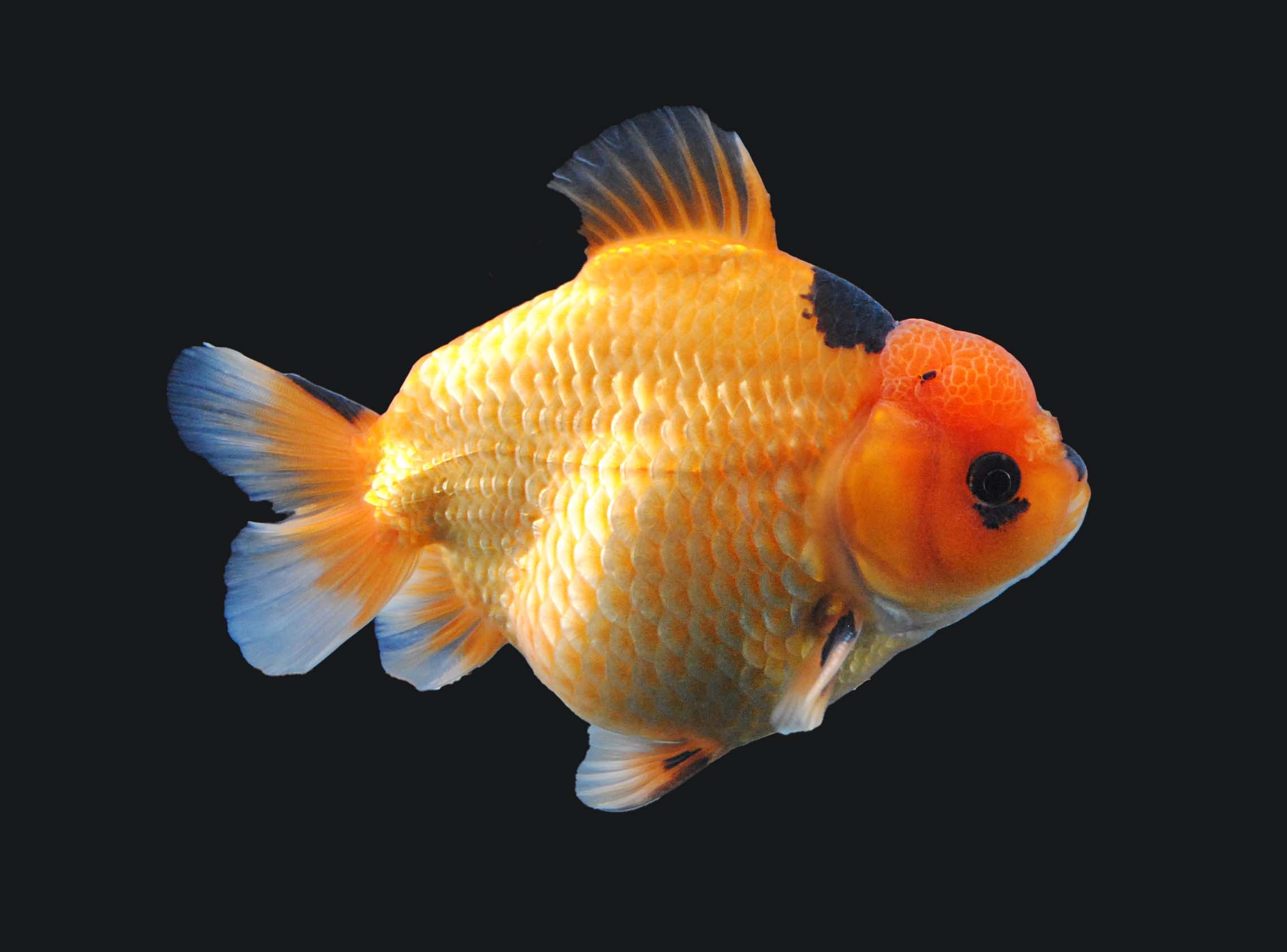
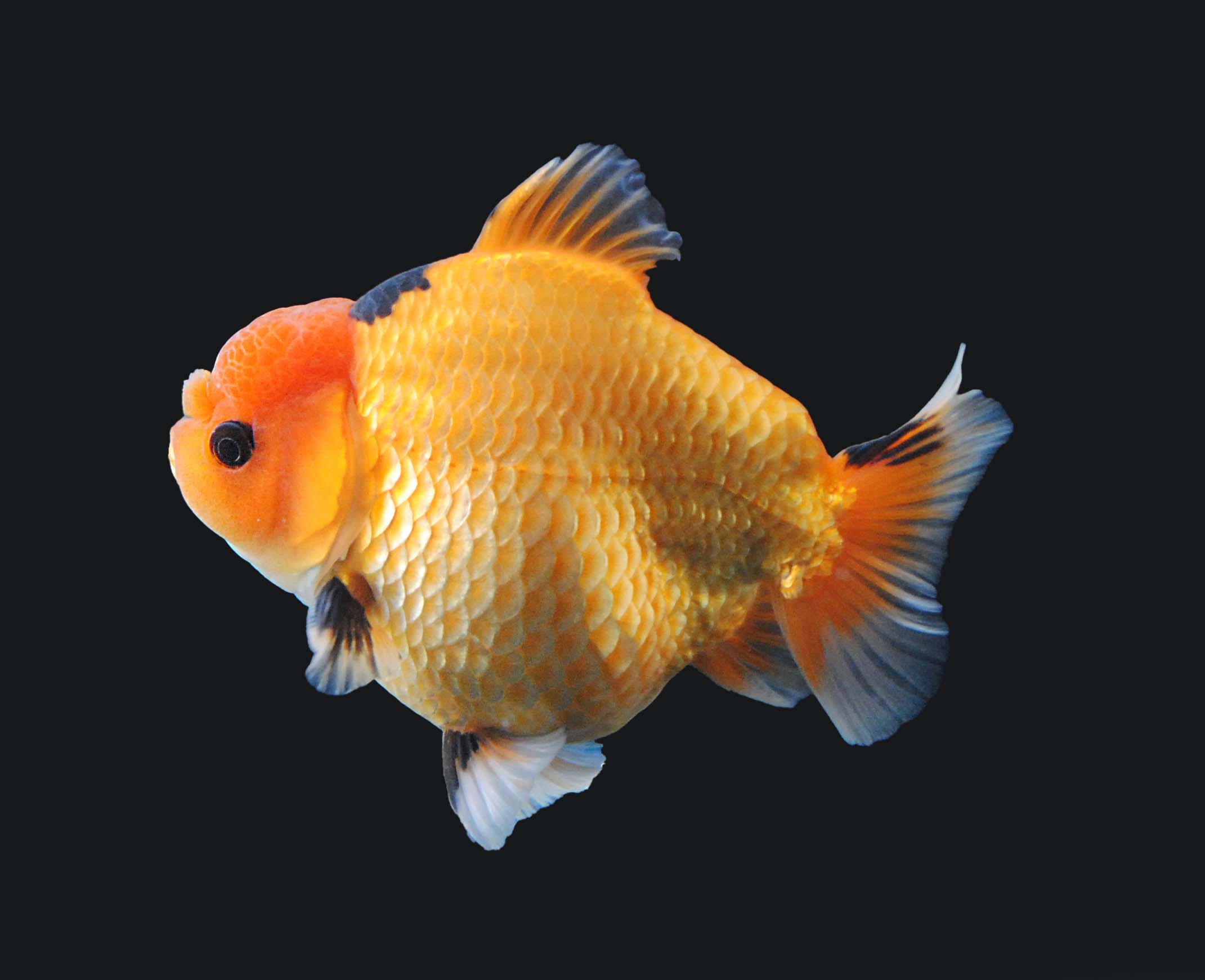
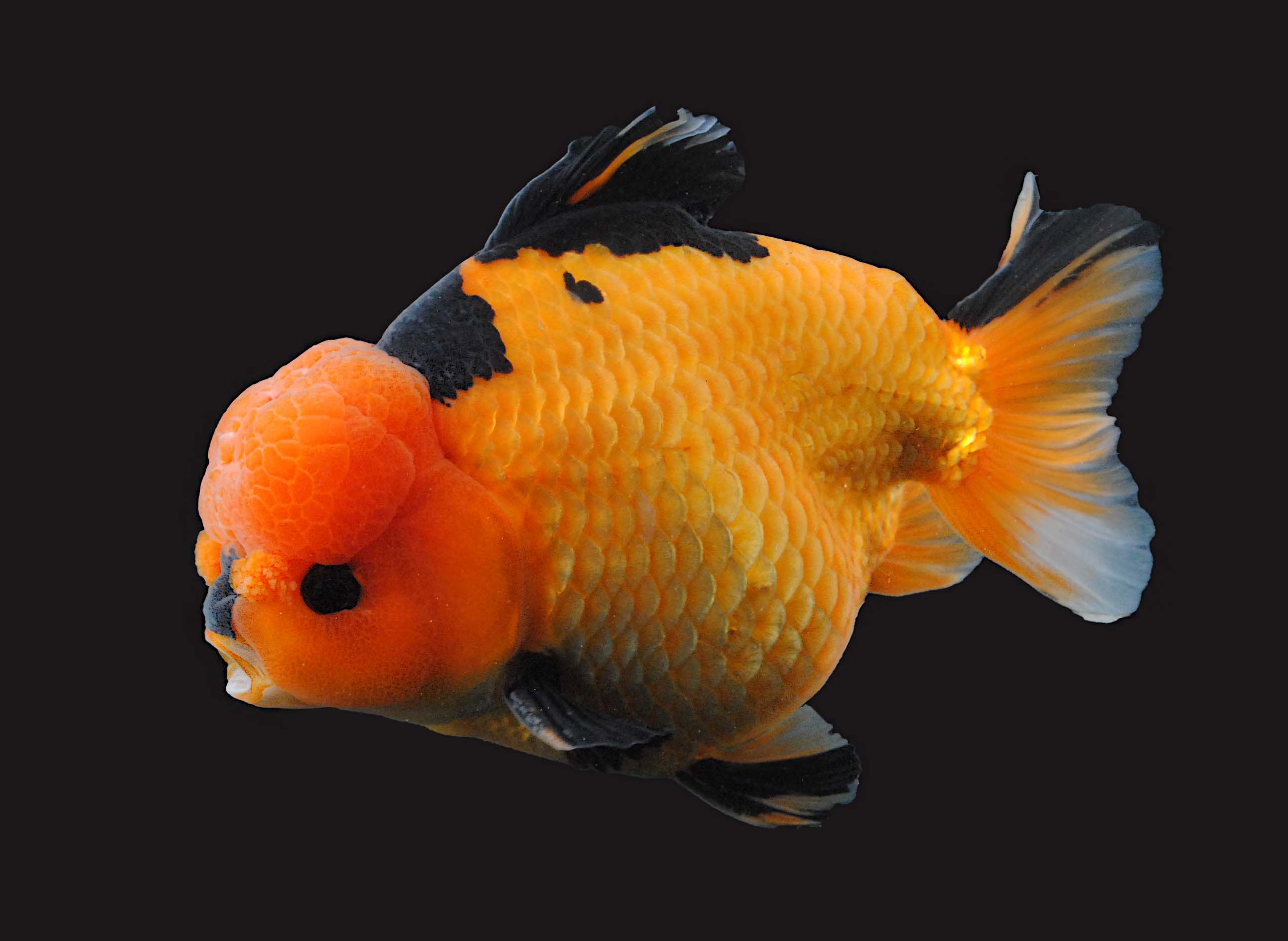
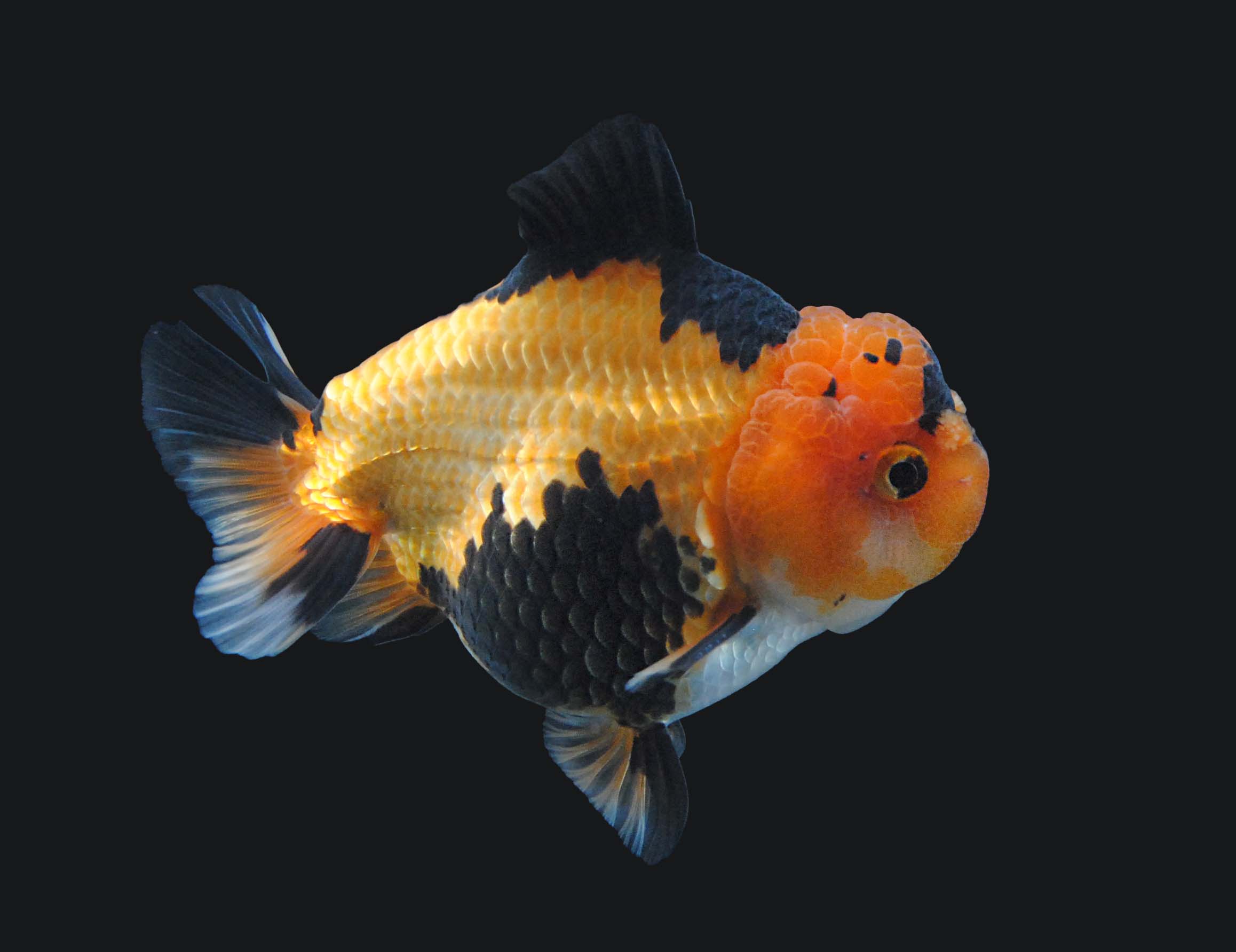
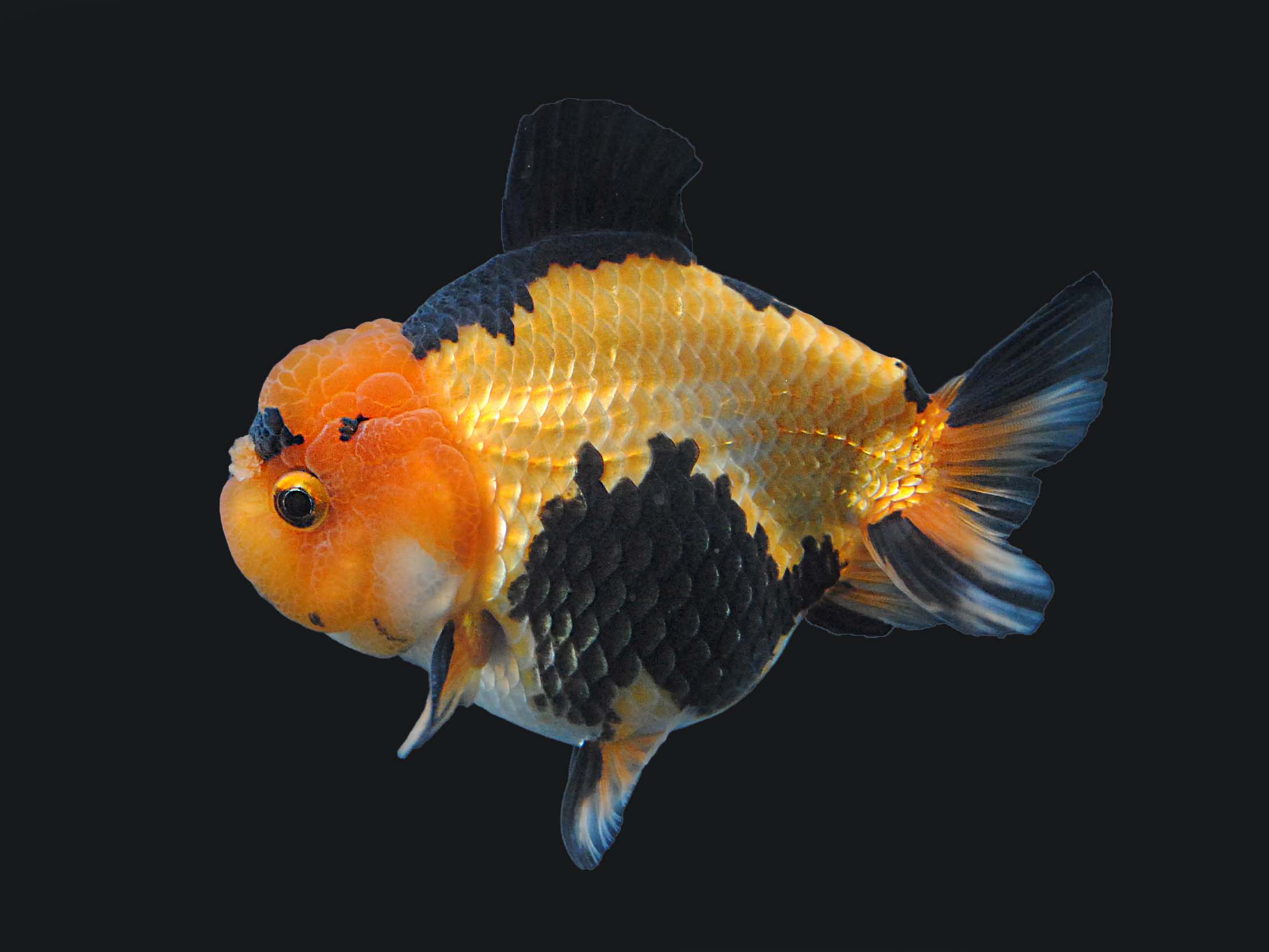
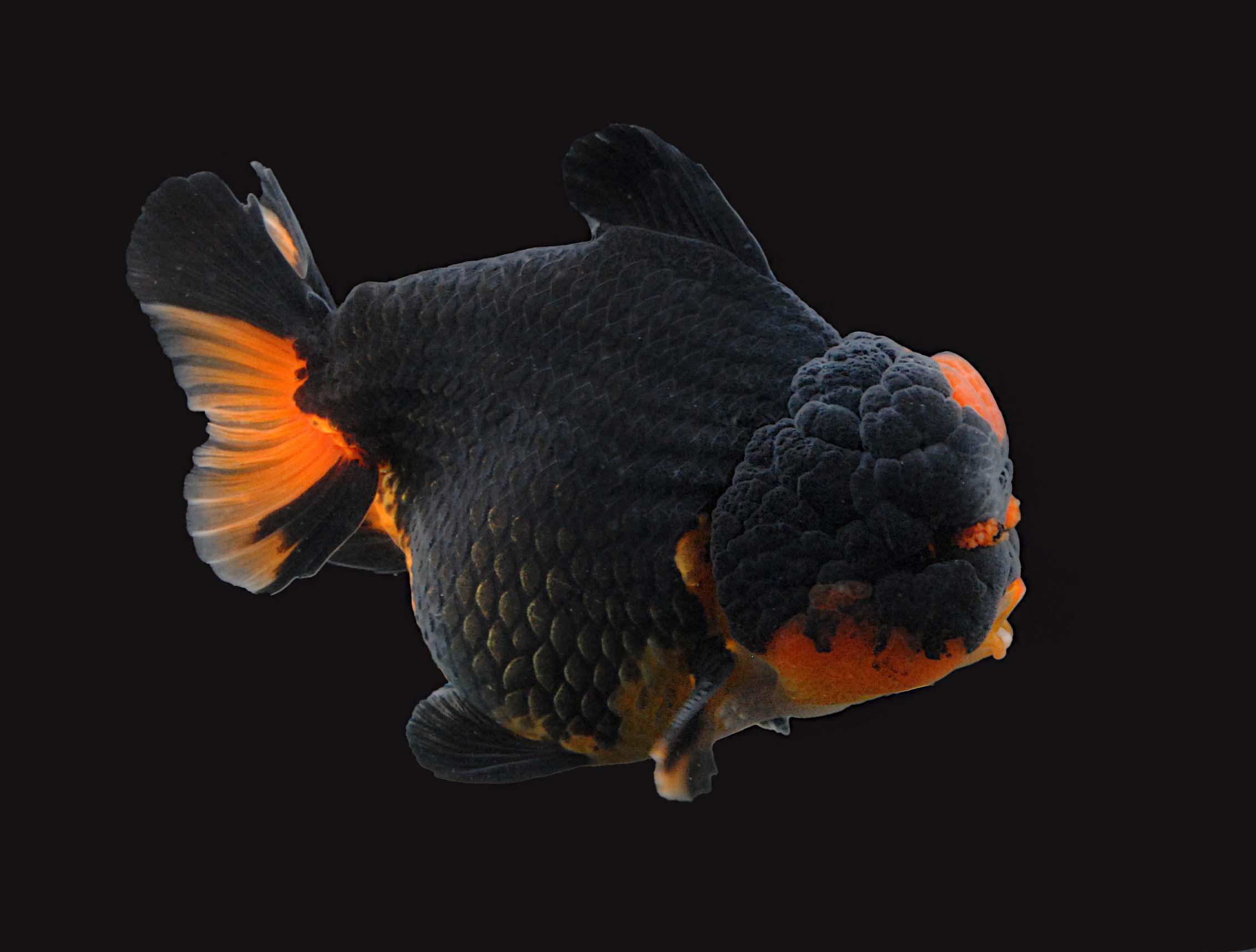
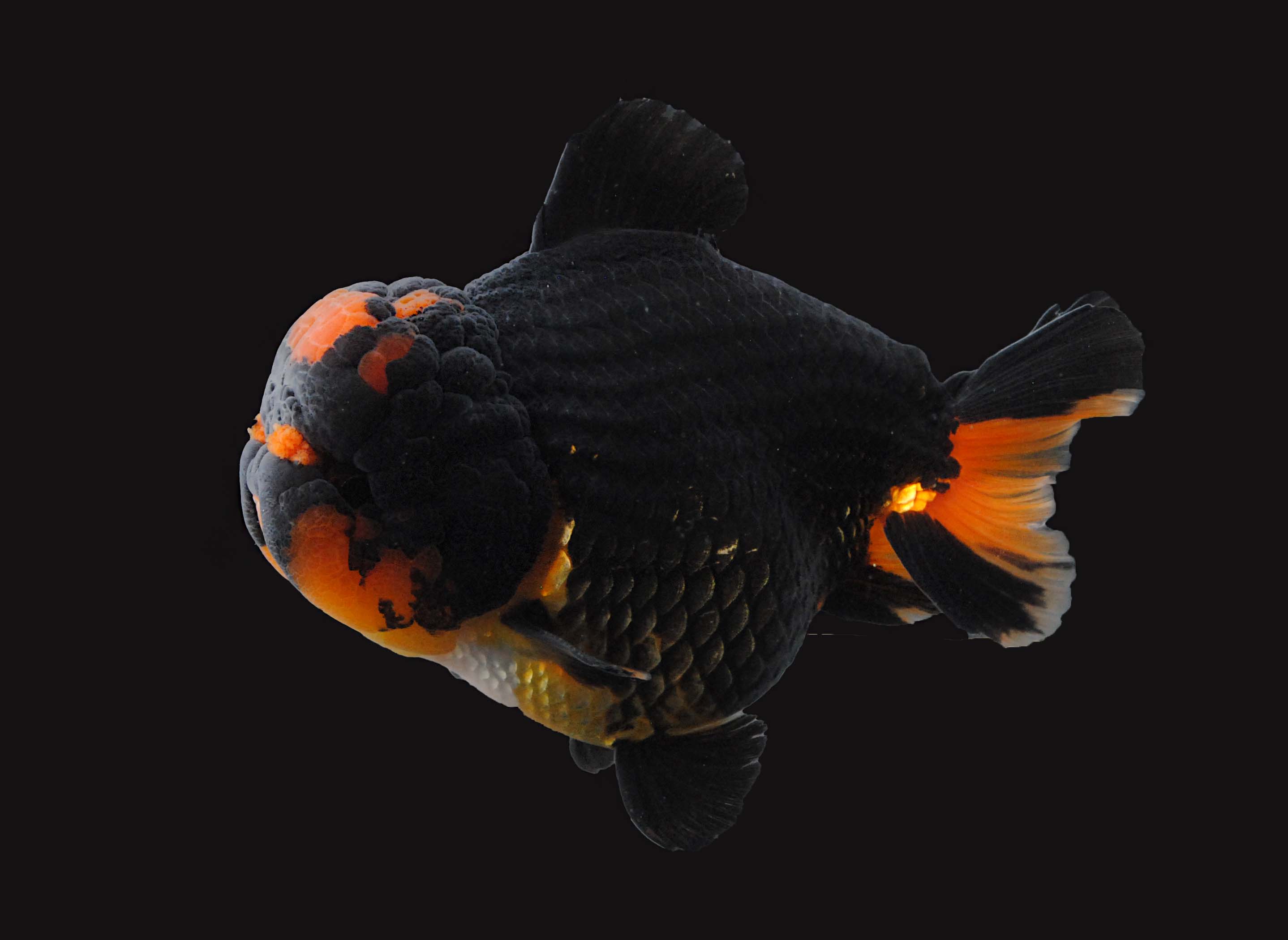
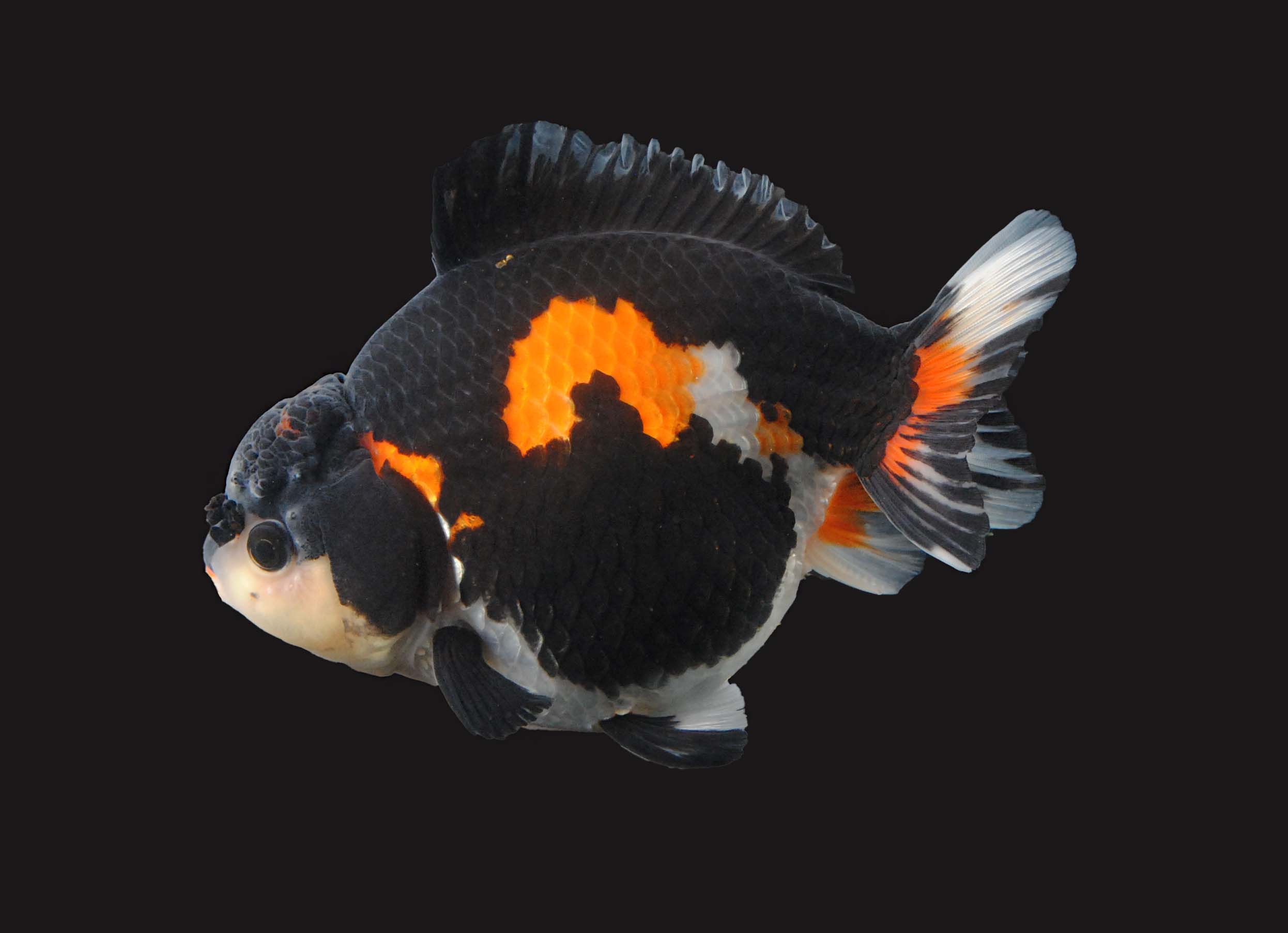
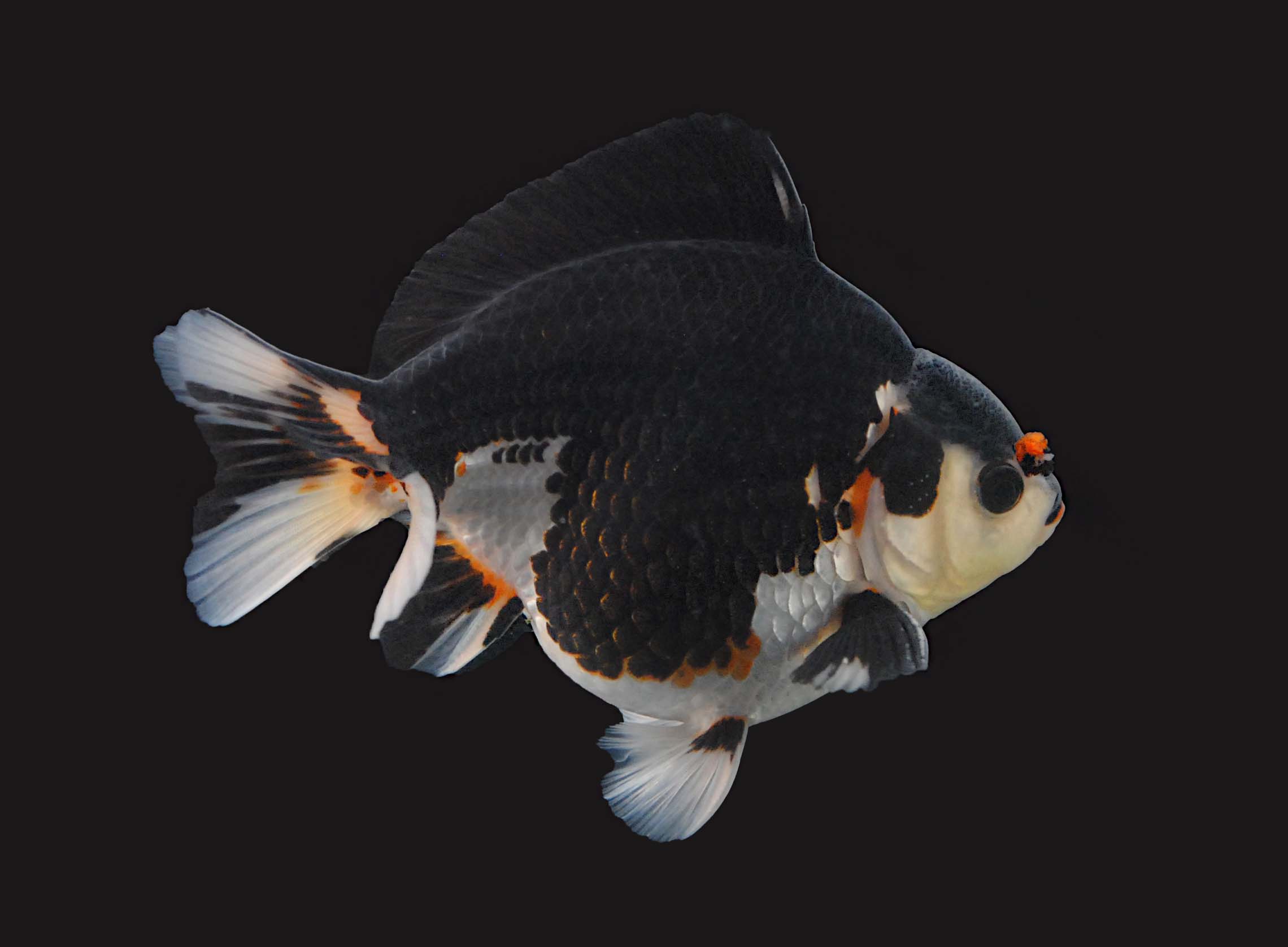
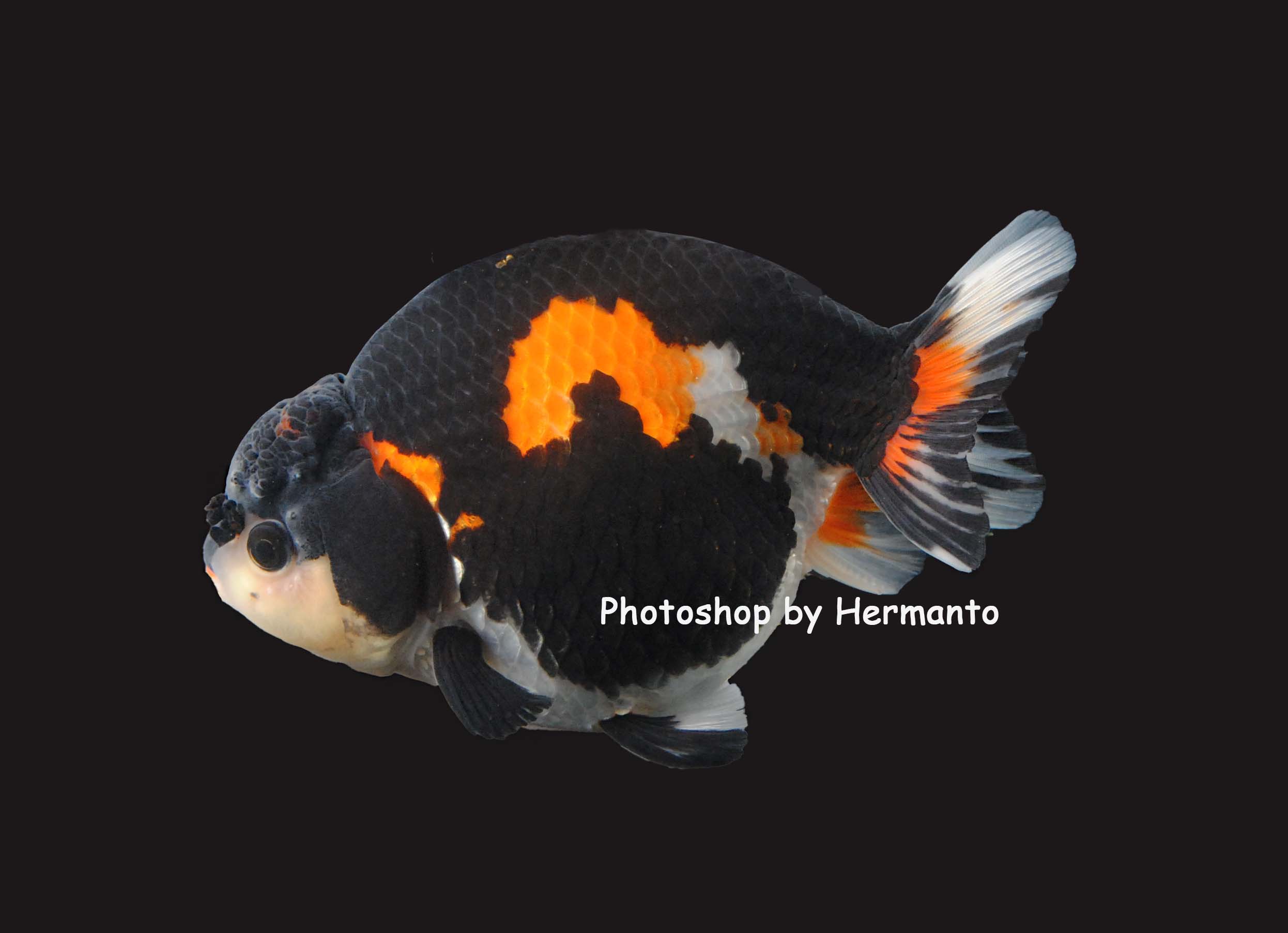
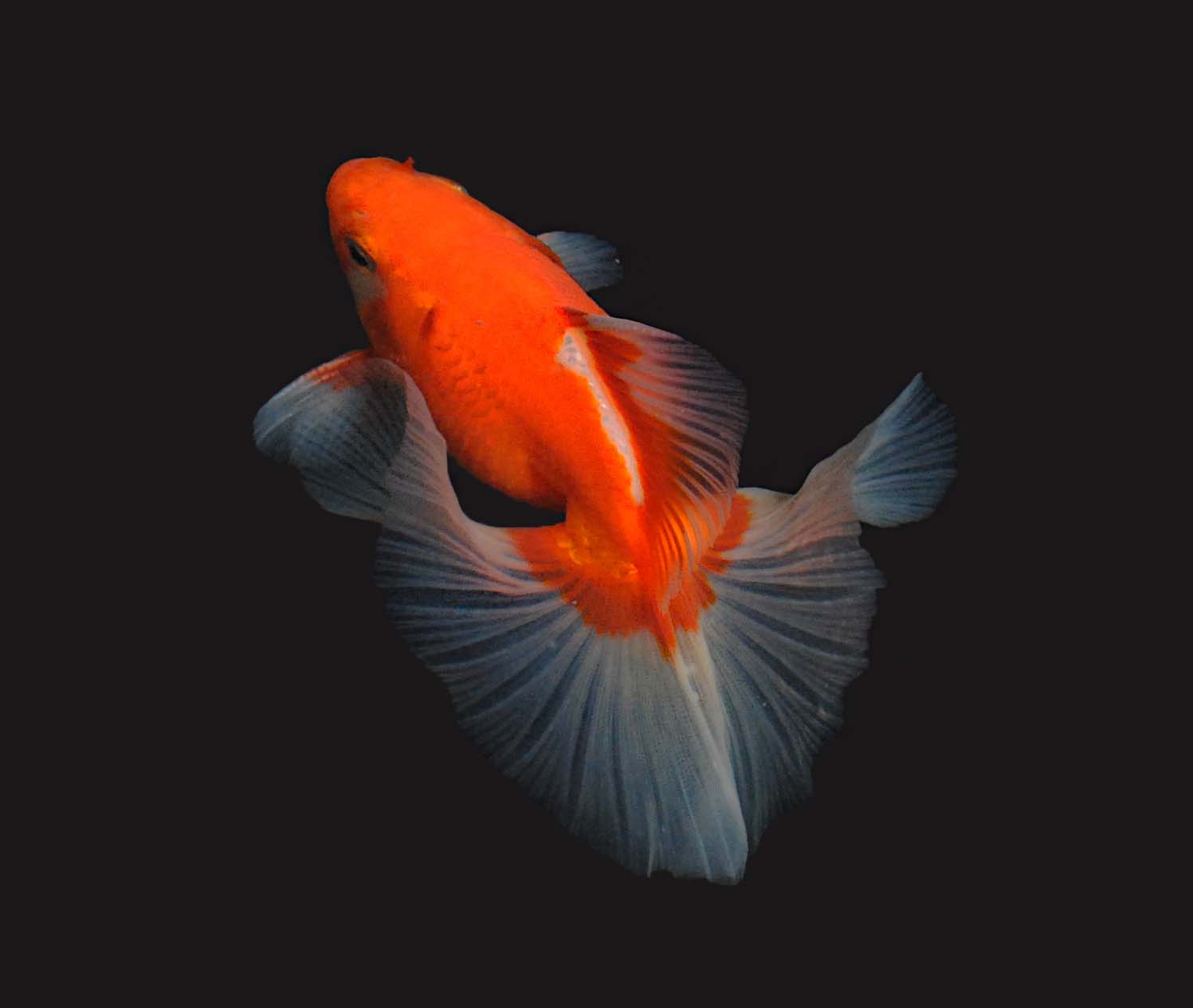
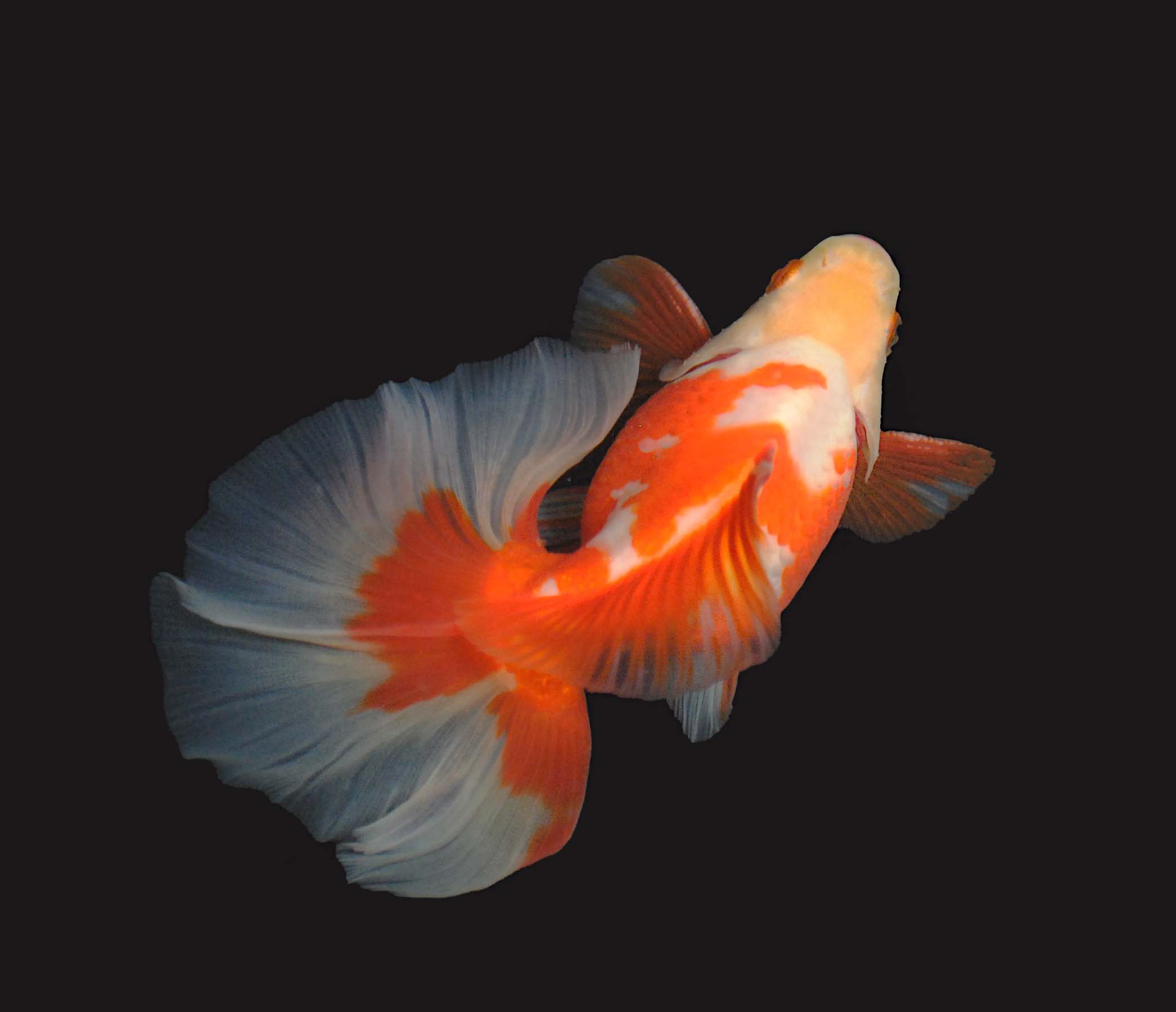
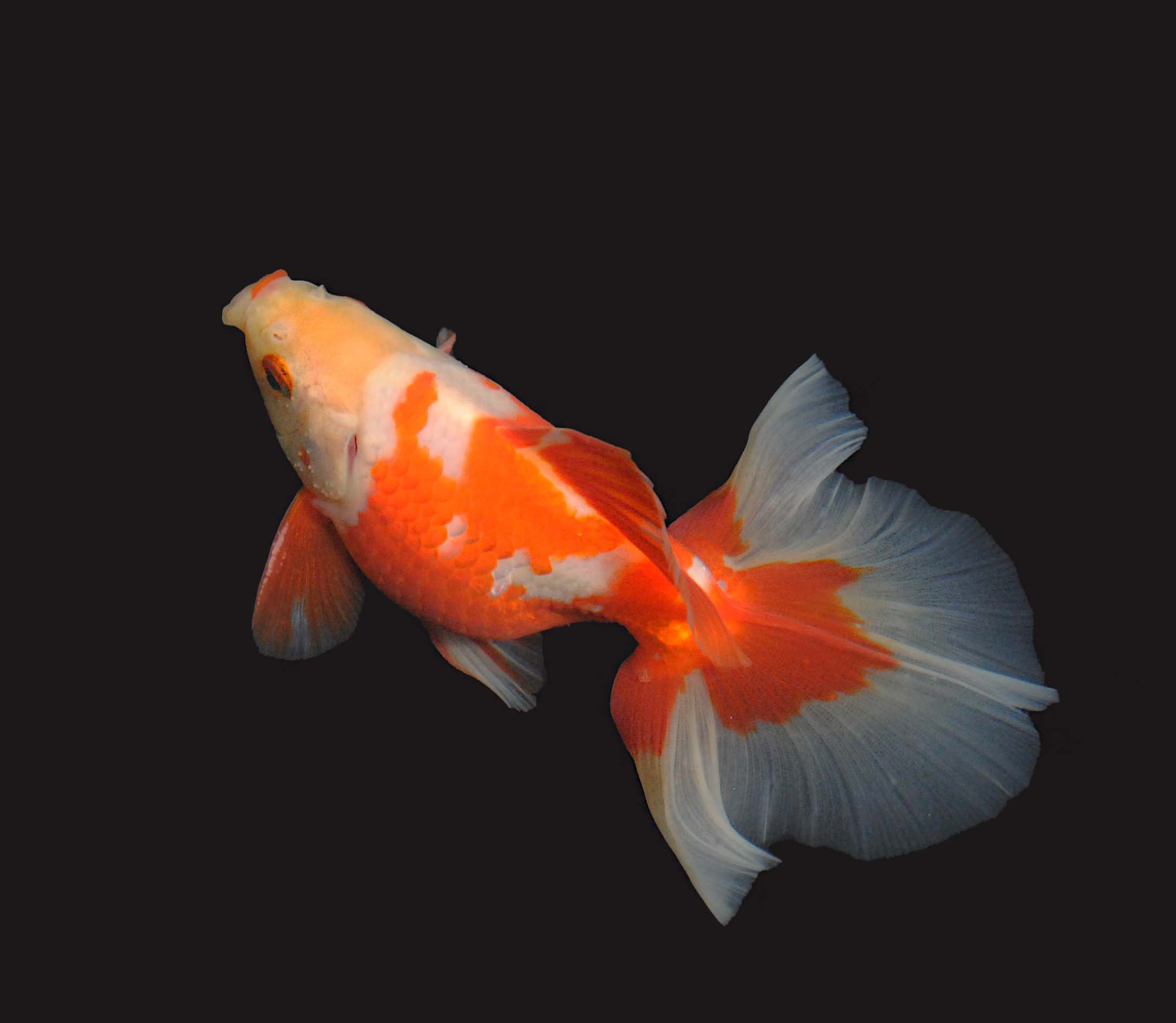
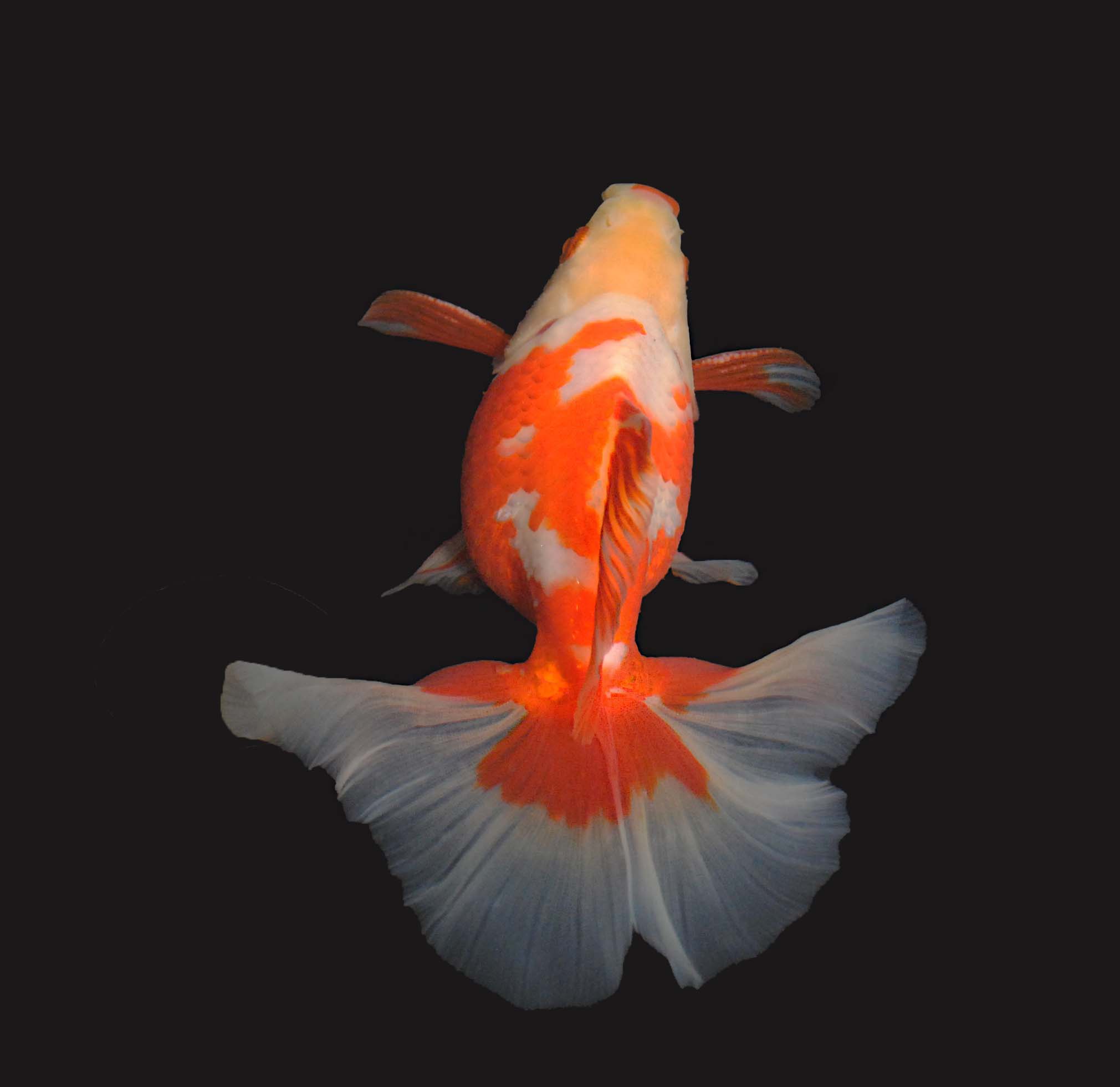
There is a bit of drama in my cow ranchu project.

After many years of failure, I finally acquired a productive female. She was of an ambiguous background. I got it from a local breeder, which was not the logical place to get a cow ranchu. So far, cow ranchu in Indonesia was imported. Its appearance in a local farm was considered impossible. Some friends even said that it came directly from a calico parents. Anyway, she was productive. She laid thousands of eggs, which was way too much for my small capacity.

I managed to mate her once with my own cow offspring – the only one. (When I say my cow breeding project so far was a failure, it does not mean I fail 100%. It just mean I do not get the result I want. Well, getting only one beautiful offspring certainly is far from my expectation.)

Somehow, I had great confidence in this pair. But they choose a bad timing to mate. My facility was starting a major renovation for the next two months, and I was going abroad after that. Obviously I could not raise all of them. I could not even breed the second batch. My hands were tied.

So, I made a move which some considered weird. I kept only 20% of the eggs which I thought I could still manage, and I gave away freely the rest to a goldfish farmer friend in the village. I believed these hatchlings would have better care in the village. I only asked him to spare some for the purpose of Contest Keeping in my city and ten fishes for myself.

In turned out that it was the last time I could mate them. I had a chance to mate the female with a yellow sakura oranda for my yellow cow ranchu project. Then the female died. You can imagine my sadness of losing her. After that, my male cow ranchu’s health deteriorated. For two months his life was only being in and out from the quarantine tank several times. At last he was gone forever.

Now my only hope was in the offspring. But it was a faint hope. A disease wiped all of the offspring in my place except one. Yes. I was left with one cow ranchu – and I was not proud of its quality.

Frankly, this project was playing tricks on my expectation. Not long ago I was so glad to the prospect of success, but then, I was left with almost nothing.

I was glad that my friend from the village gave me ten offspring though they were still small and we could not judge the quality accurately at that time. I lost five of them. But I am glad I successfully raise five of them. And now they are in the breeding season!

The quality I had was a bit below expectation, but I am very grateful to have them. At least I have something to work on. Wish me the best!

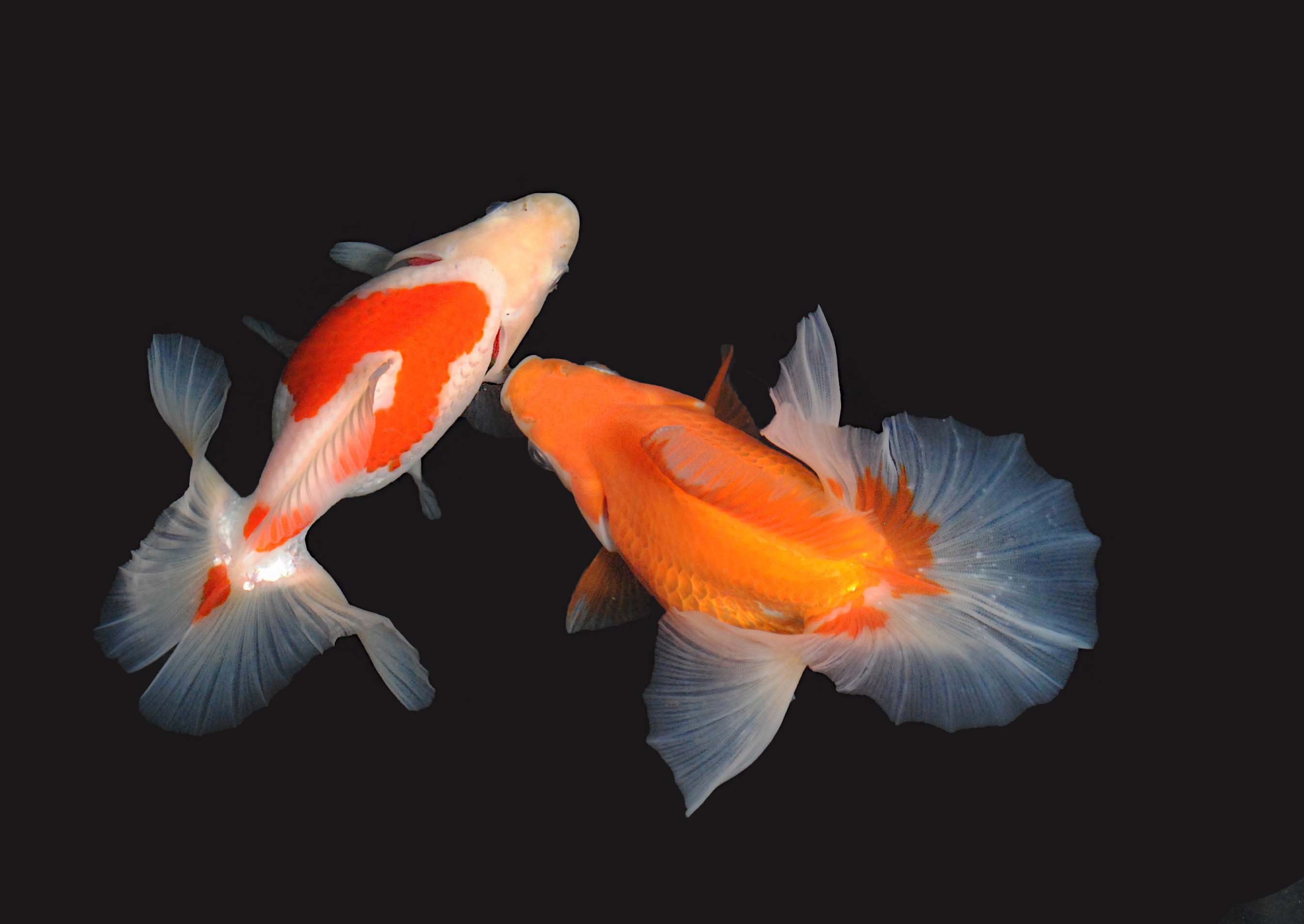
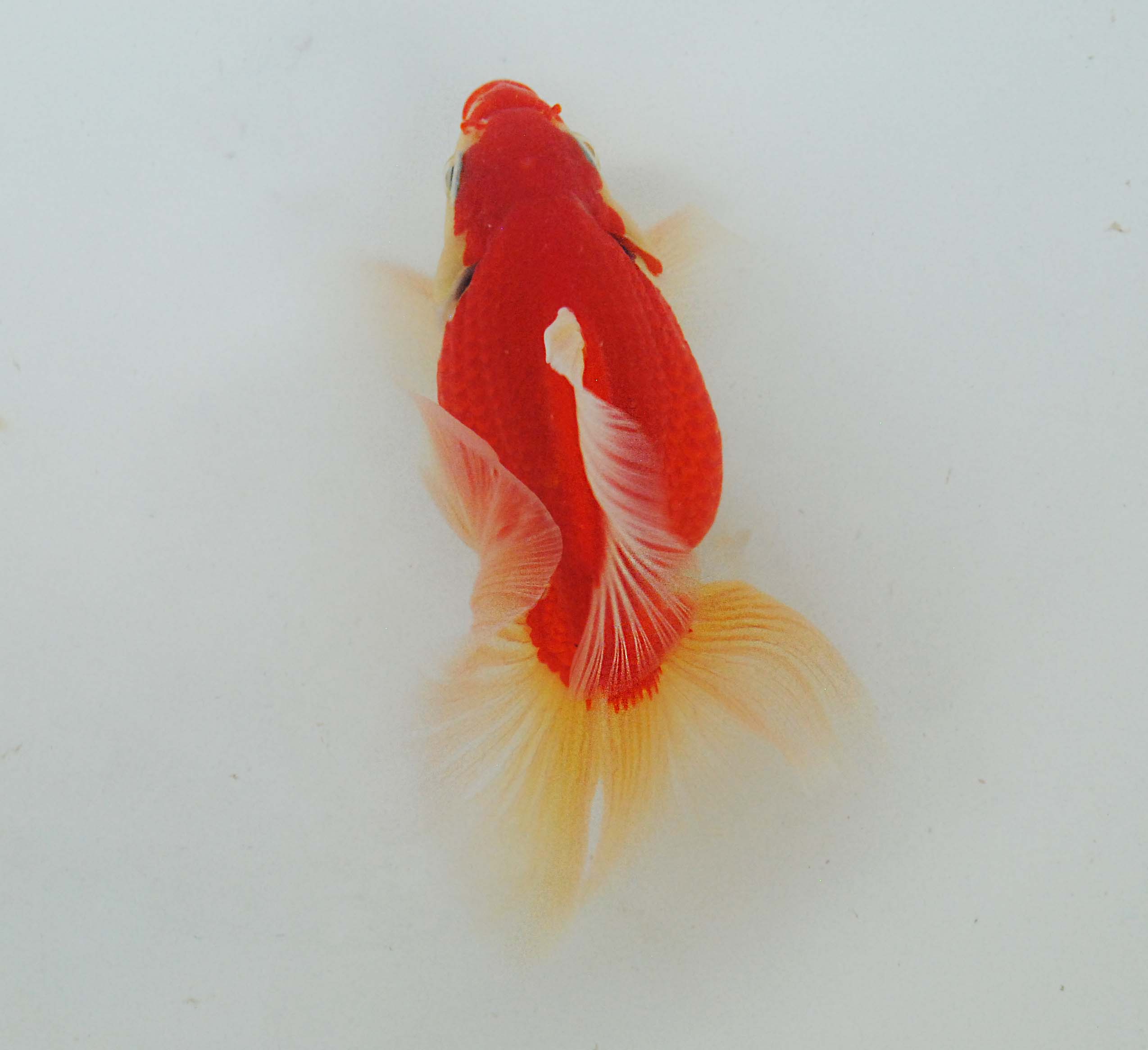
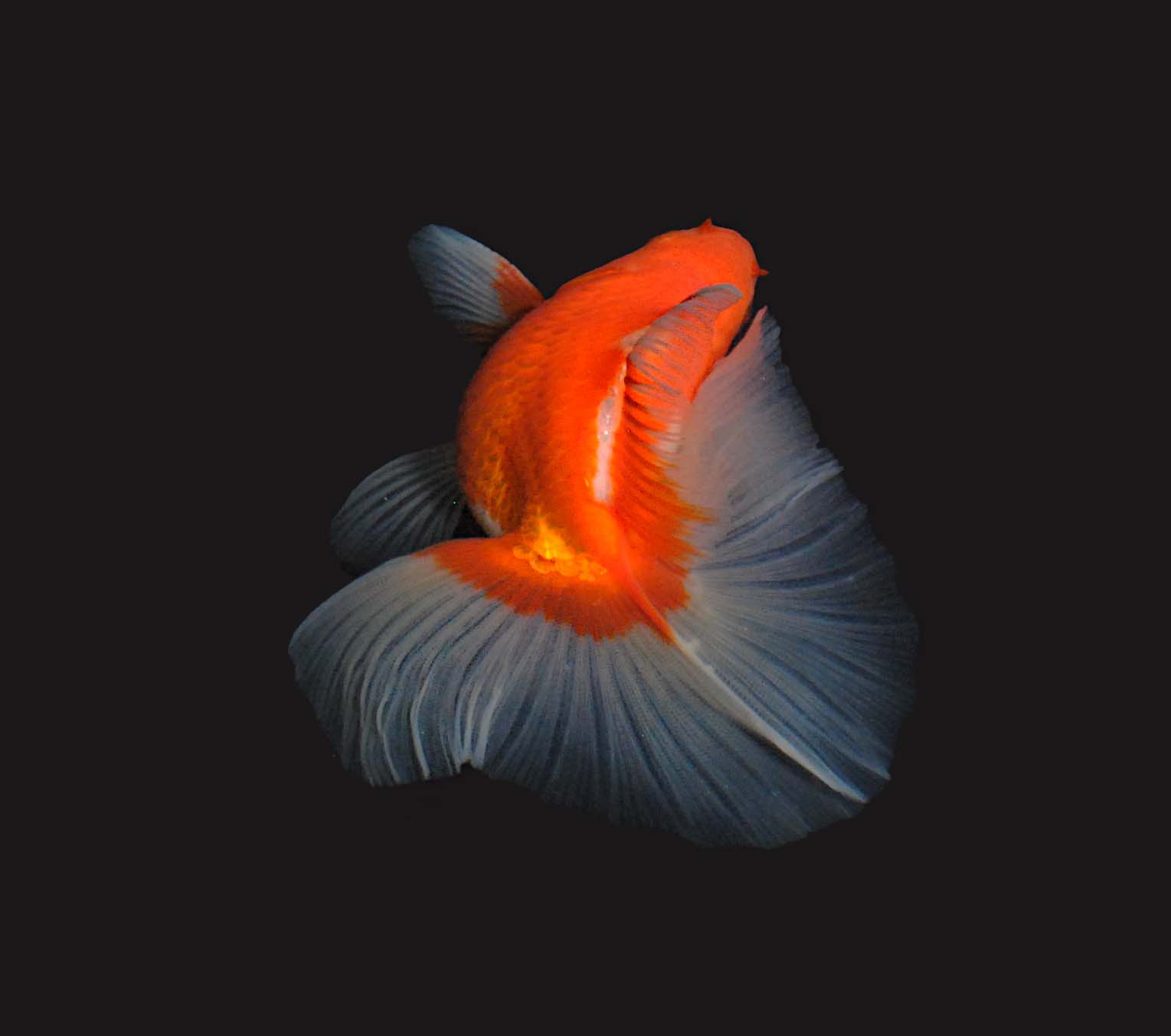
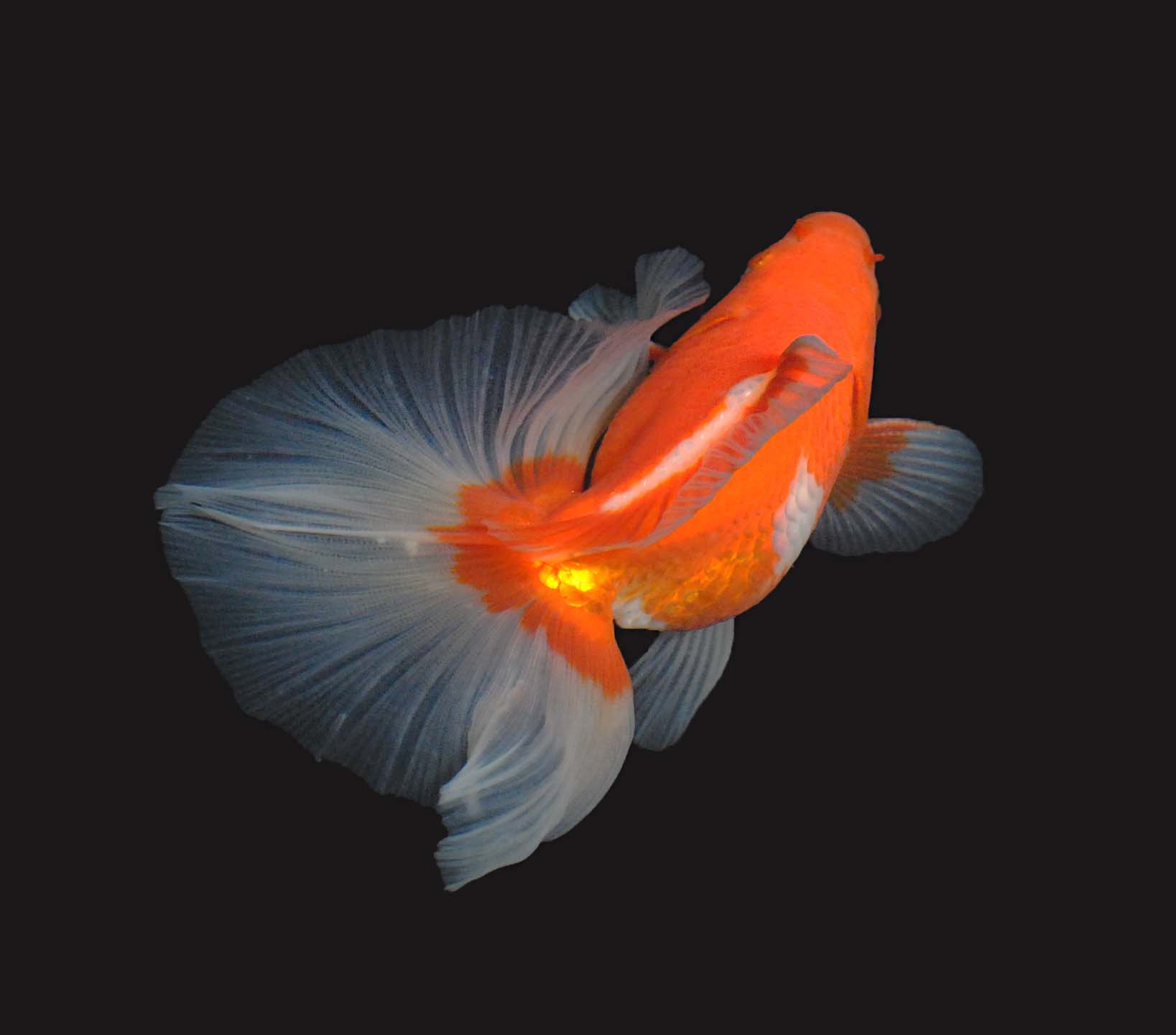
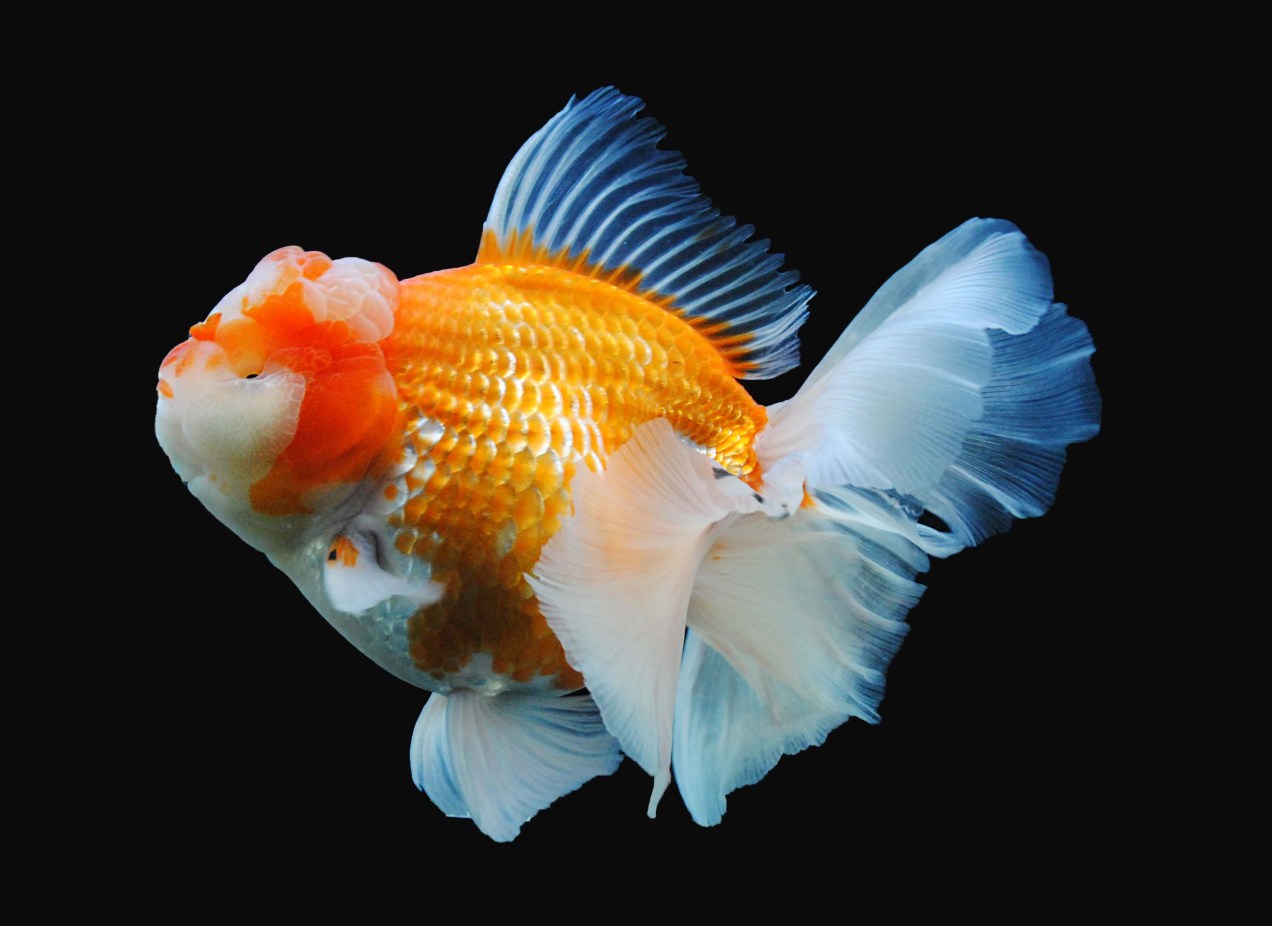
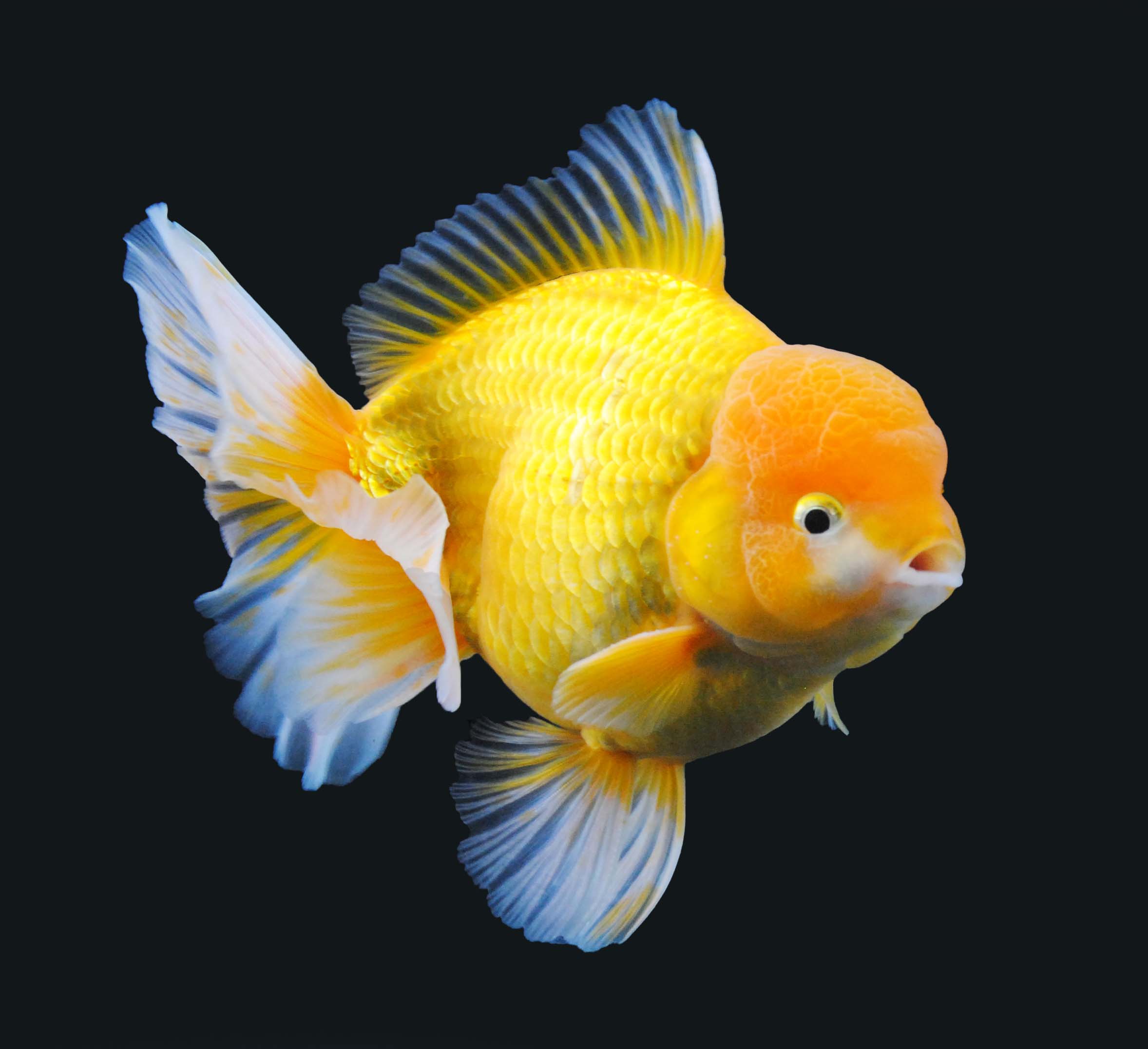
The most productive female:

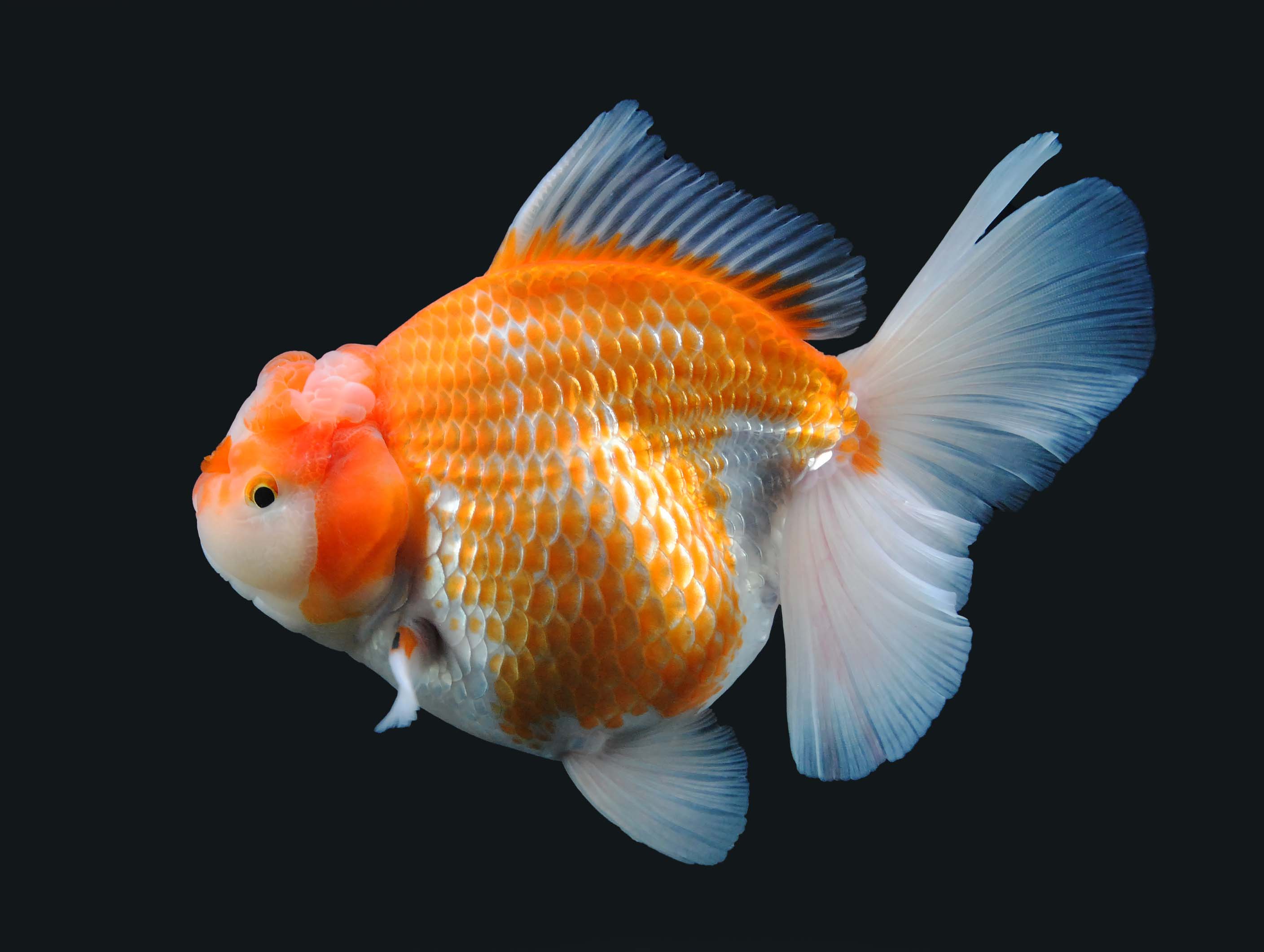
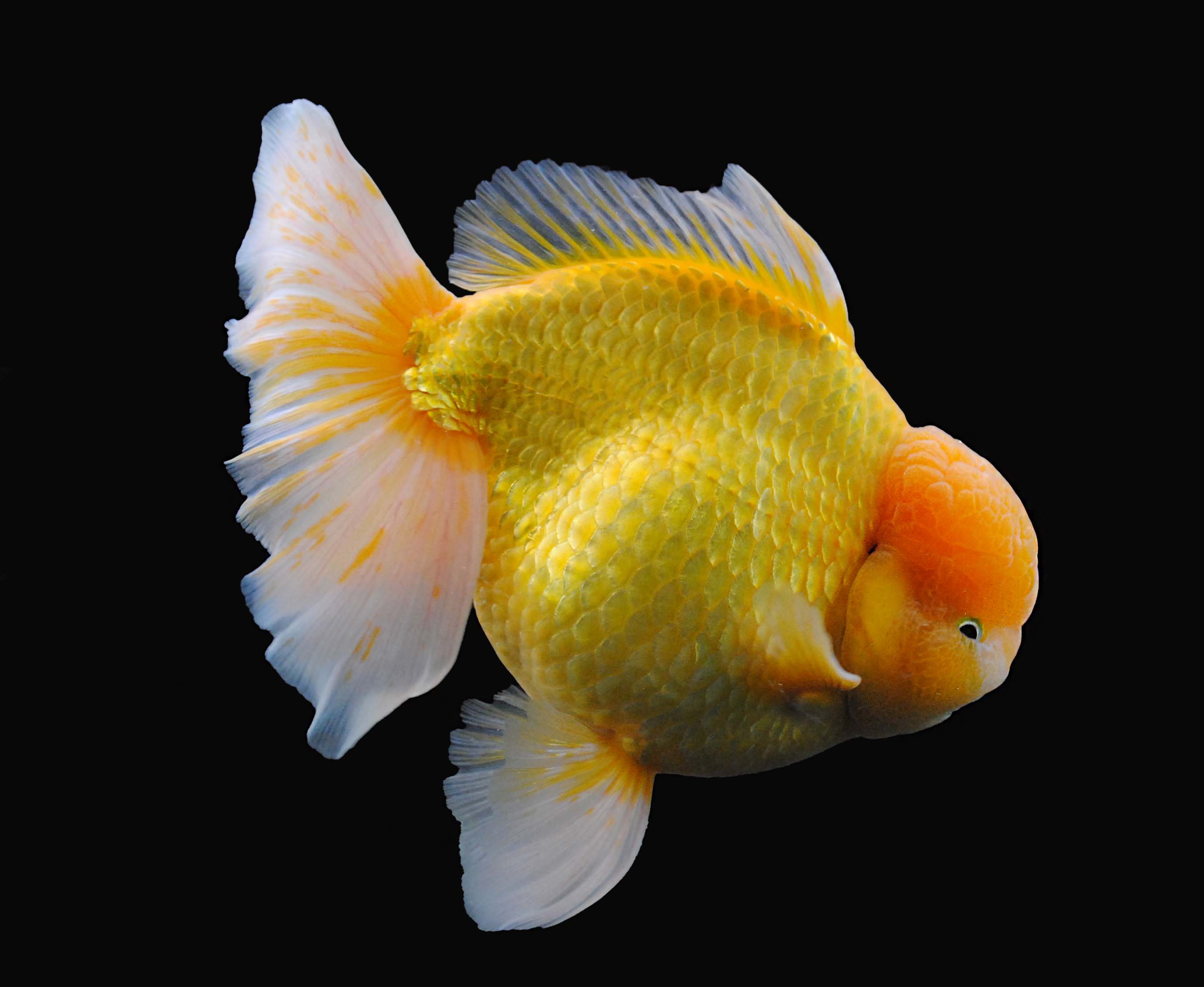
The not so productive female one but very active to eat the eggs in the media:
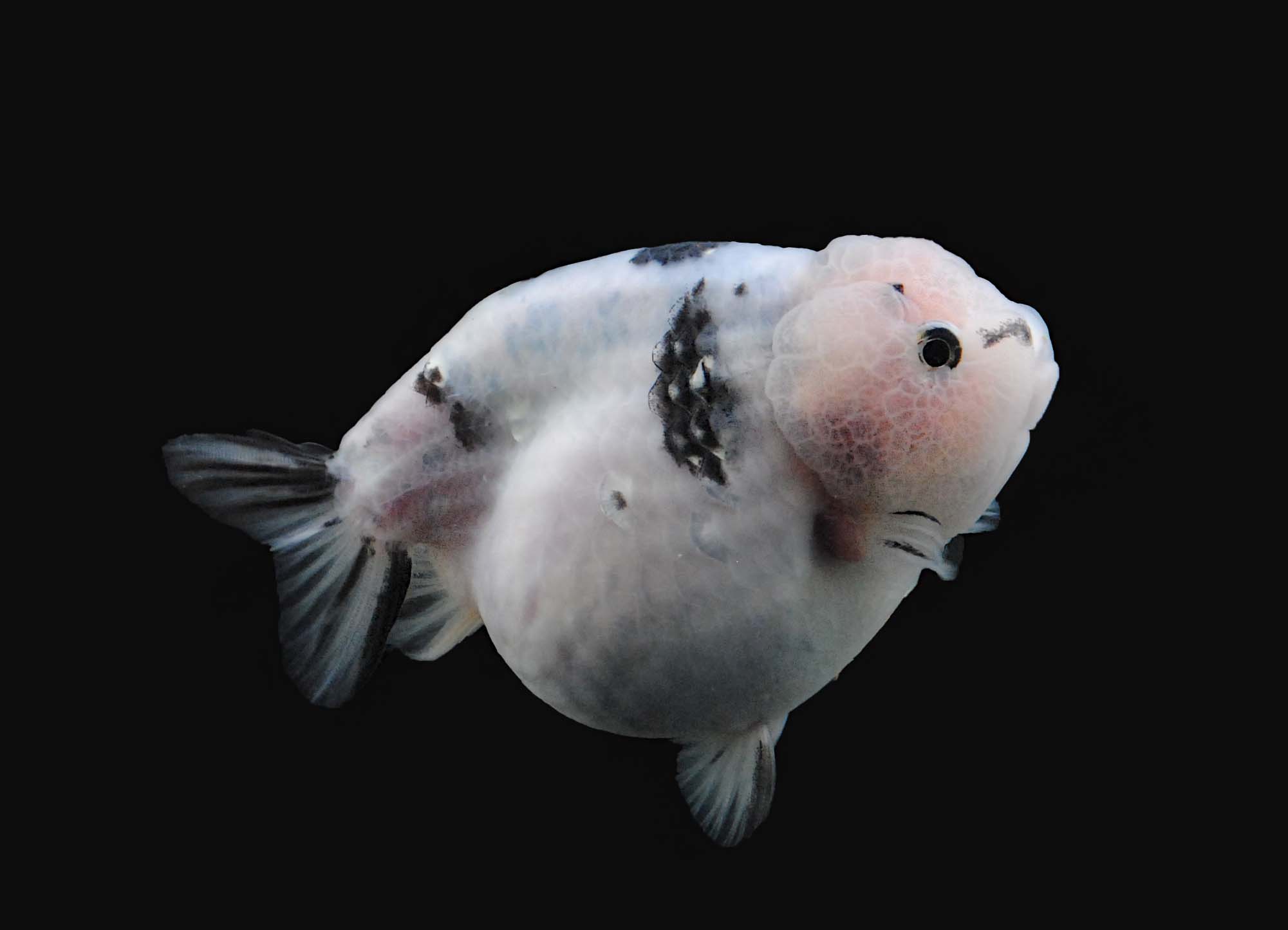
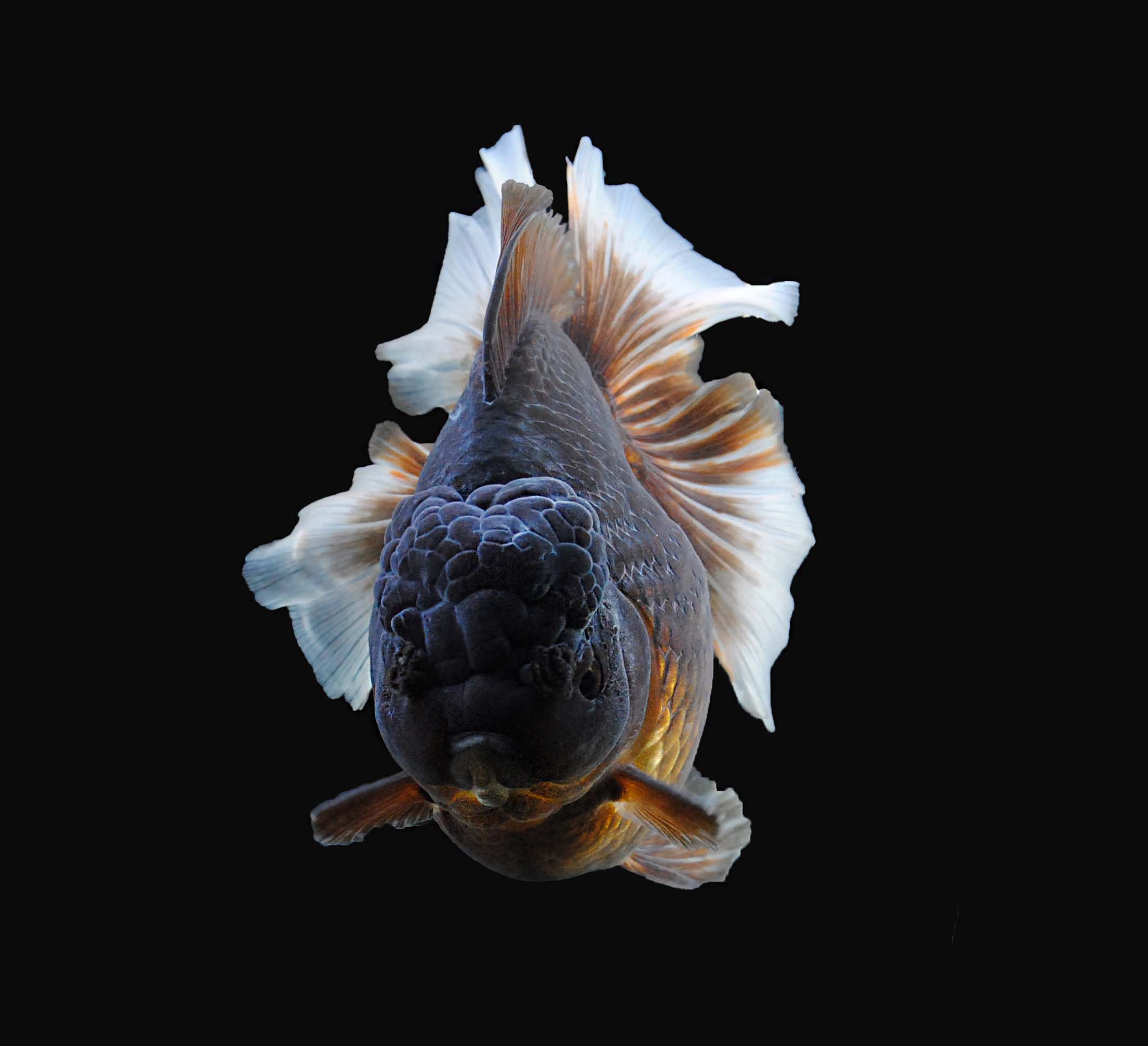
This female is not productive at all, never lays any eggs. She loves to eat the eggs on the floor, but never disturb the eggs in the media during the mating:

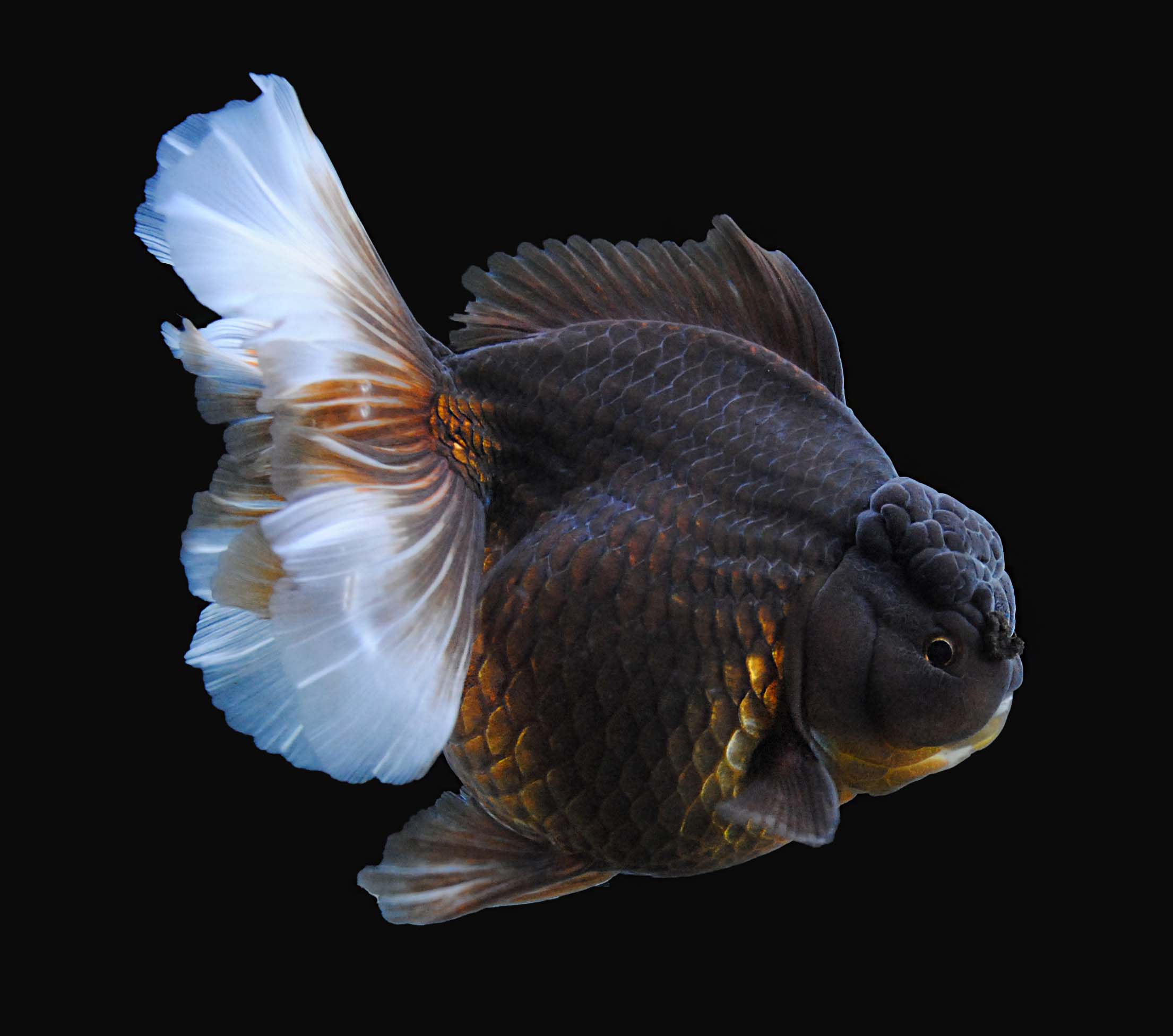
This is the most handsome male so far:
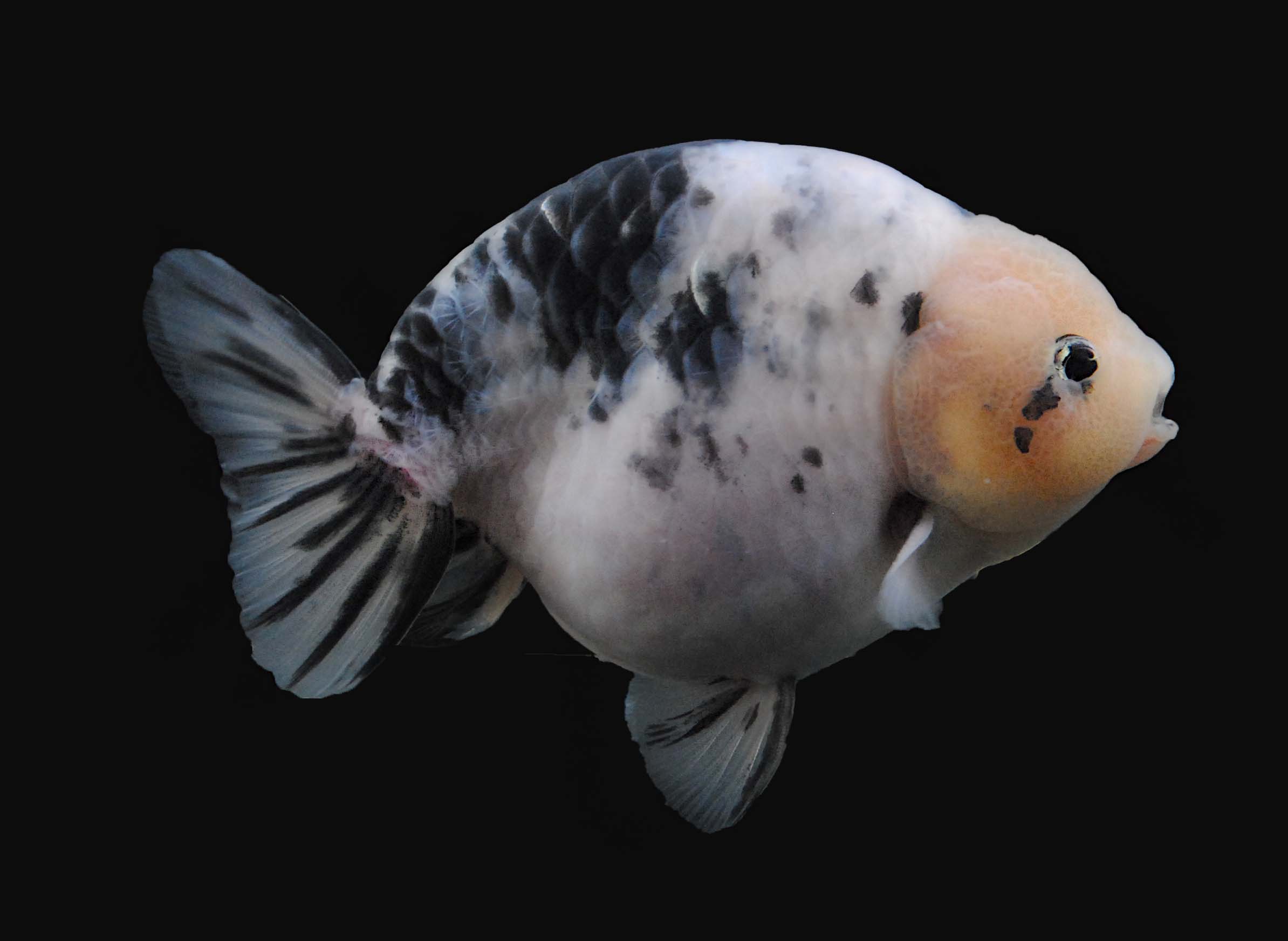
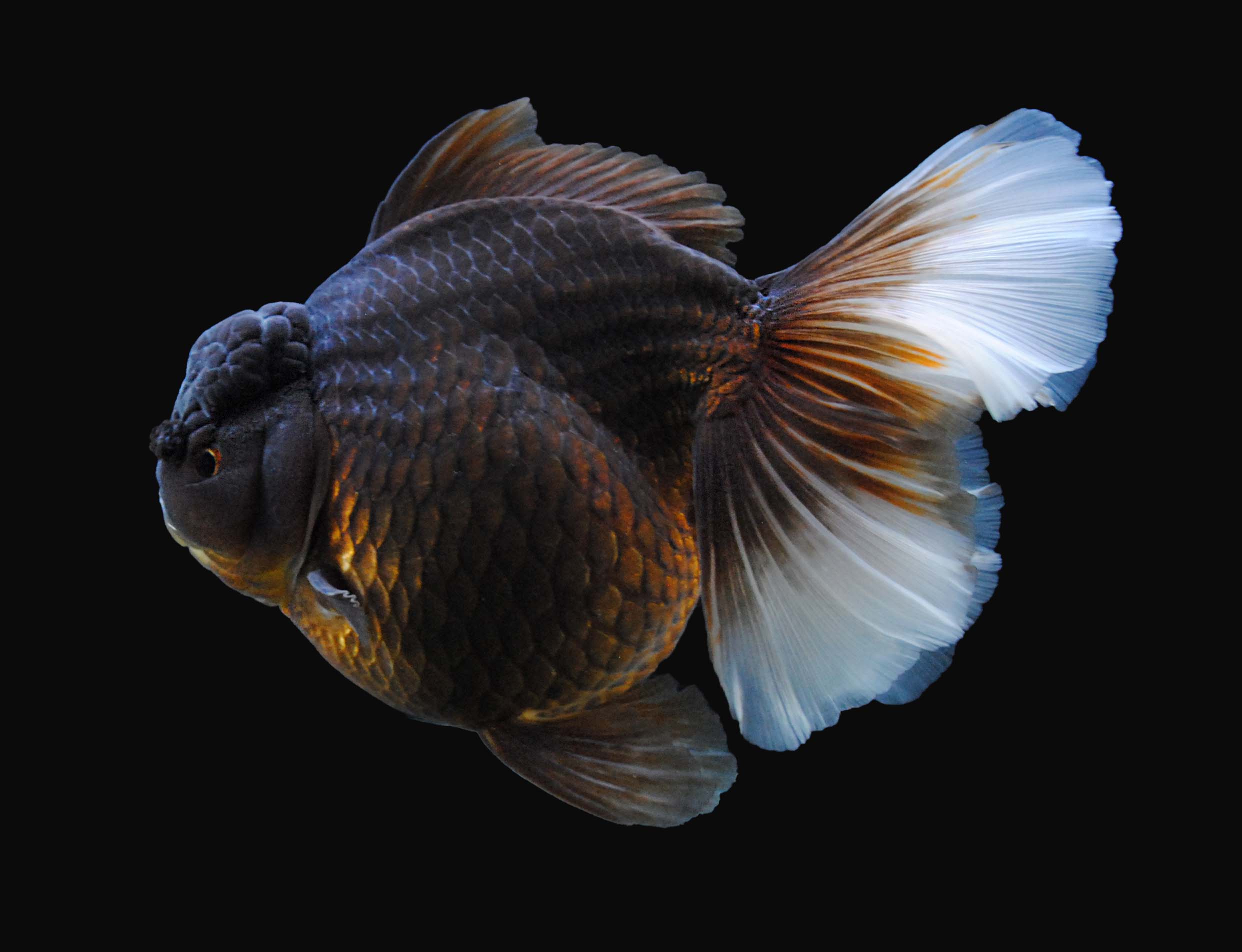
The not so handsome one:

Standard
The Diary of a Goldfish Breeder 2022, tricolor ranchu

The Diary of a Goldfish Breeder 2022 (14)

Update on Tricolor Ranchu project.

I finally kept only two male fish from this project. They are semi-ranchu (ranchu with a defect dorsal) but with good intense black color. The black pigment has grown since, defying the demelanization process! Here are their development from six months ago.

First fish previously:

Now:

Second fish (previously):

Now:

If I do not follow their development closely, I might not be able to recognize them. The black color is expanding, and also the orange color! Both fish lost some of the white color in their tails to become orange! The second fish lost its white color on the cheeks. That is an amazing phenomenon. We can still recognize them from their awkward back bone shapes.

Interesting to note that the first fish has a goosehead type of headgrowth while the second one has a lionhead type.

I mated them with their female sibling, which died after that. I mated them back with a tricolor oranda (no picture). The result is great in terms of color. But the dorsal appears fully again. These are two of the results from the tricolor oranda cross:

They have superb colors, don’t they?

The first offspring is my favorite. She is the female I crossed back to the two father four days ago. I do not hope for a decent ranchu shape at this stage. I will settle for a defect dorsal but with good tricolor quality.

The second offspring is a male. There is no point in mating him with the sibling. I mated her with a grey ranchu from my previous failed tricolor project. The backcurve is decent enough, but the tail is weak. It has tricolor gene in its grandparent.

Want to see the results? Must wait for several months to come. Hopefully it will look like this (I clear out the dorsal using Photoshop):

Standard
The Diary of a Goldfish Breeder 2022, tosakin

The Diary of a Goldfish Breeder 2022 (13)

Towards a new strain of tosakin?

First let me update the offspring of Mr. DBS line in my place. Since it has become the basic ingredient for my tosakin project, I see the need to preserve it. Here are two very different siblings from this line:
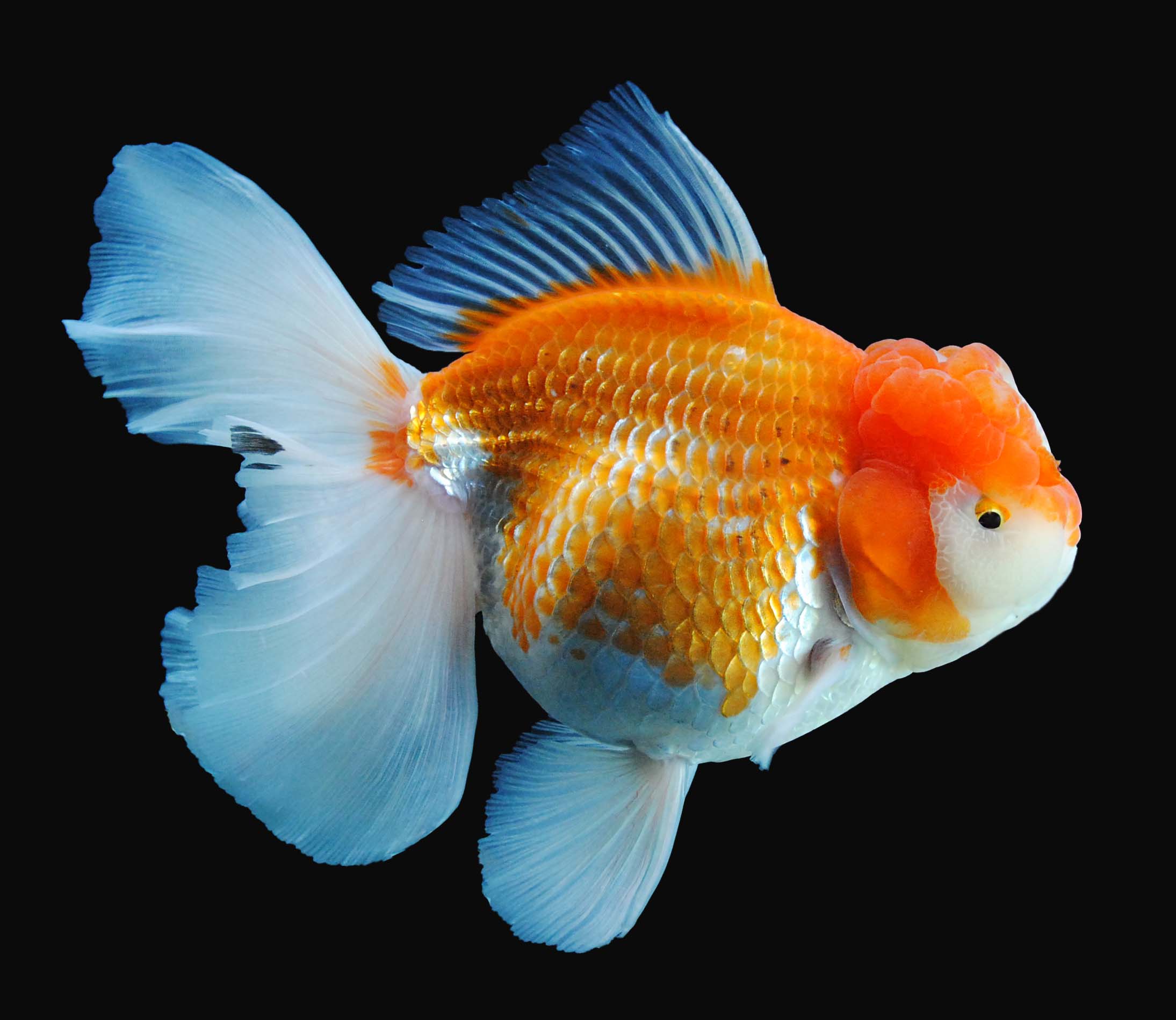
My purpose in this tosakin project is to create tosakin with deep red color. I have posted this in the diary #11 this year. From my crossing to get a deep red color, I get two surprises which I have not posted before.

The first one is a red-white fish with a better red color (though not so intense yet) which has a tail shape closer to a decent tosakin (with a shorter tail). But I do think this fish is the key that will bring me one step closer to my goal. That is why I named her the Key. She looks like this:

In the pond, the red color is a bit more intense than this picture. Somehow, I cannot get the color right during my photo session. But the color difference is visible when she is paired with the DBS line as shown below:

I do think that the cross between the DBS line (male) and the Key (female) will produce a decent tosakin with better coloration. So, I mated the Key with several male from DBS line. These are the male fishes:

The one on the right is not the DBS line. He is the deep red semi tosakin fish. I mated him with the Key to preserve the intense red color to be used for the next step of the project. I cannot wait to see the result!

The second surprise is the appearance of a different kind of tosakin. The characterstics are a softer tail, but longer. And a better red color than the DBS line. I do not recall what crossing that produces them. I suspect the butterfly is responsible for this. There are two of them, both are male:
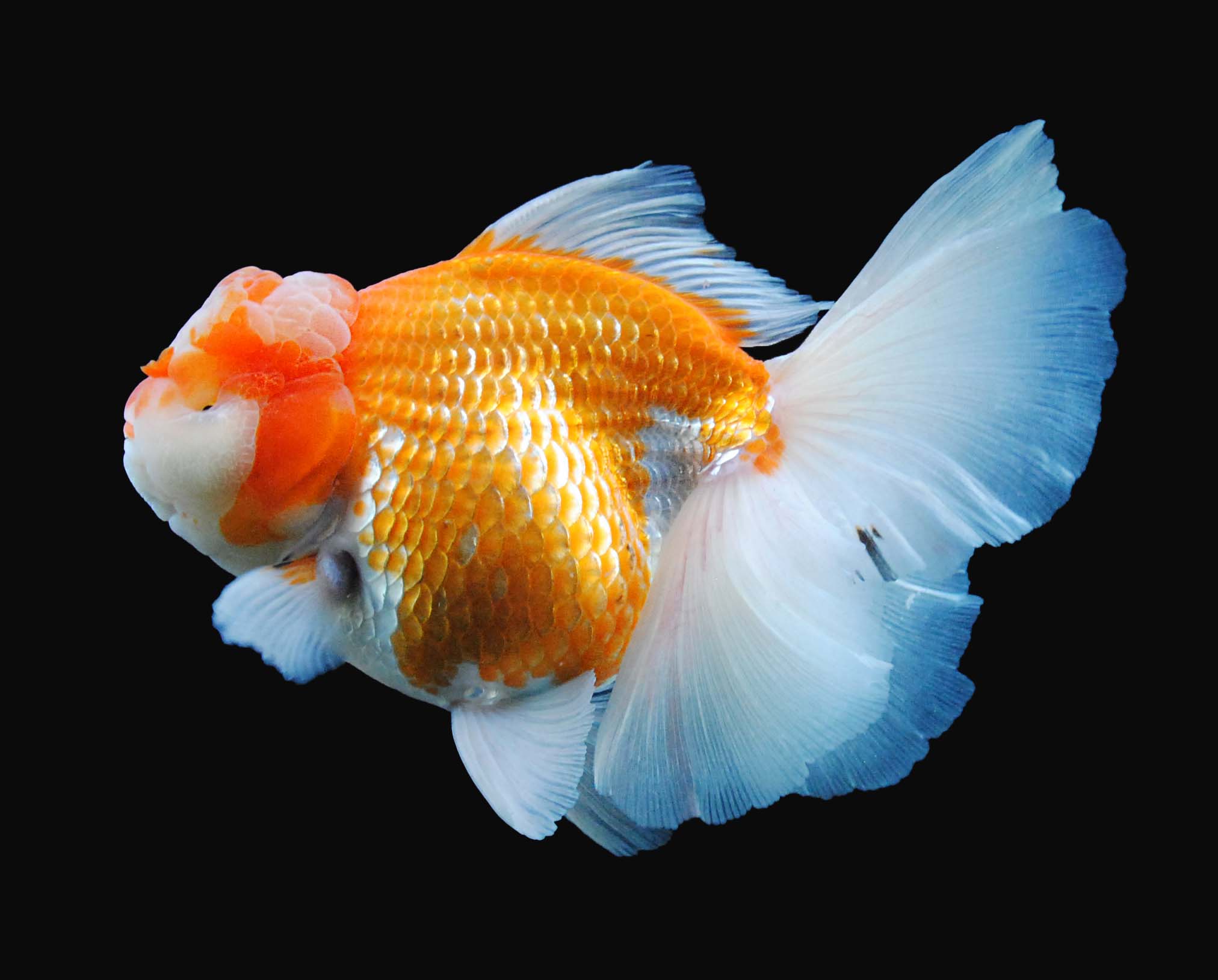
The first fish:
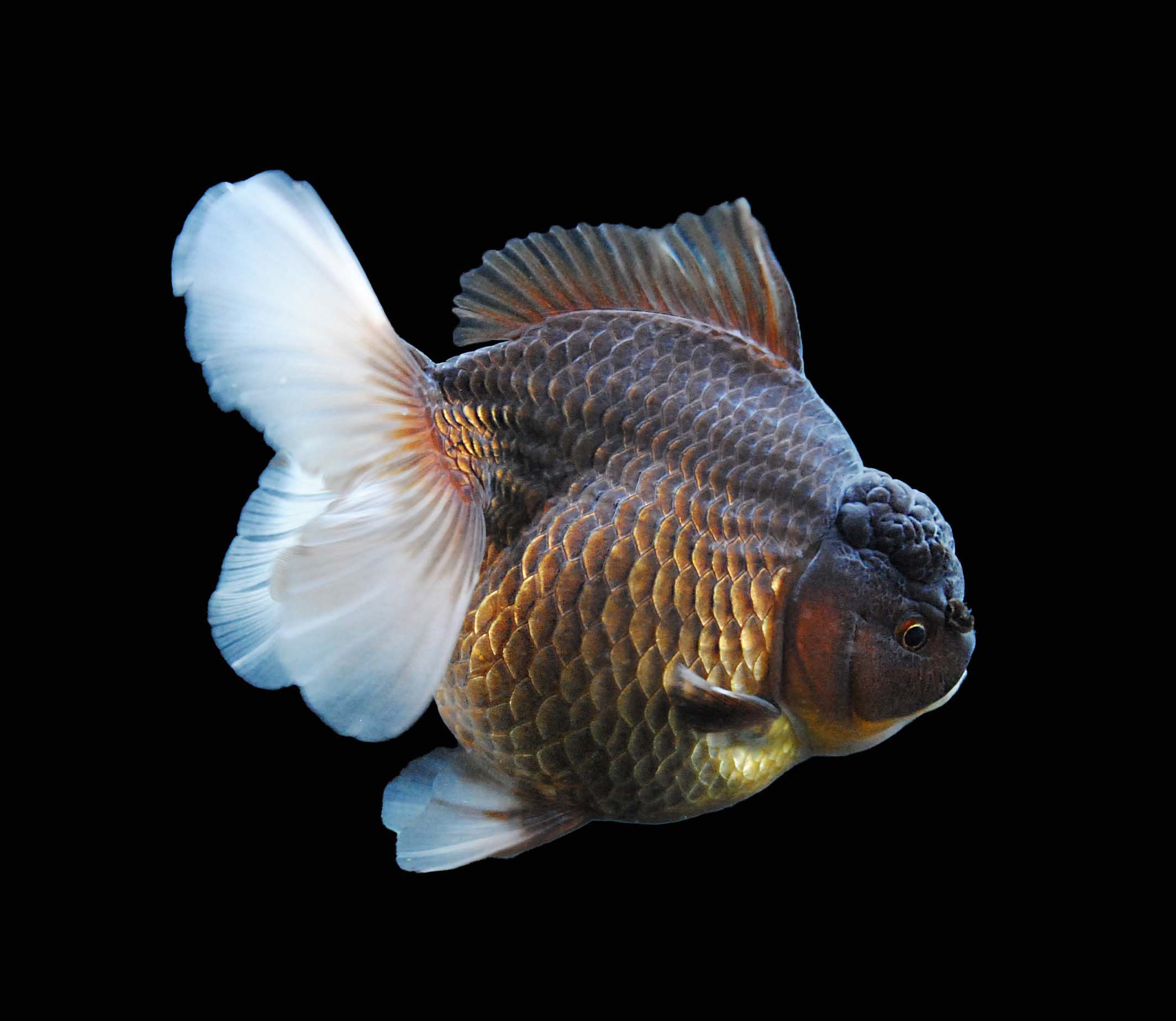
The second fish:

Aren’t they beautiful?

Well, can we call them tosakin? Perhaps not. Not in the standard sense. But, can we create a different strain of tosakin? A softer and longer type of tail. Or is it a sin? Frankly, my mind runs wild imagining a possibility to put my signature on a new strain of tosakin!

But I do not have female fish with their characteristics.

What I will do for sure is to cross them with the female tosakin from the DBS line above:

And what will the result be? I can only imagine something good and beautiful! 😊

Standard
Brown Oranda, oranda, The Diary of a Goldfish Breeder 2022, yellow oranda

The Diary of a Goldfish Breeder 2022 (12)

This is a comparison between three shapes of Oranda.

Three of my Oranda have grown mature into Jumbo size. I think they have reached their peaks, or almost. So, it is the right time to compare them with the purpose of learning and adjusting my idealism of Oranda.

The first one is Helen the 2nd, as my main blueprint. She carries the recessive gene of purple color, so she is what I call a semi purple oranda. Let’s see her development over time:

Previous (6 months ago):

Now:

I am not really happy with the development. The headgrowth is growing, so there is no problem with it. But the body which was stout before seems to lose its thickness. I do not know why. Can it be because of the headgrowth? As the head grows, the previously high curve of the back bone looks a bit flat now. Or can it be due to the excessive breeding? Perhaps lots of nutrients in the body are directed to producing eggs to let the body lose its muscles, just like a human mother facing calcium deficiency after giving birth. I do not know. The size of the fish is amazing, but she looks like a young fish with mediocre quality. The color does not seem to change much. The orange color cannot become red. And yes, few flecks of black pigment appear on her body. It is not a sign of stress. It is common for a semi purple fish to develop such color over time. The first ray of the dorsal fin becomes untidy. The tail is in good shape.

These are the video of Helen from the side and top, showing her size:

The second oranda to compare is my Dark Choco Oranda. Amazingly, with such a round body she can grow into jumbo size also! Let’s see how she develops:

Previous (6 months ago):

Now:

She was not in my blue print at all. I never think about such a ryukin-like body shape. I do not even have a ryukin currently. So, this shape comes to me out of the blue. And the dark chocolate color is another blessing. I do not even know that such color exists. I only knew the tea-colored brown goldfish so far. So, to have this fish is like to hit a double jackpot for me. Since this fish has caught my attention, I think it is suitable for me to give her a name. But I cannot make up my mind whether to name her Kong or Godzila. I think Godzila sounds better, though she is a female.

The headgrowth grows but not so much. It grows in the same pace with the body growth, so she can maintain her bulky ryukin-like shape with the small headgrowth. But the color seems to grown more solid, and it spreads to the fins! The dorsal fin is getting slightly bent.

Seeing this color, I remember that we have various spectrum of black color in goldfish. But usually, we divide them into just two: solid black, and not so solid one. The tea-colored brown resembles the not so solid type of black pigment, while the dark choco resembles the solid black color. There seems to be another layer or coat of brown color on top of the scale, which might be the cause of darker appearance. Let’s review the differences in a picture:

I felt the urge to preserve this dark brown color. So far, I see it nowhere else. It will be a pity if we lose such a beautiful color. I have a male sibling of her with the same dark color, thank God! But the sibling has a very different shape of body and fin! If I mate them, there is a possibility to be able to preserve the dark brown color, but I might not be able to maintain the bulky shape of Godzila. Well, life seldom gives all we want.

But there was a bigger problem than that. Godzila is now about 1.5 years of age and no sign of breeding till last month. Fish usually lays eggs at the age of four months in my place. Godzila definitely falls under the category of unproductive / sterile. I already gave up on her. Fortunately, suddenly she laid eggs for the first time at the beginning of this month. I was not prepared at that time. But I was able to keep the eggs the second time she mated. I could not wait to see the result!

These are her video, from side, from top (to show the size) and the comparison between the dark and the light brown:

The third fish is a male yellow goldfish. He is a jumbo fish right now and the last of yellow oranda I keep at this moment. Of course, I have his offspring but in a crossing appearance. I mean, I cross her with a goosehead and comes up with a red and white fish as the F1. They are semi yellow oranda. This yellow has a stout longer body with a beautiful headgrowth. Let’s see the development of this handsome guy:

Previous (6 months ago):

Now:

The headgrowth has developed very well. The goosehead type of head is visible, along with the slight development on its cheeks. The fish does not lose its stoutness nor its body length, which I think is good. The only weaknesses are the fold in its lower right tail and the dorsal fin losing a bit of its ability to stay erect.

Here are his videos:

And now it is the time to compare these three:

Well, do tell me how will you rank them and why 😊

Standard